Choosing a first car for a teen driver is a big decision that blends safety, reliability, and affordability with just enough style and excitement to keep young drivers interested. The title “You Shouldn’t Hand a Teen” serves as a reminder that not every car that looks fun or fast is a smart choice for beginners.
High-powered sports cars or outdated classics may seem appealing, but they often lack the safety features, predictability, and comfort new drivers need to build confidence. That is why selecting a well-balanced, budget-friendly first car matters.
In this guide, we explore five excellent first-car options for teens that deliver practicality, strong safety ratings, and approachable performance without breaking the bank. From the refined Mazda 3 to the efficient Toyota Prius and versatile Ford Maverick, these vehicles prove that smart choices can still be stylish, capable, and enjoyable to drive.
5 Budget First-Cars For Teens
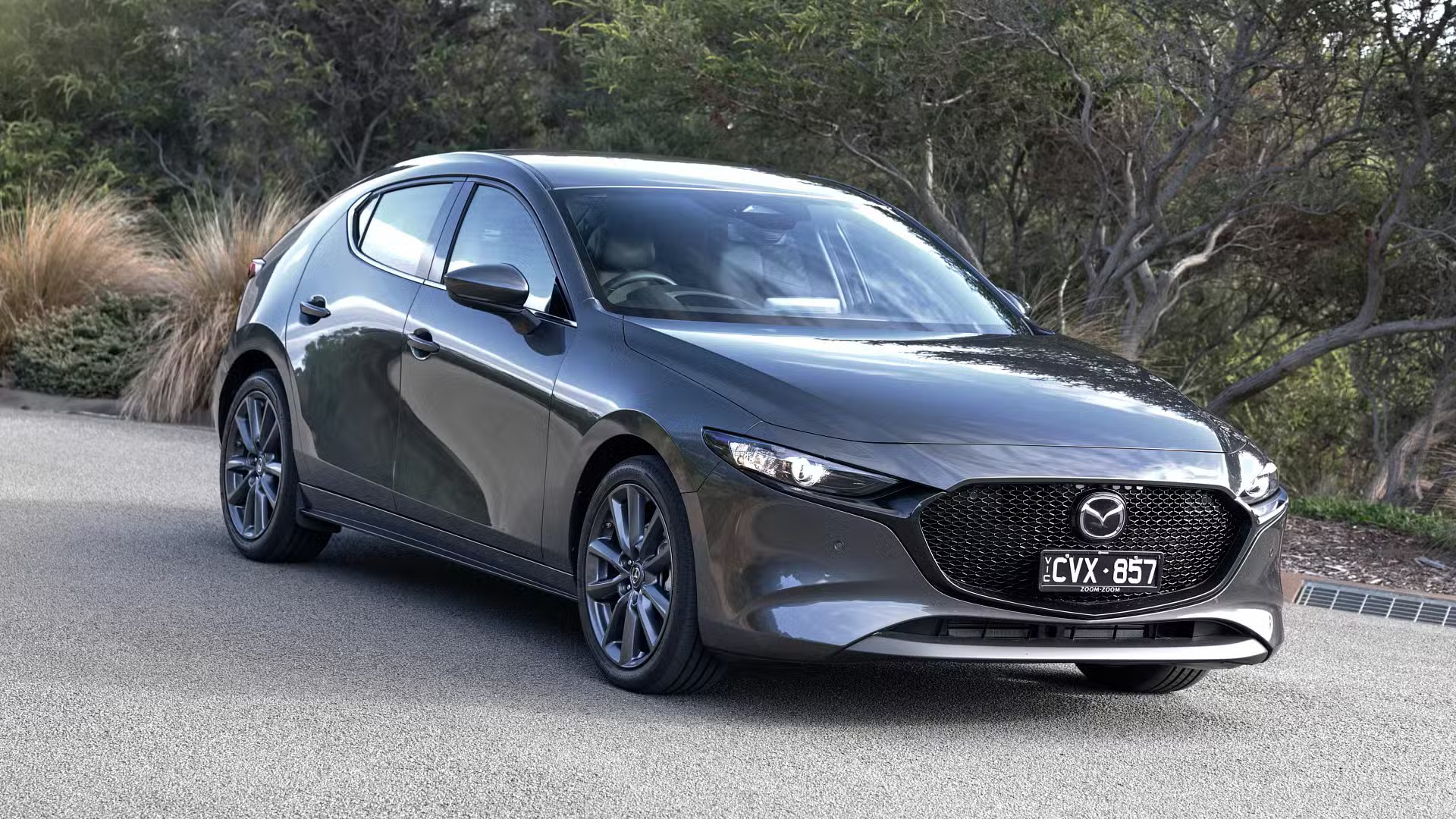
1. 2025 Mazda 3: A Refined Compact with Sporty Spirit
The 2025 Mazda 3, starting at $25,135, combines driving enjoyment, upscale refinement, and everyday practicality. Offered as a sedan or hatchback, it provides an engaging experience for drivers who appreciate a sense of sportiness without giving up comfort or usefulness. While it may not deliver the same thrill as Mazda’s MX-5 Miata, it achieves a strong balance between fun and function.
The Mazda 3 impresses with its poised handling and smooth ride quality. The standard 2.5-liter four-cylinder engine offers steady and responsive power, while the turbocharged version enhances performance, reaching 0 to 60 mph in 6.5 seconds, making it one of the quickest compact cars in its class.
Both the manual and automatic transmissions shift with precision, contributing to a refined driving experience. The suspension absorbs road imperfections with ease, keeping the car stable at higher speeds.
There are a few drawbacks to note. The hatchback’s rear visibility is limited due to its small window and thick roof pillars. Some of the driver-assistance systems, including the lane-keeping feature, do not perform as effectively as those in competitors such as the Honda Civic.
Inside, the Mazda 3 feels more premium than its price suggests. The driver-focused cabin design, supportive seats, and quiet interior create an upscale atmosphere. Even the base models use high-quality materials, while upper trims add leather upholstery and refined details. Physical climate control buttons are easy to use and placed within convenient reach.
However, rear-seat space is limited, making it less practical for families or taller passengers. Installing large child seats can require moving the front seat forward, reducing comfort for the front passenger.
The Mazda 3’s infotainment system emphasizes simplicity, featuring a compact display operated mainly through a control knob behind the shifter. The interface is intuitive and has clean graphics, but the system becomes a touchscreen only when Apple CarPlay or Android Auto is connected.
This inconsistency can be frustrating, especially since the screen is positioned far from the driver. The optional Bose audio system delivers rich sound quality, but wireless smartphone connectivity is an extra-cost option, while it is standard on many rivals.
Cargo space is adequate, with the sedan offering 13.2 cubic feet, though competitors like the Civic and Elantra provide slightly more room. Cabin storage is limited, with small trays and modest cupholders.
The Mazda 3 costs more than entry-level alternatives, but it justifies the price with excellent build quality, refined design, and available all-wheel drive. Fuel economy is respectable at up to 31 mpg combined, with the turbo model averaging 27 mpg. Warranty coverage is standard, including three years or 36,000 miles of basic protection and five years or 60,000 miles for the powertrain.
The 2025 Mazda 3 stands out for its elegant design, well-crafted interior, and engaging performance. It has matured into a compact car that feels more sophisticated than most of its rivals, offering a driving experience that approaches that of entry-level luxury sedans. It remains one of the most refined and enjoyable options in the compact segment.
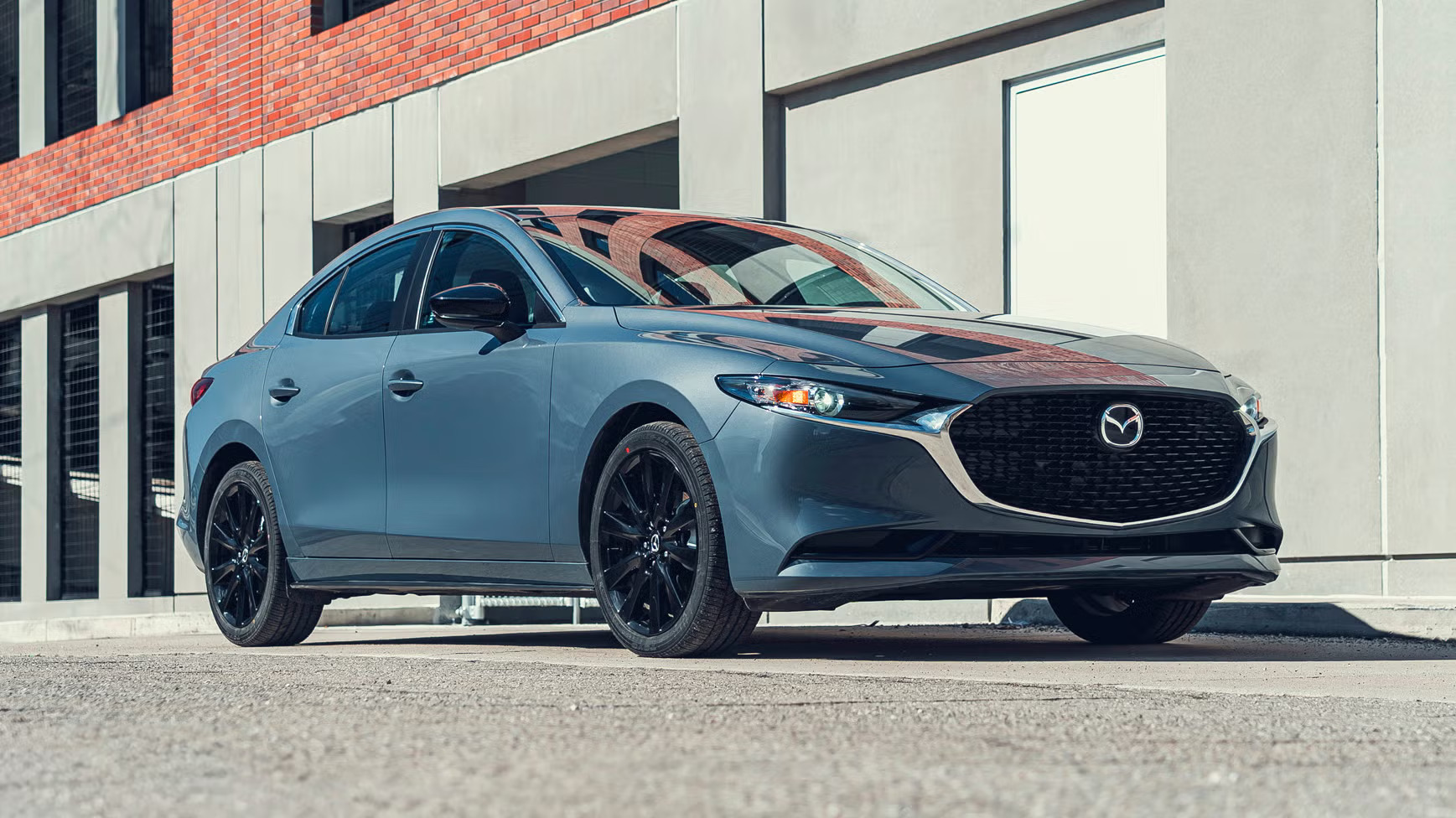
2. 2025 Honda Civic: The Hybrid That Blends Efficiency and Driving Enjoyment
The 2025 Honda Civic, starting at $25,345, continues its legacy as one of the most well-rounded compact cars on the market. Known for reliability and efficiency, the Civic also stands out for being genuinely enjoyable to drive.
For 2025, Honda introduces a new hybrid powertrain available in both sedan and hatchback versions. This addition brings stronger performance, excellent fuel economy, and refined manners that make it appealing to a wide range of drivers.
The Civic Hybrid delivers surprising speed for a small car, accelerating from 0 to 60 mph in 6.6 seconds. This makes it faster than most rivals and even the sporty Civic Si. Its hybrid setup provides smooth, responsive power and seamless transitions between electric and gasoline operation.
The car feels agile and composed, with precise steering and a suspension that balances comfort and control. It is firmer than some competitors, but that firmness translates into confident cornering and sharp handling.
Visibility is excellent from the front, thanks to thin roof pillars and door-mounted mirrors, while a multi-angle rearview camera helps compensate for the shorter rear window.
The Honda Sensing suite of safety features, including adaptive cruise control and lane-keeping assist, is standard and functions reliably. The technology may not be the most advanced in the class, but it enhances driver confidence without being intrusive.
Inside, the Civic Hybrid offers a cabin that feels both practical and premium. The clean, horizontal dashboard layout is stylish and user-friendly. Controls are placed intuitively, and the materials have a solid, high-quality feel.
The front seats provide excellent comfort and support for drivers of all sizes. Rear legroom and shoulder space are generous, though the sloping roofline slightly reduces headroom for taller passengers.
Road noise is present but well contained, while wind noise is minimal due to the car’s aerodynamic design. The climate control system features physical knobs and vents that are easy to adjust by touch. Airflow is even throughout the cabin, but the absence of rear air vents feels like a missed opportunity in an otherwise comfortable environment.
Technology in the Civic is straightforward and thoughtfully implemented. Lower trims feature a 7-inch touchscreen, while higher trims get a 9-inch display with Google Built-In, providing access to maps, voice control, and apps.
Wireless Apple CarPlay and Android Auto are included with the larger screen, and the Bose premium audio system adds impressive sound quality on top trims. Even the base infotainment setup is clear and easy to navigate.
Practicality remains one of the Civic’s greatest strengths. The sedan offers 14.8 cubic feet of trunk space, and the hybrid powertrain does not reduce capacity. The hatchback version expands storage to 24.5 cubic feet, surpassing even the Toyota Prius. Interior storage is generous, with smartly designed compartments and a roomy center armrest.
The Civic Hybrid costs slightly more than similar models from Hyundai and Toyota, but the premium feels justified by its refinement, performance, and build quality. Fuel economy is impressive at 49 mpg combined, easily matching real-world results. Standard warranty coverage includes three years or 36,000 miles of basic protection and five years or 60,000 miles for the powertrain.
The 2025 Honda Civic Hybrid combines responsive performance, refined comfort, and outstanding efficiency in a way few competitors can match. Its strong hybrid powertrain, engaging handling, and thoughtful design make it an ideal choice for drivers who want practicality without sacrificing excitement. It remains one of the most capable and enjoyable compact cars available today.
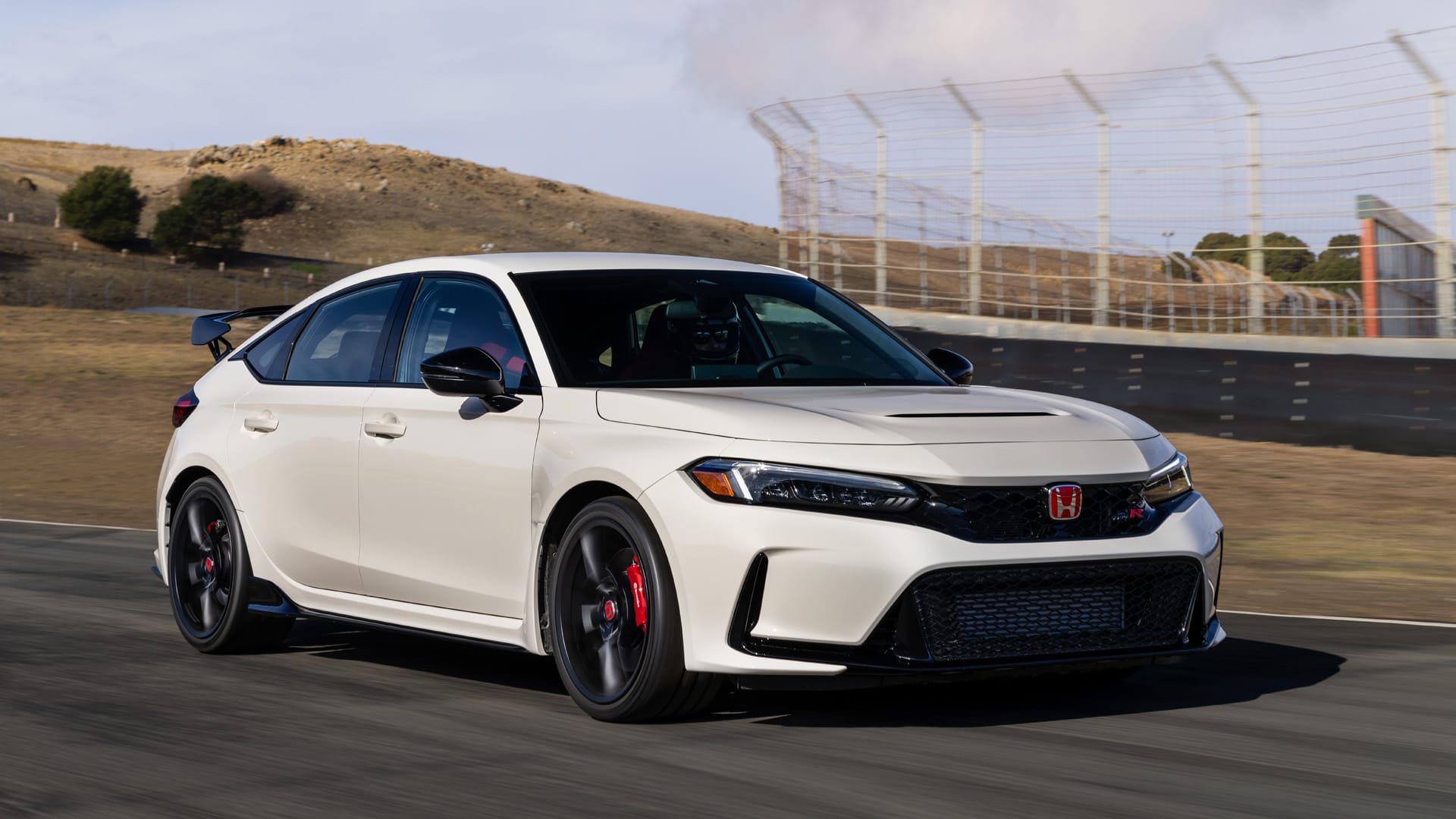
3. 2025 Ford Maverick: Compact Utility Meets Everyday Efficiency
The 2025 Ford Maverick, starting at $27,890, continues to be one of the most versatile and affordable pickups on the market. Since its debut in 2022, the Maverick has appealed to drivers who want truck capability in a compact, easy-to-drive package.
For 2025, Ford enhances the lineup with updated styling, new features, an all-wheel-drive hybrid model, and the debut of the Lobo sport-truck trim, which boosts both power and personality.
The Maverick offers two powertrain options, each catering to different needs. The hybrid engine prioritizes efficiency over speed, reaching 0 to 60 mph in 8.4 seconds, while the 2.0-liter turbocharged engine in the Lobo trim delivers a brisk 6.6-second sprint.
The hybrid’s relaxed performance suits daily driving, and its smooth power delivery makes it a practical commuter. The turbocharged version, however, transforms the Maverick into a lively small truck with quicker responses and more engaging handling.
Steering and suspension tuning lean more toward traditional trucks than crossovers, resulting in a firm ride and slightly numb steering. Even so, the Maverick’s compact dimensions make it surprisingly agile in traffic and on tight roads.
The Lobo trim enhances handling with a firmer suspension and specialized all-wheel-drive system, offering the best on-road dynamics in the lineup. Visibility is excellent thanks to the truck’s large windows and boxy cab, while blind-spot mirrors and optional driver aids improve safety.
Inside, the Maverick favors simplicity and functionality over luxury. The upright driving position gives a commanding view, though limited seat and steering adjustments may make it difficult for some drivers to find the perfect fit.
Interior space is good for a compact truck, with decent headroom and firm, supportive seats that perform well on long drives. Rear seat legroom is tight, and the hard plastic door panels can feel uncomfortable during spirited driving.
The hybrid engine is quiet at cruising speeds but can sound coarse at idle or under hard acceleration. The turbocharged engine is smoother and more refined. Parents may find it challenging to install large child seats because of the awkward tether locations behind the folding rear seats.
Technology is a major highlight of the 2025 Maverick. A 13.2-inch touchscreen comes standard, offering crisp graphics, wireless Apple CarPlay and Android Auto, and responsive controls. While the base stereo lacks power, the infotainment system is among the best in this segment.
Storage options inside the Maverick are exceptional. Large door bins, underseat compartments, and a deep center console make it easy to keep essentials organized. Few small trucks match its versatility for carrying both people and gear.
The Maverick remains one of the best values in the compact truck market. Entry trims may miss some standard driver aids found on rivals, but they still deliver impressive utility for the price. Higher trims add more features and capability.
The Maverick’s maximum towing capacity of 4,000 pounds and payload rating of 1,500 pounds make it surprisingly capable for its size. It also includes factory trailer connections and a brake controller, useful tools not found on some competitors.
Fuel efficiency is a key advantage. The hybrid version achieves an EPA-rated 38 mpg combined with front-wheel drive and 37 mpg with all-wheel drive. Real-world testing shows more than 40 mpg, making it far more efficient than the Hyundai Santa Cruz, which averages 27 mpg.
The 2025 Ford Maverick remains the ideal small truck for buyers who want practicality, fuel efficiency, and affordable versatility. It delivers solid capability, user-friendly tech, and smart storage solutions while offering a hybrid powertrain that redefines what a compact pickup can be. For most drivers, the Maverick provides just the right amount of truck at the right price.
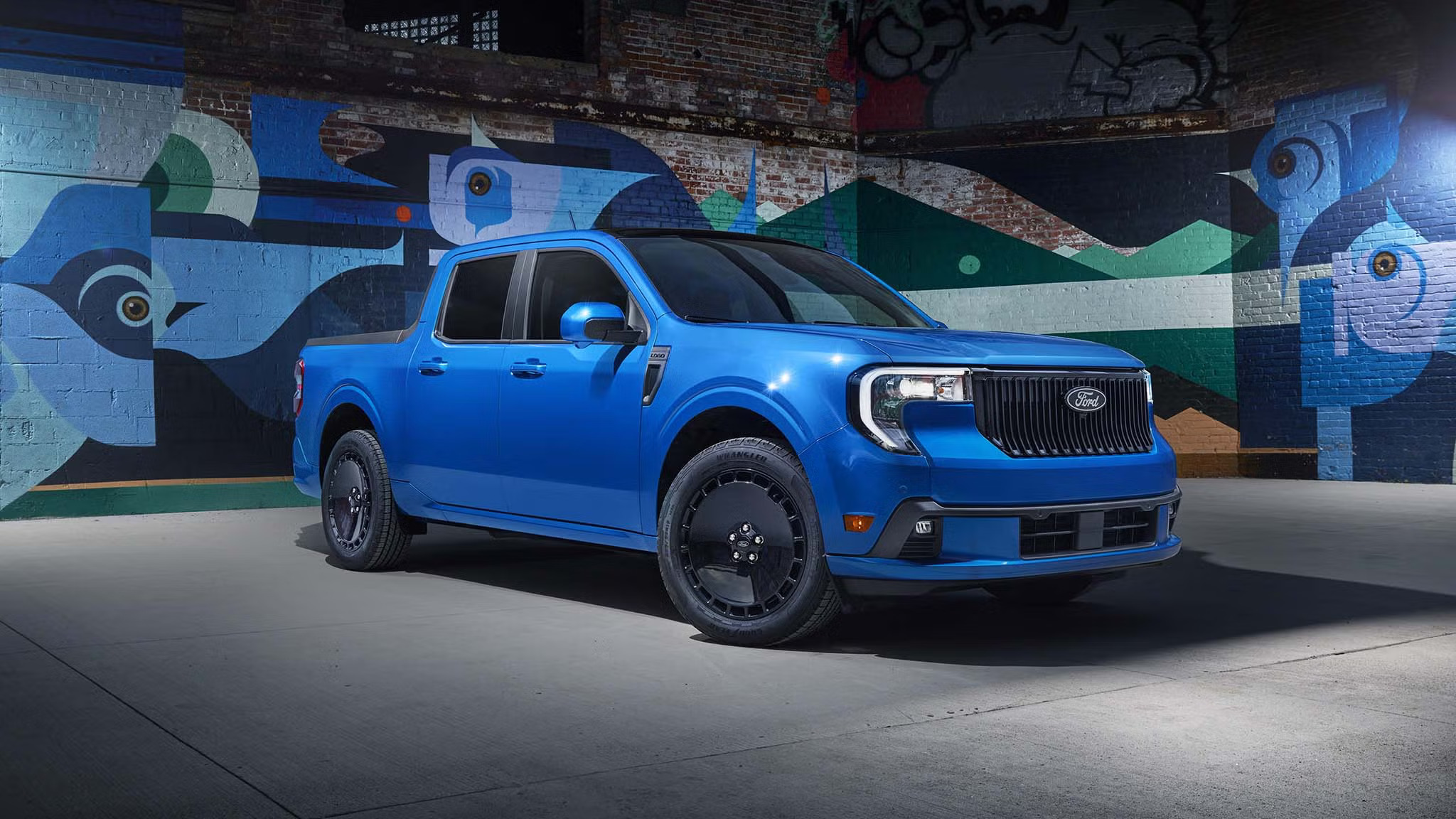
4. 2024 Toyota Prius: Efficiency Meets Modern Style
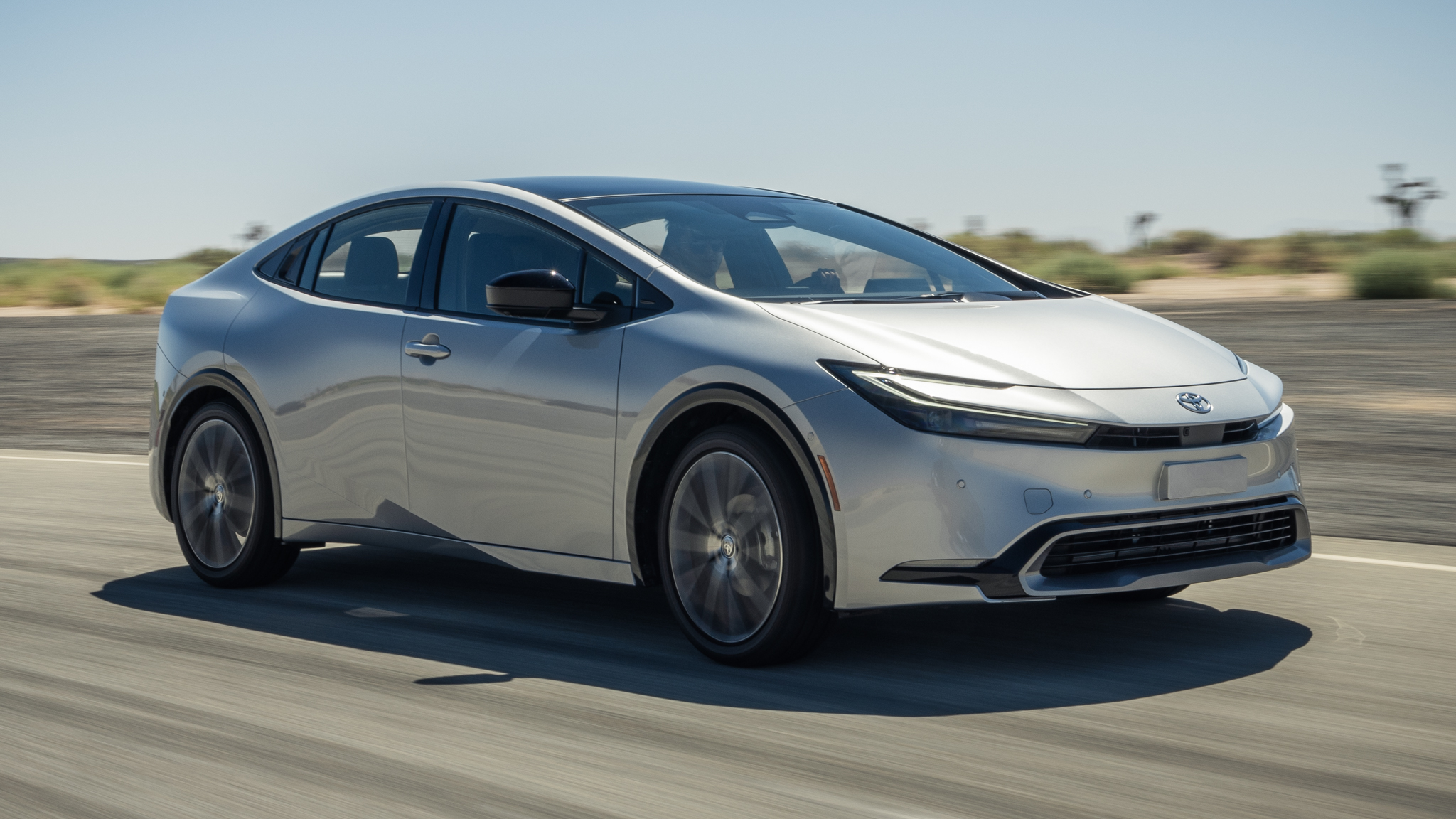
The 2024 Toyota Prius, starting at $29,085, represents a complete reinvention of the classic hybrid. Once viewed as a purely practical choice, the fifth-generation Prius now combines sharp styling, strong fuel economy, and more engaging performance.
It remains one of the most efficient vehicles in its class, achieving up to 57 mpg, while also offering a more enjoyable drive and a refined interior. With available all-wheel drive and a plug-in hybrid version, the Prius proves that modern hybrids can deliver both substance and style.
The new Prius is quicker and more responsive than ever. Its hybrid powertrain provides smooth acceleration, reaching 0 to 60 mph in 7.7 seconds, which is significantly faster than the Kia Niro.
Although it is slightly slower than the Honda Civic Hybrid, it feels confident on the road. The handling is stable and predictable through turns, and while the economy-oriented tires limit grip, the chassis feels balanced enough that it could be fun to drive with sportier tires.
In daily driving, the Prius transitions seamlessly between electric and gasoline power. The system operates smoothly, and the hybrid drivetrain delivers consistent performance both in city traffic and at highway speeds.
Inside, the Prius offers a comfortable and supportive environment. The front seats are well-shaped for longer trips, and the rear seats provide good comfort even though they do not recline. The suspension absorbs bumps effectively, allowing the car to ride smoothly over uneven pavement.
Some engine, wind, and tire noise can be heard under hard acceleration, which slightly affects the otherwise calm feel of the cabin. Most trims feature heated front seats, and the top Limited trim adds ventilated seats for extra comfort.
The interior design focuses on practicality and simplicity. Controls are easy to locate and operate, while the materials feel more refined than in previous generations. The digital instrument cluster can appear cluttered and is sometimes partially blocked by the steering wheel, depending on the driver’s seating position.
The sleek roofline enhances the car’s style but limits rear headroom and results in smaller door openings. Rear visibility is also reduced by the angled back window and thick roof pillars.
Higher trims include a 12.3-inch touchscreen with Toyota’s newest multimedia system, featuring Google-based navigation, wireless Apple CarPlay and Android Auto, and responsive menus. Multiple USB-C ports and a wireless phone charger are available, although the charger can cause devices to heat up during extended use.
The Prius also includes a comprehensive set of driver-assistance features, such as adaptive cruise control, lane-keeping assist, and Proactive Driving Assist, which gently helps the driver maintain smoother speed and braking. These features work subtly and contribute to a sense of confidence behind the wheel.
The Prius hatchback provides 20.3 cubic feet of cargo space behind the rear seats, more than most sedans but less than the Kia Niro. The raised floor conceals no extra storage, but there are several smartly designed compartments inside, including a deep center console and large cupholders for everyday convenience.
Fuel efficiency remains the Prius’ strongest asset. The LE trim achieves 57 mpg combined, while XLE and Limited versions return 52 mpg with front-wheel drive. Testing confirms these numbers in real-world driving.
Toyota backs the Prius with a three-year/36,000-mile basic warranty, five-year/60,000-mile powertrain coverage, eight-year/100,000-mile hybrid system protection, and ten-year/150,000-mile battery coverage. Although higher trims and all-wheel-drive options can raise the price, the Prius offers lasting value through its reliability, quality, and efficiency.
The 2024 Toyota Prius evolves beyond its image as a simple eco-car. With sleek design, improved performance, advanced technology, and top-tier fuel economy, it delivers both practicality and personality. This version of the Prius is efficient, refined, and appealing to drivers who want a hybrid that feels modern and rewarding.
5. 2025 Mini Cooper Hardtop: A Stylish and Premium Hatchback with Character
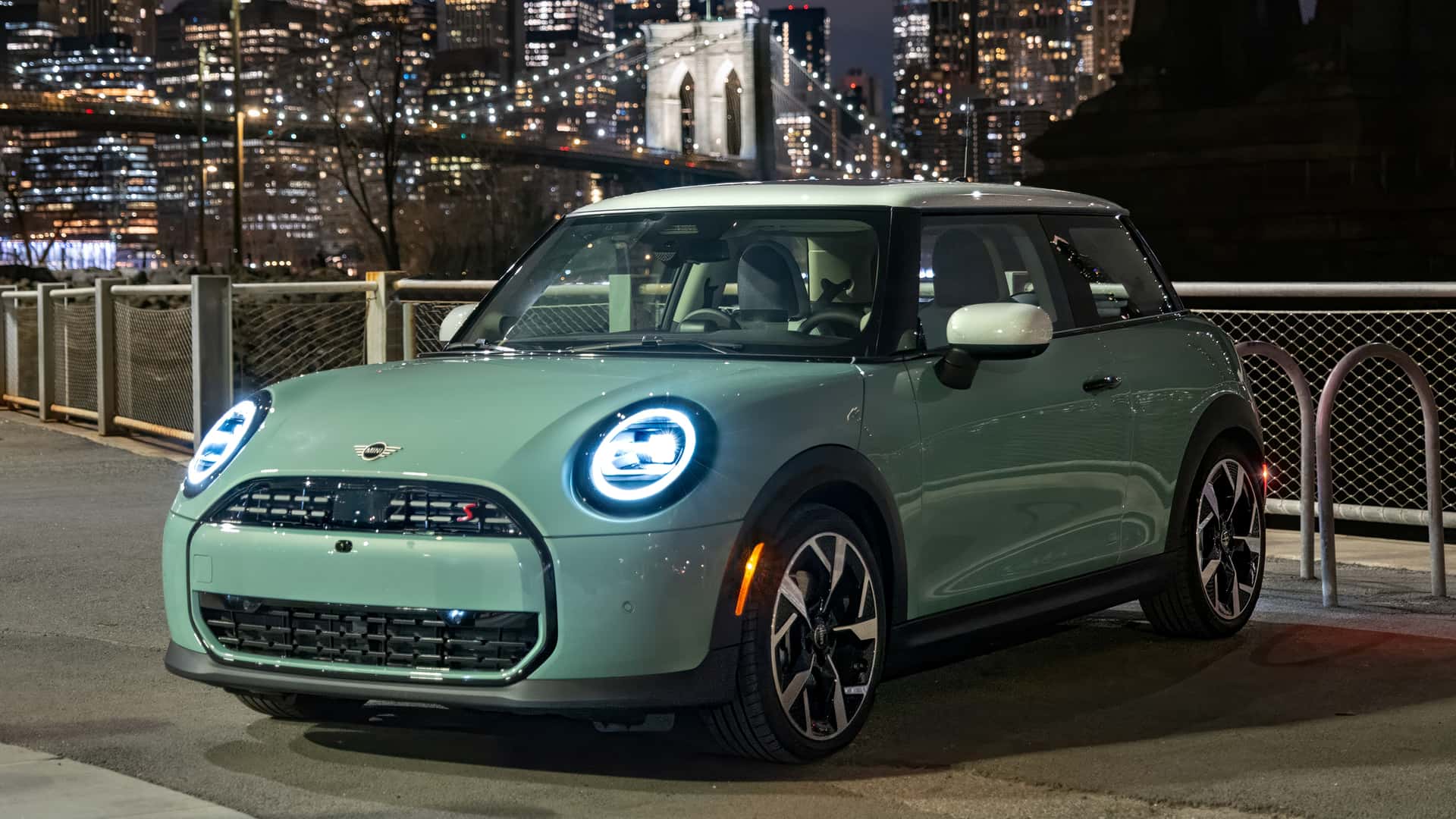
The 2025 Mini Cooper Hardtop, starting at $29,945, continues to showcase the brand’s playful personality while adding more refinement and safety features. Although it has grown in size, the redesign introduces cheeky styling, improved interior space, and modern technology. For young or new drivers who want a distinctive vehicle, the latest Cooper remains one of the most characterful options available.
The Mini Cooper S delivers peppy but not class-leading performance. In testing, it reached 0–60 mph in 6.4 seconds and completed the quarter-mile in 14.5 seconds, slightly slower than the Subaru BRZ and no faster than the 2016 version.
Handling, once a Mini’s strong suit, now feels less balanced and grippy through corners. The automatic transmission shifts smoothly but at a relaxed pace, and there are no paddle shifters or manual controls.
At lower speeds, the Cooper S drives quietly and comfortably, providing enough power for city or highway driving. When pushed harder, it shows weaker high-speed handling and braking performance. While the design suggests a sporty hatchback, its driving feel is more composed than thrilling.
For a small performance hatchback, the Cooper S strikes a good balance of comfort and control. The front seats are supportive with firm cushions and adequate side bolstering. The suspension is firm but absorbs most road imperfections without harshness. The climate control system cools the cabin quickly, and wind or road noise is kept to a minimum, giving the Mini a premium sense of quiet.
The 2025 Cooper S features a vibrant, minimalist interior dominated by a large circular touchscreen. While the design looks appealing, relying on the screen for most functions can be inconvenient.
Adjusting the fan speed or turning off the engine stop-start system requires several taps, and traditional buttons would make these tasks simpler. Front passengers have decent headroom and good visibility, but the rear seats are best for children or short trips. Cargo space is limited unless the rear seats are folded flat.
The central display is visually distinctive with sharp graphics and quick responses. The built-in navigation system is straightforward, and the optional Harman Kardon sound system delivers excellent audio quality.
Wireless Apple CarPlay and Android Auto are standard, along with a wireless charging pad. Safety technology includes blind-spot warning, lane-keeping assist, adaptive cruise control, and a surround-view camera. These features work well, although turning individual systems on or off requires moving through multiple menu layers.
Storage in the two-door Cooper is limited, with small door pockets and no center console bin. Folding the rear seats creates usable cargo space, but practicality still lags behind competitors like the Volkswagen GTI or Honda Civic Hatchback. Fuel economy is strong, with an EPA rating of 32 mpg combined, matching real-world testing.
The build quality is excellent, featuring premium materials and precise craftsmanship. While the Cooper costs more than some rivals, its upscale interior and distinctive styling make it a compelling choice for drivers who value personality, comfort, and quality.
5 You Shouldn’t Hand a Teen
1. Honda S2000: Thrilling but High-Risk Sports Car
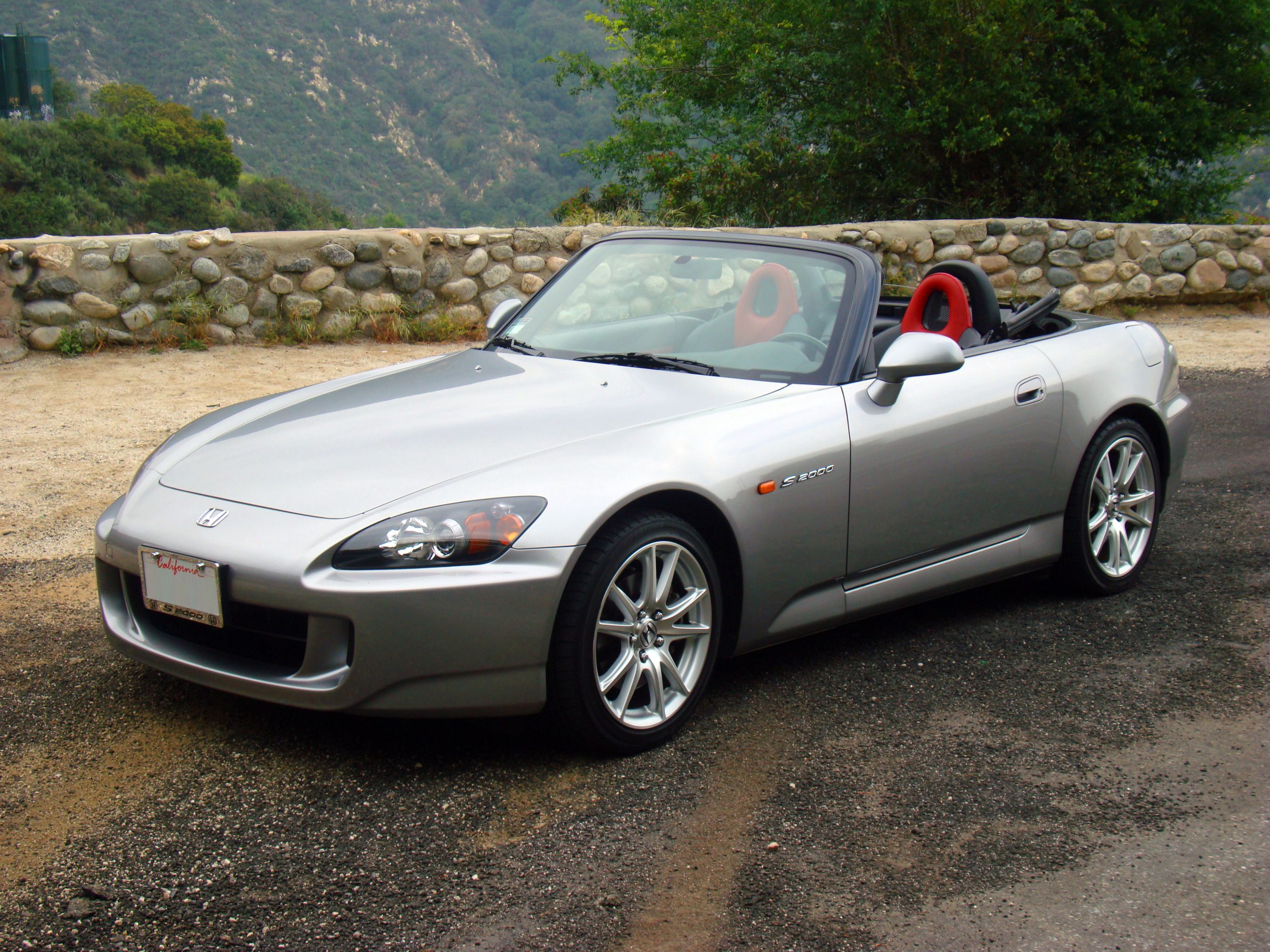
The Honda S2000 is a true sports car with darty handling, a short wheelbase, and a high-revving engine, making it exciting but unforgiving for inexperienced drivers. Its AP1 generation is notorious for snap oversteer, which can quickly cause loss of control, and the short wheelbase allows the rear end to rotate rapidly, requiring precise throttle management. The engine can rev up to 9,000 RPM, demanding careful driving to avoid accidents.
From a safety perspective, the S2000 lacks side impact airbags and other modern safety features, making it risky in collisions. For teen drivers, the car’s sensitive handling, powerful engine, and high-risk behavior patterns make it unsuitable. Its demanding nature requires skill, experience, and caution, making it best suited for experienced drivers rather than beginners or younger, less confident motorists.
2. Mazdaspeed 3: Powerful but Unsafe for Inexperienced Drivers
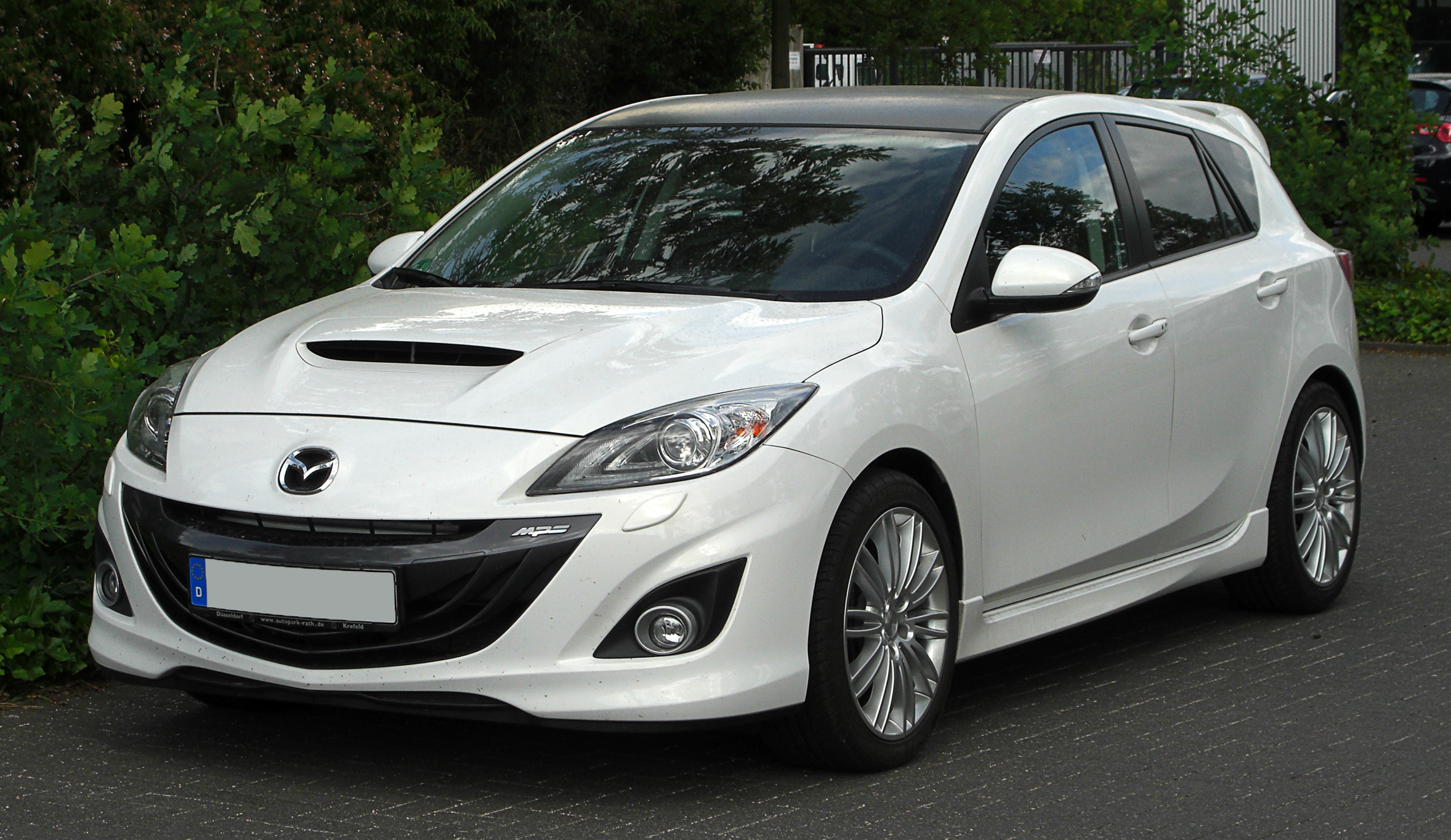
The Mazdaspeed 3 (MS3) may look like a regular hatchback, but its 263-horsepower turbocharged engine and front-wheel-drive setup make it a high-performance car that demands precision and maturity. Its most challenging trait is torque steer, where the steering wheel pulls sharply during hard acceleration.
While experienced drivers might handle this, it can easily overwhelm a beginner and cause loss of control. The MS3’s aggressive power delivery and sharp handling require skillful throttle control and quick reactions, making it unsuitable for new drivers.
The car also comes with high maintenance needs and potential reliability issues. The turbo engine requires premium fuel and careful upkeep, with known problems like clutch wear, variable valve timing failures, and possible engine damage.
Since production ended in 2013, the Mazdaspeed 3 lacks modern safety features such as blind-spot monitoring and lane-keeping assist, leaving it behind newer vehicles in protection and technology.
Insurance rates for young drivers are extremely high due to the car’s performance classification. While the Mazdaspeed 3 is thrilling and engaging, it is too demanding, costly, and unsafe for teenagers. A newer Mazda 3, Honda Civic, or Toyota Corolla is a much wiser and safer first-car choice.
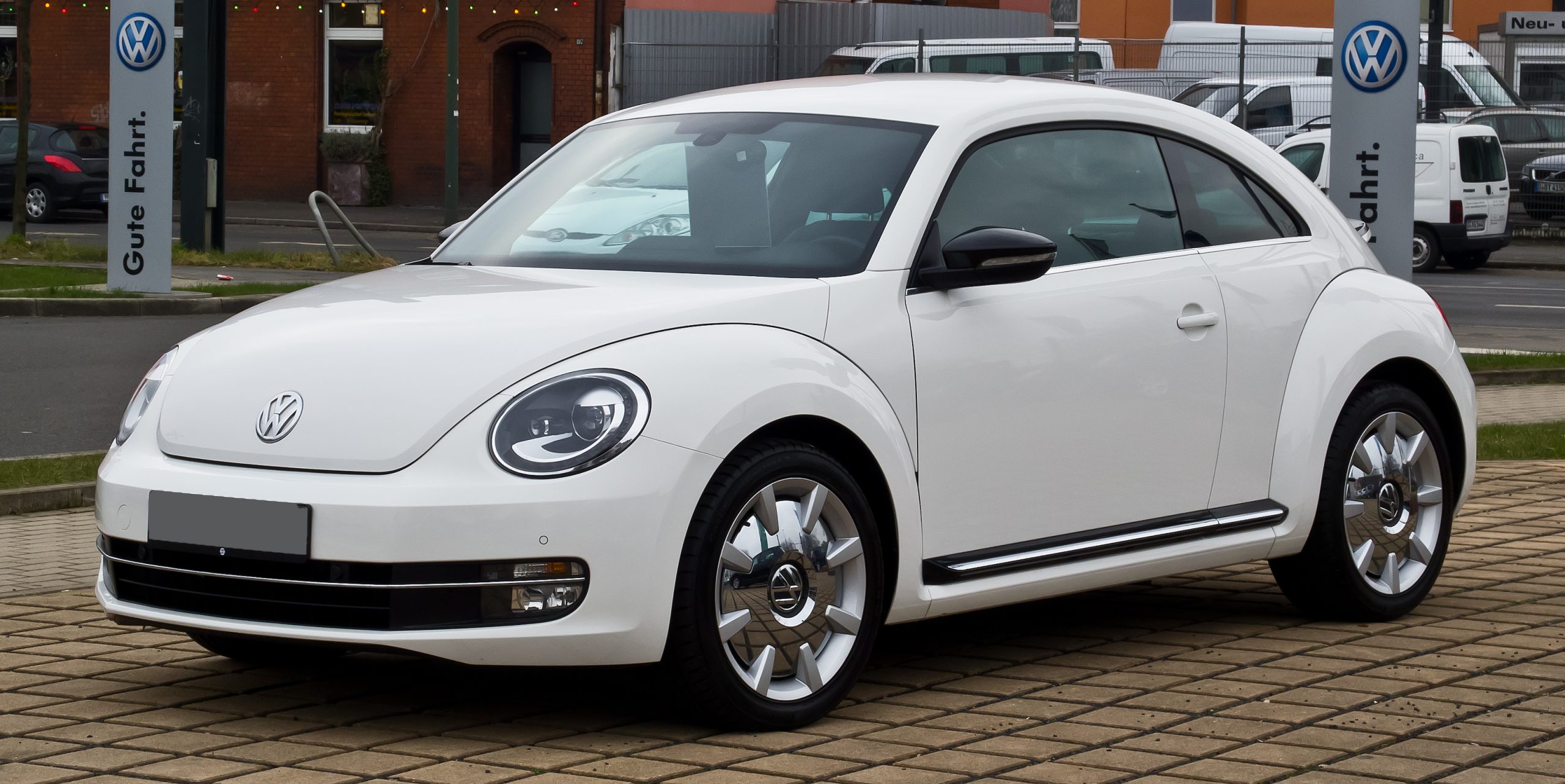
3. Volkswagen Beetle: Iconic but Unsafe for Teen Drivers
The Volkswagen Beetle, despite its nostalgic charm and simplicity, is not a suitable car for a new or teenage driver. While its modest power and easy mechanics might seem ideal for learning, its lack of acceleration can make merging or passing on highways risky. With only about 50 horsepower, the Beetle struggles to keep pace with modern traffic, creating potentially dangerous driving situations for inexperienced drivers.
The Beetle’s safety shortcomings are its biggest concern. Crash tests have shown poor results, particularly in small overlap front crashes, where airbags and seatbelts often fail to provide adequate protection.
Older models have hard dashboards, minimal padding, and poor side-impact performance, increasing the risk of injury in a collision. The car also lacks modern safety technologies like stability control, blind-spot monitoring, and advanced airbag systems that newer vehicles include as standard.
Beyond safety, the Beetle’s small rear seats and limited rear visibility make it impractical for daily use. For young drivers, these drawbacks add unnecessary challenges to an already demanding learning experience. Given its age, design limitations, and lack of protection, the Volkswagen Beetle is best appreciated as a classic collectible, not as a first car for a teenager.
4. Lamborghini Countach: Exotic Dream, Dangerous Reality for Teen Drivers
The Lamborghini Countach may be an iconic supercar, but it is entirely unsuitable for a new or teenage driver. Designed in an era long before modern driver aids, the Countach is physically demanding, difficult to maneuver, and extremely unforgiving.
Its heavy steering, stiff clutch, and manual transmission make it challenging even for seasoned drivers, especially in traffic or at low speeds. For beginners, these traits can quickly lead to mistakes and loss of control.
Visibility is another major issue. The car’s low seating position, thick pillars, and small mirrors create significant blind spots, making simple tasks like parking or lane changes risky. The Countach also lacks modern safety systems such as stability control, traction control, and effective airbags, offering minimal protection in the event of an accident.
Beyond safety, the high performance of the Countach makes it dangerous in inexperienced hands. Its immense power and rapid acceleration demand precision and maturity few new drivers possess. Additionally, the maintenance and insurance costs are exceptionally high, making it impractical for anyone without significant driving experience or financial resources.
The Countach is a legend of automotive history, but it belongs in the hands of experienced drivers or collectors, not teenagers.

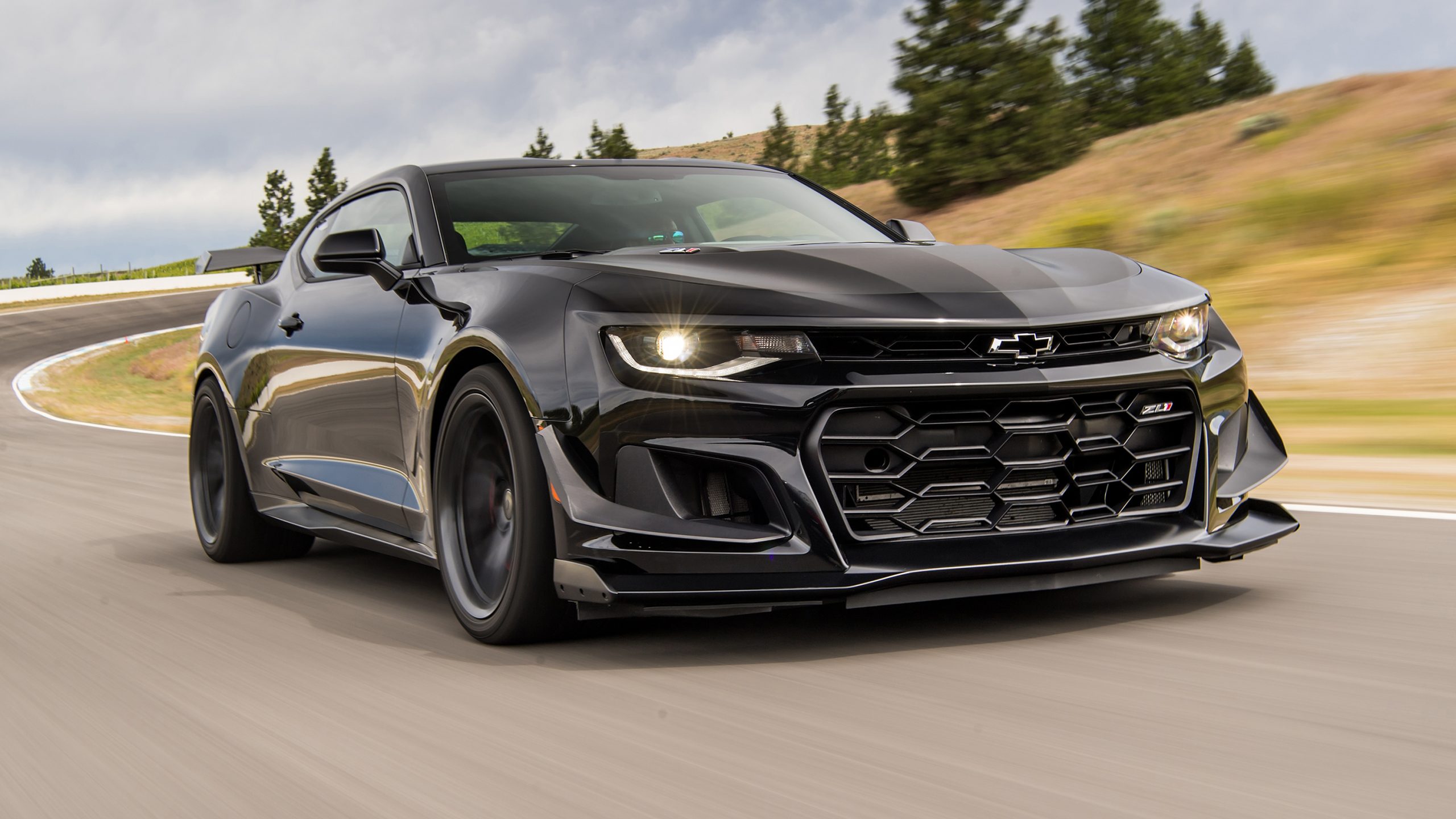
5. Chevrolet Camaro ZL1 1LE: Too Much Power for a Teen Driver
The Chevrolet Camaro ZL1 1LE is a supercharged powerhouse built for the racetrack, not for a young or inexperienced driver. With an immense 650 horsepower and the ability to reach 0–60 mph in just 3.4 seconds, this car delivers extreme acceleration that can be difficult for anyone without advanced driving experience to control.
Its rear-wheel-drive layout and track-focused suspension further add to the challenge, making it unpredictable and unstable on wet or uneven roads.
The stiff suspension and super-sticky tires that benefit performance on a racetrack make regular driving uncomfortable and unforgiving. Every bump and imperfection in the road is felt inside the cabin, while the car’s limited outward visibility makes maneuvering in traffic or parking especially tough for a new driver.
Safety and practicality are also weak points. The Camaro ZL1 1LE lacks all-wheel drive and is prone to encouraging risky behavior like speeding or aggressive driving. Its tiny rear seats, rough ride, and outdated infotainment system make it impractical for everyday use.
Given its raw power, challenging handling, and limited safety focus, the Camaro ZL1 1LE is far too dangerous for a teenage driver and better suited for skilled enthusiasts or track use.
When it comes to putting a teenager behind the wheel, responsibility and restraint matter more than horsepower or prestige. Cars like the Mazda 3, Honda Civic Hybrid, Ford Maverick, Toyota Prius, and Mini Cooper Hardtop offer the right balance of safety, efficiency, and enjoyment without being excessive.
Each provides modern safety features, easy-to-use technology, and manageable performance, making them ideal for young and developing drivers. In contrast, high-powered vehicles such as the Honda S2000, Mazdaspeed 3, or Camaro ZL1 1LE require a level of control and experience that most teens simply do not have.
These cars may be exciting, but they are also risky, costly, and difficult to handle. A first car should build confidence and provide security, not temptation or fear. Choosing wisely helps young drivers learn safely while enjoying their independence, proving that the best first car is the one that keeps them safe every time they drive.
Also Read: 10 Cars Mechanics Secretly Love Owning Over Decades