When shopping for a car or truck, the temptation to “upgrade” the engine is strong. More horsepower, smoother acceleration, or even a prestige badge often make the pricier powertrain seem like the smarter choice.
But reliability data, owner experiences, and mechanic reports often tell a different story. In many cases, the base engine ends up lasting longer, requiring fewer repairs, and aging more gracefully than the optional upgrade.
Whether due to simpler design, lower stress, or better long-term engineering, these base engines prove that sometimes less really is more. Here are 10 models where the base engine goes the distance while the optional one can’t quite keep up.
1. Toyota Tacoma – 2.7L I4 vs. 3.5L V6
Toyota’s midsize pickup has a reputation for reliability, but that reputation leans heavily on its base 2.7-liter four-cylinder engine. This simple, naturally aspirated powerplant isn’t fast, but it’s robust.
Owners regularly log over 300,000 miles with little more than oil changes and timing chain tensioners.
In contrast, the optional 3.5-liter V6 introduced in 2016 uses Toyota’s D-4S direct-and-port injection system and a complex Atkinson cycle for efficiency.
While powerful, it has shown issues with carbon buildup, rough idling, and shifting quirks tied to its paired transmission. For long-term reliability, the four-cylinder Tacoma is the clear winner.
The available V-6 engine in the Tacoma delivers decent performance and respectable towing capability, whereas the standard four-cylinder powerplant is noticeably underpowered and is a configuration best avoided by most buyers.
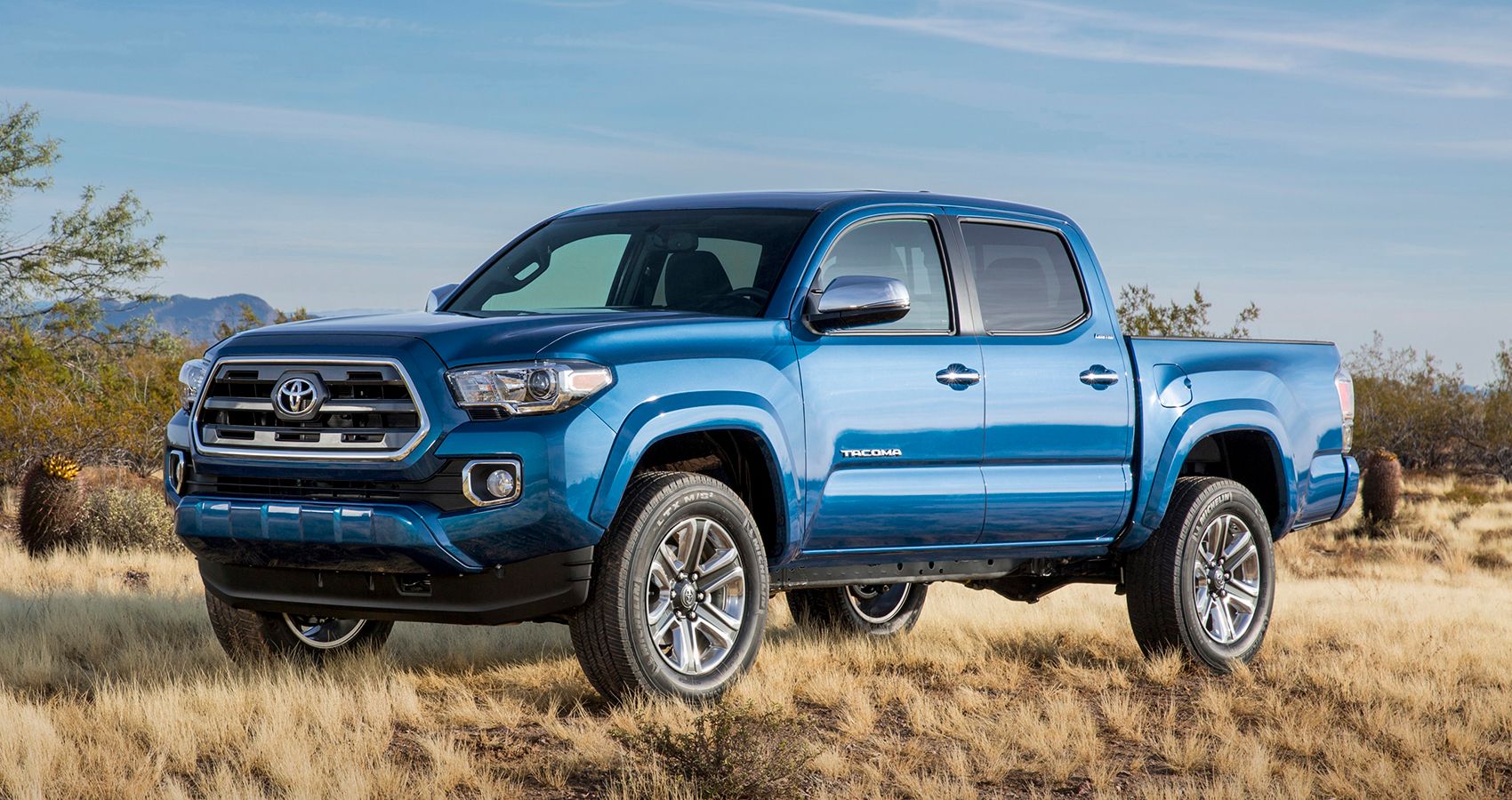
We also advise steering clear of the persnickety six-speed automatic transmission that is offered with either engine; a preferable combination is to stick with the six-speed manual gearbox paired with the V-6.
When anchored by the automatic transmission, the more powerful V-6 engine struggles at times to deliver its power smoothly and responsively.
The Tacoma lineup caters to different driving environments: the TRD Sport and the Limited models are primarily oriented toward city and highway driving, whereas the TRD Off-Road and the more extreme TRD Pro versions are engineered to seek out rougher paths.
Still, it is important to note that none of these powertrain and trim choices result in a particularly quick vehicle. While far from the first choice for refined ride quality and polished on-road handling, the Tacoma remains fully capable of tackling rough trails or unpaved back roads with ease.
It can be effectively outfitted to take full advantage of either dirt-treading opportunities or comfortable pavement cruising. The Limited trim, for instance, delivers a more satisfying on-road ride that is significantly smoother and quieter than the more ruggedly suspended off-road versions.
2. Ford F-150 – 3.3L V6 vs. 3.5L EcoBoost V6
Ford’s EcoBoost engines revolutionized the truck market with turbocharged power and impressive towing capacity, but their complexity has a downside.
The base 3.3-liter naturally aspirated V6 doesn’t make headlines for power, but it’s a tough, low-stress engine that’s proven dependable for work fleets.
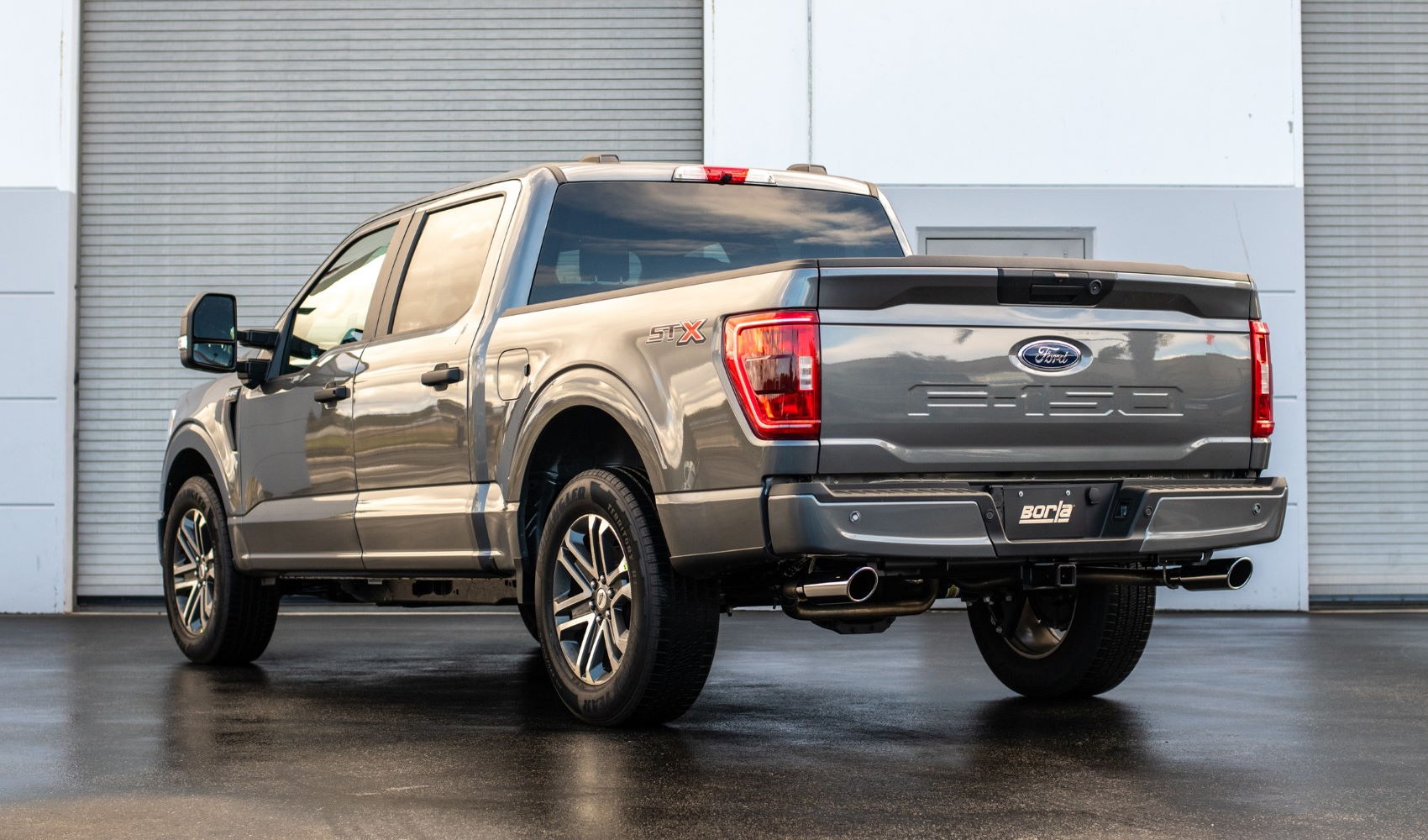
Meanwhile, the twin-turbo 3.5-liter EcoBoost has faced issues ranging from turbo oil leaks to timing chain stretch and condensation in the intercooler leading to misfires.
Mechanics often note that while the EcoBoost offers thrilling performance, the simpler 3.3-liter V6 tends to outlast it in high-mileage applications.
The highly versatile Ford F-150 possesses a compelling quality for nearly every full-size truck shopper, which is a significant reason it continues to hold its position as the best-selling vehicle in the United States.
Positioned above the compact Maverick and the midsize Ranger within Ford’s truck hierarchy, the F-150’s extensive variety of cab and bed sizes, powertrain options, and trim levels that span from spartan workhorse to opulent luxury liner give it an exceptionally wide market appeal.
This broad selection is coupled with some of the most advanced and user-friendly technology available in the segment for infotainment, driver assistance systems, and towing, creating a proven formula for commercial and personal success.
Based on current information, we do not anticipate many significant changes for the 2026 F-150 when compared to last year’s model.
The F-150 lineup can be configured in numerous flavors, ranging from the basic, work-site-ready XL trim to the line-topping King Ranch model with its lavish leather-trimmed and wood-accented interior.
For buyers whose interests lie beyond the pavement, the Tremor trim is equipped to take you far on rough trails, while the high-performance, desert-running specialist Raptor is engineered to take you even farther with extreme capability.
This diversity extends beyond just the trim levels; there is also a wide range of powertrain options for shoppers to consider, including a traditional V8, efficient yet powerful turbocharged V6s, and a hybrid powertrain for those seeking maximum fuel efficiency without sacrificing capability.
This immense variety affords the Ford F-150 a surplus of configurations for buyers to evaluate, allowing them to effectively tailor a truck to their specific needs and preferences.
3. Honda Accord – 1.5T I4 vs. 2.0T I4
Honda’s modern turbocharged lineup delivers efficiency and punch, but longevity isn’t identical across the board.
The 1.5-liter turbo (found in most Accords) has seen oil dilution issues in cold climates, yet when maintained properly, it’s a stout unit.
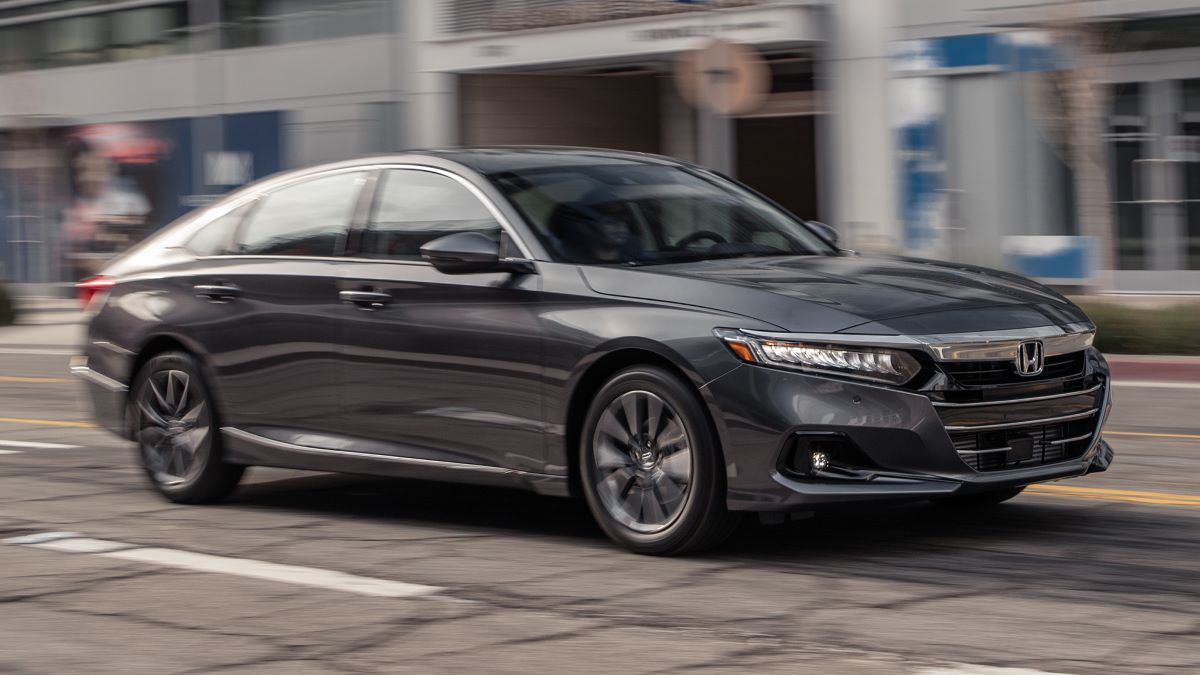
The larger, 2.0-liter turbo engine shared with the Civic Type R has been more problematic in everyday use, especially when owners neglect premium fuel or experience turbo wear.
With higher boost pressures and more heat generation, it simply has more potential points of failure. For buyers prioritizing a 15-year ownership horizon, the smaller turbocharged engine still comes out ahead in durability and cost of maintenance.
4. Chevrolet Silverado 1500 – 4.3L V6 vs. 5.3L V8
Chevy’s 4.3-liter EcoTec3 V6 has deep roots, tracing back to the old 350 small block architecture. That heritage gives it a durability edge, with fewer moving parts and less reliance on advanced tech.
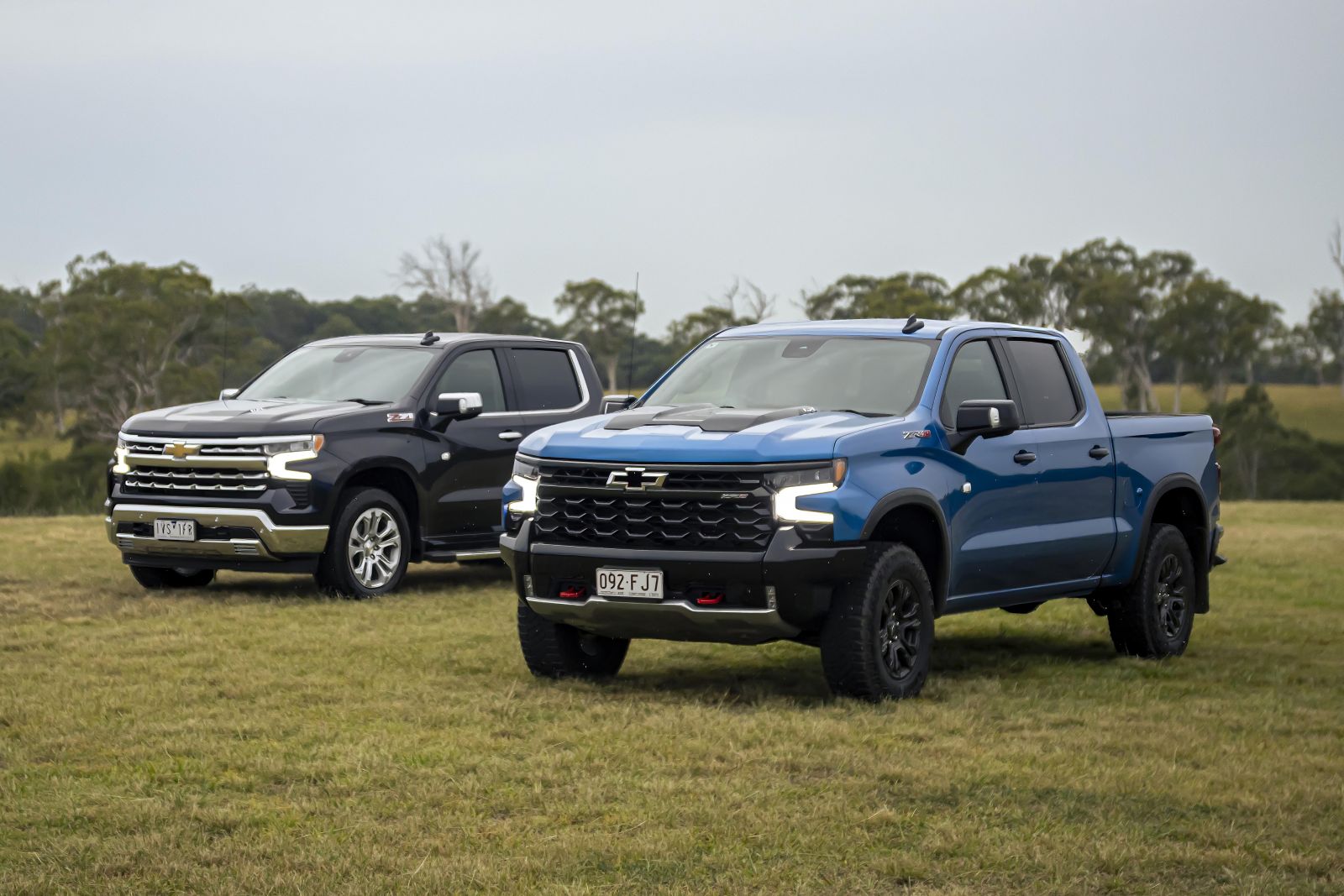
On the other hand, the 5.3-liter V8 has been plagued by Active Fuel Management (AFM) issues specifically, lifter failures and oil consumption.
While the V8 offers more muscle, fleet operators often note that the base 4.3L keeps running smoother longer, especially in older Silverados used for light-duty work.
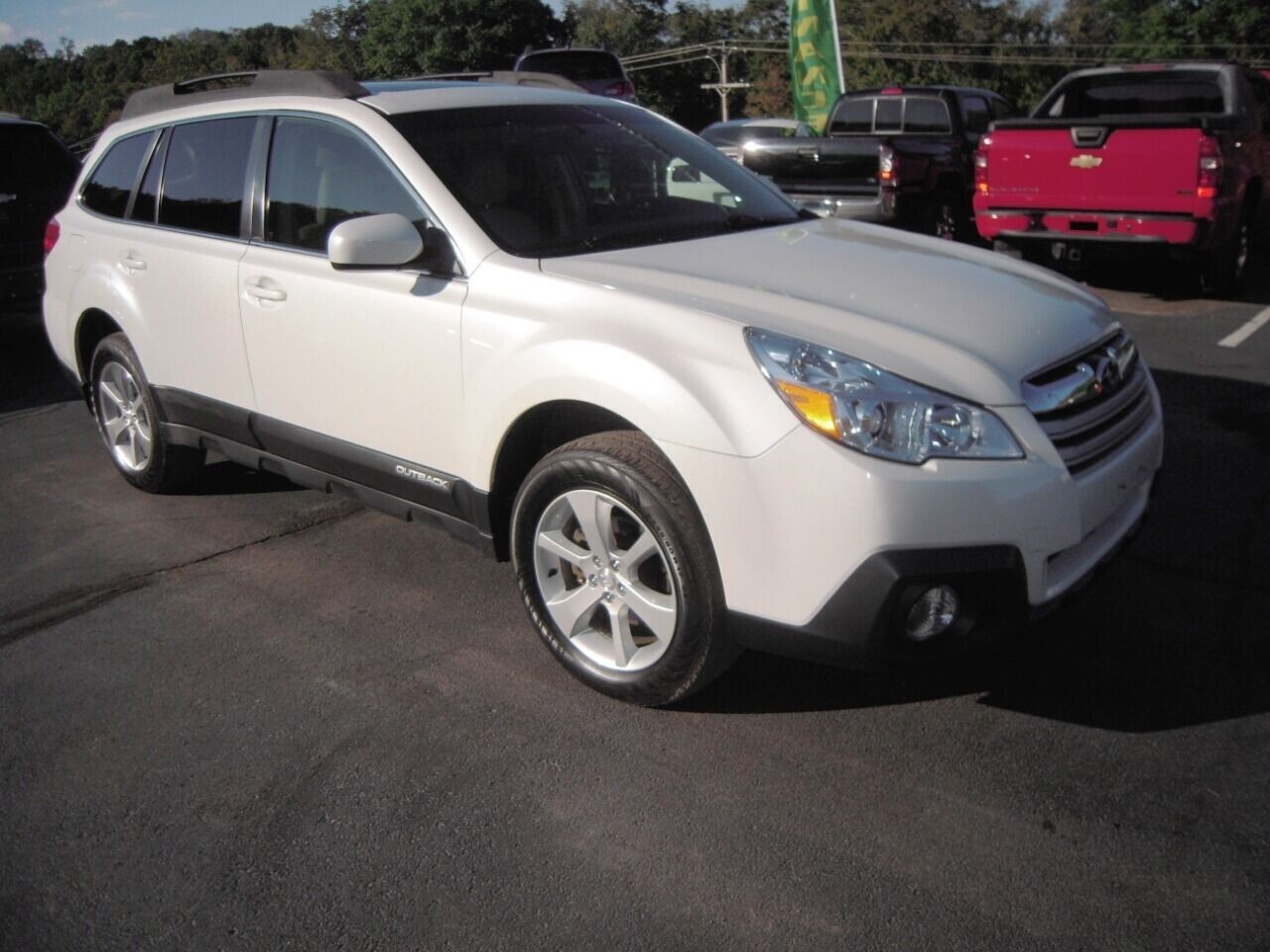
5. Subaru Outback – 2.5L H4 vs. 3.6L H6
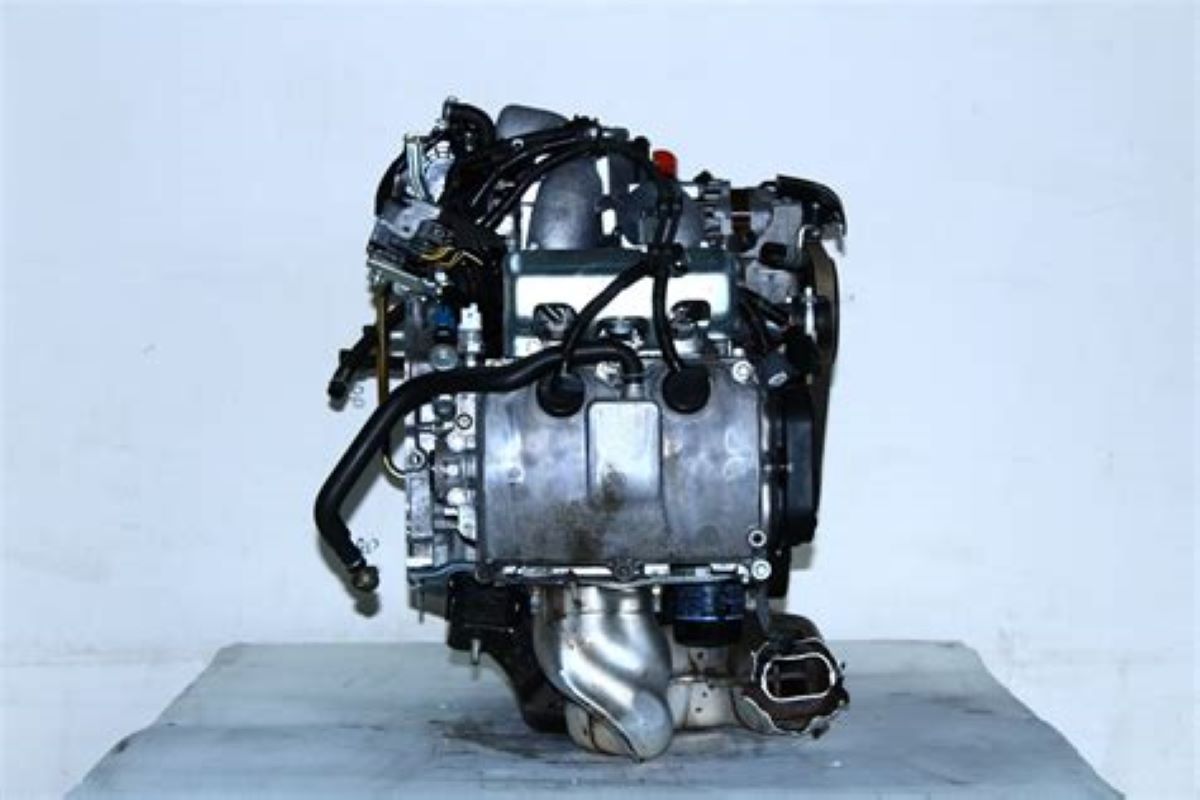
The Outback’s base 2.5-liter boxer four-cylinder isn’t quick, but it’s incredibly reliable in long-term ownership. Its design is simple and easy to service, and Subaru refined it over decades.
The optional 3.6-liter six-cylinder, however, adds complexity and heat load. While smoother and stronger, it tends to develop head gasket leaks and oil consumption at a higher rate.
Many Subaru mechanics prefer the 2.5L for customers planning to keep their cars past 150,000 miles, as it’s cheaper to maintain and less prone to costly internal failures.
Prospective buyers of the Subaru Outback are presented with two distinct engine options and one particularly difficult choice: opt for the base 175-horsepower 2.5-liter four-cylinder and endure its lackadaisical real-world performance, or shell out a significantly larger sum for one of the top two trim levels that provide access to the far punchier 256-horsepower 3.6-liter six-cylinder.
Both of the Outback’s available powerplants are of the horizontally opposed “boxer” configuration, a distinctive engineering design also famously utilized by Porsche in models such as the 718 Boxster and the 911.
During performance testing at our track, a 3.6R test vehicle required 7.1 seconds to reach 60 mph from a standstill; in stark contrast, the standard 2.5i model needed a considerably longer 9.1 seconds to accomplish the same feat.
When its ride and handling characteristics are evaluated against traditional station wagons, the Outback fares poorly; however, when compared directly to similar-size crossover SUVs, the Subaru proves to be competitively competent.
While it is comfortable and capable enough for day-to-day driving duties, the Outback manages to suffer from less body roll than its notably high seating position might initially suggest.
Despite this, it is important not to confuse the Outback with anything particularly sporty or agile, as neither its lifeless, uncommunicative steering nor its low-grip, all-season tires provide the driver with the confidence required to hustle the vehicle with any real enthusiasm along curvy back roads.
6. BMW 3 Series – 330i (2.0T) vs. 340i (3.0T)
BMW’s 3 Series engines are engineering marvels but they’re not equal when it comes to longevity. The base 2.0-liter turbocharged four-cylinder (B48) has proven to be remarkably robust compared to its older predecessors, with fewer timing chain and carbon buildup issues.
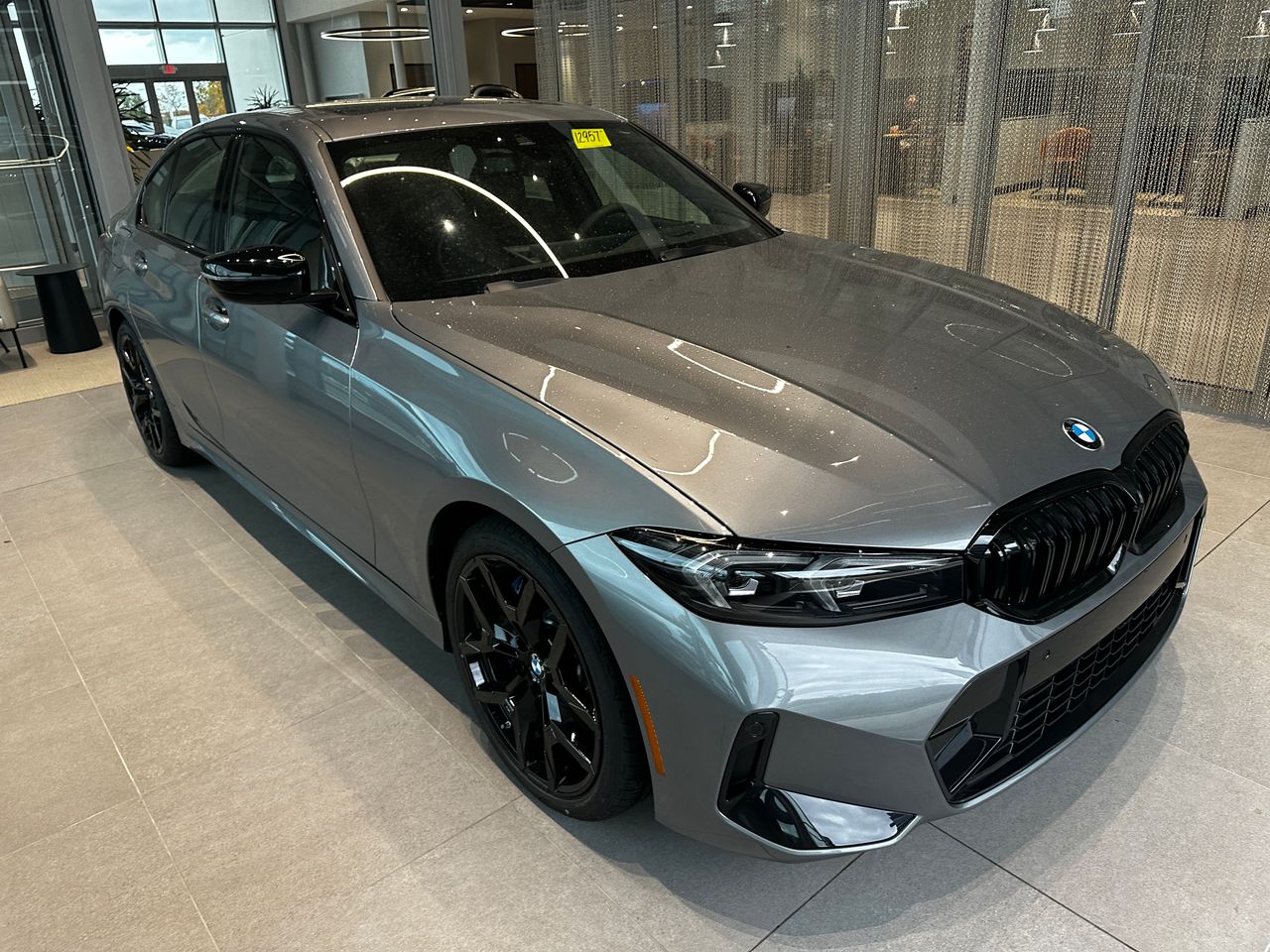
Meanwhile, the 3.0-liter inline-six (B58), though smoother and faster, has more potential failure points, from high-pressure fuel pumps to turbo cooling lines. Independent BMW specialists often recommend the 330i to clients who want the experience without the long-term financial risk.
The current-generation BMW 3 Series sedan made its debut just a few years ago, and for the 2021 model year, another new variant joins the lineup: the 330e plug-in hybrid.
This model combines a turbocharged 2.0-liter four-cylinder gasoline engine with an electric motor, which is seamlessly integrated into the eight-speed automatic transmission, to create a maximum combined system output of 288 horsepower.
This figure represents an increase of approximately 30 more horsepower than the standard base 330i model.
On top of its performance increase, the 330e is equipped with a hybrid battery that can be recharged at home or at a public charging station to provide an EPA-estimated 23 miles of all-electric range.
After the battery runs out of electrical charge, the 330e essentially drives and behaves just like any other conventional 3 Series model, operating as a hybrid.
Aside from the introduction of this new powertrain, the 3 Series remains relatively unchanged for the 2021 model year. While it may not be quite as engaging or visceral to drive as some of the past 3 Series iterations, this latest model, especially in its high-performance M340i guise, is undeniably impressively quick and capable.
What the contemporary 3 Series may have relinquished in terms of raw, analog driving dynamics, it has more than compensated for with significant gains in overall refinement and premium interior touches.
The cabin is both handsome and comfortable, and it is available with a robust and sophisticated array of in-car technology and advanced driver assistance systems.
7. Jeep Wrangler – 3.6L Pentastar V6 vs. 2.0T Turbo I4
For years, the 3.6-liter Pentastar has been Jeep’s workhorse found in Wranglers, Grand Cherokees, and even minivans. It’s a naturally aspirated engine known for hitting 250,000 miles with ease.
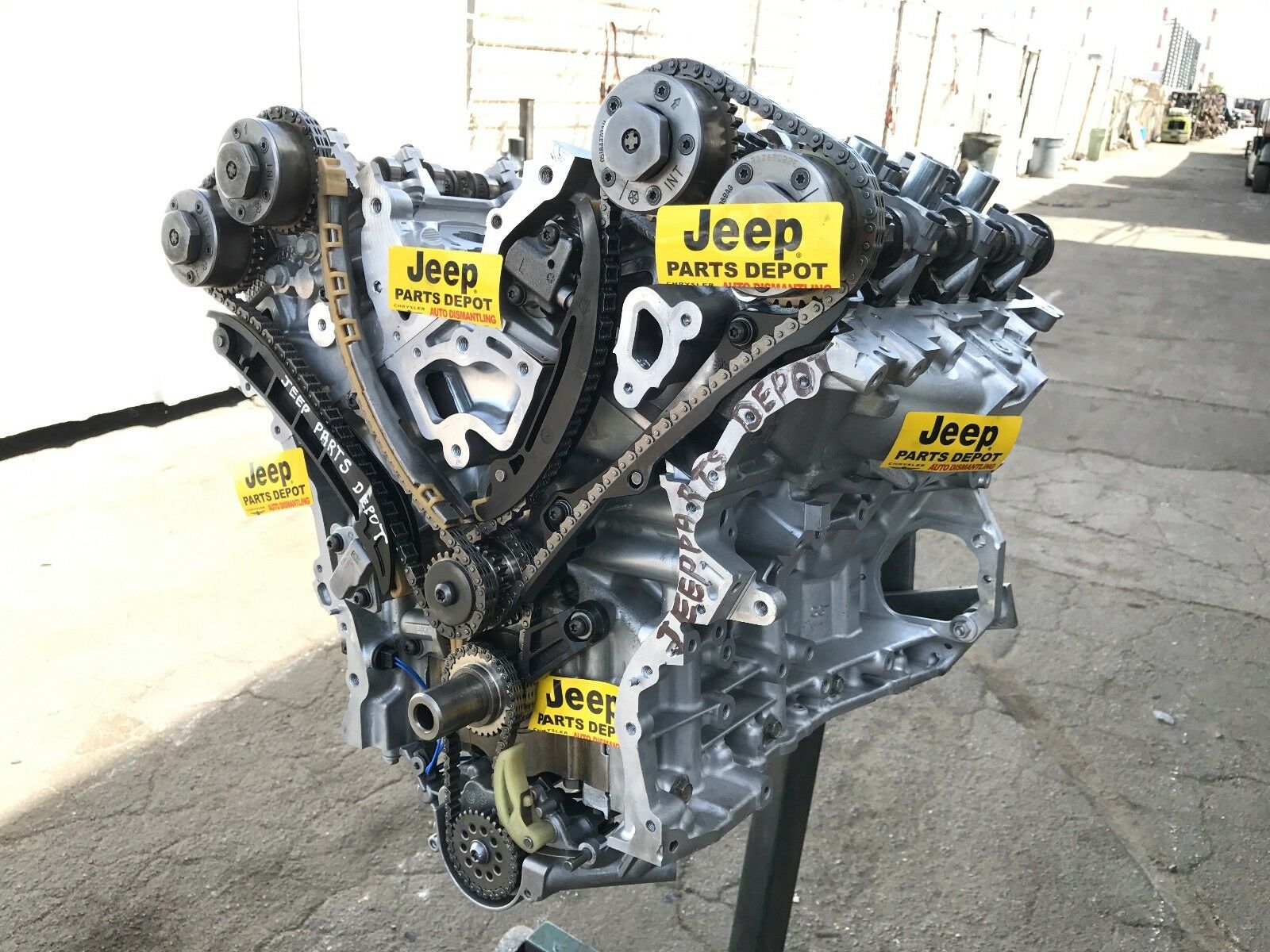
Jeep’s newer 2.0-liter turbocharged four-cylinder offers more torque and better fuel economy but introduces extra complexity with its turbocharger, direct injection, and cooling systems.
Many off-road enthusiasts stick with the Pentastar, citing fewer reliability issues, especially under hot or dusty conditions where turbos work harder.
Redesigned comprehensively for the 2018 model year, the Jeep Wrangler has evolved to become more than just a dominating force when taken off the paved road.
Updated with refreshed styling, new and more efficient engine options, and a notably roomier and higher-quality interior, this year’s Wrangler presents itself as a more practical and well-rounded SUV that nonetheless retains its legendary capability to go virtually anywhere.
Shoppers considering a Jeep should take note that two distinct Wrangler models were on sale for the 2018 model year. Jeep took the unusual step of selling this all-new generation Wrangler alongside the previous-generation model.
The new version might be referred to by its internal code, the JL, while the outgoing Wrangler is known as the JK. If you are shopping for a 2018 Wrangler, you will want to make absolutely certain you are aware of the significant differences between these two generations.
The new-generation Wrangler features dimensions that are now longer, wider, and taller than its predecessor. It retains the familiar 3.6-liter Pentastar V6 under the hood, but this engine can now be mated to an optional and modern eight-speed automatic transmission that vastly improves the Wrangler’s on-road drivability and refinement.
A six-speed manual transmission is still offered as the standard equipment. A new turbocharged 2.0-liter four-cylinder engine also makes its debut this year, and it adds even more appeal and a modern efficiency option to the powertrain mix.
A substantial leap forward in on-road comfort, the addition of several modern driver-assistance and safety features, and increased interior passenger space collectively make the 2018 Jeep Wrangler a more serious competitor within the broader midsize SUV class.
Naturally, it still maintains its unrivaled off-road prowess and has unparalleled aftermarket parts support, too. Overall, we came away thoroughly impressed with the capabilities and refinements of the new Wrangler. You can also read a more in-depth look about it in our Wrangler First Drive.
8. Mazda CX-5 – 2.5L I4 vs. 2.5T I4 Turbo
Mazda’s base 2.5-liter Skyactiv-G engine is one of the best naturally aspirated four-cylinders in the business. It’s efficient, smooth, and has proven itself over hundreds of thousands of miles in multiple models.
The 2.5T turbo version delivers impressive power but adds significant heat and stress, leading to more carbon buildup and occasional turbo seal wear.
Given the modest performance gain and the higher long-term maintenance costs, the base engine is the smarter long-haul pick for most American families.
The Mazda CX-5 has maintained significant popularity among customers ever since its initial introduction, and the 2025 model year continues this successful tradition without deviation.
With its characteristically elegant styling and engaging, driver-oriented dynamics, this compact crossover SUV continues to represent an appealing and sophisticated pick for discerning buyers. Furthermore, it offers versatile engine choices that deliver impressive real-world performance for the segment.
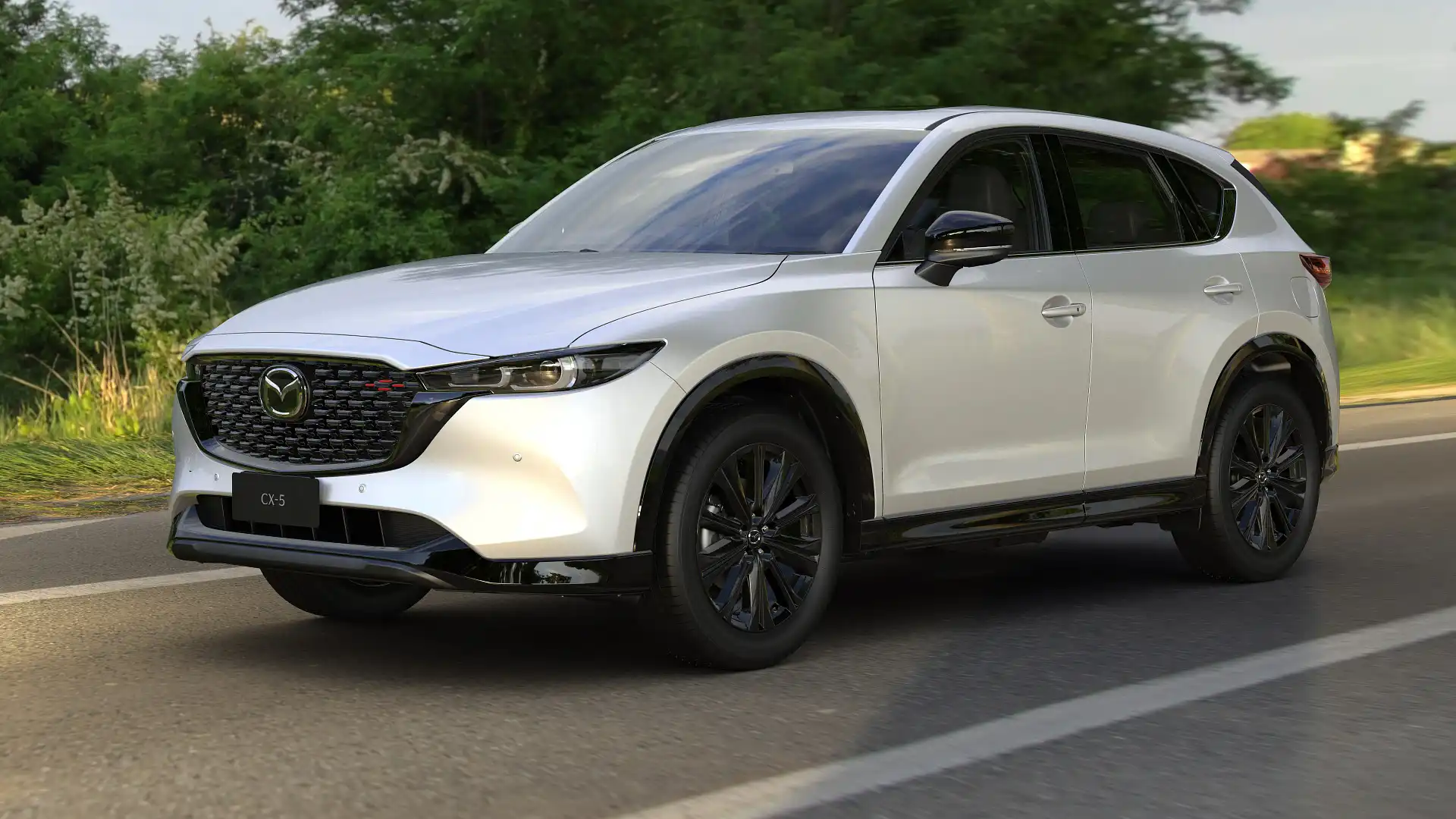
Continue reading the detailed information below to understand what makes the 2025 Mazda CX-5 a compelling and well-rounded choice for a wide range of drivers.
The 2025 Mazda CX-5 offers consumers two distinct engine choices. The base model is equipped with a 2.5-liter four-cylinder engine, which produces a solid 187 horsepower and 186 pound-feet of torque.
For those drivers craving substantially more power and acceleration, the available turbocharged 2.5-liter four-cylinder engine provides up to 227 horsepower and 310 pound-feet of torque when using regular fuel. Opt for premium fuel, however, and this same engine revs up to a more potent 256 horsepower and 320 pound-feet of torque.
Both available engines are paired exclusively with a six-speed automatic transmission, and the innovative i-Activ AWD system is standard equipment across all models.
By continuously monitoring conditions and preemptively distributing torque to the wheels with the most grip, this intelligent all-wheel-drive system ensures that you can navigate slippery or uneven road surfaces with confidence and ease.
In addition to its commendable performance, the available Mazda Intelligent Drive Select (Mi-Drive) technology allows the driver to switch seamlessly between multiple driving modes: Normal, Sport, and Off-Road.
This vehicle is engineered to deliver supple and smooth rides even when traveling on rough or poorly maintained roads. Clearly, the 2025 Mazda CX-5 is thoughtfully built to capably handle a diverse array of conditions and whatever life throws your way.
9. Nissan Frontier – 2.5L I4 vs. 4.0L V6
The older Nissan Frontier (pre-2022) offered two engines: a base 2.5-liter four-cylinder and an optional 4.0-liter V6. While the V6 delivered strong towing numbers, the 2.5L had a well-earned reputation for going the distance with minimal upkeep.
It’s simpler, lighter, and runs cooler, leading to fewer timing chain and gasket failures. For small-business owners or commuters who just need reliability, the base four-cylinder is the long-term winner, often outlasting the rest of the truck.
The 2022 Frontier continues to utilize Nissan’s newer naturally aspirated 3.8-liter V-6 engine, a powerplant that originally made its debut in the previous-generation 2020 model. This engine is rated to generate a robust 310 horsepower and 281 pound-feet of torque.
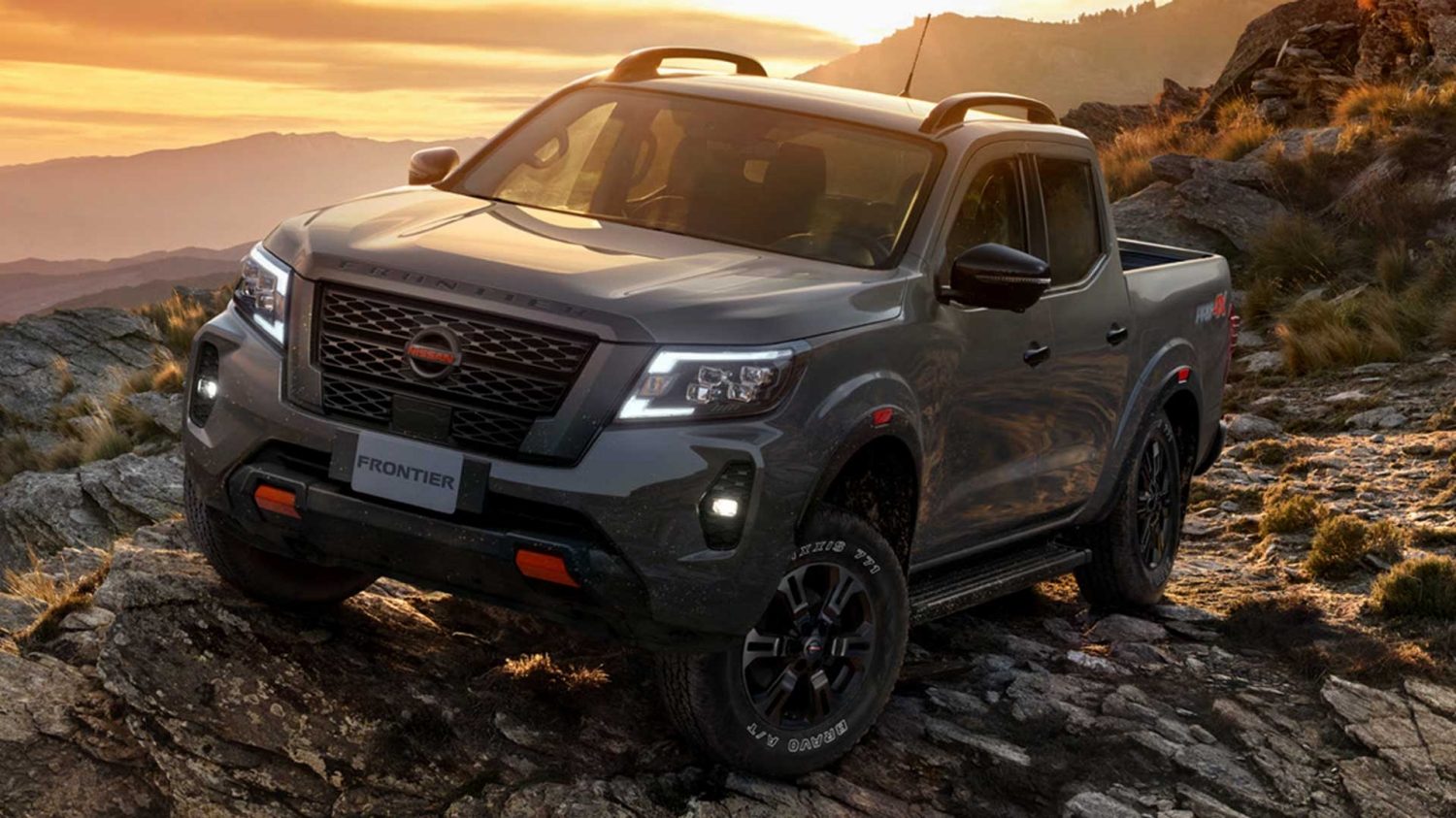
It is paired exclusively with a modern nine-speed automatic transmission and is available with either rear-wheel drive or a four-wheel-drive system. Our initial first driving impressions revealed that the Frontier’s V-6 provides adequate thrust for daily needs and generally smooth operation across the power band.
Our evaluation involved the off-road-oriented Pro-4X model, which is demonstrably ready and willing to tackle rugged terrain with confidence, even if its ultimate capability does not quite reach the level of more specialized, lifted rivals such as the Chevy Colorado ZR2 or the Jeep Gladiator.
We also came away appreciating the Nissan’s newly tuned, quicker and more direct steering feel, along with the myriad of other chassis enhancements that have collectively helped the new truck feel significantly more composed and refined while on the move.
10. Hyundai Santa Fe – 2.4L I4 vs. 2.0T I4 Turbo
Hyundai’s naturally aspirated 2.4-liter engine, while uninspiring in performance, has shown better durability than the brand’s 2.0-liter turbo option.
The turbocharged units have been associated with higher oil consumption and premature bearing wear when maintenance schedules aren’t strictly followed.
In contrast, the 2.4L’s simpler design means fewer high-temperature stress points. Owners who keep up with oil changes often see over 200,000 miles without major issues something not all 2.0T engines can claim.
The “bigger or turbocharged engine” isn’t always the better long-term choice. In many modern vehicles, the base engine benefits from years of refinement and a simpler mechanical layout.
The Santa Fe receives a comprehensive visual freshening for the 2021 model year, which includes bolder and more assertive front-end styling as well as meaningful improvements to its interior design and materials.
Three new powertrains are offered for this updated model: A 2.5-liter four-cylinder engine replaces the previous standard 2.4-liter unit, a turbocharged 2.5-liter four-cylinder replaces the outgoing optional turbocharged 2.0-liter, and a new hybrid variant, powered by a turbocharged 1.6-liter four-cylinder engine combined with an electric motor, joins the lineup for the first time.
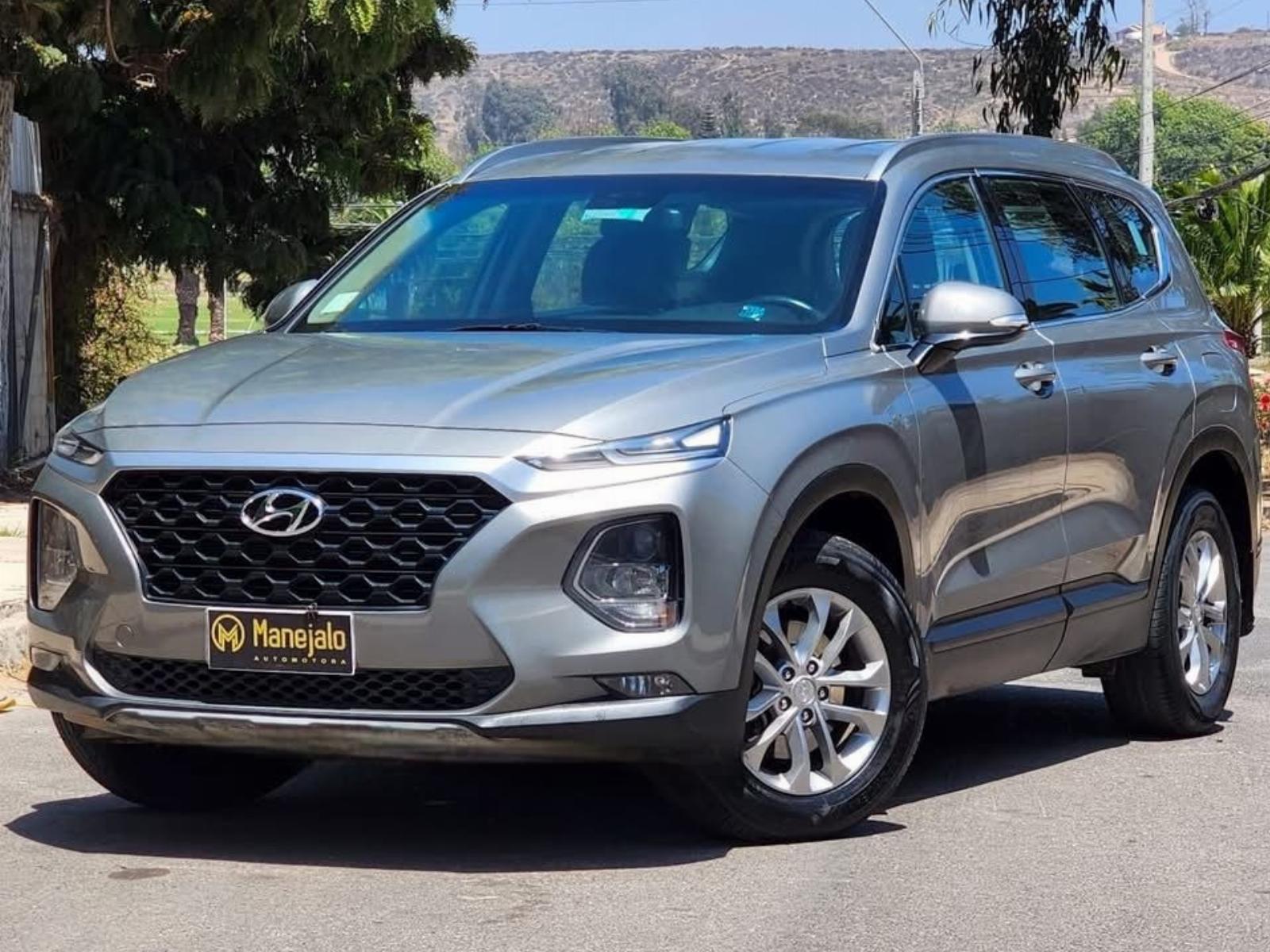
Following in the larger Palisade’s successful footsteps, the Santa Fe also gains a new, top-tier Calligraphy trim level that features quilted leather upholstery, a color head-up display, standard all-wheel drive, unique exterior accents, and a host of more upscale interior embellishments.
The SEL Premium hybrid model is our definitive pick of the entire lineup, and not solely because it comes equipped with the efficient and responsive turbocharged 1.6-liter hybrid powertrain.
The 2021 Santa Fe has thrown out its previous standard 185-horsepower 2.4-liter four-cylinder engine and the optional 235-horsepower turbocharged 2.0-liter in favor of a trio of available powertrains that now includes a hybrid option.
The standard engine is now a 2.5-liter four-cylinder that makes 191 horsepower, and buyers can opt for the more powerful turbocharged 2.5-liter mill that makes a robust 277 horsepower. Both of these gasoline engines pair with an unobtrusive eight-speed automatic transmission and are available with either standard front-wheel drive or an optional all-wheel-drive system.
The hybrid model makes do with a six-speed automatic transmission, uses a turbocharged 1.6-liter four-cylinder engine and a pair of electric motors to generate a combined 226 horsepower, and comes standard with all-wheel drive.
In our test drive of a loaded Calligraphy model equipped with the turbocharged four-cylinder, we recorded a sprightly 6.0-second zero-to-60-mph time.
The Santa Fe provides a relaxed and stable ride during everyday driving duties and offers just enough agility and steering feedback to satisfy those drivers who still enjoy the act of driving. Those shoppers looking for a more vivid and engaging driving experience in their midsize SUV should also see the Chevy Blazer or the Honda Passport.
They often operate at lower stress levels and avoid complex systems like turbochargers, cylinder deactivation, or advanced emissions controls that can shorten lifespan.
For buyers who prioritize dependability, lower ownership costs, and peace of mind over performance bragging rights, these ten vehicles prove that the base engine is often the one that truly goes the distance.