
For years, Nissan has been known for building engines that may not always grab headlines but quietly rack up impressive mileage when properly maintained.
While the brand’s reputation has had ups and downs, its engineering heritage includes some of the most dependable and long-lived powerplants found in Japanese vehicles.
From the early naturally aspirated four-cylinders to the modern VQ V6 family, Nissan has created engines that, with regular oil changes and careful ownership, can stretch far beyond 200,000 miles often without drama.
Below, we take a closer look at ten Nissan engines that have quietly built a reputation for endurance among U.S. drivers, from workhorse trucks to family sedans and sports coupes.
1. Nissan QR25DE (2.5L Inline-Four)
Introduced in the early 2000s and still serving in various forms today, the QR25DE has powered everything from the Nissan Altima and Rogue to the Frontier pickup.
Early versions had some quirks, such as precat failures in the early Altimas, but Nissan ironed those out by 2007.
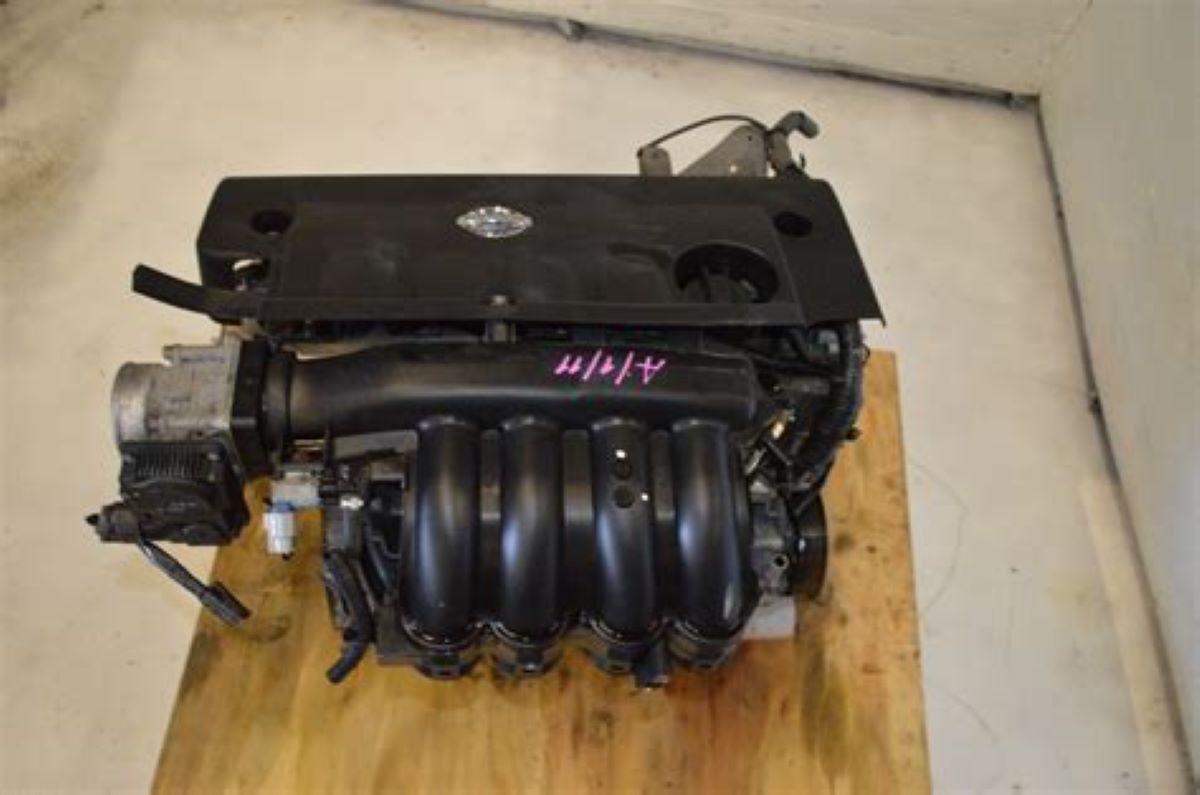
Once sorted, this 2.5-liter DOHC engine proved itself as a durable, low-maintenance workhorse capable of exceeding 250,000 miles.
Its chain-driven timing system, moderate compression ratio, and lack of turbocharging contribute to its longevity. It’s also forgiving when it comes to maintenance schedules even drivers who miss an oil change or two find it keeps running smoothly.
The Nissan QR25DE engine is a 2.5-liter, four-cylinder powerplant that has established a significant and enduring mark across a diverse range of Nissan and Infiniti-branded vehicles.
Recognized for its well-engineered balance of adequate performance and commendable fuel efficiency, this engine has long been a popular and widely chosen option for drivers seeking a reliable and versatile powertrain for their daily transportation needs.
From its inception, the QR25DE engine was strategically designed to appeal to a broad spectrum of consumers, ranging from families requiring a dependable and economical vehicle to young professionals seeking a ride with a sporty character that remains practical for everyday use.
Its fundamental positioning within the automotive market is centered entirely on the concept of versatility. This engine successfully strikes a deliberate and effective balance between usable power and operational efficiency, making it a suitable and well-rounded choice for the stop-and-go nature of city driving as well as for extended highway cruising.
While it is not positioned as the most powerful or high-performance engine available, it consistently delivers the necessary performance for most driving scenarios while ensuring that owners are not faced with excessive costs at the fuel pump.
For consumers considering a vehicle equipped with this engine, the QR25DE can be found in a wide variety of models across Nissan’s extensive lineup, as well as in a model from its luxury division, Infiniti.
This includes popular models such as the Nissan Altima, a midsize sedan that benefited from the engine’s blend of power and efficiency for daily commuting; the Nissan Sentra, a compact car that offered a spirited driving experience; the Nissan Rogue, a compact SUV that leveraged the engine’s torque for city driving; the rugged Nissan Xterra for off-roading; the family-friendly Nissan Pathfinder; and the Infiniti G25, which offered a sportier, luxury edge while utilizing the engine’s reliable architecture.
Also Read: 5 Crossovers With Bulletproof Fuel Pumps vs 5 That Strand You
2. Nissan VQ35DE (3.5L V6)
The VQ engine family has become legendary, and the 3.5-liter VQ35DE stands as its most iconic variant. Found in everything from the Nissan Maxima and 350Z to the Murano and Pathfinder, this V6 blends smooth performance with exceptional reliability.
The aluminum block and heads reduce weight and heat stress, while its design encourages even oil circulation and minimal wear.
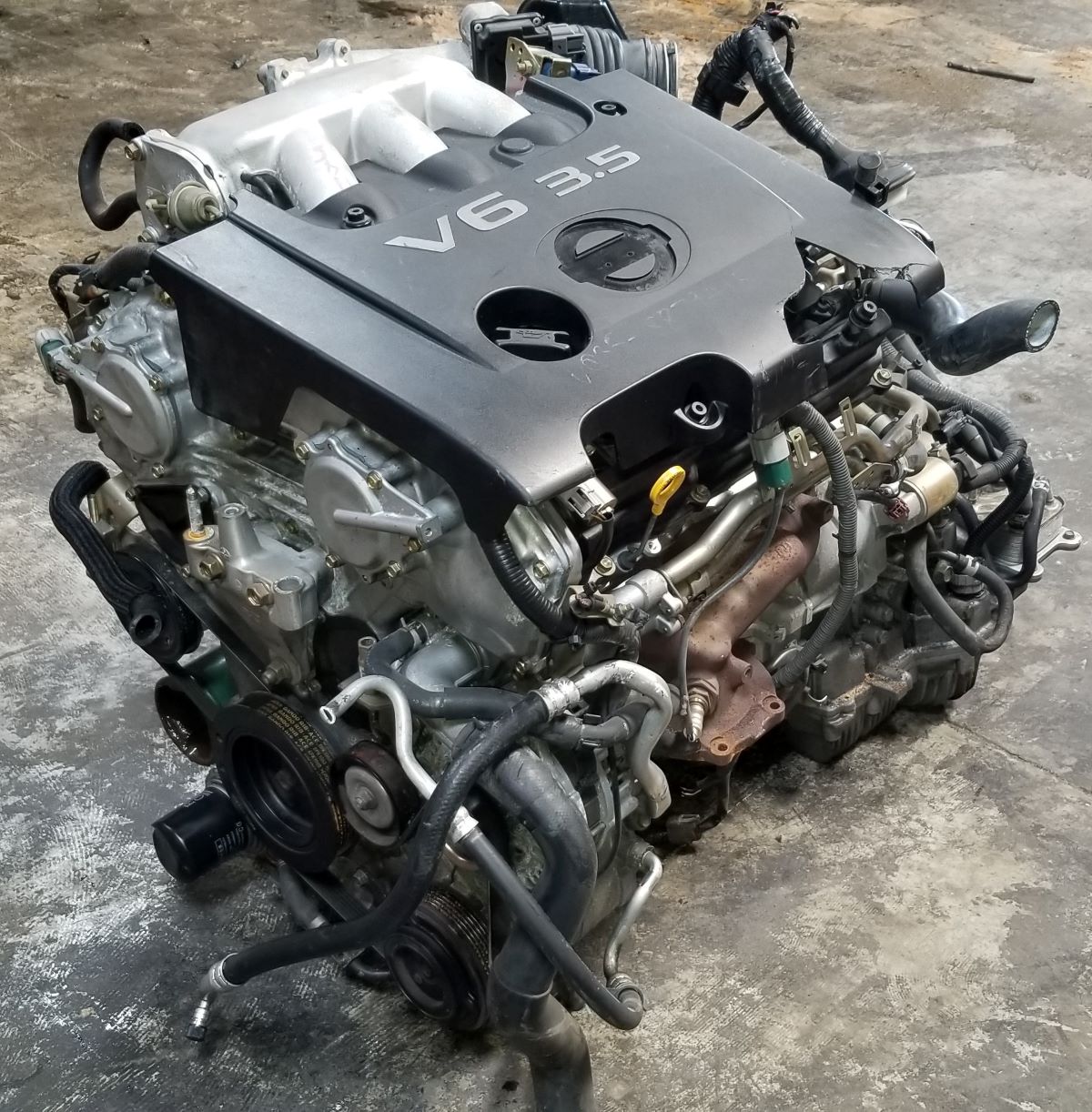
With basic maintenance fresh oil, clean filters, and occasional valve cover attention the VQ35DE often sails past 300,000 miles.
Enthusiasts love it for its broad torque curve and mechanical simplicity compared to newer, more complex V6s with turbochargers or hybrid systems.
3. Nissan KA24DE (2.4L Inline-Four)
Before the QR-series, Nissan relied heavily on the KA24DE, a sturdy, cast-iron-block four-cylinder that powered the Altima, Frontier, and 240SX through the 1990s.
Known for its strong bottom end and reliable chain drive, the KA24DE became beloved among tuners for its overbuilt internals.
For normal street driving, it’s simply unkillable. Many owners report odometers turning over 300,000 miles without needing internal engine work.
It doesn’t offer flashy horsepower numbers, but its long service life and mechanical toughness make it one of Nissan’s most underrated achievements.
The Nissan KA24DE is a robust and well-regarded 2.4-liter inline-four-cylinder engine that has firmly earned its reputation among the automotive enthusiast community for its notable reliability and impressive versatility.
Initially introduced in the early 1990s, this powerplant was engineered as a key member of Nissan’s broader family of engines, a line developed with the explicit aim of providing a practical and effective balance between everyday performance and reasonable fuel efficiency.
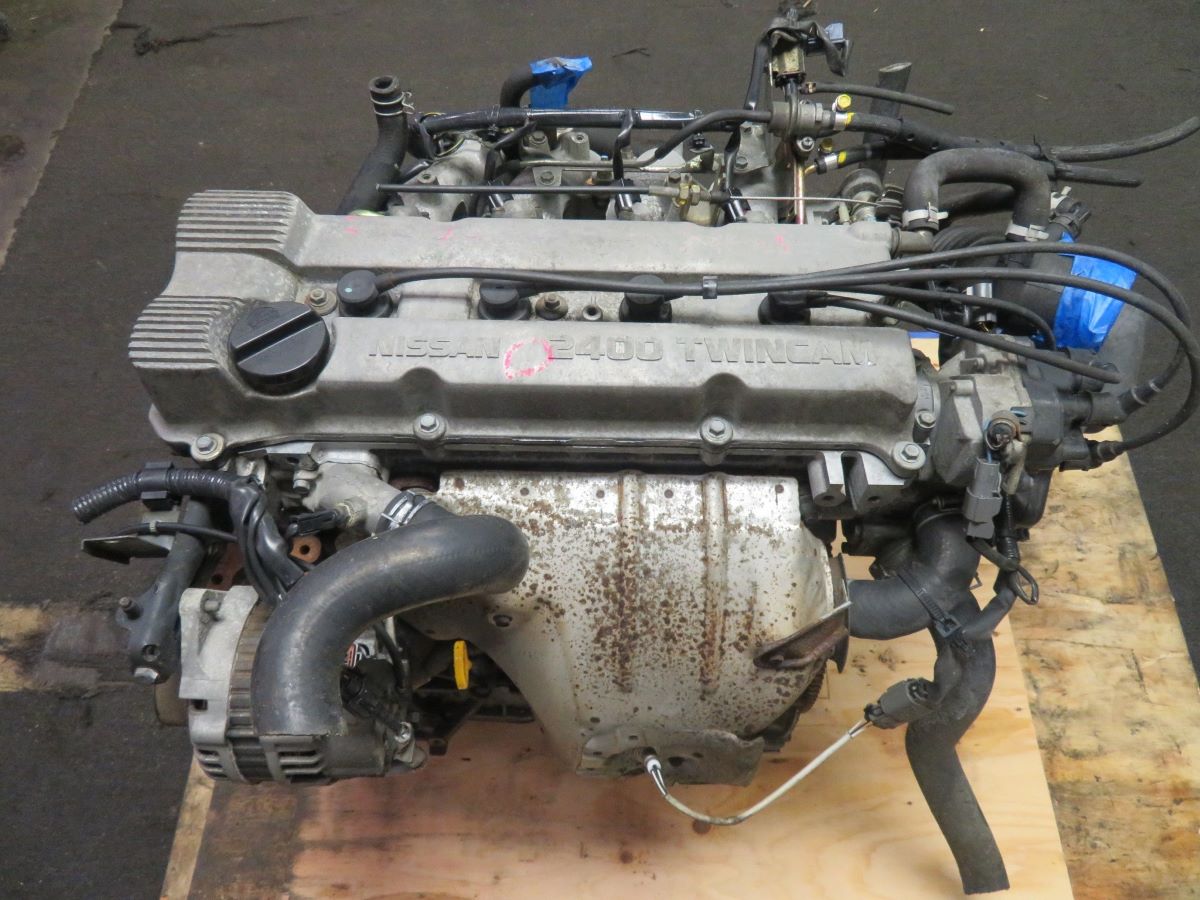
As a DOHC (Dual Overhead Cam) engine featuring a 16-valve configuration, the KA24DE was designed from the outset to allow for superior airflow into and out of the combustion chambers, a fundamental characteristic that contributed to its improved performance and refinement when compared to its simpler, single-cam predecessors.
A particularly standout feature of the KA24DE’s construction is its combination of a durable iron cylinder block and a lightweight aluminum DOHC cylinder head. This specific engineering choice contributes significantly to the engine’s overall durability and potential for long-term longevity.
The engine has become especially renowned within tuning circles for its inherent ability to reliably handle a wide array of modifications, making it a perennial and popular choice for enthusiasts seeking aftermarket performance upgrades.
Whether an owner is looking to incrementally increase horsepower or substantially improve low-end and mid-range torque, the KA24DE provides a remarkably solid and robust foundation upon which to build various performance enhancements.
In terms of its fundamental design and engineering, the KA24DE incorporates an efficient multi-port fuel injection system that was advanced for its time, a setup designed to optimize fuel delivery to each cylinder. This system played a key role in enhancing both the engine’s overall power output and its real-world fuel economy.
4. Nissan VQ40DE (4.0L V6)
The larger cousin of the VQ35, the 4.0-liter VQ40DE powers the Frontier, Pathfinder, and Xterra all vehicles that often live hard lives hauling, towing, or off-roading.
Despite the abuse, this engine holds up exceptionally well. With proper cooling and oil maintenance, it’s common to see these motors cross 250,000 miles.
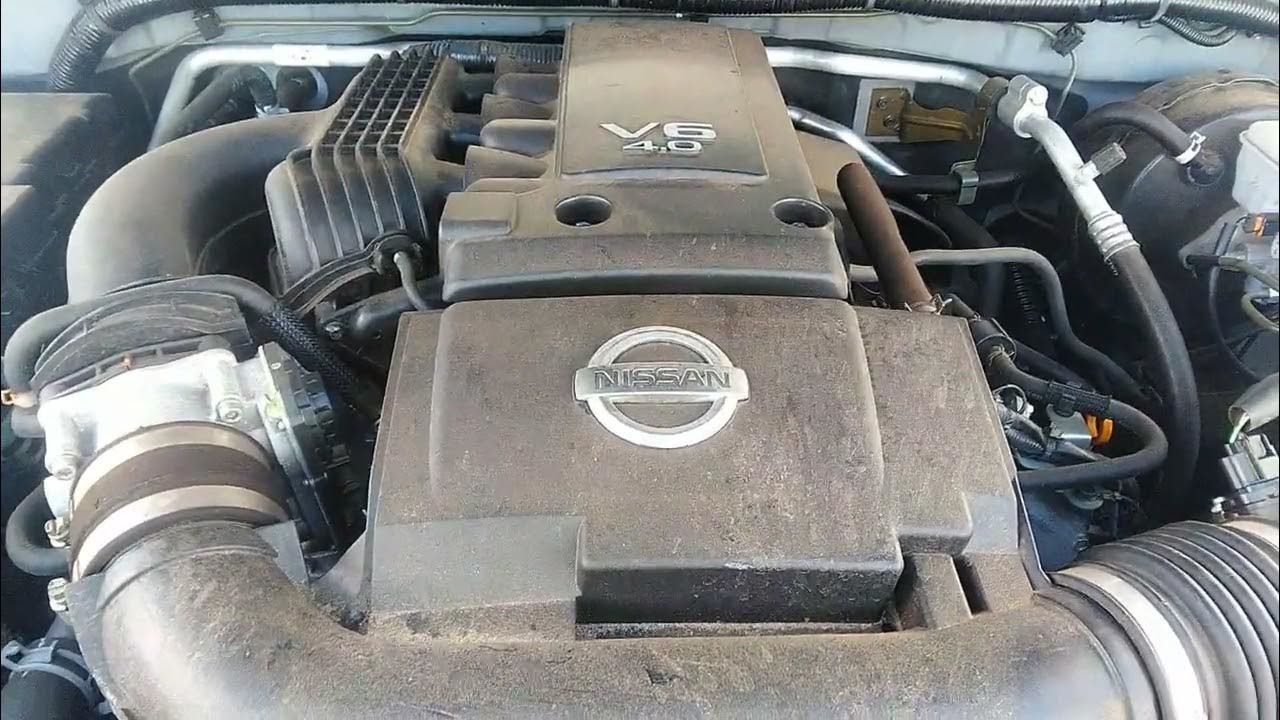
Its robust torque delivery suits trucks perfectly, while its timing chain setup eliminates the need for belt replacements.
While not as refined as newer designs, it’s one of the most reliable midsize truck engines of the 2000s and far less failure-prone than the competition’s early V6s.
5. Nissan MR20DE (2.0L Inline-Four)
The MR20DE might not be a household name, but it’s a quietly dependable engine found in U.S. models like the Sentra and Rogue (as well as globally in countless Nissan models).
Lightweight and fuel-efficient, it’s built for daily use and built well. The MR20DE uses a simple timing chain system, efficient combustion chamber design, and modest output levels, which reduce stress on internal components.
Owners who change the oil every 5,000 miles often see well over 200,000 miles before any major repairs. Its low-maintenance nature has made it a favorite among budget-conscious drivers and fleet operators alike.
The MR20DE engine was introduced as the successor to the QR20DE on Nissan’s production line. This newer powerplant is a more powerful and torquey engine that also incorporates a reliable timing chain drive system, a design generally known for greater longevity than a timing belt.
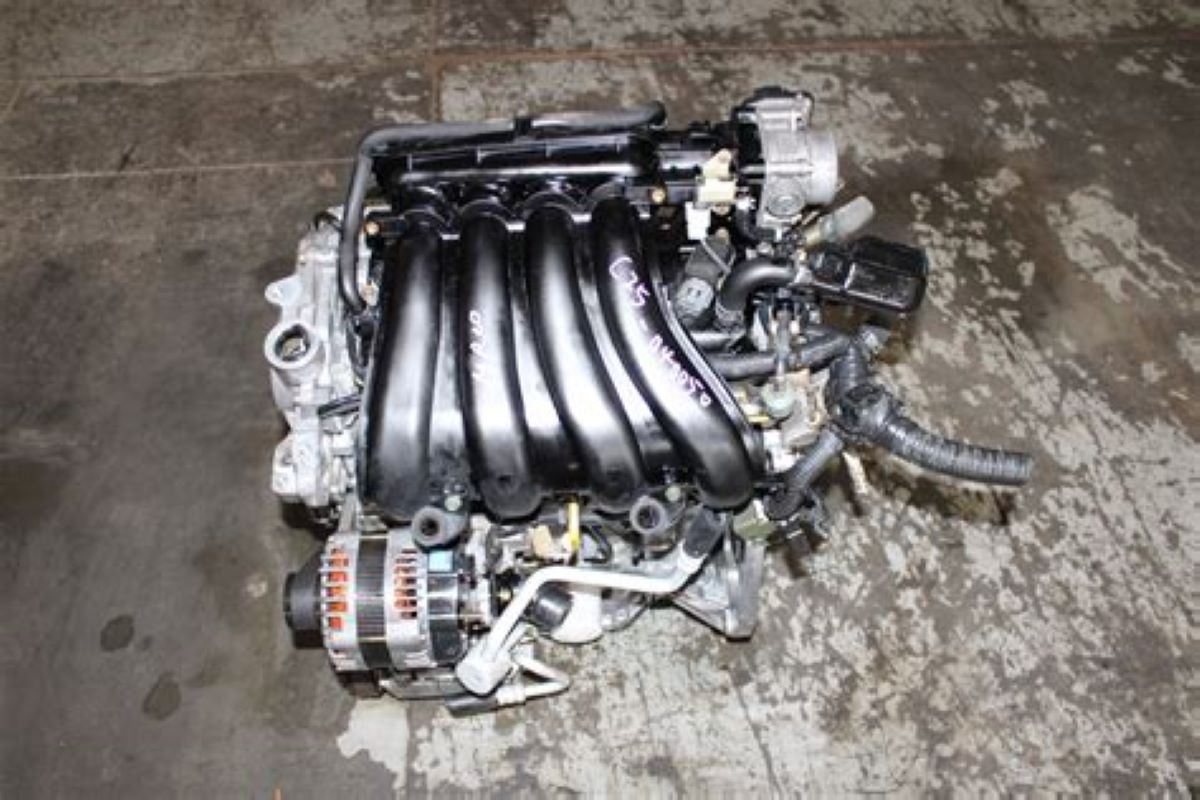
Furthermore, the MR20DE was backed by a longer warranty period compared to the QR20DE, often cited as being applicable for up to approximately 200,000 miles, which reflected the manufacturer’s confidence in its improved durability.
This engine was equipped with a variable valve timing system (VVT) specifically on the intake camshaft, a feature that helps optimize performance and efficiency across a wide range of engine speeds. Notably, the engine does not utilize hydraulic tappets for its valvetrain.
Consequently, if an owner begins to hear a rising, tapping noise from the engine bay, this is probably the first sign of increased valve clearances as the components wear over time.
These valve clearances are adjusted not by hydraulic lifters but by the manual selection and installation of specific shims or washers, a procedure that requires mechanical skill and precise measurement. This characteristic is indicative of the engine’s overall simple and mechanically straightforward design.
The MR20DE can be characterized as quite an ordinary and utilitarian engine, one that comes with its own set of distinct advantages and disadvantages in terms of performance, maintenance, and longevity.
For context within Nissan’s engine family, the smaller 1.6-liter HR16DE powerplant is considered the scaled-down version of this engine’s fundamental design philosophy.
6. Nissan VG33E (3.3L V6)
Long before the VQ engines arrived, the VG33E was Nissan’s go-to powerplant for trucks and SUVs. This naturally aspirated V6 powered the Frontier, Pathfinder, and Xterra through the late 1990s and early 2000s.
The VG33E features a cast-iron block and a reputation for handling neglect better than most. Even with spotty maintenance, it’s not uncommon for these engines to reach 300,000 miles.
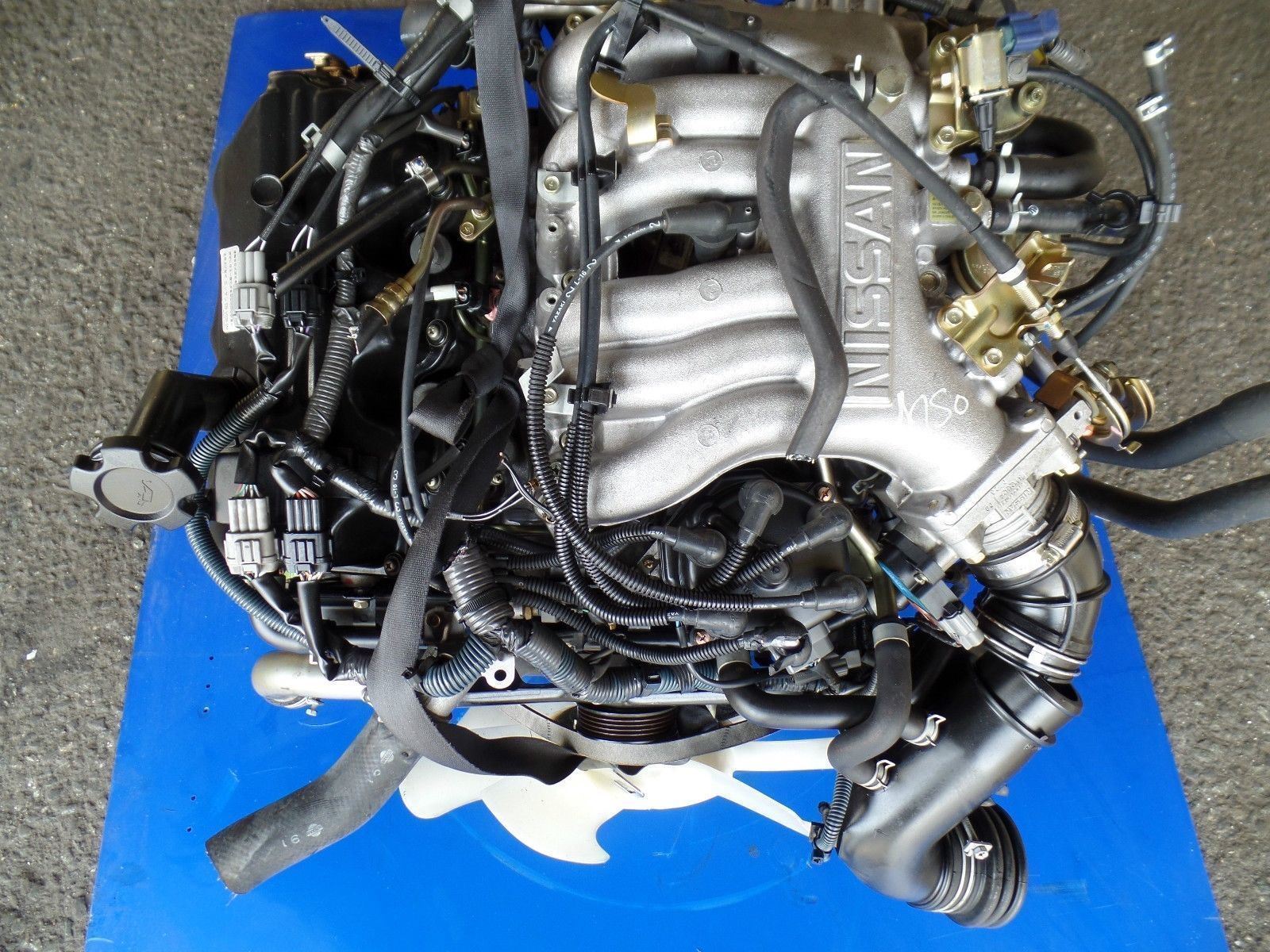
It may not be fuel-efficient, but it’s incredibly simple to service and it rarely fails catastrophically. For off-roaders, this engine remains a legend for its ability to keep running despite rough terrain and minimal upkeep.
7. Nissan QG18DE (1.8L Inline-Four)
Used primarily in the early-2000s Nissan Sentra, the QG18DE was an engine that never sought attention it just kept working.
Featuring a cast-iron block, aluminum head, and timing chain design, it was a textbook example of Nissan’s focus on longevity over flash.
Though its 125 horsepower output was modest, the QG18DE’s internal balance and low-stress architecture allowed it to exceed 250,000 miles with ease.
Many mechanics call it one of Nissan’s most “honest” engines not fast, not fancy, but dependable through decades of use.
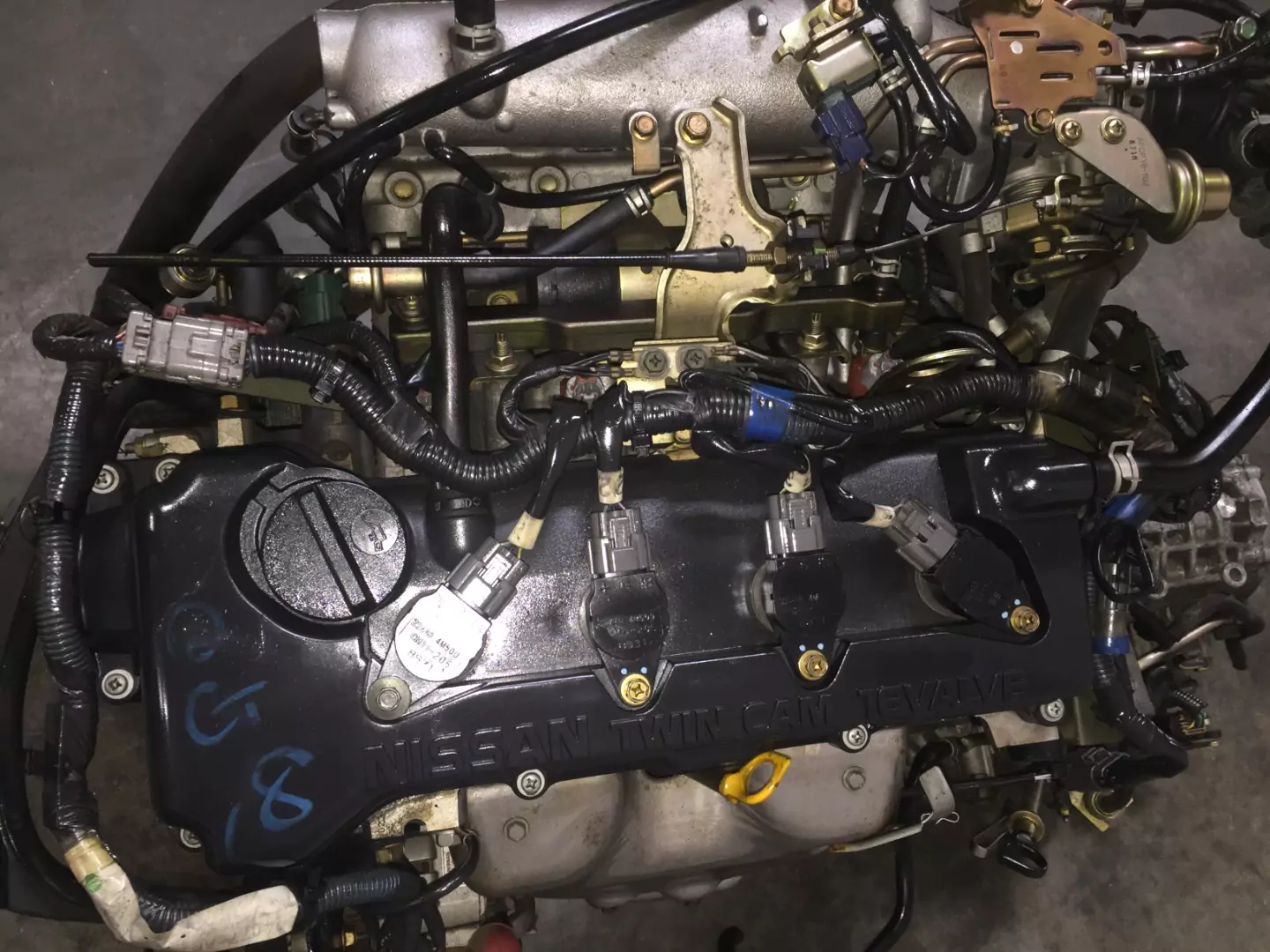
The QG18DE engine shares its fundamental architecture with the 1.6-liter QG16DE, but it is distinguished by a larger cylinder bore, measuring 80.0 mm. This modification directly results in a greater total displacement of 1.8 liters.
The primary benefit of this increased displacement was the production of more torque, particularly at lower engine rpm, which enhances drivability in everyday situations. Despite this difference in size and output, the 1.8-liter and 1.6-liter engines remain very similar in their core design and components.
The QG18DE utilizes the same Continuously Variable Valve Timing Control system (CVTC) on the intake camshaft, the same timing chain drive, the same variable geometry intake manifold with its control valves, the same cylinder head design, and numerous other shared parts.
A key characteristic shared between them is the absence of hydraulic tappets or self-adjusting lifters in the valvetrain. This design choice necessitates periodic maintenance, specifically, a professional service visit approximately every 60,000 miles for manual valve gap or clearance adjustments to ensure quiet operation and optimal performance.
In essence, the engine is quite ordinary, featuring nothing particularly special or reliant on high-end technologies; it is this very simplicity and robust, conventional engineering that contributes to its potential for running smoothly for long mileages with proper care.
Also Read: 5 Once-Popular Cars Now Selling Below MSRP vs 5 That Still Sell Above Sticker
8. Nissan VQ37VHR (3.7L V6)
The modern evolution of Nissan’s iconic VQ family, the VQ37VHR powers the 370Z, Infiniti G37, and Q50. Despite its high-performance pedigree and variable valve event and lift system, it’s remarkably durable.
When maintained with high-quality synthetic oil, the VQ37VHR routinely lasts beyond 200,000 miles impressive for a performance engine that regularly sees high revs.
The design benefits from decades of refinement in the VQ lineage, balancing power and reliability like few other engines in its class.
Even enthusiasts who track their cars report minimal wear, proving Nissan’s engineering still has staying power in the modern era.
The VQ37VHR engine represents a truly remarkable piece of modern automotive engineering that has justifiably garnered significant attention and acclaim for its exceptional performance and notable versatility.
Developed by Nissan, this high-output 3.7-liter V6 engine is a distinguished and technologically advanced member of the renowned VQ engine family, a series of powerplants that has been a performance staple in the global automotive industry since its introduction in the 1990s.
The VQ37VHR is particularly notable for its incorporation of advanced technologies, most prominently a sophisticated variable valve event and lift system (VVEL), which actively optimizes engine breathing, performance, and efficiency across the entire RPM range.
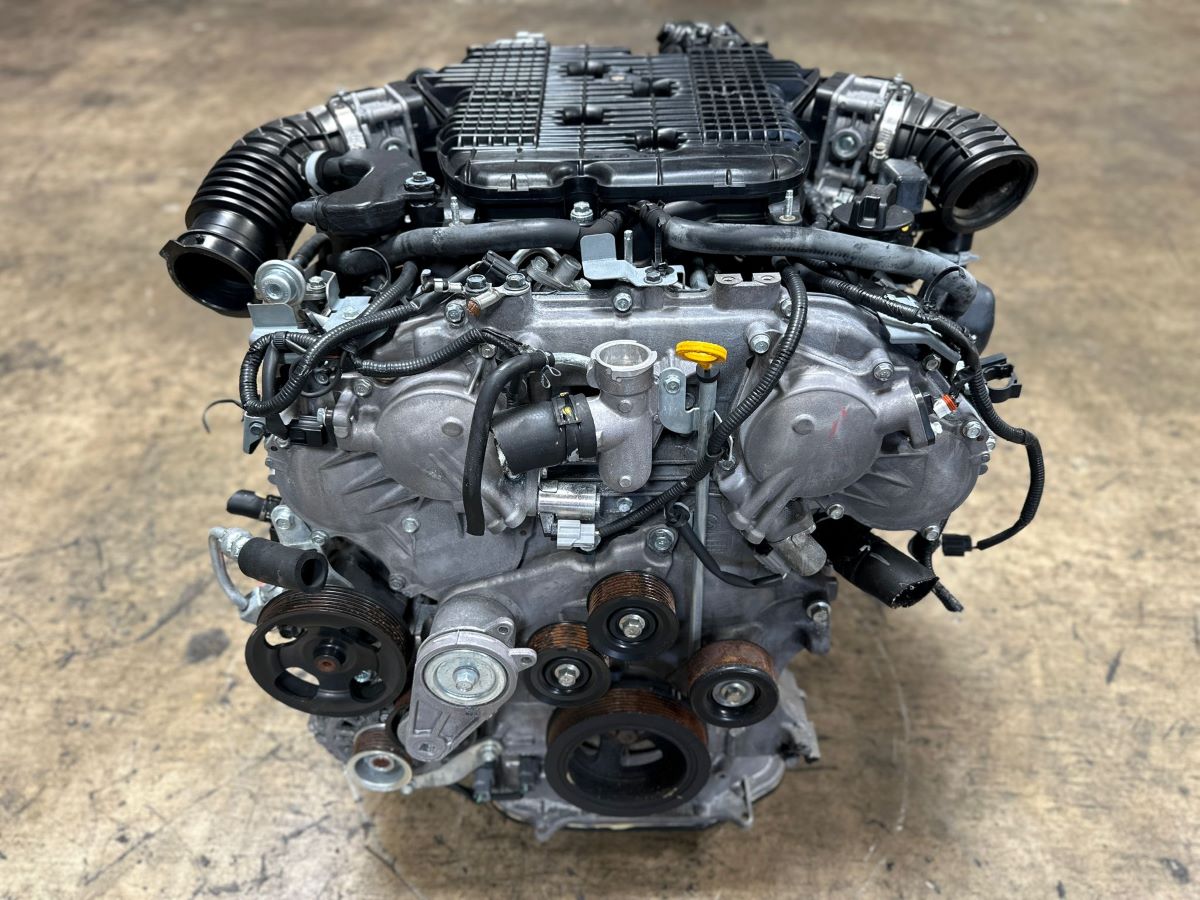
This engine was meticulously designed from the outset to deliver a refined blend of substantial power, respectable efficiency, and exceptionally smooth operation, characteristics that have collectively made it a perennial favorite among knowledgeable car enthusiasts and everyday drivers alike.
One of the most significant standout features of the VQ37VHR is its demonstrated ability to produce genuinely impressive horsepower and torque figures from its naturally aspirated design.
With a maximum output of approximately 330 horsepower and 270 lb-ft of torque, this engine provides exhilarating acceleration and immediate, linear responsiveness that is often absent in turbocharged counterparts.
The VQ37VHR is also widely praised for its incredibly smooth and progressive power delivery, a quality that significantly enhances the overall driving experience, whether one is navigating congested city streets or cruising effortlessly on the open highway.
The inherent versatility and high-performance character of the VQ37VHR is clearly showcased through its strategic deployment in a diverse array of prestigious Nissan and Infiniti models.
The VQ37VHR engine has thoroughly proven itself across these varied automotive segments, from dedicated sports cars to luxury sedans, thereby solidifying its well-earned reputation as a reliable, powerful, and highly adaptable choice.
Its winning combination of robust performance, refined smoothness, and broad adaptability has made it a key and celebrated component in both Nissan’s and Infiniti’s lineups for many years, contributing immensely to the overall appeal and driving character of these vehicles.
Whether a driver is seeking a spirited, engaging drive or a comfortably powerful and refined ride, the VQ37VHR engine has undoubtedly left its enduring and respected mark on the automotive landscape.
9. Nissan TD27 (2.7L Diesel Inline-Four)
Although not common in U.S. passenger vehicles, the TD27 diesel engine powered various Nissan commercial vehicles and overseas Pathfinders, and some found their way to American shores via imports.
This diesel is one of Nissan’s toughest creations, with mechanical fuel injection, no electronic frills, and an iron block that can seemingly run forever.
It’s known to exceed half a million miles with routine oil changes. Diesel enthusiasts often swap these engines into older trucks for their bulletproof design and mechanical simplicity. It may not be fast, but it’s the embodiment of Nissan’s “built to last” philosophy.
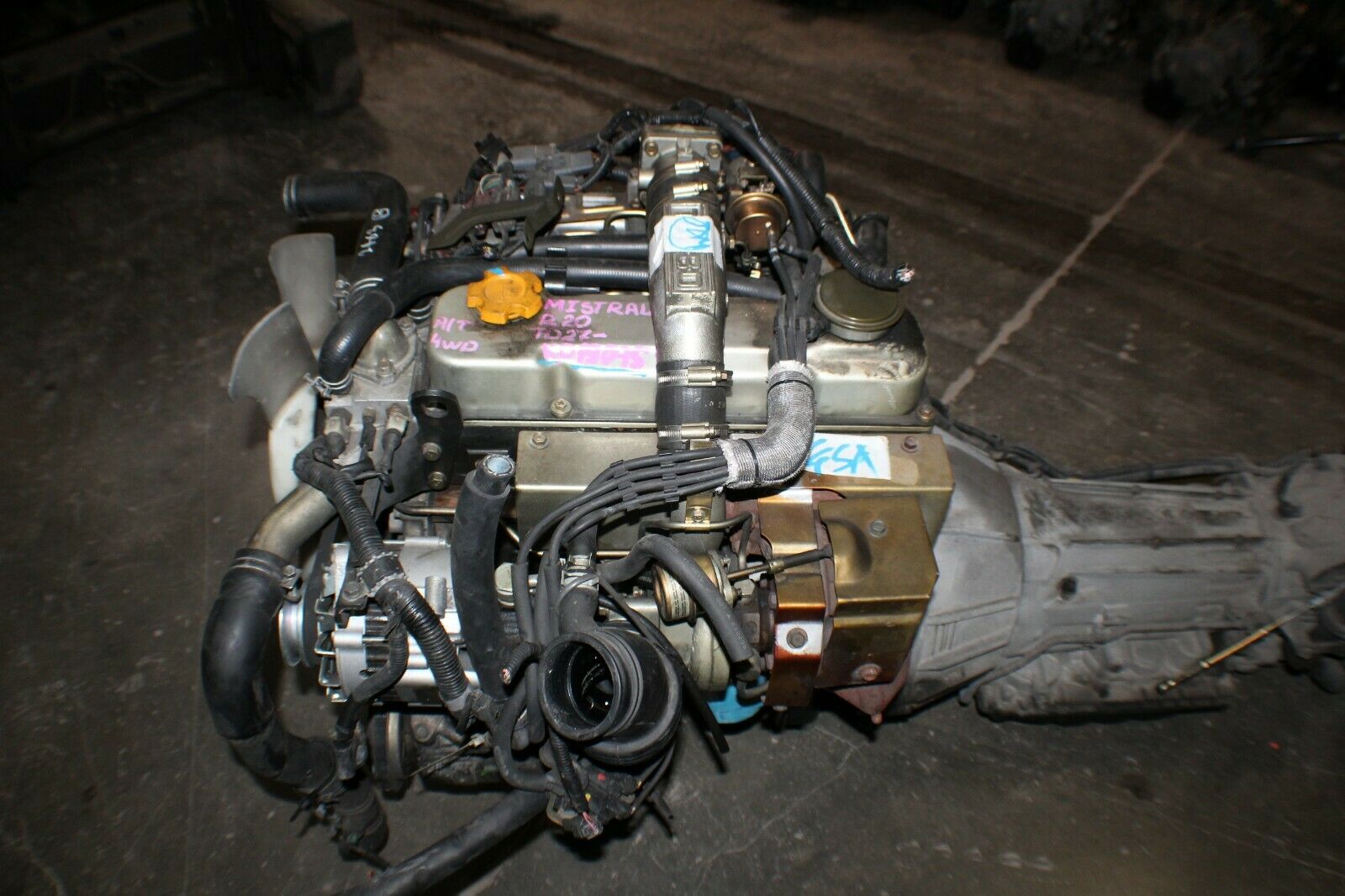
The Nissan TD27 is a robust and dependable 2.7-liter, four-cylinder diesel engine that has earned a formidable and well-deserved reputation across global markets for its exceptional reliability and remarkable versatility.
Designed from the ground up primarily for utility-focused and off-road-capable vehicles, this durable powerplant has successfully found its way into a diverse variety of Nissan models, establishing itself as a popular and trusted choice among vehicle owners who prioritize long-term durability and proven, real-world performance above all else.
If you are considering the purchase of a vehicle equipped with this engine, it is essential to develop a thorough understanding of its specific positioning within the automotive mark
et and to familiarize yourself with the particular models that have featured this respected powerplant.
Within the competitive world of medium-displacement diesel engines, the Nissan TD27 stands out prominently for its effective and practical balance of adequate power and notable fuel efficiency.
It was engineered from the outset to competently cater to both demanding commercial applications and rigorous personal use, making it an inherently versatile and adaptable option for a wide range of applications and owner requirements.
This engine is particularly favored and commonly found in world regions where diesel fuel is more accessible and economically advantageous, allowing owners to benefit substantially from lower daily running costs and superior fuel economy when directly compared to similar-sized gasoline engines.
The TD27 is especially renowned for its inherent ability to handle consistently tough operating conditions and high mileage, making it a perennial go-to choice for drivers and businesses that require a truly dependable and low-maintenance engine for demanding work or extended adventure.
10. Nissan HR16DE (1.6L Inline-Four)
Used in the Nissan Versa, Sentra, and even some Micra and Note models, the HR16DE is one of the brand’s quietest success stories.
Compact, lightweight, and designed for minimal friction losses, this engine regularly hits 200,000 miles with little more than basic care.
Nissan’s continuous refinements including variable valve timing and an efficient cooling layout have made it both economical and dependable.
For commuters who want something that just works, the HR16DE quietly gets the job done year after year, proving that even small-displacement engines can achieve big-mile reliability when engineered right.
While Nissan has faced criticism for CVT transmission reliability in some models, its engines remain among the most durable in the industry when cared for properly.
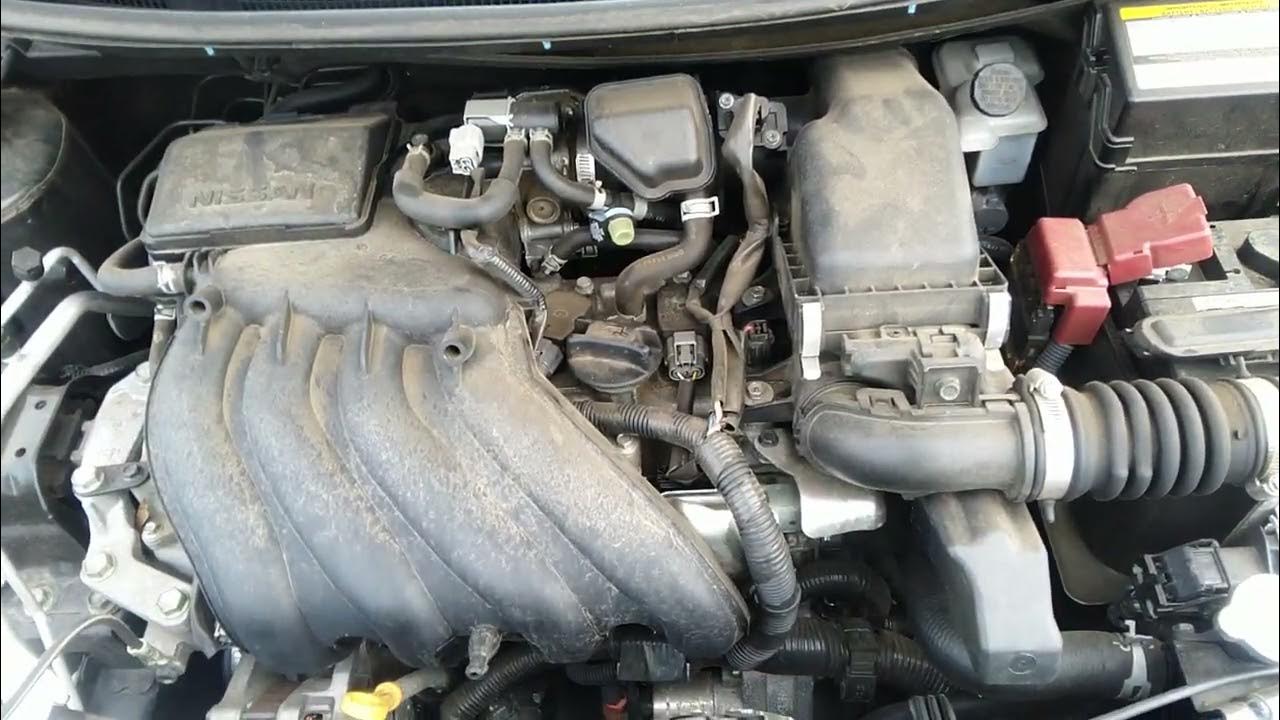
The Nissan HR16DE engine represents the evolutionary successor to the Renault-derived K4M powerplant. Notably, vehicles from the Renault brand were also fitted with this engine architecture, though it was marketed under a different designation, the H4M.
This new engine family was developed to officially replace the older QG16DE engine in Nissan’s lineup.
The HR16DE incorporates several modern technologies for its segment, including a variable valve timing system specifically on the intake camshaft, an electronic throttle body (drive-by-wire), and a distinctive configuration of two fuel injectors per cylinder.
Despite these advancements, the engine’s timing chain has proven to be not entirely reliable in the long term, with a known tendency to stretch out prematurely, requiring replacement.
Furthermore, the valvetrain requires periodic maintenance, as valve clearance adjustments are a necessary service for the HR16DE approximately every 60,000 miles due to the absence of self-adjusting hydraulic tappets.
The engine was, however, modernized very effectively in other key areas. The introduction of new camshaft profiles and the advanced, dual-injector fuel system contributed significantly to reduced fuel consumption while simultaneously increasing power and torque outputs.
These engineering improvements also enabled the engine to meet the stringent European environmental standard, Euro 5. Summing up its character, the HR16DE is a pretty conventional and economically-focused 1.6-liter engine.
From a design perspective, we can also accurately state that the HR16DE serves as the smaller-displacement version of the 2.0-liter MR20DE engine found in other Nissan models.
The secret lies in simplicity naturally aspirated designs, strong internal materials, and smart engineering choices that prioritize endurance over complexity.
From the rugged VG33E and VQ40DE truck engines to the refined VQ37VHR sports-car mill, Nissan’s best powerplants have built a legacy not of flash, but of quiet consistency.
For drivers who value an engine that simply keeps running year after year, these ten Nissan motors prove that reliability still runs deep in the brand’s DNA.
