For most American drivers, gas prices fluctuate enough to make premium fuel seem like a luxury reserved for sports cars and luxury sedans.
Yet many modern vehicles and even some older ones run perfectly fine on regular 87-octane gasoline without developing the dreaded “ping” or engine knock that can shorten engine life.
The difference comes down to smart engineering, compression ratios, and modern tuning systems. Some engines are simply built to take abuse, tolerate lower-quality fuel, and still deliver smooth, consistent power for hundreds of thousands of miles.
This list highlights ten engines that handle cheap gas exceptionally well those that don’t knock, don’t mind lower octane, and don’t sacrifice long-term reliability.
Whether you’re running errands in a compact crossover or hauling loads with a pickup, these engines prove that durable performance doesn’t have to come with premium prices.
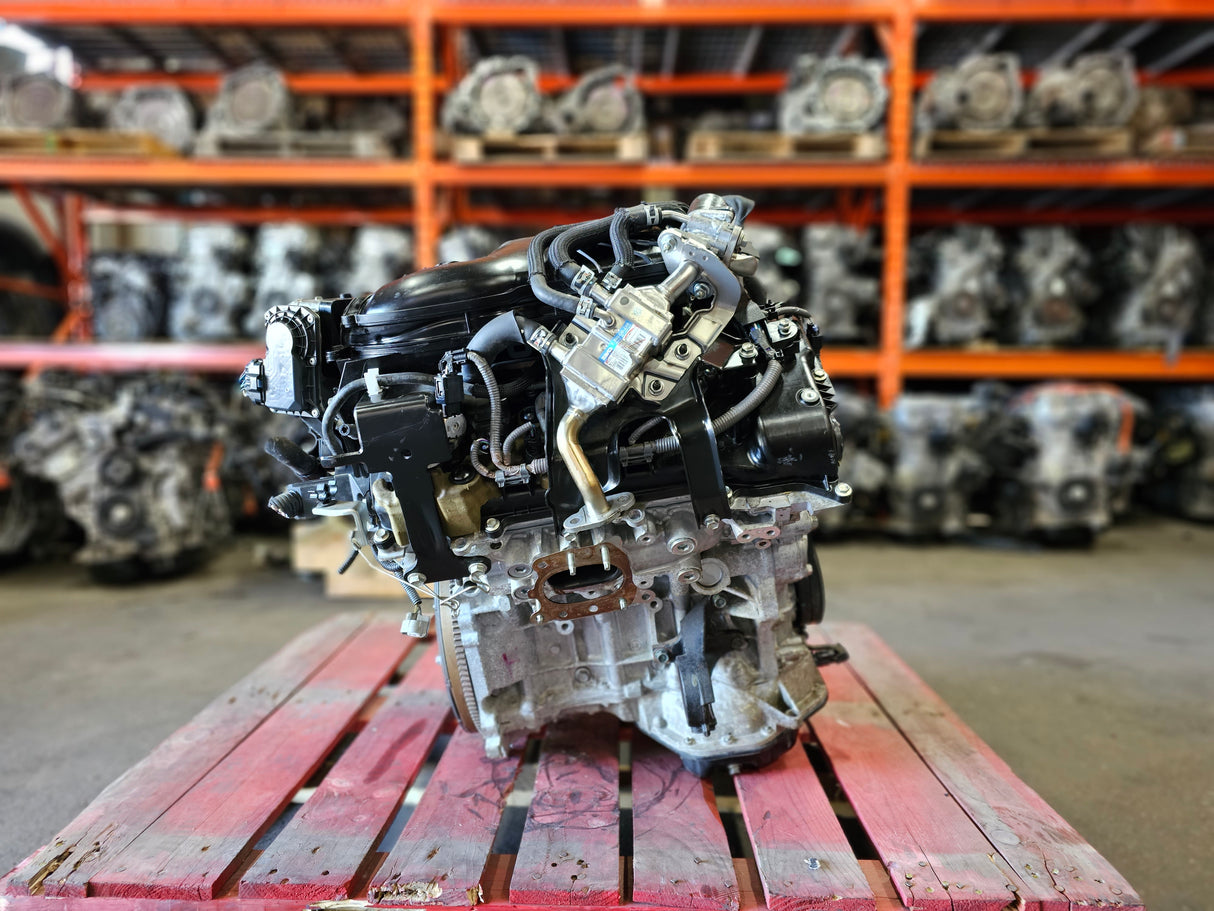
1. Toyota 2.5L Dynamic Force I4 (A25A-FKS)
Found in models like the Toyota Camry, RAV4, and Highlander, the A25A-FKS engine is part of Toyota’s “Dynamic Force” family a series designed to balance efficiency and performance on regular unleaded fuel.
Despite its relatively high compression ratio (13:1), this engine uses advanced variable valve timing and direct/port fuel injection blending to prevent knock.
Toyota’s combustion control strategy manages airflow, spark timing, and fuel delivery so effectively that it tolerates lower-octane gas without detonation or long-term wear.
Owners frequently praise how smooth and quiet this engine remains even on cheaper fuel, with reports of 200,000+ miles without internal issues.
The Toyota A25A-FKS 2.5-liter engine stands out as a prominent and highly regarded powerplant within Toyota’s extensive engine lineup, having been meticulously designed to deliver a sophisticated and balanced blend of responsive performance and remarkable fuel efficiency.
Positioned strategically as a versatile and adaptable powerplant, it successfully caters to a wide spectrum of vehicles, which has cemented its status as a popular and frequently chosen option among auto manufacturers and driving enthusiasts alike.
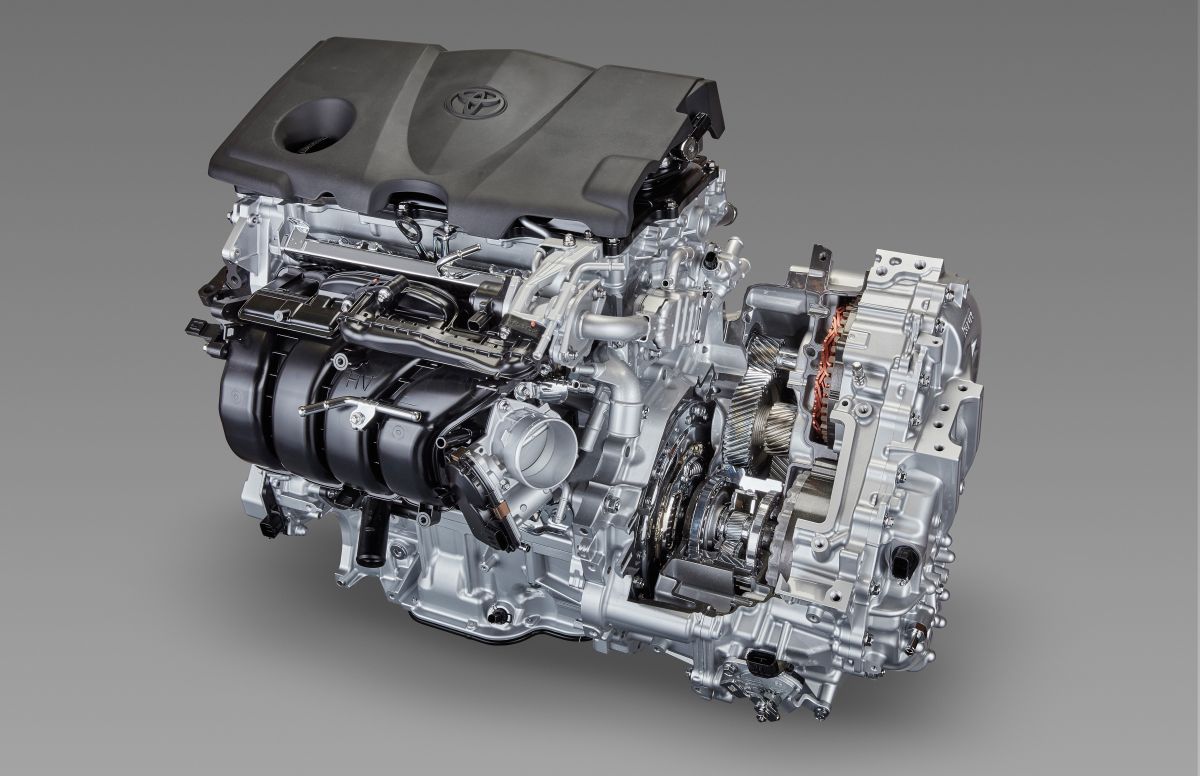
This advanced engine is a key member of Toyota’s innovative Dynamic Force Engine family, a series that places a strong emphasis not merely on power output but also on achieving superior fuel economy and significantly reduced emissions.
The A25A-FKS engine has demonstrated its remarkable adaptability by finding its way into several of Toyota’s most popular and best-selling models, effectively showcasing its versatility across dramatically different vehicle types and segments.
While a deep dive into technical specifications is beyond our current scope, it is certainly worth noting that the A25A-FKS engine is fundamentally designed from the ground up to deliver a responsive and engaging driving experience.
Whether a driver is navigating congested city streets or hitting the open road on a long journey, this engine provides ample, linearly delivered power without forcing a sacrifice in overall fuel efficiency.
Owners can consistently expect smooth and predictable acceleration that makes common maneuvers such as merging onto busy highways or overtaking slower vehicles an effortless and confident breeze.
One of the most significant and praiseworthy standout features of the A25A-FKS engine is its class-leading fuel efficiency. In today’s world where gasoline prices can be notoriously volatile and fluctuate wildly, owning a vehicle equipped with an engine that delivers excellent mileage is a significant and tangible advantage.
Owners of vehicles equipped with this engine frequently report noticeably fewer trips to the fuel pump, a practical benefit that directly translates into considerable financial savings over the lifetime of ownership.
Toyota has made substantial and commendable strides in reducing harmful emissions with the advanced design of the A25A-FKS engine. While driving a vehicle powered by this engine, owners can feel a sense of contribution toward a cleaner environment.
The engine’s highly efficient combustion process and advanced emission control systems help minimize its overall carbon footprint, a feature that aligns perfectly with Toyota’s broader global commitment to corporate sustainability and environmental responsibility.
In summary, the Toyota A25A-FKS 2.5-liter engine is a versatile, efficient, and thoroughly modern powerplant that has successfully made its respected mark across a diverse variety of popular models.
Also Read: 10 Affordable Cars That Refuse to Quit in College Parking Lots
2. Honda 1.5L Turbocharged I4 (L15B7)
Turbocharged engines often demand premium gas due to increased compression pressures, but Honda’s 1.5L “Earth Dreams” turbo manages to stay civilized on regular 87 octane.
Used in the Honda CR-V, Civic, and Accord, the L15B7 employs knock sensors that constantly adjust ignition timing to prevent damage.
Real-world tests show minimal performance differences between regular and premium fuel, and long-term reliability hasn’t been compromised.
While some early models faced oil dilution issues, later updates fixed those concerns, leaving behind a robust and fuel-efficient powerplant that doesn’t punish drivers for using cheap gas.
The L15B7 is a 1.5-liter, inline-four-cylinder, turbocharged gasoline engine featuring direct fuel injection, first introduced by Honda in the 2016 Civic model.
This powerplant is a direct result of Honda’s overarching engine downsizing strategy, which involves utilizing smaller displacement units in conjunction with forced induction from a turbocharger to overcome the inherent power deficit of a smaller engine.
Consequently, the 1.5-liter turbo engine provides the benefit of excellent fuel efficiency, while simultaneously delivering decent power and a torque output that actually exceeds what was typically available from a larger, naturally-aspirated 2.4-liter engine.
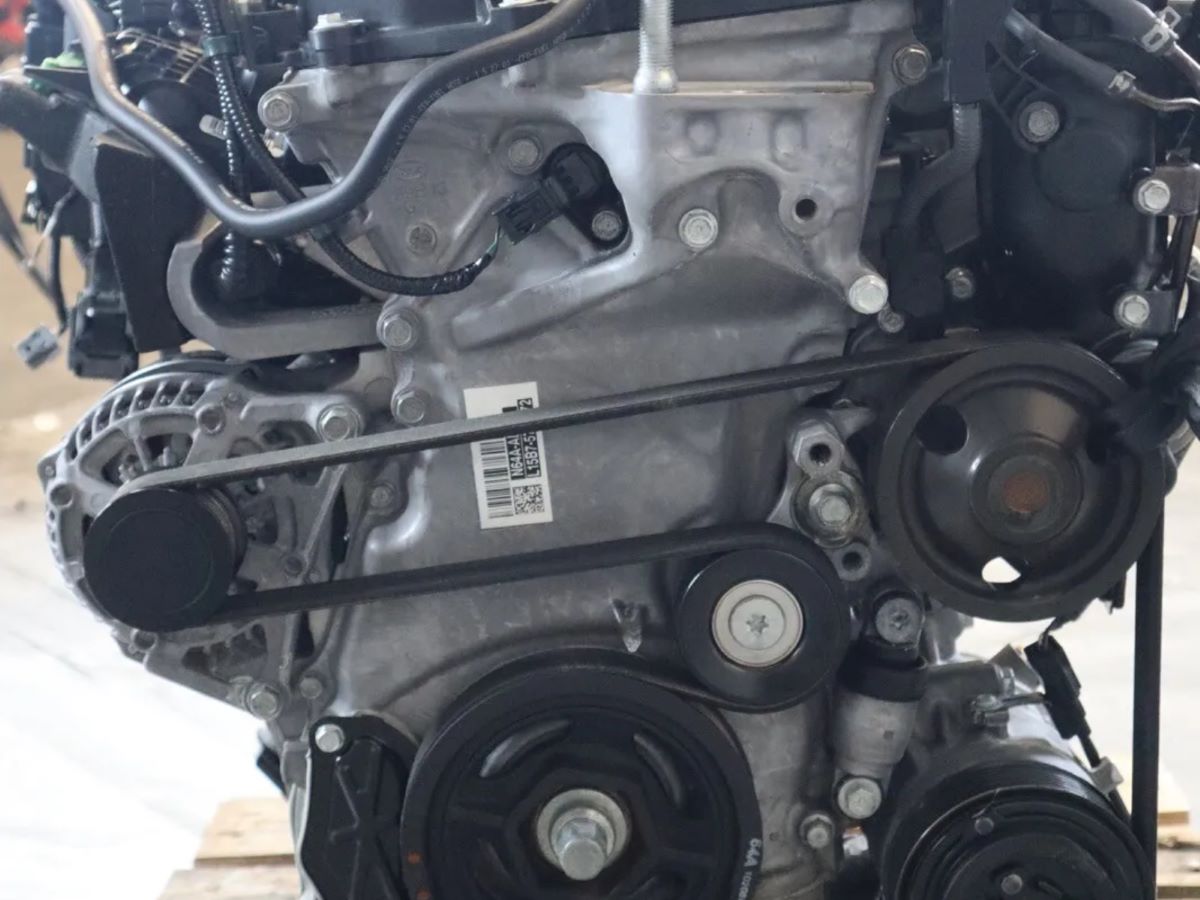
Following its successful debut, the manufacturer soon began offering this 1.5T engine in relatively heavier and more demanding vehicle applications, such as the Honda CR-V compact SUV and the midsize Honda Accord sedan.
Let’s take a closer look at the specific engineering features that make the Honda 1.5-liter turbo engine both highly efficient and surprisingly powerful. The engine utilizes an aluminum open-deck cylinder block paired with an aluminum cylinder head to reduce overall weight.
The engine block is equipped with lightweight steel connecting rods, which are heat-forged for higher strength to better withstand the high combustion pressures and loads associated with turbocharging.
There are also newly designed, cavity-shaped pistons with an optimized skirt design that serves to minimize piston vibration and friction against the cylinder walls, thereby increasing overall operating efficiency.
The manufacturers applied a specific plateau honing process, which is a specialized grinding technique, for the cylinder walls to reduce friction between the pistons and cylinders even more. For thermal management, the pistons are actively cooled by oil spray jets directed at their underside.
The cylinder head design includes four valves for each cylinder and dual overhead camshafts (DOHC) that are driven by a durable timing chain.
Both the intake and exhaust camshafts are equipped with actuators for Honda’s Variable Timing Control (VTC) system.
Each multi-hole direct fuel injector is placed strategically between the two intake valves, while the spark plug is positioned on top, directly in the center of the combustion chamber for optimal flame propagation.
The cylinder head is engineered with high tumble intake ports, achieving a tumble ratio of 1.9, which serves to strengthen the intake airflow and promote more efficient and complete fuel combustion.
To reduce the temperature of the intake air, which becomes compressed and heated by the turbocharger, Honda’s 1.5T engine uses a more common air-to-air intercooler. After being cooled by the intercooler, the air travels into a plastic intake manifold.
The engine’s speed and power output are ultimately controlled by an electronic drive-by-wire throttle system, meaning there is no direct mechanical connection between the driver’s acceleration pedal and the throttle valve in the engine bay.
3. Ford 3.5L Ti-VCT V6 (Naturally Aspirated)
Before Ford’s EcoBoost era dominated headlines, its 3.5L Ti-VCT V6 found in the Ford Edge, Explorer, and F-150 earned a reputation for being simple, reliable, and tolerant of regular fuel.
With dual independent variable cam timing and sequential fuel injection, the engine self-adjusts to lower octane levels without pre-ignition or knocking.
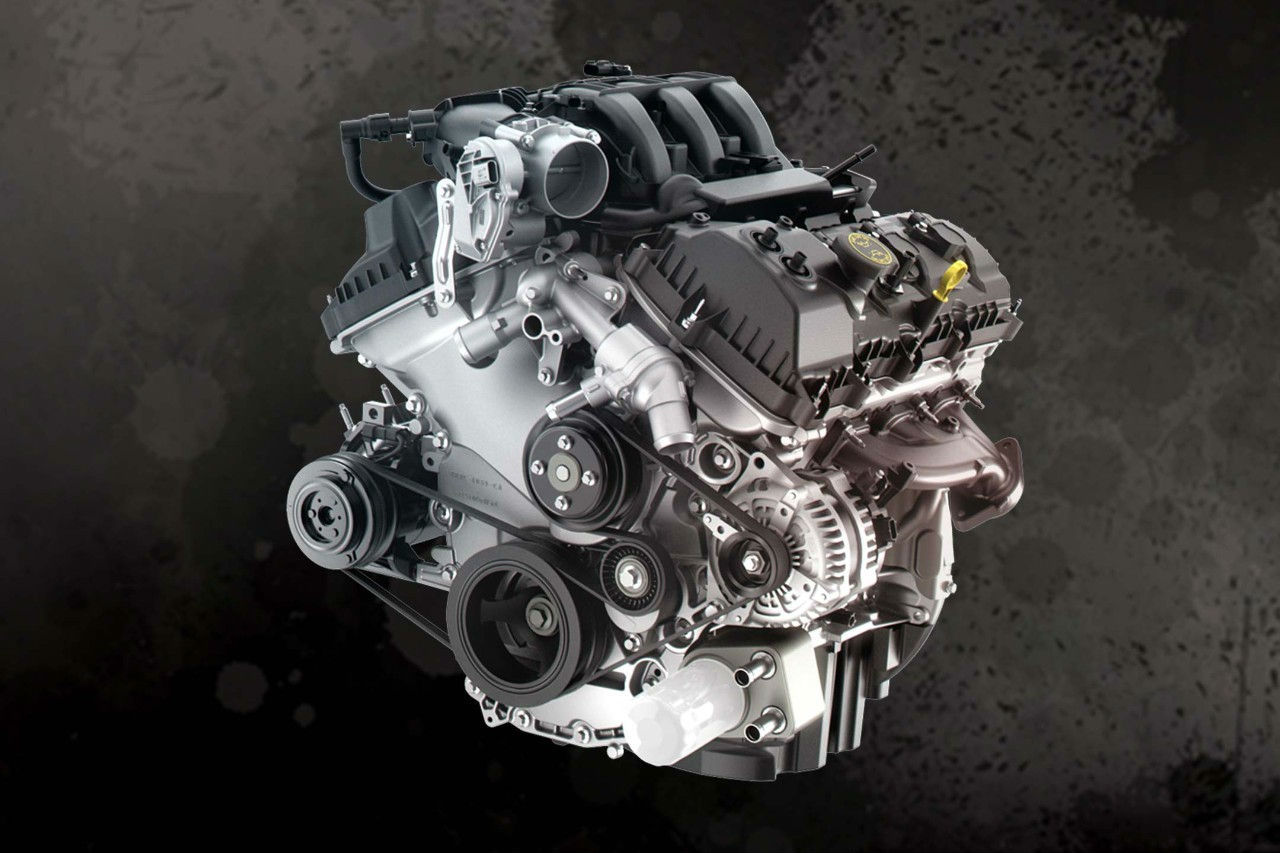
Unlike some of its turbocharged siblings, this V6’s naturally aspirated setup keeps cylinder pressures moderate, giving it a long lifespan even under heavy towing or commuting stress.
Many owners have logged 250,000 miles or more with only basic maintenance and regular unleaded fuel.
4. GM 5.3L V8 (L83/L84 EcoTec3)
Chevy and GMC’s 5.3L V8 used in the Silverado, Tahoe, and Suburban is a prime example of a large displacement engine engineered for everyday fuel.
Although it can take advantage of premium gas for minor gains, it’s fully tuned for 87 octane and remains smooth and knock-free even when towing or running hard.
GM’s direct injection system and continuously variable valve timing keep detonation under control, while active fuel management ensures efficiency.
The result is an engine that blends power and durability, capable of lasting 300,000 miles or more without requiring premium fuel.
The GM 5.3L EcoTec3 is a 5.3-liter, V8, naturally-aspirated engine that utilizes an advanced direct fuel injection system.
Having debuted for the 2014 model year, the EcoTec3 5.3-liter V8 represents the fifth generation of GM’s iconic small block V8 truck engines, and it was designed to officially replace the previous Generation 4 predecessor, known as the Vortec 5300.
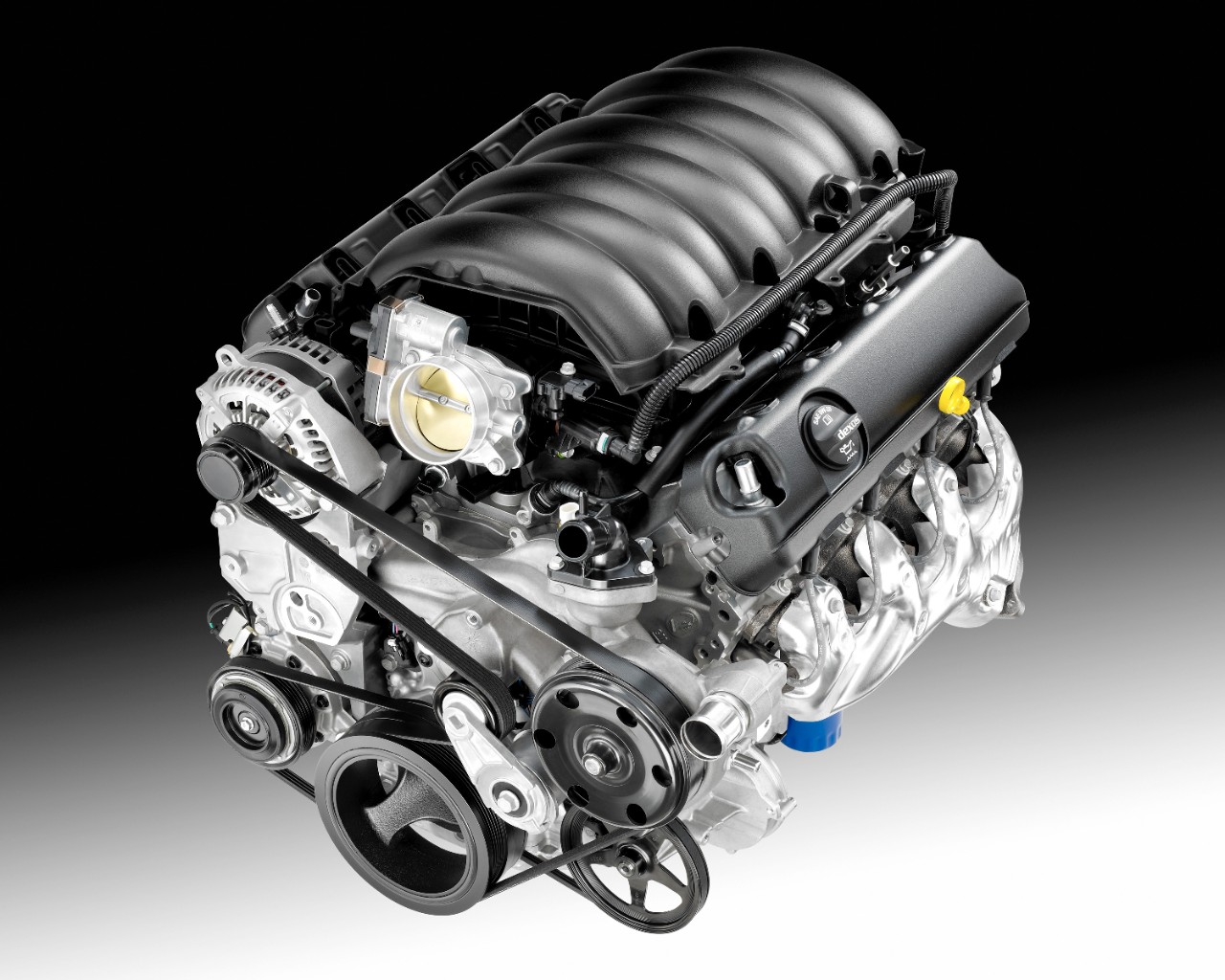
This new GM 5.3-liter V8 engine family encompasses several distinct versions: the most common and widely used L83 engine, the eAssist mild-hybrid system designated as the L8B version, the L82 engine which retains the Active Fuel Management system, and the more advanced L84 engine that features Dynamic Fuel Management technology.
All of these engine variants can be found powering the 4th-Generation Chevrolet Silverado and GMC Sierra pickup trucks. The specific L83 motor is also available as an option for the 2014 and newer Chevrolet Tahoe and GMC Yukon, as well as the larger Chevrolet Suburban and GMC Yukon XL full-size SUVs.
First and foremost, the 5th Generation small-block V8 is constructed as an all-aluminum engine to reduce overall weight. It is built around a lightweight aluminum cylinder block with a 90-degree angle between the two cylinder banks.
This advanced block features cast-in iron cylinder liners to provide a durable and wear-resistant surface for the pistons. The distance between the bore centers is precisely 4.40-inches (111.8 mm).
The internal rotating assembly includes a durable forged-steel crankshaft, 6.098-inch-long powder-metal connecting rods, and lightweight aluminum pistons whose piston heads are specifically optimized for the unique combustion characteristics of direct injection.
The engine block is also equipped with piston oil jets, often called squirters, which provide extra cooling and friction reduction for the pistons, a feature that contributes significantly to extending long-term engine durability.
The crankshaft is held securely in place by nodular main bearing caps, which are engineered to better absorb and dampen vibrations than conventional gray iron main caps.
The crank directly drives a variable-displacement oil pump. The entire oiling system represents something definitively new and advanced for a truck motor of this class. This new vane-type oil pump is designed to provide optimal oil flow based dynamically on the engine’s immediate operating conditions.
In addition to that core feature, the sophisticated oiling system incorporates dual-pressure control, which enables very efficient and low-friction operation at lower rpm while still being able to deliver high oil pressure for protection at higher engine speeds.
Also Read: 10 Cars That Age Gracefully Without Looking Old
5. Hyundai/Kia 2.5L Smartstream I4 (G4KN/G4KR)
Hyundai’s Smartstream engines were designed for global fuel variations meaning they run happily on everything from 87-octane U.S. regular to lower-grade international fuels.
Found in the Hyundai Sonata, Santa Fe, and Kia K5, this engine combines high-efficiency combustion with cooled EGR and variable fuel injection to reduce knock.
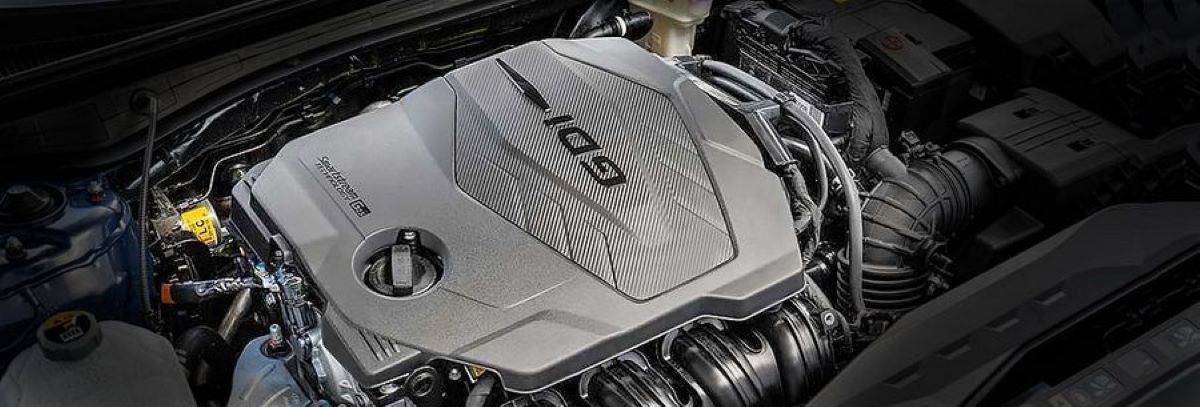
Drivers appreciate that the engine delivers consistent performance without spark knock or hesitation even in high-heat conditions.
With routine maintenance, it’s one of the best examples of modern engineering that thrives on budget-friendly gas.
6. Subaru 2.5L Flat-Four (FB25)
Subaru’s FB25 boxer engine used in the Outback, Forester, and Legacy is known for being nearly bulletproof, thanks to its low compression design and even firing order.
Its horizontally opposed pistons help reduce vibration and heat buildup, allowing it to burn regular gas with ease.
Even though Subaru recommends premium for its turbo variants, the naturally aspirated FB25 happily runs on 87 octane without issue.
Owners in colder U.S. states especially praise its reliability and resistance to knock, even when using cheaper winter-blend fuels.
The FB-series represents a family of completely new and ground-up engine designs produced by Subaru. The specific 2.5-liter FB25 engine is a naturally-aspirated, non-turbo gasoline, four-cylinder boxer engine that was developed to officially replace the long-serving EJ25 engine in core models such as the Legacy and the Forester.
The production of this new 2.5-liter powerplant began in the 2010 model year. This modern engine is packed with a host of innovative and contemporary features, sharing its fundamental architecture with its smaller capacity sibling, the 2.0-liter FB20 engine.
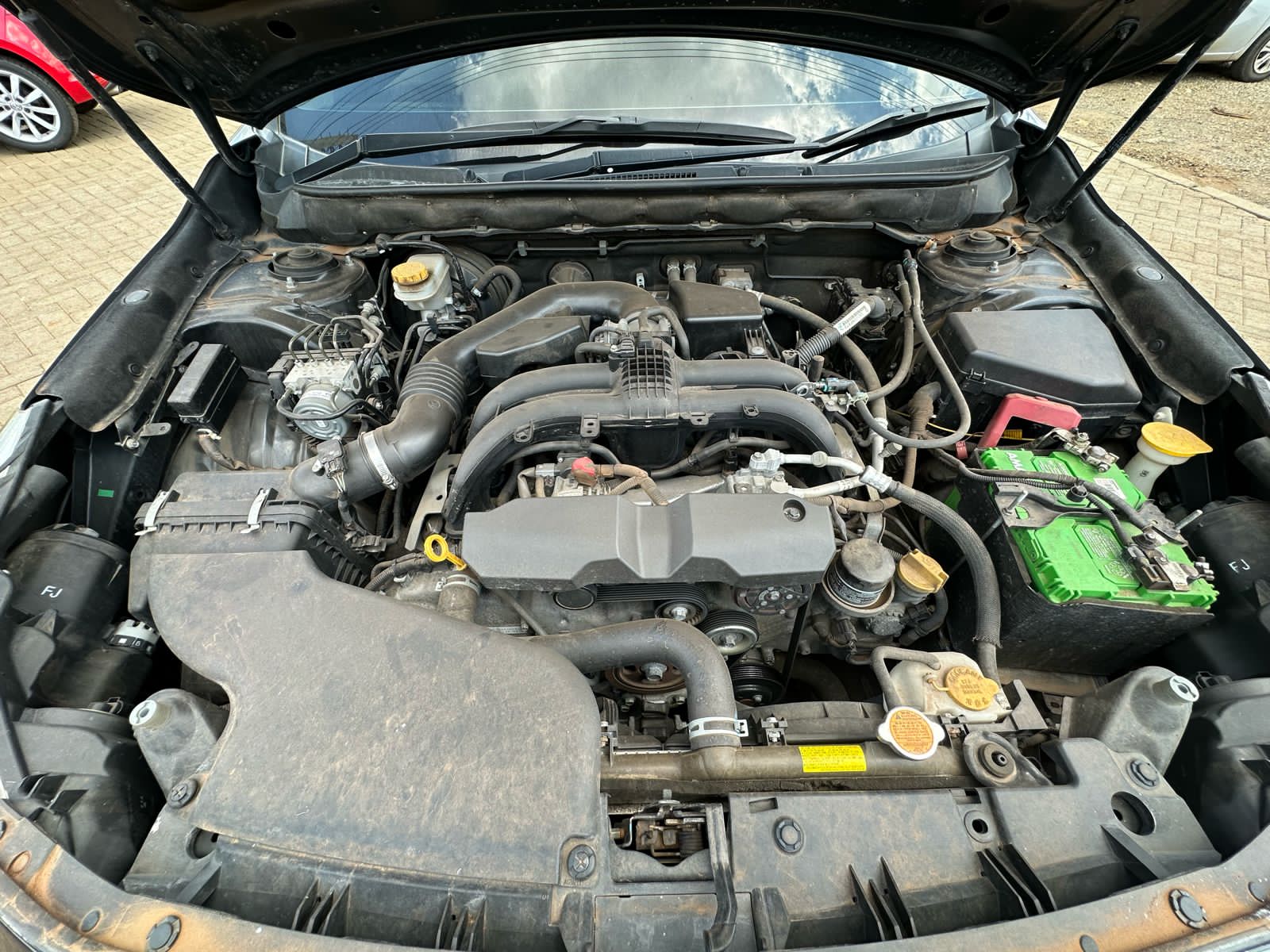
The FB25 (which is also designated as the FB25B in certain applications) is fundamentally based on the same aluminum cylinder block as the FB20, which is equipped with durable cast iron cylinder liners.
To achieve the larger 2.5-liter displacement, Subaru engineers increased the cylinder bore to 94 millimeters, while the piston stroke measurement remains identical to the smaller engine. A notable feature of this block is the remarkably thin thickness of the cylinder walls, which is only 3.5 millimeters.
To accommodate the different combustion characteristics, the FB25 engine naturally received newly designed pistons, a change which also brought the static compression ratio down to 10:1.
On both the left and right sides of the horizontally-opposed block, there are 8-valve aluminum DOHC cylinder heads, utilizing four valves per cylinder and actuated by roller rocker arms for reduced friction.
The FB cylinder heads are constructed in two separate parts, the main cylinder head casting itself and a separate, integrated camshaft carrier. This innovative two-piece design allows for a significant reduction in metal thickness and overall component weight.
All FB25 engines are equipped with maintenance-free timing chains designed for long-term durability. Both the intake and exhaust camshafts have a sophisticated variable valve timing system installed, which is Subaru’s dual Active Valve Control System (AVCS) that adjusts timing on both camshafts independently.
In a key revision from prior engines, the fuel injectors have been moved from the intake manifold to a location directly in the cylinder heads, making the injection system more complex but also significantly more efficient by spraying fuel directly into the combustion chamber.
The exhaust system also received substantial upgrades. This includes newly designed exhaust manifolds with an optimized primary tube diameter, a modification which helps to improve the catalytic converter’s warm-up time for reduced emissions and also contributes to giving the engine more low-end and mid-range power.
The resulting FB25 engine delivers better overall performance and responsiveness at lower engine speeds when compared directly to the older EJ25 engine it replaced. While it generates a similar peak horsepower figure, it produces noticeably increased torque, particularly at lower RPM.
This torque characteristic, combined with other efficiency gains, makes the FB25 more efficient in terms of real-world fuel consumption.
These collective features and improvements make Subaru’s new 2.5-liter engine a more suitable and economical choice for modern drivers looking to save money on fuel and daily driving costs.
7. Nissan 3.5L VQ35DE/VQ35HR V6
A legend in Nissan’s engine history, the VQ35 has powered everything from the Altima and Maxima to the 350Z and Murano.
While some performance models recommend premium, this engine runs cleanly on regular unleaded with minimal risk of detonation.
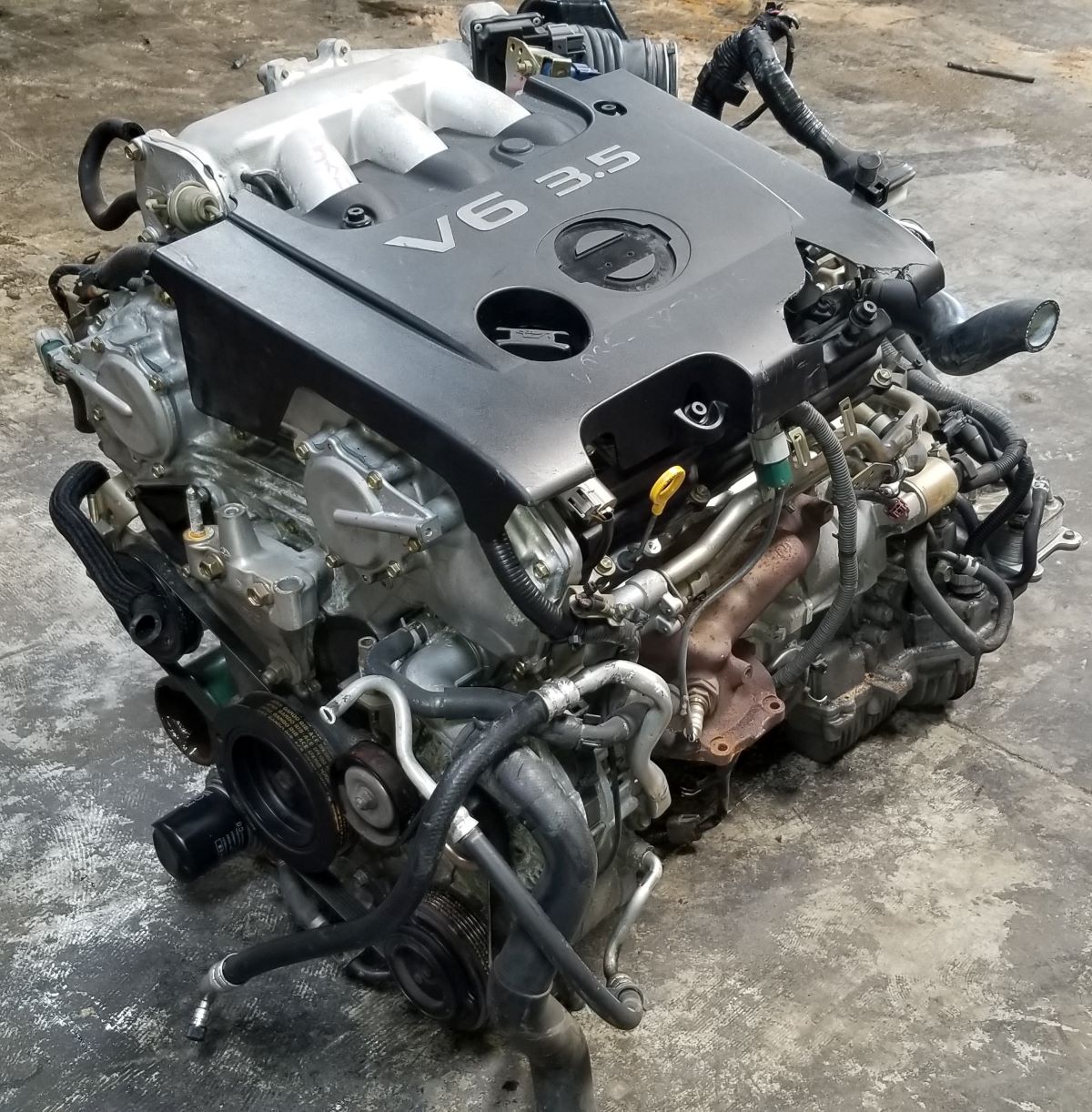
The VQ’s robust aluminum block, variable valve timing, and refined combustion control make it highly tolerant of low-octane fuel.
Many drivers have seen over 250,000 miles with these engines while running budget gas, proving Nissan’s tuning flexibility and durability.
8. Mazda 2.5L SkyActiv-G I4
Mazda’s SkyActiv-G engine deserves recognition for using compression ratios as high as 13:1 while still operating on regular 87-octane gas.
It achieves this feat through innovative piston design, ultra-precise fuel injection, and advanced timing control that prevent knock under nearly all conditions.
This engine, used in the Mazda3, CX-5, and CX-50, has earned praise for combining fuel efficiency with a surprisingly sporty character all without demanding premium fuel.
Mazda’s engineering focus on combustion control allows it to maximize every drop of regular gasoline. The SkyActiv-G 2.5T is a 2.5-liter, four-cylinder engine featuring direct fuel injection and a turbocharger.
This powerplant holds the distinction of being the very first turbocharged unit within Mazda’s innovative Skyactiv-G engine series, and it was developed specifically to power the brand’s midsize, three-row crossover SUV, the CX-9, as well as the Mazda6 midsize sedan in its highest performance trim.
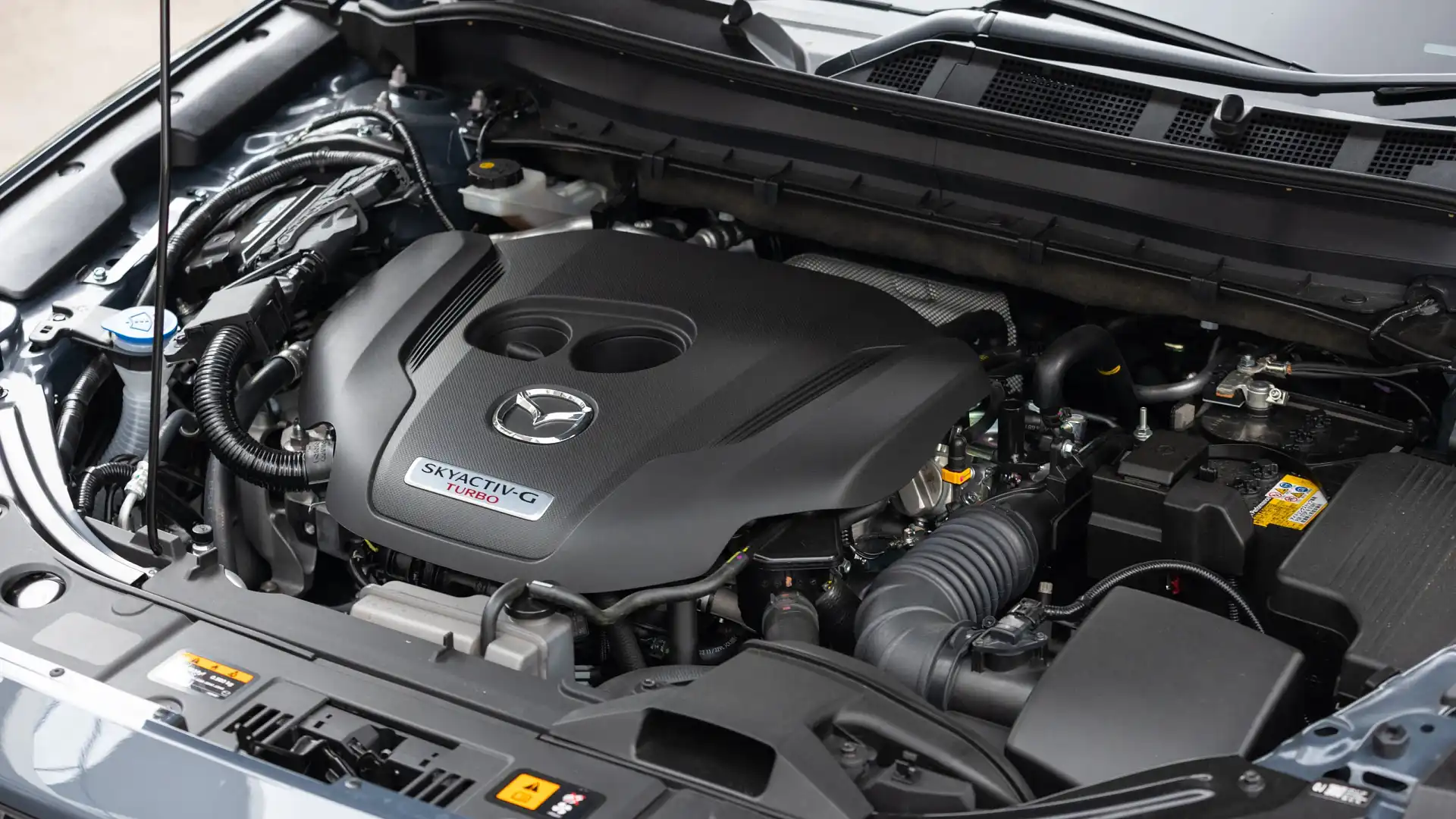
The fundamental architecture of this turbocharged engine is directly based upon the proven design of the naturally aspirated SkyActiv-G 2.5-liter engine.
It maintains the identical cylinder bore and piston stroke dimensions as its non-turbocharged counterpart; however, to accommodate the higher cylinder pressures from forced induction, the compression ratio is significantly lower, at 10.5:1.
Due to this shared lineage, the naturally-aspirated SkyActiv-G 2.5 shares many core internal and external components with the turbo version, including the crankshaft, the balance shafts, the high-pressure fuel pump, the fundamental direct fuel injection system, the oil pump, and numerous other parts.
The turbocharged unit is particularly interesting due to the incorporation of two key new systems designed to enhance responsiveness.
9. Chrysler 3.6L Pentastar V6
The Pentastar V6, found across Jeep, Dodge, and Chrysler vehicles, is a durable workhorse that doesn’t complain about cheap gas.
Despite its widespread use in SUVs, vans, and even muscle cars, the 3.6L thrives on regular unleaded fuel without pinging or premature wear.
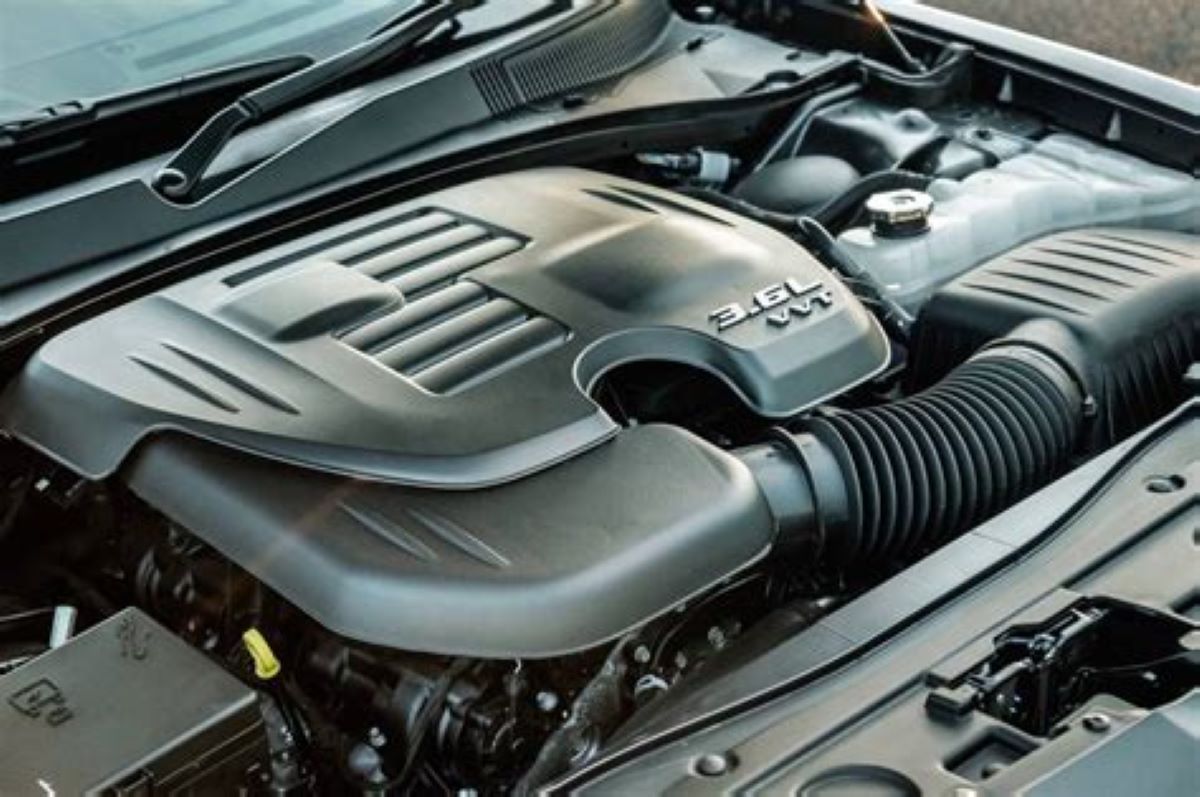
Chrysler’s use of variable valve timing and knock sensors ensures smooth combustion even under heavy throttle.
It’s one of the few engines in its class that delivers consistent power and longevity while being easy on both maintenance and your wallet.
10. Toyota 3.5L V6 (2GR-FKS)
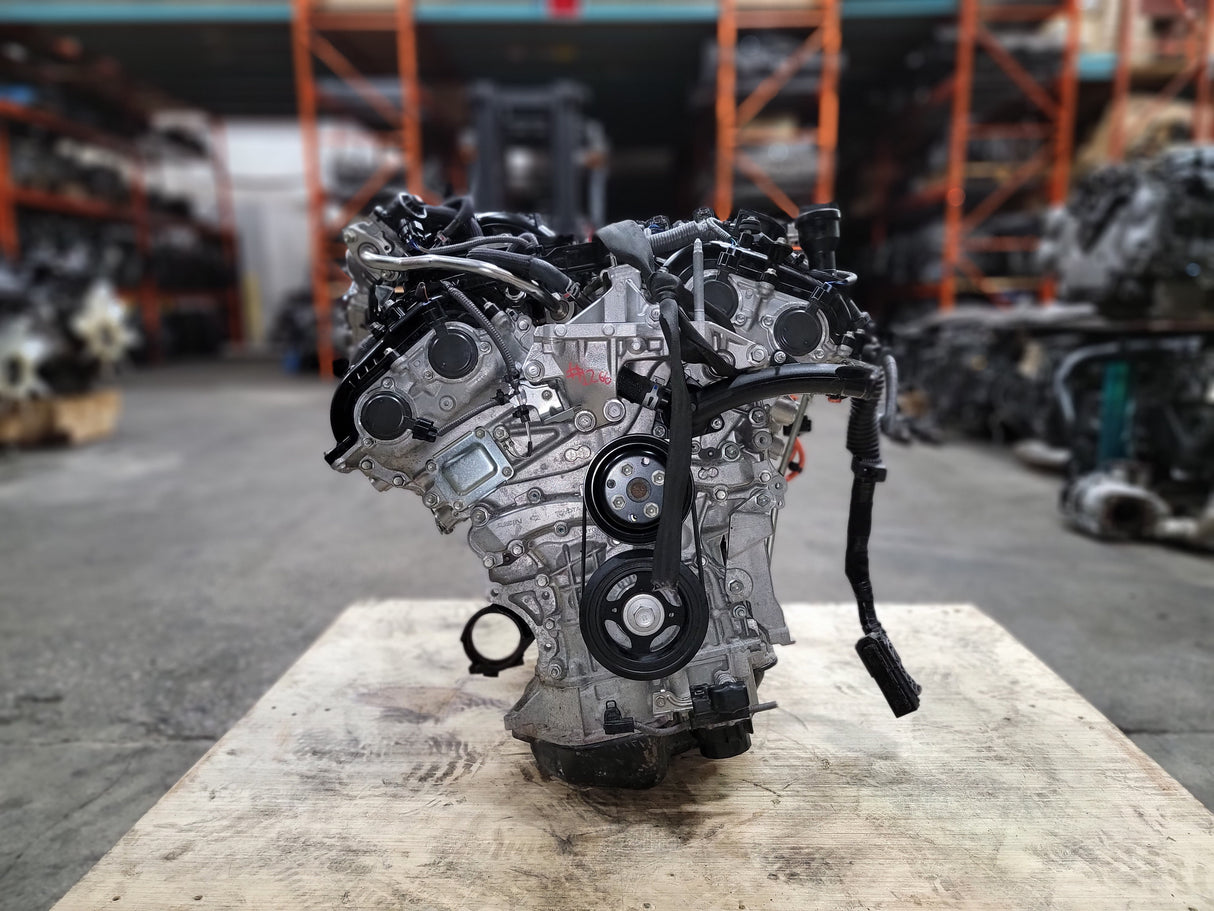
Rounding out the list is another Toyota engine, the 3.5L 2GR-FKS, found in models like the Highlander, Tacoma, and Lexus RX350.
While some Lexus versions are tuned for premium, the same engine architecture in Toyota models is optimized for regular fuel and it performs flawlessly.
Its dual injection system (both port and direct) and intelligent variable valve timing keep detonation in check.
Many owners have reported running their Tacomas and Highlanders on 87-octane for years without any pinging, carbon buildup, or mechanical failures, even under hot or high-load conditions.
Not all engines are created equal when it comes to fuel tolerance. While high-compression turbo engines often demand premium gas, the engines listed above prove that smart engineering and adaptive controls can make regular unleaded perfectly acceptable and even optimal.
For the U.S. driver looking to save money without sacrificing longevity, these powerplants represent the sweet spot between performance and practicality.
They not only tolerate cheap gas but thrive on it, ensuring that your vehicle remains smooth, efficient, and reliable mile after mile, tank after tank.