
Under-tray panels protect vital engine and transmission components from road debris, moisture, and salt spray.
These plastic or composite shields mount beneath vehicles using clips, screws, and push-pin fasteners that seem simple until winter conditions test their durability.
Snow and ice accumulation transform these protective covers into heavy anchors that stress mounting points beyond design limits.
What starts as light powder becomes compacted ice weighing dozens of pounds, pulling relentlessly on fasteners never engineered for such loads.
Northern climate drivers know the sickening sound of plastic dragging underneath their vehicles after snow wedges between under-trays and pavement. One moment you’re driving normally, the next a scraping noise announces another fastener failure.
Pulling over reveals dangling panels held by just one or two remaining clips, while the rest have ripped through mounting holes or broken completely. Temporary zip-tie repairs last until the next snowstorm brings fresh accumulation and renewed fastener failures.
Some manufacturers engineer robust fastening systems that survive brutal winter conditions without drama. Metal reinforcement plates distribute loads properly, quality fasteners resist breaking, and adequate mounting points prevent single-point failures.
These vehicles maintain under-tray protection through multiple harsh winters while competitors lose panels regularly.
Other platforms use flimsy plastic clips that snap from minimal stress, creating recurring repair cycles, frustrating owners who simply want reliable transportation.
This page examines ten vehicles split between fastener engineering champions and winter failures. Five platforms demonstrate proper under-tray mounting surviving snow-state abuse.
Five others systematically lose panels to winter conditions through inadequate fastening design. Understanding these differences helps buyers in harsh climates avoid frustrating recurring damage.
Durable Fastener Champions

1. Subaru Outback (2015-2024)
All-wheel-drive engineering includes under-tray fastening systems designed specifically for harsh winter conditions. Metal threaded inserts molded into mounting bosses provide robust attachment points that plastic push-pins cannot match.
Quality fasteners resist breaking from snow load stress that destroys cheaper alternatives. After multiple brutal winters, these under-trays remain securely attached without a single failure.
Engineers designing Outbacks understand snow accumulation creates extreme loads on under-tray panels. Fastener spacing is calculated to distribute weight evenly across multiple points, preventing single-location overload.
An adequate number of mounting points ensures redundancy when individual fasteners experience maximum stress. This engineering approach prevents cascading failures when one fastener breaks under load.
Metal reinforcement plates at fastener locations spread loads across larger plastic areas. These washers prevent fasteners from pulling through soft plastic when snow weight creates downward force.
Proper load distribution maintains plastic integrity around fasteners through repeated stress cycles. Without reinforcement, plastic tears around fasteners, allowing progressive failures.
Fastener selection prioritizes quality over cost, with corrosion-resistant materials surviving salt exposure. Stainless steel or zinc-coated fasteners resist rust that weakens cheaper alternatives.
Thread engagement length is adequate for maintaining grip through thermal cycling and vibration. Quality fasteners remain tight through years of service without backing out or breaking.
Under-tray material selection includes impact-resistant plastics that flex rather than crack when snow impacts occur. Material formulation maintains flexibility at low temperatures when brittle plastics shatter.
Proper thickness provides structural integrity without excessive weight. These material choices ensure panels survive winter abuse without damage requiring replacement.
Replacement parts, when needed for accident damage, maintain original quality standards. Subaru pricing stays reasonable for all-wheel-drive vehicle positioning.
OEM under-trays include the same metal reinforcements and quality fasteners. This consistency ensures repairs maintain protection and durability, matching factory installation.
Snow-state owners appreciate not dealing with dragging under-trays annually. This reliability represents a tangible daily benefit from proper engineering.
Avoiding recurring repairs and parts replacement saves money while eliminating frustration. Engineering quality provides peace of mind that under-body protection will survive winter conditions reliably.
Resale values in snow states benefit from maintained under-tray protection, signaling proper vehicle care. Missing or damaged panels indicate neglect or inadequate quality, affecting buyer perception.
Complete original panels demonstrate both engineering quality and owner dedication. This appearance advantage translates into better resale pricing in markets where winter damage proves common.
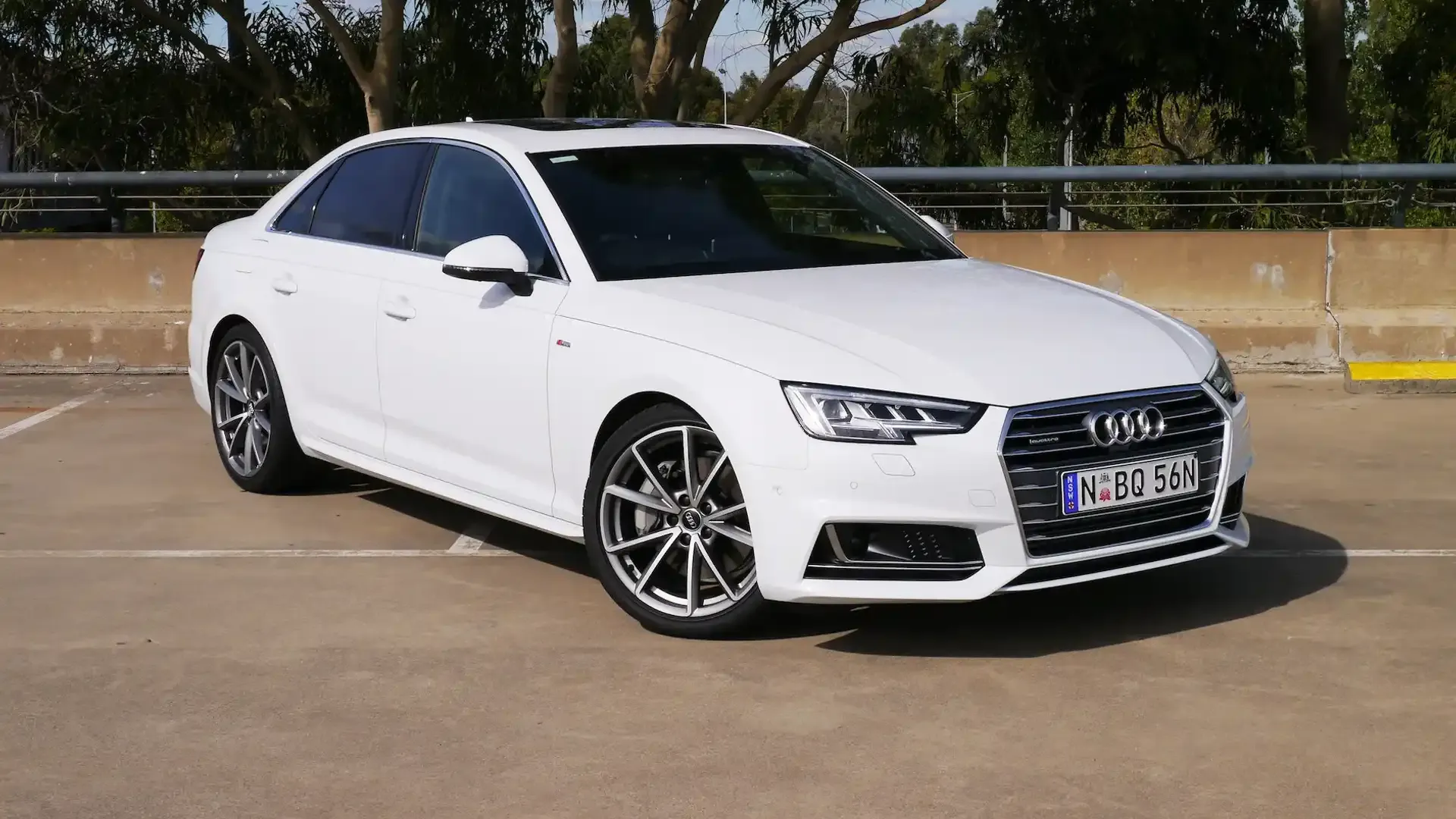
2. Audi A4 Quattro (2016-2023)
German engineering approaches under-tray fastening with thoroughness matching brand reputation. Robust mounting systems use a combination of metal screws and quality clips, distributing loads effectively.
Strategic reinforcement at stress points prevents plastic tearing. Multiple winters of snow-state driving leave panels securely attached without failures.
Engineers calculating fastener loads account for worst-case snow accumulation scenarios. Mounting point quantity exceeds minimum requirements, providing redundancy.
Proper spacing ensures even load distribution when snow weight stresses the system. This over-engineering approach prevents failures that plague cost-optimized alternatives.
Fastener design includes wide heads and reinforcement washers spreading loads. Metal components resist corrosion from road salt exposure.
Thread design maintains engagement through thermal cycling. Quality materials ensure fasteners remain functional through extended service without degradation.
Under-tray panels use durable composite materials, maintaining properties at low temperatures. Impact resistance prevents cracking when snow chunks hit at highway speeds.
Material thickness is adequate for structural integrity without excessive weight. Proper formulation ensures flexibility, preventing brittle failure in the cold.
Panel design includes strategic openings allowing snow to escape rather than accumulate. Adequate ground clearance prevents snow from wedging between the tray and the pavement.
Drainage paths engineered into the design facilitate snow removal naturally. This clearance management dramatically reduces fastener loads during winter driving.
Assembly procedures specify proper torque for threaded fasteners, preventing over-tightening. Correct installation tension maintains grip without damaging plastic threads.
Quality control verifies that fastener installation meets specifications. This attention ensures factory installation provides maximum durability.
Owners in Colorado, New England, and the Great Lakes regions report excellent under-tray retention. Daily winter driving through heavy snow doesn’t compromise panel attachment.
This performance validates engineering, specifically considering harsh winter conditions. Audi understands that luxury customers expect reliable protection regardless of the climate.
Replacement panels maintain original quality standards, including reinforced mounting points. Audi parts pricing reflects premium positioning while delivering genuine quality.
OEM components ensure repairs maintain protection and durability. This consistency ensures that maintained vehicles perform like new.
Also Read: 10 Rare Special-Edition Classic Cars That Most People Forgot
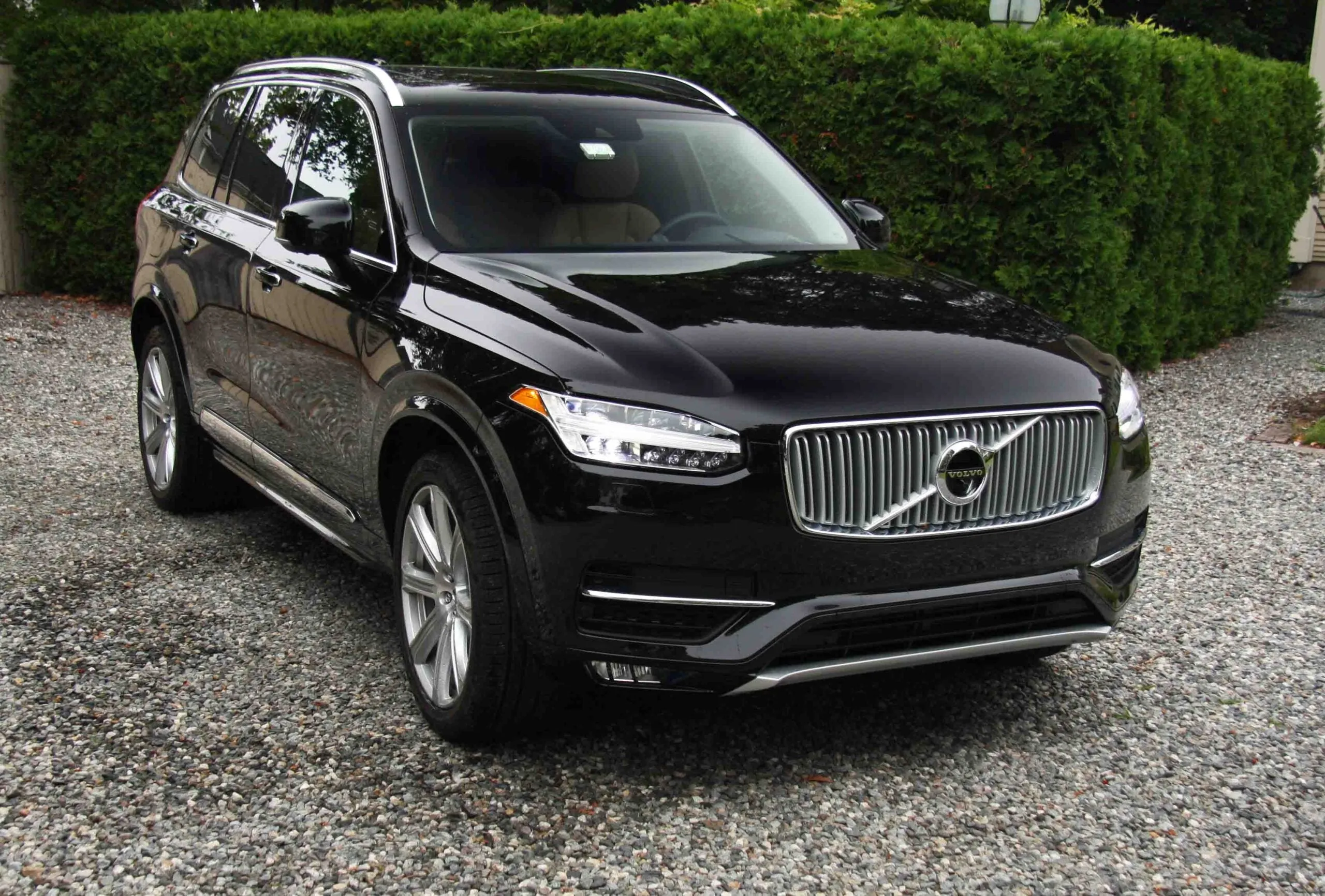
3. Volvo XC90 (2016-2024)
Swedish engineering prioritizes durability, matching harsh Scandinavian winter conditions. Under-tray fastening systems use robust metal components that survive extreme snow loads.
Quality materials resist corrosion from constant salt exposure. Multiple brutal winters leave panels securely attached, demonstrating engineering excellence.
Design philosophy includes redundancy, ensuring single fastener failures don’t compromise entire panels. Adequate mounting points distribute loads, preventing stress concentrations.
Proper spacing ensures even weight distribution during snow accumulation. This redundant approach prevents cascading failures plaguing inadequate designs.
Metal threaded inserts molded into plastic provide robust attachment points. These inserts prevent fasteners from stripping plastic threads during installation or service.
Proper engagement length maintains grip through thermal cycling and vibration. Quality inserts resist corrosion, maintaining functionality indefinitely.
Reinforcement plates at fastener locations spread loads across larger areas. Metal washers prevent fasteners from pulling through plastic when snow weight creates stress.
Proper load distribution maintains plastic integrity around mounting points. This reinforcement proves critical for winter durability.
Under-tray materials include impact-resistant composites that maintain flexibility at low temperatures. Formulation prevents brittle failure when cold temperatures would shatter inferior plastics.
Adequate thickness provides structural strength without excessive weight. Material selection ensures panels survive winter impacts and stress.
Replacement availability maintains original quality standards consistently. Volvo pricing remains competitive within the premium segment while delivering quality.
OEM panels include the same reinforcements and quality fasteners. Consistency ensures repairs maintain protection and durability.
Snow-state reliability eliminates recurring repair frustration and expense. This dependability represents a daily benefit from Swedish engineering thoroughness.
Owners appreciate not worrying about under-tray failures annually. Engineering quality provides confidence that protection will survive conditions.
Resale values benefit from maintained under-body protection. Complete panels signal quality and proper care to buyers. This appearance advantage translates into premium pricing. Engineering investment pays dividends throughout the ownership lifecycle.

4. Honda Pilot (2016-2023)
Japanese engineering includes under-tray fastening systems that survive snow-state abuse reliably. Quality clips and screws distribute loads effectively, preventing failures.
Strategic mounting points provide redundancy, ensuring panel retention. Multiple winters leave under-trays securely attached, validating design quality.
Engineers designing the Pilot understand family vehicles face varied conditions, including harsh winters.
Fastener selection prioritizes durability through quality materials that resist corrosion. Adequate mounting points distribute snow loads, preventing single-point stress. This practical engineering approach creates reliable winter performance.
Clip design includes wide bases distributing loads across larger plastic areas. Proper engagement depth ensures clips resist pulling out under stress. Material selection provides flexibility, preventing brittle breaking in cold. Quality clips maintain grip through repeated installation and removal cycles.
Under-tray materials balance durability with cost-effectiveness appropriately. Impact-resistant plastics maintain properties at low temperatures.
Adequate thickness provides structural integrity without excessive weight. Material formulation ensures flexibility, preventing cold-weather brittleness.
Design includes adequate ground clearance, preventing snow wedging. Strategic openings allow snow escape rather than accumulation.
Drainage paths facilitate natural snow removal during driving. This clearance management reduces fastener stress during winter conditions.
Replacement parts maintain quality standards at reasonable prices. Honda’s mainstream positioning keeps costs affordable while delivering durability. OEM components ensure repairs match original quality. This value proposition maintains vehicles economically.
Reliable under-tray retention eliminates recurring repair frustration. This dependability provides daily benefit to snow-state owners. Avoiding annual panel losses saves money and inconvenience. Engineering quality creates confidence that protection will survive.
Resale advantages from complete panels prove valuable. Maintained under-trays signal proper care to buyers. Appearance affects pricing positively. Quality engineering benefits owners financially.
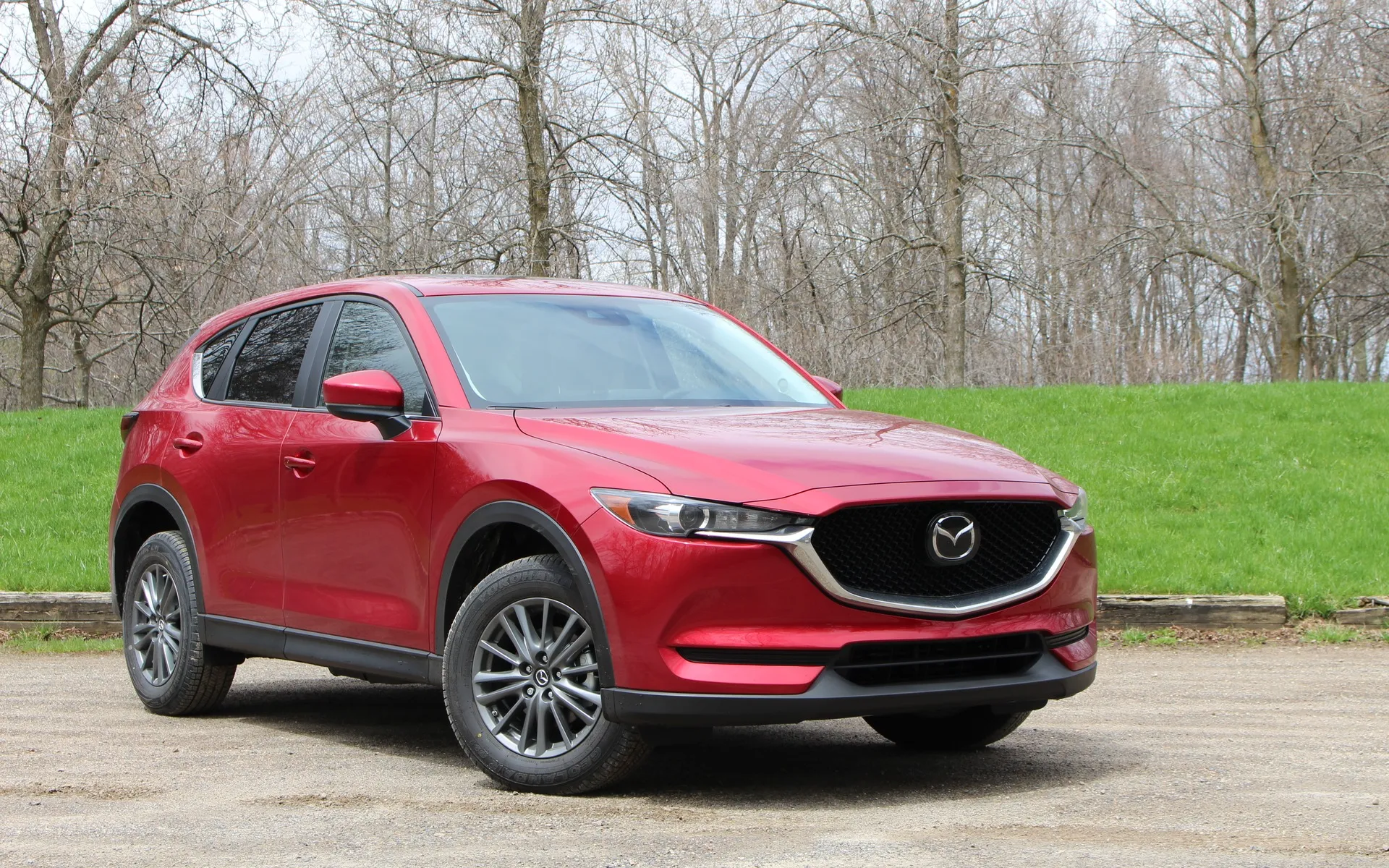
5. Mazda CX-5 (2017-2024)
Japanese engineering demonstrates that mainstream pricing doesn’t require compromising fastener quality.
Under-tray mounting systems use adequate components that survive winter conditions. Strategic design prevents failures plaguing competitors. Multiple harsh winters leave panels securely attached, validating engineering.
Design includes sufficient mounting points to distribute loads properly. Fastener spacing is calculated, preventing stress concentrations. Adequate redundancy ensures single failures don’t compromise panels. This engineering approach creates reliable winter performance.
Fastener selection balances quality with cost-effectiveness appropriately. Corrosion-resistant materials survive salt exposure adequately. Proper engagement maintains grip through service life. Quality fasteners resist breaking under snow load stress.
Reinforcement at critical mounting points spreads loads, preventing plastic tearing. Strategic bosses distribute stress across larger areas. Adequate plastic thickness at fasteners maintains integrity. This reinforcement proves essential for durability.
Under-tray materials maintain flexibility at low temperatures. Impact resistance prevents cracking from snow impacts. Formulation ensures plastics don’t become brittle. Material selection balances cost with necessary durability.
Panel design includes adequate clearance, preventing snow wedging. Openings allow snow to escape while driving. Drainage facilitates natural removal. This clearance management reduces fastener stress.
Owners in snow states report reliable under-tray retention. Winter driving doesn’t compromise attachment. Performance demonstrates that Mazda considers harsh conditions. Practical engineering creates dependable protection.
Replacement costs stay reasonable for a mainstream brand. Mazda pricing remains competitive while maintaining quality. OEM panels match original durability. Affordability maintains vehicles economically.
Reliable fasteners eliminate recurring repairs. Dependability benefits snow-state owners daily. Avoiding failures saves money and frustration.
Quality creates confidence. Resale advantages from complete panels prove valuable. Maintained protection signals care. Appearance affects pricing. Engineering benefits owners.
Fastener Failure Disasters

1. BMW 3 Series (2012-2018)
European engineering surprisingly fails under-tray fastening challenges. Flimsy plastic clips break easily under snow load stress.
Inadequate mounting points create stress concentrations, causing failures. The first serious snowstorm often results in dragging panels, frustrating owners.
Fastener design uses cheap plastic clips that snap under minimal load. Material brittleness increases at low temperatures, making failures inevitable.
Inadequate clip base area concentrates stress, causing plastic tearing. These clips are designed for minimal retention, not winter abuse.
The mounting point quantity is insufficient for snow load distribution. Wide spacing between fasteners creates unsupported areas that sag under weight.
A single clip failure often progresses rapidly as remaining clips overload. This cascade effect results in complete panel loss.
Plastic mounting bosses lack reinforcement, allowing fasteners to pull through. Thin plastic tears around the clips when snow weight stresses the system.
Without metal reinforcement, the plastic cannot withstand winter loads. This design deficiency creates systematic failures.
Under-tray panels use brittle plastic, becoming fragile in cold weather. The material lacks impact resistance, shattering when snow chunks hit. Inadequate thickness compounds brittleness, creating weak panels. Poor material selection ensures winter damage.
The design includes minimal ground clearance, allowing snow wedging. Inadequate drainage traps snow, promoting accumulation. Compacted snow creates leverage, ripping clips out. Poor clearance management maximizes fastener stress.
Owners report under-trays dragging after the first major snowstorm annually. Repeated failures create ongoing repair cycles. This systematic problem frustrates customers expecting German engineering quality. BMW apparently prioritized cost over winter durability.
Replacement clips are available, but they quickly repeat failures. Owners resort to zip-ties or aftermarket solutions. OEM parts don’t solve underlying design problems. This creates ongoing frustration.
Recurring repairs are expensive and time-consuming. Annual panel losses are typical for snow-state owners. Engineering deficiency creates unnecessary expense. Frustration affects brand perception.
Resale values suffer from missing panels. Buyers recognize the common problem. Condition affects pricing negatively. Engineering shortcuts punish owners.
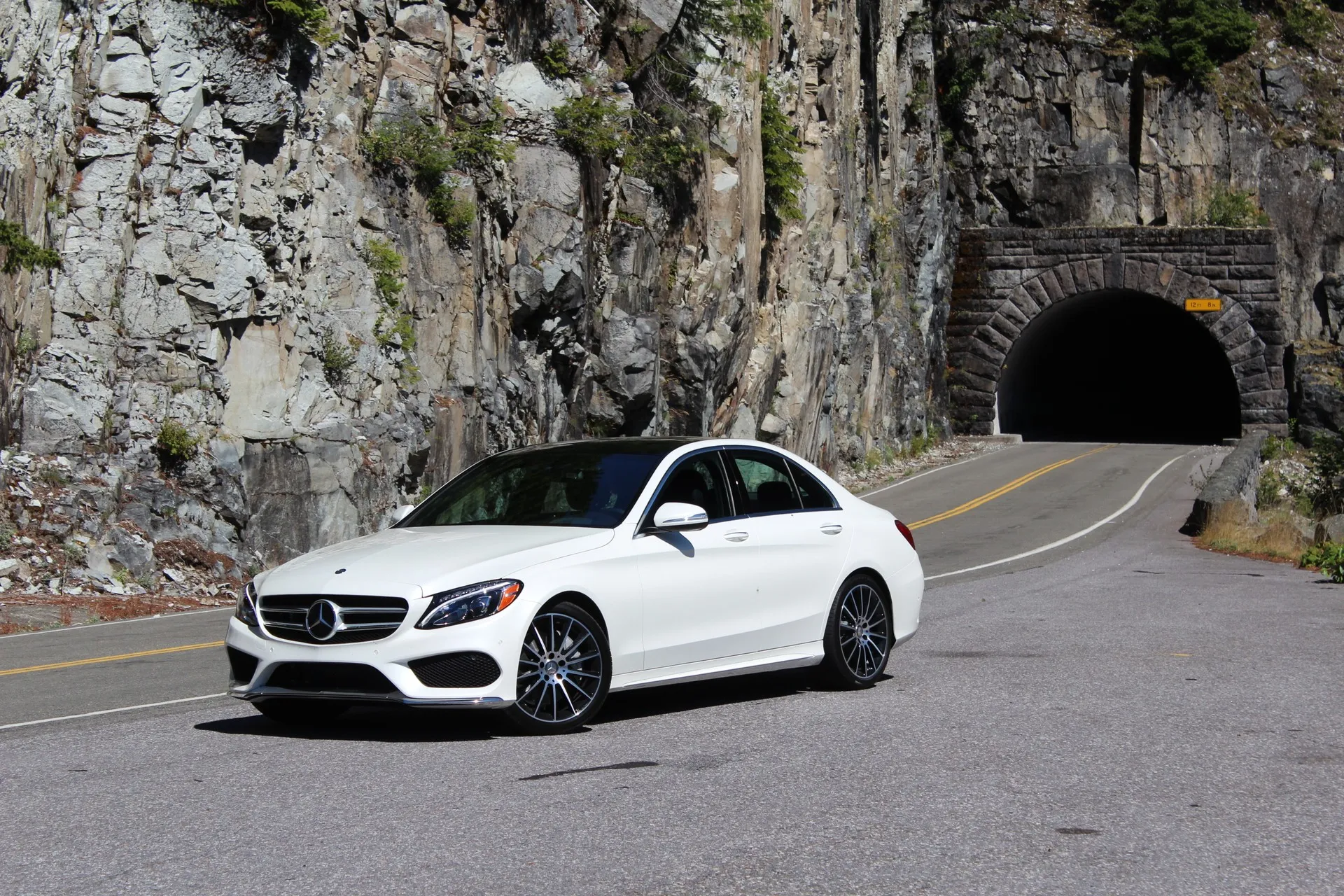
2. Mercedes-Benz C-Class (2015-2021)
The Mercedes-Benz C-Class, despite its premium image, faces recurring problems with underbody panel retention during cold seasons. The clips used to secure the under-tray panels are weak and prone to breaking in freezing temperatures.
When snow and slush accumulate beneath the car, the panels experience stress that the fasteners cannot handle. Owners in northern climates frequently report panels detaching or dragging after a few winters.
The main issue stems from the use of thin plastic clips that lose flexibility in cold conditions. Once they become brittle, the slightest pressure or impact from ice chunks causes them to fracture. Another design weakness lies in the mounting layout.
The clips are spaced too far apart, leaving wide unsupported areas between them. This imbalance leads to cascading failures once one fastener gives way. The plastic bosses where the clips attach are thin and lack reinforcement, allowing them to tear easily when stressed.
Without a metal backing or thicker plastic, the mounting points deform quickly. Additionally, poor drainage beneath the panels allows snow and ice to accumulate, increasing the leverage that pulls the clips out of place. The result is a repeating cycle of failure each winter.
Owners often replace broken clips only to face the same issue again because new parts use the same design.
Many resort to improvised repairs with zip ties or metal washers for reinforcement. These makeshift fixes detract from the car’s refined appearance and increase maintenance costs.
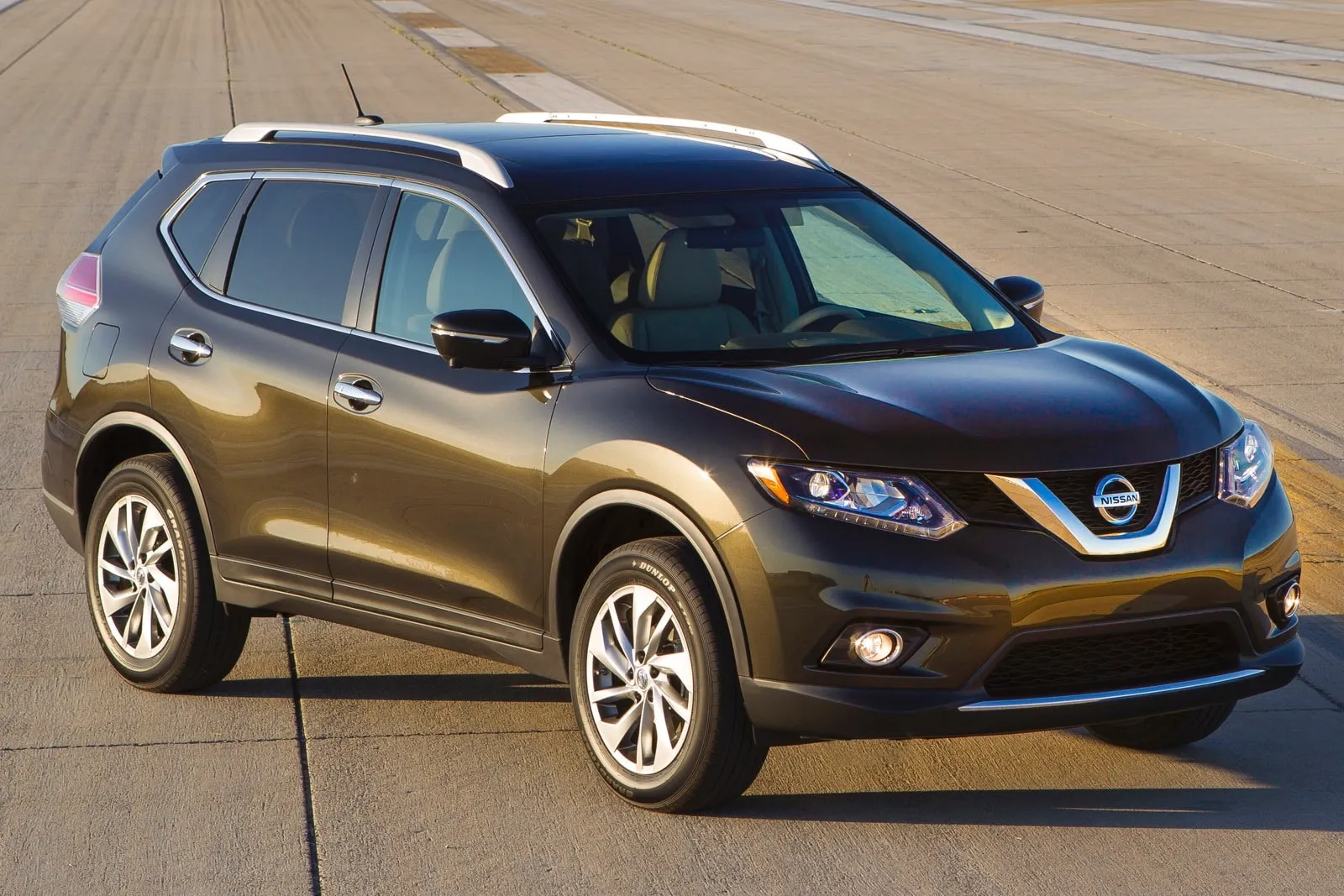
3. Nissan Rogue (2014-2020)
The Nissan Rogue, while popular among compact SUV buyers, struggles with underbody panel durability during winter months. The vehicle’s fasteners and plastic clips fail to withstand cold temperatures and heavy slush buildup.
Many owners report panels detaching or hanging loose after exposure to snow, salt, and ice. The clips used to secure the under-tray are made from inexpensive materials that lose strength in low temperatures.
Once brittle, they snap easily under road vibration or light impacts, leaving panels exposed to further damage.
The mounting structure contributes to the recurring issue. The fastener spacing is too wide, which prevents even load distribution. When one clip fails, the added strain on the remaining ones accelerates further breakage.
The bosses where clips attach are not reinforced, causing them to tear through thin plastic when stressed. This structural weakness makes it nearly impossible for owners to achieve long-term repairs.
Even brand-new replacement parts from the dealership suffer from the same design flaw, resulting in identical failures after just one winter season.
Water drainage beneath the Rogue is also poorly managed. Trapped slush and ice add unnecessary weight, pulling down the already fragile panels. The design oversight becomes particularly evident in snow-prone regions like Michigan and Minnesota.
Owners often resort to zip ties or aftermarket clips as temporary fixes. Unfortunately, these solutions rarely restore proper alignment or aerodynamic efficiency. Continuous repair costs and visible panel loss negatively affect resale value, with many buyers recognizing the issue as a common weak point for the Rogue.

4. Ford Edge (2015-2020)
The Ford Edge, known for its family-friendly features and comfort, suffers from under-tray durability issues that surface during cold weather. The plastic clips securing the underbody panels tend to fail when exposed to ice, snow, and road salt.
These fasteners are not built to handle the stress caused by debris accumulation beneath the vehicle.
Once temperatures drop, the clips become brittle and lose elasticity, making them prone to snapping. Owners across northern regions frequently report scraping noises followed by loose or missing underbody panels.
The design flaw extends beyond material quality. The wide spacing between attachment points leaves large unsupported areas, allowing the panels to flex and strain.
When a few clips break, the weight movement to the remaining fasteners triggers a chain reaction of failures.
The plastic bosses used to anchor the clips are thin and unreinforced, causing them to tear under minimal stress.
Additionally, the under-tray material lacks sufficient thickness, reducing its ability to absorb impact from ice or road debris. Poor drainage design worsens the situation by trapping water and slush that add downward pressure.
Owners often face these issues within their first few winters. Even after replacing the broken clips with OEM parts, the problem persists due to the unchanged design. As a result, many resort to creative fixes using metal bolts, zip ties, or stronger aftermarket clips.
While these solutions keep panels in place, they affect appearance and may reduce aerodynamic efficiency. The recurring failures add to maintenance expenses and harm Ford’s reputation for durability in challenging climates.
Also Read: 10 Vintage Cars With Parts Support and Easy to Own
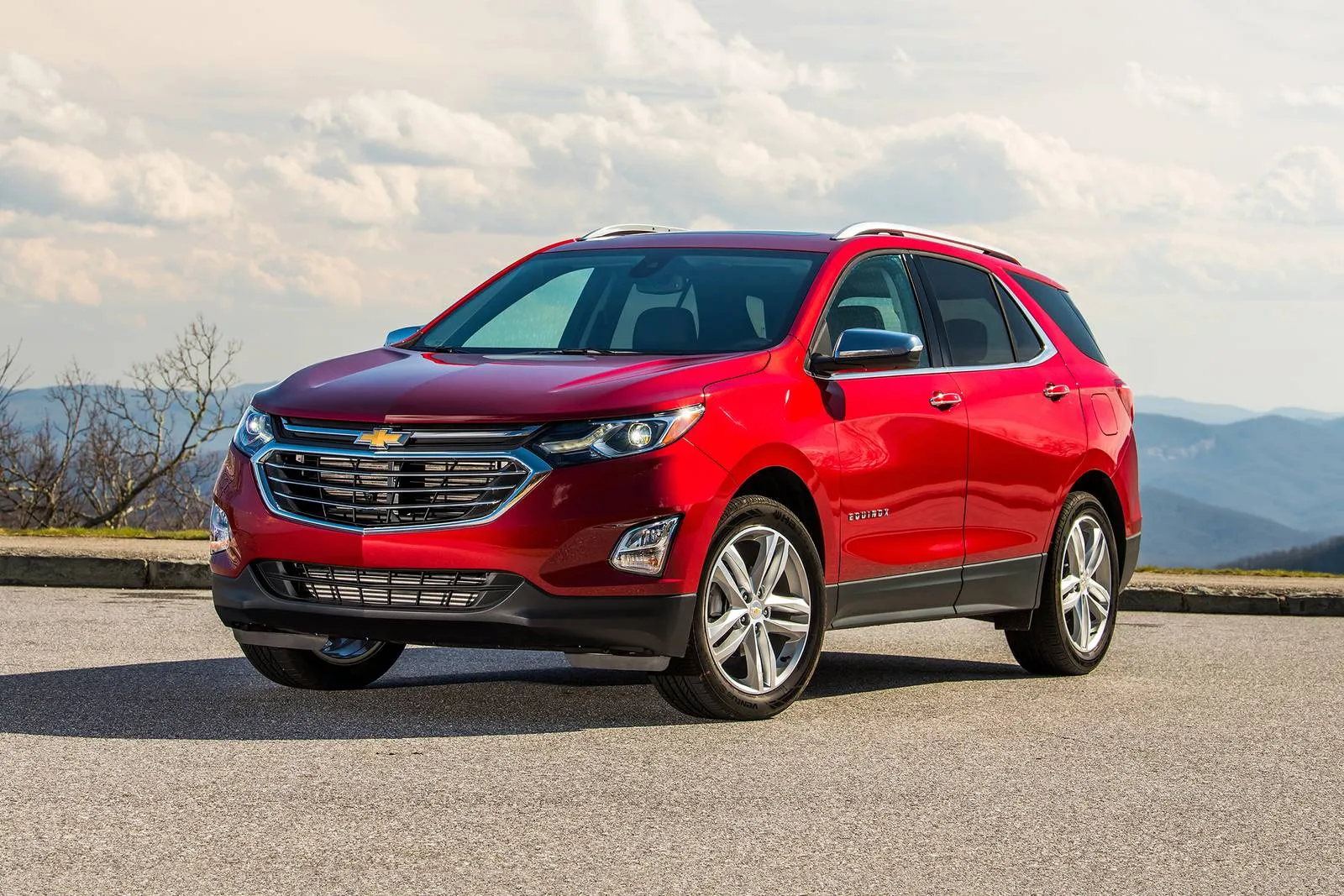
5. Chevrolet Equinox (2018-2023)
The Chevrolet Equinox, despite being a newer-generation crossover, continues to face widespread issues with underbody panel fastening in cold climates. The factory-installed clips that secure the splash guards and lower panels fail easily when exposed to winter conditions.
These components are made from stiff plastic that loses flexibility in freezing temperatures, leading to cracking or complete detachment. Drivers often notice panels sagging or scraping the ground after driving through deep snow or icy slush.
The primary cause is inadequate engineering of the fastening system. The clips are spaced too far apart, preventing proper load distribution across the panel. When a single clip gives way, the stress on nearby attachments increases, leading to cascading failures.
The plastic bosses that anchor these clips are also thin and lack reinforcement, making them susceptible to tearing. The panels themselves are manufactured from lightweight material that cannot absorb repeated impacts from snow and road debris. The combination of these weaknesses causes frequent underbody damage in snowy regions.
Moisture retention adds to the problem. Snow and ice often get trapped between the panel and the chassis, adding extra weight that the fragile fasteners cannot withstand. Even when owners replace the clips, the issue repeats because replacement parts use the same design.
Many have resorted to makeshift solutions, such as using metal washers or zip ties, to keep panels secured. This ongoing maintenance challenge not only increases ownership costs but also affects the vehicle’s resale value.
The recurring failures highlight insufficient testing of fastener strength during development, disappointing many Chevrolet owners expecting long-term durability.
