
Electric vehicles promise silent operation, gliding down roads like ghosts while combustion engines cough and roar their way into obsolescence. But here’s what nobody tells you until you’ve already signed the papers: not all electric motors deliver that library-quiet experience you expected.
Some develop an annoying high-pitched whine that makes every drive feel like you’re sitting next to a power drill. Bearing whine in electric motors isn’t just irritating; it’s often a symptom of deeper problems. When bearings start singing their unhappy song, it usually means premature wear is happening.
Left unchecked, these bearings can fail, leaving you stranded with a dead motor and repair bills that make you question your decision to go electric in the first place. We’re talking about $8,000 to $15,000 for motor replacement, which is enough to make anyone’s wallet weep.
Sometimes it’s poor manufacturing quality where bearings weren’t installed properly or lubricated correctly.
Other times it’s a design flaw where engineers miscalculated loads or didn’t account for thermal expansion. Either way, you’re the one who suffers through the noise and eventually pays for the repairs when your warranty expires right before the motor gives up completely.
But some electric motors are built right from day one. Quality bearings, proper lubrication systems, and careful assembly create power plants that stay silent for 200,000+ miles without developing annoying noises.
These are the motors you want, and knowing which vehicles have them could save you thousands in repairs and countless hours of listening to mechanical screaming. Let’s separate the quiet achievers from the noisy disappointments.
6 EV Motors That Stay Whisper-quiet
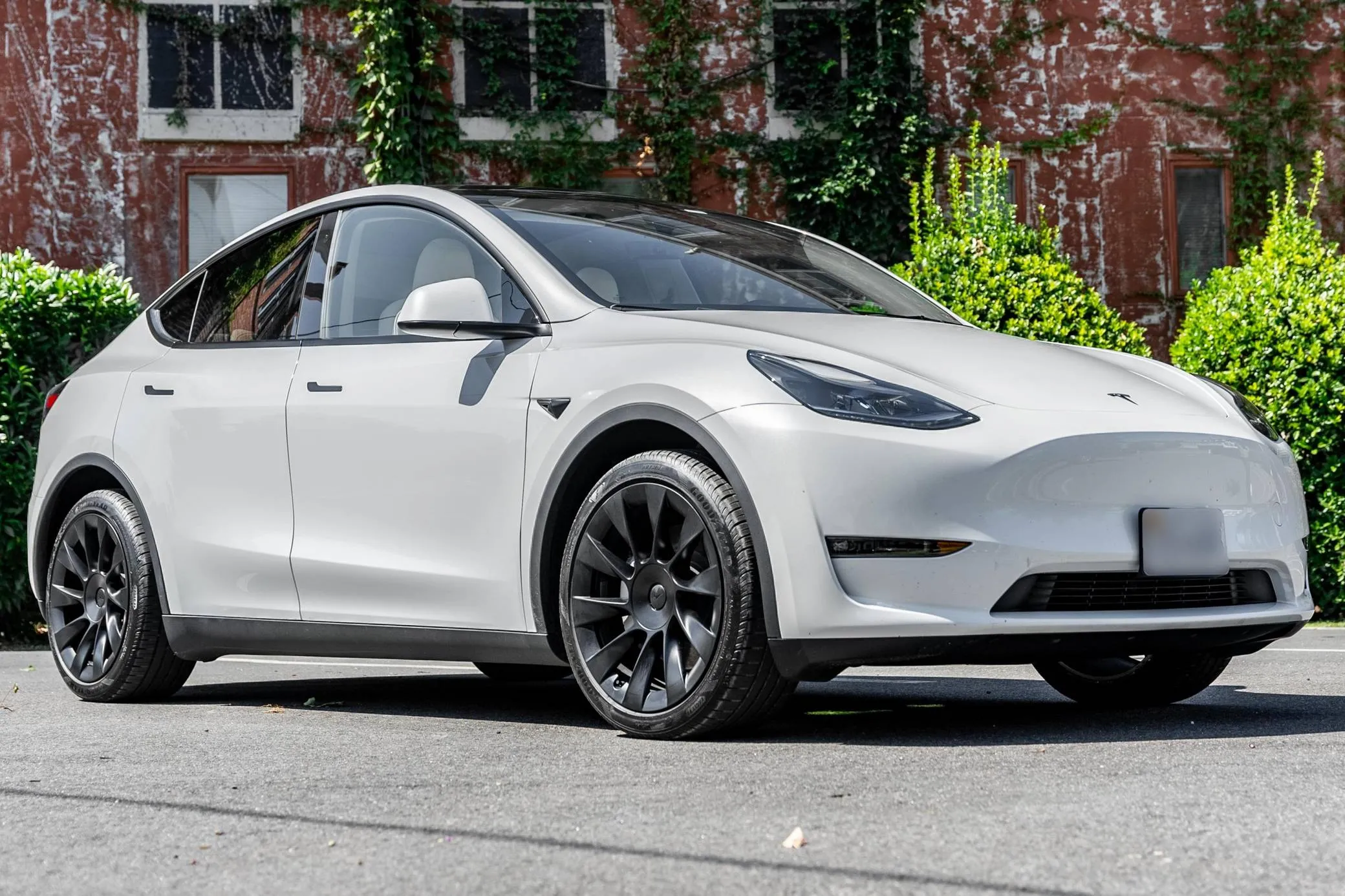
1. Tesla Model Y Long Range Dual Motor (2023)
Permanent magnet motors front and rear deliver power without the whine issues plaguing some competitors.
Tesla’s motor design uses high-quality bearings with advanced lubrication systems that maintain silent operation through extreme mileage. Engineers spent years refining these motors, and the current generation benefits from all those lessons learned through earlier iterations.
Bearing selection prioritizes longevity and quiet operation rather than just cost minimization. Tesla uses sealed bearings with special grease formulations that don’t break down under the constant high-speed operation electric motors demand.
When bearings stay properly lubricated, they don’t develop the metal-on-metal contact that creates whining sounds.
Cooling systems keep motors at optimal temperatures where bearings perform best. Excessive heat degrades bearing grease and causes thermal expansion that can create bearing preload issues.
Tesla’s liquid cooling maintains consistent temperatures, preventing the heat cycling that accelerates bearing wear in air-cooled motors.
Quality control during manufacturing ensures bearings are installed with the correct preload and alignment.
Automated assembly lines use precision tooling that presses bearings into place with exact force, preventing damage during installation. When bearings are installed correctly from the start, they last longer and stay quieter throughout their service life.
Owner experiences across hundreds of thousands of Model Ys show minimal motor noise complaints. Forums and social media are relatively quiet about bearing whine issues compared to some competitors.
This real-world reliability proves the engineering works, delivering motors that stay silent as promised rather than developing annoying noises as they age.
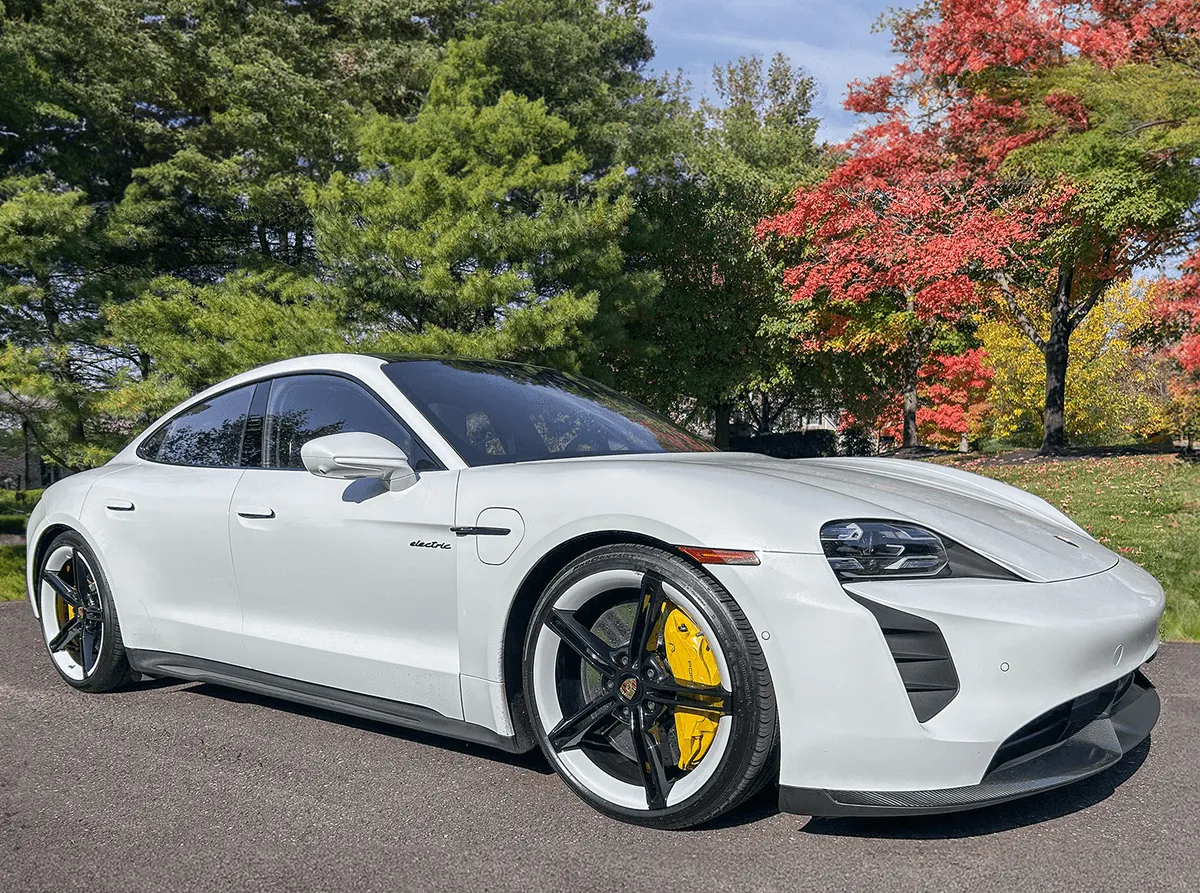
2. Porsche Taycan Turbo S (2022)
German engineering’s obsession with refinement extends to electric motor design. This Porsche uses permanent magnet synchronous motors with bearings sourced from premium suppliers known for quiet operation.
Engineers specified components to meet strict noise standards, refusing to compromise refinement even in pursuit of maximum performance.
Two-speed transmission on the rear motor could introduce additional noise sources, but careful engineering prevented this.
Gear meshing creates sound in many transmissions, but Porsche used precision manufacturing and optimal lubrication to keep noise minimal. When transmissions are engineered properly, they enhance rather than compromise motor quietness.
Active cooling maintains ideal operating temperatures for motor bearings. Liquid cooling systems with electric pumps circulate coolant continuously, preventing hot spots that degrade bearing grease.
Consistent temperatures mean bearings wear evenly and maintain their quiet operation characteristics throughout motor life.
Sound insulation throughout the vehicle complements inherently quiet motors. Porsche added acoustic materials in strategic locations to ensure any minor motor sounds don’t reach occupants.
This comprehensive approach to refinement creates a driving experience where motor noise is virtually undetectable even during hard acceleration.
Long-term ownership reports from Taycan owners show motors maintaining their silence through years of use. Early adopters with 50,000+ miles report no bearing whine or other motor noises developing.
This durability validates Porsche’s engineering approach, proving luxury pricing delivers genuine quality rather than just badge prestige.
Also Read: 5 EVs That Age Gracefully vs 5 That Lose Battery Fast
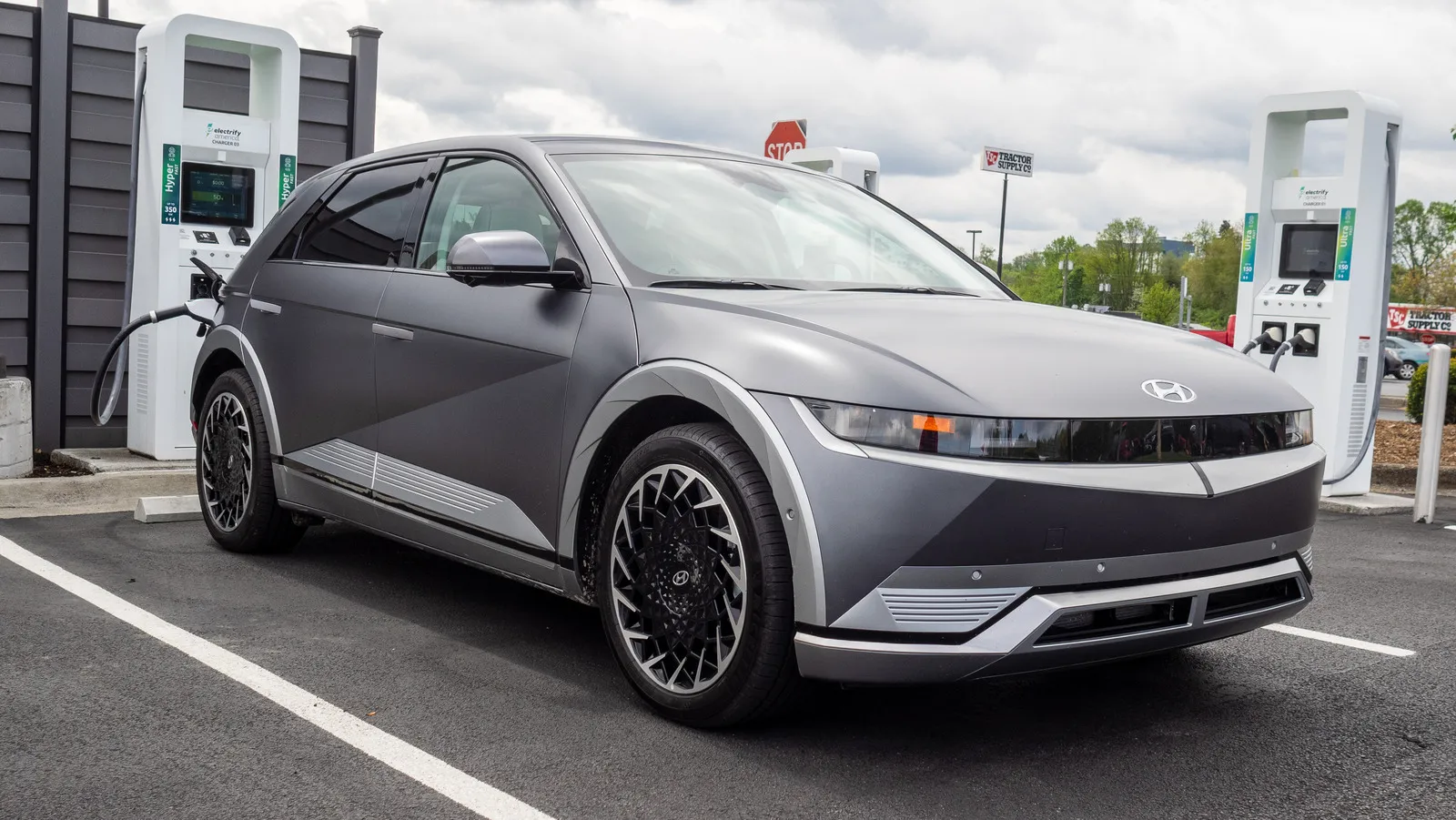
3. Hyundai Ioniq 5 Limited Dual Motor (2023)
Korean engineering learned from competitors’ mistakes, creating motors that avoid the bearing issues plaguing some rivals.
Permanent magnet motors front and rear use quality bearings with improved sealing to prevent contamination. When bearings stay clean and properly lubricated, they maintain quiet operation indefinitely.
Motor design incorporates lessons from Hyundai’s years building hybrid powertrains. Experience with smaller electric motors taught engineers what bearing specifications work best for longevity and quiet operation.
This knowledge has been transferred to full EV motors, preventing problems that newer EV manufacturers still struggle with.
Cooling systems use dedicated radiators for motor thermal management. Keeping motors cool prevents the thermal stress that degrades bearings prematurely.
Hyundai’s system maintains temperatures well below maximum ratings, ensuring bearings always operate in their comfort zone, where wear and noise stay minimal.
Ten-year warranty covering drivetrain components shows Hyundai’s confidence in motor reliability. Companies don’t offer long warranties on parts they expect to fail, so this coverage suggests motors are engineered to last. Warranty backing gives buyers confidence that bearing problems won’t become their financial burden.
Early ownership experiences show Ioniq 5 motors staying quiet through the first years of operation. While long-term data is still accumulating, initial results suggest proper engineering that should deliver quiet operation throughout vehicle life. When motors start silently and stay silent, it indicates quality construction.
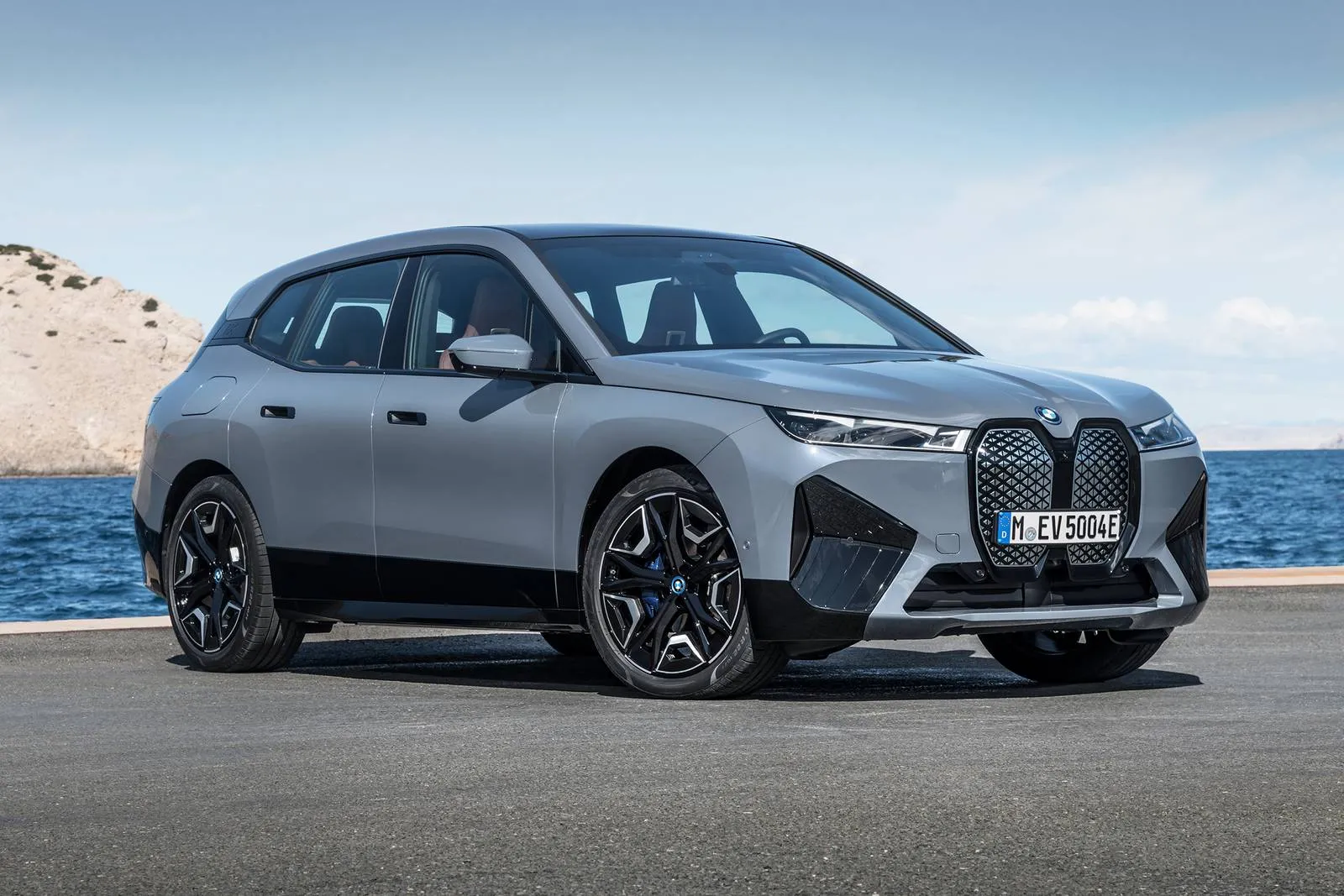
4. BMW iX xDrive50 (2023)
Precision German manufacturing creates motors with tight tolerances and quality components. BMW’s electric motors use bearings from premium suppliers with proven track records in high-speed applications.
These aren’t off-the-shelf commodity bearings but specially designed components that meet strict noise and durability requirements.
Excitation current control technology reduces motor vibrations that could excite bearing resonances. By carefully managing how electrical current flows through motor windings, BMW minimizes forces that would create noise. This sophisticated control requires advanced electronics but delivers the refinement luxury buyers expect.
Liquid cooling maintains optimal bearing temperatures during all driving conditions. Whether cruising gently or accelerating hard, cooling systems keep motors within narrow temperature ranges.
This thermal stability prevents the expansion and contraction that can cause bearing preload variations and subsequent noise.
Sound engineering throughout the vehicle ensures any minor motor sounds don’t reach occupants. BMW added substantial sound-deadening material around motor mounts and in wheel wells. When motors are inherently quiet and surrounded by acoustic insulation, occupants experience near-total silence.
Ownership reports from iX drivers praise motor refinement. Luxury car buyers are particularly sensitive to unwanted noises, and they’re not complaining about bearing whine.
This market segment would absolutely reject vehicles with annoying motor sounds, so their satisfaction proves BMW delivered genuine quietness.
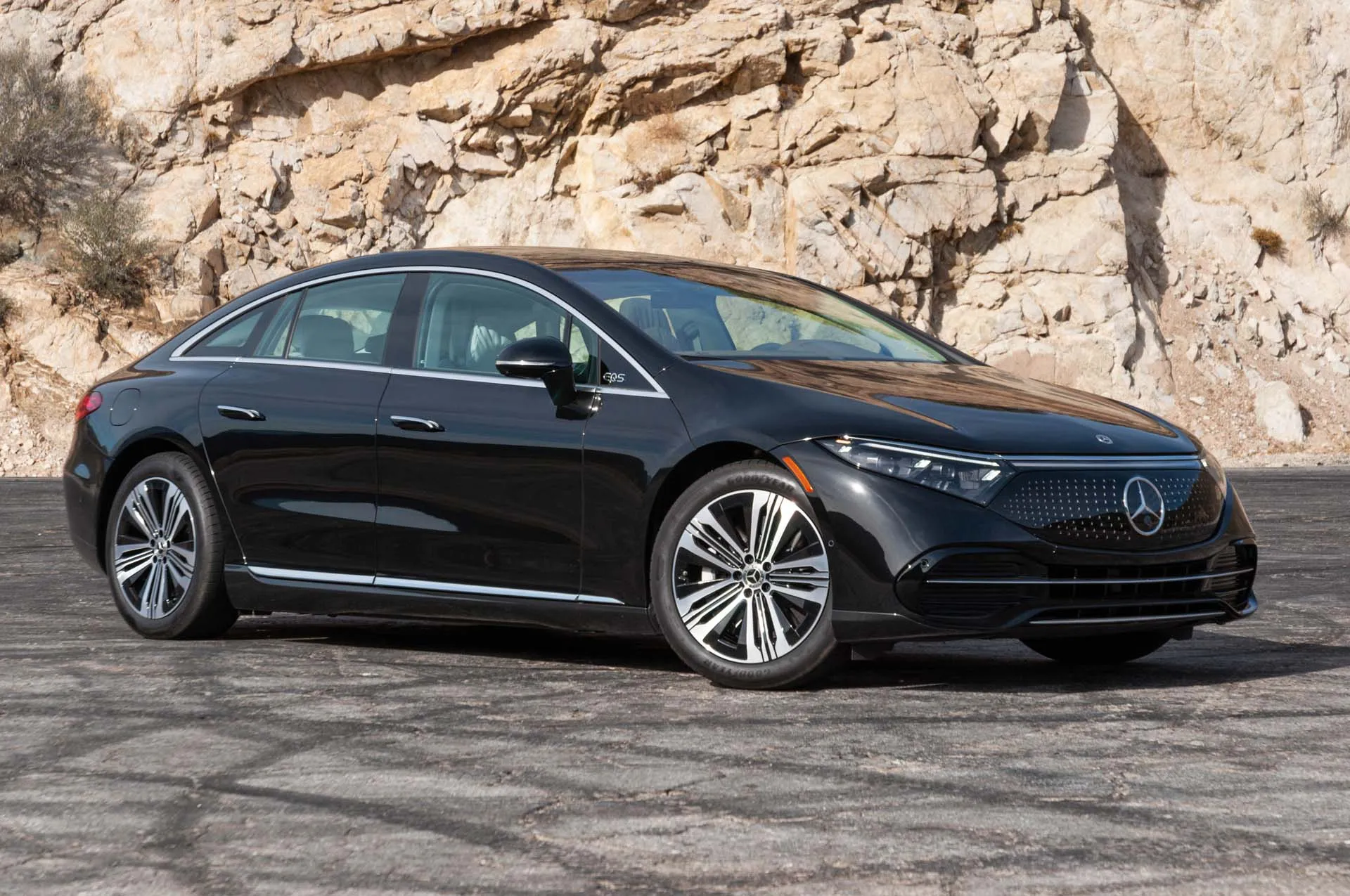
5. Mercedes-Benz EQS 450+ (2022)
Luxury sedan positioning demanded absolute motor silence, and Mercedes engineering delivered. Permanent magnet motor uses the highest-quality bearings with advanced ceramic hybrid designs.
Ceramic rolling elements create less friction than steel, reducing heat generation and extending bearing life while maintaining whisper-quiet operation.
Motor mounting system uses sophisticated isolation to prevent any vibration transmission to the chassis. Even if minor motor sounds existed, these mounts would prevent them from reaching occupants.
Mercedes layered multiple noise-reduction technologies to ensure total silence rather than relying on just one approach.
Cooling system maintains precise temperature control through advanced thermal management. Mercedes uses predictive cooling that anticipates motor temperature changes based on driving patterns. This proactive approach prevents temperature spikes that could stress bearings and create noise.
Quality control during manufacturing includes acoustic testing of every motor. Before motors are installed in vehicles, they run on test stands where technicians verify noise levels meet specifications.
This testing catches any defective bearings before they reach customers, preventing problems that would damage brand reputation.
Long-term reliability expectations are high because Mercedes can’t afford to lose luxury sedan owners experiencing motor problems. When you’re selling six-figure vehicles, component quality must match pricing. Early EQS motors show no patterns of bearing noise complaints, suggesting Mercedes chose components wisely.
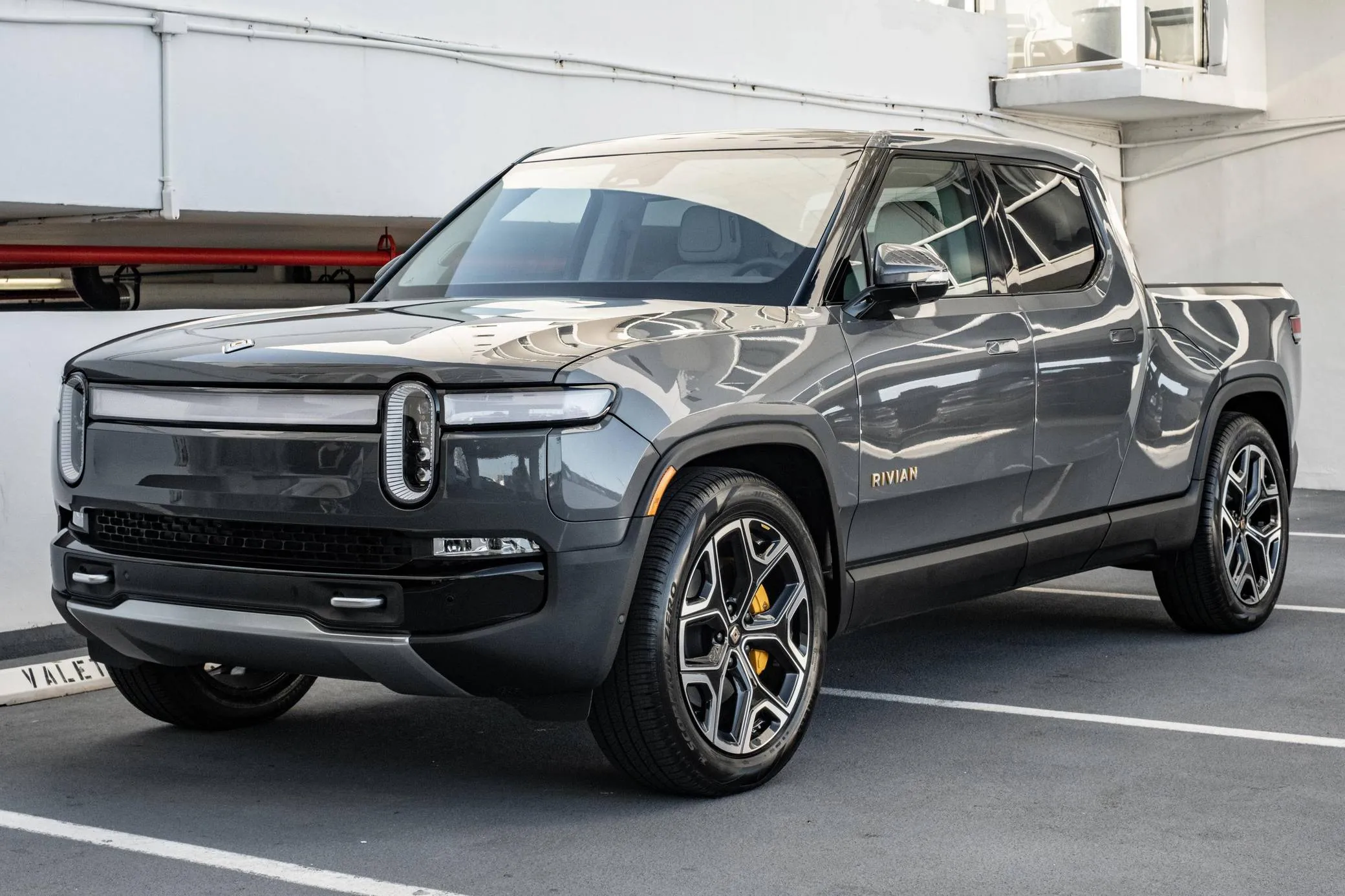
6. Rivian R1T Adventure (2023)
Quad-motor configuration could multiply noise problems if the motors weren’t engineered properly. Rivian uses identical permanent magnet motors at each wheel, and all four stay remarkably quiet through hard use.
Bearing design incorporates lessons from industrial motor applications where reliability and quiet operation are critical.
Independent motors at each wheel simplified design compared to traditional layouts requiring differentials and driveshafts. Fewer rotating components means fewer noise sources. Each motor connects directly to its wheel, eliminating gear noise that traditional drivetrains create.
Cooling systems for each motor ensure temperatures stay within ideal ranges. Individual motor cooling allows precise thermal management that prevents overheating even during extreme off-road use. When motors stay cool, bearings last longer and maintain their quiet operation characteristics.
Adventure use cases demanded motors that could handle abuse without developing problems. Rivian tested motors extensively in conditions most EVs never experience, validating durability under extreme loads.
This testing revealed any bearing weaknesses before production started, allowing engineers to specify better components.
Owner experiences from early R1T deliveries show motors maintaining their quietness through diverse use. Off-road enthusiasts, daily commuters, and work truck users all report motors staying silent.
This versatility proves the motors handle varying conditions without developing the bearing whine that would indicate premature wear.
6 EV With Bearing Whine History
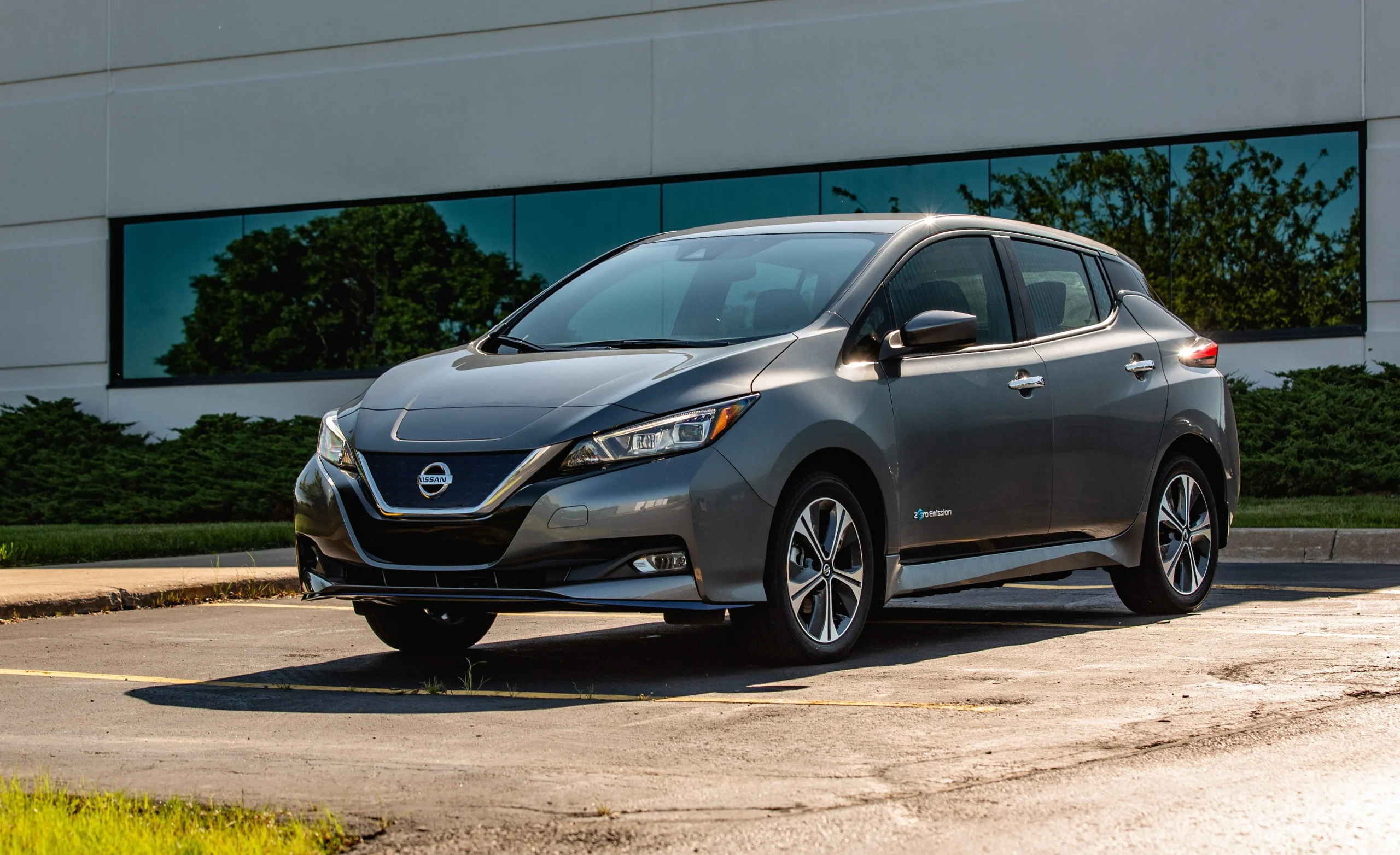
1. Nissan Leaf SV Plus (2019)
First-generation electric motors from this era used bearings that developed whine as mileage accumulated.
Many Leaf owners report high-pitched sounds developing around 40,000 to 60,000 miles, indicating bearing wear happening faster than expected. This premature aging suggests Nissan didn’t specify bearings adequately for electric motor duty cycles.
An air cooling system allows motors to run hotter than liquid-cooled designs. These elevated temperatures accelerate bearing grease breakdown, reducing lubrication effectiveness.
When grease degrades, bearings generate more friction and heat, creating a downward spiral ending in noisy operation and eventual failure.
Motor design dates back to earlier Leaf generations with minimal improvements. While other manufacturers refined their motors through multiple iterations, Nissan largely carried forward older designs.
This conservatism saved development costs but left customers dealing with technology that wasn’t optimized for long-term quiet operation.
Warranty coverage ends before many bearing problems become severe. Nissan’s standard warranty doesn’t extend long enough to cover the bearing issues developing after 50,000 miles.
Owners face expensive motor replacements or repairs shortly after the warranty expires, creating financial stress and brand dissatisfaction.
Owner forums overflow with complaints about Leaf motor whine. This consistent pattern across thousands of vehicles proves systematic problems rather than isolated defects. When so many owners report identical issues, it indicates fundamental engineering limitations rather than bad luck.
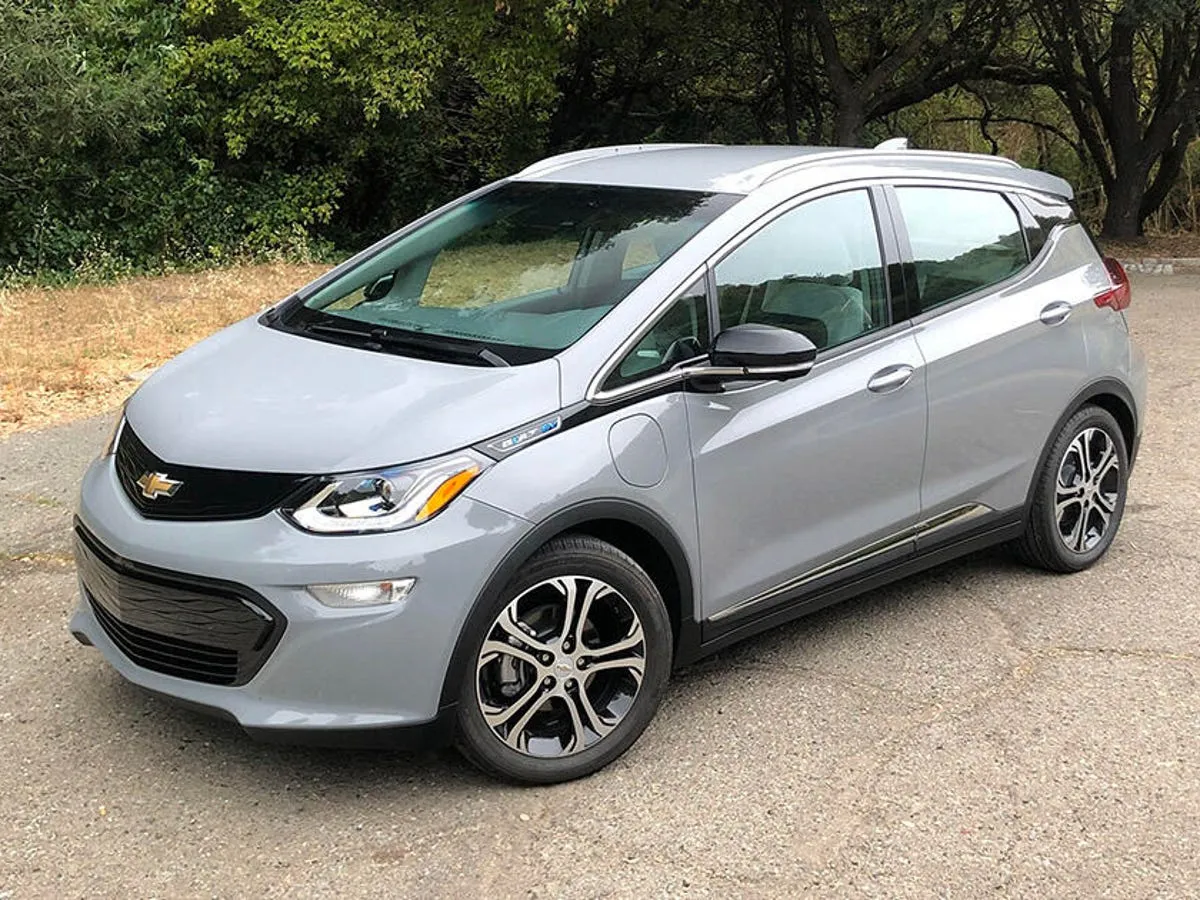
2. Chevrolet Bolt EV LT (2020)
A permanent magnet motor uses bearings that develop a characteristic whine as they wear. Many Bolt owners report sounds starting subtly but growing louder with continued use. This progressive deterioration suggests bearing lubrication breaking down or mechanical wear exceeding design expectations.
Cost-focused engineering on this budget EV meant compromises in component selection. General Motors specified bearings adequate for initial operation but marginal for long-term durability. When manufacturers cut costs on critical components, customers eventually pay through premature wear and expensive repairs.
The cooling system provides adequate thermal management for normal driving but struggles during sustained hard acceleration. When motors overheat, bearing grease breaks down faster, accelerating wear. Bolt owners who drive spiritedly often report bearing whine developing earlier than those who drive gently.
Dealer service responses vary wildly, with some claiming whine is normal while others recommend motor replacement.
This inconsistent diagnosis frustrates owners trying to address problems under warranty. When dealerships can’t agree on whether sounds indicate problems, it suggests inadequate training or unclear manufacturer guidance.
Resale values suffer as bearing whine issues become widely known. Buyers avoid used Bolts from certain years, driving down prices across the board. When reliability problems damage a model’s reputation, all owners suffer through reduced resale values regardless of whether their specific vehicle has problems.
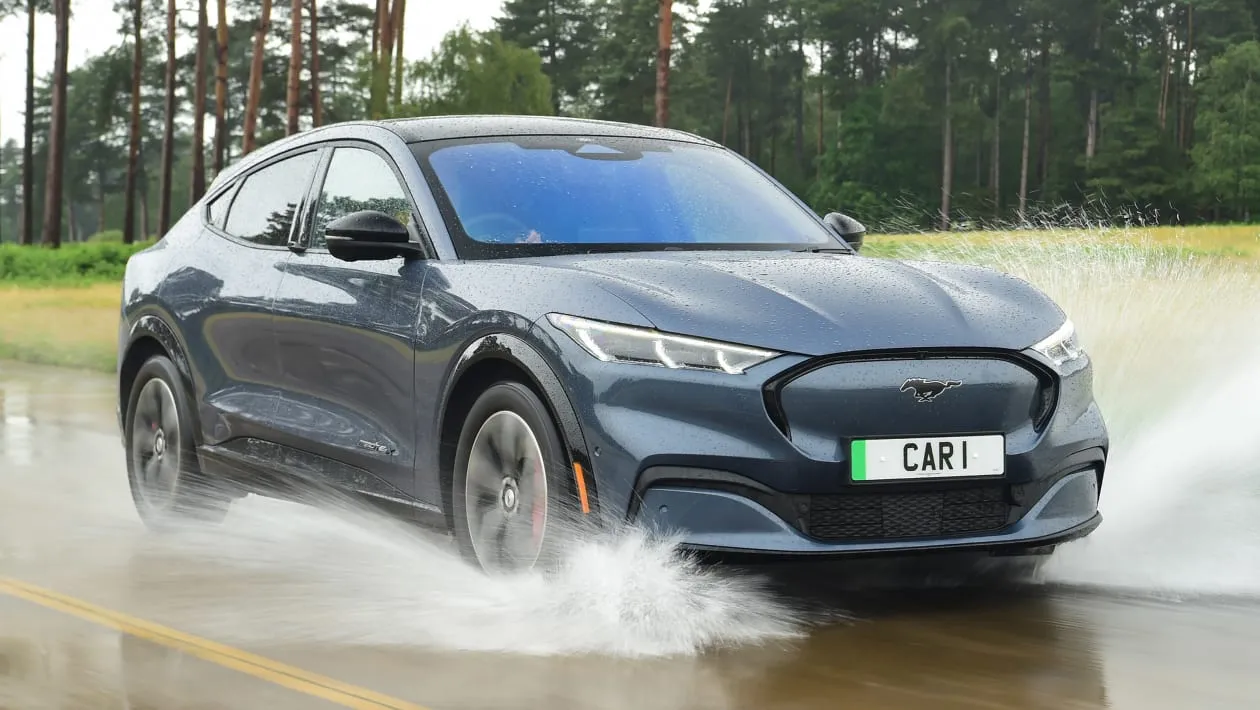
3. Ford Mustang Mach-E Select RWD (2021)
The rear motor in a single-motor configuration develops bearing whine more frequently than dual-motor versions.
Increased load on a single motor stresses bearings beyond what they were apparently designed to handle. This suggests Ford didn’t adequately test single-motor variants under real-world conditions before production.
Bearing design uses specifications that proved marginal for electric vehicle duty cycles. While adequate for industrial motors running at constant speeds, these bearings struggle with varying loads and speeds that automotive use creates. Different application requirements demand different bearing designs, and Ford apparently missed this distinction.
Cooling system priorities battery thermal management over motor cooling. While batteries need careful temperature control, motors generate substantial heat that also requires management. When cooling systems can’t handle both adequately, motors run hot and bearings wear prematurely, developing the whine that owners complain about.
Warranty claims for bearing noise often get denied with claims that the sounds are normal operation. This denial frustrates owners who know the sounds weren’t present when vehicles were new. When manufacturers refuse to address known problems, customer satisfaction plummets and brand loyalty evaporates.
Owner experiences documented across forums show widespread bearing whine complaints. Multiple owners independently reporting identical problems proves systematic issues rather than isolated defects. Ford apparently hoped problems wouldn’t emerge until after warranty periods expired, leaving customers holding the bag.
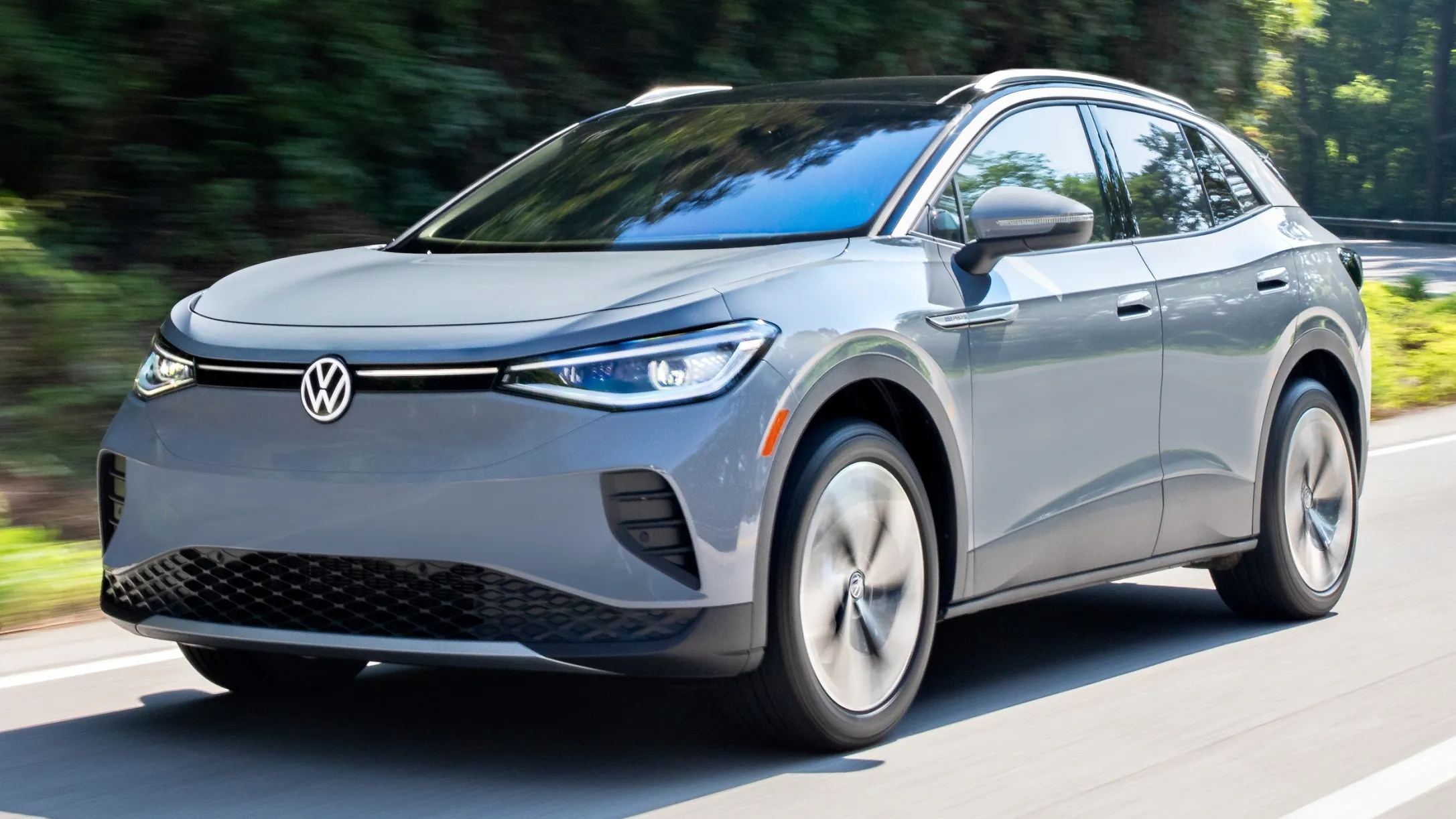
4. Volkswagen ID.4 Pro S (2021)
MEB platform motors across VW Group products show patterns of bearing whine development. Multiple brands using the same basic motor design all report similar issues, suggesting fundamental platform problems rather than brand-specific assembly issues. When problems span multiple manufacturers, it indicates problems with core engineering.
The bearing lubrication system apparently doesn’t maintain adequate protection under all operating conditions.
Some owners report whining developing specifically after highway trips involving sustained high-speed cruising. This pattern suggests lubrication breakdown at high RPM, where bearings spin faster and generate more heat.
European models seem less affected than American versions, possibly indicating different bearing suppliers or specifications.
When identical motor designs show different reliability patterns across regions, it points to supply chain variables rather than fundamental design flaws. This suggests VW could fix problems by standardizing on better components.
Service responses vary dramatically between dealerships. Some replace motors under warranty while others claim sounds are within normal specifications.
This inconsistent approach frustrates owners trying to address legitimate problems. When service responses vary this widely, it indicates unclear manufacturer policies or inadequate diagnostic procedures.
Long-term reliability data is still accumulating, but early patterns concern potential buyers. When bearing problems appear within the first 30,000 miles, it suggests motors won’t maintain quiet operation through typical vehicle lifespans. Prospective buyers research these issues and often choose competitors with better track records.
Also Read: 5 EVs That Will Still Be Relevant in 2030 vs 5 That Won’t
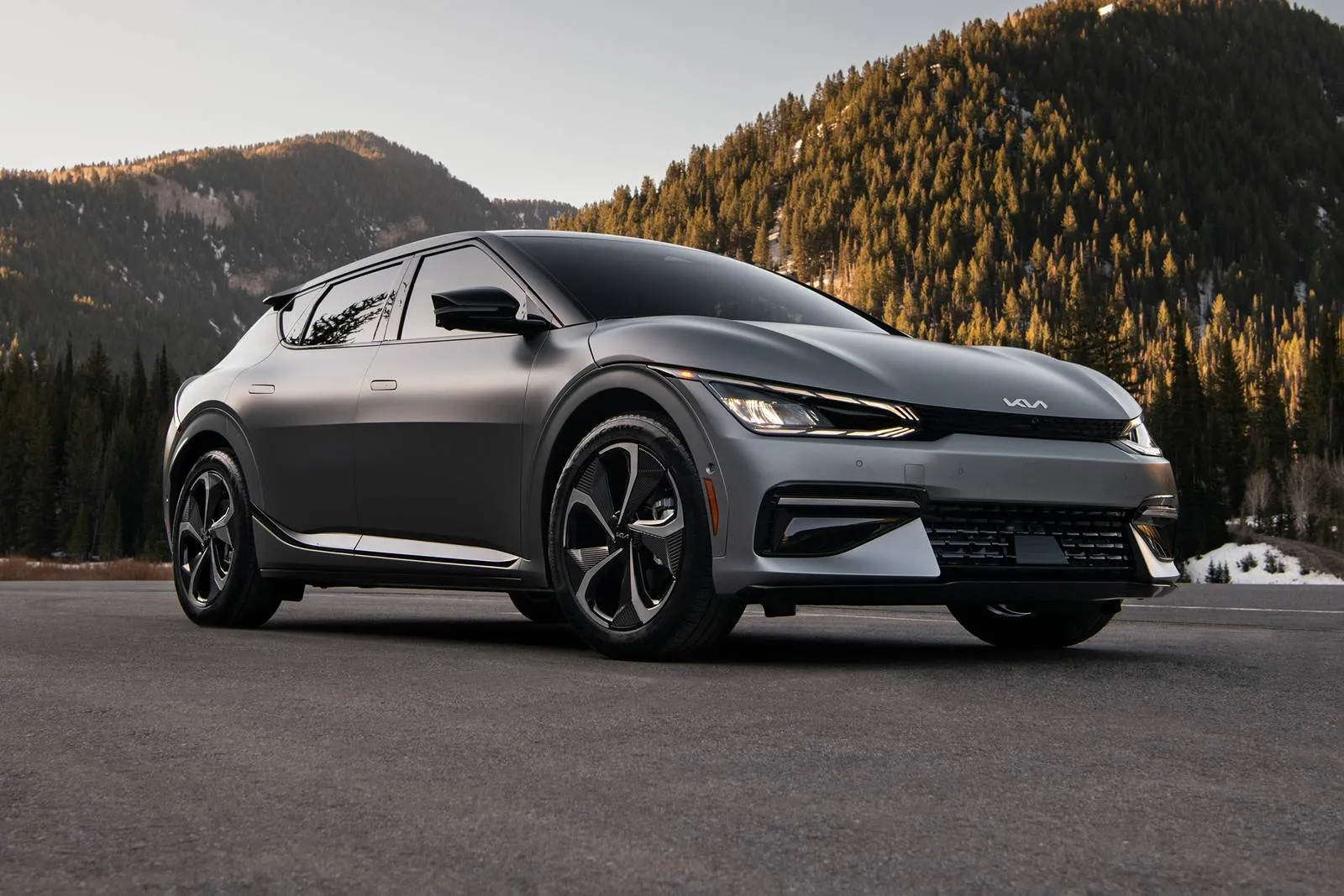
5. Kia EV6 Light Long Range (2022)
Shared platform with Hyundai Ioniq 5 should mean similar reliability, but Kia versions show more bearing whine complaints.
This discrepancy suggests different bearing suppliers or quality control standards between brands. When sister vehicles using identical motors show different reliability patterns, manufacturing rather than design appears to be the issue.
Single-motor variants develop bearing issues more frequently than dual-motor versions. Increased load on one motor apparently exceeds bearing capacity, creating premature wear.
This pattern suggests Kia didn’t adequately validate single-motor configurations before production, assuming bearings adequate for dual-motor duty would handle single-motor loads.
The cooling system shares design with the Ioniq 5, but some Kia owners report inadequate cooling during sustained high-speed driving.
Whether this reflects calibration differences or actual hardware variations remains unclear. When motors run hot, bearings wear faster and develop noise earlier than properly cooled designs.
Warranty coverage should protect early failures, but some dealers resist covering bearing whine repairs. Claims that sounds fall within normal specifications frustrate owners who know vehicles didn’t sound this way when new. This resistance to honoring warranties damages brand reputation and drives customers toward competitors.
Owner satisfaction suffers when unexpected noises appear in relatively new vehicles. Buyers choosing EVs partially for quiet operation feel particularly disappointed when motors develop annoying whines.
This dissatisfaction shows in reviews and social media, damaging Kia’s attempt to establish credibility in the EV market.
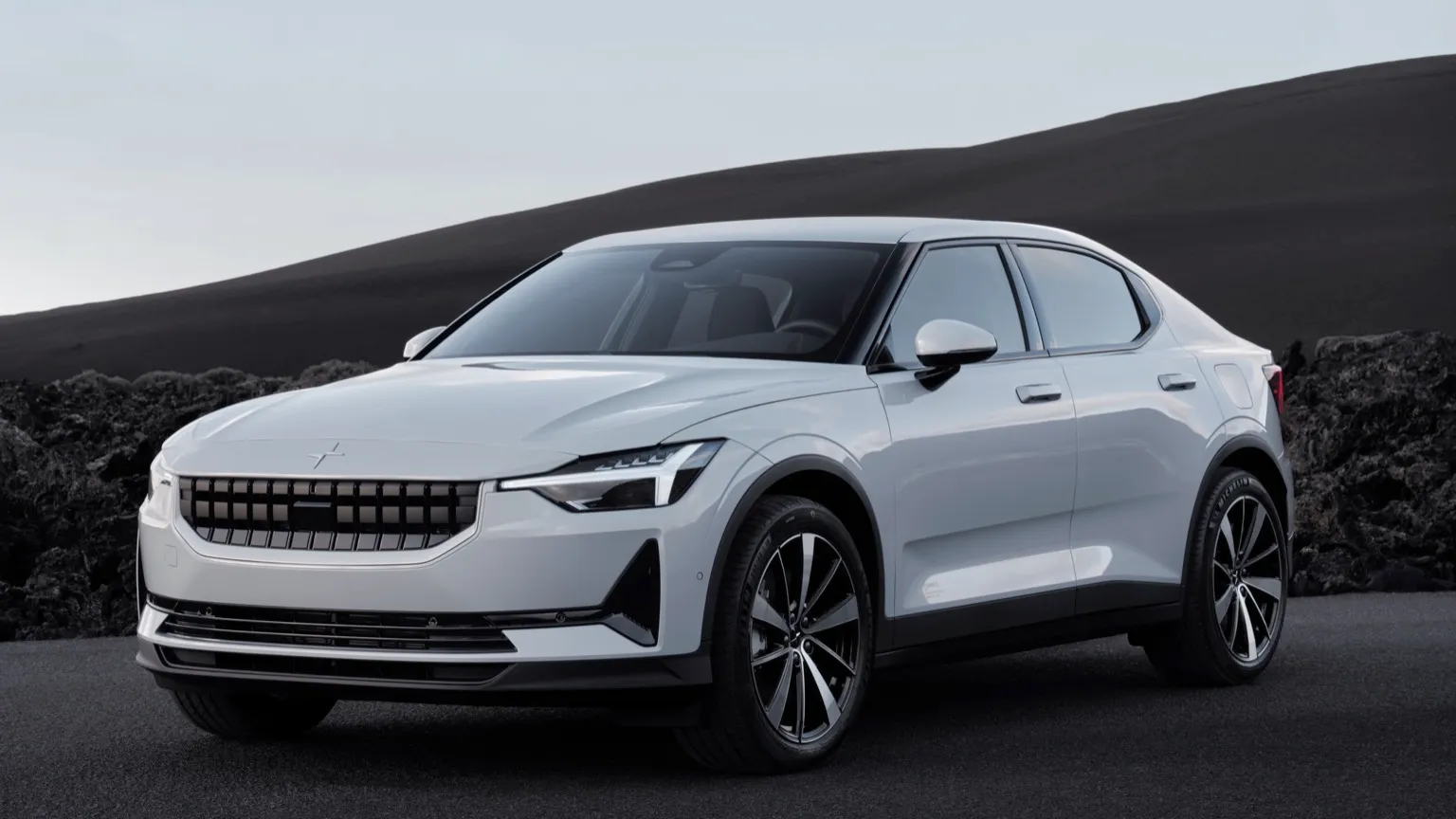
6. Polestar 2 Long Range Single Motor (2021)
Volvo-derived technology should ensure reliability, but single-motor Polestar 2 models develop bearing whine at troubling rates.
The front motor in FWD configuration apparently faces loads it wasn’t optimized to handle alone. This suggests insufficient testing of single-motor variants before production commenced.
Bearing specification apparently adequate for dual-motor load sharing proves marginal when one motor handles everything.
Engineering teams should have recognized this and specified heavier-duty bearings for single-motor applications. Failure to do so indicates inadequate validation testing or cost-cutting that compromised reliability.
Swedish climate testing focused on cold-weather operation may have missed issues that emerge in hotter environments.
When vehicles are validated primarily in one climate, problems specific to other regions might not appear until customer use reveals them. This suggests Polestar needs more comprehensive testing across diverse conditions.
Service network limitations make addressing warranty claims difficult for some owners. Polestar’s limited dealer presence means customers must travel farther for service, and parts availability can be problematic. When getting repairs becomes difficult, even warrantied problems create customer dissatisfaction.
The resale market shows buyers wary of single-motor Polestar 2 models specifically. While dual-motor versions maintain reasonable values, single-motor variants depreciate faster as bearing issues become known. This market response proves buyers research reliability before purchasing, and they’re avoiding models with documented problems.
Research before buying reveals which EV motors have proven track records for quiet operation. Owner forums, reliability databases, and service bulletins all provide insights into real-world motor performance. Spending hours researching before purchase prevents years of frustration with noisy motors.
Extended warranties make sense for EVs with questionable motor reliability. When motors cost $10,000+ to replace, warranty coverage protects against catastrophic expenses. Calculate warranty costs relative to potential repair bills to determine whether coverage makes financial sense for specific models.
Test driving used EVs requires listening carefully for motor sounds. Acceleration from stops and sustained highway speeds reveal bearing issues if present. Any high-pitched whining indicates bearing wear that will only worsen, making that vehicle a poor purchase regardless of the asking price.
Choosing dual-motor variants when available often provides better reliability than single-motor versions. An additional motor shares the load, reducing stress on individual bearings. This redundancy costs more initially but often delivers better long-term reliability and quietness.
Buying from manufacturers with established EV experience generally provides better reliability than newcomers still learning.
Companies like Tesla, with years of motor production, have refined designs through multiple iterations. Newer manufacturers are still working through initial problems that established players already solved.
Electric motors should deliver a silent operation that makes EVs special. Some manufacturers engineered quality bearings and proper cooling that maintain quietness through 200,000+ miles. Others cut costs, creating motors that develop annoying whines within 50,000 miles.
Your choice determines whether you enjoy whisper-quiet driving or suffer mechanical screaming. Research thoroughly, choose proven motors, and avoid models with documented bearing problems. Your ears and wallet depend on making informed decisions based on real reliability data, not marketing promises.
