
You know that feeling when your factory radio starts acting like it’s stuck in 2005? Volume knobs that barely turn, Bluetooth that connects only when it feels like it, and speakers that sound like they’re underwater.
Most of us have been there, staring at that dashboard and wondering if we should just upgrade the whole sound system.
But here’s where things get interesting: some cars will welcome your shiny new head unit like an old friend returning home, while others will fight you every step of the way like you’ve just insulted their ancestors.
Installing an aftermarket stereo isn’t rocket science, but it’s not exactly child’s play either. Some vehicles make it so simple you’ll finish before your lunch break ends. Pop out the old unit, slot in the new one, connect a few wires, and you’re bumping your favourite tunes by afternoon.
They’ll have you questioning your entire existence. Warning lights start dancing on your dashboard like Christmas decorations. Y
our steering wheel controls stop working. Climate control goes haywire. Power windows decide they’re on strike. It’s like the car knows you’ve replaced something and decides to throw a proper tantrum about it.
That’s exactly why we’re breaking down which rides play nice with aftermarket stereos and which ones will make you regret ever touching that screwdriver.
Whether you’re hunting for a used car or planning to upgrade your current ride, this guide will save you plenty of headaches, money, and those frustrating trips back to the electronics shop. Let’s get into it.
Platforms That Welcome Aftermarket Stereos
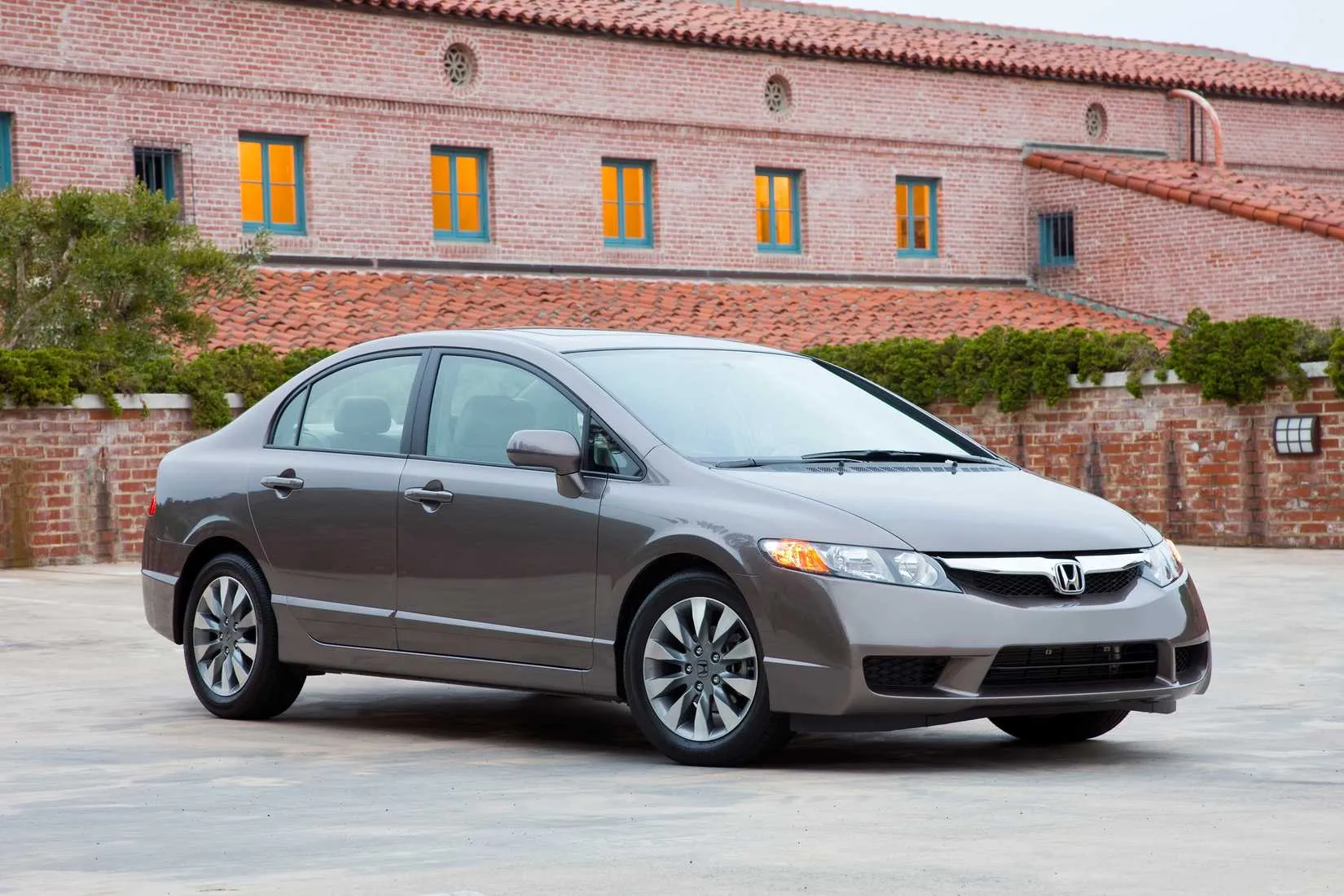
1. Honda Civic (2006-2011)
The 2006-2011 Honda Civic stands as one of the most modification-friendly vehicles of its era, especially for anyone looking to upgrade their stereo system. Honda’s engineers clearly anticipated that many owners would want more from their in-car audio setup, so they built this model with easy access in mind.
You don’t need advanced tools, specialized adapters, or extensive technical skills. With a basic installation kit, a screwdriver, and about an hour of free time, you can replace the factory unit without complications or frustration.
Everything about this generation fits together with precision and simplicity. The trim panels around the radio lift away easily, allowing access to the factory unit within minutes. Unscrew it, unplug the harness, and the job is already halfway complete.
Aftermarket harnesses designed for this Civic plug directly into the existing connectors without cutting or splicing wires.
Steering wheel controls can remain operational with an inexpensive adapter, and even reverse camera compatibility is easy to maintain. The process feels organized and stress-free from start to finish.
Honda’s electrical design during these years is refreshingly straightforward. The system doesn’t overreact when new components are introduced, so you won’t deal with unnecessary warning lights or computer errors. Air conditioning, lighting, and door chimes operate independently, unaffected by the stereo replacement.
Thousands of Civic owners have completed these upgrades with consistent results, and plenty of online tutorials are available to guide you if needed. Car audio professionals also appreciate the efficiency of working on these models because the setup allows them to finish the job quickly and neatly.
Few vehicles manage to combine reliability, simplicity, and upgrade potential as effectively as this Civic. It offers a smooth experience from start to finish, proving that great engineering doesn’t need to be complicated.
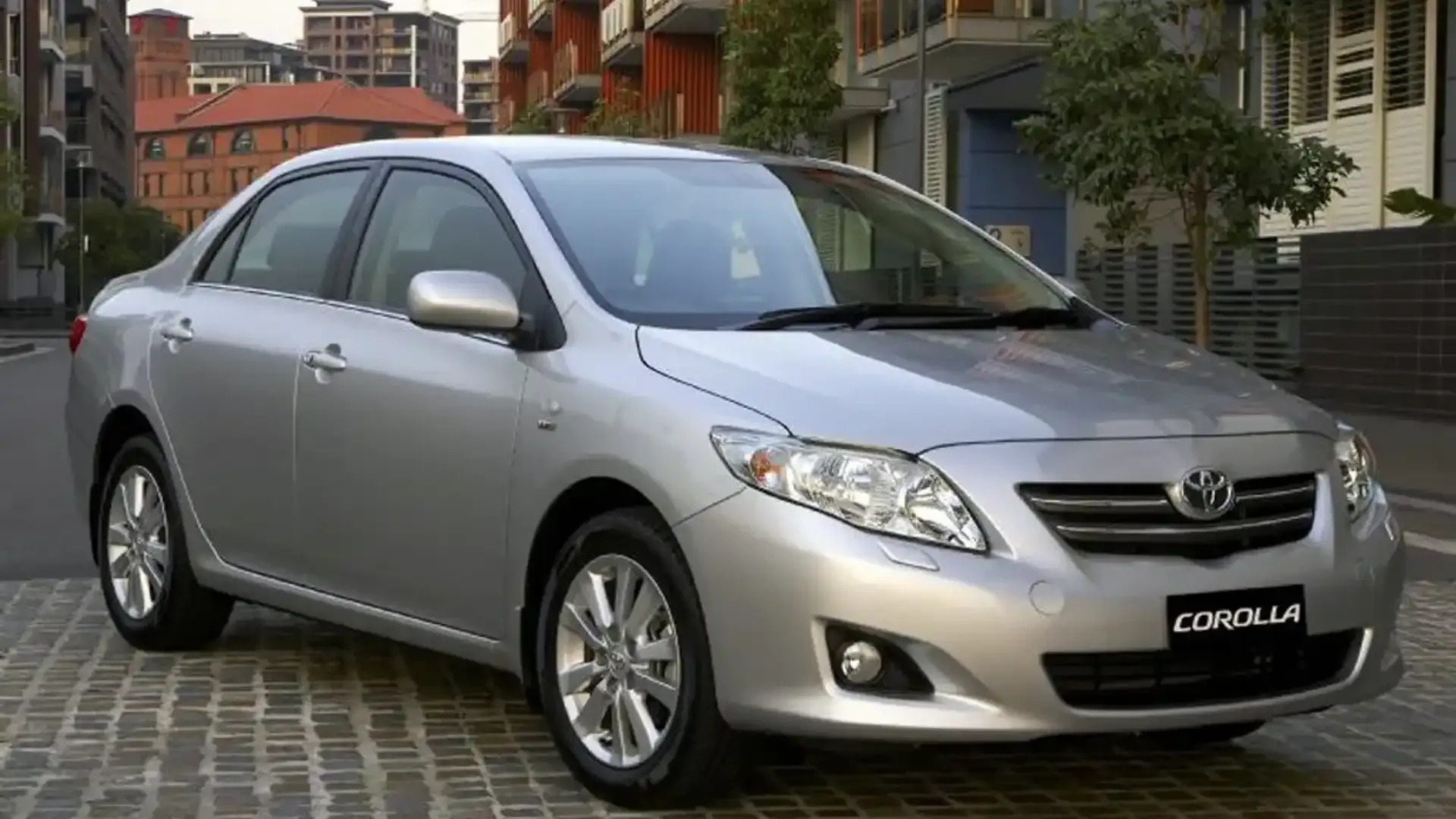
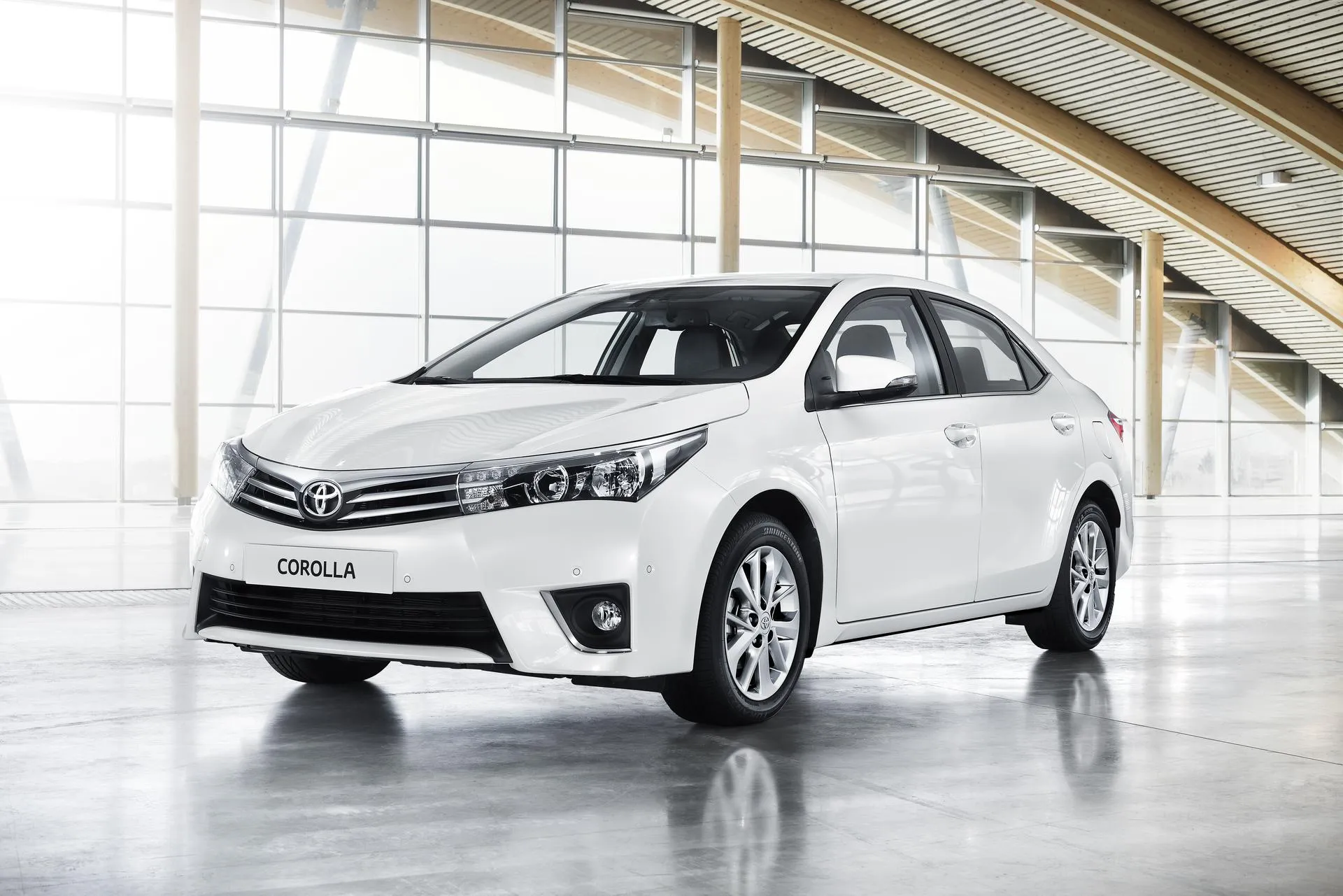
2. Toyota Corolla (2009-2013)
The 2009-2013 Toyota Corolla exemplifies a user-friendly design for anyone who enjoys customizing their car’s audio system. Toyota’s commitment to straightforward engineering is clear here, as these vehicles accept aftermarket stereos with minimal effort.
Owners around the world have reported simple, problem-free installations, which highlights how well the manufacturer designed the cabin layout and wiring setup. You can confidently upgrade your sound system without worrying about technical obstacles or hidden electrical conflicts.
Every necessary component for installation is easy to find. Car audio retailers commonly stock complete kits for this generation that include mounting brackets, trim panels, and wiring harnesses. Each piece fits perfectly, leaving no awkward gaps or rattles once installed.
The electrical connectors line up seamlessly with aftermarket units, allowing even first-time installers to finish the job quickly. The process is as simple as removing a few screws, disconnecting the stock harness, attaching the new one, and sliding the replacement stereo into place. It’s fast, reliable, and satisfying.
What makes this Corolla particularly appealing is its separation of functions. The audio system operates independently from the vehicle’s climate controls, so replacing the stereo does not affect temperature adjustment or fan operation. You can still manage airflow and comfort exactly as before.
Also Read: 10 Used EVs That Are Still Worth Owning in 2025
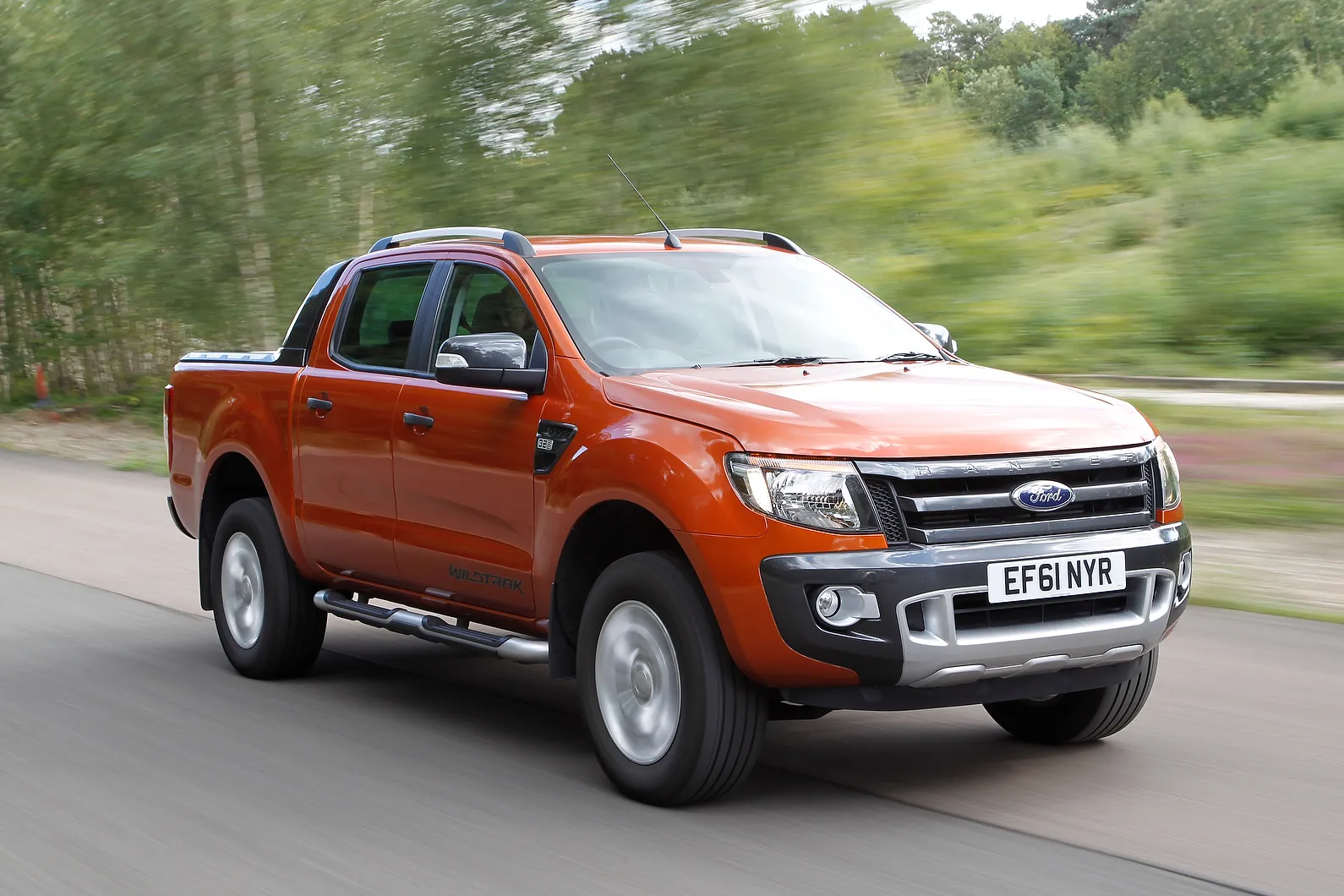
3. Ford Ranger (2012-2015)
The Ford Ranger from this era stands out as one of the easiest pickup trucks to upgrade with a new stereo system. Built with functionality and accessibility in mind, it gives owners plenty of room to make modifications without stress.
Whether used for work or as a daily driver, this truck welcomes upgrades instead of resisting them. Ford clearly understood that some owners would want to personalize their vehicles, so they designed this generation to be modification-friendly. The Ranger handles aftermarket head units effortlessly, as though they were made for it from the start.
The wiring layout is a major advantage. Ford used standardized connectors that align perfectly with widely available aftermarket harnesses. You won’t be hunting down obscure cables or waiting weeks for specialty parts to arrive. Most local electronics stores and online outlets carry everything needed for a clean installation.
Dashboard panels detach smoothly, and clips release without snapping. Reassembly feels tight and solid, leaving no annoying gaps or vibrations once you finish the job. Installation takes less time than many expect, and even first-timers can achieve professional-looking results with basic tools.
The platform’s simplicity makes it ideal for anyone wanting a better listening experience without a complicated process. Whether your goal is improved call clarity or full-range sound quality, the 2012-2015 Ranger accommodates both easily, proving that practicality and customization can exist together.

4. Mazda 3 (2010-2013)
During these model years, Mazda maintained its focus on driving enjoyment while ensuring the car remained easy to modify. The 2010-2013 Mazda 3 provides a smooth, straightforward path for stereo upgrades without introducing electrical headaches.
It blends modern convenience with a user-friendly design that supports customization. Owners who enjoy working on their own vehicles find this model especially rewarding because the setup feels like it was built with DIY improvements in mind. Everything from panel removal to wiring access follows a logical pattern.
Taking apart the dashboard feels intuitive. The panels separate cleanly without breaking or bending, and the clips feel sturdy enough to handle multiple removals. You won’t need to heat components or pry aggressively to free them.
Once open, everything aligns neatly, allowing you to install a new stereo with minimal effort. Aftermarket dash kits fit precisely, matching Mazda’s sleek interior lines and giving the upgraded head unit a seamless factory-style look.
When properly installed, the result appears original rather than improvised, maintaining the car’s refined aesthetic. Mazda also deserves credit for keeping its systems well-separated.
The audio controls operate independently from other vehicle functions, so changing the head unit doesn’t interfere with gauges, lighting, or climate control. The information screen continues showing fuel economy, trip data, and service reminders without error.
Online owner forums are filled with successful upgrade examples and complete guides that make the process even easier. For anyone looking to modernize their interior sound and connectivity, this Mazda 3 generation offers one of the most reliable and satisfying upgrade experiences available.
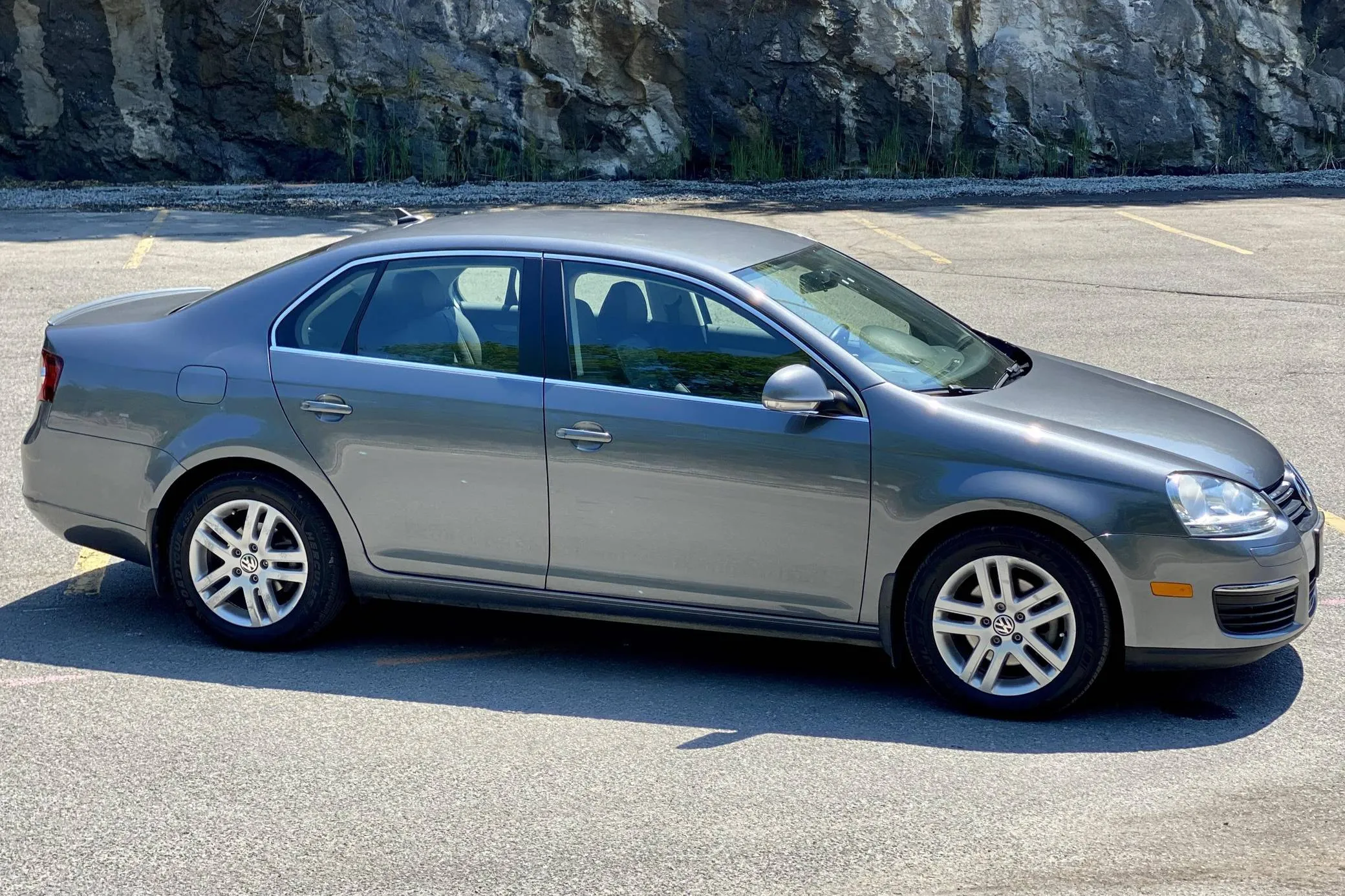
5. Volkswagen Jetta (2005-2010)
Volkswagen’s 2005-2010 Jetta demonstrates that German engineering can still prioritize modification flexibility. This generation combines structural precision with a level of accessibility rarely seen in European cars of its time.
The Jetta’s design supports upgrades rather than fighting against them, allowing owners to modernize their in-car entertainment systems with confidence. Even though these vehicles are now older, their thoughtful construction means they accept modern stereo technology surprisingly well.
Radio removal follows a clear, straightforward process. Specialized extraction keys, easy to find and inexpensive, unlock the radio within seconds. Pull the unit forward, detach the antenna and wiring harness, and installation can begin immediately.
Aftermarket harnesses made for this generation preserve nearly all original functionality while expanding capabilities. Steering wheel buttons remain active, factory amplifiers continue working, and even satellite radio features can be retained with the right adapters.
Many vehicles of similar age suffer from grounding or alternator noise when modified, but this Jetta keeps power delivery clean and balanced. The air conditioning and climate controls remain fully independent of the radio setup, meaning they function normally after upgrades.
Owners have successfully installed advanced touchscreen systems with GPS, Bluetooth, and streaming functions without electrical errors or performance drops. The car handles these improvements gracefully, preserving both comfort and reliability.
When an older vehicle accepts new technology so seamlessly, it reflects smart engineering. The 2005-2010 Jetta proves that modernization doesn’t have to come at the cost of dependability or design integrity.
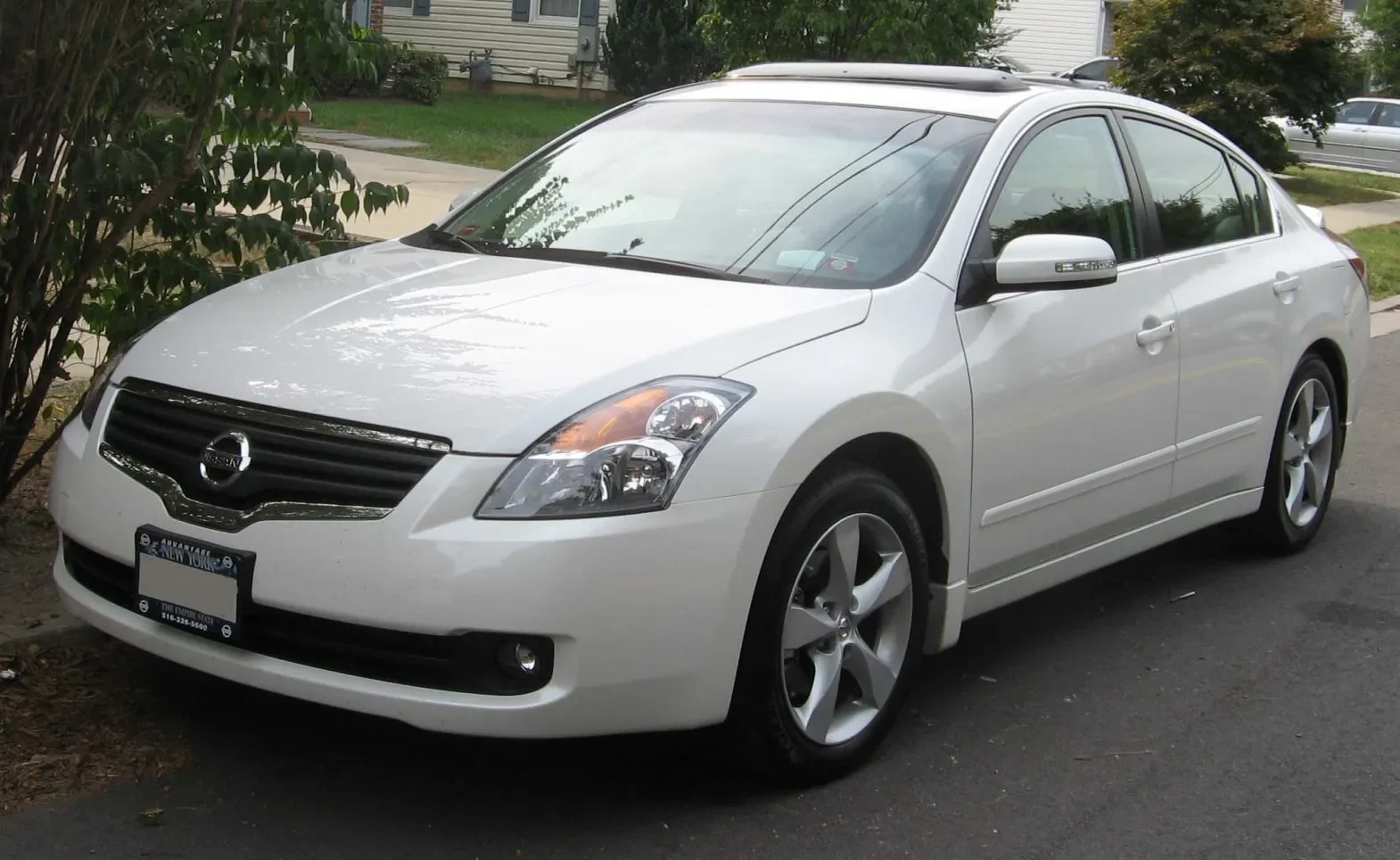
6. Nissan Altima (2007-2012)
The Nissan Altima from this period remains one of the easiest mid-size sedans to upgrade with a modern stereo. These models were built before manufacturers started routing every feature through one digital interface, making them ideal for straightforward audio customization.
The design encourages modification rather than resisting it, offering both convenience and compatibility for DIY installers. You get a solid, dependable car that allows you to improve its sound system without endless frustration or the need for specialized equipment.
The dashboard layout is simple and practical. Panels remove smoothly without applying excess force, and you won’t encounter countless fragile clips that snap during disassembly. Standard screws hold everything securely, so taking apart the center console feels natural.
Once the factory radio is exposed, unplugging and swapping it out takes very little effort. The wiring is neatly organized, color-coded, and follows the same logic as most aftermarket harnesses.
There are plenty of guides, tutorials, and photos online to walk you through the process step by step. Even someone new to car audio can confidently complete the installation within a few hours.
The onboard electronics don’t interfere with or trigger warning messages, which helps maintain long-term reliability. Countless owners have enjoyed smooth, trouble-free upgrades and years of consistent performance.
The 2007-2012 Altima proves that modifying your sound system can still be simple, affordable, and completely worth the effort.
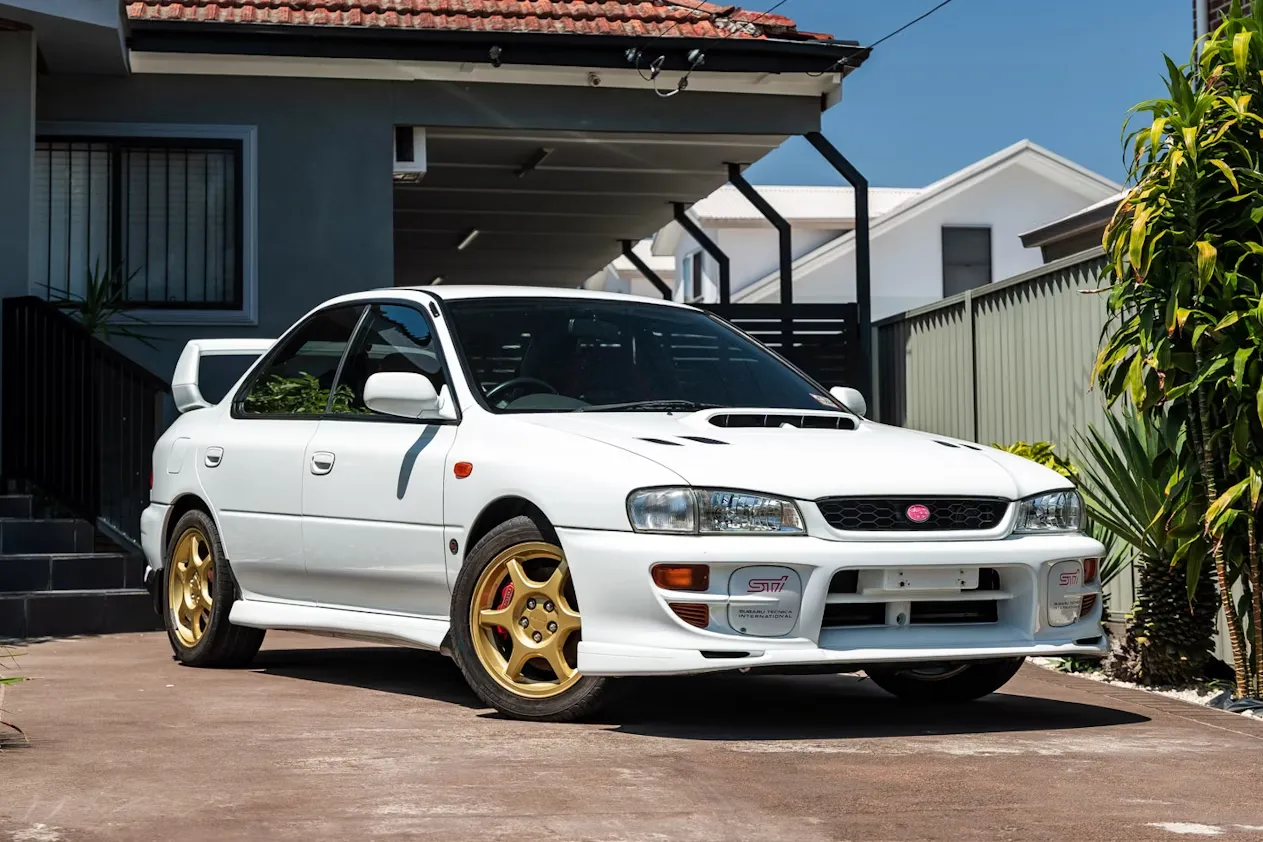
7. Subaru Impreza (2000-2011)
Subaru enthusiasts have always valued cars that respond well to modification, and this generation of the Impreza delivers exactly that. Whether you drive a base model or a sportier trim, replacing the stereo is a process anyone with patience and basic tools can handle.
Gaining access to the factory radio requires only a few simple steps. Remove the trim pieces around the dashboard, unscrew the mounting brackets, and disconnect the wiring harness.
High-quality dash kits designed for this generation blend perfectly with the factory interior, keeping everything clean and uniform once the upgrade is complete.
The available wiring harnesses include connections for steering wheel controls and lighting synchronization, and they even support the factory amplifier in models with premium sound systems. The process involves very little guesswork, allowing you to plug everything in with minimal adjustment.
What makes this generation special is its electrical independence. The stereo system operates separately from the essential vehicle functions, so you don’t have to worry about affecting performance features or dashboard displays. The all-wheel-drive, climate control, and gauge cluster continue functioning normally after installation.
Online communities dedicated to the Impreza showcase numerous successful installations, proving that this model is one of the most modification-friendly compact cars of its era. For anyone who values customization and dependable operation, upgrading the stereo in a 2008-2011 Impreza is an easy and rewarding project.
7 Platforms That Spawn Gremlins
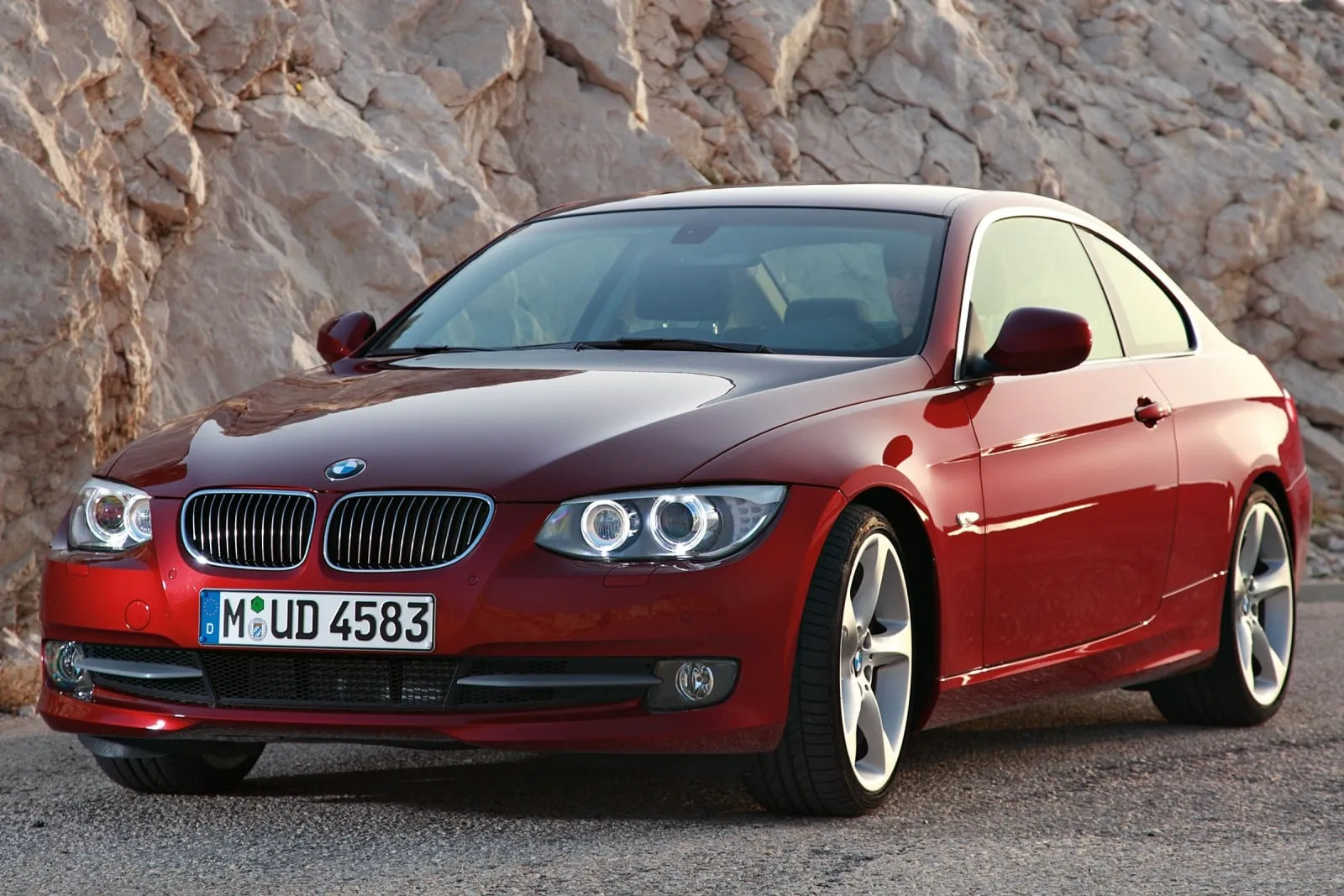
1. BMW 3 Series (2012-2015)
Installing an aftermarket stereo in this generation of the BMW 3 Series is an experience that tests both your patience and your wallet. These cars were produced during BMW’s full-integration phase, where nearly every feature depended on the iDrive system.
On paper, it seemed futuristic, but in reality, it turned a simple stereo replacement into a nightmare of compatibility issues. What should take an afternoon turns into a long, expensive challenge that many owners eventually give up on.
The physical installation itself already poses a serious obstacle. Removing the stock unit calls for special tools and precise knowledge of how BMW’s trim clips interlock. A single mistake can break fragile parts that cost more to replace than entire stereo kits for other vehicles.
Once you remove the original radio, the deeper issue becomes clear: BMW tied essential vehicle functions to that same system.
Your air conditioning controls, parking sensors, and even basic car settings depend on the factory head unit. Replace it with an aftermarket system, and you risk losing everyday functions that you rely on without realizing it.
Some owners even lose features like automatic headlights or rain-sensing wipers entirely. Shops that agree to handle these jobs often charge steep diagnostic fees since fixing compatibility issues can take hours.
The truth is that BMW engineered these models for dealership maintenance using exclusive tools, not for easy modification by enthusiasts or local mechanics.
Without advanced equipment and expensive interface kits, replacing the stereo almost always leads to frustration. For anyone without a large installation budget and technical expertise, keeping the original radio is the only practical choice, even if it feels outdated.
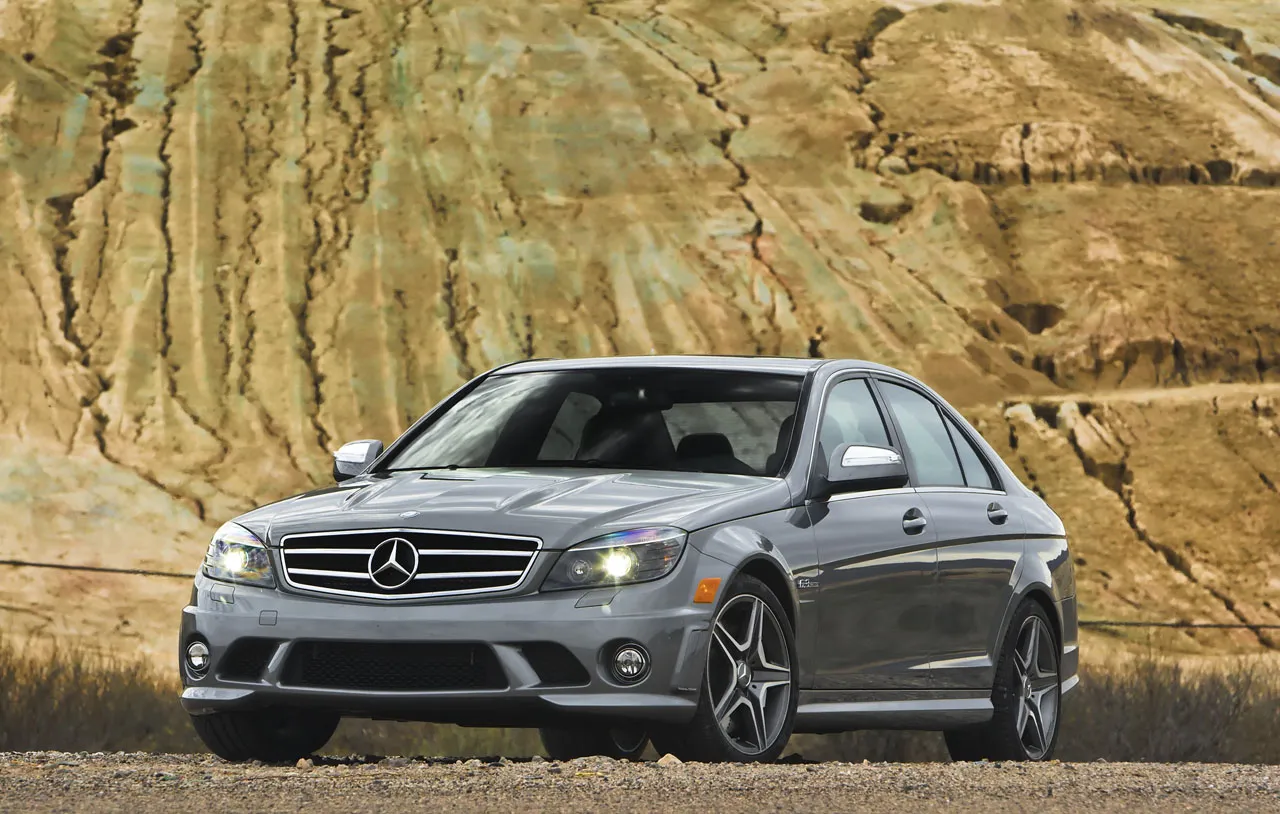
2. Mercedes-Benz C-Class (2008-2014)
This C-Class generation from Mercedes-Benz looks elegant, performs well, and fiercely resists any attempt to modernize its stereo system.
During these years, Mercedes deeply integrated its in-car electronics, meaning that upgrading the radio feels more like performing delicate surgery than a normal installation. What appears straightforward in theory becomes a maze of wiring, software, and physical barriers that most owners regret ever touching.
Gaining access to the original radio requires skill and caution. Mercedes hides fasteners behind panels that fit together like intricate puzzles.
Move one piece incorrectly, and you risk cracking expensive interior trim. Even if you manage to remove the unit without breaking anything, the next obstacle comes from the wiring itself.
The wiring challenge is only part of the ordeal. This generation of the C-Class relies on the stock radio to control numerous systems beyond entertainment.
Climate adjustments, seat heating, and even fuel economy displays are routed through the factory head unit. Once you remove it, those functions disappear.
Some owners have even found that cruise control behaves unpredictably afterward because aftermarket units can’t communicate with the car’s internal data systems.
Dealerships refuse to fix issues caused by modifications, viewing them as warranty violations. Independent shops, meanwhile, charge premium labor rates and rarely guarantee results.
You might spend thousands trying to restore lost features and still end up with a car that doesn’t behave properly. Most experienced owners quickly realize that the only reliable path is to keep the original system or invest in an OEM-style replacement kit, which can cost as much as a small used vehicle.
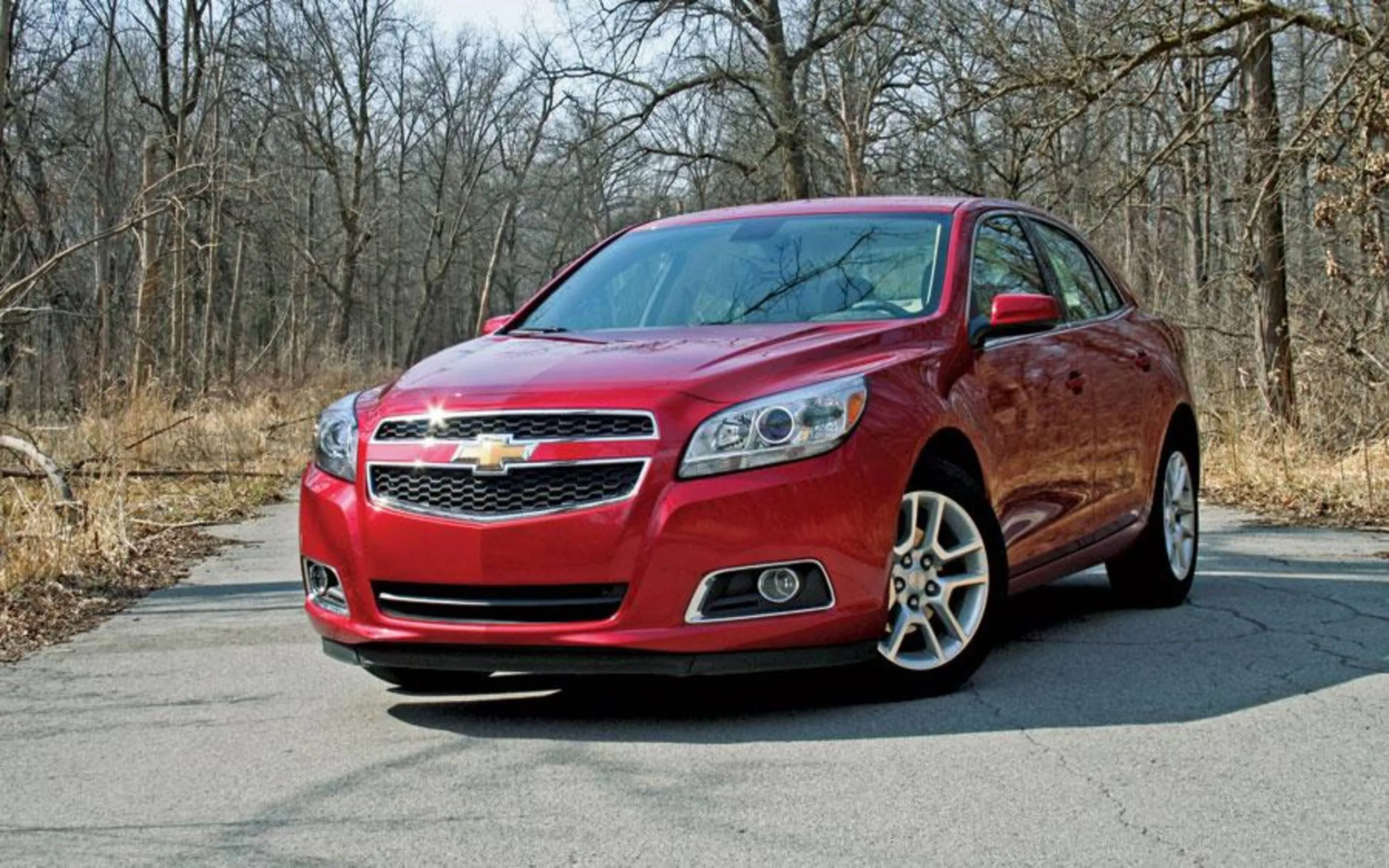
3. Chevrolet Malibu (2013-2016)
The 2013-2016 Chevrolet Malibu represents one of General Motors’ most difficult vehicles to modify when it comes to audio upgrades.
At first glance, the dashboard looks like it can easily accept a standard aftermarket stereo, but beneath that appearance lies a deeply integrated electronic system that resists change.
Many owners have learned the hard way that removing the factory radio often triggers unexpected complications that outweigh any potential benefit. What should be a quick improvement turns into hours of frustration and costly mistakes.
Removing the factory unit starts smoothly enough. The trim panels detach easily, and the screws are simple to reach, giving a false sense of progress. The problems begin once you access the wiring harness.
Chevrolet built critical communication links through the original radio, so removing it disables certain features entirely. OnStar functionality disappears immediately, and while not every driver depends on it, its absence can reduce resale value.
Some owners even experience unpredictable air conditioning behavior, such as random fan adjustments or incorrect temperature output. To make matters worse, the vehicle’s computer monitors the radio network and triggers electrical warning lights whenever it detects foreign components.
These alerts can’t be easily cleared without dealership-level diagnostic tools. Many professional installers decline work on this generation of Malibu or charge excessive rates due to its high risk of failure.
Keeping the original system is often the most practical option to avoid endless troubleshooting and electrical instability.
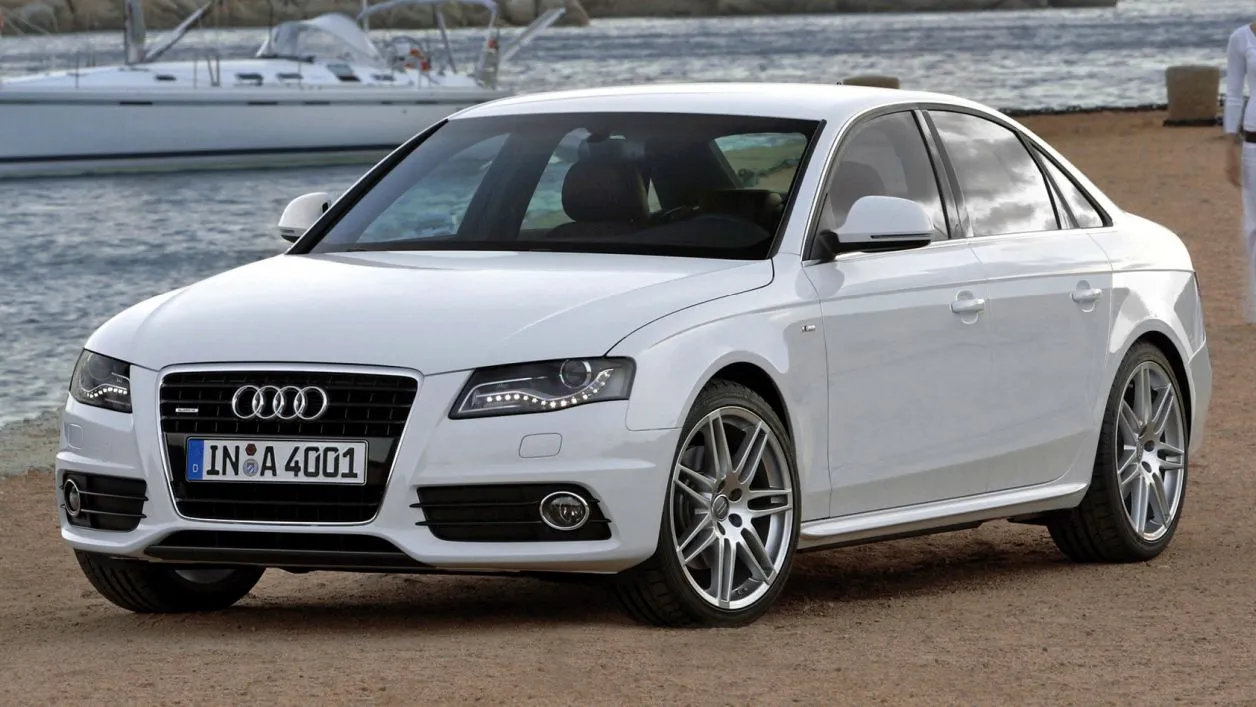
4. Audi A4 (2009-2015)
The 2009-2015 Audi A4 combines luxury engineering with one of the most restrictive audio systems ever built. While the car’s infotainment setup offers sophistication and advanced features, it also ensures that any attempt at modification becomes a costly and complicated endeavor.
Climate controls, driver configuration menus, and vehicle status displays all depend on it. Removing or replacing the unit breaks these connections, leading to partial or total loss of control over multiple features.
Aftermarket adapters exist but are far from ideal. They’re expensive, often costing as much as premium stereos, and rarely deliver complete functionality. Some restore basic functions such as temperature control or audio volume, but eliminate finer adjustments or certain display options.
Steering wheel buttons may operate inconsistently, and parking sensors might stop showing visual cues. When errors occur, diagnosing them requires Audi’s proprietary software, which independent repair shops seldom possess.
Many owners report recurring electrical quirks after installation attempts, including drained batteries, flickering warnings, and erratic behavior from unrelated systems. These issues arise because the car’s control modules expect factory data signals that the new radio can’t generate.
For anyone seeking better sound, upgrading the speakers while keeping the stock unit remains the most sensible solution. Attempting a full stereo swap in this A4 often leads to more trouble than it’s worth.
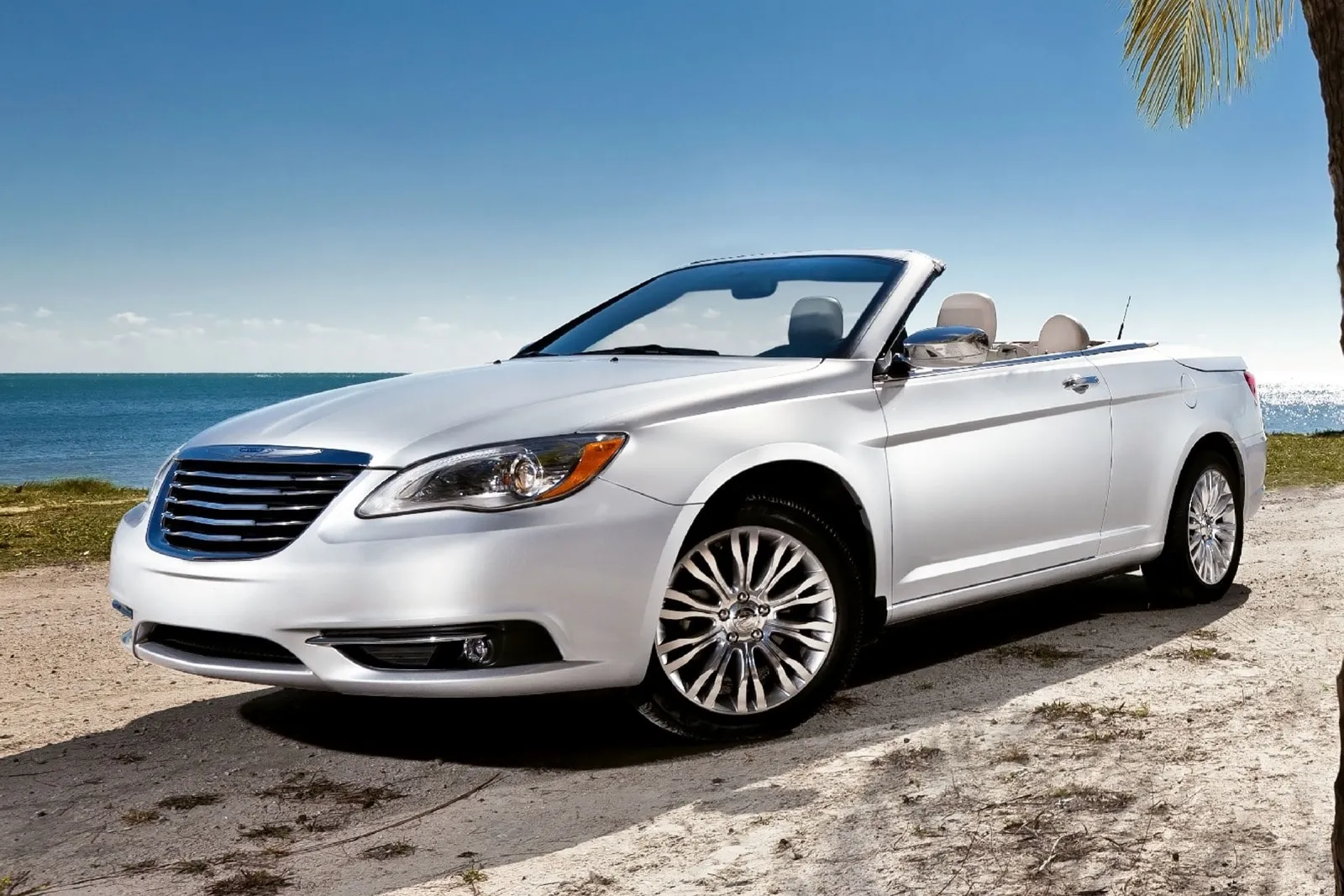
5. Chrysler 200 (2011-2014)
This generation of the Chrysler 200 emerged during a time of uncertainty for the automaker, and the car’s electrical layout clearly mirrors that instability. The vehicle combines parts from various production periods, resulting in a mismatched system where different components fail to communicate properly.
For anyone considering an audio upgrade, what initially appears to be a simple task quickly turns into a technical nightmare. Many owners find themselves regretting their decision to install an aftermarket radio once the complications begin.
At first, removing the factory radio seems straightforward, but the real problems show up the moment you inspect the wiring setup. Chrysler opted for connector configurations that don’t follow standard industry patterns, forcing owners to rely on custom harness adapters that are often difficult to find.
The 200’s climate system adds even more frustration. Certain heating and cooling functions are linked directly to the factory radio, and removing it interferes with temperature regulation. The air conditioner may run uncontrollably or refuse to start altogether.
Fan speeds could fluctuate without input, and temperature readings might display incorrectly. These issues often develop gradually as the car’s computer attempts to communicate with a head unit that doesn’t understand its signals.
Dashboard warning lights also become constant companions, from airbag indicators to ABS errors, all triggered by missing feedback loops from the factory system.
Even professional installers often decline work on these cars, knowing that one resolved issue tends to create another. In short, the Chrysler 200’s audio network is a tangle of incompatibility best left untouched by aftermarket modifications.
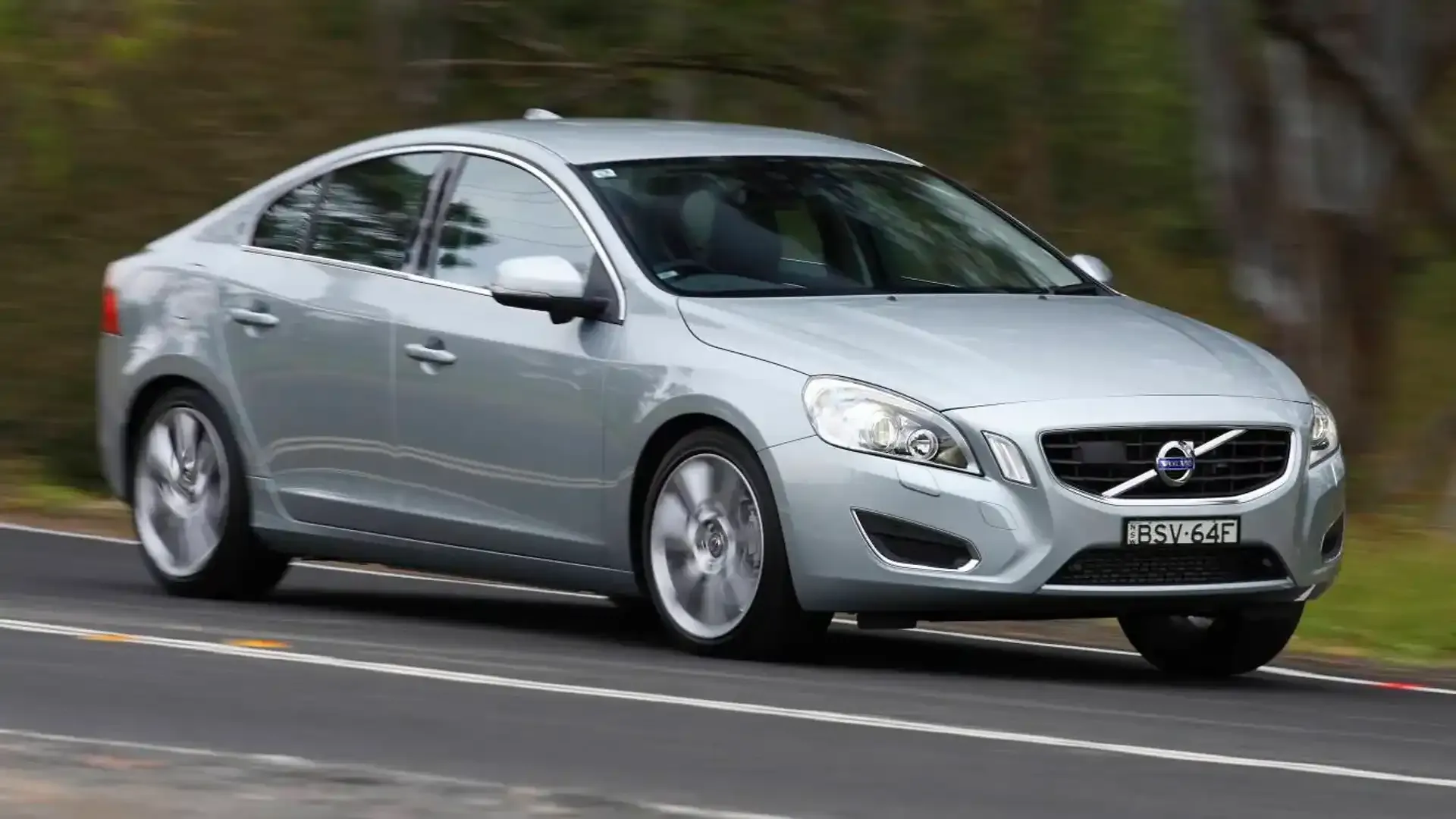
6. Volvo S60 (2011-2015)
Volvo’s reputation for safety and precision engineering also means that its electronic systems resist modification. In the 2011-2015 S60, every part of the dashboard electronics is interconnected, making the factory radio an essential part of the car’s digital ecosystem.
Attempting to replace it feels like removing an organ that the rest of the body relies on. These vehicles function beautifully in their original state, but can become sources of frustration and financial strain once owners start altering the audio system.
Physically installing a new unit poses its own challenges. The radio housing and brackets use unique measurements, while the wiring relies on proprietary plugs that few aftermarket companies account for. Specialized kits, when available, cost much more than standard parts, and not all trim levels have compatible options.
Removing the radio often requires dismantling large portions of the dashboard, exposing delicate clips and connectors that are easily broken. A single misstep can mean paying high prices for replacement interior components directly from Volvo.
The real trouble begins once software integration comes into play. The radio in this model constantly exchanges information with the car’s main computer, helping control various systems such as driver preferences, diagnostics, and climate adjustments. When replaced, the car loses access to data it expects, triggering warning messages and erratic behavior.
Also Read: 10 EVs That Actually Charge Faster Than Advertised
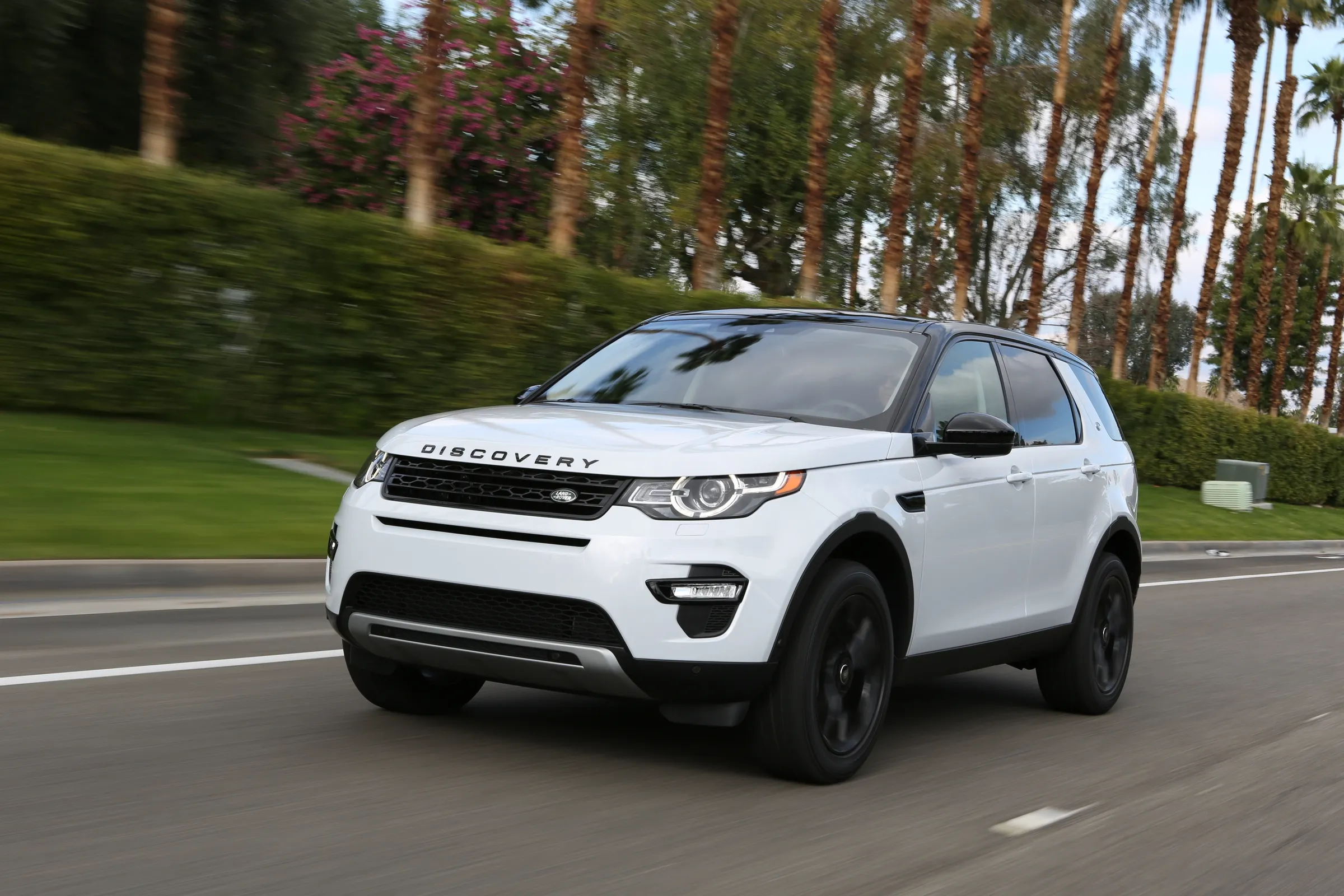
7. Land Rover Discovery Sport (2015-2018)
The Discovery Sport from this period combines refined engineering with complicated electronic design that makes upgrading the radio a nearly impossible task. While Land Rover’s attention to detail gives the vehicle exceptional off-road performance, it also ties nearly every onboard function to the central infotainment system.
The panels use interlocking fasteners that don’t follow common design standards, and excessive force can snap components that are costly to replace. Assuming you manage to remove the dashboard cleanly, you’ll find wiring systems that use entirely proprietary connectors.
Standard aftermarket harnesses don’t fit, and sourcing replacements from specialized suppliers in Europe is both expensive and time-consuming. What truly makes the process unmanageable is how deeply the factory radio interacts with the car’s control network.
Once the head unit is removed, essential functions like temperature regulation, ride height adjustment, or off-road mode selection can become inaccessible. The dashboard may light up with multiple warning indicators as the system searches for missing communication signals.
These include traction control, ABS, and engine alerts that refuse to clear even after diagnostic resets. In most cases, only reinstalling the factory radio restores normal function.
Technicians familiar with these vehicles often charge premium rates for installation attempts or decline the work entirely, recognizing that failure is almost guaranteed.
For owners, keeping the original system is the only practical way to avoid expensive electrical complications. Upgrading this Discovery Sport’s audio system simply isn’t worth the risk or the cost.
