Track days are the kind of weekends that make gearheads grin like kids again. The smell of rubber, the roar of an uncorked exhaust, the feeling of grip and slide it’s pure mechanical therapy.
But most folks assume getting that kind of thrill means spending supercar money. Truth is, you don’t need a modern monster with 600 horsepower and a tech-laden cockpit to have serious fun. In fact, the most engaging drives often come from older, analog machines that demand skill, not software.
Vintage track-day cars bring back that raw, mechanical connection the steering chatter, the throttle response, the imperfections that make each lap exciting. They might not have launch control or adaptive dampers, but they’ve got soul.
This list isn’t about garage queens or collector-grade classics. We’re talking about driver’s cars honest machines built before electronics took over, that still perform like champs on the track. The kind of cars you can wrench on yourself, trailer home, and still afford to feed tires and fuel.
Whether you’re chasing lap times, perfecting heel-and-toe, or just looking for a weekend thrill that reminds you what driving used to feel like, there’s something magical about vintage track-day toys. You’ll find character, speed, and surprising reliability packed into cars most people overlook today.
So if you’ve been itching to get on track without dropping six figures, grab your helmet. From stripped-down roadsters to rally-bred coupes, we’ve rounded up eight old-school heroes that still deliver adrenaline at a bargain.
Forget the latest hyper-tuned machines these vintage icons prove you don’t need new to go fast. You just need the right car, the right attitude, and a good set of brakes.
Before turbos got complicated and dashboards turned into tablets, cars were about the driver. You had to feel the road, time your shifts, and earn every corner. That’s what makes vintage track-day cars special they make you part of the process.
They’re cheaper to buy, easier to fix, and ridiculously satisfying to drive hard. With most models sitting comfortably under $20,000, you can enjoy track-day fun without the sting of modern maintenance or depreciation.
Even better, older cars often weigh less and run simpler setups, meaning fewer systems to fail and more direct control in your hands.
Plus, there’s a certain pride in beating newer, pricier cars with something older and raw. You don’t just drive it you tame it.
Whether it’s a lightweight roadster, a turbocharged ‘80s coupe, or a high-revving inline-four from the ‘90s, these classics deliver thrills the modern ones often sterilize.
So, this isn’t about collecting dust in a garage. It’s about building your own affordable track toy that feels alive. These eight picks balance cost, reliability, and fun they’re proof that a true driver’s car doesn’t have to be new.
ALSO READ: 10 Vintage Luxury Bargains With Low Running Costs
1. Mazda MX-5 Miata (NA/NB)
If there’s one car that defines “affordable fun,” it’s the Miata. The original NA and early NB generations are the ultimate gateway drugs to track life.
Small, rear-wheel-drive, and light enough to feel like a go-kart, the Miata isn’t about brute speed it’s about balance. That perfect 50:50 weight distribution makes every corner feel natural, predictable, and joyful.
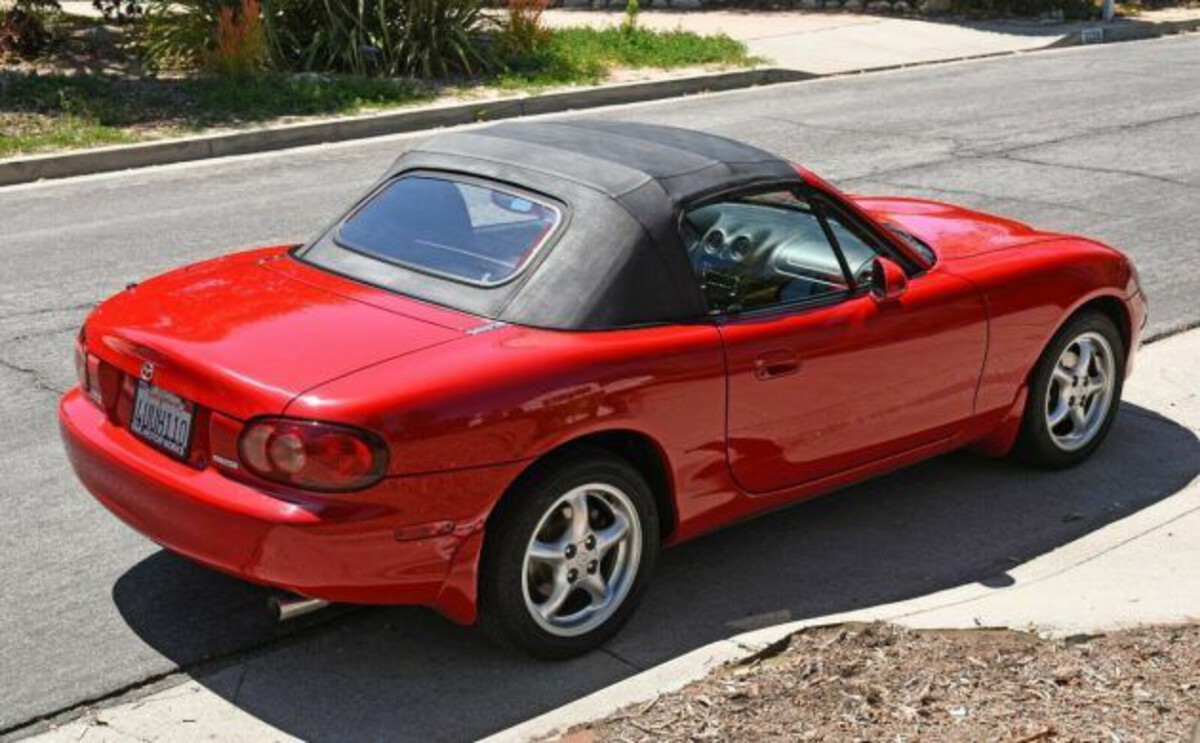
Under the hood, you’ll find a 1.6 or 1.8-liter inline-four, putting out anywhere between 115 to 140 horsepower. Sure, that’s not earth-shattering, but on track, it’s plenty.
The car’s light weight (barely over 2,000 lbs) means it can carry corner speed most modern cars can only dream of. And because it’s simple no fancy electronics, no overcomplicated systems you can push it to its limits and actually learn how to drive, not just steer.
You can find everything from upgraded suspension kits to roll bars and turbo conversions, all at reasonable prices. Even a bone-stock Miata can handle a full day at the track with little more than fresh fluids and good tires.
The real magic, though, is how connected it feels. The manual gearbox is crisp, the steering alive, and the car communicates every detail through your fingertips and seat. It’s an experience few modern cars can match and it’ll cost you less than a new scooter in some cases.
The Miata isn’t just an affordable track-day toy. It’s a reminder that driving fast isn’t about horsepower it’s about connection.
2. BMW E30 3-Series (1982–1994)
Before BMW went luxury-heavy, it built pure driver’s cars. The E30 3-Series especially the 325i, is one of the best examples of that old-school engineering magic. It’s got the right mix of balance, reliability, and mechanical simplicity to make it a track-day favorite.
Under the hood sits the M20 straight-six, a smooth, rev-happy engine that loves being wrung out.
Power figures hover around 170 horsepower, but the real joy lies in the handling. The E30’s chassis is neutral, tossable, and communicative and when pushed, it dances through corners in a way that feels organic and confidence-inspiring.
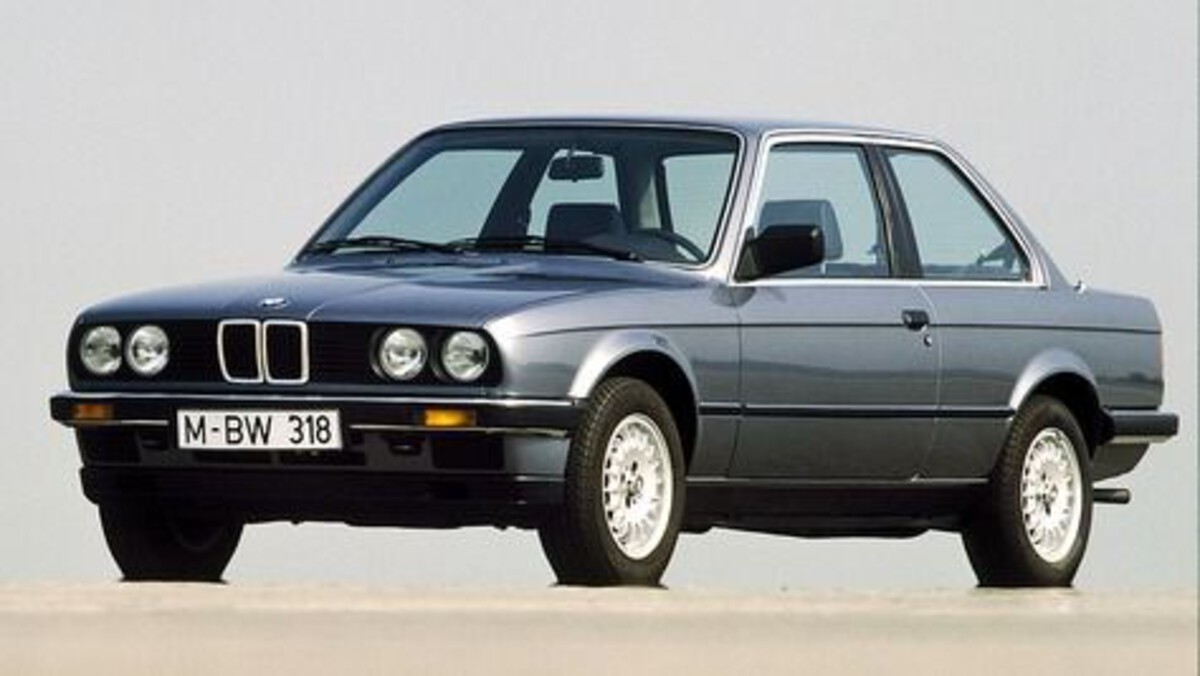
The rear-wheel-drive setup and manual gearbox make it a true driver’s machine. It’s old-school in the best way: no traction control, no stability systems, just you and your inputs. That raw connection is what makes it such a favorite among track purists.
Parts availability is still good, and the aftermarket scene is huge. You can build an E30 into anything from a budget track car to a full-on race-ready beast. And because it’s a BMW from the golden era, it still looks fantastic today boxy, clean, and purposeful.
Just be careful prices are climbing as enthusiasts realize what these cars represent. But if you can snag one before the collectors push it out of reach, you’ll have one of the most rewarding track-day toys ever built.
The E30 is proof that vintage BMWs weren’t just luxury cars they were precision tools built for people who love to drive.
3. Honda CRX Si (1988–1991)
The CRX Si might look small and harmless, but on a tight track, it’s an absolute assassin. Lightweight, front-wheel-drive, and endlessly tunable, this little hatchback is all about momentum and finesse. Honda’s engineering from this era was pure genius everything felt tight, direct, and bulletproof.
The Si trim came with a 1.6-liter D16A6 engine making around 108 horsepower, but the car weighed only about 2,000 pounds.
That made it agile, eager, and surprisingly quick around corners. Keep your foot in it, and it’ll reward smooth driving with incredible grip and balance. It doesn’t have the brute force to mask mistakes, so it teaches precision a skill every driver needs on track.
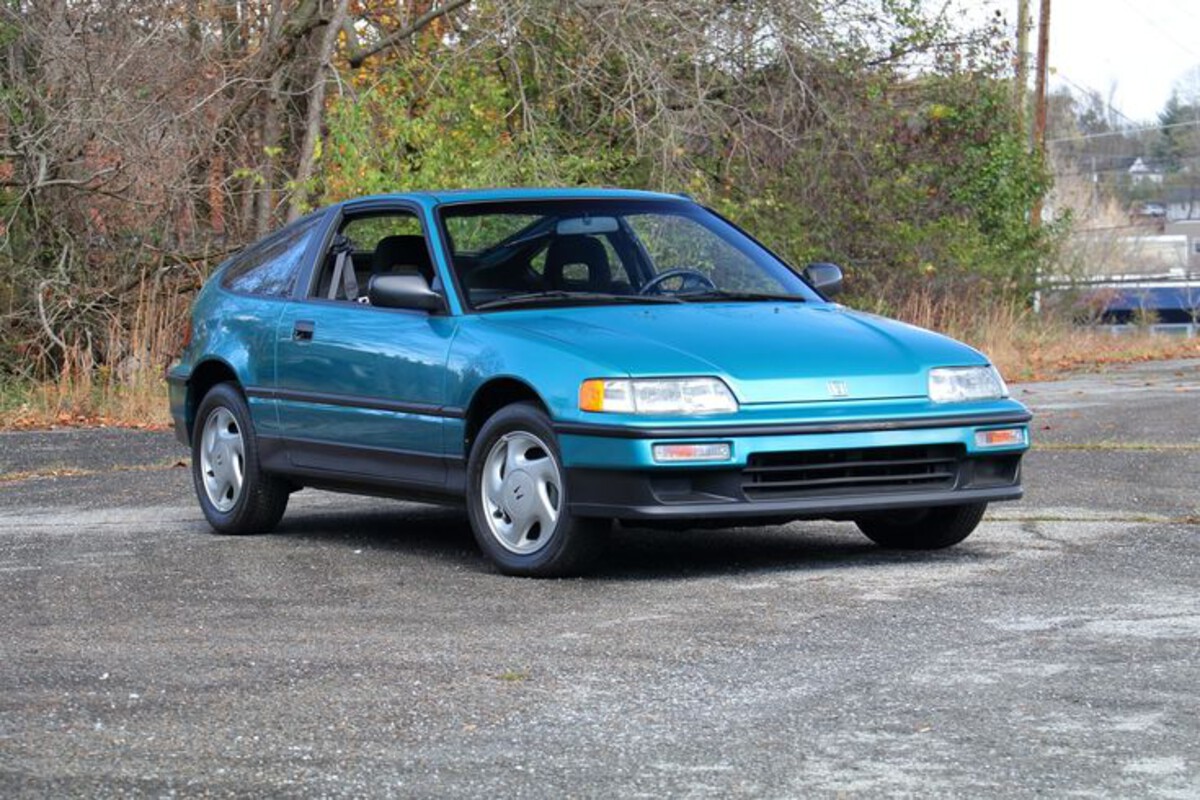
The double-wishbone suspension setup gives it brilliant cornering ability, and the manual gearbox is classic Honda short, slick, and satisfying. Plus, since it shares parts with other Hondas of the era, maintenance is cheap and straightforward.
You’ll also find an army of enthusiasts online keeping these cars alive, sharing build tips, and swapping performance parts.
Many CRXs are being restored now, but solid examples still exist for surprisingly low prices. Add some sticky tires, upgraded brake pads, and a roll bar, and you’ve got yourself a track-day warrior that’ll embarrass cars with twice the power.
Driving a CRX on track is like channeling the golden age of Honda when lightness and handling mattered more than horsepower. It’s simple, affordable fun with that unmistakable VTEC-era charm.
4. Porsche 944 (1982–1991)
For years, the Porsche 944 lived in the shadow of its big brother, the 911. But on a twisty circuit, the 944 proves it’s one of the most balanced, underrated track weapons you can buy for sensible money.
This front-engine, rear-wheel-drive coupe nailed near-perfect weight distribution, thanks to its transaxle layout meaning gearbox at the back, engine up front, balance in between.
The standard 2.5-liter inline-four makes around 150 horsepower, while the 944 Turbo (if you stretch your budget) pumps out close to 220.
But raw power isn’t the headline here it’s precision. The steering feel is sharp, the chassis is communicative, and it’s built like it was meant to live at redline.
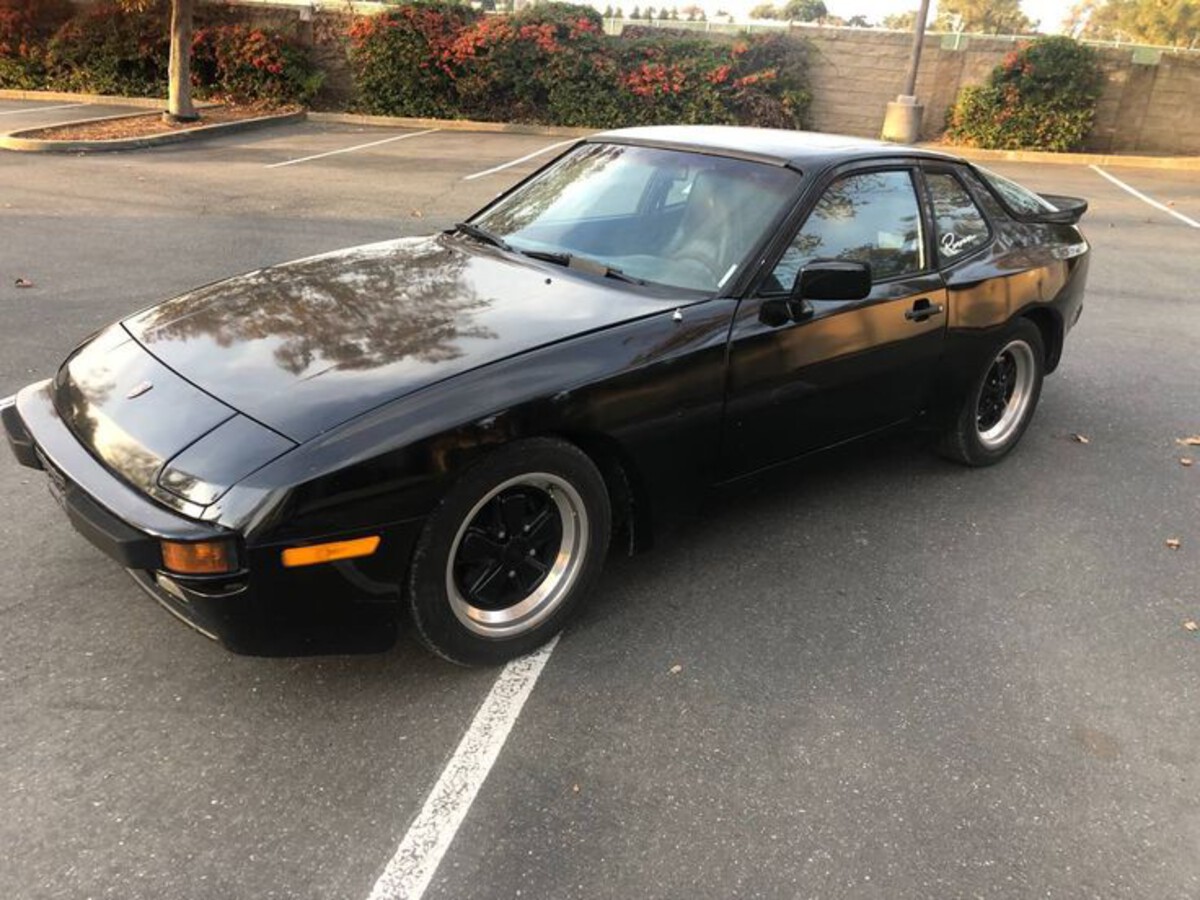
Track-day enthusiasts love how approachable the 944 is. It’s forgiving enough for beginners but capable enough to make experienced drivers grin.
With a good set of tires and brakes, it’s smooth, predictable, and easy to control exactly what you want when pushing limits.
Yes, parts can be a little pricey compared to Japanese cars, but Porsche’s reliability in this era is better than people think. Keep up with basic maintenance, and it’ll reward you with solid, consistent performance lap after lap.
It’s also one of the few vintage track-day cars that still feels genuinely “premium” without costing a fortune. And when you roll back into the paddock, everyone knows that iconic crest on the hood means business.
The 944 might be the most overlooked Porsche of all time but on a budget, it’s your ticket to true German engineering at its sharpest.