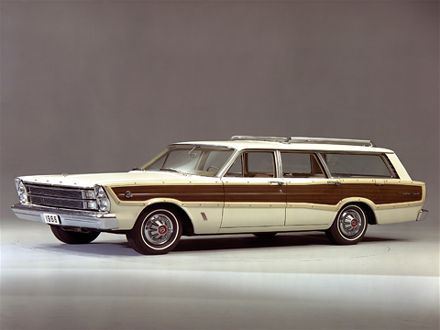
Let’s be honest most modern SUVs feel overbuilt and underconnected. They’ve got fancy terrain modes, endless driver assists, and screens that practically need software updates before every trip.
But there’s something raw, mechanical, and genuinely satisfying about turning an old wagon into an overlanding rig. The blend of boxy design, long roofs, and solid frames means vintage wagons can be surprisingly practical for off-road adventures.
These machines weren’t just built for grocery runs they were built for life before touchscreens and fragile plastics.
The overlanding scene today is a blend of nostalgia and necessity. While new rigs cost a small fortune, vintage wagons offer charm, simplicity, and the chance to build something personal.
They’ve got fewer electronics to break, and when you lift the suspension, throw on some all-terrain tires, and add roof gear, they transform into rugged, go-anywhere explorers. Plus, you’re not just driving a vehicle; you’re keeping a piece of history alive, one dirt trail at a time.
From the bulletproof drivetrains of 1980s Toyotas to the reliable V8s of old American estates, these wagons have aged like good whiskey a little rough on the edges but still strong where it counts. And with growing interest in classic builds, parts and community support are easier to find than ever.
So if you’re looking to escape the usual “mall crawler” aesthetic and build something that looks just as good at a campsite as it does parked in front of a diner, these eight vintage wagons might just be the perfect base for your next overland adventure. They’ve got heart, history, and a whole lot of off-road potential waiting to be rediscovered.
8 Vintage Wagons That Make Great Overlanders
Overlanding isn’t just about the destination it’s about the story your vehicle tells along the way. And when it comes to vintage wagons, every scratch, squeak, and rust patch adds character.
These classics remind you that comfort doesn’t always come from leather seats and lane-keep assists; sometimes, it’s the reliability of a solid axle or the growl of a carbureted engine that keeps you going.
The wagons on this list aren’t museum pieces they’re tools built to endure. You’ll find Japanese icons known for their toughness, American tanks that double as moving houses, and European sleepers with surprising endurance.
Each has its own flavor of adventure. Some excel in long-haul dependability, others in raw torque and utility. But all of them share one thing they can take a beating and keep moving forward.
Whether you’re eyeing your first build or just love the idea of transforming an old family hauler into a trail-ready beast, these eight wagons stand out for their blend of style, simplicity, and substance.
They capture that sweet spot between function and nostalgia giving you just enough space for your gear, your friends, and all the memories you’ll collect out there in the wild.
ALSO READ: 10 Crossovers That Actually Deserve Their Popularity
1. Toyota Land Cruiser FJ60 (1980–1989)
If there’s one wagon that can handle just about anything the planet throws at it, it’s the Toyota Land Cruiser FJ60.
The 60 Series marks the point where Toyota blended comfort with that unstoppable off-road DNA. You still get that solid front axle, bulletproof inline-six engine, and simple mechanical systems that keep going when newer rigs throw error codes.
Under the hood, most FJ60s ran the legendary 4.2-liter 2F or 3F engines not fast, not fancy, but durable enough to clock half a million miles with proper care.
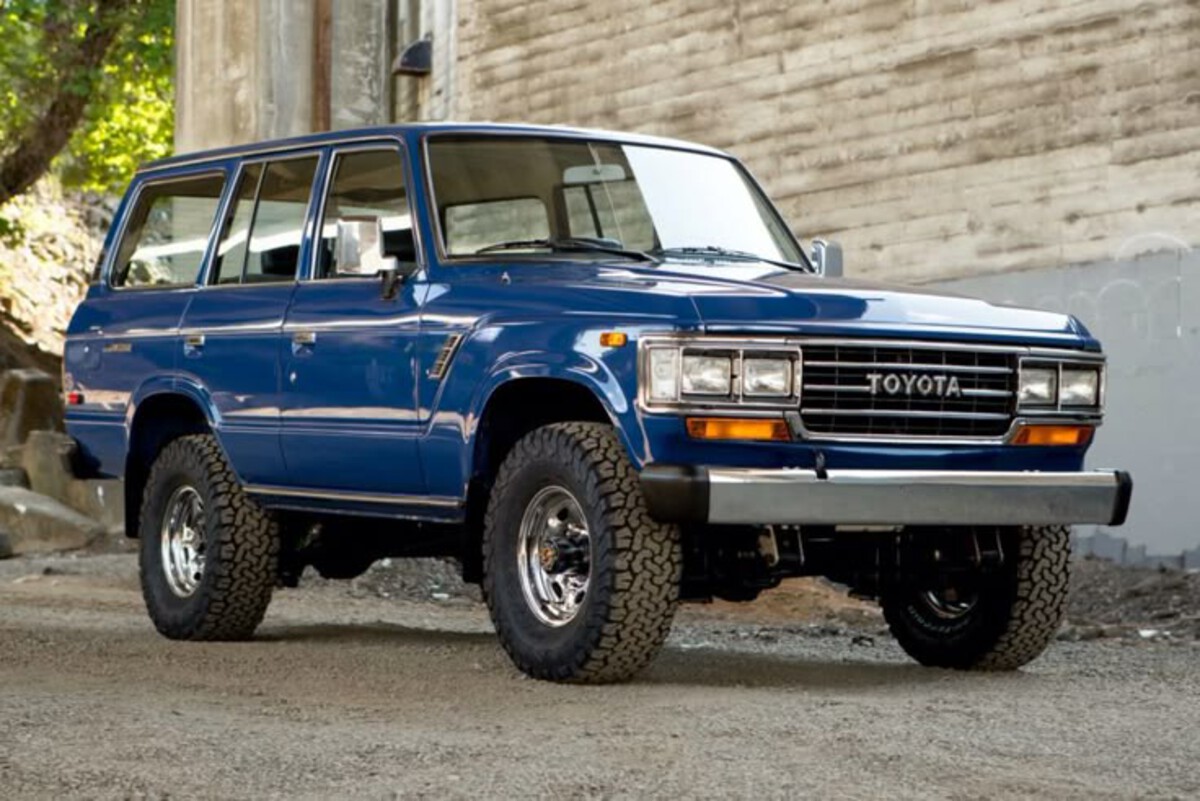
With a 4-speed manual and low-range gearing, this wagon loves slow crawling through dirt, sand, or snow. The body-on-frame construction gives it the toughness of a truck while still offering a wagon’s roomy interior perfect for overland camping setups.
Modding potential is huge here. Suspension lifts, dual-battery systems, roof tents, and rear drawer builds are easy upgrades thanks to a thriving global Land Cruiser community. Parts availability is strong, and you’ll find plenty of aftermarket support.
What makes the FJ60 so ideal for overlanding is its simplicity. You can fix most issues with hand tools, and it doesn’t rely on sensors or computers to get you home.
The boxy design gives great visibility, and that old-school mechanical steering connects you to the terrain in a way no modern power-assisted SUV can.
Sure, it’s noisy, heavy, and not exactly aerodynamic but that’s part of the charm. The FJ60 is proof that reliability and character never go out of style.
2. Volvo 240 Wagon (1974–1993)
At first glance, the Volvo 240 might look like your grandma’s old grocery getter. But anyone who’s spent time behind the wheel knows it’s tougher than it appears.
Built like a Swedish tank and designed to handle harsh Nordic winters, the 240 wagon is an underrated overlanding gem for those who prefer minimalism and durability over flash.
Its rear-wheel-drive layout, simple B-series engines, and excellent ground clearance make it an ideal base for light to medium off-road adventures.
Sure, it’s no rock crawler, but throw on a set of all-terrain tires and a modest suspension lift, and the 240 becomes surprisingly capable on gravel roads, forest trails, and high-altitude routes.
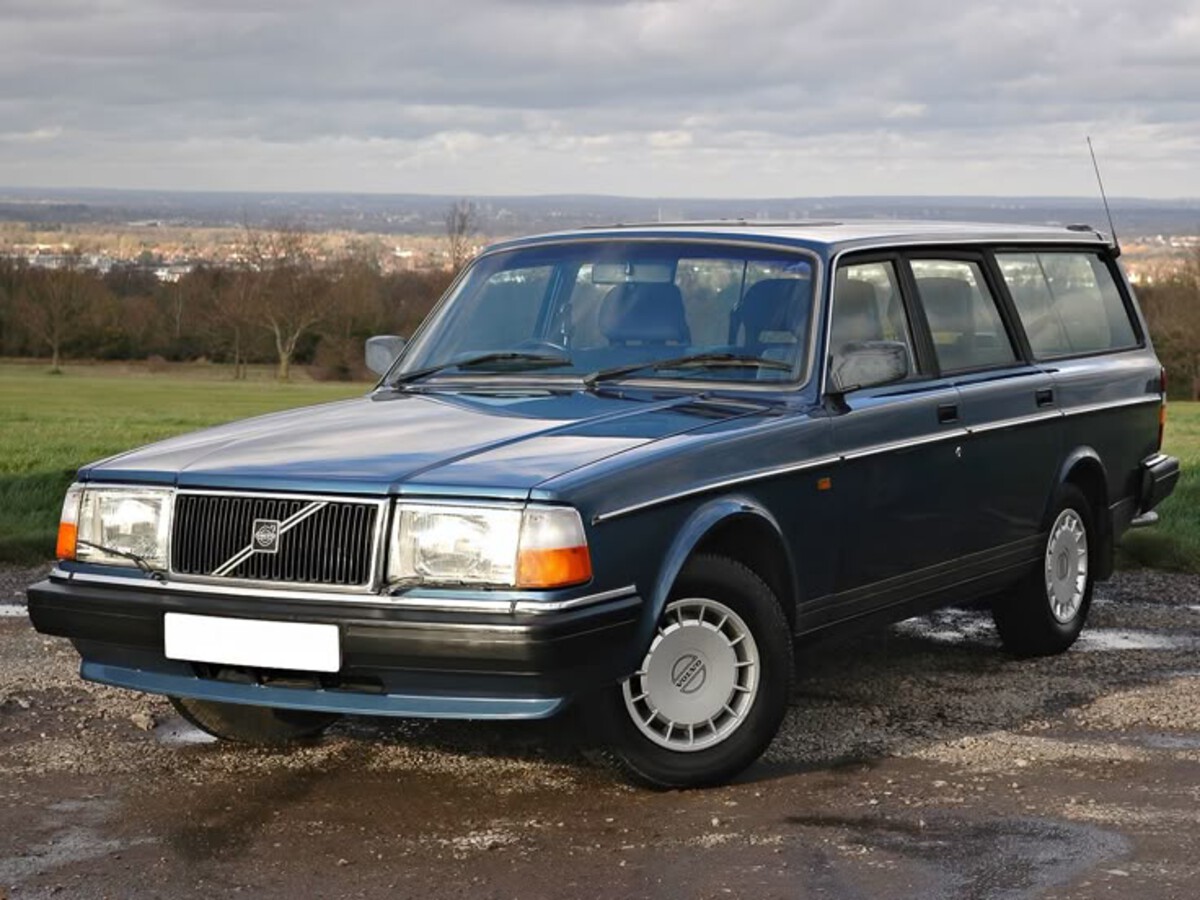
Inside, you get tons of usable space. The boxy body design gives it a massive cargo area enough room for a sleeping platform, gear drawers, and camping supplies without feeling cramped. Plus, the 240’s simplicity means easy DIY maintenance. No computers, no nonsense.
Overlanders love it for another reason: it’s stealthy. While flashy rigs draw attention, a ruggedized Volvo wagon blends in everywhere perfect for those who prefer quiet adventures.
Fuel economy is decent, parts are affordable, and there’s a cult following keeping these cars alive with creative builds. It’s not about brute power it’s about dependable, steady performance.
The Volvo 240 proves that overlanding doesn’t have to mean “expensive.” Sometimes, all you need is a reliable old wagon, some smart mods, and a love for the road less traveled.
3. AMC Eagle Wagon (1980–1988)
Before Subaru made “all-wheel-drive wagons” cool, the AMC Eagle was already there doing it first and arguably better.
It was one of the earliest attempts to combine car comfort with 4×4 capability, and it nailed that formula decades before the term “crossover” existed.
The Eagle Wagon came with a 4.2-liter inline-six and AMC’s full-time four-wheel-drive system, which gave it serious grip for snow, mud, or gravel.
With decent ground clearance and a long roofline, it’s perfect for packing in gear and heading out into the backcountry. It wasn’t built for extreme rock crawling, but it could handle trails most wagons wouldn’t dare touch.
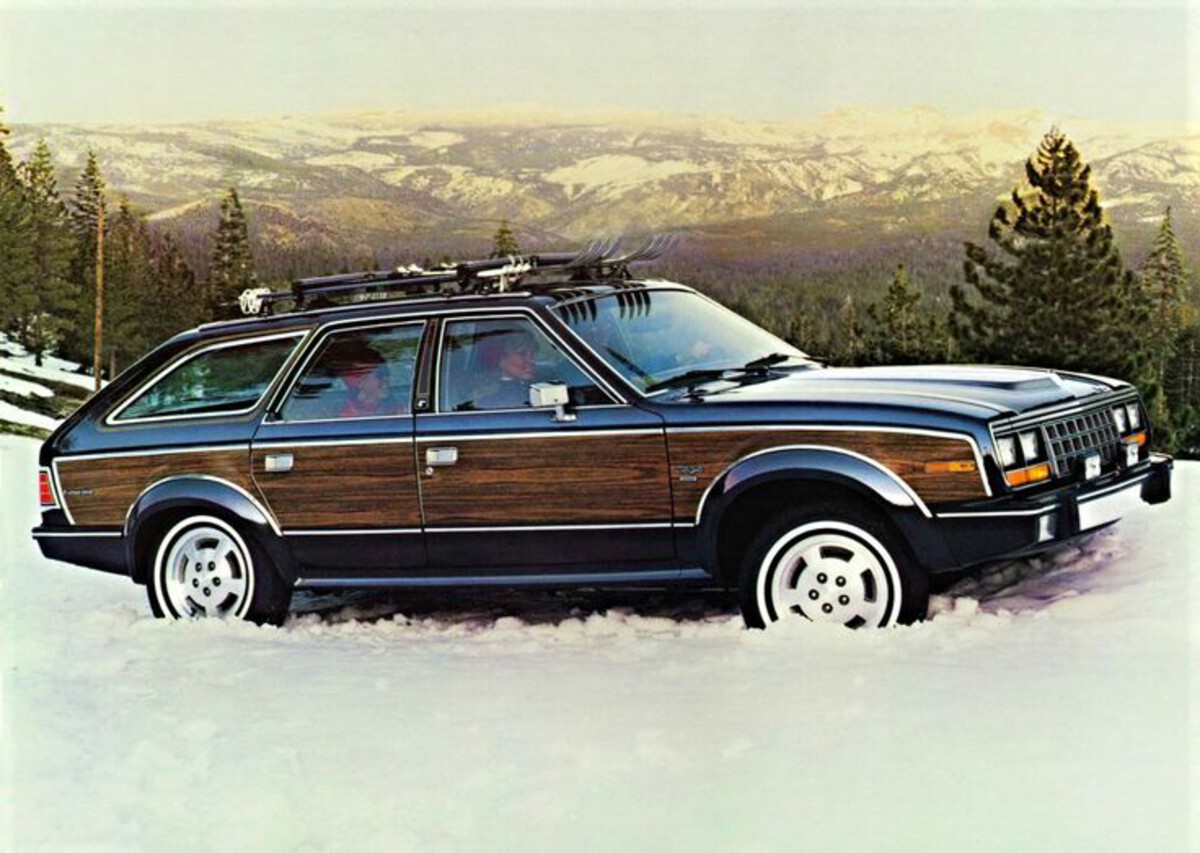
What makes the AMC Eagle special is its personality. It feels quirky, different, and proudly analog. The interior is all 80s charm simple gauges, squared-off dash, and bench seats that practically beg to be turned into a sleeping space. And since it shares parts with older Jeeps and AMCs, finding components isn’t as hard as you’d think.
For overlanding, the Eagle’s biggest advantage is its versatility. It drives comfortably on highways yet transitions smoothly onto unpaved routes. Add a roof rack, a mild lift, and maybe some skid plates, and it transforms from vintage wagon to genuine trail companion.
It’s not perfect power is modest, and rust can be a battle but the uniqueness factor alone makes it worth the effort. For the adventurer who wants something different from the usual Toyota or Jeep crowd, the AMC Eagle is pure retro gold.
4. Subaru GL Wagon (1979–1989)
Before the Outback became the face of Subaru’s adventure lineup, the GL wagon quietly built that reputation from scratch. This little boxy four-wheel-drive machine wasn’t about luxury or speed it was about going places most small cars couldn’t dream of reaching.
Powered by Subaru’s simple flat-four engines, the GL wagon came with a part-time 4WD system that could be manually engaged.
That meant you had control no computers guessing when to lock the wheels, no fancy traction management systems. Just you, a lever, and terrain waiting to be conquered.
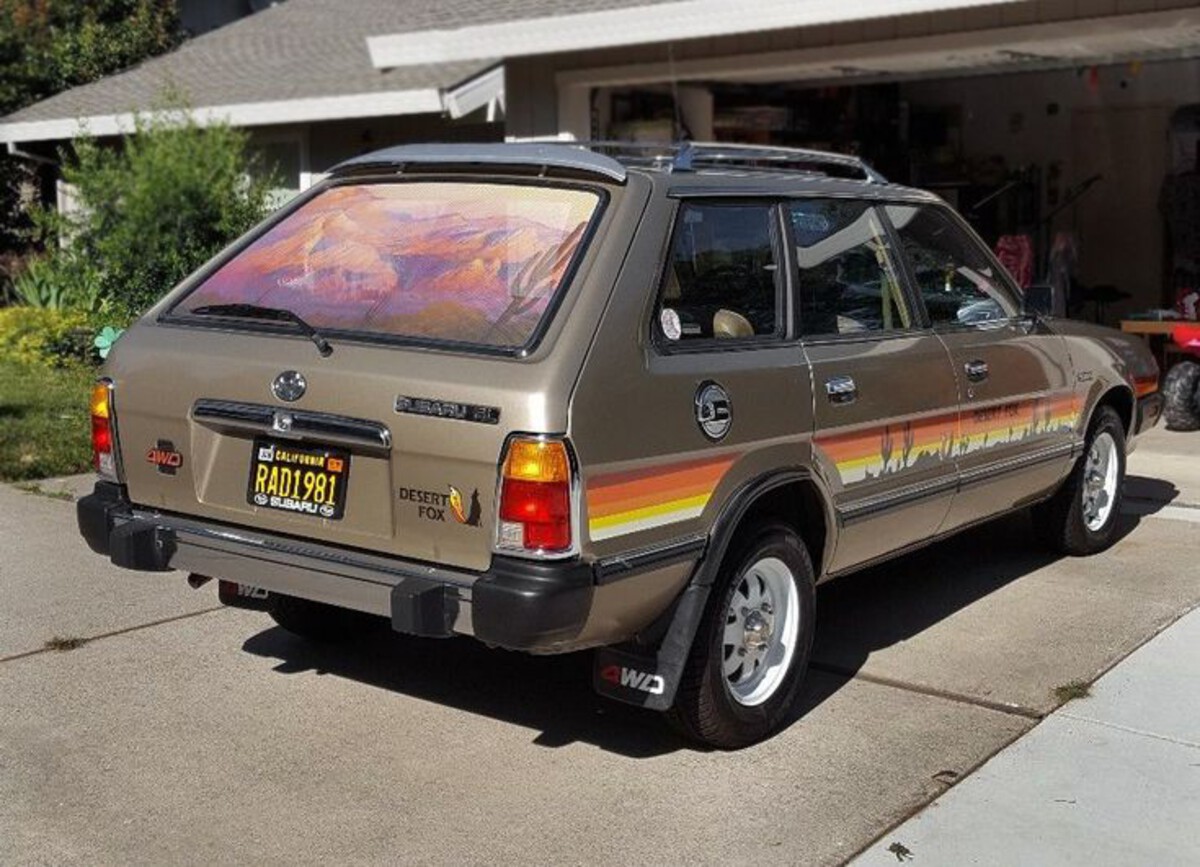
The car’s lightweight frame and short overhangs made it surprisingly nimble off-road. It doesn’t have brute torque, but it makes up for it with agility and reliability.
You can drive one across mountain trails, muddy forest paths, or even sandy dunes it’ll keep up as long as you don’t push it beyond its limits.
The interior is simple but roomy. Fold down the rear seats, and you’ve got a perfect little camping nook.
Plus, the GL’s old-school mechanics make it easy to fix anywhere. These cars were known for surviving tough winters, rough roads, and years of daily use with barely any fuss.
Today, the Subaru GL wagon is gaining traction among DIY overlanders who love compact builds. Lift kits, skid plates, and snorkel mods are all doable. It’s not a brute-force rig, it’s the underdog that quietly keeps going while everyone else is waiting for tow trucks.
The GL wagon might not look tough, but it’s got that no-quit attitude that defines great overland machines.
5. Jeep Grand Wagoneer (1963–1991)
The Jeep Grand Wagoneer is the godfather of luxury overlanding. Long before “premium SUV” was a marketing term, this wooden-paneled beast was blending rugged capability with plush comfort.
But behind those fancy trims and chrome grilles, you’ll find one of the most capable vintage wagons ever built.
Powered by AMC’s or Chrysler’s stout V8 engines, depending on the year the Grand Wagoneer was built on a solid frame with proper four-wheel drive and low-range gearing.
That meant serious off-road credibility while still cruising comfortably on the highway. It’s a wagon that could carry the family to church on Sunday and crawl through the Rockies on Monday.
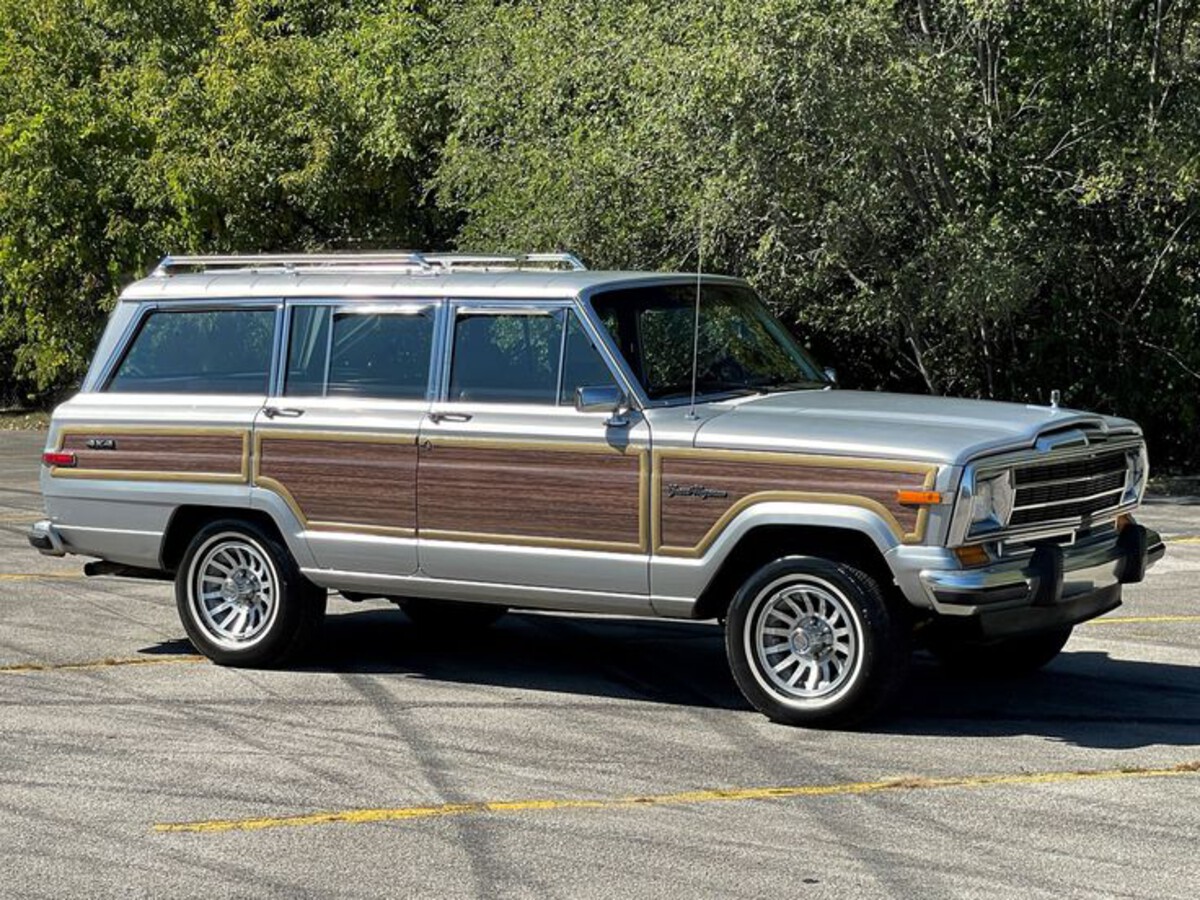
Overlanders love it for one reason: space and style. The long body gives you endless room for gear, beds, fridges, and camping setups. It’s the perfect blend of vintage Americana and practical adventure rig.
Sure, it drinks fuel like a sailor on shore leave, but reliability is strong if you keep the basics in check. The wiring is simple, the drivetrain is stout, and parts are still easy to find thanks to Jeep’s huge aftermarket support.
Modern builds often include engine swaps, upgraded suspensions, and overland-ready interiors but even in stock form, the Wagoneer holds its own. You could roll into a trail meetup, and everyone would stop to admire those wooden side panels before realizing it’s not just for show.
The Grand Wagoneer is all about attitude. It’s vintage luxury that can still throw mud.
ALSO READ: 10 Vintage Cars With Parts Support and Easy to Own
6. Mercedes-Benz W123 300TD (1978–1985)
When it comes to endurance, few wagons have earned a reputation like the Mercedes-Benz W123 300TD. Built during Mercedes’ golden era of overengineering, this diesel wagon is practically indestructible.
Many of them are still running strong with half a million miles under their belts and that’s exactly why overlanders love them.
The 300TD came with a 3.0-liter five-cylinder diesel engine known for its slow but unstoppable nature. It’s not fast, but it’ll run forever on almost anything resembling diesel. With regular maintenance, it’s one of the most dependable engines ever made.
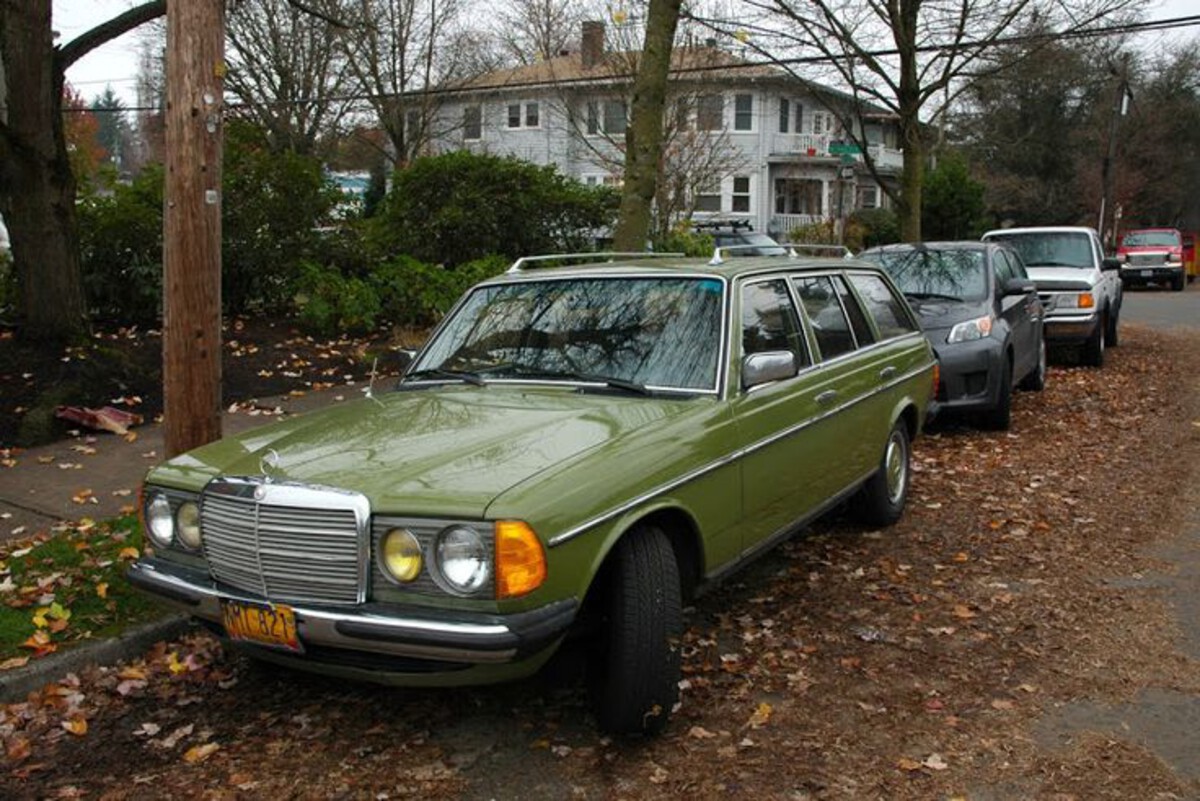
It’s rear-wheel drive by default, but with the right modifications lift kit, skid plates, and all-terrain tires it becomes a fantastic long-distance overlander.
The rear cargo space is cavernous, and the build quality feels more tank than car. Everything from the doors to the switches feels solid, mechanical, and made to last.
You won’t get rock-crawling ability here, but what you do get is unmatched range and comfort. The suspension rides beautifully on rough roads, and the interior, complete with real wood and leather keeps you comfortable for long journeys.
Parts are surprisingly available thanks to Mercedes’ global footprint, and a huge enthusiast base keeps these wagons alive with creative off-road conversions.
What really sells the 300TD as an overlander is its self-reliance. You don’t need fancy tech or sensors just a reliable diesel engine, some fuel, and your sense of direction. It’s the definition of steady, slow, and unstoppable.
7. Audi 200 Quattro Avant (1984–1991)
If you’re looking for something a little more European and refined, the Audi 200 Quattro Avant deserves serious respect. It might not be the first name you think of for overlanding, but this old-school all-wheel-drive wagon packs a ton of potential.
Back in the 80s, it was cutting-edge rally-bred DNA, turbocharged performance, and the same legendary Quattro drivetrain that dominated the World Rally Championship.
Under the hood, you’ll usually find a 2.2-liter turbo inline-five a motor famous for its durability and punchy mid-range power.
Combined with the permanent all-wheel-drive system and strong manual gearbox, the 200 Quattro Avant feels planted and capable even on rough or slippery terrain. It’s more of a high-speed cross-country tourer than a rock crawler, but it can handle dirt trails and backroads like a champ.
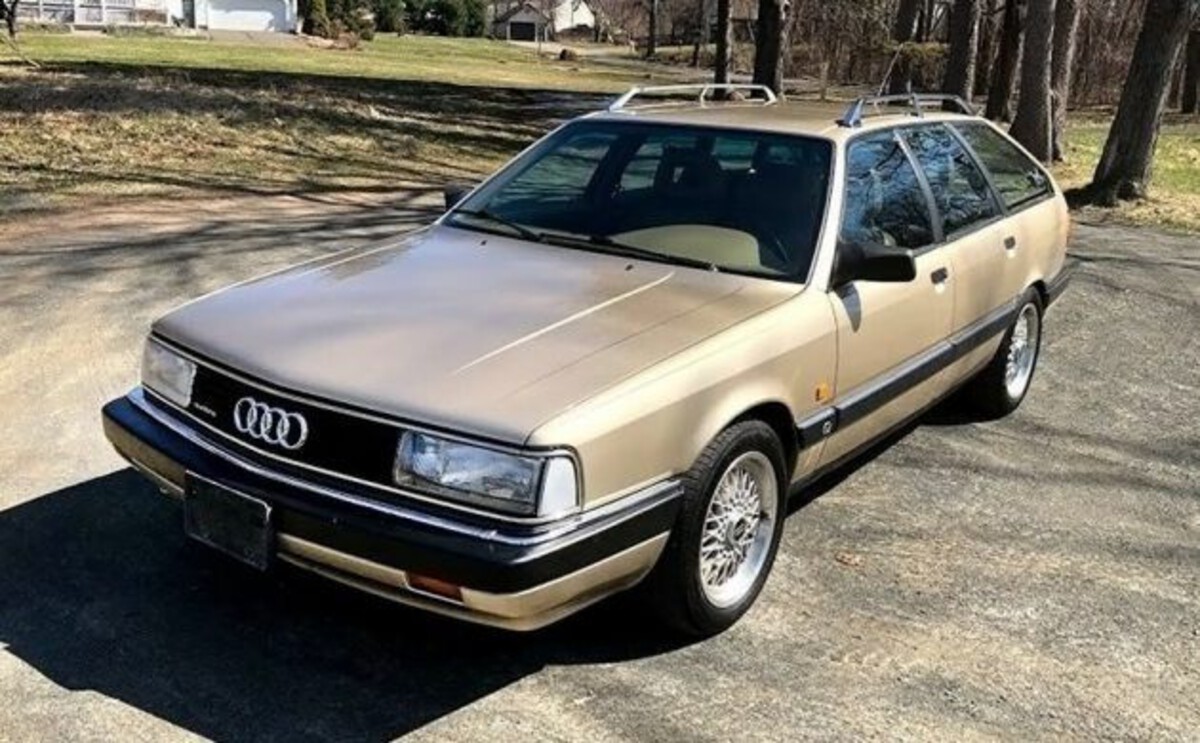
Inside, you get classic German build quality simple, clean, and sturdy. Plenty of space for camping conversions or sleeping setups, and with its long roofline, you can easily mount racks or roof tents. Plus, that vintage boxy look gives it real character.
Overlanders who prefer comfort and driving enjoyment over brute-force capability often pick this one.
With a few mild modifications, skid plates, upgraded suspension, off-road tires, the Quattro Avant turns into a sleeper rig that’ll take you far from civilization without feeling like a lumbering truck.
It’s the wagon for people who want to travel fast, far, and with style. Think rally heritage meets road trip adventure.
8. Dodge Power Wagon Town Wagon (1955–1966)
Now we’re going way back to the granddaddy of all tough wagons: the Dodge Power Wagon Town Wagon.
Built like a piece of military equipment, this brute is as raw and rugged as it gets. If you want an overland rig that can shrug off abuse and keep rolling through any terrain, this is your ticket to old-school adventure.
The Town Wagon came with a range of inline-six and V8 engines, all paired with heavy-duty four-wheel-drive systems and low-range transfer cases.
It wasn’t fast, but it didn’t need to be this thing was designed to haul, tow, and climb. Its high ground clearance, solid axles, and steel body make it nearly unstoppable in rough conditions.
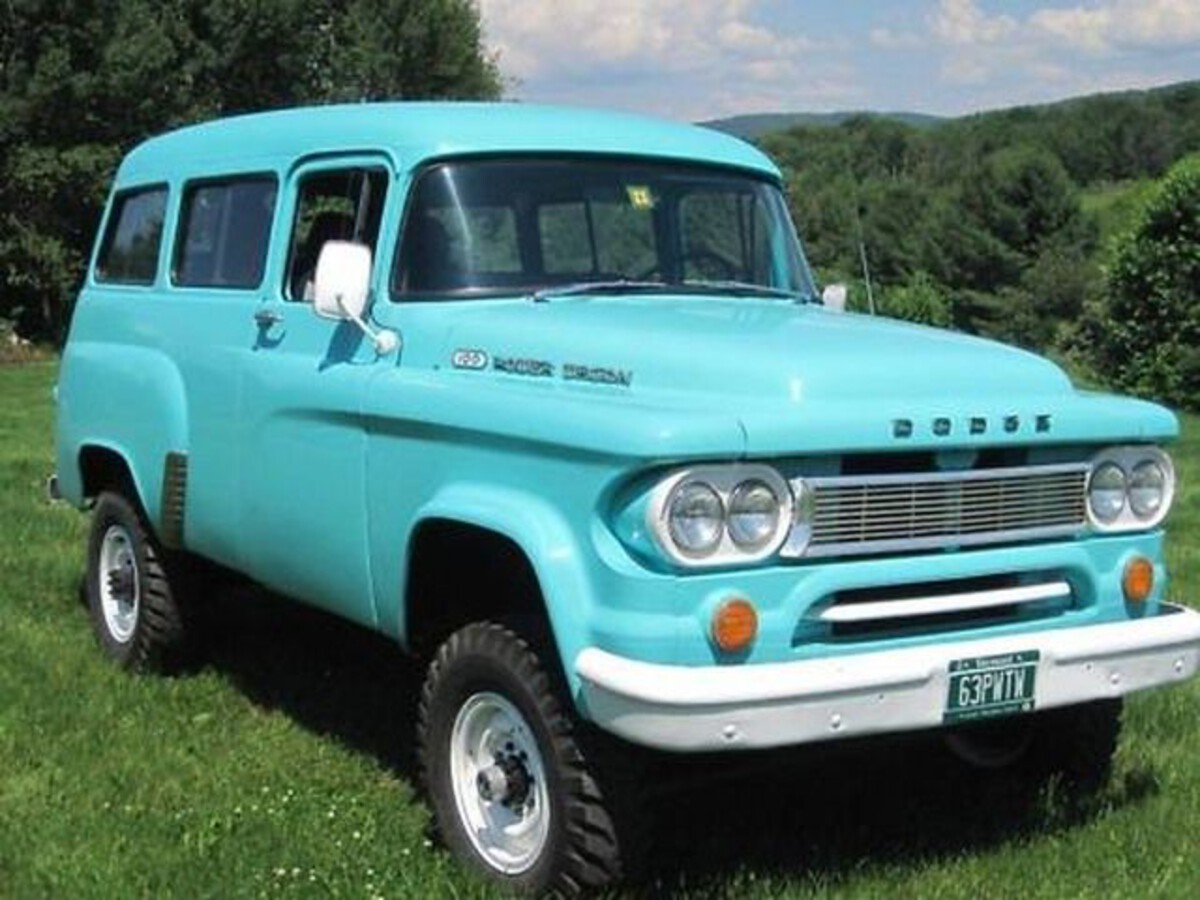
Inside, it’s about as simple as vehicles get. No luxury, no tech just metal, vinyl, and function. But that simplicity is its biggest strength.
You can repair almost anything on the trail with a wrench and some patience. That’s what makes it so appealing to overland purists.
Add a modern suspension, disc brakes, and a few comfort touches, and you’ve got a vintage tank that feels just as capable today as it did sixty years ago.
The large cargo space means you can load in everything from water tanks to sleeping platforms without issue.
Finding one in decent condition takes effort, but if you do, you’ll own a piece of genuine off-road history. It’s the kind of rig that doesn’t just take you places it makes the journey itself unforgettable.
Why Vintage Wagons Still Win in the Wild
In an era of tech-heavy SUVs and six-figure adventure rigs, vintage wagons remind us that reliability isn’t about screens and sensors it’s about good engineering and solid metal.
These old machines come from a time when vehicles were built to last, not just to impress. That’s what makes them perfect for overlanding.
Each wagon on this list carries its own story and strength. The Toyota FJ60 is the tough, go-anywhere workhorse. The Volvo 240 is the reliable minimalist. The AMC Eagle is the forgotten pioneer that dared to mix comfort with capability.
Subaru’s GL wagon shows how simplicity and spirit can go further than horsepower, while the Jeep Grand Wagoneer adds that touch of old-school luxury.
The Mercedes 300TD proves endurance can outshine speed, the Audi Quattro brings rally-bred finesse, and the Dodge Power Wagon defines raw durability.
Building a vintage overlander isn’t about following trends it’s about creating something personal. These cars force you to learn, to tinker, and to respect the journey as much as the destination. They don’t hand you comfort; they earn your trust one mile at a time.
Sure, they’ll need more care than modern vehicles, and sometimes they’ll test your patience. But when you’re out on a remote trail with the stars above and your engine humming steadily, you’ll realize why people keep coming back to these classics.
Because overlanding isn’t about getting there first. It’s about getting there your way and no vehicle captures that freedom better than a vintage wagon that refuses to die.