
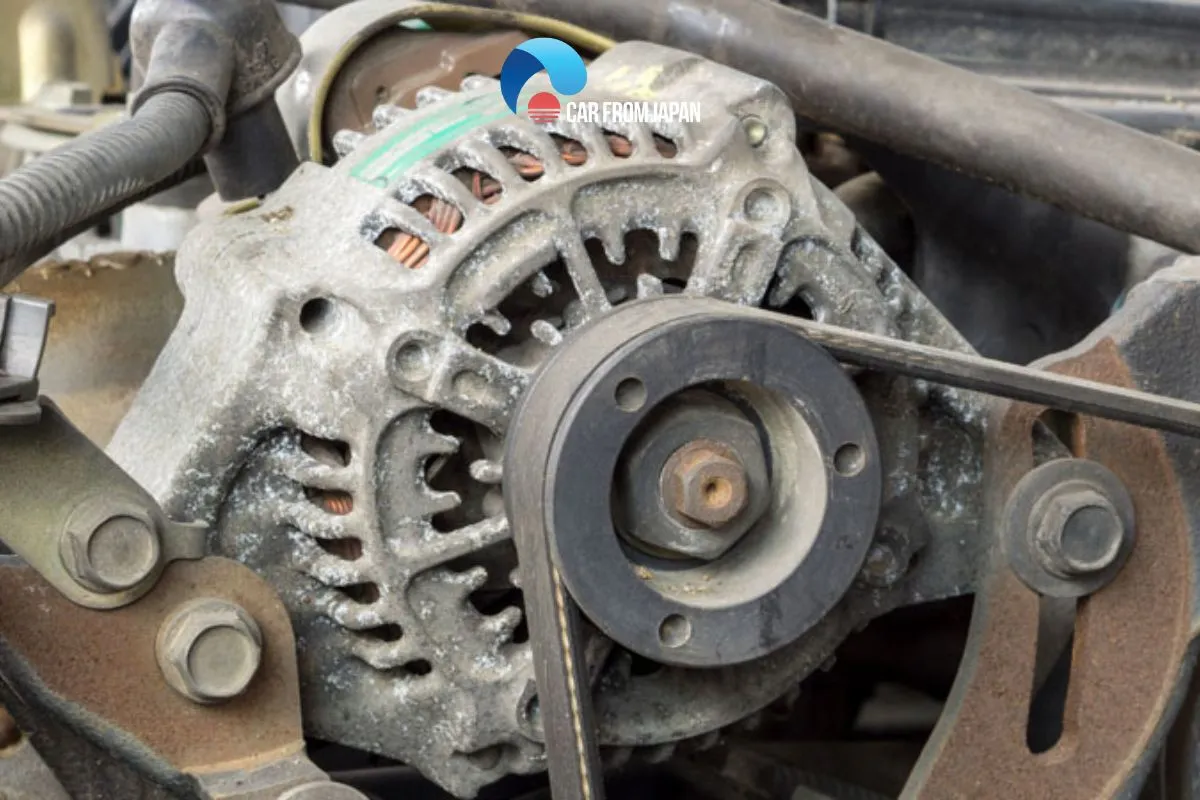
You know that sinking feeling when you turn your key and nothing happens, or when your dashboard lights start flickering like a disco while you are driving down the highway? Yeah, that is your charging system telling you it is about to ruin your day and empty your wallet.
Alternators and starters might seem like boring technical components until they fail and leave you stranded somewhere inconvenient, probably when you are already late for something important.
Then suddenly these parts become the most interesting thing in your life as you call for a tow truck and start calculating repair costs.
Here is what most people do not realize until it is too late: some cars are absolute champions when it comes to charging system reliability, with alternators and starters that last for hundreds of thousands of kilometers without giving you problems.
Meanwhile, other vehicles treat these components like disposable items, eating through alternators and starters so fast you start wondering if the manufacturer has stock in auto parts companies.
This is not just about bad luck or poor maintenance; this is about fundamental design decisions and engineering quality that separates reliable vehicles from mechanical nightmares. What makes this topic even more frustrating is how expensive charging system repairs can be.
You are not just paying for the parts themselves, which can cost hundreds or even thousands, depending on the vehicle. You are also paying for labor because alternators and starters are not always easy to access, and mechanics charge by the hour.
Some cars require removing half the engine compartment just to reach these components, turning a simple repair into an all-day, expensive ordeal.
Would not it be nice to know which cars have reliable charging systems before you buy, instead of learning the hard way after multiple expensive repairs?
Let’s break down seven cars with bulletproof alternators and starters, and seven that will have you on a first-name basis with your mechanic.
Cars With Reliable Alternators and Starters
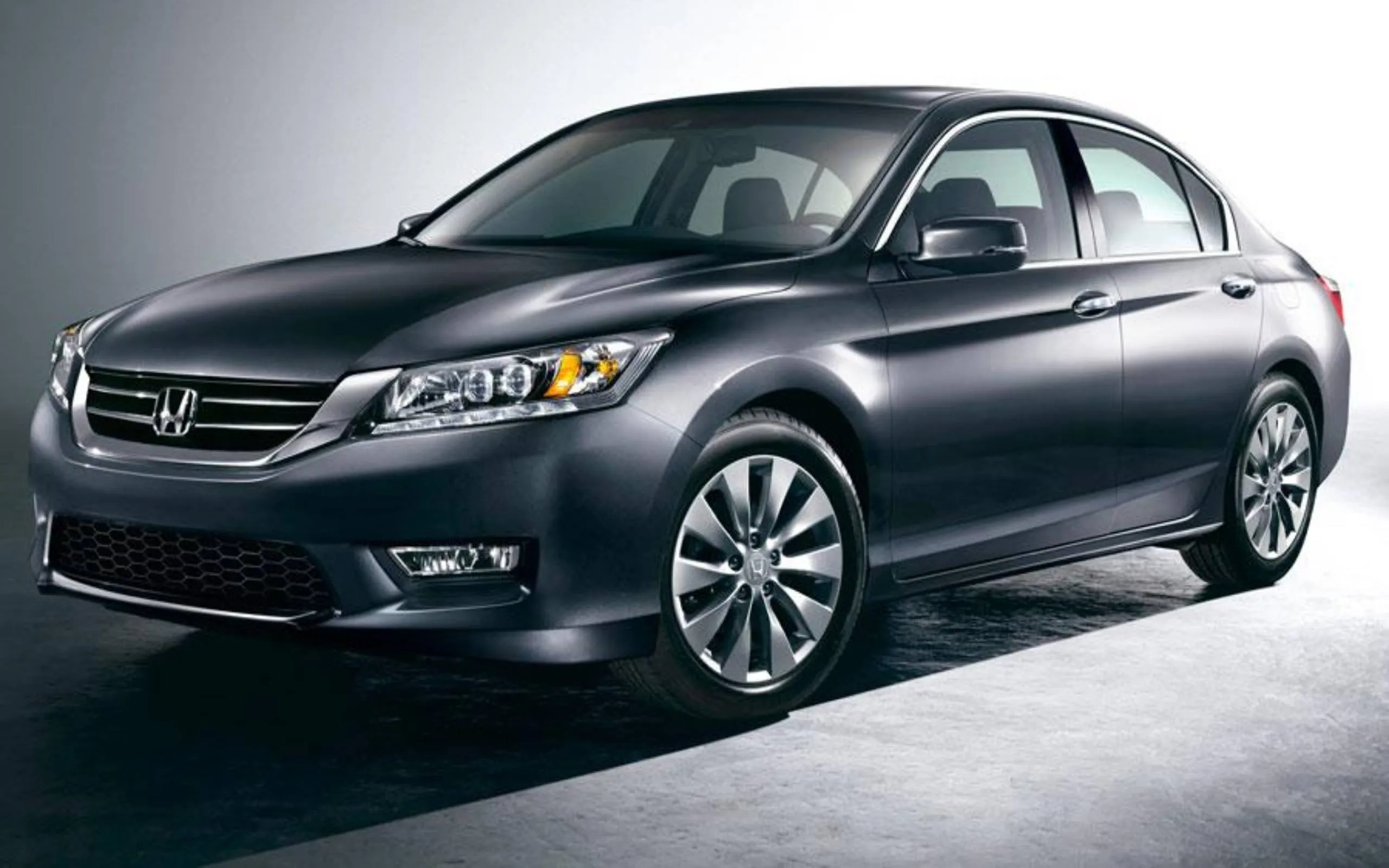
1. Honda Accord (Ninth Generation)
Japanese engineering at its finest shows through in how Honda builds charging systems that simply refuse to quit. That ninth-generation Accord, produced from 2013 to 2017, features alternators and starters designed with long-term reliability as the primary goal.
Honda engineers understand something many competitors miss: these components are critical to basic vehicle operation, so they need to be bulletproof. You cannot cheap out on parts that determine whether your car starts and runs.
Quality components make all the difference here. Honda sources alternators from reputable suppliers and specifies quality standards that ensure longevity.
Bearings use proper materials that resist wear, windings employ copper wire sized generously for current demands, and voltage regulators are built to handle years of thermal cycling without failure.
Starters get similar attention with robust solenoids, quality brushes, and gear reduction systems that distribute torque properly.
All these details add up to charging systems that last. Real-world reliability data backs up Honda’s reputation. Owners routinely report their Accords reaching 200,000 or 300,000 kilometers on original alternators and starters without any problems.
When was the last time you heard someone complaining about their Accord not starting because the charging system failed?
These cars just work, day after day, year after year, without drama or expensive repairs. That reliability is worth more than any fancy feature because you can actually depend on your vehicle.
Engineering decisions prioritize durability in ways that might not be obvious to casual observers. Alternator placement in the engine bay provides good cooling airflow, which extends component life by preventing overheating.
Wiring harnesses use proper gauge wire with quality insulation that resists cracking and corrosion. Mounting brackets are designed to minimize vibration transmission, reducing stress on internal components. Every detail is considered from a reliability perspective.
Cost of ownership benefits tremendously from this reliability. While you might pay slightly more upfront for a Honda compared to some competitors, you save that money many times over through reduced repair costs.
Not replacing alternators and starters every few years adds up to serious savings. Plus, you avoid the inconvenience and stress of dealing with breakdowns, which is priceless when you have places to be and things to do.
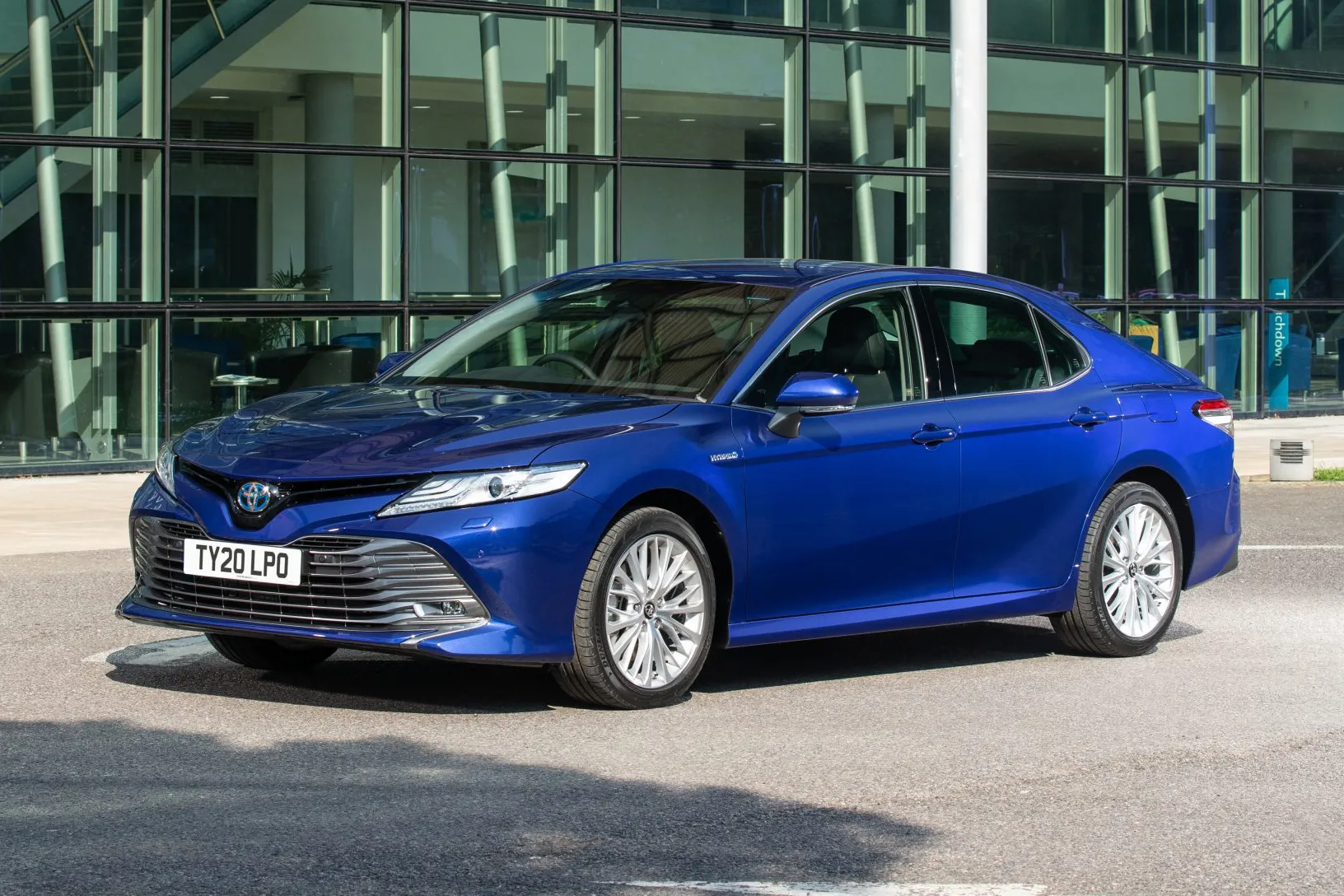
2. Toyota Camry (Eighth Generation)
Another Japanese manufacturer proving that reliability is not an accident but a deliberate engineering choice. Toyota’s eighth-generation Camry, spanning 2018 to present, carries forward decades of experience building charging systems that outlast the vehicles they power.
When Toyota engineers design an alternator or starter, they are thinking about customers who will drive these cars for ten or fifteen years, not people who trade vehicles every three years. That long-term perspective creates better products.
Component selection reflects Toyota’s commitment to quality at every level. Alternators use heavy-duty bearings designed for extended service intervals, rectifier diodes rated for high temperature operation, and voltage regulation systems that maintain stable output through various load conditions.
Starters employ solenoids with contacts sized large enough to handle repeated current surges without welding shut, gear reduction assemblies built for hundreds of thousands of start cycles, and brushes made from materials that resist wear.
Testing protocols during development ensure these components can survive real-world conditions. Toyota subjects alternators and starters to thermal cycling, vibration testing, and endurance runs that simulate years of operation. Only designs that pass these brutal tests make it into production vehicles.
This thorough validation process costs money and takes time, but it produces charging systems that rarely fail. You get the benefit of that investment through years of trouble-free operation.
Field data from millions of Camrys operating worldwide confirms that charging system failures are rare exceptions rather than common occurrences.
Mechanics who specialize in Toyotas will tell you they rarely replace alternators or starters on Camrys unless the vehicles have extremely high mileage or have been poorly maintained.
When a manufacturer builds components this well, even neglected examples last longer than well-maintained vehicles from some other brands.
Warranty claims for charging system failures on these Camrys are statistically insignificant, which is exactly what Toyota expects when they build things properly. Low warranty claim rates prove that engineering and quality control processes work as intended.
Every vehicle that drives for years without charging system problems validates the decisions made during design and development. That validation comes from real customers in real conditions, not just laboratory testing.
Also Read: 10 Compact Cars That Survive Winter Roads Like Champs
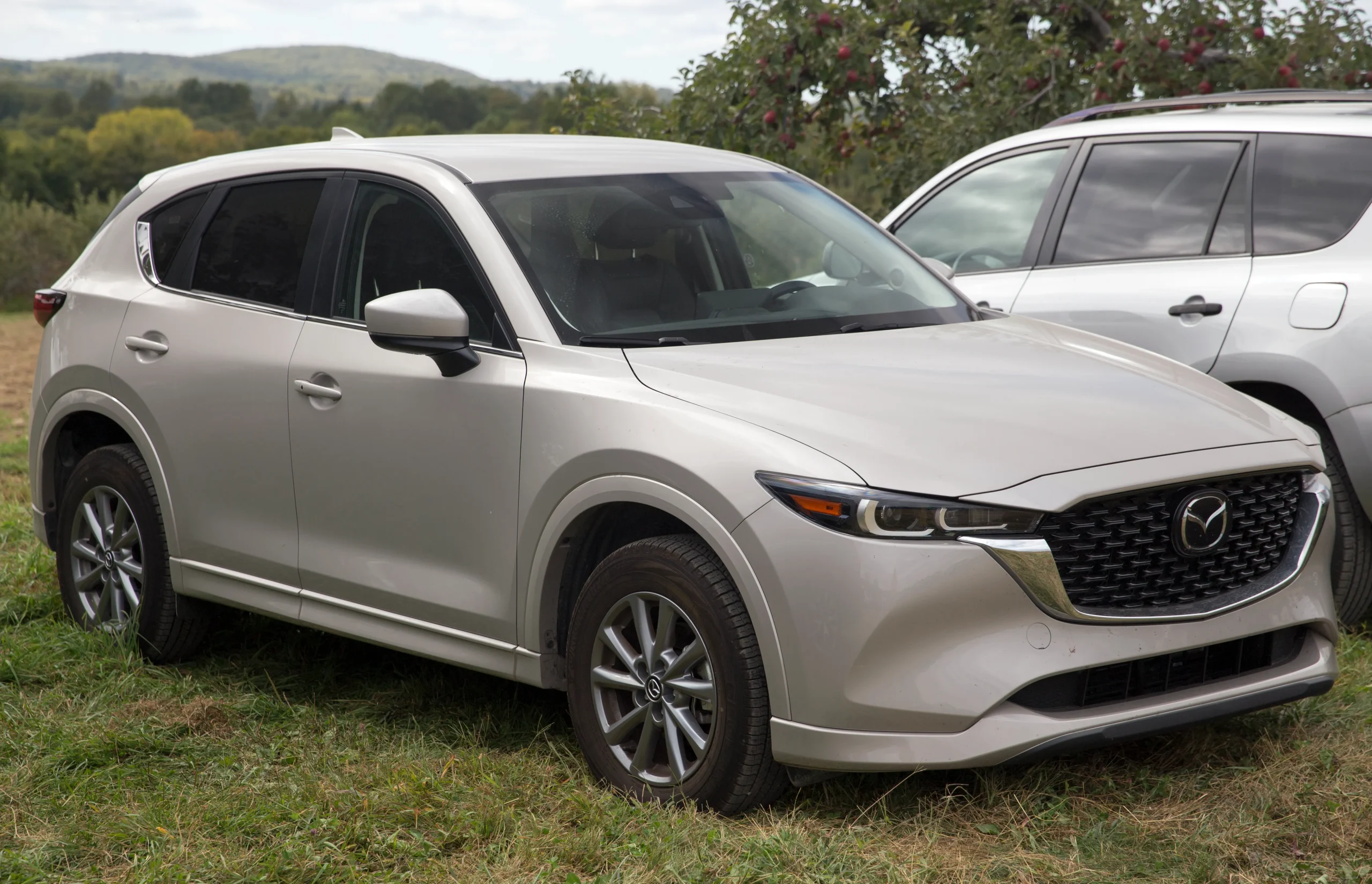
3. Mazda CX-5 (Second Generation)
Japanese manufacturers dominate this list for good reason, and Mazda’s CX-5 continues that tradition. Second-generation models from 2017 onwards feature charging systems built to Mazda’s exacting standards, which prioritize reliability and longevity.
Mazda might be smaller than Toyota or Honda, but it maintains equally high standards for component quality. When you open the hood of a CX-5 and examine the alternator and starter, you are looking at parts that were designed to last.
SkyActiv technology extends beyond just engines and transmissions to include how electrical systems are designed. Mazda engineers optimized alternator efficiency to reduce parasitic drag on the engine while maintaining reliable power generation.
This efficiency focus means alternators run cooler and under less stress, which naturally extends their service life. Starters benefit from similar optimization, using just enough power to reliably start the engine without unnecessary waste or heat generation.
Build quality is consistent across all markets where Mazda sells the CX-5 because it maintains strict manufacturing standards globally. You get the same quality alternator whether you buy your CX-5 in Japan, America, Europe, or anywhere else Mazda operates.
This consistency comes from centralized quality control and supplier management that ensures all parts meet specifications. No worrying about whether your particular vehicle got good components or bad ones.
Owners praise these CX-5s for starting reliably in all weather conditions without hesitation. Whether you live in hot climates where heat stresses electrical components, cold regions where batteries struggle and starters work harder, or humid areas where corrosion threatens everything electrical, the CX-5 charging system handles it properly.
That versatility proves the engineering is sound and can adapt to various operating environments. Long-term reliability reports show that charging system problems are essentially nonexistent on well-maintained examples.
Mazda owners who follow recommended service intervals and treat their vehicles reasonably can expect original alternators and starters to last the entire time they own their vehicles.
When basic maintenance is all you need to keep charging systems working properly, you know the manufacturer did their job correctly.
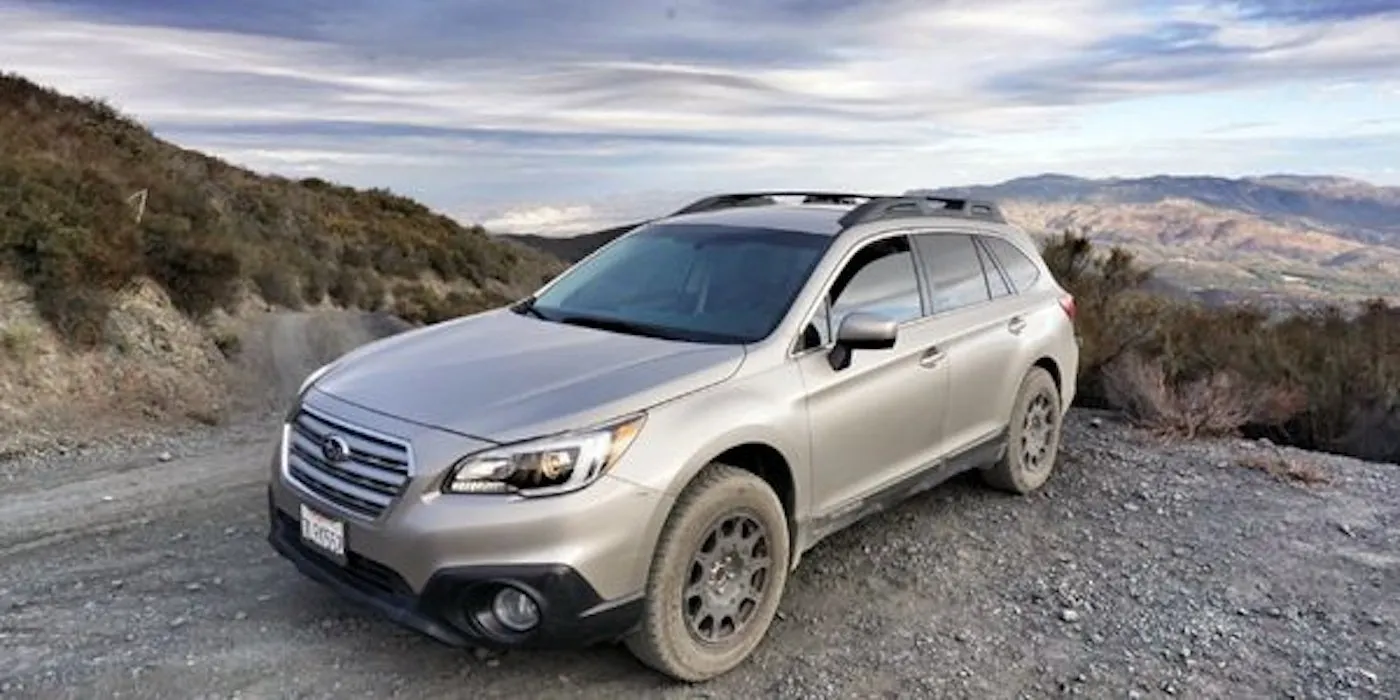
4. Subaru Outback (Fifth Generation)
The boxer engine layout presents unique challenges for packaging alternators, but Subaru solved those challenges properly in their fifth-generation Outback, produced from 2015 to 2019. Alternators in these vehicles are positioned and mounted to minimize vibration while maximizing cooling airflow.
That careful engineering attention extends to starters, which also face packaging constraints in horizontally opposed engines. Subaru could have taken shortcuts to save money, but they chose reliability instead.
All-wheel-drive systems in every Outback mean these vehicles often operate in demanding conditions where electrical systems work harder. Off-road use, winter driving, and frequent short trips all stress charging systems more than highway cruising in perfect weather.
Subaru designed their alternators and starters expecting this kind of demanding use, so they built them tougher than components in two-wheel-drive competitors. When you engineer for worst-case scenarios, normal use becomes easy.
Quality specifications for electrical components reflect Subaru’s commitment to its reputation for reliability.
Alternator bearings are sealed and greased for life, voltage regulators use quality electronic components rated for temperature extremes, and all internal connections are made properly to resist vibration and corrosion.
Starters get similar attention with sealed solenoids, quality gear reduction assemblies, and brushes designed for extended life. Nothing is left to chance because Subaru knows its customers expect reliability.
Customer satisfaction data shows Outback owners rarely complain about charging system failures. When surveys ask what has broken or needs repair, alternators and starters rarely make the list.
This absence of complaints is exactly what you want because it means systems are working properly in the background without requiring attention. Reliable components that just do their job year after year are what separates good vehicles from great ones.
Parts quality and longevity mean that even high-mileage Outbacks frequently operate on original alternators and starters. Vehicles with 200,000 kilometers or more continue starting reliably and charging properly because Subaru built these components to last that long.
When you design with durability as a priority instead of just minimum acceptable performance, this is the result. Customers benefit through lower ownership costs and fewer headaches.
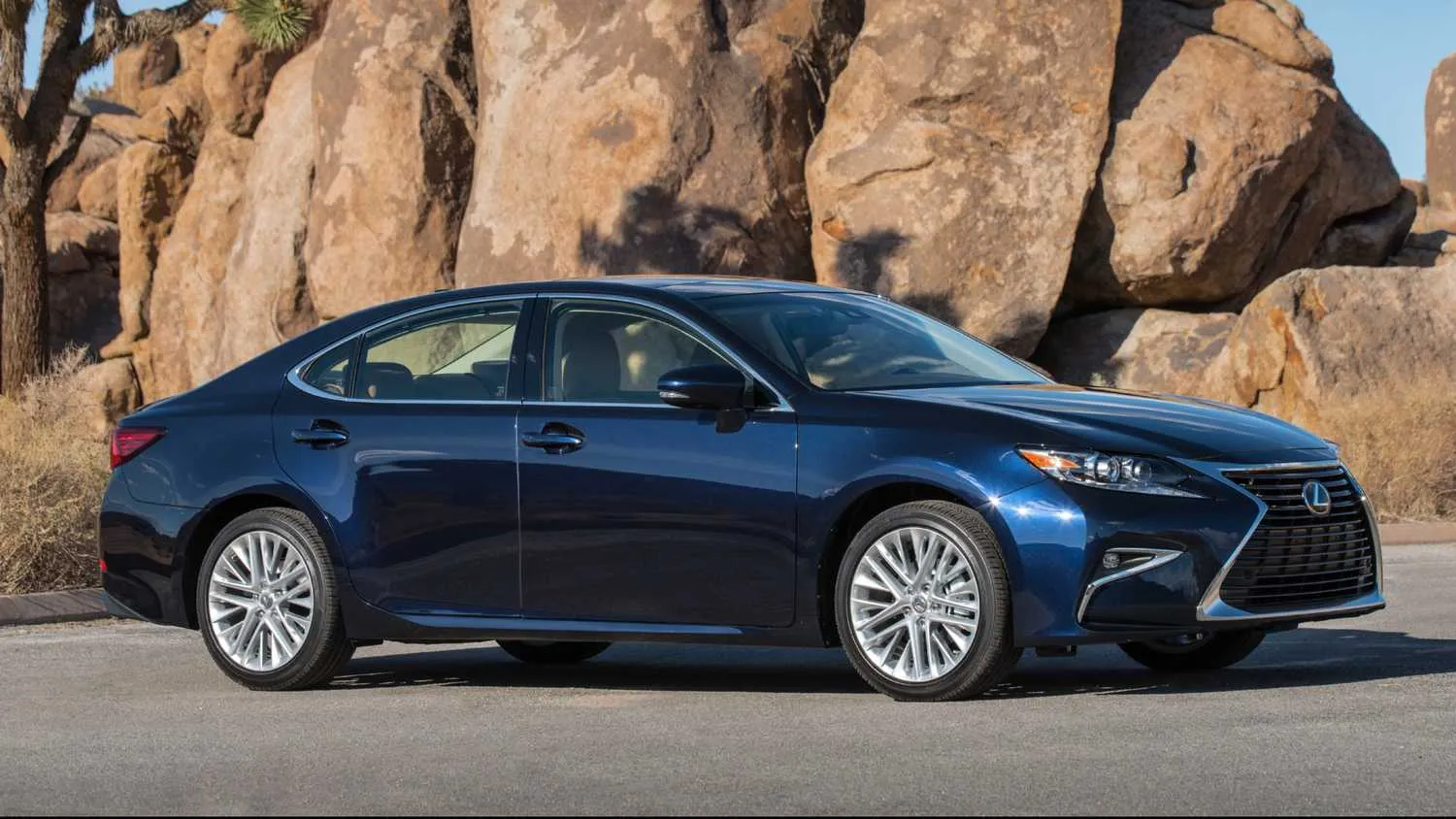
5. Lexus ES 350 (Sixth Generation)
Luxury should include reliability, and Lexus understands this better than most premium brands. Their sixth-generation ES 350, sold from 2013 to 2018, features charging systems that combine Toyota’s legendary reliability with luxury-grade refinement.
You get alternators that operate quietly while producing stable power, and starters that engage smoothly without the grinding noises some vehicles make. This combination of reliability and refinement is what premium vehicles should deliver.
Premium components justify the luxury price point through superior materials and construction. Alternator bearings use higher-grade materials than economy car components, windings employ better copper with superior insulation, and regulators feature more sophisticated electronics for precise voltage control.
Starters benefit from similar upgrades with smoother-engaging gear reduction systems, quieter operation, and components designed for extended service intervals. You pay more for a Lexus, but you get better parts.
Engineering standards at Lexus exceed what Toyota applies to its mass-market vehicles. While Toyota already maintains high standards, Lexus takes things further by demanding even tighter tolerances, better materials, and more thorough testing.
This extra effort costs more during manufacturing but creates charging essentially bulletproof systems. When you expect to sell vehicles to demanding luxury customers, you cannot afford to have basic systems failing.
Real-world durability impresses even people familiar with Toyota reliability. ES 350 owners report their vehicles starting instantly every time for years without any charging system problems.
Dashboard warning lights related to charging stay off because alternators maintain proper voltage and starters function correctly.
This absolute dependability is what luxury should mean, not just leather seats and wood trim that might look nice but do not affect whether your car actually works. Resale values reflect this reliability because buyers recognize that Lexus vehicles age better than competitors.
When you sell a high-mileage ES 350, potential buyers know they are getting a car with charging systems that probably will not need replacement anytime soon.
That knowledge translates to stronger resale prices compared to luxury brands, where expensive repairs are expected. Reliability adds real financial value to these vehicles.
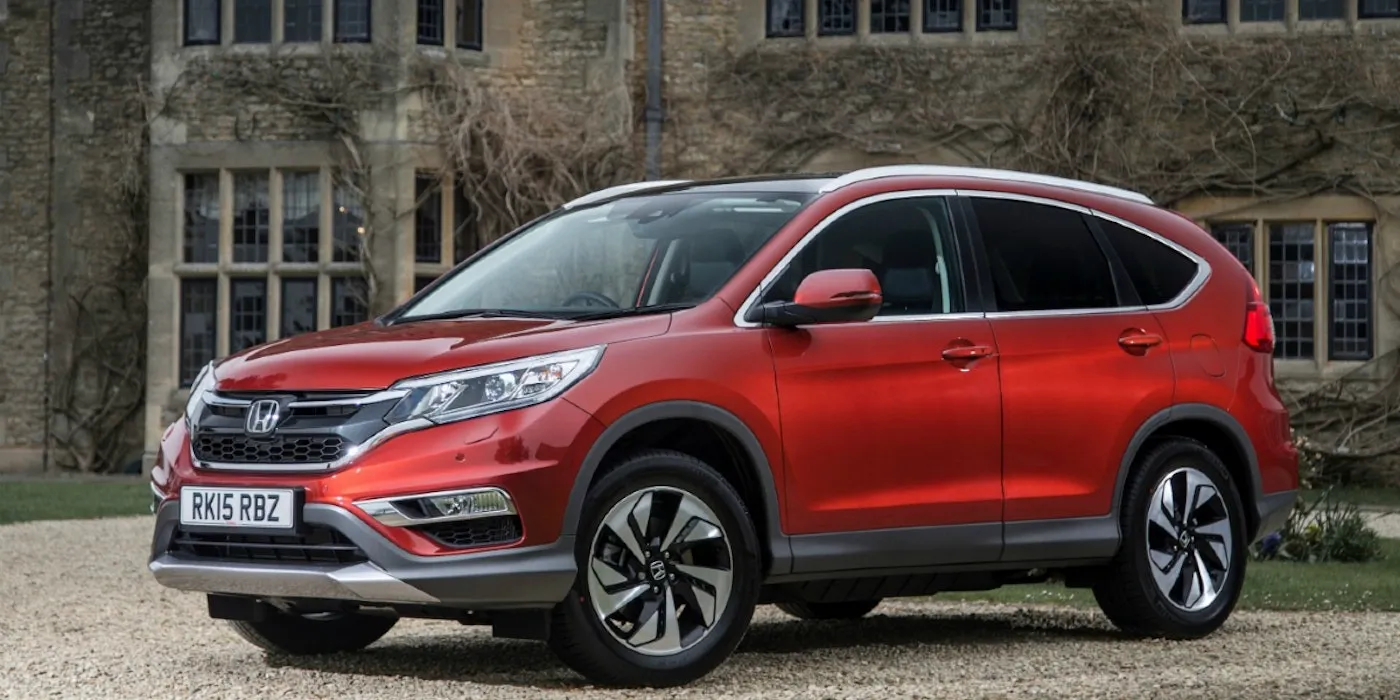
6. Honda CR-V (Fourth Generation)
Compact SUVs need reliable charging systems because owners depend on them for everything from daily commutes to family adventures. Honda’s fourth-generation CR-V, produced from 2012 to 2016, delivers exactly that reliability through well-engineered alternators and starters.
These components reflect Honda’s philosophy of building things properly, regardless of vehicle segment or price point. Whether you buy their least expensive model or flagship sedan, you get the same commitment to quality.
Alternator design in these CR-Vs provides adequate power for all electrical demands without being oversized or wasteful. Honda calculated exactly what capacity was needed and built alternators to meet that requirement efficiently.
This right-sizing approach means alternators never work harder than necessary, which extends their service life. You do not need a massive 200-amp alternator when 120 amps is sufficient. Properly sized components that are not constantly stressed last longer.
Starter motors engage quickly and reliably, even after years of service. Honda used gear reduction starters that multiply torque while reducing current draw, making starting easier on the battery while ensuring reliable engagement.
Quality solenoids activate consistently, Bendix drives engage smoothly, and internal components resist wear through proper material selection. Every aspect of the starter design prioritizes reliability and longevity.
Owners report minimal problems even when these CR-Vs accumulate high mileage. Visit any Honda forum and you will find countless stories of CR-Vs reaching 200,000 or 300,000 kilometers without ever needing alternator or starter replacement.
That kind of reliability is not luck; it is the direct result of good engineering and quality manufacturing. When thousands of vehicles demonstrate the same durability, it proves the design works as intended.
Service costs remain low because these charging systems rarely need attention beyond normal battery maintenance. You are not spending hundreds of dollars every few years replacing failed alternators.
You are not dealing with starters that give up after modest mileage. You just drive your CR-V, and it starts every time without drama. That reliability saves money and eliminates stress, which is exactly what people want from their vehicles.

7. Toyota 4Runner (Fifth Generation)
Off-road capability and reliability go hand in hand in Toyota’s fifth-generation 4Runner, available from 2010 onwards. These vehicles need charging systems that can handle extreme conditions, including heat, cold, dust, water crossings, and vibration that would destroy lesser components.
Toyota engineered alternators and starters specifically capable of surviving these challenges because they know how customers use 4Runners. This is not a vehicle for gentle highway driving only.
Heavy-duty alternators rated for sustained high output provide power for winches, off-road lights, and other accessories while still charging the battery properly. These are not economy-grade alternators barely capable of handling standard electrical loads.
These are robust units designed expecting hard use in difficult conditions. Bearings are sealed against dust and water, windings can handle high temperatures, and mounting systems minimize vibration damage. Built tough from the ground up.
Starters must reliably crank larger engines even when hot-soaked after trail driving or when cold-soaked in winter conditions. Toyota used starter motors with adequate capacity and robust construction to handle both extremes.
Solenoids engage positively regardless of temperature, gear reduction systems distribute loads properly to prevent tooth damage, and all components resist corrosion from moisture exposure. These starters are built for reliability in real-world conditions.
Adventure-focused owners depend on their 4Runners starting reliably in remote locations where breakdowns could be dangerous. You cannot afford charging system failures when you are far from civilization.
Toyota understands this responsibility and engineers accordingly. Stories abound of 4Runners starting perfectly after sitting overnight in freezing temperatures or after days of hard off-road use in desert heat. That reliability is not an accident.
Long-term durability extends to extreme-mileage examples that continue operating on original charging components. Some 4Runners surpass 400,000 or 500,000 kilometers without needing alternator or starter replacement, which is remarkable reliability by any measure.
When your vehicle can handle that kind of mileage while being used hard in difficult conditions, you have created something special. Toyota’s engineering excellence shines through in these results.
Cars That Eat Charging Parts
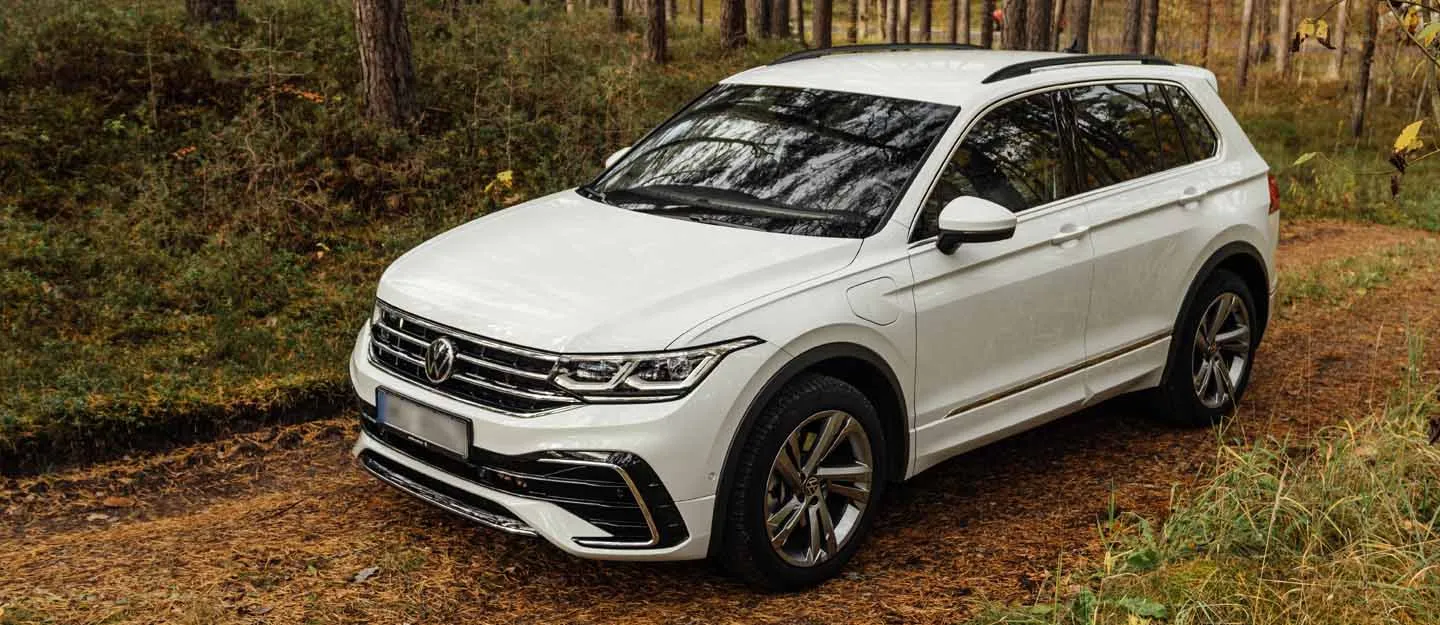
1. Volkswagen Tiguan (Second Generation)
German engineering sounds impressive until you start replacing alternators and starters regularly. VW’s second-generation Tiguan, launched in 2016, demonstrates how modern cost-cutting destroys reliability.
Charging components in these vehicles fail at rates that would embarrass manufacturers who actually care about customer satisfaction. Owners complain about alternators dying prematurely and starters giving up after modest mileage, creating expensive repair bills that add up quickly.
Cheap components sourced to meet price targets rather than durability standards create these problems. VW alternators use inferior bearings that wear out quickly, voltage regulators that fail prematurely, and construction quality that cannot handle long-term use.
Starters suffer similar compromises with solenoids that burn out, brushes that wear excessively, and gear reduction systems that develop problems. When you prioritize cost savings over reliability, this is what happens.
Common failure patterns emerge across many Tiguans at similar mileage intervals. Alternators start showing symptoms around 80,000 to 120,000 kilometers with charging system warning lights, flickering interior lights, or batteries that will not stay charged.
Starters begin failing in similar mileage ranges with slow cranking, clicking noises, or complete failure to engage. These patterns indicate systematic problems with component quality rather than random bad luck.
Repair costs shock owners who thought they were buying quality German engineering. Alternator replacement can easily cost over a thousand dollars, including parts and labor, while starter replacement is not much cheaper.
Add diagnostic fees to identify problems, and you are looking at serious money every time something fails. When these repairs repeat every few years, ownership becomes expensive torture that makes you regret buying the vehicle.
Owner forums fill with complaints about charging system reliability, warranty fights, and expensive repairs. When enough people experience the same problems, it stops being individual bad luck and becomes evidence of poor engineering or quality control.
VW seems unwilling or unable to address these issues properly, leaving customers to deal with the consequences. That is not how manufacturers should treat people who trusted them with their money.
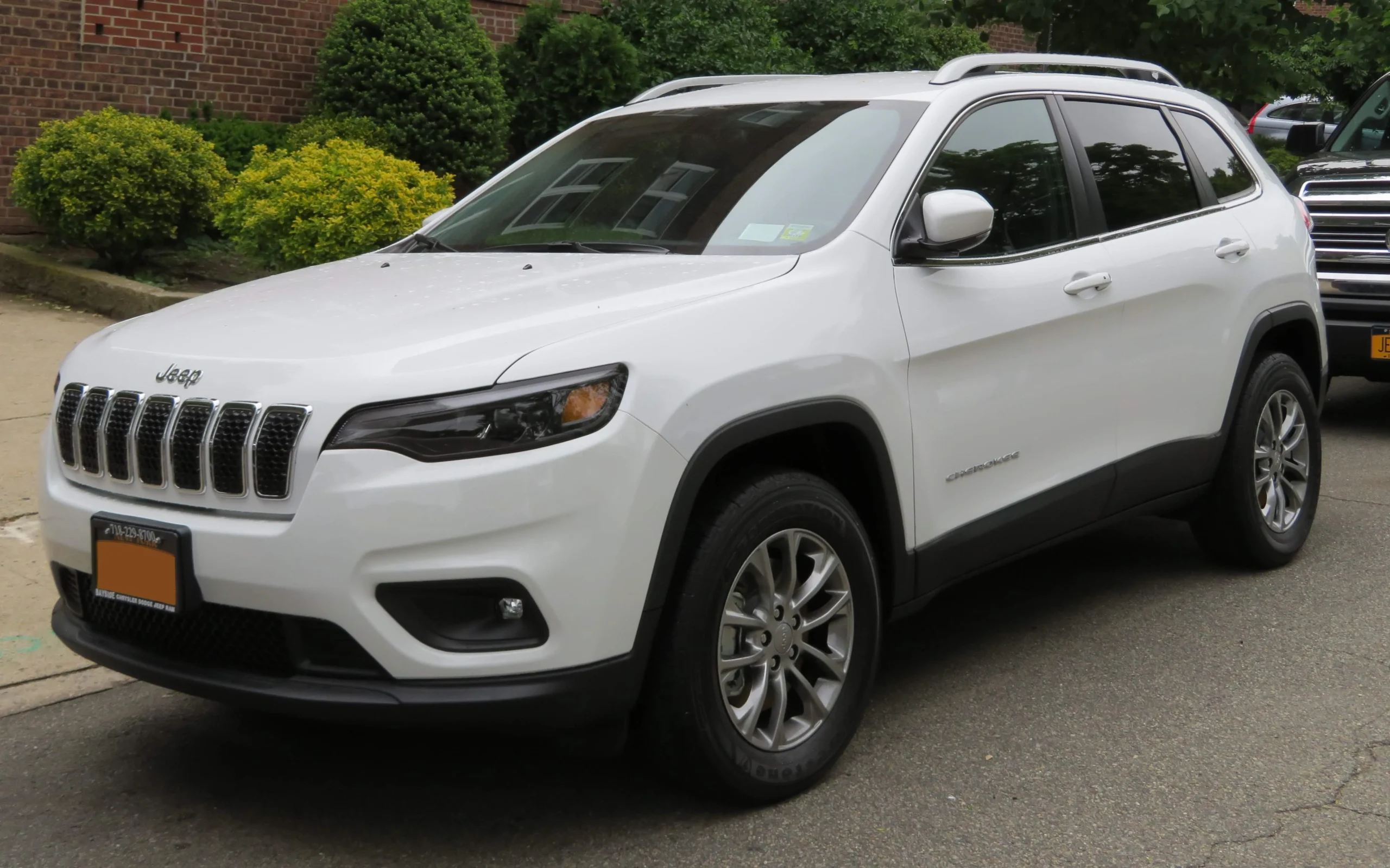
2. Jeep Cherokee KL
American engineering stumbles badly in FCA’s Cherokee KL, produced from 2014 onwards. Alternator and starter problems plague these vehicles so consistently that mechanics recognize it as a known issue.
Something went wrong during development or component sourcing because these charging systems fail at rates that should be unacceptable for any manufacturer. Yet Jeep continues selling these vehicles without apparently fixing the underlying problems.
Electrical system issues extend beyond just alternators and starters, suggesting broader quality control problems. When multiple electrical components fail prematurely, it indicates systematic issues with design, materials, or assembly processes.
Some Cherokee owners report multiple alternator replacements within 150,000 kilometers, which is absurd for a component that should last the vehicle’s lifetime. Starters fail with similar frequency, creating expensive repair cycles that never seem to end.
Design flaws make repairs unnecessarily expensive because accessing components requires extensive disassembly. Jeep positioned alternators and starters in locations that seemed convenient during manufacturing but are nightmares for service.
Mechanics must remove various engine components, supports, and accessories just to reach the charging system parts. Labor costs multiply because simple replacements become multi-hour jobs. That is bad engineering, creating unnecessary expense.
Quality of replacement parts varies wildly because aftermarket companies struggle to reverse-engineer solutions for poorly designed systems. Some owners report going through multiple replacement alternators from different manufacturers, trying to find units that actually last.
When even quality aftermarket parts fail quickly, it suggests fundamental problems with electrical system design rather than just component quality. You cannot fix bad engineering by using better parts.
Class action lawsuits and warranty extensions for electrical problems demonstrate how widespread these issues are. When legal action becomes necessary to force manufacturers to address known problems, it proves that they were ignoring legitimate customer complaints.
Cherokee owners deserve vehicles that work properly, not endless charging system repairs. Until Jeep actually fixes these problems properly, buyers should consider alternatives.
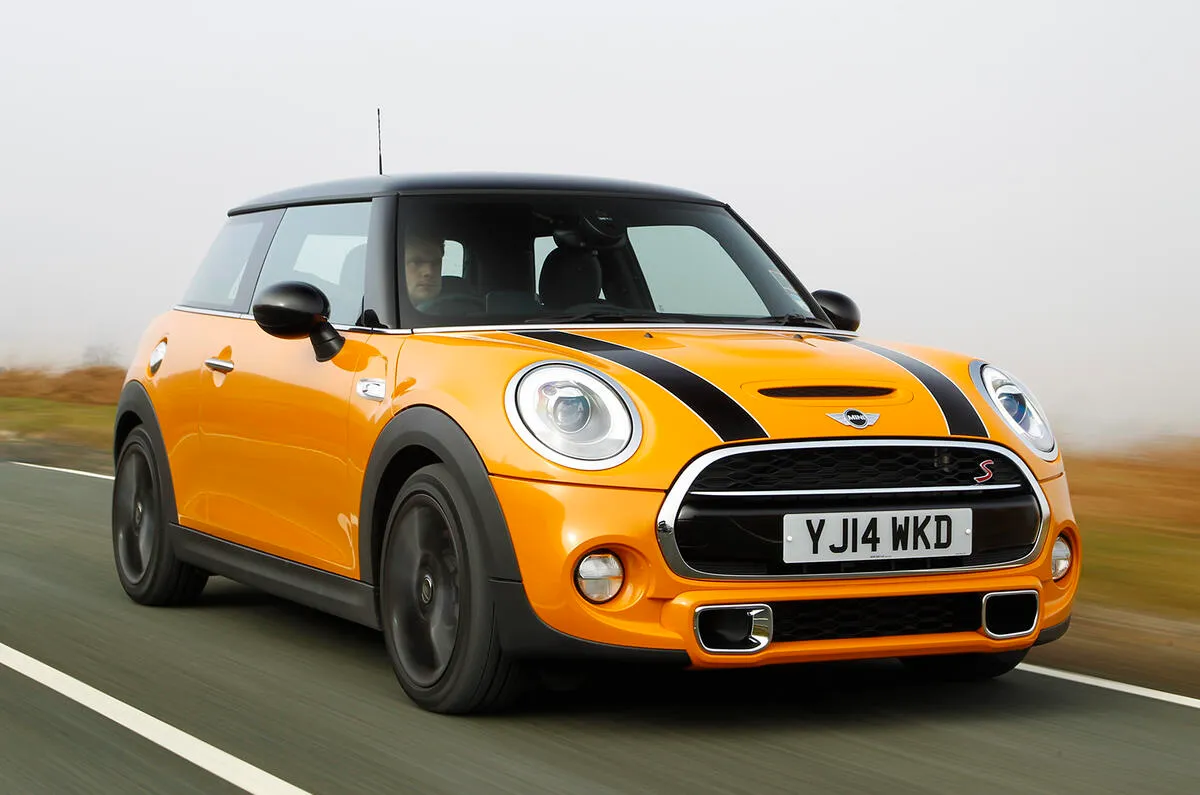
3. Mini Cooper S (Third Generation)
British style with German components sounds like a recipe for expensive problems, and Mini proves that assumption correct. Third-generation Cooper S models, sold from 2014 onwards, eat alternators and starters with alarming regularity.
BMW ownership should have brought engineering excellence, but instead it seems to have imported German unreliability. Owners complain constantly about charging system failures that cost serious money to repair.
High-performance engines stress charging systems more than economy powerplants, but that is no excuse for components failing prematurely. Mini engineers should have specified appropriate alternators and starters capable of handling the electrical demands, but apparently, they chose inadequate components.
Alternators struggle to provide enough power while surviving high underhood temperatures. Starters work hard cranking turbocharged engines, but are not built tough enough to handle the job long-term.
Compact packaging forces components into tight spaces with poor cooling and high vibration, accelerating wear and failure. Mini prioritized styling and handling over serviceability and reliability, cramming everything into small engine bays without regard for long-term durability.
Alternators mounted in hot, vibration-prone locations fail faster than components with better placement. Starters positioned awkwardly require partial engine disassembly for replacement, making repairs expensive.
Dealer repair costs for Mini charging system problems frequently exceed two thousand dollars because parts are priced at premium levels, and labor is extensive. Owners face choices between paying outrageous dealer prices or trying independent mechanics who might lack specialized tools and training.
Either way, you are spending serious money on repairs that should not be necessary. When ownership becomes this expensive, the vehicle stops being fun and starts being a liability.
Resale values tank because potential buyers research reliability and discover these problems. Who wants to buy a used Mini knowing they will probably face expensive electrical repairs? That knowledge reduces demand and lowers prices, hurting current owners who want to sell.
Poor engineering decisions made during development continue costing owners money through reduced resale values. You lose money buying these vehicles and lose more trying to sell them.
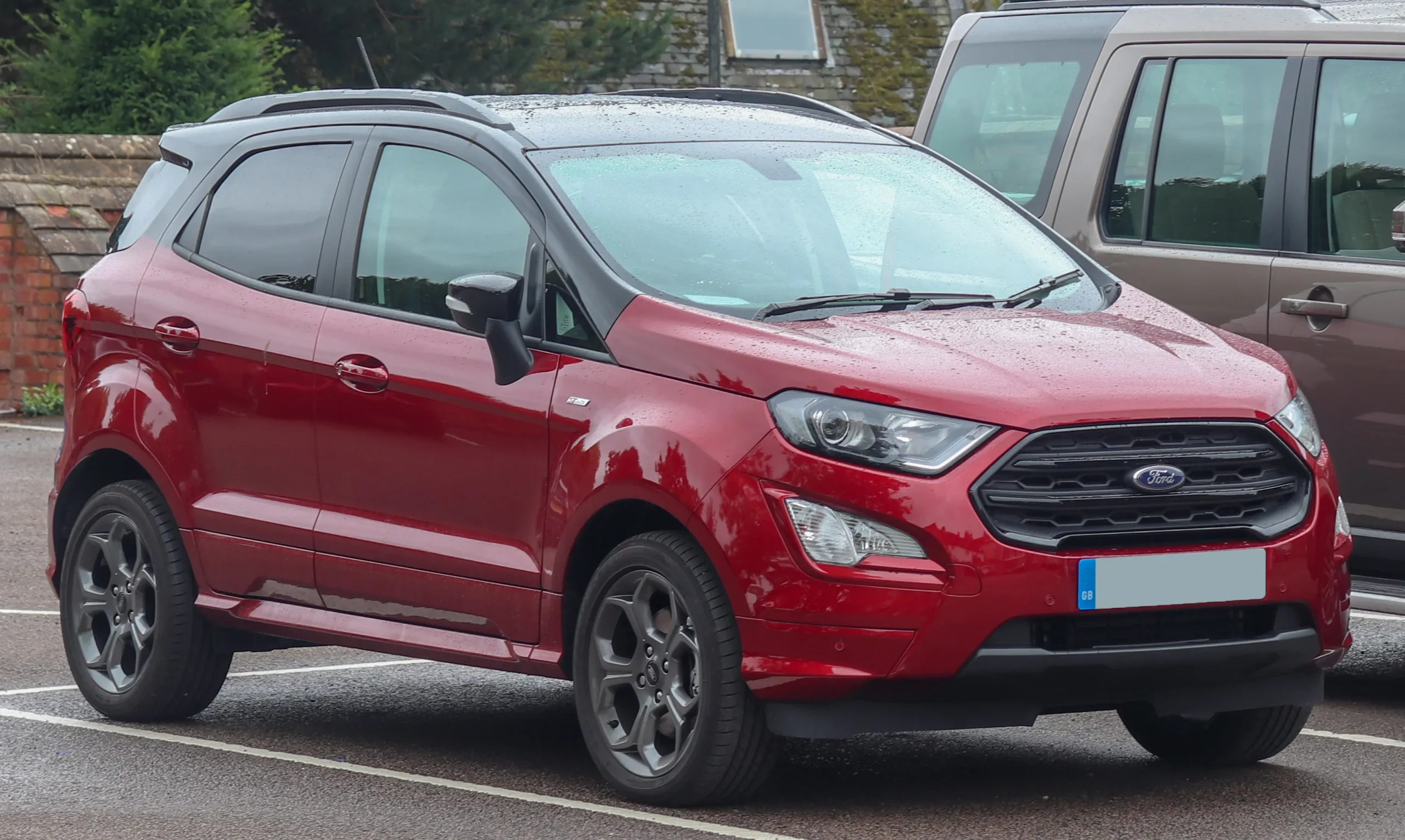
4. Ford EcoSport (Second Generation)
Small SUVs should be affordable to own, but Ford’s second-generation EcoSport, sold from 2018 onwards, destroys that expectation through terrible charging system reliability. Alternators fail at embarrassingly low mileage, while starters give up long before they should.
These are not isolated incidents but widespread problems affecting many vehicles. Something is fundamentally wrong with how Ford engineered or sourced these components.
Cheap components specified to hit aggressive cost targets create reliability problems that cost owners far more than whatever Ford saved during manufacturing. Entry-level pricing pressures forced compromises throughout the vehicle, and charging systems clearly suffered.
Alternators use inferior materials and construction that cannot survive normal use. Starters employ components that wear out quickly under regular operation, saving money upfront but costing you way more later. Emerging market focus for this model might explain some cost-cutting, but that is no excuse for poor quality.
People in developing nations deserve reliable vehicles just as much as customers in wealthy markets.
Ford should not be selling vehicles with substandard components anywhere, regardless of local income levels. When charging systems fail after modest use, it proves Ford prioritized profits over customer satisfaction.
Warranty claims for alternator and starter failures are common enough that dealers stock these parts because they know they will need them. When service departments keep failure-prone components in inventory because replacements are so frequent, it proves the problem is systemic.
Yet Ford apparently cannot or will not address the root causes. They just keep replacing failed parts under warranty and hoping vehicles survive until warranties expire. Owners stuck with these vehicles after warranties end face expensive repairs that come too soon and too often.
Replacing alternators and starters repeatedly gets expensive fast, especially for people who bought EcoSports because they were affordable.
These vehicles punish financially vulnerable buyers who can least afford expensive repairs. That is unconscionable from a major manufacturer who should know better.
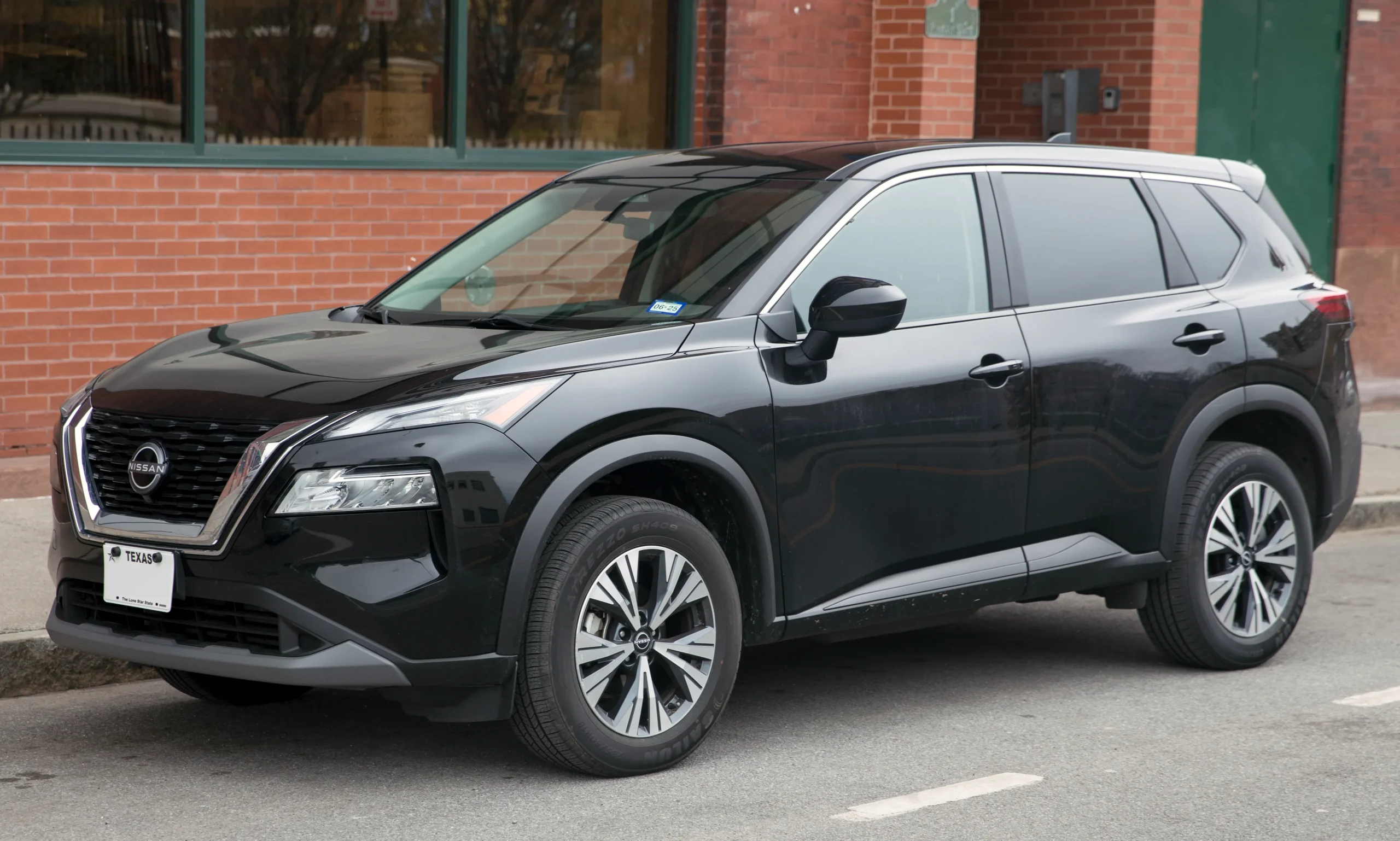
5. Nissan Rogue (Third Generation)
Japanese manufacturers usually build reliable vehicles, but Nissan’s third-generation Rogue, introduced in 2021, shows how financial troubles and cost-cutting destroy quality. Charging system problems appear with concerning frequency, considering how new these vehicles are.
Alternators and starters should not fail on vehicles with under 100,000 kilometers, yet Rogue owners report exactly that happening regularly. CVT transmission problems get more attention, but electrical system issues deserve recognition, too.
When a manufacturer has quality control problems severe enough to affect major components like transmissions, you can bet other systems suffer too. Alternators and starters reflect the same cost-cutting and reduced standards that create other reliability problems. Nothing escapes when accountants override engineers.
Rental fleet use reveals these problems quickly because rental vehicles accumulate mileage rapidly under varying conditions. Rental companies buying Rogues for their fleets report higher-than-expected charging system failures requiring expensive repairs.
When commercial customers who track costs carefully notice reliability problems, it validates complaints from individual owners. These are not isolated incidents but genuine quality issues. Parts quality from Nissan’s suppliers apparently declined as the company struggled financially.
Components that look adequate on paper fail prematurely in real-world use because materials and construction cannot handle actual operating conditions.
Alternators develop problems with regulators, bearings, or windings. Starters fail through solenoid issues, brush wear, or gear problems. Every failure costs owners money while destroying confidence in the brand.
Future reliability remains questionable because Nissan has not demonstrated that they have solved underlying quality control problems. Buying a new Rogue means gambling that your particular vehicle will not experience the problems affecting many others.
That is not a gamble most people should take when competitors offer more reliable alternatives. Until Nissan proves they have fixed their quality issues, buyers should be skeptical.
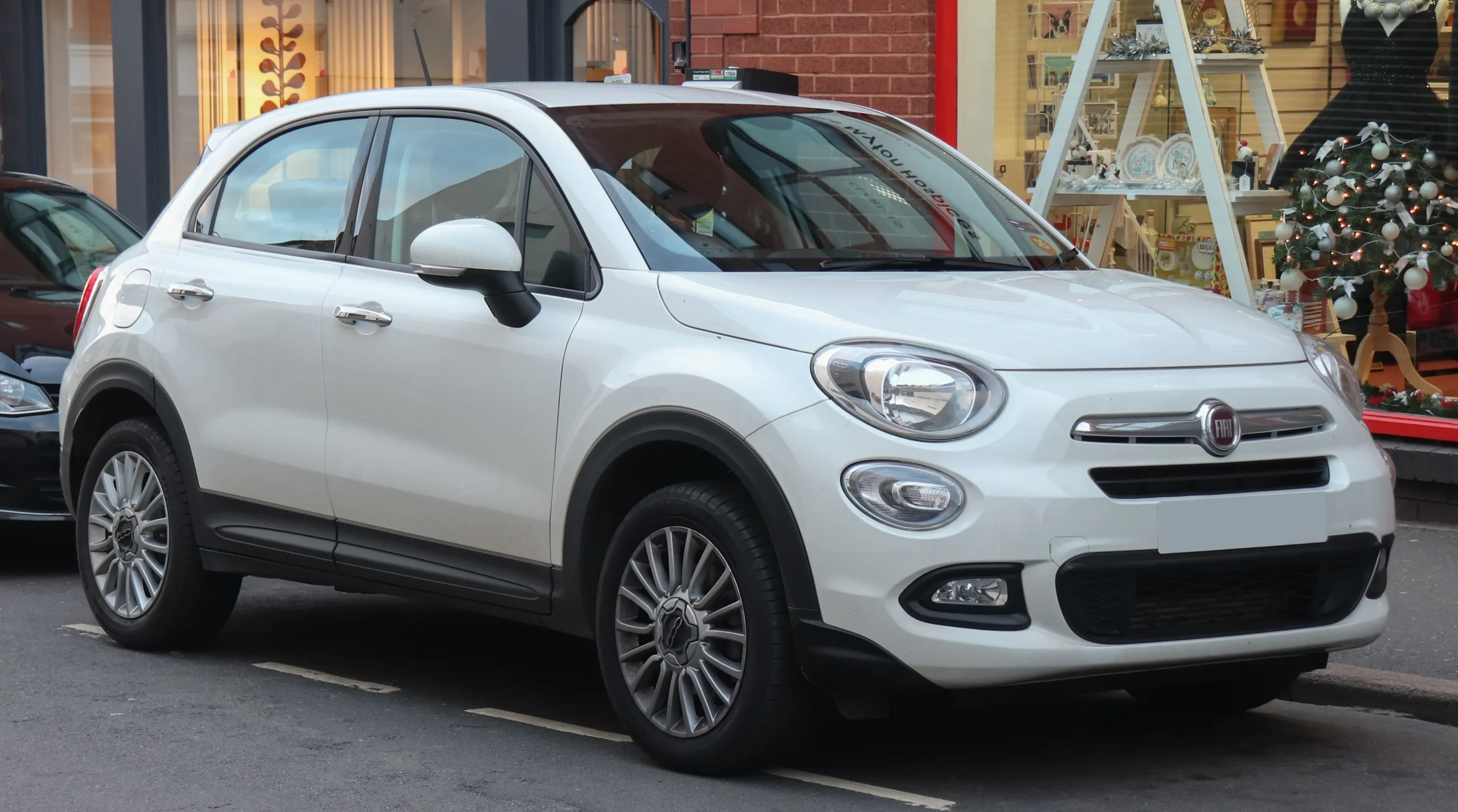
6. Fiat 500X
Italian style meets American manufacturing in this FCA product, combining the worst reliability traits of both. Fiat’s 500X crossover, sold from 2016 onwards, features alternators and starters that fail with depressing regularity.
Owners report needing replacements at mileages where most vehicles are just getting broken in. These are not high-quality components that will last for years; these are cheap parts that barely survive warranty periods.
Electrical gremlins beyond just alternator and starter failures suggest systemic problems with how FCA designed or assembled these vehicles.
Random electrical faults, warning lights that appear and disappear, and components that stop working for no apparent reason all point to quality control issues.
When your vehicle’s electrical system is fundamentally compromised, charging components fail sooner because they operate in hostile environments.
Service network challenges make repairs difficult in markets where Fiat has a limited presence. Finding mechanics familiar with these vehicles can be hard, and parts availability is often poor.
You might wait weeks for replacement alternators or starters because dealers do not stock them, and suppliers do not prioritize a low-volume vehicle. That delay leaves you without transportation while paying for rental cars, adding to your financial pain.
Purchase prices might look attractive compared to competitors, but the total cost of ownership tells a different story. Cheap initial price means nothing when you are replacing charging components regularly at significant expense.
You save money buying the vehicle, but lose far more through repairs. Smart buyers consider long-term costs, not just purchase price.
Vehicles that require constant expensive repairs are never good deals. Brand reputation suffers when vehicles demonstrate poor reliability. Fiat’s struggles to establish itself in North American markets are partly due to quality problems like these.
You cannot build a loyal customer base when buyers regret purchases because vehicles break down constantly. Until Fiat demonstrates a genuine commitment to quality and reliability, buyers should look elsewhere for dependable transportation.
Also Read: 10 Cars With Seats That Save Your Back on Road Trips
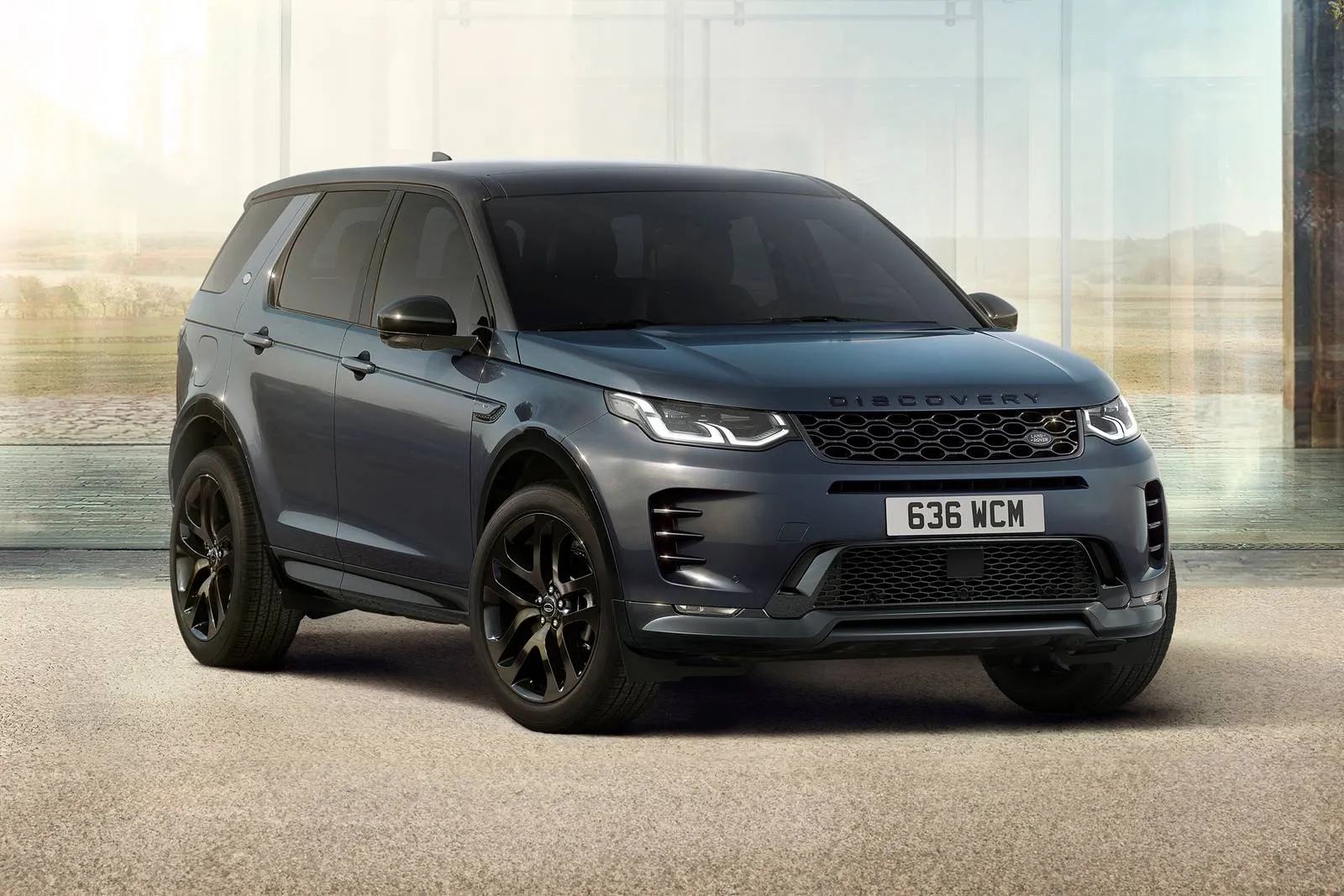
7. Land Rover Discovery Sport
British luxury SUVs should offer refinement and capability, but Land Rover’s Discovery Sport, sold from 2015 onwards, mainly offers expensive repair bills. Charging system problems join a long list of reliability issues that plague these vehicles. Alternators fail prematurely while starters give up long before they should.
When you combine expensive parts with costly labor and frequent failures, you create ownership nightmares. Premium pricing does not guarantee premium quality, as Discovery Sport owners learn painfully. You pay luxury prices buying these vehicles, but you do not get the reliability that should accompany that cost.
Instead, you get alternators that fail after 80,000 or 100,000 kilometers and starters that need replacement when most vehicles are just getting started. That is unacceptable quality for vehicles costing what Land Rovers cost.
Complicated electrical systems in modern Land Rovers create cascading problems when charging components fail. Weak alternators cause batteries to discharge, which stresses other electrical components.
Failed starters leave you stranded and might cause damage to other systems during unsuccessful starting attempts. Simple component failures become expensive multi-system repairs because everything is connected electronically.
Dealer service costs for Land Rovers are astronomical because parts are priced at premium levels, and labor rates match. Alternator replacement easily costs over two thousand dollars, while starter replacement is not much cheaper. When you need these repairs every few years, ownership becomes financially unsustainable for normal people.
Only buyers with unlimited budgets can afford to maintain these vehicles properly. Depreciation is catastrophic because everyone knows Land Rovers are unreliable. These vehicles lose value faster than almost any other brand because potential buyers factor in expected repair costs.
When you try to sell a used Discovery Sport, you get far less than comparable vehicles from reliable brands. Poor quality during new vehicle development continues costing owners money through reduced resale values. You lose buying them and lose more selling them.
