
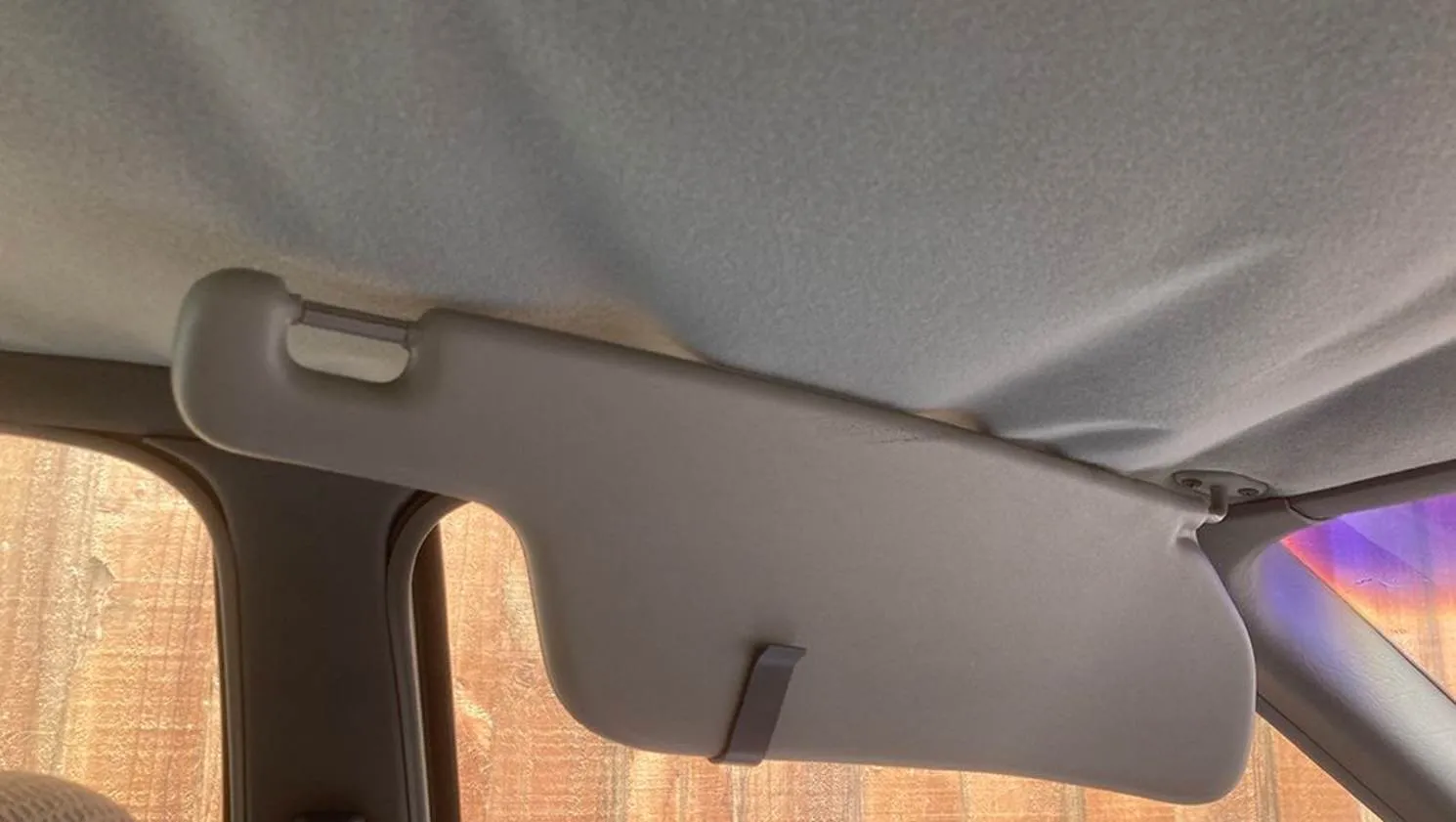
Nothing ruins the interior ambiance of a car faster than a drooping headliner brushing against your head every time you drive.
You glance up at your rearview mirror and notice the fabric hanging down like a saggy curtain, held up by a few sad pushpins that barely keep it from completely collapsing.
What started as a small bubble near the sunroof has now spread across the entire roof, turning your once-pristine interior into an embarrassment you’re ashamed to show passengers.
Headliner sagging isn’t just ugly; it’s a symptom of cheap materials and poor engineering. Some manufacturers use quality backing foam and proper adhesives that keep headliners tight for decades.
Others cut costs with foam that deteriorates rapidly and glue that loses its grip after a few hot summers. This difference separates cars that maintain their value from those that look worn out and neglected, even when mechanically sound.
Replacing a sagging headliner costs anywhere from $300 to $800, depending on the vehicle. That’s money you shouldn’t have to spend on what should be a durable interior component. But if you ignore it, the fabric eventually hangs so low it blocks your vision and becomes a safety hazard.
You’re forced to either pay for repairs or drive around in a car that looks like it belongs in a junkyard. Some vehicles keep their headliners perfect for fifteen or twenty years, while others start sagging before the first owner finishes their loan payments.
Knowing which models hold up and which ones are guaranteed to droop could save you hundreds in repairs and years of frustration. Let’s examine exactly which vehicles you can trust and which ones will leave you pushing fabric back up while cursing the manufacturer.
5 Models With Headliners That Don’t Sag
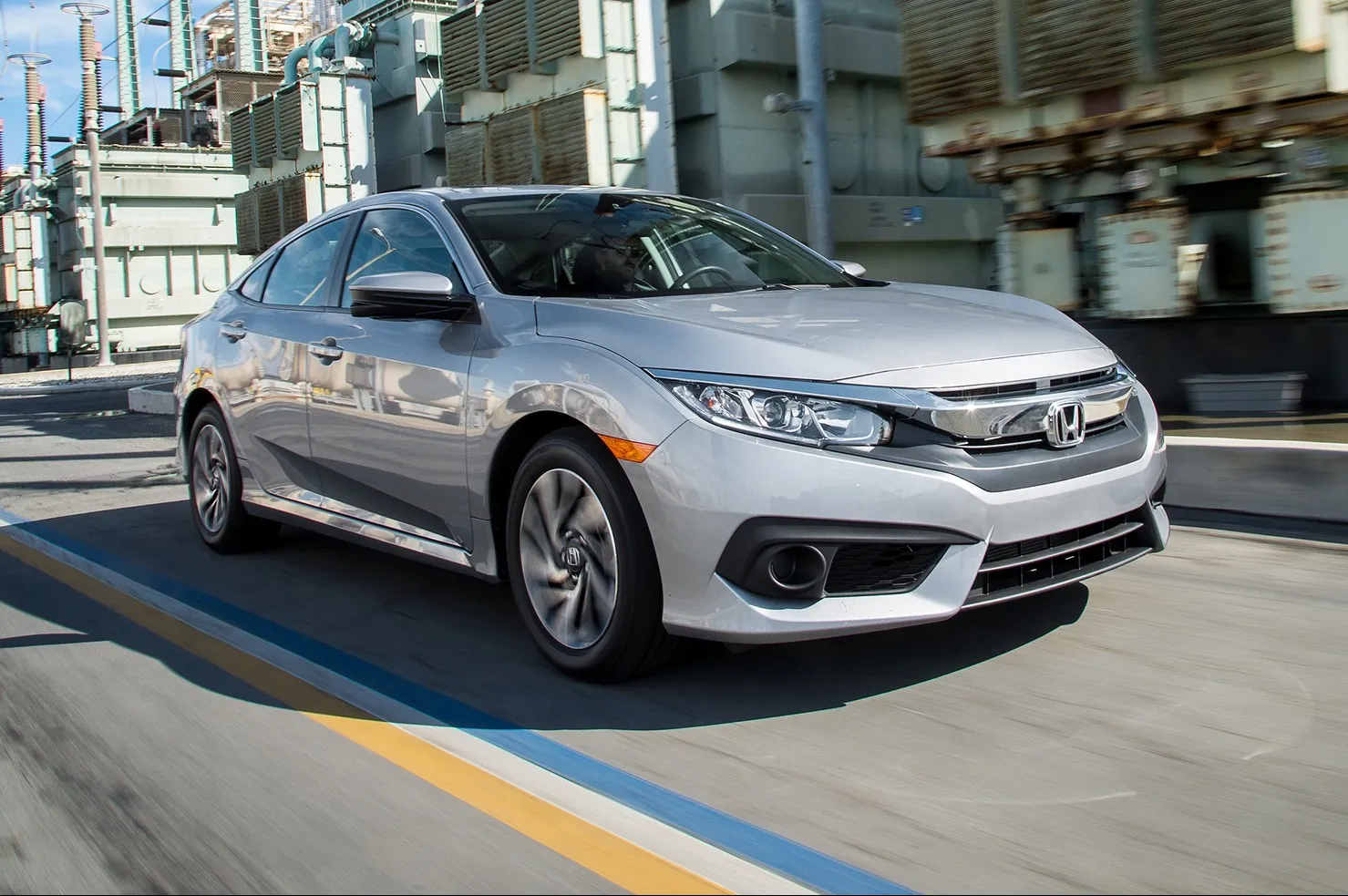
1. Honda Civic EX Sedan (2016)
Japanese attention to detail shows in every interior component, including headliner construction. This Civic uses backing material that resists heat degradation better than competitors.
Honda engineers selected foam that maintains its structure even after years of temperature cycling between freezing winters and scorching summers.
Adhesive chemistry in Honda vehicles uses formulations developed specifically for automotive applications. Many manufacturers use generic adhesives that work initially but fail when exposed to humidity and temperature extremes.
Honda’s adhesive bonds remain strong because they were designed to handle exactly the conditions cars experience throughout their service lives.
Backing board rigidity prevents the flexing that causes adhesive bonds to fail. Some vehicles use flimsy backing that bends during installation and flexes as the car moves, constantly stressing adhesive connections.
Honda’s boards maintain their shape, keeping adhesive bonds under tension that prevents delamination.
Installation procedures at Honda factories follow strict quality control. Workers apply adhesive evenly and ensure fabric stretches uniformly across the backing boards
. This attention during assembly prevents the weak spots that become visible bubbles and sags later. When installation is done correctly from the start, headliners stay attached.
Real-world examples prove Honda’s approach works. Browse used car listings and you’ll find 2016 Civics with pristine headliners showing no signs of sagging.
Owners report interiors that still look new despite years of daily use. This durability isn’t accidental but results from deliberate engineering and quality material selection.
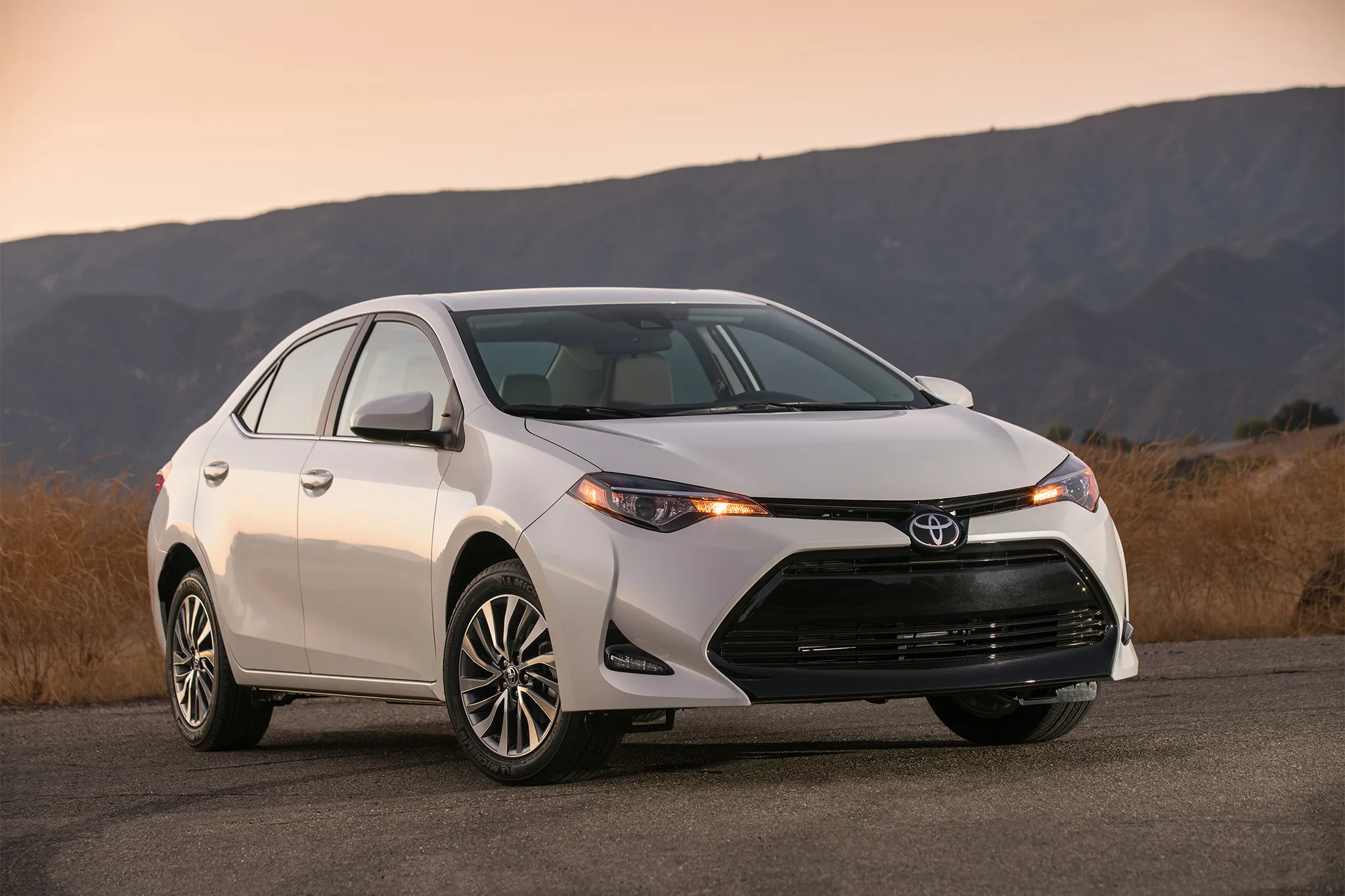
2. Toyota Corolla LE (2017)
Conservative engineering philosophy extends to interior components that some manufacturers treat as afterthoughts.
Toyota selected headliner materials proven through millions of vehicles to resist sagging. Rather than experimenting with cheaper alternatives, they stuck with materials that have decades of successful performance.
Foam backing uses a closed-cell structure that doesn’t absorb moisture. Open-cell foams act like sponges, absorbing humidity that degrades adhesive bonds and the foam itself.
Toyota’s closed-cell foam sheds moisture, maintaining its structural integrity regardless of climate conditions. This moisture resistance is crucial in humid regions where other headliners fail quickly.
Adhesive application uses robotic systems that ensure consistent coverage and thickness. Human workers can make mistakes, applying too much adhesive in some areas and too little in others.
Automated systems eliminate this variability, creating uniform bonds that age consistently across the entire headliner.
Sunroof-equipped models receive reinforced backing in critical areas. Sunroofs create heat concentration that attacks headliner materials aggressively.
Toyota adds extra backing material and uses heat-resistant adhesive around sunroof cutouts, preventing the sagging that commonly starts in these vulnerable locations.
Ownership experiences validate Toyota’s material choices. Corollas from 2017 regularly show up with perfect headliners intact, even in harsh climates. This proven durability builds customer loyalty because buyers know Toyota interiors hold up, not just mechanically but cosmetically too.
Also Read: 10 Vintage Cars With Parts Support and Easy to Own
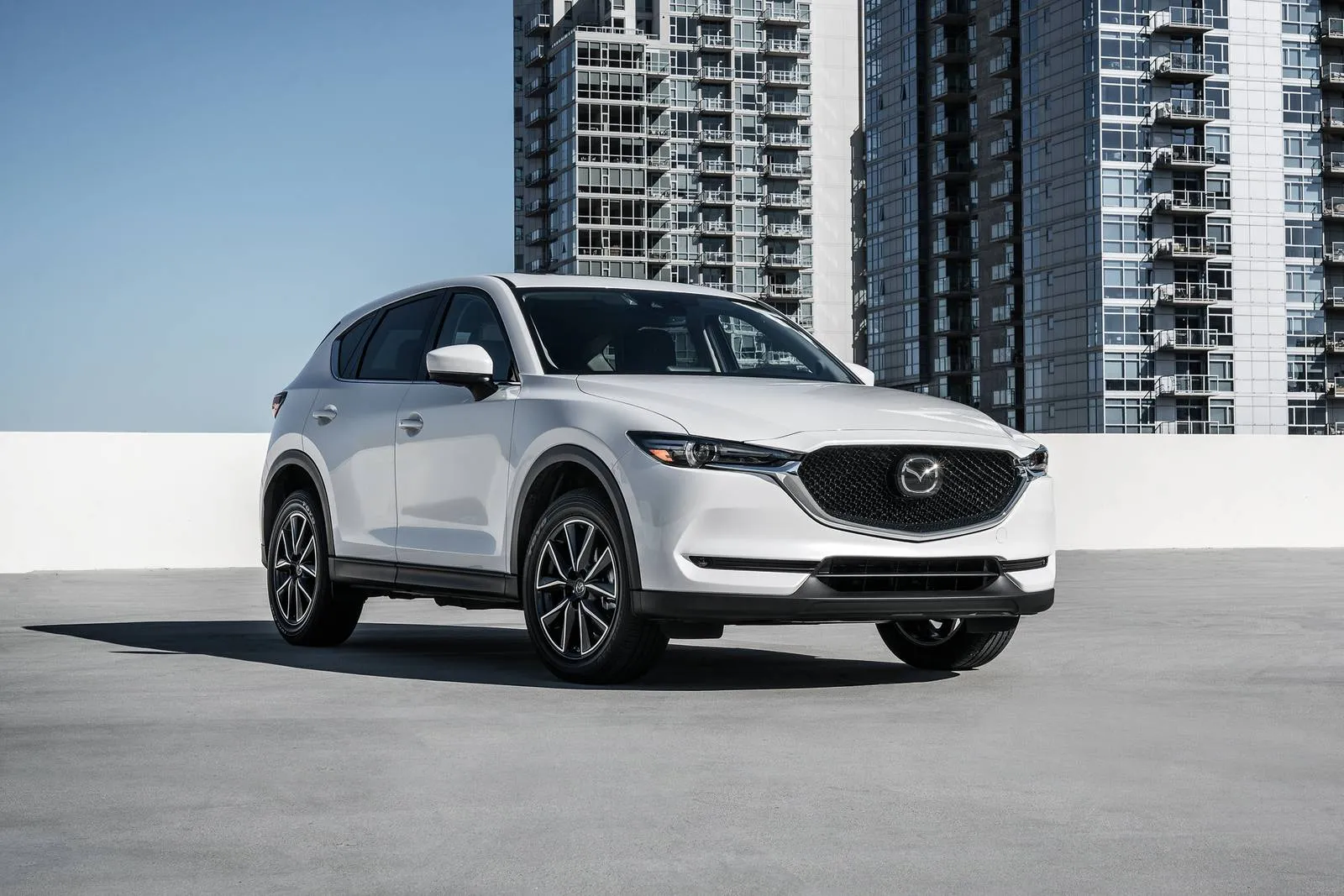
3. Mazda CX-5 Grand Touring (2018)
Mazda designed the 2018 CX-5 Grand Touring with an emphasis on delivering a premium experience that extended far beyond surface-level refinement. While many automakers invest in obvious touch points like dashboard trims or seat upholstery,
Mazda gave equal attention to hidden interior components that influence long-term durability. This thorough approach ensured that areas drivers rarely think about, such as the headliner, were built to withstand years of heat cycles, humidity changes, and structural flexing without deteriorating prematurely.
Higher-density backing foam forms the backbone of the CX-5’s headliner system. Unlike cheaper lightweight foams that crumble as time goes on, releasing powder that causes fabric sagging, Mazda uses foam engineered to resist compression and thermal breakdown. I
ts denser cellular makeup maintains structure and rigidity, ensuring the fabric remains evenly supported no matter how hot the cabin becomes after hours in direct sunlight.
Mazda also selected industrial-grade adhesives specifically rated for long-term hold under extreme climate variation.
Some manufacturers prioritize rapid-curing adhesives that speed assembly-line efficiency but sacrifice durability.
Mazda took the opposite route, choosing slower-curing, stronger-bonding formulations that may require more precise application but deliver lasting performance. This decision reflects a commitment to customer satisfaction rather than manufacturing shortcuts.
Before approving materials, Mazda subjected test vehicles to rigorous climatic endurance trials, cycling interiors through extremes of heat, cold, dryness, and humidity. Weaknesses would have appeared during these trials, enabling engineers to fine-tune materials before final production.
This careful validation process greatly reduced the likelihood of common headliner problems like delamination, sagging, or foam collapse. Owners consistently report high satisfaction with CX-5 interiors, praising how well they hold up for a long time.
Used car assessments frequently highlight the CX-5’s impressive resistance to aging, including headliners that stay firmly in place even on older, high-mileage examples.
This durability not only enhances resale value but reinforces Mazda’s reputation for producing vehicles that feel premium long after showroom shine fades.
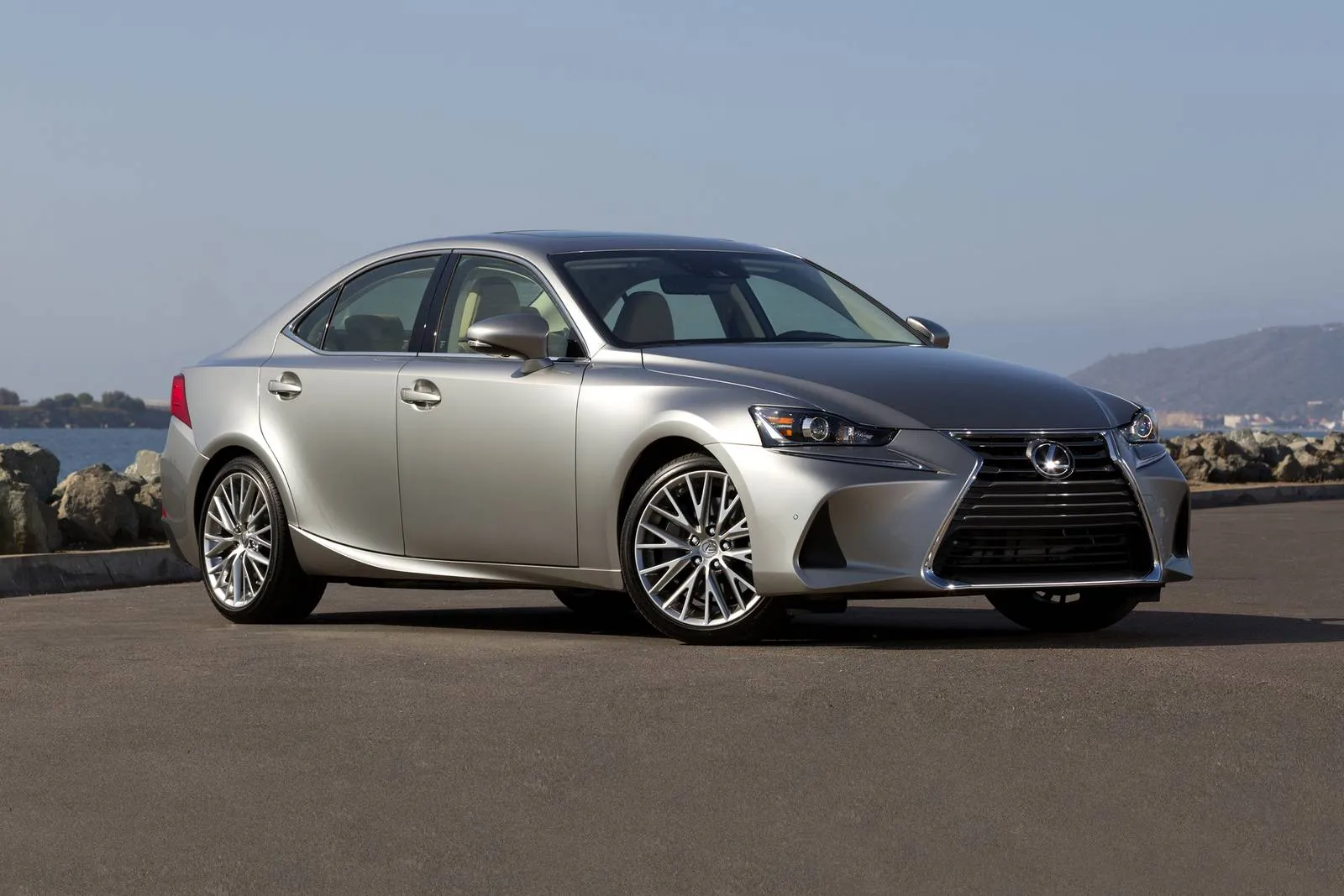
4. Lexus IS 300 (2019)
The 2019 Lexus IS 300 demonstrates how a brand committed to luxury engineering ensures interior components reflect premium expectations. Lexus built its reputation on reliability, refined craftsmanship, and materials engineered to last.
For a vehicle positioned in the luxury segment, failure-prone components like sagging headliners would undermine the brand’s entire identity. Therefore, Lexus invested in a durable, multi-layered headliner system that avoids the shortcuts common in mass-market competitors.
The composite backing structure combines multiple materials, each contributing specific strengths. Instead of relying on a single foam layer that might degrade when exposed to prolonged heat, Lexus used a layered approach to provide stability, resilience, and structural redundancy.
Should one layer degrade or compress slightly after a long time, the others maintain support, preventing the visible drooping that plagues cheaper designs.
Lexus also chose headliner fabrics engineered to resist fading, discoloration, and UV damage issues common in vehicles exposed to strong sunlight.
Premium-grade fibers retain tensile strength and appearance even after years of direct exposure to heat through the windshield and windows. Owners seldom notice headliner wear because degradation simply doesn’t occur.
Installation quality plays a major role in long-term headliner stability. Lexus employs highly experienced assembly technicians who follow strict installation protocols to avoid stretching fabric improperly or leaving tension imbalances.
These technicians have repeated the process thousands of times, ensuring precise fitment and minimizing weak areas that might loosen later.
Customer feedback reinforces the effectiveness of Lexus’s approach. IS 300 owners routinely praise interior longevity, reporting minimal aging even after years of daily use.
This reliability encourages brand loyalty, with many owners returning to purchase another Lexus based on positive experiences. The rarity of headliner complaints further underscores the high standard Lexus sets in interior durability.
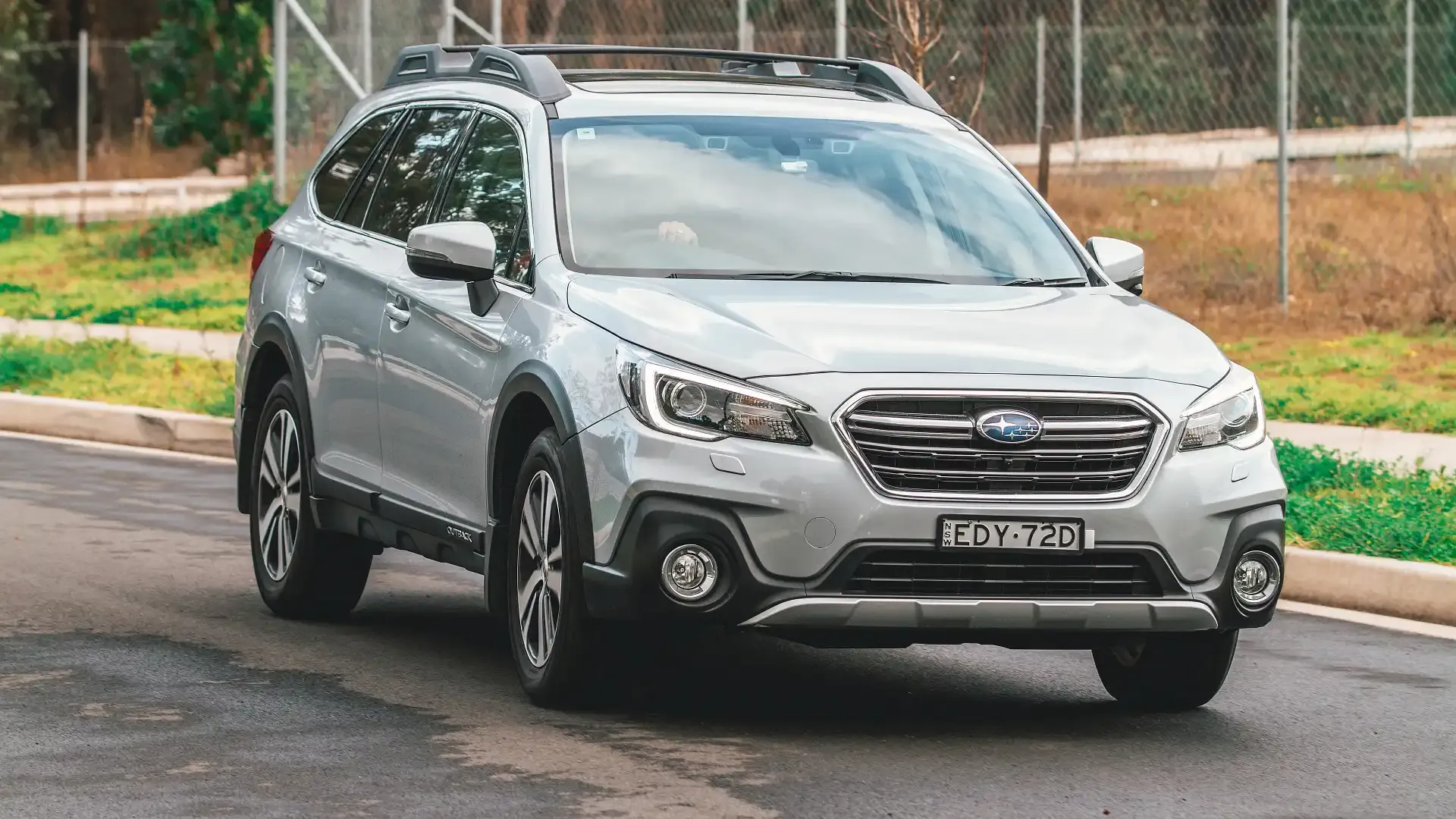
5. Subaru Outback Premium (2020)
Subaru engineered the 2020 Outback Premium to handle rugged environments, and that philosophy extended to interior materials, including the headliner.
Because many Outback owners drive in climates that swing from extreme heat to harsh winter cold, Subaru ensured the headliner system could withstand substantial environmental stress.
Rather than relying on basic foam and adhesive combinations prone to sagging, Subaru selected materials tested to endure moisture, temperature fluctuation, and physical compression. Moisture-resistant adhesive formulations prevent the bonding surface from weakening in high-humidity conditions.
Unlike cheaper adhesives that soften or become tacky when exposed to moisture, Subaru’s adhesive remains stable, preserving a firm lock between fabric and backing.
This is particularly important for regions with seasonal humidity or vehicles that frequently encounter wet gear, snow, or condensation.
The foam backing also offers superior resistance to compression. Outdoor gear, roof-mounted accessories, and cargo solutions often place localized pressure on the roof structure.
Many vehicles show early headliner deformation when subjected to these conditions, but Subaru’s foam maintains shape and thickness, preventing stretching or uneven areas that eventually turn into sagging.
Subaru conducted extensive cold-weather endurance testing to ensure the materials retained flexibility instead of becoming brittle.
Cheaper foams crack when temperatures drop, while weaker adhesives lose hold. Subaru’s materials remain stable even in freezing climates, preventing premature failure.
Ownership reports strongly validate Subaru’s engineering choices. Drivers in northern regions, where winter can be brutal and summers humid, consistently report that their headliners remain firmly attached and show no signs of peeling, bubbling, or drooping.
Many long-term Outback owners express appreciation for how well interior components hold up despite exposure to rugged use and varied climate conditions.
The reputation for durability strengthens brand loyalty and contributes to the Outback’s strong resale value, proving Subaru’s design strategy succeeds in real-world conditions.
5 Models With Headliners That Drop by Year Eight
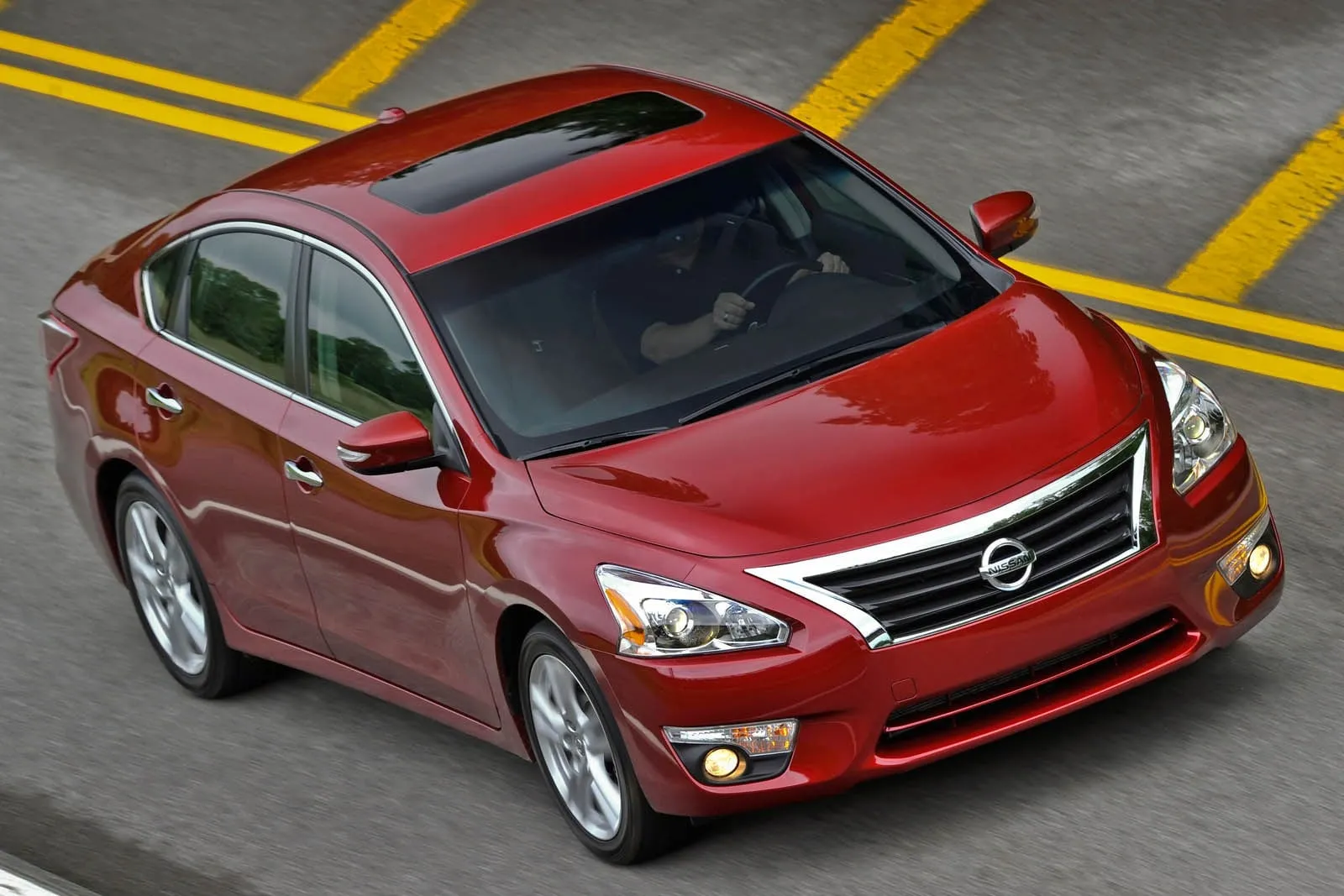
1. Nissan Altima 2.5 S (2014)
Nissan’s aim with the Altima 2.5 S was affordability, but the headliner materials chosen during production created long-term headaches for many owners. The foam layer behind the fabric has poor durability and reacts negatively to heat, especially during long, hot seasons.
Once exposed to repeated cycles of high interior temperature, the foam begins to crumble into dust. Once this breakdown starts, the headliner loses support and the fabric no longer has a firm layer to rest on, causing sagging that becomes worse as the months go by.
The bonding product used during factory assembly also deteriorates quickly. Inside a parked car, heat can build up far above outdoor levels, and this harsh temperature environment weakens the adhesive.
After only a few summers, the glue loses grip, and the fabric starts pulling away from the backing panel. The board beneath the fabric is thin and flexible, which further stresses the adhesive bond. Every vibration, turn, or bump on the road contributes to the separation problem.
Sunroof-equipped versions experience an even faster decline. Sunroofs concentrate heat in specific areas, and these hot zones accelerate the degradation process.
Sagging usually begins around the sunroof opening and then spreads outward as the foam and adhesive continue to weaken.
Owners have discussed these issues on many online platforms, showing that the problem is very common and rarely isolated.
The level of complaint reveals a pattern rooted in early design and material selection rather than random manufacturing errors. Nissan never replaced the materials with something more durable, leaving owners to manage the situation on their own.
Repairing the headliner typically requires complete removal and reinstallation using better materials. Temporary solutions rarely hold. Because the problem is widespread, used Altimas often show visible sagging in listing photos, affecting buyer interest and resale appeal.
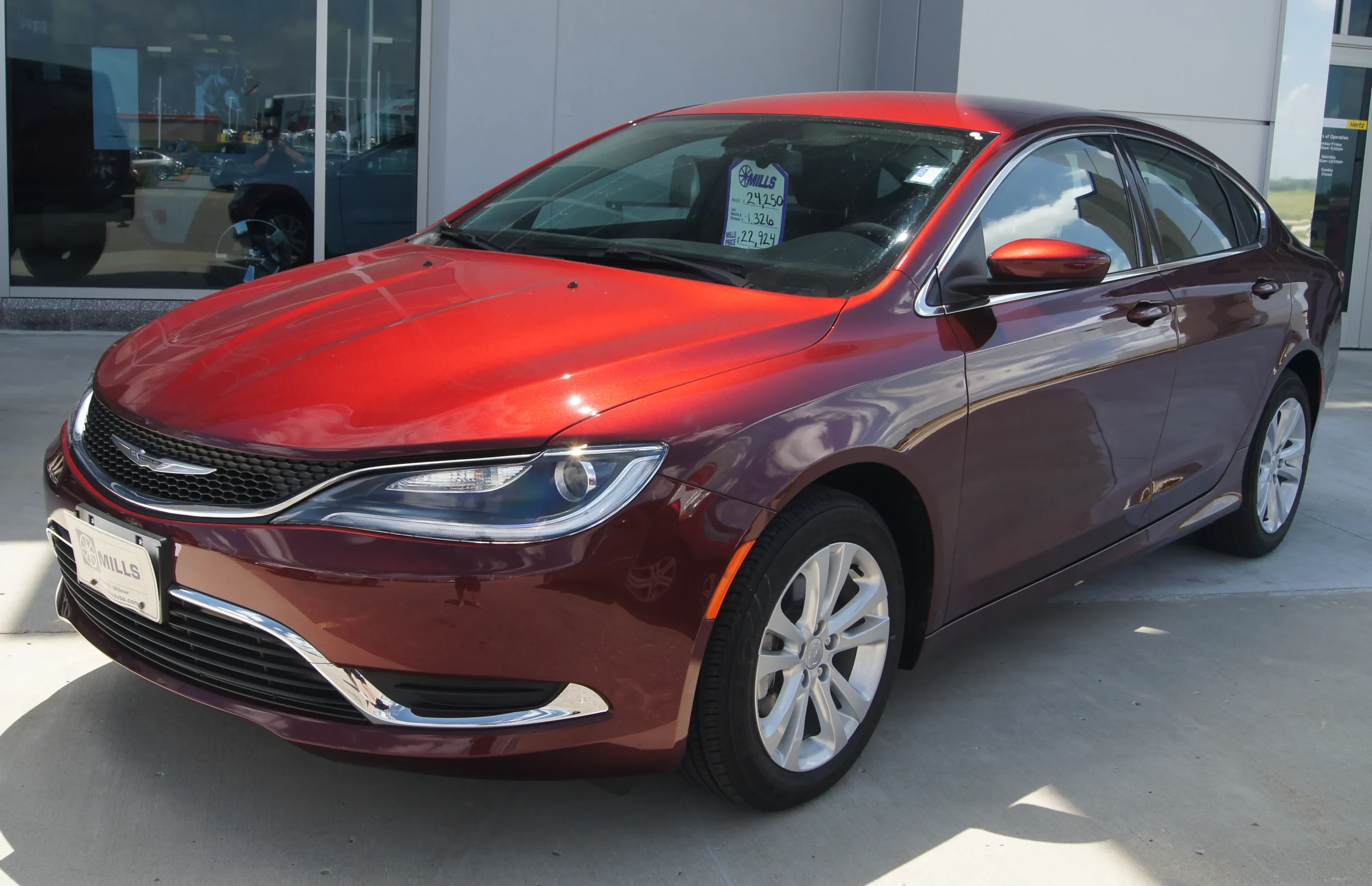
2. Chrysler 200 Limited (2015)
The Chrysler 200 Limited arrived during a period when the company struggled financially, and interior quality suffered as a result. The headliner materials were selected with cost savings in mind, and this decision created long-term problems.
The foam behind the fabric breaks down quickly, especially around the fifth year of ownership. In many cases, the foam deteriorates to the point where it feels soft, uneven, and weak, eventually allowing the fabric to separate and droop.
The way the adhesive was applied during assembly also contributed to failure. Some sections received sufficient adhesive coverage, while others barely got any.
This inconsistency leads to early sagging in random patches that gradually expand. Once a weak point appears, the surrounding material begins to fail, leaving large hanging sections that affect the vehicle’s interior appearance.
Moisture absorption makes the problem worse. The foam used behaves like a sponge, soaking up humidity in wet climates. High humidity accelerates foam breakdown and speeds the failure of the bonding agent.
Owners living in humid regions find the headliner sagging, appearing much earlier than expected, sometimes even within four years.
Rushed factory practices played a part. When production speed takes priority, quality can suffer. If the fabric was not stretched properly or if wrinkles were ignored during installation, the headliner deteriorated faster. Poor alignment during installation also created stress points that made the sagging begin earlier.
Because the issue is so widespread, it affects the vehicle’s value in the secondhand market. Used Chrysler 200s often show interior defects, and potential buyers look closely at the condition of the roof lining before deciding. Sagging becomes one more reason buyers hesitate or negotiate for lower prices.
Owners who planned to use the vehicle long-term find themselves considering expensive repairs or replacement. The interior deterioration contradicts expectations for mid-size sedans that are meant to offer durability and comfort.
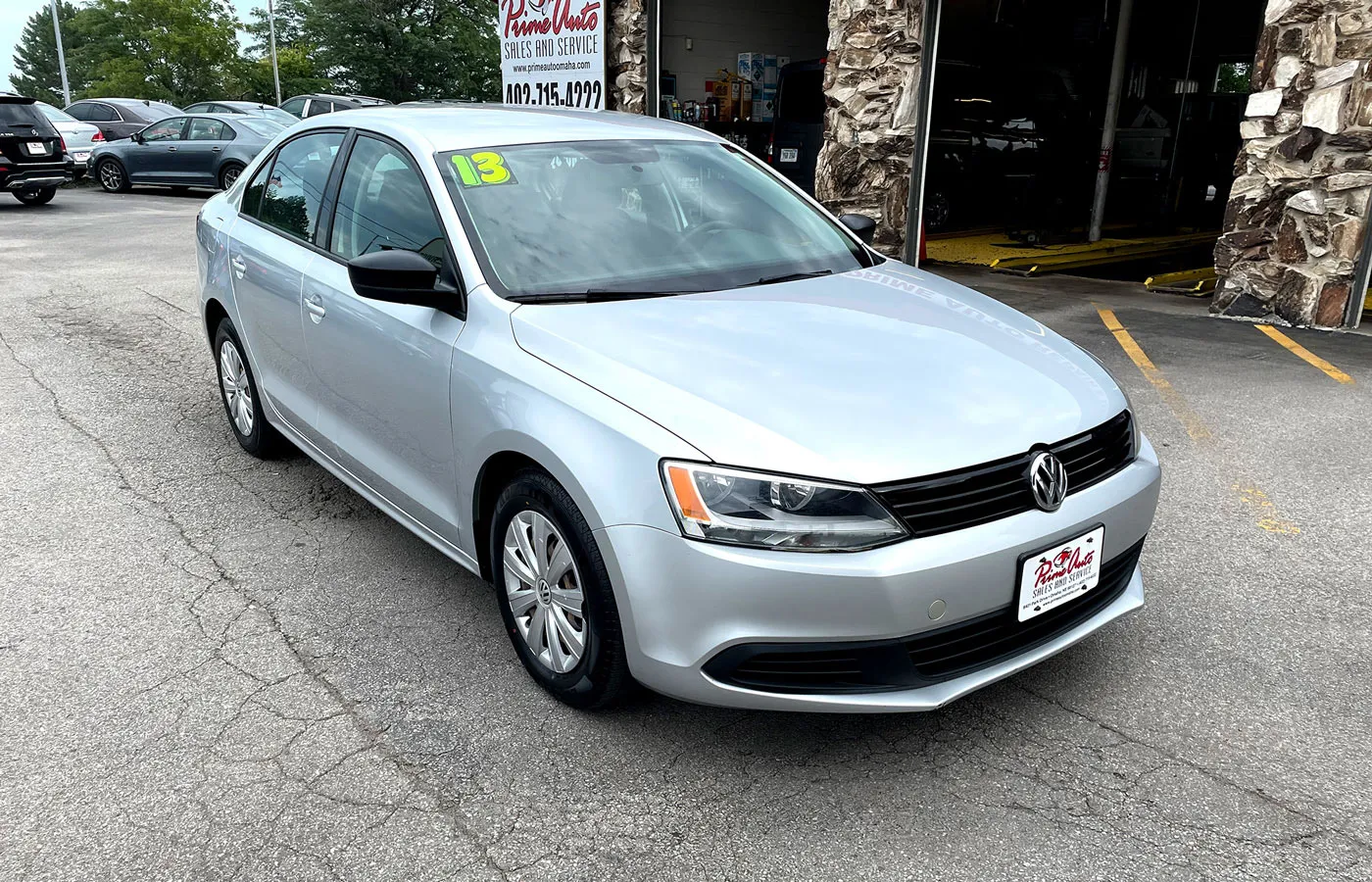
3. Volkswagen Jetta S (2013)
Volkswagen has a reputation for quality engineering, yet the Jetta S offered to the American market did not benefit from the same material standards found in other regions. The foam backing used in the headliner deteriorates in a predictable pattern.
Heat exposure causes the foam to weaken, and instead of maintaining support, it slowly breaks down into a crumbly powder. Many owners mention that a gentle touch can reveal soft, deteriorated foam underneath the fabric.
The bonding product used for attaching the fabric to the backing board also fails with time. Instead of staying firm and supportive, it becomes stretchy and gummy.
Once the adhesive loses strength, the fabric begins to sag in waves or large pockets. These changes happen gradually but become unmistakable as the years pass.
Another issue involves the drainage system around the sunroof. When the drain channels clog with debris, water leaks onto the headliner.
Moisture accelerates foam deterioration and adhesive failure. Sometimes water damage becomes so severe that the headliner needs full replacement long before other components of the car show age.
Service centers frequently handle headliner repairs for this model. Many technicians even prepare materials in advance because they see the same complaints repeatedly. When a repair pattern becomes routine for workshops, it signals that the issue affects a large population of vehicles.
Owners often face the decision of spending a considerable amount on replacing the entire headliner or living with an unsightly, sagging interior.
For a model promoted as dependable and well-built, this particular flaw leaves a disappointing impression. The repeated failures undermine customer trust and create doubts about durability in other areas of the car.
Used Jetta S models from these years often display visible sagging in photographs posted for sale. Buyers familiar with the issue inspect the interior closely and may avoid certain listings entirely. The material quality problem affects market appeal and reduces resale interest.
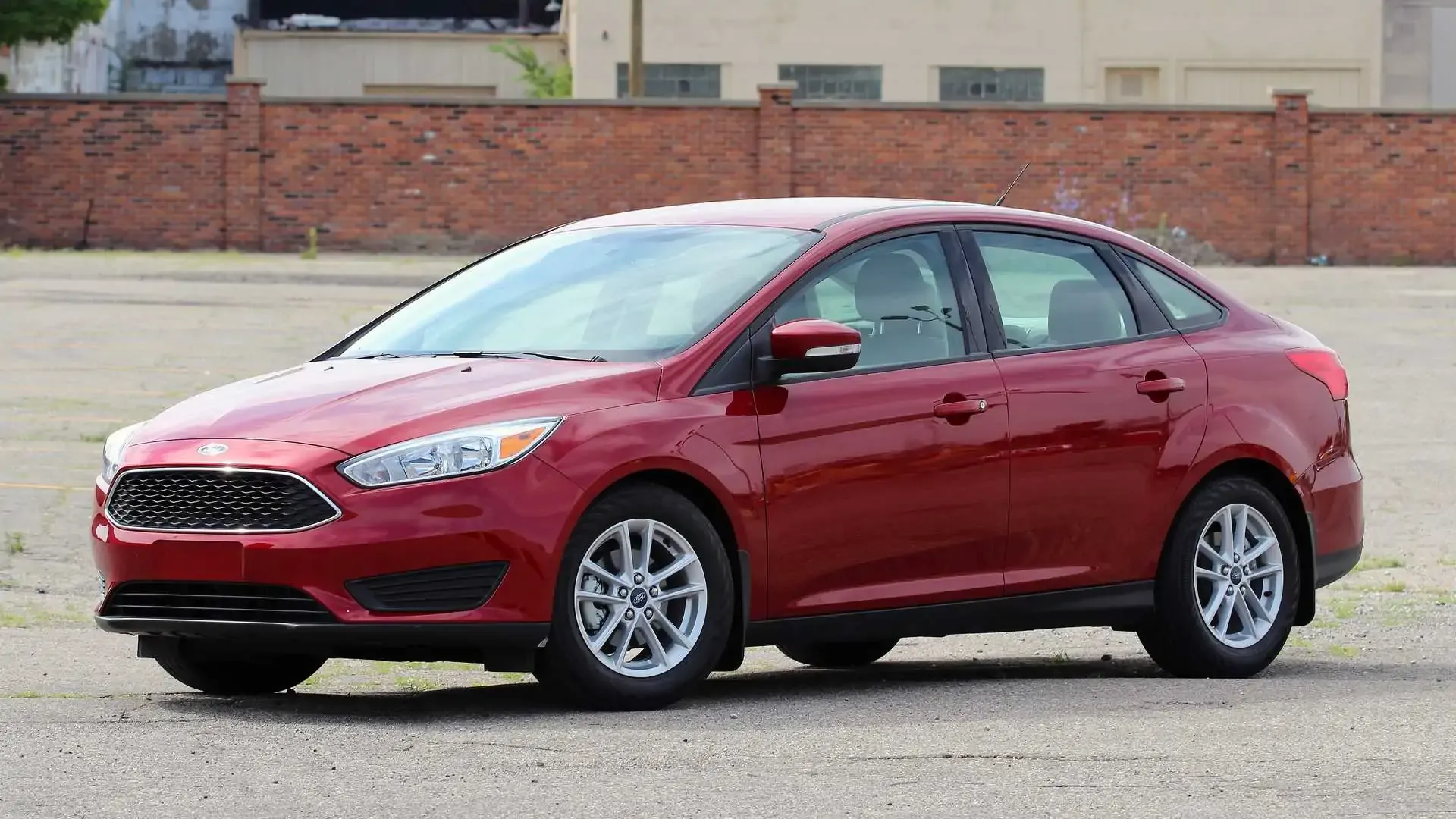
4. Ford Focus SE Sedan (2016)
The Ford Focus SE Sedan from 2016 was positioned as an affordable, reliable option. While the mechanical components generally meet expectations, the headliner materials did not perform well once exposed to everyday environmental conditions.
The foam layer used in the roof lining absorbs humidity easily due to its open-cell structure. In areas with moist air, this foam begins breaking down far earlier than expected, losing the firmness required to support the fabric layer.
Heat intensifies this problem. When humidity combines with high temperatures, the adhesive used during manufacturing becomes unstable.
After some time, the bonding product begins to soften and release its grip. Focus owners in hot and humid regions consistently report fast deterioration. In some cases, the headliner starts sagging within a few years, long before typical interior wear appears.
Installation quality also varied widely. Depending on the assembly plant and the specific production period, some vehicles left the factory with properly stretched and secured headliners, while others did not.
Vehicles with less careful installation show sagging earlier, suggesting that quality control inconsistencies contributed to the interior problems.
Customers often feel disappointed when interior components fail prematurely because they expect at least ten years of durability before visible deterioration occurs.
Instead, many Focus owners face sagging headliners while the rest of the car still works reliably. Repairs can be expensive because the entire headliner usually needs to be replaced for a long-lasting solution.
This issue affects customer confidence. While many buyers appreciate the driving performance of the Focus, early interior decay creates dissatisfaction.
It also reflects poorly in the used market, where potential buyers judge a vehicle heavily based on interior condition. Listings showing sagging headliners face reduced interest and sometimes require price reductions to attract a buyer.
The experience highlights how interior material choices affect long-term owner satisfaction. Even when mechanical reliability remains strong, poor interior durability can shape public perception negatively.
Also Read: 10 Vintage Diesel Cars and Trucks That Keep Running
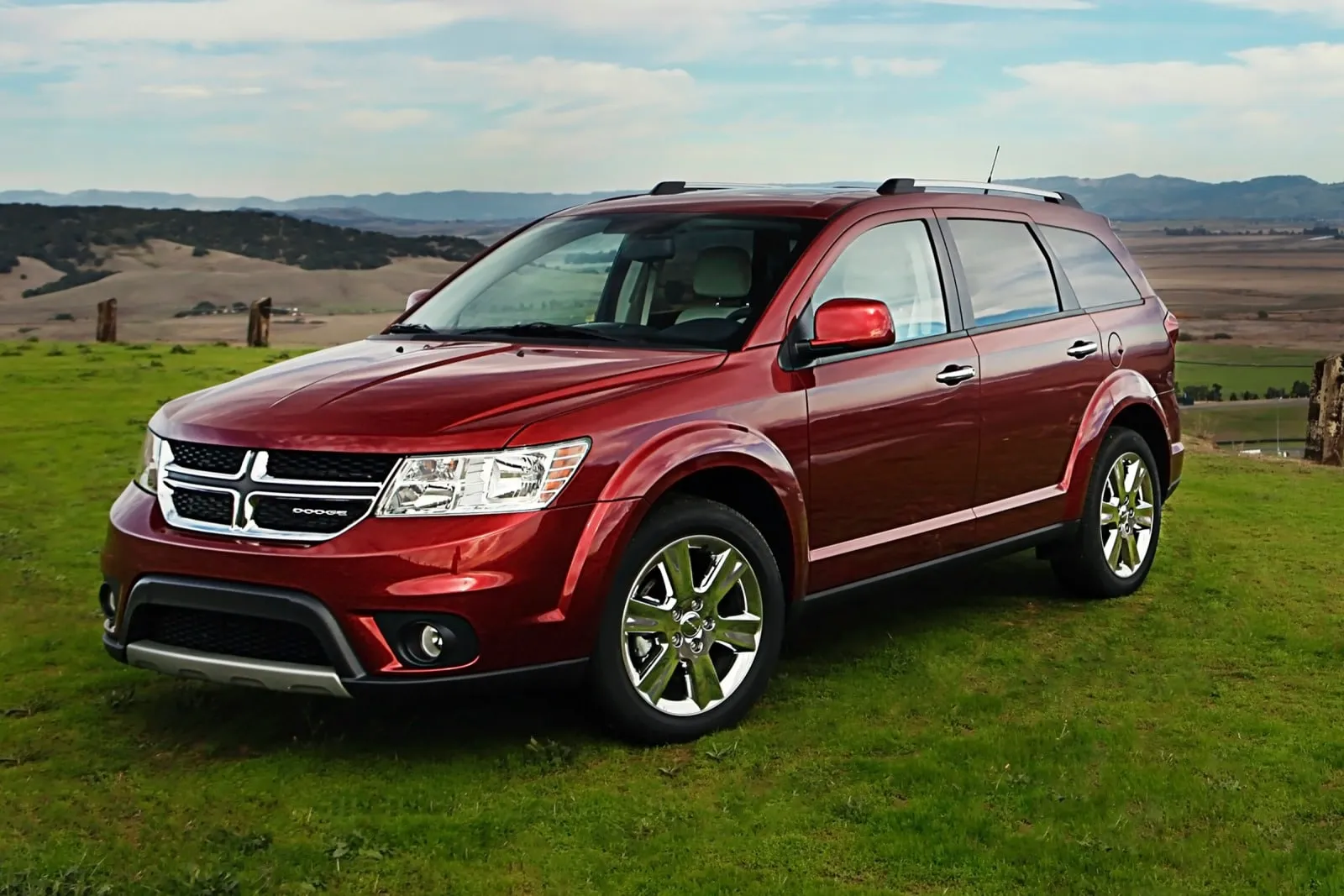
5. Dodge Journey SXT (2014)
The Dodge Journey SXT belongs to the Chrysler family of vehicles, and during this period, the company chose low-cost interior materials across multiple models. These decisions created long-term issues for owners, particularly with the headliner.
The foam backing deteriorates much faster than expected when exposed to the high heat levels common in many parts of the United States. In extremely hot regions, some Journey owners report sagging appearing in as few as four years.
Extreme heat accelerates the breakdown of the foam backing, but the root cause lies in the choice of foam that cannot withstand persistent temperature stress.
Once the foam weakens, the fabric no longer remains supported. Sagging begins as small, loosened areas before expanding into large hanging sections. Some owners notice bubbles forming first, which eventually turn into widespread drooping.
The adhesive does not hold up well either. As the bonding product loses strength gradually, the headliner starts separating. Owners often try temporary solutions such as pushpins or DIY sprays, but these fixes rarely last and sometimes make the interior look worse.
The Journey’s size contributes to the issue. With three rows of seating, the headliner spans a larger surface area, giving more space for sagging to occur. The bigger the span, the more the materials stretch and degrade under constant heat exposure.
Repairing this problem professionally is costly. Full headliner replacement can approach $700, and some owners choose to sell the car instead of investing in the repair. As a result, the used market is full of Journeys with visibly sagging interiors, often listed at lower prices.
The widespread nature of these interior problems shows how material selection affects long-term satisfaction. For many owners, the vehicle still runs reliably, but the sagging headliner becomes a major irritation and reduces pride in ownership.
