
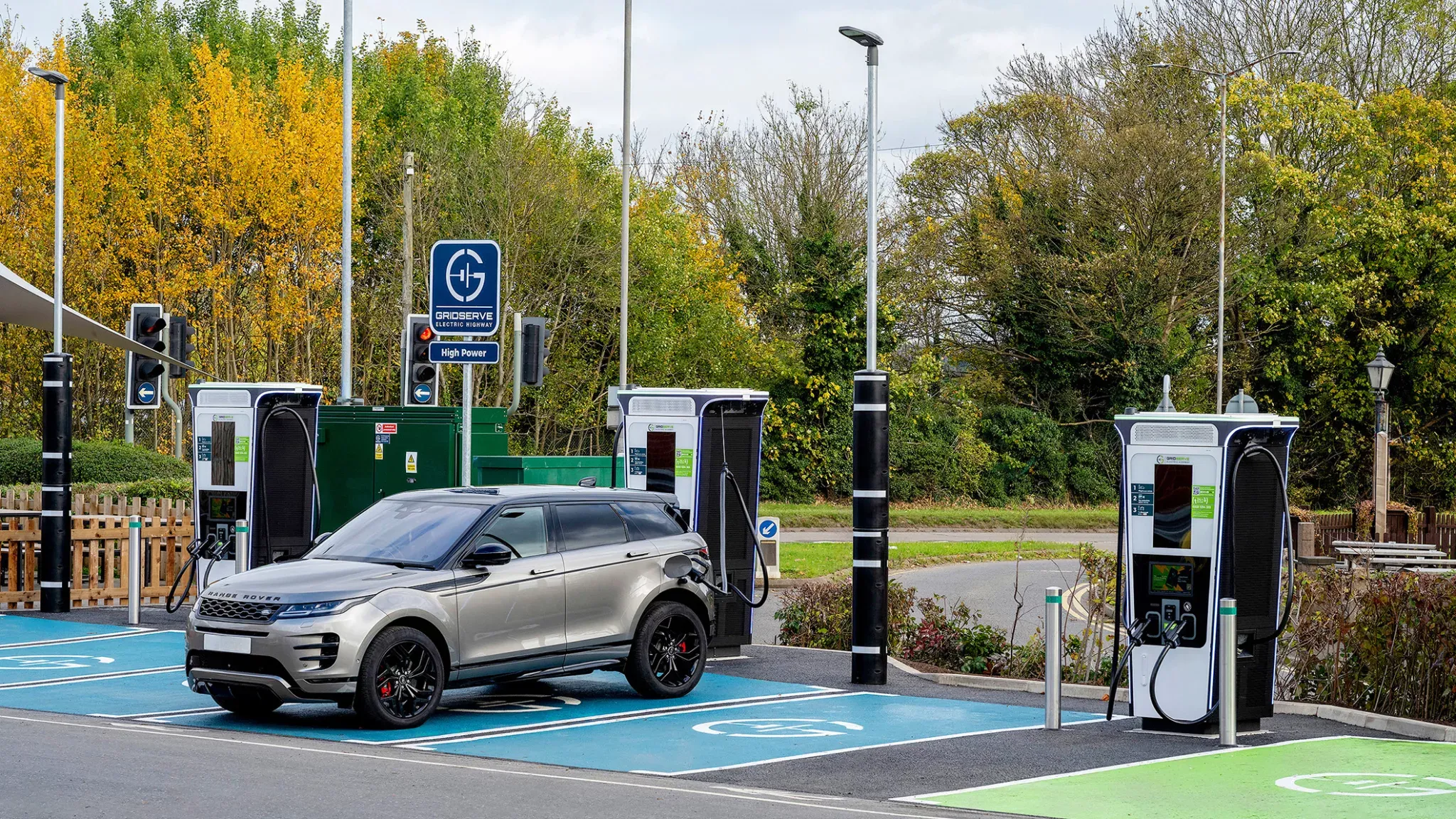
You bought an electric vehicle because fast charging promised to make road trips nearly as convenient as gas stops. That shiny new EV charges from 10% to 80% in just 25 minutes at your favorite DC fast charger, and life feels good.
But here’s what the salesperson didn’t tell you: many EVs lose their fast-charging speed as batteries age, turning those quick 25-minute stops into frustrating 45-minute waits.
Battery degradation isn’t just about range loss. Some electric vehicles maintain their fast-charging capabilities for 100,000+ miles, while others start throttling charging speeds before you hit 50,000 miles.
This difference transforms long-distance travel from convenient to tedious. Imagine planning a road trip only to discover your charging stops now take twice as long because your battery management system has permanently reduced charging speeds to protect aging cells.
Here’s the expensive reality: you can’t fix throttled charging speeds with software updates or battery conditioning. Once an EV’s thermal management system decides your battery needs protection, charging rates drop permanently.
You’re stuck with a vehicle that charges slower than advertised, making long trips painful and absolutely destroying resale value. Nobody wants to buy a used EV that takes an hour to charge when newer models do it in half that time.
Battery chemistry, thermal management design, and charging algorithms determine whether your EV maintains fast-charging speeds or slows to a crawl.
Some manufacturers engineered their systems properly, using robust cooling and conservative charging curves that protect batteries without sacrificing speed.
Others rushed products to market with inadequate thermal management and aggressive charging that damages cells, forcing the system to throttle speeds prematurely. Let’s examine which EVs keep charging fast and which ones slow down disappointingly early.
Fast-Charging Champions: Speed That Lasts
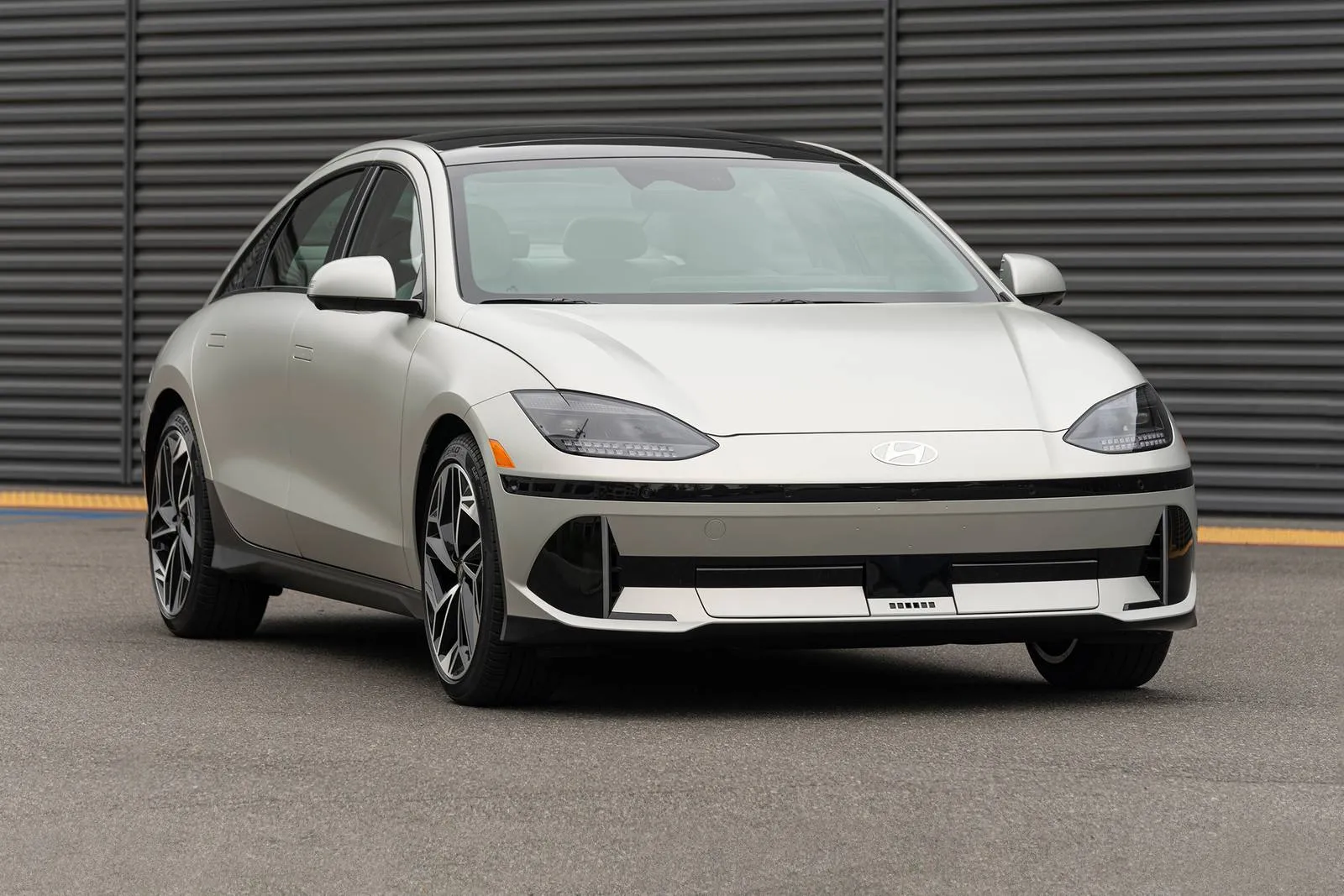
1. Hyundai Ioniq 6 Long Range AWD (2023)
Korean engineering delivered exceptional thermal management that protects battery health without sacrificing charging speed.
This sedan uses liquid cooling and dedicated battery conditioning to maintain optimal temperatures during fast charging. When batteries stay cool, they can accept high charging rates indefinitely without degradation, forcing speed reductions.
800-volt architecture allows faster charging with less heat generation than 400-volt systems. Higher voltage means lower current for the same power delivery, and lower current creates less resistive heating in battery cells.
This fundamental electrical advantage helps the Ioniq 6 maintain charging speeds as batteries age because cells experience less thermal stress during each charging session.
Battery chemistry uses nickel-cobalt-manganese cells optimized for fast charging and durability. Hyundai selected cell chemistry that handles repeated fast charging without degradation.
Some chemistries sacrifice charging speed for longevity, but Hyundai found the sweet spot delivering both sustained fast charging and long battery life.
Charging curve programming uses conservative algorithms that prioritize long-term health. Rather than pushing maximum speeds that would damage cells,
Hyundai’s software charges aggressively only when conditions are perfect. This intelligent approach prevents the cumulative damage that forces other EVs to throttle charging speeds after 50,000 miles.
Early ownership data shows the Ioniq 6 maintaining charging speeds through the initial years. While long-term data is accumulating, current examples with 30,000+ miles show no charging speed degradation.
This early consistency suggests proper engineering that should deliver sustained performance throughout battery life.
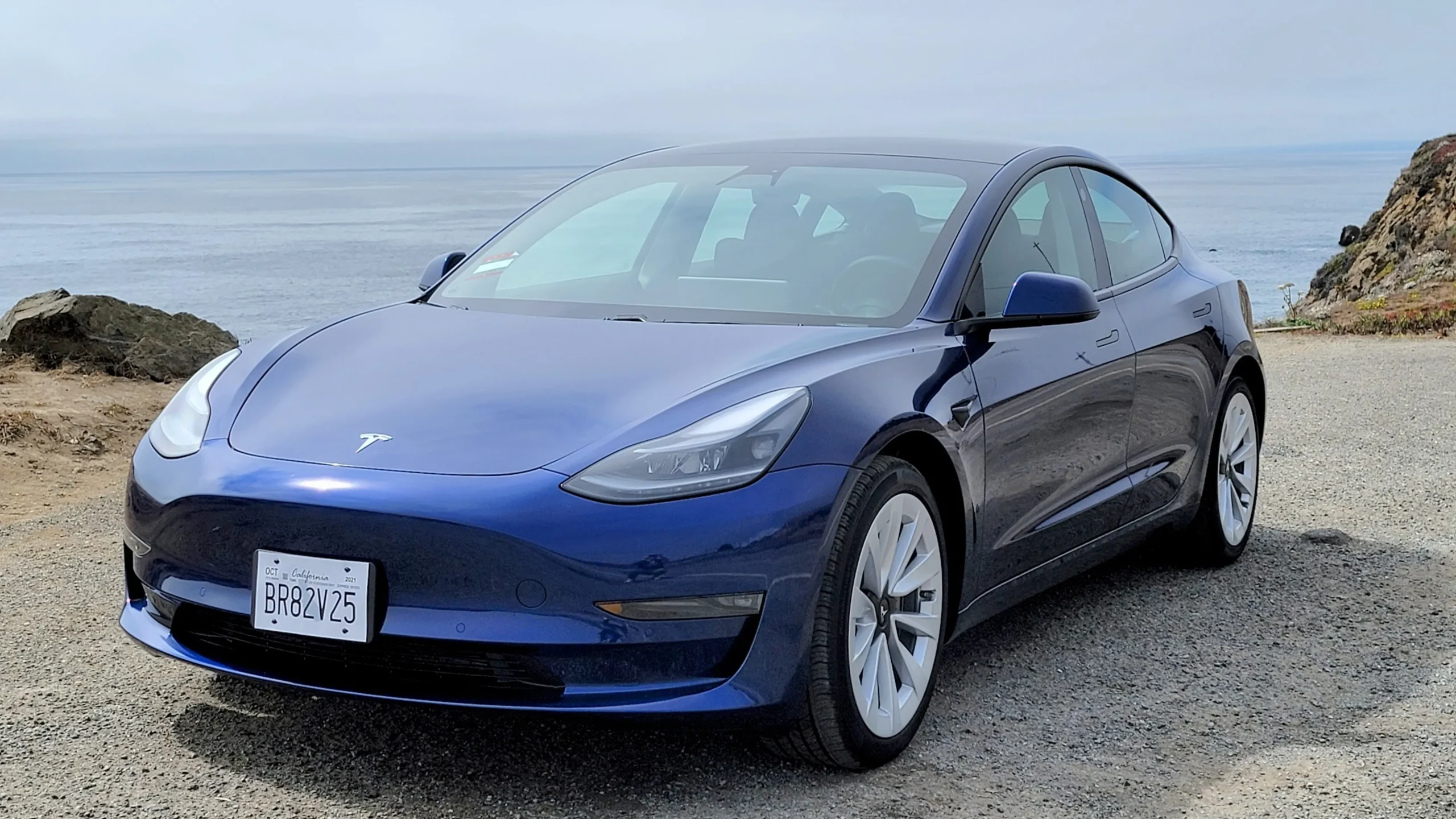
2. Tesla Model 3 Long Range (2021)
Years of Supercharger network experience taught Tesla exactly how to manage batteries during fast charging. This Model 3 uses sophisticated thermal management with liquid cooling that maintains ideal battery temperatures.
When temperatures remain within optimal ranges, charging speeds don’t need to be throttled, even after hundreds of charging sessions.
Battery preconditioning technology warms or cools batteries before arriving at Superchargers. By preparing batteries for fast charging, Tesla ensures cells can accept maximum power without thermal stress.
This proactive approach prevents the temperature spikes that damage cells and force permanent charging speed reductions.
Cell chemistry developed through multiple iterations to handle fast charging better. Tesla’s partnership with Panasonic produced cells specifically optimized for Supercharger duty cycles.
These cells resist degradation from repeated fast charging, maintaining their acceptance rates through high mileage.
Software updates continue improving charging algorithms based on fleet data. Tesla analyzes millions of charging sessions to refine their algorithms, protecting batteries while maintaining speeds.
This continuous improvement prevents the charging speed degradation affecting vehicles whose algorithms never get updated.
Real-world experiences from high-mileage owners prove charging speed persistence. Model 3s with 100,000+ miles regularly post charging curves matching new vehicles.
This consistency validates Tesla’s battery management approach, proving their systems protect cells without sacrificing the fast charging that makes EVs practical.
Also Read: 5 Cars With Intuitive Physical Climate Controls vs 5 Buried in Screens
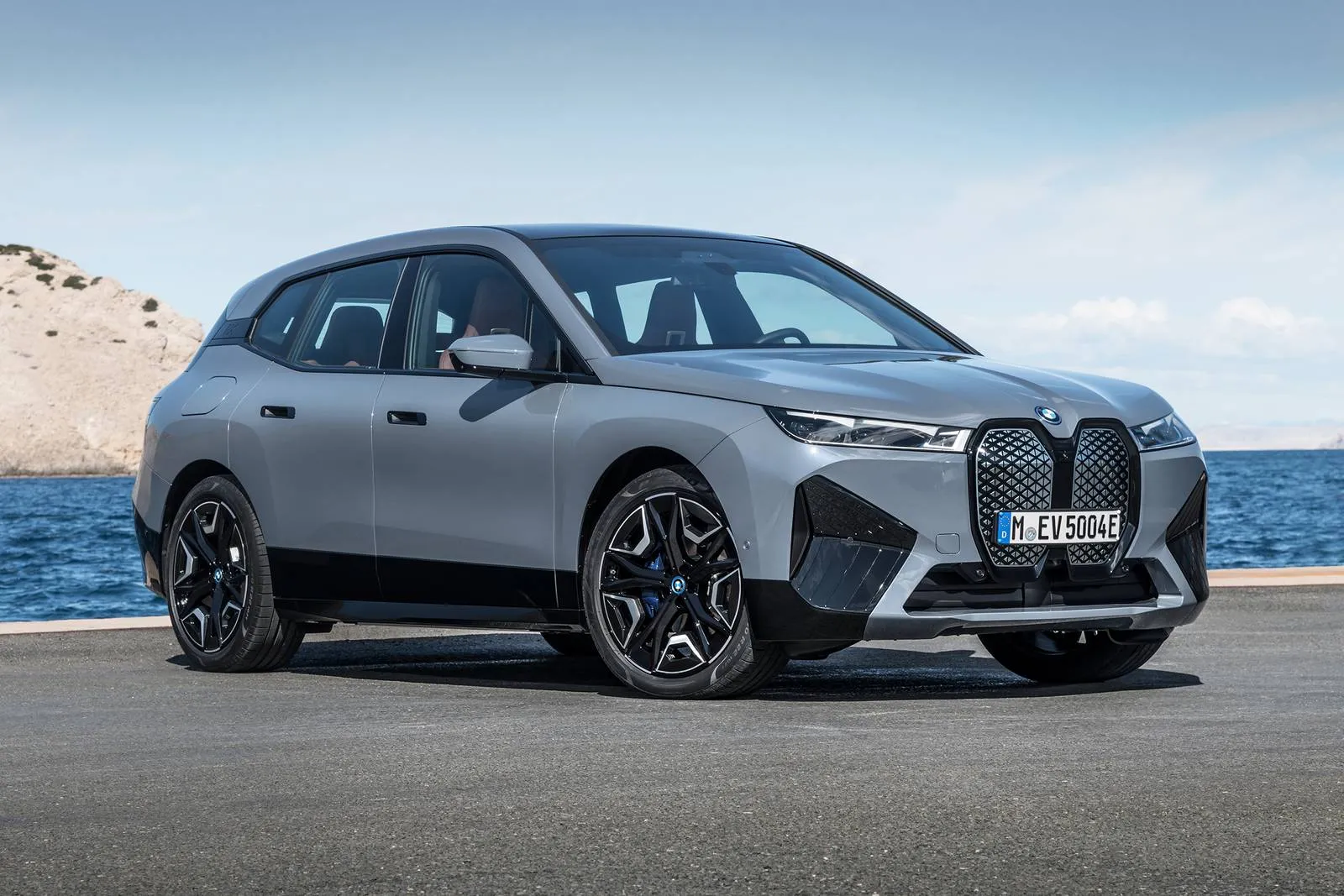
3. BMW iX xDrive50 (2023)
German engineering’s obsession with thermal management created an EV that maintains charging speeds indefinitely.
The liquid cooling system for the battery uses multiple zones with independent temperature control. This sophisticated cooling prevents hot spots that would damage cells and force charging speed reductions.
Battery pack design prioritizes cooling efficiency with channels positioned for maximum heat transfer.
BMW engineered cooling passages to touch every cell group, ensuring uniform temperatures throughout the pack. When all cells stay equally cool, none degrade faster, forcing system-wide charging throttling.
Conservative charging algorithms protect battery longevity without annoying customers. BMW programs its system to charge quickly when conditions allow, but automatically reduces speeds if temperatures climb.
This dynamic approach maintains long-term charging capability by preventing the abuse that permanently damages cells.
Cell selection used premium suppliers known for durability. BMW didn’t compromise on battery cell quality, choosing suppliers with proven track records. These quality cells handle fast charging stress better than cheaper alternatives, maintaining their properties through years of use.
Warranty coverage extending to eight years shows BMW’s confidence in battery durability. Manufacturers offering long warranties must engineer reliability into products since warranty claims hurt profitability.
This coverage suggests BMW expects batteries to maintain their fast-charging capabilities far beyond warranty periods.
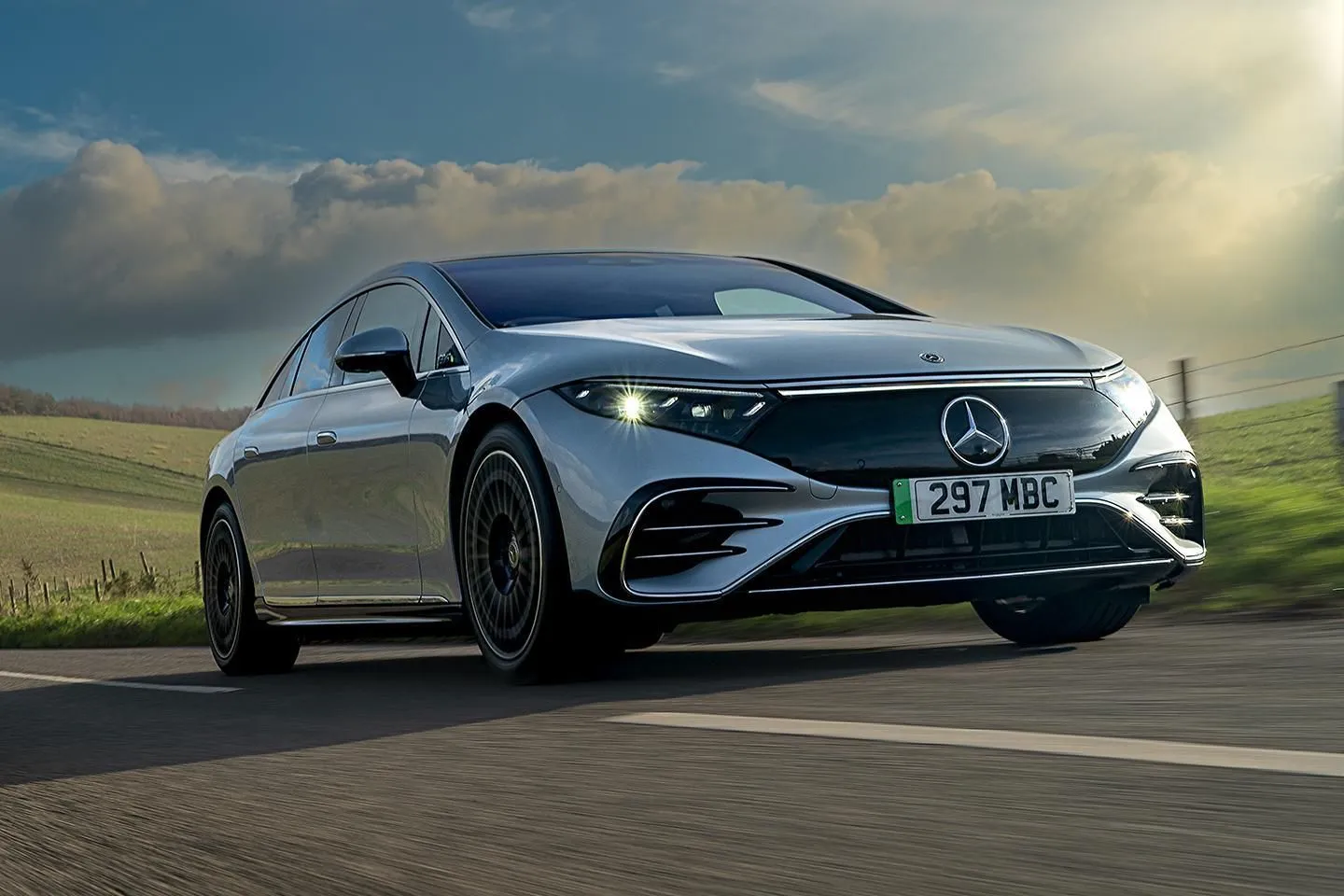
4. Mercedes-Benz EQS 450+ (2022)
Luxury sedan engineering demanded charging convenience that doesn’t degrade. That EQS uses advanced thermal management with liquid cooling and heat pumps.
This sophisticated system maintains ideal battery temperatures during charging regardless of ambient conditions, preventing the thermal stress that forces charging speed reductions.
Battery chemistry selection prioritized cycle life and fast-charging durability. Mercedes chose cells that handle repeated fast charging without capacity loss or internal resistance increase. When cells maintain low resistance, they can accept high charging rates indefinitely without overheating.
Charging curve optimization balances speed with cell protection. Mercedes programmed charging algorithms after extensive testing revealed exactly how much current cells can handle safely.
This data-driven approach delivers maximum charging speeds that cells can sustain throughout their service lives.
Active cooling during and after charging prevents heat soak. Some EVs stop cooling once charging ends, allowing batteries to heat soak.
Mercedes continues cooling post-charging, dissipating heat before it can damage cells. This attention to thermal management detail protects long-term fast-charging capability.
Customer satisfaction scores reflect charging performance that meets luxury expectations. EQS owners expect their expensive vehicles to maintain all capabilities indefinitely.
When charging speeds stay consistent, it validates Mercedes’ engineering investment in proper thermal management and battery protection.
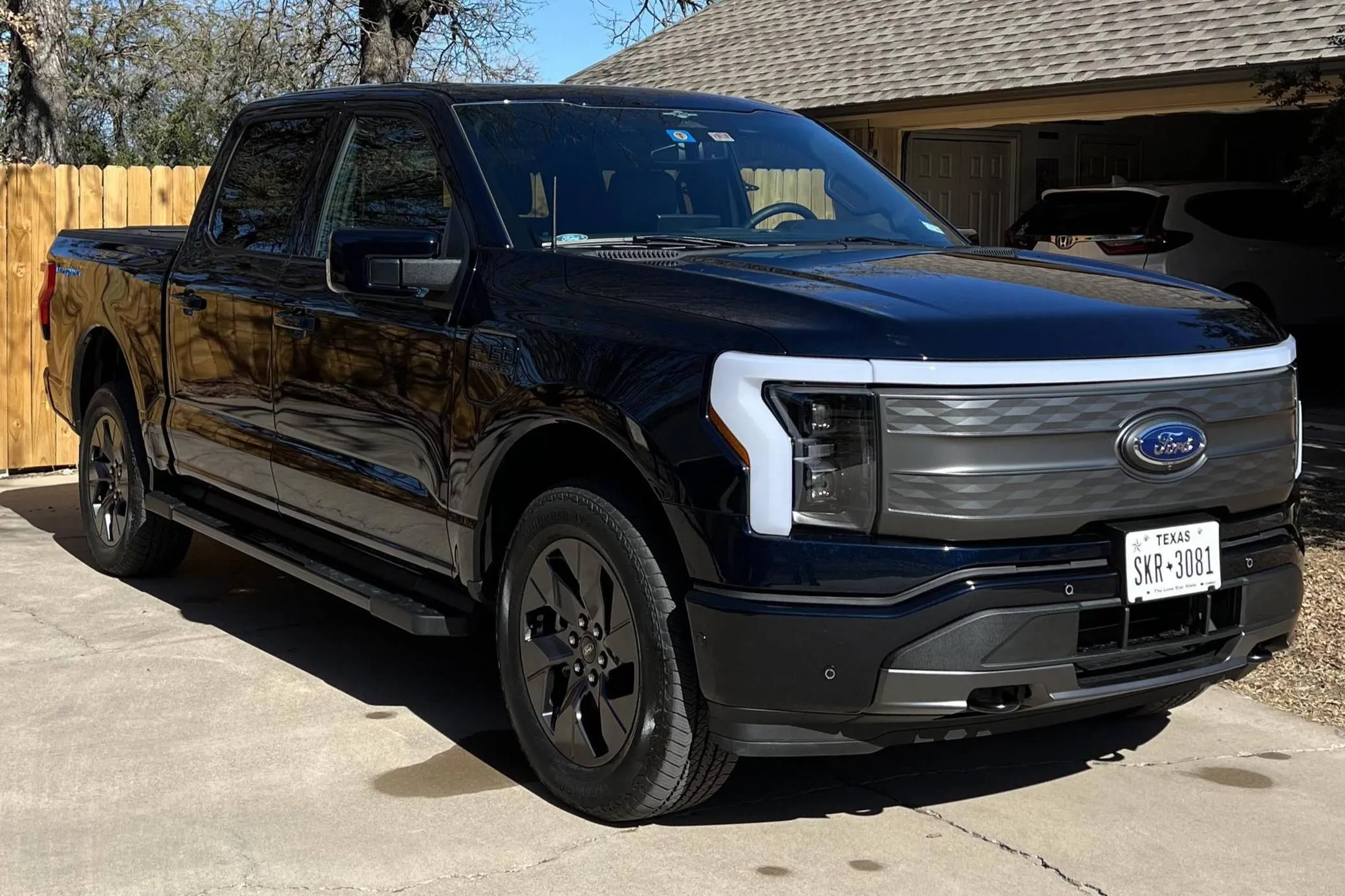
5. Ford F-150 Lightning Lariat Extended Range (2023)
Truck buyers demand capability that doesn’t fade, and Ford engineered charging systems accordingly. That Lightning uses a liquid-cooled battery pack with substantial cooling capacity.
Truck-duty thermal management handles the heat generated during fast charging, keeping cells cool enough to maintain charging speeds through high mileage.
Battery pack construction uses prismatic cells with excellent thermal properties. These large-format cells dissipate heat better than smaller cylindrical cells, making thermal management easier. When cells naturally run cooler, charging systems don’t need to throttle speeds to protect them.
Ford’s experience with Mustang Mach-E informed Lightning battery management. Lessons learned from earlier EV deployments prevented repeating mistakes.
This institutional knowledge helped Ford design systems that maintain fast-charging speeds rather than requiring throttling as batteries age.
Charging algorithm conservatism protects long-term capability. Ford chose to slightly reduce initial charging speeds in exchange for maintaining those speeds indefinitely. This trade-off benefits owners more than aggressive initial speeds that degrade quickly.
Fleet testing data from commercial Lightning users validates charging durability. Work trucks charging daily show maintained charging speeds through intensive use. When vehicles survive commercial duty without charging degradation, it proves robust engineering.
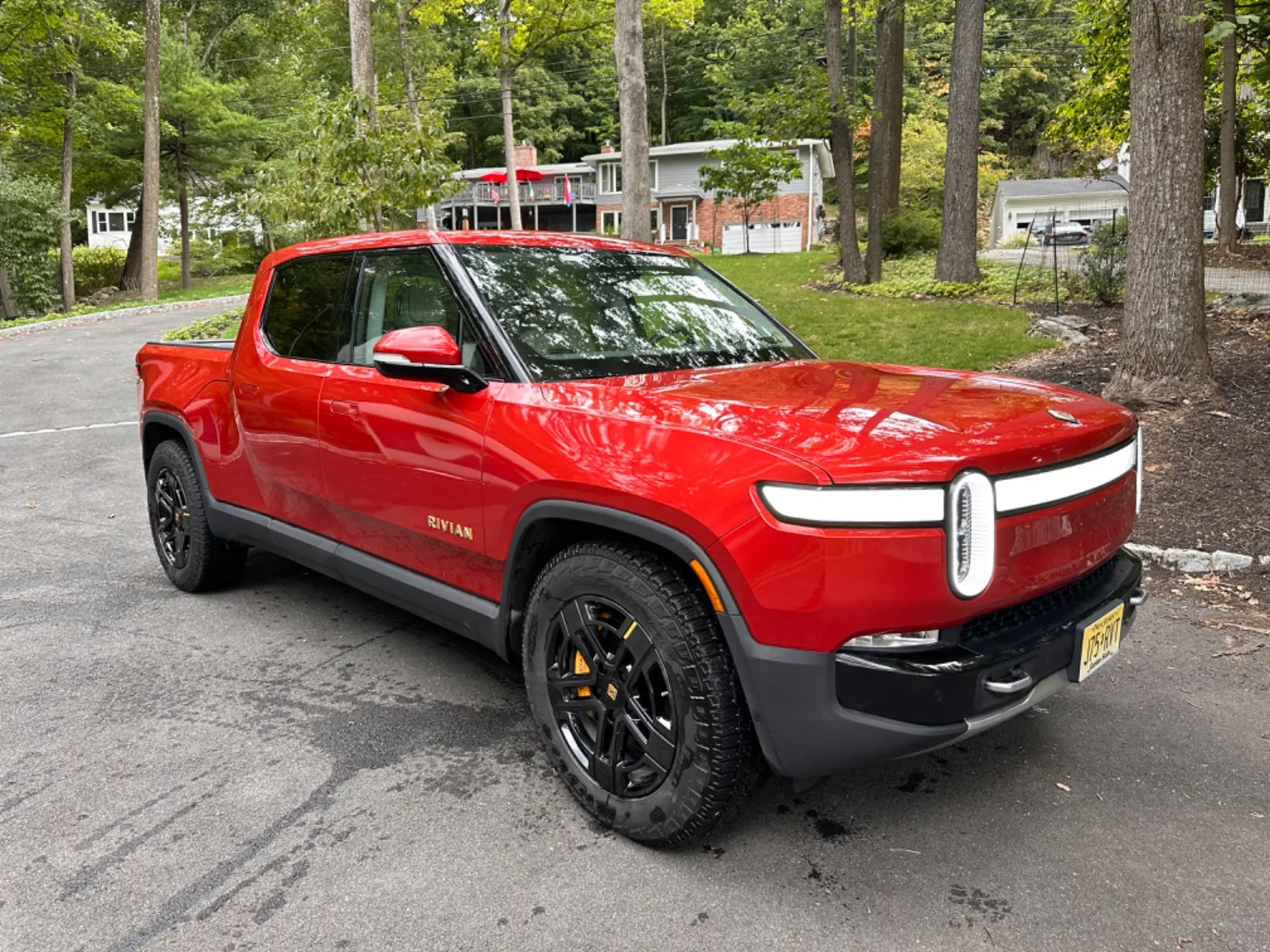
6. Rivian R1T Adventure (2022)
Adventure-focused positioning demanded capabilities that endure. Rivian engineered exceptional thermal management using liquid cooling with dedicated chillers.
This sophisticated system keeps batteries cool during fast charging even in extreme ambient temperatures, preventing the thermal damage that forces charging speed reductions.
Battery pack design with individual module cooling ensures temperature uniformity. Rather than cooling the entire pack as a single unit, Rivian cools each module independently. This prevents hot spots where cells degrade faster, maintaining consistent charging capability across the entire pack.
Cell chemistry uses cylindrical cells from premium suppliers. Rivian selected cells proven in demanding applications, ensuring they handle fast charging stress. Quality cells cost more but deliver the durability Rivian owners expect from adventure vehicles.
Software development prioritized battery longevity from the start. Rivian programmed charging algorithms conservatively, accepting slightly longer charging times to protect cells. This long-term thinking prevents the degradation that requires increasingly aggressive throttling as batteries age.
Early ownership experiences show maintained charging speeds. Rivian owners with 40,000+ miles report charging performance matching new vehicles. This consistency through intensive use validates Rivian’s engineering approach, proving adventure capability doesn’t fade with mileage.
Early Throttlers: Speed That Fades
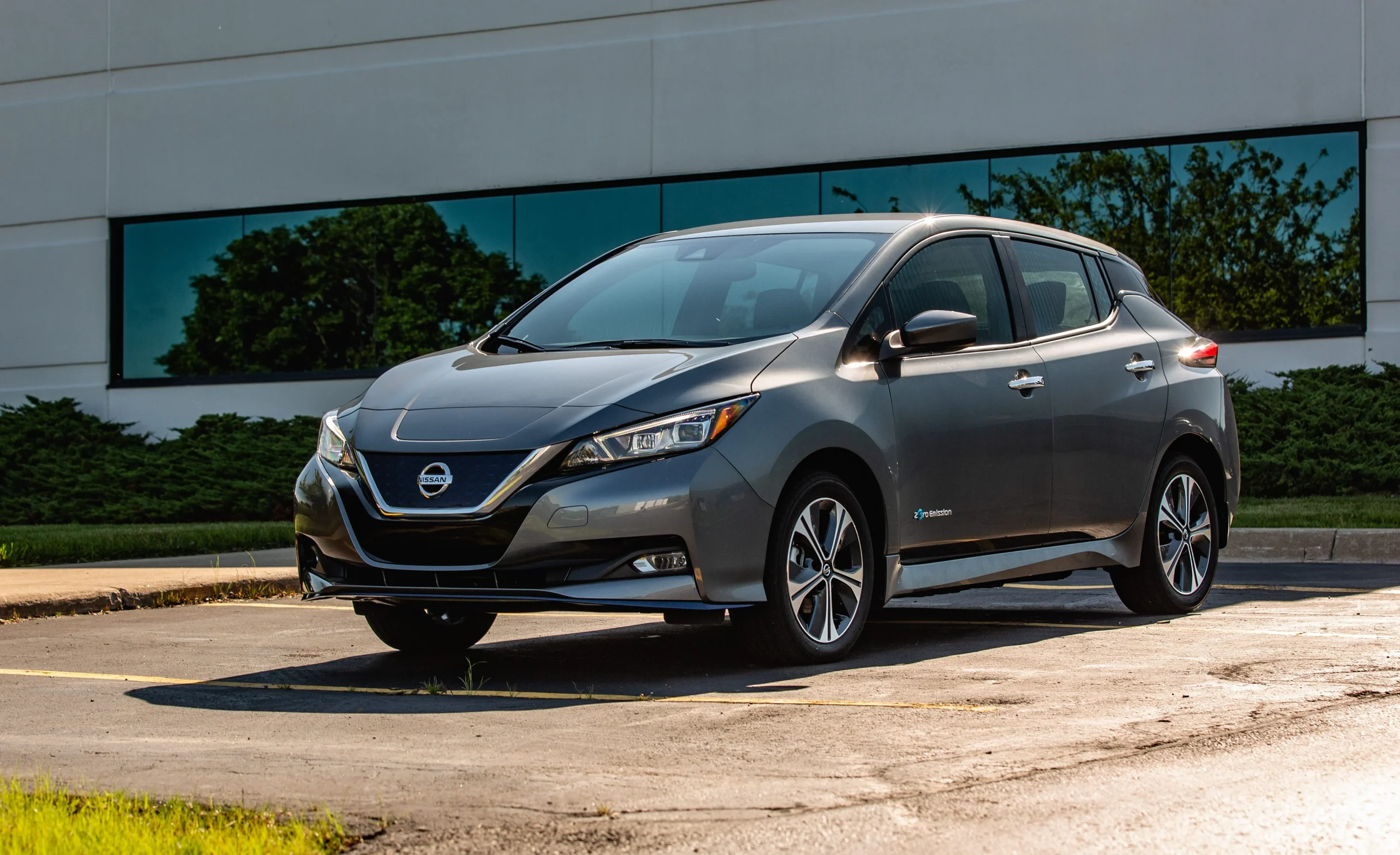
1. Nissan Leaf Plus SV (2019)
Air-cooled battery design fundamentally limits fast-charging durability. Without active thermal management, batteries heat during charging with no way to dissipate that heat quickly.
Repeated thermal stress from fast charging degrades cells, forcing the battery management system to reduce charging speeds permanently to prevent further damage.
CHAdeMO charging standard limits speeds compared to CCS alternatives. Lower maximum charging rates might seem like they’d reduce stress, but the Leaf’s inadequate cooling means even moderate charging generates damaging heat. By 50,000 miles, many Leaf Plus owners report charging speeds reduced 30% or more from new.
Battery chemistry uses older technology, not optimized for repeated fast charging. Nissan’s conservative cell selection prioritizes cost and availability over fast-charging durability.
These cells degrade noticeably from repeated DC fast charging, experiencing internal resistance increases that force charging speed reductions.
Heat soak during charging creates cumulative damage. Each fast-charging session heats batteries without adequate cooling time between sessions.
This accumulated thermal stress progressively damages cells, triggering increasingly aggressive charging throttling as the battery management system tries to protect degraded cells.
Owner complaints about charging speed degradation are widespread. Leaf forums overflow with frustrated owners discovering their vehicles charge more slowly than when new.
This consistent pattern proves systematic problems rather than isolated defects, validating concerns about air-cooled battery limitations.
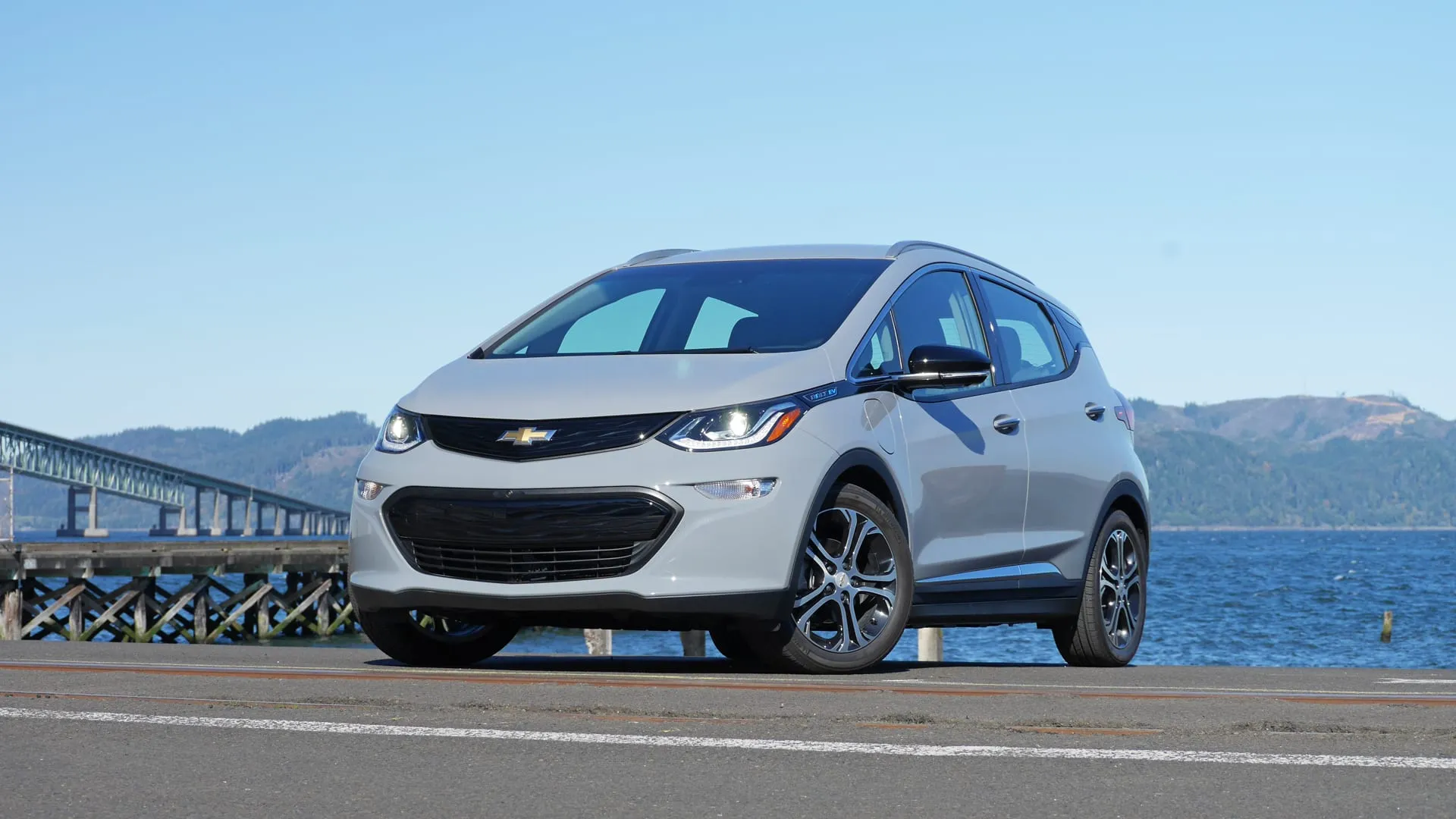
2. Chevrolet Bolt EV LT (2020)
Budget EV engineering compromised thermal management with minimal active cooling. That Bolt uses liquid cooling but with inadequate capacity for sustained fast charging.
During highway road trips requiring multiple charging stops, batteries overheat, forcing speed reductions even when new. As batteries age, this throttling starts earlier and becomes more severe.
Battery chemistry uses cells optimized for cost rather than fast-charging durability. GM selected affordable cells to hit target pricing, accepting compromised charging performance.
These cells experience accelerated degradation from fast charging, developing internal resistance that forces permanent charging speed reductions.
The charging curve starts aggressively but tapers early. Initial charging speeds look impressive, but the Bolt quickly reduces rates as batteries heat. By 50,000 miles, this taper becomes more pronounced, with charging speeds dropping compared to new vehicles.
Lack of battery preconditioning prevents optimal charging preparation. Unlike sophisticated systems that prepare batteries before arriving at chargers, the Bolt starts charging cold. This creates thermal stress as cells heat rapidly, damaging them progressively with each fast-charging session.
The resale market reflects charging performance concerns. Used Bolt values drop faster than competitors’, partly because buyers worry about charging speed degradation. When market prices account for anticipated problems, it proves that issues are real and widespread.
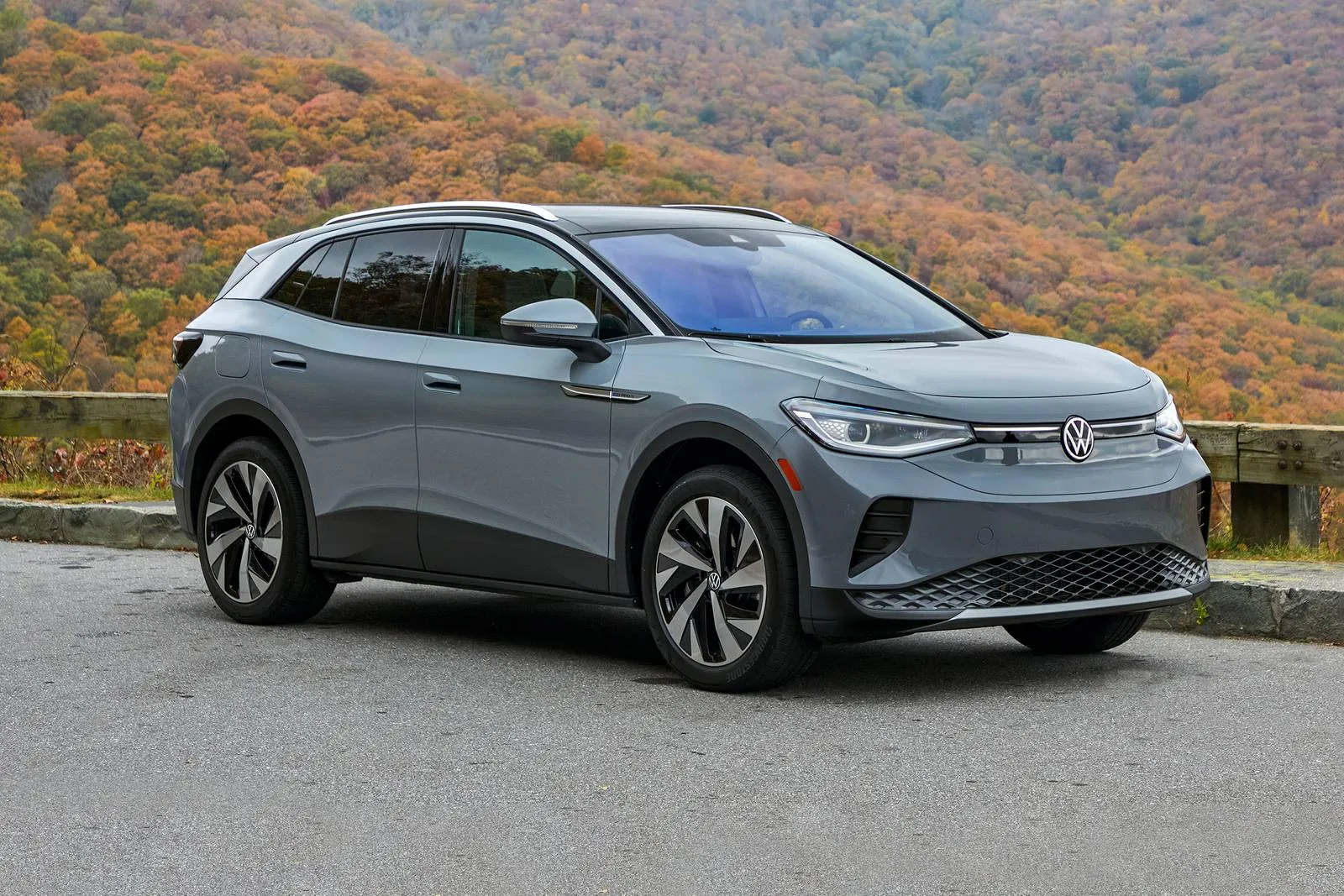
3. Volkswagen ID.4 Pro S AWD (2021)
Shared platform constraints limited battery thermal management optimization. VW’s MEB platform serves multiple vehicles, preventing model-specific thermal management tuning.
This one-size-fits-all approach means thermal management adequate for some vehicles proves marginal for others.
The battery cooling system struggles during sustained highway charging. A single fast-charging session might complete satisfactorily, but consecutive charges reveal cooling inadequacy.
By 50,000 miles, thermal management degradation becomes obvious as charging speeds drop noticeably.
Cell chemistry from LG Energy Solution prioritizes density over fast-charging durability. High energy density allows longer range, but these cells tolerate repeated fast charging less well than alternatives.
Internal resistance increases with cycling, forcing charging speed reductions to prevent overheating. Software updates attempted to address charging speed concerns but couldn’t overcome hardware limitations.
VW released multiple updates trying to improve charging, proving they recognize problems. But software can’t fix inadequate cooling hardware, leaving customers with vehicles that charge progressively slower.
Owner satisfaction suffers as charging convenience deteriorates. ID.4 buyers expecting maintained fast charging discover their vehicles requiring longer charging stops. This disappointment damages VW’s EV reputation and drives customers toward competitors with better thermal management.
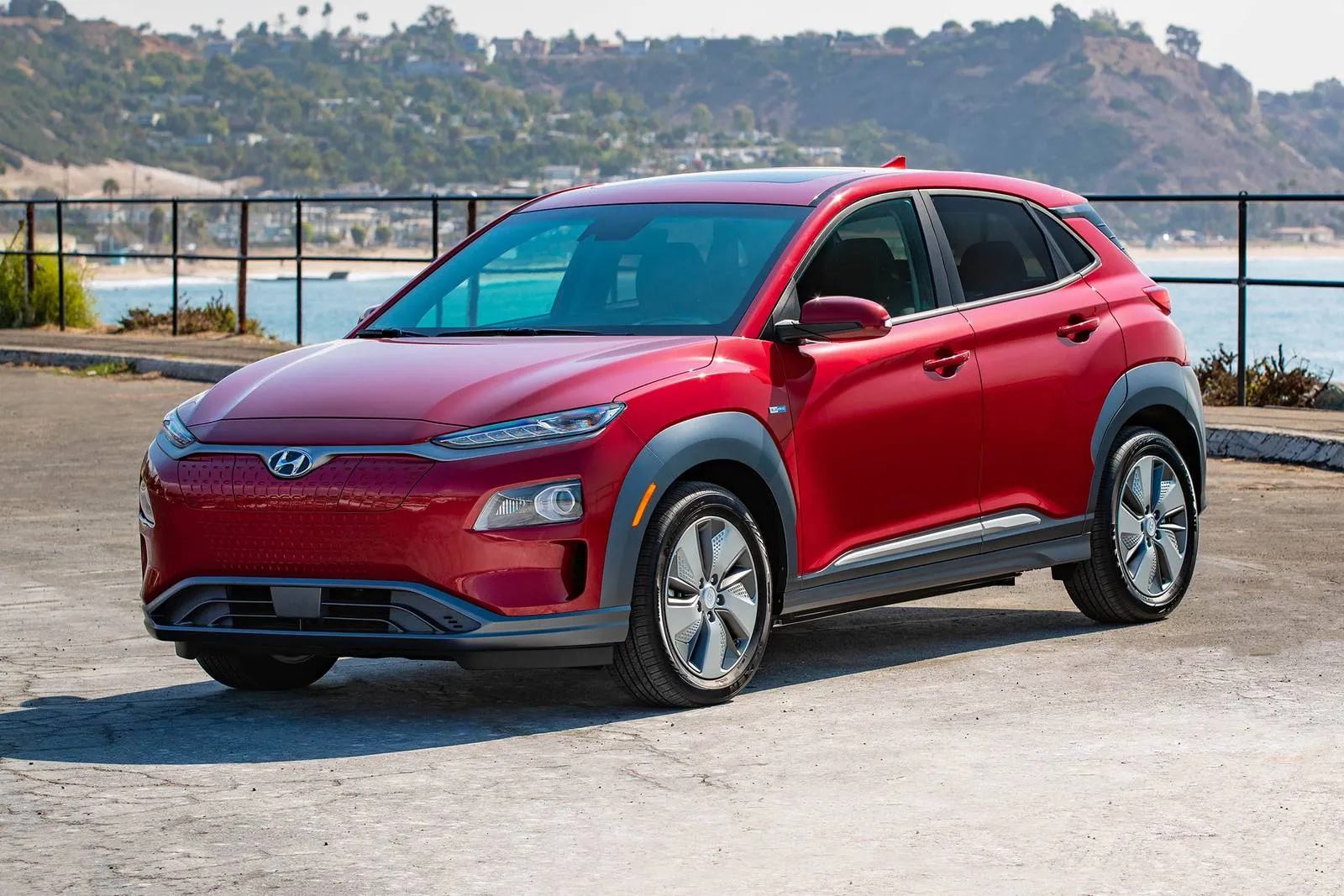
4. Hyundai Kona Electric Limited (2019)
Hyundai’s earlier electric models gained early attention for dependability, yet the charging behaviour of the 2019 Kona Electric Limited slowly revealed long-term weaknesses.
The design philosophy used by Hyundai engineers leaned heavily toward protecting the battery pack, which seemed sensible at first glance.
However, the downside of that strategy becomes obvious after thousands of miles. As the vehicle accumulates use, its charging rate begins to reduce to levels that frustrate drivers, especially during trips where time efficiency matters.
Many owners report that even before reaching 50,000 miles, the Kona begins to struggle during repeated fast-charging sessions.
The cooling system is liquid-based, but the radiator and pump capacity are small compared to modern electric vehicles. When the battery heats up during fast charging, the cooling system cannot remove heat quickly enough.
Once the temperature rises beyond safe limits, the management system immediately restricts charging current. This results in long waits at charging stations, an inconvenience many drivers never anticipated.
Battery cells supplied by SK Innovation contribute to the challenge. The chemistry focuses on energy density, but this makes the cells more vulnerable during high-power charging. When subjected to repeated fast charging, the internal resistance rises.
As resistance grows, heat production increases, forcing the car’s management system to slow down the charging rate to avoid damage. After a long period of time, this cycle becomes more obvious, and charging performance becomes inconsistent, especially in hot climates.
The Kona’s charging curve is programmed to drop power early instead of sustaining peak charging for extended periods.
While some electric vehicles maintain their fastest charging speeds until mid-battery levels, the Kona begins reducing speeds as soon as heat builds up. As the battery ages, this drop happens even earlier, meaning what used to be a brief stop becomes a lengthy wait.
Market perception shifted rapidly as more owners shared their experience. Used models now sell for noticeably lower prices than comparable electric vehicles.
Buyers hesitate because they fear being stuck with slow charging performance. This has created a situation where the vehicle’s reputation impacts resale, even for owners who took good care of their cars.
5. Audi e-tron Premium Plus (2020)
Audi introduced the e-tron Premium Plus as a luxury option, designed to provide smooth performance and refined comfort. However, beneath the appealing interior and polished driving experience lies a charging behaviour that disappointed many drivers.
The car uses liquid cooling, but the cooling loop and radiator surface area are insufficient for demanding fast-charging conditions. During prolonged charging sessions, especially during highway travel, heat builds up quickly and reduces the charging rate much earlier than expected.
The cells selected by Audi emphasise driving range rather than fast-charging durability. These cells can store a good amount of energy but tend to warm up quickly during high-power charging.
Once they heat up, the management system reduces the charging current to protect them. This balance prioritises battery stability but results in unpredictable and slower charging performance after repeated use.
Another source of frustration for drivers is the software approach. Audi programmed the system to protect the battery aggressively.
Charging speeds drop sharply whenever temperature increases are detected. While this protects the battery warranty, customers find it inconvenient and time-consuming. Many felt the charging performance did not match the premium price tag they paid.
Adding to customer concerns, Audi released software updates that further reduced charging speeds.
These updates modified charging behaviour at different state-of-charge levels, slowing the process even more. Drivers who purchased the car based on advertised charging capabilities felt blindsided when real-world performance worsened after updates they could not avoid.
Customer dissatisfaction eventually led to legal complaints accusing Audi of presenting misleading information. Whether such legal actions succeed is yet to be seen, but the fact that they were filed paints a picture of growing frustration among owners.
This situation has also had a negative effect on resale values, as prospective buyers hesitate to invest in a vehicle with widely discussed charging limitations.
Also Read: 5 Cars With Stellar Brakes vs 5 With Long Stopping Distances
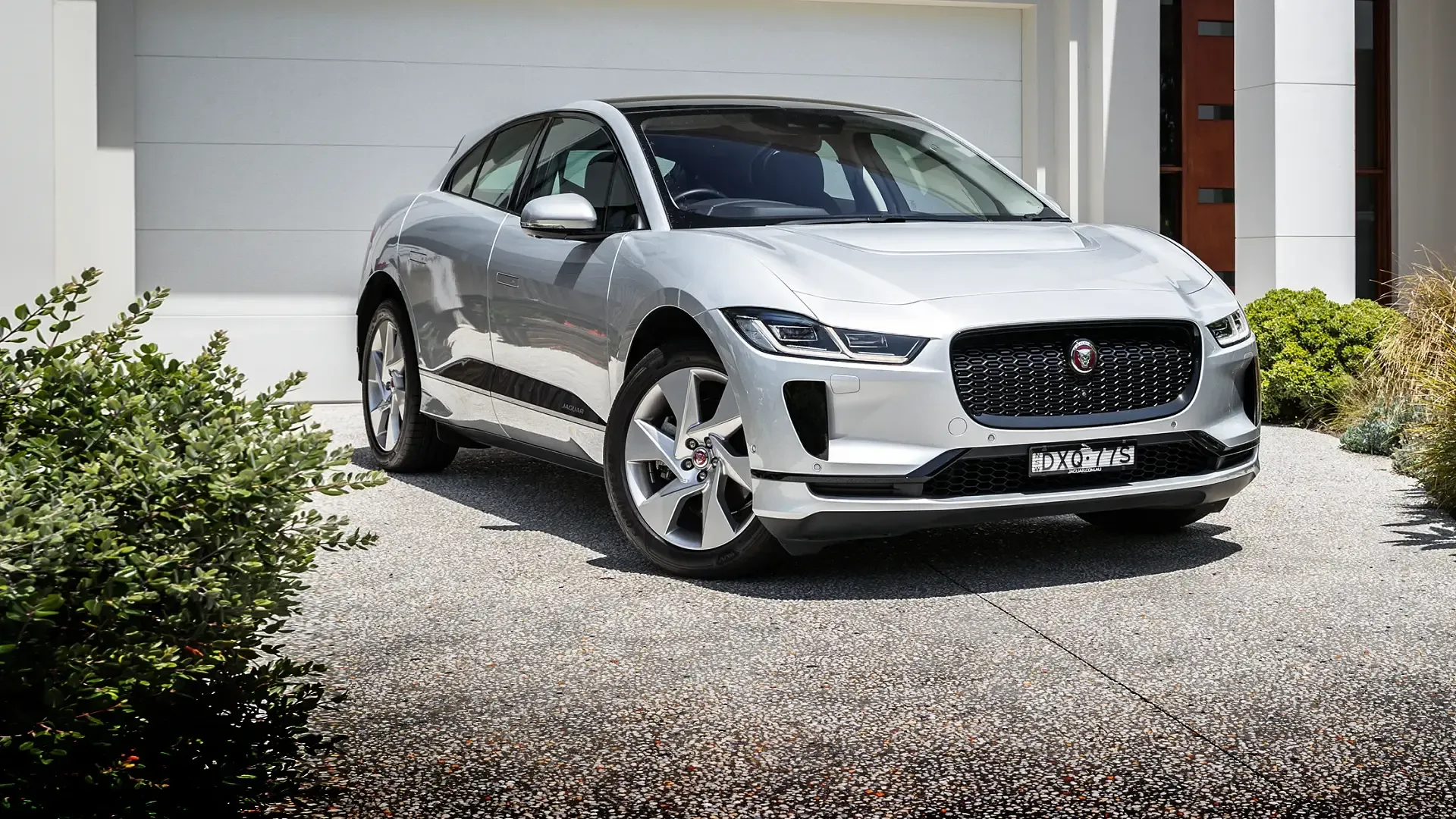
6. Jaguar I-PACE SE (2019)
The Jaguar I-PACE SE arrived with bold styling and premium branding, but the urgency to enter the electric market meant some engineering aspects needed more refinement. The cooling system is liquid-based, yet its capacity is insufficient for continuous fast charging.
During long-distance travel requiring multiple charging stops, the battery becomes progressively hotter. Once temperatures rise, the charging rate drops, and each subsequent session becomes slower than the previous one.
The battery uses cells from LG Chem, and while they perform well during everyday driving, they react poorly to frequent high-power charging. Many drivers reported that by the time they reached around 50,000 miles, charging performance had fallen drastically.
A drop of 40% or more compared to the early life of the vehicle is not uncommon. This decline affects travel planning, as routes requiring fast charging take considerably more time.
The charging behaviour follows a steep taper. Initial charging speeds look impressive, but the system quickly reduces power as heat builds up.
This conservative approach becomes increasingly restrictive as the battery ages. Drivers who travel long distances notice that each stop takes longer than expected, especially in warm climates or during road trips that involve several charging sessions.
Jaguar attempted to address customer concerns with software updates. While these updates improved efficiency slightly, they could not overcome the physical limitations of the cooling system.
Customers appreciated the effort but remained dissatisfied with real-world performance, especially those accustomed to faster-charging competing models.
Another concern relates to resale value. Luxury cars typically retain value better than mid-range vehicles, but the I-PACE has seen rapid depreciation. Charging performance complaints contributed heavily to this drop.
Buyers hesitate to purchase a used unit because of concerns about slow charging and expensive maintenance. When a premium vehicle loses value faster than expected, it suggests deeper issues affecting buyer confidence.
