
Winter driving demands confidence, control, and reliable traction, which makes all-wheel-drive (AWD) systems a key factor for safety and performance. However, not all AWD badges guarantee true capability in snow and ice. Some vehicles excel at gripping slippery surfaces while others struggle despite being marketed as AWD.
This guide contrasts five vehicles with snow-friendly AWD systems such as the Subaru Crosstrek, Honda CR-V, Ford Maverick, Hyundai Ioniq 5, and Chrysler Pacifica. These vehicles combine intelligent traction management, ground clearance, and driver-assist technologies to inspire confidence in winter conditions.
Each demonstrates how thoughtful engineering paired with practical features like winter-ready tires and a stable chassis can make snowy roads less intimidating.
On the other hand, five other vehicles including the Lexus SC400, Chevrolet Tracker, TVR Sagaris, Shelby Cobra, and Chevrolet Camaro are labeled AWD or performance-oriented but fail in snow.
From rear-wheel-drive designs to inadequate tires and missing traction aids, these cars highlight the risks of relying solely on marketing claims. Understanding the differences between true snow-capable AWD systems and those that underperform helps drivers make safer and smarter choices when the roads are icy.
5 Snow-Friendly AWD Systems
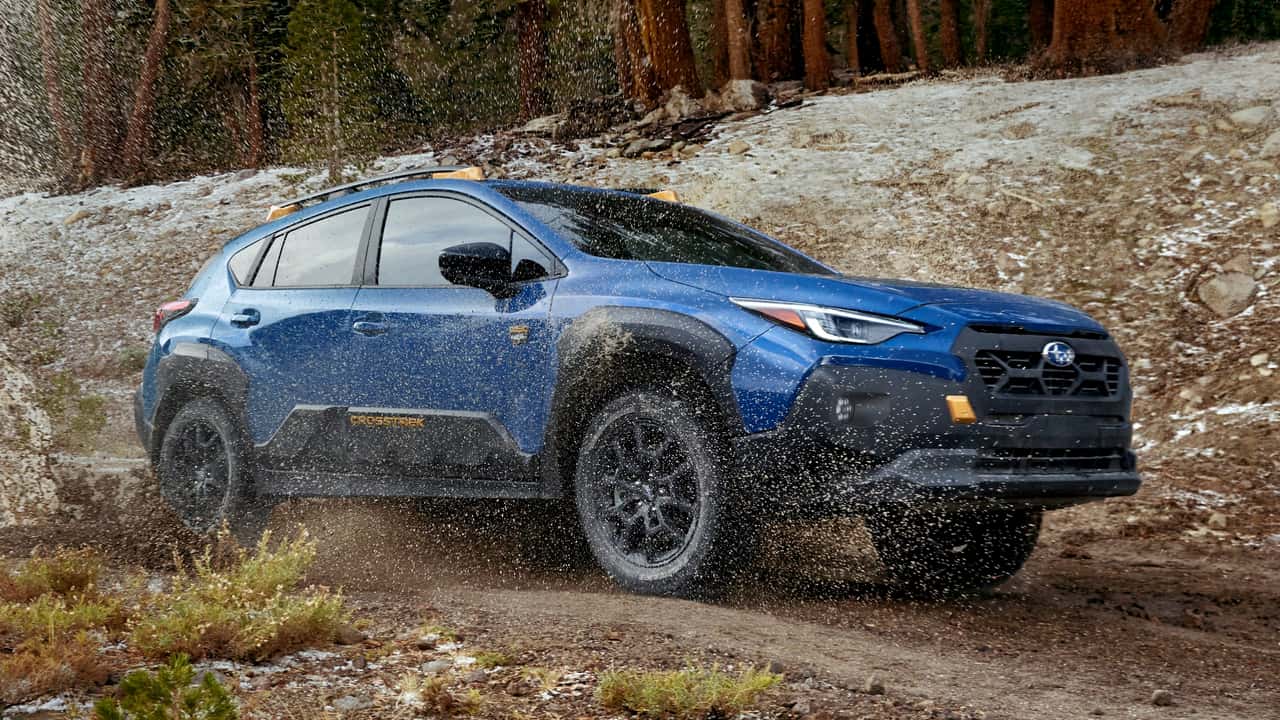
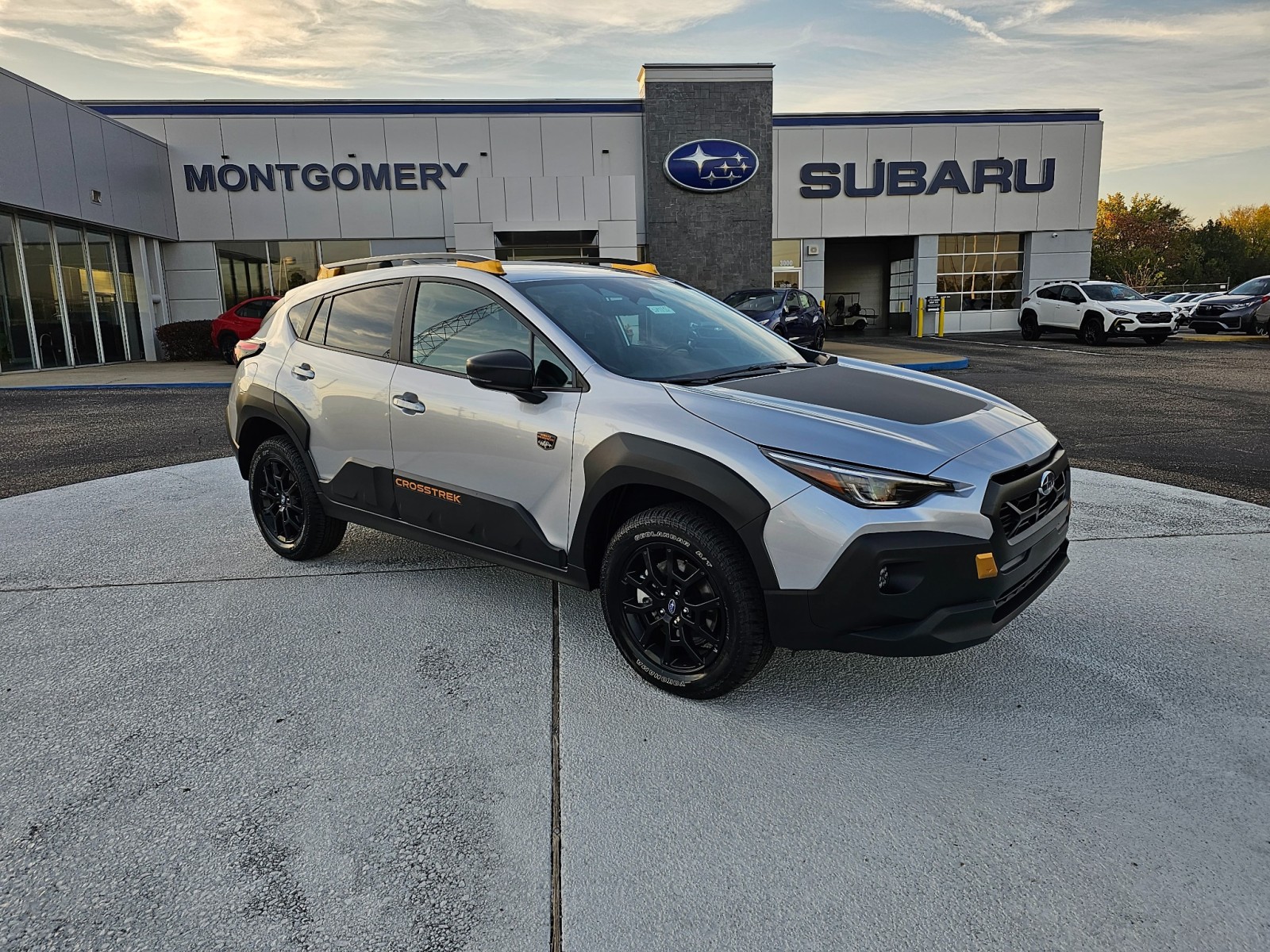
1. 2025 Subaru Crosstrek: A Balanced Blend of Comfort, Capability, and Practicality
The 2025 Subaru Crosstrek, following its major redesign last year, remains one of the most capable and dependable options in the subcompact SUV class, earning an 8.9/10 score. Positioned among the top five vehicles in its category, the Crosstrek offers a roomy cabin, a smooth and stable ride, and Subaru’s signature all-wheel-drive system.
While the base engine feels slightly underpowered compared to some rivals and the infotainment graphics appear dated, this SUV continues to attract buyers who value durability, comfort, and all-terrain confidence more than flashy performance or cutting-edge design.
The Crosstrek performs well in daily driving, though its base 2.0-liter engine feels slow, taking 9.9 seconds to reach 60 mph. The available 2.5-liter four-cylinder engine, producing 182 horsepower, significantly improves acceleration and makes the vehicle feel livelier.
Steering is light and easy to manage but lacks precise feedback, and there is some body roll during tight turns or quick stops. Despite that, the Crosstrek delivers a steady and composed ride on both city streets and highways.
Its all-wheel-drive system offers excellent grip on slippery surfaces, boosting confidence in rain, snow, or dirt trails. The only drawback is the driver-assistance system, which can feel overly sensitive with frequent warnings and alerts.
Inside, the Crosstrek emphasizes simplicity and practicality. The layout is clean, with large, clearly marked buttons and controls that are easy to reach and operate without distraction. The steering wheel buttons feel solid and user-friendly, allowing quick access to essential functions.
Although the infotainment menus could use a modern update, their design is straightforward. The cabin feels larger than one might expect from a subcompact SUV, thanks to its tall roofline and spacious seating area.
The raised seating position provides excellent visibility, and the wide doors make entering and exiting the vehicle easy. This thoughtful design makes the Crosstrek pleasant for both daily commutes and long trips.
Technology remains an area where Subaru lags behind some competitors. Most trims include an 11.6-inch vertical touchscreen, which features large icons and simple menus but responds slowly to inputs and looks slightly outdated.
Many core vehicle settings must be adjusted through this system, which can be inconvenient at times. However, wireless Apple CarPlay and Android Auto come standard, providing more intuitive smartphone integration. The Crosstrek also includes a wireless charging pad and multiple USB-A and USB-C ports in both the front and rear rows, keeping devices powered and connected on the go.
When it comes to storage, the Crosstrek is serviceable but not exceptional. It provides 19.9 cubic feet of cargo space behind the rear seats, which trails behind competitors like the Chevrolet Trailblazer and Volkswagen Taos.
Smaller storage areas inside the cabin are limited as well. The door pockets are narrow, large bottles don’t fit easily in the cupholders, and the center console is on the small side. These limitations make the Crosstrek less practical for those who frequently travel with bulky gear or extra luggage.
From a value perspective, the Crosstrek remains a dependable choice, though some rivals now offer more advanced technology and higher-quality materials. Subaru’s warranty coverage is typical for the segment, with three years or 36,000 miles of basic coverage and five years or 60,000 miles for the powertrain.
Free maintenance is not included. In terms of efficiency, the Crosstrek performs admirably. The 2.0-liter engine achieves 29 mpg combined, while real-world testing yielded an even better 33.4 mpg. The 2.5-liter engine maintains nearly identical fuel economy, which is impressive for an SUV with all-wheel drive.
The 2025 Subaru Crosstrek is a top pick for those who enjoy outdoor adventures or simply want a dependable vehicle that handles rough weather with ease. It may not be thrilling on paved roads, but it shines on gravel trails, in snow, and off the beaten path perfectly reflecting Subaru’s rugged and practical identity.
Its simplicity, reliability, and versatility make it a favorite among drivers who value utility and durability over luxury. The Crosstrek remains a trusted companion for drivers who live for exploration and value a vehicle that’s ready for any journey.
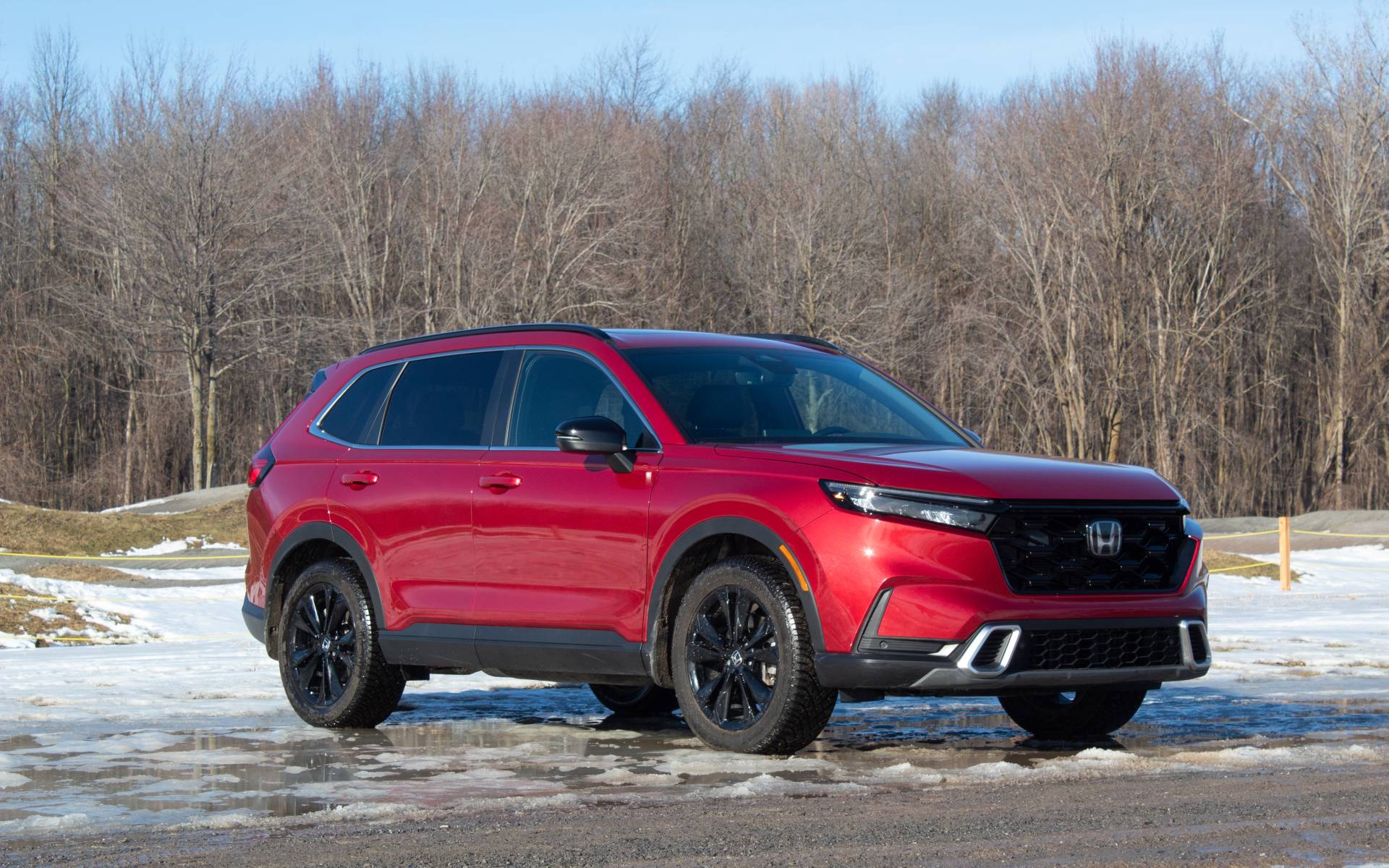
2. 2025 Honda CR-V: A Refined and Reliable Compact SUV with Everyday Versatility
With an 8.9/10 score, the 2025 Honda CR-V continues to stand out as one of the most capable and well-rounded compact SUVs on the market. Ranked third in its class, the CR-V impresses with its roomy cabin, smooth driving dynamics, and excellent fuel economy.
It comes standard with front-wheel drive, while all-wheel drive can be added for an extra $1,500. Power comes from a single 1.5-liter turbocharged four-cylinder engine that delivers solid performance for everyday driving.
Standard equipment includes a 7-inch touchscreen, Android Auto and Apple CarPlay compatibility, a 7-inch digital gauge cluster, and a four-speaker audio system, making the CR-V both practical and modern in its approach.
The Honda CR-V focuses on balance, comfort, and confidence behind the wheel. The hybrid Sport Touring model accelerates from 0 to 60 mph in about eight seconds, which is typical for its segment. The 1.5-liter turbo-four feels responsive and smooth in city and highway conditions.
Braking performance is strong and easy to modulate, while the hybrid’s transitions between gas and electric power are seamless. The CR-V’s steering is direct and provides good road feedback, helping the vehicle feel composed and steady around corners.
Ride comfort is one of its best attributes, with the suspension absorbing bumps and rough patches easily. Front visibility is excellent due to large windows, though the view out back is more limited. Parking cameras and driver-assist systems help, but several rivals offer a wider range of active safety technologies.
Inside, the Honda CR-V emphasizes comfort, spaciousness, and practicality. The interior layout is clean and functional, with large windows that make the cabin feel open and airy.
The front seats provide excellent support and adjustment options, while the rear seats offer impressive legroom and comfort that surpass many competitors. Wide door openings and well-positioned seats make entry and exit effortless.
Controls are placed logically, and physical knobs for the climate system are easy to use without taking attention away from the road. The cabin materials feel solid and well-assembled, and while some hard plastics are present, they are balanced by soft-touch surfaces and thoughtful design details.
The CR-V’s technology package is practical and easy to use. The base model features a 7-inch touchscreen, while higher trims upgrade to a 9-inch display. Both systems feature clear menus and quick responses.
Wireless Apple CarPlay and Android Auto are included with the larger screen, making smartphone integration simple. The built-in navigation system in higher trims has basic graphics but provides accurate directions and easy-to-follow guidance.
Multiple USB ports are available throughout the cabin, though the base model offers fewer. While the CR-V’s tech setup may not be the most advanced in the class, it works reliably and suits daily use perfectly.
Storage and practicality are among the CR-V’s strongest qualities. It offers one of the largest cargo areas in its class, with plenty of width and height to handle bulky items. Hybrid models lose a bit of cargo space and a spare tire due to the battery placement, but capacity remains impressive for a small SUV.
The cabin includes several well-designed storage areas, such as a large center console bin, deep cupholders, and useful door pockets. Although Honda slightly reduced the number of small compartments compared to earlier versions, the CR-V remains one of the most versatile options for families and travelers.
The Honda CR-V delivers excellent build quality and long-term dependability. It rides smoothly and feels refined, with very few vibrations or noises entering the cabin. Some hard plastics are visible, but Honda uses soft materials in key areas to maintain a high-quality feel.
The price is a bit higher than that of some competitors, but the strong construction and quiet ride justify the cost. Warranty coverage is typical for the segment, and free maintenance is not included. Fuel economy is a major highlight.
The non-hybrid model achieves up to 30 mpg combined, while the hybrid version reaches up to 40 mpg or 37 mpg with all-wheel drive. During real-world testing, it averaged 33 mpg, which remains competitive and efficient.
The 2025 Honda CR-V is designed for drivers who value refinement and practicality over flashiness. Its understated exterior styling gives it a clean and mature appearance that blends well in any environment. Behind the wheel, it feels steady and confident, offering a pleasant balance between comfort and control.
While it may not deliver excitement, it provides consistency, reliability, and versatility. The CR-V continues to represent what many buyers look for in a compact SUV: a dependable, comfortable, and efficient vehicle that performs every task with quiet confidence.
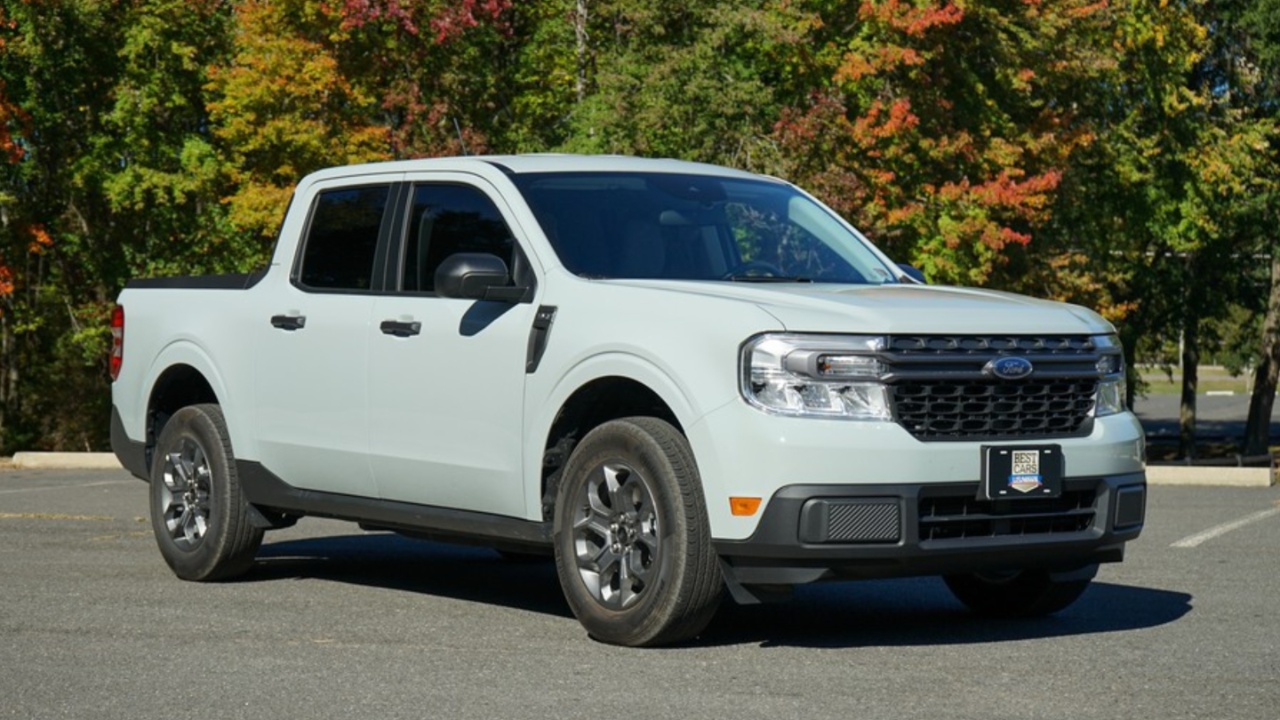
3. 2024 Ford Maverick: The Compact Truck That Redefines Everyday Utility
Earning a strong 9.0/10 score, the 2024 Ford Maverick continues to dominate the compact pickup truck segment. Since its debut in 2022, the Maverick has impressed drivers with its smart mix of capability, affordability, and efficiency.
It offers two powertrains: a 2.5-liter hybrid for maximum fuel savings and a turbocharged 2.0-liter engine for greater performance. Front-wheel drive comes standard, with all-wheel drive available on all trims and standard on the high-end Lariat model. The Maverick’s combination of utility, clever packaging, and low starting price makes it one of the most practical and versatile small trucks on the market.
The Maverick provides two distinct driving experiences depending on the chosen powertrain. The base hybrid engine emphasizes efficiency, reaching 60 mph in about 8.4 seconds, while the 2.0-liter turbo engine delivers a lively 6.4-second sprint.
The turbo model feels quick and confident, with smooth, decisive shifts from its automatic transmission and plenty of power for overtaking or climbing steep grades. The hybrid is slower but rewards drivers with outstanding fuel economy.
Handling is where the Maverick feels more like a traditional truck. Steering feedback is limited, and there is noticeable body roll through turns. The suspension is tuned on the firmer side, which can make the ride feel choppy over uneven roads.
With 8.3 inches of ground clearance and available all-wheel drive, the Maverick handles light off-road conditions well. The optional FX4 package further improves its ability to explore rugged terrain, giving it more versatility than most compact trucks.
Comfort in the Maverick leans toward the truck-like side of the spectrum. The ride can feel bumpy on rough roads, but the seats are supportive and well-padded for long drives. Hard plastic door panels detract from comfort, especially when bracing during turns.
The cabin remains quiet on the highway, though the engine can sound unrefined at idle or under heavy acceleration. A faint mechanical noise under the rear floor was noted during testing, particularly in the Lariat trim. Despite these small drawbacks, the Maverick provides a comfortable and functional space for daily driving and weekend tasks alike.
The Maverick’s cabin focuses on simplicity and usability. The dashboard is cleanly laid out, and all controls are easy to locate and operate. The boxy design creates excellent visibility through large, square windows, complemented by helpful integrated blind-spot mirrors.
Front seats offer decent headroom, though the driving position is upright and offers limited adjustability. Rear legroom is tight, and space under the front seats is minimal for storing feet. While the materials are basic, the design feels intentional, emphasizing practicality over luxury.
Technology inside the Maverick is functional rather than flashy. Every model comes with an 8-inch touchscreen featuring standard Apple CarPlay and Android Auto. The interface is simple to use and connects quickly. The standard sound system is modest in power, but sufficient for most drivers.
Advanced driver-assistance features such as adaptive cruise control and lane centering are only standard on the Lariat trim, while lower trims offer fewer options. The Maverick’s tech suite lags behind rivals like the Hyundai Santa Cruz, but it performs well in everyday use.
Practicality is where the Maverick truly shines. The cabin is full of storage solutions, including large door bins for water bottles, generous under-seat compartments, and a thoughtfully designed center console. The bed is designed for versatility, and with the proper setup, the Maverick can tow up to 4,000 pounds and haul up to 1,500 pounds.
It comes with both four- and seven-pin connectors, plus an integrated trailer brake controller, which the Santa Cruz lacks. This makes the Maverick an appealing option for those who need a compact yet capable work or recreational vehicle.
Fuel efficiency is one of the Maverick’s strongest selling points. The turbocharged 2.0-liter all-wheel-drive version achieves an EPA-estimated 25 mpg combined, with real-world results matching or slightly exceeding that figure.
The hybrid version, however, leads the class with a 37 mpg combined estimate and often surpasses 40 mpg in real-world driving. These numbers rival many compact sedans and make the Maverick an unbeatable choice for those seeking a truck that prioritizes fuel economy without sacrificing utility.
The 2024 Ford Maverick delivers outstanding value for its price. Even well-equipped models cost significantly less than midsize trucks. While interior materials are basic and many advanced features are reserved for the Lariat trim, the Maverick’s capability and efficiency more than make up for these trade-offs.
Its warranty coverage is typical for the class, offering three years or 36,000 miles of basic protection and five years or 60,000 miles for the powertrain. Considering its blend of performance, practicality, and affordability, the Maverick remains one of the smartest and most appealing choices in the compact truck market.
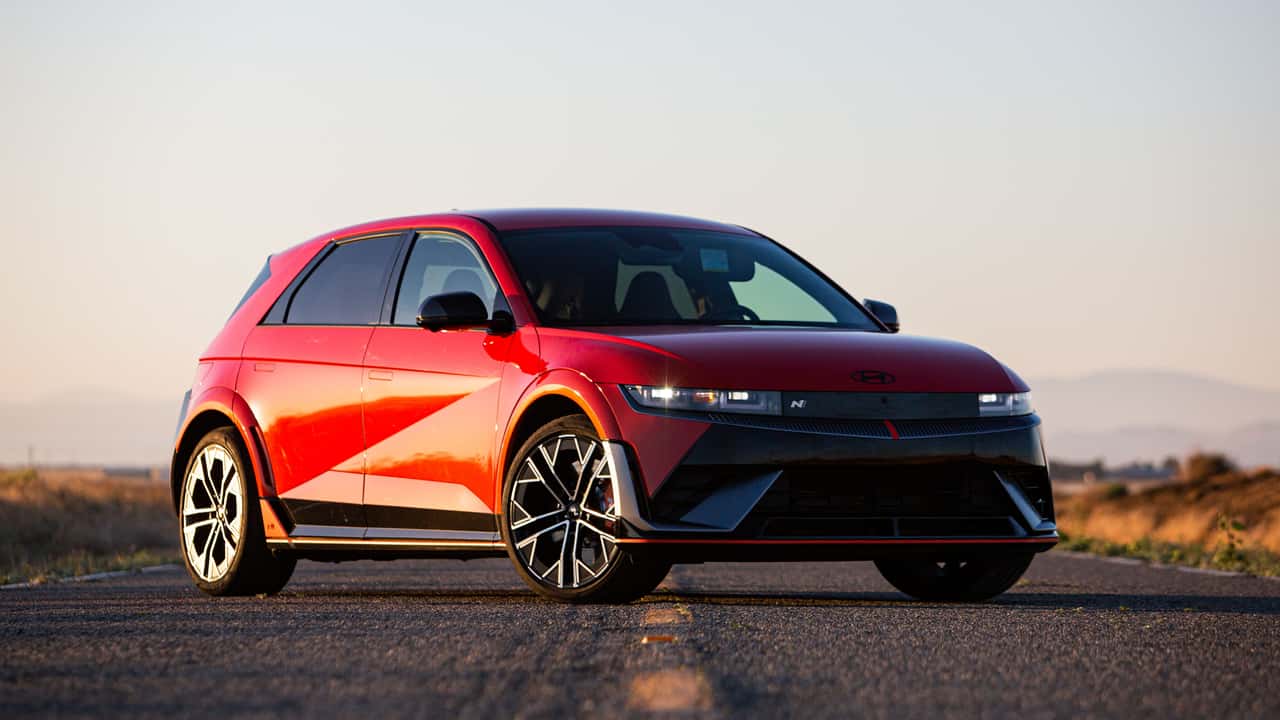
4. 2024 Hyundai Ioniq 5: A Benchmark for Modern Electric SUVs
Earning a strong 9.0/10 score, the 2024 Hyundai Ioniq 5 leads the electric SUV class with its mix of performance, efficiency, comfort, and practicality. This model is more than just a great EV; it is one of the best family vehicles available.
The Ioniq 5 combines futuristic design with easy everyday usability, offering quick acceleration, refined ride quality, generous interior space, and impressive technology. Available in rear-wheel or all-wheel drive, it balances power and efficiency with confidence. The model has earned awards for both Best Electric SUV for the Money and Best Electric SUV for Families, proving its versatility and broad appeal.
The Ioniq 5’s performance is both energetic and refined. The dual-motor all-wheel-drive version accelerates from 0 to 60 mph in 4.7 seconds, outpacing even the Tesla Model Y Long Range and the Ford Mustang Mach-E.
Acceleration feels smooth and immediate, and the system transitions seamlessly between regenerative and friction braking. Drivers can adjust the level of regenerative braking to suit their preferences, making it comfortable and controlled in city driving.
Despite being an electric vehicle, the Ioniq 5 offers a surprisingly engaging drive with precise cornering and confident traction. Its suspension strikes a perfect balance between comfort and agility, creating a composed and enjoyable driving experience.
Ride comfort is one of the Ioniq 5’s greatest strengths. It absorbs bumps and road imperfections gracefully, keeping passengers well isolated from vibrations. The cabin remains quiet, even at highway speeds, with minimal wind or tire noise.
The front seats are supportive and soft enough for long trips, and the climate control system keeps temperatures pleasant throughout the cabin. Test drivers noted that the Ioniq 5 stays comfortable during extended journeys, describing it as one of the most refined electric SUVs available.
Inside, the Ioniq 5 has a clean and modern design focused on functionality. Its dual 12.3-inch displays provide clear access to important controls without feeling cluttered. Both front and rear seats offer generous headroom and legroom, comfortably fitting adults in all positions.
The reclining rear seats allow passengers to relax, making long trips more pleasant. Visibility from the driver’s seat is excellent up front, though the thick rear pillars can create noticeable blind spots. The available surround-view camera system helps compensate for this limitation. The cabin’s open layout, thoughtful materials, and peaceful atmosphere make it feel both futuristic and inviting.
Hyundai equips the Ioniq 5 with a wide range of technology features. The infotainment system is responsive and easy to operate, including Apple CarPlay and Android Auto connectivity. The Highway Driving Assist 2 feature combines adaptive cruise control with lane-centering to reduce driver fatigue on long trips.
Through Hyundai’s Bluelink app, owners can remotely control several vehicle functions, such as preheating or cooling the cabin, setting charge limits, and finding charging stations. The technology in the Ioniq 5 enhances both safety and convenience without feeling complicated or overwhelming.
Storage space is modest but functional. The rear cargo area offers 27.2 cubic feet of space behind the second row, which is less than what the Tesla Model Y and Ford Mustang Mach-E provide. The front trunk is also small but suitable for storing the included charging cable.
The rear seats fold flat to expand cargo capacity, making it easy to carry long or bulky items. Inside the cabin, there are plenty of cubbies and compartments for small items, and the sliding center console adds versatility. Installing child seats is straightforward, with easily accessible anchors and generous rear legroom to accommodate families comfortably.
In real-world testing, the dual-motor all-wheel-drive Ioniq 5 achieved 270 miles of range, exceeding its official EPA estimate of 256 miles. It used just 30.9 kWh per 100 miles, showcasing strong efficiency. While it falls short of the total range offered by the Model Y and Mach-E, it remains more efficient than most competitors.
Charging is also a major advantage, as the Ioniq 5 supports 350-kW DC fast charging, allowing for very quick top-ups at compatible stations. Even though most public chargers currently offer lower power outputs, this capability ensures that the Ioniq 5 is ready for future charging infrastructure.
The Ioniq 5 delivers excellent value for its price. Hyundai’s strong build quality, long warranty coverage, and generous list of standard features make it a compelling choice. Although there are less expensive EVs, few match the Ioniq 5’s combination of performance, efficiency, and comfort.
With its advanced technology, quiet ride, and confident handling, the 2024 Hyundai Ioniq 5 sets a high standard for electric SUVs and remains one of the most complete and rewarding vehicles in its class.
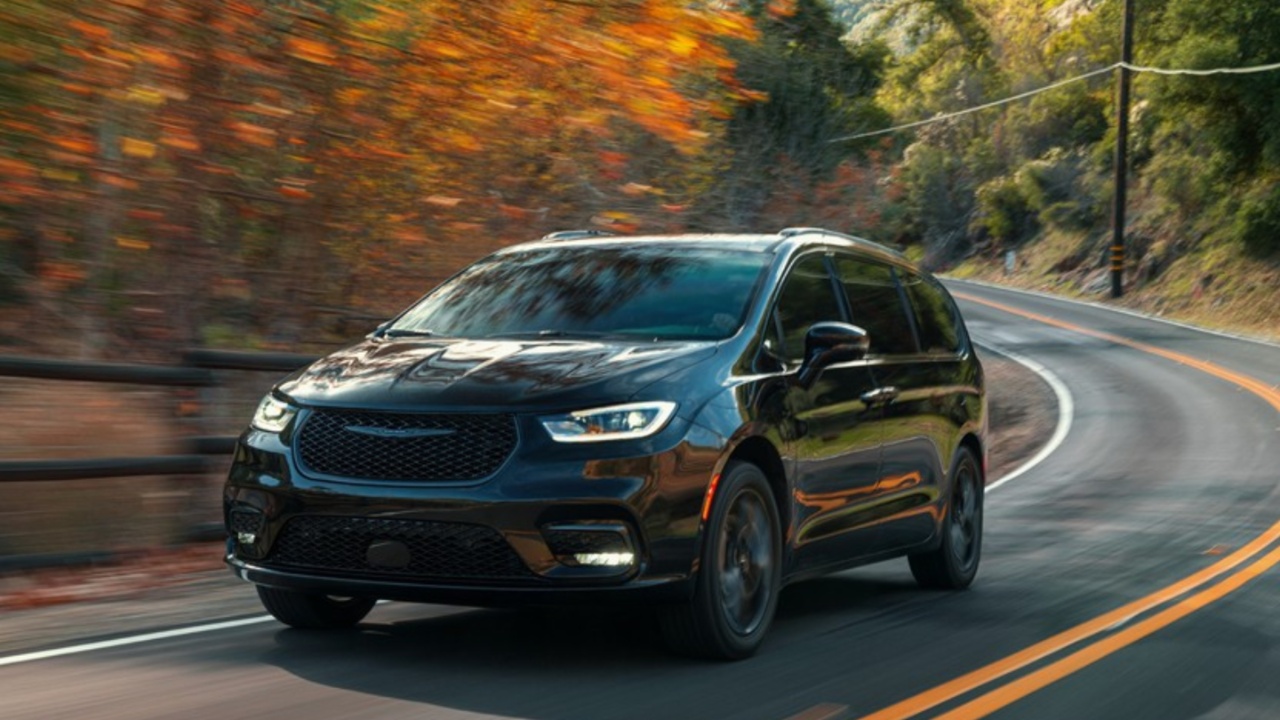
5. 2024 Chrysler Pacifica: A Premium and Versatile Family Minivan
With an impressive 9.0/10 score, the 2024 Chrysler Pacifica continues to be one of the most refined and family-oriented minivans on the market, ranking third in its class. Though priced higher than several rivals, it justifies its cost through a rich feature set, a flexible interior, and Chrysler’s clever Stow ’n Go seating that allows both the second and third rows to fold completely flat into the floor.
The Pacifica offers a combination of comfort, technology, and practicality that caters perfectly to modern families. Front-wheel drive comes standard, while all-wheel drive is available on the Touring L trim for an additional charge, giving it an edge for drivers in variable weather conditions.
Performance in the Pacifica is steady and reliable. Powered by a 3.6-liter V6 engine, it delivers sufficient strength for daily driving and highway cruising. Acceleration and braking are average for the segment, and while it lacks the agility of the Toyota Sienna or Honda Odyssey, the Pacifica maintains a poised demeanor on the road.
The nine-speed automatic transmission operates smoothly most of the time, though it occasionally hesitates to pick the right gear on steep terrain. Steering is predictable and light, designed more for comfort than sportiness. The Pacifica’s calm handling and stable ride make it ideal for long trips and family use.
Ride quality and comfort are major strengths for this minivan. The front seats are supportive with firm cushioning, and both heating and cooling functions are available to enhance comfort in all climates.
The second-row Stow ’n Go seats sacrifice some padding and adjustability to allow folding into the floor, but they remain usable for shorter journeys. The third row is suitable for adults on brief trips, and the smooth suspension keeps the ride composed across rough or uneven surfaces.
Cabin noise is well managed, with minimal intrusion from wind or the V6 engine except when the transmission downshifts aggressively. Families will appreciate how calm and pleasant the Pacifica feels during long drives.
The interior design focuses on practicality and accessibility. Controls for audio and climate are positioned logically, and Chrysler’s additional steering-wheel buttons for tuning and volume are intuitive. Getting in and out is effortless thanks to wide door openings, a tall roofline, and low step-in height.
The driver’s seat provides generous adjustment, helping drivers of all sizes find a comfortable position. Large windows and a high seating stance give excellent outward visibility, while the optional 360-degree camera aids maneuvering in tight spaces. Rear passengers benefit from decent legroom, though the second row is slightly less spacious than in some competitors.
Technology is a standout feature in the Pacifica. Chrysler’s Uconnect infotainment system is among the best in the industry, offering crisp graphics, responsive touch controls, and wireless connectivity for Apple CarPlay and Android Auto.
Multiple USB ports are available throughout the cabin, and an optional rear-seat entertainment system can stream media content. Connectivity extends through the Uconnect app and Alexa integration, allowing remote access to certain functions.
The Pacifica also provides a wide range of driver-assistance features, including adaptive cruise control, lane-keeping assist, blind-spot monitoring, and forward collision warning with pedestrian detection. These systems enhance safety and reduce fatigue during long journeys.
Few vehicles match the Pacifica’s storage versatility. Behind the third row is a deep cargo well, and both the second and third rows can fold into the floor, creating a flat and expansive cargo area. The underfloor compartments can also be used to store small items when the seats are in place.
The cabin is packed with cupholders, bins, and cubbies to organize family essentials. Child-seat installation is simple thanks to easily accessible LATCH anchors, and the Pacifica’s wide-opening doors make it easy to secure kids in the back. Properly equipped, the minivan can tow up to 3,600 pounds, aligning with class expectations.
Fuel efficiency is acceptable for its category. The all-wheel-drive Pacifica is rated at 20 mpg combined (17 city/25 highway), while front-wheel-drive models achieve 22 mpg combined (19 city/28 highway). Testing reflected these numbers closely, with highway averages around 23 mpg. Although these figures fall short of the most efficient rivals, they remain competitive given the Pacifica’s power and size.
Pricing for the Pacifica spans from the base Touring trim to the luxurious Pinnacle model. The Limited AWD version with the S Appearance package and added features tested at about $55,000. While the cabin design looks upscale, the mix of hard plastics alongside soft-touch materials detracts slightly from its premium impression.
A few quality control issues, such as minor electronic malfunctions, have been noted, but Chrysler’s five-year roadside assistance and average warranty coverage provide reassurance. The 2024 Chrysler Pacifica remains a family favorite, combining flexibility, advanced technology, and strong comfort credentials in a well-rounded package.
Also Read: 5 Cars With Intuitive Physical Climate Controls vs 5 Buried in Screens
5 “AWD” That Underwhelm
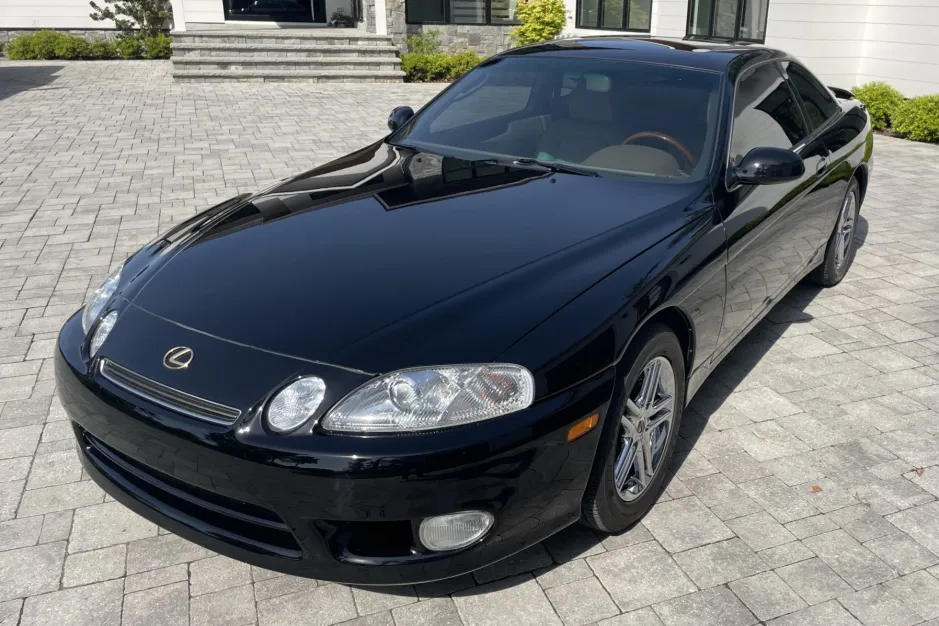
1. Lexus SC400: A Challenging Car in Snowy Conditions
The Lexus SC400, especially the 1992 V8 model, is ill-suited for snow and icy roads. Its rear-wheel-drive layout combined with a powerful V8 engine makes traction difficult in slippery conditions. Unlike the manual SC300, the V8 SC400 lacks a limited-slip differential, preventing power from being distributed to the wheel with the most grip.
The absence of electronic stability and traction control further increases the risk of losing control, while standard summer tires stiffen in cold temperatures, offering minimal traction. The car’s low and long chassis also makes it prone to getting high-centered on snowdrifts, limiting its capability in deeper snow.
The combination of high torque, rear-wheel drive, and a snappy chassis means the SC400 can spin out unexpectedly if power is applied too aggressively. ABS brakes provide some safety, but they cannot compensate for the lack of grip or the absence of modern traction aids. Drivers attempting winter travel in this vehicle face significant handling challenges, particularly on unplowed roads.
Performance in snow can be improved with some modifications and careful driving. Winter tires are essential, as their softer rubber and deeper tread maintain grip in low temperatures.
Adding weight to the rear, such as sandbags, can help improve traction for the drive wheels. Drivers should also accelerate, brake, and steer cautiously, maintaining a safe following distance. For those seeking a more capable Lexus in snow, models with all-wheel drive and traction control provide a far safer and more reliable option.
2. Chevrolet Tracker: Snow Driving Performance and Safety
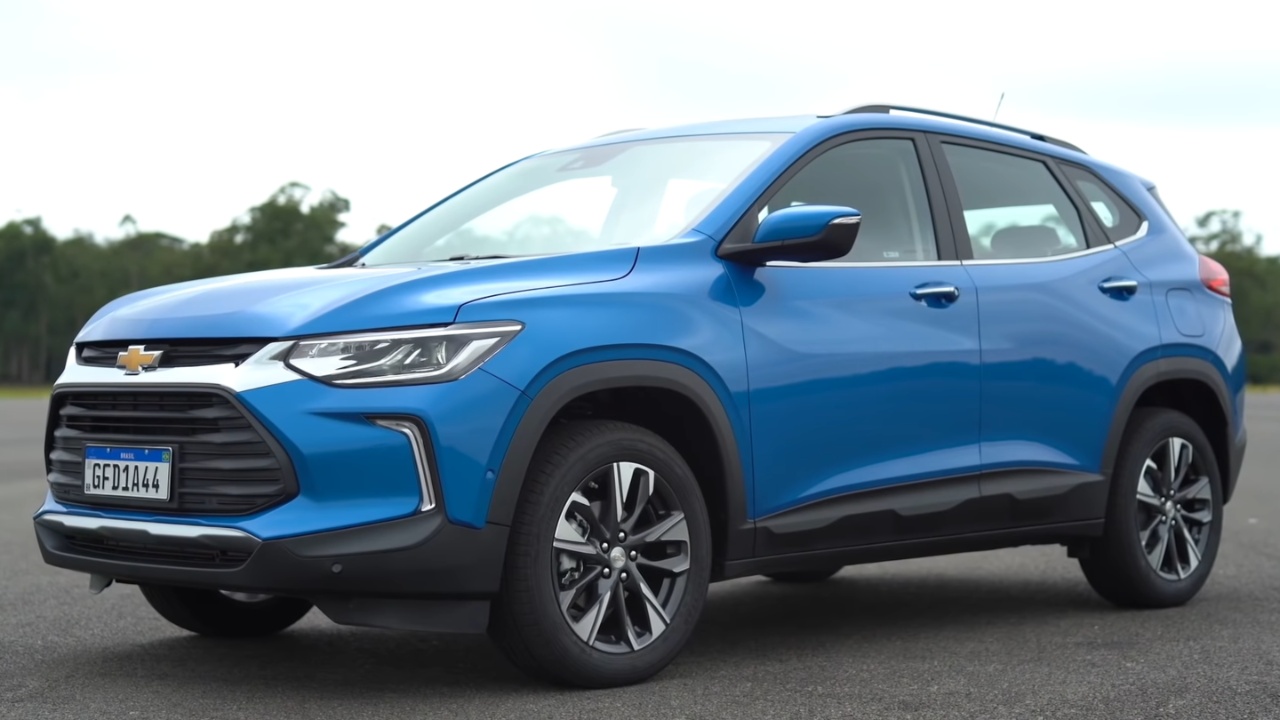
The Chevrolet Tracker has earned a reputation for poor performance in snowy and icy conditions. Its short wheelbase, light weight, and lack of traction control make it especially prone to instability, particularly on older models or front-wheel-drive variants. Drivers have reported dangerous situations, including loss of control and spins on uneven road surfaces, highlighting the vehicle’s limitations in winter driving.
A key factor affecting the Tracker’s snow performance is its tires. Stock all-season tires become stiff in cold temperatures, reducing grip on snow and ice. Engine and drivetrain characteristics also contribute to challenges.
Turbocharged front-wheel-drive models can experience wheelspin when accelerating, while older four-wheel-drive models still relied on tires that offered limited traction.
Additionally, many Trackers lack snow-specific features, such as a dedicated Snow/Ice drive mode, which in newer vehicles reduces wheel slip and enhances stability. Driver habits also play a significant role, as aggressive acceleration, sudden braking, or sharp turns can easily lead to loss of control.
Snow performance can be improved with several measures. Installing winter tires is the most effective step, as their softer rubber and deeper treads provide better grip. Driving cautiously, avoiding sudden maneuvers, and using a Snow/Ice mode if available also help.
For older or two-wheel-drive models, weight distribution can be adjusted by adding weight over the rear wheels to improve traction. By taking these precautions, drivers can reduce the risks associated with Tracker instability in winter conditions, though it remains a less reliable option compared with other vehicles designed for snowy climates.
3. TVR Sagaris: Unsuitable for Snowy Conditions
The TVR Sagaris, like other TVR models, is highly unsuited for winter driving. Its rear-wheel-drive layout and absence of electronic aids such as traction control make it extremely difficult to handle on snow or ice.
The lightweight fiberglass body and powerful engine exacerbate traction issues, causing the rear wheels to lose grip easily. Drivers attempting to operate the Sagaris in slippery conditions face a high risk of losing control, even with careful maneuvering.
Key performance issues include the rear-wheel-drive system, which sends power to the wheels with the least traction in snowy conditions. The car’s lack of stability and traction control means the driver must manage grip entirely on their own.
Additionally, the Sagaris’s lightweight design reduces pressure on the rear wheels, further limiting traction. Its high-powered engine can easily spin the wheels, making controlled acceleration challenging.
Winter performance can be marginally improved with winter tires, which offer better grip on snow and ice. Adding weight to the rear may also enhance traction slightly. Drivers must exercise caution, accelerating and braking gently while maintaining a safe distance from other vehicles. Even with these measures, the TVR Sagaris remains a risky choice for snowy or icy roads and is best reserved for dry conditions.

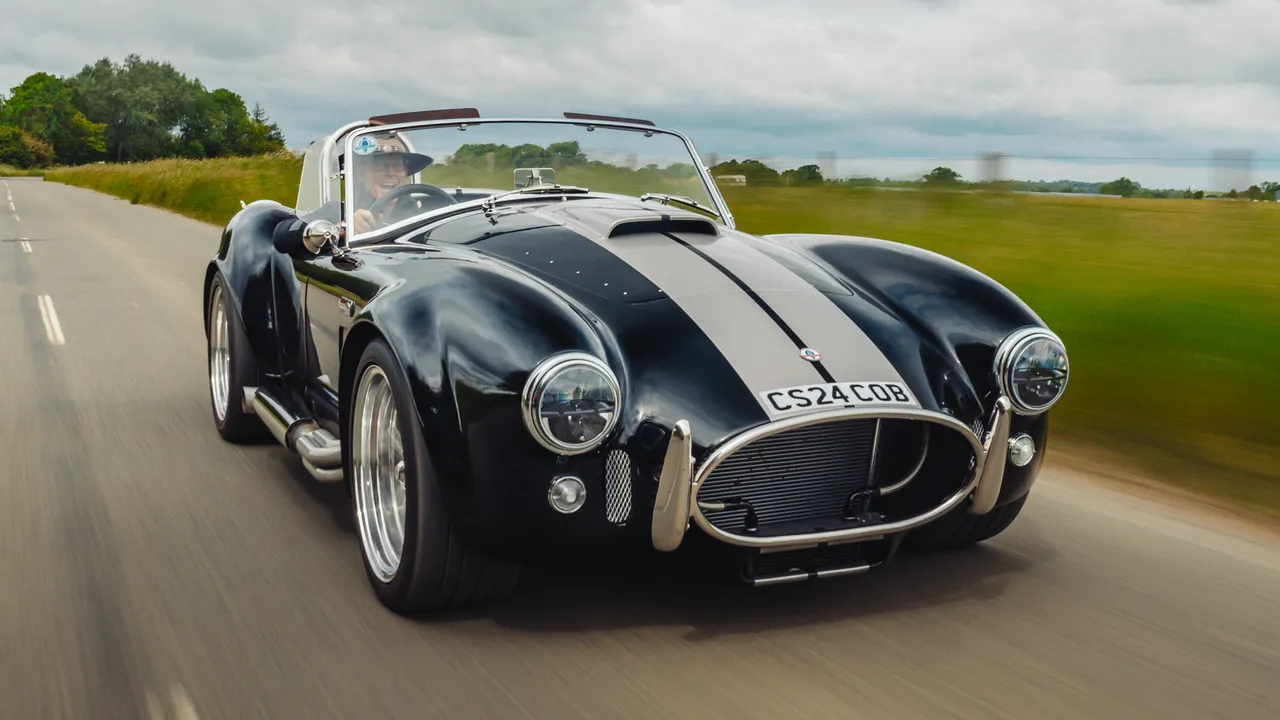
4. Shelby Cobra: A Risky Car for Snowy Conditions
The Shelby Cobra 427 is a legendary American sports car, but it is extremely unsafe in snow. Its rear-wheel-drive setup, combined with high-performance tires and lightweight construction, makes it prone to losing traction on ice or packed snow. While it excels on dry pavement, these features create serious hazards in slippery conditions.
The rear-wheel-drive system sends power to the back wheels, which provide minimal grip on snow, increasing the risk of spinning out. The Cobra’s performance tires are designed for speed and handling on dry roads, not for snowy or icy surfaces.
They lack the tread depth and flexibility needed to maintain traction in winter conditions. Its lightweight design further limits grip, as cars with more weight over their drive wheels, such as front-wheel-drive or all-wheel-drive vehicles, handle better in snow.
Additional challenges include very little weather protection, limited safety features, and the extreme engine power, which can make even gentle acceleration dangerous on slippery surfaces. Original Cobras are highly valuable, meaning any accident could have severe financial consequences.
The engine can generate heat to warm the cabin, but that benefit does not compensate for the significant risks associated with driving the Cobra in winter weather. Drivers should avoid snowy or icy roads in this car to maintain safety.
5. Chevrolet Camaro: Snow Driving Challenges and Solutions
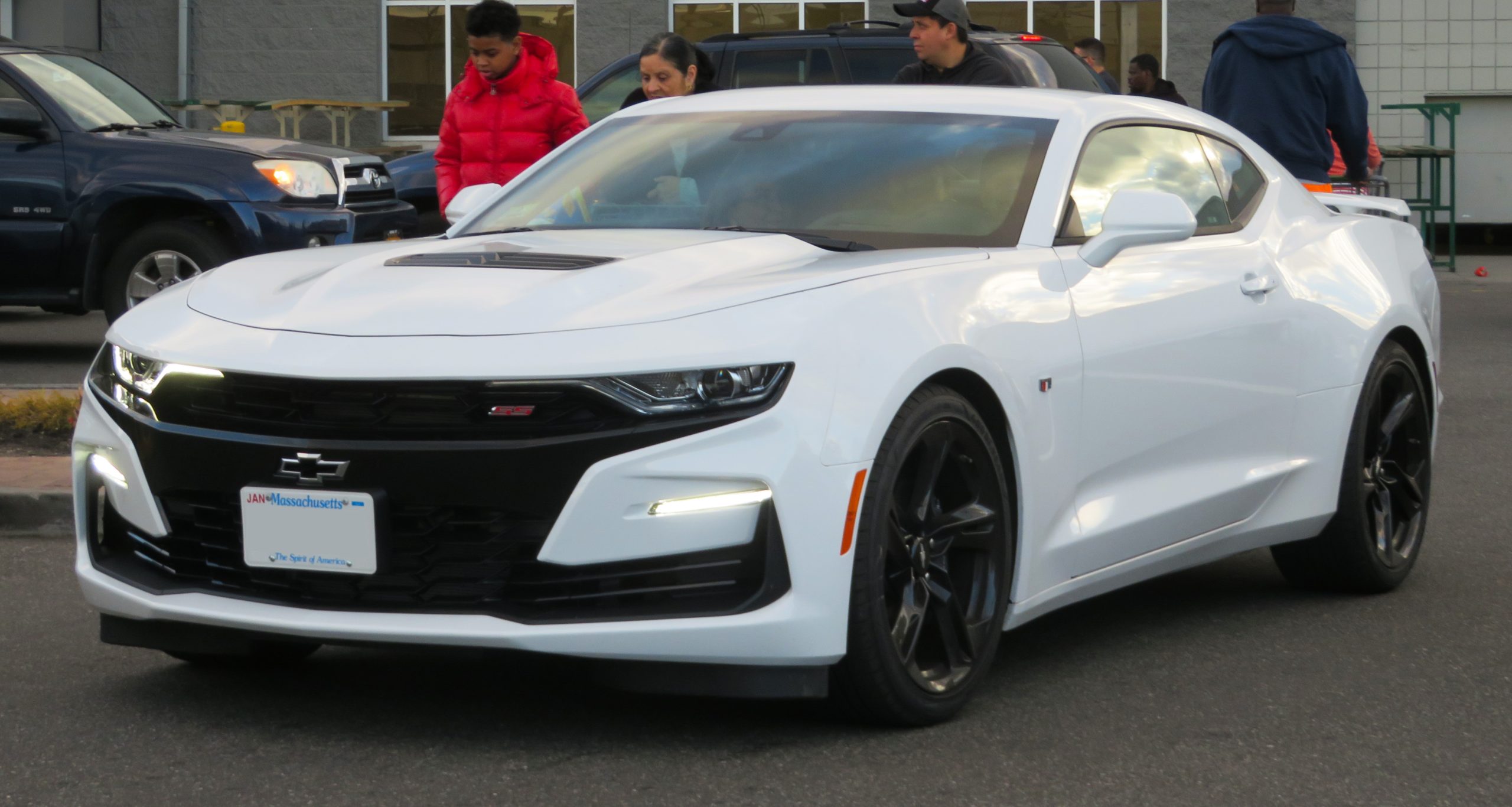
The Chevrolet Camaro, particularly models like the 2SS, is a high-performance sports car that struggles in snowy or icy conditions. Its rear-wheel-drive layout sends power solely to the back wheels, which limits traction on slippery surfaces and increases the risk of fishtailing or spinning out.
Coupled with low ground clearance, the Camaro can easily become stuck in deeper snow, especially in unplowed areas.
The car’s high-powered engines make it easy to overwhelm available traction, and the standard all-season tires are not designed for snow, often becoming stiff in cold temperatures and losing grip even at moderately low temperatures. Drivers without proper winter tires can find it difficult to move the vehicle from a stop or maintain control on inclines and turns.
Real-world experiences highlight these challenges. One Camaro owner reported nearly being unable to exit an airport parking lot after snowfall, moving at a mere six miles per hour until reaching cleared roads. This emphasizes that winter performance is not solely about driving skill but also about whether a vehicle is equipped for the conditions.
Several measures can improve the Camaro’s performance in snow. Installing dedicated winter tires is the most effective solution, as their softer rubber and deeper tread provide better traction.
Adding weight in the trunk can increase rear-wheel grip, while engaging any snow mode (if available) helps adjust throttle and traction control to prevent wheel spin.
Finally, cautious driving accelerating and braking gently, maintaining safe distances, and avoiding sharp turns is essential for controlling a Camaro in snowy or icy conditions. While these steps do not turn it into a winter-ready vehicle, they significantly reduce the risks associated with driving this sports car in poor weather.
Selecting the right vehicle for snowy conditions goes beyond AWD badges or high horsepower. The five snow-friendly AWD systems stand out because they combine balanced power delivery, traction management, ground clearance, and driver aids, offering predictability and control in slippery conditions.
Vehicles like the Subaru Crosstrek and Hyundai Ioniq 5 show that AWD can be paired with comfort, efficiency, and practicality, creating a dependable winter companion for everyday commutes and outdoor adventures.
In contrast, the “underwhelming AWD” vehicles show the limitations of systems that rely on rear-wheel drive, insufficient tires, or a lack of traction technology. Cars such as the Shelby Cobra or Chevrolet Camaro may be thrilling on dry pavement but become hazards in snow and ice.
Drivers must consider drivetrain design, tire choice, and electronic aids rather than just the AWD badge. Choosing a vehicle with a capable snow-friendly AWD system ensures confidence, safety, and control, making winter driving a manageable and safer experience.
Also Read: 10 Cars Mechanics Secretly Love Owning Over Decades
