Luxury sedans come in many forms, but not all offer the same balance of performance, comfort, and reliability. Some models combine sophisticated driving experiences with manageable maintenance, allowing owners to enjoy refinement without frequent repairs.
Vehicles such as the 2018 Volvo S90, Mercedes-Benz E-Class, Infiniti Q50, Lincoln Continental, and Acura TLX exemplify this approach. These sedans feature elegant interiors, advanced technology, and smooth driving dynamics while maintaining reasonable upkeep costs, making them ideal for drivers who value both comfort and dependability.
On the opposite end, certain luxury sedans demand constant attention despite their premium finishes and advanced features. The BMW 5 Series, Audi A6, Chevrolet Cruze, Mercedes-Benz S-Class, and even high-tech configurations of the Volvo S90 illustrate this reality. Complex electronics, specialized parts, and intricate powertrains can quickly lead to high repair costs, frequent servicing, and unexpected expenses.
This guide contrasts these two categories, highlighting which sedans offer lasting reliability and which require more careful management of time, money, and maintenance. Understanding these differences helps buyers make informed decisions when choosing a premium sedan.
5 Reliable Luxury Sedans
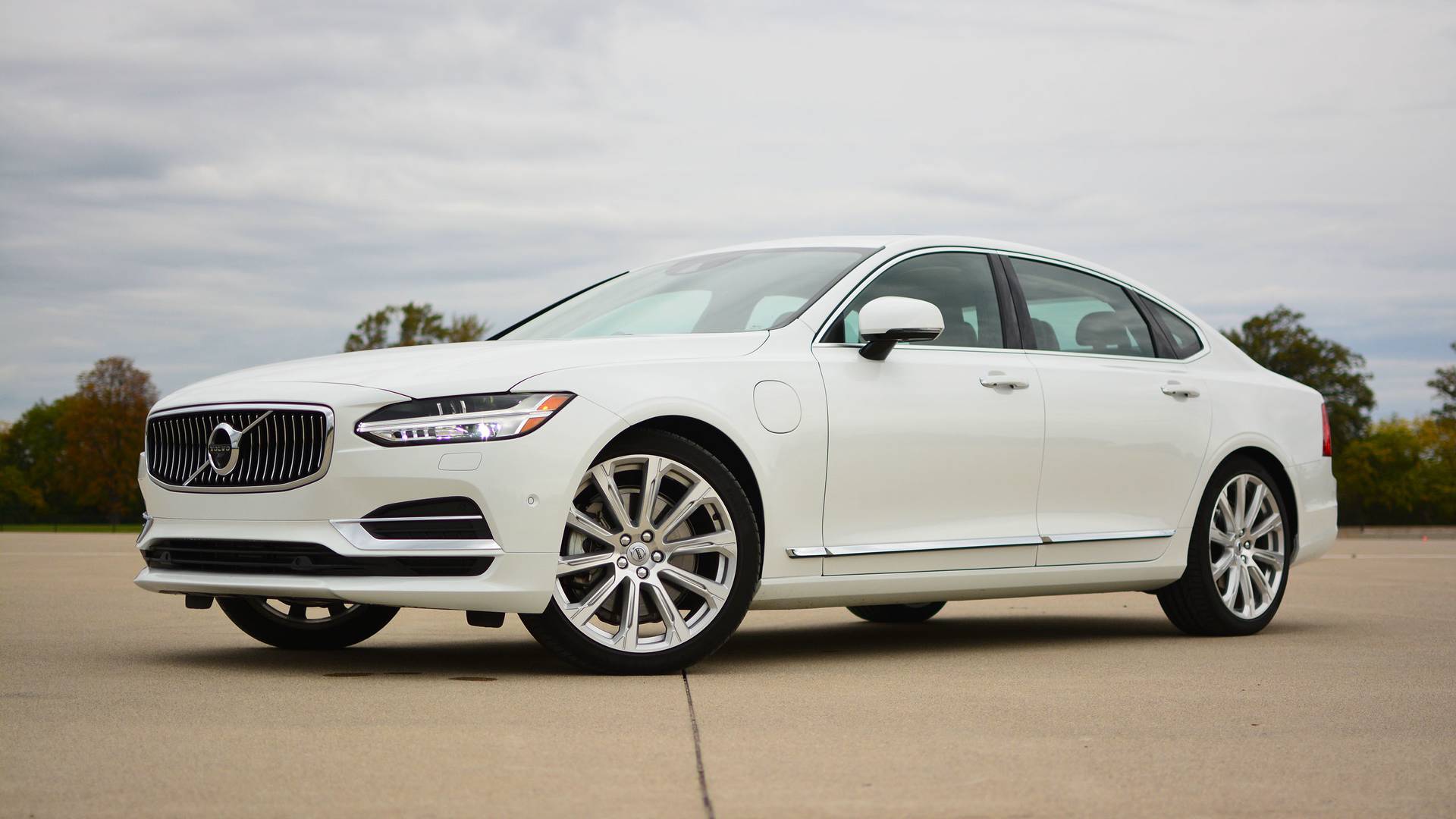
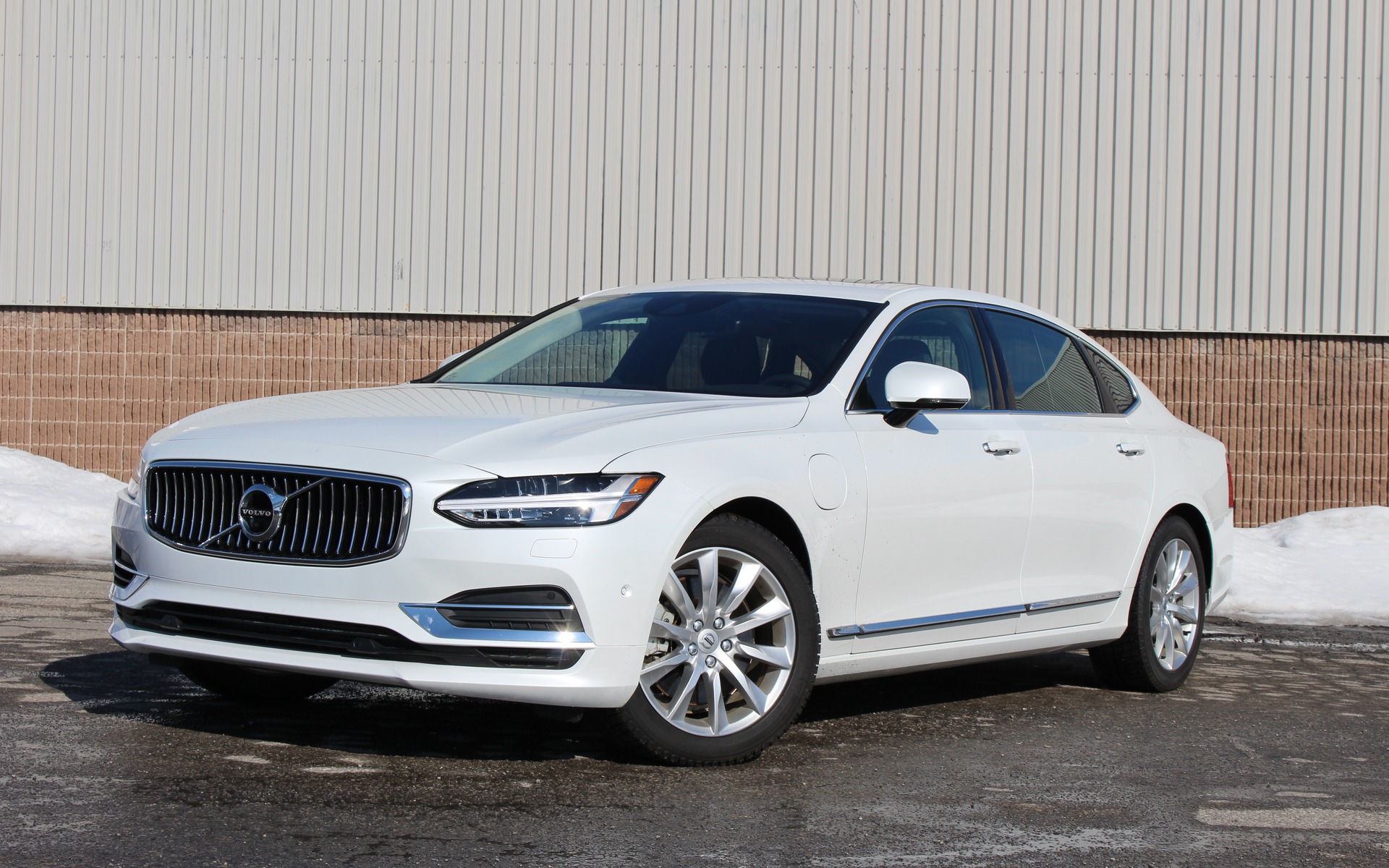
1. 2018 Volvo S90: Scandinavian Luxury and Balanced Comfort
The 2018 Volvo S90 exemplifies the minimalist elegance and serenity of Scandinavian design. It’s a luxury sedan that prioritizes comfort, refinement, and safety over raw sportiness.
With a J.D. Power Quality & Reliability rating of 78/100, it sits comfortably in the “average-to-good” range, supported by RepairPal’s moderate annual maintenance estimate of $522 and a low 9% risk of major repairs. This makes it a practical yet sophisticated choice for drivers seeking understated luxury.
Under the hood, the U.S. version of the 2018 S90 offers two main powertrains built around Volvo’s 2.0-liter Drive-E four-cylinder engine. The T5 uses a turbocharger and front-wheel drive, while the T6 adds both turbo- and supercharging with all-wheel drive, producing 316 horsepower. The eight-speed automatic transmission ensures smooth shifts and a broad torque range, especially effective at higher altitudes.
Acceleration is brisk, thanks to the T6’s twin-charging system, which delivers strong power in lower gears, though the engine sounds raspy at higher revs. The car’s braking system inspires confidence with a solid, firm pedal feel, and the steering, while accurate, is overly heavy, leading to fatigue on long drives.
Handling is competent but lacks agility due to the car’s weight; it grips well but feels less eager than sportier rivals like the BMW 5 Series. Comfort-oriented chassis tuning, however, ensures a calm and composed highway ride.
Comfort is where the S90 truly shines. The cabin offers exceptional seating comfort, featuring ten-way power-adjustable seats with lumbar and thigh support. Volvo’s hallmark ergonomic design ensures lasting comfort during long journeys.
The ride quality is refined on smooth roads but can become harsh over bumps, likely due to the optional 20-inch wheels; smaller wheels would deliver a smoother experience. The available rear air suspension helps mitigate road imperfections.
Noise isolation is excellent, with minimal wind and road intrusion, though the low-profile tires create some hum. Engine sound is modestly piped through the speakers, offering a subdued but inoffensive tone. Climate control is elegant and efficient, though the reliance on touchscreen menus for adjustments can be distracting.
Volvo’s craftsmanship is evident throughout the S90’s luxurious interior, characterized by premium materials, clean lines, and meticulous assembly. The Sensus touchscreen infotainment system is intuitive, though it can feel sluggish when cold. The sloping roofline and thick rear pillars restrict visibility and rear headroom for taller passengers, yet the cabin remains spacious, particularly in the long-wheelbase version.
The S90 offers 13.5 cubic feet of trunk space, on par with competitors, complemented by a 60/40-split folding rear seat and hands-free trunk access. Cabin storage is adequate, with practical compartments for smaller items.
Technology is another strong suit. The optional Bowers & Wilkins audio system provides exceptional clarity, and navigation is highly accurate. Apple CarPlay and Android Auto integration are available, along with Bluetooth connectivity.
Volvo’s semi-autonomous Pilot Assist system effectively manages adaptive cruise control, steering, and lane keeping for smooth highway and traffic driving. Additional driver aids, including blind-spot monitoring and a 360-degree camera, enhance confidence behind the wheel.
The 2018 Volvo S90 delivers a serene, luxurious experience that embodies Volvo’s design ethos: safety, simplicity, and comfort.
While it may not thrill performance enthusiasts, its balance of refinement, technology, and craftsmanship makes it a compelling alternative to German rivals. Ideal for those who value quiet sophistication over aggressive sportiness, the S90 stands as a testament to understated Scandinavian excellence.
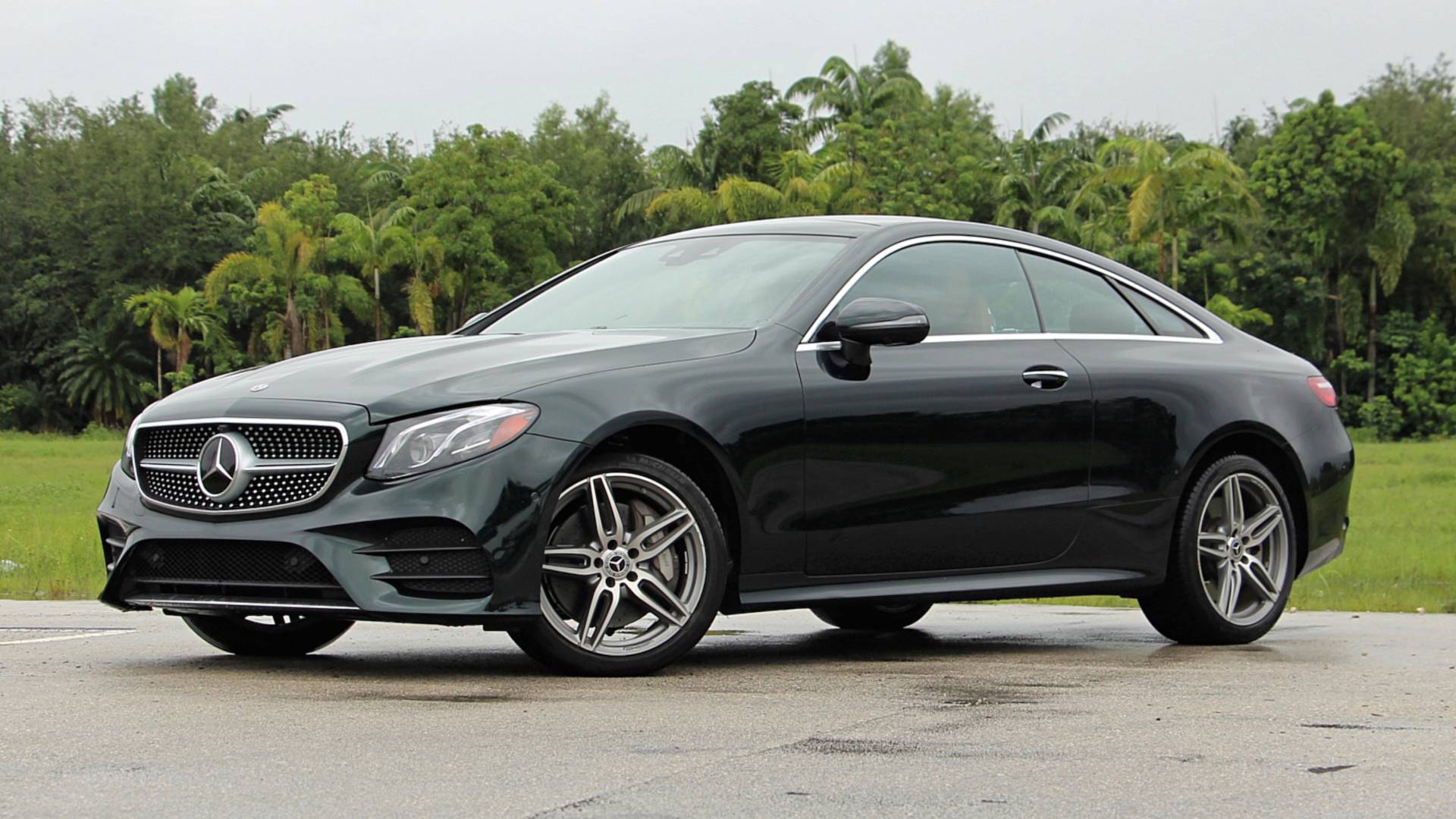
2. 2018 Mercedes-Benz E-Class: The Benchmark of Modern Luxury and Technology
The 2018 Mercedes-Benz E-Class (W213) represents the perfect balance between refinement, innovation, and performance. Known for its craftsmanship and precision, this luxury sedan continues Mercedes’ tradition of combining advanced technology with timeless design.
With a J.D. Power Quality and Reliability score of 79 out of 100, the E-Class ranks slightly above average. Maintenance costs average about $788 per year, which is higher than some rivals, but the model rewards consistent care with strong long-term durability and reliability.
The 2018 E-Class lineup offers a range of powertrains to suit different driving preferences. The base E300 uses a 2.0-liter turbocharged four-cylinder engine that produces 241 horsepower, later succeeded by the E350’s upgraded version of the same engine.
For more power, the E400 and E450 use a 3.0-liter bi-turbo V6, while AMG models deliver high-performance levels for enthusiasts. Every variant features a smooth 9-speed automatic transmission and the option of 4MATIC all-wheel drive.
On the road, the E-Class feels agile and composed. The E300’s turbocharged engine provides brisk acceleration and seamless shifts, making it feel quicker than its horsepower rating suggests.
Steering offers two selectable modes, Comfort and Sport. Comfort mode is well-suited for everyday driving, while Sport mode adds firmness and stability for a more engaging feel. The car’s handling is confident, matching or even exceeding traditional benchmarks like the BMW 5 Series and Audi A6.
Braking performance is precise and reassuring, with a solid pedal feel and consistent stopping power. The E-Class’s adaptive driving modes, including Sport and Sport+, allow drivers to adjust responsiveness to match their mood. The sedan offers an impressive balance between spirited performance and serene cruising.
The 2018 E-Class excels in comfort and quietness. The cabin is exceptionally insulated from road and wind noise, creating a calm and luxurious environment. Seats are among the best in the segment, combining firmness and support for long-distance comfort. Optional active side bolsters provide extra support during sharp cornering.
Ride quality is equally impressive. The available four-corner air suspension delivers a smooth, controlled ride, effortlessly absorbing bumps and imperfections. Even the standard steel spring suspension provides excellent comfort. The climate control system enhances the sense of luxury with metal-trimmed circular vents and precise airflow for both front and rear passengers.
Inside, the E-Class stands out for its elegant materials and thoughtful craftsmanship. The interior blends traditional Mercedes luxury with modern technology.
Dual 12.3-inch high-resolution displays dominate the dashboard, integrating infotainment and driver information into one seamless system. The touch-sensitive controls on the steering wheel and center console are intuitive, while physical buttons for key functions ensure ease of use.
Passenger space is generous, with more than 36 inches of rear legroom and comfortable accommodations for taller occupants. The sloping roofline slightly reduces rear headroom but does not significantly impact comfort. Visibility is good, and the car’s fit and finish are exemplary, with tight panel gaps and solid-feeling controls.
Cargo space measures 13.1 cubic feet, slightly below average for the class, but the 40/20/40-split folding rear seats add flexibility for larger items. Numerous storage compartments throughout the cabin further enhance practicality.
Technology is a highlight of the 2018 E-Class. Standard features include wireless smartphone charging, voice control, and Apple CarPlay and Android Auto integration. The optional Burmester surround-sound audio system delivers exceptional clarity, making it one of the best in the segment. The navigation system is displayed on a large, crisp screen and is highly accurate.
Driver-assistance systems are among the most advanced available. The E-Class can automatically steer, accelerate, and brake in certain conditions, offering a semi-autonomous driving experience. Adaptive cruise control, lane-keeping assist, and automatic emergency braking enhance safety and convenience. The system performs best on highways and in traffic, providing confidence and ease during long journeys.
The 2018 Mercedes-Benz E-Class remains one of the most refined and technologically advanced luxury sedans in its class. It combines elegant design, powerful performance, and class-leading comfort in a way few rivals can match.
While ownership costs are higher than average, the rewards come in the form of sophistication, reliability, and an exceptional driving experience. The E-Class continues to define what modern luxury means, offering the perfect blend of innovation, comfort, and timeless style.
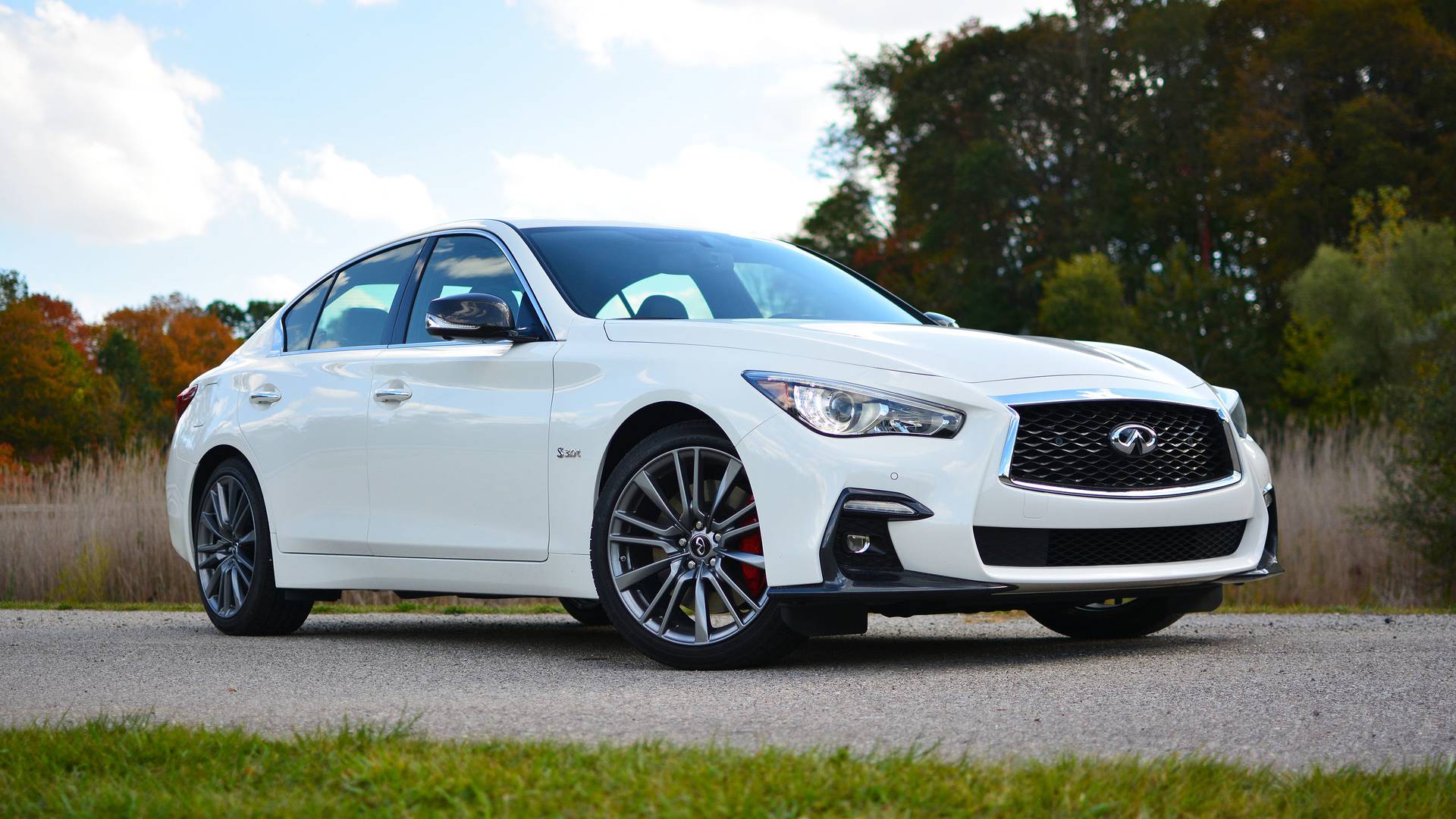
3. 2018 Infiniti Q50: Performance Meets Everyday Luxury
The 2018 Infiniti Q50 combines athletic performance with refined comfort, maintaining its reputation as a capable and engaging midsize luxury sedan. With a J.D. Power Quality and Reliability score of 79 out of 100, it performs well among competitors.
According to RepairPal, the average annual repair cost of $648 is below the luxury midsize average, which supports its reputation for dependability. Owners who keep up with maintenance report excellent longevity, especially from the older naturally aspirated 3.7-liter V6, while the newer twin-turbo VR30 engines demand more attentive upkeep.
Performance is where the Q50 stands out. It offers several powertrains, ranging from a modest 208-horsepower turbocharged four-cylinder to the impressive 3.0-liter twin-turbo V6, which produces 300 horsepower or 400 horsepower in the Red Sport 400 version. Every model features a 7-speed automatic transmission and optional all-wheel drive, allowing for smooth power delivery and confident handling.
On the road, the Q50 feels light and eager to drive. The twin-turbo V6 engines provide quick acceleration and abundant torque, giving the car strong highway performance. Steering is sharp and responsive, though the optional Direct Adaptive Steering system can feel artificial compared to the conventional setup that most enthusiasts prefer.
The chassis delivers a stable, composed ride, even at higher speeds, and trims like the Q50 Sport and Red Sport 400 enhance grip and cornering precision. Braking is consistent and easy to modulate, inspiring confidence during spirited driving.
The cabin of the Q50 focuses on comfort and usability. It remains quiet and relaxed, with only mild road noise on rough surfaces. The seats provide excellent support, making long drives pleasant, while ride quality strikes a pleasing balance between sportiness and smoothness.
Interior materials are high in quality, and craftsmanship feels solid despite the design showing its age. The dual-screen Infiniti InTouch infotainment system controls most vehicle functions and responds quickly to touch inputs. While intuitive, the screens can be reflective and prone to fingerprints. The Q50’s low step-in height and wide doors make entering and exiting easy.
Front passengers have generous space, and the rear seats accommodate taller adults comfortably. Visibility through the windshield is wide, though the higher beltline limits the rear view slightly. The optional surround-view camera system is useful when parking in tight spaces.
Cargo capacity in the Q50 is competitive for the class, and the wide trunk opening simplifies loading larger items. Cabin storage is limited but sufficient for small personal belongings. The infotainment system, with its dual-screen design, becomes intuitive after a short learning curve, and software updates have kept it modern enough to compete with newer systems.
The 2018 Infiniti Q50 remains a distinctive choice in the luxury sport sedan segment. It blends powerful performance, everyday comfort, and strong reliability into a stylish and enjoyable package. While the design and technology feel mature, the car’s engaging driving character and solid craftsmanship make it a smart alternative to higher-priced European rivals.
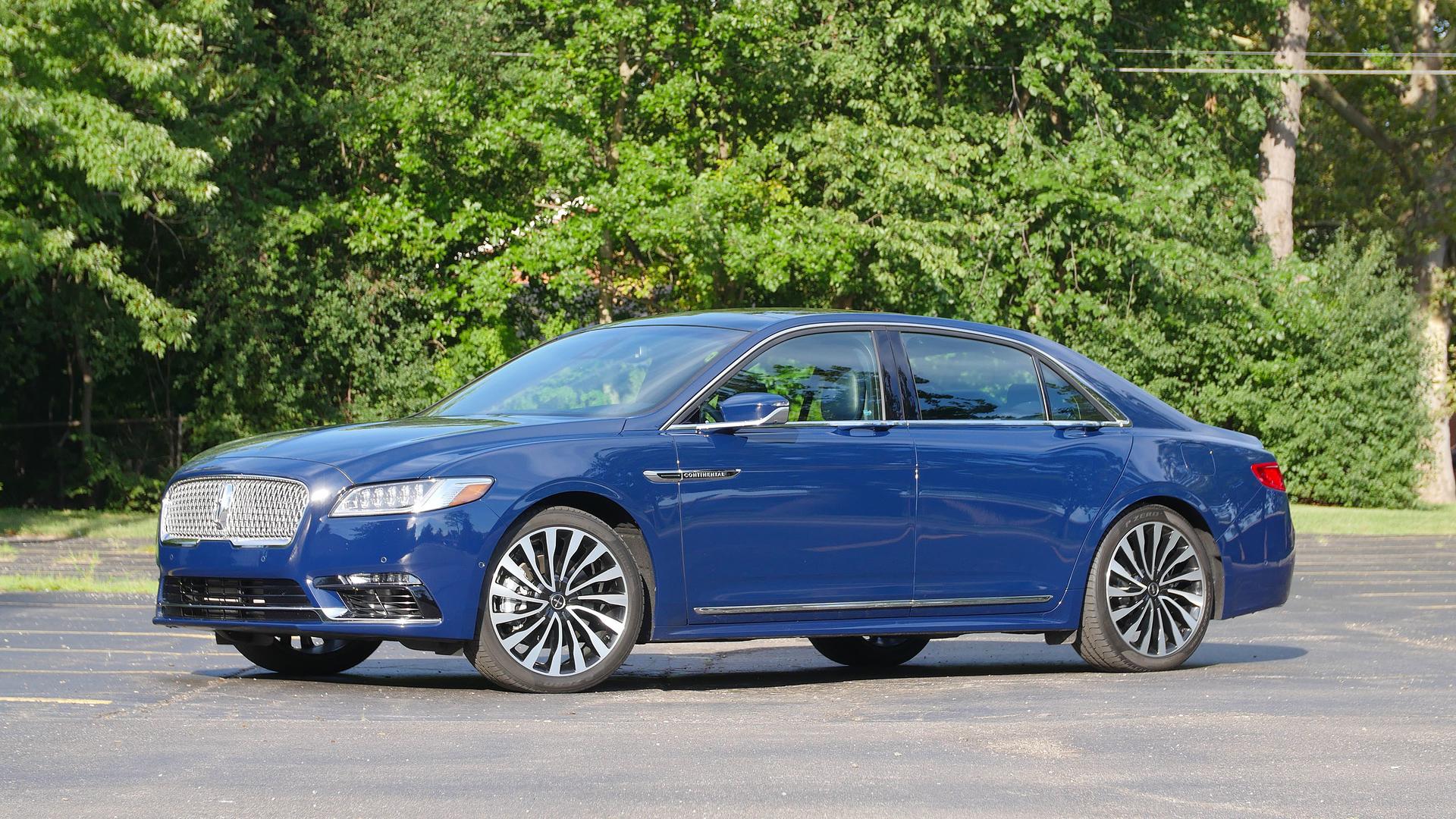
4. 2017 Lincoln Continental: The Return of American Luxury
The 2017 Lincoln Continental marked the revival of a classic American icon, blending comfort, refinement, and modern sophistication. This full-size luxury sedan reestablished Lincoln’s presence in the premium market with a focus on quiet performance and indulgent features.
The model earned a J.D. Power Quality and Reliability score of 80 out of 100, placing it above average for dependability. According to RepairPal, annual repair costs average about $513, which is low for a vehicle in this class. Many examples have logged well over 300,000 miles, reflecting the Continental’s potential for long-term durability when properly maintained.
Lincoln offered three V6 engines for the 2017 Continental, catering to a range of buyers. The standard 3.7-liter V6 delivers dependable power, while the 2.7-liter twin-turbo V6 provides stronger midrange performance. The premium 3.0-liter twin-turbo V6, available in Reserve and Black Label trims, produces 400 horsepower and pairs with a 6-speed automatic transmission that sends power to the front or all four wheels.
The Continental emphasizes composure and ease rather than sharp handling. The suspension isolates passengers from road imperfections, creating a calm and controlled ride ideal for long-distance travel.
Steering is light and predictable, fitting for a large sedan designed for comfort rather than track agility. With the 3.0-liter engine, acceleration is brisk and confident, offering ample torque for highway passing and merging. Drivers can expect a serene experience that prioritizes smoothness and stability.
Luxury defines the Continental’s cabin. Inside, the environment feels tranquil and expansive, with 30-way adjustable front seats that feature heating, cooling, and massage functions.
Rear-seat passengers enjoy generous legroom and soft cushioning, making the car a strong choice for chauffeur-style comfort. The Revel premium audio system enhances the serene atmosphere with excellent sound clarity, transforming long drives into relaxed listening sessions.
Cabin materials are high in quality, with soft leather, real wood, and metallic accents creating a refined aesthetic. While the design may not reach the artistry of European luxury sedans, Lincoln’s craftsmanship and attention to comfort make the interior an inviting place to spend time.
The Continental’s trunk offers generous cargo capacity, and cabin storage is thoughtfully arranged. The Sync 3 infotainment system operates smoothly and features Apple CarPlay and Android Auto compatibility. Modern driver-assistance systems such as adaptive cruise control and automatic emergency braking provide an added layer of safety and convenience.
The 2017 Lincoln Continental delivers a confident expression of modern American luxury. It favors comfort, quietness, and elegance over sharp handling or aggressive performance. With powerful engine options, high-end interior amenities, and competitive pricing, the Continental appeals to drivers seeking a refined and comfortable alternative to European sedans.
5. 2018 Acura TLX: The Dependable Luxury Sport Sedan
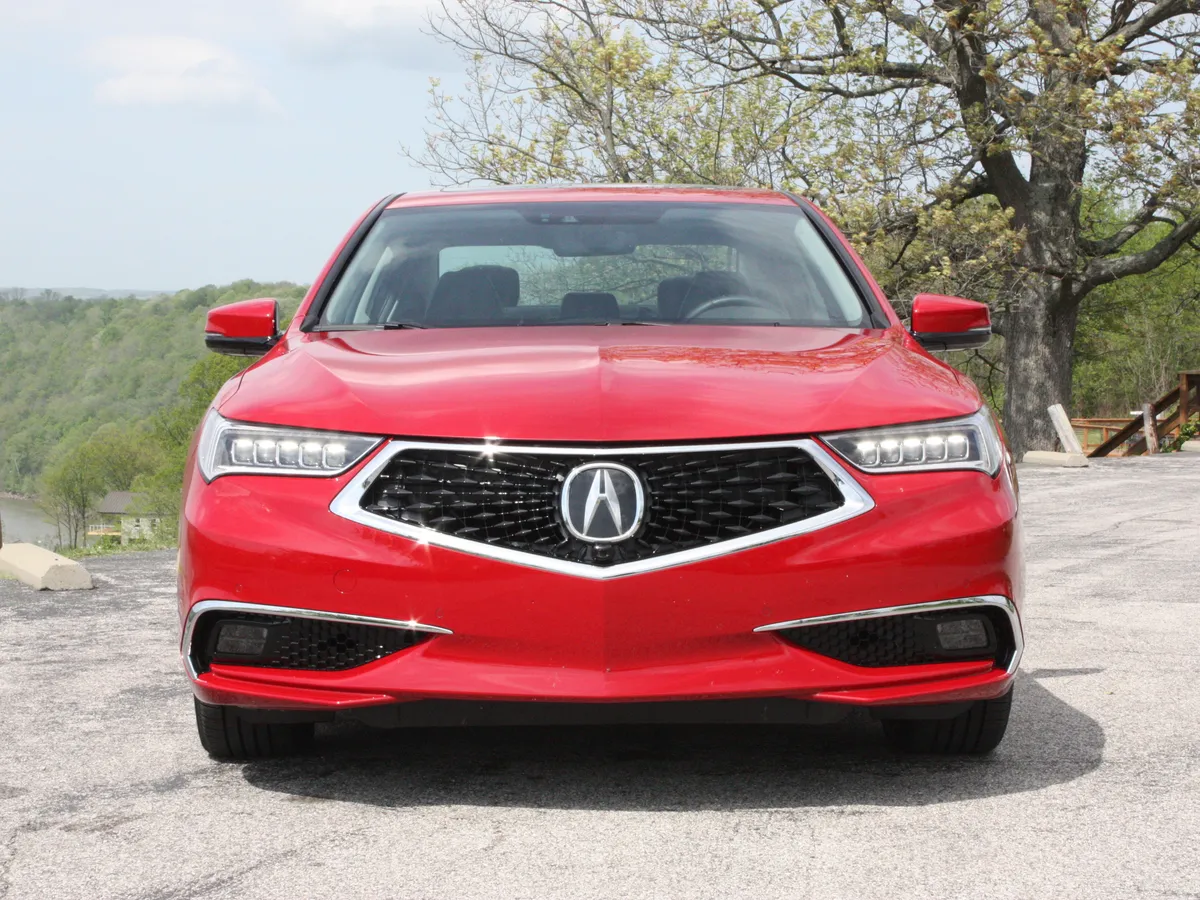
The 2018 Acura TLX represents Acura’s refined approach to luxury performance, blending practicality, comfort, and long-term dependability. Aimed at buyers seeking reliability over flash, the TLX offers two distinct powertrains: a 2.4-liter inline-four paired with an 8-speed dual-clutch transmission and a 3.5-liter V6 mated to a 9-speed automatic.
The four-cylinder provides simplicity and low ownership costs, while the V6 delivers more power and refinement, especially with Super Handling All-Wheel Drive (SH-AWD).
With a J.D. Power Quality & Reliability score of 80/100, the 2018 TLX ranks favorably among midsize luxury sedans. According to RepairPal, annual repair costs average around $440, which is significantly lower than the segment norm.
Owners frequently report exceeding 100,000 miles with minimal issues when maintenance schedules are followed. For buyers prioritizing longevity, the four-cylinder model is the safer choice due to its mechanical simplicity, while the V6 version requires careful attention to transmission fluid intervals, especially for the ZF 9-speed automatic.
The TLX’s performance varies by configuration. The 2.4-liter engine, producing 206 horsepower, offers modest acceleration, reaching 60 mph in about 7.4 seconds. The V6 variant, by contrast, feels more spirited and refined.
Handling benefits from Precision All-Wheel Steer (P-AWS) on front-drive models, which enhances cornering agility. While not a sports sedan in the European sense, the TLX delivers a composed and predictable ride.
Braking is linear and confidence-inspiring, while steering weight feels natural, though it lacks detailed feedback. The chassis tuning strikes a balance between everyday comfort and driver engagement. The A-Spec trim introduces firmer damping and sportier steering, appealing to those who want a bit more excitement behind the wheel.
Comfort is one of the TLX’s greatest strengths. The suspension absorbs imperfections gracefully, maintaining composure over long distances. The front seats are supportive and well-padded, offering comfort for multi-hour drives.
Rear-seat legroom is generous, though taller passengers may find headroom tight. The cabin remains quiet thanks to active noise cancellation, acoustic glass, and triple door seals that isolate road and wind sounds effectively.
Interior design is clean and functional, though the dual-screen infotainment system can be less intuitive than newer rivals. Build quality is excellent, with solid switchgear and durable materials throughout. Visibility is strong, aided by slim roof pillars and available blind-spot monitoring.
The TLX’s trunk is among the largest in its class, enhanced by a 60/40-split folding rear seat for added versatility. Cabin storage is thoughtfully arranged, offering numerous small compartments and cupholders.
The 2018 Acura TLX embodies a balanced formula of reliability, comfort, and subtle performance. It may not be the flashiest or fastest sedan in the segment, but its quality construction, reasonable ownership costs, and refined road manners make it an excellent choice for drivers seeking a dependable and comfortable luxury car that ages gracefully.
Also Read: 10 Cars With Seats That Save Your Back on Road Trips
5 High-Maintenance Divas
1. BMW 5 Series: Luxury and Maintenance Considerations
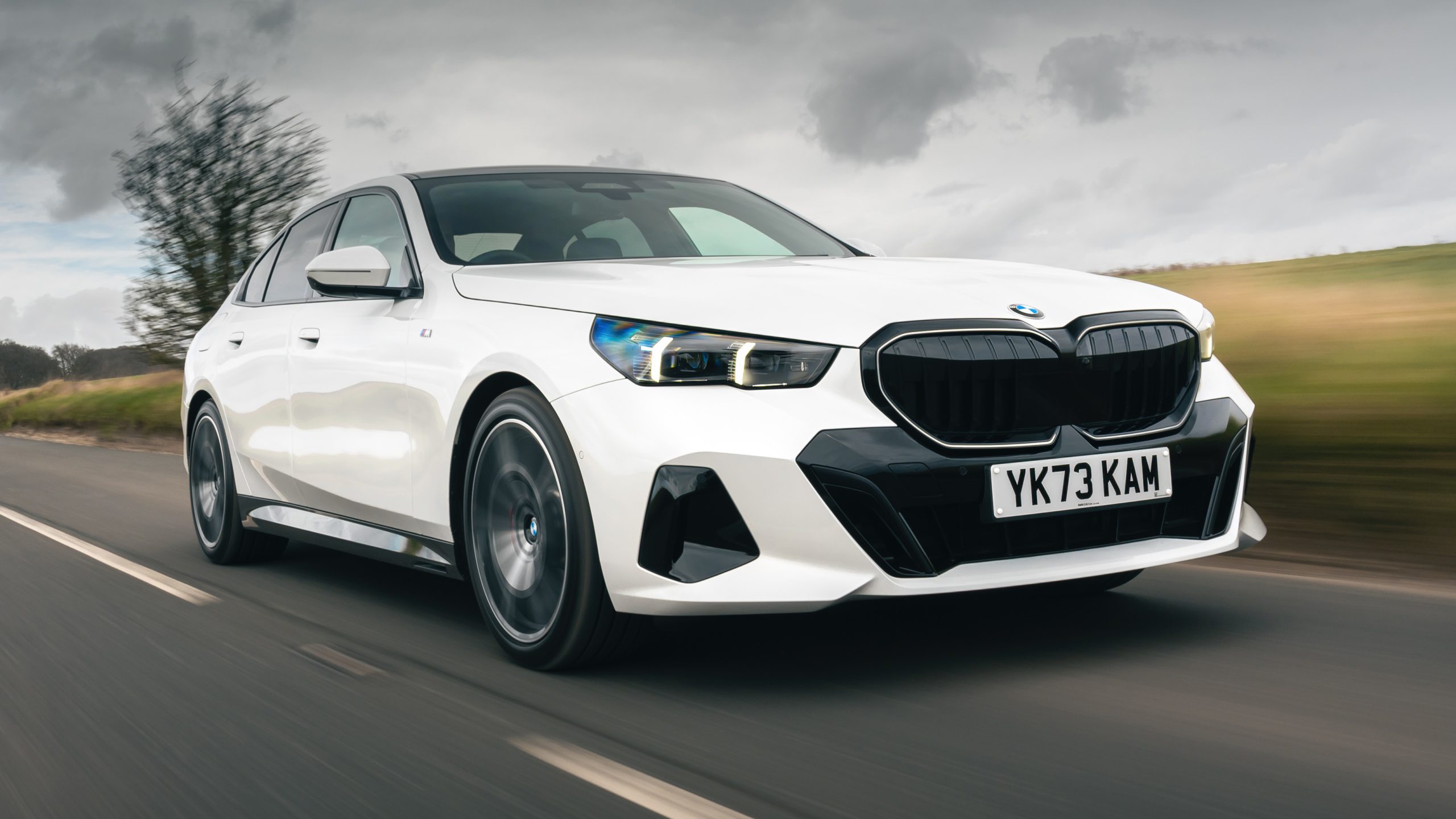
The BMW 5 Series is a benchmark in the midsize luxury sedan segment, offering performance, advanced technology, and premium craftsmanship. However, owning one comes with higher costs due to recalls, complex systems, and expensive parts.
Common issues include gearbox problems, cooling system failures, and premature rotor wear. Maintenance over five years averages more than $4,400, and total ownership costs, including fuel, insurance, depreciation, and loan interest, can reach $81,249.
BMW vehicles are high-maintenance largely because of their advanced electronics and proprietary systems. Features such as driver assistance, complex engine management, and iDrive-based diagnostics require specialized tools and expertise, increasing labor costs.
Additionally, specialized parts for components like fuel pumps or electric handbrakes are expensive, and certain model years have known issues, including timing chain guide failures in older V8 engines. Aggressive driving or exposure to road hazards can further increase repair expenses, especially for M Sport models with low-profile tires.
To manage maintenance costs, owners should adhere to the recommended service schedule using the Condition Based Service (CBS) system, and always use BMW-approved parts and fluids.
Addressing problems early prevents small faults from escalating into costly repairs. For buyers seeking reduced depreciation risk, a certified pre-owned BMW can provide a lower initial cost and often includes extended warranty coverage for some repairs.
Despite these considerations, the 5 Series delivers an engaging driving experience, refined interiors, and a strong reputation for luxury and technology. The trade-off for this premium experience is a higher cost of ownership compared with non-luxury vehicles.
By maintaining the car properly and addressing issues promptly, owners can enjoy the 5 Series’ performance and sophistication while minimizing unexpected expenses.
2. Audi A6: Luxury Comes with Maintenance Costs
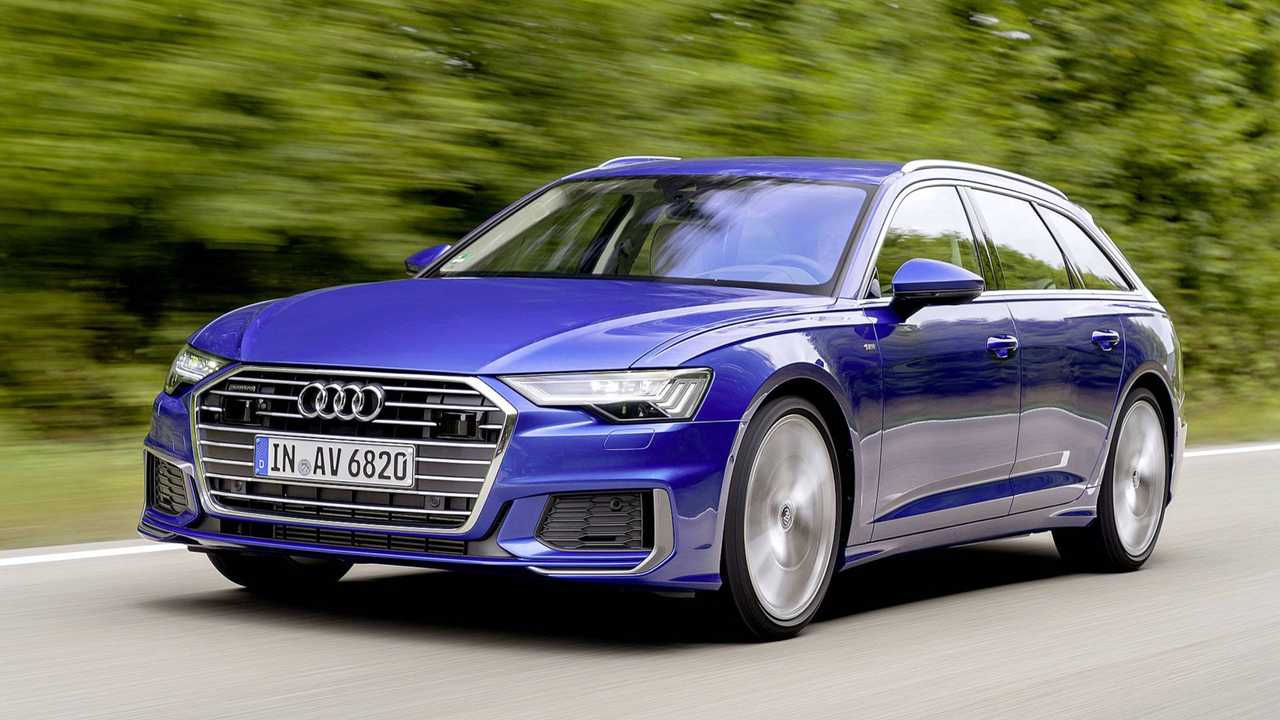
The Audi A6 is a well-regarded midsize luxury sedan, known for its stylish design, refined interiors, and advanced technology. Despite its appeal, ownership comes with higher maintenance and repair costs due to its complexity and status as a European luxury vehicle.
Common issues include faulty wiring, blown fuses, malfunctioning control modules, and shifting problems, which require skilled mechanics familiar with German cars.
Over the first five years, the average repair cost for an Audi A6 is approximately $3,074, and the total cost of ownership, including insurance, depreciation, fuel, and maintenance, is estimated at $78,947, slightly lower than a comparable BMW 5 Series.
Cruze, an automotive expert, notes that oil leaks, turbocharger issues, and gearbox malfunctions are recurring problems, contributing to above-average repair frequency and expense.
The high maintenance costs of the A6 are driven by several factors. Parts and labor are expensive, as most components must be imported and serviced by technicians experienced with Audi vehicles. The car’s technical complexity, particularly in models with advanced drivetrains and driver assistance systems, makes troubleshooting and repairs more labor-intensive.
Mechanical issues include excessive oil consumption, especially in the 2.0-liter turbocharged engine, and timing chain replacements, which are difficult and costly due to limited engine access.
Electrical and technology systems add another layer of potential cost. Common problems include faulty sensors, main beam assist malfunctions, front camera failures, and battery issues. Suspension components, such as control arm bushings, can wear prematurely, especially on rough roads, while smaller issues like dashboard rattles or malfunctioning touch-sensitive lights may require repeated visits to dealerships.
Despite these considerations, the Audi A6 delivers a high-quality driving experience with advanced features, strong performance, and a luxurious cabin. Owners who maintain the vehicle diligently and address issues promptly can enjoy its refinement and capabilities while minimizing costly surprises.
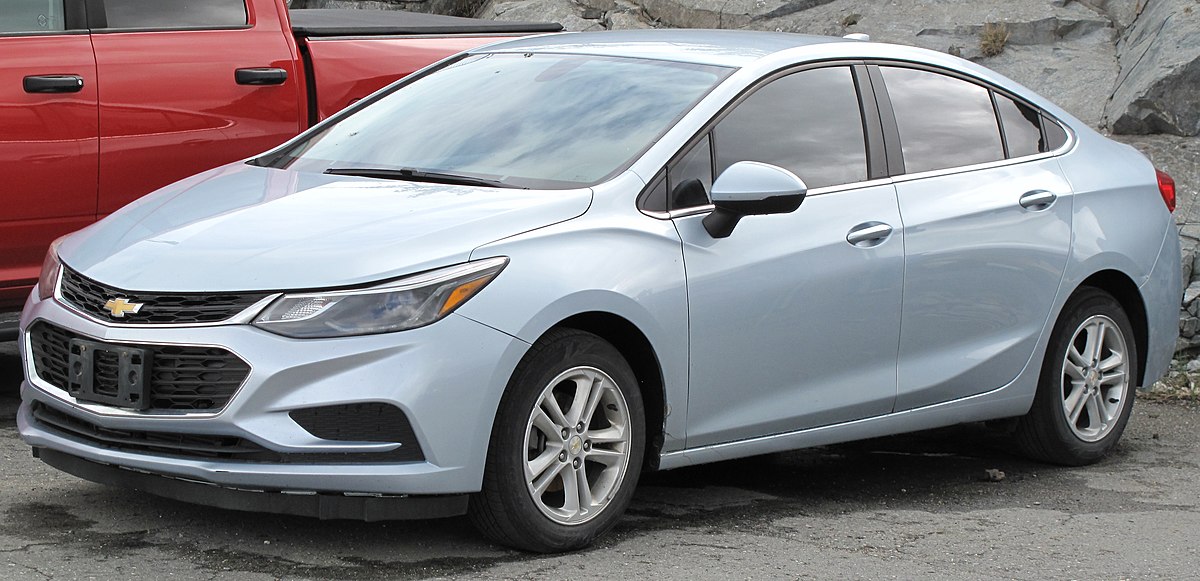
3. Chevrolet Cruze: High Maintenance Considerations for Used Models
The Chevrolet Cruze, discontinued in 2019, remains a popular choice on the used car market due to its fuel efficiency and spacious interior. However, prospective buyers should be aware of rising maintenance costs and potential reliability concerns in older models.
Maintenance expenses increase significantly with age, from around $859 per year in the first five years to over $1,350 by year nine, with a 22 percent chance of major repairs occurring.
The Cruze is considered high-maintenance because of recurring engine, cooling, transmission, and electrical issues. Engine problems are common, including PCV valve failures, oil leaks from gaskets and seals, and, in some model years, cracked pistons or head gasket failures.
Cooling system components, such as hoses and heat exchanger housings, are prone to wear or leakage, which can cause oil to spill onto the exhaust manifold.
Electrical systems also contribute to maintenance challenges. Reports include faulty alternators, dead batteries, blown fuses, and other electrical failures that can affect multiple vehicle functions. Transmission issues have been reported as well, including harsh shifting or slipping caused by software problems.
Diesel models may face particulate filter failures, and turbocharged variants can experience premature turbo failure if maintenance is neglected. Emissions components, like the NOx sensor or DEF heater element, have also been known to fail.
While the Cruze offers a comfortable ride and good fuel economy, these ongoing maintenance demands make it less appealing for buyers seeking a low-cost, low-maintenance used sedan. Anyone considering a used Cruze should prioritize a full service history and be prepared for higher-than-average repair costs compared with other vehicles in the compact sedan segment.
4. Mercedes-Benz S-Class: Luxury with High Maintenance Costs
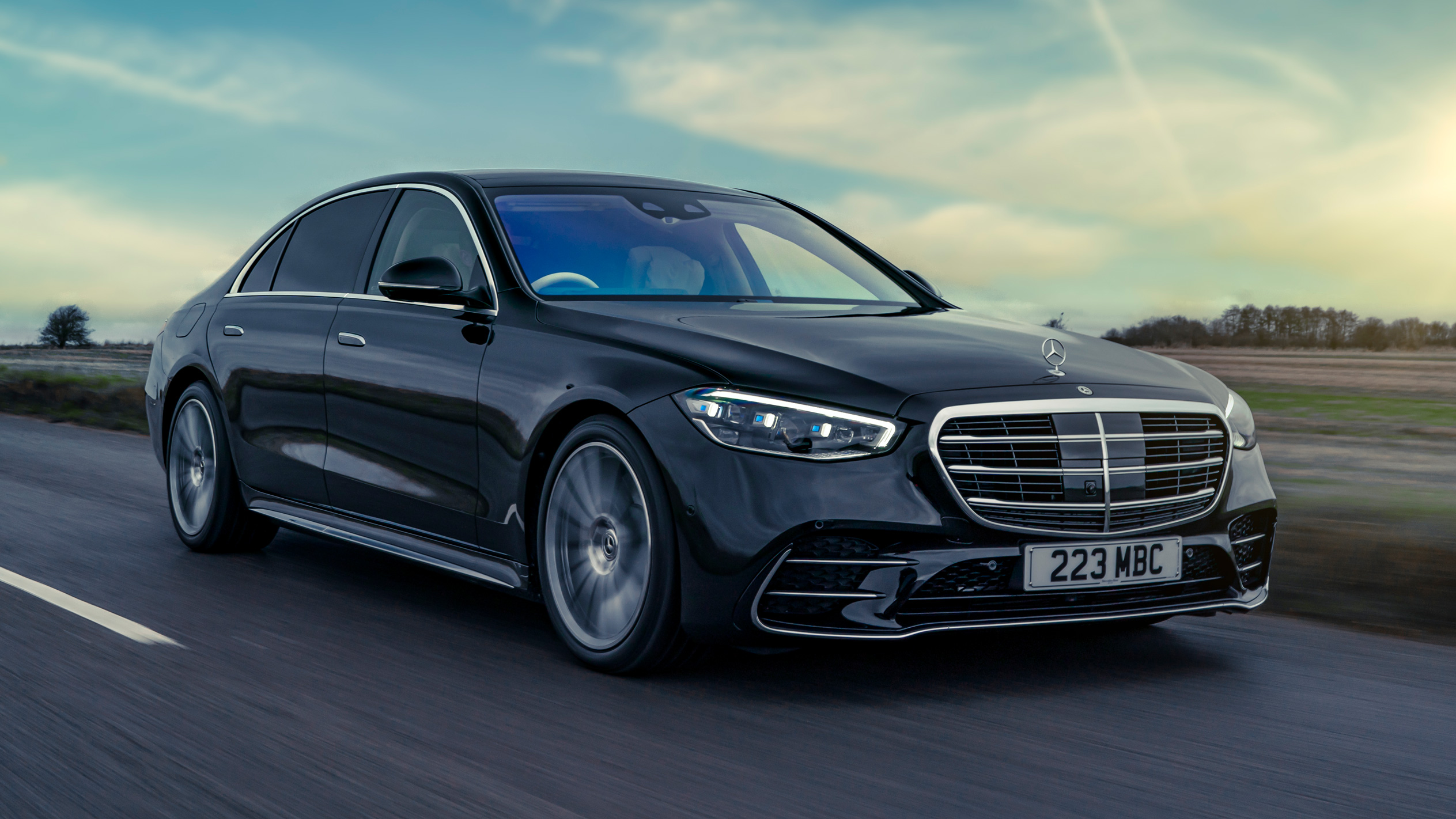
The Mercedes-Benz S-Class is synonymous with luxury, advanced technology, and prestige, but this level of sophistication comes with significant ownership costs. Over five years, the total cost of ownership averages $144,327, with depreciation accounting for more than half.
After five years, the S-Class typically retains a residual value of around $66,000, while maintenance averages $4,266, covering routine service and normal wear and tear. There is a 31.57 percent chance of a major repair during the first ten years, which can add thousands of dollars to upkeep costs.
High maintenance costs are largely due to the S-Class’s complex systems and advanced technology. Features such as air suspension, hydraulic door closers, and advanced electronic control units can be costly to repair if they fail.
The vehicle also contains numerous sensors and electronic components, affecting infotainment, adaptive cruise control, and other advanced systems, which can lead to expensive diagnostic and repair work.
The car’s specialized parts and labor further contribute to high costs. Proprietary components for performance engines and advanced systems are more expensive to replace, and repairs typically require dealerships or certified European auto specialists, resulting in higher labor rates.
The S-Class also demands frequent, intensive service intervals, often involving multiple fluid changes and thorough inspections. Proprietary engine oils, transmission fluids, and other lubricants are required to maintain optimal performance, increasing the expense compared with non-luxury vehicles.
Long-term ownership costs are also affected by higher risks of major repairs, especially after 100,000 miles. Steep depreciation and the need for specialized maintenance mean that owning an S-Class is a considerable financial commitment. While the vehicle delivers unmatched luxury, comfort, and technology, potential owners should weigh these benefits against the high cost of servicing, repairs, and long-term ownership.
5. Volvo S90: Luxury Technology with Hidden Costs
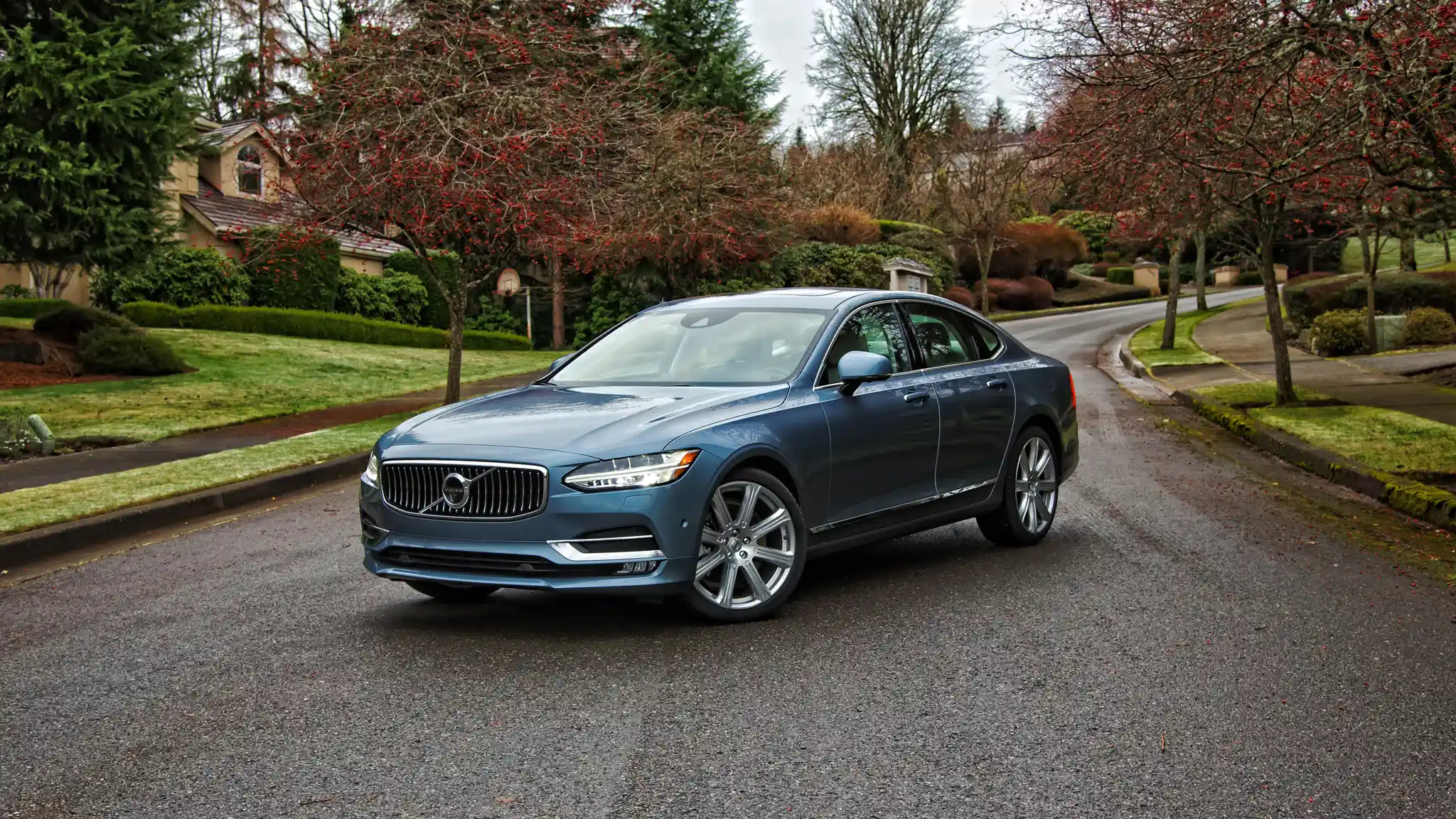
The Volvo S90 is a refined luxury sedan known for its Scandinavian design, comfort, and advanced safety features. However, ownership comes with higher-than-expected maintenance and repair costs. The average five-year ownership cost is $81,159, with routine maintenance averaging $3,110 during this period.
Costs increase over time, exceeding $1,000 annually after year five, and by year ten, there is a 26.81 percent chance of a major repair. Technology-related issues often contribute to these higher costs, despite Volvo’s reputation for reliability.
The S90 is considered high-maintenance due to its advanced safety systems, high-tech powertrains, and complex components. Models such as the T8 Recharge include intricate systems that require specialized knowledge and tools to service. Repairs for these components are often beyond the capabilities of standard mechanics, driving up labor and parts costs.
Factors contributing to elevated maintenance costs include specialized technology like integrated safety sensors, complex mechanical components such as the T8 timing belt, and high-quality materials, which increase the price of replacement parts.
Additionally, not all mechanics are qualified to service the S90, limiting repair options and further increasing expenses. Being a luxury vehicle, the S90 also tends to have higher insurance premiums and costly replacement parts for major repairs.
Owners can mitigate some of these costs by finding mechanics experienced with European or Volvo vehicles, budgeting carefully for routine maintenance, and staying current with software updates, which can prevent issues with the car’s sophisticated systems.
While the Volvo S90 provides comfort, style, and cutting-edge technology, potential owners should be aware of the hidden costs associated with maintaining its advanced features and luxury components.
The distinction between reliable luxury sedans and high-maintenance divas emphasizes the importance of ownership priorities. Models such as the Volvo S90, Mercedes E-Class, Infiniti Q50, Lincoln Continental, and Acura TLX provide comfort, performance, and lower maintenance, ideal for drivers who prefer predictable costs and consistent reliability.
High-maintenance divas like the BMW 5 Series, Audi A6, Chevrolet Cruze, and Mercedes S-Class offer advanced technology, high-end performance, and a premium driving experience, but they require frequent repairs, expensive parts, and specialized service. These vehicles reward careful attention but can become costly if neglected.
Ultimately, the choice depends on what matters most. Reliable sedans are better for long-term convenience and peace of mind, while high-maintenance models appeal to those drawn to technology, prestige, and performance, despite the higher upkeep. This contrast highlights how luxury sedans vary widely in ownership experience and commitment.
Also Read: 5 Cars With Intuitive Physical Climate Controls vs 5 Buried in Screens