
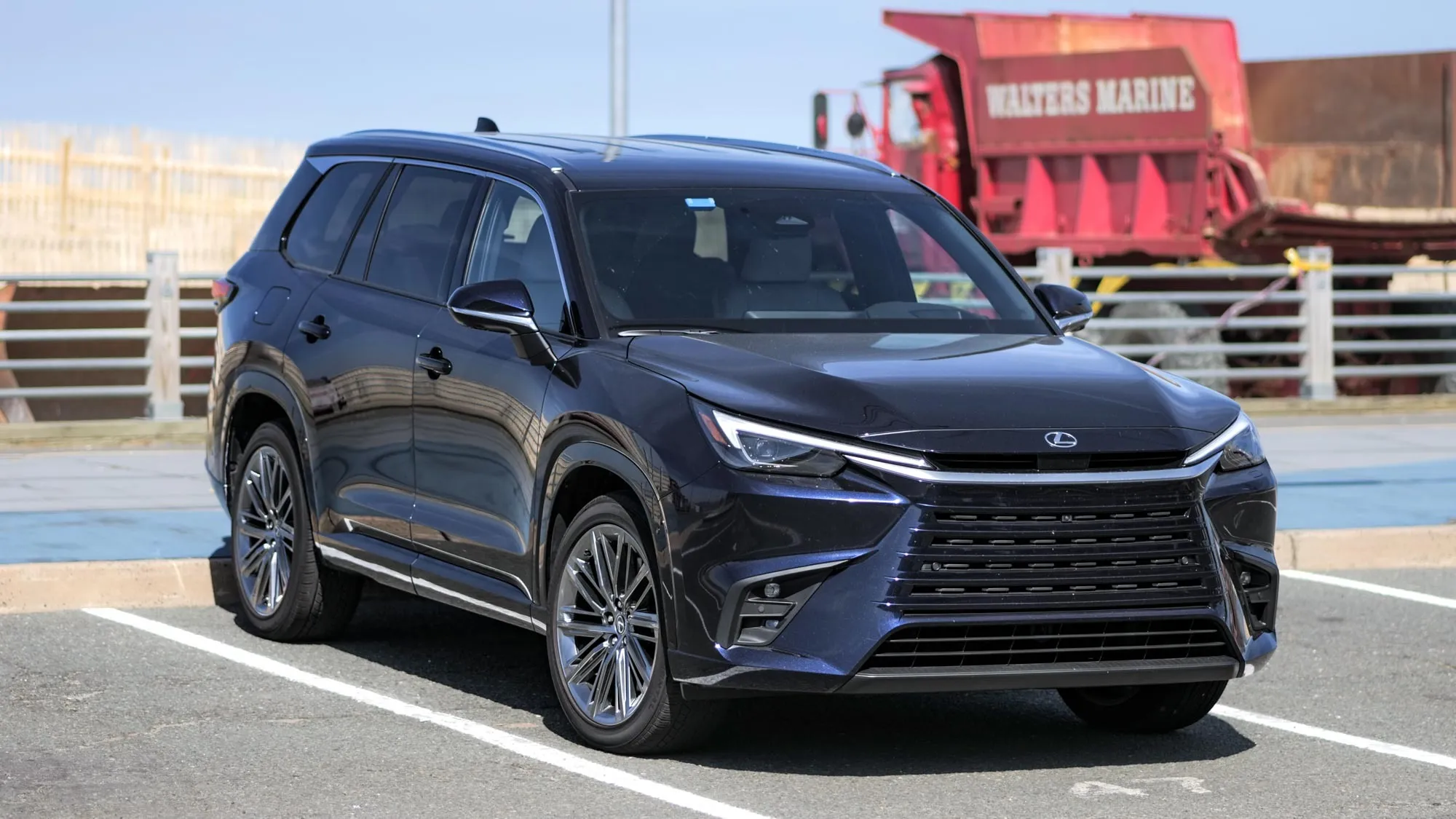
Plug-in hybrid electric vehicles, often called PHEVs, are gaining strong attention among people who want efficiency without giving up convenience. They mix the calmness of electric power with the dependability of petrol engines, making them an interesting choice for those who travel short or medium distances daily.
As cities continue to grow busier and fuel prices keep rising, many workers are beginning to see how these vehicles can save both time and money while keeping travel smoother. Still, not every plug-in hybrid suits daily commuting.
Some models shine with excellent electric range, quick charging, and smooth transitions between battery and engine. Others look good on paper but fall short once they face stop-and-go traffic or longer drives.
It’s the difference between a car that truly fits a person’s everyday rhythm and one that only sounds appealing until it meets reality.
This guide separates ten popular PHEVs into two sides. The first five stand out for how well they suit commuters, balancing cost, comfort, and practicality. The other five don’t quite meet the needs of a typical daily driver, whether because of limited range, poor efficiency, or inconvenient operation.
By the end, you’ll have a clearer picture of which models can make weekday driving easier and which ones may demand more patience than they deserve.
5 PHEVS That Fit Commuters
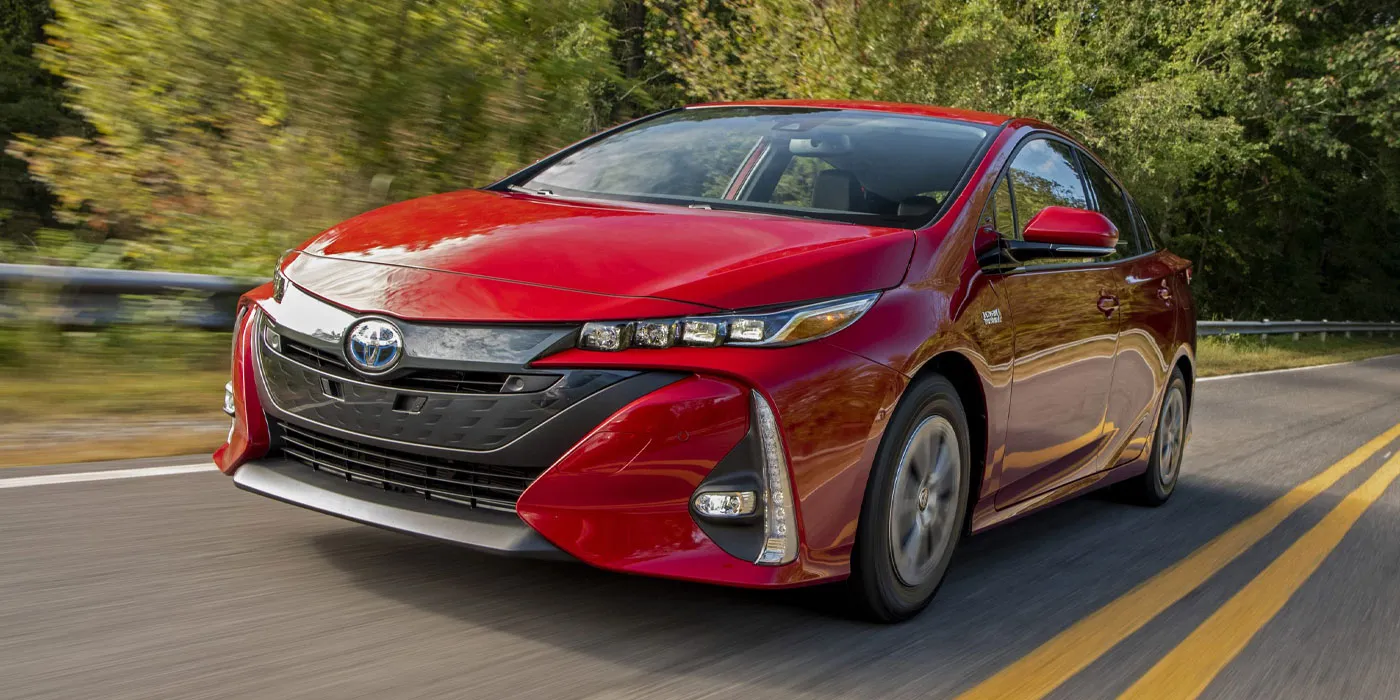
1. Toyota Prius Prime (2022 Model)
The 2022 Toyota Prius Prime continues to demonstrate why practicality and reliability often outlast trends in vehicle design. Among plug-in hybrids built for everyday driving, it remains a top choice for those who value predictable efficiency over excitement.
Its 25-mile all-electric range may not seem groundbreaking, but for people who live and work within short distances, that coverage handles most weekday trips without needing petrol. When the battery eventually drains, the switch to hybrid mode is almost unnoticeable, keeping the journey quiet and efficient.
One major advantage of the Prius Prime is its low operating cost. Charging takes roughly four hours with a standard home outlet, and the electric motor performs briskly enough for city use.
Inside, Toyota focuses on function rather than flash, clear visibility, simple dashboard layout, and a calm cabin atmosphere. Morning drives through traffic feel smoother thanks to the supportive seats and good sound insulation.
Durability is another reason it stays popular among commuters. Many owners report that the Prius Prime maintains its fuel economy and drive quality even after years of use. Routine servicing costs are modest, and its hybrid system has a long record of reliability. Though the cabin materials may appear basic, the entire construction feels solid.
The car performs consistently in mixed traffic and highway conditions, striking a balance between power and restraint effectively.
While thrill-seekers may overlook it for its mild personality, anyone who values economy, comfort, and dependability will find the Prius Prime to be one of the most trustworthy plug-in hybrids for daily movement.
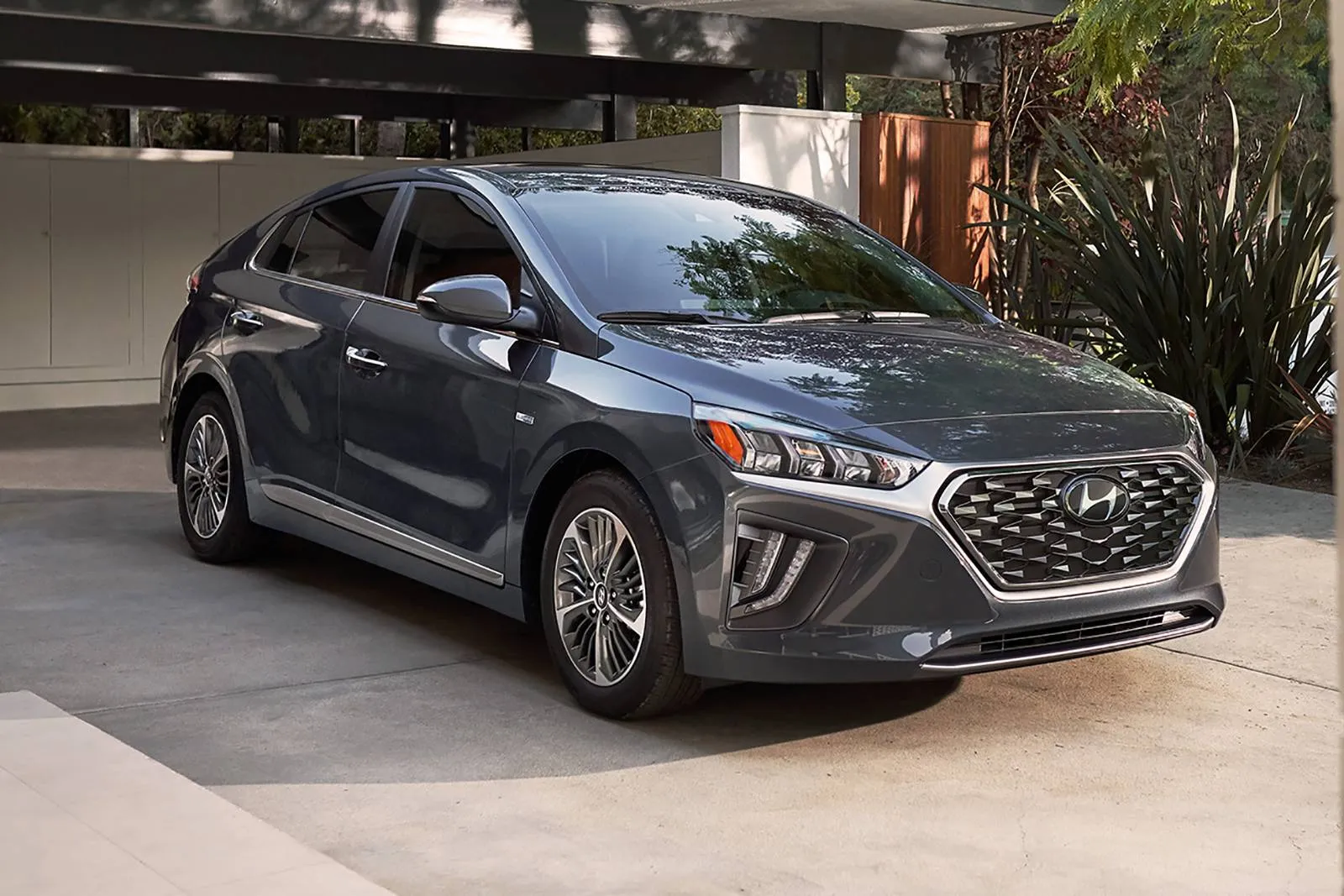
2. Hyundai Ioniq Plug-In Hybrid (2021 Model)
The Hyundai Ioniq Plug-In Hybrid (2021) delivers one of the most balanced experiences among small electrified vehicles. It’s compact and efficient, yet it manages to feel refined in ways many plug-in hatchbacks do not.
The car can travel up to 29 miles on electric power alone, an amount that fits neatly into the lifestyle of city workers. Commuters who make short daily trips can often complete their routes without burning a single litre of fuel.
Beyond its efficiency, what stands out is how smooth the car feels in motion. The transition between electric and petrol modes happens so naturally that most drivers barely notice the change. The steering feels light but steady, making it easy to handle tight corners or congested streets.
Inside, Hyundai keeps things straightforward. The cabin layout is clean, with an easy-to-read instrument cluster and an infotainment system that responds instantly. Supportive seats and wide visibility make longer drives less tiring.
The Ioniq Plug-In charges quickly, about two hours with a 240-volt charger, and its regenerative braking system recovers energy effectively, stretching battery life. Drivers often comment that they can go for several days before refilling at the pump, especially if their round-trip stays within 30 miles.
The vehicle’s hybrid engine also performs reliably on longer trips, maintaining quiet composure at highway speeds. Build quality is sturdy, and Hyundai’s extended warranty gives extra peace of mind.
For commuters who need something dependable, simple to maintain, and pleasant to drive, the Ioniq Plug-In Hybrid stands out as an affordable yet refined choice.
Also Read: 5 PHEVs That Keep Thermal Management Strong vs 5 That Over-throttle Power
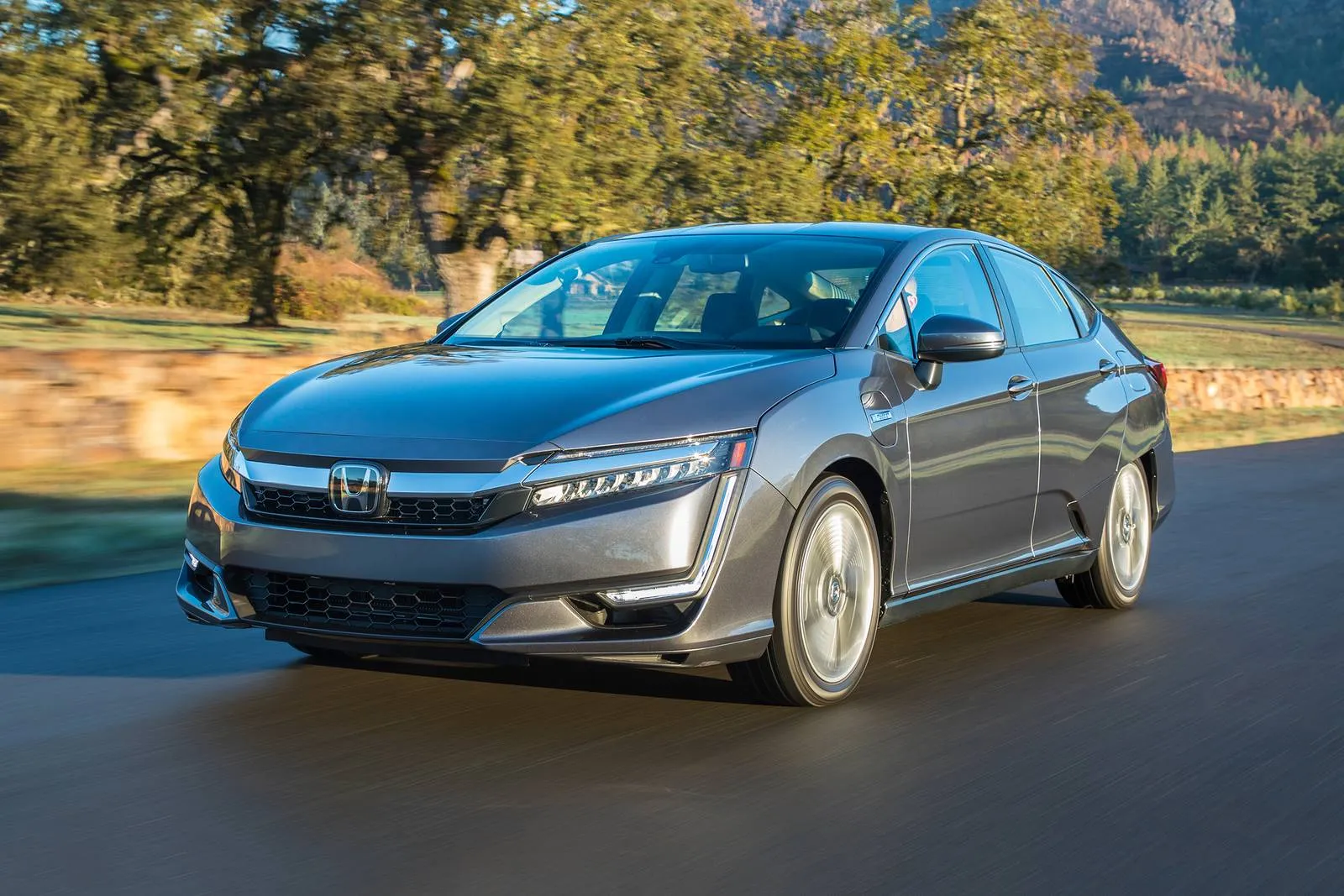
3. Honda Clarity Plug-In Hybrid (2020 Model)
The 2020 Honda Clarity Plug-In Hybrid was engineered with an emphasis on calm performance and long-term practicality. It doesn’t shout for attention through looks or power, but it delivers where it matters most: electric range, comfort, and reliability.
With an estimated 47 miles of all-electric range, the Clarity outperforms many competitors in its price bracket, offering enough distance to complete most weekday commutes entirely on electricity.
Driving the Clarity is an easy experience. Its electric motor runs silently, providing smooth acceleration without vibration. When the petrol engine engages, the transition is so well-managed that most drivers barely notice it.
The cabin feels airy, with generous legroom and high-quality seating that provides strong lumbar support during long hours in traffic. Interior materials feel premium enough for the category, and Honda’s design emphasises clean simplicity rather than excess.
Charging is straightforward, taking roughly two and a half hours with a 240-volt outlet. Many users say they only need to refuel occasionally, especially if they keep the battery topped up each night.
The hybrid system remains dependable even after several years, proving Honda’s attention to durability. On rough or uneven roads, the suspension absorbs bumps effectively, maintaining a steady ride for both driver and passengers.
For professionals who value peace, low costs, and long-term dependability, the Honda Clarity Plug-In Hybrid remains an underrated gem. It’s not built for excitement, but it succeeds quietly at delivering comfort and consistency, the two qualities most commuters appreciate every single day.
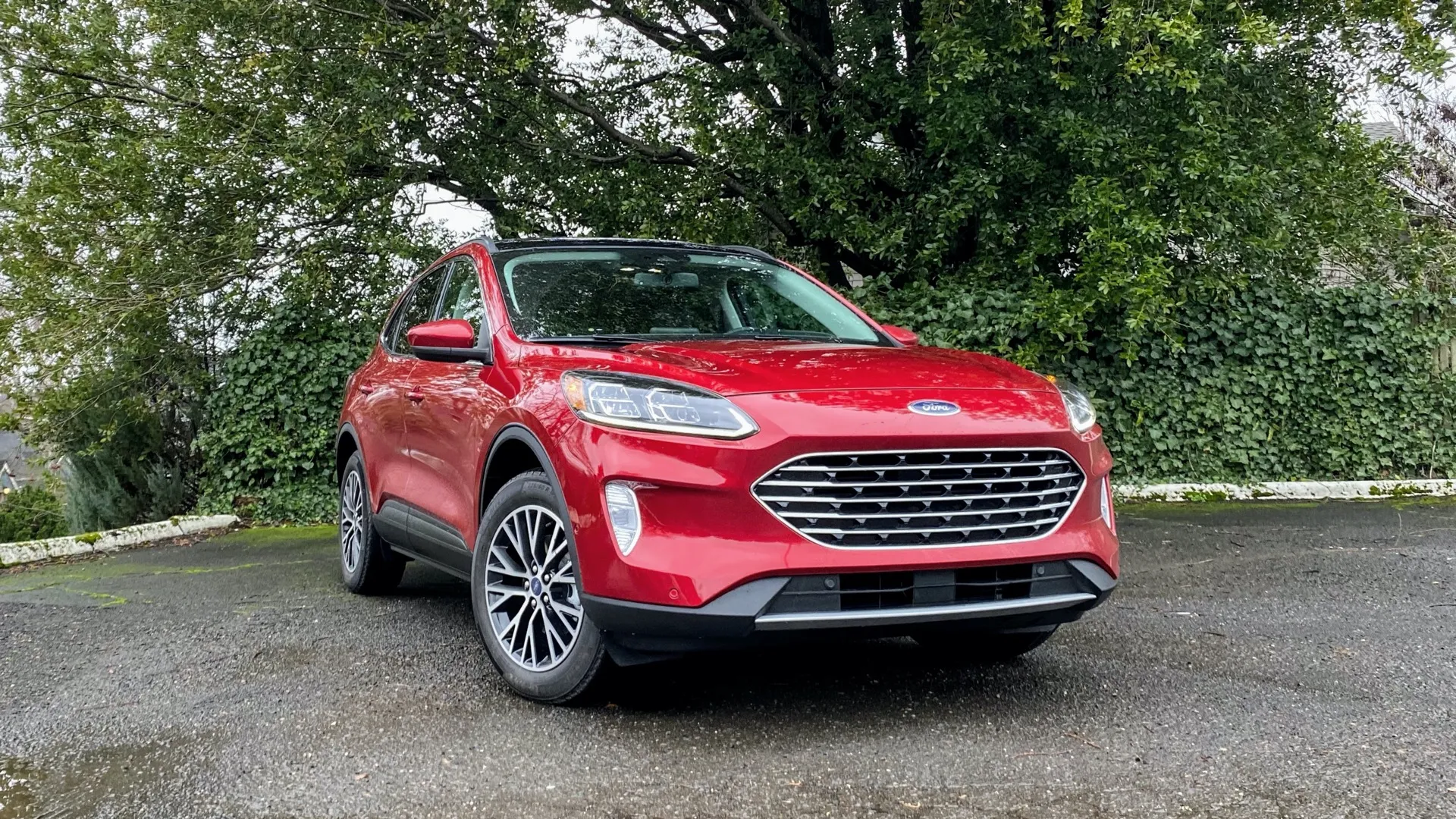
4. Ford Escape Plug-In Hybrid (2022 Model)
The 2022 Ford Escape Plug-In Hybrid offers the kind of practicality that fits modern urban routines. Its 37-mile electric range covers most daily drives comfortably, meaning many owners can complete a full workday commute without using fuel.
Its SUV structure adds extra flexibility for drivers to enjoy higher seating for better visibility and more space for passengers or cargo.
The powertrain feels well-balanced between the electric motor and the petrol engine. Switching between modes happens smoothly, without the hesitation sometimes felt in other hybrids. The Escape’s steering is responsive, and the ride remains stable, whether gliding through city streets or cruising on open highways.
Inside, Ford focused on space and simplicity. The layout of controls is intuitive, the infotainment system works quickly, and there’s generous legroom even in the back seats. For people living in colder or wetter regions, the Escape’s heating system and traction control are reliable advantages.
It starts easily on chilly mornings and maintains steady performance on slippery roads. Charging is convenient at home or at public stations, and regular top-ups help keep running costs low. The hybrid battery is positioned beneath the floor, which improves handling by lowering the vehicle’s centre of gravity.
Many commuters appreciate its calm, predictable behaviour and modest maintenance demands. While it won’t excite performance enthusiasts, the Escape Plug-In Hybrid blends practicality, comfort, and efficiency in a way that suits everyday life perfectly. It’s a small SUV that feels equally ready for errands, office commutes, or family duties.
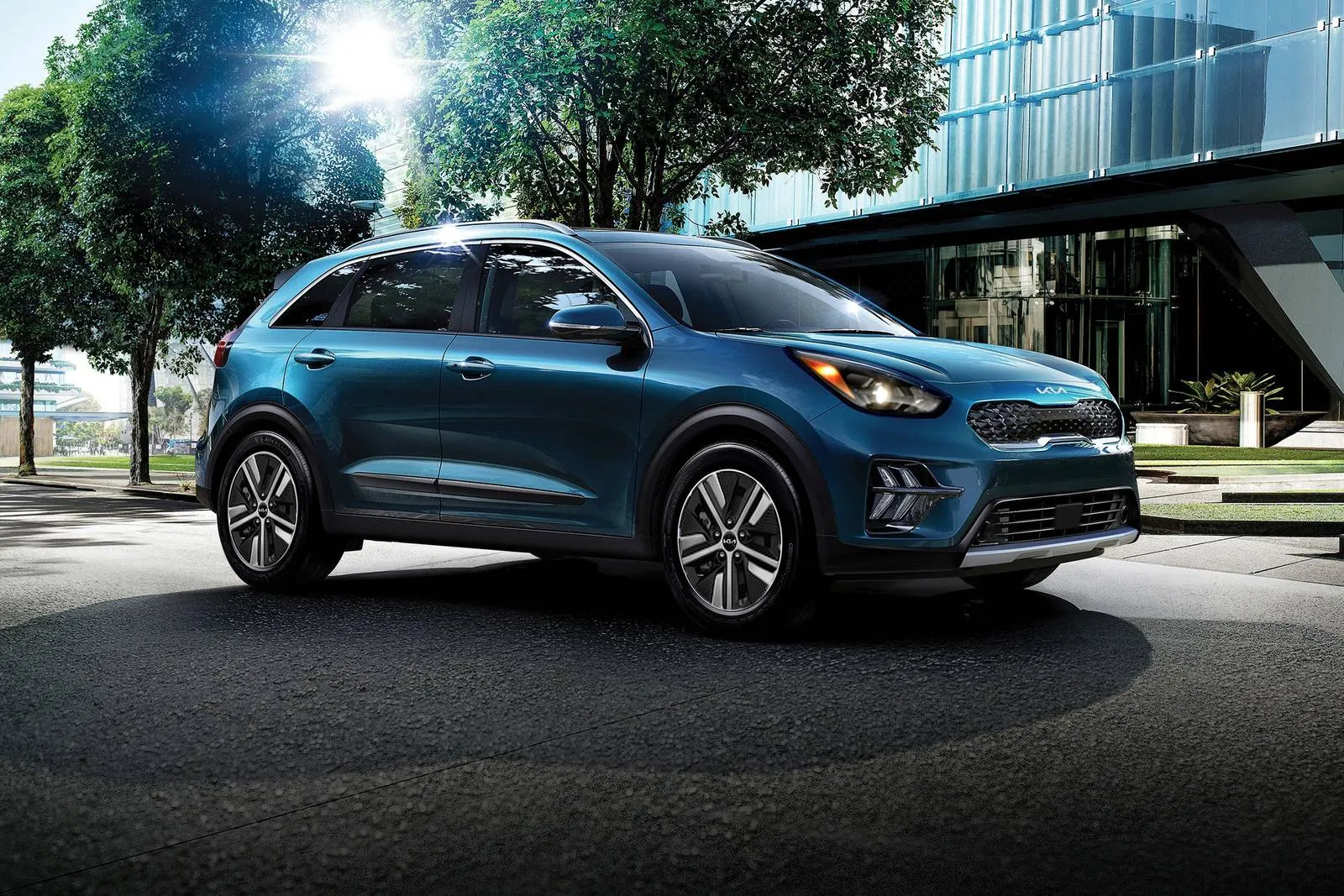
5. Kia Niro Plug-In Hybrid (2022 Model)
The 2022 Kia Niro Plug-In Hybrid strikes a fine balance between everyday usability and consistent performance. With an electric range of about 26 miles, it handles the short trips that make up most urban driving routines without difficulty.
What keeps it appealing is its reliability; the car delivers the same steady performance day after day, whether running on electric power or petrol.
Inside, the Niro feels well-thought-out. Controls are logically placed, visibility is wide, and the seats offer a comfortable, upright position suitable for long commutes. The infotainment system is clear and simple, avoiding unnecessary distractions.
The regenerative braking system works smoothly, helping recharge the battery during braking without disrupting the drive. Recharging from a 240-volt outlet takes about two hours, making it easy to fit into daily schedules.
Even when switching to petrol mode, the Niro stays fuel-efficient. It accelerates gently but responsively, making it perfect for stop-and-go traffic.
Drivers also value its compact footprint, easy parking, easy handling, and stability on rougher surfaces. Generally, owners report minimal issues with the drivetrain, reflecting Kia’s growing reputation for quality.
The brand’s extensive warranty adds confidence for new plug-in buyers who want a low-risk investment. While the Niro may not attract those seeking speed or flash, it offers everything that matters to consistent commuters: economy, ease of use, and quiet dependability.
It’s a vehicle designed to fit seamlessly into a routine, reliable from Monday to Friday and flexible enough for weekend drives.
5 PHEVS That Miss the Use Case
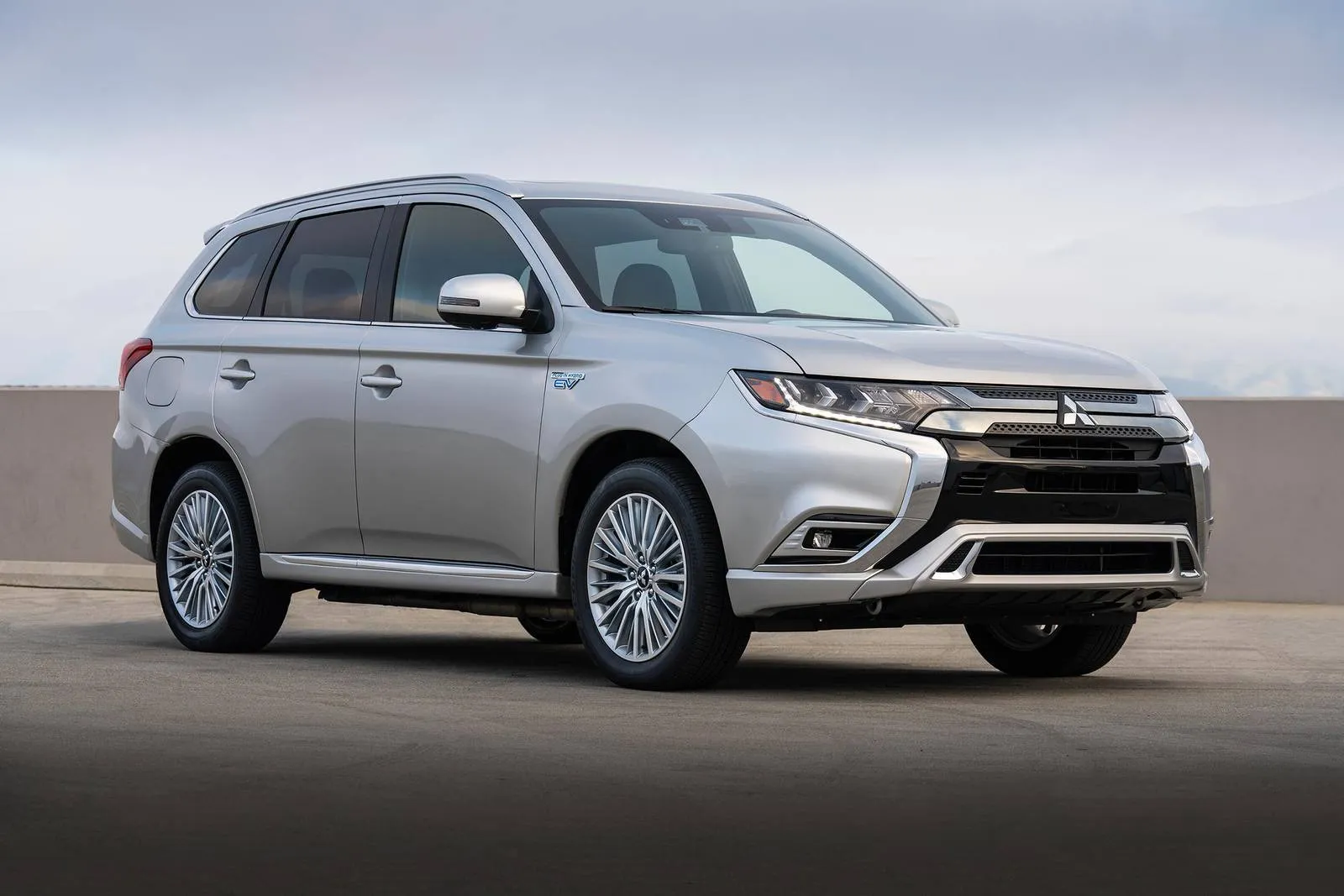
1. Mitsubishi Outlander PHEV (2020 Model)
The 2020 Mitsubishi Outlander PHEV carries an image of a capable plug-in hybrid SUV, yet it doesn’t quite deliver what most daily commuters expect. On paper, its 22-mile electric range sounds workable for city travel, but that figure drops noticeably when the air conditioner or heater is used, something inevitable in most urban driving conditions.
The electric system struggles to hold performance in heavy traffic or during short stop-and-go runs, which means the petrol engine often takes over much sooner than drivers anticipate. This frequent switch between power sources reduces efficiency and brings a noticeable difference in driving comfort.
Some users have mentioned that the transition between electric and petrol power can feel slightly jerky, especially in traffic jams. While the interior materials look durable, they lack the sense of refinement and sophistication that rival models within the same price range deliver. The cabin can also get noisy when the engine revs during acceleration, which slightly undermines the entire smoothness of the ride.
Charging performance is another weak point. Using a standard home outlet takes longer than many drivers are comfortable with, and public charging options for this particular model are not always convenient or consistent.
In real-world use, the Outlander PHEV shines more on longer drives, where the petrol engine can comfortably take over for extended distances. However, people who mainly cover short trips each day will notice that they spend more on fuel than expected. Without disciplined battery management and regular charging, efficiency drops quickly.
For city workers or urban commuters seeking a quiet, dependable electric drive during the week, this model feels like a compromise. Its strengths become more apparent on family trips or weekend outings rather than routine commuting.
The Mitsubishi Outlander PHEV remains functional, but its entire setup doesn’t quite align with the daily needs of city-based drivers who expect consistent electric operation and cost-saving performance.
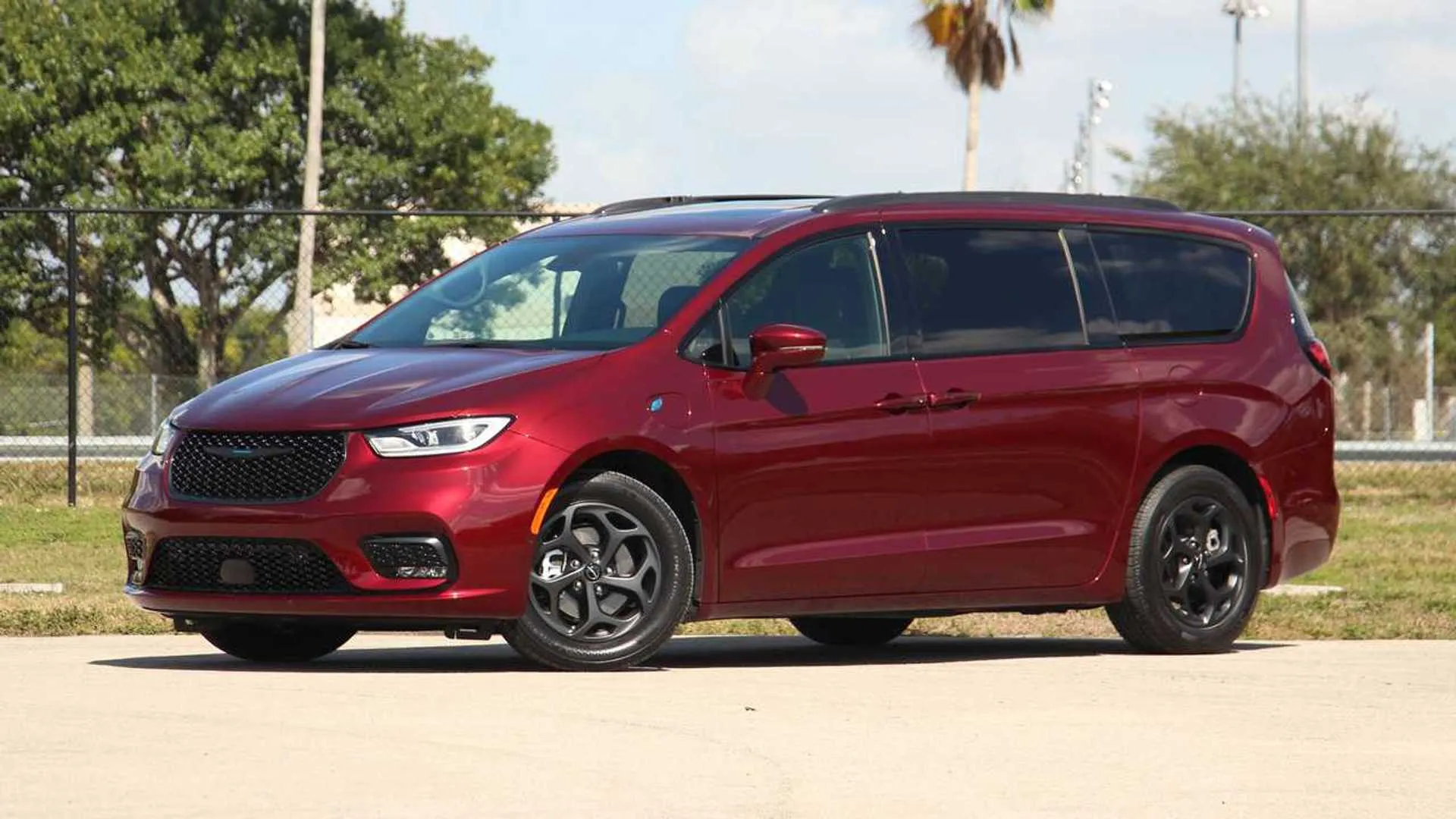
2. Chrysler Pacifica Hybrid (2021 Model)
The Chrysler Pacifica Hybrid 2021 edition looks impressive and serves as a family-friendly option, yet it’s not ideal for typical commuting routines. The van’s all-electric range of roughly 32 miles appears generous, but once behind the wheel, its large and heavy frame makes going through crowded city streets a tiring task.
Parking can be challenging, especially in compact lots or tight residential areas. Drivers quickly realise that the Pacifica’s size, though great for passengers, becomes a disadvantage during weekday errands and quick office runs.
Charging time is another limitation that affects its practicality for busy professionals. Using a normal home outlet can take close to 12 hours for a full charge, a waiting period that doesn’t suit people with tight schedules.
Even with faster chargers, daily top-ups require planning. Once the petrol engine starts, the hybrid system consumes fuel at a rate that feels closer to a regular minivan than a plug-in hybrid. This often surprises users who expected stronger fuel economy across shorter trips.
Inside, the Pacifica Hybrid provides soft comfort and a spacious environment that families appreciate, but for solo commuters, it feels unnecessarily large. Handling feels less nimble in traffic, and manoeuvring requires more attention than smaller PHEVs. While it performs very well on highways and family getaways, its fuel-saving advantage weakens in stop-start city movement.
The Pacifica Hybrid suits households that combine errands, school drop-offs, and long-distance travel. For individual commuters who simply need an economical daily ride, it becomes harder to justify.
It’s versatile, but its practicality leans more toward family convenience than urban commuting efficiency. For everyday city workers, the Pacifica Hybrid feels too heavy and slow to recharge to be truly effective in routine use.
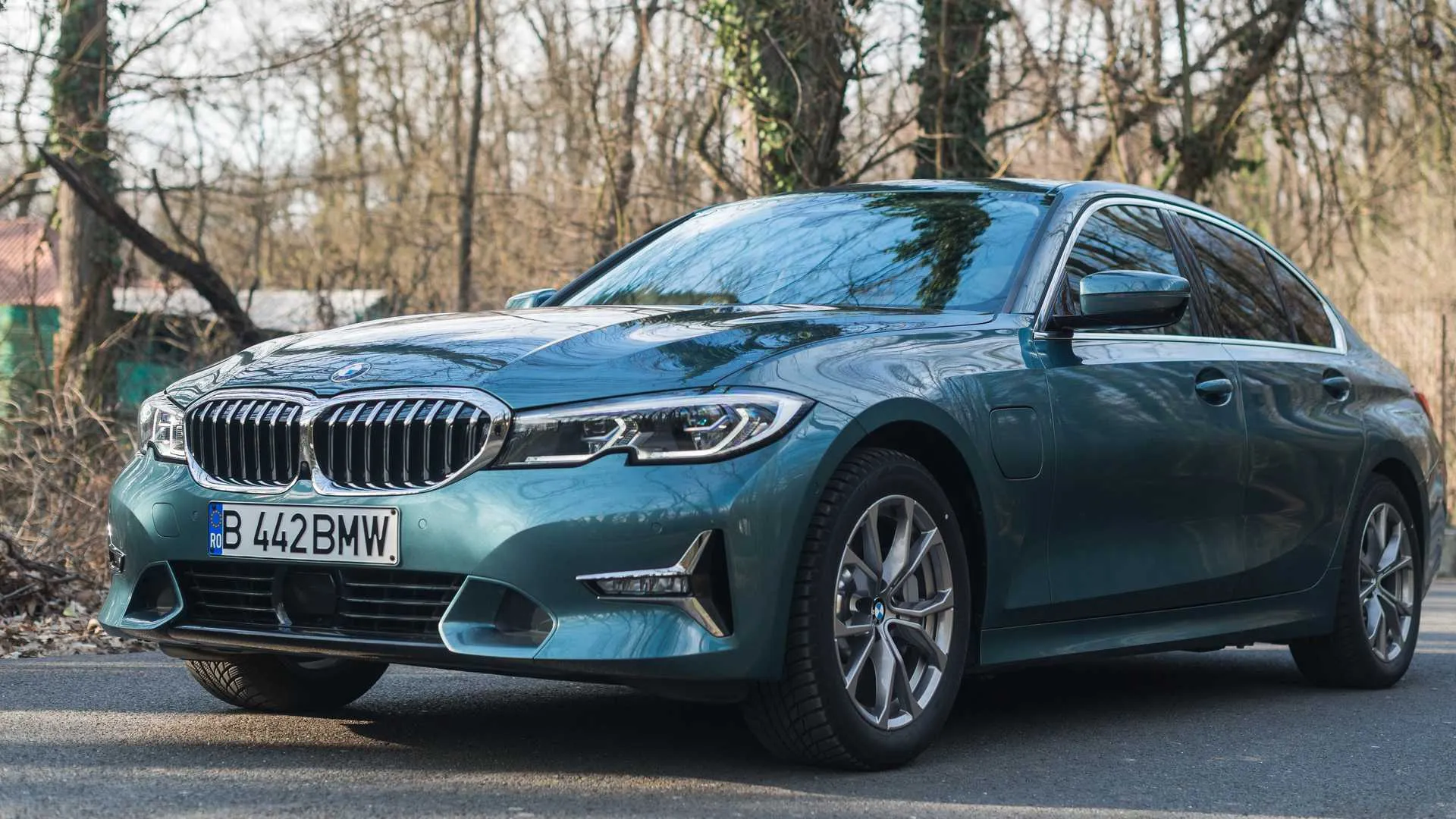
3. BMW 330e (2020 Model)
The BMW 330e (2020) blends sportiness and modern hybrid design, yet it doesn’t quite serve the needs of those who rely heavily on short daily commutes. With an electric range hovering around 22 miles, the vehicle quickly transitions to petrol power once the distance extends beyond this limit.
While that’s sufficient for light users, anyone driving more than that each day soon finds themselves relying primarily on the fuel engine, which eliminates much of the savings expected from a plug-in hybrid. In terms of driving feel, the 330e is sharp and refined, offering responsive acceleration and precise handling. However, that same sporty nature comes with trade-offs.
The hybrid system prioritises performance rather than efficiency, and once the petrol engine activates, fuel consumption rises noticeably. Commuters who often go through congested traffic will find that the frequent stop-start operation doesn’t feel as smooth as in other, more efficiency-oriented hybrids.
Maintenance is another factor that makes the 330e less suitable for cost-conscious commuters. BMW parts and service costs can be high, especially when compared with simpler plug-in models from mainstream manufacturers.
Charging the 330e daily becomes essential to get any real advantage from its hybrid system, but its limited battery capacity means users spend more time managing charge levels than they’d prefer. In highway driving, the 330e is an enjoyable, high-performance vehicle that handles long stretches effortlessly. But for daily short trips, the fuel economy falls behind competitors.
While it’s a beautiful car packed with technology and comfort, it caters more to drivers who value luxury and speed over simplicity and economy. Those who want straightforward, cost-effective daily transport may find it less practical for routine commuting.
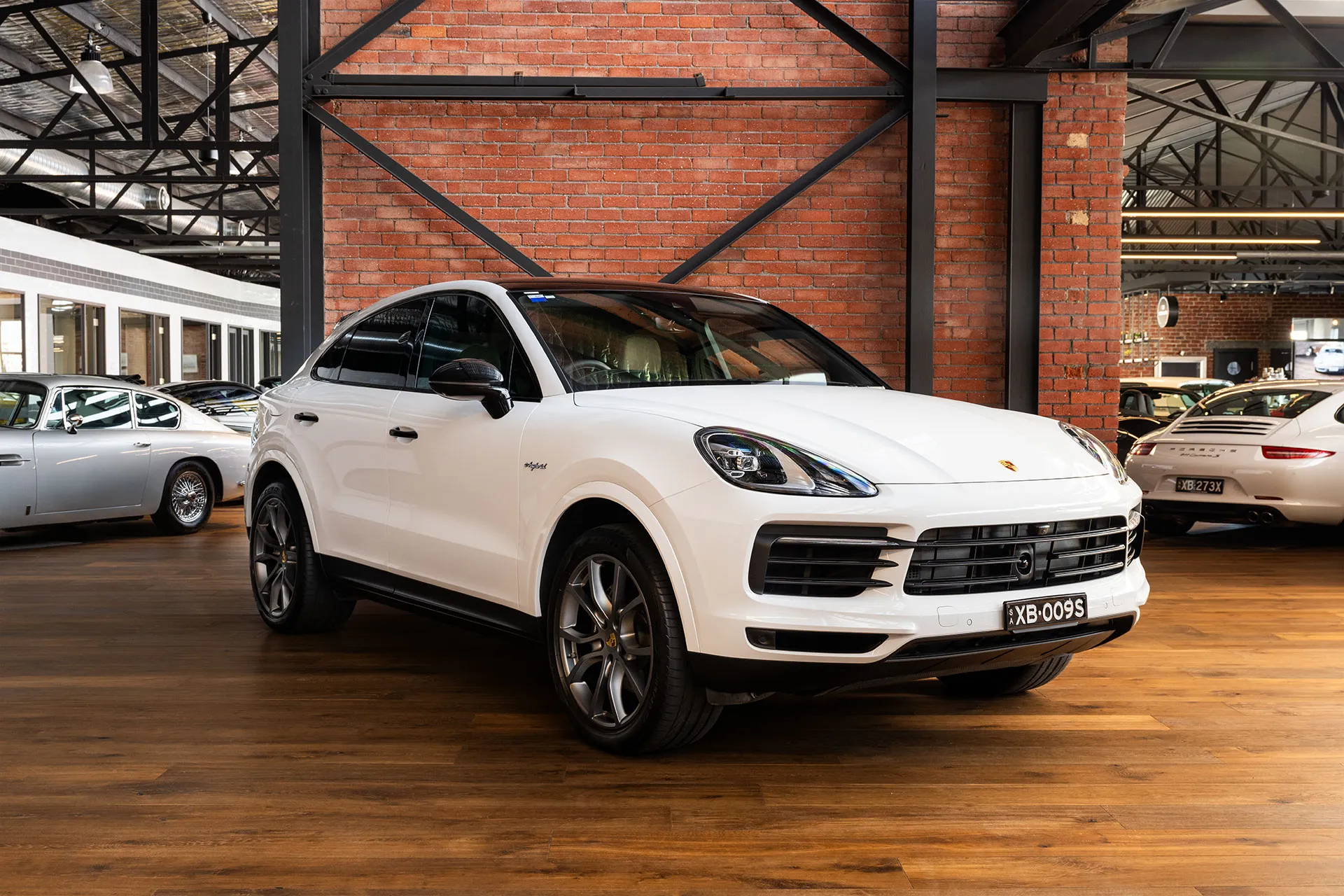
4. Porsche Cayenne E-Hybrid (2021 Model)
The 2021 Porsche Cayenne E-Hybrid represents luxury, performance, and advanced engineering, but for daily commuters, it’s not the most practical plug-in hybrid. Its electric-only range is limited to about 17 miles, far below what many urban workers need to complete a typical round trip without using fuel.
Once that small electric range runs out, the petrol engine takes control, and fuel consumption quickly rises due to the SUV’s heavy build and high-performance focus. Driving the Cayenne E-Hybrid in city traffic can feel cumbersome. Its large body size, wide turning radius, and firm suspension make slow-speed manoeuvres more demanding.
Parking in tight spaces is also a challenge, especially in crowded business districts. Because of its size and engine configuration, the car’s electric motor has to work hard to move the vehicle at low speeds, which drains the battery faster. Owners expecting smooth, efficient electric operation in traffic are often surprised by how frequently the petrol engine intervenes.
Charging times can also be longer than expected, as the larger battery takes more hours to fill up compared to compact plug-in sedans or hatchbacks. Maintenance and tyre costs are additional factors that may discourage commuters looking for budget-friendly operation.
Although the Cayenne offers unmatched interior quality, comfort, and advanced driver-assist features, those benefits don’t translate into practical commuting efficiency. The Cayenne E-Hybrid suits drivers who mix highway travel with occasional city drives or who prioritise luxury above efficiency.
But for daily urban commuting, it demands more fuel, more space, and more time for charging. It performs impressively when driven long distances, but it’s overqualified for short, repetitive city trips that define most weekday routines.
Also Read: 5 Rare AWD Hybrids That Endure vs 5 PHEVs That Lose Batteries Fast
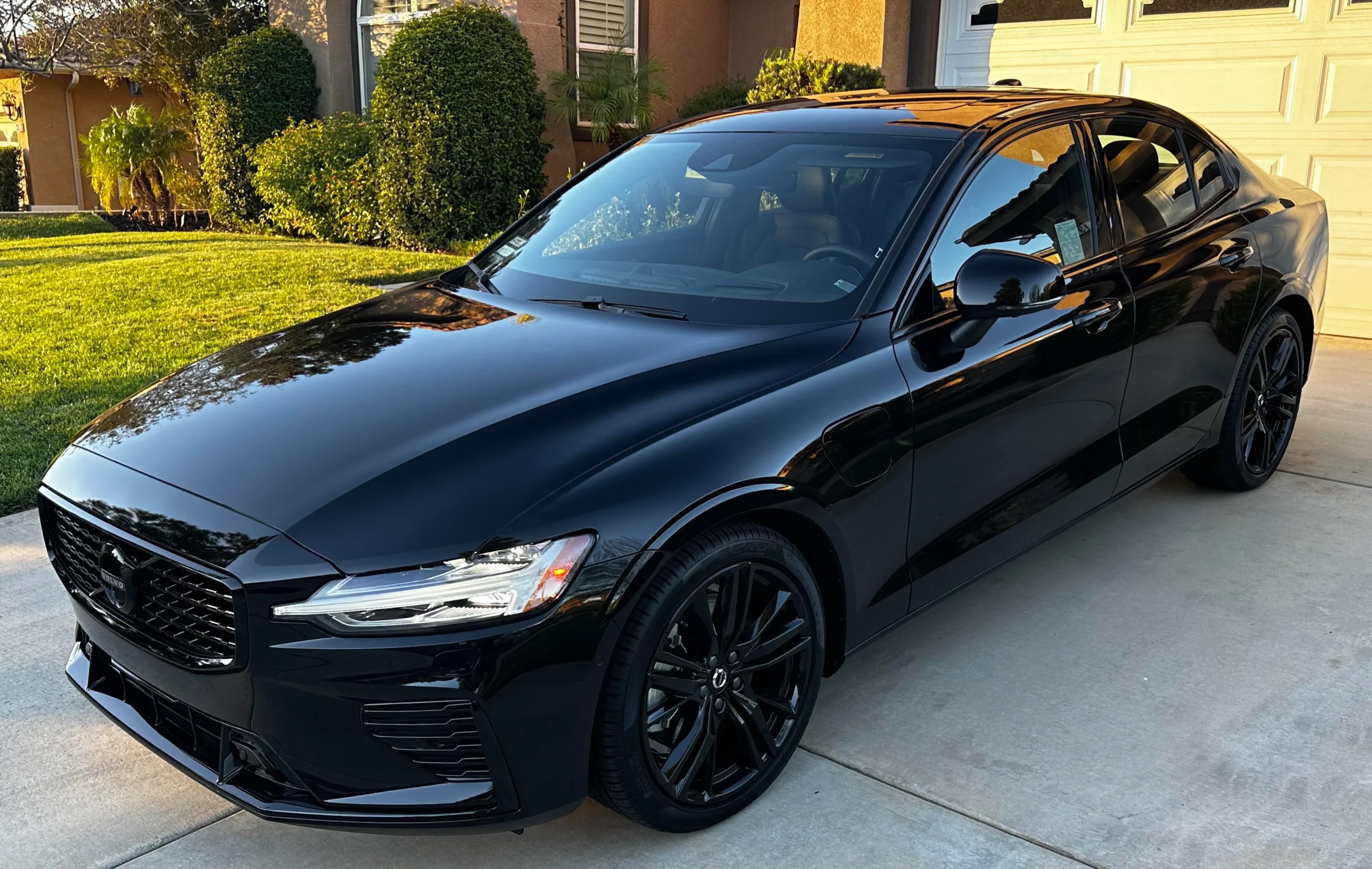
5. Volvo S60 Recharge (2022 Model)
The 2022 Volvo S60 Recharge presents elegance and safety, but its features don’t always align with the expectations of typical commuters. The electric range of roughly 22 miles means that users often switch to petrol before completing their daily drive.
Even though the handover between power modes feels smooth, the engine activates more frequently than ideal, especially during uphill climbs, cold mornings, or when using air conditioning. That behaviour limits the real-world benefit of owning a plug-in hybrid in city conditions.
The S60 Recharge also feels heavy in traffic. The additional weight from its hybrid components influences its acceleration and handling, especially under full electric mode. While the car delivers excellent comfort and quietness on open roads, the same calm experience becomes less noticeable when frequently stopping and starting.
Charging times are moderate, but users without access to a high-speed wall charger may find themselves waiting several hours for a full charge, a hurdle for those with tight work schedules. Inside, Volvo maintains its reputation for comfort, technology, and top-tier safety systems.
The materials feel premium, and the ride quality is excellent on smooth surfaces. However, for workers who only need reliable short-distance transportation, these luxury additions don’t outweigh the limited electric range and reduced fuel efficiency once the engine kicks in.
The S60 Recharge performs beautifully on weekend getaways or longer road trips, where both power sources complement each other effectively. But in everyday commuting, it doesn’t save as much fuel as expected. Its combination of weight, moderate battery range, and frequent engine intervention makes it less suited for those seeking an efficient weekday car.
Plug-in hybrids promise the best of both worlds: cleaner energy and dependable travel. Yet, as seen from these ten models, not every one of them fits daily use the same way. The ones that succeed offer a reasonable range, quick charging, and smooth electric transitions. They suit the pace of city life, where stop-and-go traffic and short distances define the day.
Others, though powerful or stylish, don’t fit those conditions so well. Their weight, limited range, or charging delays reduce their practical value for people who depend on predictable daily movement.
When choosing a plug-in hybrid, it’s not just about brand name or fancy technology. It’s about matching your driving pattern with a car that can handle it efficiently.
For commuters, models like the Prius Prime or Hyundai Ioniq Plug-In shine brighter because they deliver savings, reliability, and peace of mind with less effort. The right PHEV doesn’t just move you from one point to another; it fits neatly into your everyday rhythm.
