
For the American DIY enthusiast, the home garage is more than just a place to store tools, it’s a sanctuary. It’s where you change your own oil, rotate your own tires, and tackle brake jobs over a weekend, saving money and gaining the profound satisfaction of self-reliance.
However, the modern automotive landscape is a tale of two philosophies. On one side, there are vehicles engineered with a nod to this very spirit, designed with straightforward access and serviceable components.
On the other, there are machines where form, aerodynamics, and assembly-line efficiency have trumped serviceability, burying essential parts behind a labyrinth of hidden fasteners, complex panels, and specialized tools.
This is not just a matter of convenience; it’s the difference between a $50 oil change and a $300 dealer visit for the same service. Let’s dive into five vehicles that empower the home mechanic and five that will test your patience and your toolkit.
The Home Mechanic’s Dream: 5 Cars Engineered for Accessibility
These vehicles are celebrated for their logical layout, robust aftermarket support, and design that considers the person turning the wrench.
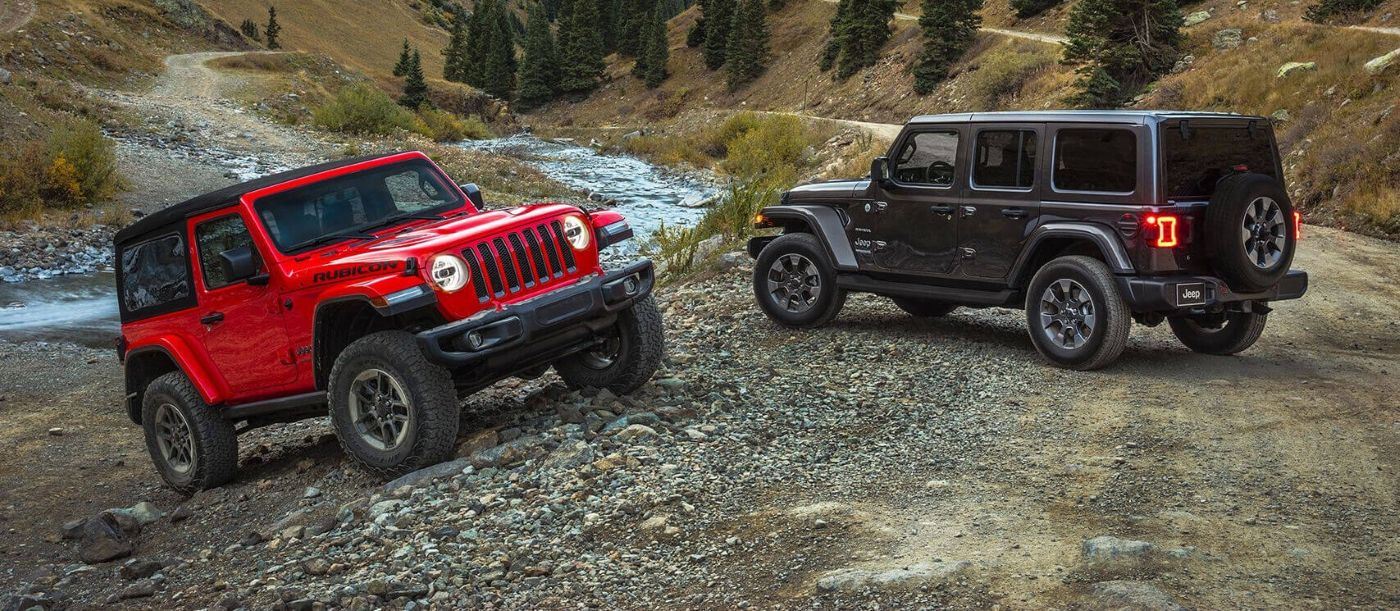
1. Jeep Wrangler (JK and JL Generations)
The Jeep Wrangler isn’t just a vehicle; it’s a philosophy on wheels. Built for modification and repair in the field, its design is brilliantly rudimentary. The engine bay is vast and uncluttered, with the oil filter mounted prominently on top of the engine for mess-free changes.
The iconic seven-slot grille is held in place by a handful of easily accessible bolts, making radiator or light replacements a 15-minute job. Its body-on-frame construction means components are mounted to a separate chassis, providing clear access to the undercarriage.
The vast, global community of Wrangler owners means that for any problem, a detailed video guide is a click away, making it the ultimate gateway vehicle for learning auto repair.
The Jeep Wrangler JK, produced from 2007 to 2018, solidified the model’s reputation as a true off-road champion through its robust design, powerful engine options including the 3.8L V6 and later 3.6L Pentastar V6, and legendary removable doors and roof that created an open-air driving experience perfect for adventurers and daily drivers alike.
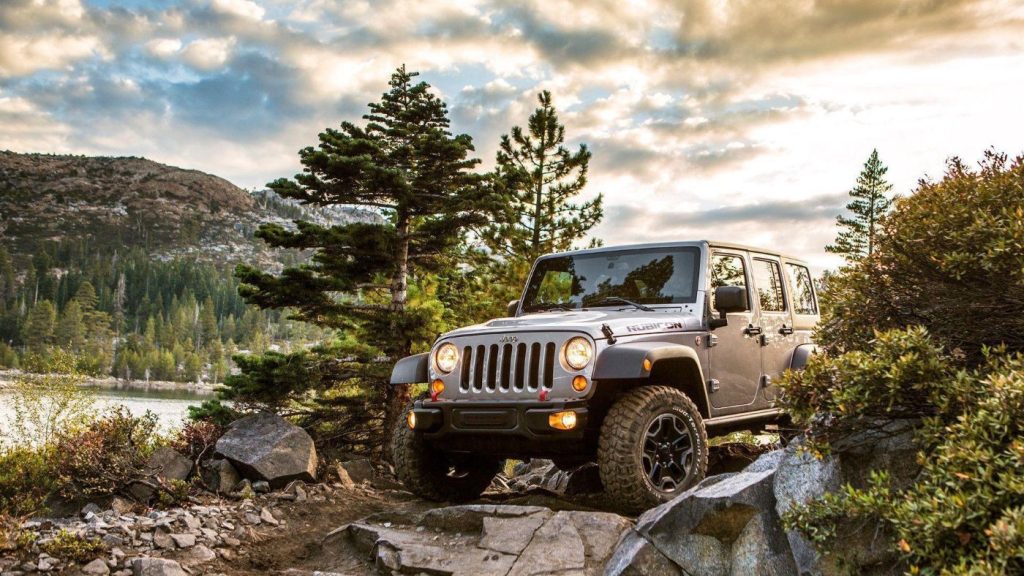
Its traditional solid front and rear axle suspension provided exceptional articulation and ground clearance for challenging terrain, while maintaining the classic Wrangler styling with its boxy exterior, round headlights, and signature seven-slot grille.
When comparing off-road capabilities, the JK’s solid axle suspension offers superior articulation for extreme terrain while the JL’s independent rear suspension provides a smoother on-road experience while maintaining impressive off-road capability.
This fundamental difference in suspension philosophy extends to on-road comfort and handling, where the JL’s independent rear suspension significantly improves ride quality for daily driving compared to the JK’s solid axle setup that can feel rougher on paved surfaces.
The interior experience also demonstrates this evolution, with the JL featuring a more modern, refined cabin with improved materials and technology compared to the JK’s more functional but dated interior, showcasing how Jeep has balanced the Wrangler’s legendary off-road prowess with contemporary comfort and convenience features for modern drivers.
Also Read: 5 City-Proof Compacts and 5 That Hate Stop-and-Go
2. Ford Crown Victoria (and its Panther Platform Siblings)
The retired Ford Crown Victoria, along with the Mercury Grand Marquis and Lincoln Town Car, represents the zenith of American “keep-it-simple” engineering. Favored by police departments and taxi fleets for their low operating costs and ease of repair, these cars are a home mechanic’s dream.
The massive 4.6L V8 engine bay has what mechanics call “positive elbow room,” meaning there’s ample space to reach every component.
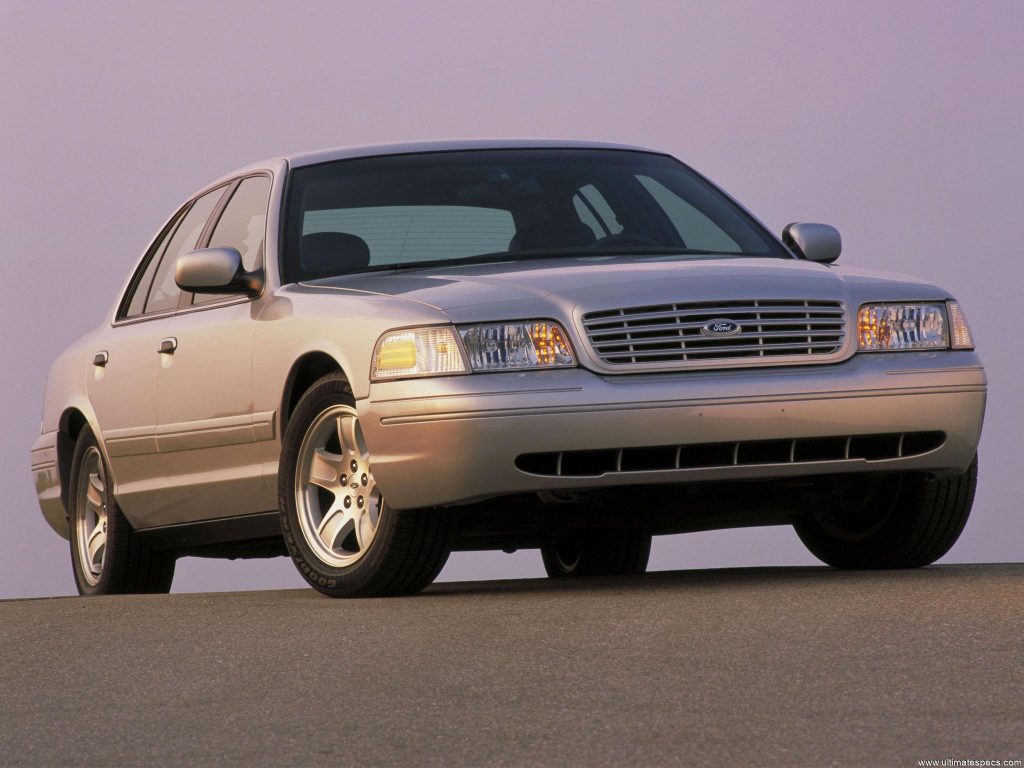
Spark plugs, alternators, and belt-driven accessories are all right where you’d expect them to be. Parts are cheap and available at any auto parts store, and their straightforward, decade-proven design means there are no complex computers governing every repair procedure.
3. Honda Civic (especially 1990s-early 2000s models)
Honda earned its reputation for reliability not just through quality components, but through intelligent, serviceable design. The classic Honda Civic is a masterclass in packaging and accessibility.
Routine maintenance items like the oil filter (threaded from underneath) and spark plugs are easily reached. The valve cover is held down by a set of 10mm bolts, a welcome sight for anyone who has dealt with the complex, hidden fasteners of other engines.
The engineering is logical, with a clear “this-bolts-to-that” approach that encourages learning. For generations, the Civic has been the first car for countless teenagers and the first successful major repair for countless aspiring mechanics.
More than two decades ago, Honda introduced the Civic to the American market as a small, anonymous, and unassuming vehicle that found itself competing in an automotive landscape saturated by mammoth sedans sporting ornate chrome accents, garish styling treatments, and acres of sheetmetal.
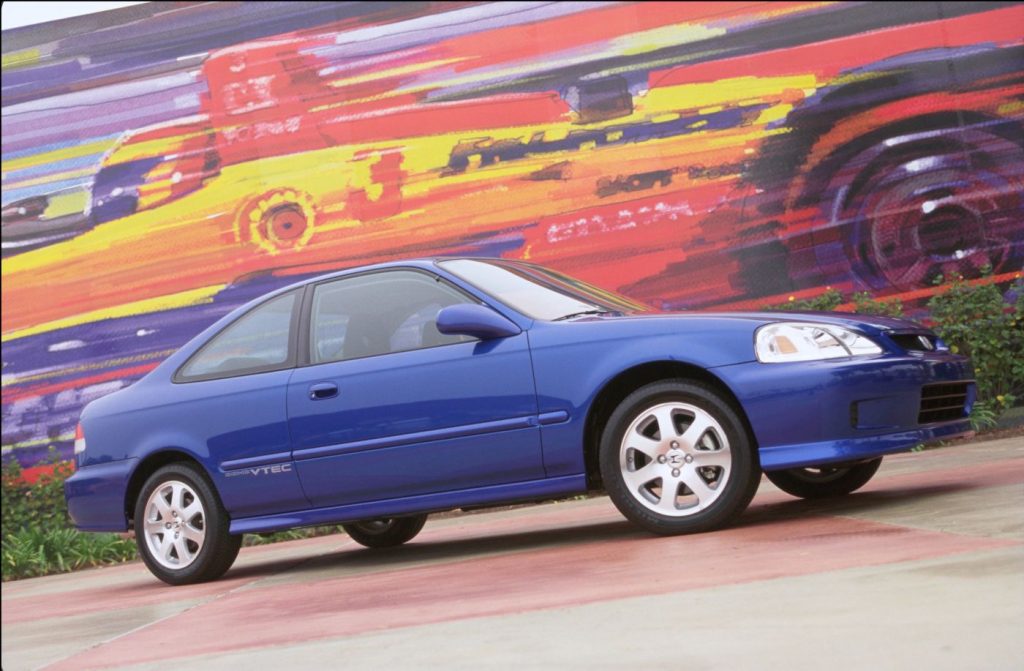
The manufacturers of these now-defunct automotive dinosaurs did not bat an eye at Honda’s fuel-sipping market entry, a dismissive attitude they maintained even throughout the fuel crisis of 1973, which in retrospect proved to be a significant and costly strategic mistake.
Since that humble beginning, American consumers have witnessed four distinct generations of the Civic come and go, with each successive model demonstrating notable improvements over its predecessor and each iteration becoming immensely popular with a growing base of loyal consumers.
The 1996 model year brings an entirely new generation to market; while certainly improved in many respects, the changes are not so dramatic that we would consider them revolutionary. The 1996 Civic has grown to the point where it isn’t much smaller than an Accord from just a few years prior.
Available in hatchback, sedan, and coupe body styles, Honda has clearly heeded feedback from customers who claimed the 1992-1995 Civic was too sporty in its appearance.
A more pronounced grille has been tacked on up front, the sheetmetal contours now provide a squarish profile, and larger rear taillamps give the Civic a more substantial and conservative look overall.
The sedan, coupe, and hatchback variants have been given more individualistic styling themes, with the hatchback design retaining its honors as the most visually distinctive and somewhat odd among the trio.
Dual airbags are now standard part of the safety package, with antilock brakes coming standard on the well-equipped EX models and available as an option on LX sedans.
Our press kit indicates the Civic is equipped with “variable diameter tubular door reinforcing beams,” which we take to mean that the vehicle has been engineered to pass next year’s significantly tougher federal side-impact safety standards.
The efficient HX coupe is available with an innovative new continuously variable transmission (CVT) that represents cutting-edge technology for the era.
In a practical revision, the hatchback models have abandoned the two-piece clamshell hatch design from the previous year in favor of a more conventional and user-friendly one-piece arrangement.
4. Toyota 4Runner (4th and 5th Generations)
Like a trusted leatherman tool, the Toyota 4Runner is built to be dependable and repairable under demanding conditions. Its engine bay is designed with long-term service in mind.
The oil filter is cartridge-style but is mounted vertically on top of the engine, eliminating the messy, arm-straining ordeal of traditional canister filters. Serpentine belt routing is simple, and components like the alternator and starter are mounted with clear, logical bolt patterns.
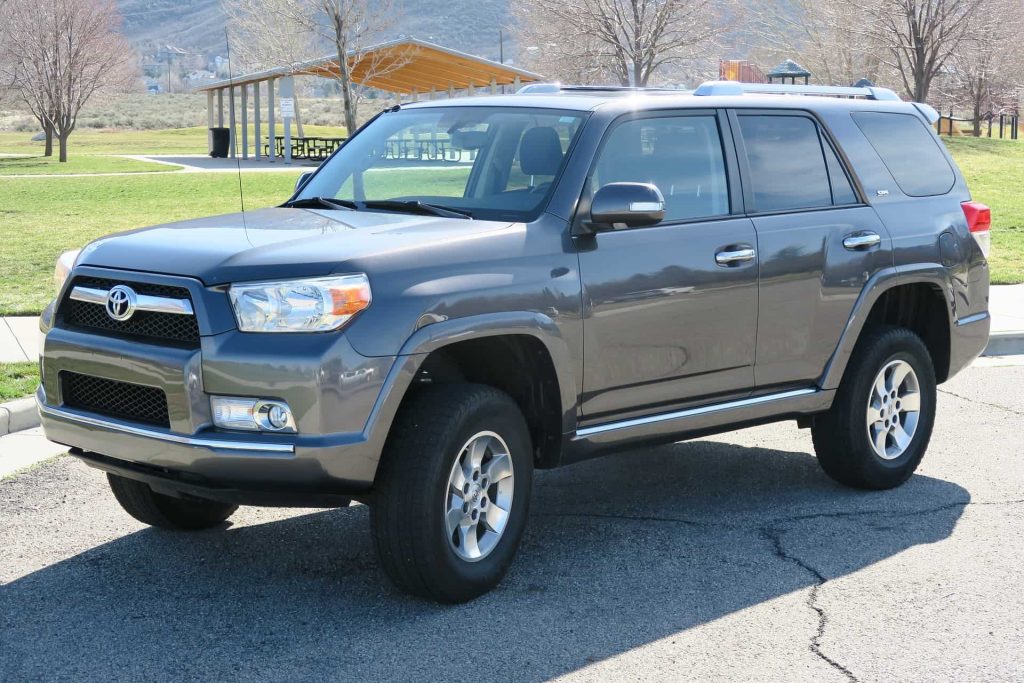
The 4Runner’s robust construction and Toyota’s philosophy of evolutionary, rather than revolutionary, improvement mean that solutions to common issues are well-documented and easy to execute.
Also Read: 10 EVs With the Least Real-World Range Loss in Cold Weather
5. Chevrolet Silverado/GMC Sierra (with the 4.8L, 5.3L, or 6.0L V8)
The GM full-size truck platform is the workhorse of America, and its serviceability is a key reason why. The engine bay is spacious, with a high hood that provides excellent access to the top of the engine.
The oil pressure sensor and knock sensors, common failure points, are admittedly tucked away, but the vast majority of routine components are not.
The oil filter is easily accessible from underneath, and the truck’s body-on-frame design provides a sturdy, open platform for working on the exhaust, suspension, and driveline. The aftermarket support is colossal, ensuring that every gasket, sensor, and tool is readily available.
As a dedicated truck enthusiast with extensive experience behind the wheel of both the GMC Sierra 1500 and Chevrolet Silverado 1500, I can provide a detailed comparison of these full-size pickup rivals.
While these trucks share nearly identical mechanical foundations including their 2.7L Turbo I-4, 5.3L V-8, 6.2L V-8, and 3.0L Duramax Diesel engine options, along with similar maximum towing capacities of approximately 13,200-13,300 pounds and payload capacities around 2,250 pounds, they diverge significantly in their market positioning and character.
The cabin impressed with premium materials including open-pore wood and leather surfaces that nearly made me forget I was in a pickup, while the powerful 6.2-liter V-8 delivered robust 420 horsepower for effortless highway passing and confident towing of heavy loads up to 10,000 pounds.
The innovative MultiPro Tailgate with its six configurations proved to be a genuine game-changer for loading gear, and the available 14-camera system made parking and maneuvering in tight spaces remarkably stress-free.
However, I noted some drawbacks including a occasionally stiff ride quality, particularly in the AT4 models, fuel economy that averaged around 17 mpg combined with the 5.3L V-8, and a dated 7.0-inch touchscreen in base trims that paled in comparison to the impressive 13.4-inch display available in higher editions.
Your choice between them should hinge on whether you prioritize the Sierra’s upscale refinement and sophisticated features or the Silverado’s straightforward functionality and slightly more accessible pricing structure, though both deliver the exceptional capability and reliability that have made them leaders in the full-size truck segment.
The Home Mechanic’s Nightmare: 5 Cars with Hidden Fasteners and Complex Access
These vehicles prioritize a sleek silhouette, a quiet cabin, and assembly efficiency, often at the direct expense of the person who has to perform the repairs.
1. Land Rover Range Rover (L405 Generation)
The Range Rover is a masterpiece of luxury and capability, but its serviceability is a labyrinthine challenge. To perform a simple battery replacement, you must often remove the entire front passenger seat to access the battery compartment under the floor.
An oil change requires the removal of multiple undertrays secured by a variety of specialized Torx and triple-square fasteners. Replacing a headlight bulb can involve partially removing the front bumper.
The vehicle is a complex network of interconnected systems, where accessing one component often means disassembling five others first, making it a prime candidate for dealer-only servicing.
This mid-cycle enhancement was essential to prepare the brand’s flagship model for compliance with the stringent upcoming Euro 5 emission standards that were set to take effect.
However, the engineers and designers ultimately delivered more than just the required mechanical updates, choosing to implement a noticeable refresh of the vehicle’s exterior styling as well.
Several distinct visual changes distinguished this updated model from its immediate predecessor, with a redesigned front lighting signature featuring prominently on the list of revisions.
The headlights retained their characteristic extended, rounded shape that swept toward the vehicle’s centerline, but the main lighting elements were now positioned in the middle section of the cluster rather than at the bottom.
Furthermore, the automaker introduced a new grille design featuring three prominent satin-silver slats, replacing the body-colored elements used previously.

The front bumper was also comprehensively revised, with the fog lamps being repositioned to a higher placement on the fascia, a practical consideration that acknowledged the Range Rover’s continued reputation as a highly capable off-road machine.
Inside the cabin, customers would still find an array of buttons and switches carried over from Ford’s parts bin, a legacy of the brand’s previous ownership.
This familiarity, however, did not extend to the completely redesigned instrument panel, which now featured a modern, fully digital TFT display that replaced the traditional analog dials. Another technologically surprising feature for its time was the advanced infotainment screen, which incorporated a novel dual-view capability.
This innovative system allowed the driver to view navigation instructions, for instance, while the front passenger simultaneously enjoyed watching a video on the very same screen.
In keeping with its predecessor’s legacy, the 2010 Range Rover continued to boast an exceptionally luxurious cabin where even the roof lining was available with premium leather upholstery, particularly in the high-specification HSE trim level.
Under the hood, the most significant mechanical update was the introduction of Jaguar Land Rover’s new in-house five-liter V8 gasoline powerplant, which effectively replaced the previous Ford-sourced engine.
For selected international markets, the Range Rover remained available with a choice of turbo-diesel engines, specifically a 3.6-liter unit or a 4.4-liter variant, catering to regions where diesel powertrains held greater market preference.
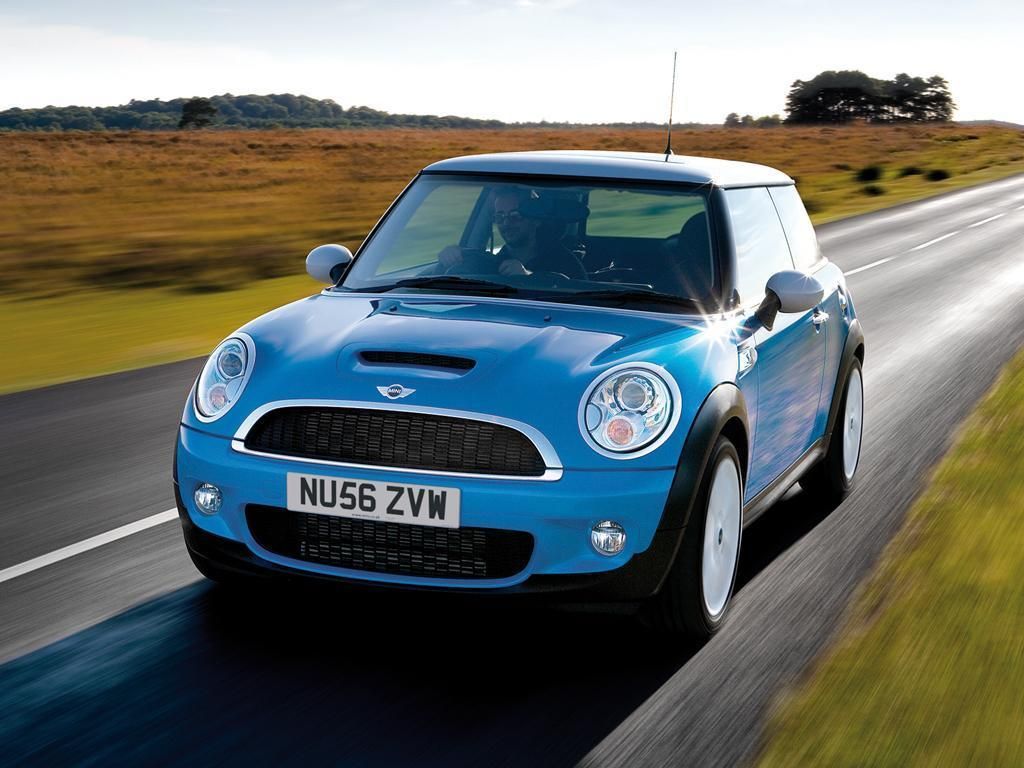
2. Mini Cooper (R56 generation, particularly with the N14 engine)
The Mini Cooper’s “creative” packaging is its greatest enemy for the home mechanic. In a relentless pursuit of a small footprint, engineers packed the engine bay impossibly tight.
A common joke among mechanics is that to replace the battery in some models, you start by removing the windshield wiper motor.
The oil filter housing is buried deep in the engine bay, often requiring the removal of the intake manifold and a series of coolant hoses to access. Simple jobs like replacing a thermostat become full-day ordeals, demanding the patience of a saint and a full set of swivel-head ratchets.
3. Mercedes-Benz E-Class (W212 Generation)
Mercedes-Benz engineering is brilliant, but it is not designed for the driveway mechanic. It is designed for specialized tools and dealer-level lifts.
The entire underside of the car is covered in a series of complex, interlocking plastic underbody panels, all secured with a plethora of one-time-use clips and proprietary screws. A “quick” oil change turns into a 45-minute puzzle just to remove the shielding.
Furthermore, the car’s complex computer systems often require a proprietary STAR diagnostic system to reset service reminders or code new components, locking you out of the final step of even a successfully completed repair.
The W212 Mercedes-Benz represents a standout model within the prestigious E-Class lineup, widely celebrated for its masterful blend of timeless design, refined on-road performance, and a comprehensive suite of advanced safety features.
Produced from 2009 to 2016, the W212 generation marks a key evolution in Mercedes-Benz engineering, introducing sharper, more assertive styling, significantly improved ride comfort, and a wide range of powerful yet surprisingly efficient engine options across its production run.
This model offers what many enthusiasts consider the perfect balance of classic Mercedes-Benz luxury and modern, forward-thinking technology, a combination that has solidified its status as a perennial favorite among both driving purists and those seeking a comfortable daily driver.
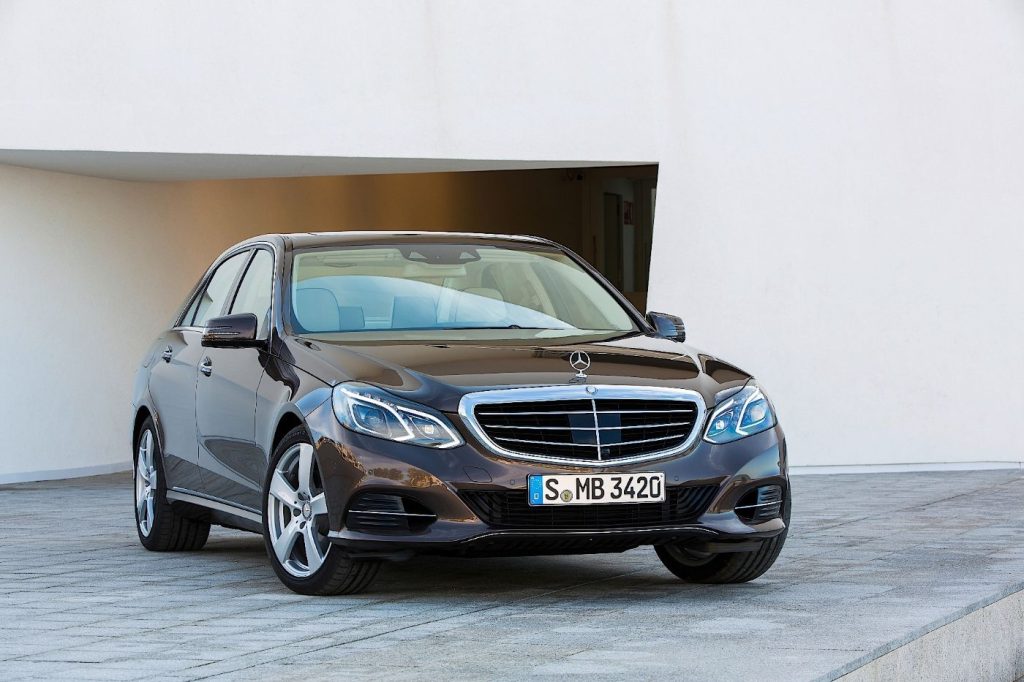
Consequently, the W212 continues to hold strong value in the competitive used car market, a testament to its enduring reliability, robust build quality, and timeless upscale appeal.
In this detailed guide, we will explore everything from its development history and key technical specifications to its real-world driving dynamics and known issues to be aware of.
Whether you are considering buying one or are already a proud owner of a W212, developing a deep understanding of its strengths and knowing what to watch for will undoubtedly help you get the maximum enjoyment and value out of this iconic E-Class generation.
The Mercedes-Benz E-Class has long been a staple and benchmark in the global luxury car market. The W212, introduced to the world in 2009 as a direct successor to the W211, continued this venerable tradition while incorporating several notable upgrades and a philosophical shift in its design language.
4. Volvo XC90 (Second Generation, SPA Platform)
Volvo’s modern models are marvels of safety and minimalist Scandinavian design, but this comes with a cost to serviceability. The engine bay is densely packed, with many components placed at the rear of the engine block, near the firewall, a notoriously difficult area to reach.
The use of numerous unique Torx and Torx Plus security fasteners for body panels and under-shielding means your standard socket set is useless.
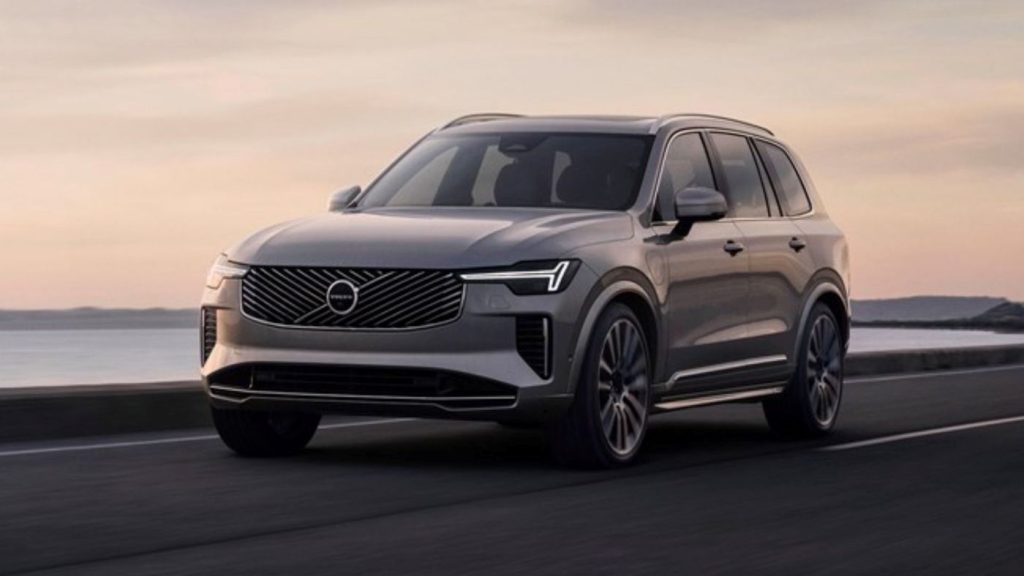
Even accessing the cabin air filter, a typically simple task, can involve carefully dismantling parts of the glove box assembly with a special trim tool to avoid breaking fragile plastic clips.
5. Cadillac CTS (with the 3.6L V6)
GM’s high-performance V6 is a powerful engine, but it is infamous among mechanics for its location of the oil filter. In a baffling engineering decision, the filter is mounted directly above the front right-hand side axle, facing rearward.
The result is that during an oil change, hot, used engine oil cascades directly onto the axle, steering rack, and subframe, creating a spectacular mess and a lingering burning-oil smell for your next several drives.
This design doesn’t just make the job messy; it demonstrates a clear lack of consideration for the person performing this most basic of routine services.
The Cadillac CTS equipped with the 3.6-liter engine is widely recognized for its sophisticated blend of luxury and performance, but similar to any complex vehicle, it has its own share of potential issues.
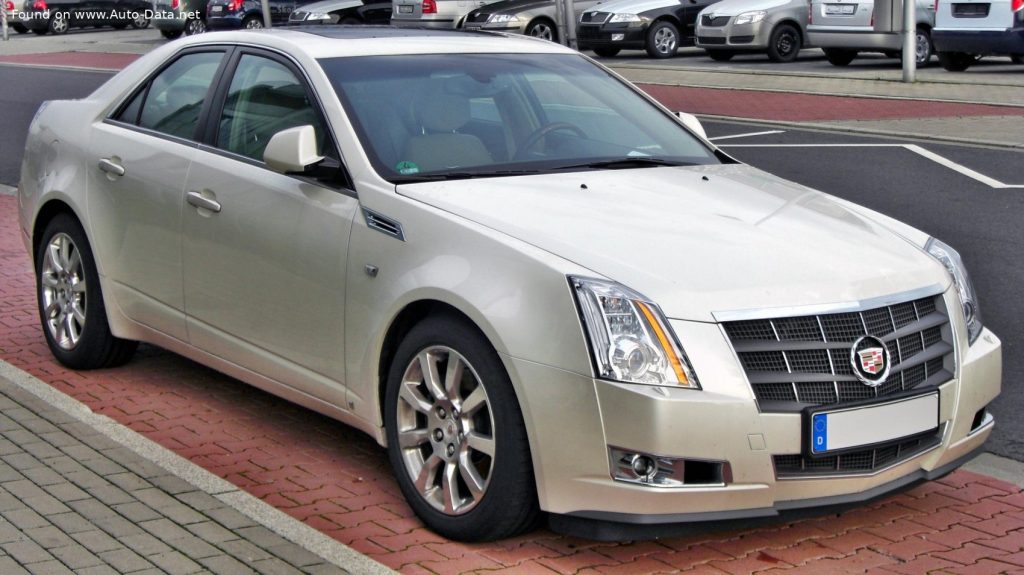
Owners of this specific model often report a variety of distinct symptoms that can serve as indicators of underlying engine problems. Developing a clear understanding of these symptoms can be instrumental in helping you identify potential issues during their early stages, before they escalate into more serious and costly repairs.
The choice between these two worlds often reflects a broader decision about your relationship with your vehicle. Choosing a “serviceable” car like a Wrangler or a Crown Victoria is an invitation to learn, to save money, and to connect with a community of like-minded enthusiasts.
Opting for a vehicle from the “hidden fasteners” list is a acknowledgment that your time and specialized tools have a value, and that some technologies are best left to professionals.
In the American garage, knowledge is power, and knowing which path your car represents is the first step to either a satisfying weekend project or avoiding a frustrating and costly ordeal.
