
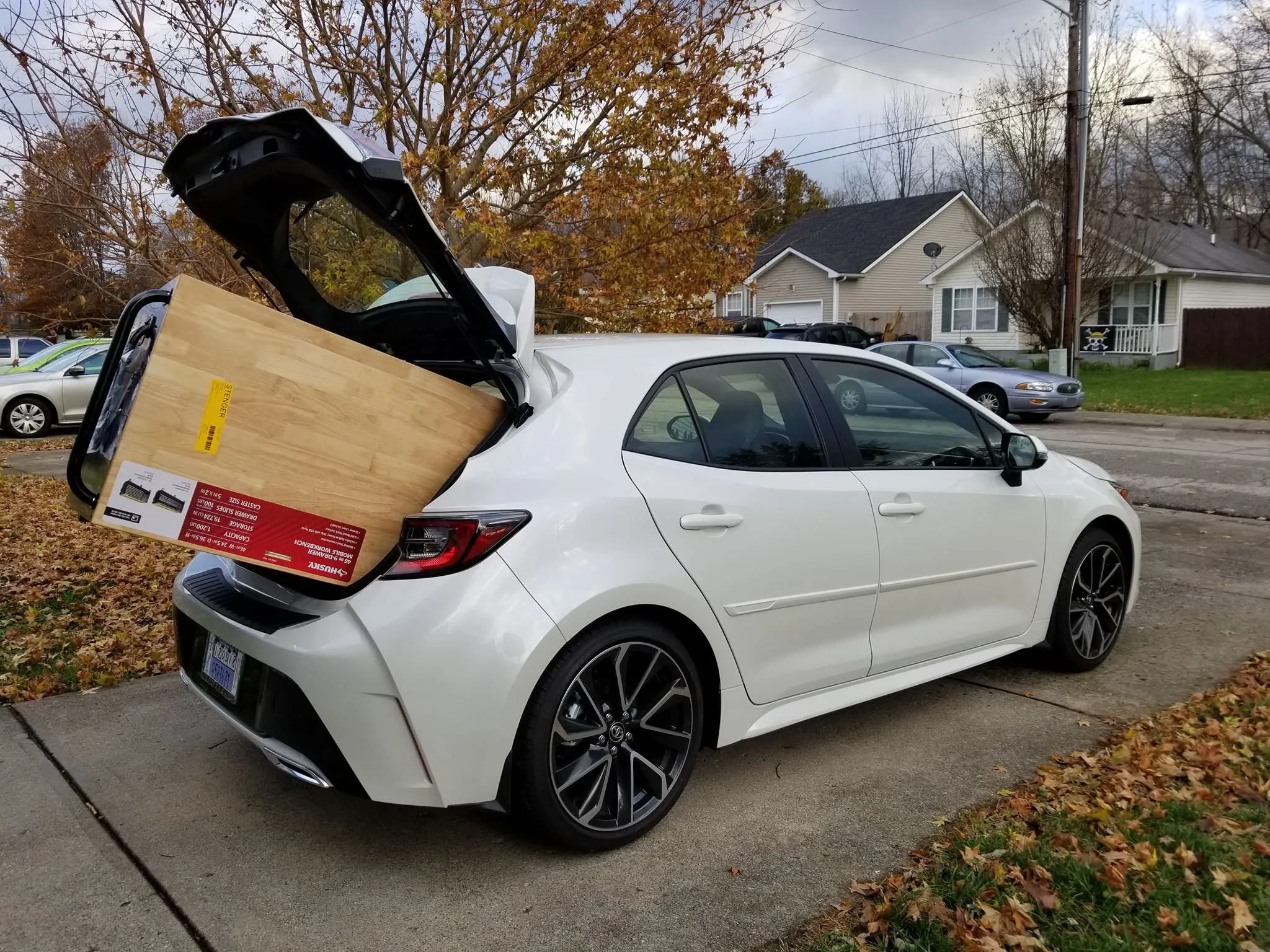
Many hatchbacks on the market today promise big cargo space, but when you open that rear hatch, it sometimes feels like the car has been doing more talking than delivering. People buy hatchbacks because of practicality, easy loading, and that smart mix of small size with big usefulness.
Yet, while some truly make life easier with clever boot designs and deep loading bays, others only shine on paper, quoting large figures that disappear when real luggage or shopping bags come into play. The truth is simple. Not all hatchbacks are built equally when it comes to usable space.
Some carmakers design with families in mind, focusing on how tall boxes, baby strollers, or weekend luggage will fit. Others only play the numbers game, claiming generous capacity but offering awkward shapes and shallow openings that make packing a struggle.
This piece separates the honest from the pretenders. We look at five hatchbacks that genuinely give drivers real cargo value, then another five that exaggerate their storage capacity through tricky measurements or impractical layouts. From small city commuters to larger compact hatches, every model here tells its own story about how carmakers interpret “cargo space.”
If you’ve ever stood behind a hatchback wondering where all that advertised space went, this comparison will make things clearer. Let’s look closely at which ones deliver real practicality and which ones only sound good on a brochure.
5 Hatchbacks With Real Cargo Space
1. Honda Fit 1.5L
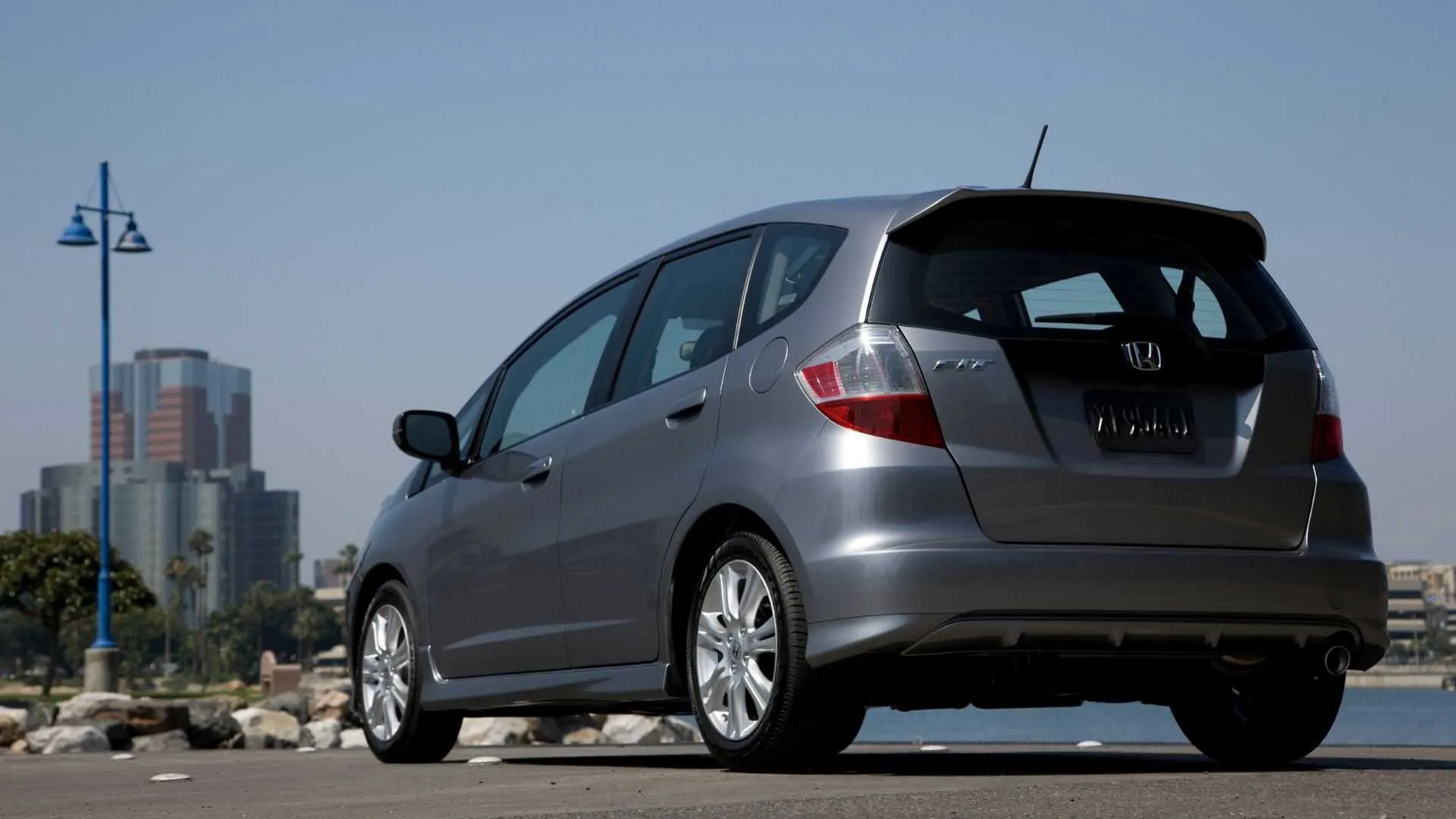
Honda Fit 1.5L stands as one of those small hatchbacks that surprise people the moment you open the boot. From the outside, it looks compact, but the way it manages space is almost magical. The rear “Magic Seat” system remains one of the smartest interior ideas ever made for a small car.
It allows you to fold or lift the back seats in several ways, depending on what you want to carry. You can turn the little Fit into a cargo mover, a long-haul hauler, or even a minivan within minutes. With seats down, the storage capacity reaches about 1,492 litres, but what makes it truly impressive is how well that space works in real life.
Rather than just chasing numbers, Honda designed the Fit for honest practicality. The floor is flat, and the tall roofline means tall or awkwardly shaped items stand comfortably. You can move bicycles upright, stack luggage easily, or transport plants without worrying about tilting them.
Many small cars claim big capacity but struggle with tight shapes; the Fit avoids that. The load lip is low, so you don’t have to wrestle heavy luggage. This detail alone makes it friendlier for families, delivery riders, and market users alike.
Honda engineers placed the fuel tank under the front seats, freeing the rear for more depth. It’s a simple idea that creates a deep, square cargo floor rarely seen in cars of this size. Owners often say they can load more into a Fit than into bigger sedans. The rear seats fold flat or flip up, depending on the type of load, meaning whether you’re carrying a fridge, groceries, or tall buckets, it just fits.
Everything about the Fit’s design screams cleverness rather than showiness. No exaggerated numbers, no empty compartments pretending to be space. Just a real, usable room for everyday life. That’s what makes it one of the few hatchbacks whose storage space truly deserves respect.
2. Volkswagen Golf 1.5 TSI
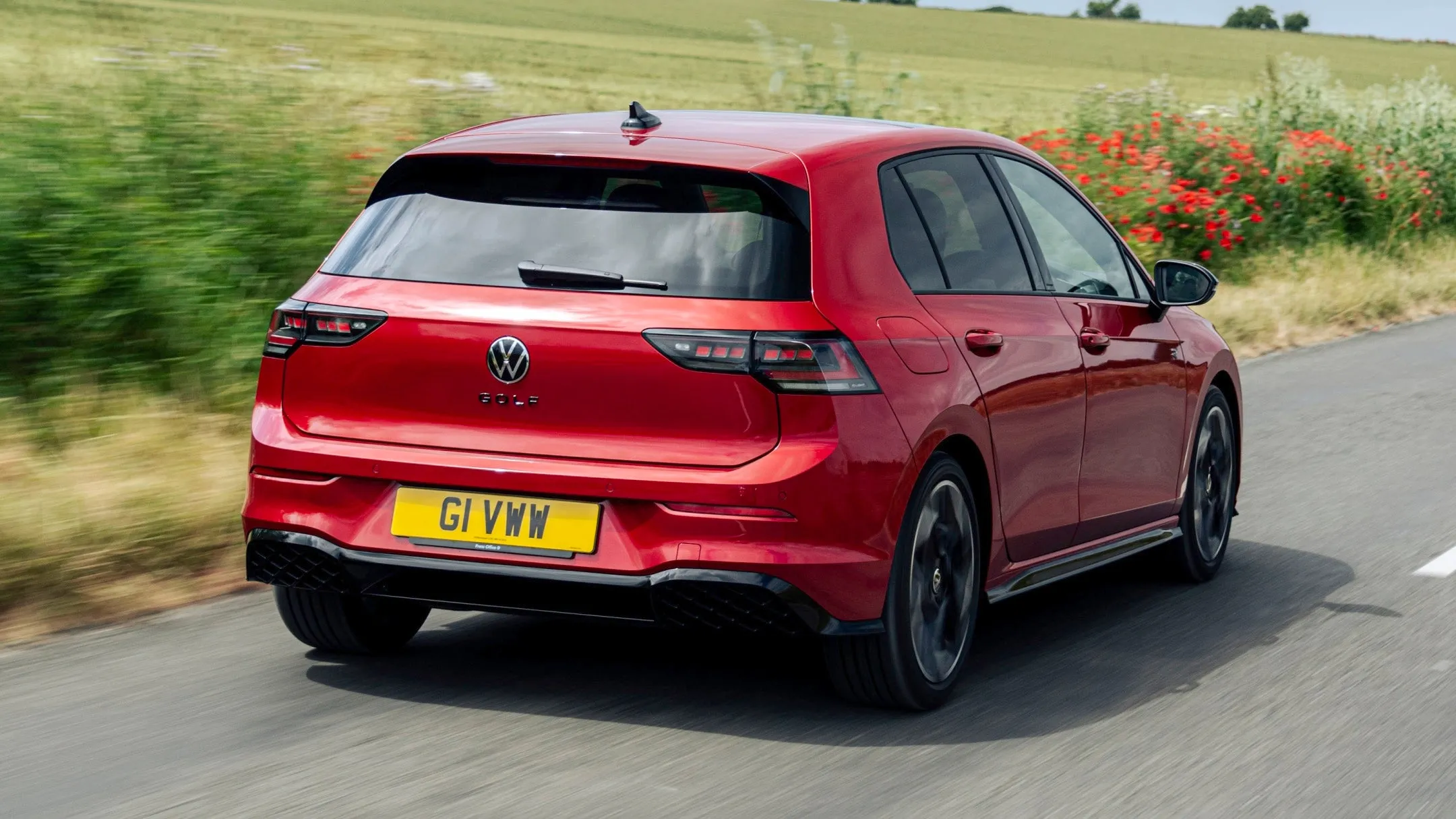
Volkswagen Golf 1.5 TSI continues to prove that good engineering still matters more than marketing slogans. This car is well known for being solid and sensible, and the same applies to its boot design. With the rear seats up, you get around 380 litres of space, but in real use, it feels like more. The layout is deep, boxy, and easy to fill without fighting awkward angles or narrow corners.
One of the biggest advantages of the Golf is its wide tailgate opening. When you open the hatch, the entire back feels inviting and ready for work. Heavy bags, baby prams, and even folding chairs slide in without a struggle.
The boot sill is low, saving your back when lifting groceries or travel boxes. When the rear seats are folded, space expands to roughly 1,200 litres, and the floor becomes nearly flat, ideal for bulky or long cargo. Volkswagen doesn’t inflate numbers with underfloor measurements that you can’t actually use.
The small hidden compartment beneath the adjustable floor exists for valuables or smaller items, yet it’s not counted in the official figure. That honesty separates the Golf from rivals that pad their stats. The sturdy flooring doesn’t rattle or bend under heavy items, which adds confidence when carrying large loads.
People who use their Golf daily appreciate how practical it feels for errands, road trips, and work gear. Families say they can easily manage luggage for four without running out of space. The boot shape makes every litre count, so nothing is wasted. That mix of realism and functionality defines why the Golf’s design lasts through generations.
For those who prefer honest craftsmanship over clever marketing, the Golf 1.5 TSI stands as proof that you don’t need exaggerated claims to deliver true practicality. It carries itself with quiet confidence a car that does the job, fits the load, and keeps its promise.
Also Read: 5 Cars Whose Door Seals Stay Supple VS 5 That Need Annual Replacement
3. Toyota Corolla Hatchback 2.0L
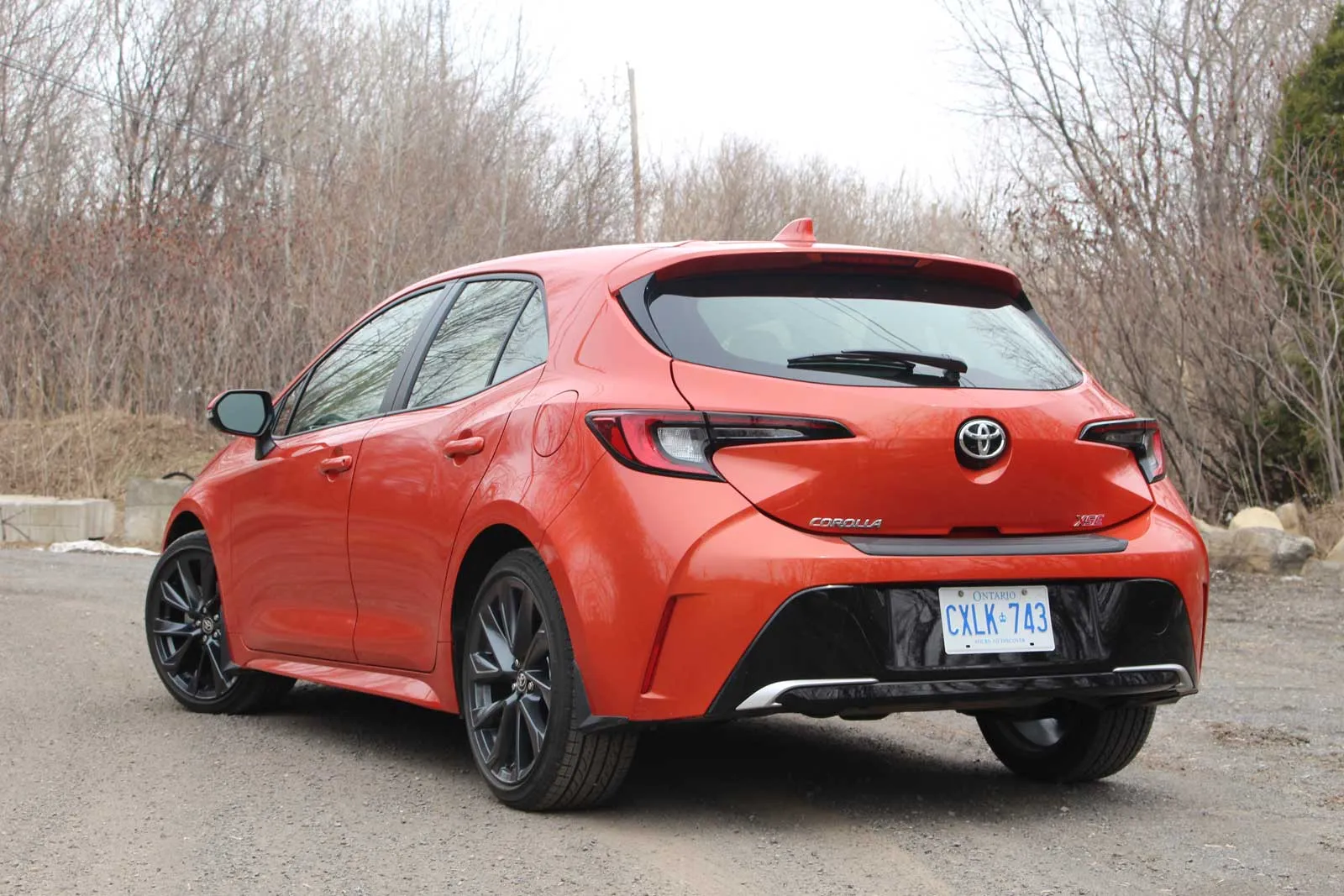
Toyota Corolla Hatchback 2.0L blends style and usefulness in a way many others only pretend to. While its exterior looks sleek and sporty, it doesn’t sacrifice interior practicality.
Toyota’s quoted figure of about 470 litres might sound like a standard number, but in real-world usage, it’s impressive how much that space can handle.
The boot is wide and neatly shaped, which means every bit of it is easy to reach and fill. The engineers behind this model made sure the design works for real life. You can load baby strollers, gym bags, or stacked boxes without struggling.
The boot lip is low enough for easy lifting, and the flat loading floor avoids those irritating bumps that waste space. Once the back seats go down, the area turns long and square, perfect for weekend trips, tools, or bulky electronics.
Toyota doesn’t play games with hidden pockets or exaggerated measurements. Everything that counts is usable. The roofline also helps it doesn’t slope too sharply, so taller objects can fit without forcing the hatch shut.
Drivers who regularly carry luggage appreciate how easily the Corolla handles extra weight. Even with the boot full, ride comfort stays steady.
Its 60/40 split rear seat gives flexibility; you can still carry a passenger while fitting long items like surfboards or ladders. The floor material feels sturdy and resistant to scratches, which is useful for those who use their car actively.
What stands out is Toyota’s discipline in combining sleek looks with honest function. The car’s exterior appeals to younger buyers, yet its cargo space satisfies practical ones.
Whether it’s a small business run, grocery shopping, or a road trip, this Corolla handles the job without fuss. It proves that being stylish doesn’t mean giving up common sense, something few hatchbacks manage so well.
4. Skoda Fabia 1.0 TSI
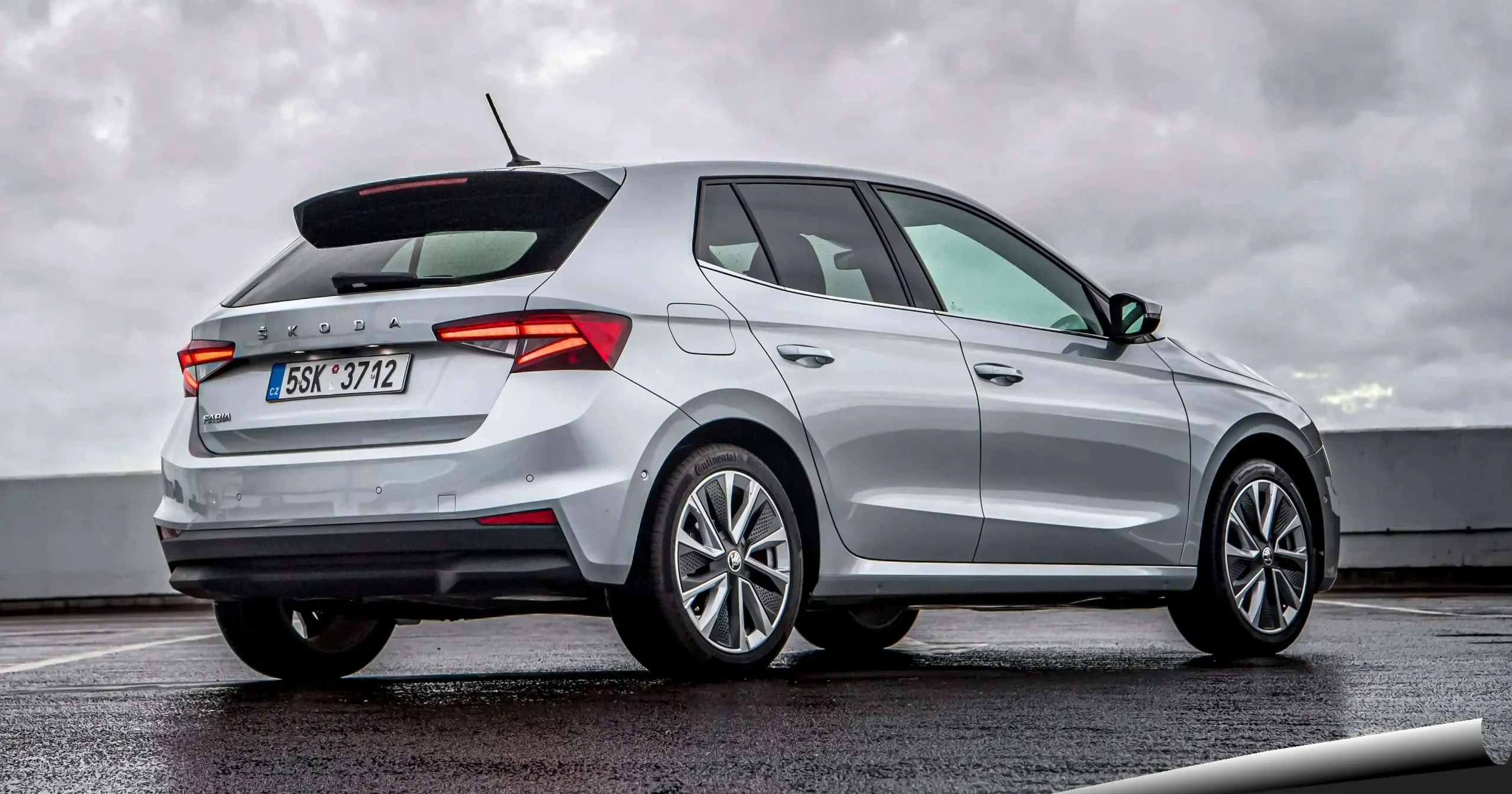
Skoda Fabia 1.0 TSI quietly does its job better than most people expect. It doesn’t scream for attention, yet anyone who opens its boot quickly understands why it’s loved by those who value usefulness. The Fabia offers about 380 litres of cargo space with the seats up, and when folded, the figure jumps to nearly 1,190 litres. But what truly matters is the way that space works in daily life.
The boot area is deep, box-shaped, and easy to load. You won’t find odd corners or slanted walls wasting space. The hatch opens wide, making it easy to fit large boxes or suitcases. The boot lip sits conveniently low, saving effort when lifting. Even though it’s a small car, you can easily pack for long trips or move office supplies without squeezing things in.
One reason for this effectiveness is Skoda’s design philosophy, practical before fancy. The seats fold almost flat, creating a wide surface that feels natural to fill. Small details like side hooks, nets, and pockets keep things from rolling around. These touches make the Fabia feel more like a well-thought-out tool than just another small hatch.
Many owners comment that they can carry more in the Fabia than in cars that claim larger volume on paper. It’s the result of clever design, not inflated measurement. The materials feel strong enough for heavy luggage, so drivers don’t worry about damaging the boot floor.
Whether it’s grocery bags, travel luggage, or business deliveries, the Fabia handles it with quiet confidence. It may not be flashy, but it is dependable, a car built for people who prefer results over show. That honest usefulness is what keeps the Skoda Fabia respected among real hatchback users who want every inch of space to count.
5. Ford Focus 1.5 EcoBoost
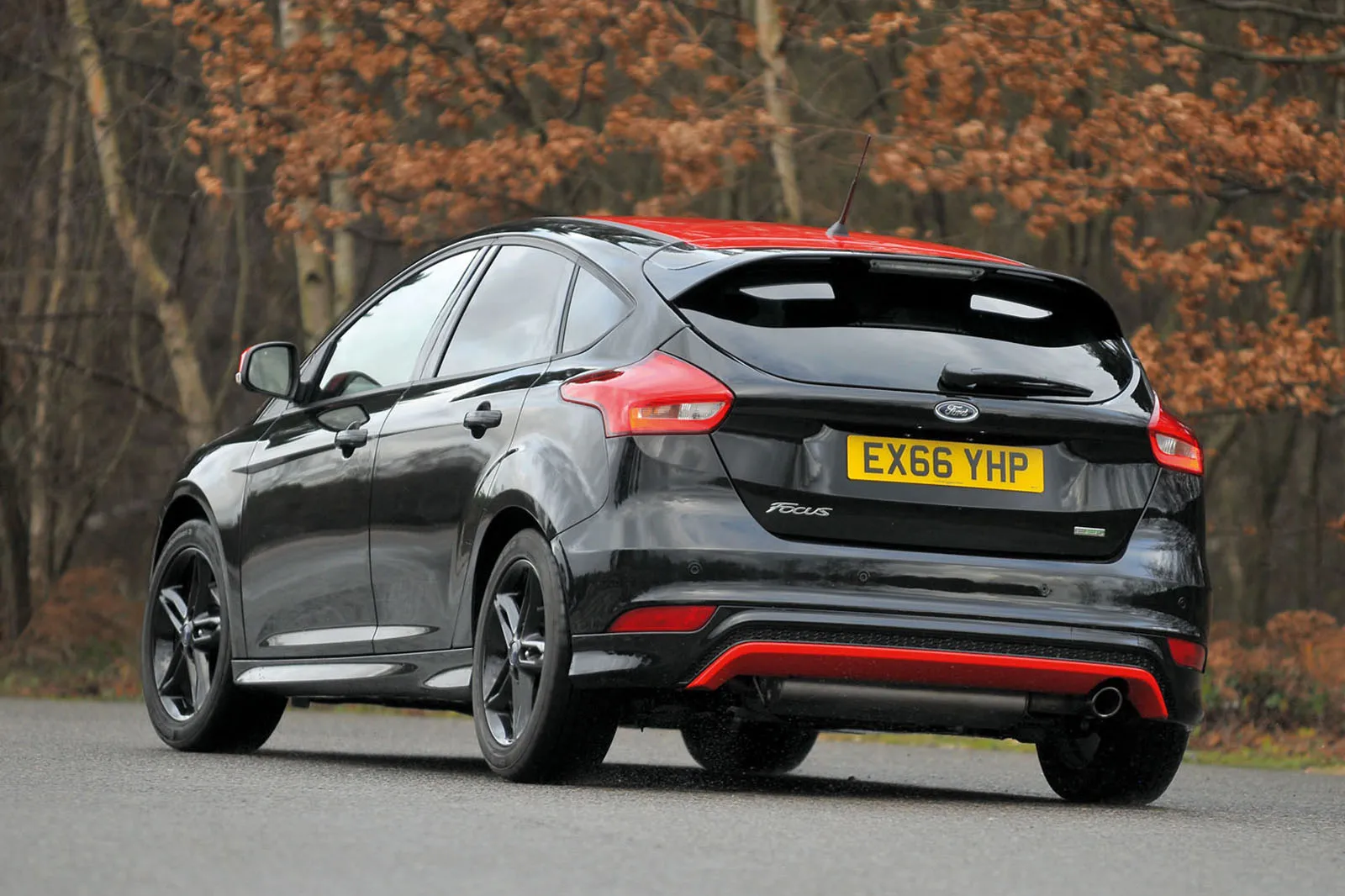
Ford Focus 1.5 EcoBoost strikes that sweet point between driving pleasure and everyday usefulness. This hatchback feels lively on the road, yet behind the sporty attitude hides one of the most practical boots in its class.
The quoted 375 litres might not sound extraordinary, but the shape and layout make it far more capable than many higher-rated rivals.
The back opens wide, and the loading area stretches neatly from edge to edge. There’s little wasted space thanks to its squared corners. You can easily load baby gear, grocery packs, or even folded bicycles.
When you fold the rear seats, capacity climbs to about 1,350 litres, and the floor becomes wide enough for larger boxes or travel bags. The adjustable boot floor allows you to choose between a flat surface and extra depth, a small but smart feature.
Ford’s engineers clearly understood that honest space beats inflated figures. They kept the boot low and accessible, so lifting feels natural. The tailgate rises high, and even tall users don’t hit their heads. Inside, side pockets and hooks help secure small loads, while the underfloor area hides valuables neatly.
Families often appreciate that they can pack for a weekend trip without rearranging items several times. The Focus also drives smoothly even when fully loaded, proving that practicality doesn’t mean losing performance.
This hatchback reflects a mix of energy, comfort, and true usability. It’s suitable for both young professionals and busy households. It shows that you can still enjoy driving while having a car that genuinely carries what you need.
Ford built it with everyday life in mind, not exaggerated brochures. Among hatchbacks that mean what they say, the Focus 1.5 EcoBoost remains one of the most trusted names on the road.
5 Hatchbacks That Fake the Numbers
1. Peugeot 308 1.2 PureTech
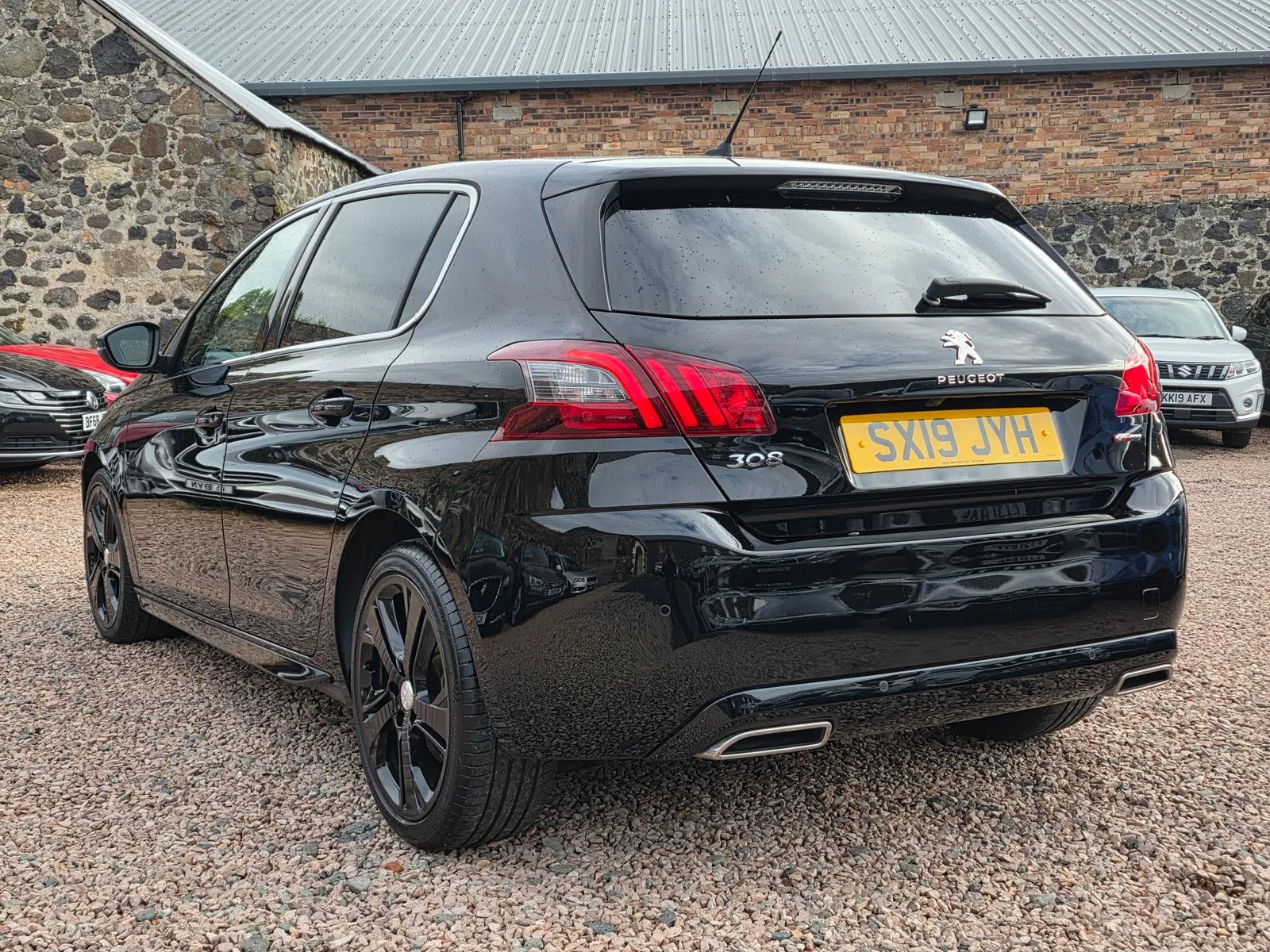
Peugeot 308 1.2 PureTech carries itself with confidence and an air of modern class, but when it comes to genuine cargo practicality, the story changes. The company boasts a boot capacity of about 470 litres, which sounds generous for a compact hatchback.
Yet when you open that hatch, you realise the figure tells only half the truth. The boot floor feels shallow, the sides rise awkwardly, and the sloping tail eats into what should have been a flat, usable area. Anyone who has tried loading big suitcases or heavy boxes will quickly understand the struggle.
The load lip sits high, forcing you to lift things awkwardly. Even when the rear seats are folded, the surface isn’t even, leaving bumps that make sliding items tricky. The rear glass angle also limits vertical clearance, so tall items won’t fit without a fight.
Many owners have expressed the same frustration: the 308 looks larger on paper than it feels in daily life. You might squeeze in two large bags, but anything beyond that becomes a game of arrangement.
Peugeot seems to have focused more on exterior beauty than inner function. While the interior materials feel rich and polished, they don’t make up for the lost practicality.
Designers clearly aimed to keep the car sleek and aerodynamic, sacrificing cargo depth in the process. For city drivers who only carry groceries or light luggage, the issue might be minor. But for those expecting an honest room, it’s easy to feel short-changed.
The Peugeot 308 1.2 PureTech still wins hearts for its sharp styling and refined ride, yet when the matter turns to honest cargo space, it falls short. It’s fashionable and modern, but its storage capability is better described as decorative than useful.
2. Mazda 3 2.0L Hatchback
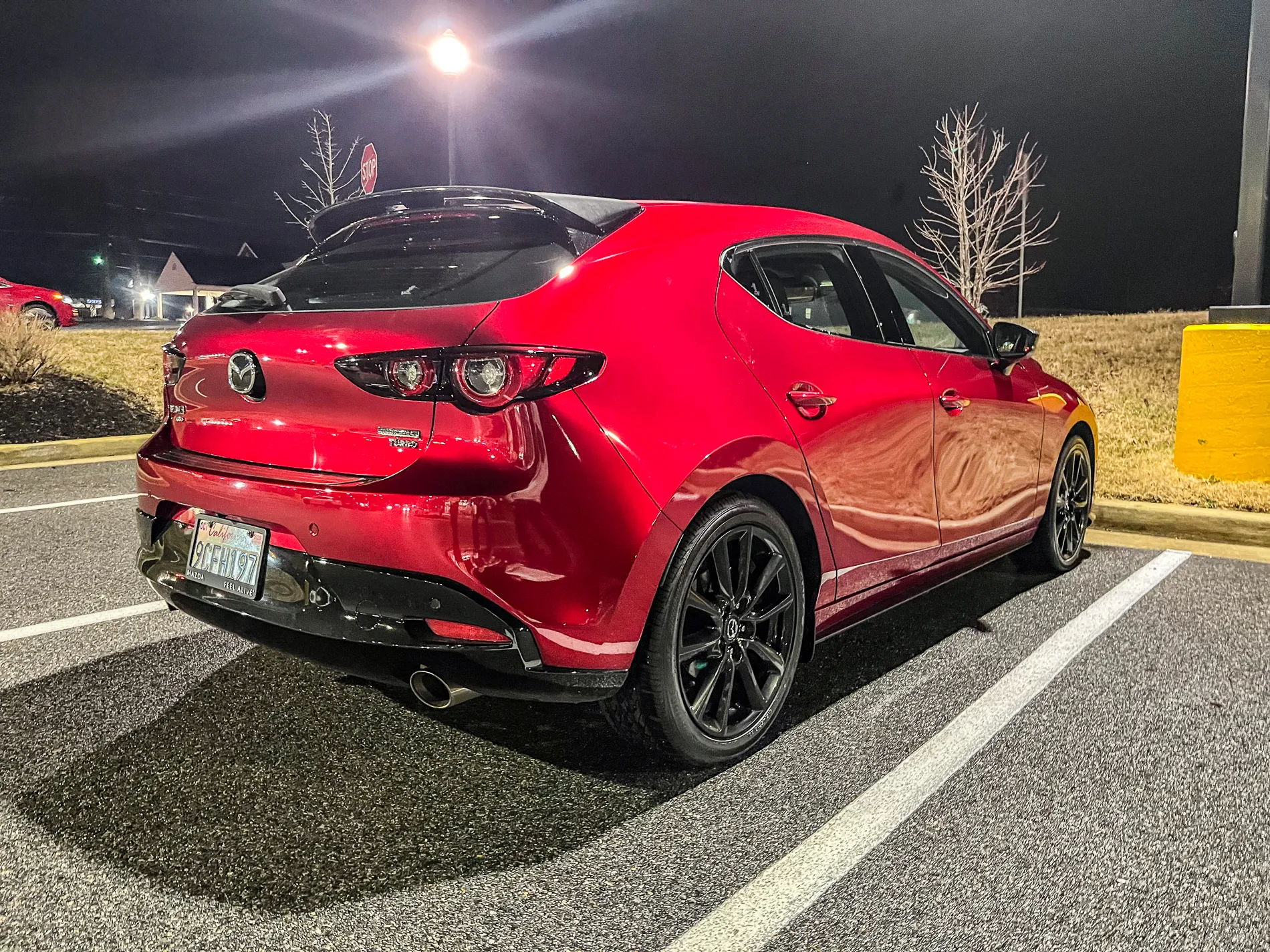
Mazda 3 2.0L Hatchback turns heads everywhere with its bold shape and athletic posture, but its cargo story doesn’t live up to the visual promise. Official boot figures hover around 350 litres, which sounds reasonable.
Still, the narrow tailgate and thick side panels make actual loading feel cramped. That sleek roofline that gives the car its signature look also reduces headroom at the back.
Drivers who have tried packing tall boxes or travel bags quickly notice how limited the usable space really is. The design makes it difficult to slide in wide luggage, and even when you fold the back seats, the surface remains uneven. That awkward height difference affects balance when carrying heavier items.
Owners say it’s one of those cars that looks ready for adventure but ends up forcing you to pack lighter. The curves of the rear hatch, along with deep rear pillars, make it challenging to fit anything tall. Mazda engineers poured their attention into dynamic performance and style, and it shows, but at the cost of boot convenience.
Daily users who value sharp steering and smooth ride quality might ignore this trade-off, but practical drivers will quickly notice the compromise. The Mazda 3 is enjoyable to drive, especially for single commuters or couples, yet it isn’t built for frequent hauling.
It’s a fine car for its price, with a rich cabin and responsive controls, but when reality hits, you realise the boot number is more optimistic than functional. The Mazda 3 2.0L Hatchback stands out for beauty and precision, but in cargo terms, it’s all show and little substance.
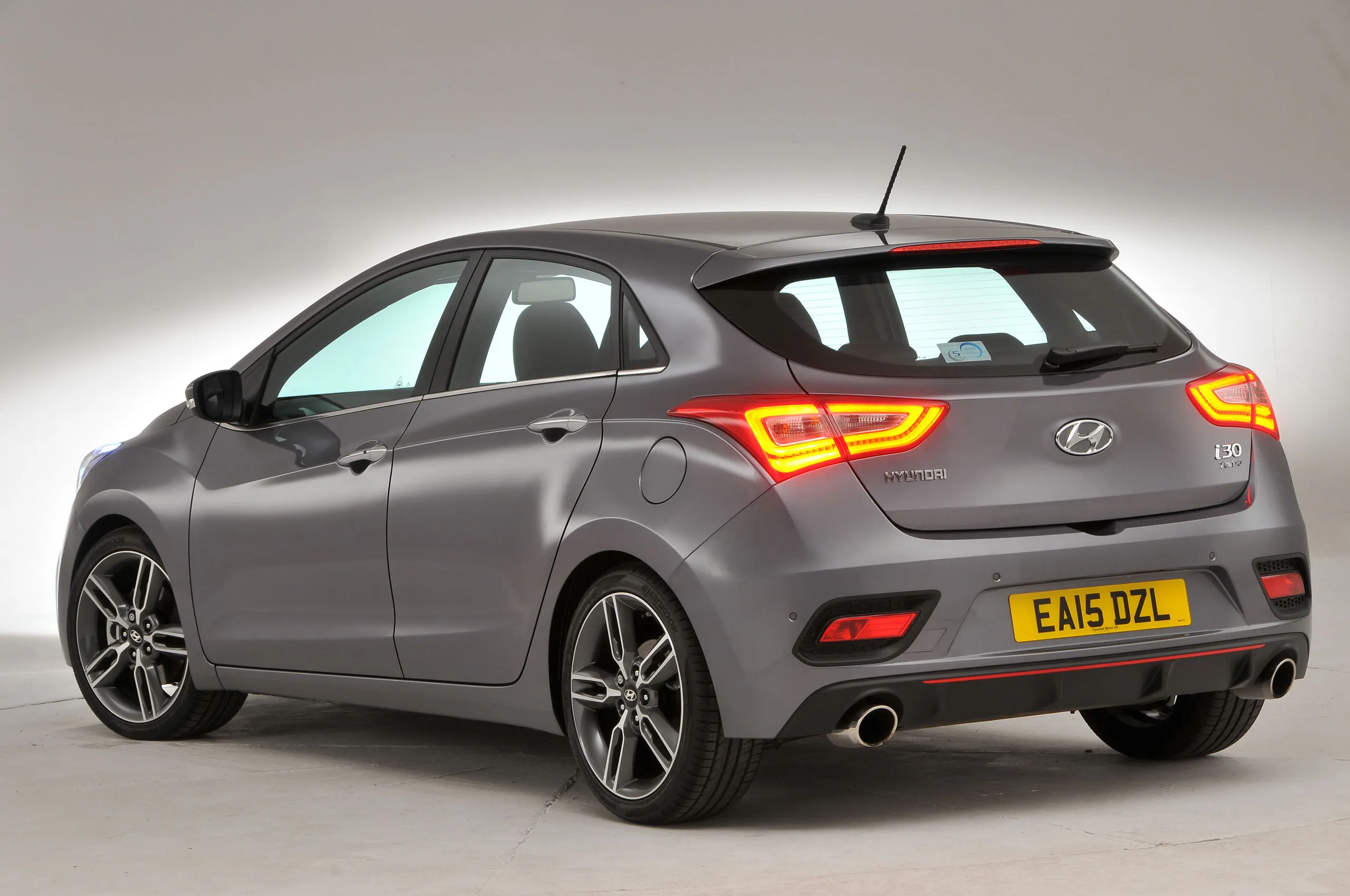
3. Hyundai i30 1.4 CRDi
Hyundai i30 1.4 CRDi creates a good first impression with its firm structure and bold stance, and its advertised boot capacity of around 395 litres gives an impression of usefulness.
Yet, when put to the test, the number doesn’t quite add up. The boot sits higher than expected, which steals vertical space, and the tailgate opening feels a bit tight for bulkier items.
One reason for the inflated figure lies in how the measurement is calculated. Hyundai includes side compartments and underfloor storage areas in the total volume, even though those spaces can’t hold regular cargo. When you remove such hidden areas from consideration, the actual usable space becomes much smaller.
Loading the i30 for a trip reveals these limits. Two medium-sized suitcases can fit comfortably, but taller objects or awkwardly shaped boxes become a challenge. Folding the rear seats doesn’t create a flat platform either, and that uneven floor makes it hard to place heavy goods steadily.
The i30’s real strength lies in comfort and dependability. It rides smoothly, its engine is efficient, and its cabin feels well finished. But as far as boot function goes, Hyundai appears to have traded some practicality for design symmetry and safety structure.
It’s perfect for light errands and routine commuting, but long trips with extra luggage may require more juggling than expected. The car still offers good value, yet it teaches one important lesson: cargo numbers alone don’t tell the whole story. Always check real usability before believing big figures.
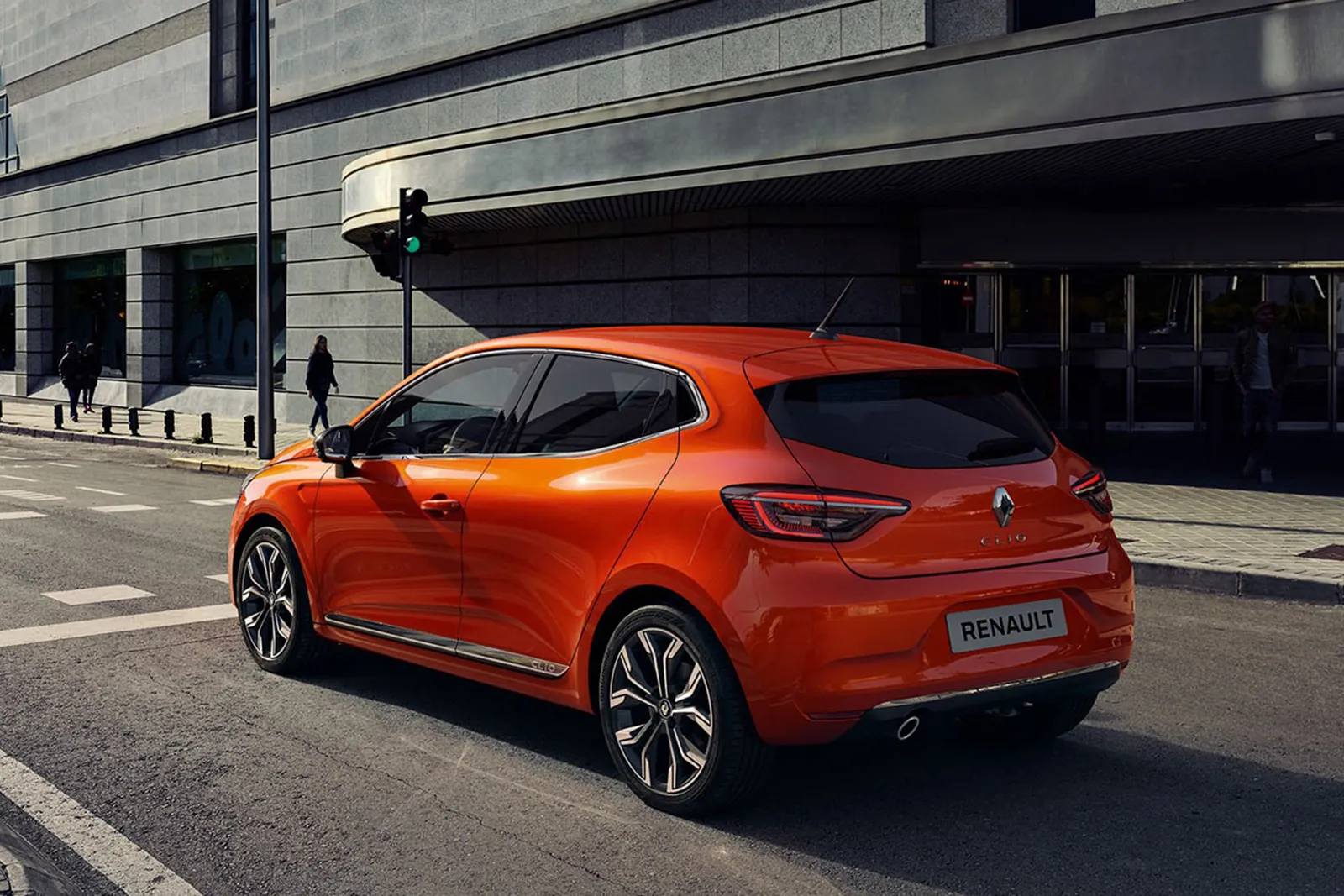
4. Renault Clio 1.0 TCe
Renault Clio 1.0 TCe grabs attention with its youthful energy and modern design. The manufacturer proudly mentions a boot space of around 391 litres, a big figure for a small hatchback. But in daily use, drivers soon realise the clever marketing behind that claim. The boot is deep, yes, but narrow and shaped unevenly, which affects how items fit.
When you open the hatch, the narrow mouth becomes clear. Lifting heavy luggage into it demands extra effort because of the raised lip. Folding the rear seats does help, but the surface left behind isn’t flat. Long items slide or tilt awkwardly, reducing usable space further.
Several owners have shared that while small shopping bags or backpacks fit fine, larger boxes or a baby stroller can be a headache. Renault appears to have measured every possible gap, including hidden underfloor spaces that don’t serve as real storage, to reach its impressive number.
The design, while appealing, seems built more for show than service. Those who love sleek city cars might not mind, but practicality-focused drivers soon spot the exaggeration.
Still, the Clio remains enjoyable to drive, with its responsive steering and fuel efficiency. But when it comes to cargo honesty, it feels overstated. Anyone expecting a big boot because of the numbers might feel slightly let down when faced with the physical shape. Renault delivers beauty and charm here, but at the cost of everyday usability.
Also Read: 5 Cars Great For Tall Drivers vs 5 Knee-Bangers
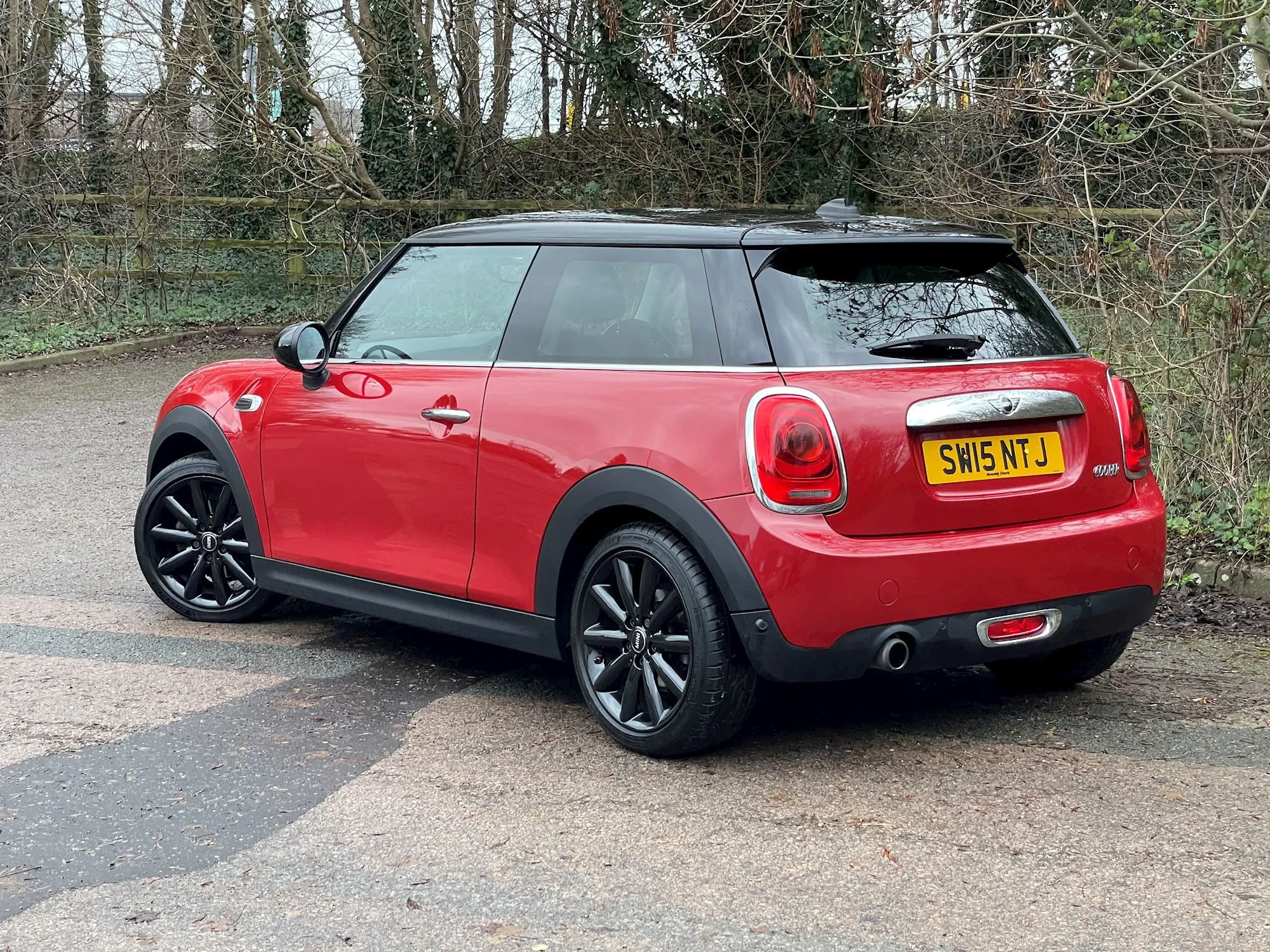
5. Mini Cooper 1.5 Hatch
Mini Cooper 1.5 Hatch shines with its vibrant spirit and retro-inspired charm, yet space management isn’t one of its strengths. The brand advertises a modest 278 litres of boot capacity, but even that small figure feels ambitious once you start loading real items. The boot is shallow, the load lip is high, and the hatch opening is narrow, forcing users to plan carefully before packing.
Two small travel bags or groceries can fit without issue, but anything bulkier will need careful rearrangement. Folding the back seats gives some improvement, though the uneven surface and tight corners make full use difficult. The compact structure, designed for nimble handling and sporty looks, simply doesn’t allow generous space.
Inside, the Mini feels well-crafted and stylish, but rear practicality remains a weak link. Owners often laugh that they bought their cars for fun, not hauling power. Still, many admit to frustration when dealing with luggage for road trips or weekly shopping.
The sloping rear and thick seat padding take up more room than expected. Even something like a baby stroller or a medium box can feel oversized for the boot. Mini designers clearly valued driving personality and image over function. That’s part of the car’s charm, but it also explains its daily limitations.
This hatch is ideal for city life or short commutes, where fun and flair matter more than hauling goods. But those who expect the boot space to match the price tag may find it misleading. The Mini Cooper 1.5 Hatch remains energetic, fashionable, and reliable, yet its storage rating reads more like decoration than a truthful measure.
