
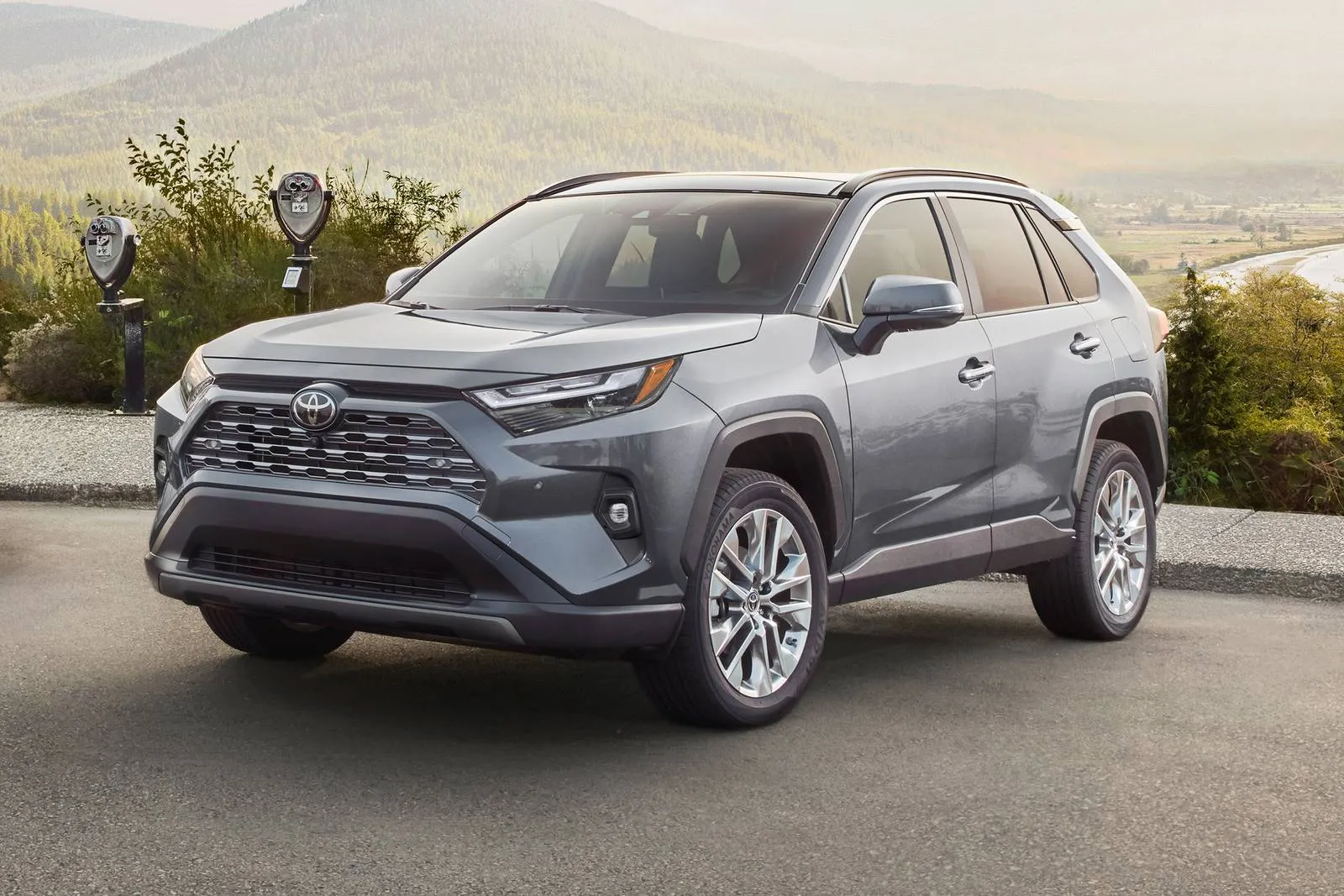
Technology has become a strong selling point in modern SUVs. People want cars that can connect easily, give instant responses, and keep their drives enjoyable without frustration. These days, electronic systems are almost as important as engines.
Whether it’s the touchscreen, digital dashboard, or driver-assist software, buyers now expect everything to work smoothly. Yet, reality often shows a clear difference between vehicles that deliver consistent performance and those that still struggle with unpredictable glitches.
For drivers who depend heavily on their infotainment and safety tech every day, small software issues can turn comfort into irritation. Some SUVs get it right, offering stable systems that rarely freeze or misbehave.
Others, despite looking advanced, bring along bugs that leave owners resetting screens or losing Bluetooth signals mid-journey. This mix of reliability and inconsistency makes electronic performance one of the most discussed topics among car owners today.
We will focus on ten SUVs that stand out for opposite reasons. The first five deliver smooth, dependable technology that supports convenience and peace of mind. The following five, unfortunately, show where automakers still have work to do, especially when it comes to software stability and user experience.
If you’re looking for an SUV that won’t annoy you with constant rebooting or failed pairing, you’ll find helpful insight here. And if you’re curious about which models to be cautious about, the second half gives a clear picture of those that often frustrate their users.
5 SUVs With Reliable Electronics
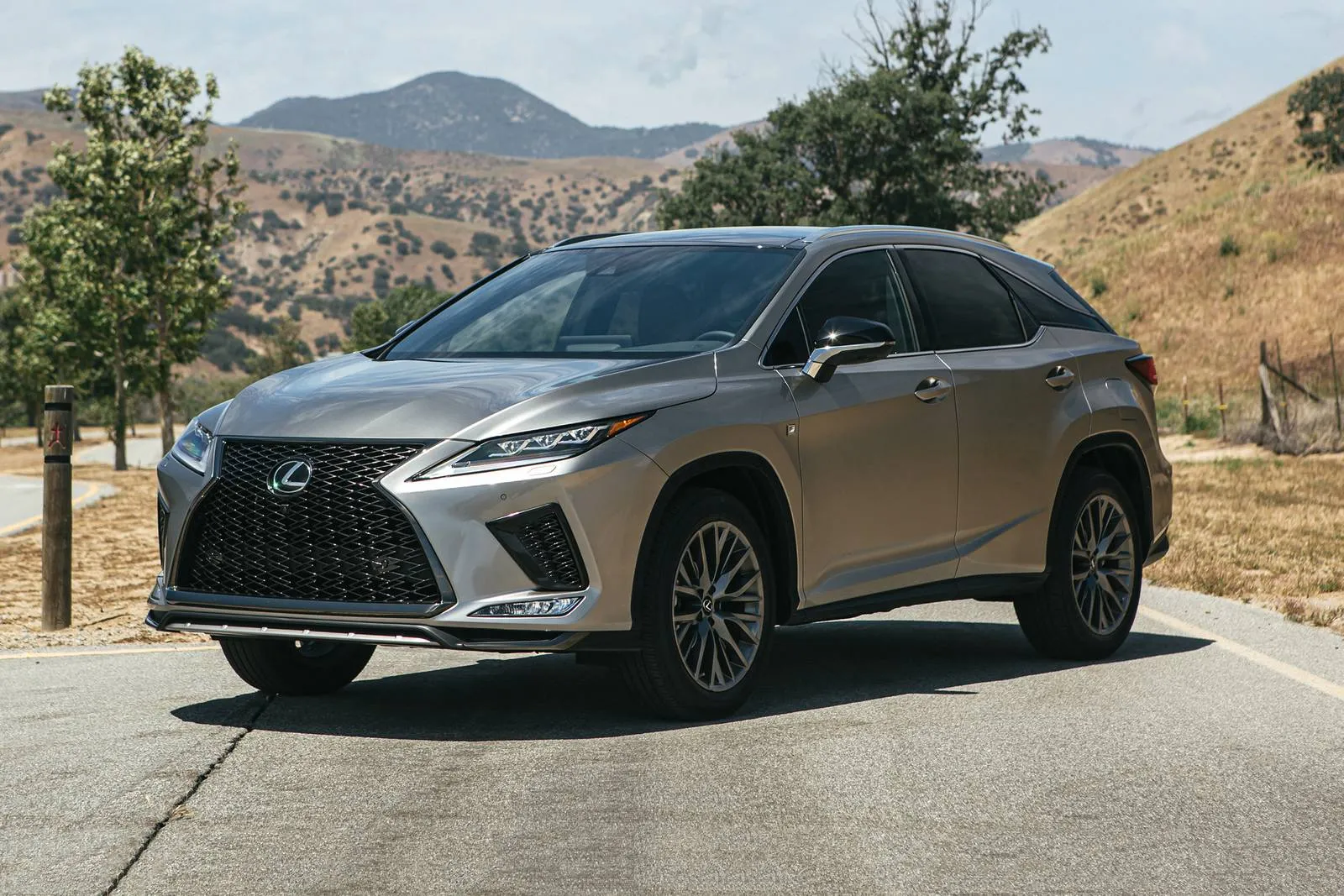
1. Lexus RX 350 (2022 Model)
Lexus has always maintained a strong reputation for building dependable vehicles, and the RX 350 continues that tradition with electronics that rarely misbehave. Its infotainment system may not have the flashiest design, but what it lacks in style, it makes up for with consistency.
The 12.3-inch touchscreen responds swiftly to every tap, and voice commands register easily without misinterpretation. Drivers appreciate how well the Bluetooth system stays connected, even during long drives.
Many owners mention that their RX 350 units keep running smoothly for years without software updates, causing trouble. The interface remains stable regardless of temperature or road vibration, something that can’t be said for many competitors.
Simple menus, fast navigation, and clear graphics help drivers focus on the road instead of fighting with technology. The driver-assist features like adaptive cruise control and lane-keeping work seamlessly without false alerts.
One reason for this dependability lies in Lexus’s careful testing process. Their electronics are built to withstand both hot and cold environments without lagging or freezing. Over-the-air updates are delivered carefully, avoiding the sudden system crashes that some brands experience.
For people who value steady technology rather than constant troubleshooting, the RX 350 gives a relaxing experience behind the wheel. It’s an SUV where you start the car, connect your phone, and everything just works. No restarts, no surprises, just calm reliability each day.
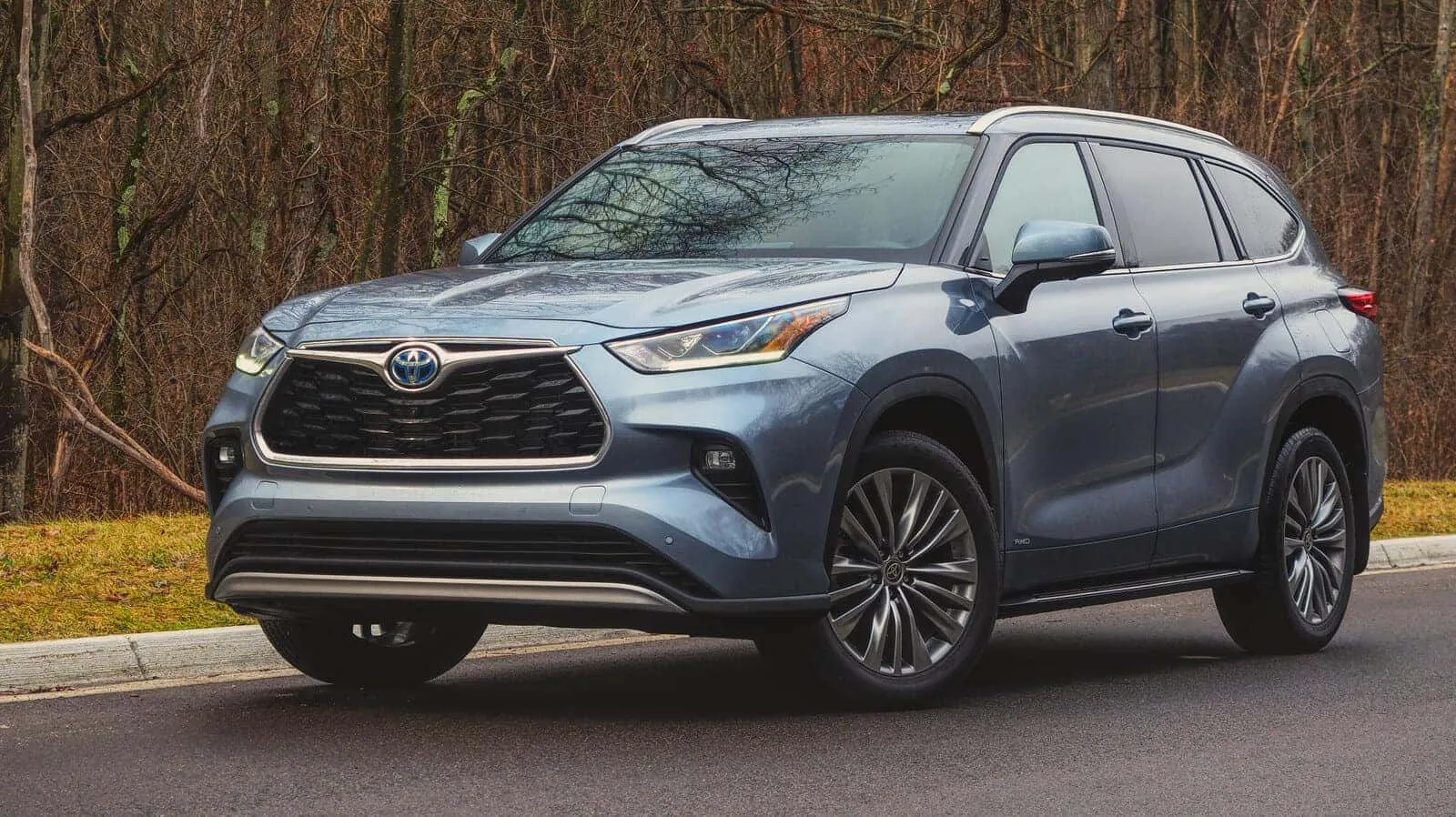
2. Toyota Highlander Hybrid (2023 Model)
Some vehicles try to look advanced through complicated screens, and then there are those that simply work every single day. The 2023 Toyota Highlander Hybrid belongs to the latter category. The engineers at Toyota appear to have taken the time to refine every detail of its digital setup.
When you start the car, the 12.3-inch display lights up with sharp graphics and immediate feedback. Switching between maps, apps, or rear camera views happens smoothly without that annoying second of delay that some vehicles display. It gives a quiet assurance that every command will go through exactly when needed.
Beyond entertainment, Toyota’s focus on stability shows clearly in its driver-assistance tools. Adaptive cruise control behaves steadily even in heavy traffic, and lane tracing operates without random corrections.
The sensors do their work quietly without false alarms. Drivers say that the Highlander’s Bluetooth connections rarely fail, and phone pairing happens instantly when you step inside. Whether you use Android Auto or Apple CarPlay, both link reliably within seconds.
Even after long months of use, the infotainment behaves as it did on day one. Updates install smoothly without spoiling earlier settings or features. The simplified interface means that climate adjustments and route inputs do not require deep menu digging. That kind of user-centered layout saves time on the road.
When the weather changes suddenly or rain hits hard, the Highlander’s electronics continue to function steadily. The hybrid system’s display for energy flow, charging, and battery use always gives correct readings.
It is the sort of dependability that encourages confidence. With the Highlander Hybrid, Toyota proves that advanced technology can still feel natural, working quietly in the background while you focus on the drive itself.
Also Read: 5 SUVs With Tailgate Wiring That Lasts VS 5 With Frayed Looms
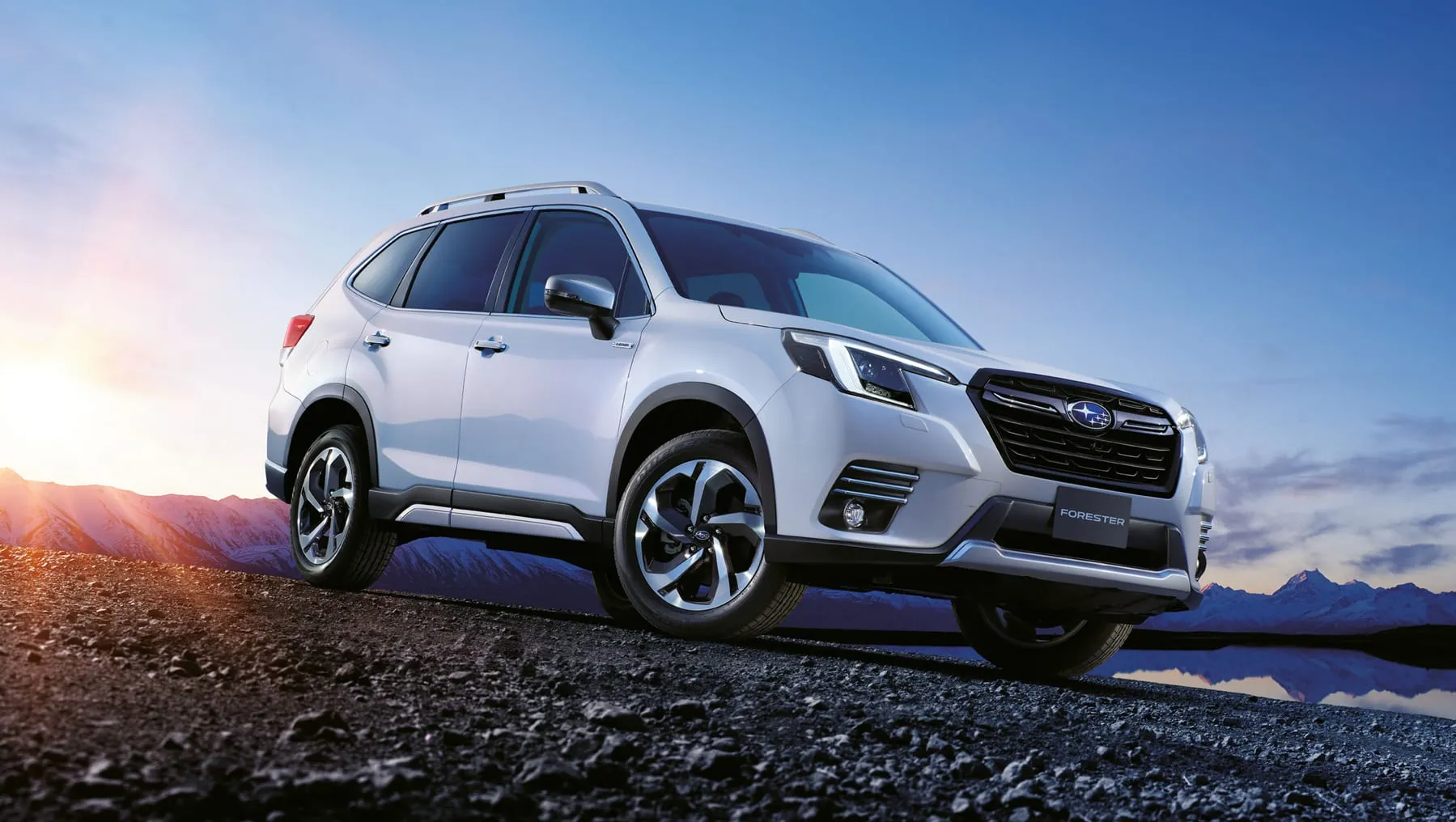
3. Subaru Forester (2022 Model)
Subaru has always earned a quiet kind of respect for building cars that last, and the 2022 Forester carries that same principle into its digital systems. While other manufacturers chase bold designs and oversized displays, Subaru keeps things practical and straightforward.
The Starlink infotainment platform might not try to impress visually, yet it functions smoothly without hesitation. Each touch registers instantly, and transitions between maps, radio, and connected devices remain steady. Even when multiple features are running together, the system handles everything without freezing or restarting.
What many drivers appreciate most is the responsiveness of the screen itself. Under direct sunlight, the display stays clear and bright enough to read directions or adjust playlists without straining the eyes.
Voice command recognition works better than some high-end models, reacting promptly without repeating instructions. Safety functions, powered by Subaru’s EyeSight system, maintain precision on highways. The car keeps its lane calmly without erratic steering inputs, and the alerts come when they should, not randomly.
Subaru’s approach to updates is equally careful. They do not rush out patches that create new issues. Each release goes through thorough testing, so drivers rarely face bugs or dropped connections afterward. Owners also mention how easy it is to link their phones, with Android Auto and Apple CarPlay holding their connections even after long drives.
When cold weather arrives and temperatures drop, the Forester’s screens continue to respond swiftly. The same can be said for dusty environments, where sensors remain clean in their readings. These small but vital qualities make the Forester stand out among SUVs that promise much but fail under everyday use.
For people who value steady operation instead of digital confusion, Subaru delivers something reliable that keeps working no matter the season or setting.
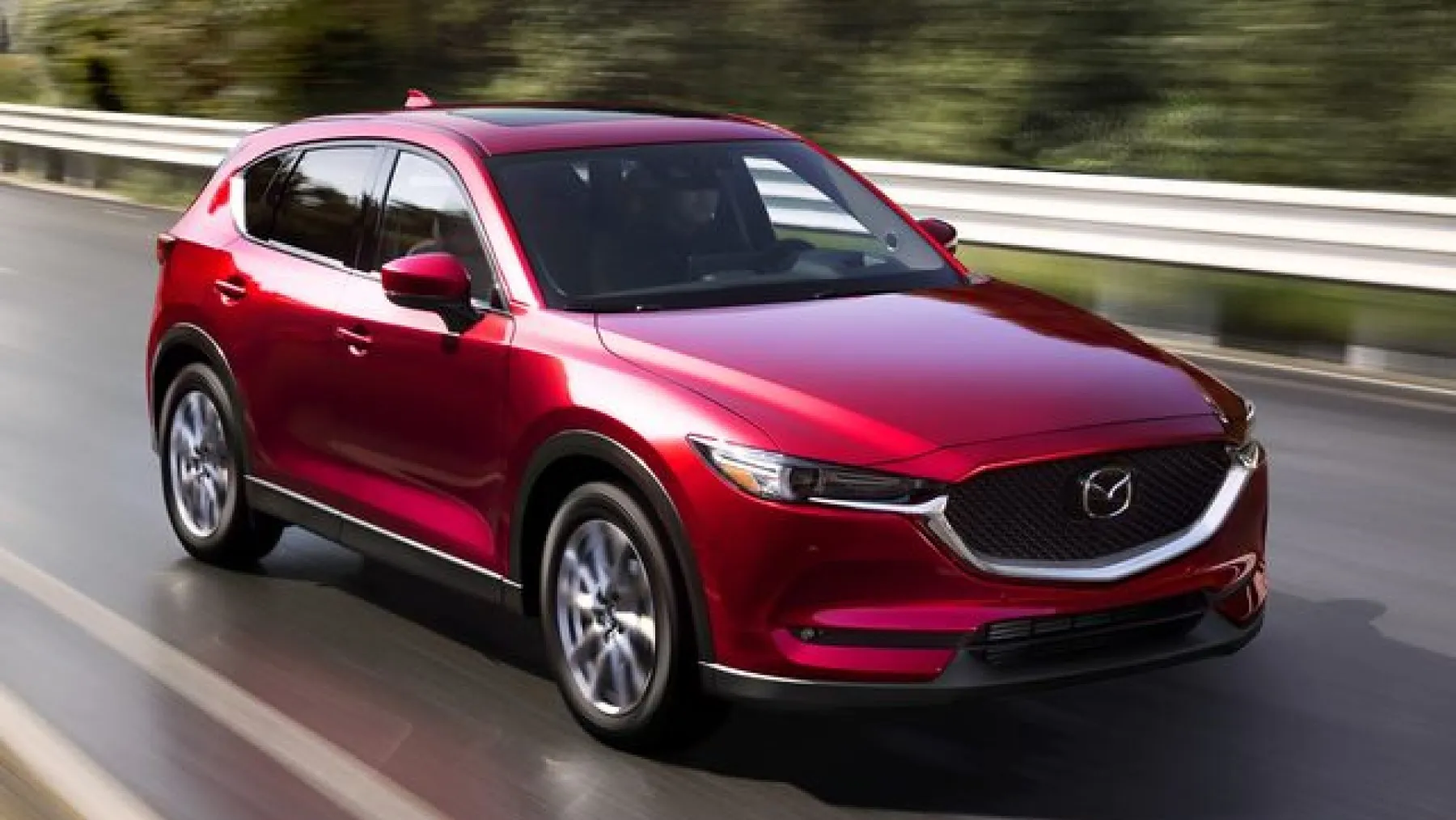
4. Mazda CX-5 (2021 Model)
The 2021 Mazda CX-5 is the kind of SUV that puts quiet precision above flashy features. Its digital system might not fill the dashboard with blinking animations, but it is the kind of setup that drivers trust without hesitation.
Mazda uses a rotary controller for the infotainment, which turns out to be easier to operate while driving than a touchscreen that demands constant glances. Every menu flows easily into the next, and switching between navigation, music, and settings happens quickly without lag or frozen screens.
Where the CX-5 shines most is in its reliability after many months of ownership. While some systems start acting strangely after software updates, Mazda’s setup remains steady. Bluetooth pairing works effortlessly, connecting to your phone the moment you start the engine.
Music continues to stream without interruption, even when signal strength dips slightly. Navigation loads routes within seconds, giving drivers accurate directions without long waits. The car’s safety electronics follow that same pattern of reliability. Adaptive headlights, blind spot alerts, and lane-keep functions all operate smoothly, giving feedback that feels natural instead of intrusive.
Even in rainy or dusty weather, the sensors read accurately without random warnings. The craftsmanship of Mazda’s buttons and knobs adds to that confidence; each component feels durable, avoiding wear even after repeated daily use.
For regular commuters, the CX-5 becomes a steady companion. Its electronics never demand attention, letting you concentrate on the road. Technology feels integrated instead of overwhelming.
Mazda manages to blend modern features with practical simplicity, offering a driving experience that stays easy and dependable through the years. It demonstrates that consistent engineering can often outperform screens filled with unnecessary features.
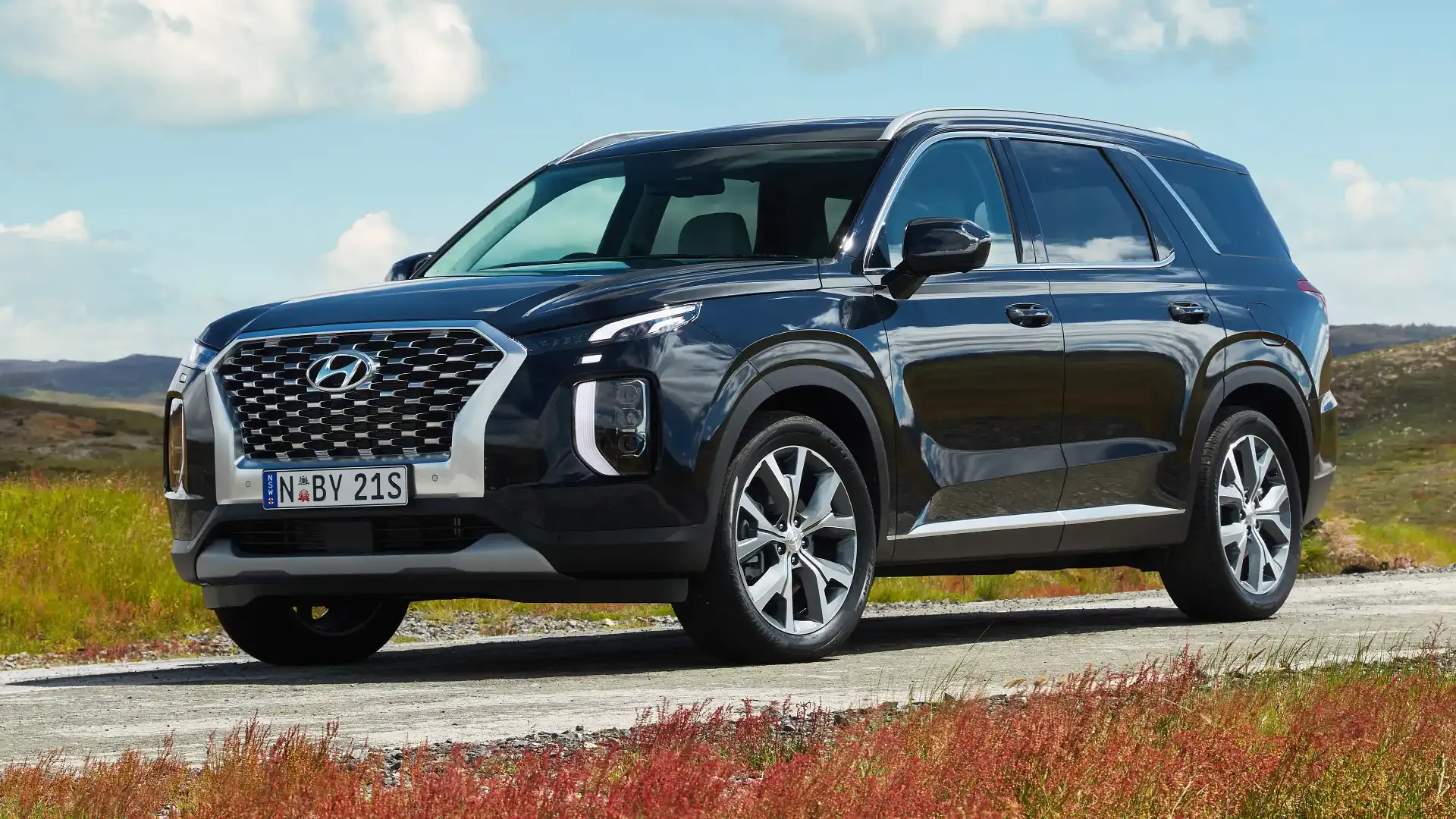
5. Hyundai Palisade (2022 Model)
When Hyundai designed the 2022 Palisade, the company clearly aimed to remove frustration from daily driving. Inside, everything feels properly arranged, and the technology never seems to work against the driver.
The 10.25-inch central screen delivers bright images with clean motion between menus. Touch response stays quick, and transitions from maps to media or cameras occur with almost no lag. The entire system runs quietly in the background, even when several functions are active at the same time.
Owners often speak about the smoothness of smartphone pairing. Wireless Android Auto and Apple CarPlay connections remain stable, whether you are moving through city traffic or cruising at highway speeds.
The voice assistant that manages navigation speaks clearly and processes instructions rapidly. The Palisade also integrates air-conditioning and seat controls into the digital interface without causing delays, something that many other SUVs still struggle with.
Families find great comfort in the vehicle’s entertainment arrangement. Multiple USB ports allow every passenger to charge or stream without draining the main system. The rear-seat screens stay responsive, maintaining proper sync with audio and video sources. Parking cameras, adaptive cruise management, and rear cross-traffic alerts work together smoothly without hesitation or glitches.
Hyundai’s engineers deserve credit for paying attention to the practical aspects of everyday use. From sound clarity to climate settings, each feature reacts with steady timing. The infotainment setup remains calm even during software updates, a sign of good programming and testing.
For drivers who want their SUV to behave consistently without digital surprises, the Palisade proves dependable. It strikes that rare balance between innovation and stability, showing that advanced technology can still remain user-friendly and stress-free.
5 SUVs With Glitch-Prone Infotainment
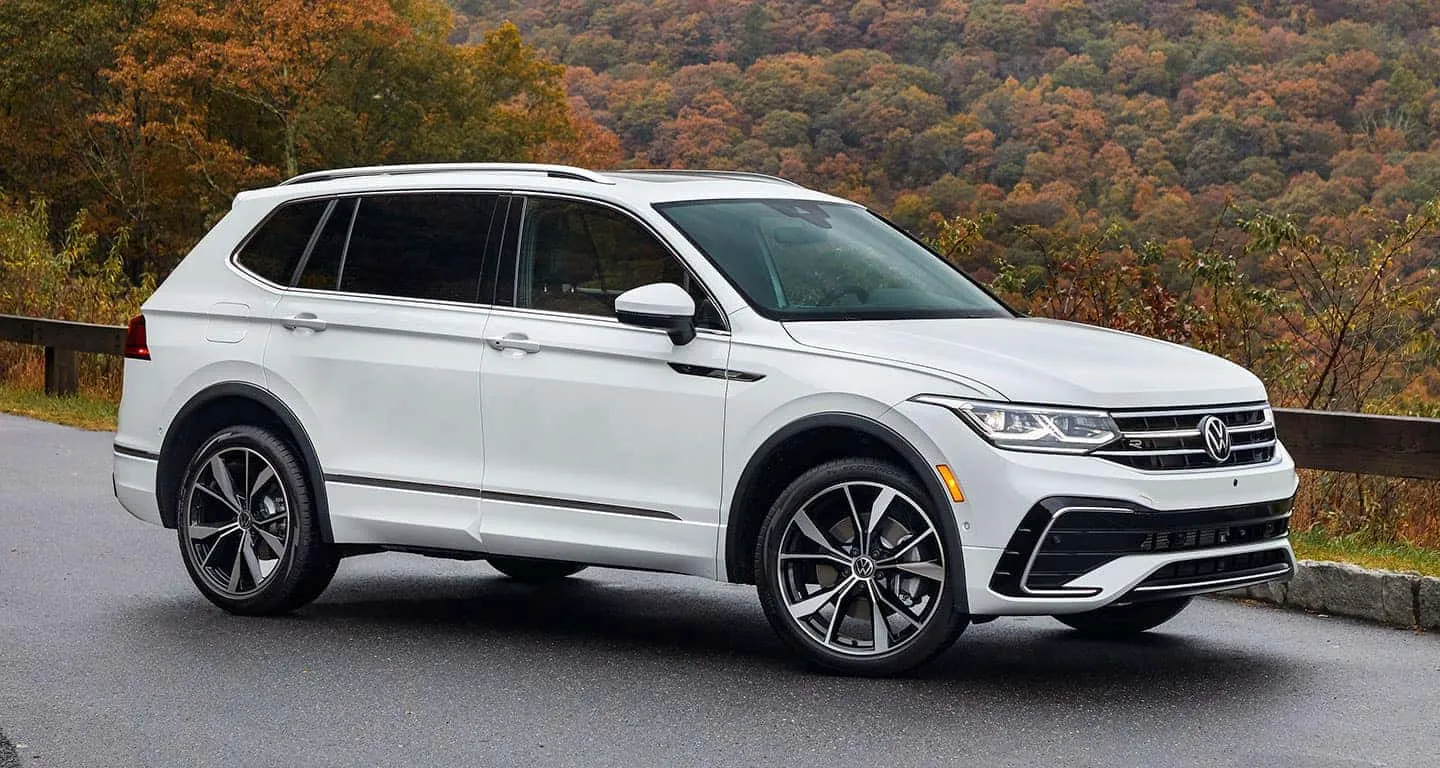
1. Volkswagen Tiguan (2022 Model)
Many people admire the Volkswagen Tiguan because it feels sturdy and carries a clean, modern look, but its electronics sometimes make ownership less pleasant. The infotainment system, designed to give a high-tech experience, ends up irritating several users.
Drivers often describe moments when the screen freezes or takes too long to respond, especially when switching menus or adjusting settings while on the move. These lag periods can interrupt even the simplest tasks, such as changing radio stations or setting navigation routes.
Another frustrating issue comes from the touch controls. Instead of traditional knobs and buttons, Volkswagen opted for touch-sensitive panels that look futuristic but often ignore light taps. Drivers end up pressing multiple times before the system reacts, which can become distracting during traffic.
Some users also experience the screen rebooting itself without warning, wiping off navigation data, or pausing music in the middle of a playlist. Cold mornings tend to worsen the problem, as the display becomes slow to wake up.
Owners have also shared that smartphone pairing can be inconsistent. Android Auto and Apple CarPlay occasionally disconnect mid-journey, forcing manual reconnection. Voice command features sometimes misinterpret words or fail.
Even though Volkswagen tries to fix these issues through updates, each software patch seems to solve one problem but creates another. Mechanically, the Tiguan drives well and delivers a calm, steady ride. But the irritation caused by these electronic troubles often overshadows its strengths.
People who prioritise smooth technology may find it hard to enjoy the car’s comfort when the screen keeps freezing or the controls delay. It remains a capable SUV on the road, but its infotainment leaves much to be desired for those who value reliable electronics.
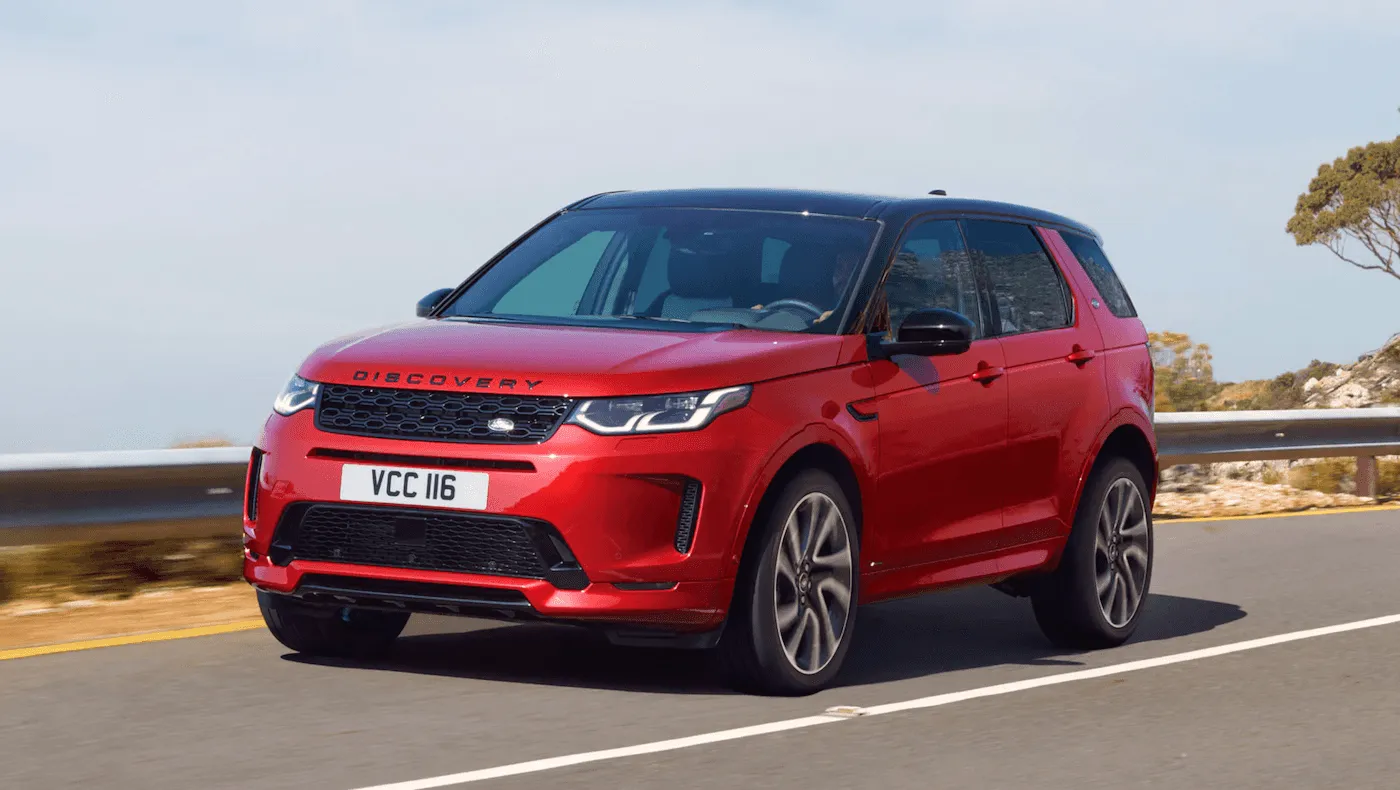
2. Land Rover Discovery Sport (2021 Model)
The Land Rover Discovery Sport attracts attention with its elegant styling and confident road presence, yet its infotainment system continues to frustrate many users. The Pivi Pro software was meant to modernise the cabin, but several owners say it behaves unpredictably.
Screens can freeze without warning, forcing the driver to restart the system. In some cases, the entire display goes dark for a few minutes before recovering. When this happens during navigation, routes vanish and drivers must re-enter addresses from scratch.
Bluetooth connection remains another sore point. Calls drop, or the system refuses to pair automatically when the vehicle starts. Even climate controls integrated into the touchscreen may lag, making it hard to adjust the temperature quickly. The visual design looks attractive, but delayed responses make it feel less premium than expected for a vehicle in this price range.
Land Rover has issued updates meant to correct these problems, but many users still face occasional glitches. Some report that after updates, new issues appear, such as buttons not responding or the radio freezing during long drives. Service centres have replaced entire screens for a few owners, showing that the faults sometimes extend beyond software.
Despite these issues, the Discovery Sport remains enjoyable to drive. It handles rough roads and long-distance trips with ease, offering strong suspension and decent comfort. Still, the infotainment inconsistencies pull attention away from its good qualities.
Those who buy it expecting flawless digital features may feel disappointed when the system refuses to cooperate. While its physical build maintains Land Rover’s standard, its electronics clearly require more tuning to match the brand’s promise of refined luxury.
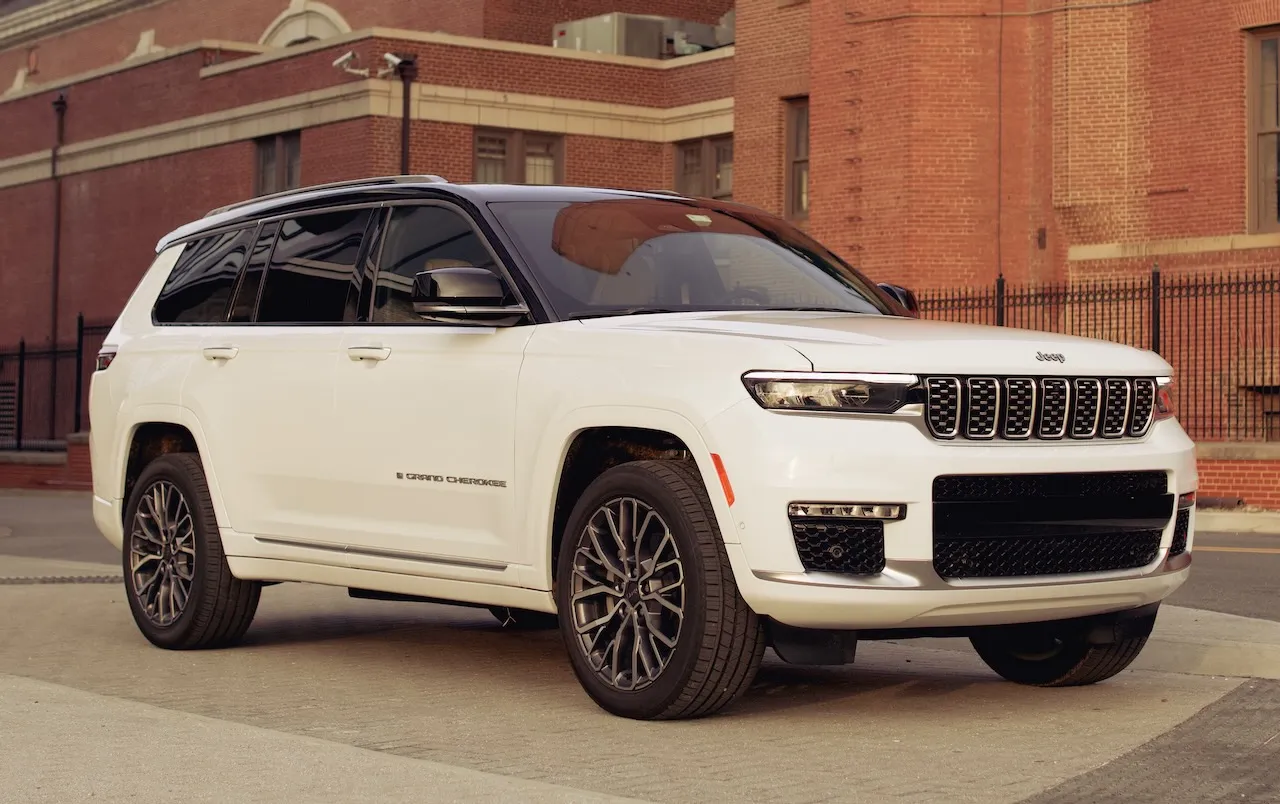
3. Jeep Grand Cherokee L (2022 Model)
Jeep introduced the Grand Cherokee L as a symbol of progress, pairing spacious comfort with advanced digital features. Yet, for many owners, the infotainment system brings more stress than joy. The Uconnect 5 platform promises smooth operation, but users have reported several issues since its release.
The most common ones include frozen screens, delayed commands, and unplanned restarts during trips. Sometimes, while going through, the system shuts down briefly and takes time to recover, disrupting driving flow.
Bluetooth pairing doesn’t always perform as expected either. Some drivers mention that music stops randomly, while others complain that calls disconnect without reason. Navigation maps can also lag behind real movement, confusing the driver about actual positioning. These delays are particularly annoying during city driving, where timing matters most.
The touchscreen’s sensitivity creates further problems. Some commands require repeated tapping before the system responds, and sliding through menus feels slow. Jeep has attempted to solve these bugs through software updates, but performance still differs from one vehicle to another. Even rear entertainment screens for passengers sometimes go out of sync, creating small but frequent frustrations.
On the mechanical side, the Grand Cherokee L feels well-built and powerful. It drives with confidence and comfort, but its electronic shortcomings take away some of that satisfaction. Many buyers choose it for family trips or daily commuting, expecting reliable infotainment.
Instead, they find themselves rebooting the system or waiting for screens to load. It remains a fine SUV with a strong driving presence, but the electronics still need refinement to keep up with the car’s premium image.
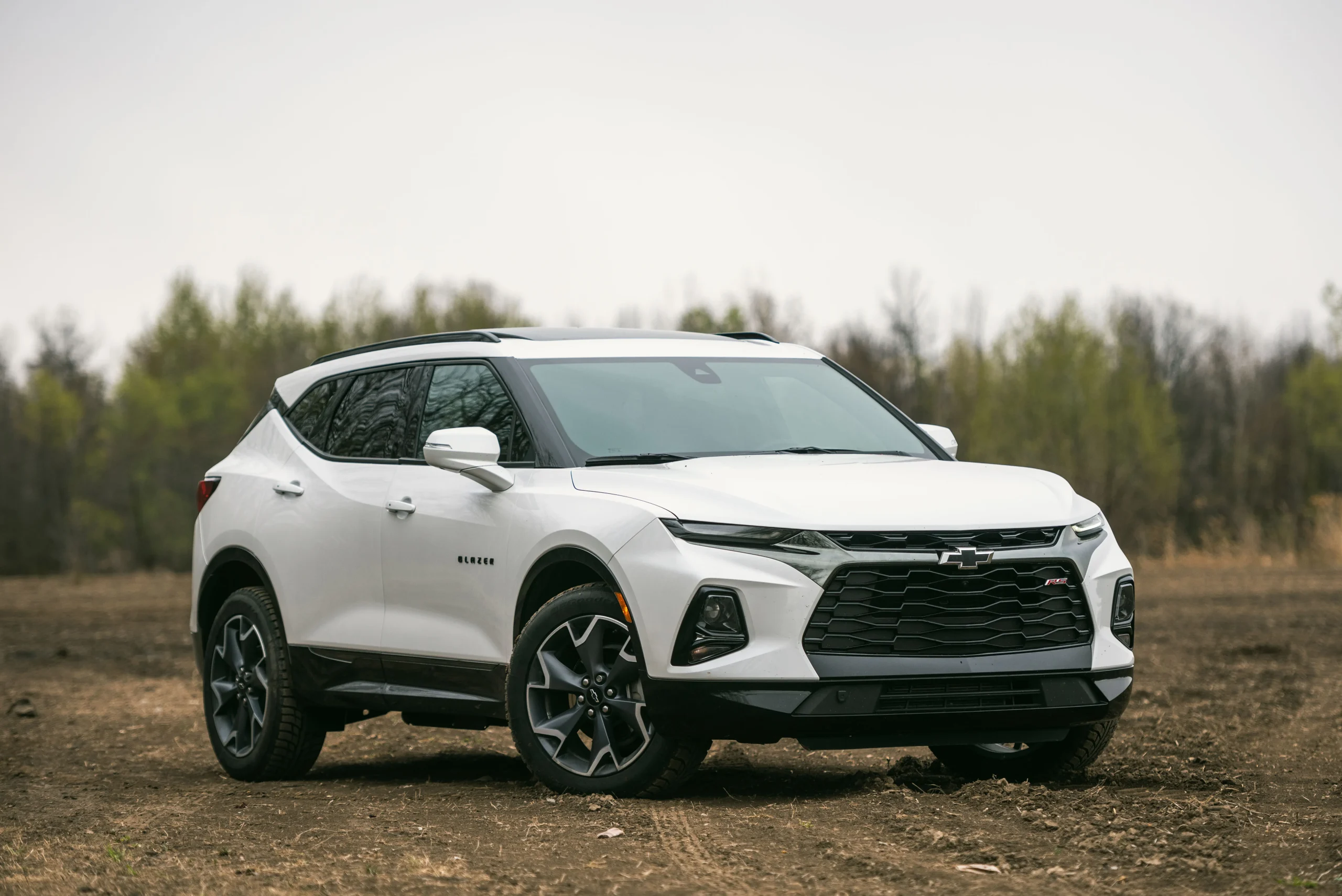
4. Chevrolet Blazer (2020 Model)
Chevrolet’s 2020 Blazer catches attention immediately with its bold lines and sporty appearance, but many owners say its infotainment system doesn’t live up to expectations. The screen sometimes reacts slowly, forcing users to wait before menus appear.
During navigation, some maps load partially, or voice guidance cuts off without notice. These interruptions may seem small, but they become frustrating when they happen repeatedly during busy commutes.
Connectivity issues also feature among user complaints. Pairing smartphones can take longer than usual, and Bluetooth often drops connection mid-song or mid-call. Streaming services occasionally stop working for a few minutes before resuming, especially when switching between different media sources.
Even wired connections through USB have moments of lag, creating an unpredictable experience for drivers who depend on technology for entertainment. Another recurring challenge lies with the reverse camera display.
Some users say the camera view sometimes fails to appear immediately when shifting into reverse, forcing them to rely solely on mirrors. Minor bugs like delayed response or frozen menus persist even after system updates. Adjusting simple settings like brightness or sound balance can require several steps, adding to frustration.
Despite these issues, the Blazer remains a comfortable ride with good engine performance and stylish appeal. Many drivers enjoy how it feels on open roads, but the inconsistent infotainment system can easily break the flow of a pleasant journey.
Chevrolet has improved its systems in newer models, yet the 2020 Blazer serves as a reminder that strong hardware means little if the software doesn’t perform smoothly. For people who prefer reliability in both mechanics and electronics, patience becomes essential when dealing with this SUV.
Also Read: 5 SUVs With Low Insurance Costs vs 5 That Spike Premiums
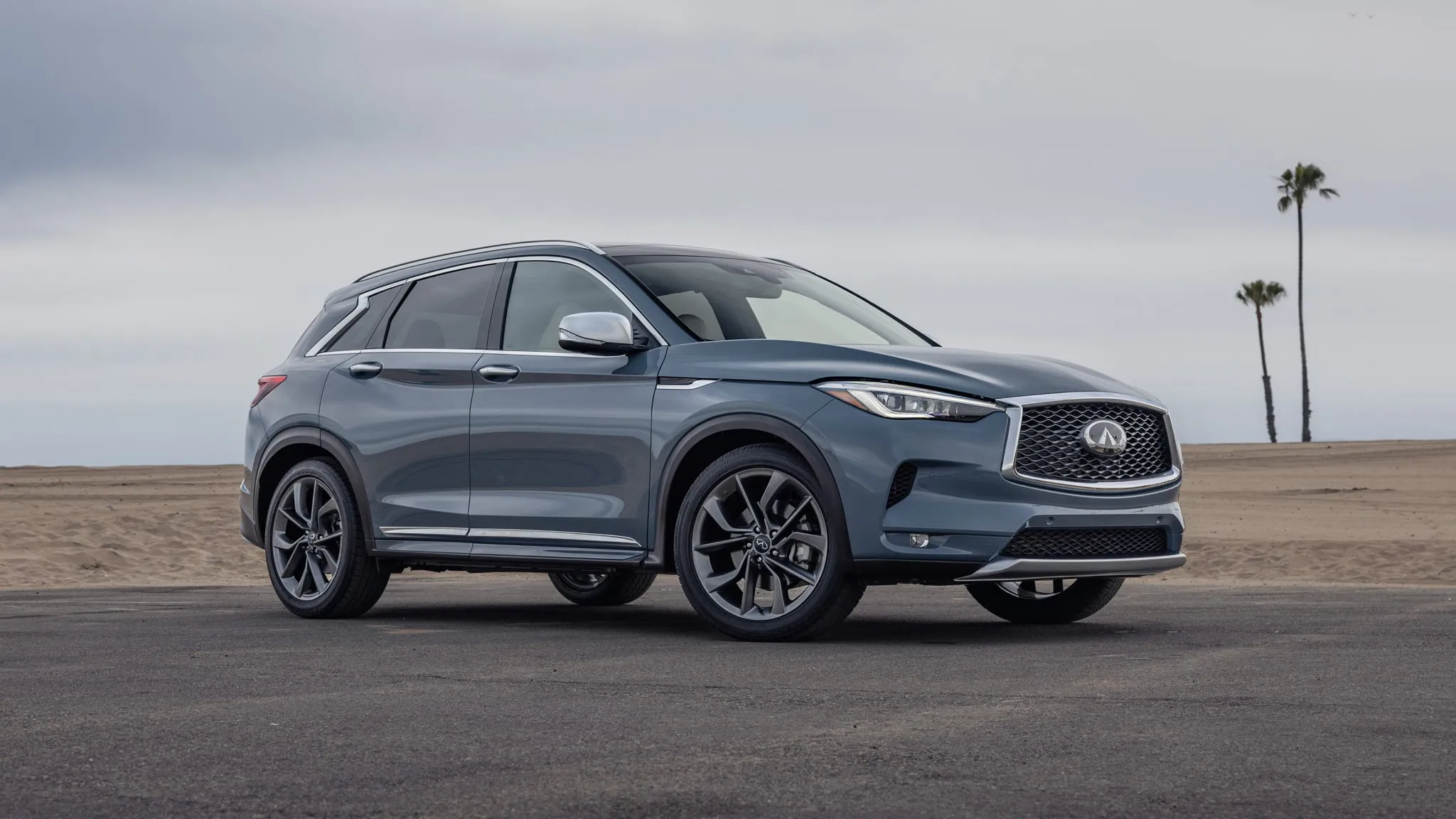
5. Infiniti QX50 (2021 Model)
Infiniti’s QX50 blends luxury and performance beautifully, yet its dual-screen infotainment setup often causes frustration. The top screen handles navigation, while the lower one manages climate and entertainment a design that looks appealing but feels confusing in daily use. Drivers frequently struggle with lag when switching between functions, and the lower screen sometimes freezes entirely.
Bluetooth pairing may take longer than expected, and Apple CarPlay occasionally disconnects mid-drive. Several owners mention that the navigation data loads slowly, which makes real-time directions less accurate. Touch sensitivity on the screens feels inconsistent, especially when trying to zoom or scroll.
Voice commands add another challenge, often misinterpreting instructions or refusing to activate. While Infiniti has improved system graphics, software smoothness still lags behind competitors. The split-screen layout also divides driver attention, which can be distracting in busy traffic.
Many users appreciate the vehicle’s comfortable cabin and smooth handling, but they admit that the electronics fail to match that standard. The QX50 demonstrates how advanced features can sometimes work against convenience if execution is flawed.
For people who prefer simple and responsive technology, this SUV may feel more complicated than helpful. Infiniti’s future upgrades might improve it, but for now, reliability in its infotainment remains inconsistent. Electronic stability has become a new measure of quality in today’s SUVs.
Drivers no longer look at only fuel economy or horsepower; they also want tech that functions without frustration. From Lexus to Subaru, the most dependable systems share one thing: simplicity backed by strong testing. When software works quietly in the background, driving feels easier and safer.
At the same time, brands like Land Rover, Jeep, and Volkswagen still show how poor digital performance can damage the ownership experience. Frequent resets, touchscreen delays, and lost connections remind users that advanced features mean little without reliability.
As vehicles continue to rely on software integration, buyers need to consider technology as carefully as engines or tyres. Choosing an SUV with stable electronics saves time, reduces stress, and improves everyday comfort.
Whether you prioritise luxury, economy, or performance, steady infotainment remains one of the best signs that a car was built with long-term usability in mind.
