
Engine reliability is one of the most important factors when choosing a full-size pickup. Some trucks feature bulletproof V8s that deliver a perfect balance of power, durability, and everyday usability, while others are known for engines that develop chronic problems and costly repairs.
The 2025 GMC Sierra 1500, Chevrolet Silverado 1500, Silverado HD series, and Ram 1500 Classic demonstrate how careful engineering can produce trucks that handle high mileage, heavy towing, and daily driving without major issues.
These trucks combine strong horsepower and torque with comfortable interiors, advanced technology, and dependable performance. On the other hand, engines such as Ford’s 6.0- and 6.4-liter Power Strokes, the Dodge Ram EcoDiesel, the LML Duramax, and the Nissan Titan XD Cummins have earned reputations for frequent failures, overheating, and fuel system problems.
Comparing these vehicles highlights the difference between trucks built for reliability and engines that challenge owners, helping buyers make informed choices for long-term satisfaction.
5 Trucks With Bulletproof V8s
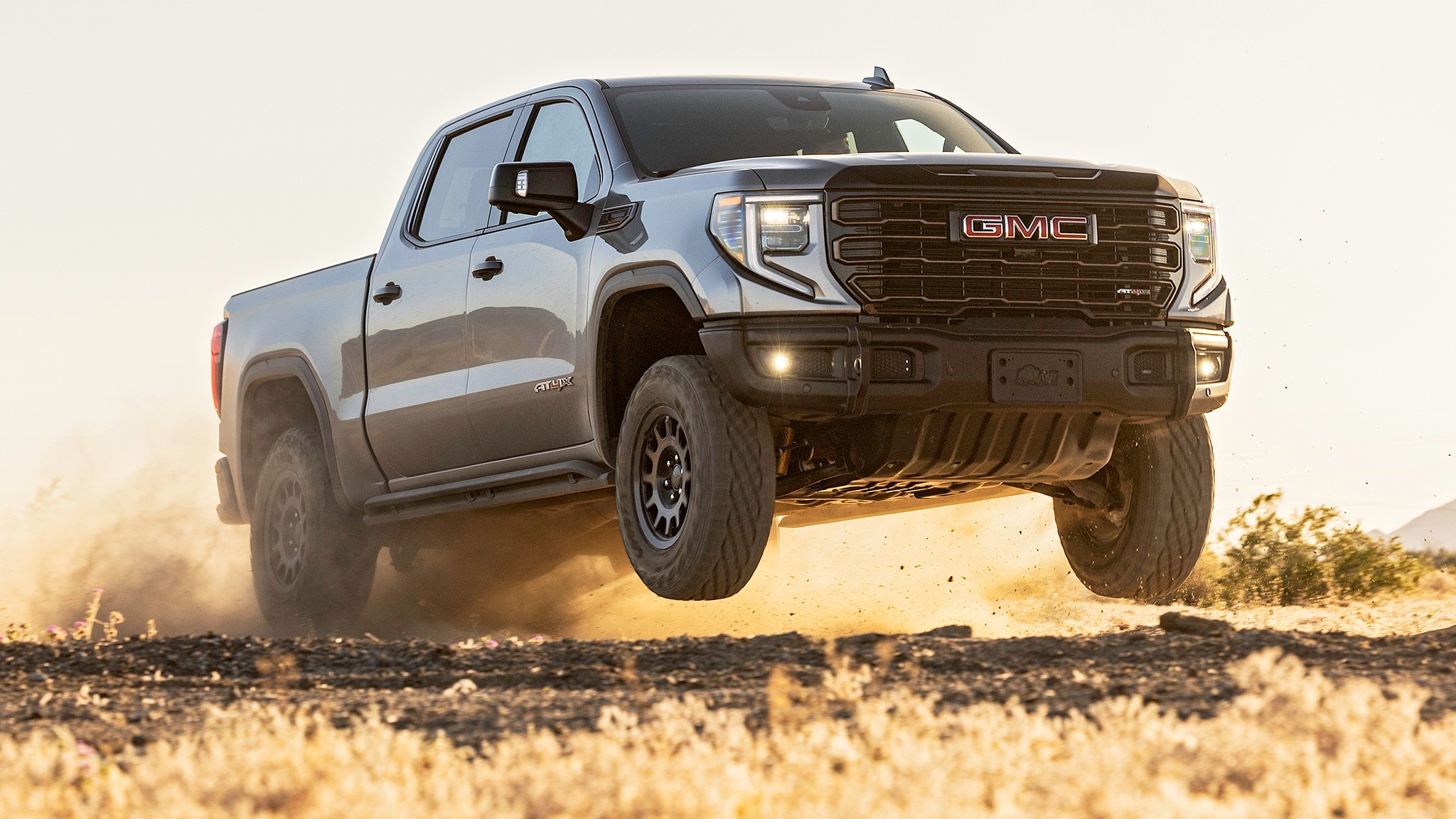
1. GMC Sierra 1500: A Balanced Blend of Power, Comfort, and Technology
The 2025 GMC Sierra 1500 stands as a refined and capable full-size pickup truck that combines durability, performance, and modern technology. With strong reliability ratings, advanced features, and a premium interior, the Sierra remains one of the most well-rounded trucks in its class.
The 2025 Sierra 1500 earns a J.D. Power Quality & Reliability score of 83, reflecting its solid construction and dependable performance. No recalls or NHTSA complaints have been reported for 2025, indicating improved quality control compared to the 2024 model, which saw 20 complaints.
Two naturally aspirated V8 engines power the lineup: a 5.3-liter producing 355 horsepower and 383 lb-ft of torque, and a 6.2-liter generating 420 horsepower and 460 lb-ft of torque. Both pair with a 10-speed automatic transmission and offer 2WD or 4WD configurations. A turbo-diesel six-cylinder is also available for those prioritizing torque and fuel efficiency.
In testing, the 6.2-liter V8 model reached 0 to 60 mph in 6.2 seconds, showing quick acceleration for a full-size pickup. The transmission shifts seamlessly, and braking is strong, though the pedal could provide a better feel.
Handling is less agile, with noticeable body lean in corners, and steering feels numb. The Traction Select system enhances grip on slippery surfaces, and the ride remains comfortable on highways, though it can feel bouncy over rough terrain.
The Sierra’s cabin emphasizes comfort, space, and function. The front seats offer wide adjustability and good long-distance support, accommodating drivers of all sizes. Rear passengers enjoy abundant space, with three adults fitting comfortably across the back seat. While the seats are not as plush as those in the Ford F-150 or Ram 1500, they remain supportive and durable.
The climate control system performs effectively, but uses small buttons that can be difficult to operate. A standout feature is the split heated front seats, allowing independent temperature control for the seatback and cushion. Cabin noise is well controlled, giving the truck a quiet, composed character during cruising.
Visibility can be limited by the tall hood and thick roof pillars, but the surround-view camera system greatly improves maneuvering and parking ease.
The Sierra’s technology suite is one of the best in the segment. The 13.4-inch touchscreen delivers sharp graphics, fast responses, and intuitive menus. The Google-powered voice recognition system allows natural speech commands to control navigation, media, and climate. Wireless Apple CarPlay and Android Auto are standard, and higher trims add wireless phone charging.
Driver assistance technology includes adaptive cruise control, which works well but can brake harshly in traffic, and Super Cruise, GMC’s hands-free driving system available on Denali trims.
The Sierra’s MultiPro tailgate provides six configurations, adding flexibility for cargo loading and towing. The bed offers multiple tie-downs, integrated steps, and trailer camera views that simplify hitching. While towing capacity is not class-leading, it remains highly capable for most uses. Interior storage is generous, with a large center console and folding rear seats that reveal hidden bins.
The 6.2-liter V8 4WD model achieves 16 mpg combined, with real-world testing showing 17.6 mpg. The available diesel option improves efficiency to 26 mpg combined.
Though more expensive than the Chevrolet Silverado 1500, the Sierra justifies its price with a more refined interior and premium materials. It comes with a three-year/36,000-mile basic warranty and a five-year/60,000-mile powertrain warranty, plus one free maintenance visit.
The 2025 GMC Sierra 1500 blends strength, refinement, and technology in a confident package. Its powerful engine options, upscale interior, and strong reliability make it ideal for drivers who want both utility and comfort. While rivals may offer slightly better handling or value, the Sierra’s combination of capability, sophistication, and dependability keeps it near the top of the full-size pickup segment.
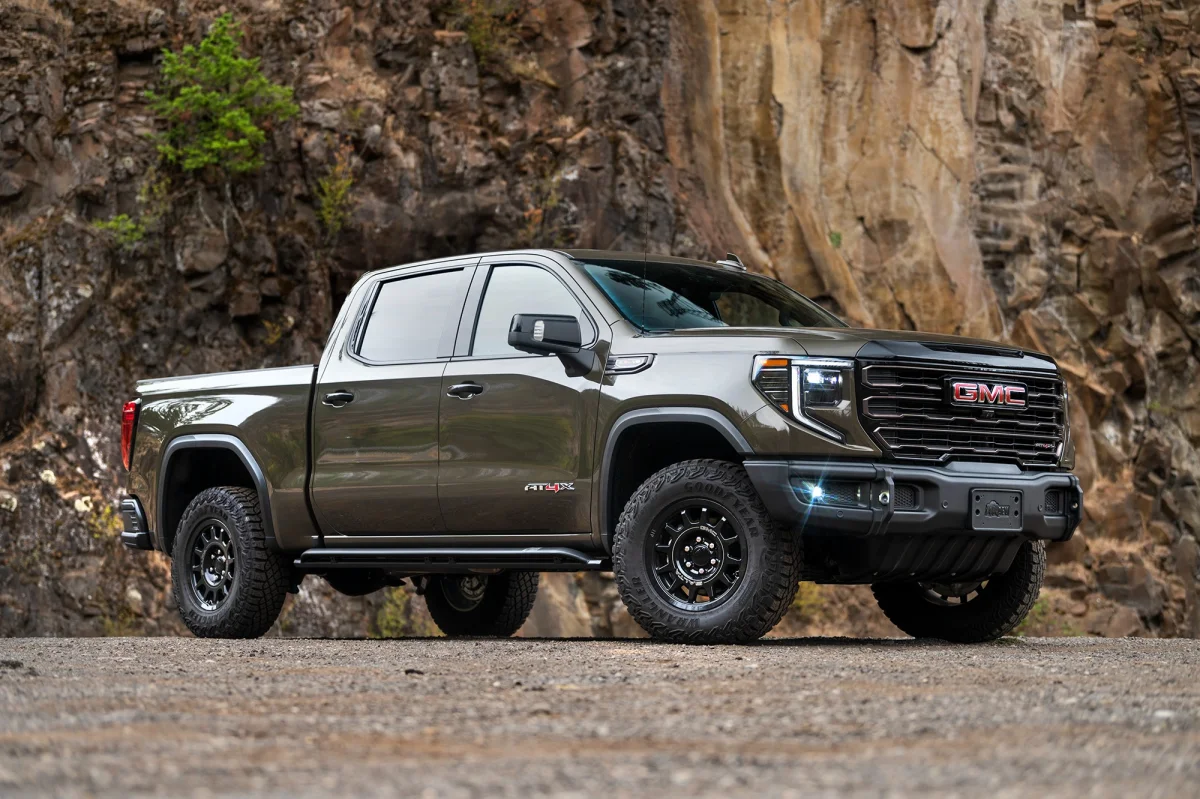
2. Chevrolet Silverado 1500: Strength, Technology, and Everyday Usability
The 2025 Chevrolet Silverado 1500 continues to be one of America’s most recognized full-size pickup trucks, combining dependable performance, advanced technology, and solid towing ability. Positioned slightly below its sibling, the GMC Sierra 1500, the Silverado offers similar engineering at a lower starting price, making it an appealing choice for buyers seeking a practical yet powerful truck.
According to J.D. Power, the 2025 Silverado 1500 earns an impressive Quality & Reliability score of 84, one point higher than the GMC Sierra. The model has recorded no NHTSA recalls or complaints for 2025, reflecting its dependable build quality.
The Silverado offers two naturally aspirated V8 engines: a 5.3-liter with 355 horsepower and 383 lb-ft of torque, and a 6.2-liter producing 420 horsepower and 460 lb-ft of torque. Both engines are paired with a 10-speed automatic transmission and are available in 2WD or 4WD. A high-torque Duramax diesel option is also available for drivers prioritizing towing and fuel efficiency.
At the test track, a crew cab Silverado High Country with the 5.3-liter V8 reached 0 to 60 mph in about 7 seconds. The truck delivers steady acceleration and smooth shifting, with enough torque for daily use and light towing.
Steering is light and easy, though it can feel vague on the highway. Handling is stable, and body roll is well controlled, but midcorner bumps can upset the ride. Comfort is decent, but the Silverado feels busier and bouncier than rivals like the Ford F-150 and Ram 1500.
Visibility remains a challenge because of the tall hood, and the low-resolution parking camera does not help much. However, the Super Cruise hands-free driving system provides an advanced driving experience that reduces fatigue on long trips.
The Silverado’s crew cab configuration provides generous interior space, especially in the rear, where adults enjoy abundant legroom. Access is easy, with wide door openings and comfortable seat positioning. The seats offer adequate support for long drives, though they lack the plushness of those in the Ram 1500 or F-150. Optional heated and ventilated front seats enhance comfort in varying weather.
Interior materials feel sturdy but not upscale. Controls are simple and logically arranged, with physical climate control knobs that are small but effective. Cabin noise is average for the class, and while the V8 growl becomes noticeable during hard acceleration, it remains manageable. The diesel engine, surprisingly, is only slightly louder and remains well refined.
Technology is one of Silverado’s strengths. The available 13.4-inch touchscreen delivers crisp graphics and quick responses. The system integrates Google Maps and Google Assistant for seamless navigation and voice control, although continued access requires a paid data plan after a trial period. Wireless Apple CarPlay and Android Auto come standard, both performing flawlessly on the large display.
The Silverado’s towing capacity reaches 13,300 pounds when equipped with the 6.2-liter V8 or Duramax diesel engine, which ranks near the top of its class. Payload capacity is also close to that of the Ford F-150. Cargo storage inside the cabin is practical but less clever than competitors, with fewer bins and partitions.
Fuel economy is competitive for the segment. The 5.3-liter V8 4WD version achieves 17 mpg combined, while the diesel variant can reach up to 25 mpg combined. These figures are realistic based on real-world testing.
While the Silverado is priced higher than some rivals, it delivers excellent performance and robust towing ability. Interior materials may not feel luxurious, but the build quality is solid. Chevrolet includes a three-year/36,000-mile basic warranty and five-year/60,000-mile powertrain coverage, plus one free scheduled maintenance visit, matching key competitors.
The 2025 Chevrolet Silverado 1500 is a tough, capable truck that combines strength, modern technology, and reliability. It may not ride as smoothly or look as refined as some rivals, but it offers excellent towing capacity, advanced driver assistance features, and competitive fuel efficiency.
For drivers seeking a hard-working pickup that blends practicality with technology, the Silverado 1500 remains a smart and dependable choice.
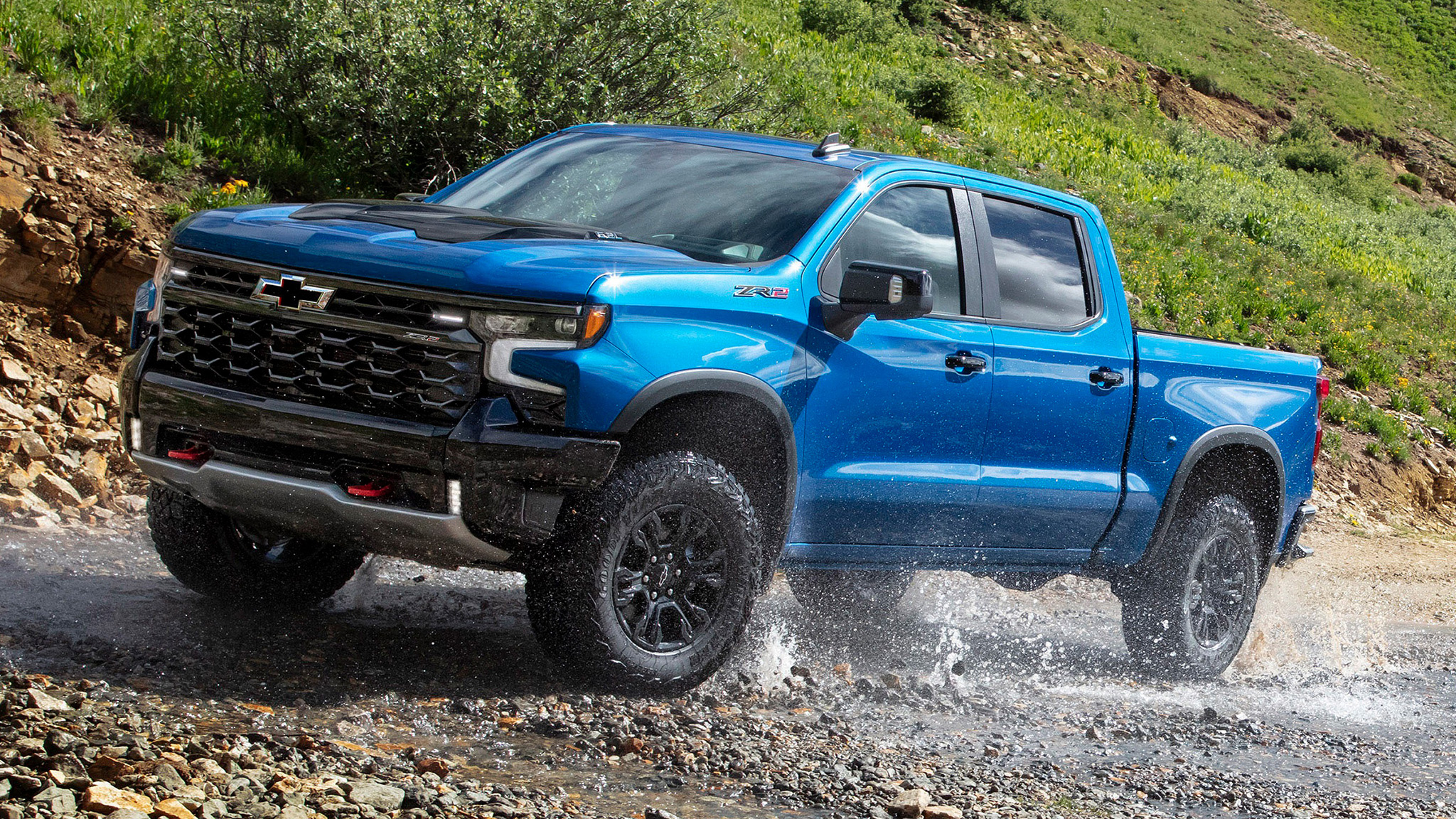
3. Chevrolet Silverado 2500HD & 3500HD: Heavy-Duty Capability Meets Comfort
The 2025 Chevrolet Silverado 2500HD and 3500HD are designed for drivers who need serious towing and hauling capacity while maintaining reliability and usability. With powerful engines, robust construction, and practical technology, these trucks deliver strong performance for work or highway driving.
The Silverado 2500HD earns a J.D. Power Quality & Reliability score of 85, indicating excellent dependability. For 2025, no recalls or NHTSA complaints have been reported, an improvement from 2024, which recorded two recalls and 50 complaints.
The 3500HD shares nearly identical engineering, including the same powertrains, but is rated for higher payloads and towing and features dual rear wheels. Although there is no official reliability score for the 3500HD, its lower complaint numbers suggest it is at least on par with the 2500HD.
Both trucks offer two V8 options: a 6.6-liter naturally aspirated gas V8 producing 401 horsepower and 464 lb-ft of torque, and a 6.6-liter turbo-diesel V8 delivering 470 horsepower and 975 lb-ft of torque. Power is sent through a 10-speed automatic transmission with available 2WD or 4WD. Maximum towing capacity reaches 36,000 pounds, making the Silverado HD series highly capable for demanding work tasks.
Despite its size, the Silverado 2500HD drives with notable composure. A diesel-equipped 2500HD accelerated to 60 mph in 6.8 seconds, impressive for a truck weighing over 8,000 pounds. The diesel engine’s immense torque allows effortless acceleration from stops, and the transmission shifts smoothly without noticeable lag.
Braking and handling are effective for heavy-duty trucks. The 2500HD stops predictably in city traffic, and steering is accurate, making it easy to maintain lane position. While maneuvering in tight spaces is limited due to the truck’s size, highway driving is comfortable and stable.
The Silverado HD balances work readiness with cabin comfort. The ride is firm but absorbs many road imperfections. The seats, however, are flat and firm, offering less support on long drives. The climate system heats and cools quickly, though fan noise can be noticeable at higher speeds. Cabin noise remains muted, and even the diesel engine produces only a mild hum rather than a harsh rattle.
The interior has been significantly improved. Controls are logically placed and easy to use, and the crew cab provides generous headroom and legroom. Visibility is limited by tall seating and thick roof pillars, making side mirrors and cameras essential. Entry and exit require the use of fold-out steps, especially for shorter passengers.
The Silverado 2500HD achieves about 13 mpg combined, depending on the engine and load. Fuel efficiency is typical for heavy-duty trucks and reflects real-world driving conditions.
Value is a key strength for the Silverado HD series. Even high trims like the High Country are priced below many competitors while offering durable construction and practical features. Premium materials are limited compared with rivals, but the trucks are built for work, and luxury finishes are not critical for most buyers. The Silverado HD provides strong performance, reliability, and utility at a competitive price.
The Chevrolet Silverado 2500HD and 3500HD combine powerful engines, heavy-duty capability, and functional interior design to deliver trucks that excel at towing, hauling, and highway driving. While size affects maneuverability and visibility, the trucks’ performance, comfort, and reliability make them excellent choices for buyers seeking capable, dependable heavy-duty pickups.
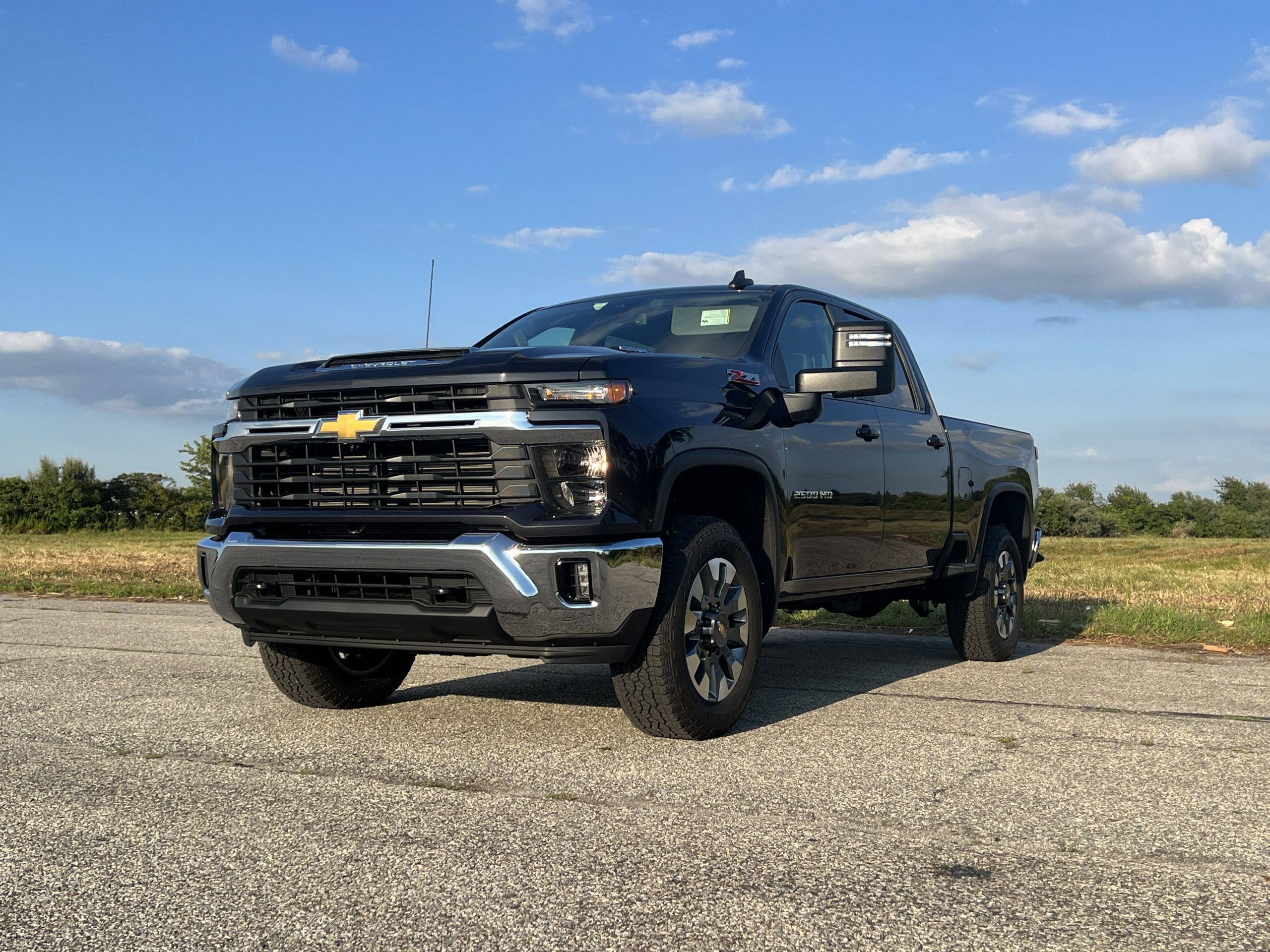
4. Ram 1500 Classic: Reliable Performance and Modern Comfort
The Ram 1500 Classic is the previous-generation Ram truck that continues to provide dependable performance and a strong feature set, despite its long tenure in the lineup. The 2024 model achieved a J.D. Power Quality & Reliability score of 88, making it one of the most reliable full-size pickups.
While no 2025 model is currently listed, the 2024 results demonstrate that the Classic remains a solid choice for buyers seeking proven durability and capable performance.
The 2024 Ram 1500 Classic offers a 5.7-liter naturally aspirated Hemi V8 producing 395 horsepower and 410 lb-ft of torque, paired with an 8-speed automatic transmission and available 2WD or 4WD. Only Quad Cab and Crew Cab configurations are available, along with two bed lengths. The Hemi V8 provides strong acceleration and plenty of power for daily driving and light towing tasks.
In addition to the Classic, the newer 1500 lineup offers a choice of V6 and twin-turbo inline-six engines, including a high-output Hurricane engine delivering 420 or 540 horsepower.
Trucks equipped with the 540-horsepower variant accelerated from 0 to 60 mph in 4.2 seconds, while the 420-horsepower version reached the same speed in 4.9 seconds. All engines pair with smooth-shifting automatic transmissions, providing a refined and capable driving experience.
The Rebel model emphasizes off-road capability, while the coil-spring rear suspension contributes to a more comfortable ride than traditional leaf-spring setups. Optional air suspension further improves ride quality and can adjust ride height for better fuel efficiency or off-road clearance.
The Ram 1500 Classic can tow up to 11,580 pounds and carry a payload of up to 2,300 pounds. While these numbers are lower than some competitors, the Classic still handles most light- to medium-duty towing tasks with ease. For higher towing needs, newer Ram 1500 variants, including the plug-in hybrid Ramcharger, offer capacities up to 14,000 pounds, and the heavy-duty Ram HD lineup exceeds 37,000 pounds.
Fuel economy varies by engine and drivetrain. The turbocharged inline-six starts at 18 mpg city and 25 mpg highway, with four-wheel-drive versions dropping slightly. The high-output engine achieves 15 mpg city and 21 mpg highway, while the base V6 reaches 20 mpg city and 25 mpg highway. In highway testing at 75 mph, the high-output inline-six delivered 20 mpg, improving efficiency over the older V8.
The Ram 1500 Classic and newer models provide spacious cabins, practical storage, and functional controls. Higher trims, such as the Limited and Tungsten, add luxury features including heated and ventilated seats, panoramic sunroof, premium leather, wood accents, and adjustable front seats with massage functions.
Cargo beds are available in five-foot-seven-inch or six-foot-four-inch lengths, with the extended cab pairing with the longer bed.
Infotainment includes responsive 12.0-inch or optional 14.5-inch touchscreens, both compatible with Apple CarPlay and Android Auto. An optional 10.3-inch passenger display provides entertainment and navigation access.
The Ram 1500 offers a range of driver-assistance features, including automated emergency braking, blind-spot monitoring, rear cross-traffic alert, lane-keeping assist, and optional hands-free adaptive cruise control. Warranty coverage includes a three-year/36,000-mile limited warranty and a five-year/50,000-mile powertrain warranty, though no complimentary scheduled maintenance is provided.
The Ram 1500 Classic combines proven reliability, strong performance, and spacious, comfortable interiors, making it a practical choice for buyers seeking a capable, durable pickup. While newer 1500 models offer more advanced engines and luxury features, the Classic remains a dependable, value-driven option in the full-size truck segment.
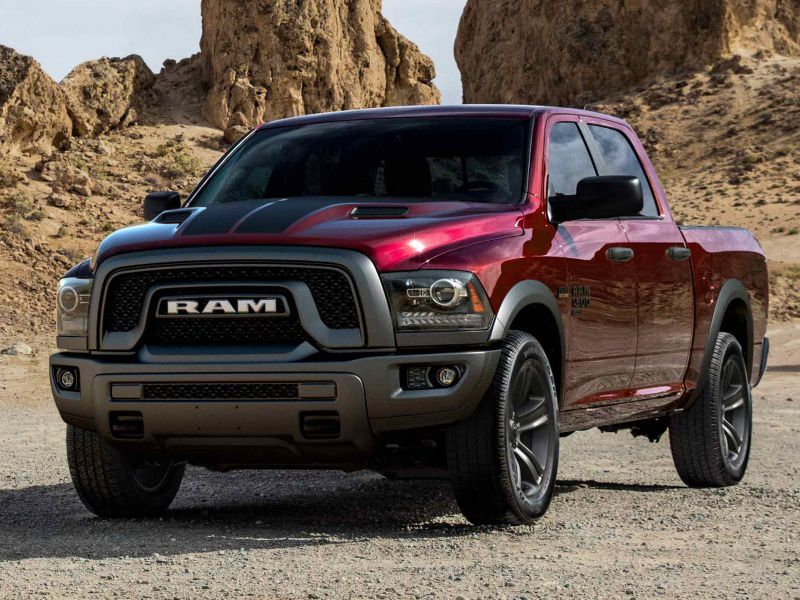
5. Ram 1500: Reliability, Performance, and Luxury in a Full-Size Pickup
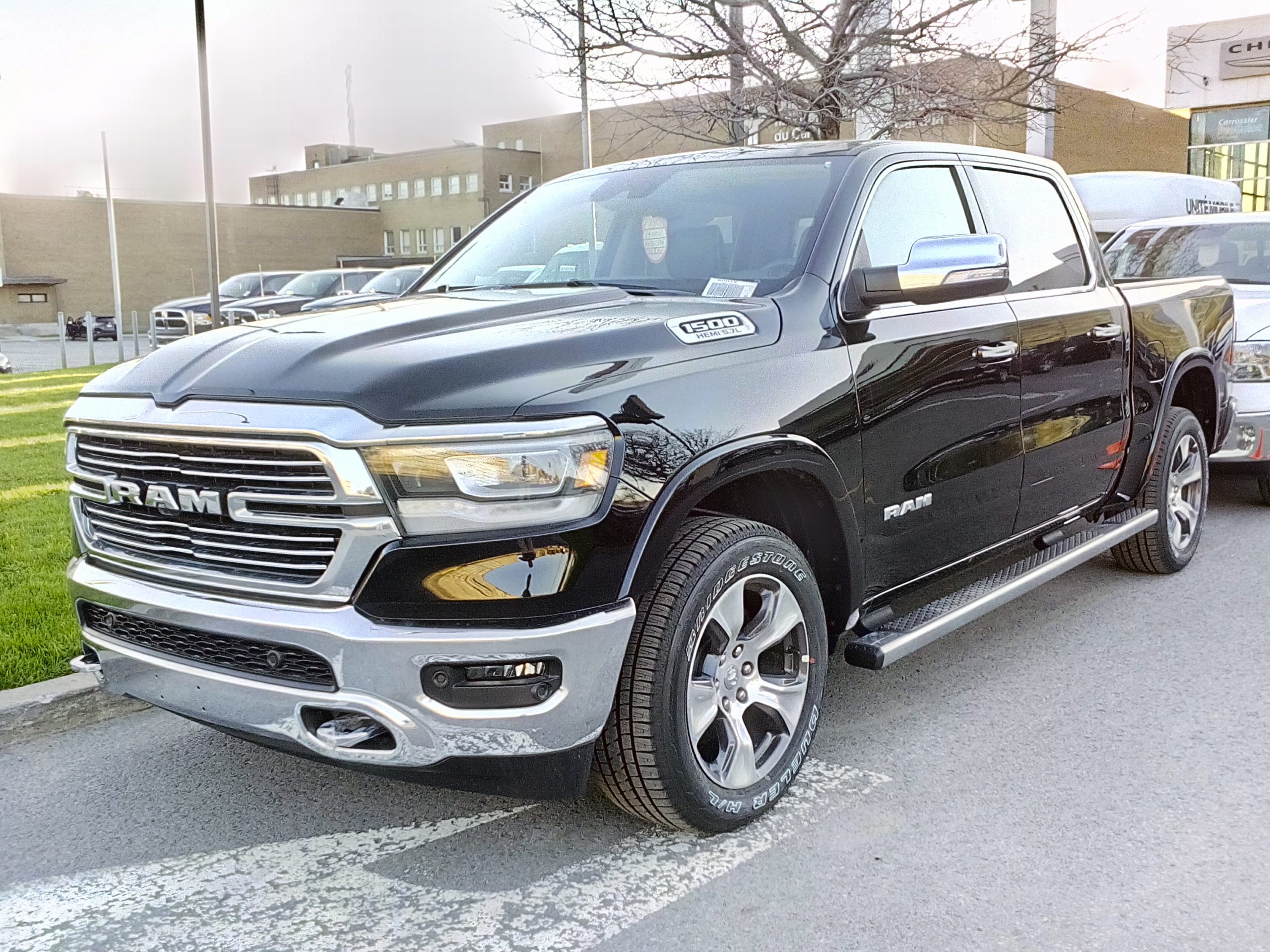
The 2024 Ram 1500 ranks at the top of full-size pickup trucks with a J.D. Power Quality & Reliability score of 89, reflecting its dependable construction and refined performance.
With only 3 recalls and 21 complaints reported to NHTSA for 2024, the Ram 1500 demonstrates consistent reliability. This model year is notable as the last one offering a V8 engine, marking the end of an era for traditional gas-powered performance in the 1500 lineup.
The Ram 1500 offers a broad range of powertrains, including a 5.7-liter naturally aspirated V8 generating 395 horsepower and 410 lb-ft of torque and a 6.2-liter supercharged V8 producing 702 horsepower and 650 lb-ft of torque.
Additionally, the lineup includes a turbocharged inline-six “Hurricane” engine in 420- or 540-horsepower versions and a 305-horsepower base V6 paired with a 48-volt hybrid system. All engines use a smooth-shifting 8-speed automatic transmission and are available in 2WD or 4WD configurations.
Acceleration testing highlights the truck’s capabilities: the 540-horsepower Hurricane inline-six in a 2025 Limited 4×4 Crew Cab achieved 0-60 mph in 4.2 seconds, while the 420-hp inline-six in a Rebel reached the same speed in 4.9 seconds.
The coil-spring rear suspension provides a comfortable ride, and optional air suspension allows adjustable ride height for better fuel efficiency and off-road performance. The Rebel model offers enhanced off-road capability and rugged styling.
The 2025 Ram 1500 can tow up to 11,580 pounds and carry a payload of 2,300 pounds. While these numbers are slightly below some competitors, they meet the needs of most full-size truck owners. For heavier towing requirements, the Ramcharger plug-in hybrid reaches 14,000 pounds, and the Ram HD lineup offers a maximum towing capacity of 37,090 pounds.
Fuel economy depends on the powertrain. The turbocharged inline-six achieves 18 mpg city and 25 mpg highway, with four-wheel-drive versions reducing both by 1 mpg.
The high-output version with four-wheel drive delivers 15 mpg city and 21 mpg highway, while the base V6 returns 20 mpg city and 25 mpg highway. In real-world highway testing at 75 mph, the high-output inline-six achieved 20 mpg, outperforming the older V8 engine.
The Ram 1500 features spacious cabins with extensive storage and functional design. Higher trims, such as the Tungsten and Limited models, include luxury touches like heated and ventilated seats, panoramic sunroof, premium leather, genuine wood accents, and 24-way adjustable massage seats. Cargo beds are offered in five-foot-seven-inch and six-foot-four-inch lengths, with extended cabs pairing with the longer bed.
Infotainment is a standout feature with 12.0-inch or optional 14.5-inch touchscreens, Apple CarPlay, Android Auto, and an optional 10.3-inch passenger display for entertainment and navigation. Physical knobs provide quick access to essential functions.
The Ram 1500 offers a comprehensive suite of safety features, including automated emergency braking with pedestrian detection, blind-spot monitoring, rear cross-traffic alert, and available adaptive cruise control with hands-free driving. Warranty coverage includes a three-year/36,000-mile limited warranty and a five-year/50,000-mile powertrain warranty, though no complimentary scheduled maintenance is included.
The Ram 1500 combines reliability, performance, and comfort with luxury-grade interior features. Its powerful engines, refined ride, and advanced safety and infotainment technology make it a compelling option for buyers seeking a capable and versatile full-size pickup.
Also Read: 10 Cars With Seats That Save Your Back on Road Trips
5 Problematic Engines
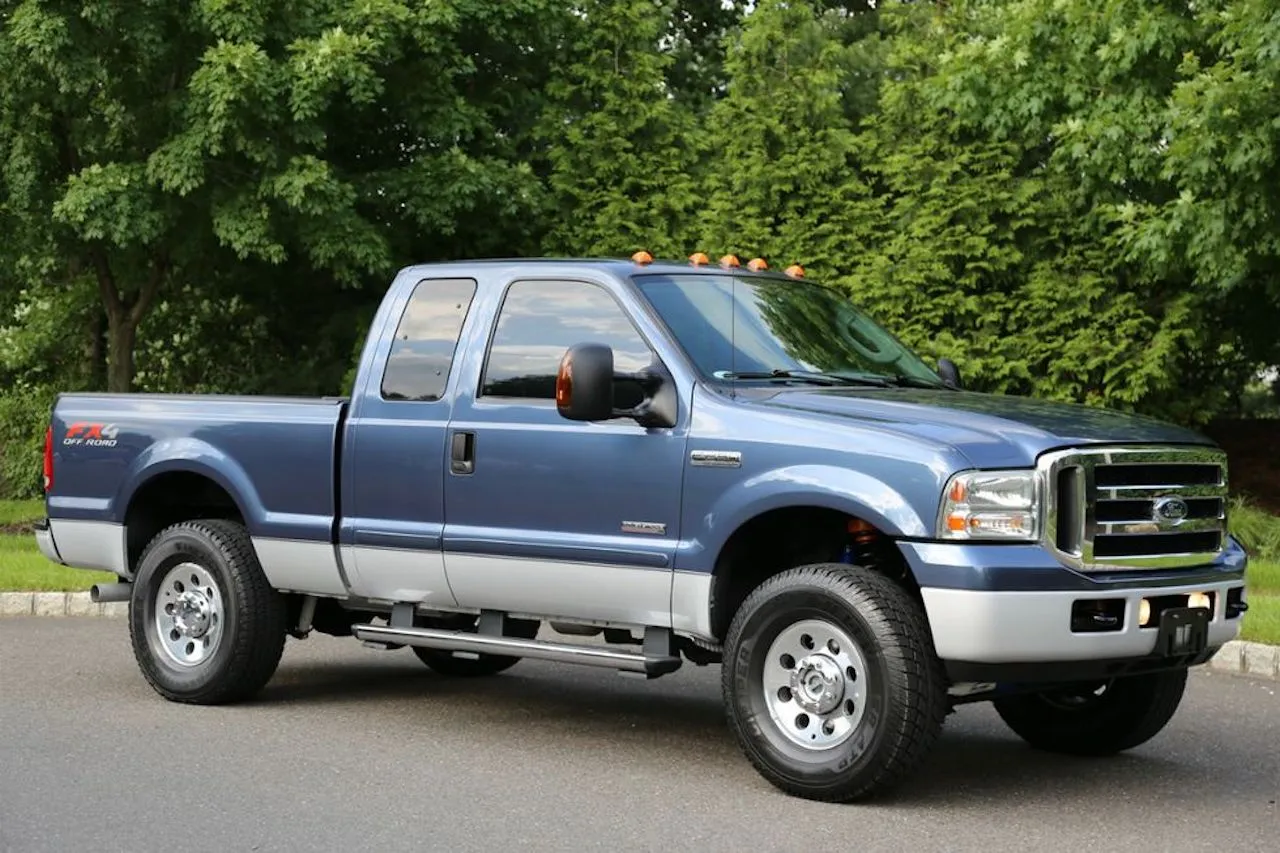
1. Ford F-250 6.0-Liter Power Stroke: Common Issues and Reliability Concerns
The Ford F-250 equipped with the 6.0-liter Power Stroke diesel was produced from 2003 to 2007. This second-generation engine was designed to meet stricter emission standards while increasing power and reducing noise. It featured a more advanced fuel-injection system and a variable geometry turbocharger. Despite these improvements, the engine developed a reputation for serious reliability problems.
One of the most critical issues is head gasket failure. The factory head bolts can stretch under stress, reducing clamping force and causing the head gasket to blow.
This problem is often exacerbated by EGR cooler failures, which can push coolant into the cylinders, creating a hydraulic effect that damages the gasket. The EGR cooler and valve are prone to clogging and cracking from high temperatures and soot buildup, which can also lead to coolant leaks.
Other common engine problems include clogged oil coolers, which restrict oil flow and cause high temperatures that damage components such as the EGR cooler and head gaskets. Injectors and the Variable Geometry Turbo (VGT) are sensitive to poor fuel quality and carbon buildup, causing operational issues.
The high-pressure oil pump (HPOP) may leak due to faulty O-rings or plugs, resulting in loss of fuel injector pressure. Additionally, the Fuel Injection Control Module (FICM) can deteriorate over time, leading to starting difficulties.
The 2006 Ford F-250 is particularly notorious for engine complaints, and some models also suffer from the “death wobble,” a violent shaking that affects control. The combination of design flaws, debris in the oil and EGR coolers, and weak head gasket bolts contributes to engine overheating, oil and coolant mixing, and cascading damage to other components.
While the 6.0-liter Power Stroke was advanced for its time, it is plagued by head gasket, EGR, injector, turbo, and oil system issues, making it one of the more problematic engines in Ford F-250 history. Owners and prospective buyers should be aware of these persistent reliability concerns.
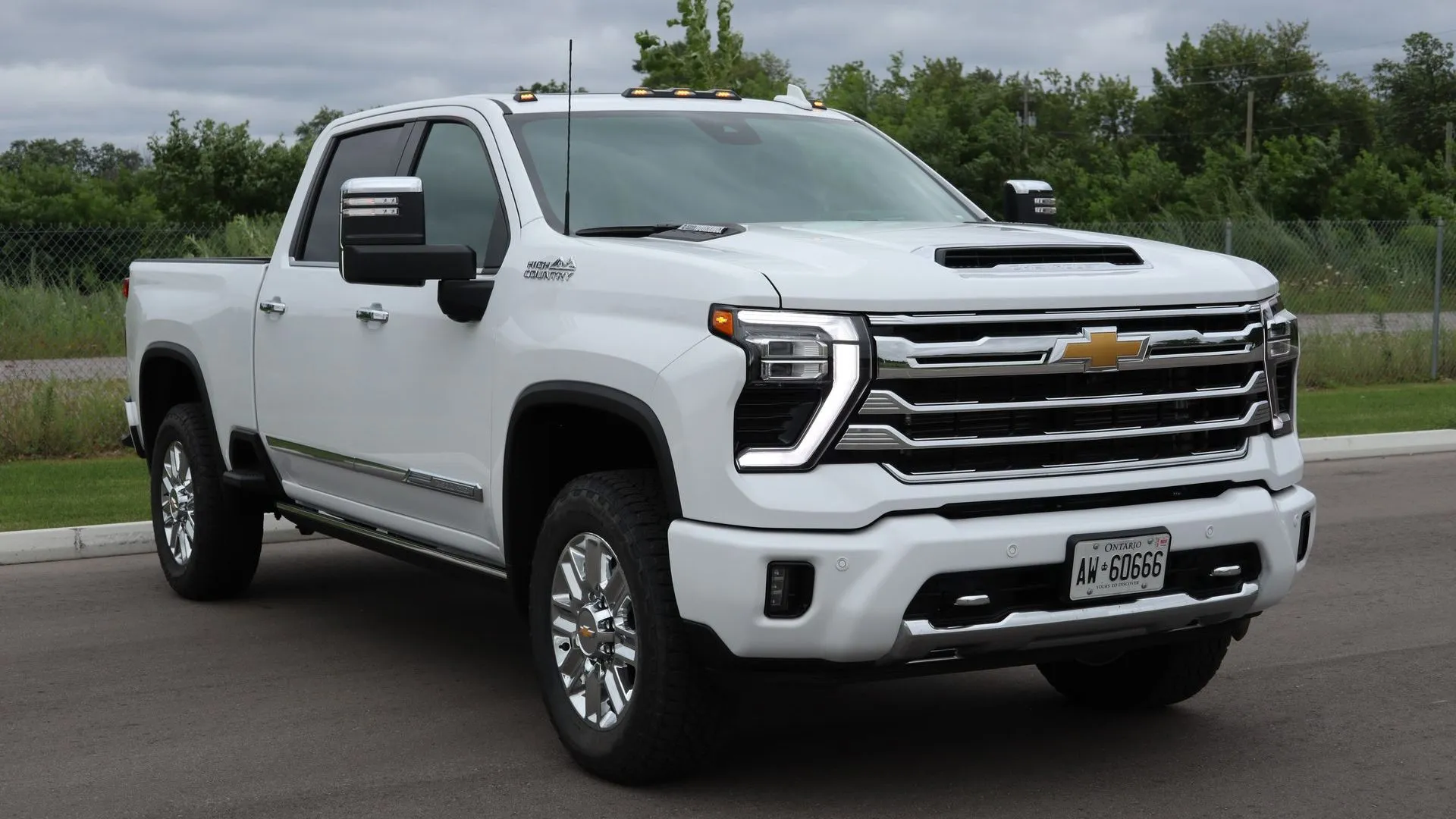
2. Chevrolet Silverado 2500 (6.6-Liter LML Duramax): Engine Concerns and Reliability Issues
The Chevrolet Silverado 2500 equipped with the 6.6-liter LML Duramax diesel was produced between 2011 and 2016. This engine, developed by GM in partnership with Isuzu under DMAX Limited, was the first Duramax produced after GM fully acquired the venture. While the LML Duramax was advanced for its time, it has developed a reputation for reliability problems, particularly related to its fuel and emissions systems.
A major issue with the LML engine is the Bosch CP4.2 high-pressure fuel pump. This pump is highly sensitive to fuel contaminants and the low lubricity of North American ultra-low sulfur diesel. Failures often occur before 100,000 miles and can be catastrophic, sending metal debris through the fuel system.
Repairs typically involve replacing the pump, fuel rails, injectors, and lines, which can exceed $10,000. The CP4.2 pump problem was so severe that it resulted in a class-action lawsuit and a $35 million settlement from GM.
The engine also suffers from emissions-related problems, including failures of the Diesel Exhaust Fluid (DEF) pump and heater. These issues can trigger reduced power mode until repairs are made.
The EGR cooler is prone to clogging from carbon buildup, which can lead to overheating and degraded engine performance. Other common failures include the water pump, which often fails between 80,000 and 100,000 miles, and fuel system issues such as cracked filter housings or O-ring failures that cause fuel starvation.
The 2015 Silverado 2500 is particularly problematic, accumulating numerous complaints about power steering and air conditioning failures, in addition to fuel system issues. NHTSA records show 250 complaints and 18 recalls for this generation of the truck. GM replaced the LML with the 6.6-liter L5P Duramax in 2017, which addressed many of the previous issues with a redesigned fuel system and improved cooling.
Despite being a strong and capable truck for towing and hauling, the Silverado 2500 with the LML Duramax is plagued by fuel pump failures, emissions system problems, and secondary component damage, making it a high-risk option for buyers seeking long-term reliability.
3. Dodge Ram 1500 (3.0-Liter EcoDiesel V6): Reliability and Engine Issues
The Dodge Ram 1500 with the 3.0-liter EcoDiesel V6, produced from 2012 to 2019, has developed a reputation for reliability problems, with the 2014 model year being particularly problematic. While the truck is capable and efficient for towing and daily use, the EcoDiesel engine suffers from recurring issues that can lead to costly repairs.
One of the most common problems is EGR cooler failure. Cracks in the cooler allow coolant to enter the exhaust gas recirculation system, which can lead to overheating, power loss, and even fire hazards.
Oil cooler leaks are also frequent, causing oil and coolant to mix, increasing wear, and affecting engine performance. The engine’s CP4.2 high-pressure fuel pump is prone to sudden failure, which can destroy the fuel system and leave the truck inoperable.
Other issues include bottom-end engine failures, often caused by crankshaft flexing or snapping under load, or clogged oil passages due to carbon buildup from EGR soot. Turbochargers and the passenger-side exhaust cam gear are additional weak points that can result in complete engine failure if not addressed. General coolant leaks and overheating further contribute to reliability concerns.
Contributing factors include heavy towing, which stresses components and exacerbates wear, and design limitations in the 2014-2019 models that did not fully account for high exhaust temperatures and EGR-related soot accumulation.
Emissions-related components are also prone to failure, leading to recalls and reduced performance in some units. While later updates to the third-generation EcoDiesel addressed certain issues, many core problems, particularly those affecting the fuel system and bottom-end engine components, persisted.
The Dodge Ram 1500 EcoDiesel is powerful and efficient, but buyers should be aware of its EGR, fuel system, and bottom-end engine vulnerabilities, particularly in early models, as these problems can result in significant repairs and potential safety concerns.
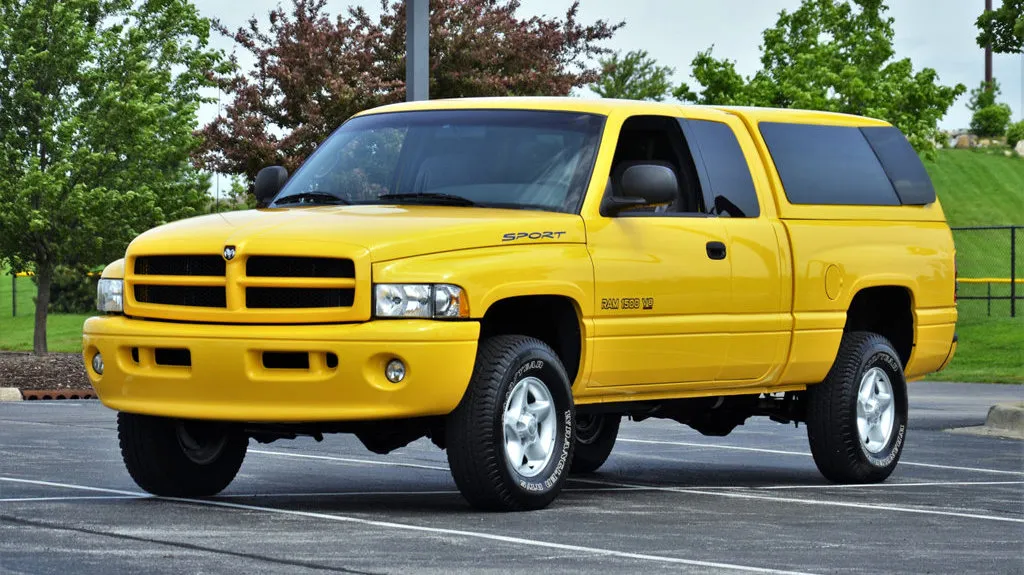
4. Ford F-250 (6.4-Liter Power Stroke): Reliability and Common Issues
The Ford F-250 equipped with the 6.4-liter Power Stroke diesel was produced from 2007 to 2011. Although it delivered 350 hp and 650 lb-ft of torque, the engine developed a reputation for reliability problems and maintenance challenges.
It was intended to improve upon the problematic 6.0-liter Power Stroke, but the 6.4-liter engine introduced its own set of issues, particularly related to emissions and fuel systems.
A major source of problems is the Diesel Particulate Filter (DPF). Designed to reduce soot, the DPF’s regeneration process produces high heat and can lead to excessive soot buildup, engine overheating, and reduced performance. This process also causes fuel dilution, as extra fuel injected to burn off soot can mix with engine oil, reducing lubrication and accelerating wear on internal components.
The Exhaust Gas Recirculation (EGR) coolers are prone to leaks, which can result in coolant loss and further overheating. Factory pistons are another weak point, as they are susceptible to cracking near the fuel bowl, potentially leading to catastrophic engine failure if left unaddressed.
The high-pressure fuel system is sensitive to contaminated fuel, and wiring issues in the fuel pump can prevent the engine from starting. Additional problems include cracked up-pipes and a clogged engine oil cooler, which can trigger check engine warnings and reduce engine performance.
The 6.4-liter Power Stroke’s reliability issues largely stem from the complex emissions system, designed to meet stricter environmental standards. Dual EGR coolers, DPF regeneration, and additional turbocharger components increased engine complexity and vulnerability.
Design flaws in the emissions and fuel dilution processes created recurring mechanical stress, contributing to frequent overheating, oil contamination, and premature wear.
While the 2008–2010 models achieved average reliability scores from JD Power, the engine’s persistent issues make it challenging for owners seeking long-term durability. Many problems were later addressed with the introduction of the 6.7-liter Power Stroke, which features a more robust and refined design.
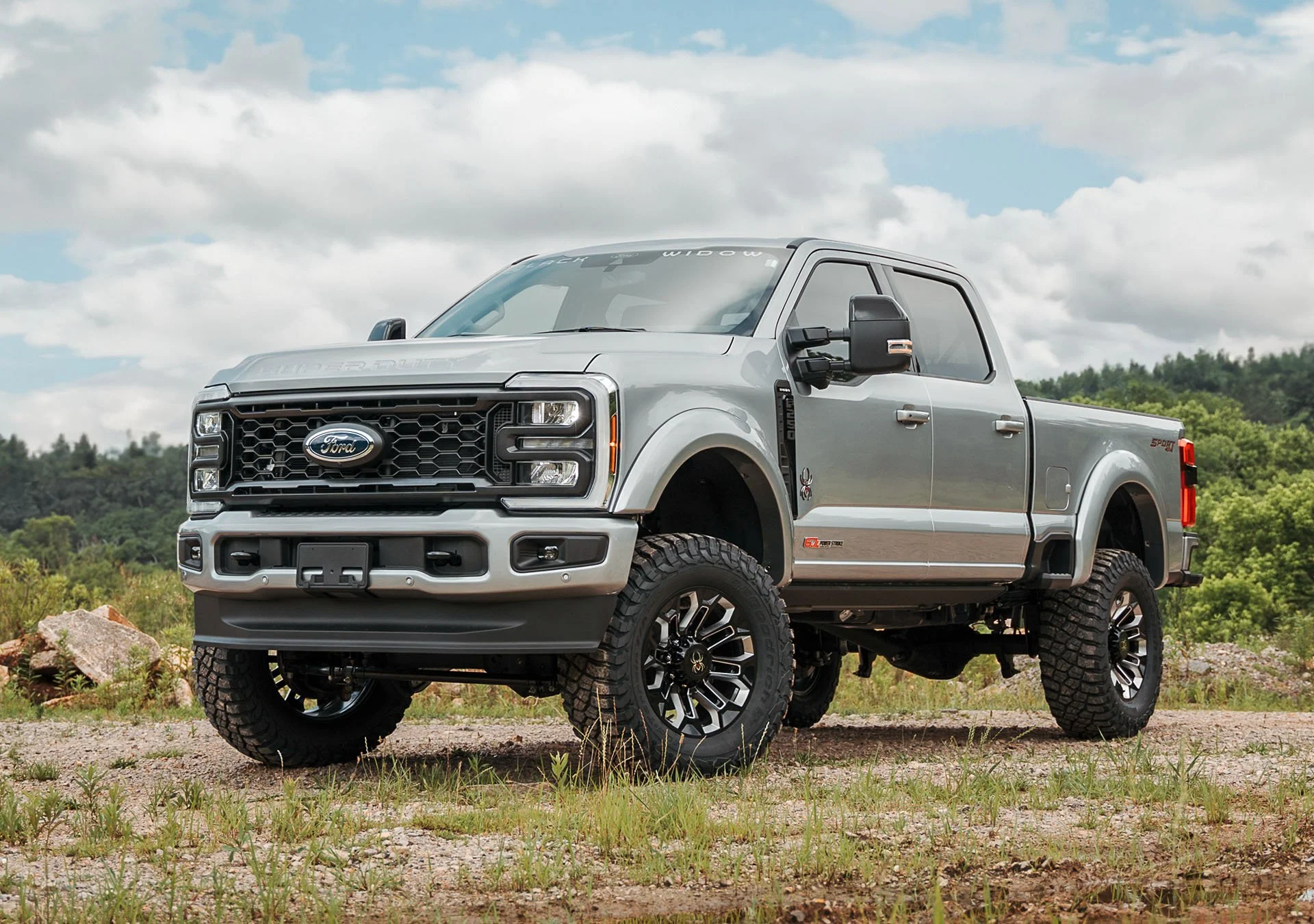
5. Nissan Titan XD (5.0-Liter Cummins V8 Diesel): Reliability Challenges
The Nissan Titan XD equipped with the 5.0-liter Cummins V8 diesel was produced from 2016 to 2019. Despite Cummins’ strong reputation in diesel engines, this powertrain developed significant reliability issues and a poor reputation among owners, leading to numerous complaints and federal scrutiny.
A major concern is the CP4 high-pressure fuel pump, which can fail suddenly and send metal shavings through the fuel system, causing catastrophic engine damage. This defect prompted a class-action lawsuit, as the pump is not fully compatible with the lubricity of U.S. diesel fuel.
Turbocharger failures also occur, particularly with the Holset M2 unit, which is prone to oil starvation due to a manufacturing defect. These failures can destroy the turbo and severely damage the engine.
The EGR system is another weak point. EGR valves commonly clog with carbon, and EGR coolers are prone to cracking, leading to coolant leaks and reduced engine performance.
Additional engine problems include crankshaft failures, fuel system issues, and DEF pump failures, which can put the truck into reduced power mode and require expensive repairs. Fuel system and emissions-related problems are compounded by poor transmission calibration in the AS six-speed automatic, causing hard shifts, jerking, and overheating.
Owners also face challenges due to limited repair expertise, as few mechanics are familiar with the 5.0-liter Cummins setup. Repairs can be slow and costly, especially for high-pressure fuel system failures, turbo damage, or DEF system replacements.
Performance issues reported by owners include poor acceleration, stalling, and low fuel efficiency, which, combined with frequent mechanical failures, contributed to a federal investigation covering up to 39,000 trucks. While Cummins engines are usually reliable, the Titan XD 5.0-liter V8 demonstrates that design flaws, component failures, and insufficient repair support can make a diesel truck difficult and expensive to maintain.
Selecting a pickup is about more than horsepower or towing capacity; engine dependability determines long-term ownership costs and satisfaction. Trucks with bulletproof V8s, like the GMC Sierra 1500, Chevrolet Silverado 1500, Silverado HD models, and Ram 1500 Classic, provide strong performance while remaining durable and reliable.
These engines can handle heavy use, long trips, and towing without major repairs, giving owners confidence and peace of mind. Engines such as the Ford 6.0- and 6.4-liter Power Strokes, Dodge Ram EcoDiesel, LML Duramax, and Nissan Titan XD Cummins reveal how design flaws, complex emissions systems, and fuel system weaknesses can create expensive problems and frequent maintenance.
Understanding which trucks offer proven reliability and which engines are prone to failure allows buyers to avoid unnecessary headaches and choose a vehicle that delivers both power and longevity. A reliable V8 not only performs on the road but also ensures years of dependable driving for work or recreation.
Also Read: 5 Cars Easy to Service at Home vs 5 With Hidden Fasteners
