
The 1980s were an era of transition and experimentation for the automotive world. After the fuel crises of the 1970s, automakers around the globe sought to balance performance, efficiency, and style in ways that hadn’t been done before.
Turbocharging became fashionable, digital dashboards started appearing, and aerodynamic shapes replaced the boxy silhouettes of the previous decade.
For collectors and enthusiasts in the U.S. today, the best 1980s cars blend nostalgic design, analog driving feel, and mechanical simplicity with just enough modern comfort to make them enjoyable weekend machines.
Below are twelve standout vintage cars from the 1980s that have earned their place in automotive history.
1. BMW E30 M3 (1986–1991)
The E30 M3 is the car that defined the modern sports sedan. Built to homologate BMW’s entry into Group A touring car racing, the M3 came with a high-revving 2.3-liter four-cylinder engine producing around 192 horsepower.
It was a driver’s dream light, perfectly balanced, and razor-sharp in handling. While newer M3s have far more power, none replicate the raw, analog feel of the E30.
In today’s collector market, pristine examples often fetch six figures, proving how timeless its formula remains.
Today, BMW’s M cars are almost taken for granted, but in the mid-1980s, the company’s motorsport division had only applied its M badge to three road-going models: the M1 supercar, the similarly powered M635CSi, and the modestly upgraded M535i.
While each of these cars drew attention and impressed enthusiasts, none would garner the lasting acclaim of the road car that followed: the E30 M3.
The original M3 is nothing short of legendary, a true homologation special with authentic racing roots and a driving experience to match. It’s a car defined by motorsport, yet also valued for its everyday usability, build quality, and sheer enjoyment on the road, establishing the blueprint for all subsequent M3 generations.
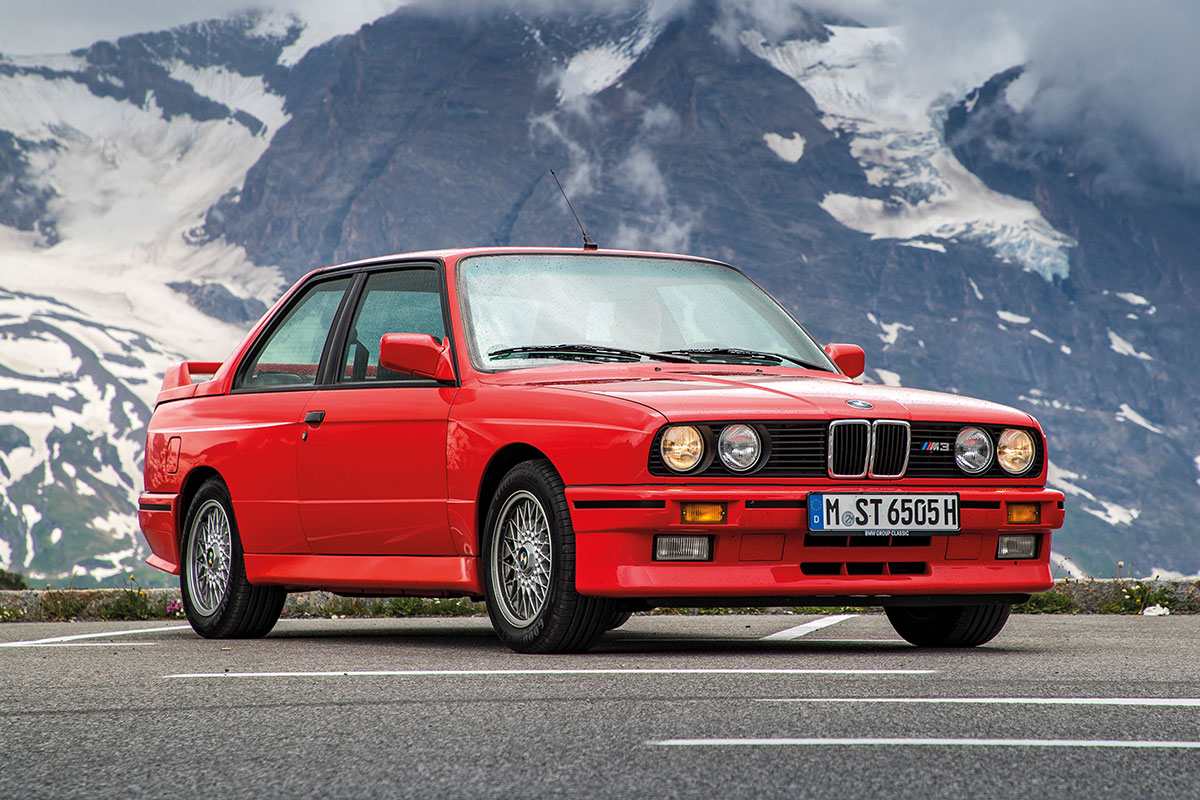
Many enthusiasts argue that none of the later models have surpassed it, a sentiment reflected in today’s market values. Early examples now fetch over £50,000, with the rare Sport Evolution variants commanding up to £150,000.
Although the M3 was designed primarily to take on BMW’s rivals on the racetrack, including Mercedes-Benz’s Cosworth-powered 190E 2.3-16, which transitioned from rallying to DTM, the car was also made available to the public.
The heart of the M3 lay in its engine. Rather than starting with a more powerful six-cylinder, Paul Rosche, then technical director of BMW M GmbH, chose a high-output four-cylinder. This decision was made not only to save weight but also to achieve higher revs, as the six-cylinder crank suffered from vibrations at mid- to high-rev ranges.
The new engine was based on the iron block of BMW’s production 2-litre four-cylinder, a lineage tracing back to the BMW 1500 of the 1960s, but featured a long-stroke crankshaft and an increased bore, resulting in a 2302cc capacity.
It was paired with a shortened version of the four-valves-per-cylinder head used in the M1 and M635CSi, equipped with Bosch Motronic fuel injection. In its final production form, it produced 200bhp at 6750rpm (195bhp with the optional catalytic converter), with a rev limit of 7300rpm.
In competition trim, outputs of 300bhp and even higher revs were possible. Remarkably, the first prototype engine took only 14 days to get running, earning it the ‘S14’ designation.
Also Read: 8 Models That Lose the Least Value the Moment You Drive Off the Lot
2. Porsche 911 Carrera 3.2 (1984–1989)
When Porsche introduced the Carrera 3.2, it perfected the air-cooled 911 before major technological changes arrived in the 1990s.
The flat-six engine produced 231 horsepower (in European trim, 207 in U.S. models) and delivered thrilling performance without the temperamental quirks of earlier versions.
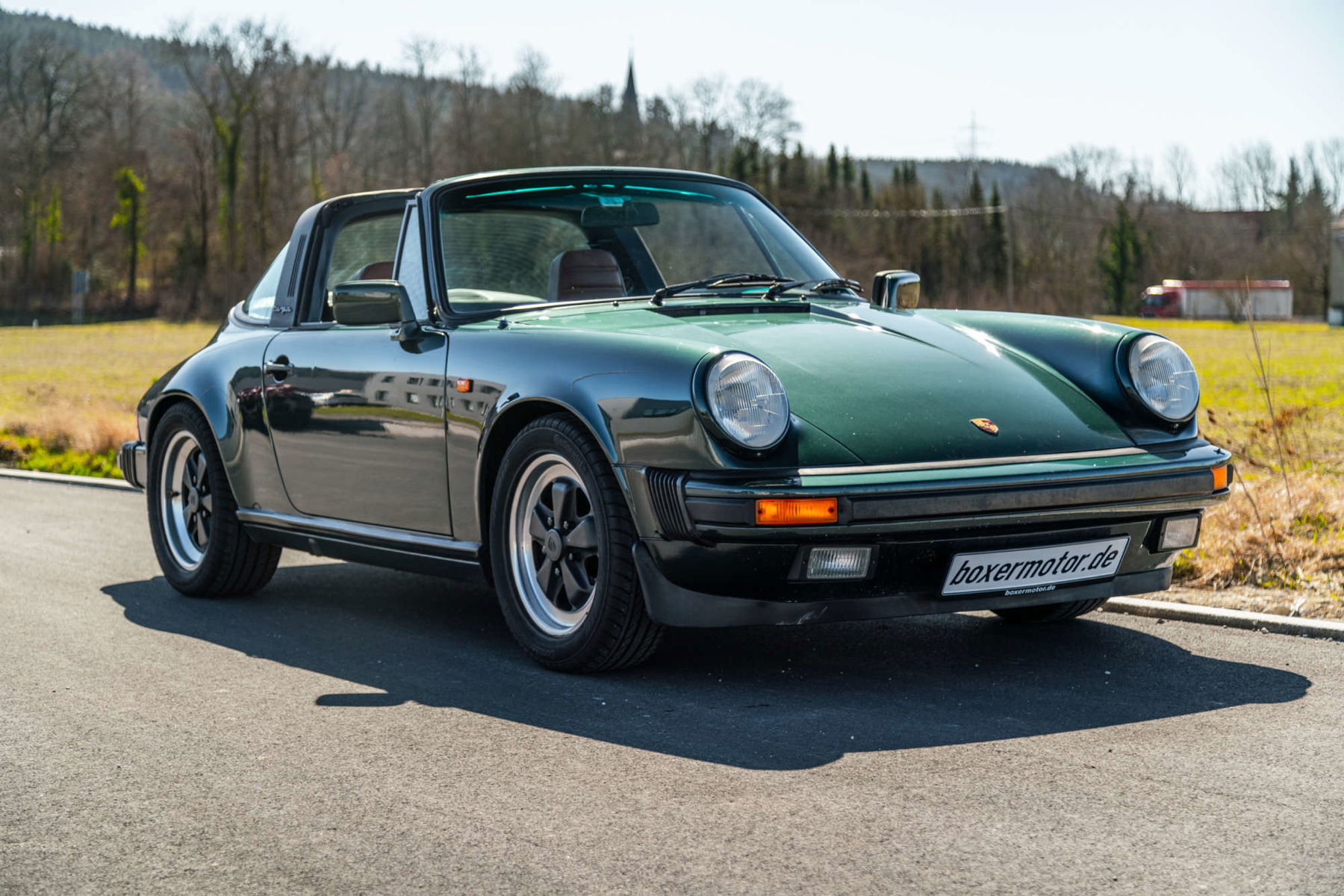
This generation marked the end of the classic 911 shape and the beginning of modern reliability.
Enthusiasts prize it as one of the best “driver’s 911s” mechanical enough to feel old-school, yet refined enough to enjoy on long drives.
3. Ferrari Testarossa (1984–1991)
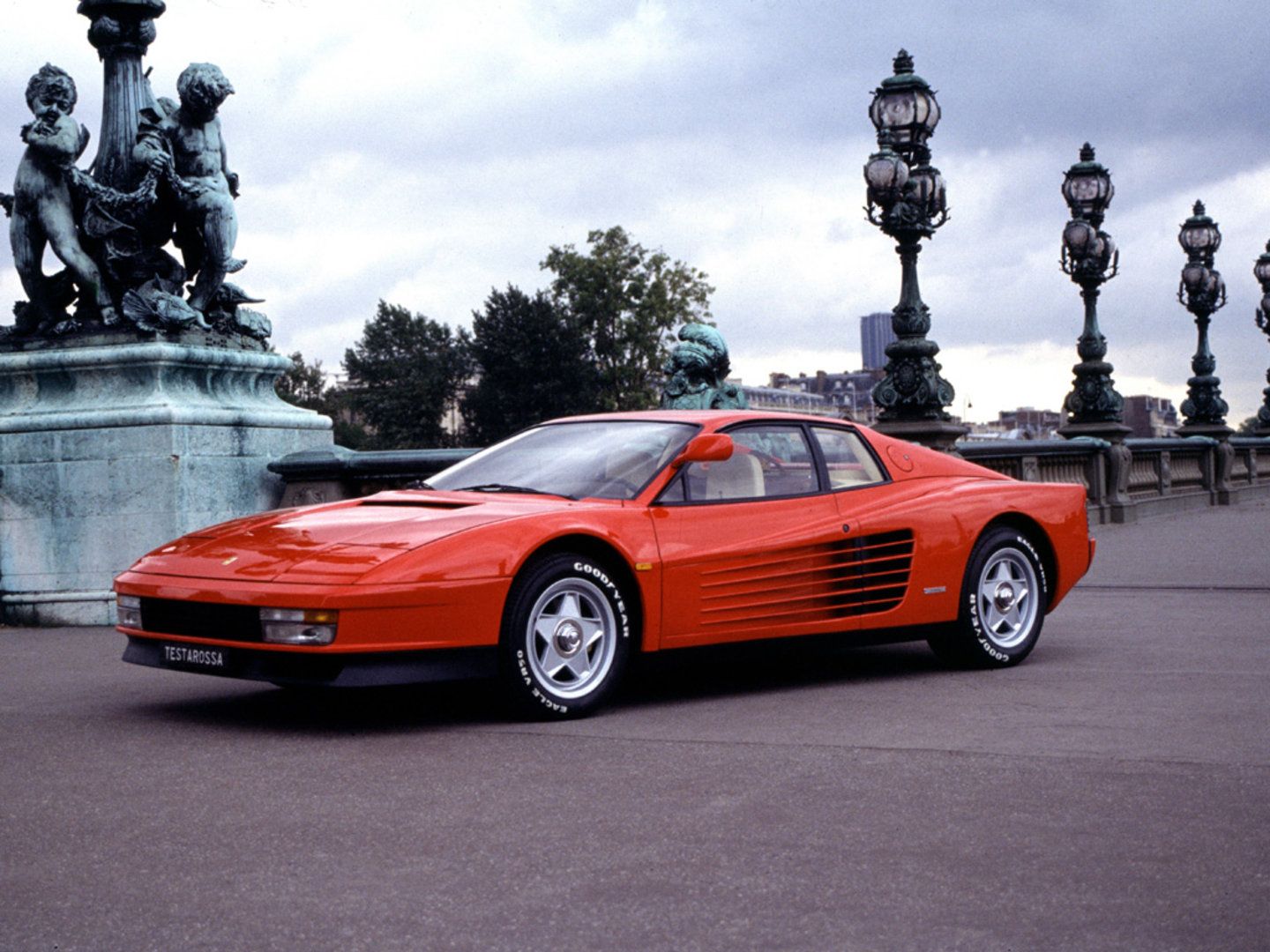
Nothing screams 1980s excess quite like the Ferrari Testarossa. Its wide rear haunches and signature side strakes made it a pop-culture icon, immortalized in Miami Vice.
But behind the poster looks was serious engineering a 4.9-liter flat-12 engine making 390 horsepower, capable of 180 mph.
The Testarossa balanced style with substance, offering reliable performance for a Ferrari of its time. Today, it’s one of the most recognizable exotic cars ever made, representing the decade’s fascination with glamour and speed.
The Ferrari Testarossa, launched in 1984, stands as one of Ferrari’s most iconic creations, immediately recognizable for its broad stance, distinctive side strakes, and powerful flat-12 engine.
Serving as the successor to the Ferrari Berlinetta Boxer series, the Testarossa represented a significant shift in Ferrari’s design and engineering philosophy, blending dramatic, eye-catching styling with refined, high-performance capabilities.
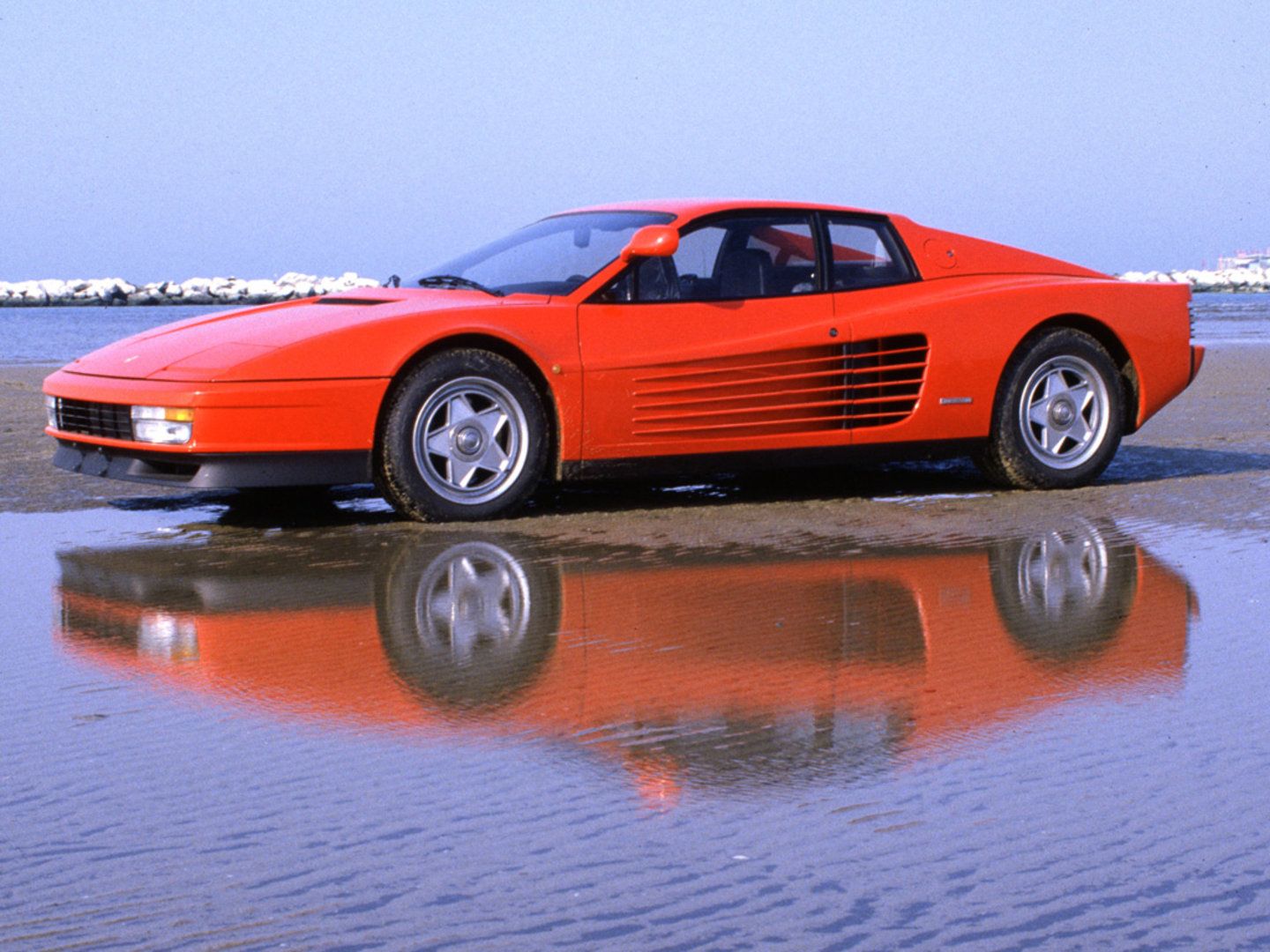
Over time, the Testarossa evolved into the 512 TR and F512 M, each iteration introducing upgrades that ensured the car remained competitive and met the evolving expectations of high-performance GT enthusiasts.
This article delves into the history, model variants, performance figures, critical reception, and enduring legacy of the Ferrari Testarossa and its successors.
The Ferrari Testarossa made its debut at the 1984 Paris Auto Show as the successor to the Ferrari 512 BBi in the company’s flagship lineup. “Testa Rossa,” which translates to “red head” in Italian, was a name Ferrari had originally used in the late 1950s for its 250 Testa Rossa race cars, referencing the red-painted valve covers on their engines.
By reviving the Testarossa name in the 1980s, Ferrari aimed to honor its racing heritage while introducing a revolutionary new road car.
Ferrari envisioned the Testarossa as a high-performance GT capable of competing with contemporaries like Lamborghini’s Countach and Porsche’s 911 Turbo.
Pininfarina’s design, featuring a wide body and signature side strakes, quickly became iconic, marrying aesthetics with functionality. The car’s broad rear track allowed for a larger rear-mounted radiator setup, enhancing engine cooling and improving interior comfort.
4. Chevrolet Corvette C4 (1984–1996)
After a long production run of the C3, Chevrolet completely reimagined the Corvette with the C4 generation. Sleek, modern, and packed with technology, it introduced digital gauges and a futuristic design that appealed to the ‘80s crowd.
While early models weren’t particularly powerful, the later ZR-1 variant, with its Lotus-designed 5.7-liter LT5 V8, was a supercar killer. The C4 also marked the beginning of Corvette’s transformation into a world-class sports car rather than just America’s muscle machine.
The Corvette C4, the fourth generation of Chevrolet’s iconic Corvette sports car, was produced from 1984 to 1996. Representing a major technological leap over the C3, the C4 emphasized modern engineering, contemporary styling, and enhanced performance.
It was a complete ground-up redesign, moving away from the older architecture of the C3, with a focus on improved aerodynamics, superior handling, and enhanced safety, while also meeting the stricter emissions and fuel economy regulations of the 1980s.
Engineers aimed to modernize the Corvette by incorporating lightweight materials, advanced suspension systems, and cutting-edge automotive technology.
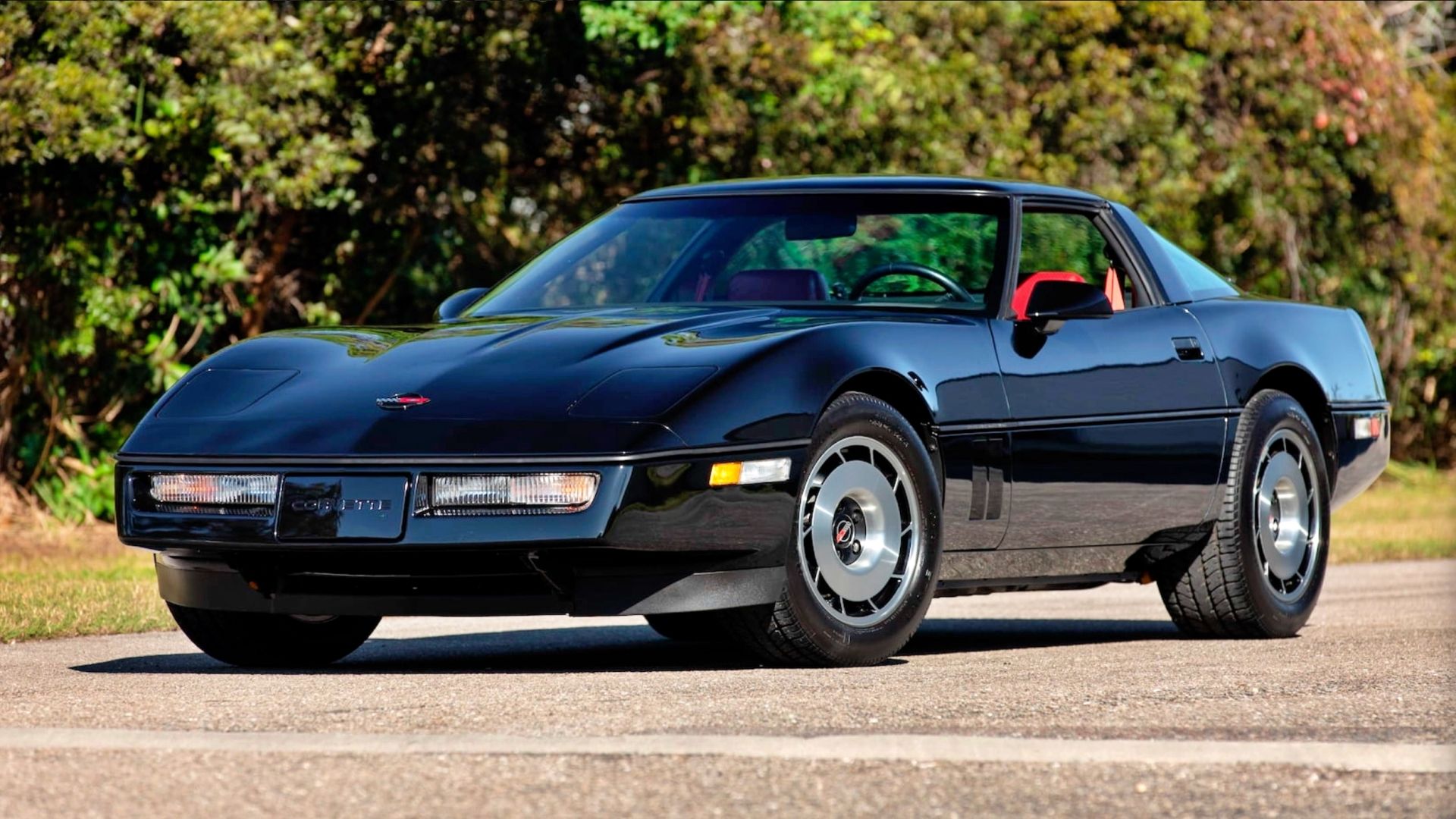
The C4 introduced a more angular, wedge-shaped exterior design featuring pop-up headlights and a clamshell hood that allowed access to both the engine and front suspension. Its sleek, low-slung profile, combined with an improved drag coefficient of 0.34, gave the car a futuristic appearance compared to the C3.
Removable roof panels, or Targa tops, became a signature feature, offering drivers the option of an open-air experience.
Inside, the cockpit was designed with a driver-centric focus, initially equipped with a high-tech digital dashboard featuring LCD displays for speed, tachometer, and other vital information. In later years, a more conventional analog/digital hybrid display was introduced in response to criticism of the all-digital layout.
The C4 featured an all-new chassis with a uniframe structure, improving rigidity and overall structural integrity. It used an independent rear suspension with a transverse fiberglass leaf spring, enhancing handling and stability, and made extensive use of lightweight materials such as aluminum and composites to reduce weight.
Early models offered either a ZF 6-speed manual or a 4-speed automatic transmission. Initially, the C4 was powered by a 5.7L L83 V8 with Cross-Fire Injection, producing 205 hp.
Performance gradually improved over the years, with the introduction of the Tuned Port Injection (TPI) L98 V8 in 1985, increasing output to 230 hp. In 1990, the high-performance ZR-1 model debuted with the LT5 engine, a 5.7L DOHC V8 designed by Lotus and built by Mercury Marine, producing 375 hp, later increased to 405 hp.
The LT1 engine, introduced in 1992 with 300 hp, became the standard powerplant for the remainder of the C4’s production run. Performance figures were impressive, with 0-60 mph times as low as 4.5 seconds for the ZR-1 and top speeds exceeding 180 mph in high-performance trims.
Also Read: 10 Toyota Cars That Live Past 300,000 Miles with Minimal Spend
5. Toyota AE86 Corolla (1983–1987)
The AE86 might look like a simple compact coupe, but it has a legendary reputation in car culture particularly among enthusiasts who love lightweight, rear-wheel-drive machines.
Known as the “Hachiroku” in Japan, it featured a high-revving 1.6-liter twin-cam engine and a perfectly balanced chassis.
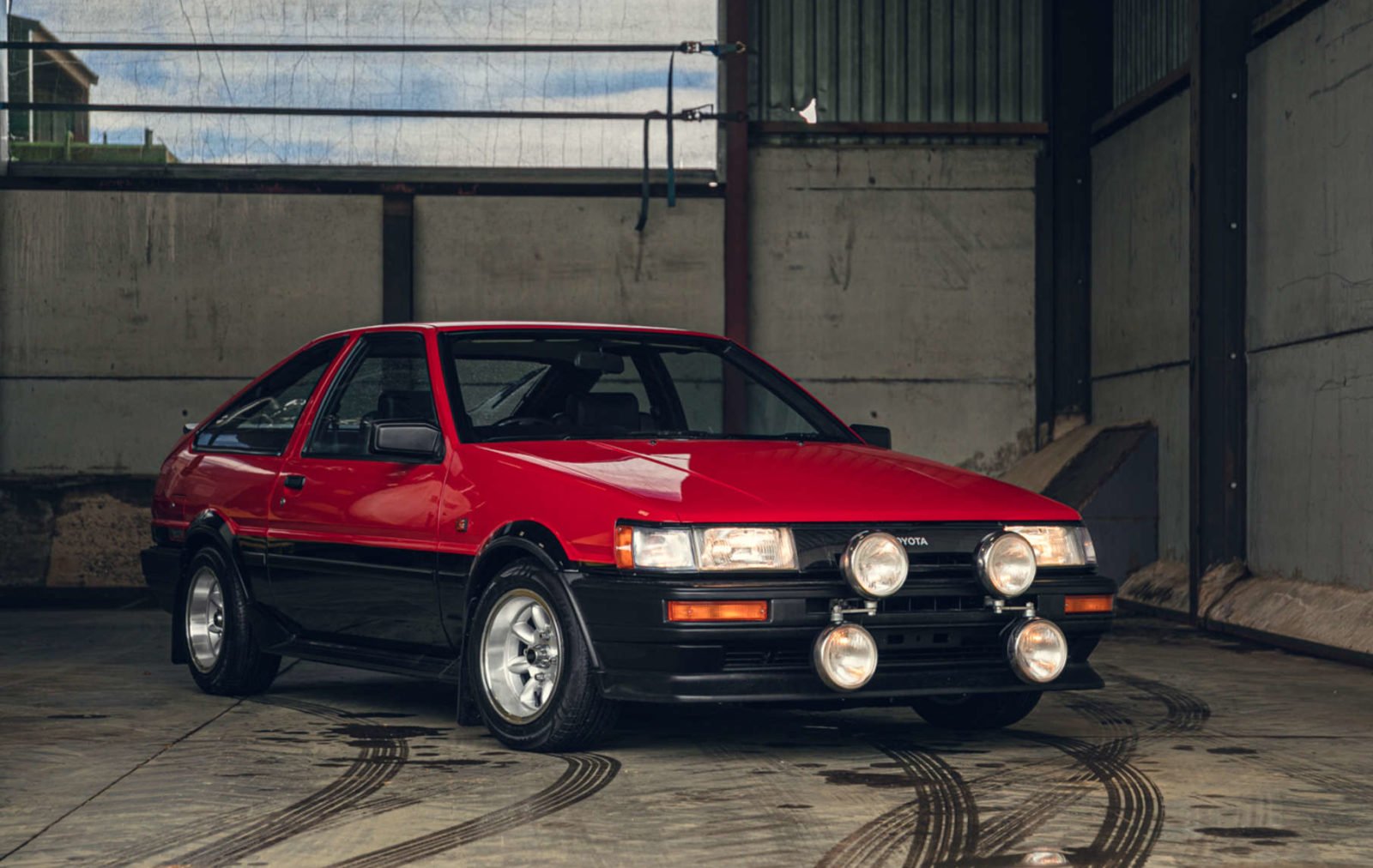
It became a motorsport hero in rally and drift racing and remains affordable compared to many other ‘80s icons. For collectors seeking a car that’s both fun to drive and culturally significant, the AE86 is a gem.
6. Mercedes-Benz 190E 2.3-16 (1984–1988)
Mercedes’ answer to the BMW M3 came in the form of the 190E 2.3-16, a sports sedan developed with Cosworth. Its high-revving four-cylinder engine made around 185 horsepower, and its chassis tuning was remarkably sophisticated for the time.
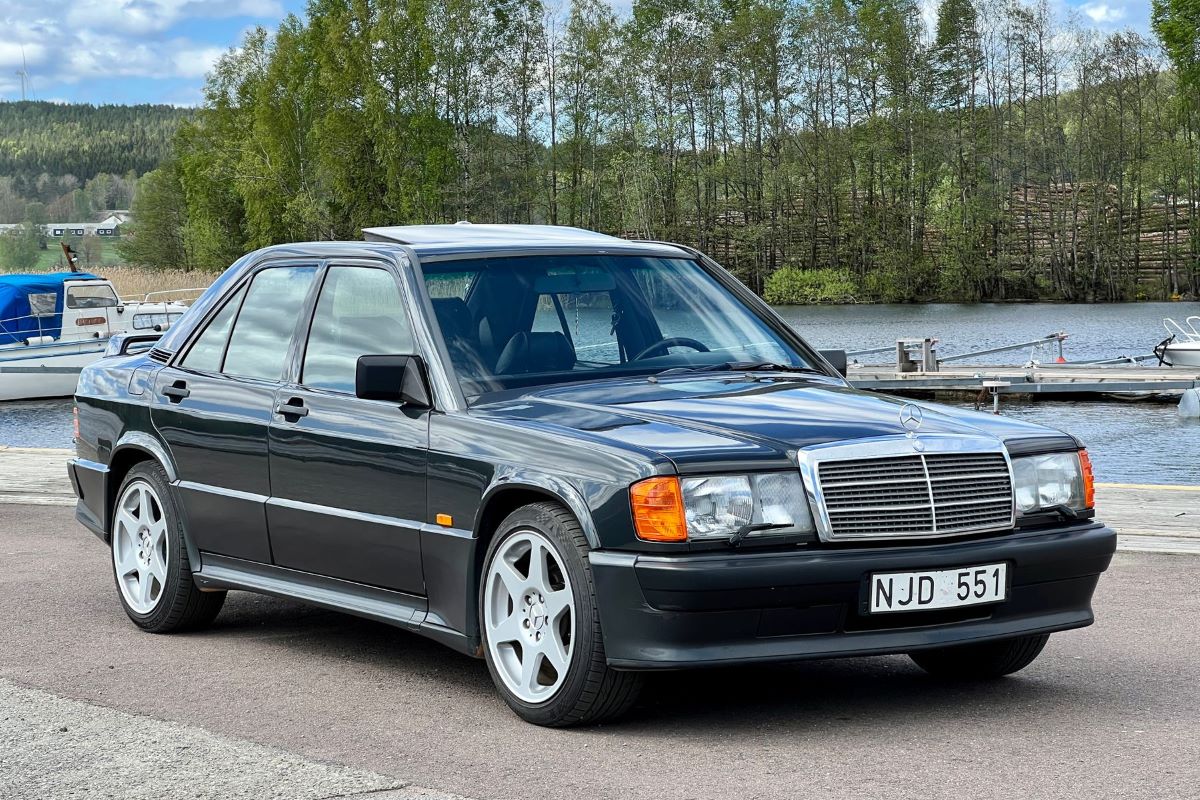
The 190E was so capable that Ayrton Senna famously won the Nürburgring “Race of Champions” driving one. While less flashy than its BMW rival, it was just as technically advanced and represented Mercedes-Benz’s performance ambitions in the 1980s.
7. Mazda RX-7 (FB/FC; 1979–1991)
Mazda’s rotary-powered RX-7 embodied everything enthusiasts love about 1980s Japanese sports cars light weight, balanced handling, and a unique engine character.
The first-generation FB had classic lines and simplicity, while the second-generation FC added refinement and turbocharging.
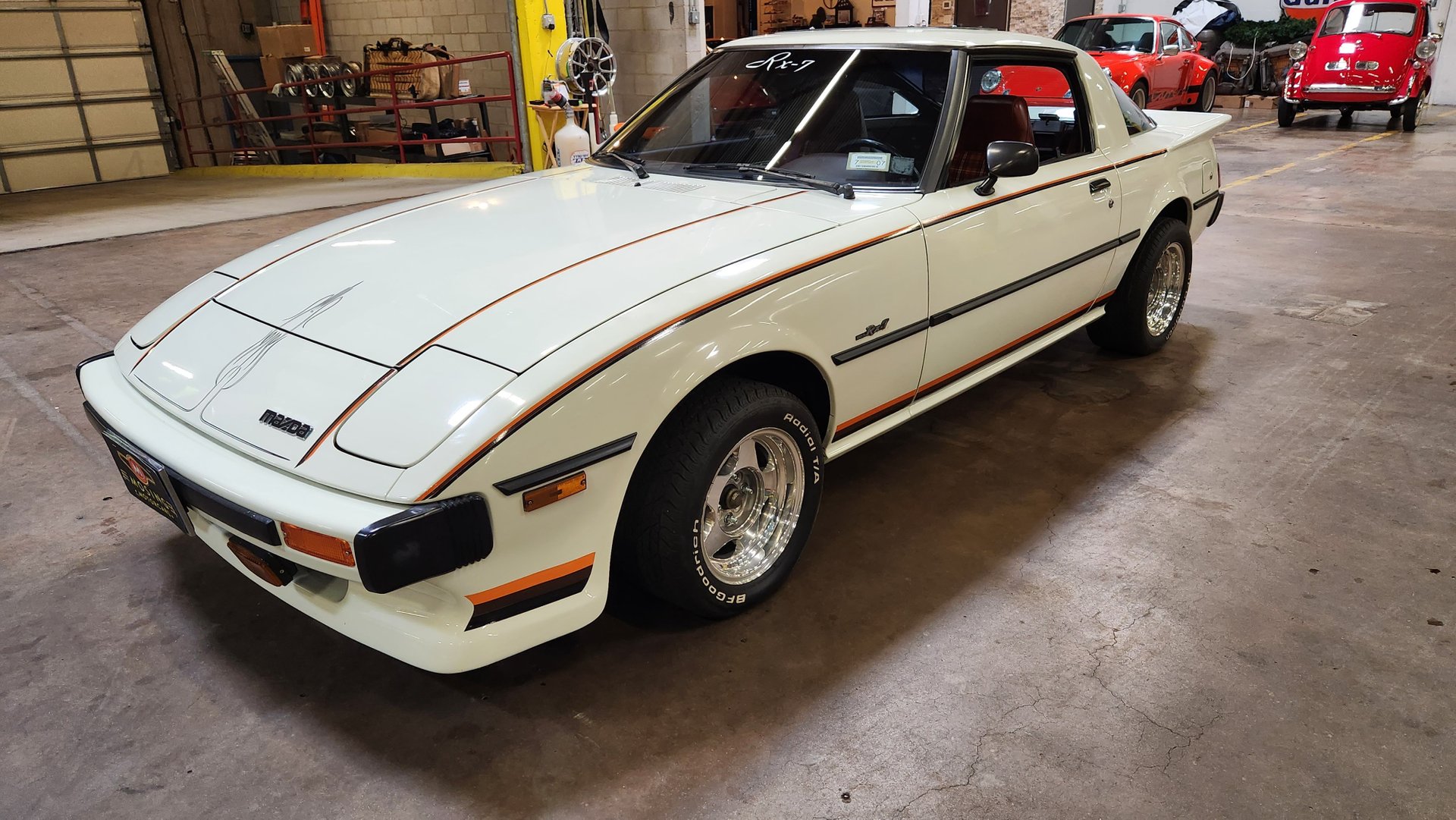
The RX-7’s rotary engine offered smooth, high-revving power delivery unlike any piston engine, and its reliability was better than many remember when properly maintained. The RX-7 was Japan’s affordable sports car hero during the decade and remains a tuner favorite today.
8. Ford Mustang GT 5.0 (1982–1993)
The “Fox Body” Mustang revived the spirit of American muscle during an era when horsepower seemed forgotten. Its 5.0-liter V8 produced up to 225 horsepower by the late ‘80s a big deal at the time and it became a performance icon for a new generation.
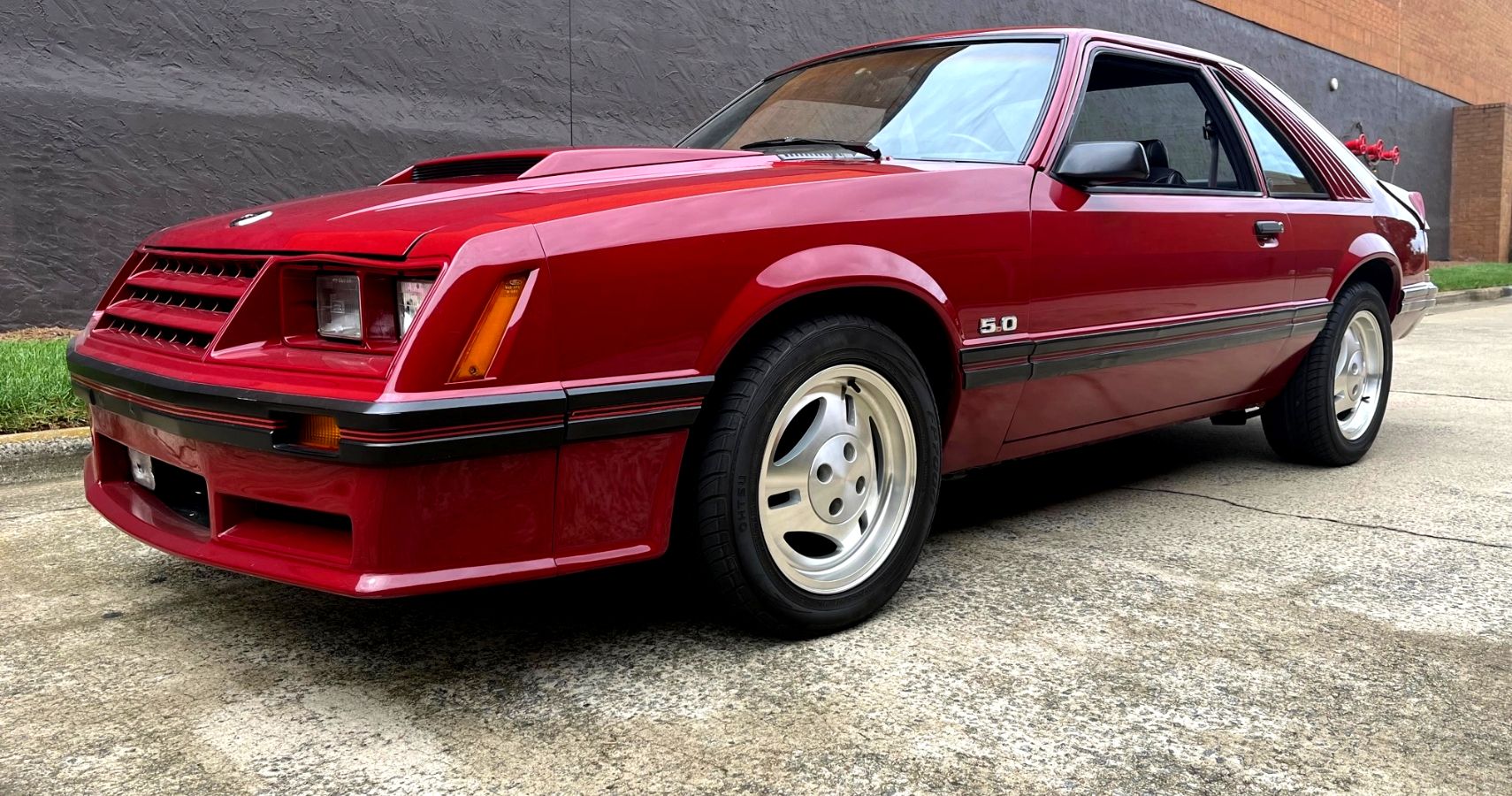
Affordable, customizable, and fast in a straight line, it was a staple of drag strips and suburban driveways alike. Today, well-kept Fox Bodies are gaining serious collector value, representing the rebirth of V8 fun in the Reagan era.
The “all-new” seventh-generation Ford Mustang is stiffer, more aerodynamically efficient, and more powerful than the model it replaces, though not dramatically so. But the 2024 Mustang GT doesn’t need to be revolutionary—after all, it’s the last muscle car standing.
With the Chevy Camaro and Dodge Challenger either gone or on their way out, victims of the SUV takeover of what was once the car market, it’s something of a miracle that the Mustang is still around. It’s also understandable that Ford didn’t spend excessively on redesigning and re-engineering it.
Mustang sales have been steadily declining since the previous generation launched in 2015, when they peaked at 122,349 units; last year, Ford sold fewer than 50,000 pony cars in a market dominated by SUVs.
That said, we should be glad the car even exists and perhaps not criticize Ford too harshly for what it calls the “all-new” seventh-generation Mustang GT. For example, thanks to twin intakes mated to twin throttle bodies, the GT’s 5.0-liter naturally aspirated V8 now produces 486 hp, up from 450 hp in the sixth generation.
Torque, however, dips slightly from 420 lb-ft to 418 lb-ft. These peak figures are only reached with the optional “active exhaust” wide open; without it, horsepower peaks at 480 and torque at 415. Ford also continues to offer a manual transmission.
While the EcoBoost four-cylinder Mustang comes only with a 10-speed automatic, the GT can be ordered with either the six-speed manual or the 10-speed auto, with Ford noting that 27% of GT buyers still prefer to row their own gears.
The package also adds wider rear wheels and tires, 390-mm front and 355-mm rear Brembo brakes with dedicated cooling ducts, an optional auxiliary oil cooler, and Recaro seats designed to hold the driver firmly in place on twisty roads.
The new Mustang GT shares the same sleeker exterior as the EcoBoost model and features a fully redesigned interior, complete with flashy, engaging gamer-style gauges and infotainment screens across the dash and center stack, reflecting how modern buyers often make decisions based on these interfaces.
9. DeLorean DMC-12 (1981–1983)
The DeLorean’s fame largely comes from Back to the Future, but even without Hollywood magic, it’s a fascinating piece of automotive history.
Designed by Giorgetto Giugiaro and featuring stainless-steel body panels and gullwing doors, the DMC-12 looked like a spaceship for the road.
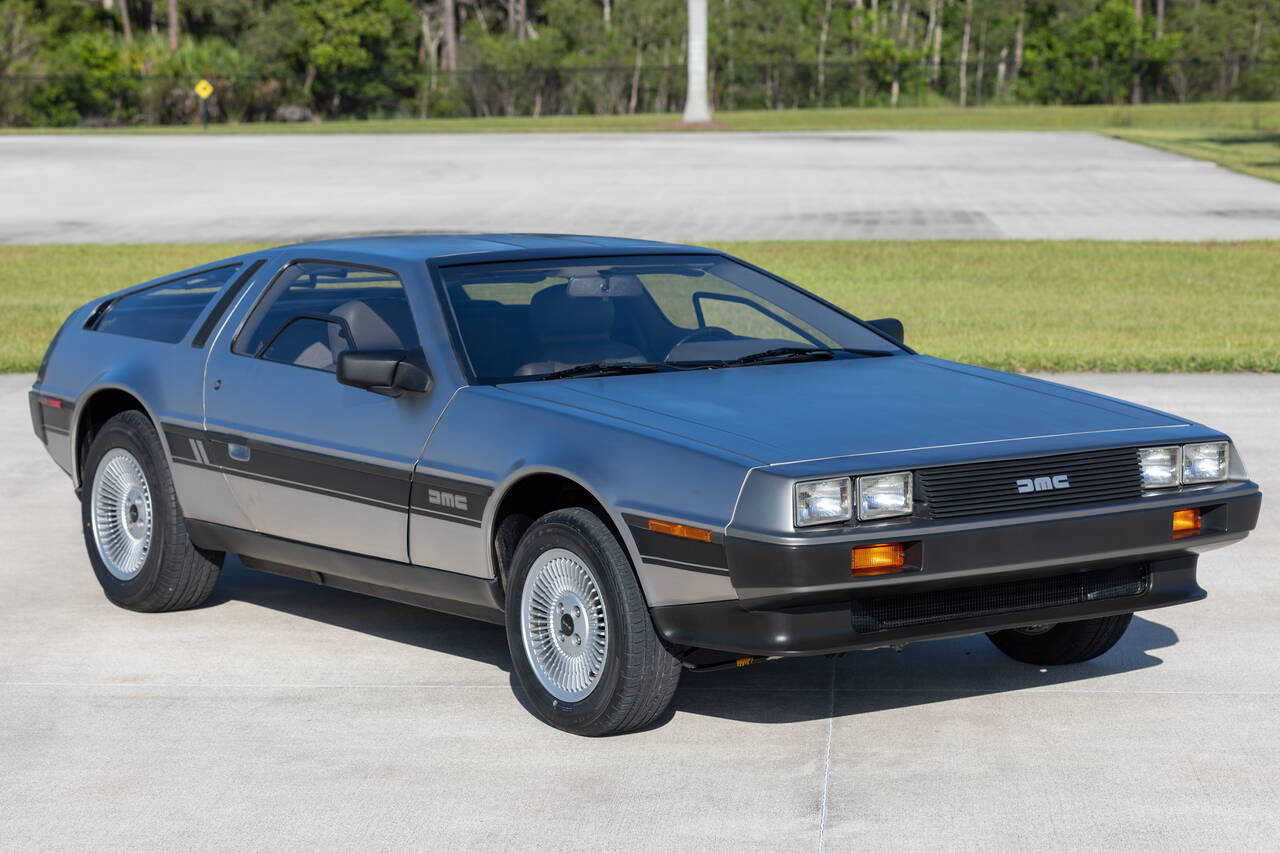
Performance from its 2.85-liter V6 was underwhelming, but its design and story including the rise and fall of the DeLorean Motor Company made it an enduring collector’s piece. It’s one of the few cars instantly recognizable to anyone who’s ever seen a movie.
Despite its striking appearance, which suggested a high-performance sports car, the DMC-12 actually lacked both power and overall performance, and it was far from inexpensive.
The DeLorean featured the famous gullwing doors, inspired by the Mercedes 300 SL, and was powered by a rear-mounted 2.85-liter V6 engine producing 130 hp and 153 lb.-ft. of torque. This engine was developed by the Peugeot-Renault-Volvo consortium and was paired with a 5-speed manual transmission.
Performance figures were modest: the DMC-12 could accelerate from 0 to 97 kph in 8.8 seconds with the manual transmission and in 10.5 seconds with the automatic. Its top speed was rated at 175 km/h, hardly what one would expect from a car that looked so aggressive.
Early production models also suffered from mechanical problems and poor build quality, requiring hundreds of hours of work before they could be shipped to dealers. These issues were largely resolved by 1982.
At launch in 1981, the DeLorean was priced around $25,000, which would be roughly equivalent to $70,000 in 2019 dollars.
10. Nissan 300ZX (Z31; 1984–1989)
As part of Nissan’s legendary Z-car lineage, the 300ZX of the 1980s combined technology and performance in a sleek, wedge-shaped body.
Turbocharged versions offered up to 200 horsepower, and it was among the first Japanese cars to feature advanced electronic systems, including digital instrumentation.
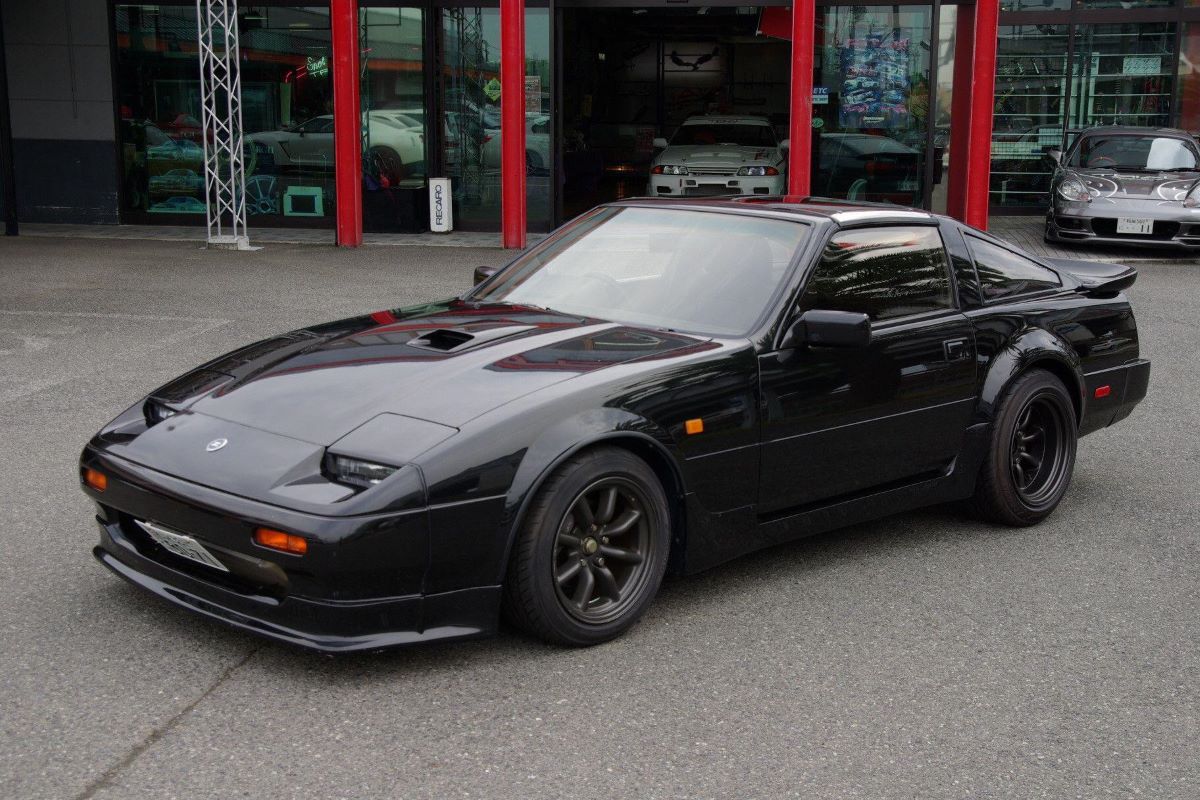
The 300ZX appealed to American buyers for its reliability and futuristic appeal, marking Nissan’s rise in the global sports car market. It was fast, comfortable, and distinctly ‘80s in style.
11. Volkswagen Golf GTI Mk2 (1984–1992)
The Mk2 GTI continued the “hot hatch” revolution started by the original Golf GTI in the late ‘70s. With its 1.8-liter fuel-injected engine and tight suspension, the Mk2 offered sports car agility in a practical hatchback body.
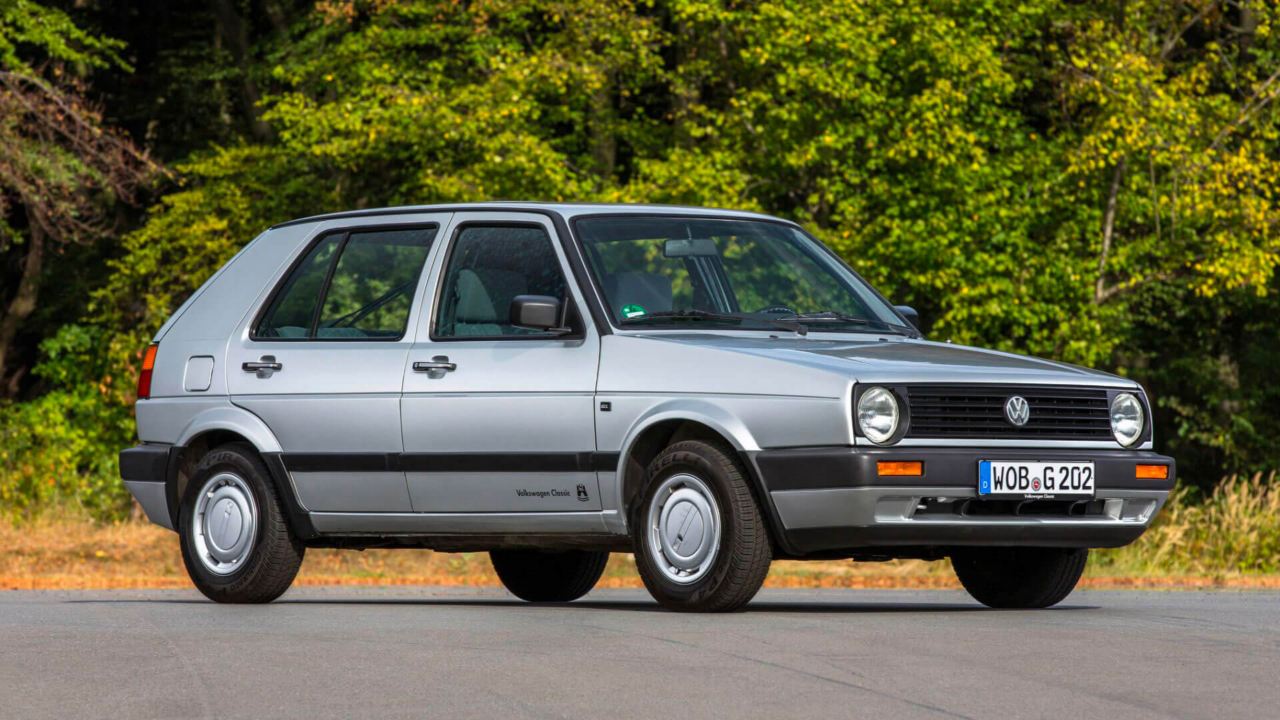
For many American drivers, it was their first taste of European-style driving dynamics lightweight, tossable, and endlessly entertaining. The GTI also introduced a new era of affordable performance cars, influencing nearly every automaker that followed.
The second-generation Volkswagen Golf made its debut in 1983, quickly taking over from its predecessor with a more modern and refined design. Just a year later, Volkswagen introduced the GTI variant to cater to drivers seeking a sportier version of the popular hatchback.
The first-generation Golf had laid the groundwork for desirable and affordable compact cars, paving the way for the Golf II to sell over six million units during its production run.
Recognizing the demand for a more performance-oriented option, Volkswagen launched the Golf II GTI, which featured a more powerful engine, aesthetic updates, and improved suspension while remaining reasonably priced.
At the front, the GTI received an updated fascia. In the U.S., the headlights remained square-shaped like the standard Golf II, but the turn signal lights were repositioned to the outer edges of the headlights, wrapping slightly around the vehicle for a unified look.
In Europe, the GTI kept the turn signal lights on the bumper and sides but added a pair of smaller lamps on the front grille. Both versions carried the GTI emblem on the grille, and a red outline framed the headlights and grille for a distinctive sporty appearance.
The rear of the Golf II GTI saw fewer changes compared to the standard model. The most noticeable update was the dual exhaust tips. Additionally, the smaller rear window and rearranged light cluster with redesigned taillights were retained, completing the subtle but effective sporty enhancements of the GTI.
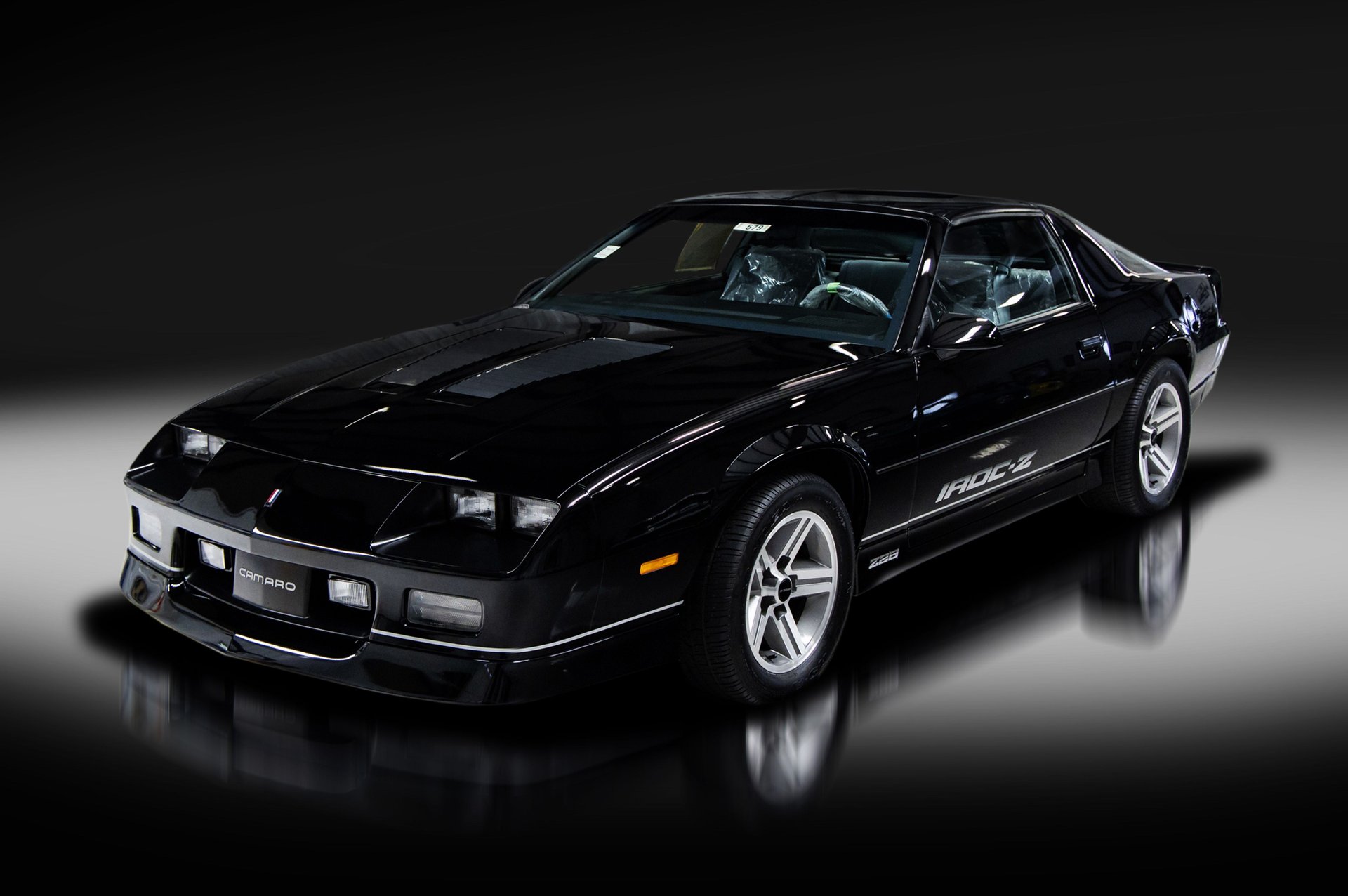
12. Chevrolet Camaro IROC-Z (1985–1990)
Named after the International Race of Champions series, the IROC-Z was the definitive American muscle coupe of the decade.
With its tuned suspension, aerodynamic design, and available 350-cubic-inch V8, it brought real performance back to the Camaro nameplate.
It wasn’t just fast it looked the part, with aggressive styling that perfectly captured 1980s attitude. Today, the IROC-Z stands as one of the most collectible American cars from the period, symbolizing the return of Detroit performance.
The 1980s produced a fascinating blend of innovation, style, and performance a decade when analog driving sensations met emerging technology.
From Japanese precision to American power and European refinement, each of these twelve cars tells a unique story about where the auto industry was headed.
The Chevrolet Camaro IROC-Z is a standout 1980s muscle car with a unique heritage and collectible status. Born out of the International Race of Champions (IROC), the IROC-Z was a commemorative trim of the Camaro Z28, designed to celebrate the racing series where drivers competed in identical cars, making skill the decisive factor.
When the series returned in 1984, Chevrolet introduced the IROC-Z, giving Camaro fans a high-performance version with Corvette DNA.
Produced from 1985 to 1990, the IROC-Z offered a variety of engines, including the 305 V8 and, beginning in 1987, the 350 TPI V8 borrowed from the Corvette.
The car featured upgraded suspension, sway bars, and high-performance shocks, reflecting its connection to Corvette engineering. This combination of low-power, fuel-efficient engines with superb handling made the IROC-Z a balanced sports car for its era.
Due to low production numbers and its performance pedigree, the IROC-Z has become a highly collectible car, with some models commanding over $100,000 in the current used car market.
For today’s enthusiasts, they represent more than nostalgia; they’re living history on four wheels, offering a connection to a time when cars had character, individuality, and mechanical soul.
Whether you’re drawn to the raw purity of the E30 M3, the drama of the Testarossa, or the accessible fun of the AE86, the best vintage cars of the 1980s prove that great design and engineering never go out of style.
