There’s something undeniably special about driving a vintage coupe. The long hoods, analog gauges, and mechanical feedback remind you that cars were once about feel, not just function.
But not all old coupes are meant for everyday use some are finicky, hard to find parts for, or simply unreliable when asked to handle modern commutes.
Yet a handful of classic two-doors strike that rare balance between vintage charm and daily drivability.
For American buyers, especially those in temperate states or with access to basic mechanical support, these 10 vintage coupes can still serve as practical, enjoyable daily drivers without feeling like museum pieces.
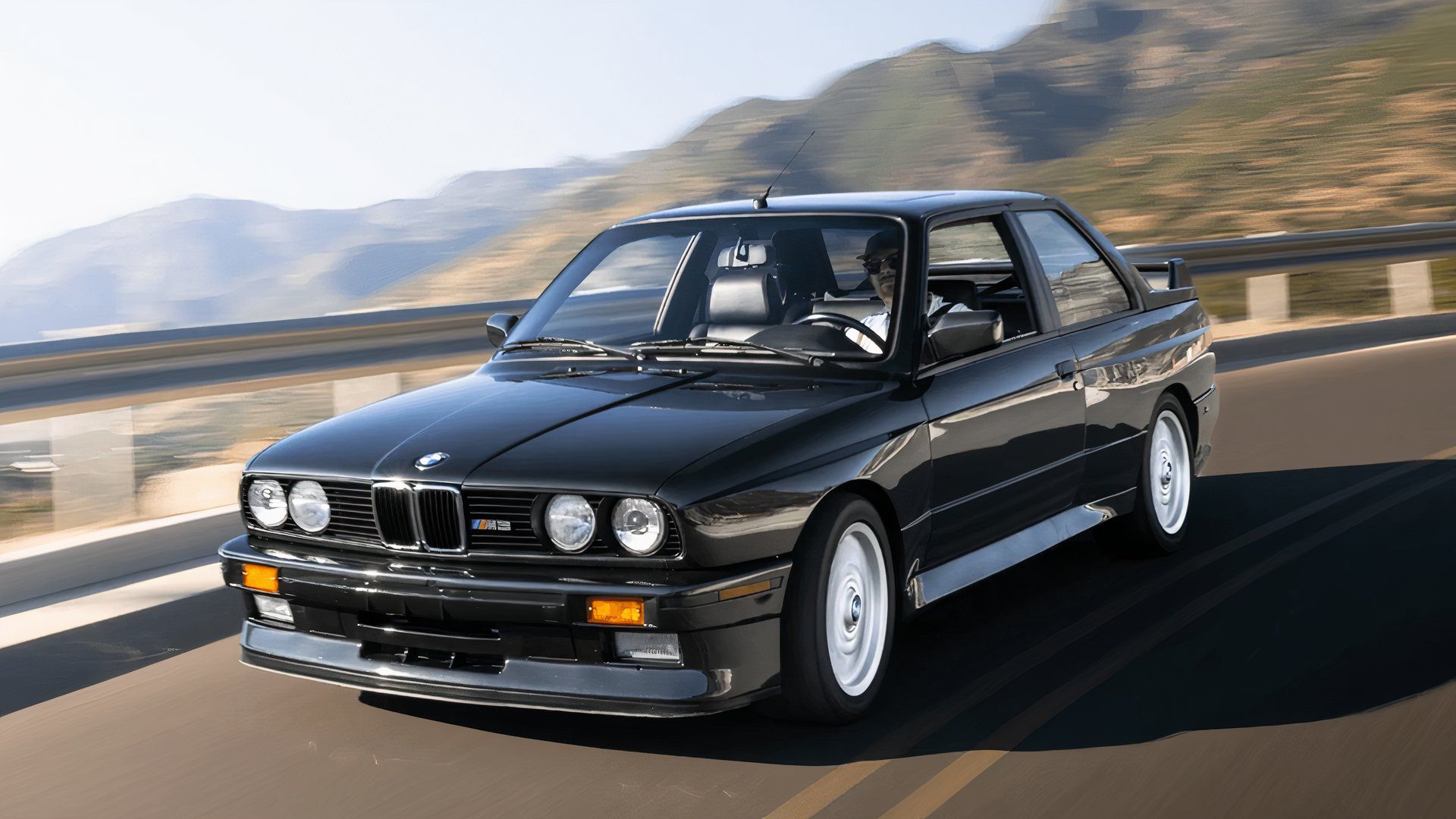
1. BMW E30 3-Series (1984–1991)
Few cars blend timeless design and usability like the BMW E30. This compact German coupe remains one of the best driver’s cars of its era, known for its near-perfect 50/50 weight distribution, simple mechanicals, and engaging steering.
The M20 inline-six engines are durable with regular maintenance, and parts availability in the US remains excellent thanks to a huge enthusiast network.
Even base 325i models deliver a satisfying mix of performance and reliability. While the E21 generation introduced the 3 Series name to the world, it was the E30 generation that truly cemented BMW’s reputation for stylish, practical, and engaging compact saloons.
Launched in 1982, the E30 clearly echoed its predecessor’s design but featured softer corners and larger taillights in keeping with 1980s styling trends. BMW’s iconic ‘sharknose’ was largely replaced by a bluffer front end, yet the E30 retained the sporty silhouette that had become synonymous with the brand.
The E30 was also the first 3 Series offered in a wide range of body styles. While the E21 had been limited to a two-door saloon or the Baur convertible, a third-party creation that was essentially a massive sunroof, the E30 expanded the lineup significantly.
The model debuted as a two-door saloon in 1982, with the Baur convertible and four-door saloon following in 1983. BMW introduced its own factory-built convertible in 1985, and the Touring estate joined the range in 1987, completing the diverse lineup.
Driving the E30 was a markedly improved experience compared to its predecessor and most alternatives of the era. Handling, ride quality, and overall dynamics were enhanced across the range, with the larger engine sporty models standing out as particularly engaging.
Though visually similar to the E21, the E30 represented a significant step forward in refinement and driving enjoyment, solidifying the 3 Series’ position as a benchmark in the compact luxury segment.
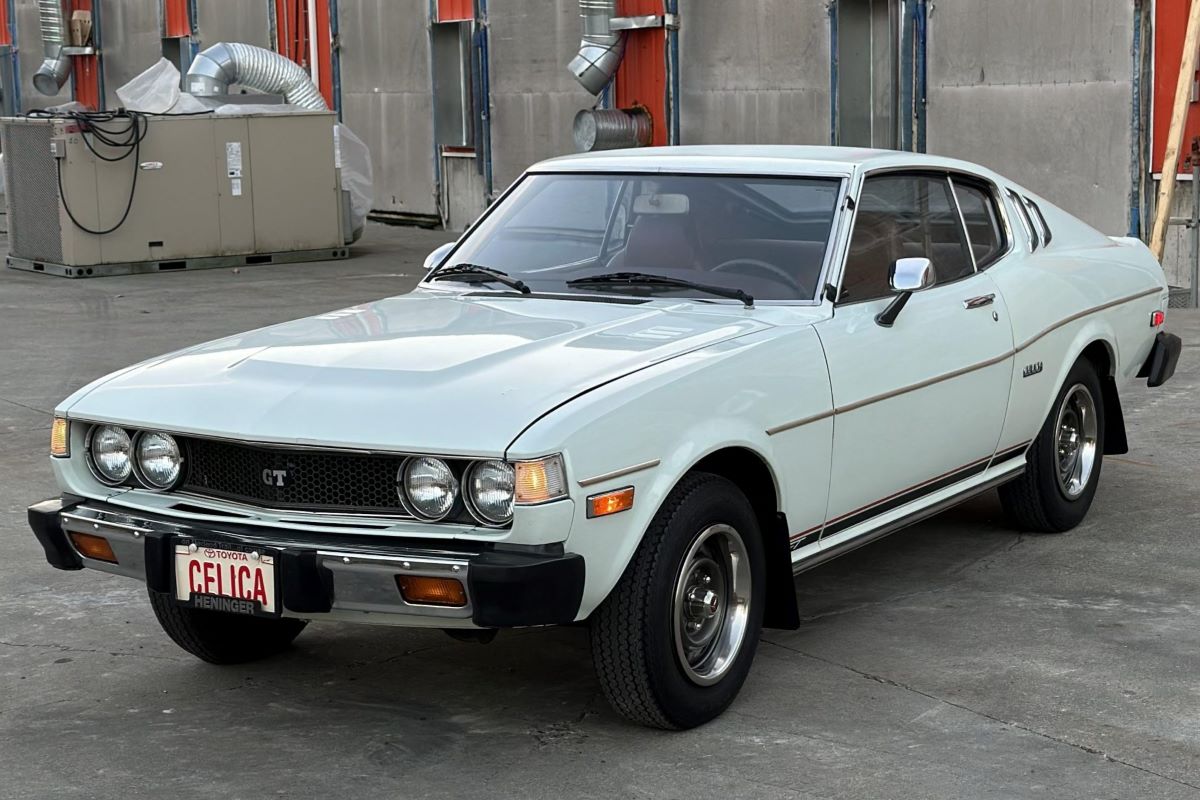
2. Toyota Celica (1977–1985)
The late ’70s and early ’80s Celicas represent a golden era of Japanese design rear-wheel drive, lightweight, and beautifully styled without being fragile.
The 22R engine is legendary for its durability and simplicity, the same motor found in Toyota trucks of the era. You’ll get bulletproof reliability, surprising fuel economy, and easy parts access.
While not fast, the Celica rewards with a responsive chassis and old-school character that modern coupes rarely capture. It’s the perfect vintage car for someone who wants Toyota dependability wrapped in classic looks.
In June 1977, Toyota celebrated a major milestone as the one millionth Celica rolled off the production line. Rather than slowing down, Toyota quickly unveiled the all-new Celica later that year.
The RA40 generation was longer, wider, and featured softer lines, yet it remained rear-wheel drive while incorporating improved refinement, reflecting Toyota’s focus on the lucrative American market.
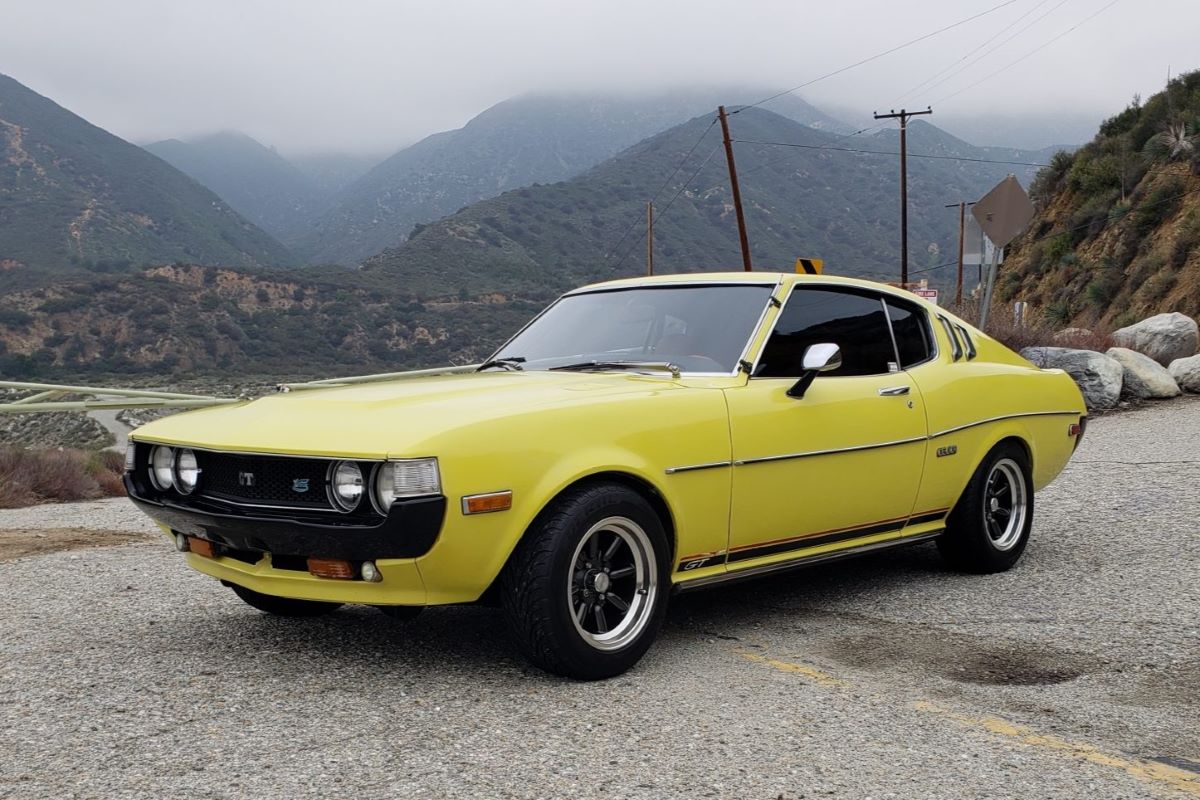
In the United Kingdom, the second-generation Celica was primarily offered with the single-cam 2.0-liter 21R engine, paired with either a five-speed manual transmission or a three-speed automatic, producing between 96 bhp and 103 bhp.
The chassis retained MacPherson struts up front and a multi-link solid axle at the rear, but Toyota had fine-tuned the geometry for enhanced refinement. Early RA40 models were equipped with a recirculating ball steering system, which was functional but lacked precision.
By the 1979 facelift, UK-spec GT models received an upgrade to rack-and-pinion steering, providing sharper, more accurate feedback and keeping the Celica competitive with evolving late-’70s sports-car standards.
The UK market also received a mid-spec ST trim, while other markets offered a base-spec LT, which Toyota determined would likely have limited appeal for British buyers.
Also Read: 10 Best Retro-Styled Modern Cars That Gained Popularity
3. Volvo 240 Coupe (1975–1983)
If you think “Volvo” and “daily driver,” reliability immediately comes to mind. The two-door 240 coupe variant adds a dash of retro flair while keeping the platform’s famous toughness.
The B21 and B23 engines are nearly unkillable, and these cars can easily surpass 300,000 miles with basic care.
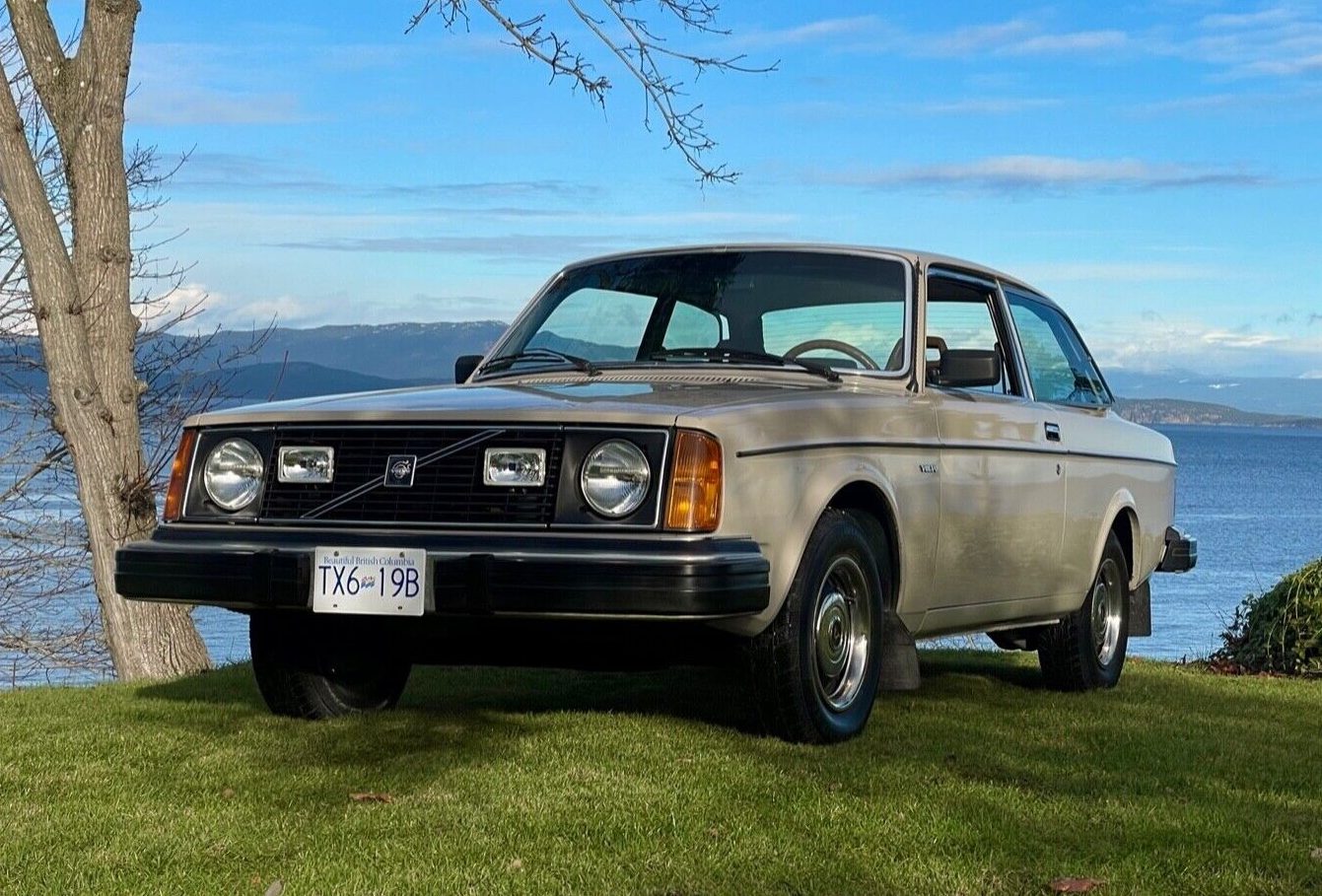
They’re slow but honest mechanically simple, with straightforward manual transmissions and excellent winter manners. You’ll also enjoy a sense of safety few vintage cars offer, making it one of the easiest classics to use daily.
The 1975 Volvo 264 DL, European version with a 4-door sedan body and a 4-speed manual gearbox, was manufactured in Sweden and featured a 2.7-liter gasoline engine producing 92 kW (123 hp / 125 PS DIN) and 196 Nm (145 lb‑ft) of torque.
It measured 4,897 mm in length, 1,707 mm in width, and had a wheelbase of 2,640 mm, with a curb weight of approximately 1,375 kg. The factory-declared top speed was 170 km/h (106 mph).
While exact 0–60 mph figures are not officially published, available data report 0–100 km/h in 11.9 seconds, suggesting a 0–60 mph time of roughly 10.5–11.0 seconds. This performance was typical for mid‑1970s sedans of similar power and weight, making the 264 DL a moderately quick car for its class.
4. Honda Prelude (1983–1991)
Honda’s Prelude of the 1980s deserves more love. With precise steering, rev-happy engines, and a driver-focused cockpit, it’s a time capsule of Honda engineering before the brand went mainstream.
The carbureted early versions and fuel-injected later models are both robust, though the latter is easier to live with today.
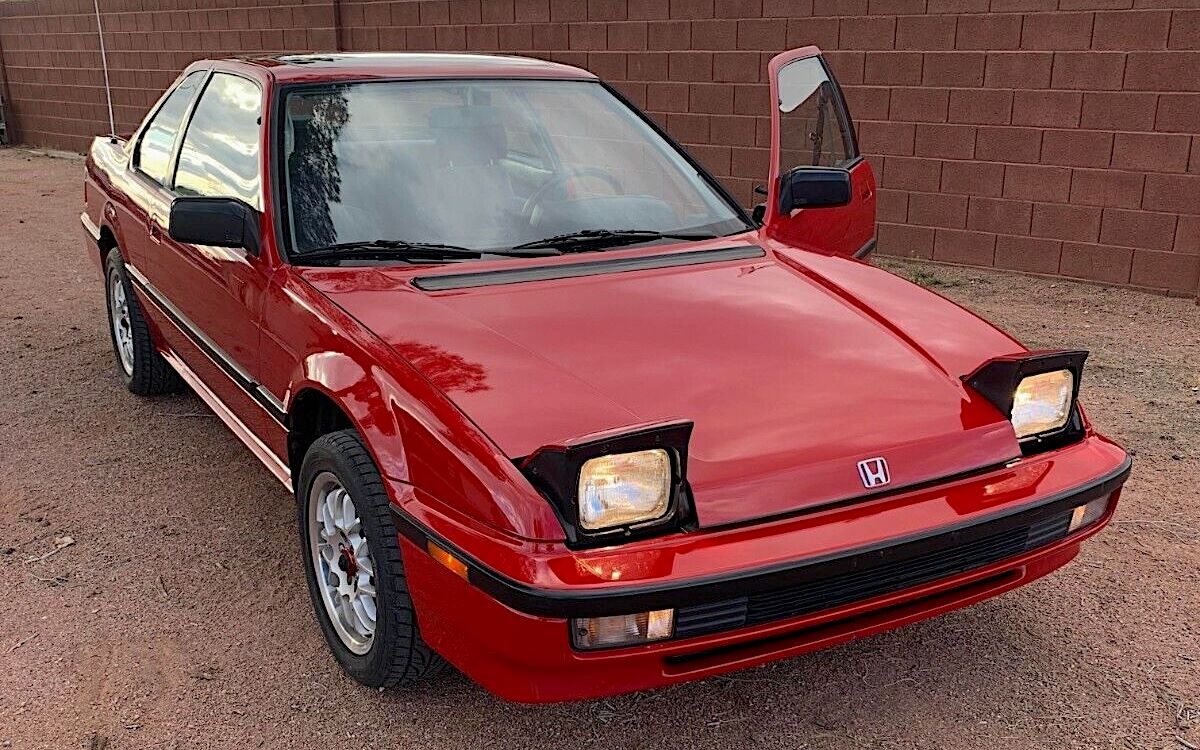
Its low-slung body and independent suspension make it fun on backroads, yet it remains smooth and practical for commuting. As long as rust hasn’t claimed the body, the Prelude can easily serve as a dependable and stylish daily.
5. Mercedes-Benz 300CE (1988–1993)
Mercedes-Benz coupes from the late ’80s and early ’90s were built with a level of overengineering few modern cars can match. The 300CE, part of the W124 family, is a standout.
The inline-six M103 engine is robust and smooth, and the interiors were designed to last decades. You get a solid balance of luxury, comfort, and long-term reliability, especially with proper maintenance.
These cars were once aspirational purchases for American professionals and they still feel substantial today. Plus, you can easily find parts thanks to continued Mercedes-Benz classic support.
The Mercedes-Benz 300CE, part of the prestigious W124 series, was produced from 1982 to 1993 and quickly became a symbol of luxury, style, and engineering excellence.
This elegant coupe featured sleek lines and a balanced silhouette, combining aesthetic appeal with practical design, reflecting Mercedes-Benz’s philosophy of blending form and function. The 300CE stood out in its era for delivering both visual sophistication and a refined driving experience, making it a desirable choice among discerning buyers.
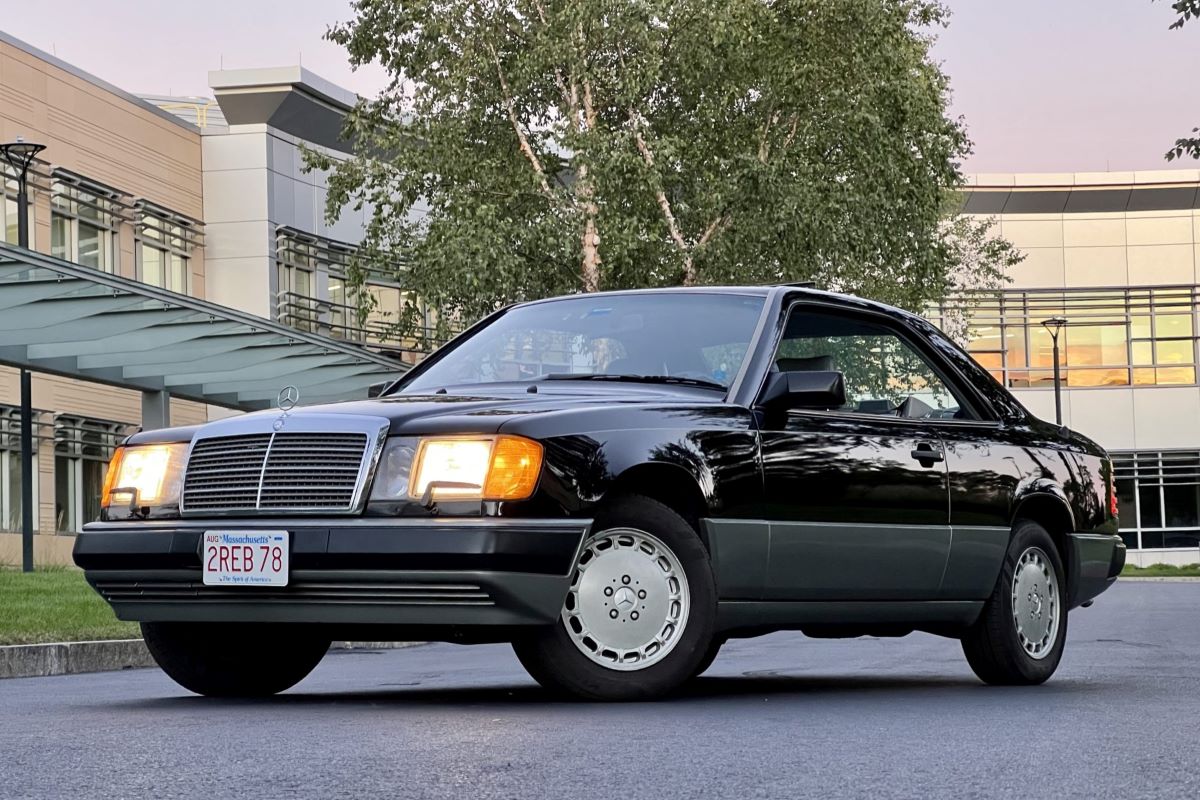
Powering the 300CE was a 3.0-liter inline-six engine, engineered to offer a smooth yet engaging performance.
Complementing its mechanical prowess, the coupe incorporated advanced technologies of its time, including anti-lock brakes, sophisticated climate control, and a premium audio system, all enhancing comfort and safety for driver and passengers.
These features underscored Mercedes-Benz’s commitment to luxury and innovation, positioning the 300CE as more than just a stylish vehicle, it was a statement of quality and modern engineering.
Situated above the entry-level coupe offerings, the 300CE combined refinement, performance, and technological advancement, making it highly attractive within the premium automotive segment.
Its meticulous craftsmanship, luxurious features, and timeless design cemented its status as a classic Mercedes-Benz model. Even decades later, the 300CE continues to captivate collectors and enthusiasts, maintaining its reputation as a quintessential blend of luxury and performance.
Also Read: 5 City-Proof Compacts and 5 That Hate Stop-and-Go
6. Nissan 240SX (1989–1994)
Long before it became the drift crowd’s favorite, the Nissan 240SX was a perfectly balanced, everyday coupe. The KA24DE engine may not be high-revving, but it’s dependable, easy to maintain, and strong enough for highway duties.
With its rear-wheel-drive layout and light chassis, it’s one of the most rewarding vintage coupes to drive at legal speeds.
While unmodified examples are getting rare, a stock or lightly upgraded 240SX can still be daily-driven without the headaches that come with turbo swaps or race suspensions.
From the mid-1970s through the mid-1980s, Nissan’s once-strong reputation for sporty, dynamic cars began to wane. Its performance models became increasingly flashy, while its entry-level offerings grew dull and uninspiring.
During this period, competitors surged ahead: Honda pushed new boundaries of engineering excellence, Mazda explored the edges of performance, and Toyota maintained its position as Japan’s largest automaker.
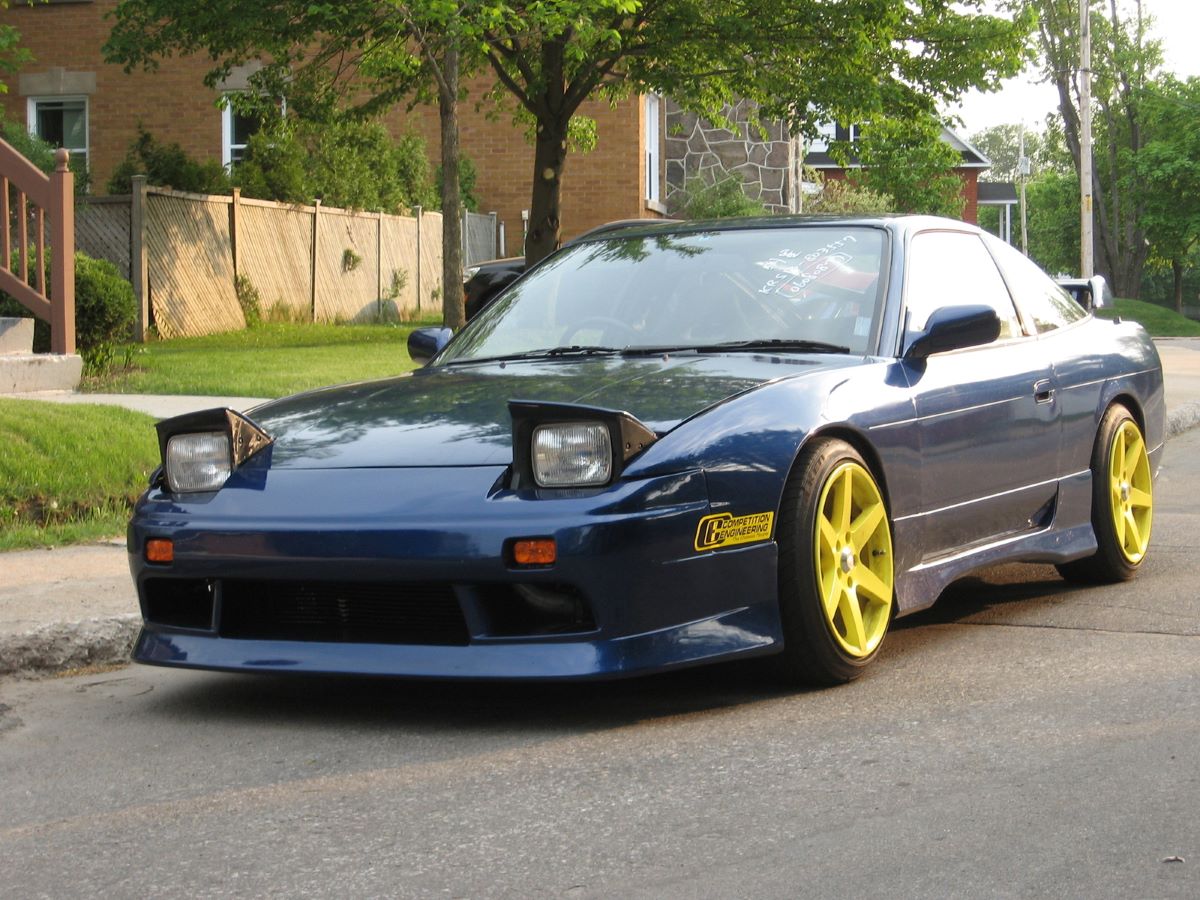
By 1988, Nissan had slipped from second place among imports in U.S. car sales. Fortunately, new management had already started streamlining the lineup, eliminating models with uninspired designs and lackluster engineering.
Enter the 240SX, which marked Nissan’s resurgence. Although not a direct successor to the original 240Z, the new 240SX replaced the uninspiring 200SX and quickly became a car that enthusiasts could admire.
Its styling, from flowing lines to well-appointed interiors, reflected Nissan’s renewed commitment to driving pleasure. Behind the wheel, the 240SX offered a spirited experience reminiscent of the original 240Z, proving that a well-engineered, thoughtfully designed car can bring great joy to its driver.
Designed to meet the demands of the 1990s, the 240SX featured a new naturally aspirated, twelve-valve, 2.4-liter four-cylinder engine, replacing the 200SX’s V6 or four-cylinder turbo options.
Housed in a lighter chassis with improved handling, the engine complemented Nissan’s commitment to performance. The car retained the 200SX’s rear-wheel-drive layout, enhanced with a new multilink rear suspension that delivered precise handling and self-stabilizing characteristics.
This setup reduced squat, lift, camber change, and jacking, allowing for flatter, more controlled handling without resorting to stiffer springs or bushings.
The front suspension kept the original strut design but added anti-dive features, further enhancing stability and responsiveness. The 240SX demonstrated that Nissan had rediscovered the balance of agility, stability, and driver engagement, reestablishing its presence in the sporty car market.
7. Ford Mustang Fox Body (1979–1993)
The Fox Body Mustang is the most affordable way to enjoy classic American muscle without sacrificing modern practicality. Its simple design and massive aftermarket support make it a breeze to maintain.
The 5.0-liter V8 versions are reliable workhorses, and even the four-cylinder LX models are easy to keep running.
Parts are cheap and available at nearly every auto parts store in the US. Plus, you get that unmistakable American V8 soundtrack for your commute a combination that makes every errand feel like an event.
The 1979 Ford Mustang marked the debut of the Fox Body platform and featured the 302 “Windsor” V8 engine. Though commonly referred to as a “5.0,” its actual displacement was slightly smaller at 4.942 liters. This engine produced 139 hp and 250 lb-ft of torque, and it was only used for this model year.
Following the second energy crisis of 1979 and stricter emissions regulations, Ford had to de-tune its engines. Between 1980 and 1982, the Mustang received a reduced 255-cubic-inch (4.2L) Windsor V8, available solely with a three-speed automatic.
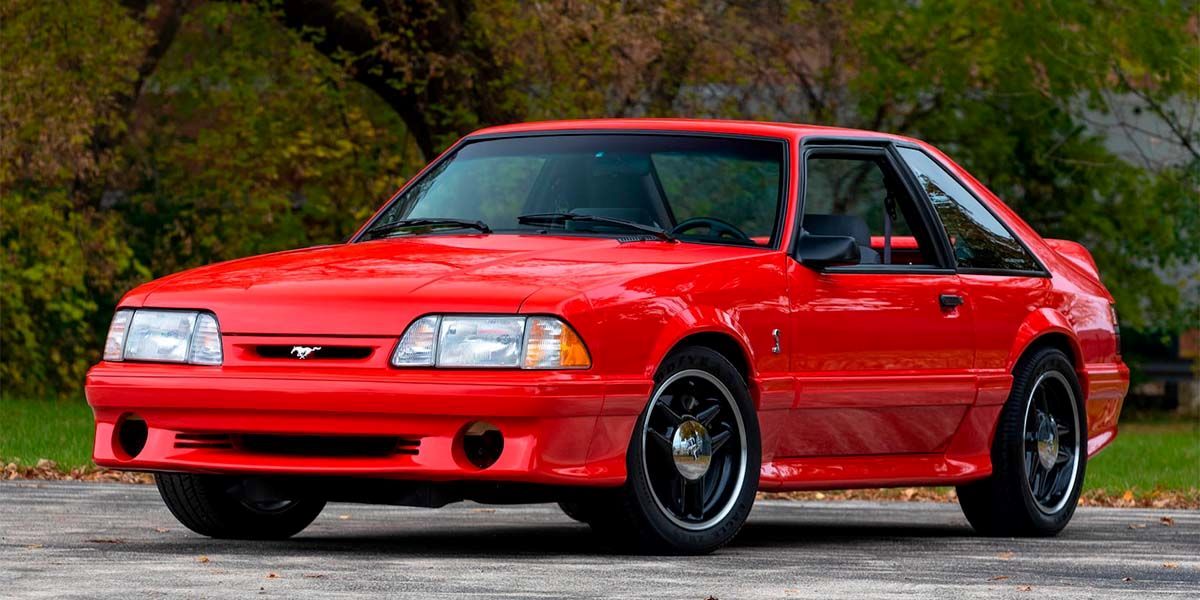
This smaller engine prioritized fuel efficiency over performance, delivering a modest 119 hp and 194 lb-ft of torque, with some sources listing as low as 111 hp. Enthusiasts, however, had reason to celebrate when the GT model was reintroduced in 1982, featuring a high-output (HO) 5.0L V8 that restored some of the Mustang’s legendary performance.
The 1982 Mustang GT came equipped with the HO 5.0L V8 producing 157 hp and 240 lb-ft of torque through a four-speed manual transmission. Standard GT features included a 3.08:1 Traction-Lok rear differential, traction bars, and power steering.
The 302-cubic-inch designation was now branded simply as “5.0,” emphasizing the car’s performance pedigree. Sales brochures even humorously suggested less powerful engine options for those who found the 5.0 “a bit too spirited.”
Performance improvements continued in 1983 with the addition of a four-barrel Holley carburetor, boosting output to 175 hp and 245 lb-ft of torque. By 1985, enhancements such as a steel camshaft and revised lifters increased horsepower to 210 and torque to 270 lb-ft.
In 1986, electronic sequential fuel injection was introduced, slightly reducing horsepower by 10 hp but increasing torque by 15 lb-ft.
Alongside these updates, the engine block was strengthened for durability, and a dual exhaust system with two catalytic converters improved efficiency and performance. These developments solidified the Fox Body Mustang and its 5.0L HO engine as a classic, enduring combination in automotive history.
8. Acura Integra (1986–1993)
The first- and second-generation Acura Integras remain cult favorites for good reason. Lightweight, nimble, and powered by bulletproof Honda engines, they strike an ideal balance between daily usability and driver involvement.
The 1.6-liter DOHC units are high-revving but durable, capable of running well past 250,000 miles with regular oil changes.
Parts are easy to find, the cabin is ergonomic, and fuel economy is solid. Whether manual or automatic, the Integra’s simplicity makes it a perfect vintage daily driver for those who value reliability over flash.
In 1986, multi-port fuel injection was still a rarity in the automotive world, appearing primarily on high-performance American cars like the Chevrolet Corvette and IROC-Z. Experiencing such technology combined with Japanese engineering precision and refinement was a revelation.
The 1986 Acura Integra, equipped with a four-valve-per-cylinder 1.6-liter engine, showcased this blend of innovation and sophistication.
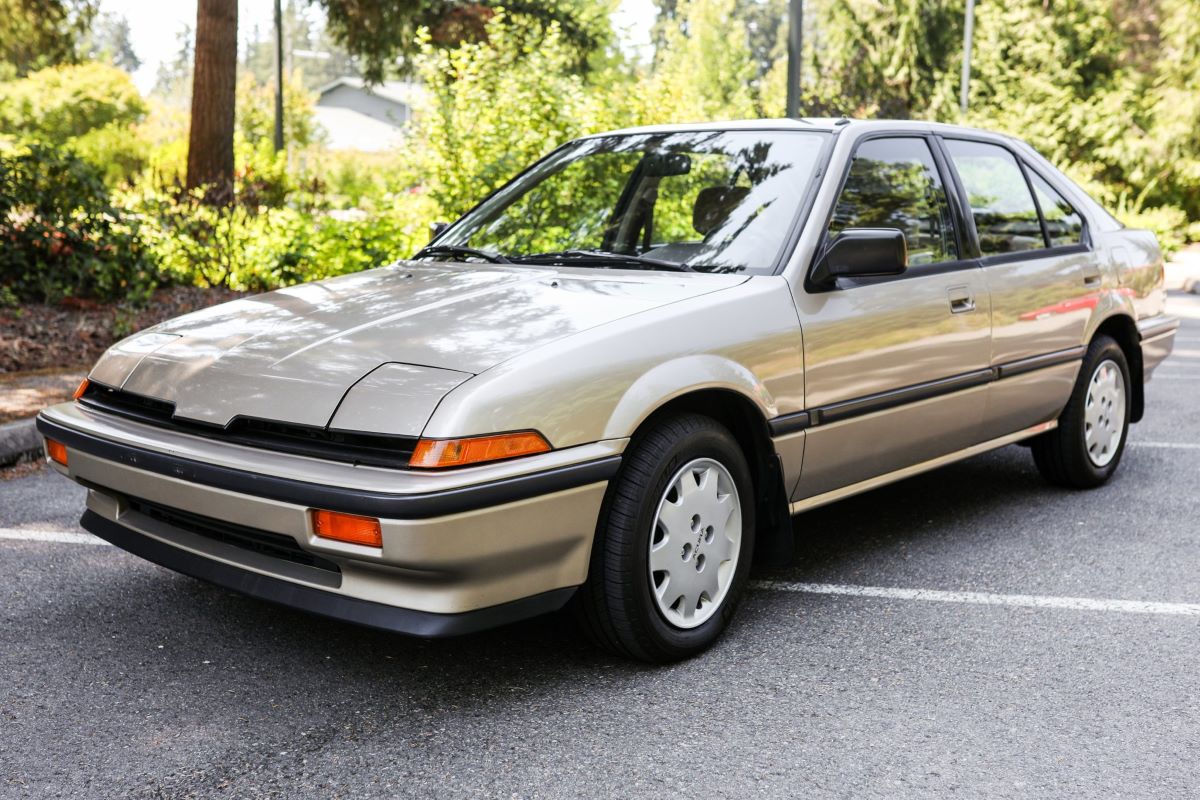
Reviewers praised it for delivering a flat-torque-curve, responsive throttle, and exceptional NVH (noise, vibration, and harshness) control, qualities unmatched by other engines in its class at the time.
Despite its small 97-cubic-inch displacement, the Integra produced an impressive 113 horsepower, outperforming GM’s 231-cid (3.8-liter) V6, which managed only 110 hp. Performance testing highlighted its capability, with the Integra reaching 0–60 mph in 8.9 seconds, just 1.8 seconds slower than a 1985 Ford Mustang GT.
This combination of efficiency, refinement, and spirited performance demonstrated that the Integra could deliver muscle-car excitement in a compact, technologically advanced package, setting a new standard for sporty Japanese cars of the era.
9. Mazda RX-7 (FB or FC Generation)
Rotary engines get a bad reputation, but when maintained properly, the early Mazda RX-7s can be reliable and immensely fun daily drivers. The key is finding one that hasn’t been modified into a track toy.
The FB (1978–1985) is lighter and simpler, while the FC (1986–1991) adds refinement and better suspension.
You’ll need to monitor oil and coolant levels closely, but the reward is one of the most engaging driving experiences of any vintage coupe.
The RX-7 feels alive in a way few cars do and with modern synthetic oils and enthusiasts’ support, it’s more manageable than ever.
Mazda, long known for its spirited sports cars, has been relatively quiet on the performance front beyond the MX-5 Miata in recent decades.
The brand, which once gave enthusiasts the RX-7 and the original Miata, may soon change that with the production version of the Iconic SP concept, a rotary-equipped sports car expected as early as next year.
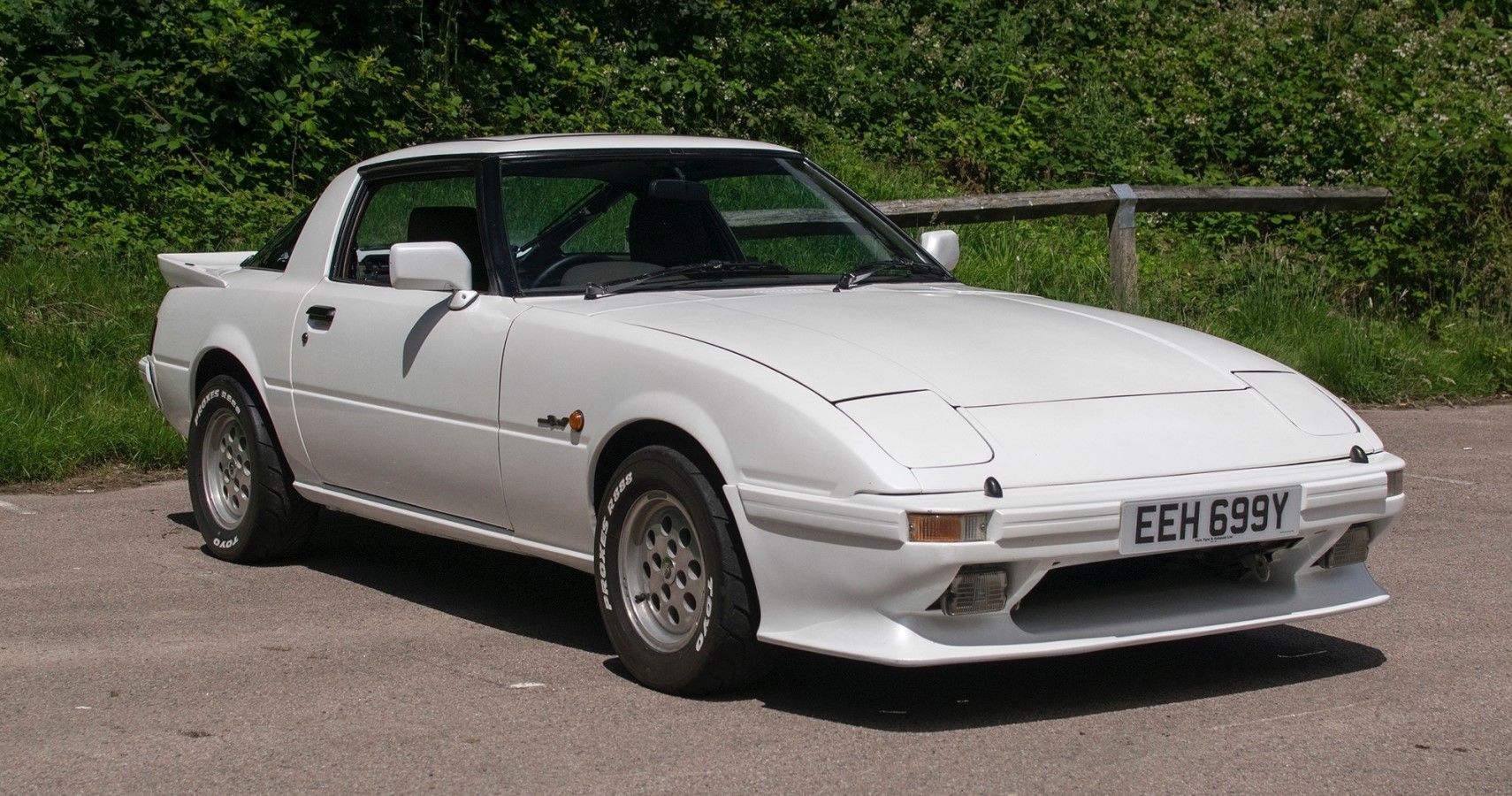
This new model could serve as a spiritual successor to the RX-7 and is anticipated to be sold alongside the next-generation MX-5 Miata, although the updated Miata remains a few years away.
The 2023 Iconic SP concept may at first glance resemble a hardtop evolution of the MX-5, but it is slightly larger than it appears.
Measuring 4,180 mm (164.6 inches) in length, it is 265 mm (10.4 inches) longer than the current ND-generation MX-5 and 105 mm (4.1 inches) shorter than the classic RX-7 FD. This positions the Iconic SP perfectly between Mazda’s historic and modern sports car lineups.
Production could begin as early as 2026, pending a viable business case, and Umeshita confirmed that the next generation of Mazda’s rotary engine is nearly ready for deployment.
The question of naming remains unresolved. While the new sports car may revive a historic badge like RX-7 or RX-9, it could also launch an entirely new identity.
One thing is certain: it will not resurrect the Cosmo name, once used for Mazda’s upscale overseas coupes. With its combination of rotary power, thoughtful sizing, and potential hybrid technology, the Iconic SP promises to reignite Mazda’s legacy of driving-focused sports cars.
10. Volkswagen Corrado (1990–1995)
The Corrado is one of Volkswagen’s most underrated classics. Built as a spiritual successor to the Scirocco, it came with advanced features for its time active rear spoiler, tight suspension, and excellent build quality.
The VR6 engine models are particularly notable, combining smooth power delivery with surprising reliability when maintained properly.
Inside, you’ll find a driver-focused interior that still feels modern enough for everyday use. While some electrical quirks are inevitable, the Corrado’s unique styling and solid engineering make it a standout vintage daily that turns heads everywhere.
The best vintage coupe to daily is the one that makes you smile every time you turn the key. The Volkswagen Corrado G60 was a cornerstone of VW’s strategy in the early 1990s, set to replace the Scirocco in the American lineup in March.
While it would compete with mid-priced sports coupes such as the Honda Prelude, Ford Probe GT, and Mitsubishi Eclipse/Plymouth Laser, VW positioned the Corrado as a more affordable alternative to European sports cars like the Porsche 944.
Unlike the purpose-built, rear-wheel-drive Porsche, the front-wheel-drive Corrado G60 was based on the Golf platform, sharing its floorpan, suspension, and much of its running gear with VW’s compact sedans. Its success, therefore, relied heavily on its distinctive European character to stand out among sedan-derived competitors.
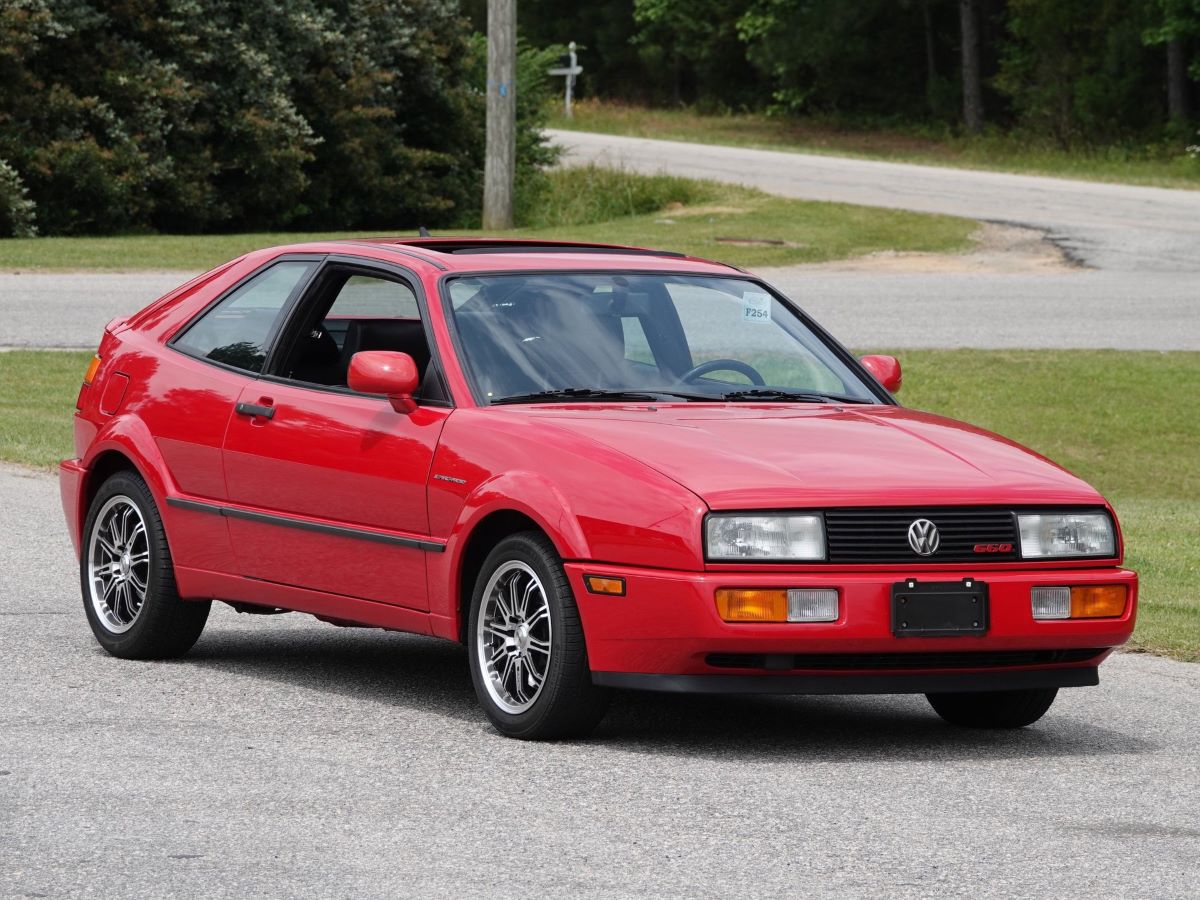
Visually, the Corrado’s design clearly conveyed that European flavor. Built by Karmann, it featured a traditional grille, squarish front corners, and a relatively high waistline. Its short length could appear stubby in photographs, yet in person, the Corrado looked trim, lithe, and sleek.
Aerodynamically, the car achieved a drag coefficient of 0.32, slightly higher than the theoretical minimum of 0.30, as VW chose to retain functional features such as rain gutters and front-brake cooling scoops.
A notable highlight was the active rear spoiler, which rose about two inches at 45 mph to reduce rear-end lift by 64 percent, enhancing high-speed stability, and retracted below 25 mph to improve rear visibility during parking.
Inside, the Corrado prioritized functionality. The dash featured a simple, legible instrument cluster, easily accessible ventilation outlets, and a high-mounted radio and climate-control cluster. While the cabin lacked the airy feel of competitors like the Honda Prelude, it offered practical comfort.
Tilt-adjustable steering and height-adjustable seats made it easy for drivers to find a comfortable position, and the 97.3-inch wheelbase, identical to the Golf’s, provided generous rear legroom despite slightly tight headroom.
Unlike many sports coupes of the era, the Corrado was more than just a two-seater with a rear package shelf, offering a well-thought-out, usable interior that complemented its dynamic exterior and engineering.
Whether it’s the throaty rumble of a Fox Body, the silky balance of an E30, or the bulletproof dependability of a Celica, these cars prove that classic motoring and modern living don’t have to be at odds.
For enthusiasts willing to embrace a bit of nostalgia, these ten vintage coupes offer the best of both worlds character and capability in equal measure.