There’s something timeless about dropping the top, feeling the wind on your face, and listening to the rhythmic hum of a vintage engine as you cruise down a sunlit back road.
For car enthusiasts across the U.S., few experiences rival that sense of mechanical freedom and nostalgia that only a vintage convertible can deliver.
From the chrome-laden cruisers of the 1950s to the sleek European roadsters of the 1970s, these cars weren’t just transportation they were statements of joy and style.
Whether you’re looking for something elegant to show off at Cars and Coffee or a dependable weekend driver that’s easy to maintain, these 12 vintage convertibles combine charm, performance, and drivability in ways modern cars rarely replicate.
1. 1965 Ford Mustang Convertible
Few cars define American freedom like the original Mustang. The 1965 convertible was affordable, stylish, and sporty all at once offering a range of engines from a reliable inline-six to a punchy 289 V8.
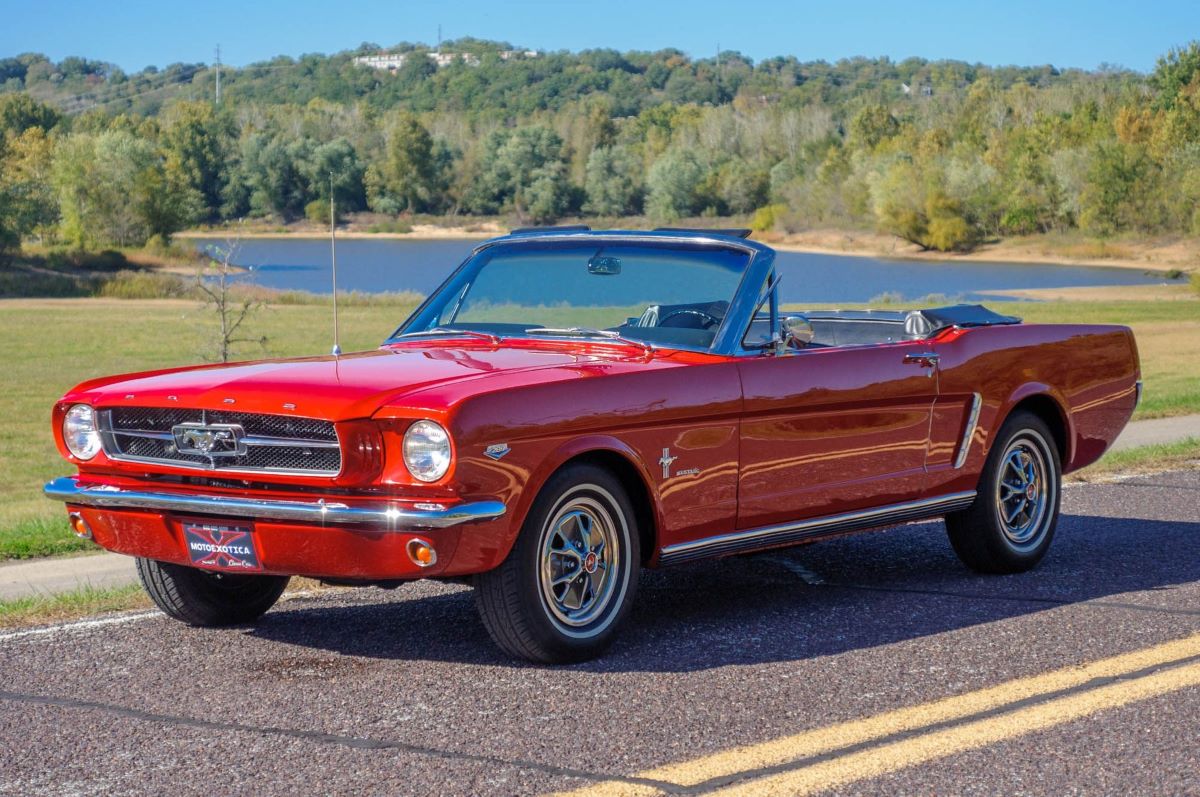
Today, its parts availability and simple mechanics make it one of the best classic convertibles to actually drive and enjoy. Top down, the Mustang feels every bit the symbol of open-road America it was meant to be.
2. 1972 Chevrolet Corvette Stingray Convertible
The early ‘70s Corvettes brought together bold design and old-school muscle. The 1972 Stingray convertible, with its long hood and short rear deck, remains one of the most visually striking American cars of its era.
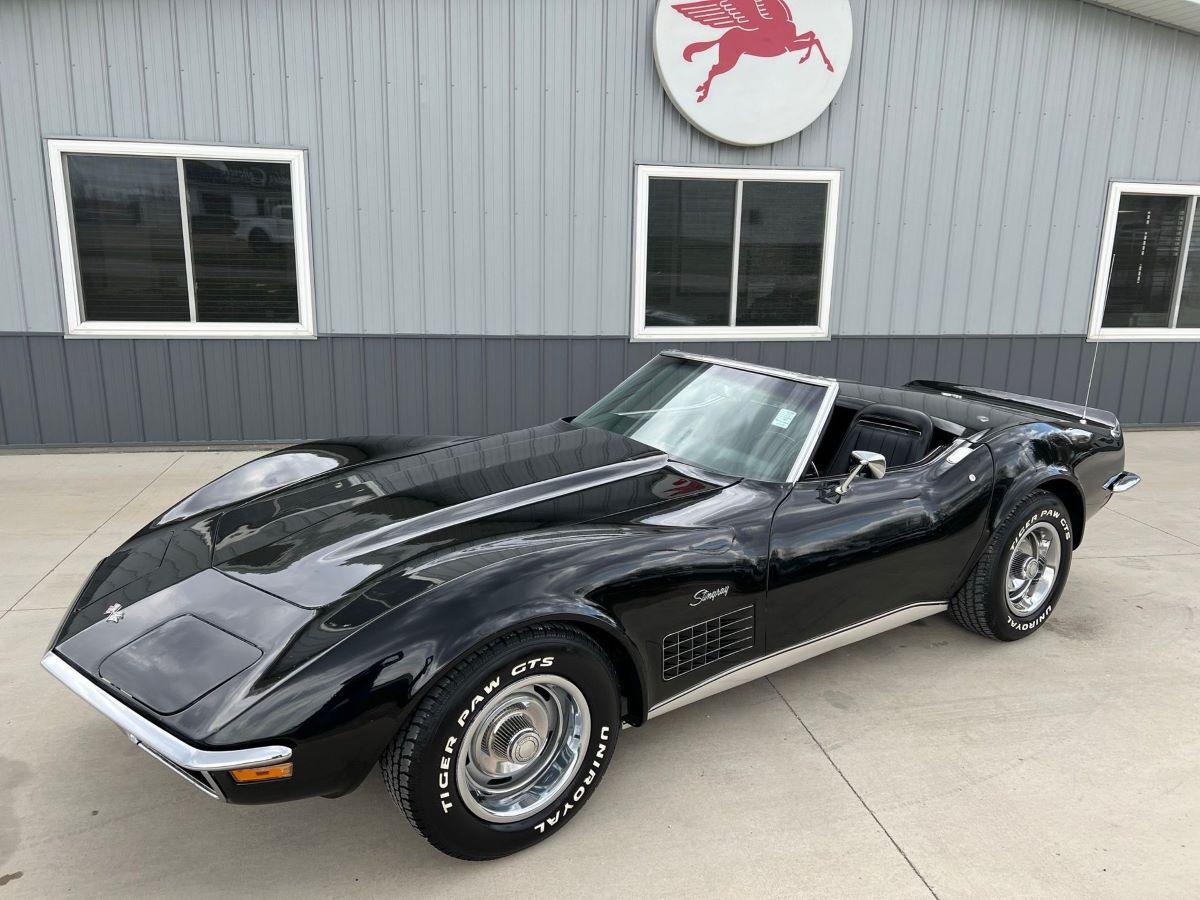
Underneath, the small-block V8 provides just enough grunt for spirited cruising. With T-top and full convertible options, it’s a great pick for anyone wanting a vintage sports car that’s still comfortable on weekend drives.
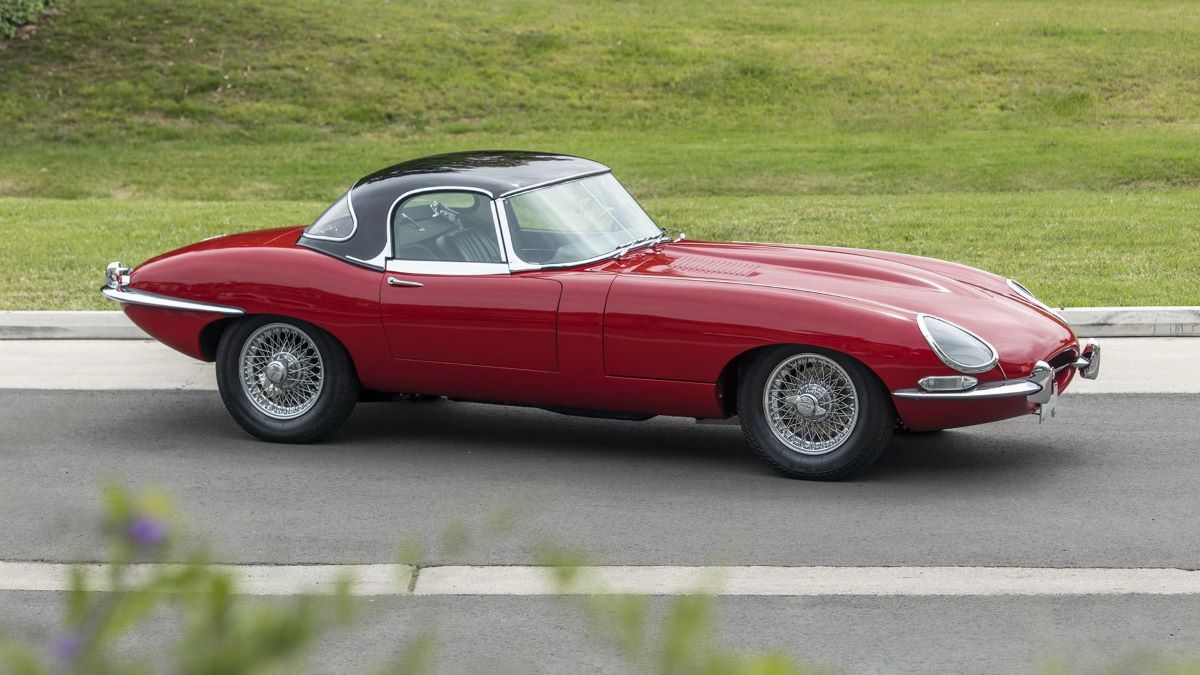
3. 1967 Jaguar E-Type Series 1 Roadster
The E-Type is arguably the most beautiful car ever made and even Enzo Ferrari said as much. The 1967 Series 1 Roadster pairs its 4.2-liter straight-six with stunning proportions and delicate handling.
Though maintenance requires a bit of dedication, the driving reward is pure vintage elegance. It’s a car that feels as good to look at as it does to drive, perfect for sunny weekend outings through winding countryside roads.
The Jaguar Series 1 itself is a car of distinct eras. From 1961 to 1963, it came equipped with the race-proven Moss four-speed gearbox, which lacked synchromesh for first gear, and was offered exclusively as a two-seat roadster or coupe through 1964.
While the roadster was the more popular choice, the coupe completed the car’s sleek, aerodynamic profile. Notably, the hatchback design featured a rear door hinged on the left, opening at a steep angle reminiscent of modern Japanese “cute ute” designs, adding a unique practical touch.
In 1964, Jaguar upgraded the gearbox, brakes, and interior, but the 1965 model brought the most substantial changes. The engine was bored out an additional 5 mm to 92.07 mm, bringing total displacement to 4,235 cc (258 ci) and boosting torque by 22 lb‑ft to 283 at 4,000 rpm, while horsepower remained at 265 gross, now peaking at 5,400 rpm.
That year also introduced a third body style: the “2+2 Family Coupe,” aimed at the U.S. market. With a wheelbase nine inches longer, overall length up nearly nine inches, weight increased by 224 lb, and height up two inches, the 2+2 sacrificed some of the elegance of the two-seat coupe but gained practical features like a lockable glovebox, heat shields, variable-direction heating vents, hinged rear-quarter windows, a larger windshield, and two small rear seats.
The 1965 model also marked the first, and only, Series 1 available with a Borg-Warner three-speed automatic, further dividing purists.
As a result, most enthusiasts consider the 1965–1967 Series 1 4.2 two-seaters the most desirable. They combined the higher-torque engine, improved brakes, a full-synchro four-speed manual, and the classic bodywork, without the smog and safety equipment that would later compromise the car’s purity.
Two significant events in 1967 reshaped the Series 1 story: the merger of struggling Jaguar and BMC into British Motor Holdings, and late-year modifications to meet U.S. market regulations, marking the end of the Series 1 as it was originally conceived.
4. 1969 Alfa Romeo Spider 1750 Veloce
If your idea of weekend cruising involves winding through scenic routes rather than highway blasts, the Alfa Romeo Spider 1750 Veloce delivers an unmatched experience.
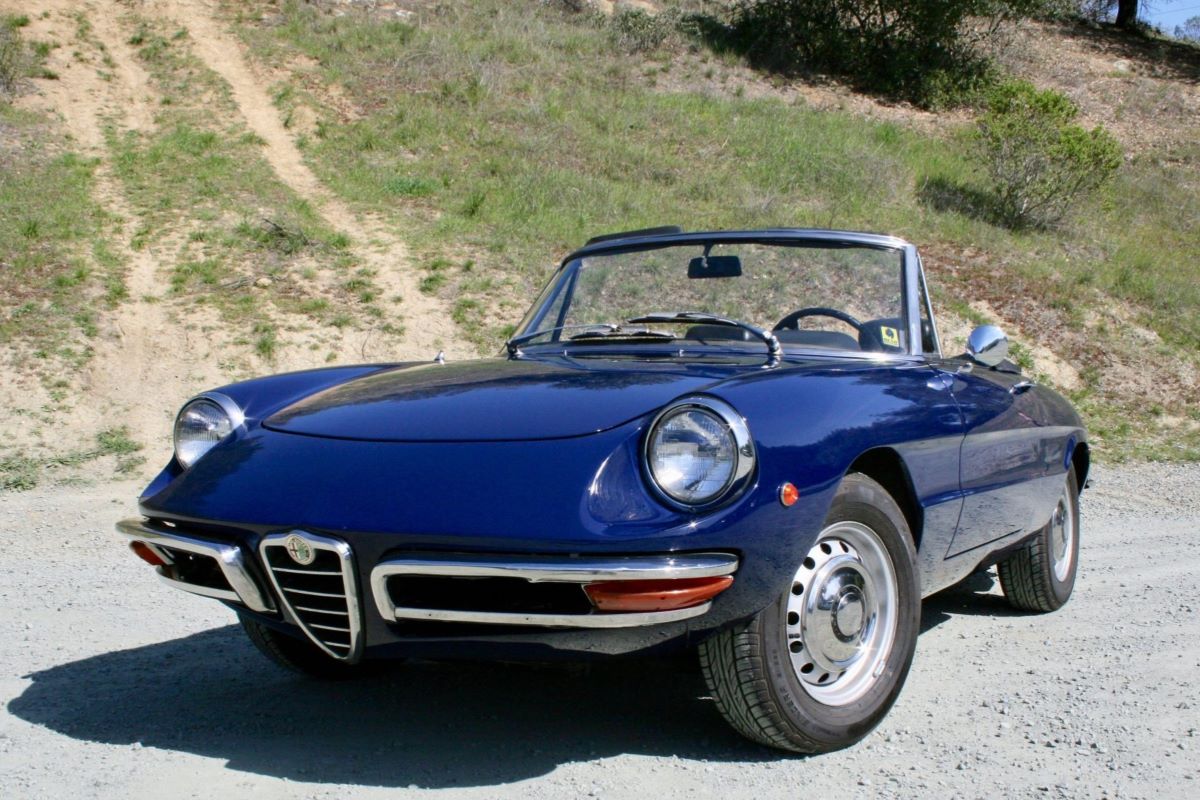
With its lively twin-cam engine, balanced handling, and Pininfarina styling, it offers the quintessential Italian roadster vibe. The mechanicals are simpler than they look, and with modern parts support, owning one isn’t as daunting as it used to be.
The car features Pininfarina-designed boattail bodywork refinished in blue over a black interior and is powered by a replacement 1,750 cc inline-four engine paired with a five-speed manual transmission.
Notable equipment includes SPICA fuel injection, four-wheel disc brakes, a black convertible top with boot cover, and 14″ steel wheels with chrome hubcaps.
Maintenance since 2017 has addressed the window mechanism, valve cover resealing, and replacement of the water pump, fan shroud, and radiator hoses.
The car is offered with the removed stock engine, service records from current and prior owners, correspondence from Museo Storico Alfa Romeo, and a clean California title in the seller’s name.
Originally finished in blue, the Spider’s bodywork was reportedly changed to black in the 1990s and later returned to blue during the 2014 repaint. Sheetmetal repairs prior to refinishing included rust removal from the passenger-side fender, rocker panel, and rear jump-seat area, as well as reinforcements to the driver-side radiator/sway-bar mount.
Additional features include a replacement black convertible top, boot cover, chrome exhaust outlet, and bright-finished bumpers and trim.
5. 1957 Chevrolet Bel Air Convertible
The 1957 Bel Air is pure Americana chrome fins, bright colors, and a sense of optimism frozen in metal. The convertible version, with a small-block V8 and comfortable bench seats, remains one of the best vintage cruisers for those who enjoy attention wherever they go.
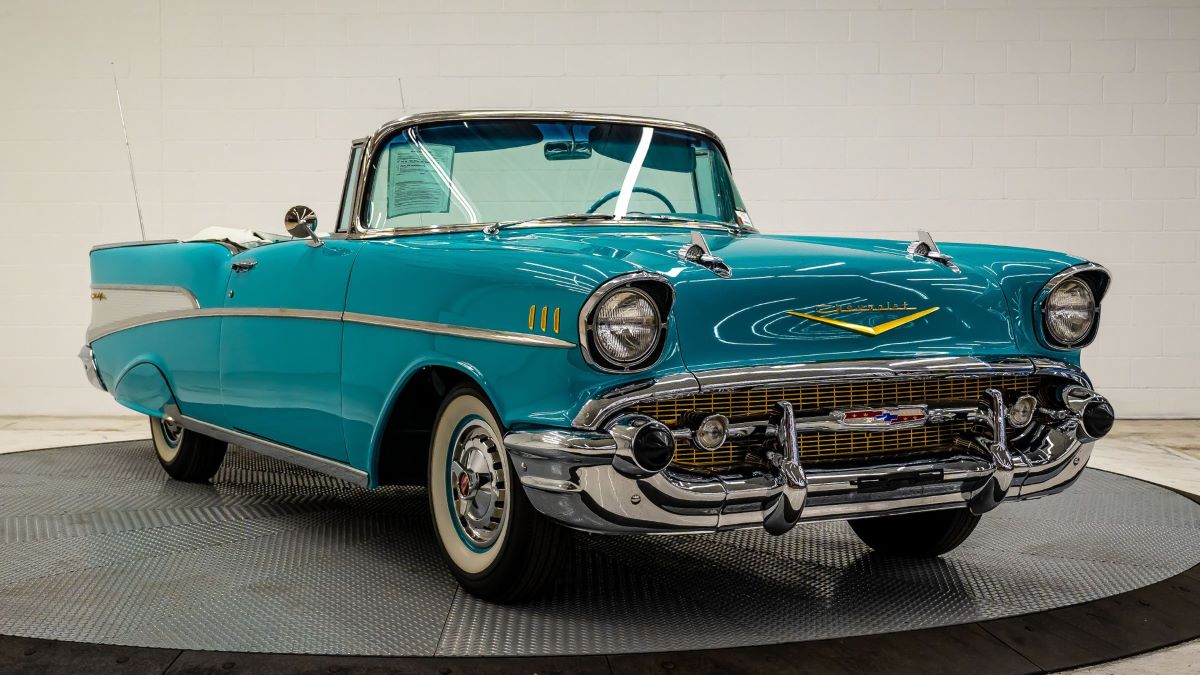
It’s not a sports car, but few classics turn heads quite like a bright red Bel Air under the summer sun. This 1957 Chevrolet Bel Air is a remarkable example of originality, still wearing its factory paint and chrome after 68 years, and retaining its original 283 ci Turbo-Fire engine.
According to the owner, the only updates have been a new convertible top and new tires, leaving the rest of the car in the same condition as when it rolled off the assembly line. Currently listed on Craigslist, the car offers collectors a rare opportunity to own a near-untouched piece of automotive history.
The 1957 Bel Air holds a special place in Chevrolet and American automotive lore. It marked the end of the Tri-Five era and introduced the famous 283 ci engine, which was an enlargement of the previous 265 ci unit.
The 283 Turbo-Fire engine powered not only the Bel Air but also the Impala, the rest of Chevrolet’s full-size lineup, and numerous other General Motors models.
In 1957, buyers could choose the 283 in multiple configurations, including two- and four-barrel carburetors, and a fuel-injected version that continued into 1958 before being phased out with the 1959 full-size lineup.
This particular Bel Air reportedly retains its original 283 ci engine as installed by General Motors, further enhancing its appeal to collectors who prize authenticity. The car’s condition is described as astonishing, almost defying belief that it has never undergone a full restoration.
Its preservation of original paint and chrome, along with the well-maintained mechanicals, make it a standout example of why original cars are so highly valued in the collector community. An in-person inspection is strongly recommended to verify the car’s condition and authenticity before making an offer.
6. 1963 Mercedes-Benz 230SL “Pagoda”
Named for its concave removable hardtop, the 230SL “Pagoda” blends German precision with understated luxury. It’s not about raw power it’s about refinement, balance, and craftsmanship.
The 230SL is surprisingly easy to live with thanks to Mercedes’ robust build quality and decent parts supply. It’s an ideal vintage convertible for those who want elegance and comfort over brute force.
The Geneva Motor Show in March 1963 marked the debut of a remarkable new sports car from Daimler-Benz: the Type 230 SL. Tasked with replacing two highly popular predecessors, the 190 SL and the legendary 300 SL, the 230 SL faced a significant challenge.
Its predecessors embodied radically different design philosophies, making it difficult to establish a common denominator. The solution was a compromise of sorts: the 230 SL, internally designated W 113, was neither a raw, uncompromising roadster nor a gentle boulevard cruiser.
Instead, it emerged as a comfortable two-seater GT, offering excellent driving performance combined with maximum safety.
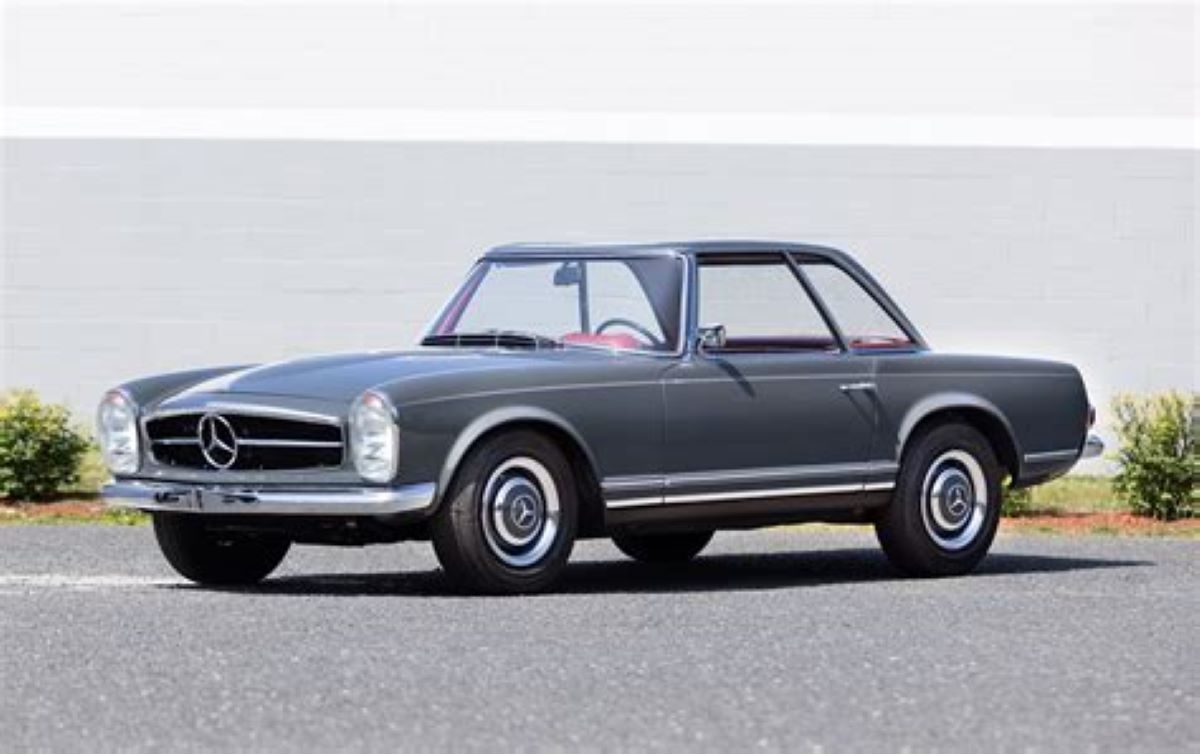
While the wheelbase of 2,400 mm was carried over from earlier models, the W 113 shared little else with its predecessors. Technically, it was largely based on the 220 SE, borrowing its reinforced and shortened framework, including front and rear axle suspension, and developing its engine from the 2.2-liter unit of the 220 SE.
By reboring the engine to 2.3 liters, raising compression, and employing a six-piston fuel injection pump, power was increased to 150 hp. Transmission options included the standard four-speed manual, an optional four-speed automatic, the first for an SL, and, starting in May 1966, a five-speed manual from ZF.
The 230 SL was also a pioneering safety car. It was the first sports car to feature a passenger cell with rigid construction and front and rear deformation zones, applying Béla Barényi’s safety principles first used in the “fintail” sedans.
Externally, the most striking design feature was its removable concave “pagoda” roof, an avant-garde element for its time. This inward-curving hood was not merely stylistic; it significantly increased roof stiffness while allowing for a lightweight construction.
The design also improved access with larger side windows and enhanced visibility, perfectly embodying the designer maxim “form follows function.”
7. 1971 Datsun 240Z Roadster (Fairlady Z Open Top Conversion)
While the factory 240Z wasn’t officially sold as a convertible, a few rare conversions and Fairlady versions in Japan turned it into a unique open-air cruiser.
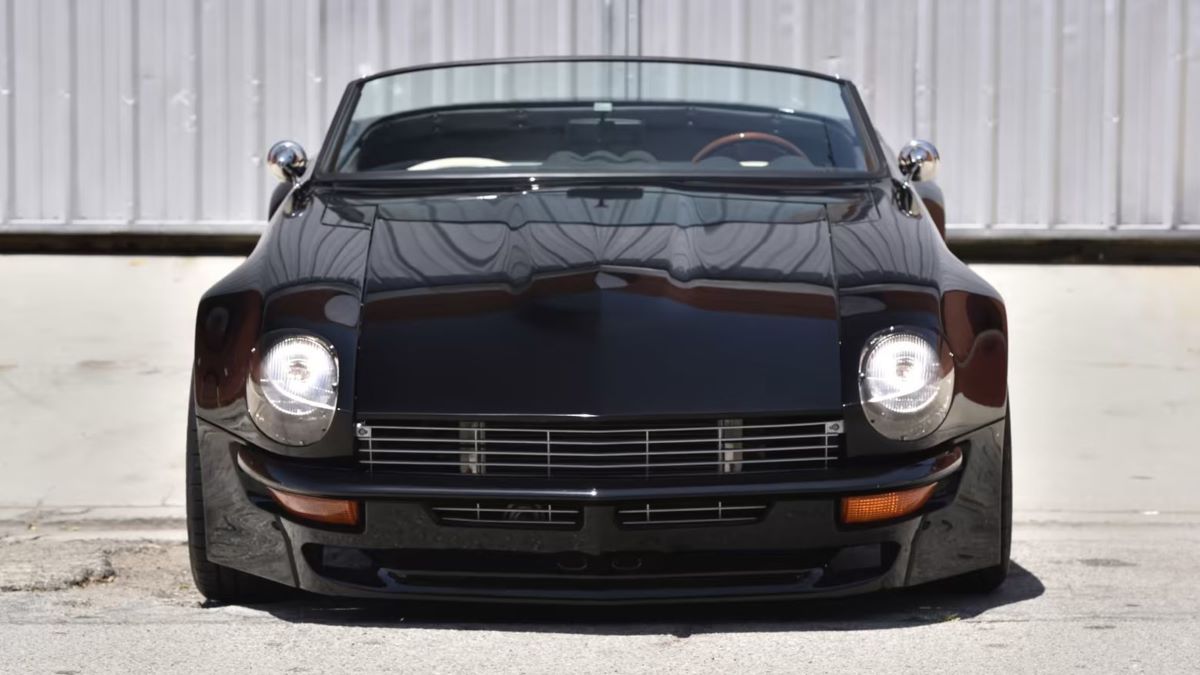
Lightweight, sharp-handling, and powered by a smooth inline-six, the 240Z Roadster offers a wonderful mix of reliability and style. For U.S. collectors wanting something truly distinctive, a properly done 240Z convertible is an unbeatable weekend toy.
A heavily modified 1971 Datsun 240Z, transformed into a one-of-a-kind Roadster, is heading to auction this week with an expected sale price between $50,000 and $70,000.
The car was initially converted into a Roadster by Pierre’s Z Service Center in Southern California, and later further modified by its owner to emulate the style of a 240Z built by Scarab Industries in Northern California, which featured a powerful 350 hp V8.
The result is a blacked-out 240Z powered by a 454 ci (7.4-liter) LSX V8 crate engine producing an astonishing 665 hp. The drivetrain includes tubular headers, a FAST intake manifold, and a Tremec six-speed manual transmission driving the rear wheels.
While official performance figures are not listed, the car’s powertrain ensures it is a formidable machine in a straight line.
The exterior conversion from coupe to Roadster also included a lowered windshield, new front and rear flares, and 17-inch staggered HRE wheels.
To handle the immense power, the car is equipped with Wilwood disc brakes and calipers, additional chassis bracing, a re-engineered rear diffuser, and custom front and rear suspension components.
Inside, the 240Z has been upgraded with tan leather on the seats, door panels, and transmission tunnel, along with modern gauges and new carpeting. These modifications combine to create a unique restomodded 240Z Roadster that blends classic styling with modern high-performance hardware.
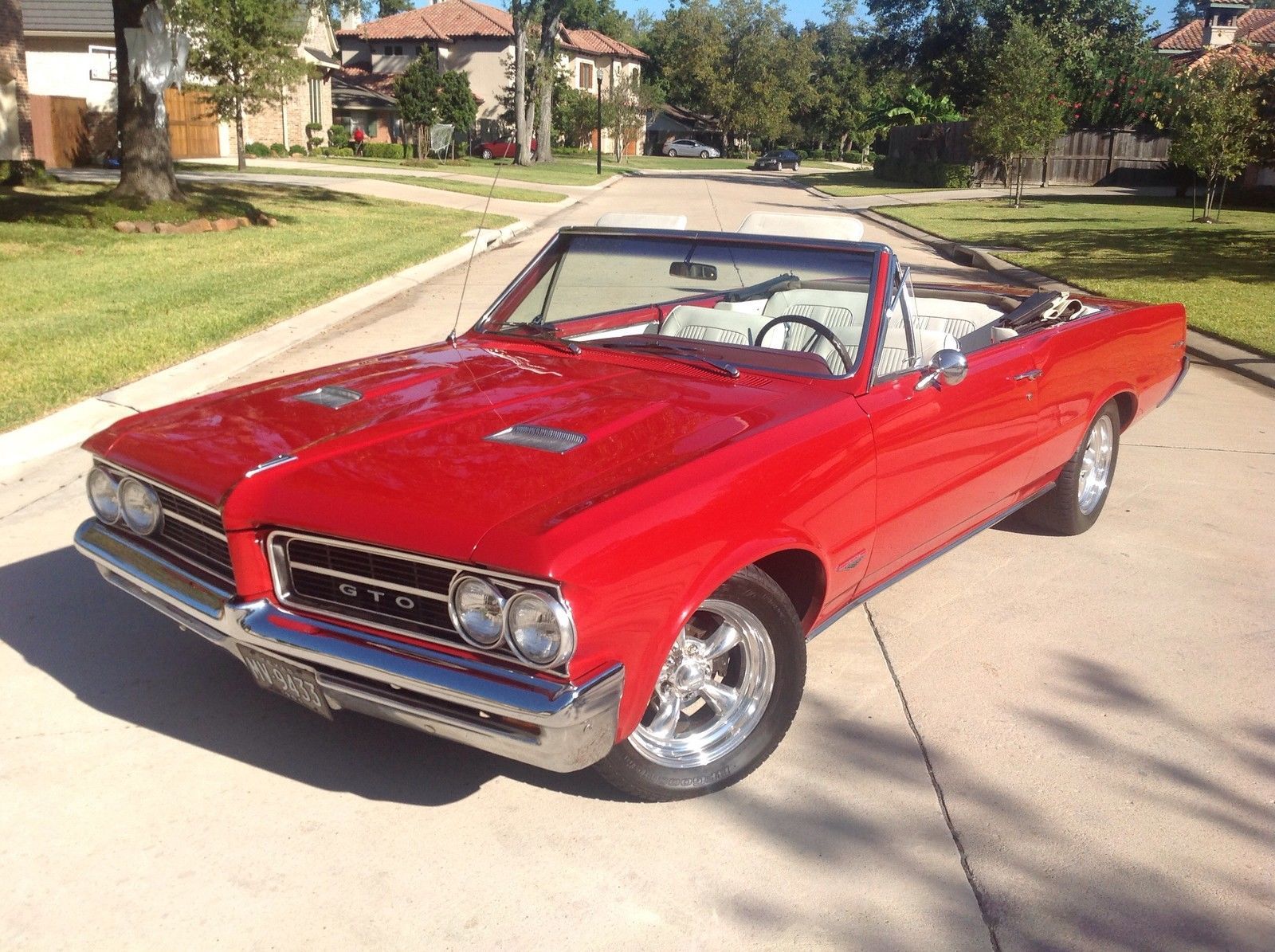
8. 1964 Pontiac GTO Convertible
The car that kicked off the muscle car era also came in a top-down form. The 1964 GTO convertible combined a powerful 389 V8 with a manual transmission and that unmistakable Pontiac swagger.
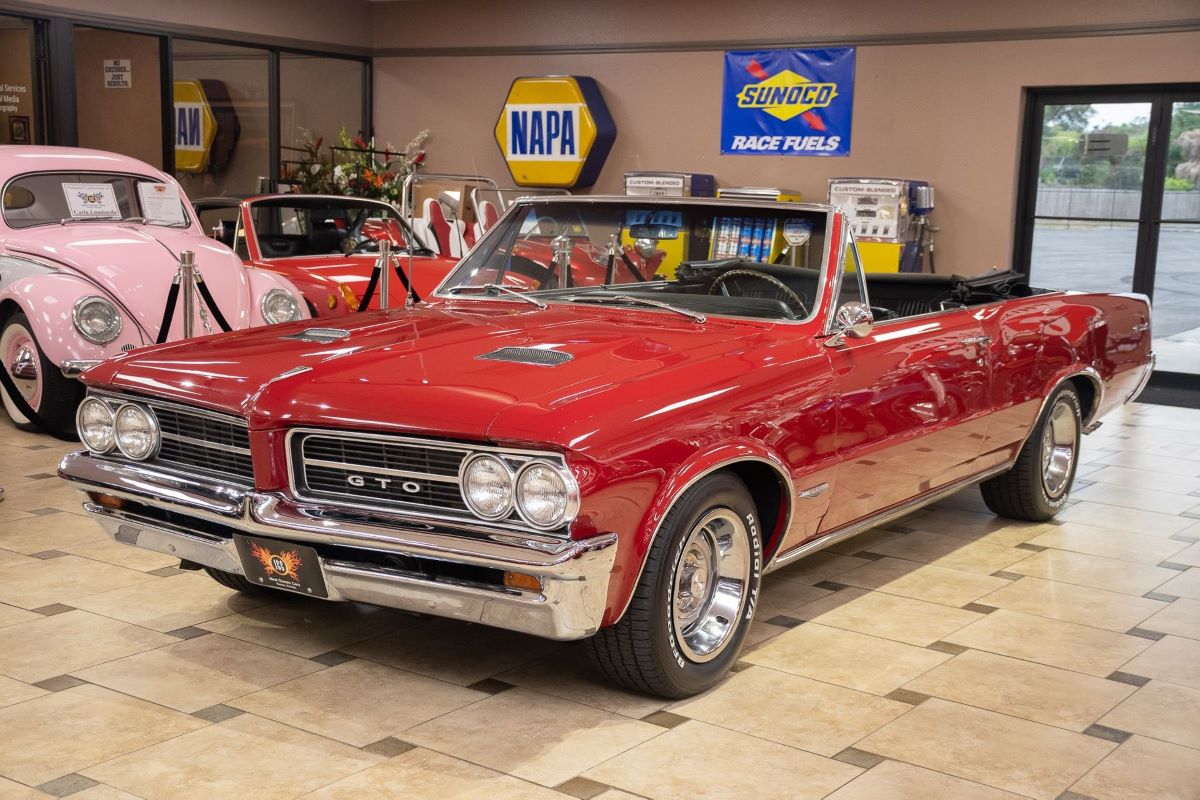
On weekends, it’s the kind of car that draws both respect and nostalgia at every gas station stop. With modern upgrades like electronic ignition and better cooling, it’s a surprisingly usable classic for American highways.
This 1964 Pontiac GTO convertible, acquired by the current owner in 1997, has undergone extensive refurbishment over the past two decades. The car was repainted in its original Marimba Red and its 389 ci V8 rebuilt, now featuring a Tri-Power induction setup.
Power is sent to the rear wheels through a four-speed manual transmission paired with a Safe-T-Track rear axle with 3.55:1 gears. The car is equipped with a power-operated Ivory soft top, dual exhaust system, 14″ steel wheels with chrome three-bar hubcaps, Firestone Super Sports red-line tires, and power-assisted steering and drum brakes.
Interior appointments include Parchment vinyl front bucket and rear bench seats, matching door panels, black carpets, a center console, lap belts, an AM radio, and a four-spoke steering wheel.
Originally finished in Marimba Red (L), the GTO was repainted in the factory color around 2010 and now wears a replacement Ivory convertible top.
Exterior features include quad headlights, simulated hood vents, dual side mirrors, and slash-cut exhaust finishers. The 14″ steel wheels, fitted with red-line tires installed circa 2003, are complemented by a full-size spare in the trunk. The seller notes minor power steering fluid seepage from a line fitting.
The dashboard features an engine-turned fascia with a 120 mph speedometer, tachometer, and fuel gauge. The five-digit odometer has rolled over, with approximately 7,000 miles added during current ownership, and a revised speedometer gear installed to accommodate the ring-and-pinion gear change.
9. 1973 BMW 2002 Cabriolet
The BMW 2002 helped redefine what a driver’s car could be compact, agile, and responsive. The rare Cabriolet version (and its Baur conversions) brought open-top fun to that formula.
With its communicative steering and lively 2.0-liter engine, the 2002 Cabriolet feels light on its feet and perfect for mountain or coastal drives. It’s a smart choice for those who value driving dynamics over raw horsepower.
The 1972 BMW 2002 Cabriolet is an exceptionally rare variant of the iconic 2002 series. While BMW produced over 420,000 units of the 2002 during its production run, the factory-built Cabriolet was available for only eight months, with just 200 examples made, making it an extremely sought-after collector’s car today.
The first owner kept the car from January 14, 1972, until January 1978, and it remains a remarkable example of BMW’s craftsmanship from the era.
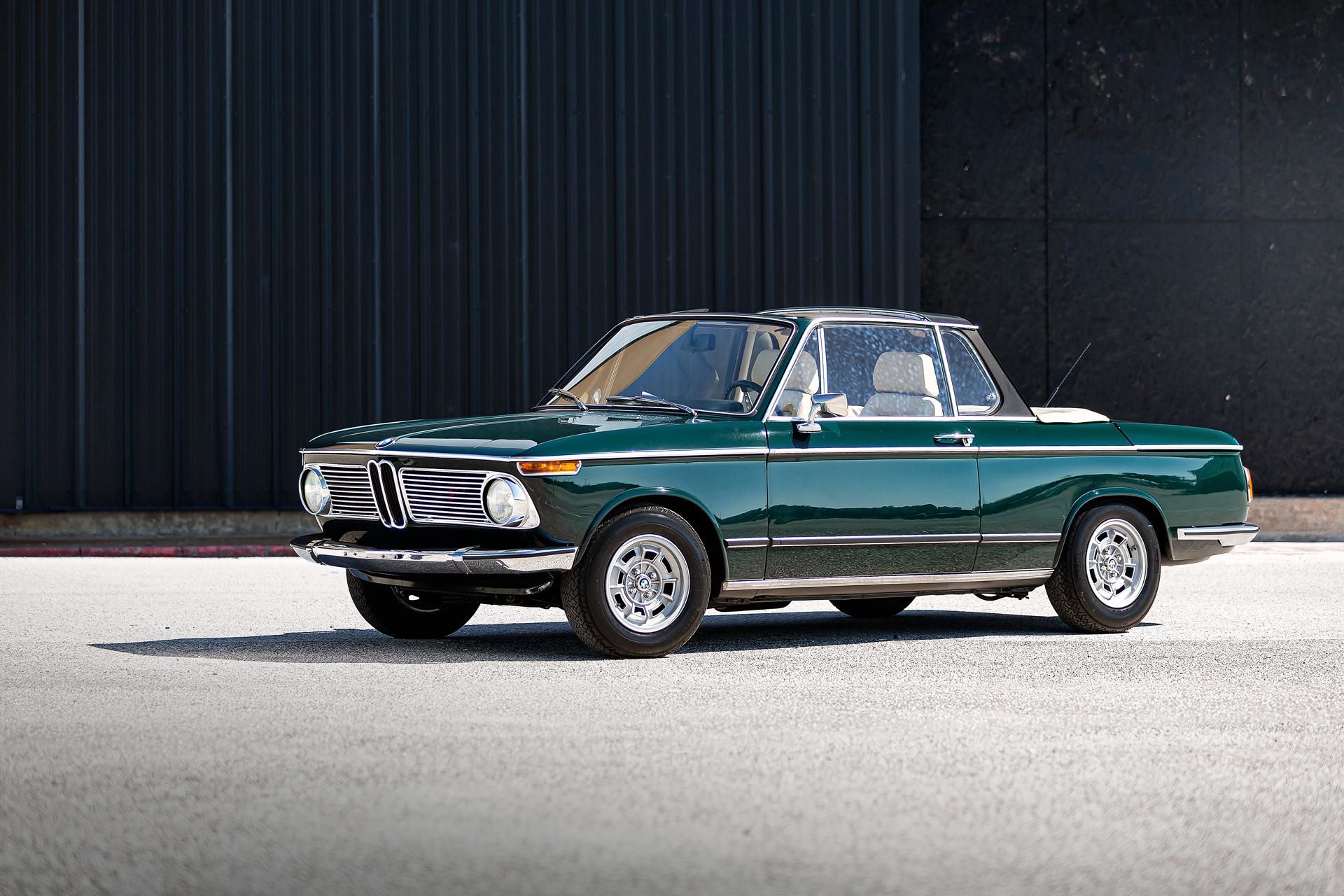
Currently, the vehicle’s German registration papers have expired, and any prospective buyer in Europe would need to address import duties or consult a specialist company experienced in classic car imports to ensure compliance.
Unlike the more common 2002 Top Cabriolet (TC) models, which were bodied by Baur of Stuttgart and numbered 2,300 units, this particular 2002 Cabriolet is a true factory-built rare gem, not a Baur variant.
Baur had a long-standing relationship with BMW, producing many of its convertible and TC models, but this car stands apart in scarcity and provenance. Under the hood, the 1972 2002 Cabriolet is powered by BMW’s renowned M10 engine, delivering 99 hp (100 ps).
Combined with a light curb weight of approximately 2,000 lbs (907 kg) and fully independent suspension on all four corners, the Cabriolet promises nimble handling and a responsive driving experience, ensuring that it never feels ponderous on the open road. Its rarity, engineering, and classic design make it a standout example of BMW’s early 1970s sports car heritage.
10. 1960 Austin-Healey 3000 MKI
British roadsters like the Austin-Healey 3000 have a cult following for a reason they blend charming imperfection with joyful engagement.
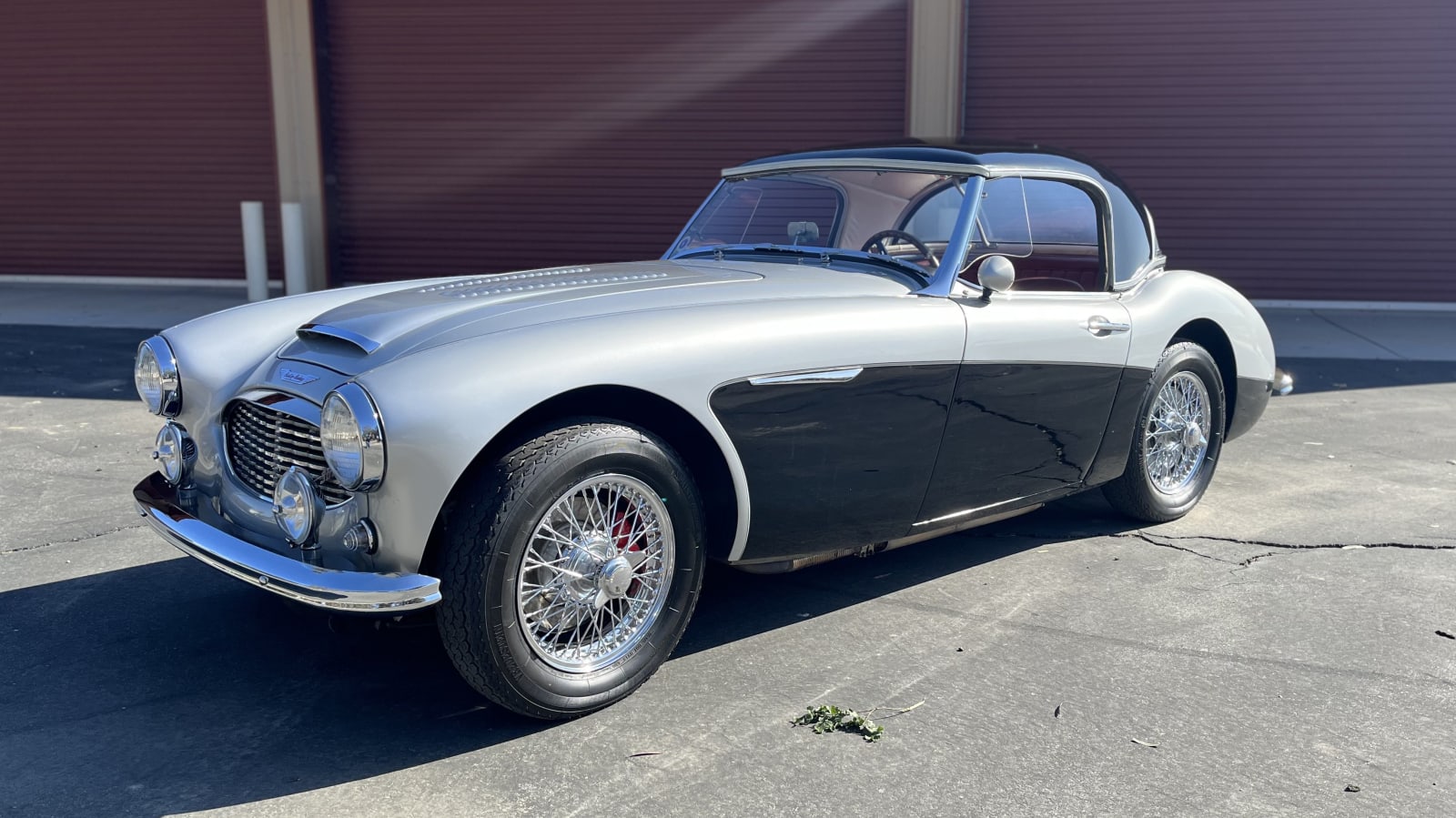
The 3000 MKI, powered by a 2.9-liter inline-six, offers a throaty exhaust note and classic styling that never goes out of fashion. It’s a bit rugged compared to a Jaguar or MG, but that adds to its character. For the right driver, it’s the definition of vintage motoring purity.
Capping a three-year period in which BMC had achieved remarkable success with models like the Mini-Minor, MG/Morris 1100, and MGB, the Austin-Healey 3000 of 1963 feels somewhat anachronistic.
While it is undeniably fun to drive, produces a satisfyingly robust six-cylinder sound, and embodies the classic wind-in-the-face sports car experience, it lacks the modern refinement and innovation that characterized BMC’s recent breakthroughs.
Over the years, the body design has remained largely consistent, even as mechanical updates have been implemented.
Though no longer entered in sports-car races after the switch from the four-cylinder Austin 16 engine to the six-cylinder unit, the car remained a rally contender, with drivers like Pat Moss and David Seigle-Morris achieving memorable victories.
Its straight-line performance, reliable single-carburetor engine, and strong structural integrity often gave it an edge over more sophisticated and expensive competitors.
By 1963, however, the car shows its age, particularly in the suspension, which offers a firmer ride than many lighter, more modern sports cars.
The 1963 version simplified the induction system from three carburetors to two, reducing costs and maintenance without sacrificing performance.
With maximum torque arriving at 3,000 rpm, a 3.91:1 rear axle ratio paired with a Laycock-de Normanville overdrive unit strikes a balance between brisk acceleration in top gear and quiet, economical high-speed cruising. Engine noise remains subdued up to 3,000 rpm, rising proportionally beyond that point.
Interior updates included a centrally located gear lever replacing the old side-mounted unit. While the new remote-control linkage requires more effort during warm-up, it preserves the excellent reverse engagement and precise gate feel of previous models.
The combination of the stiff but accurate shift lever and overdrive enhances the driving experience, allowing spirited third- and fourth-gear running to be a genuine thrill.
The car’s robust controls, though ponderous by modern standards, contribute to its muscular character, evoking the era when sports cars were designed as pure, tactile machines for drivers who appreciated performance and presence above all else.
11. 1956 Thunderbird Convertible
Ford’s original Thunderbird wasn’t a muscle car it was a “personal luxury” roadster designed for relaxed cruising. With a V8 under the hood and elegant styling, it became an instant icon of mid-century design.
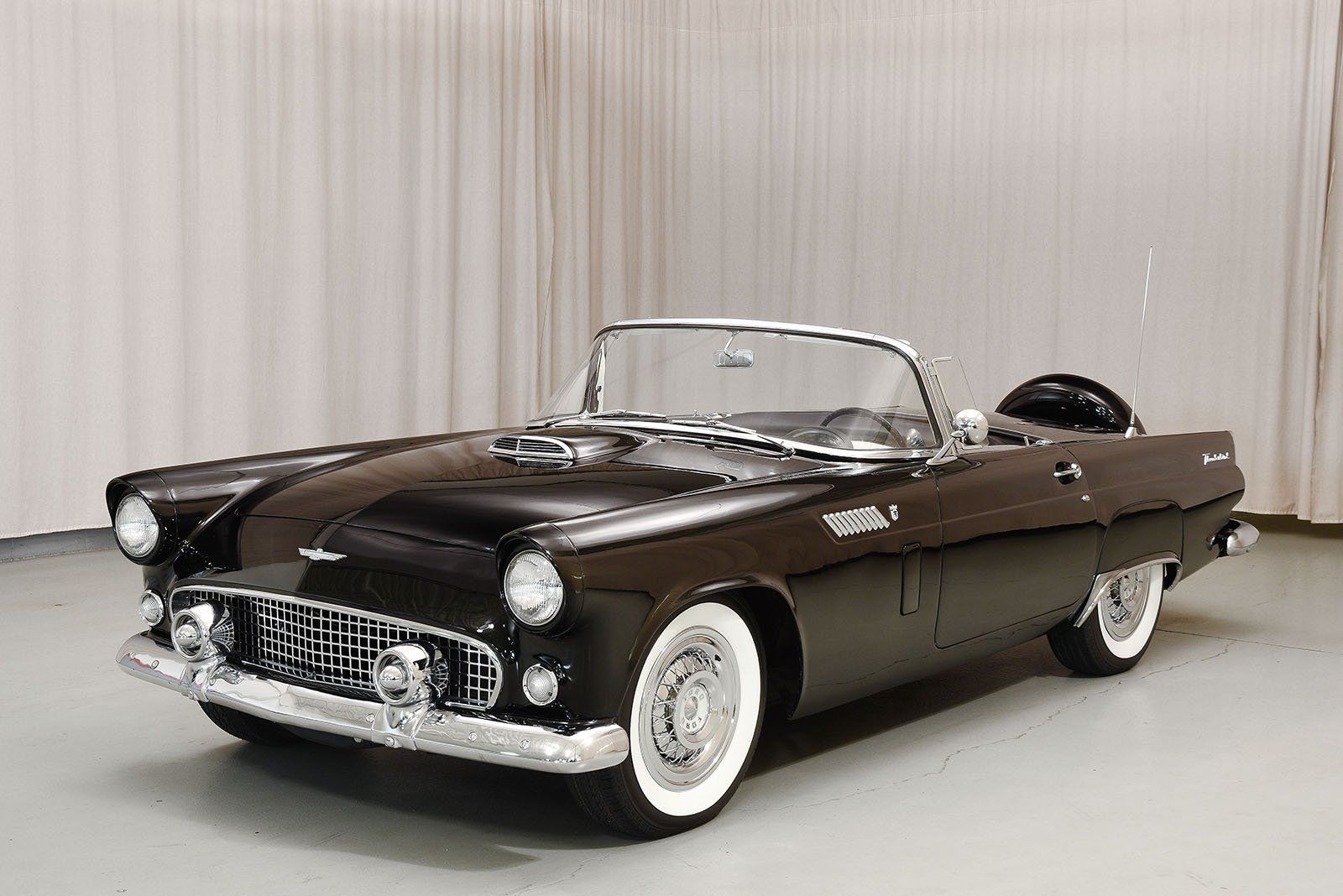
The single-year 1956 model, with its rear-mounted spare and optional porthole hardtop, is particularly desirable. Behind the wheel, the Thunderbird’s smooth ride and charm make it a fantastic weekend choice for couples or solo drives.
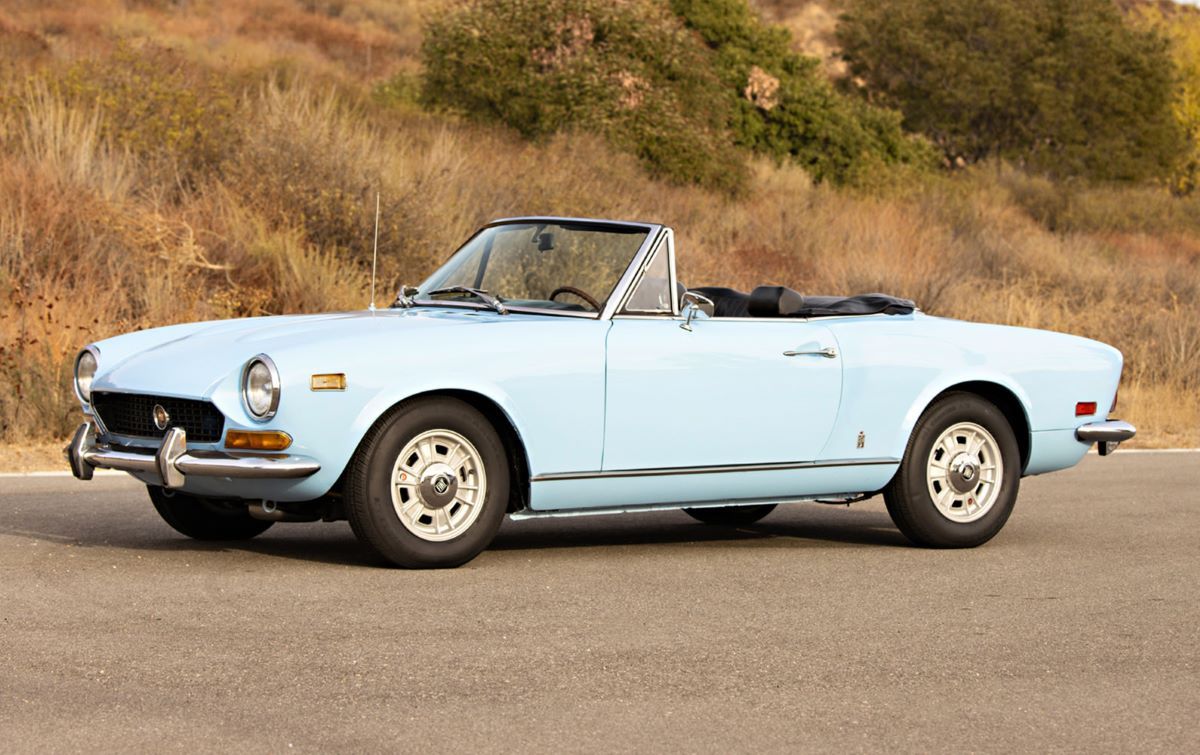
12. 1974 Fiat 124 Spider
Affordable, pretty, and genuinely enjoyable to drive, the Fiat 124 Spider is a vintage convertible that still makes sense today. Designed by Pininfarina, it’s a compact roadster powered by a rev-happy twin-cam engine.
Unlike many European classics, it’s easy to maintain and has great parts availability in the U.S. A well-kept 124 Spider is one of the easiest ways to enjoy old-school top-down motoring without breaking the bank.
Owning a vintage convertible isn’t just about nostalgia it’s about embracing a slower, more tactile way of enjoying the open road.
These cars connect you to the mechanical essence of driving, where the sound of a carbureted engine and the feel of wind through your hair matter more than touchscreen menus or driver aids.
Whether your dream ride is a stately Mercedes SL, a roaring Pontiac GTO, or a minimalist Alfa Spider, each of these convertibles offers something special.
With proper care and a bit of patience, they’re not only beautiful to look at but endlessly rewarding to drive.
For weekend cruising, few experiences rival the authenticity and joy of piloting a vintage convertible through America’s scenic byways proof that open-air motoring will never go out of style.