Finding the right car can be a challenge for taller drivers, as comfort often depends on how much headroom, legroom, and seat adjustability a vehicle provides. Some models are designed with generous proportions that make long drives easy, while others prioritize compactness or sportiness at the expense of space.
Vehicles like the Mercedes-Benz GLE and GMC Yukon offer expansive cabins, supportive seating, and thoughtful ergonomics, making them ideal for taller individuals. In contrast, compact and performance-focused cars such as the Fiat 500 and Toyota Supra can feel restrictive, with low ceilings and limited legroom.
This comparison highlights how design priorities, from luxury comfort to aerodynamic efficiency, influence the driving experience. It also helps taller drivers identify models that combine practicality, performance, and comfort without forcing them to compromise on style or driving enjoyment.
5 Cars Great For Tall Drivers
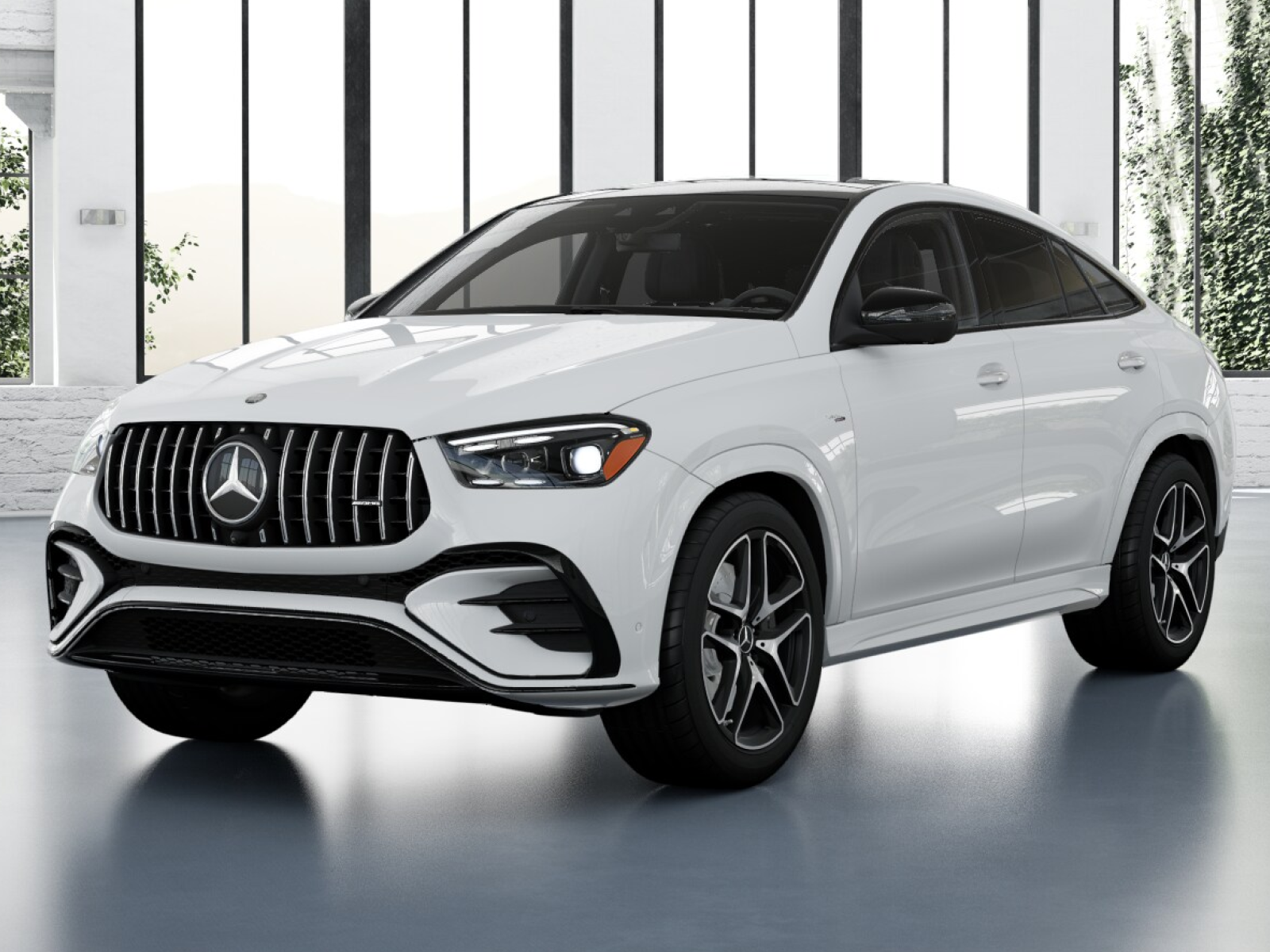
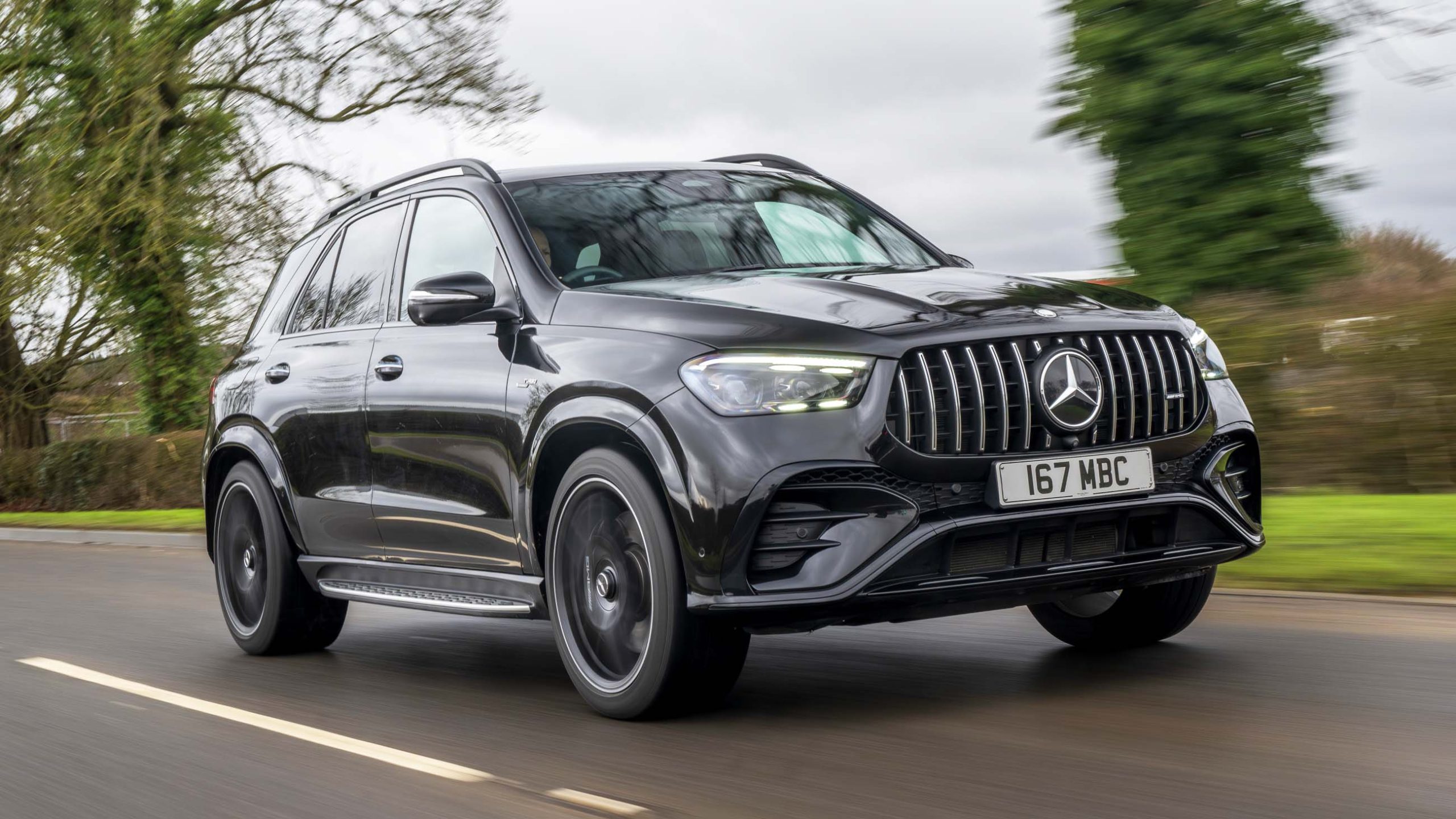
1. 2025 Mercedes-Benz GLE: Luxury and Performance in a Midsize SUV
The 2025 Mercedes-Benz GLE is a luxury midsize SUV that combines comfort, performance, and refined interior features. The first two rows provide generous headroom and legroom, making the cabin accommodating for taller passengers, while cargo space remains ample.
Acceleration is strong across engine options, and fuel efficiency is competitive for the segment. Those needing a spacious third row may find the optional extra cramped, and the cabin design shows signs of aging.
The plug-in hybrid GLE 450e delivers smooth and responsive power. On a full charge, it runs in electric mode for city driving, with the gasoline engine engaging seamlessly when more power is needed. In testing, the 450e accelerated from 0 to 60 mph in 5.7 seconds.
Steering is light, making tight maneuvers easy but reducing road feel during sharp turns. The hybrid’s extra weight slightly affects cornering stability, yet it remains well-suited for city streets and highways.
The GLE excels in comfort, offering heated and ventilated seats with massage functions and advanced climate control. Interior materials, including brown leather, wood trim, or synthetic MB-Tex, enhance the luxury feel. The standard suspension provides a smooth ride, while the adaptive air suspension can feel floaty for daily driving.
The cabin is spacious and well-equipped, featuring intuitive touchpad controls and an elevated driving position that improves visibility. Optional Burmester audio delivers immersive sound, while driver-assist features like adaptive cruise control and lane-keeping assistance operate effectively.
Cargo space remains impressive even in the plug-in hybrid, with a 60/40-split second row for longer items. Rear seats fit large child safety seats, and towing capability reaches 7,700 pounds when equipped. The 450e achieves about 59 miles of electric-only driving and 28 mpg combined after the battery is depleted, with DC fast-charging available for convenience.
The GLE offers high-quality construction, a luxurious cabin, and advanced features. Pricing rises with options, and warranty coverage is standard for the class, slightly behind some competitors.
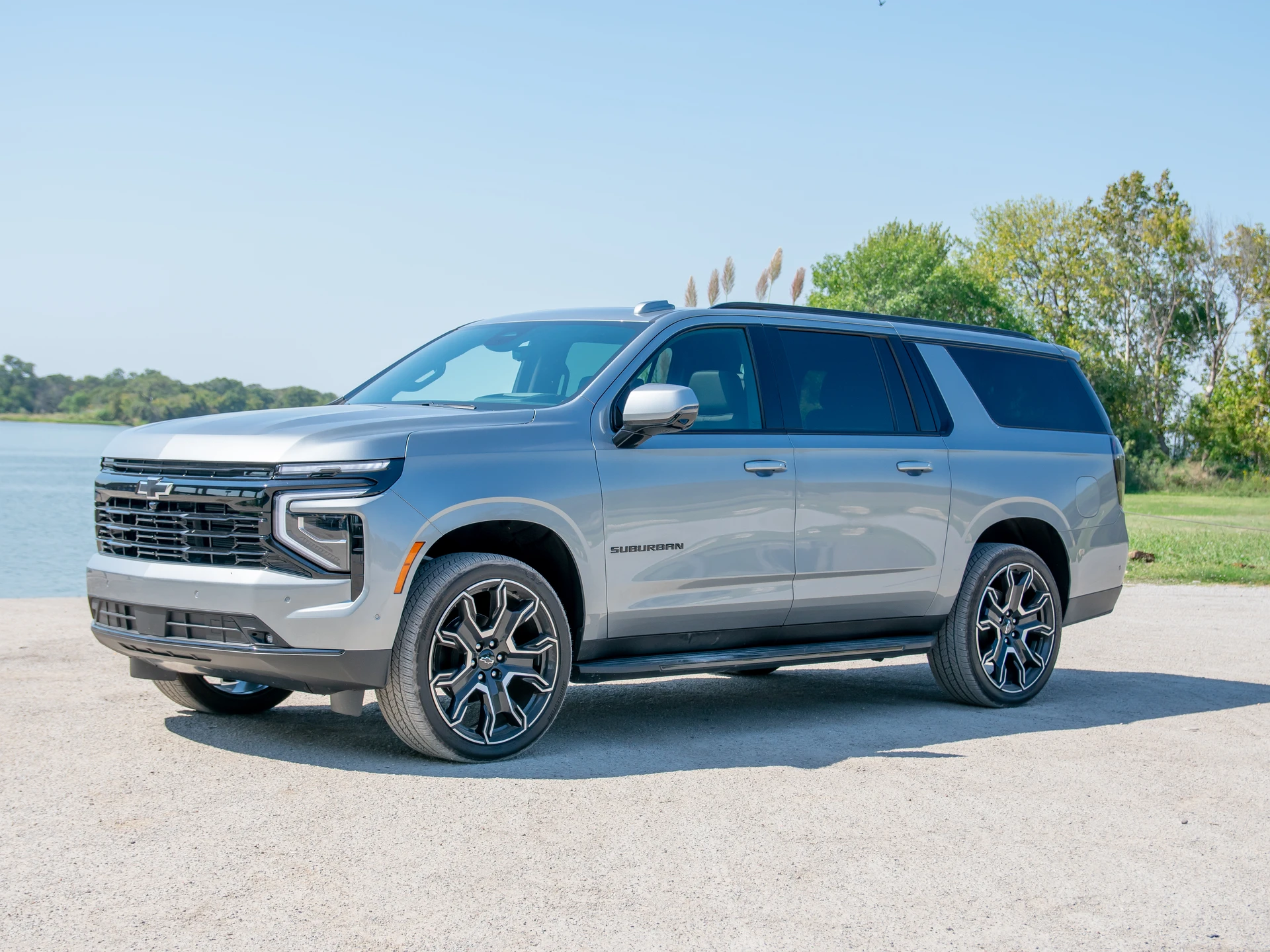
2. 2025 Chevrolet Suburban: Space, Power, and Capability
The 2025 Chevrolet Suburban is one of the roomiest SUVs available, offering adult-friendly seating across all three rows. Front-row headroom is 42.3 inches with 44.5 inches of legroom, and the rear seats provide ample space for passengers and child seats. The cabin’s vastness is a defining feature, though some controls feel distant due to the SUV’s sheer size.
Our test Suburban featured the 6.2-liter V8 with a 10-speed automatic transmission. It accelerated from 0 to 60 mph in 6.7 seconds and delivered smooth, confident braking. The SUV handles highway driving and towing with stability, although steering lacks feedback, and sharp turns highlight its mass.
Optional Magnetic Ride Control and adaptive air suspension improve ride quality, reducing road harshness and limiting the “boat-like” sensation common in large SUVs. Driver-assist systems such as adaptive cruise control and lane-keeping assist enhance safety, though their operation can require practice.
Leather front seats with power lumbar adjustment offer softness but can feel flat and unsupportive. Power running boards aid entry, and rear openings are generous for child seats. The third row accommodates adults, though seating is firm. Updated tech includes a 17.7-inch touchscreen, wireless Apple CarPlay and Android Auto, and multiple USB-C ports. Some high-tech features, however, may require resets if they fail.
Cargo capacity is 41.5 cubic feet behind the third row and expands to 93.8 cubic feet with seats folded. In-cabin storage is limited, and towing reaches up to 8,300 pounds with optional packages.
Entry-level Suburbans offer strong value with power and space, while fully optioned models can feel expensive. Fuel economy for the 6.2-liter V8 achieved 18.7 mpg on mixed driving, aided by cylinder deactivation, though premium fuel is required. Standard warranties and extended rust and roadside coverage enhance ownership appeal.
The 2025 Suburban balances immense space, strong performance, and family-friendly features, though drivers must navigate its massive size and manage fuel costs.
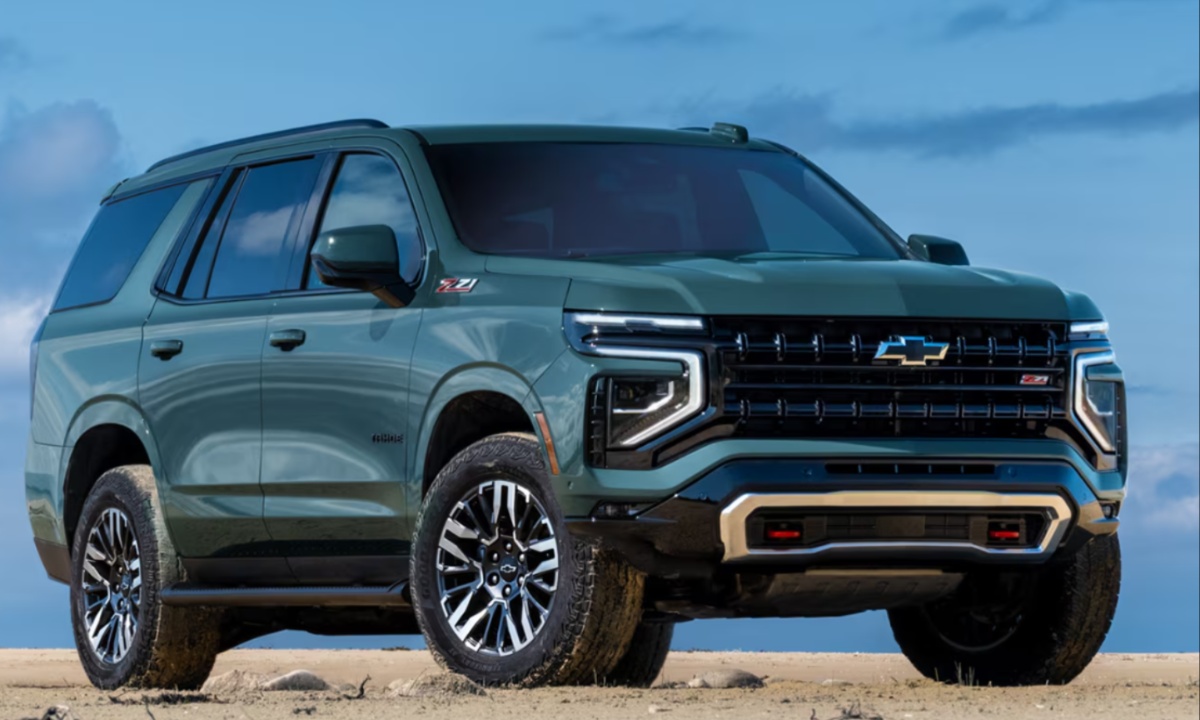
3. 2025 Chevrolet Tahoe: Capability and Comfort in a Full-Size SUV
The Chevrolet Tahoe is the slightly smaller sibling to the Suburban, offering the same front and second-row space but less room in the third row and reduced cargo capacity. Front headroom is 42.3 inches with 44.5 inches of legroom. It suits buyers who rarely carry third-row passengers but still want a spacious, versatile SUV. Its shorter size makes it easier to maneuver in tight spots, though fuel economy remains modest.
The Tahoe offers several powertrains, including the 5.3-liter V8, 6.2-liter V8, and a 3.0-liter turbo diesel. Acceleration varies, with the 5.3-liter V8 reaching 0-60 mph in 7.7 seconds, the diesel in 7.5 seconds, and the 6.2-liter V8 being the quickest. All engines pair with a smooth 10-speed automatic transmission.
Light steering and a tight turning radius make city driving manageable, while the available adaptive suspension provides a comfortable ride. Visibility is excellent thanks to large windows, and driver-assist features such as adaptive cruise control, lane-keeping assistance, and blind-spot warning enhance safety, though more advanced tech like Super Cruise remains optional.
First and second-row seats are somewhat firm, while the third row offers better padding than competitors. Entry is aided by step rails and wide doors. Multi-zone climate control is effective, though the rear system is noisy. The infotainment system features a large, intuitive touchscreen, USB-C ports, wireless charging, and support for Apple CarPlay and Android Auto, though occasional resets may be required.
Cargo space behind the third row is 25.5 cubic feet and expands to 122.7 cubic feet with rows folded. Towing ranges from 8,200 to 8,400 pounds, depending on the engine. Interior storage is decent, with door pockets and moderate bins.
Starting just above $60K, the Tahoe delivers strong capability, comfort, and technology. Fuel economy ranges from 17 to nearly 21 mpg, depending on engine choice, with the diesel offering the best efficiency. Standard warranties and five-year roadside assistance add value.
The Chevrolet Tahoe blends size, capability, and tech for families seeking a versatile full-size SUV without the bulk of the Suburban.
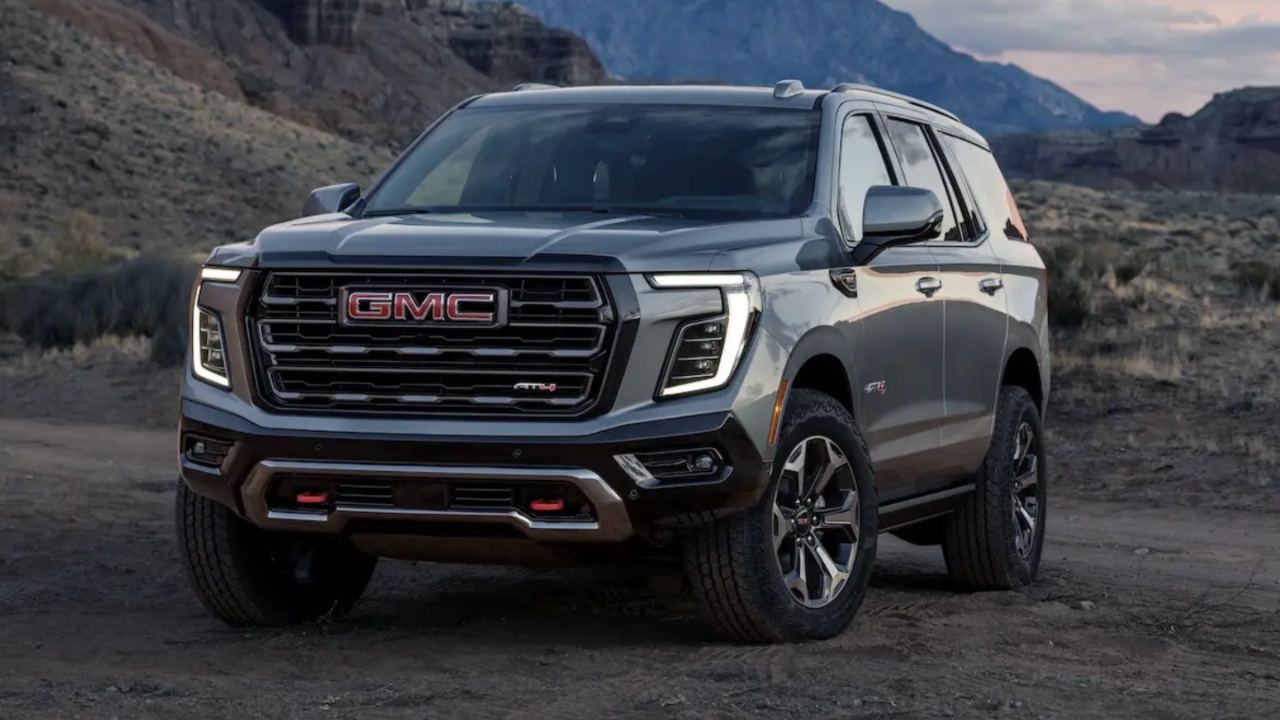
4. 2025 GMC Yukon: Spacious, Powerful, and Tech-Savvy
The 2025 GMC Yukon is GMC’s full-size SUV, sharing much of its design and capability with the Chevrolet Tahoe and Suburban. Front headroom is 42.3 inches with 44.5 inches of legroom, and the first two rows accommodate taller passengers comfortably.
The Yukon XL offers extra third-row space and cargo room for families or those needing maximum capacity. Updates for 2025 include refreshed styling, a 16.8-inch touchscreen, and new trim options.
Our test Yukon featured the 6.2-liter V8 paired with a 10-speed automatic transmission. It accelerated from 0 to 60 mph in 6.5 seconds, providing strong towing and passing capability. The SUV feels heavy in corners, but brakes are smooth, and light steering aids maneuvering in crowded areas.
Adaptive and air suspension systems improve ride comfort, making the Yukon surprisingly smooth for a truck-based SUV. Blind spots remain a challenge, but large mirrors and driver-assist features like adaptive cruise control and lane-keeping aid enhance safety.
The cabin is quiet with minimal wind noise. Climate control effectively serves all three rows, and the massive touchscreen integrates climate, infotainment, and quick-access toggles. Wireless Apple CarPlay and Android Auto are standard, and higher trims offer an 18-speaker Bose audio system.
Third-row seats can be raised or lowered via controls near the sunroof. Some controls, like the shift stalk and buttons, may feel awkward, and occasional lags occur with features such as seat heaters.
Cargo space behind the third row is 25.5 cubic feet, expanding to 122.9 cubic feet with seats folded. Interior storage is plentiful, with armrest compartments and two-tier door storage. The Yukon can tow up to 8,400 pounds, depending on engine and drivetrain, strong for a large luxury SUV but below the Ford Expedition’s maximum.
Pricing sits between mainstream SUVs like the Expedition and luxury competitors such as the BMW X7. Standard warranties include three years/36,000 miles bumper-to-bumper and five years/60,000 miles powertrain and roadside coverage. Fuel economy ranges from 16 mpg with the V8 to 23 mpg with the diesel, making the diesel the most efficient choice for a large three-row SUV.
The GMC Yukon blends rugged styling, strong power, spacious interiors, and modern tech, offering a capable and customizable full-size SUV option.
5. 2025 GMC Hummer EV Pickup: Rugged, Powerful, and Electrifying
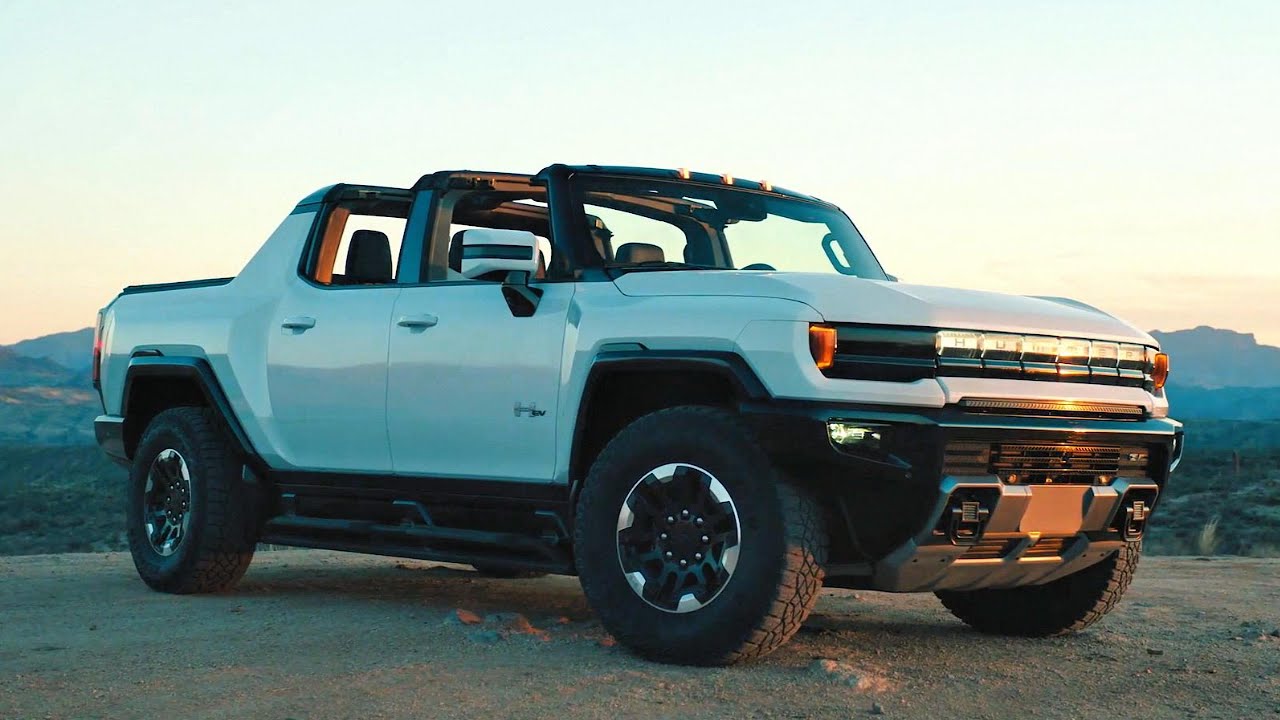
The 2025 GMC Hummer EV Pickup is a bold, electric truck that combines extreme power with off-road capability. Front headroom measures 42.48 inches and legroom 45.57 inches, giving tall drivers a commanding view of the road.
While the cabin is spacious, interior materials lean rugged rather than upscale, and road noise is noticeable. The Hummer EV can achieve up to 381 miles of range, but its efficiency lags behind other EVs.
The Hummer EV 3X accelerates from 0 to 60 mph in a staggering 3.3 seconds using launch control. Steering requires attention due to its width, and lane-keeping assistance or Super Cruise is recommended for highway driving. Handling corners is challenging, but braking is solid, and adaptive suspension delivers an SUV-like ride despite the truck’s size. Visibility is enhanced by nine cameras offering 19 different views.
Front seats provide good support and adjustability, though synthetic door and armrest materials feel rough. Rear passengers have adequate space for adults and car seats, while tri-zone climate control offers tailored temperature settings.
The infotainment system features a 14-speaker Bose audio setup, wireless Apple CarPlay and Android Auto, Google Assistant integration, and numerous USB and 120-volt outlets for passenger devices.
The front trunk offers 11.3 cubic feet of space, with modest in-cabin storage. Towing capacity reaches 12,000 pounds, while payload is 1,300 pounds. Energy consumption is high at 57.8 kWh/100 miles, but the massive 212 kWh battery provides up to 390 miles of range. Fast charging at 350 kW is supported.
The Hummer EV Pickup carries a premium price, but its off-road features, including CrabWalk, underbody cameras, and innovative driving modes, deliver a unique and adventurous experience. Its modern yet unmistakably Hummer styling, extreme power, and electrifying tech make it a standout for buyers seeking a conversation-starting EV truck.
Also Read: 5 Cars With Quiet Highway NVH Under $30k vs 5 Buzzy at 70 MPH
5 Knee-Bangers
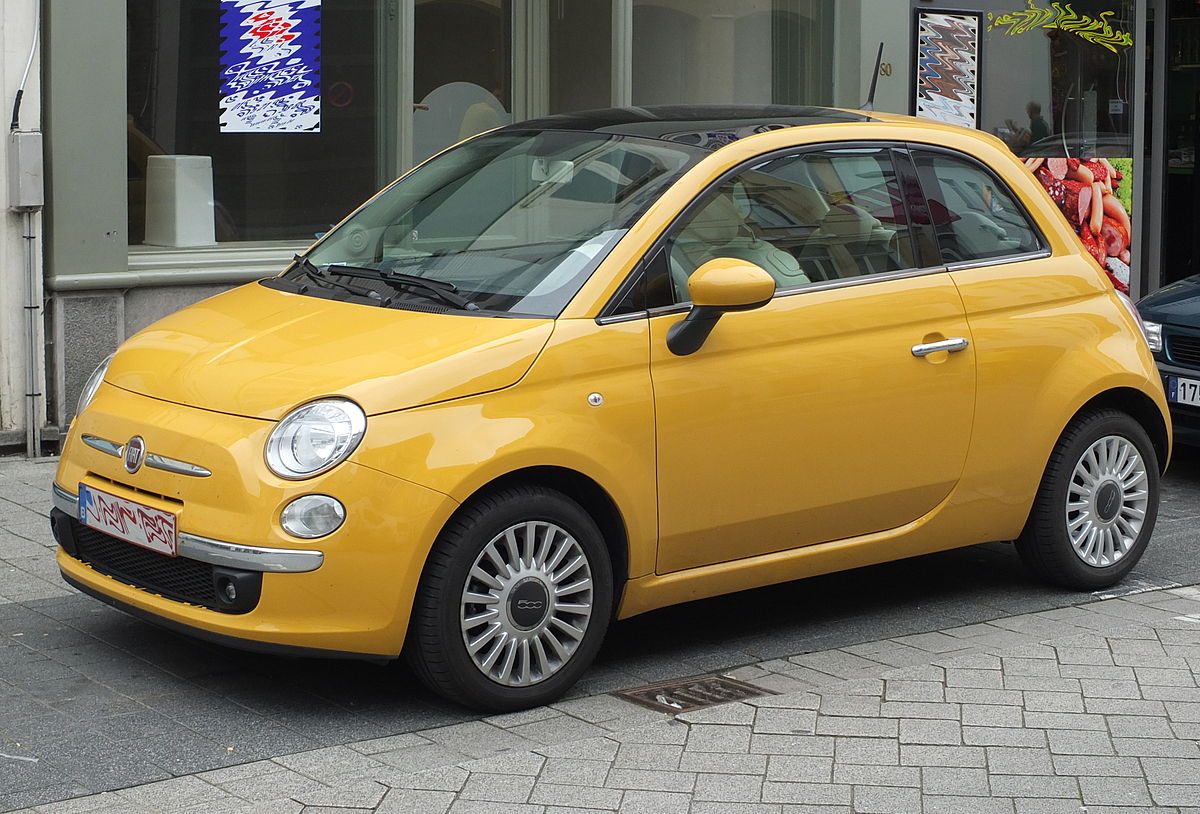
1. Fiat 500: Compact City Car with Limited Interior Space
The Fiat 500 is a subcompact car designed for tight city streets, particularly in European cities, making it one of the smallest mass-produced vehicles in the world. Its small footprint makes it easy to park and maneuver in urban areas, but the compact size results in a cabin that feels cramped for taller or larger occupants.
Front headroom and legroom are limited, and the steering wheel only adjusts for tilt, which can make finding a comfortable driving position difficult for some drivers.
The rear seats are very tight, offering minimal legroom and headroom, which restricts comfort for adult passengers and makes longer trips uncomfortable.
The sloping rear glass in the hatchback further reduces headroom in the back, and the optional sunroof, while brightening the interior, slightly decreases the already limited vertical space for front passengers. Taller drivers may notice their knees brushing the center console, and elbow clearance can feel restricted, making even short drives snug.
Despite its charming design and excellent urban agility, the Fiat 500 sacrifices cabin space and passenger comfort for size. Its compact dimensions make it ideal for city driving and parking, but taller or larger individuals may struggle with the limited room, especially in the rear seats. The car is best suited for shorter trips or smaller passengers, with longer journeys highlighting the constraints of its compact interior.
2. Mazda MX-5 Miata: Tiny Sports Car with Tight Cabin
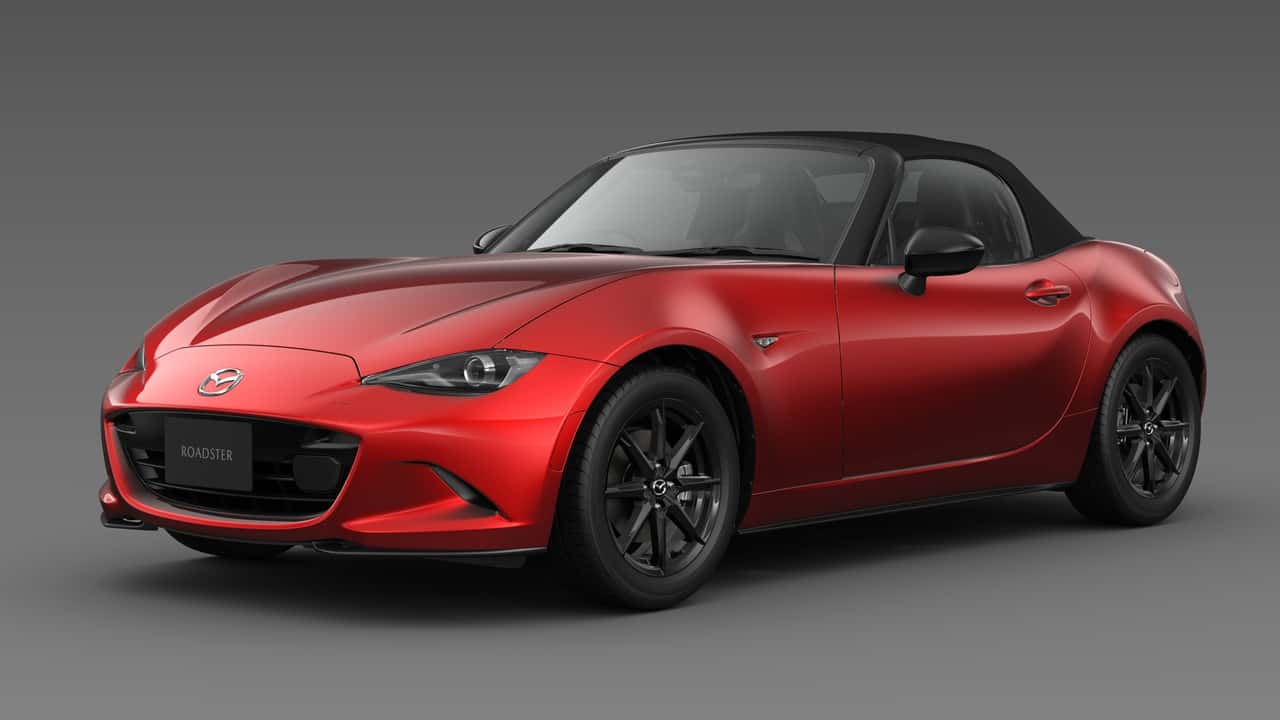
The Mazda MX-5 Miata is a small, lightweight sports car designed for fun and agility, but its compact size makes it a challenging choice for taller or larger drivers. With a low-slung body and a cockpit focused on a low center of gravity, headroom, legroom, and shoulder space are limited.
Drivers over six feet often find the seat position, steering wheel placement, and narrow cabin restrictive, resulting in a tight fit that can affect comfort on longer drives.
The seat in the MX-5 Miata sits relatively high for such a low car, and its range of adjustment may not allow taller drivers to achieve an ideal driving position. Headroom is often constrained, especially when the soft or hard top is up, while long legs can feel cramped due to the low-mounted steering wheel and dashboard layout.
The compact width of the interior further limits shoulder and elbow room, and some drivers report knees brushing the steering wheel. Trunk space is minimal, which adds to the feeling of confinement but primarily affects storage rather than seating comfort.
Potential solutions include installing lower-profile aftermarket seats or seat-lowering brackets, which can improve headroom and legroom, as well as using steering wheel spacers or smaller steering wheels to create better thigh clearance.
Driving with the top down can also provide extra headroom. While the MX-5 Miata delivers an engaging and responsive driving experience, taller drivers should consider modifications or plan for shorter trips to avoid discomfort in the compact cabin.
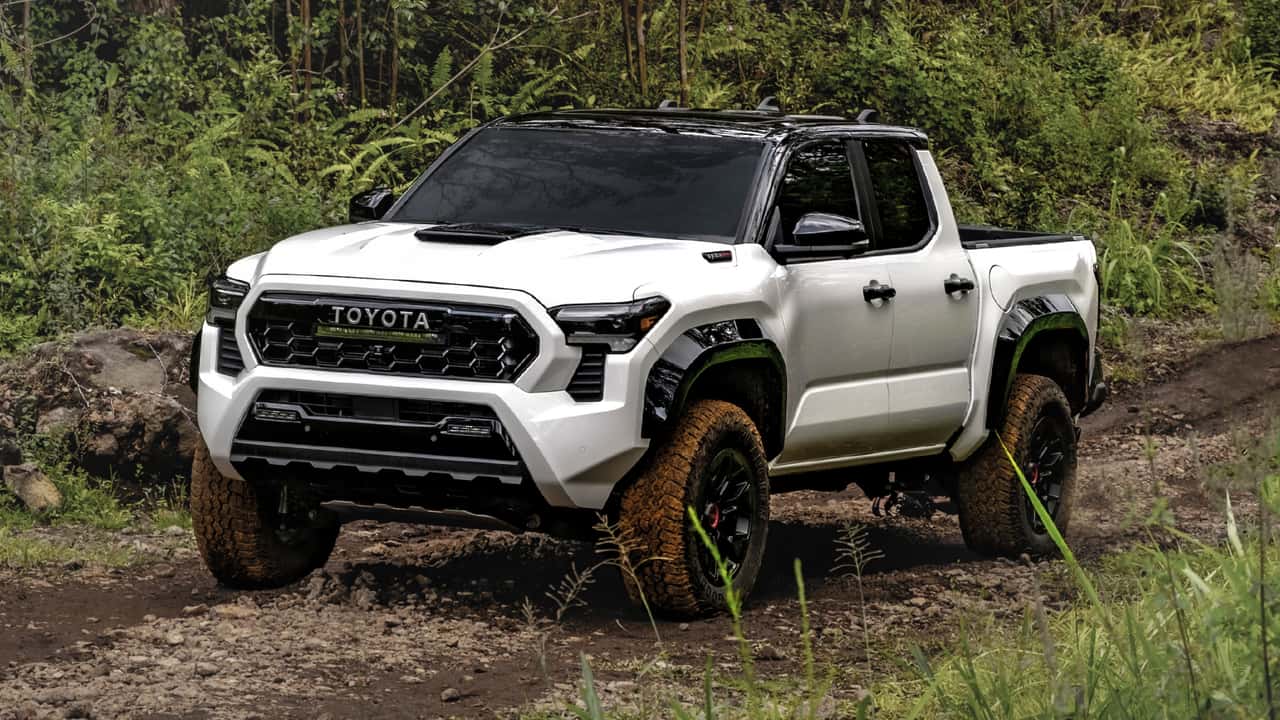
3. Toyota Tacoma: Mid-Size Truck with Tight Cabin for Tall Drivers
Despite being a mid-size truck, the Toyota Tacoma can feel cramped for taller or larger drivers and passengers. Its cabin design, while practical for everyday use, offers limited headroom and legroom, which may cause discomfort on longer drives. The high seating position can make entering and exiting the truck challenging, and some drivers report that their head feels close to the roof, particularly when a sunroof is installed.
The steering wheel’s tilt and telescoping range may not extend far enough for taller drivers, leading to awkward arm and leg positions. Longer legs can feel restricted, and the placement of the center console or other interior components may interfere with pedal operation, particularly in manual transmission models.
Rear seat space is also constrained, even in the Double Cab configuration, making it uncomfortable for adult passengers over extended trips.
Additional factors, such as a sloping roofline, further reduce headroom and can increase the risk of bumping one’s head when entering or exiting. Sunroofs, while adding light to the cabin, can further restrict vertical space. These limitations make the Tacoma less accommodating for taller drivers despite its rugged design and off-road capability.
While the Toyota Tacoma offers strong utility and performance for a mid-size truck, taller individuals may need to test the seat and steering positions carefully before committing. The combination of limited cabin space, high seating, and restricted adjustment options means that comfort may be compromised, particularly for those over six feet tall or with long legs.
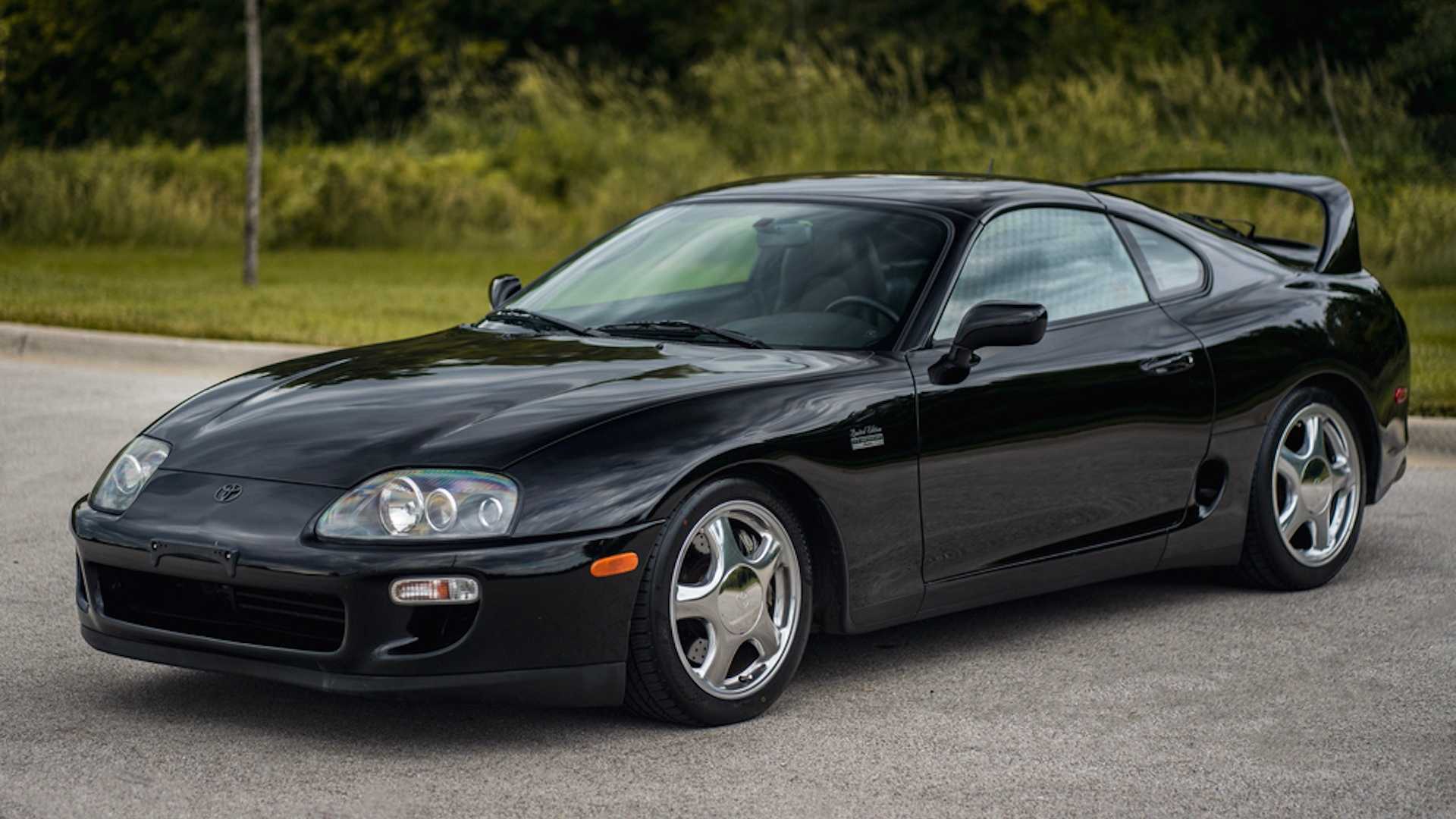
4. Toyota Supra: Low-Slung Sports Car with Tight Cabin
The Toyota Supra is a sleek, low-slung sports car designed for performance and aerodynamics, but its compact cabin can feel restrictive for taller or larger drivers. Front headroom measures only 38 inches, and the low roofline makes entering and exiting the vehicle challenging. Drivers often need to maneuver carefully to avoid hitting their heads, and the narrow door openings require a contorted posture.
The Supra’s seating position can feel awkward for tall individuals. The high floor and low-slung design push the legs forward, sometimes causing knees to come into contact with the steering wheel.
Limited seat adjustment and a tight cockpit further restrict movement, leaving little space to stretch out. Body proportions, such as leg or torso length, can significantly affect comfort, making some taller drivers feel especially cramped.
The interior emphasizes a driver-focused, sports car experience rather than spaciousness. Its snug cabin mirrors the design philosophy of the BMW Z4, prioritizing a sporty, low center-of-gravity feel over comfort for larger occupants. Pedal placement may also pose a challenge for drivers with larger feet, as the tight footwell limits foot movement.
While the Toyota Supra excels in handling, acceleration, and style, its compact, performance-oriented interior makes it best suited for shorter drivers or those willing to accept a tighter fit. Taller drivers may find entry, exit, and seating uncomfortable, particularly on longer trips, making the car more appropriate for spirited drives rather than extended daily commuting.
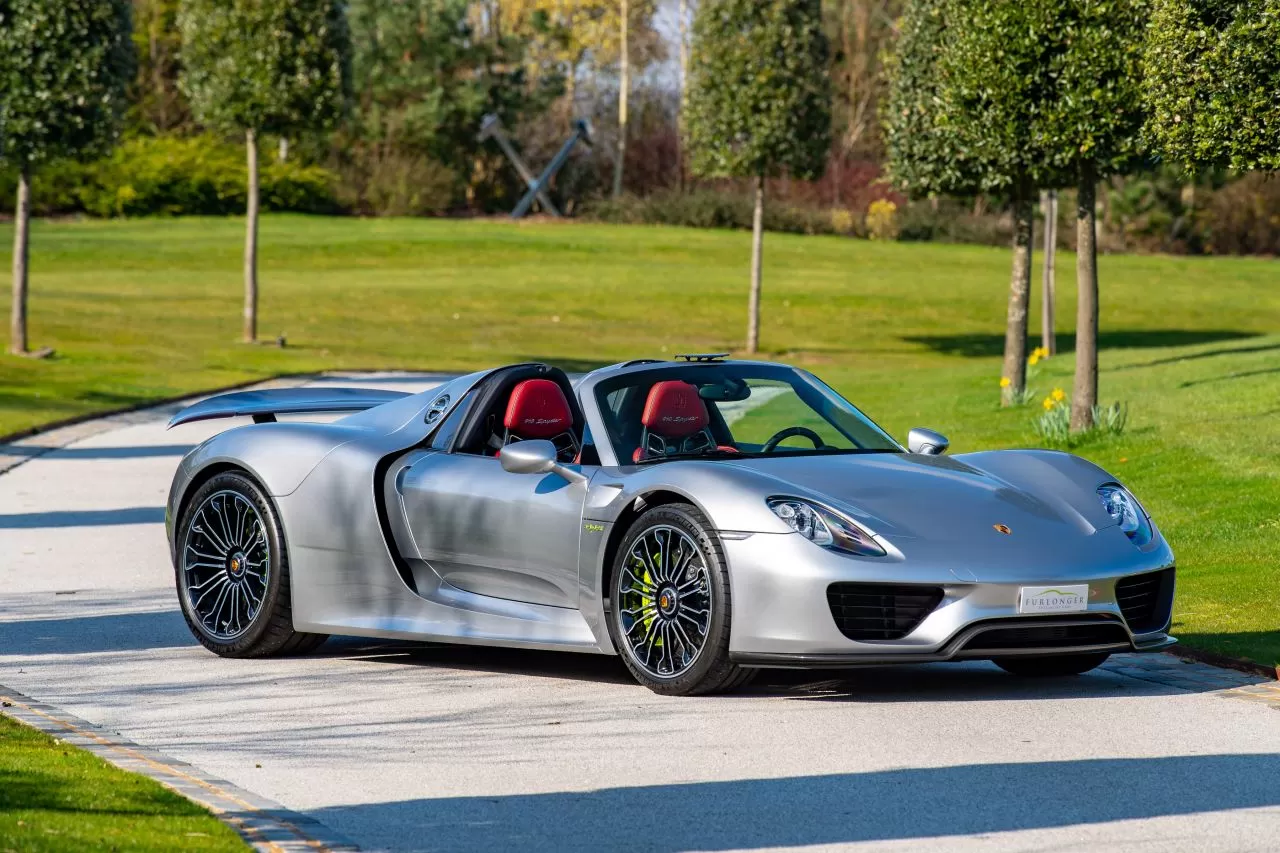
5. Porsche 918 Spyder: High-Performance Supercar with a Tight Cockpit
The Porsche 918 Spyder is an ultra-rare, high-performance supercar with a low-slung design that delivers incredible handling and acceleration, but its compact interior makes it extremely challenging for taller drivers.
The seats sit very close to the ground, reducing both headroom and legroom, and entry and exit can be awkward due to the low seating position. The car’s cockpit is designed for precision driving rather than comfort, emphasizing a snug, driver-focused layout that keeps the center of gravity low.
Tall drivers may find the limited seat and steering column adjustments restrictive. Unlike other Porsche models that offer greater flexibility for accommodating taller body types, the 918 provides few options to modify seating or steering positions, making it difficult to achieve a comfortable driving posture.
Long legs or torsos can feel cramped, and the footwells and steering wheel placement can exacerbate discomfort during extended drives.
The interior reflects the 918 Spyder’s performance-first philosophy, prioritizing control, responsiveness, and aerodynamics over spaciousness. While this design contributes to its exceptional handling and driving dynamics, it comes at the cost of comfort for larger or taller occupants.
The car’s tight cabin and limited adjustment options make it best suited for drivers of average height who value performance above interior space. Taller drivers may struggle with entry, exit, and seating comfort, suggesting that the 918 is a thrilling supercar experience, but not a practical choice for those needing generous interior room.
For taller drivers, choosing the right vehicle is about more than looks or performance. Comfort, driving position, and cabin space play a crucial role in creating an enjoyable experience behind the wheel. Vehicles such as the Mercedes-Benz GLE, Chevrolet Tahoe, and GMC Hummer EV demonstrate that spacious interiors can still deliver strength, advanced features, and visual appeal.
In contrast, smaller models like the Mazda MX-5 Miata and Porsche 918 Spyder remind buyers that tight cabins can limit comfort, even in high-performance cars. This comparison emphasizes that the ideal vehicle should fit the driver’s body as well as their lifestyle, ensuring every trip feels effortless and enjoyable rather than cramped or uncomfortable.
Also Read: 10 Cars With Seats That Save Your Back on Road Trips