As electric vehicles continue to grow in popularity, winter driving remains a key consideration for buyers. Cold temperatures can significantly reduce range, making some EVs far less practical for those living in colder climates.
In this guide, we explore five electric vehicles that maintain a strong range even in winter and five that lose too much, helping you separate reliable performers from those that struggle in cold conditions.
Vehicles like the 2025 Ford F-150 Lightning, Audi Q6 e-tron, Chevrolet Equinox EV, Tesla Model Y, and Hyundai Ioniq 5 demonstrate how advanced battery management, efficient heating systems, and all-wheel-drive traction can preserve driving distance when temperatures drop.
By understanding which EVs excel in winter, drivers can make informed decisions and avoid unpleasant surprises, ensuring confidence and convenience on snowy or icy roads.
5 EVs That Keep Range in Winter
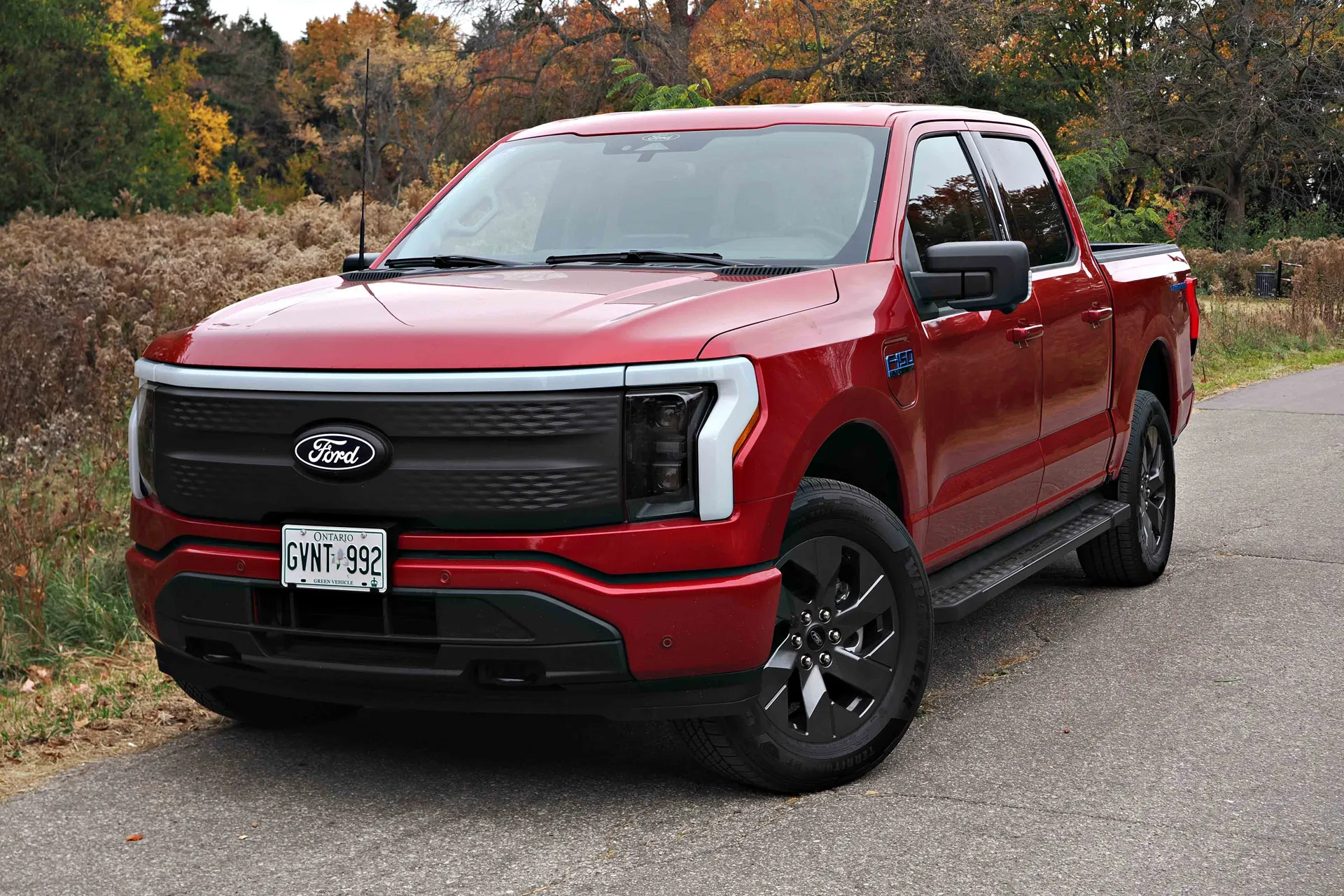
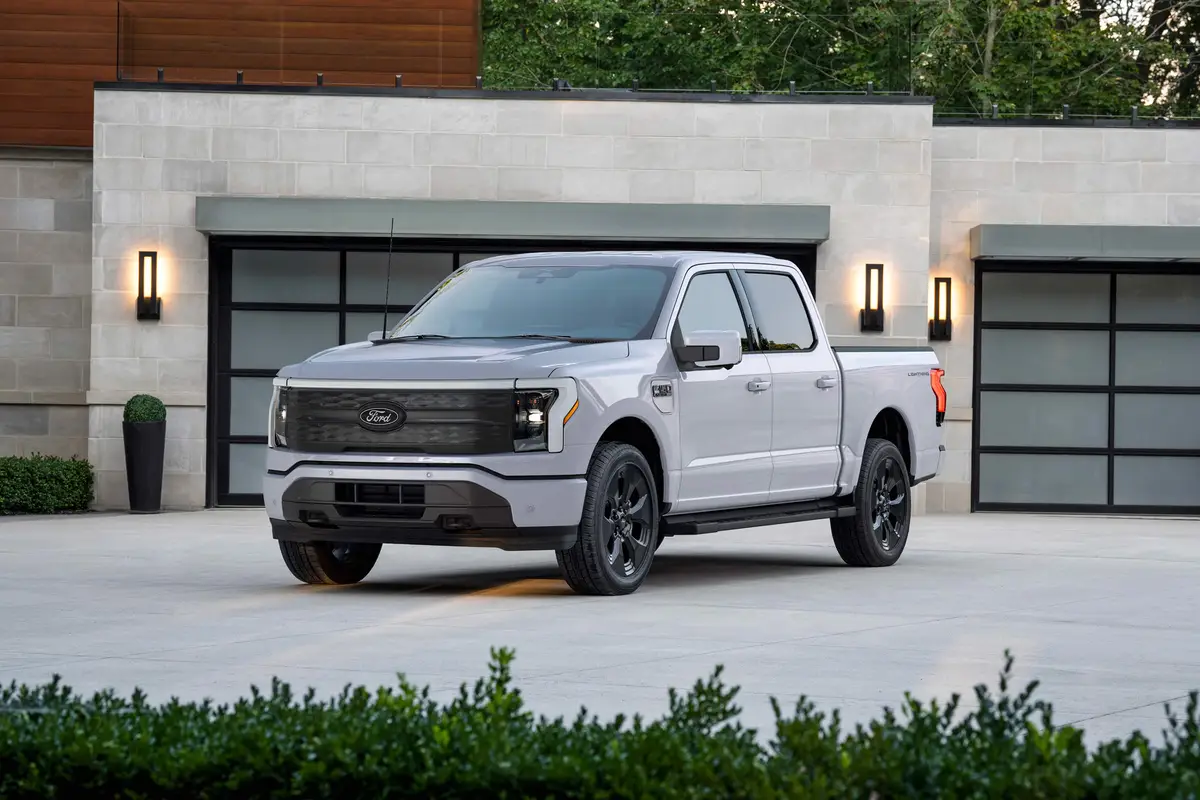
1. 2025 Ford F-150 Lightning: A Powerful, Practical Electric Truck for All Seasons
The 2025 Ford F-150 Lightning is one of the most capable and user-friendly electric trucks available, earning an impressive score of 9.4/10. Priced from $62,995, it combines power, comfort, and practicality, making it ideal for winter driving. With a range of up to 320 miles, standard all-wheel drive, skid plates, and a locking rear differential, the Lightning confidently handles snowy roads and off-road terrain.
Performance is a major highlight. The Platinum trim with the extended battery accelerates from 0 to 60 mph in just 4 seconds, delivering thrilling power while maintaining strong braking control. Its independent rear suspension provides a smoother ride than the gas-powered F-150, though it can feel slightly soft on uneven pavement.
Handling is intuitive, and one-pedal driving is effective and predictable. Visibility is excellent, thanks to large windows and an optional surround-view camera system. Ford’s BlueCruise hands-free driving feature works well, though it can sometimes be unclear when it is engaged.
Inside, the Lightning offers a quiet and roomy cabin with excellent insulation from road and wind noise. The climate control system works quickly and maintains temperature effortlessly. Heated seats, a heated steering wheel, and glove-friendly controls enhance cold-weather comfort.
The available 15.5-inch touchscreen has sharp graphics and quick response times, while physical knobs make adjustments easy. Seating and steering wheel adjustments accommodate drivers of all sizes, and the crew cab design ensures generous passenger space.
Technology features include wireless Apple CarPlay and Android Auto, a wireless charging pad, phone-as-a-key capability, and up to eight USB ports. The Platinum trim adds a 14-speaker Bang & Olufsen audio system that delivers rich sound quality. Storage space is excellent, with large interior compartments and a 14-cubic-foot front trunk (frunk) that includes a drain for wet storage.
In range tests, the Lightning exceeded EPA estimates by achieving 332 to 345 miles per charge and added over 300 miles of range per hour at fast-charging stations. Towing capacity ranges from 5,000 to 10,000 pounds, though heavy towing reduces range.
Supported by an 8-year/100,000-mile battery warranty, the 2025 F-150 Lightning successfully combines traditional F-150 strength with modern electric performance, creating a capable and refined truck for everyday use.
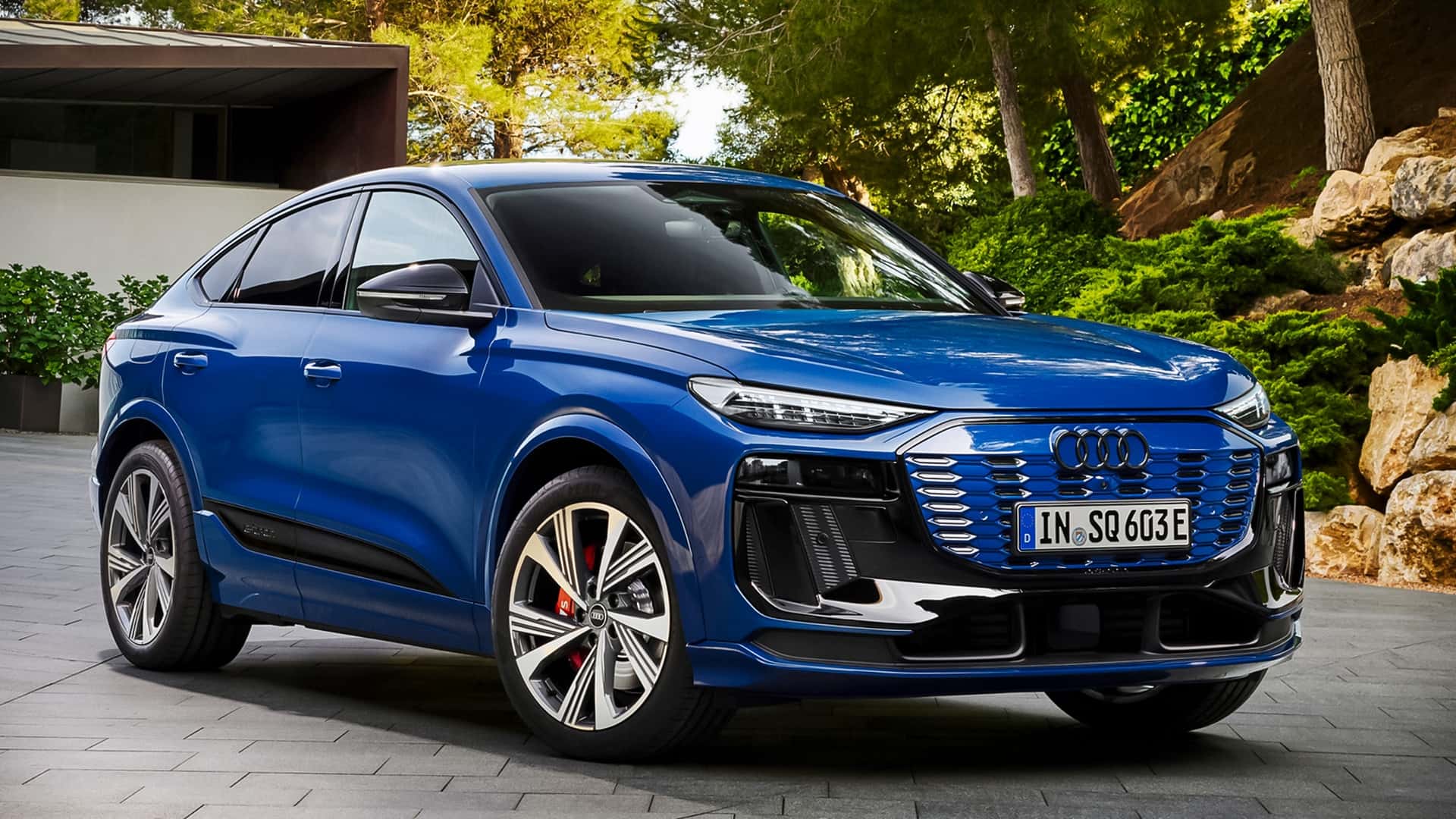
2. 2025 Audi Q6 e-tron: A Refined, Fast-Charging Luxury Electric SUV
The 2025 Audi Q6 e-tron, starting at $63,800, marks a significant step forward in Audi’s electric vehicle lineup. Built on the new Premium Platform Electric (PPE), shared with the Porsche Macan EV, this five-seat SUV delivers enhanced performance, faster charging, and greater range than previous Audi EVs.
Designed for comfort, practicality, and winter readiness, it combines adaptive air suspension, all-wheel drive, and heated seats with a sophisticated suite of digital displays.
The Q6 e-tron’s dual-motor setup produces 456 horsepower, propelling it from 0 to 60 mph in 4.4 seconds. Its acceleration is brisk yet smooth, reflecting Audi’s focus on refined performance rather than raw sportiness.
The regenerative braking system stands out, automatically adjusting based on road conditions and driving data to deliver a seamless experience on curves, descents, and roundabouts.
Steering is light, and while the suspension favors comfort, the adaptive dampers and optional air springs keep the 5,440-pound SUV composed on twisty roads. The cabin remains quiet even at highway speeds, with minimal wind or road noise.
Charging performance is one of the Q6 e-tron’s strongest features. Its 94-kWh battery supports 270-kilowatt DC fast charging, reaching 10 to 80 percent in just 21 minutes. In real-world testing, it achieved 250 miles at 75 mph and an estimated EPA range of 295 miles with 19-inch wheels.
Audi’s upcoming NACS adapter will expand access to Tesla Superchargers, charging at up to 135 kilowatts by splitting the pack into dual 400-volt halves. Dual AC charge ports add further convenience.
Inside, the Q6 e-tron features a 14.5-inch center touchscreen, an 11.9-inch driver display, and a 10.9-inch passenger screen. The Prestige trim enhances comfort with a panoramic sunroof, Bang & Olufsen audio, and an augmented reality head-up display.
While spacious and quiet, some materials fall short of Audi’s traditional luxury standards. Nevertheless, with its refined ride, fast charging, and advanced tech, the 2025 Q6 e-tron positions itself as a capable and comfortable EV for modern drivers seeking efficiency and sophistication.
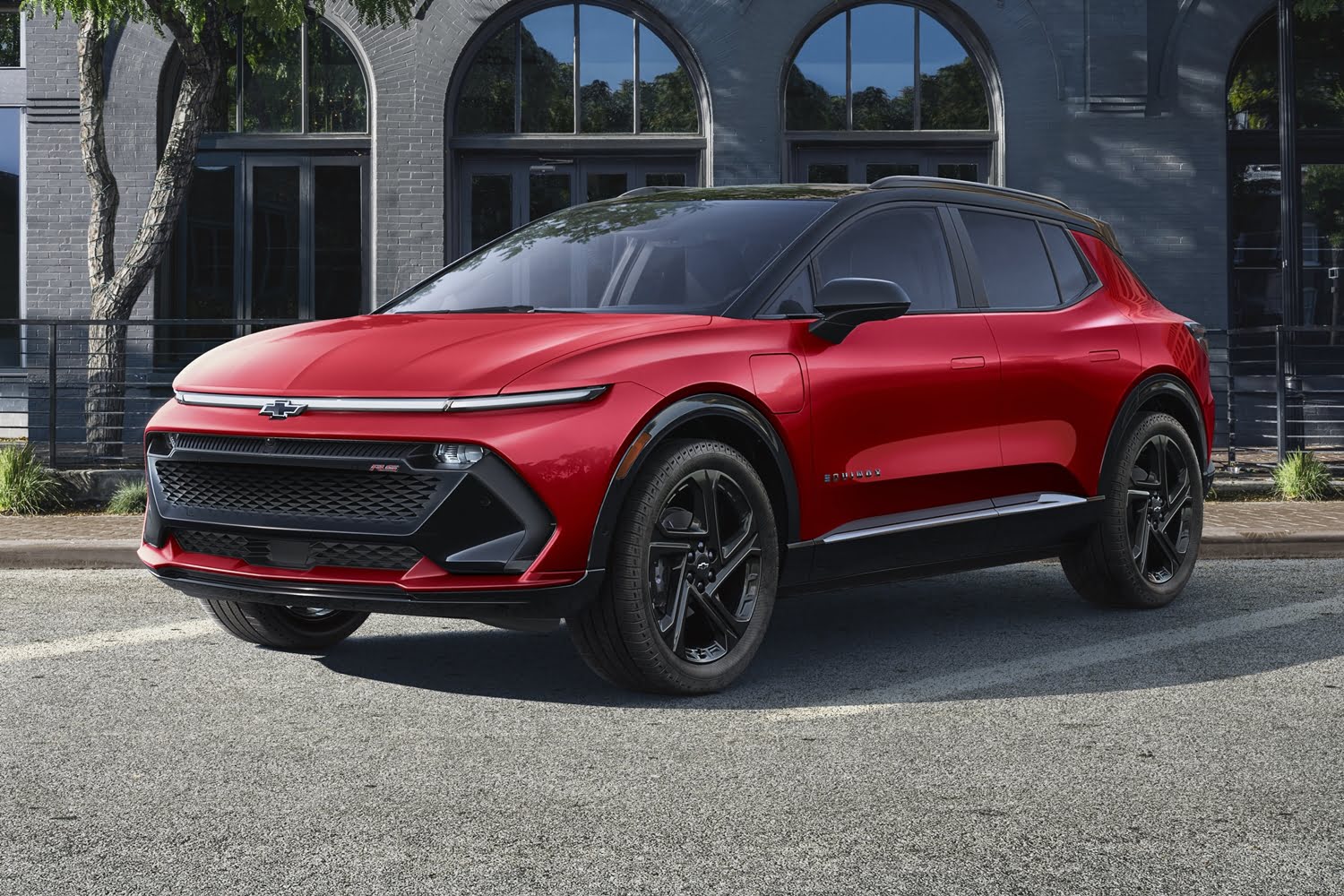
3. 2025 Chevrolet Equinox EV: Affordable, Comfortable, and Efficient Everyday Electric SUV
The 2025 Chevrolet Equinox EV, starting at $33,600, delivers a well-balanced mix of affordability, comfort, and practicality, making it one of the most accessible electric SUVs on the market.
With a range of up to 319 miles, refined handling, and a quiet cabin, it offers strong value for daily commuting and family travel. While not the quickest EV available, its confident road manners and composed ride make it dependable in all driving conditions.
In testing, the front-wheel-drive Equinox EV reached 0 to 60 mph in 7.8 seconds, offering sufficient power for daily use. Although it lacks the performance edge of more expensive EVs, its calm and predictable handling contributes to a relaxed driving experience.
Brake regeneration is strong and adjustable, allowing for one-pedal driving that reduces the need for frequent braking. The Equinox handles city streets and highways with ease, maintaining stability even on wet or uneven roads.
Cabin comfort is a key strength, though the seats are a bit flat and firm. Passenger space is generous in both rows, and noise insulation minimizes wind and road sounds at higher speeds. The climate control system responds quickly to temperature changes and includes physical buttons for easy operation. Optional heated seats and a heated steering wheel improve comfort in cold weather.
Inside, the Equinox EV features a tech-forward layout with a 17.7-inch infotainment screen and an 11-inch digital driver display. The Google-based system integrates Assistant, Maps, and Play Store for seamless navigation and app use.
However, the absence of Apple CarPlay limits connectivity for iPhone users. Cargo capacity measures 26 cubic feet, exceeding rivals like the Kia Niro EV. While small-item storage could be better, the available space is flexible and easy to access.
In testing, the Equinox EV achieved an impressive 356-mile range, using 28.9 kWh per 100 miles. DC fast charging can add about 77 miles in 10 minutes at up to 150 kW, while home charging supports 11.5 kW for convenient overnight recharging.
The 2025 Equinox EV distinguishes itself through its range, practicality, and affordability, making it a strong choice for drivers seeking a comfortable and efficient entry into electric mobility.
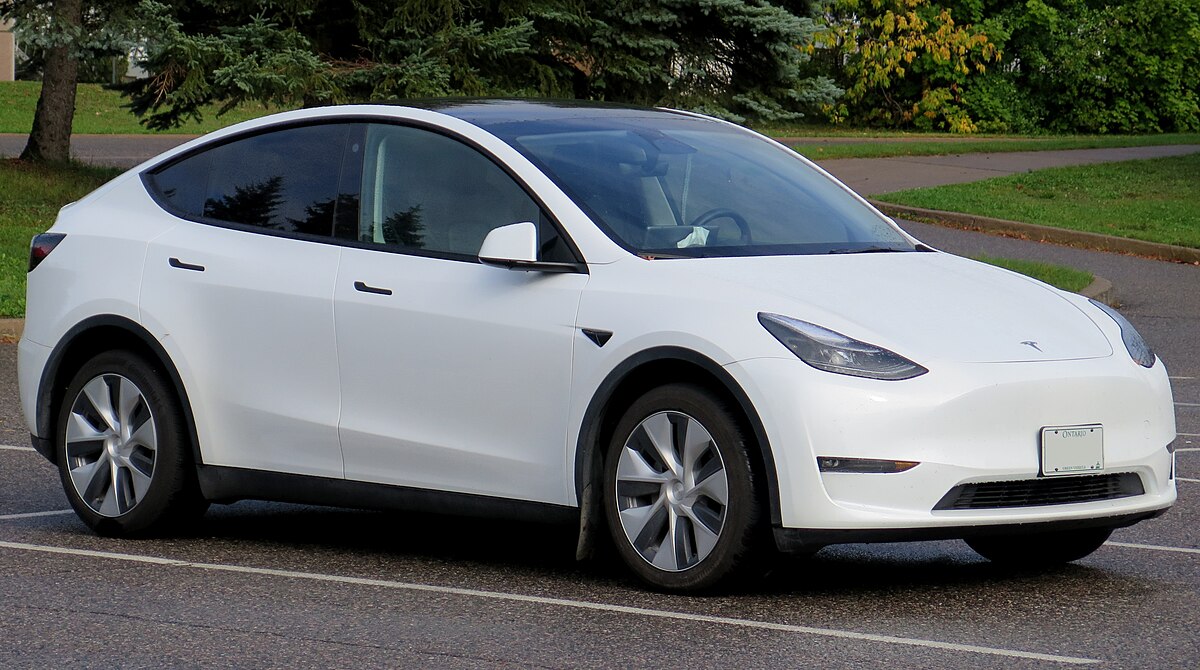
4. 2024 Tesla Model Y: Long-Range Power and Practical Innovation
The 2024 Tesla Model Y, priced from $44,990, remains a standout in the electric SUV market for its impressive range of up to 330 miles and strong performance. Designed to deliver confidence in any season, the Model Y pairs sharp handling with a smooth, efficient powertrain. Although its ride leans firm, it maintains stability through corners and performs reliably in adverse weather.
The Model Y Long Range accelerates from 0 to 60 mph in 4.8 seconds, delivering quick and quiet performance that rivals more expensive luxury EVs. Braking is equally strong, stopping from 60 mph in 112 feet, and its light, responsive steering provides excellent control through corners.
Adjustable regenerative braking allows for one-pedal driving, enhancing efficiency and convenience. Despite its weight, the Model Y feels composed and agile, especially during city driving.
Inside, the Model Y offers spacious seating and plenty of cargo capacity, with a maximum of 68 cubic feet of storage. The heated front and rear seats and heated steering wheel come standard, making it suitable for colder climates.
However, the synthetic leather upholstery can feel warm in hot weather, and the ride, while quieter than before, still transmits smaller bumps into the cabin. The optional third row adds flexibility but is best suited for short trips or children.
The centerpiece of the cabin is a 15-inch touchscreen, which controls nearly every function. It offers crisp graphics and access to Tesla’s navigation, streaming, and internet browser, but the lack of Apple CarPlay and Android Auto limits phone integration.
The system is highly capable yet distracting to operate while driving. Tesla’s driver-assistance features perform smoothly in city traffic but can be overly sensitive on highways. Over-the-air software updates keep the system evolving with new features and refinements.
The Model Y ranks among the most efficient electric SUVs, using about 27 kWh per 100 miles and delivering over 300 miles of real-world range. Access to Tesla’s Supercharger network remains one of its strongest advantages, offering fast, reliable recharging for road trips.
While pricier than some competitors, the 2024 Tesla Model Y excels in range, performance, and practicality, making it one of the most versatile electric SUVs available today.
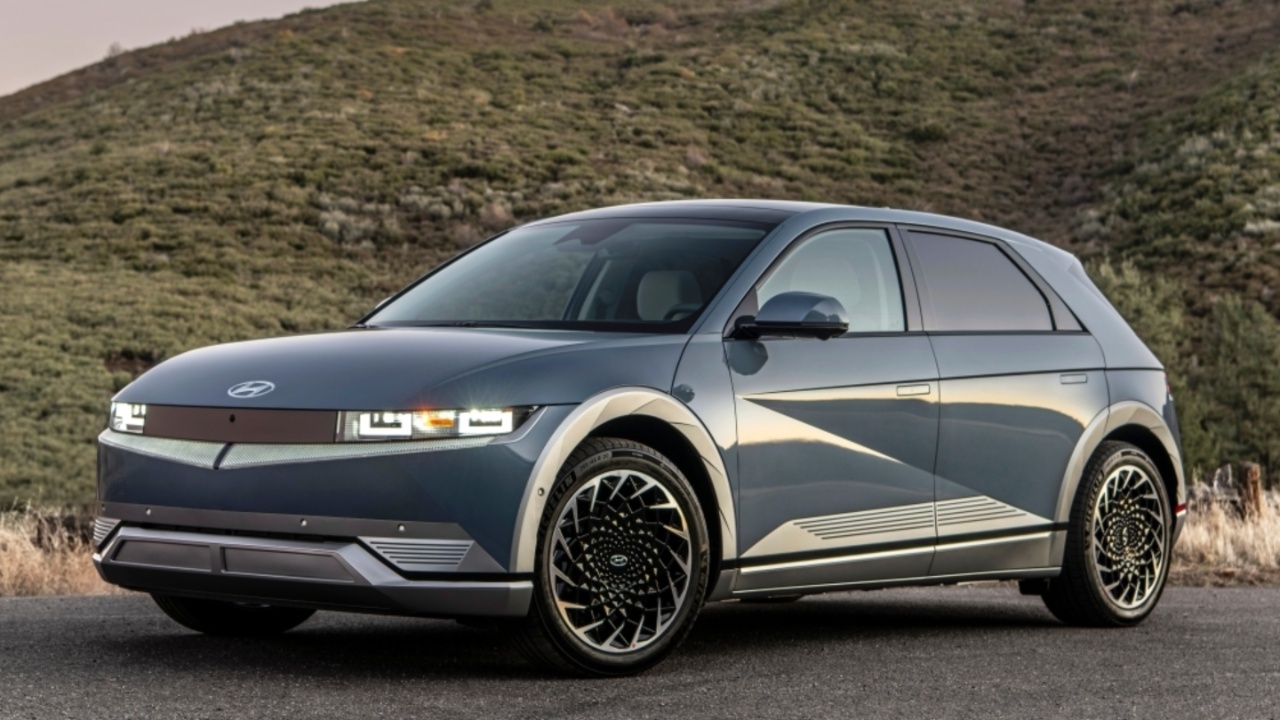
5. 2024 Hyundai Ioniq 5: A Refined Blend of Comfort, Technology, and Efficiency
Starting at $41,800, the 2024 Hyundai Ioniq 5 sets a high standard among electric SUVs with its balance of performance, comfort, and advanced technology. Designed for families and daily commuters alike, it offers up to 303 miles of range, rapid charging, and a smooth, composed ride. Its available all-wheel drive and heated features make it especially appealing for cold climates.
The dual-motor all-wheel-drive Ioniq 5 delivers strong performance, reaching 0 to 60 mph in 4.7 seconds, outpacing rivals like the Tesla Model Y Long Range. Acceleration is quick yet seamless, and the adjustable regenerative braking system allows drivers to tailor how aggressively the car slows down when lifting off the accelerator.
Handling is sharp and engaging, while transitions to the friction brakes are nearly imperceptible. This combination of power, precision, and smoothness makes the Ioniq 5 both fun and easy to drive.
Inside, the Ioniq 5 prioritizes comfort with soft, supportive seats and a well-damped suspension that smooths out rough roads. The cabin remains quiet, insulated from wind and road noise even at high speeds.
Climate control is responsive and intuitive, maintaining a consistently pleasant environment. Standard heated front seats and available heated rear seats and steering wheel enhance winter comfort, making long drives more enjoyable.
The interior design is clean and user-friendly, centered around dual 12.3-inch displays that handle both infotainment and driving data. Apple CarPlay and Android Auto come standard, and Hyundai’s Bluelink app enables remote access to functions like climate control and charging.
The Highway Driving Assist 2 system combines adaptive cruise control and lane-keeping assist to reduce fatigue during longer trips. Materials feel upscale, and the layout offers generous passenger space with reclining rear seats for added relaxation.
In real-world testing, the AWD Ioniq 5 achieved 270 miles on a single charge, using just 30.9 kWh per 100 miles. Its 800-volt architecture enables ultra-fast charging, capable of replenishing most of the battery in under 20 minutes when connected to a high-powered DC charger.
While cargo space (27.2 cubic feet) trails some competitors, the Ioniq 5’s build quality, warranty coverage, and feature-rich design make it one of the best values in the electric SUV class, offering a near-luxury experience at a competitive price.
Also Read: 10 Cars With Seats That Save Your Back on Road Trips
5 That Lose too Much
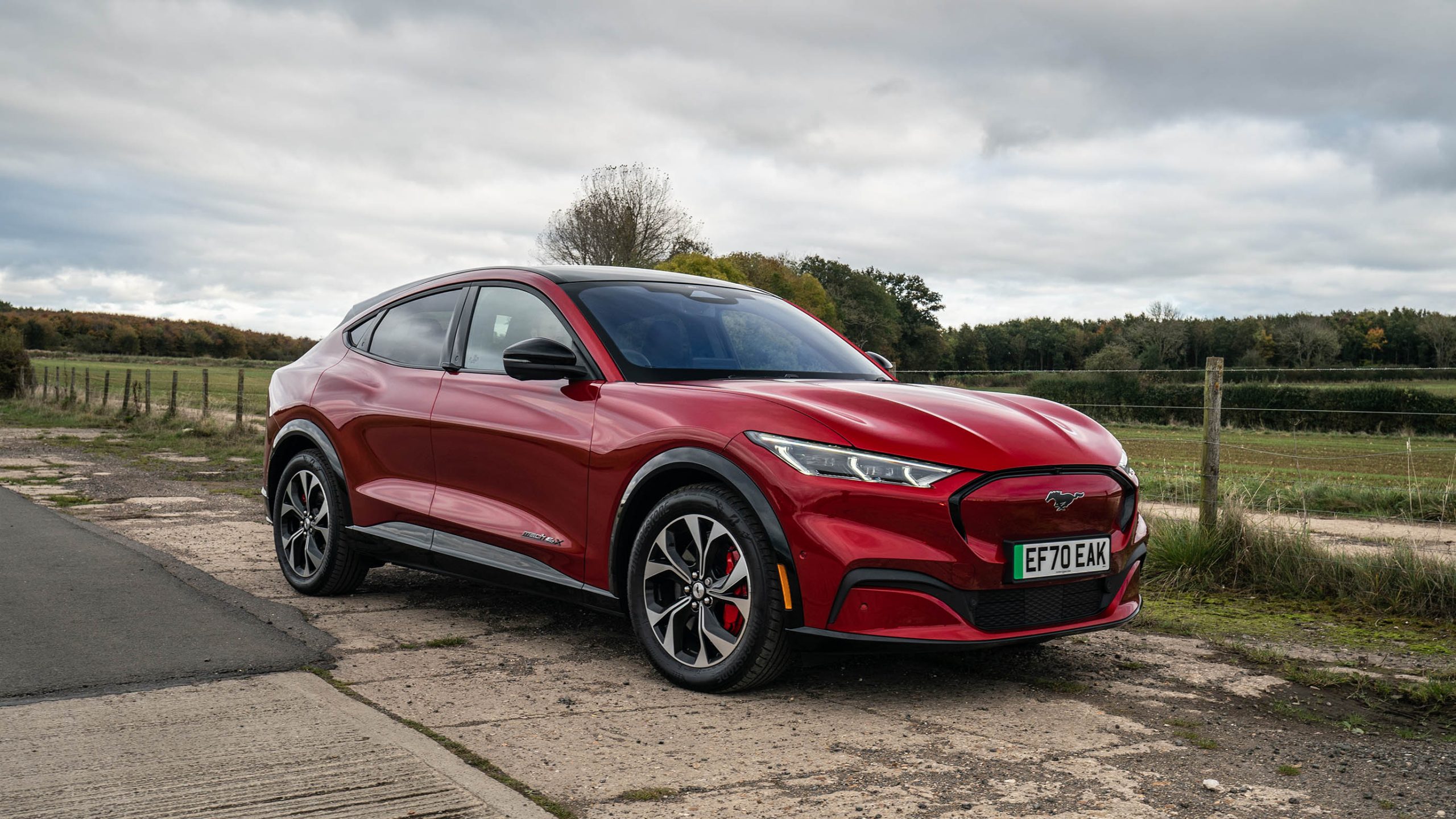
1. Ford Mustang Mach-E Extended Range RWD: Winter Range Performance
The Ford Mustang Mach-E Extended Range RWD has been a subject of debate among car enthusiasts, but it is widely recognized as a strong performer in the electric SUV segment.
One area where the Mach-E stands out is its winter range, losing only an estimated 18 percent of its claimed range in cold conditions. This level of efficiency is better than many other electric vehicles, highlighting Ford’s focus on practicality and usability even in colder climates.
Range reduction in winter is primarily caused by the behavior of the lithium-ion battery. Cold temperatures slow down chemical reactions inside the battery, reducing its power and efficiency.
The heating system also consumes a significant portion of energy to warm both the cabin and the battery to optimal temperatures. Additional factors that contribute to range loss include increased use of accessories such as headlights, wipers, and heated seats, as well as higher rolling resistance from tires on cold, wet, or snowy roads.
Ford is one of the few manufacturers that provides guidance to owners on how to maximize battery performance in cold conditions.
This guidance, combined with the Mach-E’s relatively low winter range loss, indicates that Ford is carefully considering the suitability of its electric vehicles for colder climates. Such attention to detail may provide the company with a competitive advantage as the automotive market continues to electrify.
Owners can take several steps to reduce winter range loss. Preconditioning the vehicle while it is still plugged in allows the cabin and battery to reach a comfortable temperature before driving. Using heated seats and the steering wheel instead of the main climate control system consumes less energy and helps preserve range.
Driving efficiently by maintaining moderate speeds and avoiding hard acceleration also conserves energy. Checking tire pressure is important because cold temperatures can reduce pressure and increase rolling resistance. Limiting the use of energy-intensive accessories and ensuring the vehicle has the latest software updates can further optimize battery performance in winter conditions.
By understanding these factors and following recommended practices, Mach-E owners can maintain a more consistent range during winter and enjoy a reliable electric driving experience regardless of the climate.
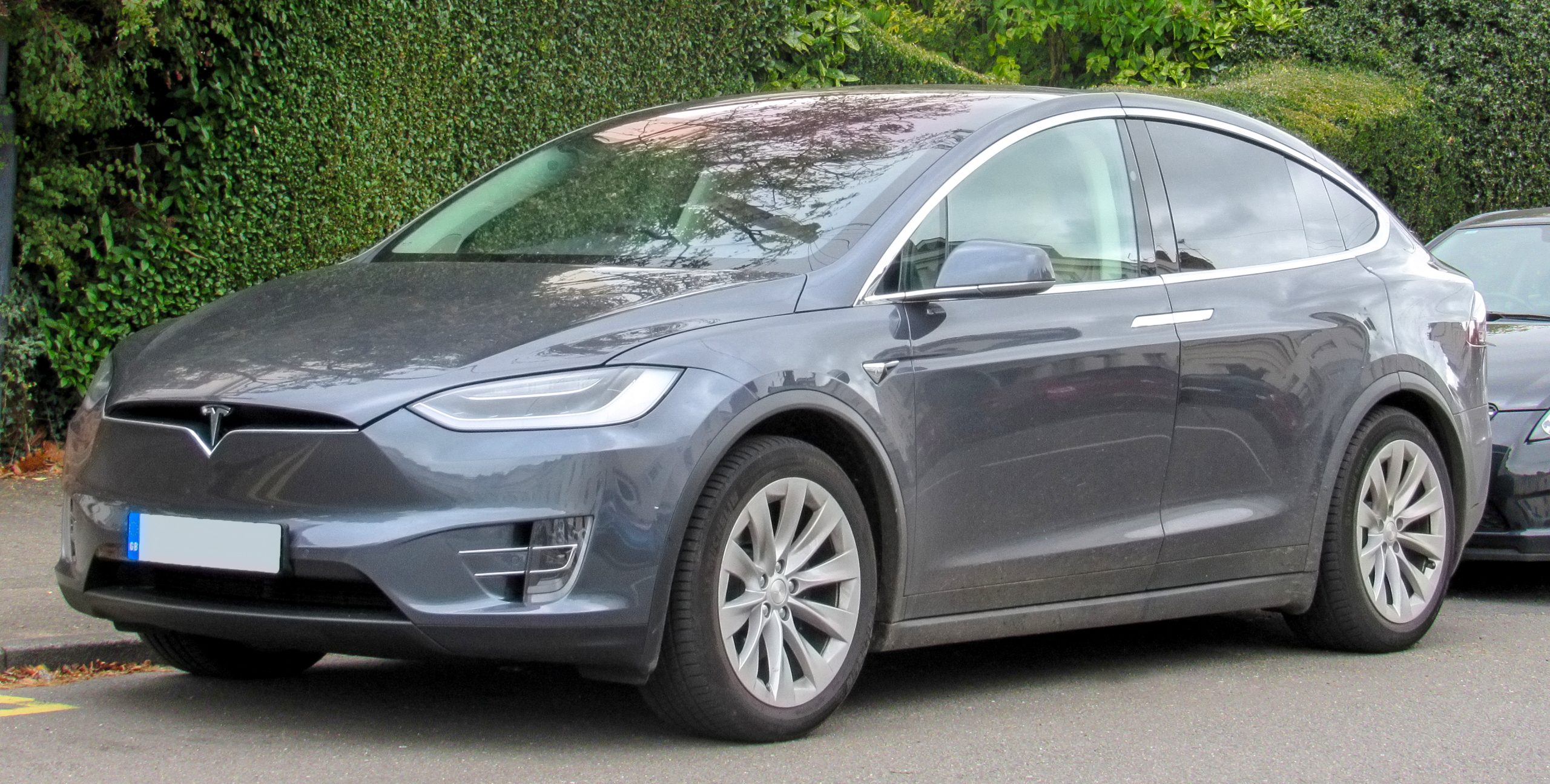
2. Tesla Model X: Winter Range Performance
The Tesla Model X remains a benchmark for electric vehicles despite newer models entering the market. One of its strengths is winter performance, with an estimated range loss of only 15 percent in cold conditions. While not the absolute best among EVs, this level of efficiency is better than many competitors and allows drivers to maintain confidence in the vehicle’s range during winter.
Although the Model X may feel older compared to newer EVs, its dual-motor all-wheel-drive system provides excellent traction in snow and slippery conditions. The combination of strong winter grip and limited range loss makes it a reliable choice for drivers in colder climates. Owners can feel assured about the distance they can travel on a single charge, even in challenging weather.
The primary causes of reduced range in winter include the energy required to heat the cabin and battery. Unlike gasoline vehicles that use engine waste heat, electric cars rely entirely on battery power to run heating systems, which consumes a significant portion of the available energy.
Additionally, the battery management system works to keep the battery within an optimal temperature range, further drawing energy from the high-voltage battery. Cold temperatures also slow the chemical reactions within the lithium-ion battery, reducing power output and efficiency. This can limit regenerative braking effectiveness, reducing energy recapture when slowing down.
Despite these challenges, the Tesla Model X remains a strong performer in winter conditions. Its combination of minimal range loss, effective all-wheel drive, and reliable battery management ensures that it continues to be a practical and dependable electric vehicle for cold-weather driving.
3. Tesla Model Y: Winter Range Performance
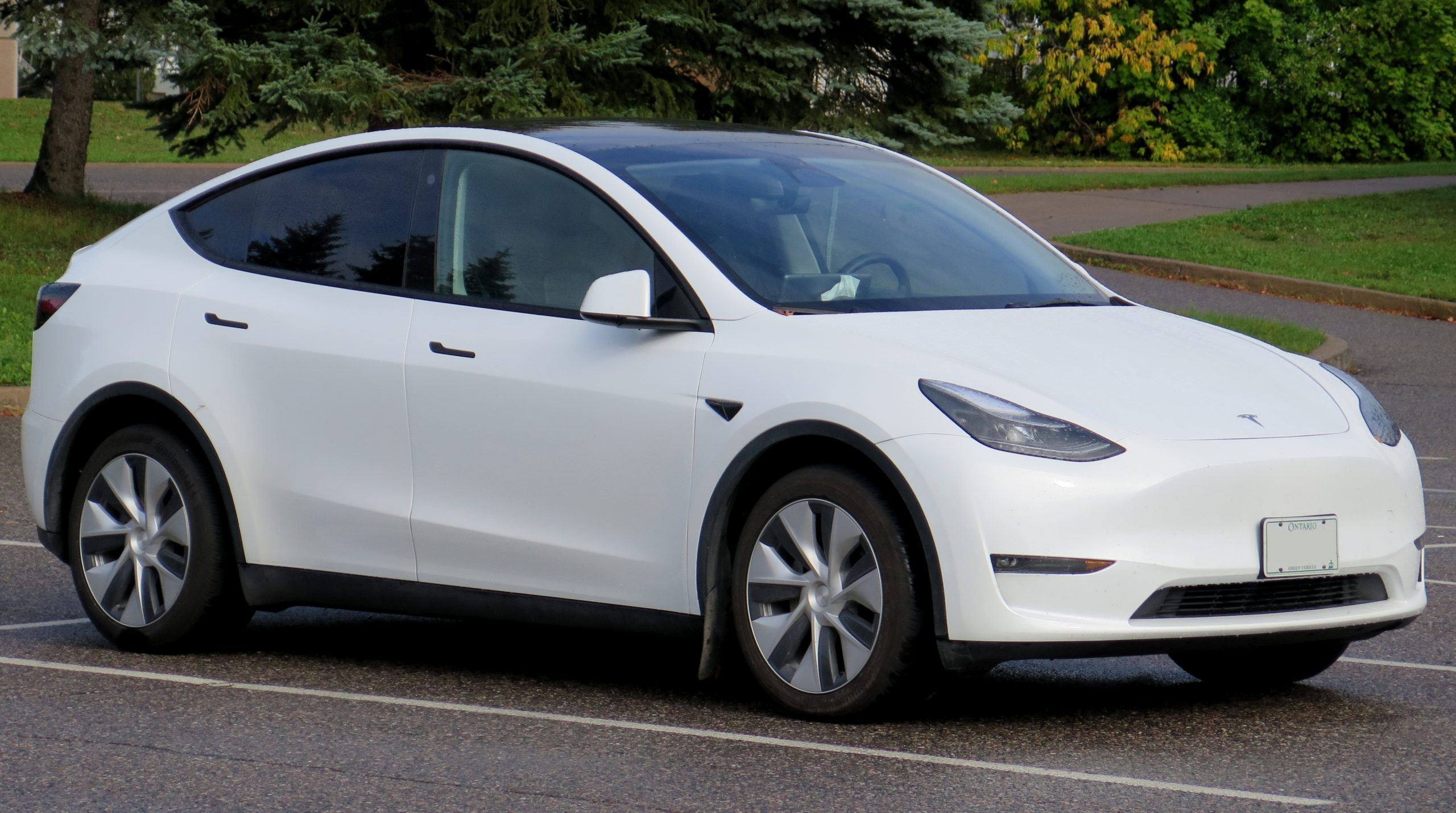
The Tesla Model Y, like its Model X sibling, remains a useful benchmark in the EV market despite losing some popularity in recent years. One of its strengths is winter performance, with an estimated 15 percent loss of range under cold conditions. While this is not the best among electric vehicles, it is still strong compared to many peers and gives drivers confidence in the reliability of the car during colder months.
Winter range loss in the Model Y occurs mainly due to energy used for heating the cabin and the battery, as well as chemical changes in the lithium-ion battery that slow down reactions and reduce efficiency. Unlike gasoline vehicles, which use waste heat from the engine, electric vehicles must draw energy directly from the battery to power heaters.
The Model Y uses a heat pump to improve efficiency, but in sub-freezing temperatures, it still consumes significant battery energy. Heating the battery itself is also necessary to maintain optimal performance and charging speed, further impacting range.
Cold weather also limits the battery’s ability to perform regenerative braking, reducing the amount of energy recaptured when slowing down. To mitigate these effects, Tesla recommends preconditioning the vehicle while plugged in, which warms the cabin and battery using grid power rather than the car’s battery.
Using seat heaters instead of the main cabin heater is another energy-efficient strategy. Combined with its all-wheel-drive system that provides excellent traction in snow and ice, the Model Y remains a reliable and practical electric vehicle for winter driving.
4. Audi e-tron: Winter Range Performance
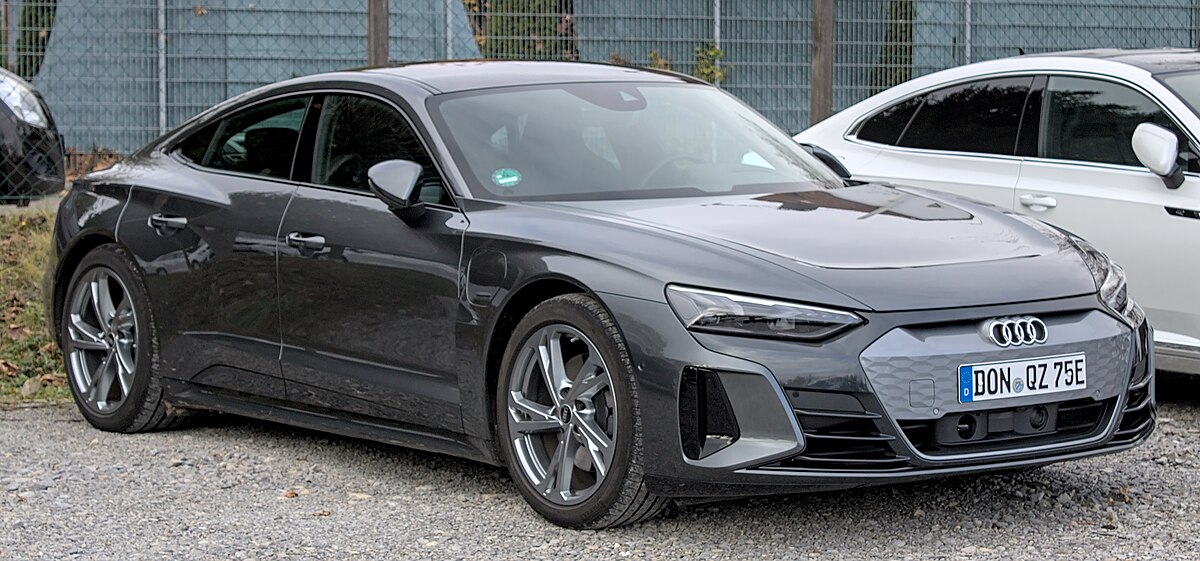
The Audi e-tron is establishing itself as a top choice in the premium electric vehicle market, combining strong performance with practicality. One of its key strengths is winter range performance, with an estimated loss of only 8 percent in cold conditions.
This is among the lowest reductions in range seen in electric vehicles, making it a reliable option for drivers in colder climates. Even in freezing temperatures, the e-tron delivers a driving range very close to the manufacturer’s claims.
Winter range reduction in the e-tron occurs mainly due to reduced battery efficiency in low temperatures and the energy required to heat the cabin. Cold weather slows chemical reactions within the lithium-ion battery, limiting its ability to store and release energy efficiently.
Heating the cabin draws significant power from the battery, as electric vehicles do not have engine waste heat like traditional cars. Frequent use of heaters can reduce the distance the car can travel on a single charge, and regenerative braking may be limited until the battery warms, reducing energy recapture.
To maximize range in winter, Audi recommends preconditioning the battery while the vehicle is plugged in, using grid power to warm the battery and cabin before driving. Using seat and steering wheel heaters instead of the main cabin heater conserves energy.
Driving efficiently by maintaining steady speeds and selecting energy-saving drive modes helps extend driving distance. Planning routes with charging stops using the e-tron’s navigation system further ensures a reliable and stress-free winter driving experience. These strategies make the Audi e-tron a highly practical and dependable electric vehicle in cold-weather conditions.
5. Jaguar I-Pace: Winter Range Performance
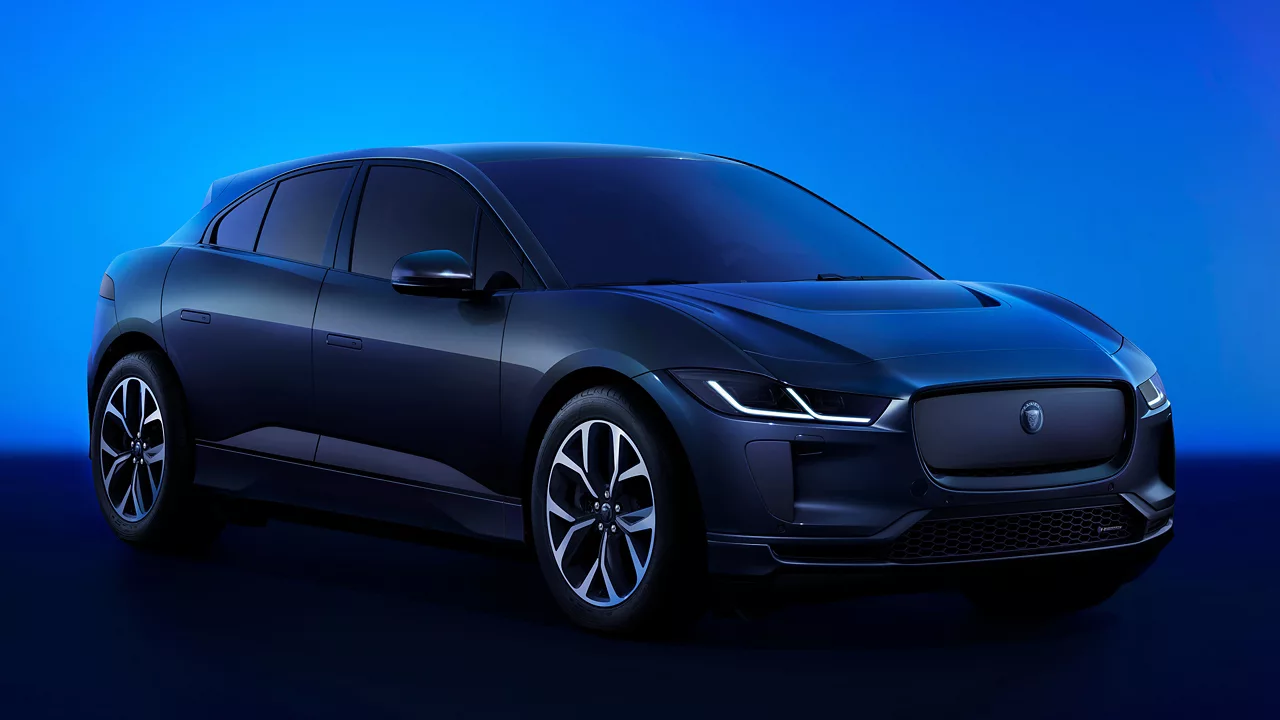
The Jaguar I-Pace stands out as one of the best electric SUVs for winter driving, losing an estimated 3 percent of its claimed range in cold conditions. This minimal reduction makes it an exceptional choice for drivers in colder climates who want confidence in their vehicle’s performance.
In addition to its strong winter range, the I-Pace features a dual-motor all-wheel-drive system that provides excellent traction on snow and icy roads, further enhancing its suitability for winter conditions.
Winter range loss in the I-Pace is primarily due to two factors: reduced battery efficiency in low temperatures and the energy required to heat the cabin. Cold weather slows the chemical reactions in the lithium-ion battery, increasing electrical resistance and reducing the power available for driving.
Unlike gasoline vehicles, which use engine waste heat to warm the cabin, the I-Pace draws power directly from the battery to run its heating system. This heating demand is one of the largest contributors to reduced range, with additional energy consumed by systems like heated seats, wipers, and other accessories.
The I-Pace features a sophisticated thermal management system, including a heat pump and the ability to use motor waste heat, which helps mitigate some of the effects of cold weather. However, preconditioning the vehicle while it is plugged in remains one of the most effective ways to preserve range.
Using heated seats and a steering wheel rather than the main cabin heater, setting climate control to a moderate temperature, and using eco modes when available can also reduce energy consumption in winter conditions.
With its minimal winter range loss, advanced thermal management, and all-wheel-drive traction, the Jaguar I-Pace is one of the most practical and dependable electric SUVs for drivers who need consistent performance in cold weather. Its combination of efficiency, comfort, and capability makes it a standout choice in the premium EV market.
Winter range loss is a crucial factor when choosing an electric vehicle, especially for those in colder climates. The top performers, such as the Ford F-150 Lightning, Audi Q6 e-tron, Tesla Model Y, Hyundai Ioniq 5, and Jaguar I-Pace, combine efficient thermal management, preconditioning features, and traction-focused drivetrains to minimize energy loss.
In contrast, vehicles like the Ford Mustang Mach-E, Tesla Model X, Tesla Model Y, and Audi e-tron, while capable, experience more noticeable reductions in range due to battery chemistry and heating demands.
By considering these differences, prospective EV owners can select models that deliver dependable winter performance, maintain comfort, and ensure peace of mind, proving that not all electric vehicles are created equal when temperatures drop.
Also Read: 10 Cars With Seats That Save Your Back on Road Trips