A road trip is about more than reaching a destination. It is about comfort, reliability, and enjoying every mile on the road. Some vehicles are true road-trip heroes, designed to reduce fatigue, with smooth rides, spacious cabins, and features that make long drives feel effortless.
Others, despite their style or performance, quickly reveal themselves as regret machines, leaving drivers and passengers tired, frustrated, or constantly worrying about fuel, storage, or mechanical issues.
In this guide, we compare five low-fatigue road-trip champions, including the family-friendly Chrysler Pacifica and the adventure-ready Rivian R1T, with five vehicles that are better admired from afar than relied upon for long journeys. By examining comfort, practicality, and real-world usability, we highlight the difference between vehicles that enhance your trip and those that make every mile a challenge.
5 Road-Trip Heroes (Low Fatigue)
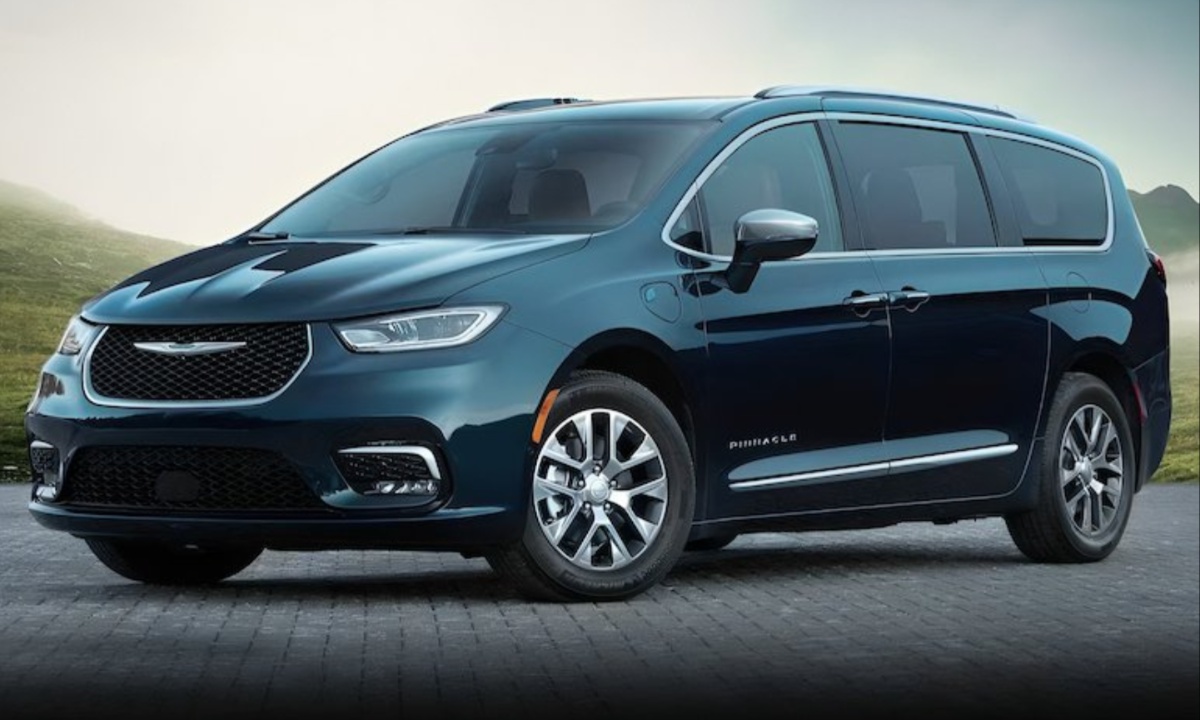
1. Chrysler Pacifica: The Complete Family Travel Companion
The Chrysler Pacifica stands out as one of the best minivans for road trips and family adventures, blending practicality with innovation. With seating for seven or eight and ample cargo space, it ensures comfort and convenience for all passengers.
Its optional plug-in hybrid version adds eco-friendly versatility, while non-hybrid models feature Chrysler’s ingenious Stow ’n Go seats, allowing second- and third-row seats to fold seamlessly into the floor for extra cargo space.
Under the hood, the Pacifica’s V6 engine delivers decent but unremarkable performance. It provides adequate acceleration and braking, though rivals like the Toyota Sienna and Honda Odyssey offer a more engaging drive.
The nine-speed automatic transmission performs smoothly in most conditions but occasionally struggles on steep inclines. Ride quality is generally smooth, handling bumps with composure, though some body lean occurs on twisty roads.
The seats are firm yet comfortable for long trips, and heating and cooling features work effectively. However, the second-row Stow ’n Go seats sacrifice some cushioning and legroom for fold-flat convenience.
Inside, the Pacifica impresses with ergonomic design and user-friendly controls. The Uconnect infotainment system, highlighted by a responsive touchscreen, supports wireless Android Auto and Apple CarPlay. Multiple USB ports, Alexa integration, and available rear-seat entertainment enhance connectivity.
Visibility is excellent thanks to large windows, and optional 360-degree cameras make parking stress-free. While the cabin mixes premium materials with some hard plastics, comfort and accessibility remain strong points for passengers and drivers alike.
Storage versatility is a Pacifica hallmark. It features deep cargo wells, numerous cubbies, and clever underfloor compartments. The Stow ’n Go system offers exceptional flexibility, and child seat accommodations are among the best in class. When equipped properly, it can tow up to 3,600 pounds, matching competitors in practicality.
Fuel economy varies by configuration. The all-wheel-drive model averages 20 mpg combined, while the front-wheel-drive achieves 22 mpg. Despite a premium price of around $55,000 for a loaded Limited trim, the Pacifica delivers strong utility, innovative features, and family-focused comfort, securing its place as a top-tier minivan choice.
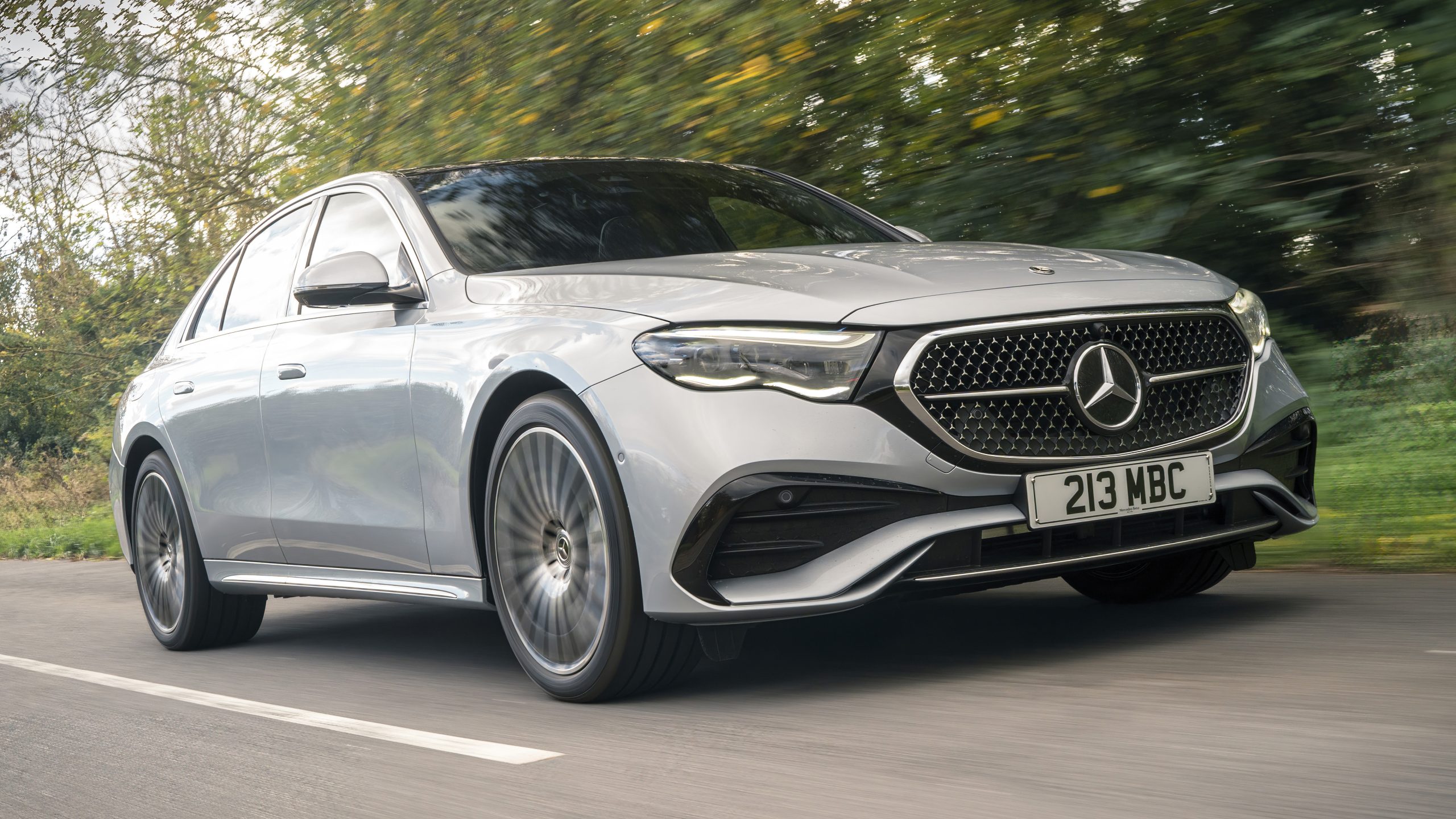
2. Mercedes-Benz E-Class: Redefining Modern Luxury and Comfort
The 2025 Mercedes-Benz E-Class continues its long tradition of excellence, offering a near-perfect blend of performance, comfort, and technology. Available in both sedan and All-Terrain wagon variants, it caters to drivers seeking refined luxury and everyday practicality. With smooth powertrains, an elegant interior, and advanced features, the E-Class remains one of the most sophisticated vehicles in its class.
Two engines power the E-Class lineup: the four-cylinder E 350 and the six-cylinder E 450. The E 450 impresses with its 4.7-second sprint to 60 mph, combining power with seamless smoothness. Both versions use a nine-speed automatic transmission that shifts imperceptibly, contributing to the car’s composed handling and effortless drive.
The Airmatic suspension system enhances ride quality, absorbing bumps and imperfections even on rough roads. The E 350’s smaller engine can feel strained at higher speeds, but the E 450 delivers ample power for confident acceleration. Steering is precise, braking is strong, and the car maintains poise in all situations.
Comfort is a defining quality of the E-Class. The seats are soft, supportive, and ideal for long drives, while cabin insulation minimizes road and wind noise. The interior feels luxurious yet intimate, with excellent driving position adjustability.
Rear space is slightly tighter than in some rivals like the BMW 5 Series, but still comfortable. The infotainment system offers an impressive array of features, though its depth may feel overwhelming at first. Touch-sensitive steering wheel controls can also be tricky to use while driving.
Inside, the E-Class showcases Mercedes’ cutting-edge MBUX system, featuring crisp displays, natural voice control, and wireless Android Auto and Apple CarPlay. The optional Burmester 4D sound system delivers concert-like audio quality. Cargo space is smaller than some competitors, but the trunk is practical and well-shaped, with folding rear seats for added versatility.
Though expensive compared to rivals, the E-Class justifies its price with superior craftsmanship, advanced standard features, and a serene driving experience. The E 350 averages 27 mpg combined, while the E 450 can achieve nearly 29 mpg. The E-Class effortlessly blends traditional Mercedes-Benz elegance with modern innovation, making it one of the most rewarding luxury cars available today.
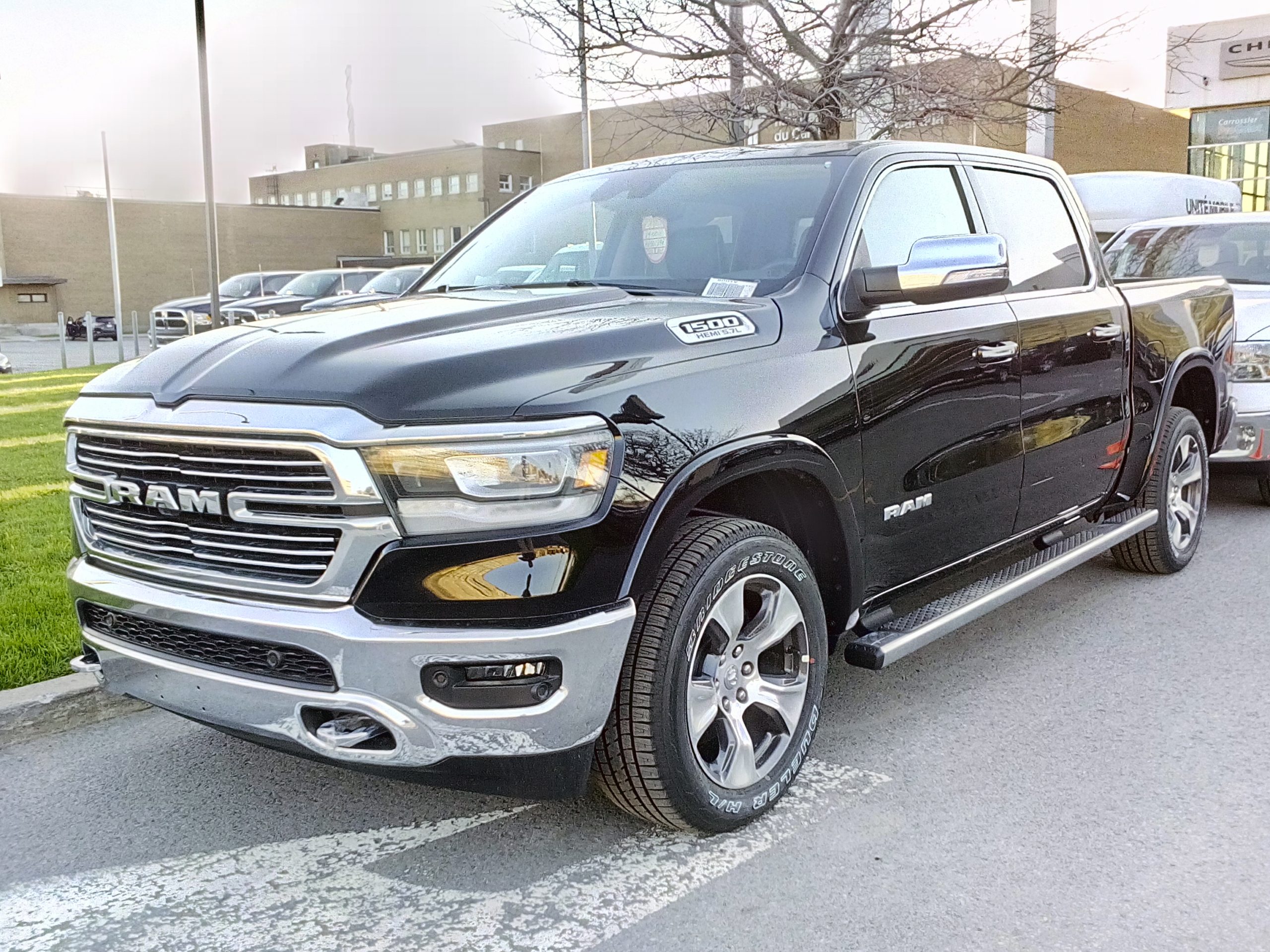
3. Ram 1500: Power, Comfort, and Everyday Practicality
The 2025 Ram 1500 redefines what a full-size pickup can be, combining robust capability with unmatched ride comfort and refinement. Named the 2025 Truck of the
Year, it stands apart from rivals by offering a smooth, quiet ride, powerful turbocharged engines, and impressive towing abilities. With innovative features like the optional Ram Box storage system, it delivers both practicality and luxury for road trips, work, or family use.
The Ram 1500 no longer offers a V8, yet performance remains outstanding. The standard turbocharged six-cylinder engine produces 420 horsepower and accelerates from 0 to 60 mph in just 5.2 seconds, while the high-output version with 540 horsepower achieves the same sprint in 4.7 seconds.
Handling is predictable and composed, and steering, though light, makes driving easy at any speed. The Airmatic suspension system enhances ride quality and improves towing stability. The new hands-free driver assist system performs smoothly, maintaining lane position and managing acceleration and braking with minimal driver input.
Comfort is one of the Ram 1500’s greatest strengths. Its coil-spring rear suspension provides a ride smoother than any competitor’s. The seats are plush and supportive, while the cabin offers ample space and excellent sound insulation.
Both front and rear passengers enjoy generous legroom, and car seat installation is effortless thanks to the roomy second row. Access can be tricky without optional running boards, but once inside, the truck feels serene and upscale.
The cabin’s 14.5-inch touchscreen and passenger display add modern flair, though the infotainment system can feel sluggish. Wireless Apple CarPlay and Android Auto come standard, along with multiple USB ports and wireless charging pads.
The interior offers excellent storage, including a large center bin and adjustable cupholder console. The Ram Box compartments in the truck bed provide secure, weatherproof storage for tools or gear.
While pricier than work-oriented rivals, the Ram 1500 excels in refinement, comfort, and practicality. It tows up to 11,580 pounds and carries 2,300 pounds, with fuel economy ranging from 17 to 23 mpg combined depending on configuration. Reliability concerns remain its biggest drawback, but its comfort, capability, and luxury make it one of the most well-rounded trucks available today.
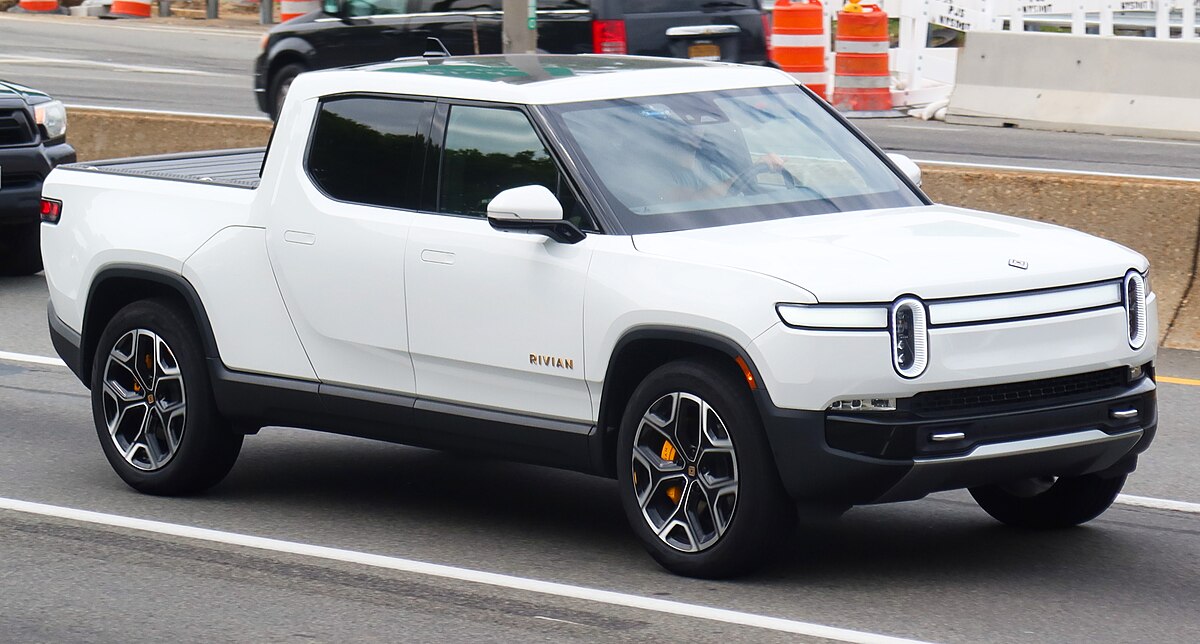
4. Rivian R1T: The Electric Pickup That Redefines Adventure
The Rivian R1T stands as one of the most innovative and capable pickup trucks ever built, seamlessly blending sports car performance, SUV comfort, and off-road capability in a single electric package. Designed for adventure seekers and technology enthusiasts, it delivers thrilling acceleration, advanced driving aids, and clever storage solutions, making it a standout in the growing electric truck segment.
The R1T is available with two, three, or four electric motors, all providing remarkable performance. The dual-motor version accelerates from 0 to 60 mph in just 3.6 seconds, while the quad-motor model achieves it in 3 seconds flat, which is astonishing for a pickup.
Steering is light and precise, giving the truck agility uncommon in vehicles of its size. The standard air suspension smooths out rough terrain, and its short overhangs enhance off-road ability. The R1T also includes adaptive cruise control, lane-keeping assistance, and a hands-free highway driving system. Although the latter functions well, it can occasionally disengage without warning.
Inside, the R1T features a clean, modern cabin with high-quality materials. The seats are firm yet supportive, with heating in both rows and ventilation up front. The adjustable air suspension can be lowered to make entry easier, though getting in can still be a climb.
Cabin noise is minimal due to the quiet electric drivetrain, although some wind and road noise remain noticeable at higher speeds. Climate settings, including vent direction, are adjusted through the touchscreen, which can feel cumbersome. The panoramic glass roof adds openness but allows in too much heat on sunny days.
Rivian’s infotainment system is intuitive and easy to use, featuring a large touchscreen and clear graphics. Navigation is fast and includes charging station information. Alexa voice controls and over-the-air updates enhance convenience, though Apple CarPlay and Android Auto are not available. Storage space is excellent, including a front trunk, under-seat compartments, and the innovative gear tunnel between the cab and bed.
The R1T delivers between 270 and 420 miles of estimated range, depending on configuration, with charging that adds 100 miles in about 18 minutes. It tows up to 11,000 pounds and performs well both on- and off-road. Although it is expensive, the R1T combines strong performance, advanced technology, and premium quality, making it one of the most complete electric pickups available today.
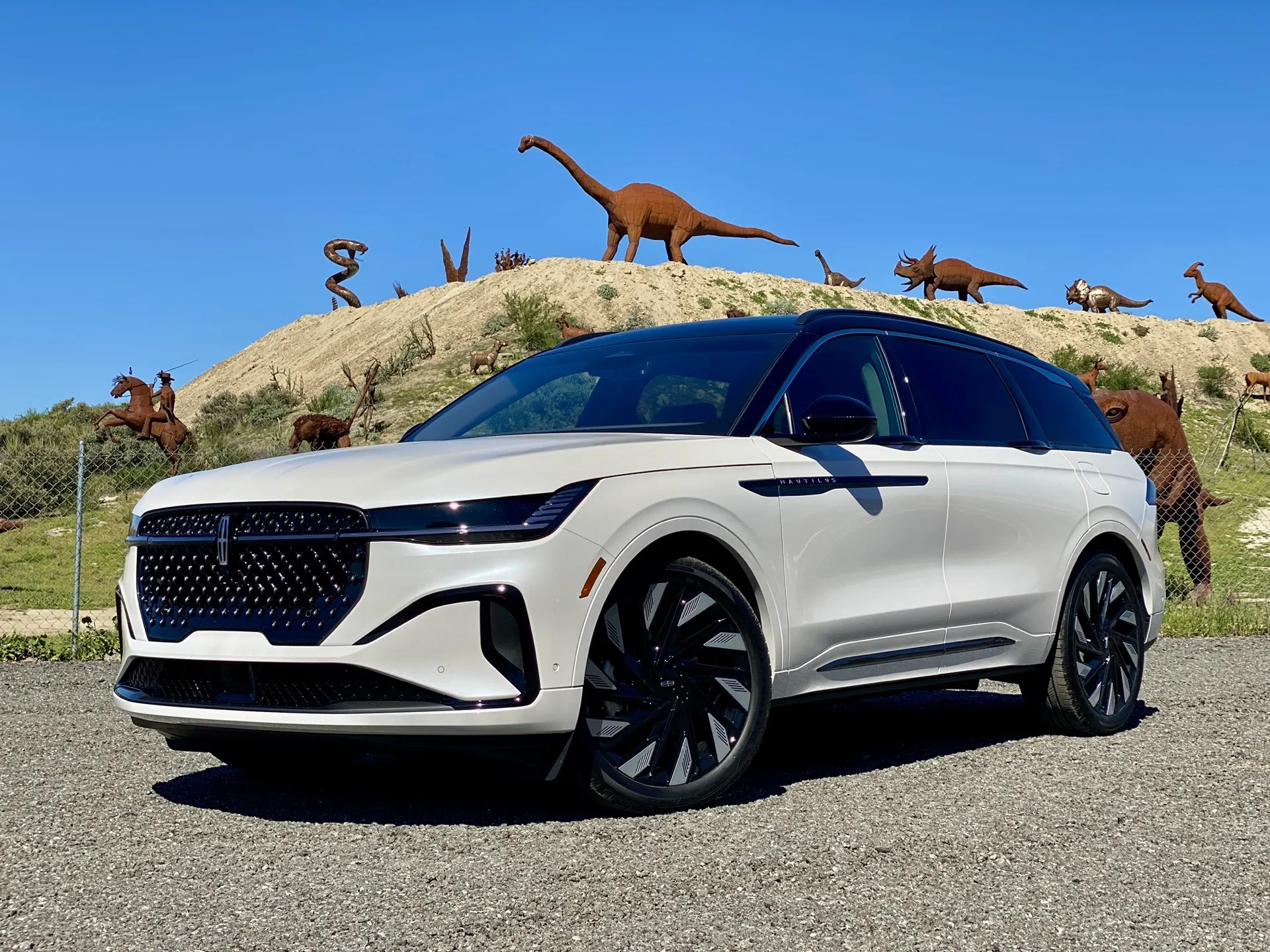
5. Lincoln Nautilus: A Stylish but Flawed Luxury SUV
The Lincoln Nautilus stands out in the luxury SUV market with its distinctive ski-chalet-themed interior, standard all-wheel drive, and an optional hybrid powertrain. As a recent SUV of the Year winner, it also features BlueCruise hands-free highway driving assist, living room–style comfort, and an impressive 48-inch infotainment display. Despite these strengths, its performance and usability present several shortcomings.
The hybrid Nautilus delivers quiet and smooth low-speed acceleration, but its performance is underwhelming. In testing, it took 7.2 seconds to reach 60 mph, slower than most competitors. Braking required longer distances, and the inconsistent brake pedal feel made smooth stops difficult. The SUV leans heavily around turns, reducing confidence when driven with enthusiasm.
Comfort levels vary depending on the setup. The 24-way adjustable seats allow for deep customization but take time to configure properly. Once adjusted, they are comfortable though not exceptional.
The ride quality feels both too soft in corners and too firm over bumps, an issue made worse by the 22-inch wheels. Despite this, the cabin remains impressively quiet, which enhances the sense of luxury during longer trips.
The interior design impresses with high-quality materials and stylish details, but its functionality suffers. Many controls, including those for the air vents, are only accessible through the touchscreen, creating distractions while driving.
The unlabeled steering wheel buttons and awkward instrument positioning make it difficult to operate the vehicle intuitively. The 48-inch display looks striking but often freezes or requires resets. On a positive note, the 28-speaker Revel audio system delivers excellent sound, and Google-integrated navigation and voice control work well. Once activated, BlueCruise provides reliable hands-free driving on mapped highways.
The Nautilus excels in practicality with 36.4 cubic feet of cargo space, flat-folding rear seats, and clever storage areas throughout the cabin. Fuel economy for the hybrid model reaches 30 mpg combined, matching EPA estimates, while the Lexus RX hybrid remains more efficient at 36 mpg. The Nautilus offers refinement and innovation, but its price and usability issues prevent it from being the most appealing choice in its class.
Also Read: 5 Cars Whose Door Seals Stay Supple VS 5 That Need Annual Replacement
5 Road-Trip Regret Machines
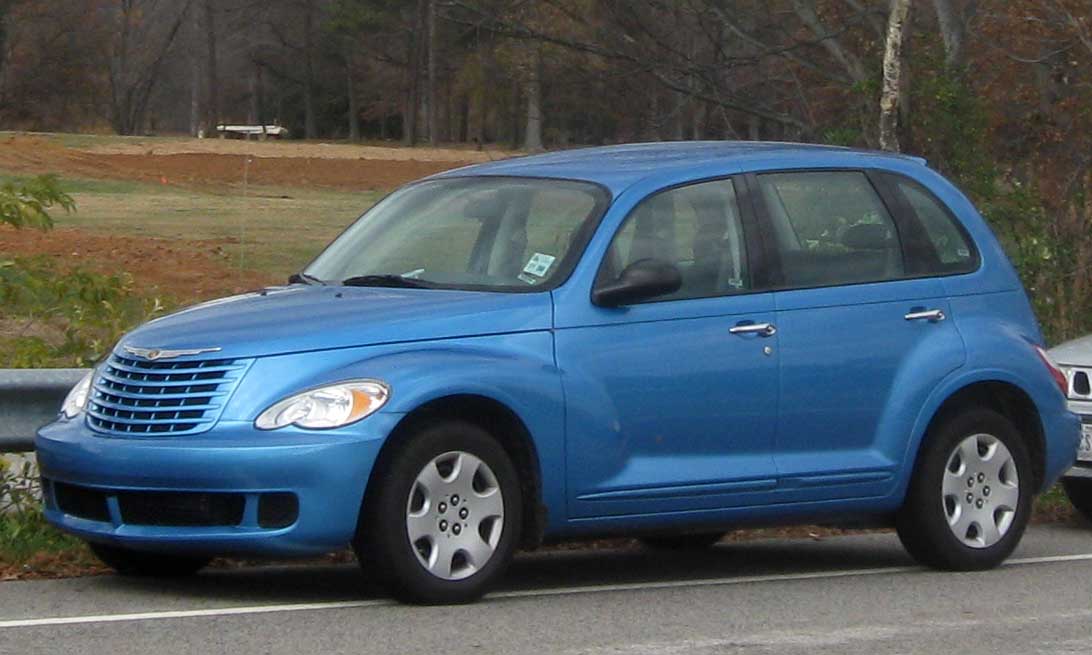
1. Chrysler PT Cruiser: A Quirky Car Unsuited for Road Trips
The Chrysler PT Cruiser has a devoted following for its retro styling, but it is not well-suited for long-distance travel. Although it can seat five adults, the seats are uncomfortable and the cabin is noisy at highway speeds, making extended drives unpleasant. Fuel efficiency is modest at 24 mpg on the highway, but frequent stops and potential mechanical problems reduce its practicality for road trips.
The PT Cruiser struggles with slow acceleration and poor fuel economy, which makes highway merging and overtaking difficult. It is also prone to mechanical issues, including problems with the head gasket, automatic transmission, and climate control system, increasing the risk of breakdowns.
Handling is weak, with convertible models feeling particularly unstable and unsteady, lowering confidence during spirited or highway driving.
Passenger comfort is limited by stiff ride quality, uncomfortable seats, and excessive cabin noise. Interior materials feel cheap, controls are awkwardly placed, and storage space is minimal. Additionally, restricted visibility and multiple blind spots make parking and maneuvering challenging, which can be frustrating on longer trips.
The PT Cruiser’s safety ratings are low, with poor results in side-impact and rear-crash tests. This raises concerns about occupant protection during collisions, making it a risky option for road travel.
Despite its charm and ability to carry passengers, the PT Cruiser’s mechanical unreliability, limited comfort, poor handling, and weak safety performance make it unsuitable for extended journeys.
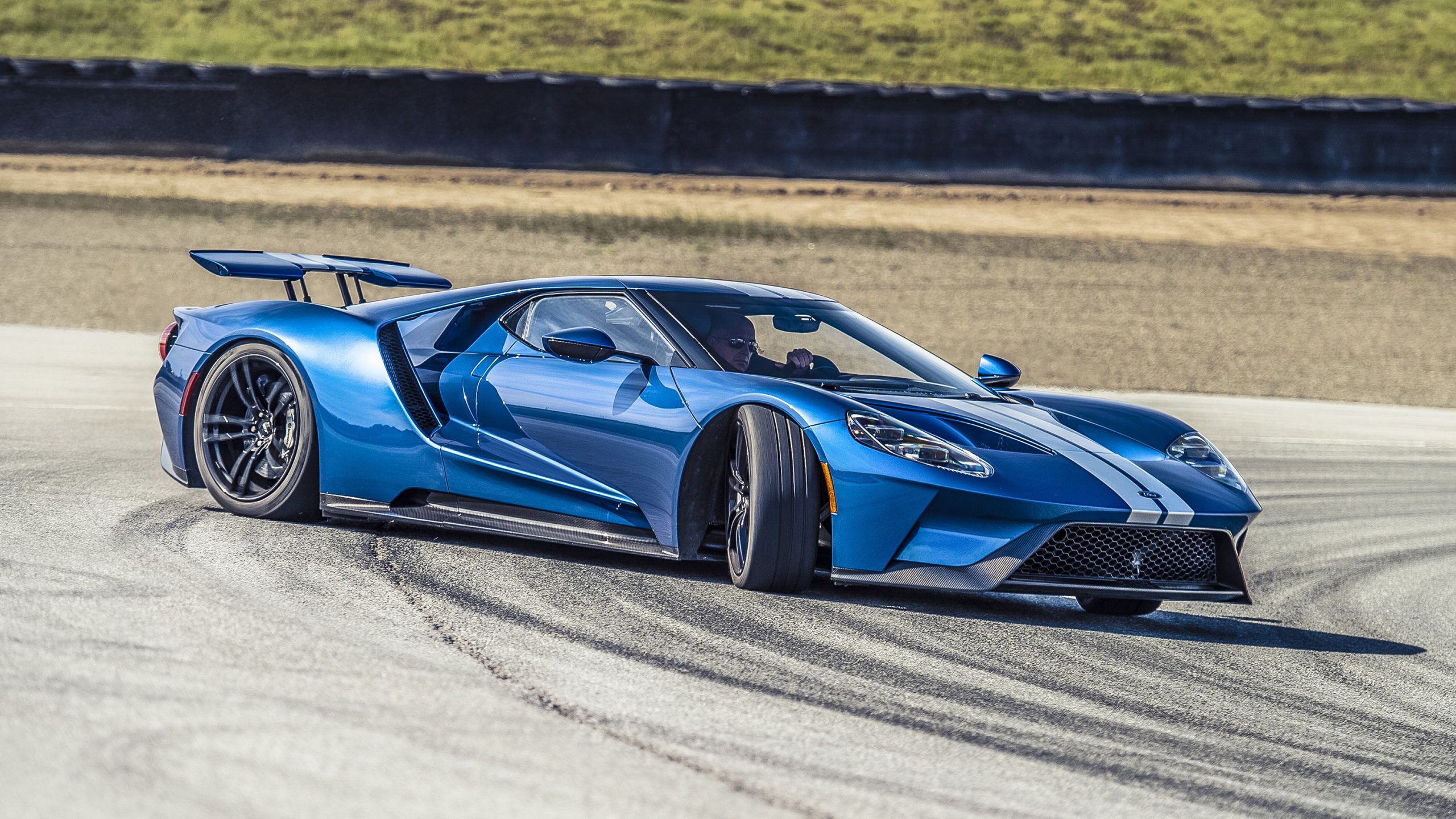
2. Ford GT: Extreme Performance with Little Practicality for Road Trips
The Ford GT is a high-performance supercar powered by a twin-turbo 3.5-liter V6 producing 600 hp, capable of reaching 60 mph in just three seconds. It offers thrilling acceleration and sharp handling, making it ideal for short bursts of speed or spirited drives. However, the car’s focus on performance comes at the expense of practicality, making it a poor choice for long-distance travel.
The GT has minimal luggage space, with a tiny front trunk and a compartment behind the engine that becomes extremely hot, limiting what can be safely stored. Interior storage is almost nonexistent, restricted to a small tray under the driver’s seat and a rubber mat for personal items. Even basic necessities like a backpack or handbag are difficult to accommodate, making it impractical for extended trips.
The cockpit is tight and cramped, with limited passenger space and a restricted footwell due to structural components. The seats prioritize performance over comfort, leading to fatigue on longer drives. Noise levels are high due to minimal sound insulation, while the car’s low-slung design makes entry and exit challenging, especially for taller individuals.
The GT has a small 13-gallon fuel tank and poor fuel efficiency, requiring frequent stops. Maintenance is specialized, meaning even minor service needs to be handled at select service centers. Its low ride height and race-car aerodynamics increase the risk of damage from road debris, and repair costs are extremely high, particularly for bodywork and components like headlights.
While the Ford GT excels as a high-speed, track-focused vehicle, its limited storage, cramped cabin, loud interior, short driving range, and high maintenance costs make it ill-suited for road trips or extended travel. It is a car designed for excitement, not practicality.
3. First-Generation Nissan Leaf: Not Built for Road Trips
The first-generation Nissan Leaf, introduced in 2011, was a groundbreaking electric vehicle for its time, offering a 107-hp motor, a comfortable ride, and an 8-hour charge on a 220-volt outlet. Despite these innovations, it suffers from a very limited range, making it unsuitable for long-distance travel. The Leaf could achieve up to 80 miles per charge when new, but real-world conditions and battery degradation often reduce older models to under 50 miles.
The Leaf’s lack of a liquid-cooled battery causes overheating during sustained highway driving. Once the battery overheats, charging speeds slow dramatically, further extending stops and travel time. Highway speeds also drain the battery much faster than city driving, forcing frequent and lengthy breaks at charging stations.
Additionally, the Leaf lacks modern EV features that improve long-distance performance, such as active battery cooling and higher-capacity fast charging. These limitations make planning road trips difficult and time-consuming compared to gasoline vehicles or newer electric models.
While the first-generation Leaf remains accessible and fun for short urban drives, its limited range, slow charging, and battery overheating make it highly impractical for road trips or extended highway travel.
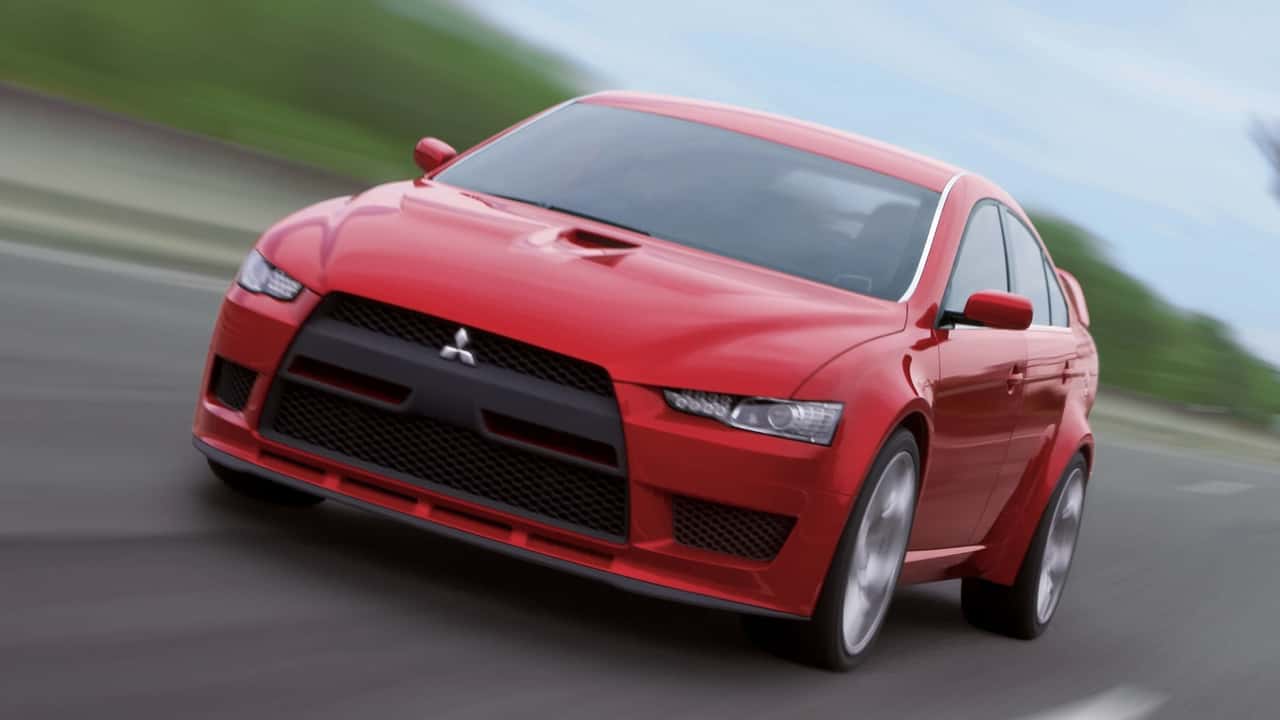
4. Mitsubishi Lancer Evolution: Performance Comes at the Expense of Comfort
The Mitsubishi Lancer Evolution is a rally-inspired sports sedan known for its turbocharged 2.0-liter engine and agile handling, but its focus on performance makes it a poor choice for long-distance road trips. The car delivers exhilarating acceleration and precise cornering, yet these traits translate into a harsh and punishing ride over highways and long stretches of pavement.
The Evo’s stiff, rally-bred suspension is designed for performance rather than comfort, making bumps and expansion joints feel especially jarring on extended drives. Passenger comfort is compromised, with a noisy cabin and ergonomics that do not support long-haul travel. Older models may even lack basic features like cruise control, further reducing convenience on road trips.
Fuel efficiency is another major drawback. The powerful turbo engine consumes a lot of fuel, delivering only 17 mpg in the city and 23 mpg on the highway, which requires frequent refueling and adds to travel costs.
Cargo space is extremely limited. The small trunk can hold only minimal luggage, making it difficult for multiple passengers to pack for extended trips. The interior lacks practicality, emphasizing performance over usability, and the combination of limited storage and low fuel economy makes planning long-distance journeys challenging.
While the Mitsubishi Lancer Evo shines as a high-performance driving machine on twisty roads or track days, its stiff ride, poor fuel economy, and minimal cargo space make it impractical and uncomfortable for road trips or extended highway travel.
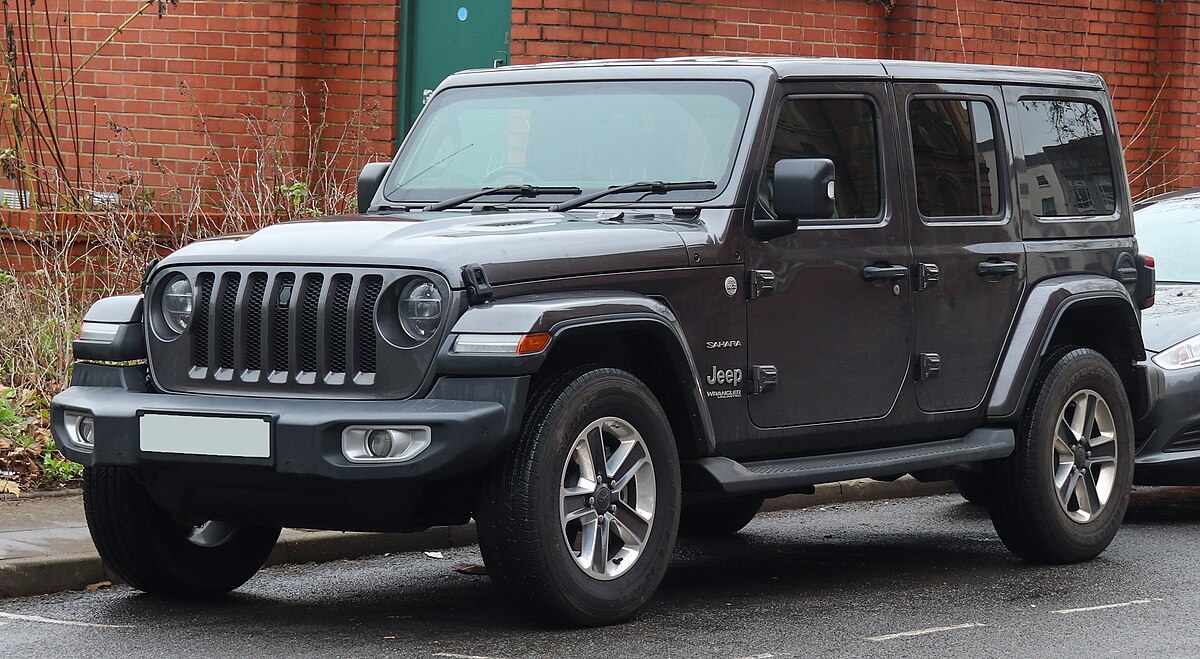
5. Jeep Wrangler: Off-Road Champion but Rough for Road Trips
The Jeep Wrangler is celebrated for its off-road capabilities, but its design makes it less suitable for long-distance highway travel. While enthusiasts praise its ruggedness, the Wrangler’s rocky suspension, firm seats, and rough interior can make road trips uncomfortable and tiring. Fuel economy is also low, adding to the cost and inconvenience of extended travel.
The Wrangler’s solid front axle, body-on-frame construction, and high center of gravity provide excellent off-road performance but compromise on-road stability. Steering is loose and vague, requiring constant correction at highway speeds. This wandering feeling is amplified in poor weather or with lifted models, making long drives fatiguing and less safe.
The suspension is harsh, transmitting bumps and road imperfections directly into the cabin. Seats are often described as flat and firm, offering minimal support for long trips. Additionally, wind and tire noise are significant due to limited insulation, making conversation or listening to music difficult.
The Wrangler’s poor fuel economy increases travel costs, and its narrow, upright cabin can feel confining over long distances. Some models are prone to water leaks around doors, windows, and the roof, adding another layer of inconvenience.
While the Jeep Wrangler excels off-road and delivers a sense of adventure, its rough ride, uncomfortable interior, high noise levels, and limited fuel efficiency make it a suboptimal choice for road trips or extended highway journeys.
The right vehicle can transform a road trip. The heroes on our list show that comfort, technology, and thoughtful design turn long drives into enjoyable experiences. From luxury sedans like the Mercedes-Benz E-Class to versatile electric pickups like the Rivian R1T, these vehicles reduce fatigue and keep passengers happy.
In contrast, the regret machines, including the cramped Chrysler PT Cruiser and high-strung Mitsubishi Lancer Evolution, prove that speed or style cannot replace practicality. Knowing which vehicles perform well on long trips means fewer stops, less stress, and more time making memories. Choosing wisely ensures every journey is comfortable, efficient, and free from regret.
Also Read: 10 Cars With Seats That Save Your Back on Road Trips