When summer temperatures soar into triple digits, most drivers rely on their car’s cooling system to perform flawlessly. But as anyone living in states like Arizona, Nevada, Texas, or Florida knows, not every vehicle handles heat with grace.
Some modern cars are loaded with tech and turbocharged engines that strain cooling systems, while older, proven models with simpler designs often shrug off the sun’s wrath.
In this list, we’ll explore six used cars that thrive in summer heat the ones you can trust when the asphalt sizzles and six newer cars that tend to overheat or struggle when things get hot.
Whether you’re a desert dweller or just want a car that won’t wilt in a heatwave, this guide breaks down the mechanical realities behind both sides.
Used Cars That Thrive in Summer Heat
When the summer sun blazes and temperatures soar, not every car can handle the heat. For drivers living in warmer climates, reliability, cooling efficiency, and interior comfort become top priorities.
Luckily, some used cars are built to excel in scorching conditions, offering strong air conditioning systems, heat-resistant interiors, and engines that perform flawlessly even on the hottest days. Here’s a look at the best used cars that thrive in summer heat, keeping you cool and confident no matter how high the mercury rises.
1. Toyota 4Runner (2003–2009)
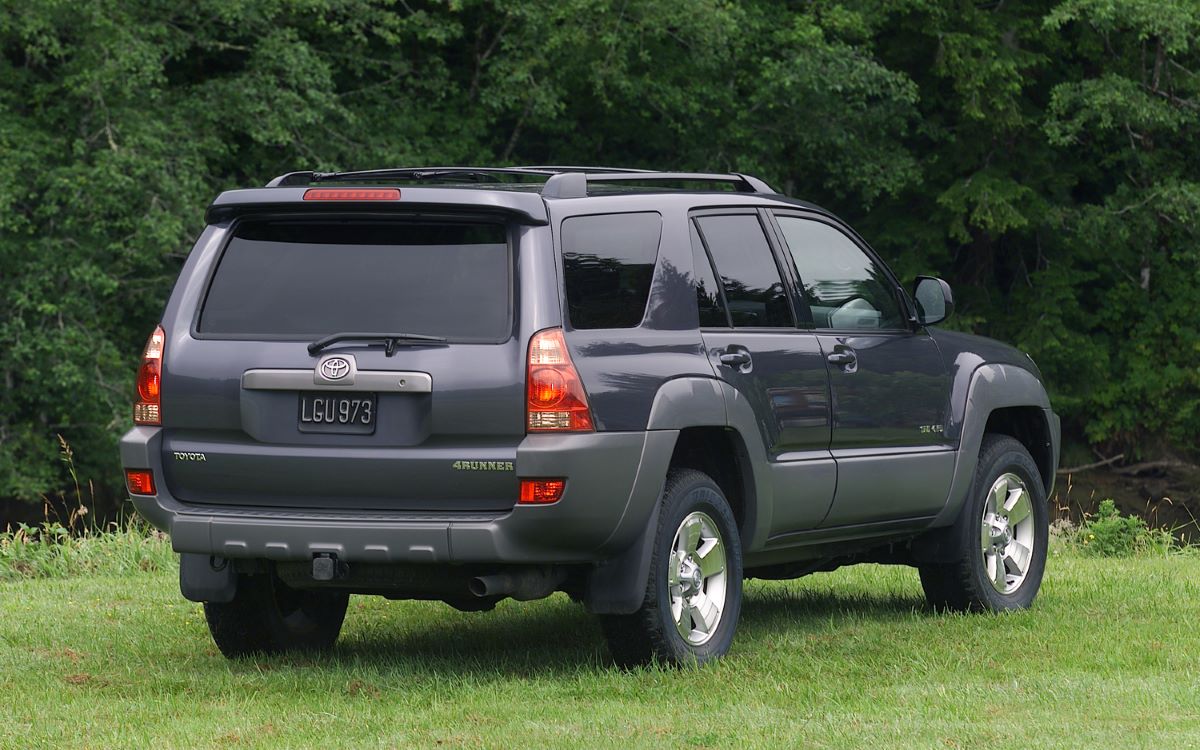
The fourth-generation Toyota 4Runner is a legend in the Southwest for one reason: it just doesn’t quit, even in 115°F weather. Built on a truck frame with a rugged 4.0L V6 or optional 4.7L V8, the 4Runner’s cooling system was designed to withstand trail abuse and desert heat.
The large radiator, belt-driven fan, and durable head gaskets make overheating almost unheard of. Owners in Phoenix and Las Vegas routinely report 250,000+ miles with no cooling issues.
The fourth generation of the Toyota 4Runner, launched in 2002, stayed true to the core philosophy of its predecessors, maintaining its body-on-frame construction and robust driveline.
Evolving from its pickup-truck roots, specifically models like the T100, the 4Runner successfully transitioned into a full-fledged SUV without compromising its off-road prowess.
Starting with the third generation, Toyota’s designers began focusing more on daily driving comfort, incorporating better interior features and amenities for both drivers and passengers.
To appeal to a broader audience, the fourth-generation 4Runner was even offered in a 2WD configuration for buyers who wanted the SUV look and space but didn’t require full-time four-wheel traction.
On the exterior, the 4Runner retained its rugged and commanding design, featuring a chromed grille on the SR5 trim and 16-inch alloy wheels. The Sport Edition came equipped with 17-inch wheels, while the Limited trim stepped it up with 18-inch wheels, adding to its premium appearance.
Inside, the 4Runner came standard with five seats, but seven-seat configurations were available on the SR5 and Limited trims.
Under the hood, North American buyers could choose between a V6 and a V8 engine, while international markets had access to additional powertrains, including a 3.0-liter turbocharged diesel engine.
Also Read: 5 City-Proof Compacts and 5 That Hate Stop-and-Go
2. Honda Accord (2008–2012)
Honda’s eighth-generation Accord remains one of the most heat-tolerant sedans on the market.
Its naturally aspirated 2.4L four-cylinder or 3.5L V6 runs cooler than most modern turbo engines, and the car’s aluminum block and efficient cooling system mean it rarely suffers from heat-soak or vapor lock.
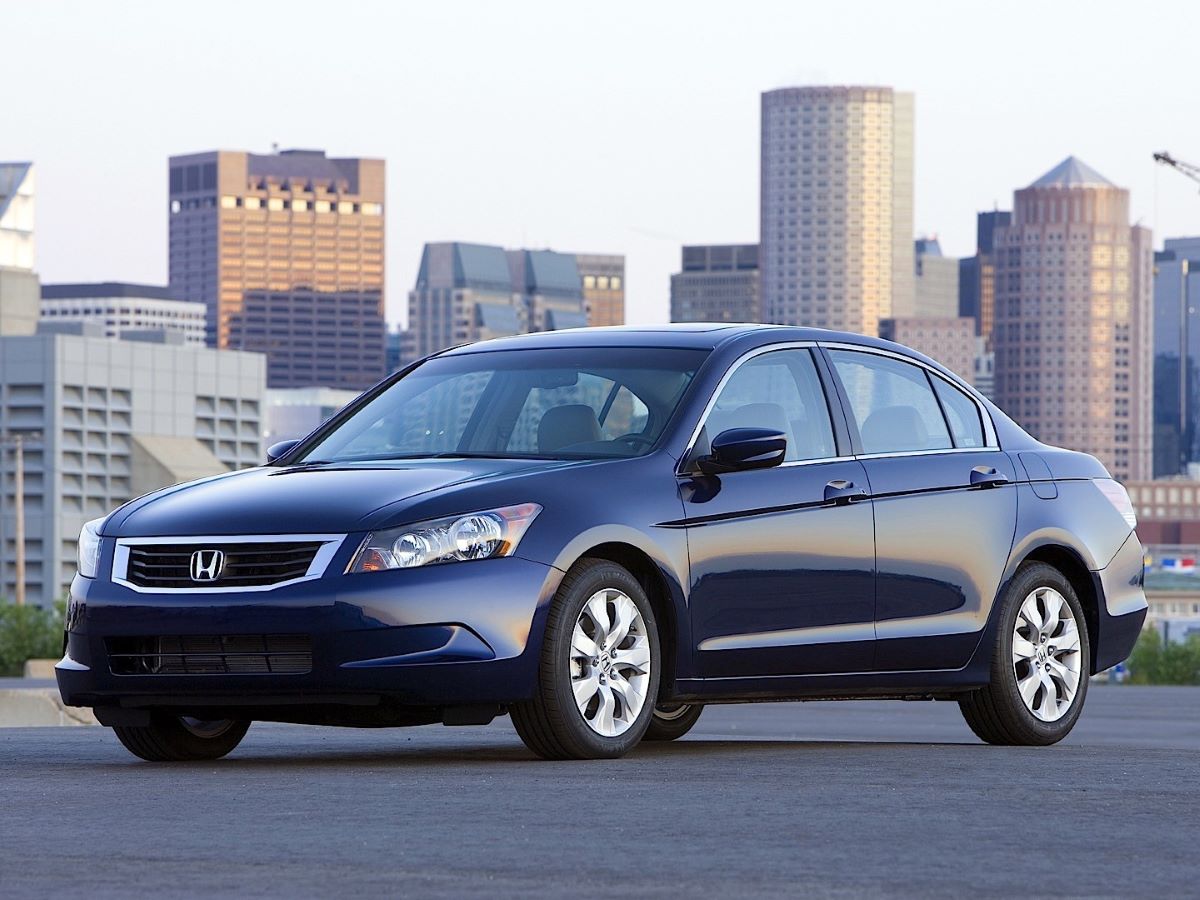
Even when idling in traffic under blazing sun, the Accord’s cooling fans and robust AC system hold steady a key reason why it’s still popular in hot, humid states.
3. Ford Crown Victoria (2003–2011)
The old-school Ford Crown Vic may not win any beauty contests, but it’s a tank built for punishment. Police departments across the South used these V8-powered sedans precisely because they can idle for hours with the air conditioning blasting and never overheat.
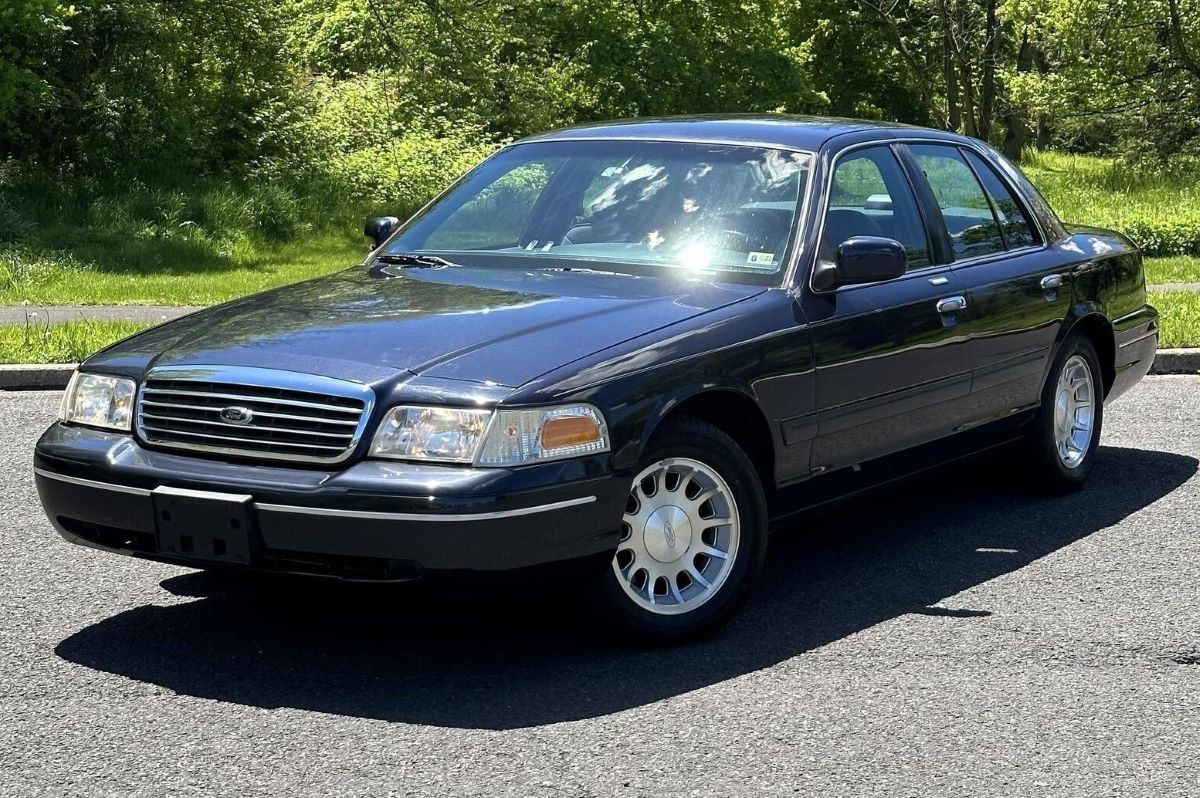
The 4.6L modular V8 is under-stressed, and the cooling system with its large radiator and electric fans is designed for long periods of stationary operation. It’s the ultimate heat-resistant workhorse for budget buyers.
The Ford Crown Victoria was a large, rear-wheel-drive sedan that became one of the last true representatives of its kind. The Crown Victoria name first appeared in 1955 and 1956 on the top-tier version of the Ford Fairlane two-door hardtop, and later reemerged from 1980 to 1991 as the premium trim level of the Ford LTD full-size lineup.
When Ford redesigned its full-size sedan in 1992, the model adopted a more aerodynamic design and introduced a new 4.6-liter V8 engine.
With this update, the LTD designation was dropped, and the Crown Victoria became a standalone model. A 1998 refresh brought revised exterior styling, along with upgraded suspension and steering for improved handling and comfort.
Even with its somewhat dated platform, the Crown Vic maintained strong popularity well into the 2000s, especially among fleet buyers such as police departments and taxi services, who appreciated its spacious cabin, rugged reliability, and classic rear-wheel-drive setup.
Although Ford first announced plans to discontinue the model in 2007, production continued until 2011, marking the Crown Victoria as one of the longest-running nameplates in the company’s storied history.
4. Lexus LX 470 (1998–2007)
Essentially a Toyota Land Cruiser with luxury trim, the Lexus LX 470 was designed for global markets, including Middle Eastern deserts. Its 4.7L V8, heavy-duty cooling setup, and transmission oil cooler make it practically immune to heat-related breakdowns.
The thick insulation and robust air conditioning system add comfort even when the mercury rises above 110°F. It’s not just reliable it’s built for survival.
Lexus has long been synonymous with luxury, what the company proudly calls “The Lexus Touch.” In the ever-expanding SUV market, that commitment to refinement has reached new heights.
To stay competitive with premium models like the Lincoln Navigator and Infiniti QX4, Lexus replaced its older LX450 with the upgraded LX470 for the 1998 model year.
The LX470 comes with a premium price tag, but it also arrives fully equipped with a long list of standard luxury features, including heated seats, heated mirrors, and a single-feed six-CD changer.
Lexus engineers also gave the SUV a noticeable power upgrade, fitting it with a 4.7-liter V8 engine that produces 230 horsepower. This engine, the first four-cam, 32-valve V8 ever used in an SUV, delivers 18 more horsepower and 45 additional lb-ft of torque than the outgoing LX450.
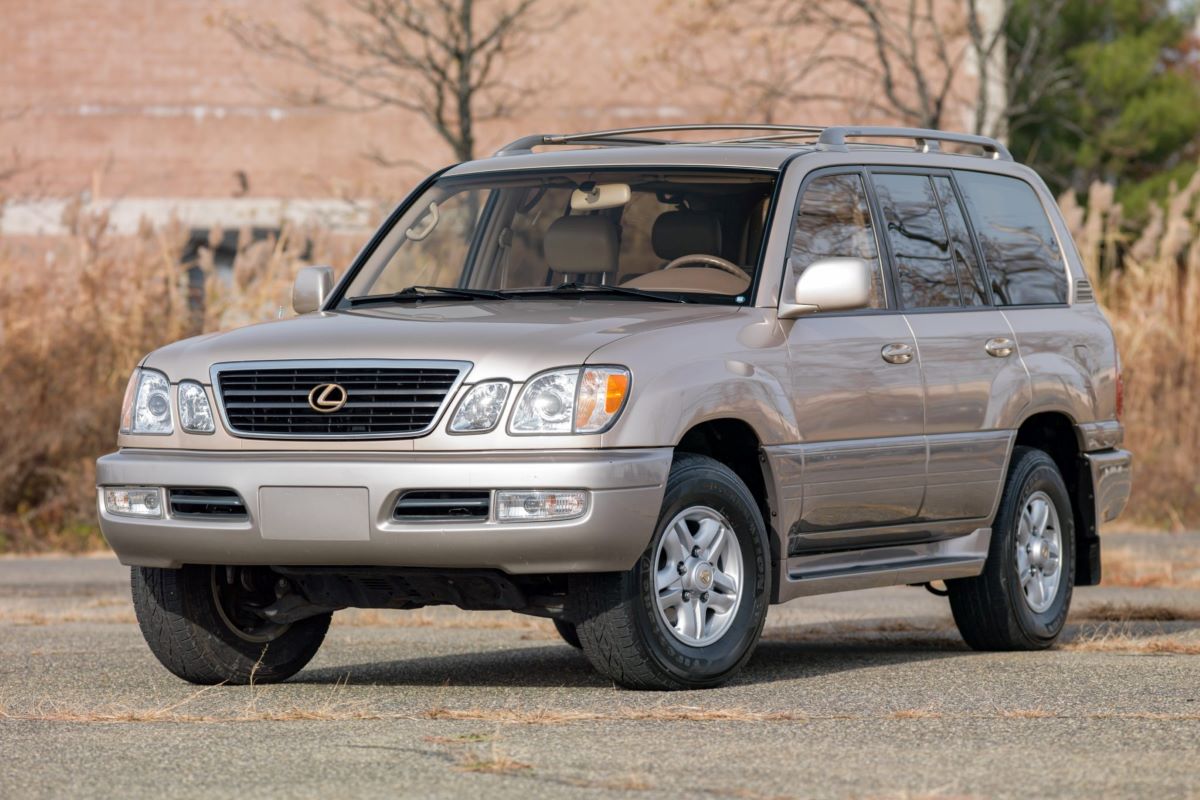
Alongside the added performance, the LX470 also benefits from a roomier interior and reduced engine noise, enhancing both comfort and refinement.
To simplify the buying process, Lexus offered the LX470 with just one optional feature, a power tilt-and-slide sunroof. With seating for eight passengers and cupholders for nine, the SUV combines plush comfort with robust power, perfectly suited for everyday urban driving.
Its off-road capabilities, however, remain the true measure of its engineering prowess. Judging by the enthusiastic response from readers and early interest from buyers, it seems Lexus showrooms will soon be filled with eager customers ready to experience this new standard of luxury SUV.
5. Mazda MX-5 Miata (1999–2005, NB generation)
Convertibles often suffer in extreme heat, but the NB Miata manages it well. The car’s small, naturally aspirated four-cylinder engine doesn’t produce much heat to begin with, and the simple cooling system is easy to maintain.
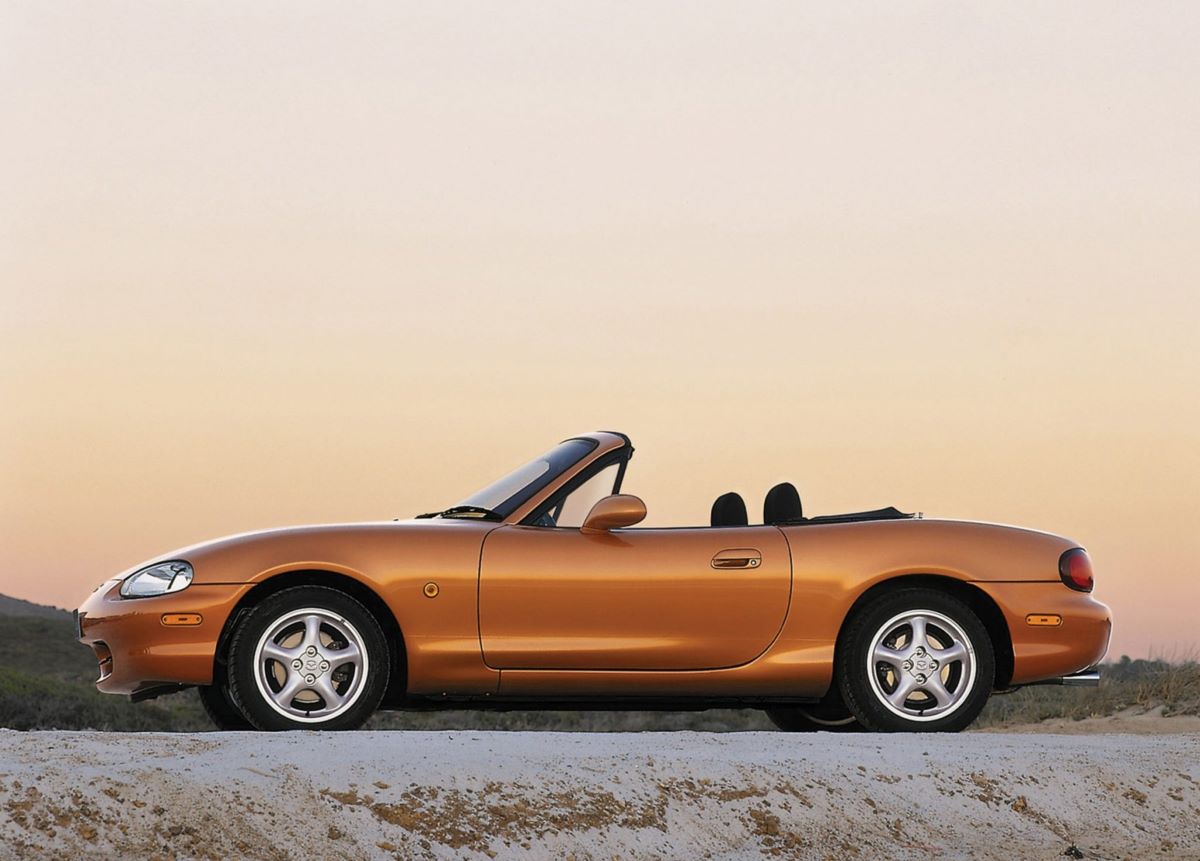
Miata owners in hot states praise how the lightweight design and reliable radiator keep things steady even during summer autocross events. It’s proof that performance and dependability can coexist in scorching weather.
Also Read: 10 Best Alternatives to Tesla Cars That Will Surprise You
6. Chevrolet Tahoe (2007–2014)
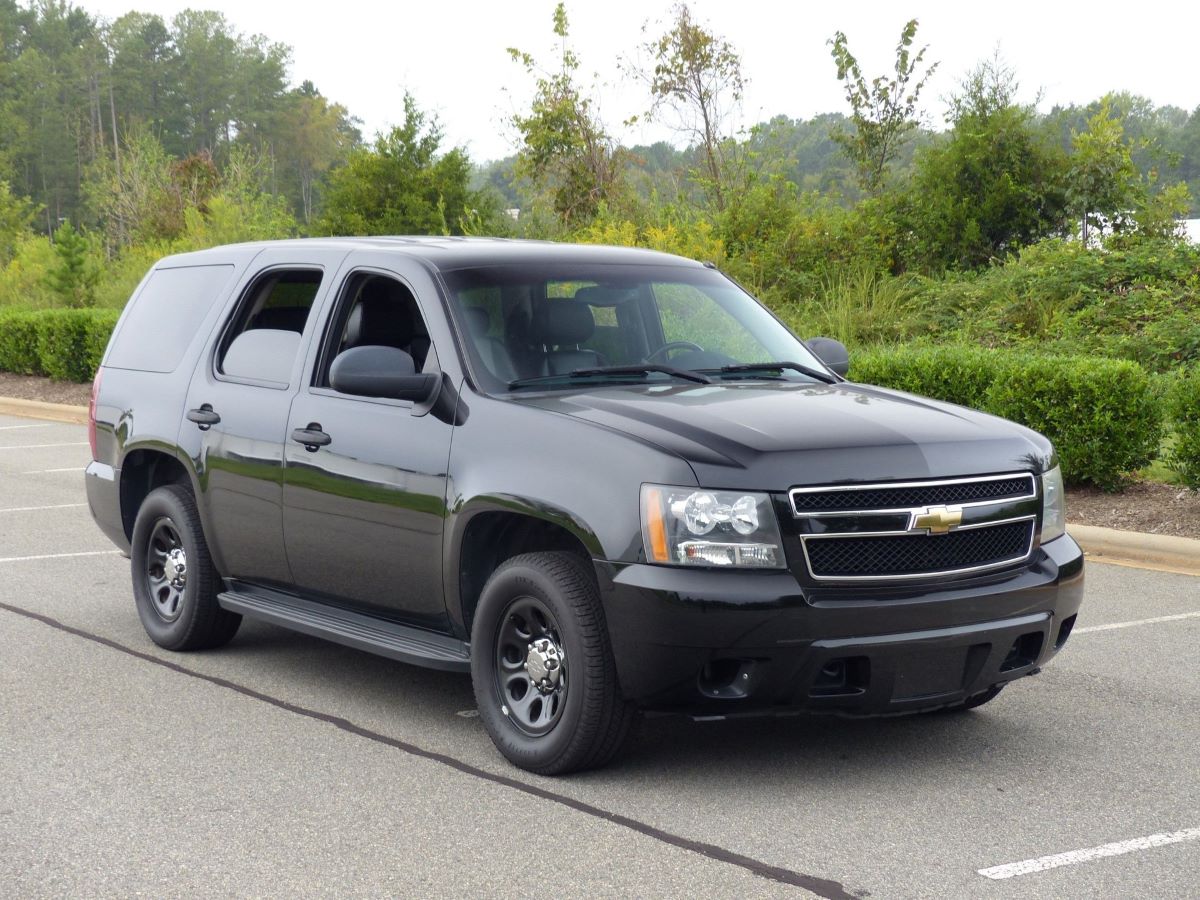
The Tahoe is built for heavy use towing, idling, and hauling in all conditions. Its 5.3L V8 and transmission cooling setup are specifically designed to handle stress, and GM’s big SUVs from this era have proven remarkably heat-tolerant.
In places like Texas and Arizona, these trucks routinely serve as family haulers, work vehicles, and tow rigs without any sign of heat fatigue. As long as the coolant and fan clutch are maintained, the Tahoe stays composed under fire.
The Chevrolet Tahoe, GM’s best-selling full-size SUV, has long been a top choice for families seeking a spacious, comfortable vehicle that’s equally capable of towing and off-road driving.
Nearly two feet shorter than the Chevrolet Suburban, the Tahoe offers similar utility in a more manageable size, especially suited for urban environments.
It also shares its platform with the GMC Yukon, with the two models differing mainly in equipment levels and front-end styling. For 2007, the Tahoe received a complete redesign, delivering significant upgrades in power, interior space, convenience features, and safety technology, reinforcing its position in the large SUV segment.
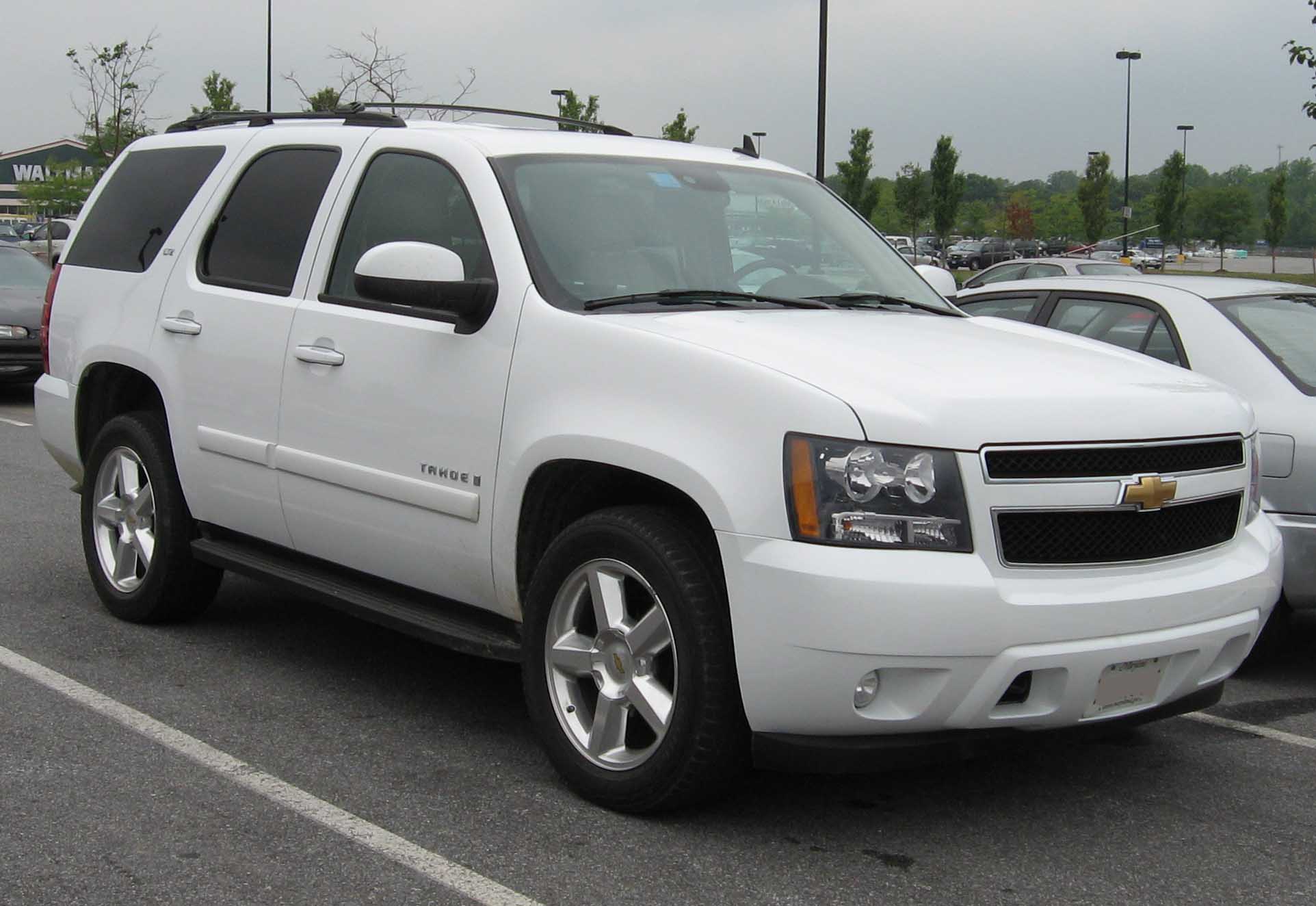
The outgoing generation of the Tahoe had begun to fall behind newer rivals in both refinement and technology. The 2007 Chevrolet Tahoe addresses nearly all of those shortcomings. Inside, the fit and finish are vastly improved, featuring soft-touch materials, tight panel gaps, and a more sophisticated design.
Externally, the Tahoe sports a clean, slab-sided profile, a look that some might say appears more Ford-like than traditional Chevrolet styling.
However, this new design brings a major advantage: enhanced aerodynamics. With a 0.36 drag coefficient, the Tahoe cuts through the air as efficiently as some sports cars, improving both performance and fuel economy.
Beneath its refined exterior, the 2007 Tahoe retains a body-on-frame construction with a solid rear axle, staying true to its rugged SUV roots.
However, several key engineering updates enhance its driving dynamics. Chevrolet reports a substantial increase in body stiffness, while the old torsion-bar front suspension has been replaced with a coil-spring setup for a smoother ride.
The recirculating-ball steering has been upgraded to a rack-and-pinion system for greater precision, and the ABS-equipped four-wheel disc brakes are larger and more responsive than before.
New Cars That Overheat Easily
When you buy a brand-new car, you expect reliability, smooth performance, and peace of mind, especially in challenging conditions. But what happens when a fresh model starts heating up more than it should? Even modern vehicles can suffer from cooling-system weaknesses, tight engine bays, inadequate airflow, or electrical/design flaws that make them prone to overheating.
In this article, we’ll explore some of the new cars that have drawn attention for their thermal management issues, what to watch for, what causes the problem, and how you can spot early warning signs before things get serious. With the right information, you can avoid a costly surprise and steer clear of a ride that heats up too easily.
1. Tesla Model 3 (2018–Present)
EVs might not have radiators in the traditional sense, but that doesn’t make them immune to overheating. Tesla’s Model 3 can struggle with thermal management in hot climates, especially under hard acceleration or long-distance charging.
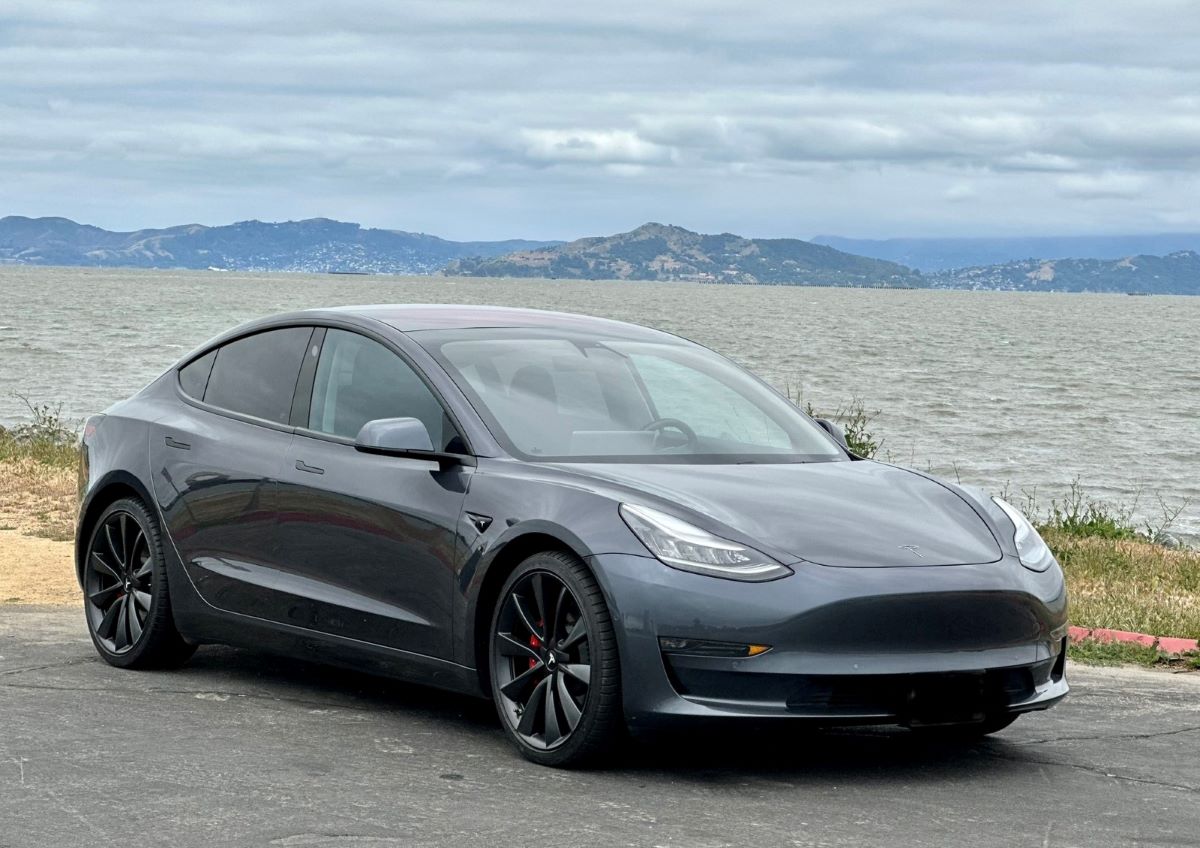
Owners in desert states report reduced charging speeds and temporary performance limits when battery temperatures rise. While the cooling system is advanced, it’s also delicate meaning frequent exposure to heat can cause issues that require costly service.
2. Ford Bronco (2021–Present)
The reborn Ford Bronco looks ready for desert adventures, but in practice, its turbocharged EcoBoost engines generate a lot of heat. Early models experienced cooling fan and radiator issues, particularly when driven off-road or at low speeds in hot weather.
Combine that with tight engine bay packaging and plastic cooling components, and you’ve got a modern SUV that’s more vulnerable to temperature spikes than the old-school rigs it aims to replace.
The 2021 Ford Bronco marks the long-awaited return of an American icon, blending rugged off-road capability with modern design and technology. Starting at a base MSRP of $28,500, the Bronco delivers exceptional versatility for drivers seeking both adventure and practicality.
Equipped with four-wheel drive and powered by a 2.3-liter turbocharged inline-four gas engine, it produces 270 horsepower and 310 lb-ft of torque at 3000 rpm, paired with a 7-speed manual transmission that gives drivers full control over the terrain.
Despite its tough, go-anywhere performance, the Bronco maintains respectable fuel efficiency for an off-road SUV, achieving 20 MPG in the city, 22 MPG on the highway, and a combined 21 MPG.
With a 16.9-gallon fuel tank, it offers an estimated cruising range of 338 miles in the city and 371.8 miles on the highway. Built for maneuverability and stability, it features an 8.4-inch ground clearance, 100.4-inch wheelbase, and measures 173.7 inches long, 75.9 inches wide, and 71.9 inches high, with a curb weight of 4,286 pounds.
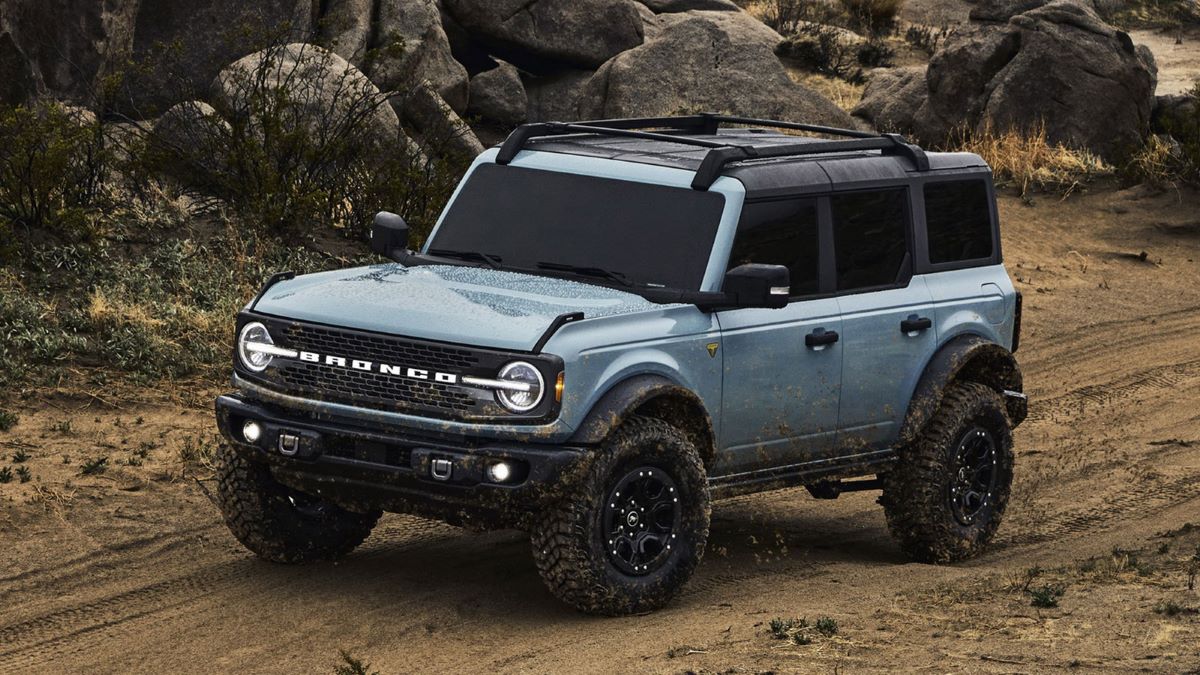
The Bronco’s maximum towing capacity is 3,500 pounds, making it capable of hauling small trailers, boats, or camping gear with ease. It rides on 16-inch steel wheels fitted with P255/70TR16 tires in both the front and rear, offering strength and traction across various terrains.
The rack-and-pinion steering system enhances precision and control, ensuring confident handling whether navigating highways or rugged trails.
Combining modern engineering with classic off-road DNA, the 2021 Ford Bronco delivers a dynamic driving experience that’s as comfortable on city streets as it is on dirt paths.
Its blend of power, efficiency, and versatility makes it one of the most capable and desirable SUVs in its class, perfectly suited for those who crave adventure without sacrificing everyday usability.
3. Hyundai Tucson Hybrid (2022–Present)
Hybrid SUVs like the Tucson use compact, high-efficiency turbo engines and battery systems both of which dislike sustained heat. Owners in southern states have reported engine fans running constantly and AC systems losing cooling effectiveness in heavy traffic.
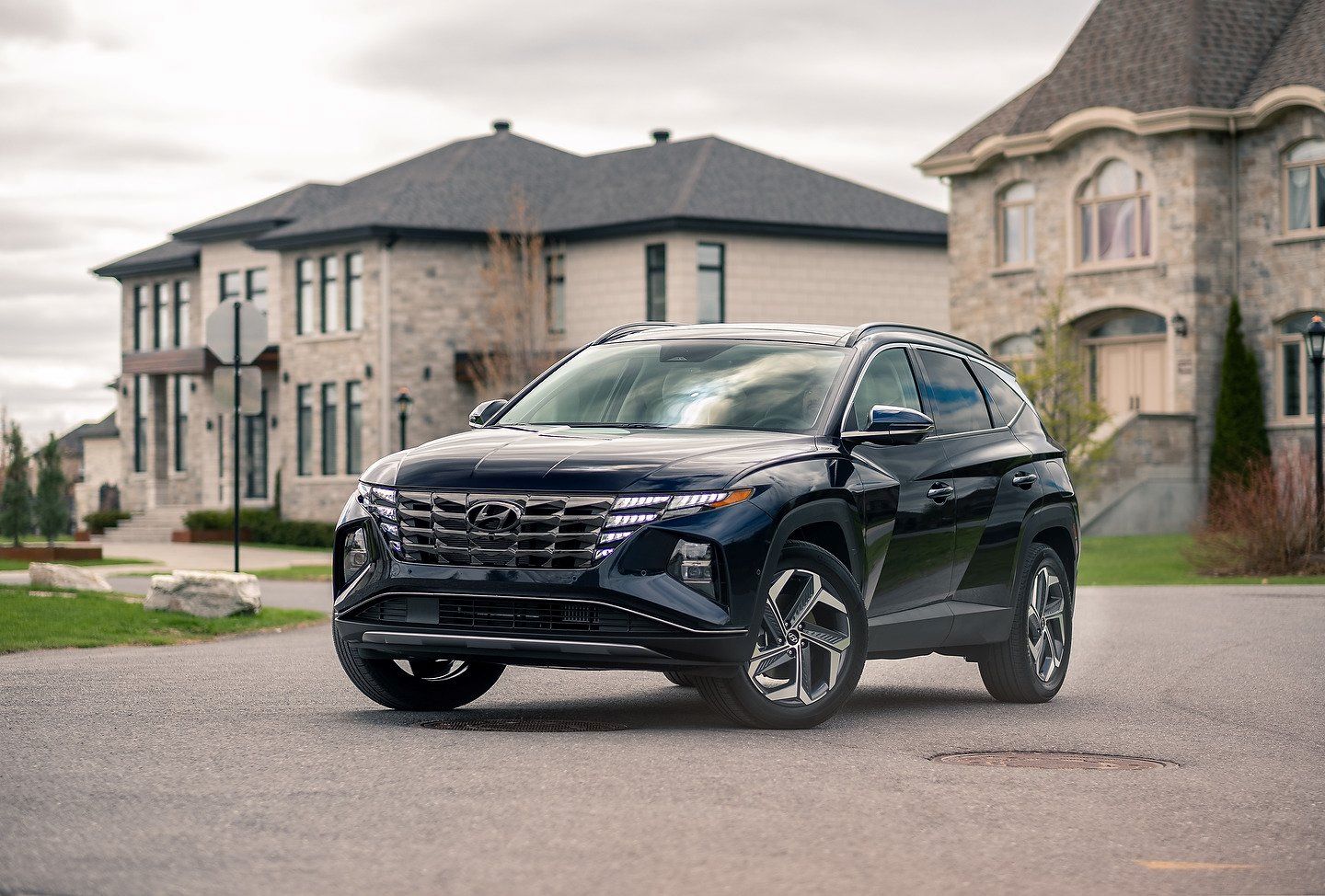
The combination of a small engine, tight cooling space, and hybrid drivetrain complexity makes this one of those vehicles that’s great in moderate climates but less than ideal in desert heat.
4. Jeep Grand Cherokee 4xe (2022–Present)
Jeep’s plug-in hybrid Grand Cherokee 4xe is a technological marvel, but it’s also prone to thermal stress. Between the turbocharged four-cylinder engine, electric motor, and battery pack, heat management becomes a constant challenge.
Reports from owners in California and Texas note frequent overheating warnings during long climbs or high-speed drives in summer. The multiple cooling systems work hard sometimes too hard which can shorten component life and lead to expensive fixes.
The current-generation Jeep Grand Cherokee has been on the market for nearly a decade, which in most cases could suggest a dated design and outdated features. However, Jeep has done an impressive job of keeping this iconic midsize SUV feeling modern and relevant.
A large part of that success comes from the Grand Cherokee’s combination of technology, capability, and practicality.
Inside, drivers will find a well-laid-out center console, a crisp infotainment system, and standard Apple CarPlay and Android Auto compatibility, alongside a suite of advanced driver-assistance features that keep the SUV competitive in today’s market.
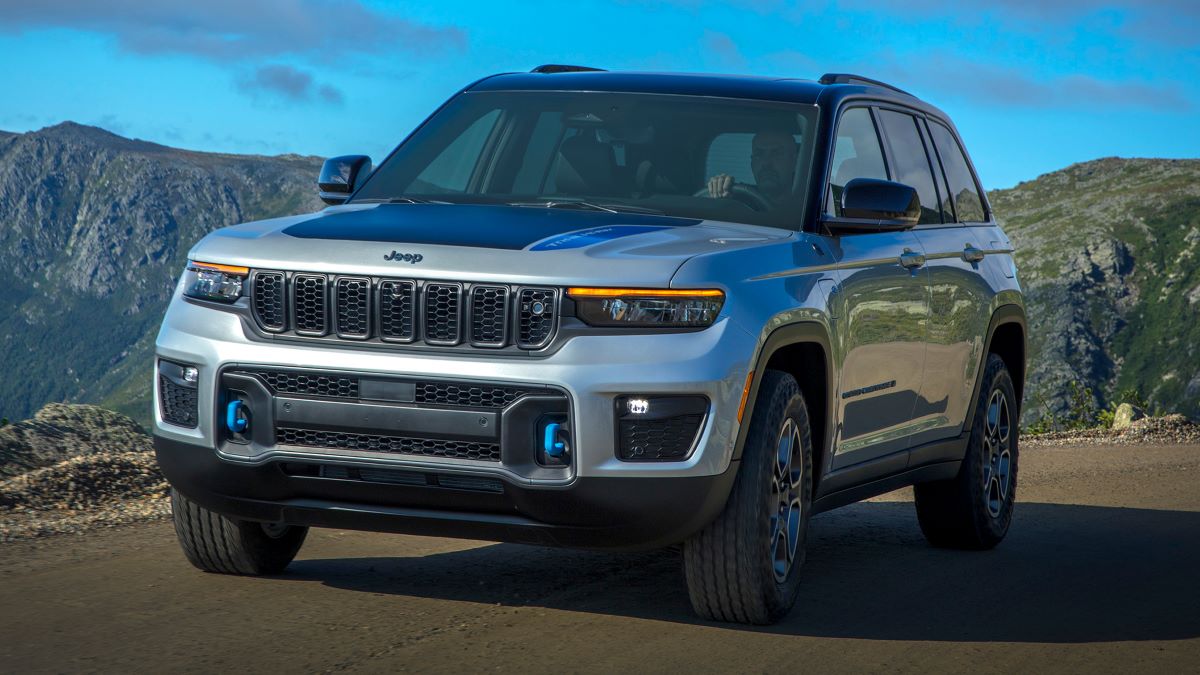
Under the hood, Jeep has discontinued the optional diesel V6, but the lineup still offers ample engine choices. The standard V6 delivers solid performance, while three available V8 engines cater to those seeking more power.
This ranges from the 5.7-liter V8 with 360 horsepower to the supercharged 6.2-liter V8 sourced from the Dodge Challenger Hellcat, which produces a staggering 707 hp. These powertrains provide a thrilling driving experience and make the Grand Cherokee one of the most engaging family SUVs on the road.
The Grand Cherokee also excels in utility. Its off-road capabilities remain strong, especially with specialized four-wheel-drive systems like the Trailhawk’s, while its 7,200-pound towing capacity is among the best in its class for a midsize SUV. This makes it equally suitable for weekend adventures off the beaten path or towing trailers and boats.
That said, the Grand Cherokee does have some drawbacks. The base V6 engine can feel underpowered, encouraging buyers to opt for one of the V8s, which can significantly raise the price, particularly when adding specialty packages and options.
This can affect the overall value proposition for some shoppers. Despite these considerations, the Grand Cherokee remains a sturdy, capable, and versatile five-passenger SUV, offering a rare blend of comfort, technology, off-road performance, and towing ability that keeps it among the top recommendations in its segment.
5. Volkswagen GTI (2022–Present, Mk8)
The newest GTI delivers thrilling turbocharged performance, but heat is its Achilles’ heel. The small 2.0L turbo engine and compact intercooler setup are highly susceptible to heat-soak, especially in stop-and-go traffic or under hard driving.
Owners in warmer regions report power loss and frequent fan activity even during normal commutes. Unlike the older Mk5 or Mk6 GTIs, which were more tolerant, this generation runs hotter and has less thermal headroom.
Since this is a midcycle refresh rather than a full GTI redesign, Volkswagen acknowledges that their ability to address some customer concerns, particularly regarding the interior’s touch-sensitive controls, was limited.
The volume and temperature sliders on the dash, located just below the touchscreen, remain in place, although they are now brighter and more easily visible than before.
Thankfully, VW has reintroduced a leather-wrapped steering wheel with physical controls for the GTI this year. It closely resembles the Mk7 wheel and includes toggles for driver-assist features and volume on the left spoke, while the right spoke houses controls for the driver screen, infotainment system, and heating functions. While this may seem like a small detail, the tactile feedback of the buttons is something we genuinely missed.
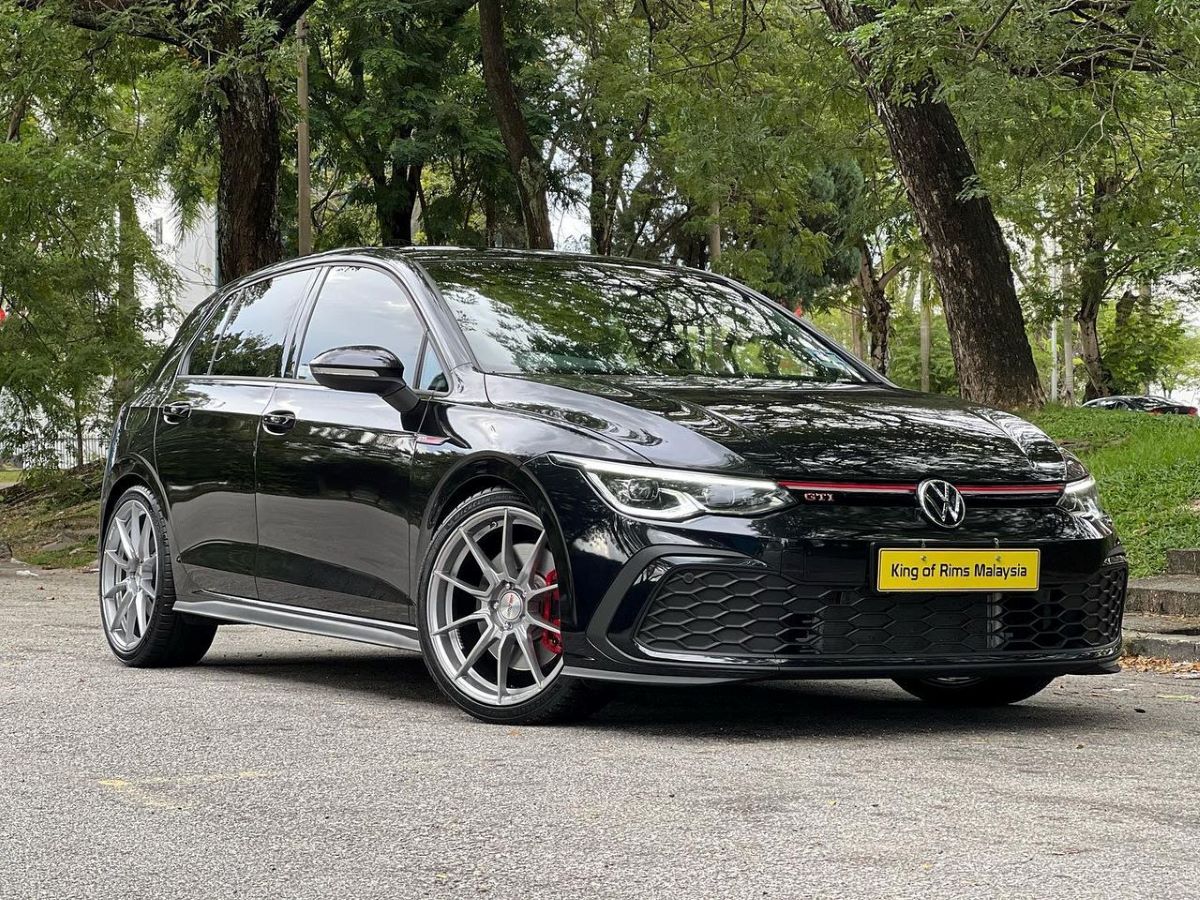
In addition to a new Carbon Gray cabin décor, the GTI SE model now offers ArtVelours seats, similar to those in the track-focused European-market GTI Clubsport.
Any serious GTI enthusiast will immediately recognize the hexagonal embossing and red accents on these bolstered buckets, which remain extremely comfortable in the refreshed model. It’s a distinctly European touch that feels especially premium in the middle trim this year.
Although the GTI remains a strong performer, the lineup’s manual transmission is no longer offered, something we’ve mentioned before. To be fair, we weren’t particularly enthusiastic about the manual anyway, especially when competing models offered better-feeling gearboxes.
The car still delivers remarkable acceleration. While it doesn’t match the raw horsepower of competitors such as the 271-hp Subaru WRX or 300-hp Toyota GR Corolla, its torque figure lands right between the Subie’s 258 lb-ft and the Toyota’s 295 lb-ft. However, the turbo’s punch can still overpower the front tires if throttle input isn’t carefully managed.
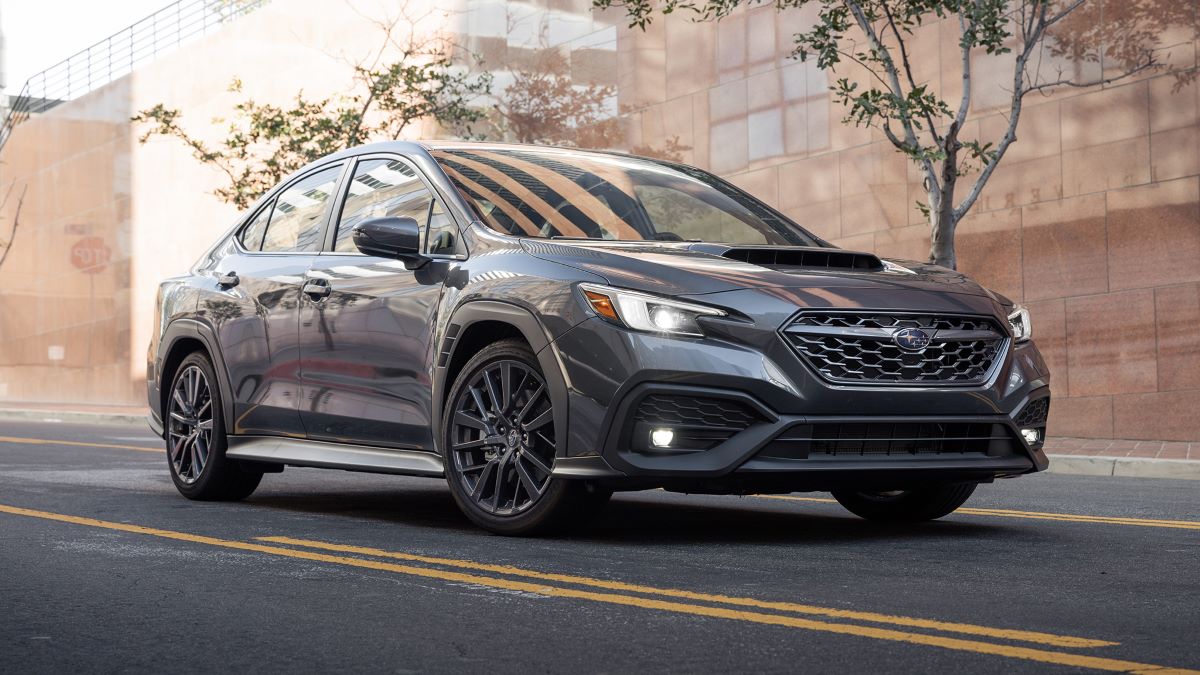
6. Subaru WRX (2022–Present)
Subaru’s latest WRX trades raw rally toughness for refined performance but that evolution came at a cost. The turbocharged 2.4L engine generates significant under-hood heat, and in warm climates, that can mean coolant temperature spikes during spirited driving.
Several owners in desert states have noted the fans struggling to keep up during long idles, and aftermarket tuners have even begun adding upgraded radiators and oil coolers. It’s a fun car, but not a heat champion.
As car technology evolves, heat resistance isn’t always improving. Many modern turbocharged or hybrid powertrains push components closer to their limits, and while they deliver great efficiency and power, they can also struggle when the temperature hits triple digits.
Meanwhile, older, simpler vehicles with large radiators, mechanical fans, and naturally aspirated engines continue to thrive in brutal conditions.
If you live in states like Arizona, New Mexico, Texas, Nevada, or Southern California, choosing a car with a proven cooling system isn’t just smart it’s essential.
Whether you pick a trusty 4Runner or a classic Crown Vic, these used vehicles show that sometimes, the old-school approach to cooling is still the best defense against summer heat.