When buying a used car, most Americans weigh two key factors: reliability and resale value. While some vehicles manage to hold their worth even after years on the road, others plummet in price the moment you drive them off the lot.
Depreciation can be influenced by brand reputation, maintenance costs, performance reliability, and even market trends.
For example, Toyota and Honda models have become synonymous with durability, while luxury and electric brands often see sharp drops as newer tech and models emerge.
In this list, we’ll explore five used cars that retain their value exceptionally well, followed by five models that depreciate faster than they should giving you a clear picture of what’s a smart buy and what’s a financial misstep in the U.S. used car market.
Used Cars That Hold Value
When it comes to buying a used car, one of the smartest decisions you can make is choosing a vehicle that holds its value over time. Depreciation is inevitable, but some cars lose their worth far slower than others, meaning you get more bang for your buck both at purchase and when it comes time to sell or trade in.
From reliable sedans to rugged SUVs, the market is full of options that combine dependability, low ownership costs, and strong resale value. In this guide, we’ll break down the top used cars that are proven to retain their value, helping you make a choice that’s financially savvy and worry-free.
1. Toyota Tacoma
The Toyota Tacoma is practically a gold standard for resale value in the U.S. Used car buyers love it for its bulletproof reliability, rugged simplicity, and off-road prowess.
Even high-mileage Tacomas command surprising prices on the used market. Part of this comes from Toyota’s reputation for longevity owners routinely report trucks passing 300,000 miles with routine maintenance.
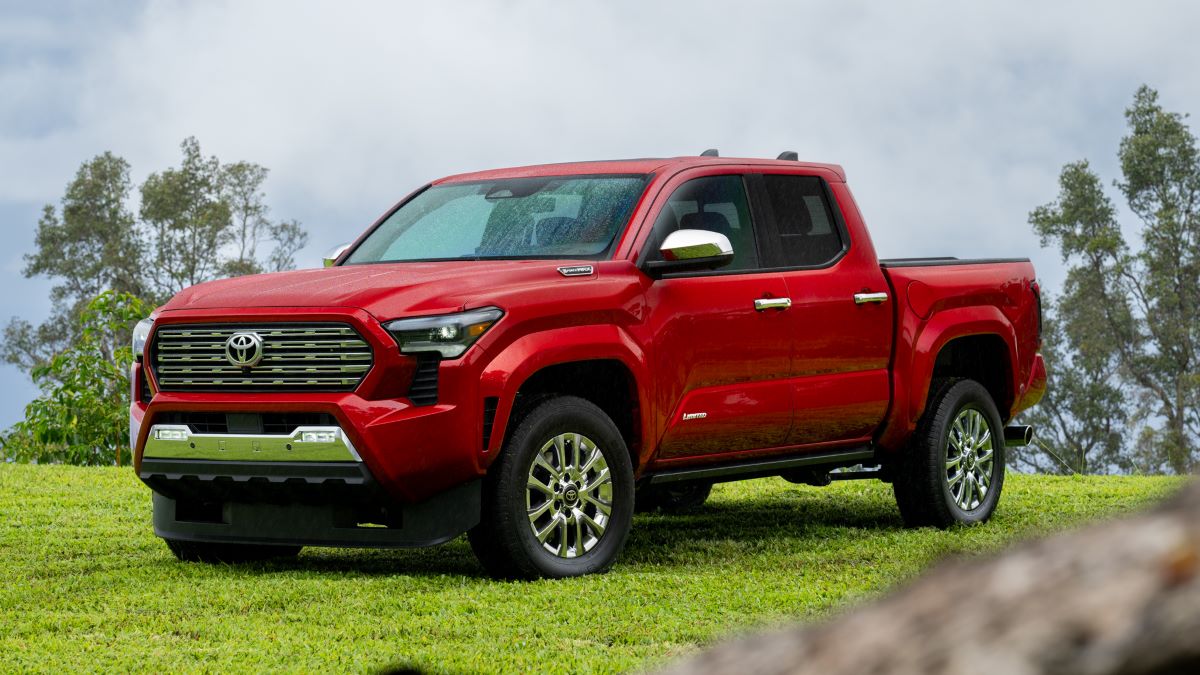
The Tacoma also benefits from minimal design changes over time, so even a 2017 model feels up-to-date next to newer ones. It’s the truck that never seems to lose demand, making it one of the safest bets for those looking to retain value.
2. Honda Civic
The Honda Civic has long been a symbol of practicality and reliability, which directly translates to outstanding resale value. Compact cars generally don’t perform as well as trucks or SUVs in depreciation charts, but the Civic breaks that trend.
Fuel efficiency, low ownership costs, and a strong reputation for reliability keep demand steady in the used market. Models from 2016 onward, especially the Sport and EX trims, continue to fetch strong resale prices.
Whether bought as a daily driver or a first car, Civics hold their value because they simply don’t quit and because replacement parts are cheap and widely available.
The Honda Civic comes equipped with a wide array of innovative features and technologies, including hybrid models with HEV technology, the enhanced SENSING suite for increased safety, premium audio and digital displays for entertainment, smartphone connectivity for convenience, and a host of advanced safety features.
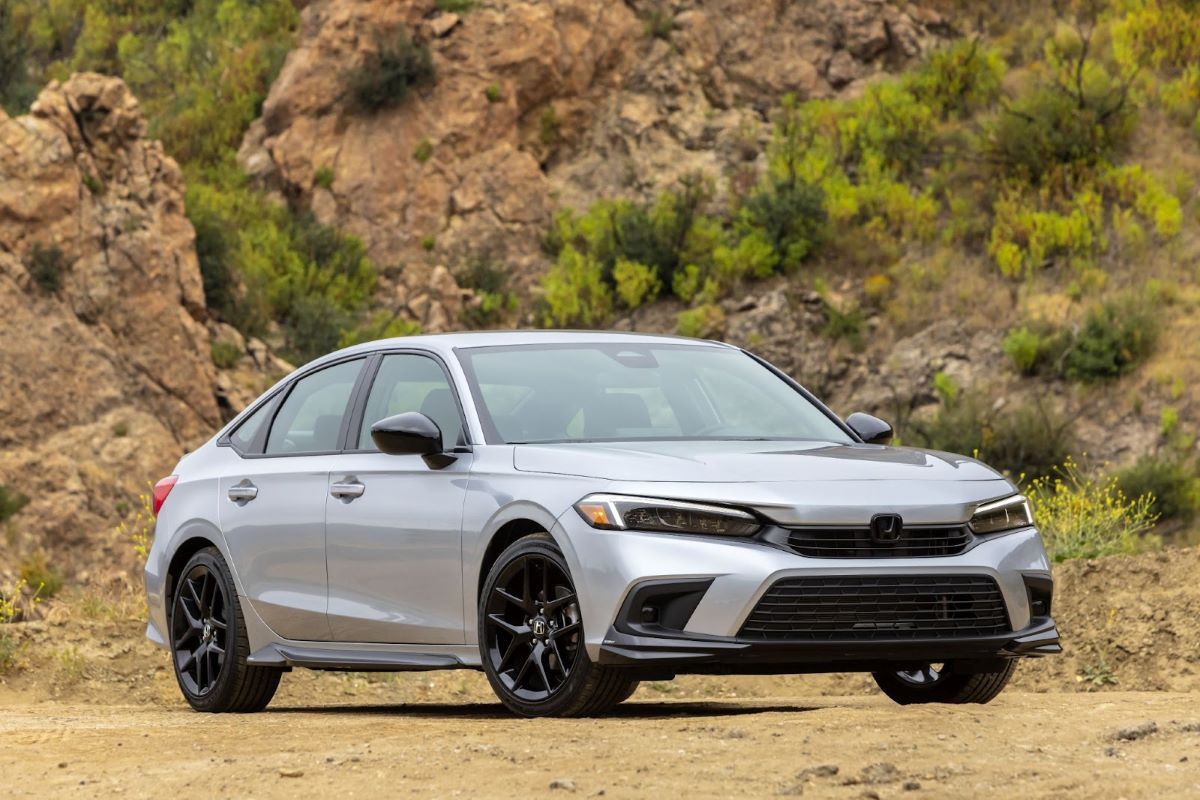
The 2024 Honda Civic introduces hybrid models equipped with HEV technology, offering drivers an eco-friendly option. This advanced system combines a fuel-efficient petrol engine with electric power, boosting overall efficiency while reducing the vehicle’s environmental footprint.
The HEV system intelligently switches between power sources to optimize performance, all while delivering impressive fuel economy. This makes it an appealing choice for environmentally conscious drivers who also appreciate high-tech features in their vehicles.
Honda’s hybrid models and HEV technology reflect the brand’s commitment to sustainability, providing a greener driving option without sacrificing performance or style.
The 2024 Honda Civic features a sleek, modern design with a sporty, aerodynamic exterior that distinguishes it from previous generations. Its bold front grille, sharp character lines, and stylish LED headlights contribute to a dynamic and striking look.
Inside, the cabin offers a contemporary layout with premium materials and intuitive controls. Passengers enjoy generous legroom in both the front and rear, while ergonomically designed seats ensure comfort on long journeys.
To elevate the aesthetic, the 2024 Civic includes refined touches such as chrome accents, piano black finishes, and optional alloy wheels in multiple sizes to match various preferences.
The 2024 Honda Civic comes with enhanced SENSING, a comprehensive suite of advanced safety and driver-assistance features. This includes a collision mitigation braking system, adaptive cruise control with low-speed follow, lane-keeping assist, road departure mitigation, and traffic sign recognition.
These features work together to provide a safer, less stressful driving experience while keeping the vehicle aware of its surroundings.
Also Read: 5 Engines That Handle Stop-and-Go Traffic vs 5 That Break Early
3. Jeep Wrangler
Few vehicles have as passionate a following as the Jeep Wrangler. Its unique blend of heritage design, off-road performance, and customization options keeps its demand high among enthusiasts.
Wranglers from the 2010s, especially the JK and JL generations, have proven to retain their worth impressively.
Even older ones with six-figure mileage can sell for well above expectations, mainly because buyers see them as lifestyle vehicles rather than just transportation.
Limited depreciation is also helped by the Wrangler’s cult status there’s always someone out there willing to pay a premium for one.
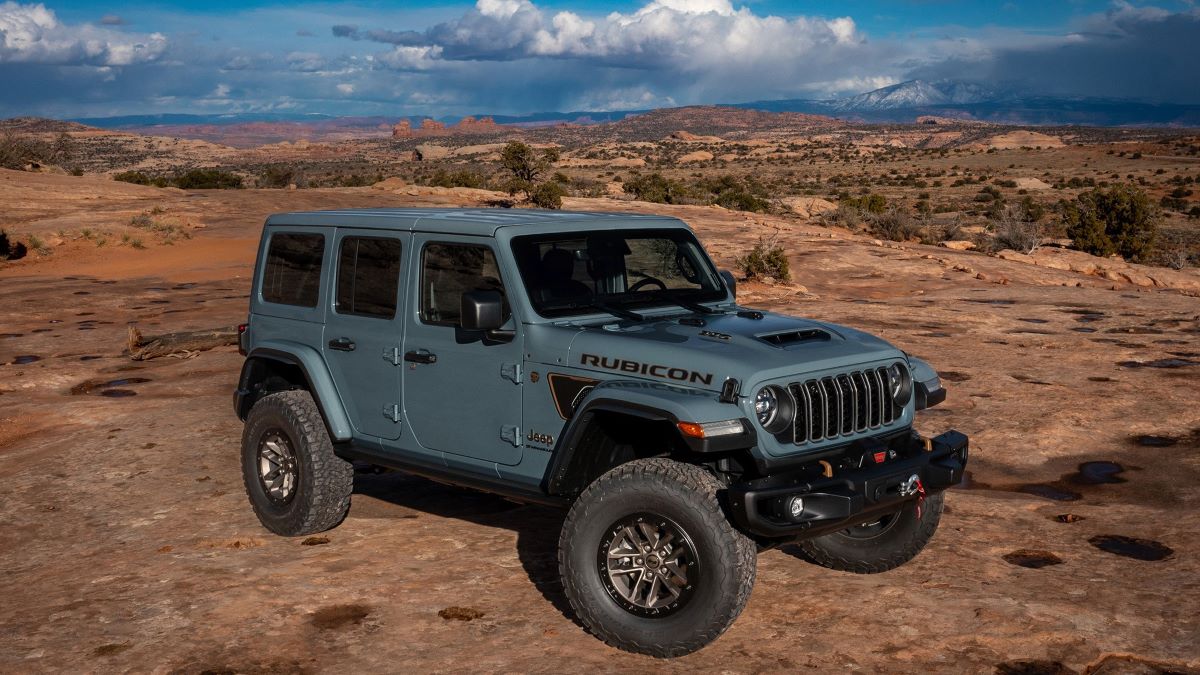
Getting a V-8 into your Jeep Wrangler just became significantly more affordable. On Wednesday, Jeep unveiled details for the 2026 model year Wrangler lineup, with the headline change being a new, lower-priced V-8 Wrangler trim called the Moab 392.
Buyers of the Wrangler Moab 392 enjoy the full 470 hp and 470 lb-ft of torque found in the V-8 Wrangler Rubicons, along with a suite of key performance upgrades.
Off-road enhancements include 35-inch all-terrain tires mounted on 17-inch beadlock-capable wheels, rock protection sill rails, and an optional 8,000 lb Warn winch.
The Moab 392 also comes equipped with a 2.72:1 “SelecTrac” two-speed 4WD transfer case and a two-mode dual exhaust, giving drivers the ability to adjust both the vehicle’s sound and off-road capabilities to better suit the terrain ahead.
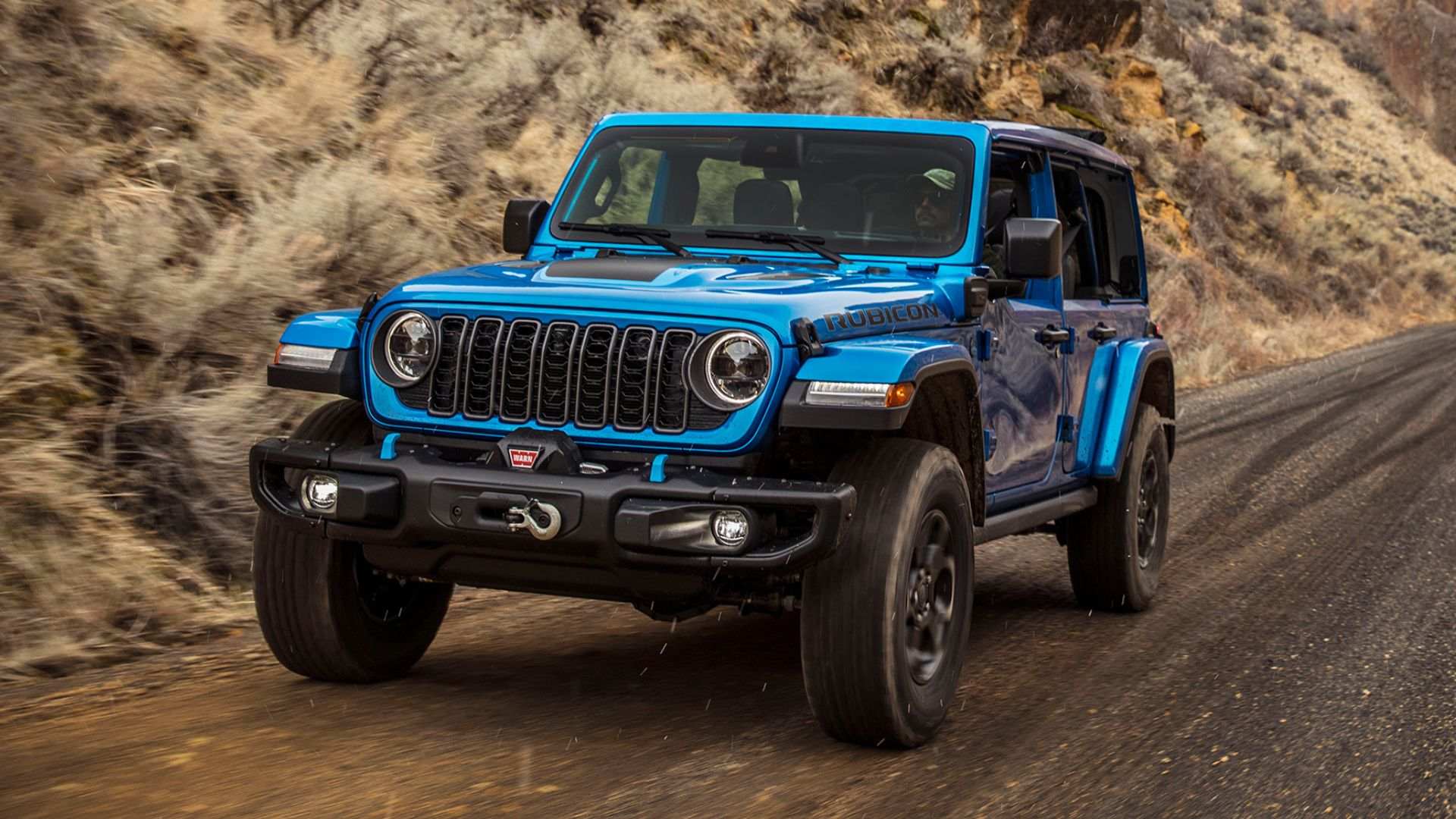
The Wrangler Moab 392 has a starting price of $81,990 after the destination fee, which is exactly $20,000 less than the 2025 Wrangler Rubicon 392. Despite this sizable drop, the Moab 392 still carries a starting price over $5,000 higher than what the Rubicon 392 launched at in 2021.
Jeep isn’t stopping with just the Moab 392. The company confirmed that this model is the first of 12 limited-edition Wranglers, with new special trims set to be revealed on the 12th day of each month over the next year.
While details on the upcoming models remain under wraps, newly announced limited-run colors for the 2026 lineup include “Goldilocks,” “Joose,” “Earl Grey,” and “Tuscadero.” These shades may correspond to future models, much like the “Reign” purple debuted alongside the Moab 392.
Interestingly, Jeep’s 2026 Wrangler announcement did not mention the electrified (and occasionally troubled) Wrangler 4xe.
A Stellantis representative explained that the focus is “leading with info on ICE for the Jeep Wrangler to accompany today’s news regarding the new Moab 392,” adding that Jeep will “share news on 4xe at a later date.” However, this statement did not confirm whether the hybrid Wrangler will continue for the upcoming model year.
4. Subaru Outback
Subaru’s formula of reliability, standard all-wheel drive, and safety technology makes the Outback a favorite among American families and outdoor adventurers alike.
Unlike some SUVs that lose value once newer tech or body styles roll out, the Outback’s consistent identity keeps it desirable.
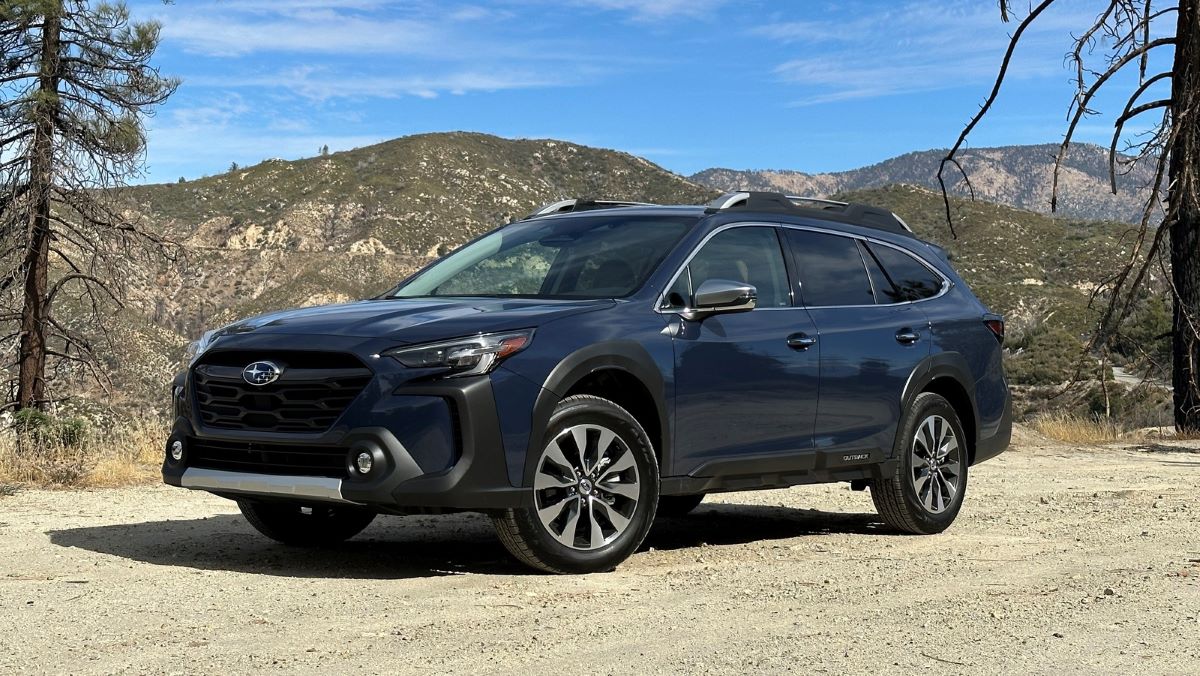
Owners appreciate its balance of comfort and capability, and resale data confirms that Outbacks retain a higher percentage of their value than most midsize crossovers.
Add in strong safety ratings and durability in harsh climates, and you’ve got a used car that remains in demand no matter how many winters it’s seen.
5. Toyota 4Runner
Like the Tacoma, the Toyota 4Runner resists depreciation with an iron grip. Its old-school design a body-on-frame SUV has helped it build a reputation for toughness and simplicity.
Used 4Runners often fetch prices that shock buyers unfamiliar with the market. Models even 8 to 10 years old can retain over 60% of their original MSRP, something few modern SUVs can claim.
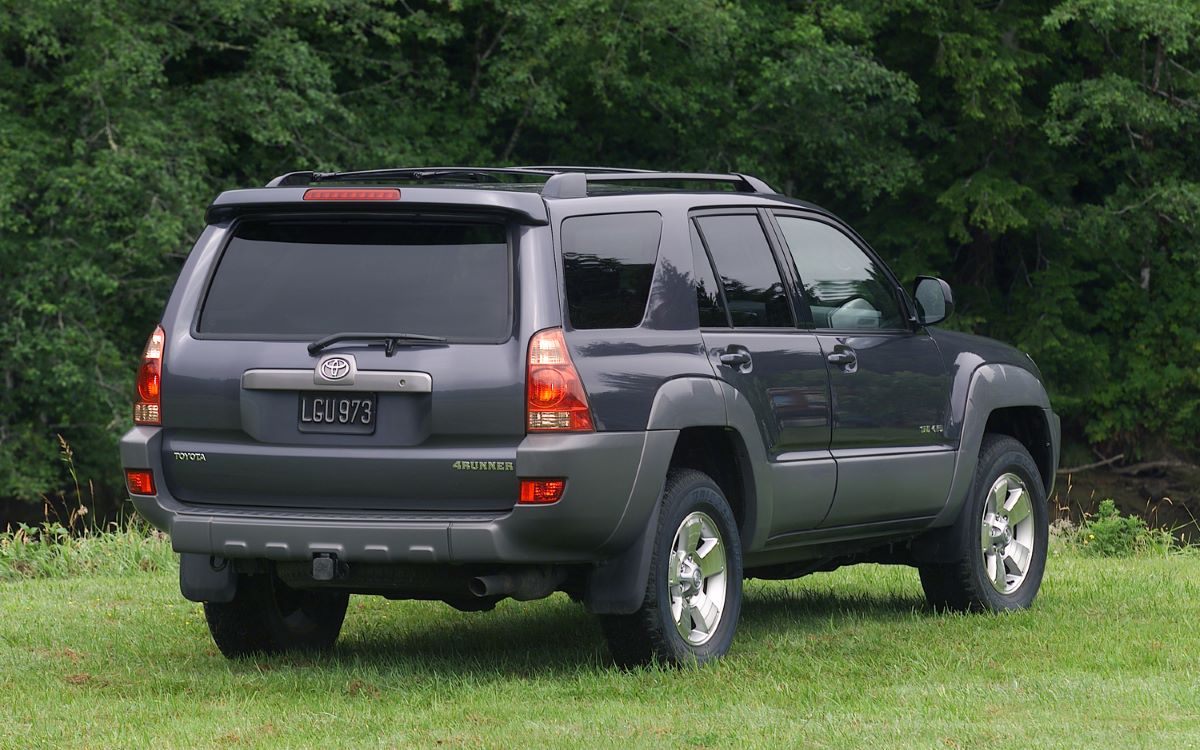
With minimal tech gimmicks and a focus on mechanical dependability, the 4Runner’s appeal endures through generations of ownership. It’s not just a reliable SUV it’s an investment that pays off in the long run.
Used Cars That Nosedive in Depreciation
Buying a car is a big investment, but not all vehicles hold their value equally. Some models lose their worth at lightning speed, leaving owners with a steep financial hit the moment they drive off the lot.
From flashy sports cars to certain luxury sedans, rapid depreciation can turn what seemed like a smart purchase into a costly mistake. In this guide, we’ll highlight the used cars that nosedive in value the fastest, helping you avoid buyer’s remorse and make a choice that won’t drain your wallet.
1. BMW 7 Series
Luxury sedans like the BMW 7 Series are notorious for their steep depreciation, and this flagship model is perhaps the poster child for it.
While brand new 7 Series sedans deliver incredible comfort and technology, they can lose up to 60% of their value in the first five years.
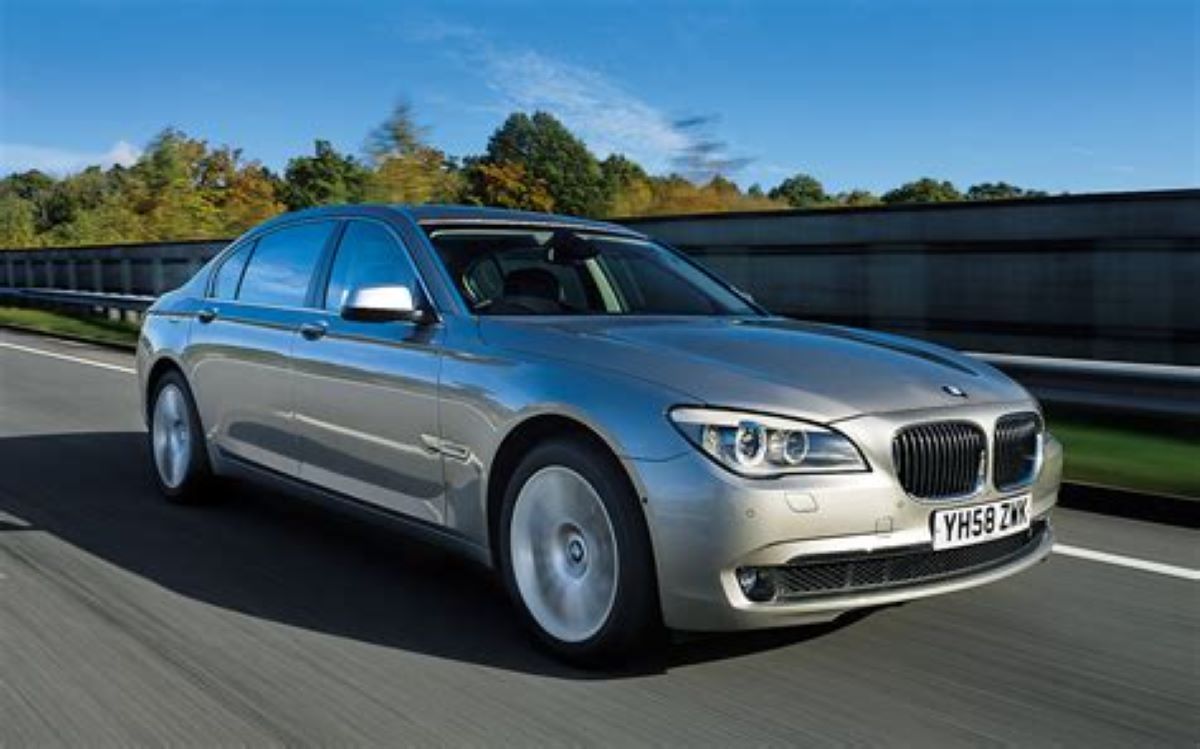
The reasons are obvious: high maintenance costs, complex electronics, and expensive repairs.
Many used car buyers shy away from them due to potential repair bills that rival the car’s resale value. Despite its appeal as a luxury bargain, the 7 Series remains a risky buy unless you have a deep wallet for upkeep.
2. Nissan Leaf
The Nissan Leaf was one of the first mass-market electric cars, but its depreciation rate is among the steepest in the EV world.
Early models in particular suffered from limited range often under 100 miles and rapid battery degradation in hot climates.
While newer Leafs have improved range, the perception of outdated battery tech and the falling price of newer EVs like the Tesla Model 3 and Hyundai Ioniq 6 have crushed used values.
Many early Leafs can be found for under $5,000 today, a fraction of their original sticker price, illustrating just how quickly electric technology can age in the resale market.
The 2026 Nissan Leaf arrives with headline-grabbing features: over 300 miles of electric range, a NACS port that works with Tesla Superchargers without an adapter, and a starting price of $31,485.
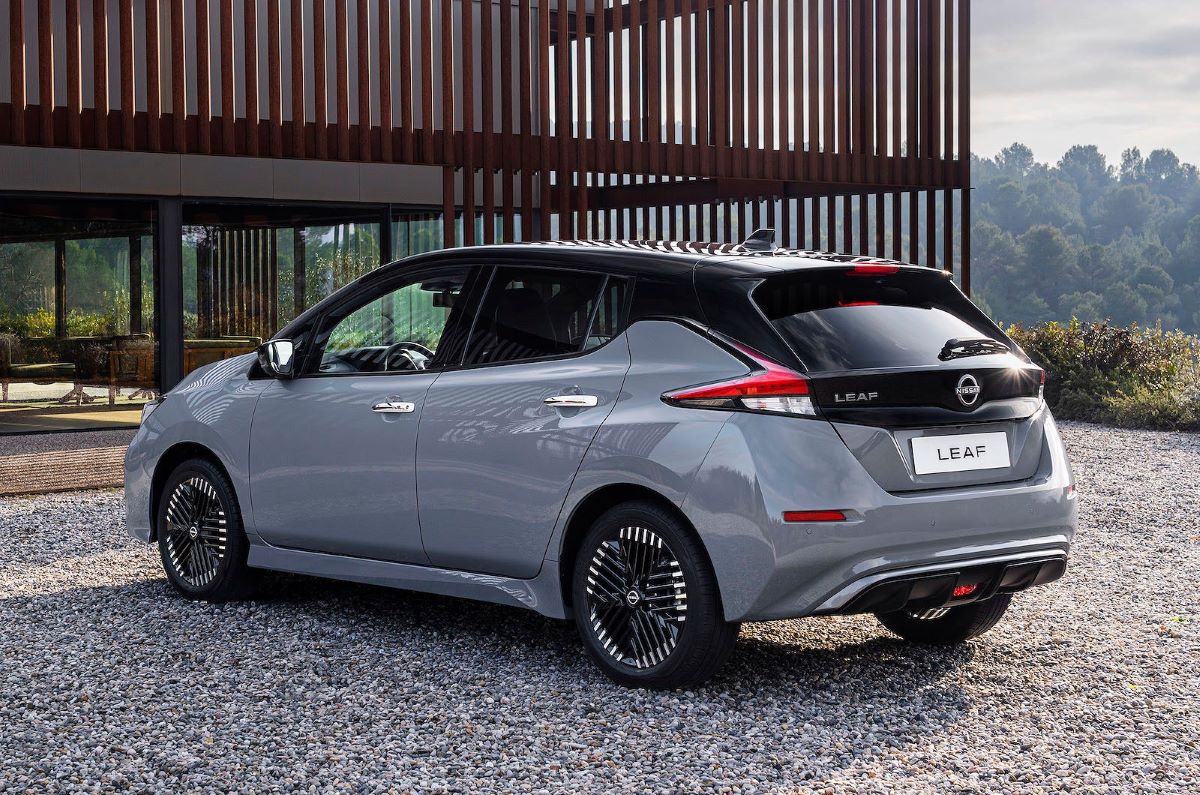
That’s the enticing mix Nissan is highlighting for the new Leaf. In our experience with a top-of-the-line Platinum+ model (starting at $40,485), the 2026 Leaf preserves the ease and simplicity that has defined it for years, only now with specifications that appeal to a broader, mainstream audience.
Visually, the 2026 Leaf appears more substantial and SUV-like compared with its amorphous predecessor, yet it is actually three inches shorter in length and fractionally lower. The width has increased slightly by 0.8 inch.
Nissan claims the redesign provides more passenger space than the previous Leaf, particularly in terms of legroom. That said, a taller driver found rear leg- and kneeroom somewhat tight, likely because the front-seat design no longer allows foot space underneath.
The Leaf forgoes a frunk or front storage compartment, but the rear liftgate opens wide and the seatbacks nearly fold flat, expanding the cargo area from 20 cubic feet up to 56.
The driving position is slightly elevated compared to a traditional car, and visibility is aided by an excellent surround-view camera system. Screens dominate the shelf-like instrument panel and dashboard, while dedicated climate control buttons remain.
Nissan follows the example set by the Ariya with well-placed storage bins and an inductive phone charger positioned just beneath and ahead of the center armrest.
Also Read: 10 Hybrids With the Least Reported Mechanical Issues
3. Cadillac Escalade
Despite its iconic American luxury image, the Cadillac Escalade tends to depreciate fast. Buyers are drawn to its size and features when new, but the cost of ownership fuel, maintenance, and repairs takes a toll on resale.
The Escalade’s value also suffers from competition within GM’s own lineup, as the Chevrolet Tahoe and GMC Yukon deliver much of the same capability for less money.
While newer Escalades with the latest tech fare slightly better, older models see steep value drops once warranty coverage ends and interior tech starts to age.
Even if you haven’t yet reached celebrity status, you can still drive like one: simply get yourself an Escalade. This iconic luxury SUV is a go-to for moguls and fashionistas alike, flaunting bold, braggadocious styling that demands attention.
While the Escalade maintains its own unmistakable appearance, a discerning eye can detect body panels shared with the Chevrolet Tahoe and GMC Yukon.
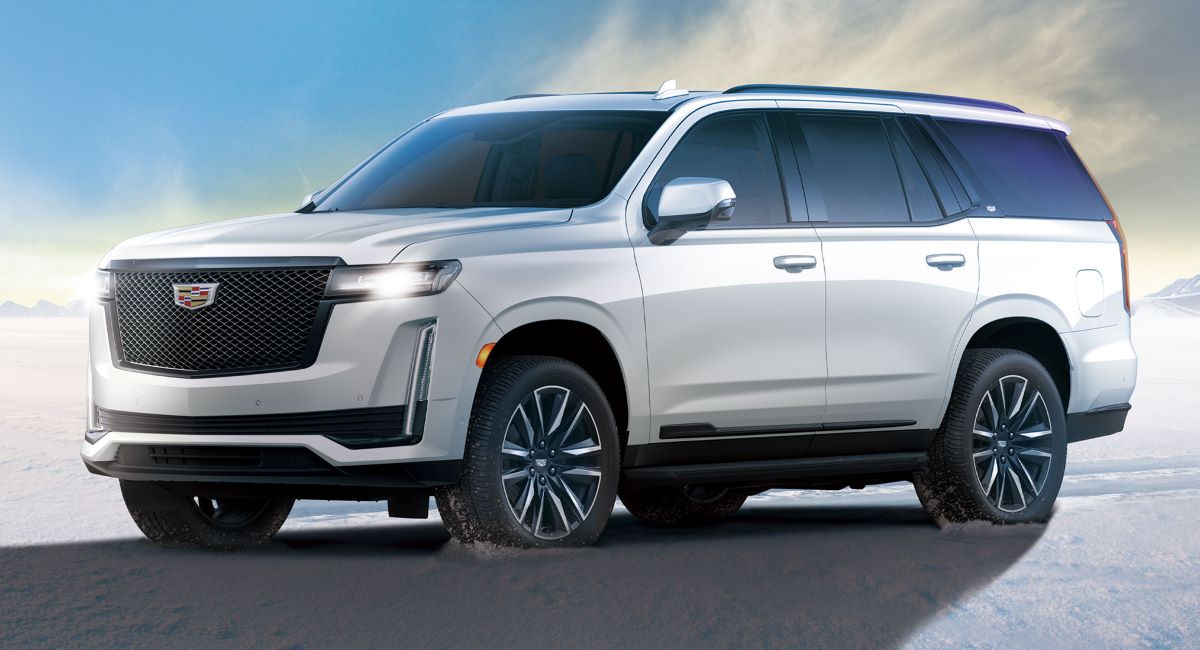
Similarly, the body-on-frame underpinnings of those vehicles are evident in the Escalade’s driving dynamics. The standard suspension results in a ride that can feel slightly stiff and truck-like, though the optional air suspension mitigates this to some degree.
The standard V-8 and optional turbodiesel I-6 engines are capable performers, yet they are the same units offered in other GM SUVs.
All things considered, the Escalade may lack the ultimate exclusivity of some rivals. Nevertheless, it remains a compelling example of three-row American luxury.
Whether fitted with RWD or the available 4WD, every Escalade comes with a 10-speed automatic transmission.
The standard powertrain is a 6.2-liter V-8 that produces 420 hp and 460 lb-ft of torque. In our testing, an Escalade equipped with this engine sprinted from 0-60 mph in 6.1 seconds. EPA fuel economy ratings stand at 14/19 mpg for RWD models and 14/18 mpg for those with 4WD.
A 3.0-liter turbodiesel I-6 is also offered, delivering 277 hp and a solid 460 lb-ft of torque. Escalades with this engine achieve 0-60 mph in roughly 8.5 seconds. One of the key advantages of the Duramax diesel is its efficiency, which improves notably to 21/27 mpg for RWD and 20/26 mpg with 4WD.
A vehicle as massive as the Escalade-V is hard to overlook, yet you might hear it before seeing it. As it approaches, it lets out a foreboding intake shriek and then blares a cacophony of exhaust backfires as it passes.
This drama comes from its 6.2-liter supercharged V-8, similar to the engine in the striking CT5-V Blackwing. Here, however, it’s even more potent, producing 682 hp and 653 lb-ft of torque. Coupled with a 10-speed automatic transmission and 4WD, the Escalade-V can reach 60 mph in about 4.5 seconds.
Naturally, its fuel efficiency is lower than the standard Escalade, consuming 11/16 mpg. Yet with additions like large Brembo brakes and a handling-tuned suspension—on top of virtually all the features of the regular Escalade—the Escalade-V is indisputably the sportiest version ever. Pricing starts at approximately $150,000.
4. Maserati Ghibli
The Maserati Ghibli is one of the most striking examples of luxury depreciation. Its exotic styling and Italian badge promise exclusivity, but the reality is steep ownership costs and average reliability.
Buyers quickly realize that parts, service, and even simple maintenance cost far more than competitors like BMW or Lexus.
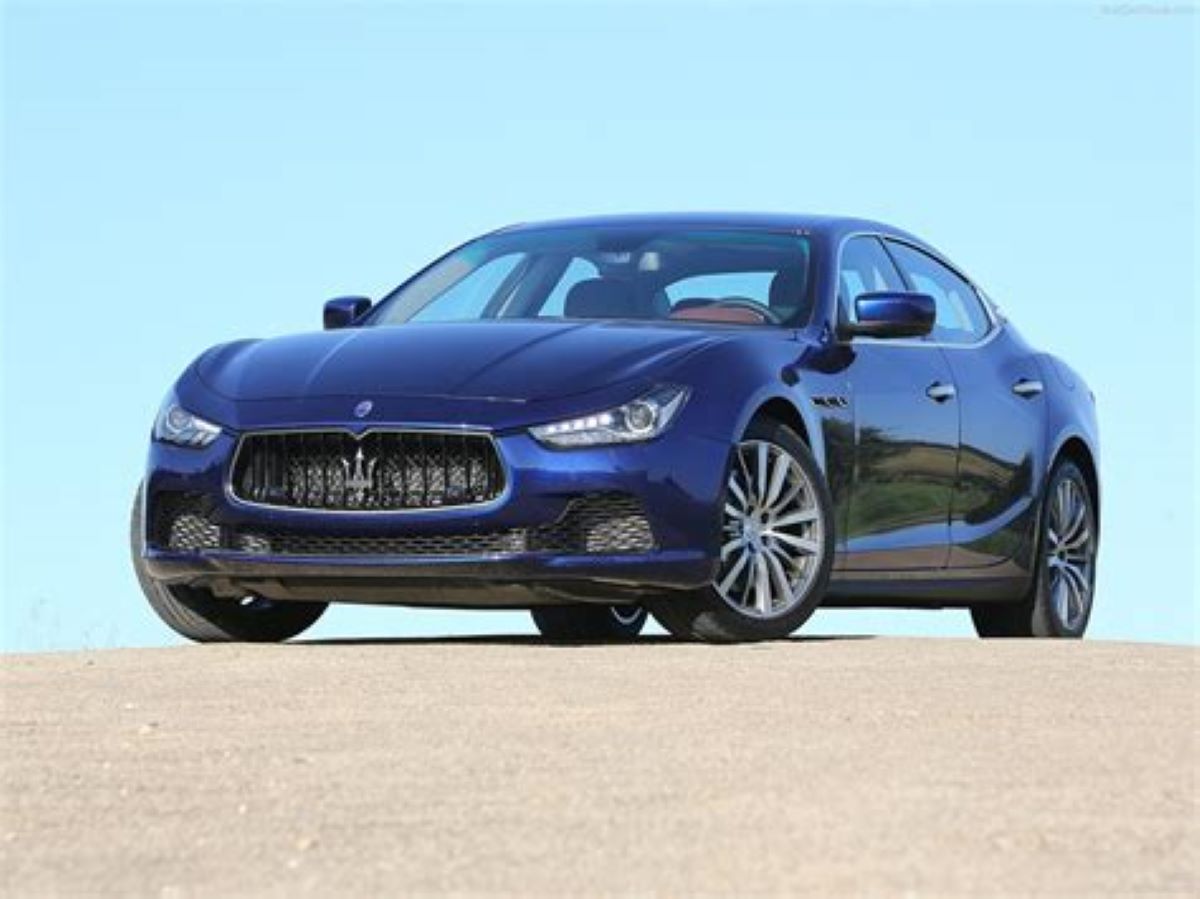
As a result, used Ghiblis can be found at prices that seem too good to be true because they often are.
The car’s limited service network and mixed reliability record drive values down sharply, turning it into a textbook case of “luxury at a discount until it isn’t.”
The BMW 5 Series, Audi A6, and Mercedes E-Class are instantly recognizable. Your dentist might swear by his Volvo S90. Your grandad fancies his Jaguar XF.
And every so often, you might catch yourself eyeing a Lexus ES and wonder, “what’s that, and why does it seem so annoyed with me?” But a Maserati Ghibli? That’s a rarer sight these days.
And that wasn’t Maserati’s plan when it revived the Ghibli name in 2013. The Italian marque had hoped this new four-door, with its downsized engines, including diesel, would usher it into the mainstream. Sales didn’t quite match the ambition, yet Maserati hasn’t abandoned the Ghibli. In fact, it’s just undergone a significant refresh.
Leading the lineup is the Ghibli Trofeo, a BMW M5 rival. Its 3.8-litre twin-turbo V8, derived from Ferrari, produces 572bhp and can reach 202mph flat out.
Beyond that, there’s a range of V6 engines, and rather than continuing the diesel, which might have been better off in a tractor, Maserati has introduced a Ghibli Hybrid.
Now, don’t expect a plug-in hybrid or one that lets you cruise quietly on electric mode. This is a mild hybrid: a 48v-boosted system with a modest battery and a belt-driven starter-generator that assists a 2.0-litre four-cylinder engine borrowed from another storied Italian name, Alfa Romeo.
In total, the Ghibli Hybrid delivers 330bhp and 332lb-ft of torque, placing it below the 345bhp Ghibli V6 and 425bhp Ghibli V6 S in the range. It also carries the lowest starting price at £57,100.
While the engineers have been tinkering under the bonnet, Maserati has also taken the chance to freshen the Ghibli’s design.
Sharper bumpers, a more angular front grille, and a snappier 10-inch touchscreen cabin round out the update. You’ll spot the Hybrid by its blue trim. And prepare for pedestrians to part ways like you’re some exceptionally stylish law enforcement officer.
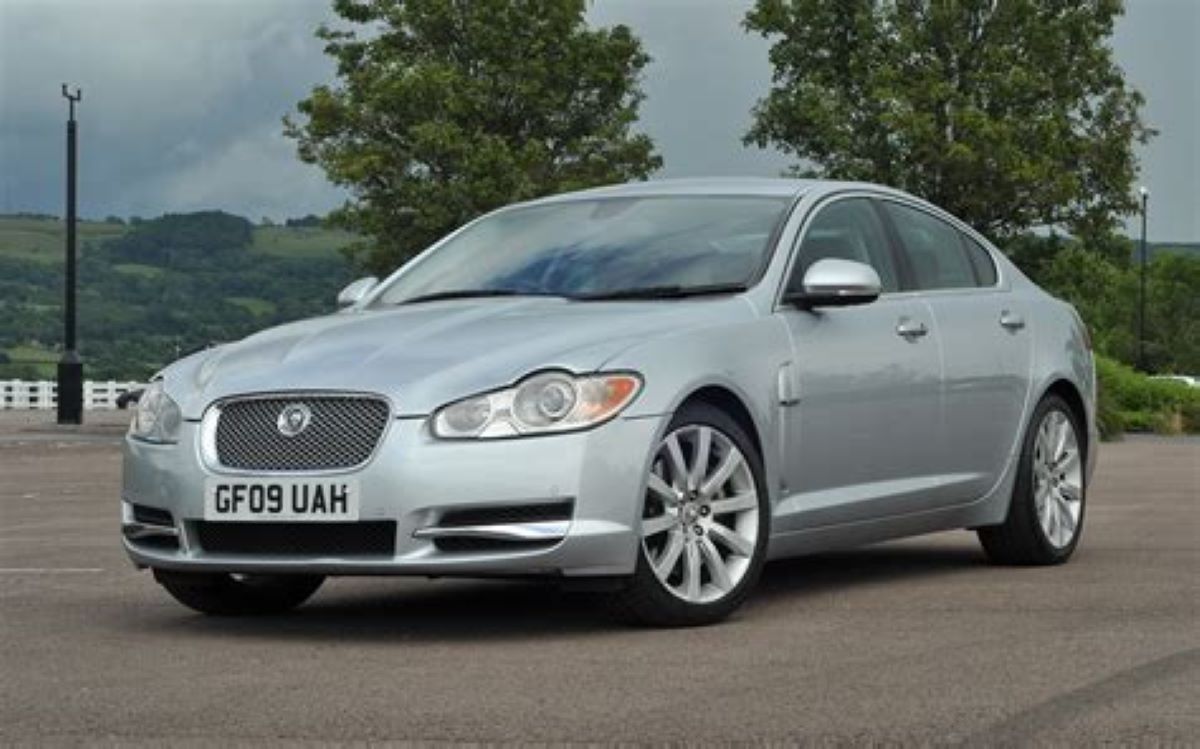
5. Jaguar XF
The Jaguar XF, once positioned as a sporty alternative to German luxury sedans, has seen dramatic depreciation over the past decade.
While it offers elegant styling and refined performance, reliability concerns and low resale demand have hurt its long-term value. In the U.S., used luxury buyers typically gravitate toward BMW, Audi, and Mercedes-Benz, leaving Jaguar in a difficult resale position.
Even low-mileage XFs often lose half their value within a few years, which makes them tempting used buys but disastrous if you bought new. For resale-conscious shoppers, this is one sedan best admired from afar.
Depreciation is an inevitable part of car ownership, but some vehicles manage to defy the odds thanks to reliability, brand reputation, and consistent demand.
Trucks and SUVs like the Toyota Tacoma and 4Runner prove that dependability can be just as valuable as performance or luxury, while vehicles like the Maserati Ghibli and BMW 7 Series remind buyers that prestige doesn’t always equal long-term value.
If you’re shopping the used car market in the U.S., it pays to think long-term choosing a model that not only meets your needs but also holds its value when it’s time to sell.
Whether it’s the rugged charm of a Jeep Wrangler or the practical reliability of a Honda Civic, some cars simply age better than others. And when it comes to protecting your wallet, that makes all the difference.