

When it comes to vintage vehicles, few segments blend nostalgia and practicality like old-school pickup trucks.
Many older pickups were built for genuine work sturdy frames, simple engines, and minimal electronics that make them easier to maintain decades later.
For drivers in the U.S. who love the character of classic machinery but still need something dependable for everyday tasks, certain vintage pickups strike a perfect balance between charm and usability.
Whether you’re after a farm-ready hauler, a retro commuter, or just a head-turner for weekend errands, these 12 vintage pickup trucks are among the best candidates for daily driving.
1. Ford F-100 (1967–1972)
Few trucks have the staying power of the fifth-generation Ford F-100. These models combine rugged body-on-frame construction with timeless design square lines, simple dashboards, and straightforward mechanics.
The inline-six and 302-cubic-inch V8 engines are easy to rebuild, and parts are plentiful in the U.S. Their compact size compared to modern F-Series trucks makes them surprisingly manageable in traffic.
With power steering and front disc brake upgrades, the F-100 becomes an incredibly livable daily classic.
The frame remains stock, with no modifications to the basic structure. The rearend features a Ford 9-inch with a 3.25 ratio. The rear suspension uses DJM 4-inch drop hangers and shackles, paired with stock drum brakes.
Up front, DJM 5-inch drop axles have been installed alongside power disc brakes, while the steering box remains stock. Wheels include 15×7 American Racing Torq Thrust up front and 15×8 Torq Thrust at the rear, shod with 225/70R15 BFG T/A tires on the front and 255/70R15 BFG T/A on the rear. The gas tank remains stock Ford.
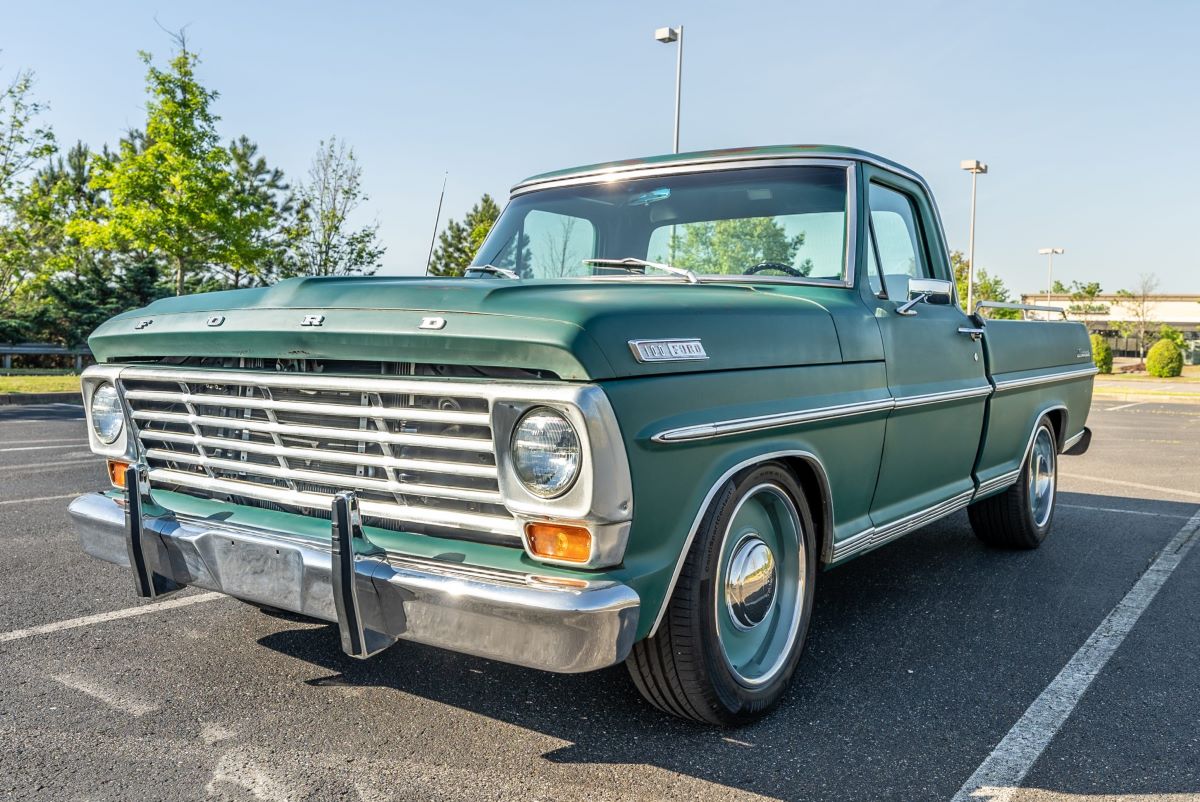
Power comes from an ’89 Ford 302 engine with stock heads that have been ported and polished. Ford Racing valve covers sit atop, while an Edelbrock Performer manifold paired with an Edelbrock 1406 carburetor handles induction.
Ignition uses a stock ’78 car distributor, and exhaust flows through Flowtech 1-7/8-inch headers into a custom Flowmaster 40-series setup. The Ford C6 transmission is equipped with a shift kit, while the shifter remains stock.
The body style is classic F-100 with several tasteful modifications: filled stake pockets, a rear roll pan, and shaved chrome moldings and marker lights. Fenders are stock front and rear, while the hood has been shaved. The grille is a Dennis Carpenter replacement, and the bed remains stock.
Bodywork and paint were completed by Brad Dennis, with DuPont Light Tundra Effect paint applied. Tri-bar headlights and stock taillights retain the vintage look, and all outside mirrors and bumpers remain stock.
Inside, the dashboard is stock with a dashpad, while gauges are from TPI-Tech. Air conditioning is provided by Rainbow Air Products, and the stereo is a Sony system.
Also Read: 5 Pickups With Rust-Resistant Bodies vs 5 Rust Magnets
2. Chevrolet C10 (1967–1972)
Often dubbed “the most drivable vintage pickup ever built,” the late-’60s Chevy C10 earned that title thanks to its independent front suspension a rarity for trucks of that era.
The C10’s smooth ride and abundant small-block V8 options make it an everyday joy to pilot. It’s also one of the easiest classics to restore, with a vast aftermarket for parts and upgrades.
Whether you choose a stepside or fleetside bed, the C10 blends work-ready durability with daily drivability.
When GM introduced its C-series pickups in 1960, few could have predicted that these trucks would set the stage for what the pickup market would look like decades later.
Despite Chevrolet outselling Ford in eight of the ten years during the 1950s and holding its own against new Ford and Dodge offerings, the success of Ford’s F-1 fourth-generation Styleside pickups raised eyebrows at GM.
When Ford announced it was developing a new fifth-generation truck set to debut in 1967, GM’s concern quickly escalated into full-blown worry. In response, they rushed their own new truck into production, the C/K series (C denoting 2WD, K for 4WD), and hoped for the best.
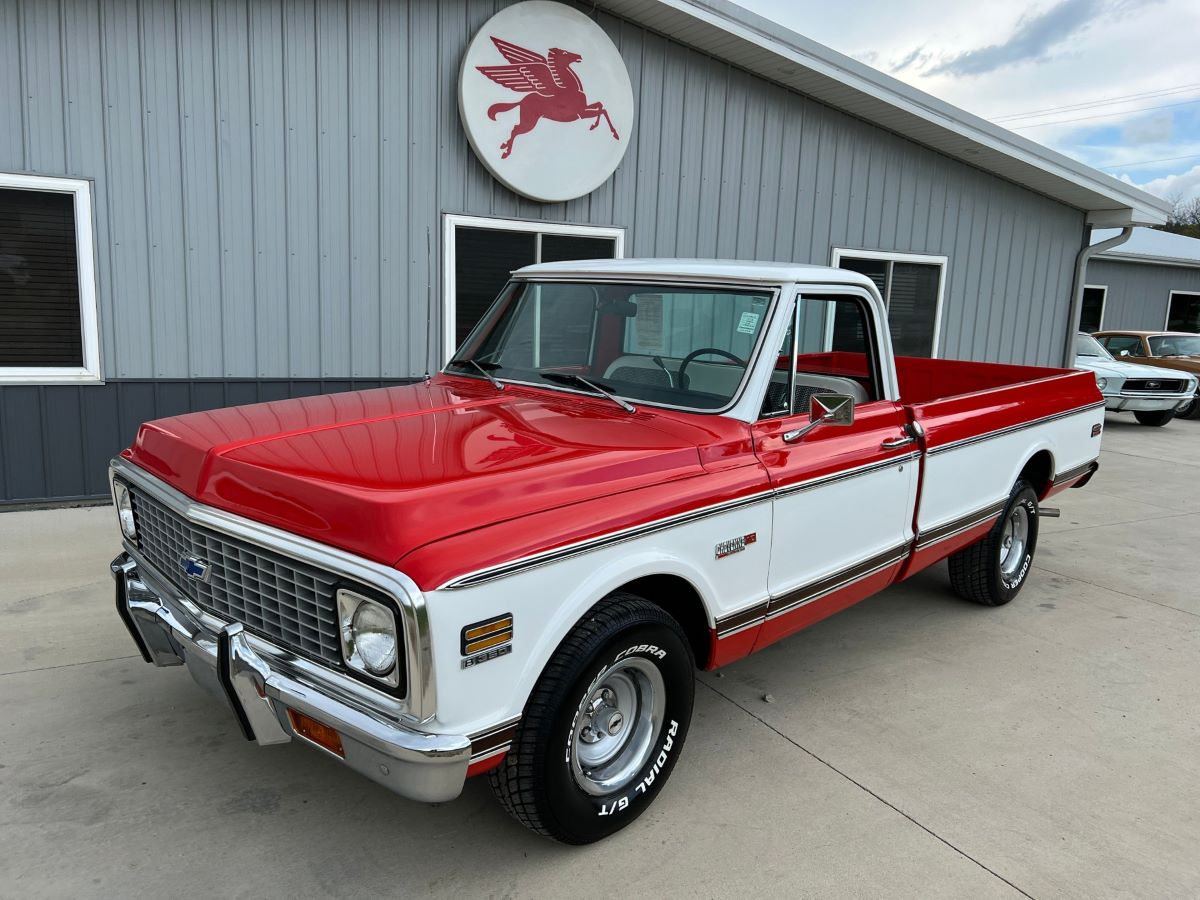
One of the defining qualities of the second generation of C/K trucks was GM’s understanding of the evolving pickup market. Buyers were no longer purchasing light-duty trucks solely for work or farm duties, they were increasingly using them as family daily drivers.
To appeal to potential buyers, and particularly to wives, who often held the final decision in purchases, GM loaded the C-10s with amenities and conveniences previously seen only in sedans. The strategy proved so successful that this generation of trucks became known as the “glamour era.”
GM’s decision to incorporate comfort and convenience features into their trucks was a bold departure from the norm. Ford and Dodge remained firmly in the “truck is a truck” mindset, focusing solely on payload and towing capacity while resisting enhancements beyond essential utilitarian functions.
GM, however, was creating an entirely new class of vehicle, one that, in many respects, drove more like a luxury sedan than a traditional half-ton pickup.
The 1970 C10 was offered in both “Fleetside” and “Stepside” configurations, mirroring Ford’s Styleside and Flareside offerings. Starting in 1968, GM simplified its trim lineup to a Base model, which could be enhanced with the Custom Appearance Option.
The “Custom Appearance” package introduced exterior upgrades such as distinctive moldings around the radiator, front and rear bumpers, and front and rear windows. Inside, vinyl floor mats and designated spaces for instrument control knobs were included.
The “Custom Comfort and Convenience Option” added padded seats, a cloth seat with vinyl trim, padded sun visors and armrests, a cigarette lighter, and an ashtray.
The “Custom Sport Truck Option” represented the pinnacle of trim offerings, incorporating all features from the previous packages, though with vinyl seats. Additional upgrades included wall-to-wall carpeting and the option for bucket seats with a center console.
Customers had a wide range of engines to choose from. The 250 slant-six was standard on six-cylinder models, while the 307 V8 was standard for V8 trucks. Other available options included the 292 Six and the 350 and 400 V8 engines, allowing buyers to tailor performance to their needs.
3. Dodge D100 (1972–1980)
The Dodge D100 is an underrated gem from the Malaise Era. Its squared-off design and sturdy slant-six or 318 V8 engines provide bulletproof reliability with minimal fuss.
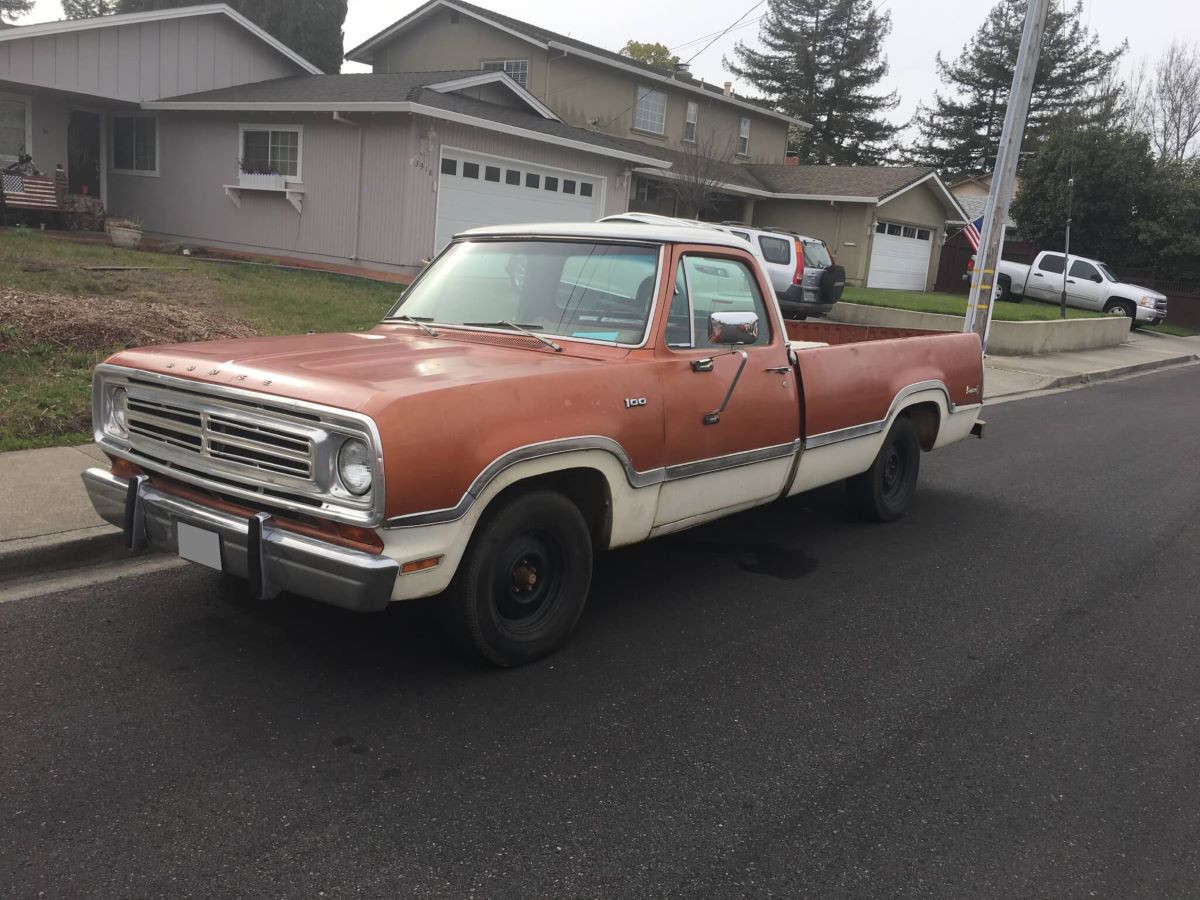
These trucks lack some of the refinement of Fords and Chevys from the same period, but that simplicity works in their favor. For daily driving, the D100’s moderate size and strong torque make it a practical and surprisingly comfortable option.
4. Toyota Pickup (1979–1983)
Before the Tacoma nameplate existed, Toyota’s small pickups built their reputation on reliability and simplicity. The late-’70s to early-’80s Toyota Pickup (often called the Hilux overseas) became a legend for its near-indestructible 20R and 22R engines.
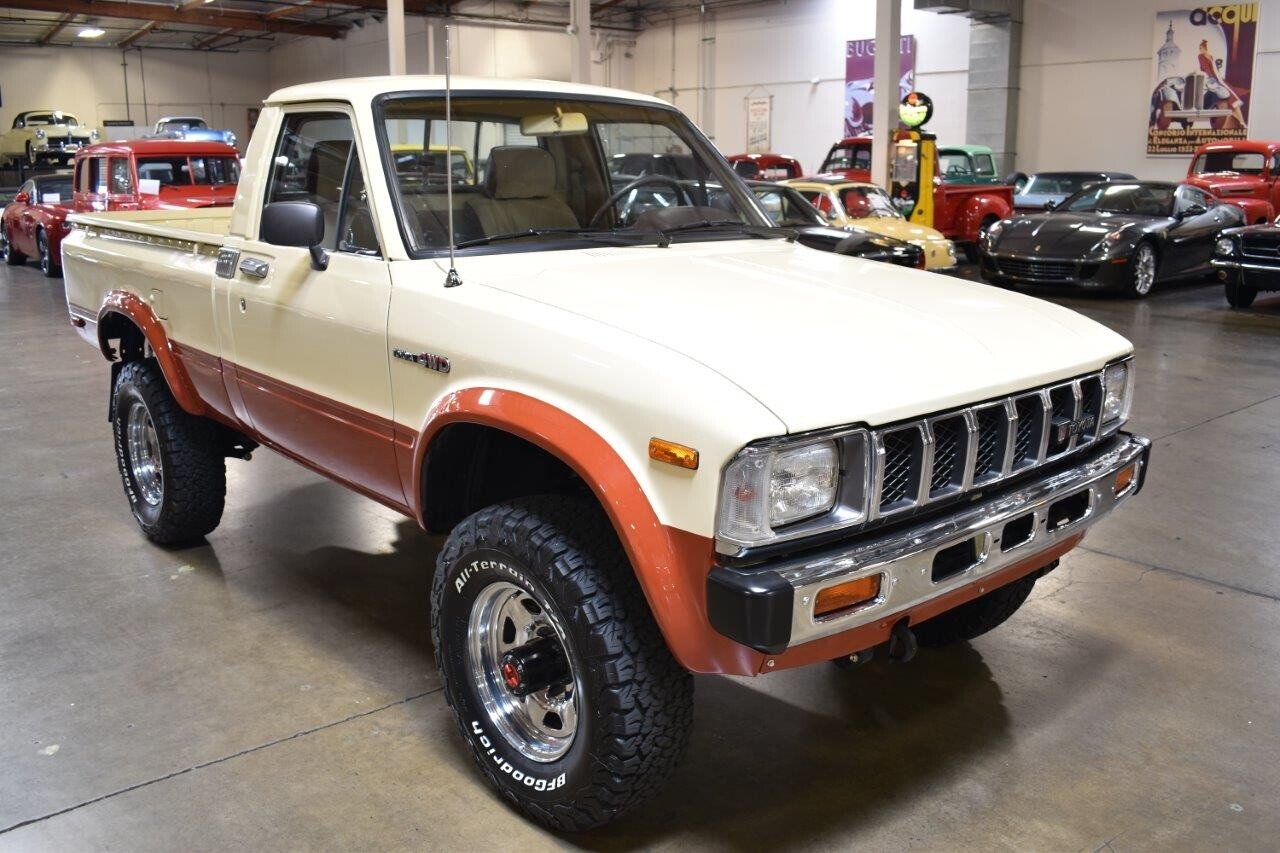
These trucks may not be powerful, but they’ll outlast almost anything else from their era. For city commuters or light-duty drivers, the compact size and efficient four-cylinder engine make them one of the best vintage daily drivers plus, they still turn heads at cars-and-coffee meets.
5. Chevrolet Silverado / C/K 1500 (1988–1998)
The “OBS” (Old Body Style) Chevy pickups have recently become cult favorites among enthusiasts.
These trucks bridge the gap between vintage charm and modern convenience, offering fuel injection, automatic transmissions, air conditioning, and decent safety features.
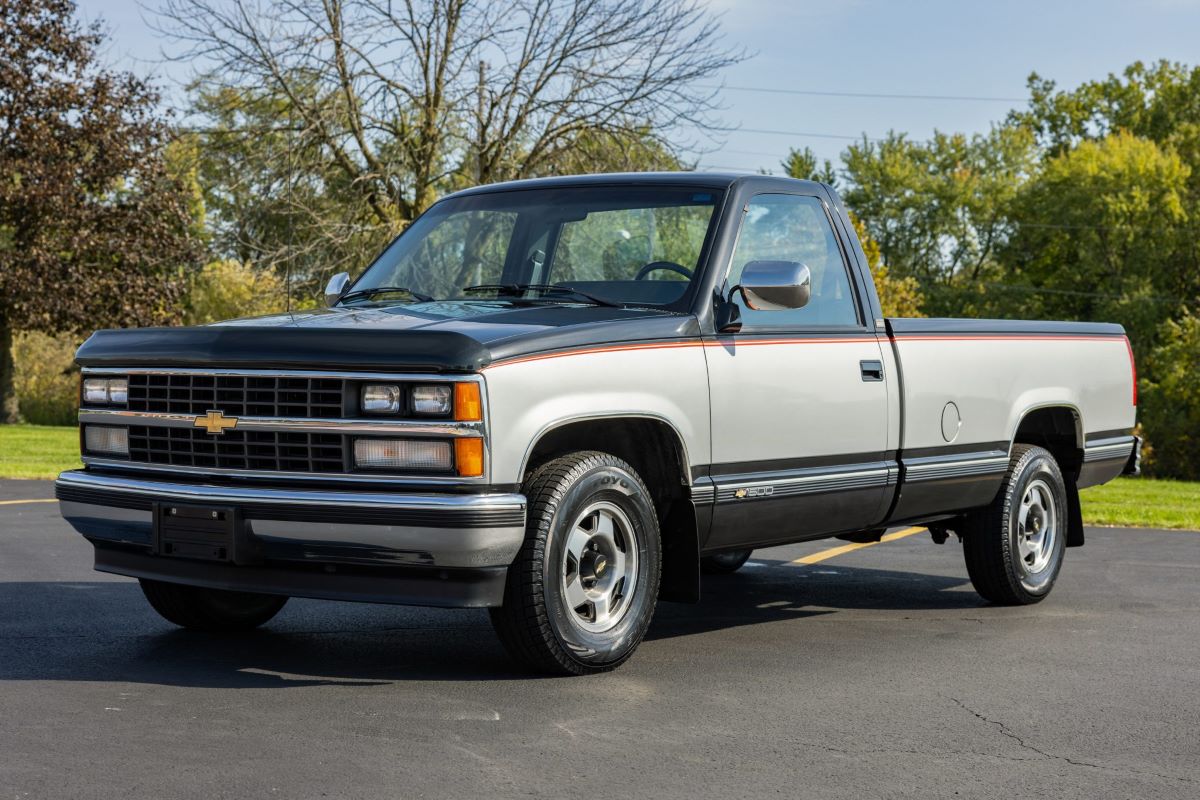
The 5.7-liter small-block V8 is a workhorse that’s cheap to maintain, and rust-free examples can run for hundreds of thousands of miles. For a daily truck with ’90s character, the Silverado is unbeatable.
6. Ford Ranger (1983–1992)
The first-generation Ford Ranger helped establish the compact pickup market in America. Designed for efficiency and practicality, the Ranger’s small footprint makes it ideal for city driving while still offering useful hauling capability.
With a reliable 2.3-liter four-cylinder or optional 2.9-liter V6, it’s easy to maintain and economical to run. The Ranger’s boxy design and analog charm make it feel truly vintage while remaining surprisingly modern in usability.
In January 1983, Jim McCraw detailed the impact Chevy had on Ford during that six-month head start in sales: “Ford got a late start with the Ranger, leaving the S-10 alone in the segment for six months, and ended up finishing the ’82 model year with almost exactly half as many sales.
McCraw, however, correctly anticipated that “when the V-6, the five-speed, and some of the other latecomer options arrive, Ford should be fully prepared to get back the truck leadership it’s had for most of the century.”
During his First Drive of the Ranger in November 1982, it was observed, “the controlling performance number for the Ranger program was, and is, a city EPA number between 26 and 28 mpg, not quick 0-60 times or high top speeds. Consequently, neither the 2.0-liter manual combination nor the 2.3-liter automatic packs a lot of wallop.”
With fuel efficiency as the top priority, Ford utilized finite-element analysis to reduce weight, the base truck weighed in at a claimed 2,526 pounds, and subjected the Ranger to over 500 hours in a wind tunnel to achieve a 0.45 drag coefficient, “one of the best numbers on any truck anywhere.”
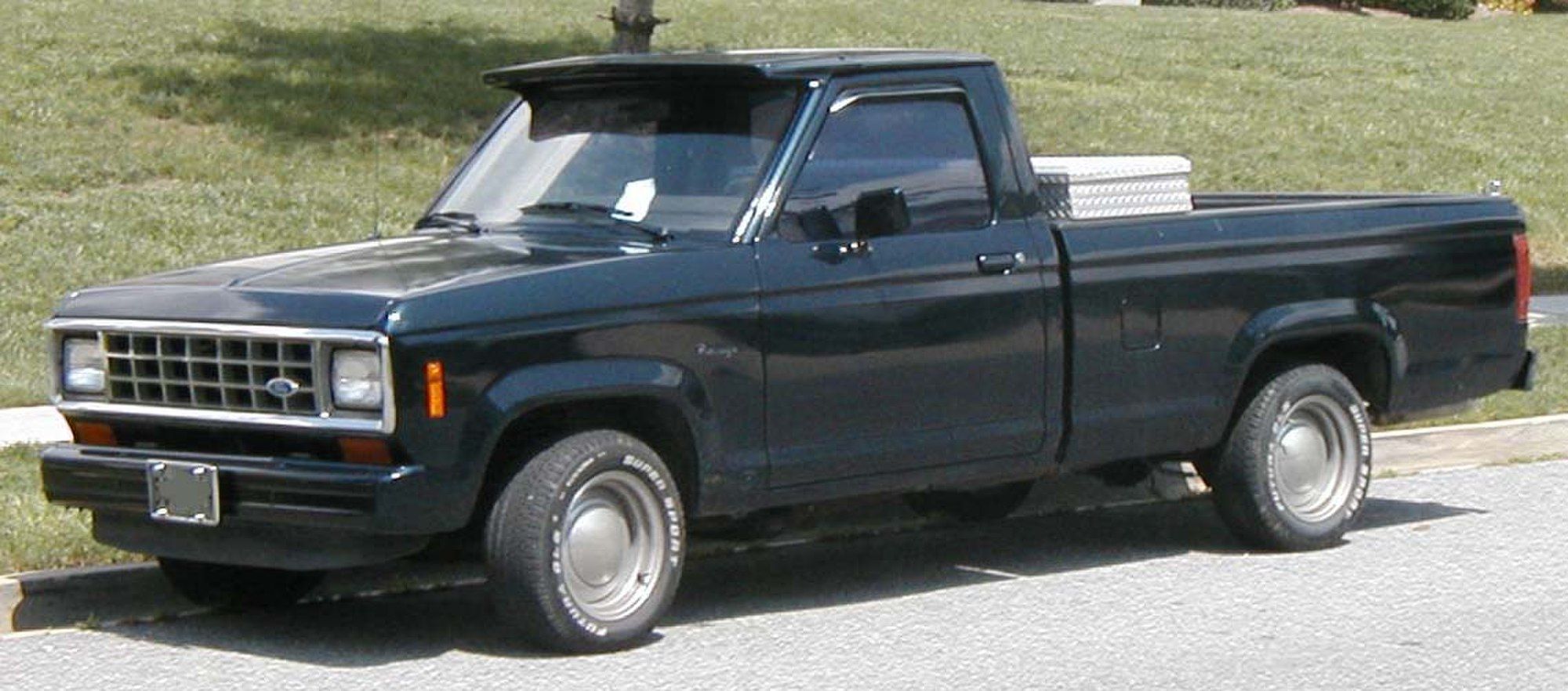
Ford invested “$700 million plus six years of planning, development, and testing” into the Ranger. Official EPA city/highway ratings for 1984 ranged from 18/23 mpg for the 2.3-liter automatic to 21/28 mpg for the 2.0-liter manual.
Adding four-wheel drive to the Ranger only exacerbated the situation: “The 2.3-liter engine, which is barely adequate to propel the lighter 4×2 trucks, is hard put to provide any fun in the 4×4 version, even with stiff gearing.
The engine is a little weak, a little noisy, and a little shaky at high rpm, and coupling its power to all four wheels tended to amplify the noise and weakness even more during the short time we had the truck off-road.”
The decision to bring the Ranger to market early limited choices for early buyers to regular cab, rear-drive configurations, with two box lengths, four trim grades, and two engines available.
It’s rated at 73 horsepower at 4,000 rpm and 104 lb-ft of torque at 2,600 rpm. The optional engine is the 2.3-liter OHC four adapted for truck use from the Mustang and Futura car lines, rated at 80 horsepower and 116 lb-ft of torque.”
Both engines could be paired with a four-speed manual, but only the larger 2.3-liter offered a three-speed automatic. Later additions would include a 2.2-liter Mazda diesel, a Cologne-built 2.8-liter V-6, four-wheel drive, and the Bronco II SUV variant.
7. Nissan Hardbody (D21, 1986–1997)
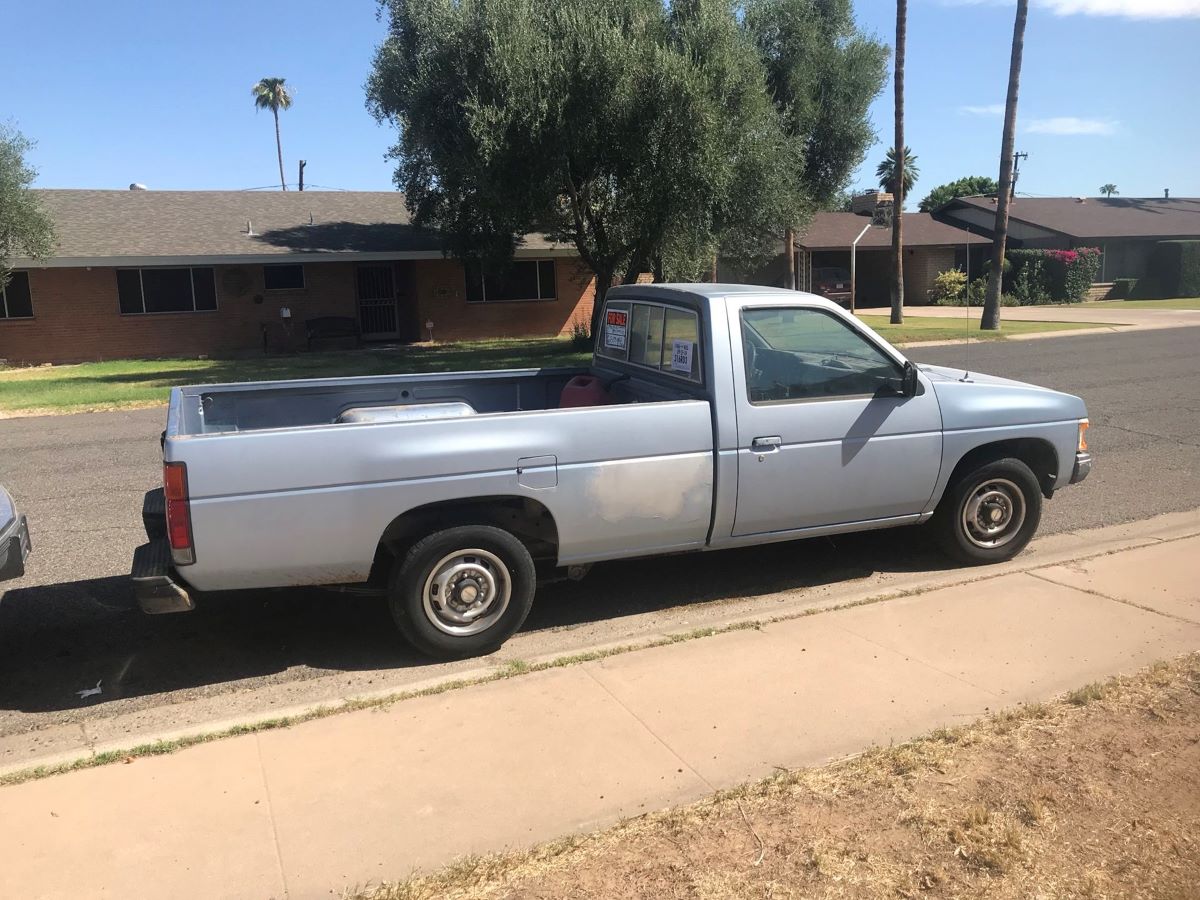
Known for its distinctive angular design and “bulletproof” engines, the Nissan Hardbody earned its name through durability.
The KA24E four-cylinder engine is known to surpass 300,000 miles with basic maintenance, and the five-speed manual transmission is a joy for anyone who enjoys a more connected driving experience.
The Hardbody’s small size and efficiency make it one of the most practical vintage trucks for daily use especially in urban settings where full-size pickups feel too bulky.
The 720 pickup carried either a Datsun or Nissan badge, or sometimes both. Over time, Nissan gradually replaced the Datsun name. Models from 1980 through 1983 were called the Datsun 720 and featured Datsun badging.
From 1984 to 1986, the Nissan 720 became the first Nissan pickups built in the United States, assembled at the brand-new Smyrna, Tennessee plant.
Some of the 1984 “tweener” trucks carried both Datsun and Nissan badges as the company officially transitioned to the Nissan name. In that sense, the 720 holds the unique distinction of being both the last Datsun truck and the first American-built Nissan pickup. You’ll never see Datsun associated with the Hardbody.
The first American-built Nissan pickup, the 1984 Nissan 720, rolled off the Smyrna assembly line on June 16, 1983. The Smyrna Vehicle Assembly Plant, which opened that same year, marked Nissan’s first factory in the United States, and the white 720 pickup was its inaugural vehicle.
Today, the Smyrna plant produces the Leaf, Maxima, Murano, Pathfinder, Rogue, and QX60, as well as some engines for other models, including the Frontier and Titan. Meanwhile, the current Titan and Frontier are produced in Canton, Mississippi.
The Nissan Hardbody debuted as a 1986.5 model and continued production in Smyrna through 1997. The “split” 1986 model year meant both the outgoing 720 and incoming Hardbody were sold simultaneously.
As a result, a 1986 Nissan pickup could be either a 720 or a Hardbody, which is why some owners refer to their trucks as 1986.5 models.
Despite the overlap, the trucks are visually very different. The Hardbody is easily recognized by its distinctive body line, running straight from just above the headlight, through the door handle, and ending in the middle of the taillight.
The Hardbody name comes from its double-walled bed, sturdy paneling, and aggressive styling. The brick-like trucks of the 1980s were famously tough. While the Hardbody was formally coded as the D21, the nickname stuck, even appearing in Nissan advertising, and remains the only generation of Nissan trucks to carry it.
The D21 Hardbody was produced from model years 1986.5 through 1997, with both four-cylinder and V-6 options. The four-cylinder engines started with the 106-hp 2.4-liter Z24i throttle-body-injected engine (1986–1989), followed by the 134-hp 2.4-liter KA24E multi-point fuel-injected four-cylinder (1990–1997).
V-6 options included the 140-hp 3.0-liter VG30i throttle-body-injected V-6 (1986–1989), which led its class in horsepower, and later the 154-hp 3.0-liter VG30E multi-point fuel-injected V-6 (1990–1995).
By 1996 and 1997, only the four-cylinder was offered, largely due to emissions requirements. All engines were paired with either a five-speed manual transmission or a three- or four-speed automatic.
Also Read: 12 Best Vintage Cars From the 1980s Worth Every Penny Today
8. Ford Bronco Pickup (Bronco Half-Cab, 1966–1972)
For those who want vintage style with a bit of utility flair, the original Bronco Half-Cab offers a unique mix of compact pickup practicality and off-road ruggedness.
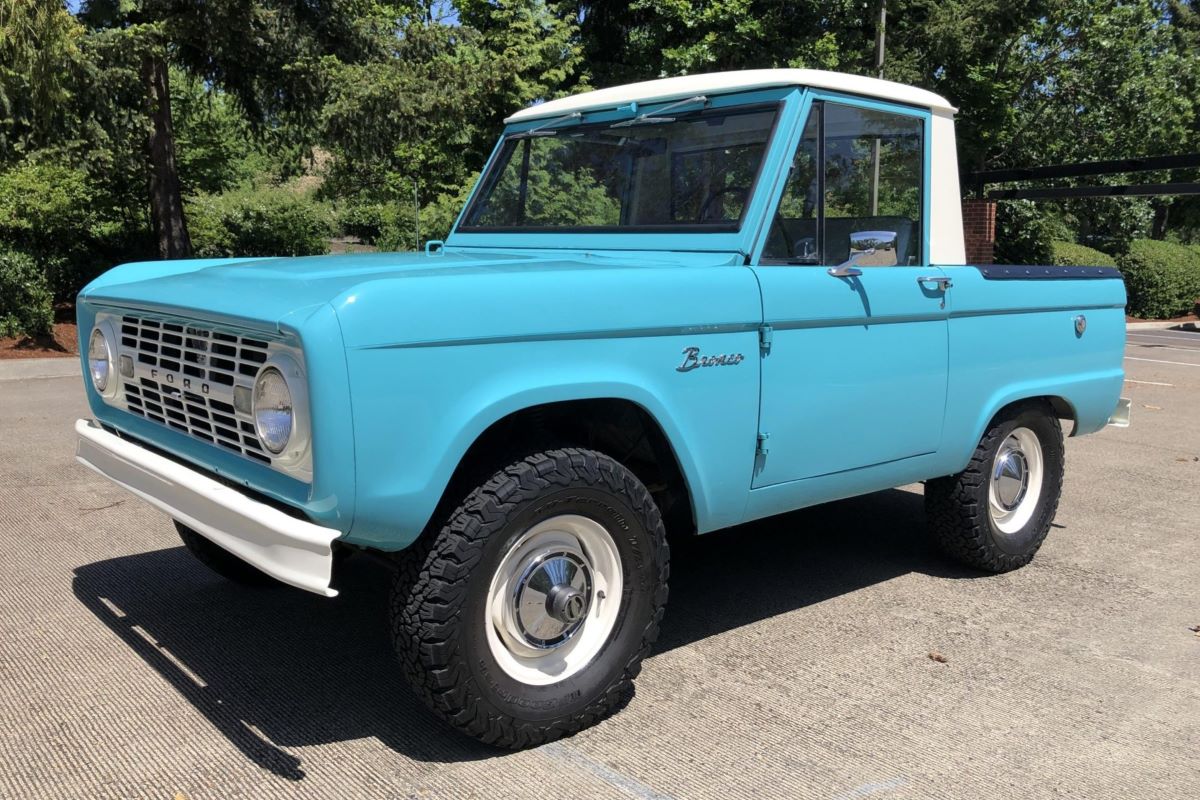
It’s essentially an early SUV with a pickup bed, giving it both everyday drivability and character. The 170-cubic-inch six-cylinder engine is simple and easy to maintain, and with power steering added, it’s a fun daily ride that also handles dirt trails on weekends.
9. International Harvester Scout Terra (1976–1980)
International Harvester trucks never gained mainstream popularity, but the Scout Terra remains one of the most versatile vintage pickups around.
Combining a short wheelbase, four-wheel drive, and a removable roof section, the Terra is a true all-weather workhorse.
Its 304 and 345 V8s are agricultural-grade reliable, and while finding parts may take a bit more effort, the truck’s uniqueness more than makes up for it. It’s a solid choice for those who want something different that still works as a daily driver.
Scout product planners worked diligently to keep up with market trends, including responding to customer requests for a long-wheelbase Scout. Development began in 1971, and when the new models were ready for release, they focused on two variants: a pickup and an SUV, both built on the same 118-inch-wheelbase platform.
Debuting as 1976 models under the names Terra pickup and Traveler SUV, they were perfectly positioned to replace the lower GVW Light Line shortbed pickups and the Travelall. Both models featured a 6,200-pound GVW, placing the Terra, with its 6-foot bed, at the lower end of the full-size half-ton GVW spectrum.
The Terra wasn’t primarily designed to compete with full-size pickups so much as to take on the imported trucks that gained popularity during the Arab oil embargo.
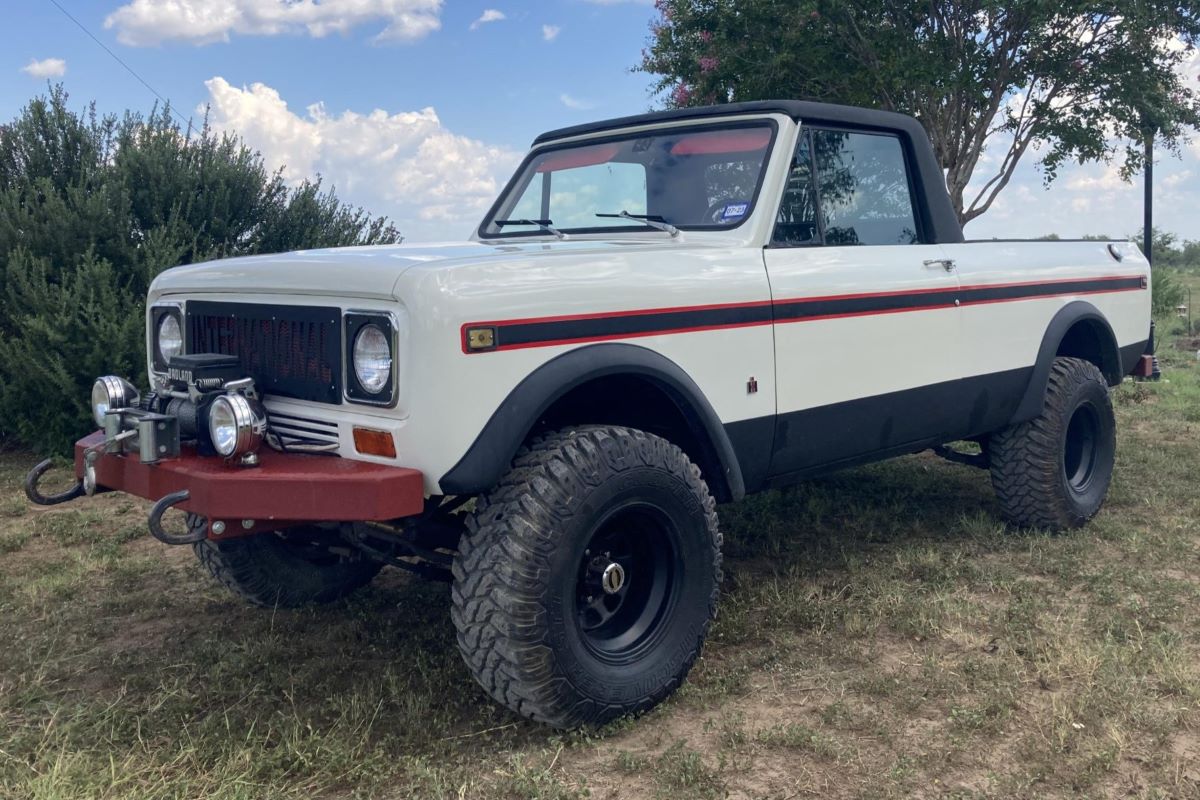
Its fuel-efficient engine options began with the base 86-hp, 196-ci International slant-four (essentially half of the 392-ci V-8), followed by a new naturally aspirated 81-hp, 198-ci Nissan diesel. This made the Terra America’s first production diesel pickup and the Traveler the first diesel SUV.
With the gas four-cylinder, the Terra could achieve “high-teens, low-20s” mpg, while the diesel pushed further into the 20 mpg range, making both trucks legitimate “gas-savers.” Additionally, the Terra offered more cab room and cargo capacity than the imports, along with stronger performance.
The Terra was also capable of competing in the V-8 sector of the full-size half-ton market, offering two V-8 options: the 304-ci producing 144 hp and the 345-ci producing 163 hp, along with all the comfort features that International provided, substantial for the era.
Gearbox options ranged from a base three-speed manual to close- and wide-ratio four-speed manuals, and a three-speed automatic was also available.
Dana 44 axles were used front and rear, with gear ratios dependent on engine and transmission, ranging from 3.07 to as low as 4.09:1. While most Scouts were equipped with 4×4, a 4×2 option was offered for those who preferred it.
The Traveler SUV variant fell more into the “Suburban fighter” category, but that story is for another time. The Terra and Traveler were nearly identical and shared the same assembly-line processes until the point where the textured fiberglass top, available in white or brown, was installed.
This modular design made production more economical, and the Terra effectively replaced the short-wheelbase Scout pickup that had been available since the beginning. Over time, owners could convert a Terra into a Traveler, or vice versa, offering flexibility and long-term versatility.
10. GMC Sierra Classic (1973–1987 “Square Body”)
The GMC “Square Body” trucks are iconic for their simple design and unshakable reliability. Built during an era when GM focused on usability and toughness, these trucks can handle both daily commuting and heavy loads with ease.
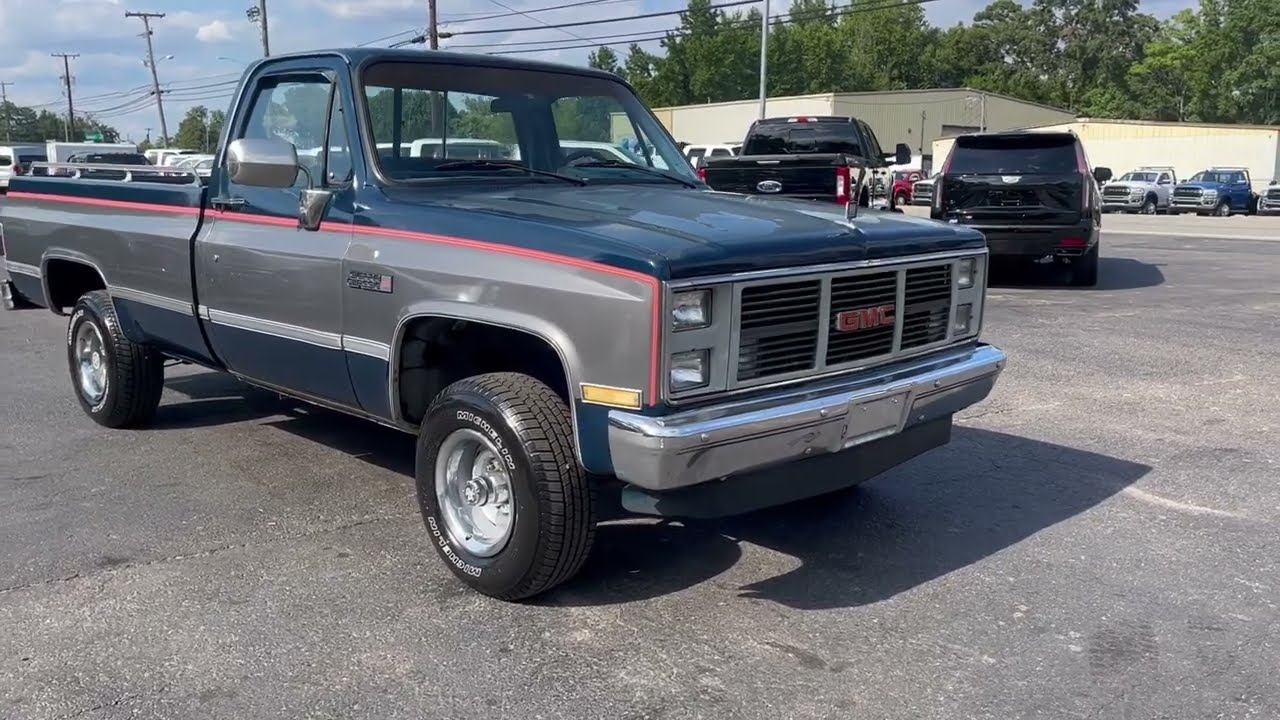
With millions produced, replacement parts are everywhere, and the classic 350 V8 engines remain a favorite among DIYers. Their interior simplicity and upright driving position give them a commanding yet comfortable feel that’s ideal for daily use.
11. Mazda B-Series (1979–1993)
The Mazda B-Series particularly the B2000 and B2200 was one of the most reliable small pickups of the ’80s. Light, efficient, and easy to fix, these trucks were popular among tradesmen and students alike.
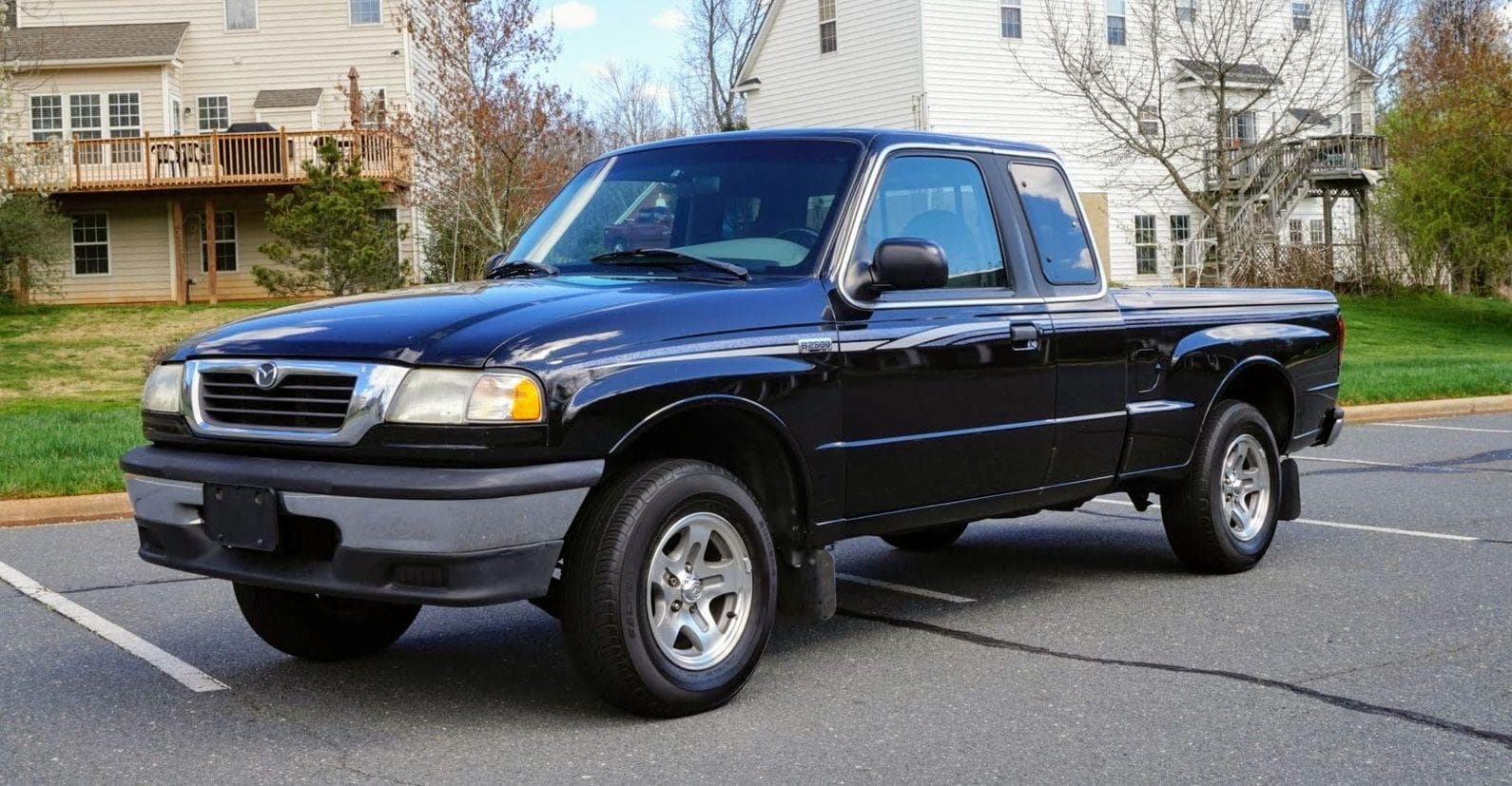
Their small displacement engines deliver excellent gas mileage, and the rear-wheel-drive layout keeps things mechanically straightforward. The B-Series is perfect for anyone who wants a no-nonsense, vintage daily that won’t demand constant attention.
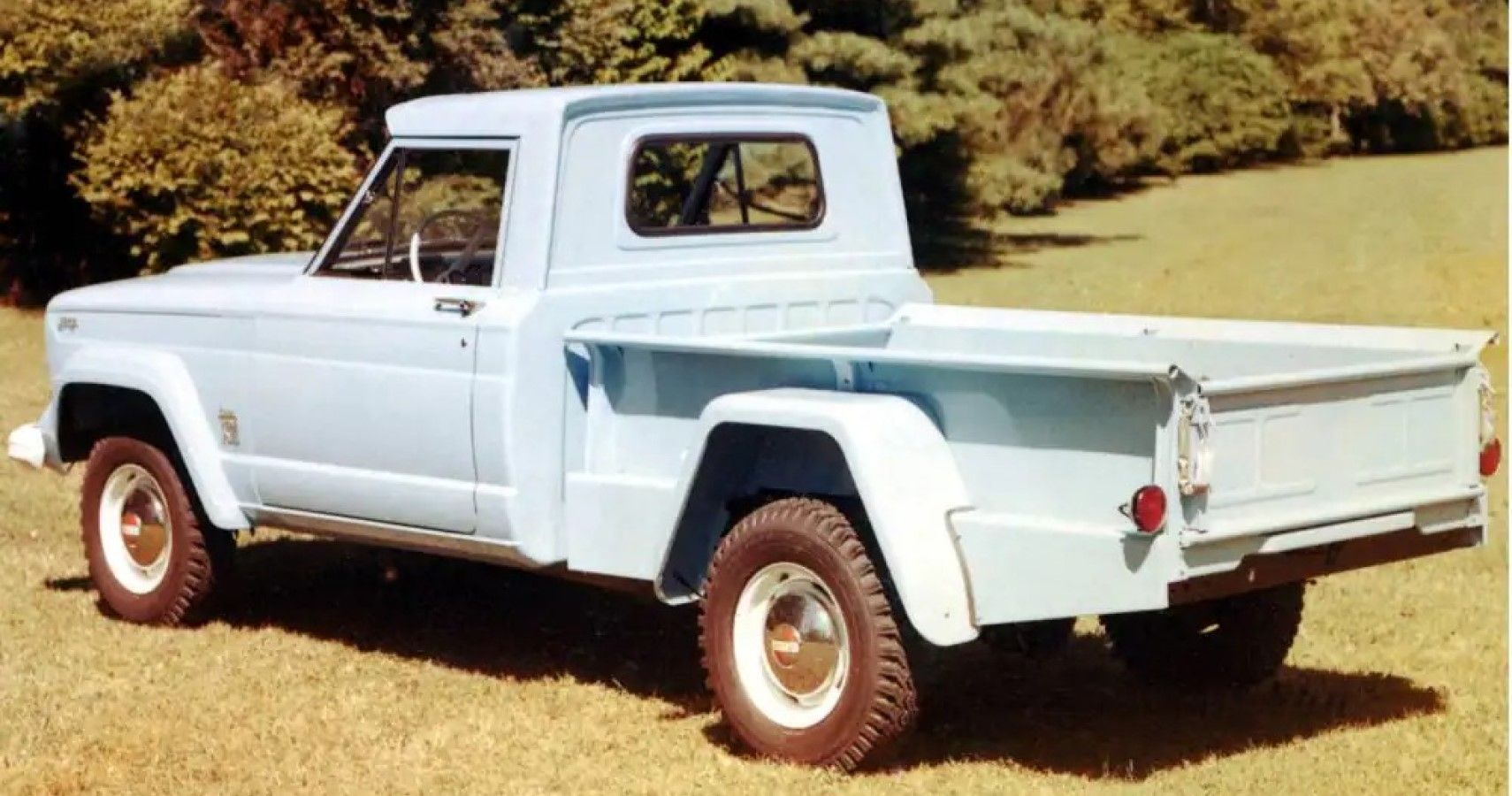
12. Jeep Gladiator (1963–1971, J-Series)
Long before the modern Gladiator, Jeep built the original J-Series pickups that shared DNA with the Wagoneer. These trucks combined 4×4 toughness with understated mid-century styling.
Available with inline-six or AMC V8 engines, the Gladiator offers a vintage feel without sacrificing off-road ability.
With proper rustproofing and some modern upgrades (like disc brakes and electronic ignition), the classic Gladiator can easily handle daily driving duties while turning plenty of heads.
Driving a vintage pickup every day isn’t just about nostalgia it’s about embracing an era when vehicles were built to last and designed to be repaired, not replaced. The best vintage trucks for daily use balance simplicity, reliability, and charm.
From the iconic Chevy C10 to the indestructible Toyota Pickup, these machines can handle modern roads just as capably as they did decades ago with a bit more style and personality than anything you’ll find at a dealership today.
Whether you want to restore one to pristine condition or just keep it running as a faithful daily companion, these 12 vintage pickups prove that classic doesn’t have to mean impractical. In the right hands, they’re not just survivors they’re partners for the long haul.
