For truck owners, reliability isn’t just about how well an engine pulls or how much weight a rig can haul it’s about how long it can run without lighting up the dreaded Check Engine Light (CEL).
Over the years, emissions control systems have grown increasingly complex as automakers chase tighter EPA standards. While this progress helps reduce pollution, it also means more sensors, valves, and filters that can fail.
Some trucks, especially older or work-oriented models, still manage to keep things refreshingly simple. Others, particularly modern diesel trucks, are notorious for their finicky emissions gear and recurring CEL warnings.
Here’s a breakdown of five trucks known for their simple, durable emissions systems, followed by five that are famous for turning dashboard lights into a Christmas display.
Trucks With Simple Emissions Systems
In an era where modern trucks are packed with complex emissions controls, sensors, and computerized systems, sometimes simplicity is a breath of fresh air. Trucks with simple emissions systems offer not only ease of maintenance but also reliability and durability that modern technology can’t always match.
rom classic pickups to late-model workhorses, these trucks are often favored by DIY enthusiasts, fleet operators, and anyone who values straightforward engineering over layers of electronic complexity.
In this article, we’ll explore some of the most iconic and dependable trucks built with simple, easy-to-understand emissions systems, and why they continue to be celebrated in a world dominated by high-tech powertrains.
1. 1999–2006 Chevrolet Silverado 1500 (5.3L Vortec V8)
Before the modern wave of direct injection and active fuel management, GM’s 5.3L Vortec V8 was a straightforward small-block design with minimal emissions hardware.
These trucks used basic oxygen sensors and a traditional catalytic converter setup without exhaust gas recirculation (EGR) complications or secondary air injection pumps in most states.
Owners love how these Silverados can run hundreds of thousands of miles with basic maintenance.
They’re also forgiving of older O2 sensors and even minor exhaust leaks issues that would trigger a CEL on newer models instantly. For anyone who wants simplicity under the hood, this early 2000s Chevy is a safe bet.
The 2004 Chevrolet Silverado offers a rugged and practical pickup experience, starting at $20,520. Its body measures 203.2 inches in length, 78.5 inches in width, and 71.2 inches in height.
Seating is designed for three passengers in the C1500 Regular Cab configuration, with front headroom at 41 inches, front legroom at 41.3 inches, and front shoulder room measuring 65.2 inches.
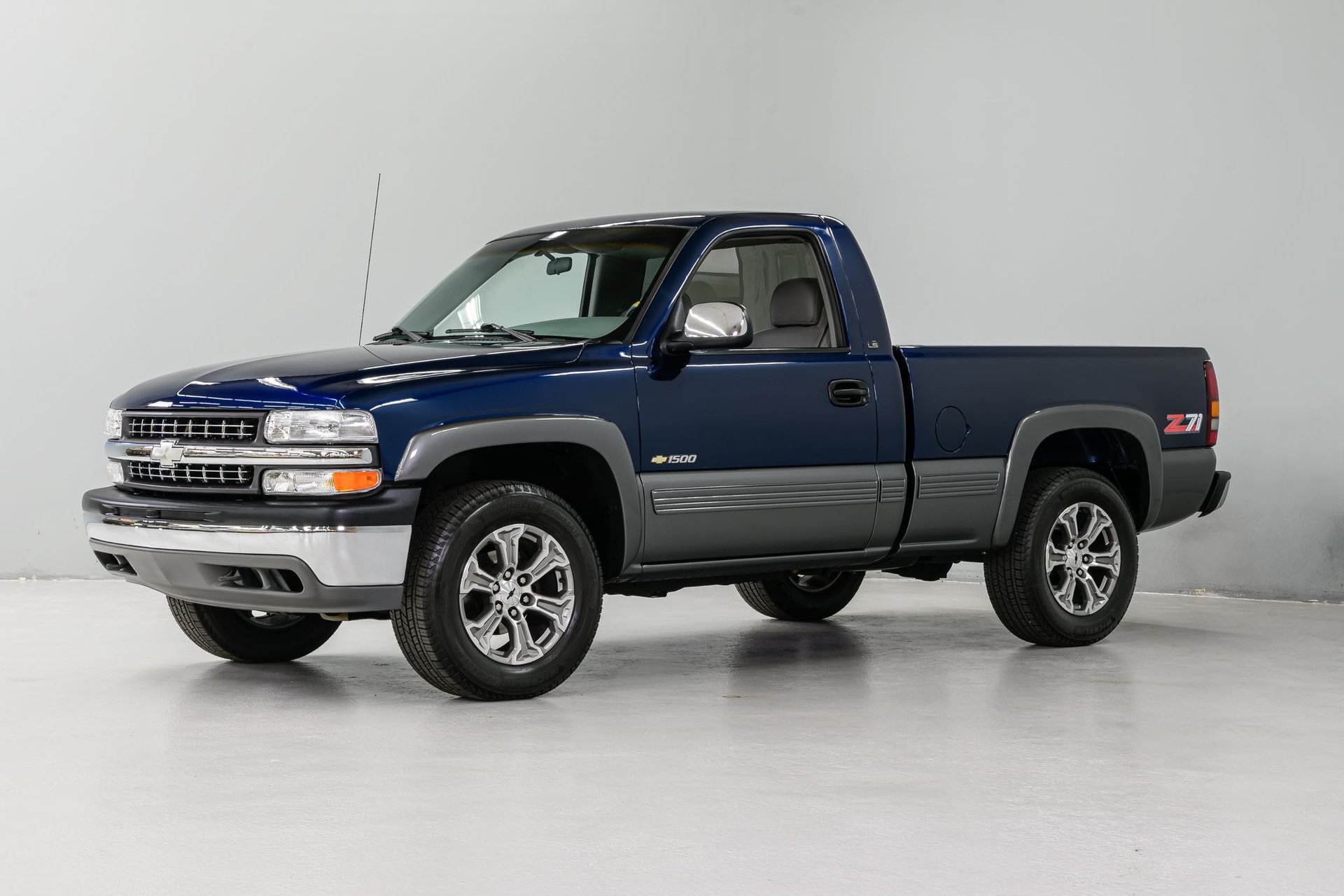
Curb weight for the Silverado sits at 4,142 pounds, with a ground clearance of 8 inches and a Gross Vehicle Weight Rating (GVWR) of 6,100 pounds. Payload capacity is rated at 1,958 pounds, making it well-suited for worksite hauling or weekend projects.
The Silverado comes standard with a 4.3L V6 producing 195 horsepower and 260 lb-ft of torque. Optional engines include a 4.8L V8 delivering 285 horsepower, and a 5.3L V8 offering 295 horsepower at 4,600 rpm and up to 400 lb-ft of torque at 4,000 rpm.
The engine configuration is V-style, with six cylinders standard. Fuel options include regular unleaded gasoline, with E85 available as an option. The drivetrain is rear-wheel drive (RWD), and the Silverado is paired with a manual transmission.
Standard fuel economy is rated at 15 mpg city and 21 mpg highway. While towing capacity and cargo volume vary based on configuration, the Silverado offers solid performance metrics for its class, with torque ratings ranging from 260 lb-ft to 400 lb-ft depending on engine choice.
The 2004 Chevrolet Silverado combines dependable engine options, practical payload and GVWR ratings, and a straightforward cab layout, making it a versatile choice for both work and daily driving.
Its V6 and optional V8 engines offer a range of power levels, while rear-wheel drive and manual transmission keep the driving experience simple and robust.
Also Read: 5 Undervalued Used Utes That Last vs 5 Popular Utes That Fail Early
2. 2005–2012 Toyota Tacoma (4.0L V6)
The second-gen Tacoma with the 1GR-FE 4.0L V6 is legendary for its durability and ease of maintenance.
Toyota’s emissions system on this model was relatively uncomplicated, using a single catalytic converter per bank and a simple EGR layout. It doesn’t rely on the finicky secondary air injection pumps that plagued later models.
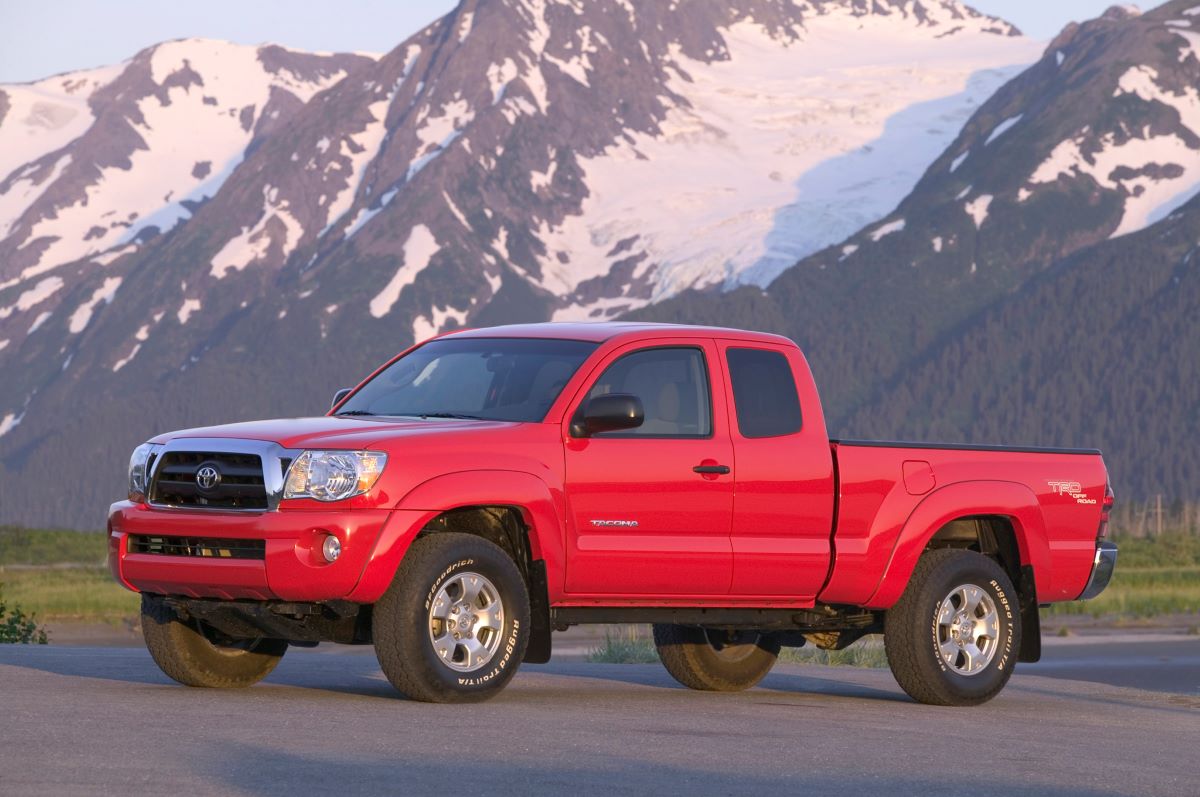
As long as you keep the vacuum hoses intact and the fuel cap sealed properly, these Tacomas can run for years without throwing codes. It’s one of the few mid-size trucks where emissions reliability matches its mechanical toughness.
While the term “downsizing” has developed some negative associations in recent years, there’s still a lot to be said for the concept, especially when it comes to trucks. A perfect example of this is the 2012 Toyota Tacoma.
In an era where gasoline prices can swing dramatically, trading a thirsty full-size pickup for a more fuel-efficient midsize like the Tacoma makes practical sense.
The benefits go beyond fuel economy, too: the truck’s smaller footprint makes daily driving and maneuvering much less stressful. Finding a parking spot at a crowded warehouse store or weaving through tight traffic becomes far easier compared with a full-size pickup.
The Tacoma’s appeal is broadened by a variety of body styles, engines, drivetrains, suspension setups, and trim levels. This range allows it to serve as everything from a no-frills work truck to a comfortable family vehicle.
Of course, you’re giving up some of the towing and hauling capacity of a full-size truck, but realistically, how often do you actually need to move a dozen sheets of four-by-eight plywood or tow a 10,000-pound trailer?
Toyota’s reputation for sturdy build quality and excellent reliability keeps the Tacoma competitive with many full-size trucks. For 2012, Toyota also upped the ante in in-car technology by offering the new Entune system.
This adds features such as Bluetooth phone and audio connectivity, HD and satellite radio, text and email reading, Pandora and iHeartRadio streaming, and real-time traffic updates. Combine that with a significantly lower price than most full-size pickups, and the Tacoma presents a compelling case for downsizing.
When compared with other midsize pickups, the Tacoma also comes out ahead. The 2012 Toyota Tacoma is one of the few midsize pickups that makes downsizing feel like a smart choice rather than a compromise.
The 2012 Tacoma comes with two engine options and a choice of rear-wheel drive or four-wheel drive. Most configurations are equipped with a 2.7-liter four-cylinder engine producing 159 horsepower and 180 pound-feet of torque.
A five-speed manual transmission comes standard on Regular and Access Cab models, while the PreRunner Double Cab uses a four-speed automatic, which is also available on the other two body styles.
EPA fuel economy for the 2.7-liter with a two-wheel-drive automatic is rated at 19 mpg city, 24 mpg highway, and 21 mpg combined. With four-wheel drive and the automatic transmission, the four-cylinder achieves 18/21/19 mpg. Manual-transmission numbers are slightly lower, reflecting the trade-off between control and efficiency.
3. 1994–2002 Dodge Ram 2500 (5.9L 12-Valve Cummins Diesel)
For diesel fans, simplicity doesn’t get better than the 12-valve Cummins. This truck predates the era of diesel particulate filters (DPFs), exhaust gas recirculation (EGR), or selective catalytic reduction (SCR) systems.
The emissions equipment is practically nonexistent compared to modern standards. It’s a purely mechanical beast with no ECU-controlled emissions devices.
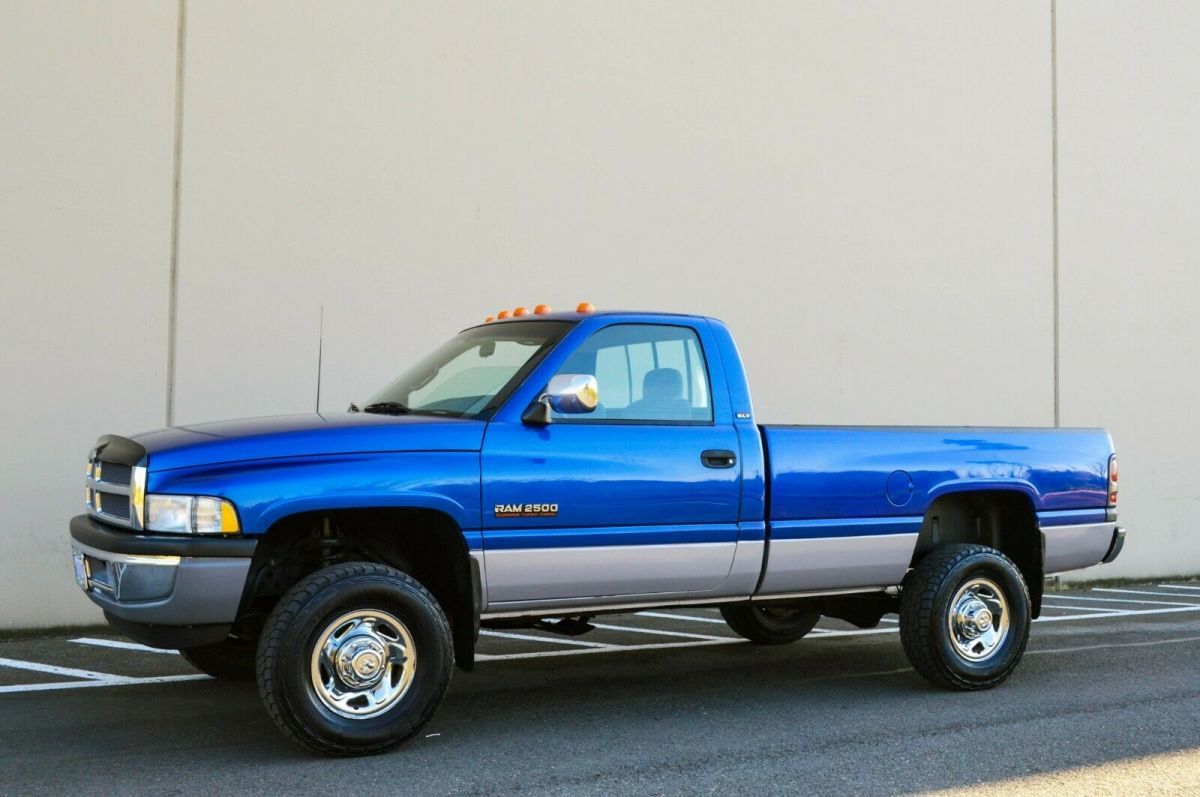
The result? Virtually no check engine lights. The only warning you’ll get is from your ears or your nose if something goes wrong. Owners still revere these Rams as the last of the simple, bulletproof diesels.
4. 1997–2004 Ford F-150 (4.6L and 5.4L Triton V8s)
While Ford’s modular V8s had their quirks especially with spark plug threads their emissions systems were fairly uncomplicated.
These F-150s typically used straightforward catalytic converters and EGR setups without exotic sensors or secondary air systems.
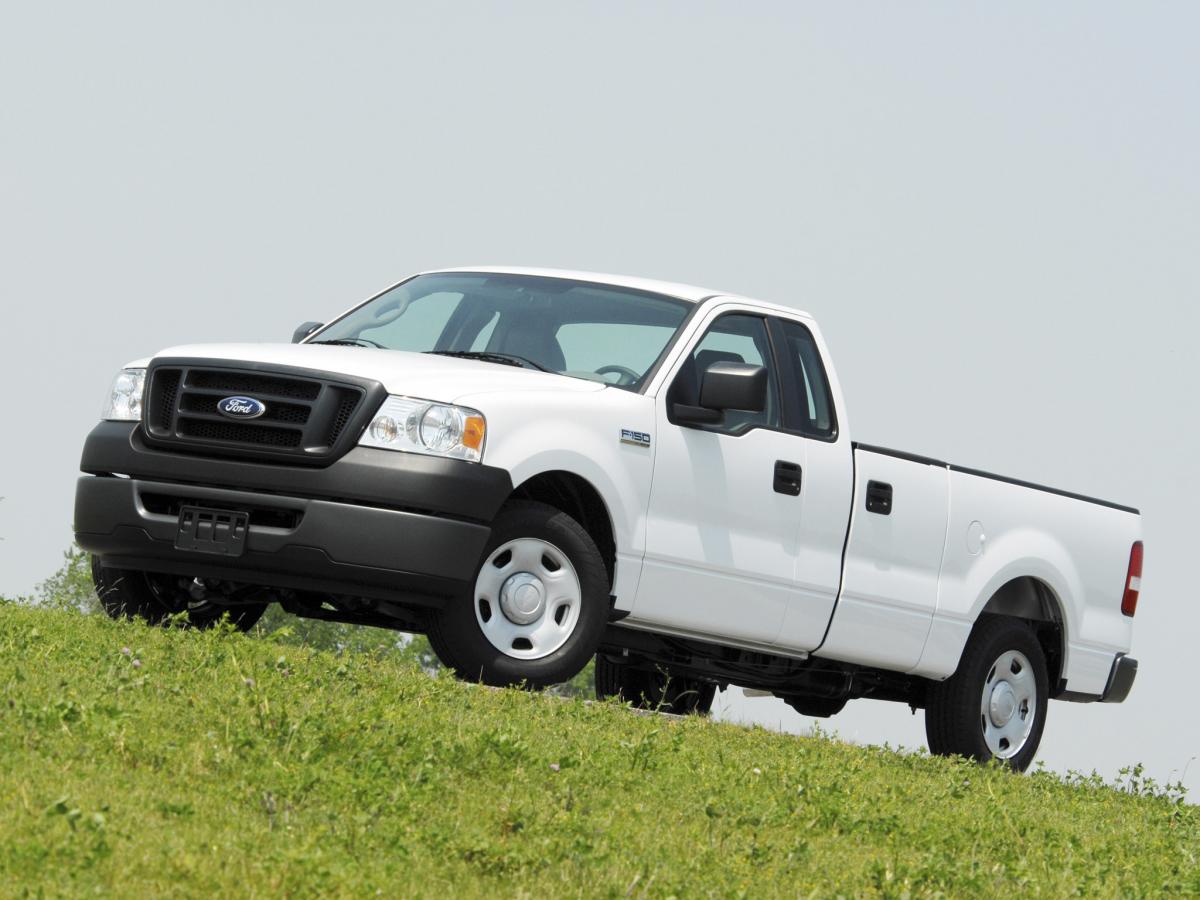
A well-maintained F-150 from this era rarely throws a CEL unless there’s a genuine mechanical issue.
It’s one of the reasons they’ve remained popular work trucks on farms and job sites across the US, where downtime and scanner diagnostics aren’t part of the plan.
Consistently ranking among the top-selling vehicles in the U.S., the Ford F-150 stands as an iconic full-size pickup truck. Over 14 generations, it has set the standard for the segment, combining capability, technology, and creature comforts that continually push the market forward.
Diesel enthusiasts, take note: the Powerstroke turbodiesel V-6 option has been discontinued for 2022. Positioned between Ford’s midsize Ranger and the heavy-duty Super Duty lineup, the F-150 received a full redesign for the 2021 model year.
At its core, a pickup truck is simple: an engine in the front, a bed in the back, and a few seats in between. But the F-150 proves that simplicity can be deceptive.
While it embraces those fundamental traits, the F-150 offers far more. Its powertrain options include twin-turbo V-6s, an efficient hybrid, and even a fully electric setup.
Innovative features abound, from front seats that fold flat to an onboard power generator with outlets in the bed, and expansive digital displays inside the cabin. Trim and configuration options are as diverse as any car or SUV, although some of the smaller interior details don’t always match the price point.
The F-150 also surprises with refined driving dynamics, a far cry from its utilitarian roots. At the same time, it delivers impressive towing and hauling capabilities, matching or exceeding many competitors in its segment.
A bed, cab, and engine may define a pickup, but to be an F-150, a truck needs so much more. Even as rivals come close, Ford’s icon remains a dominant and hard-to-beat full-size truck.
5. 2007–2013 Chevrolet Silverado 2500HD (6.0L Vortec Gas Engine)
While modern diesels in the same generation suffered from endless emissions-related issues, the gas-powered 6.0L Vortec V8 was refreshingly straightforward.
No DPF, no DEF, and no turbo to complicate things. The emissions control consisted mainly of catalytic converters and oxygen sensors reliable, inexpensive components that can last well over 150,000 miles.
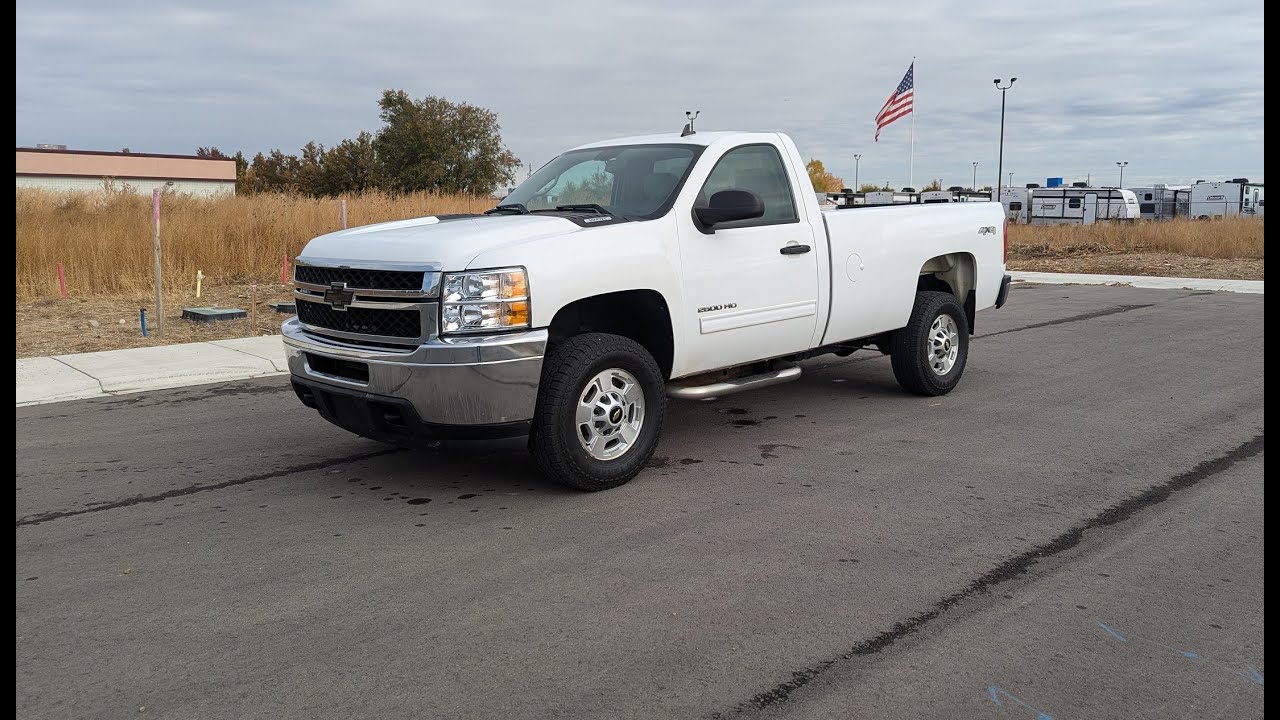
For fleet buyers and contractors who didn’t need diesel torque, the gas 2500HDs were the smarter long-term choice precisely because of their simplicity.
Trucks That Trip CELs Weekly
Check engine lights, every truck owner’s nemesis. For some vehicles, that little warning light is a rare visitor, quietly staying off until a real problem arises. For others, it seems to have a personal vendetta, illuminating constantly and keeping owners glued to the diagnostic scanner.
Trucks that trip CELs weekly are often notorious for their finicky sensors, temperamental emissions systems, or quirky electronic quirks.
In this article, we’ll dive into some of the trucks most prone to lighting up that dreaded warning, why they’re so temperamental, and what owners can do to keep the light from becoming a constant companion.
1. 2011–2016 Ford F-250/F-350 Super Duty (6.7L Power Stroke Diesel)
Ford’s 6.7L Power Stroke is powerful and efficient but it’s a magnet for emissions-related warning lights. This generation introduced diesel particulate filters (DPFs), exhaust gas recirculation (EGR) systems, and selective catalytic reduction (SCR) using DEF fluid.
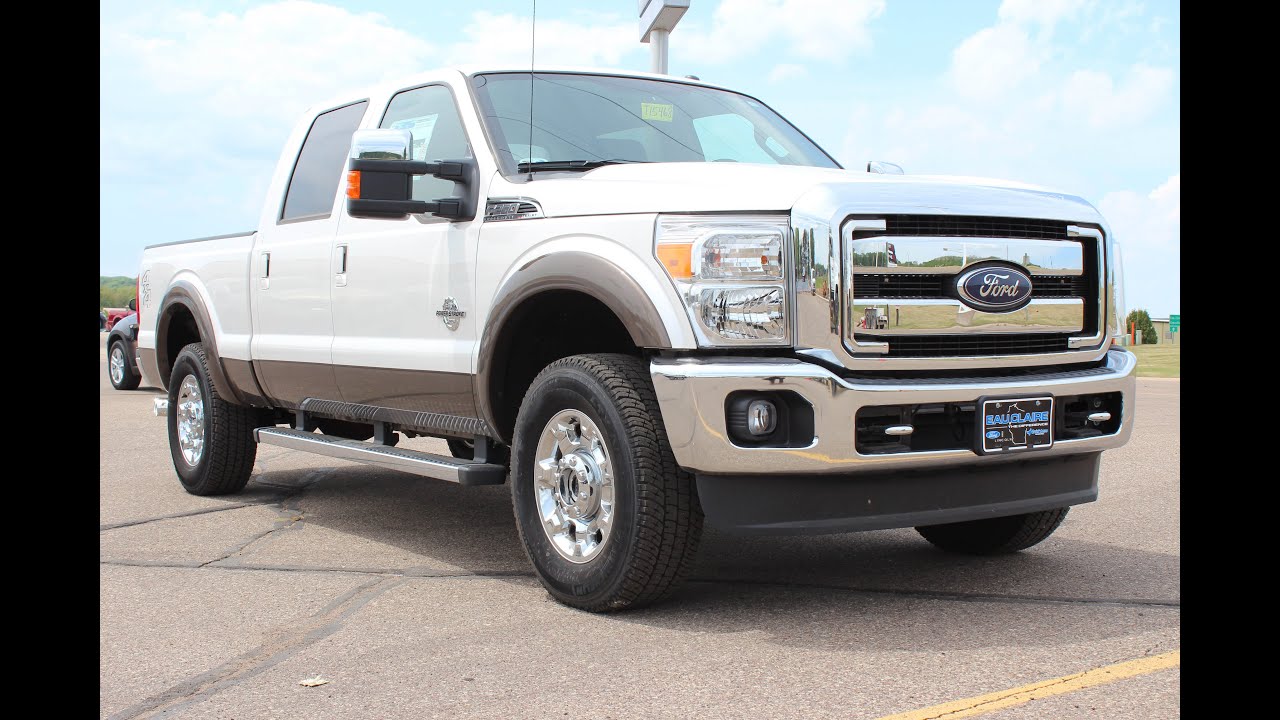
When everything works perfectly, it’s fine. But DPF clogs, EGR valve failures, and DEF heater malfunctions often result in repeated CELs.
Owners in cold climates especially struggle with frozen DEF tanks and sensors that trigger limp mode at the worst times. Great engine complex system.
Also Read: 5 Great Cars for Retired Drivers and 5 That Are Too Complex
2. 2007–2012 Dodge Ram 2500/3500 (6.7L Cummins Diesel)
The first Cummins engines fitted with full emissions equipment marked the end of the simple diesel era. The 6.7L Cummins introduced an EGR system, DPF, and later SCR.
Unfortunately, these early designs were prone to clogging and sensor failures. It’s common for owners to see “Check Engine” or “Service Exhaust System” warnings, sometimes just weeks apart.
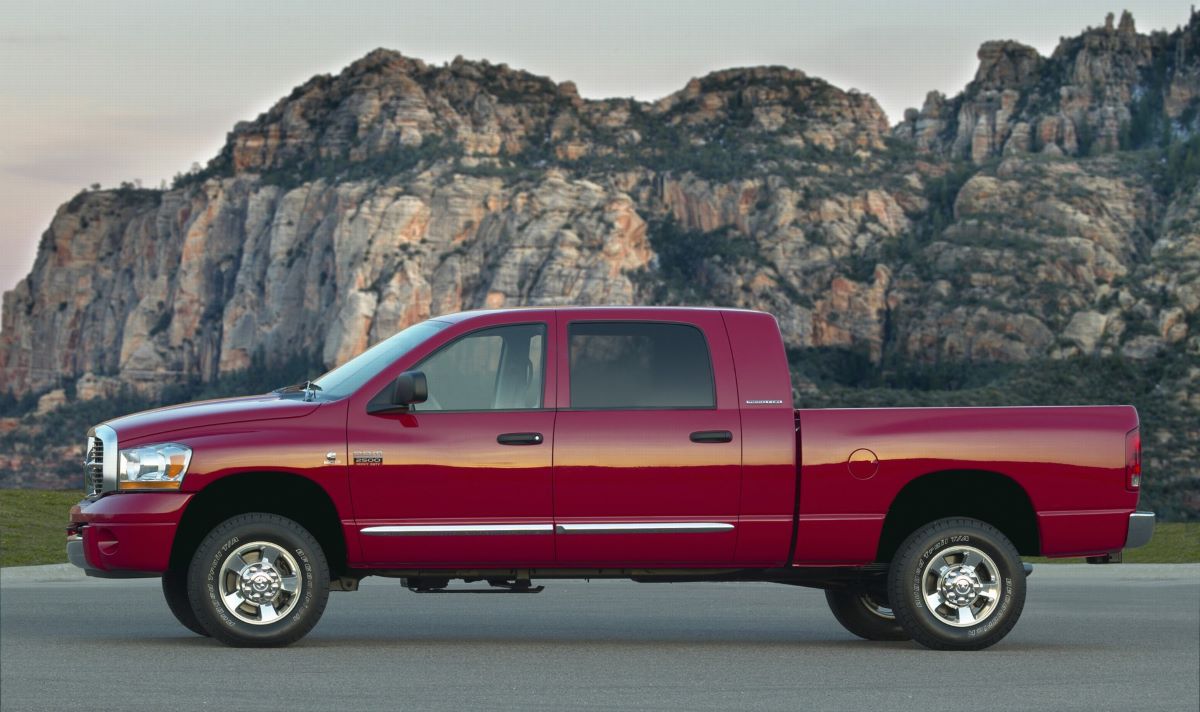
While many love the torque and power, this generation’s emissions complexity has earned it a reputation as a maintenance headache compared to the 5.9L models that came before.
For the 2012 model year, Ram has continued to refine its medium-duty 2500 lineup. The headline change is a significant 150 lb-ft torque increase on the Cummins Turbodiesel I-6, bringing total torque to 800 lb-ft when paired with an automatic transmission, manual transmissions retain the previous 650 lb-ft rating.
Several smaller updates also come with the 2012 Ram 2500. A standard electronic trailer brake controller is now included on SLT, Outdoorsman, Power Wagon, Laramie, and Laramie Longhorn trims. ST models receive a new black front end, while all models get an updated steering wheel.
The 2012 Ram 2500 offers a wide array of choices to suit nearly any buyer. Engine options include a 5.7-liter Hemi V-8 producing 383 hp and 400 lb-ft of torque through a six-speed automatic transmission, or the 6.7-liter Cummins turbodiesel I-6.
The diesel delivers 350 hp and 650 lb-ft of torque when mated to the standard six-speed manual, and a commanding 800 lb-ft of torque when paired with the available six-speed automatic.
Cab and bed configurations are equally versatile. The Ram 2500 is offered as a Regular Cab, Crew Cab, or Mega Cab, with either an 8’0″ or 6’4″ bed. Four-wheel drive is optional on most models, while the off-road-focused Power Wagon comes standard with 4WD.
3. 2009–2014 Chevrolet Silverado 2500HD/3500HD (6.6L LMM/LML Duramax Diesel)
GM’s LMM and early LML Duramax engines were among the first to feature DPFs and EGR systems simultaneously. Unfortunately, their sensors particularly NOx and DPF differential pressure sensors were notoriously fragile.
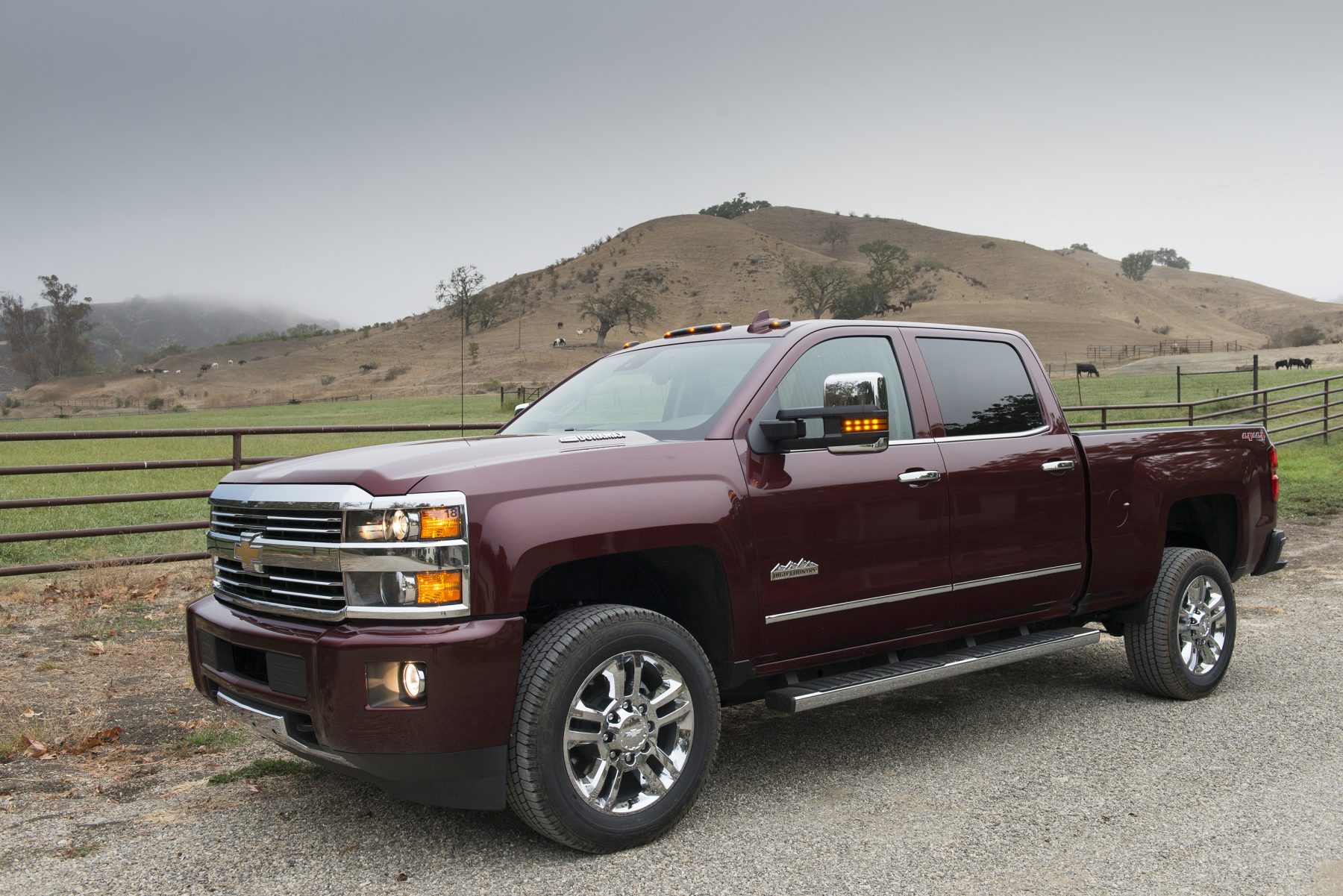
Regeneration cycles often failed mid-drive, causing CELs and power loss. Even when working properly, these trucks would sometimes log codes for minor DEF quality or temperature issues.
The trucks are capable and comfortable, but emissions reliability remains their Achilles’ heel.
4. 2010–2015 Toyota Tundra (5.7L i-Force V8)
While Toyota builds reliable trucks, the Tundra’s emissions control system in this era can be frustrating. Many owners have reported recurring CELs due to air injection system failures specifically, the secondary air injection pump and switching valves.
The issue is so common that Toyota extended warranties for affected components in some states.
When these parts fail, the repair cost can be steep, often running into four figures. Ironically, it’s not the engine or transmission that fails it’s the emissions gear.
After receiving a major redesign just a year ago, the Toyota Tundra enters 2015 with another round of updates. While last year’s refresh modernized its styling, this year Toyota has removed the V6 engine from the lineup and introduced an off-road-focused trim, the TRD Pro.
Despite these changes, a comparison with the latest trucks from Detroit suggests the Tundra is still a few updates shy of true segment-leading competitiveness.
There’s no denying the Tundra’s capabilities. Every trim now comes with a V8 powertrain, and when properly equipped, the truck’s towing capacity is competitive with some of the best in its class.
The recent interior remodel also elevated the cabin, offering a more modern and refined experience. For buyers seeking off-road prowess, the TRD Pro excels with skid plates, off-road tires, Bilstein shocks, and a raised suspension, making it highly competent beyond the pavement.
However, the 2015 Tundra has its limitations. Fuel economy is a notable drawback, as neither of the available V8s delivers impressive efficiency.
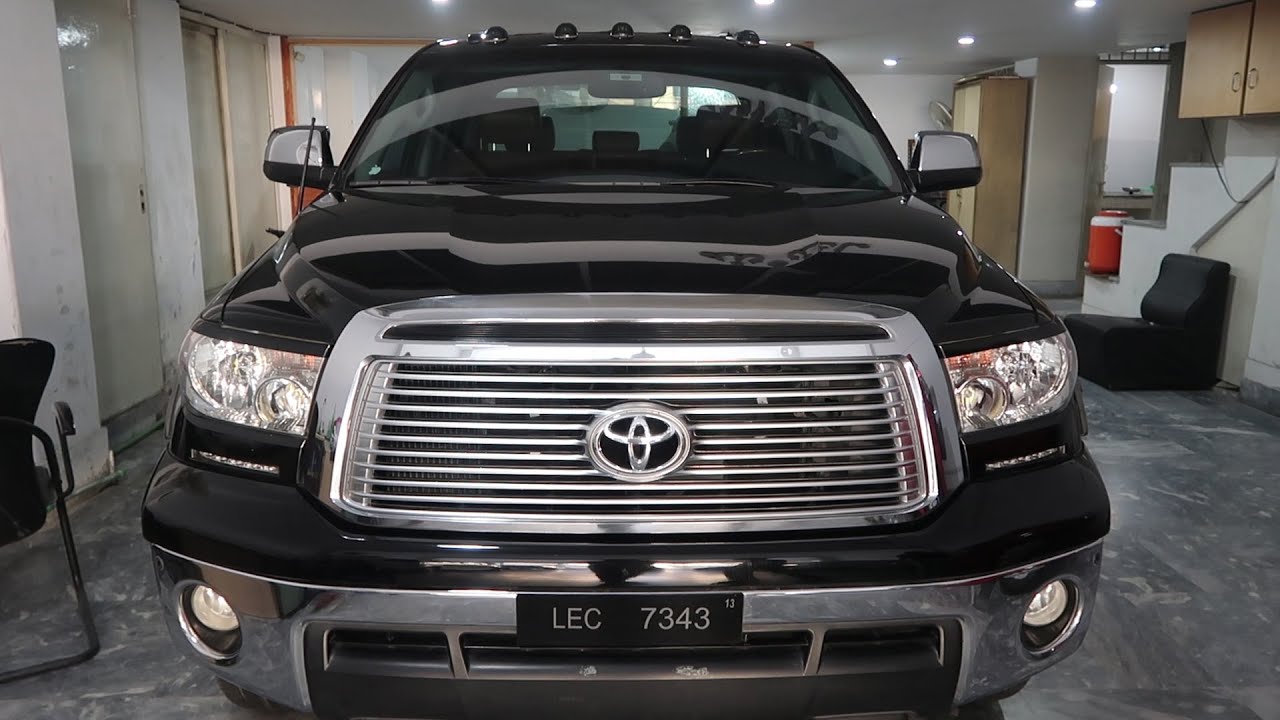
While the previous V6 was not a standout performer, at least it provided an option to compete with the surprisingly efficient six-cylinder engines offered by American rivals. Without it, buyers are left with only V8 options, and there are no alternatives like Ford’s turbocharged V6s or Ram’s diesel-powered six-cylinder.
The Tundra’s handling also shows its age. On uneven or broken pavement, it rides stiffly, reminiscent of classic full-size trucks. Small bumps are easily felt in the cabin, and road noise is more noticeable than in many competitors. While capable in hauling and towing, the Tundra can feel less refined when driving around town with passengers.
For buyers seeking a full-size truck that excels in multiple areas, there are several class leaders to consider. The 2015 Ram 1500 tops the list thanks to its versatile abilities, well-rounded nature, and available diesel engine.
The 2015 Chevrolet Silverado 1500 and GMC Sierra 1500 also impress with comfort, strong towing capacity, and respectable fuel economy.
The completely redesigned 2015 Ford F-150 adds its own set of advanced engines and modern chassis technology. While the Tundra remains competitive with these trucks, it’s difficult to argue that it surpasses any of them.
The 2015 Toyota Tundra is offered with two V8 engines and either rear-wheel or four-wheel drive.
For SR double cab models and all SR5 trims, the standard 4.6-liter V8 produces 310 horsepower and 327 lb-ft of torque, paired with a six-speed automatic transmission.
EPA-estimated fuel economy is 16 mpg combined (15 city/19 highway) for 2WD models, and 16 mpg combined (14 city/18 highway) for 4WD versions. Maximum towing capacity with the 4.6-liter engine ranges from 6,400 to 6,800 pounds, depending on the body style.
The 5.7-liter V8 comes standard on 4WD regular cabs and all Limited, Platinum, 1794, and TRD Pro trims, while optional on other models. This engine delivers 381 horsepower and 401 lb-ft of torque through a six-speed automatic transmission.
EPA fuel economy is 15 mpg combined (13 city/18 highway) for 2WD models, with 4WD versions also rated at 15 mpg combined, but slightly lower on the highway.
All Tundras equipped with the 5.7-liter engine include a tow package, enabling maximum towing capacity between 9,800 and 10,500 pounds, depending on body style and configuration.
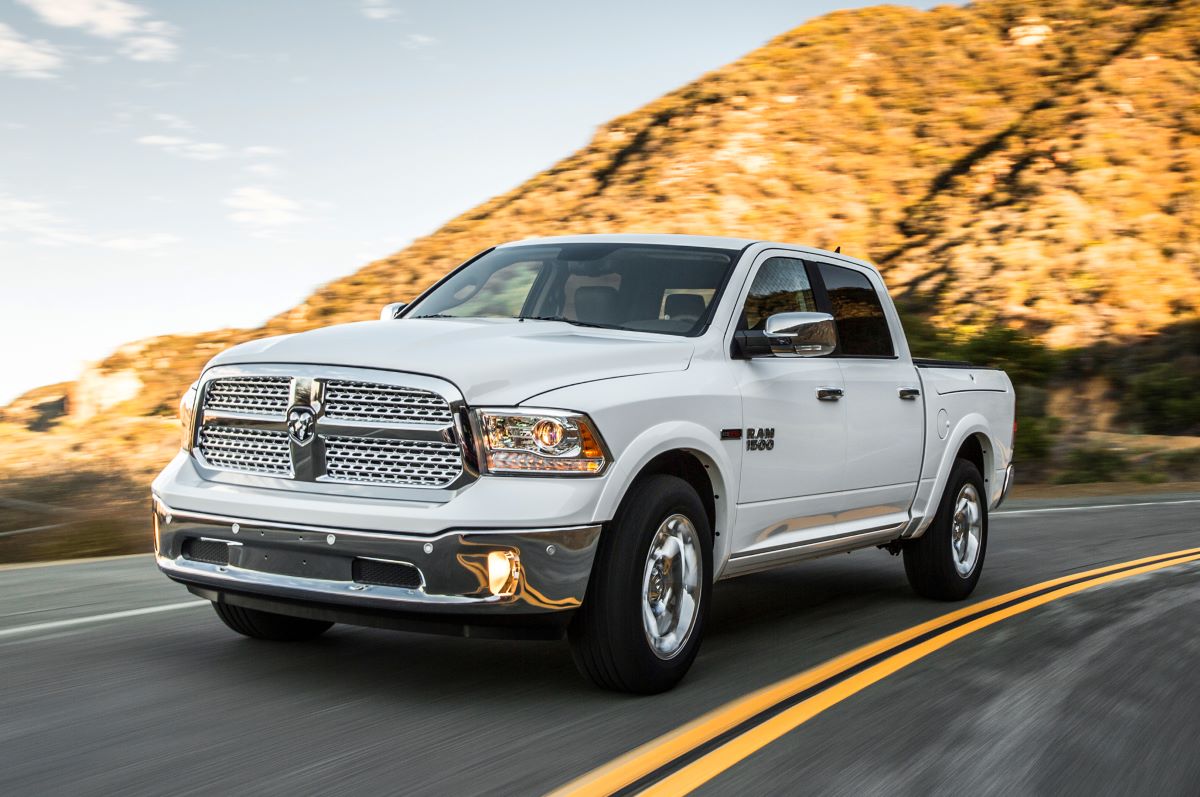
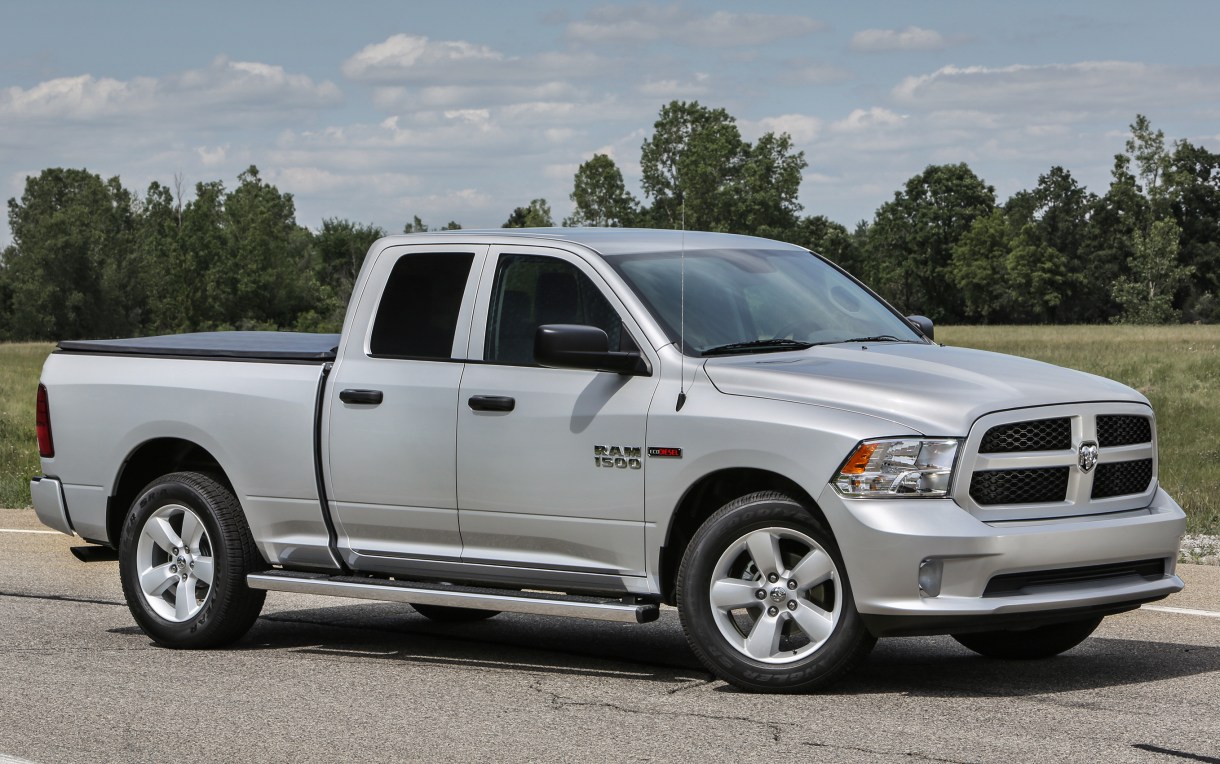
5. 2014–2019 Ram 1500 EcoDiesel
Chrysler’s attempt at a half-ton diesel was a bold move, but the first-gen EcoDiesel quickly gained a reputation for emissions drama.
The combination of EGR, DPF, and SCR made for a delicate balancing act, and the system often lost that balance. Common issues include clogged EGR coolers, DPF failures, and faulty DEF sensors.
The CEL is almost a rite of passage for EcoDiesel owners, especially those who do short commutes that prevent full DPF regeneration. While it’s efficient when working, the maintenance overhead is high.
Emissions technology has evolved rapidly, and while it plays an essential role in reducing pollution, it’s added layers of complexity that can frustrate owners.
If you value simplicity, sticking with a pre-2007 gas truck or an older diesel without DPF and SCR systems is the way to go. These trucks are easier to maintain, less prone to CELs, and often cheaper to keep on the road.
For modern diesel owners, the best defense is preventative maintenance regular highway drives to complete DPF regeneration, using high-quality DEF, and sticking to clean fuel sources.
But if you want the peace of mind that comes from a clean dash, the older gas-powered workhorses still reign supreme in the battle against the blinking Check Engine Light.