
When it comes to owning an SUV, a lot of attention often goes to horsepower, towing capacity, or off-road capabilities.
While these are important factors, one component that’s often overlooked but plays a crucial role in vehicle longevity and driving comfort is the motor mount.
Motor mounts are the unsung heroes that absorb engine vibrations and hold the engine securely in place. A durable motor mount ensures smoother rides, less stress on the drivetrain, and a longer lifespan for the vehicle’s major mechanical components.
On the other hand, weak motor mounts can lead to vibrations, misalignment, and expensive repairs. In this guide, we’ll break down five SUVs renowned for long-life motor mounts and five that have a reputation for tearing under heavy load.
This information is particularly relevant for U.S. drivers who put their SUVs through demanding daily use, towing, or weekend adventures.
SUVs With Long-Life Motor Mounts
When it comes to SUVs, durability isn’t just about tires, suspension, or body panels, it starts with what’s under the hood. Motor mounts, often overlooked, play a critical role in keeping your engine stable, reducing vibrations, and preventing costly wear over time.
SUVs equipped with long-life motor mounts offer peace of mind for drivers who want a smooth ride without frequent repairs.
In this article, we highlight the SUVs that are engineered with durable motor mounts, helping ensure longevity, reliability, and a more comfortable driving experience for years to come.
1. Toyota 4Runner
The Toyota 4Runner has earned a legendary reputation for reliability, and its motor mounts are no exception.
Designed for both on-road comfort and off-road durability, the 4Runner’s mounts are engineered to absorb vibrations from its robust V6 engine while maintaining alignment even under heavy towing or rough terrain.
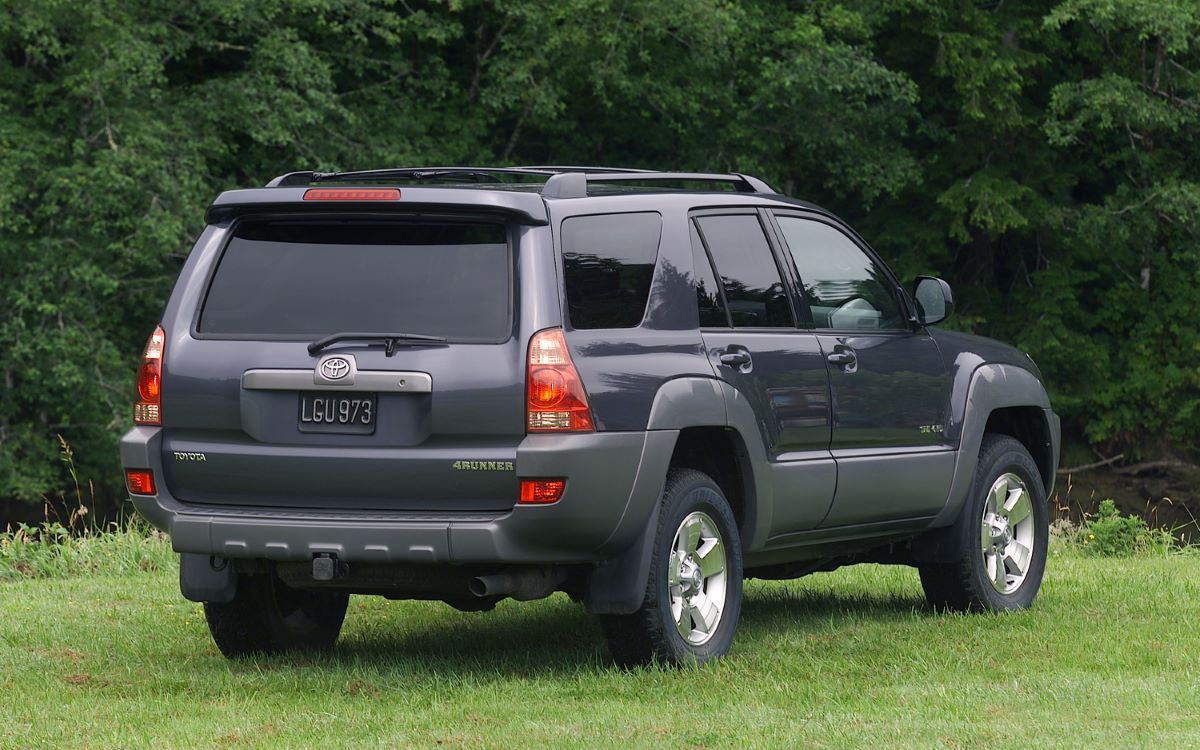
Owners often report minimal engine movement even after 200,000 miles, making it a top choice for families or adventurers who prioritize longevity and low maintenance.
2. Honda Pilot
The Honda Pilot is a popular family SUV in the U.S., not only for its roomy interior but also for its durable drivetrain components.
Honda uses reinforced motor mounts that are particularly resistant to wear under city stop-and-go conditions and highway cruising alike.
Drivers praise the Pilot for its smooth ride with very little engine vibration transmitted to the cabin, even in older models. This reliability makes it a smart option for parents who need a dependable daily driver without unexpected repairs.
The 2021 Honda Pilot serves as a modern alternative to a minivan, though its third row isn’t particularly spacious and its styling is fairly understated.
Despite that, the Pilot offers an available all-wheel-drive system, elevated seating, and decent ground clearance, features many crossover buyers appreciate. Its responsive and fuel-efficient V-6 engine performs admirably, though driving enthusiasts may find it less engaging than some competitors.
Inside, the Pilot boasts a roomy cabin, ample cargo space, and plenty of small-item storage. A suite of standard driver-assistance features and popular infotainment options helps it compete with rivals such as the Volkswagen Atlas and Toyota Highlander.
While it may not be the flashiest midsize crossover, the Pilot’s versatility and balanced design make it appealing to a wide range of buyers.
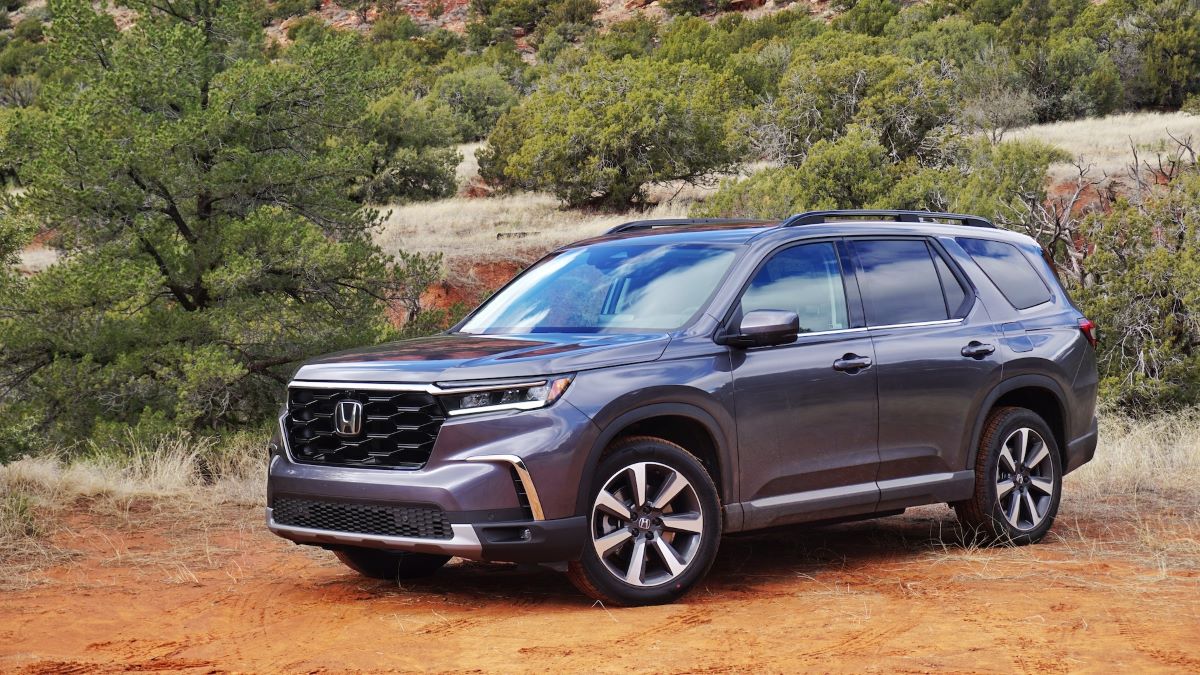
For 2021, Honda added a new Special Edition trim and made the nine-speed automatic transmission standard across the lineup. Previously, the nine-speed was available only on the Touring trim and above, while lower trims had a less-refined six-speed automatic.
The Special Edition sits between the EX and Touring trims and includes black 20-inch wheels, a foot-activated power tailgate, and wireless charging.
All models now come standard with paddle shifters, dual-zone climate control, and an automatic stop-start system. These upgrades prompted a $600 increase in the Pilot’s base price.
Pricing for the 2021 Pilot ranges from $33,775 for the LX to $51,445 for the Black Edition. The Special Edition, at $40,485, offers the best combination of features and value, including leather-trimmed seats, roof rails, second-row sunshades, a sunroof, and wireless charging.
Adding all-wheel drive for $2,000 increases the maximum tow rating from 3,500 pounds to 5,000 pounds.
The Pilot’s V-6 engine delivers ample power and a sporty exhaust note, paired with a smooth nine-speed automatic transmission. While the Pilot is not overly cumbersome for a three-row SUV, its size can feel heavy when cornering.
Upper trims with 20-inch wheels sacrifice a bit of ride comfort but enhance the SUV’s otherwise understated appearance. Loaded with passengers and cargo, the Pilot rides relatively smoothly, though its limited body control can create a sense of detachment from the road.
Light steering makes maneuvering in tight spaces easy, but contributes to a slightly disconnected feel on the highway.
Also Read: 5 City-Proof Compacts and 5 That Hate Stop-and-Go
3. Lexus GX 460
Luxury SUVs often sacrifice durability for refinement, but the Lexus GX 460 blends both. Its motor mounts are designed to handle the weight of a full-size V8 engine while minimizing vibrations in the cabin.
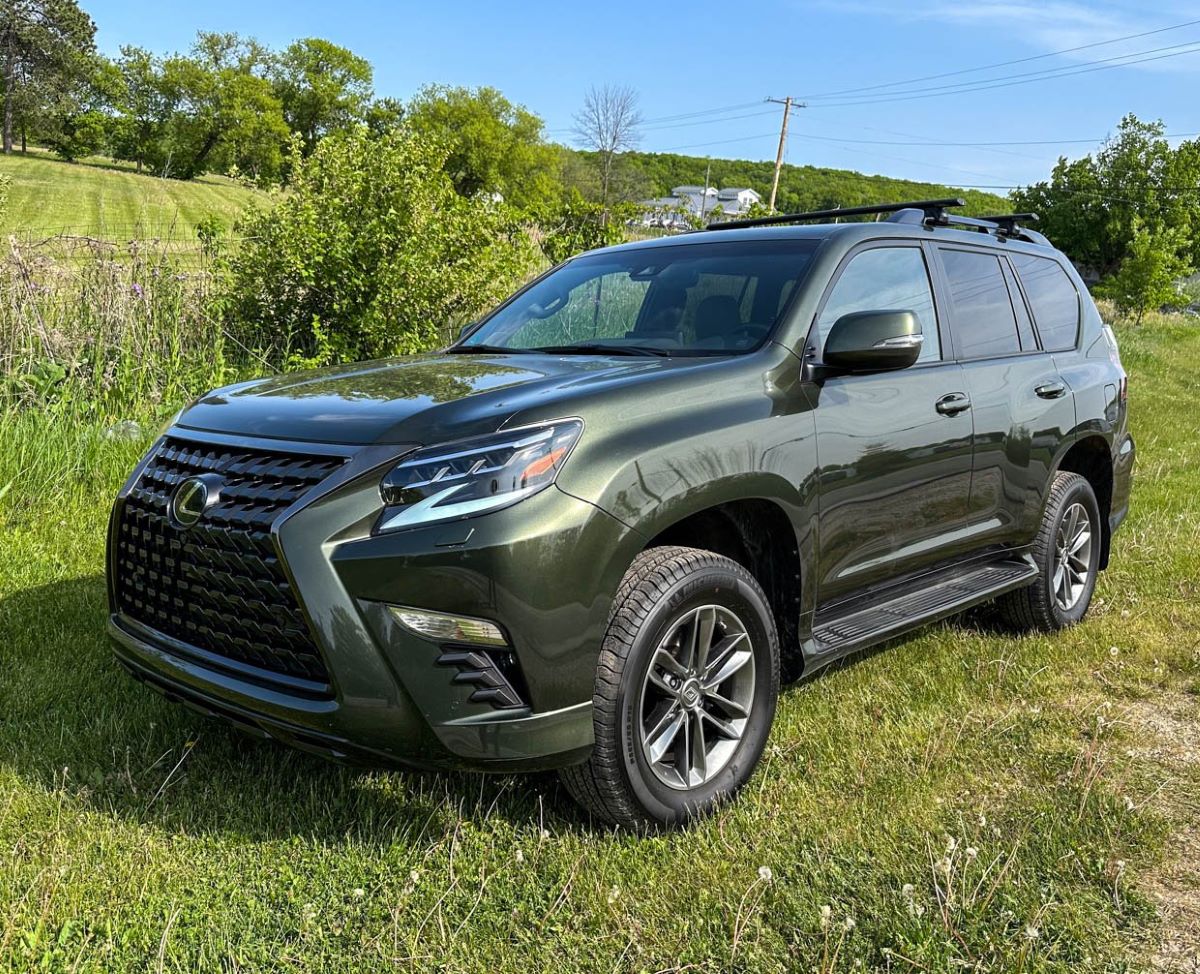
The GX 460 is frequently used in towing and off-road conditions, and its mounts consistently hold up under the stress. For U.S. buyers who want luxury comfort alongside long-term reliability, this SUV proves that high-end doesn’t always mean fragile.
The Lexus GX has long been regarded as a more refined version of the Toyota 4Runner, serving as an upscale counterpart to the sturdy, traditional mid-size SUV.
While the two share many strengths and weaknesses, largely stemming from their body-on-frame construction and the age of the platform, with the current GX dating back to 2010, there are notable differences that set the GX apart beyond just its exterior styling and interior appointments.
Mechanically, the most significant upgrade the GX offers over the 4Runner is its V-8 engine, replacing Toyota’s V-6. The Lexus’s 4.6-liter V-8 operates with a creamy smoothness that the 4Runner’s V-6 can only envy.
Its refined character is perfectly complemented by the standard six-speed automatic transmission, one gear more than the 4Runner’s five-speed automatic, which delivers nearly imperceptible shifts.
Producing 301 horsepower and 329 pound-feet of torque, the V-8 provides noticeably more power than the Toyota’s 270 hp and 278 lb-ft. This is reflected in a 0-60 mph time of 7.2 seconds, roughly half a second quicker than the 4Runner TRD Pro.
Even with the extra power, the GX doesn’t feel particularly fast. The V-8’s peak torque arrives only at 3,500 rpm, requiring a firm push on the accelerator to fully access it.
As a result, it’s common to glance at the speedometer and realize you’re moving slower than anticipated, making the GX a vehicle that emphasizes smoothness and refinement over outright acceleration.
4. Toyota Highlander
The Toyota Highlander offers a solid mix of family-friendly features and long-term durability. Its motor mounts are robust and designed for quiet operation, even with higher mileage or moderate towing.
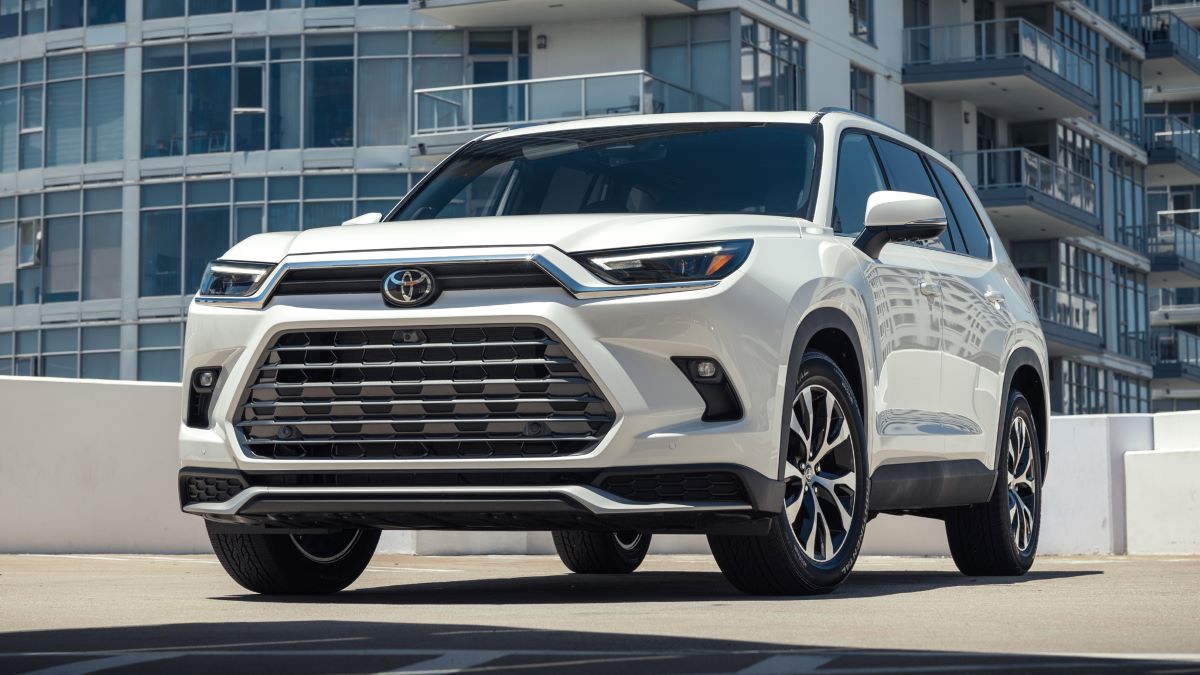
Drivers who regularly transport heavy loads or frequently use their SUVs for road trips report very few issues with engine mount failures. This makes the Highlander a practical choice for those who prioritize reliability over flashier performance.
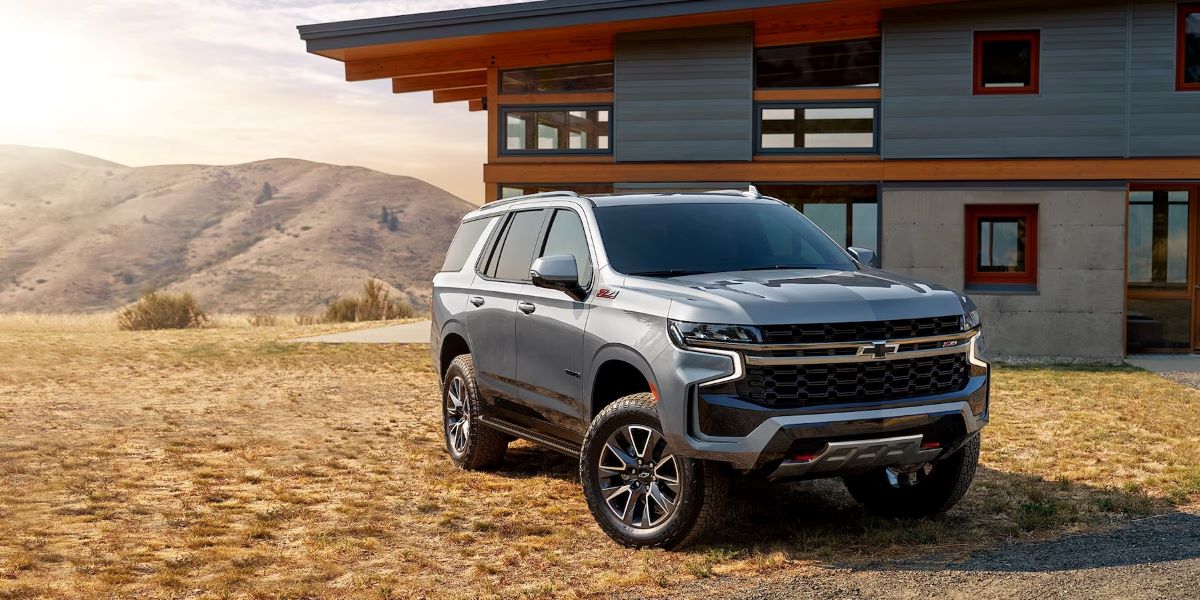
5. Chevrolet Tahoe
The Chevrolet Tahoe is an American favorite for its large size, towing capability, and rugged construction. Its motor mounts are built to withstand heavy loads, making it suitable for both commercial and recreational use.
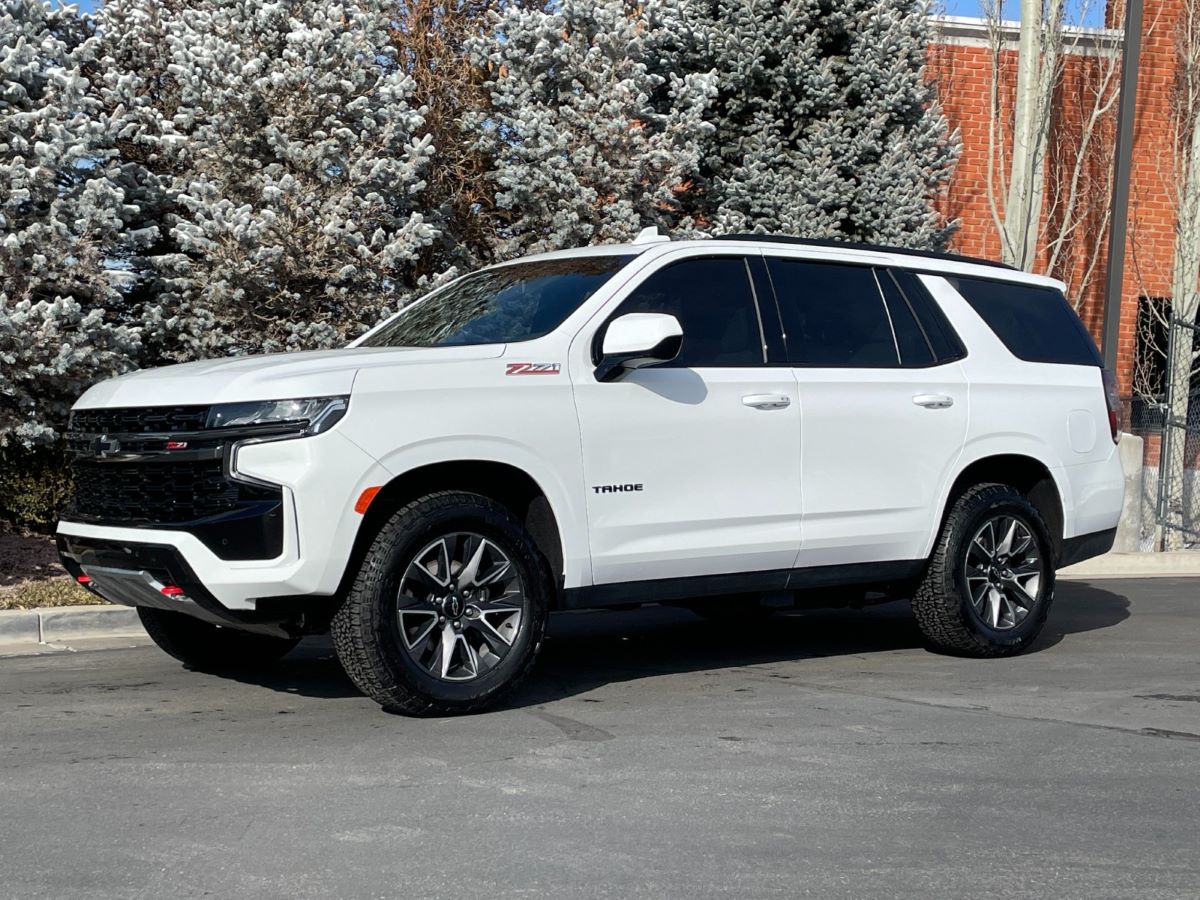
Tahoe owners frequently tow trailers or haul heavy cargo, yet the engine mounts rarely fail prematurely. The combination of size, power, and durability makes the Tahoe a dependable option for U.S. drivers who push their SUVs to the limit.
The 2021 Chevrolet Tahoe stands out as one of the few remaining truck-based SUVs, and this redesign addresses many of the shortcomings of its predecessor.
While the previous-generation Tahoe offered strong towing capabilities, it lagged behind in refinement, versatility, and features.
The new model improves on all these fronts, offering more rear legroom, especially in the third row, and a significant increase in cargo space, from 94.7 cubic feet to 122.9 cubic feet with the second and third rows folded.
For the first time, the Tahoe features an independent rear suspension, resulting in a smoother ride over bumps and better handling around corners compared with the old solid-axle setup.
Inside, the Tahoe offers wide-opening doors for easy access, ample headroom for third-row passengers, and a driver’s seat with extensive adjustments.
While the multi-zone climate control performs well for all three rows, some smaller buttons and the noise from the rear system can be distracting, and the windshield produces noticeable highway roar.
The dash design sacrifices some efficiency, with bunched-up controls and redundant audio buttons, while the steering-wheel controls are less intuitive.
Technology features include a 10.2-inch touchscreen with crisp graphics, responsive menus, and wireless Apple CarPlay and Android Auto.
Charging ports are abundant, though those in the center console can become crowded when combined with the wireless charging pad. Some advanced driver-assistance features, such as adaptive cruise control and lane-keeping assist, are inconsistent or not offered on certain trims.
Performance-wise, the Tahoe comes standard with a 5.3-liter V8 producing 355 horsepower and 383 lb-ft of torque, paired with a smooth 10-speed automatic.
It achieves a 0-60 mph time of 7.7 seconds and handles city streets well thanks to a tight turning circle and light steering, though the steering can feel vague at higher speeds.
Optional Z71 models benefit from height-adjustable air suspension and good approach and departure angles for moderate off-roading.
Fuel economy is average for a full-size SUV, with the 5.3-liter V8 returning about 18 mpg combined, while a more powerful 6.2-liter V8 or available diesel engine offer alternatives for towing or efficiency needs.
Speaking of towing, the Tahoe can handle up to 8,400 pounds when properly equipped, though the 5.3-liter V8 may feel strained at maximum loads.
The 2021 Tahoe offers a comfortable and capable ride, with improvements in interior space, cargo volume, and suspension smoothness making it a strong contender among large SUVs.
Its trim levels, LS, LT, RST, Z71, Premier, and High Country, cater to a wide range of buyers, with four-wheel drive available on all trims and standard on the Z71.
With technology, luxury, and capability well balanced, the Tahoe continues to serve as a versatile family workhorse and a worthy competitor to rivals like the Ford Expedition and GMC Yukon.
Also Read: 10 Work Trucks Under $20,000 That Won’t Collapse Under Load
SUVs That Tear Motor Mounts Under Load
Not all SUVs are built to handle heavy loads with ease, and some can put excessive stress on critical components like motor mounts.
Under towing, hauling, or aggressive driving conditions, certain SUVs are more prone to damaging these mounts, which can lead to vibrations, misalignment, and expensive repairs.
In this article, we examine the SUVs most likely to tear motor mounts under load, highlighting the models where buyers should pay extra attention to engine support and maintenance if they plan to push their vehicle to its limits.
1. Ford Edge
The Ford Edge is a stylish midsize SUV, but it has developed a reputation for weaker motor mounts in models with higher mileage or frequent towing.
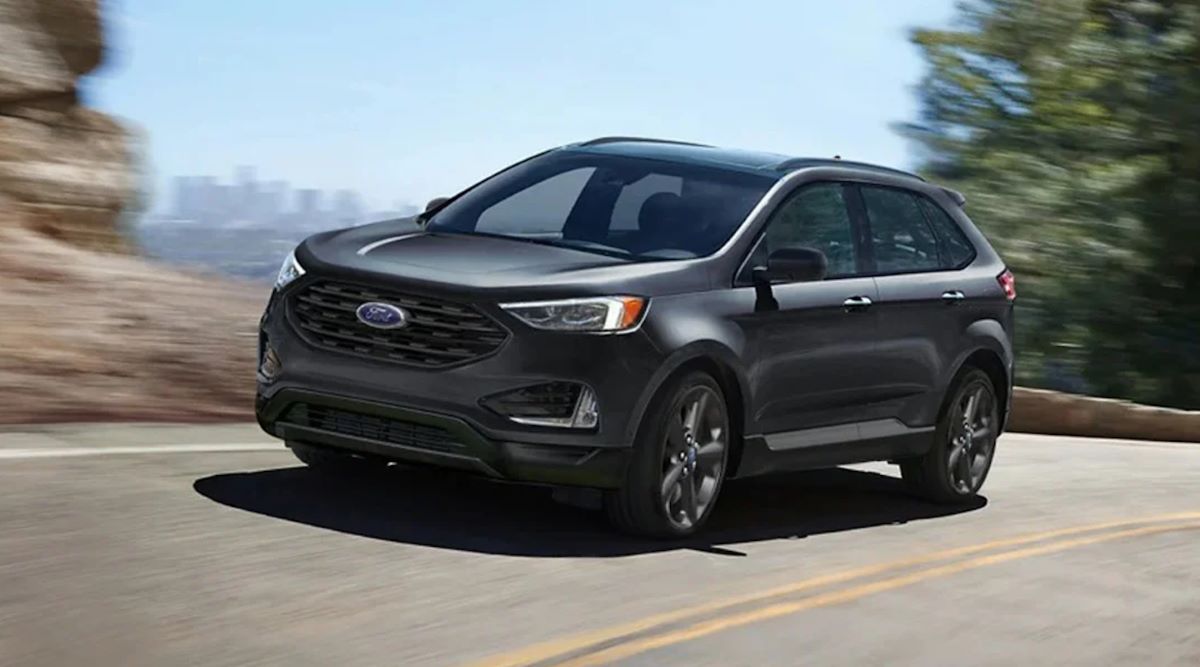
Owners often report noticeable engine movement under hard acceleration or while towing, which can lead to accelerated wear and even misalignment issues.
For drivers who frequently carry heavy loads, the Edge may require early motor mount replacement compared to competitors.
2. Nissan Murano
The Nissan Murano is known for its comfort and sleek design, but its motor mounts can struggle under load. The Murano’s V6 engine produces respectable power, yet the mounts often fail when subjected to frequent towing or aggressive driving.
Many U.S. owners report vibrations in the cabin as a precursor to mount failure, making this SUV less ideal for heavy-duty use.
Nissan might as well call the Murano the “More-ano,” given just how much more the heavily updated SUV offers as standard equipment.
Across most of the lineup, the standout addition is standard all-wheel drive; previously, AWD was a $1,700 option on every Murano.
For 2025, only the entry-level Murano SV comes with front-wheel drive, and upgrading it to AWD costs just $1,000. Meanwhile, the Murano SL and top-tier Platinum trims now come with all-wheel drive as standard.
The Murano’s display technology has also been upgraded, with a standard 12.3-inch digital gauge cluster now joining a 12.3-inch touchscreen that includes wireless Apple CarPlay and Android Auto, even on the base SV trim.
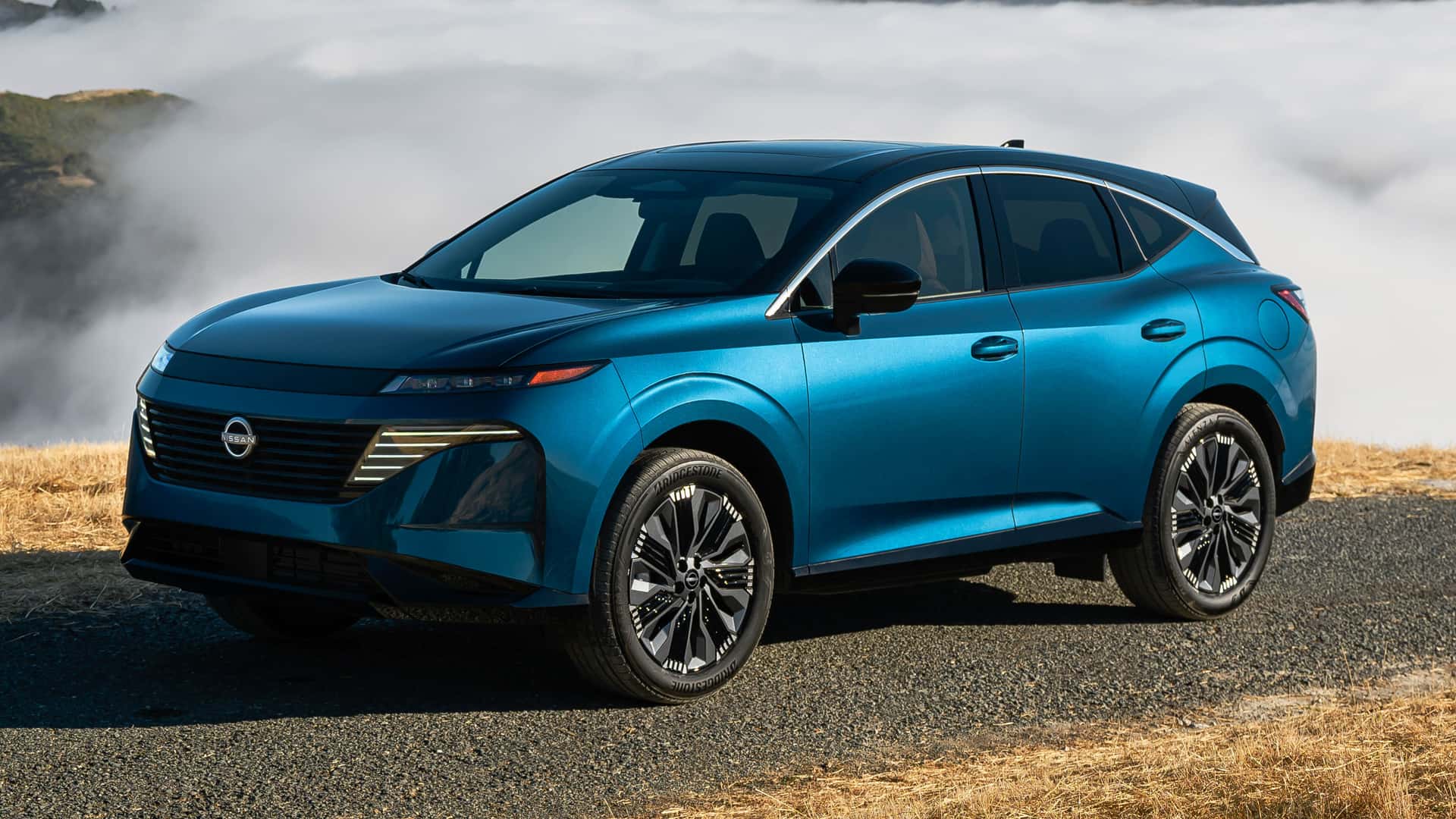
The SUV’s styling, completely refreshed for 2025, is further enhanced by standard 20-inch wheels, up from last year’s 18-inch setup.
Under the hood, the new Murano features Nissan’s VC-Turbo four-cylinder engine with variable compression and turbocharging, producing 241 horsepower and 260 lb-ft of torque.
While this delivers slightly less horsepower, it provides more torque than the 3.5-liter V-6 it replaces. Interestingly, fuel economy remains almost identical to the previous model, with both 2024 and 2025 versions posting a combined 23 mpg for front- and all-wheel-drive models.
Despite all these updates, pricing has only increased modestly. The base Murano SV rises by $2,605, though the cost of optional AWD drops by $700.
The other two trims, now AWD-only, are more expensive than their 2024 counterparts, but when comparing their MSRPs to similarly equipped AWD SL and Platinum models, the price increase aligns closely with that of the SV.
The Murano remains competitively priced at the lower end of the midsize, two-row mainstream SUV segment, with pricing comparable to Honda’s current Passport and Jeep’s entry-level Grand Cherokee models.
3. Jeep Grand Cherokee (Certain Years)
The Jeep Grand Cherokee is a popular off-road and towing SUV, but select model years have been notorious for motor mount issues. Particularly in older V6 and V8 variants, the mounts can tear under stress, especially if the vehicle is used off-road or for towing trailers.
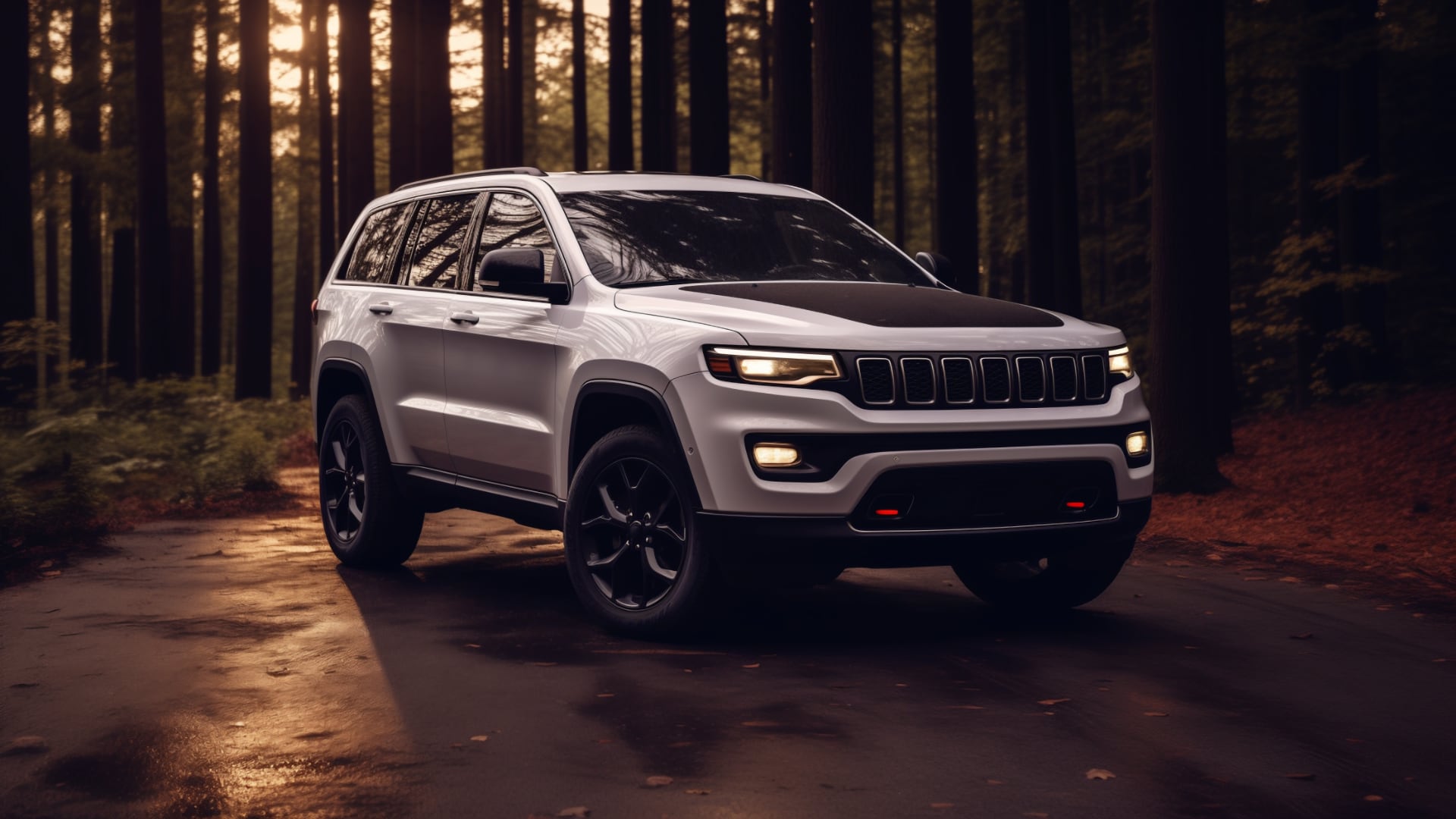
While the Grand Cherokee excels in rugged conditions, its weak mounts can lead to more frequent repairs and higher maintenance costs.
4. Dodge Durango
The Dodge Durango delivers strong towing capacity and a powerful V6 or V8 engine, yet its motor mounts are often a weak point. Under load, these mounts can degrade faster than expected, leading to vibrations, engine shifting, and potential drivetrain stress.
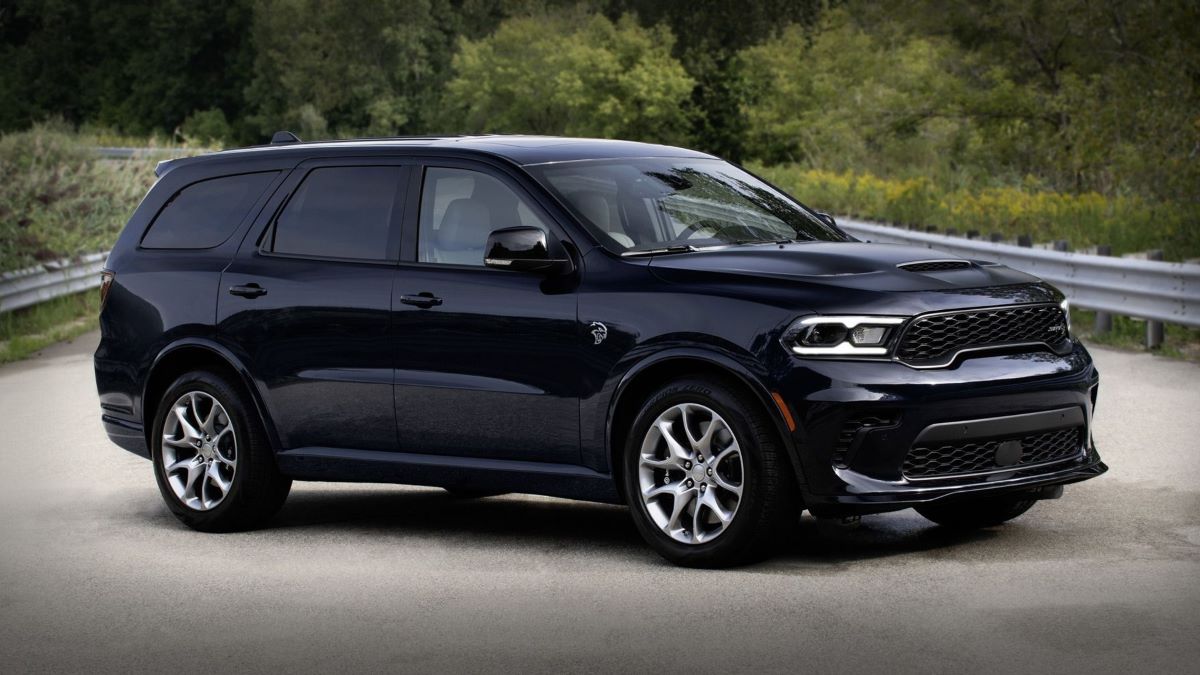
Durango owners who rely on their SUV for frequent towing or heavy passenger loads should budget for mount replacements sooner than with more durable alternatives.
The 2025 Dodge Durango stands as the final stronghold of the brand’s lineup featuring muscular V-8 powertrains.
This three-row SUV remains capable, particularly for buyers who need its impressive towing capacity, though it has been surpassed in other areas by newer rivals. The Durango competes with established three-row SUVs such as the Kia Telluride, Jeep Wagoneer, and Honda Pilot.
For 2025, Dodge introduces a few special edition Durango models, detailed below. The last significant update for the Durango came with the 2021 model year, while the current generation originally debuted in 2011.
The venerable Dodge Durango continues its run, for now. While this generation is long in the tooth, the 2025 model remains a competent example of an old-school SUV as it prepares to exit the lineup. Like most Dodge vehicles, the Durango’s focus is its powertrains.
Even the base V-6 is robust, and the trio of V-8 options delivers true muscle-car performance in an SUV body. The Durango also demonstrates surprising agility, a quality that helped it outperform the Ford Explorer in a 2020 comparison test.
The 2025 model may be the last chance to own the unhinged SRT Hellcat, a unique blend of everyday practicality and dragstrip-ready performance.
Despite its charm, the Durango’s old-fashioned approach shows its age. The platform scores poorly in crash testing and lacks many modern active safety features.
Fuel economy is subpar by today’s standards, cargo space is average for the class, and interior materials are inconsistent.
Nevertheless, the Durango has had a long, respectable run and remains a noteworthy contender in a competitive segment. While the roar of its V-8 engines will be missed, a more modern successor from Dodge is eagerly anticipated.
Under the hood, the 2025 Durango offers powertrains that range from competent to outright extreme. All models use an eight-speed automatic transmission, and non-SRT versions can be configured with rear- or all-wheel drive.
Any of the V-8 options make the Durango a class leader in towing capacity, combining strength with the versatility expected from a three-row SUV.
5. Volkswagen Atlas
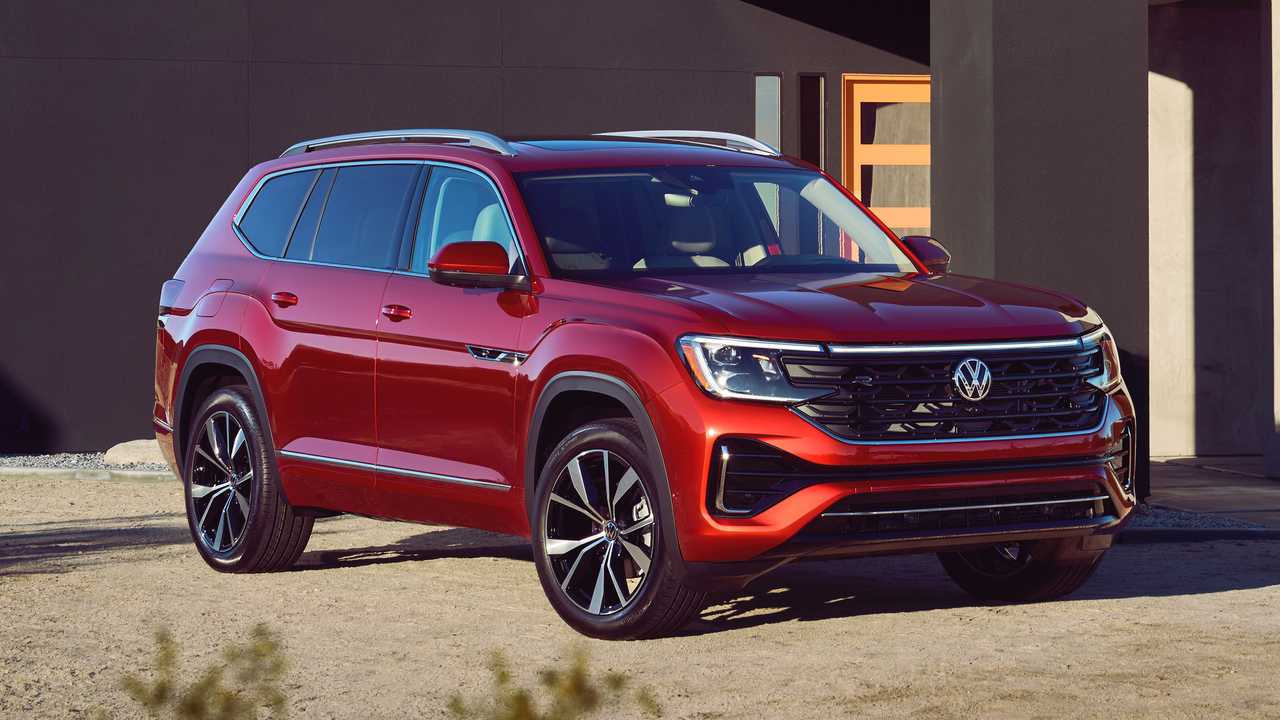
The Volkswagen Atlas is a newer entry in the midsize SUV market with a comfortable cabin and strong tech features. However, early Atlas models have reported motor mount failures under load, particularly in the V6 engine variants.
While the Atlas offers smooth daily driving, owners who tow or carry heavy cargo may encounter engine movement and accelerated mount wear, which can lead to costly repairs.
When selecting an SUV, many buyers focus on horsepower, cargo space, or style but motor mount durability is an often-overlooked factor that can make or break long-term ownership satisfaction.
The 2025 Volkswagen Atlas is a three-row midsize SUV and the largest vehicle in Volkswagen’s lineup, making it a strong choice for growing families.
It sits above the compact Tiguan and subcompact Taos, with the Atlas Cross Sport serving as a slightly smaller, two-row midsize alternative. The Atlas has been on the market since 2018 and received a significant refresh last year, so updates for 2025 are minimal.
One of the Atlas’s standout qualities is its spaciousness. Adult passengers can sit comfortably in all three rows, and access to the rear seats is straightforward.
Cargo capacity is also generous, offering up to 20.6 cubic feet behind the third row, plenty of room for luggage or gear.
On the downside, the Atlas’s 269-horsepower four-cylinder engine is adequate for most driving situations and can tow up to 5,000 pounds, but it may feel somewhat underpowered compared with other SUVs in its class, particularly when accelerating or merging onto highways.
The Atlas competes in a crowded midsize SUV segment, facing strong rivals such as the Kia Telluride and Hyundai Palisade.
Its recent refresh helps it remain competitive against newer models, including the Toyota Grand Highlander, Mazda CX-90, and Hyundai Santa Fe, maintaining its appeal as a practical, family-friendly option.
SUVs like the Toyota 4Runner, Honda Pilot, Lexus GX 460, Toyota Highlander, and Chevrolet Tahoe have proven motor mounts that stand up to decades of driving, heavy loads, and rough conditions.
On the flip side, models like the Ford Edge, Nissan Murano, Jeep Grand Cherokee (certain years), Dodge Durango, and Volkswagen Atlas have shown weaknesses under load, potentially leading to costly repairs and decreased vehicle comfort.
Understanding these differences can help U.S. drivers make smarter choices, ensuring their SUVs deliver both performance and longevity.
