
Modern vehicles come loaded with technology designed to make driving safer and easier. One feature that often gets overlooked until it becomes a problem is the Tire Pressure Monitoring System (TPMS).
In the United States, TPMS is not just a convenience it’s a safety requirement on all new cars and SUVs since 2007. Proper tire pressure ensures optimal fuel efficiency, tire longevity, and road safety.
However, not all TPMS systems are created equal. Some SUVs make monitoring and maintaining tire pressure effortless, while others seem to have sensors that misbehave, constantly blinking on the dashboard even when the tires are fine.
This article breaks down five SUVs with reliable, convenient TPMS sensors and five that frequently frustrate owners with persistent alerts.
SUVs With Convenient TPMS Sensors
Modern SUVs are designed for comfort, versatility, and safety, and tire pressure monitoring systems (TPMS) play a crucial role in keeping drivers aware of their tires’ health.
However, not all TPMS setups are equally user-friendly, some require manual resets or complicated maintenance, while others offer seamless, hassle-free operation.
In this article, we highlight SUVs that feature convenient TPMS sensors, making it easier for owners to maintain proper tire pressure, enhance safety, and enjoy a smoother driving experience without the usual headaches.
1. Toyota RAV4
The Toyota RAV4 has long been a favorite among U.S. drivers for its reliability and practicality, and its TPMS system reflects that reputation.
The sensors are highly accurate, rarely giving false alerts, and the system integrates seamlessly with the dashboard display.
On newer models, drivers can even see individual tire pressures directly on the center screen, eliminating guesswork.
The system also pairs well with Toyota’s Tire Pressure Monitoring app, allowing drivers to check pressures even before leaving the driveway perfect for families and commuters alike.
Americans have long embraced the Toyota RAV4, and the 2026 model gives them even more reason to do so.
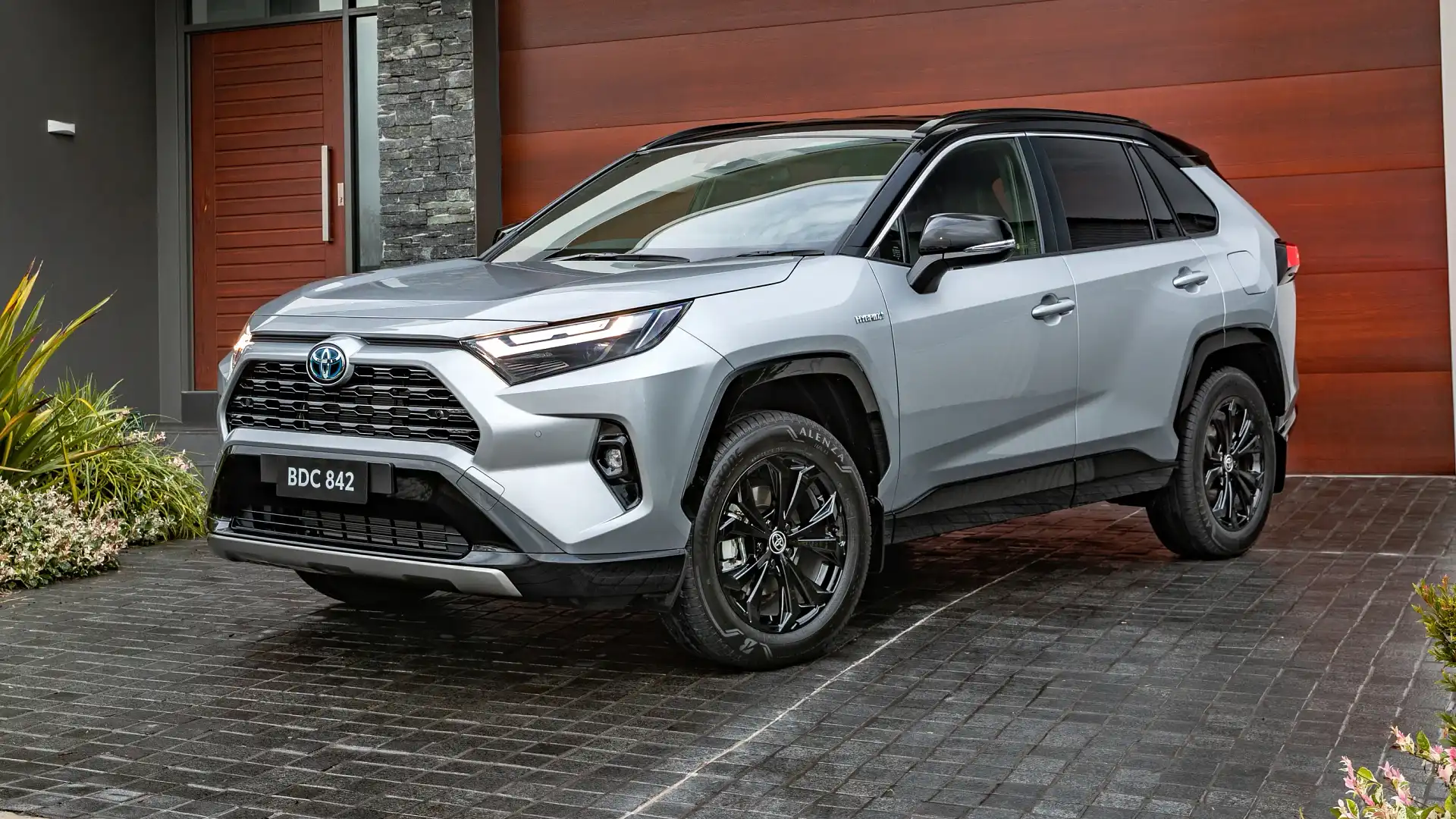
For this year, Toyota has transformed its best-selling SUV into a hybrid-only vehicle, eliminating the traditional gas engine in favor of a standard electrified setup with an optional plug-in variant.
The redesign is sleek and contemporary, and the interior finally receives a long-awaited technology upgrade, with Toyota’s latest infotainment system bringing the cabin fully up to date in terms of electronics.
Toyota also offers a plug-in hybrid variant that uses the same 2.5-liter engine but combines it with a larger battery pack to deliver greater electric range and enhanced performance.
Judges were divided on the RAV4’s interior. Some appreciated the practicality of its multilevel center console, while others found the design cluttered and distracting.
One point of consensus, however, was Toyota’s new infotainment system, a significant improvement over what appears in many of the brand’s other models.
Those familiar with Toyota’s recent models welcomed the upgrade, noting that the new infotainment suite feels broader, smarter, and far more refined than previous iterations.
It’s certainly not state of the art, but it’s a much-needed catchup. The different instrument cluster screen options are great, too, and way easier to use.
Also Read: 5 City-Proof Compacts and 5 That Hate Stop-and-Go
2. Honda CR-V
Honda’s CR-V combines comfort, fuel efficiency, and smart tech features, including a TPMS that rarely blinks unnecessarily. The CR-V uses a direct TPMS, meaning each tire has its own sensor transmitting real-time data.
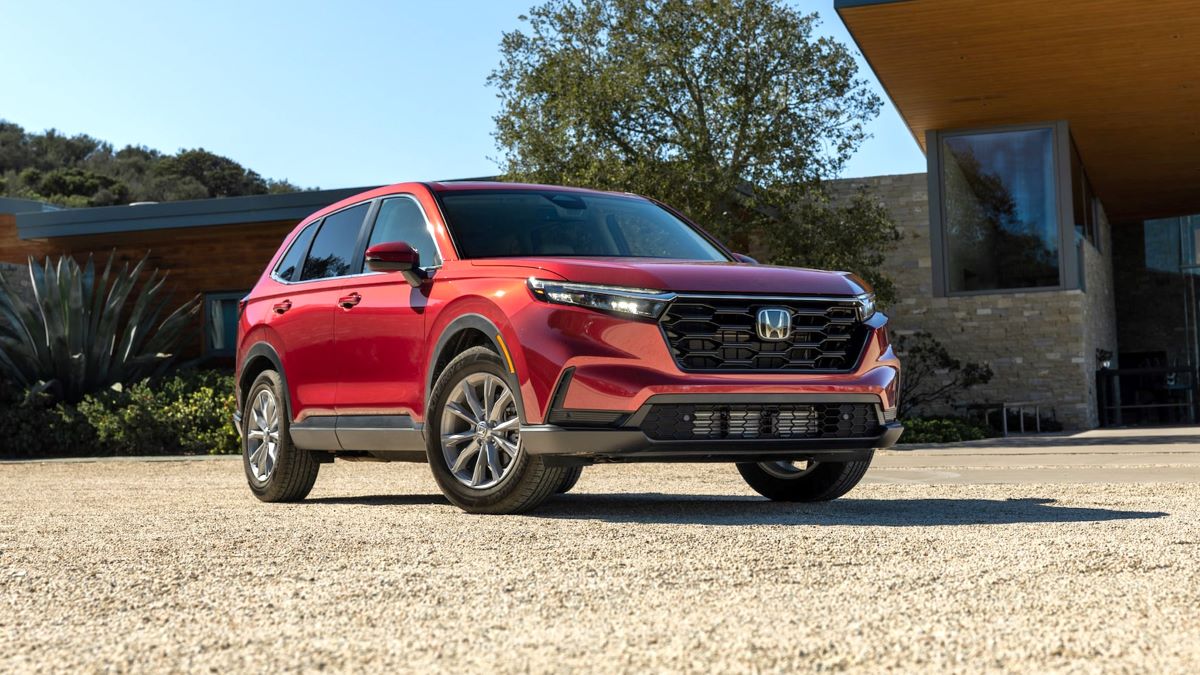
This setup is far superior to indirect systems, which infer tire pressure from wheel speed sensors and can misfire in cold weather.
The CR-V also alerts drivers clearly when pressures are low, specifying the exact tire, which helps reduce frustration and unnecessary service visits.
3. Subaru Outback
Subaru’s all-wheel-drive SUVs are popular in regions with harsh winters, and the Outback’s TPMS is well-designed to withstand such conditions.
The system accurately reports pressure changes even in extreme cold and alerts only when necessary.
Subaru has also made the reset process intuitive; after rotating tires or adjusting pressures, a simple button press recalibrates the system. This ease of use gives peace of mind for off-road adventures and daily commutes alike.
The 2025 Subaru Outback delivers competent handling, though it doesn’t provide an especially thrilling driving experience.
Steering is well-balanced and direct, yet it lacks a strong sense of feedback. The Outback glides smoothly over most road surfaces and is capable of handling occasional dirt or gravel roads with ease.
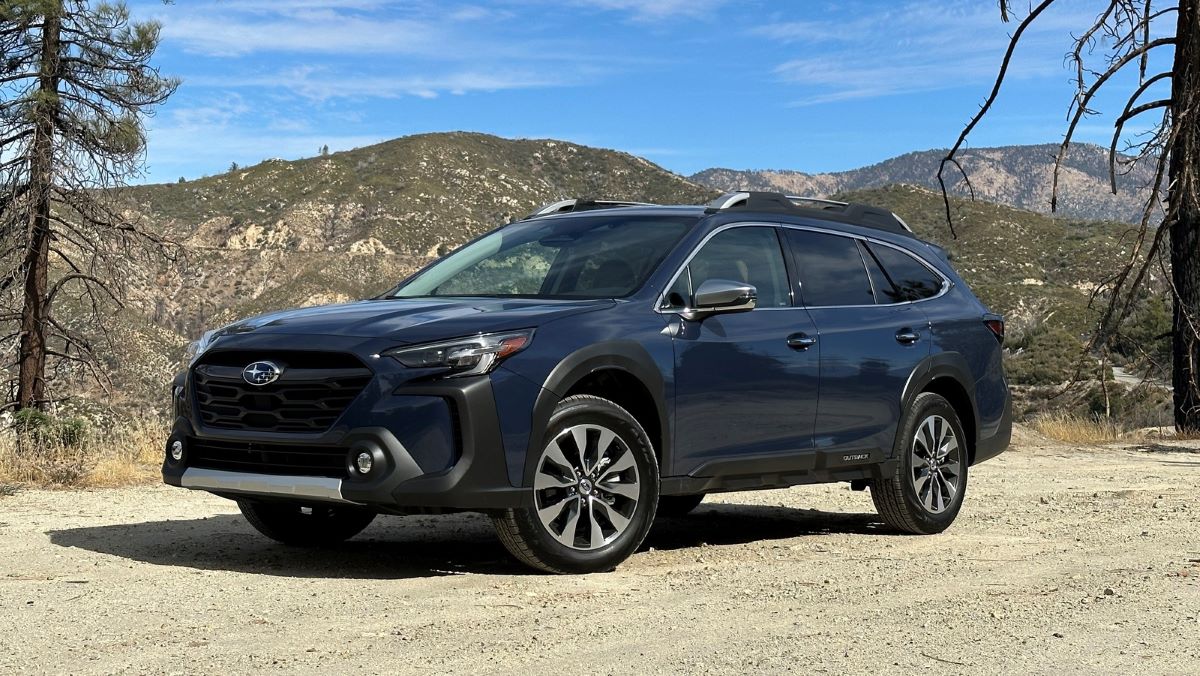
Most models are equipped with a 2.5-liter flat four-cylinder engine producing 182 horsepower and 176 pound-feet of torque.
Higher trims offer a turbocharged 2.4-liter flat four-cylinder engine, generating 260 horsepower and 277 pound-feet of torque, which comes standard in the Wilderness model. Every Outback features all-wheel drive paired with a continuously variable automatic transmission (CVT).
While the base engine can feel underpowered at times, it’s sufficient for most daily driving needs. The turbo-four, on the other hand, offers a livelier performance, despite some noticeable turbo lag. The CVT can feel unrefined, particularly during higher-speed driving.
4. Mazda CX-5
Mazda’s CX-5 offers a combination of driving enjoyment and technology, and its TPMS system reflects that thoughtful design. Each sensor is reliable and long-lasting, and the vehicle’s infotainment screen provides clear, user-friendly pressure readouts.
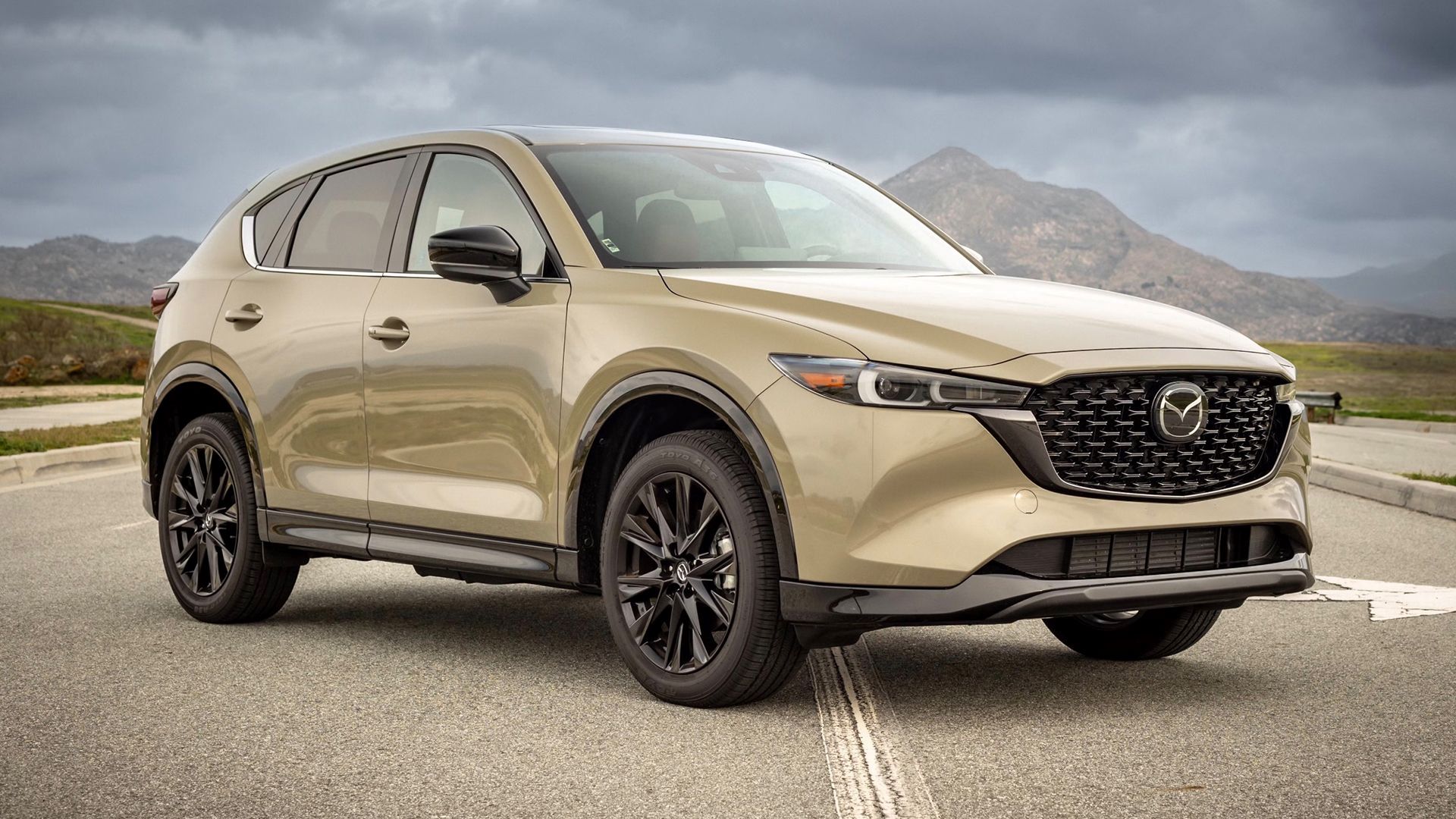
For U.S. drivers who want a hassle-free experience, the CX-5 is a solid pick because it minimizes false warnings a common complaint with other SUVs and makes routine tire maintenance straightforward.
5. Hyundai Tucson
Hyundai’s Tucson has improved dramatically in terms of technology and driver experience in recent years. Its direct TPMS is highly responsive and provides individual tire readings in real-time, helping prevent unnecessary dashboard alerts.
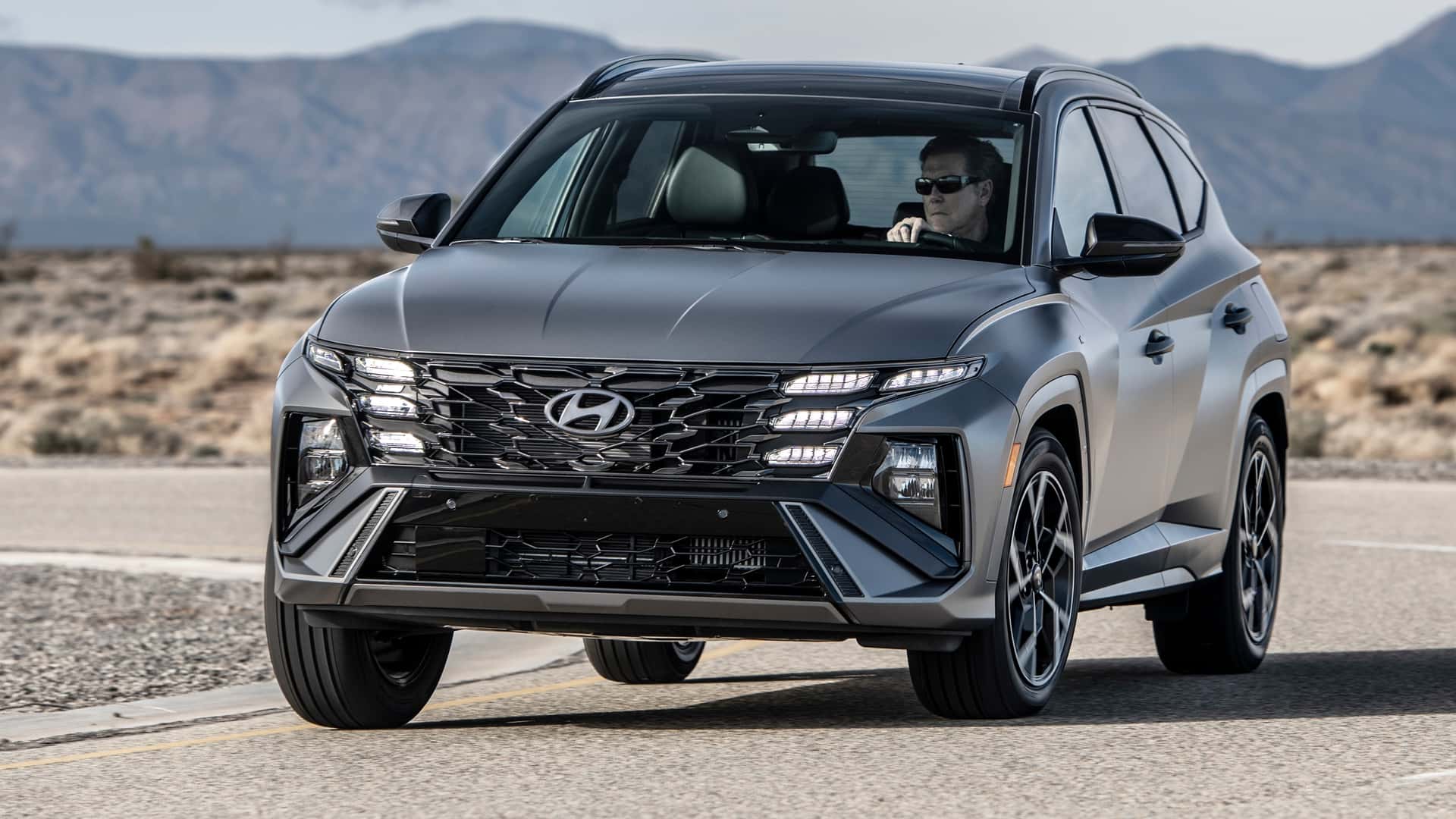
Additionally, the Tucson’s sensors are durable and easy to replace when needed, which is a key consideration for budget-conscious drivers. Owners consistently report that the TPMS rarely malfunctions, making it a low-stress choice for families and commuters alike.
The 2024 Hyundai Tucson stands out in the compact SUV segment with its eye-catching design and a cabin that balances upscale touches with practicality.
While a hybrid version exists and is reviewed separately, the standard Tucson is powered by a 2.5-liter four-cylinder engine paired with an eight-speed automatic transmission and available in either front- or all-wheel drive.
Though it won’t satisfy driving enthusiasts seeking sharp handling or exhilarating acceleration, the Tucson offers a comfortable ride and composed driving experience that will appeal to most SUV buyers.
For 2024, the Tucson introduces new safety enhancements, including all-occupant seatbelt reminders, rear side airbags, and steering-wheel haptic feedback that alerts the driver to warnings from lane-keeping assist and blind-spot monitoring systems.
The new Hampton Gray color is available across all trims, and the XRT trim gains a black headliner. Models equipped with ambient interior lighting now feature light shows in 64 different colors.
The 10.3-inch touchscreen becomes standard on SEL Convenience, XRT, and Limited trims, while SEL trims and higher now include dual automatic temperature control with an auto-defogging function. The nonhybrid Tucson no longer offers the N-Line trim, though it remains available on the hybrid version.
SUVs That Always Blink
Some SUVs seem to have a mind of their own when it comes to dashboard alerts, particularly the blinkers and warning lights. For certain models, these indicators can activate seemingly at random or stay illuminated longer than necessary, leaving drivers confused and frustrated.
In this article, we explore SUVs that “always blink,” highlighting the models where owners should be aware of persistent or quirky indicator behaviors and what that means for daily driving and vehicle maintenance.
Also Read: 10 Cars That Deliver the Most Comfort for the Least Money
1. Jeep Cherokee (Older Models)
While Jeep is celebrated for off-road capability, some older Cherokee models have notoriously finicky TPMS sensors. Many owners report constant blinking lights, often triggered by minor temperature fluctuations.
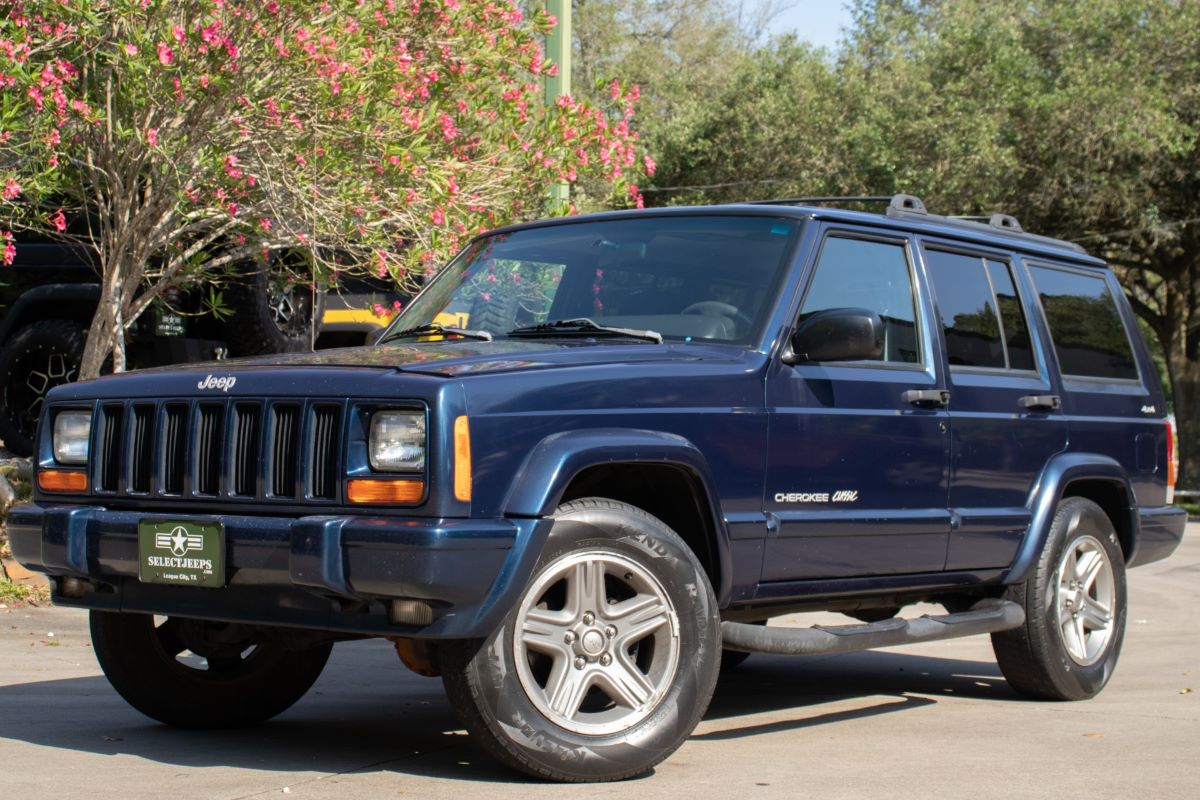
The indirect TPMS in these models can misinterpret normal driving conditions, leading to frustration and unnecessary service visits. Cold winters in the U.S. exacerbate the problem, making this SUV a less reliable choice if you want a trouble-free TPMS experience.
2. Ford Escape (Pre-2020)
Earlier Ford Escape models used an indirect TPMS that frequently led to false alerts. Drivers would experience blinking lights after tire rotations, temperature drops, or even slight pressure changes that were well within safe limits.
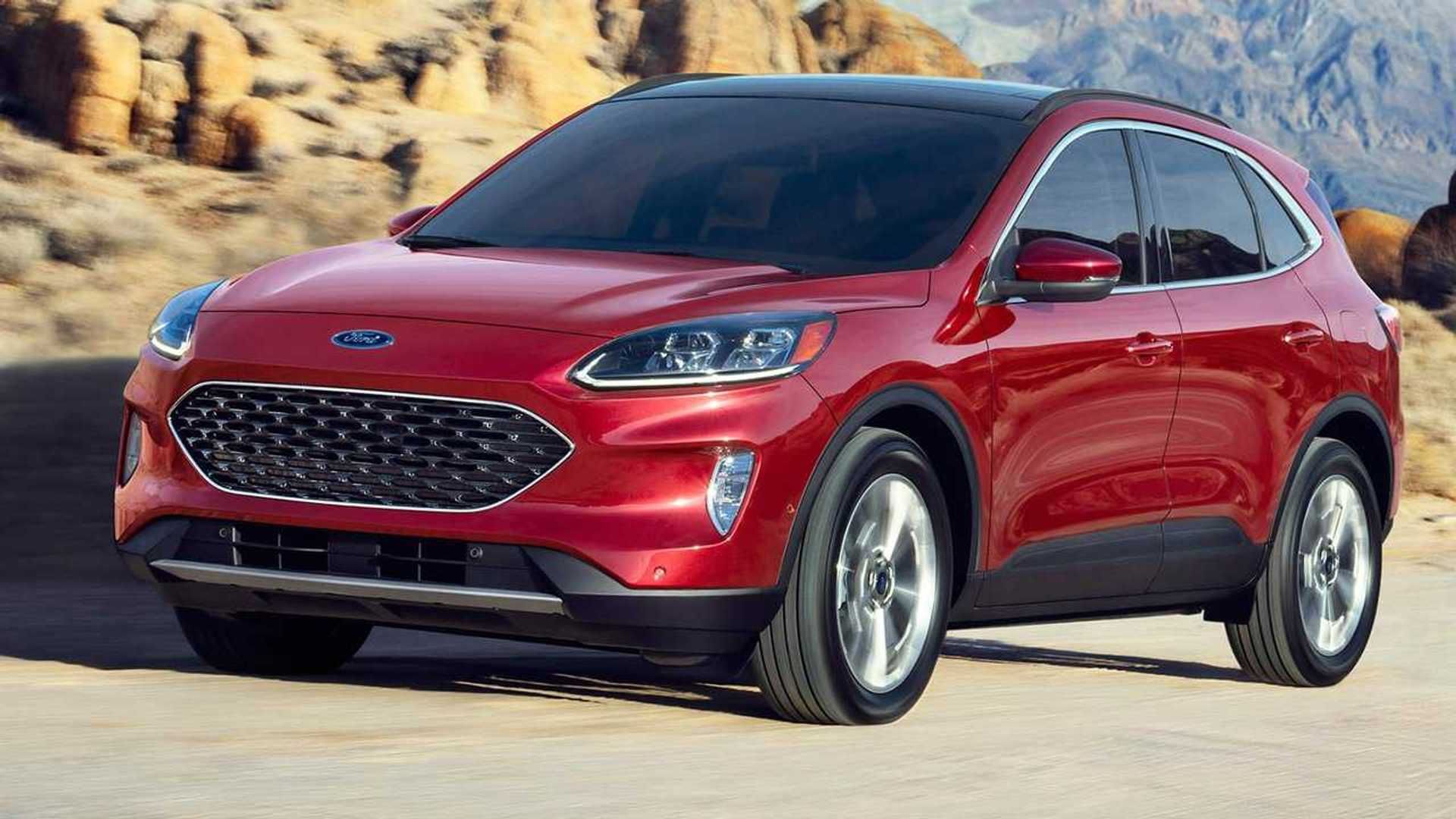
The lack of a clear individual tire readout on older displays made diagnosing the problem difficult, leaving many owners confused and annoyed. While newer models have improved, pre-2020 versions remain notorious among U.S. drivers.
The 2020 Ford Escape is a compact SUV that balances efficiency, practicality, and everyday usability. The base model comes with a 1.5-liter turbocharged inline-3 engine producing 181 horsepower and 190 lb-ft of torque at 3,000 rpm, paired with an 8-speed automatic transmission and front-wheel drive.
This setup delivers respectable performance while prioritizing fuel economy, rated at 27 MPG in the city, 33 MPG on the highway, and 30 MPG combined. With a 14.7-gallon fuel tank, the Escape can travel roughly 397 miles in the city and 485 miles on the highway before needing to refuel.
The Escape rides on a 106.7-inch wheelbase and has a curb weight of 3,299 pounds, with a ground clearance of 7.3 inches. Its exterior dimensions measure 180.5 inches in length, 66.1 inches in height, 62.4 inches at the front width, and a maximum width of 74.1 inches.
The SUV seats up to five passengers, with front headroom of 40 inches and rear headroom of 39.3 inches, offering adequate space for adults in both rows.
Shoulder and hip room are also generous, with 57.6 inches and 55.2 inches in the front and 56 inches and 53.3 inches in the rear, respectively, while legroom measures 42.4 inches upfront and 38.9 inches in the back.
Suspension duties are handled by a strut setup in the front and a short-and-long-arm system in the rear, paired with rack-and-pinion steering for responsive handling.
The 2020 Escape also offers a maximum towing capacity of 2,000 pounds, making it capable of light hauling tasks. Overall, the Ford Escape provides a well-rounded package for those seeking a fuel-efficient, versatile compact SUV suitable for daily driving and light recreational use.
3. Chevrolet Equinox (Certain Trims)
Some trims of the Chevrolet Equinox, particularly those using indirect TPMS systems, are prone to sensor issues. The dashboard light can blink persistently, even when all tires are correctly inflated.
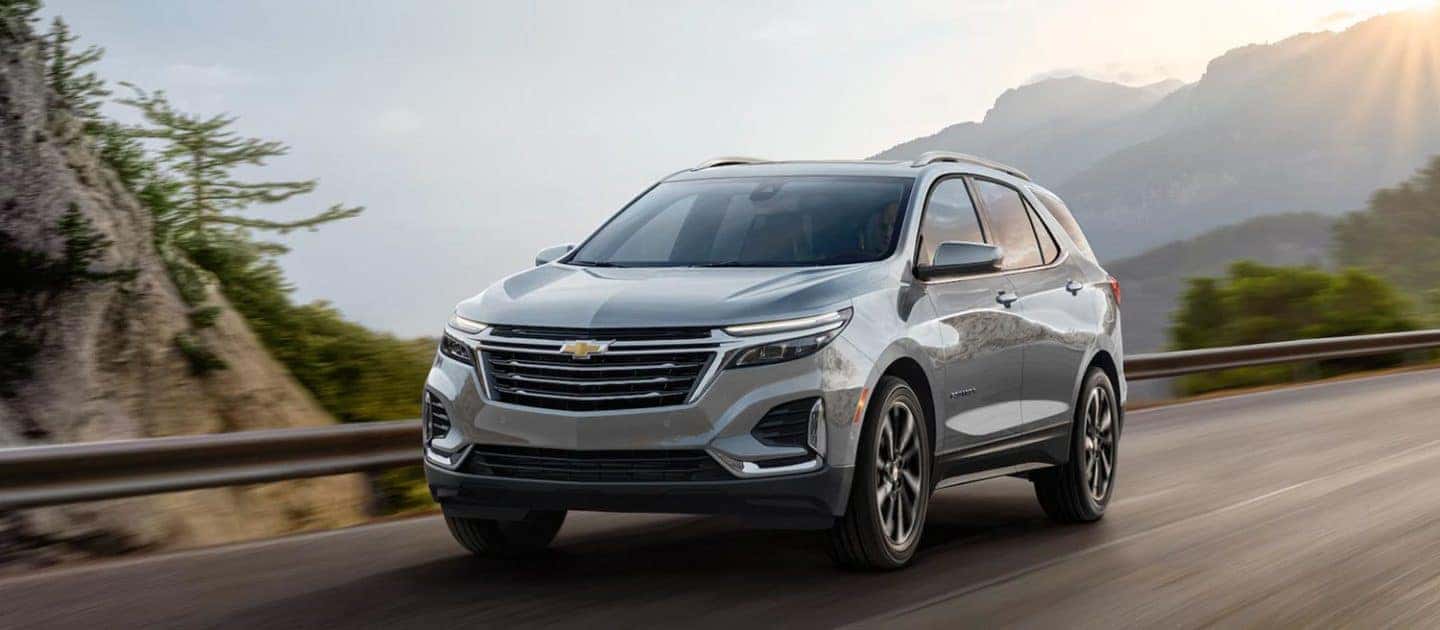
This can be especially frustrating during seasonal temperature swings or long road trips, common in U.S. states with extreme weather. The sensor design also requires professional recalibration after tire service, adding inconvenience for owners who prefer DIY maintenance.
It’s the Chevrolet Equinox, the compact crossover SUV that somehow manages to make even mundane errands feel a little longer, and perhaps more tolerable.
If you happen to spot one parked next to a Pontiac Solstice, congratulations: you’ve just earned Top Gear’s coveted ‘sensible chuckle’ award.
Beyond the playful name, the Equinox represents Chevy’s practical offering in the compact SUV segment. For 2025, the fourth-generation model arrives with a host of upgrades, including a sharply aggressive new exterior design.
While the styling impresses, the modest powertrain falls short of the visual promises, the ‘Camaro of SUVs’ it is not. Nevertheless, the Equinox has plenty of sensible qualities that make it appealing for everyday driving.
The new Equinox deserves a second look for its styling. Chevrolet has refreshed or redesigned several SUVs over the past few years, and the Equinox benefits from this effort.
Its exterior and interior design borrow cues from the larger Traverse, although it can’t match the Jeep Grand Cherokee-fighting capability of its older sibling.
There are three main trims to choose from: LT, RS, and Activ. Chevrolet also offers a fully electric Equinox EV, which is unique enough to require a separate review. Each trim expresses a slightly different personality: the sleek LT, the rugged-looking Activ, and the sporty RS.
Under the hood, all trims share the same 175-horsepower turbocharged four-cylinder engine, paired with either a continuously variable transmission (CVT) or an eight-speed automatic, depending on whether the vehicle is front- or all-wheel drive.
Mechanically, the trims are largely identical, with differences primarily in appearance and minor equipment.
The Activ trim rides on 17-inch aluminum wheels with all-terrain tires, while the RS comes standard with 19-inch carbon-flash machined aluminum wheels and offers an option for 20-inch wheels, marking a first for this crossover.
Pricing reflects the differences: the LT, with fewer options, is the most affordable, while the Activ and RS start at the same base price.
On the road, the Equinox is competent, if not exhilarating. With only 175 horsepower, acceleration isn’t thrilling, but the SUV looks more athletic than it drives. All-wheel drive provides extra stability in slick conditions and mild off-road scenarios.
The ride is comfortable for daily driving, free of any major quirks, making it suitable for commuting or family errands. Fuel economy is respectable, with the front-wheel-drive version estimated at 27 mpg combined and the all-wheel-drive version slightly lower.
Passengers enjoy ample headroom and legroom, and the cargo area accommodates groceries, luggage, or a medium-sized cooler with ease.
Chevrolet’s refreshed Equinox is a practical, well-priced choice in the compact SUV segment, enhanced by its modern styling and convenient features.
However, the rugged appearance of the Activ trim and the sporty RS trim don’t translate to actual performance, they remain stylistic flourishes rather than functional upgrades.
While the Equinox may not replace more capable competitors like the Toyota RAV4 in your garage, it remains an attractive, handy, and reasonably priced option for those seeking a reliable crossover for everyday use. Within its intended purpose, it delivers, even if it stops just short of being exciting.
4. Nissan Rogue (2017–2020)
Nissan’s Rogue has been a solid compact SUV, but models from 2017 to 2020 have earned a reputation for TPMS headaches. The system tends to trigger warnings prematurely, often during cold mornings or after refueling.
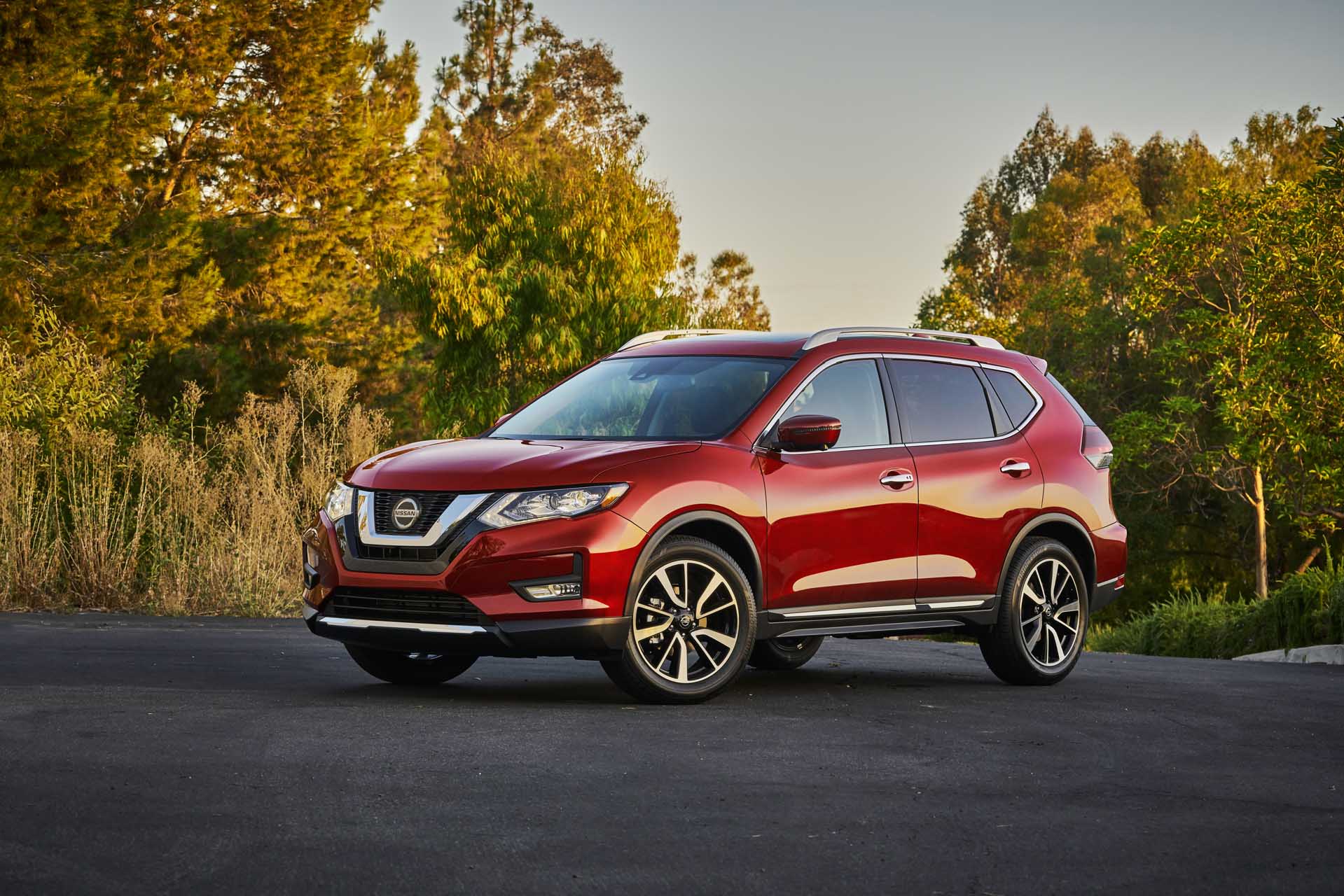
Additionally, the sensors in these models are prone to battery drain, leading to frequent replacements. Drivers in northern states particularly report frustration, as the light can blink even when tire pressures are perfectly within range.
For 2017, the Nissan Rogue receives several notable updates, including the introduction of a hybrid variant, a minor styling refresh, and enhanced sound insulation.
Additional available features include a hands-free liftgate, adaptive cruise control with forward collision mitigation, remote start, a heated steering wheel, driver seat memory functions, the blacked-out Midnight Edition, and a premium Platinum Reserve interior package.
While the 2017 Nissan Rogue offers some appealing features, it ranks below many competitors in the compact SUV segment. It earns praise for its comfortable seating and generous cargo capacity, yet its sluggish acceleration and limited visibility are significant drawbacks.
Pricing remains competitive, though buyers are encouraged to also consider class leaders such as the Honda CR-V and Mazda CX-5.
The Rogue Hybrid stands out for offering an estimated 7 mpg improvement, though the additional battery pack reduces cargo space, leaving it below average compared with other compact SUVs.
5. Kia Sportage (2016–2019)
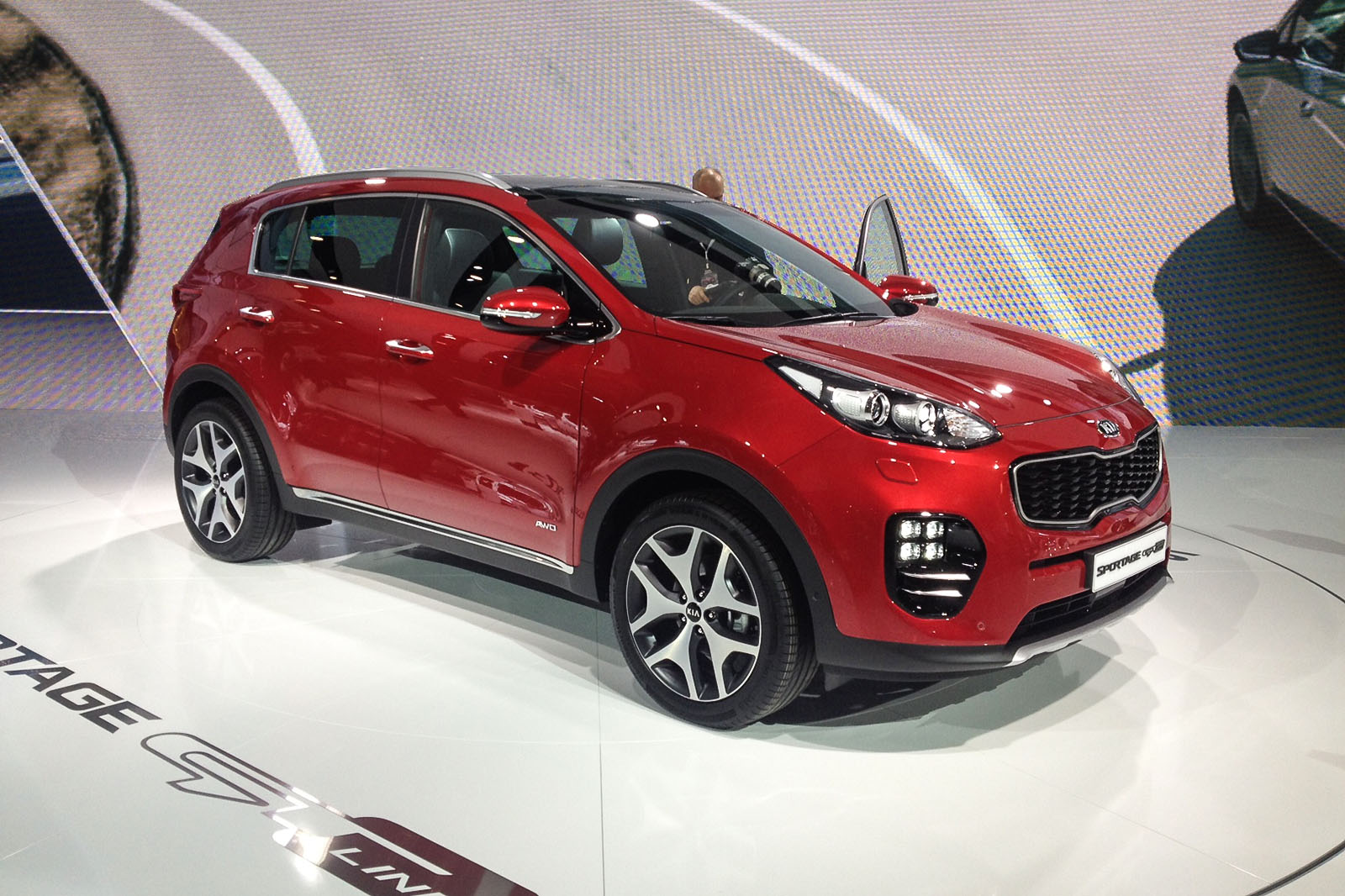
Kia’s Sportage has improved in recent years, but certain earlier models had TPMS systems that frequently annoyed owners. The dashboard light would blink due to minor temperature changes or even uneven tire wear.
Resetting the sensors was not intuitive, often requiring a trip to the dealership. For U.S. drivers seeking a low-maintenance SUV, this version of the Sportage is a clear example of a TPMS that “always blinks.”
When shopping for an SUV in the U.S., TPMS may seem like a minor feature, but it can significantly impact convenience and safety.
SUVs like the Toyota RAV4, Honda CR-V, Subaru Outback, Mazda CX-5, and Hyundai Tucson offer dependable systems that provide clear, accurate readings and minimal false alerts.
On the other hand, older or certain trims of the Jeep Cherokee, Ford Escape, Chevrolet Equinox, Nissan Rogue, and Kia Sportage are known for their troublesome sensors.
For 2016, the Kia Sportage sees several updates to its trim packages. The LX Popular package now includes a rearview camera and automatic headlights, while the EX Premium package adds the Infinity premium audio system, fog lights, integrated turn signals, and a cooled glove box.
The 2016 Kia Sportage is a two-row crossover positioned below the larger Sorento and is available with either front- or all-wheel drive. A redesign is planned for the 2017 model year.
Two four-cylinder engines power the 2016 Sportage. The LX and EX trims feature a 2.4-liter I-4 producing 182 hp and 177 lb-ft of torque, while the range-topping SX trim comes with a 2.0-liter turbocharged I-4 rated at 260 hp and 269 lb-ft.
Both engines are paired with a six-speed automatic transmission. Fuel economy falls slightly below the class average, with front-wheel-drive 2.4-liter models rated at 21/28 mpg city/highway, and all-wheel-drive models at 19/26 mpg.
Choosing the turbo-four results in 20/26 mpg for front-wheel drive and 19/25 mpg with all-wheel drive.
The base LX trim includes 17-inch alloy wheels, cloth upholstery, 60/40 split-folding rear seats, keyless entry, and Bluetooth connectivity.
Moving up to the EX trim adds keyless start, dual-zone climate control, 18-inch alloy wheels, leather upholstery, a power driver’s seat, a rearview camera, and heated front seats.
The SX trim further includes ventilated front seats, navigation, rear parking sensors, heated side mirrors, a panoramic sunroof, and fog lights.
In comparison to its rivals, the 2016 Sportage feels dated. In a test including the Volkswagen Tiguan, Ford Escape, Honda CR-V, and Mazda CX-5, the Sportage placed fourth due to a harsh ride, excessive body roll, and overly stiff suspension.
While the interior design was appealing, the materials, especially the dashboard, felt hollow and less refined. Previous reviews also noted unsupportive seats and a second row that was less spacious than competitors.
Additionally, the crossover’s suspension requires frequent steering corrections, highlighting that its chassis tuning lags behind rivals in this segment.
For families, commuters, and road-trippers, choosing a vehicle with a reliable TPMS can reduce stress, prevent unnecessary service visits, and keep you safer on the road.
Paying attention to this feature may not be glamorous, but it’s a practical decision that every SUV buyer should consider.
