
SUVs have become a dominant segment in the automotive market, offering space, versatility, and elevated driving positions. However, one aspect that is often overlooked is how these vehicles handle in strong crosswinds.
Stability on windy roads is critical not only for driver comfort but also for safety. A vehicle that resists gusts maintains a straight line with minimal steering corrections, reducing driver fatigue and increasing confidence.
Some SUVs are engineered to remain stable in crosswinds. Their design incorporates low center of gravity, optimized aerodynamics, precise suspension tuning, and active safety systems such as electronic stability control.
These factors allow the vehicle to maintain composure even when exposed to sudden gusts, making highway driving safer and less stressful.
On the other hand, some SUVs are prone to wandering or being pushed by crosswinds. High ride heights, tall profiles, and less rigid suspension setups can cause the vehicle to drift, forcing the driver to make constant corrections. This not only increases fatigue but can also become hazardous in heavy traffic, on bridges, or during stormy conditions.
This article explores both sides of the spectrum. We begin with five SUVs that demonstrate exceptional stability in crosswinds, highlighting the engineering features and design choices that contribute to their composure.
Following that, we examine five SUVs known to wander in windy conditions, discussing the factors that make them susceptible to gust-induced movement.
Understanding which SUVs maintain stability in crosswinds is essential for buyers who frequently drive on highways, coastal roads, or areas prone to high winds.
By comparing vehicles that resist wind with those that drift, this guide provides insight into design, safety, and performance considerations that go beyond acceleration, fuel efficiency, or cargo space.
Also Read: 5 Trucks With Real Skid Plates Stock vs 5 With Plastic Shields
5 SUVs Stable in Crosswinds
Highway driving can become challenging when strong crosswinds buffet vehicles, especially SUVs with taller profiles. Some models are designed to resist gusts and maintain a stable trajectory, ensuring driver confidence and safety.
Stability in crosswinds depends on factors such as suspension tuning, weight distribution, aerodynamics, and advanced electronic systems.
SUVs that remain composed in wind typically have a lower center of gravity relative to their height, which reduces body roll and sideways sway. Precise suspension geometry and stiff chassis design help absorb gusts without transmitting excessive movement to the cabin.
Aerodynamic shaping, such as smooth rooflines, rear spoilers, and underbody panels, reduces wind drag and turbulence that can push the vehicle sideways.
Electronic stability control (ESC), traction control, and active steering systems further enhance stability. These systems detect sudden lateral movement and adjust braking or steering torque to counteract the force of gusts, keeping the SUV on course with minimal driver input.
Drivers benefit from SUVs that handle crosswinds effectively. A stable vehicle reduces fatigue on long trips, increases confidence during highway driving, and maintains safety in sudden gusts, high bridges, or open plains. It also contributes to a sense of build quality, as vehicles that resist wind often feel more solid and well-engineered.
In this section, we highlight five SUVs that consistently demonstrate composure in crosswinds. Each model has been praised for combining aerodynamic design, robust chassis engineering, and advanced electronics to resist gust-induced drift.
By examining these vehicles, prospective buyers can understand the engineering features that make some SUVs safer and more comfortable on windy roads, guiding those who prioritize stability in their vehicle choice.
1. Volvo XC90 (LWB)
The Volvo XC90 LWB is widely recognized for its stability in crosswinds. Its long wheelbase and low center of gravity provide a foundation that resists lateral movement, keeping the vehicle steady even in strong gusts.
Aerodynamics play a key role. The XC90 features a sleek roofline, optimized side mirrors, and carefully shaped body panels that minimize wind turbulence. Underbody panels reduce lift and help the SUV cut through crosswinds efficiently.
The suspension system enhances stability. Double-wishbone front suspension and multilink rear geometry absorb side forces without excessive body roll. Adaptive dampers adjust in real time to maintain composure, improving both ride quality and lateral stability.
Volvo’s advanced electronic systems, including ESC and torque vectoring, detect sudden side forces and adjust braking and power delivery to counteract drift. This reduces the need for driver corrections and enhances overall safety on windy highways or exposed bridges.
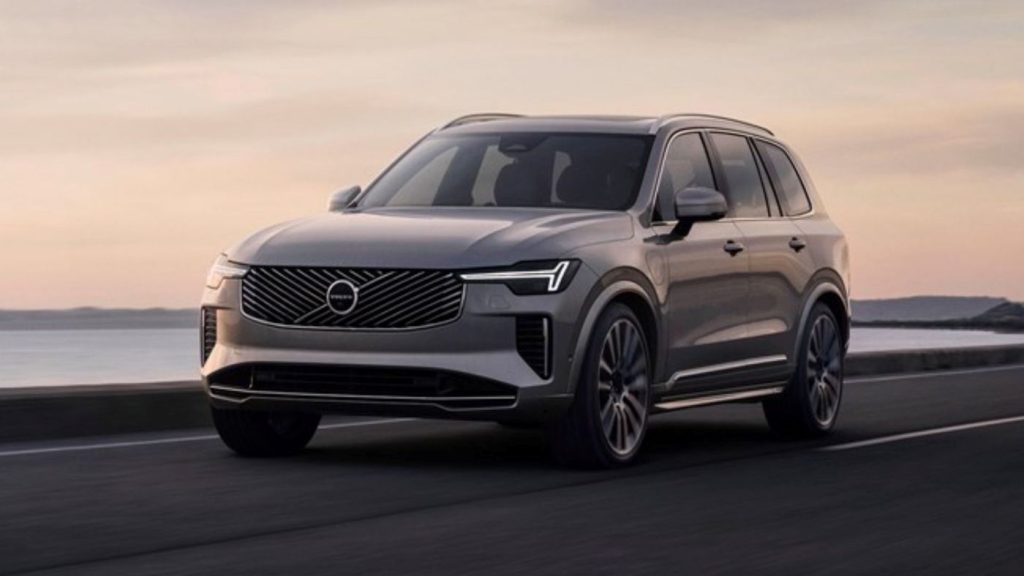
Drivers consistently report that the XC90 feels planted, even during gusty conditions, with minimal steering input needed to stay in lane. This stability contributes to reduced fatigue, more predictable handling, and a confident driving experience.
The combination of aerodynamic design, chassis engineering, and electronic assistance makes the Volvo XC90 LWB a benchmark for SUV stability in crosswinds. It demonstrates that careful engineering can ensure comfort, safety, and composure even under challenging environmental conditions.
2. Audi Q7 (4M)
The Audi Q7 4M is a midsize luxury SUV known for its exceptional stability in crosswinds. Its low center of gravity and well-balanced weight distribution help resist lateral gusts, keeping the vehicle composed on highways and open roads.
Aerodynamics contribute significantly. The Q7 features smooth body lines, a sloping roof, and integrated spoilers that reduce wind resistance and turbulence. Underbody panels and optimized side mirrors minimize drag, allowing the vehicle to slice through gusts with minimal sway.
The adaptive air suspension further enhances stability. It adjusts ride height and damping in real time, absorbing side forces while maintaining a flat, controlled stance. This reduces body roll and helps the SUV maintain a predictable trajectory in strong winds.
Electronic stability control (ESC), all-wheel drive, and torque vectoring play crucial roles in maintaining composure. These systems detect sudden lateral forces and adjust brake and power distribution to counteract drift, ensuring minimal driver corrections.
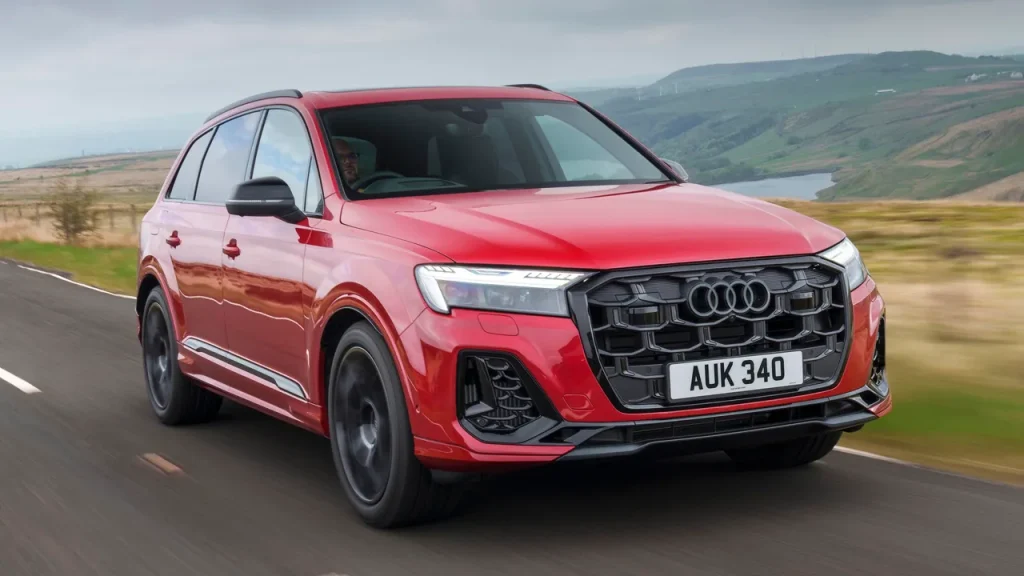
Drivers consistently report that the Q7 feels planted and confident, even in heavy gusts or on exposed bridges. Lane-keeping is easier, and steering remains precise without constant input, reducing fatigue and improving overall driving confidence.
The combination of advanced chassis design, aerodynamic efficiency, adaptive suspension, and electronic aids makes the Audi Q7 4M a benchmark for stability. Its ability to remain composed in crosswinds demonstrates that luxury and safety can go hand in hand with practical highway performance.
3. BMW X5 (G05)
The BMW X5 G05 is a midsize luxury SUV celebrated for its stability under windy conditions. Its weight distribution and low-slung chassis help resist crosswinds, keeping the vehicle firmly on course.
Aerodynamic features are thoughtfully designed. The roofline, side skirts, and spoilers reduce air turbulence around the vehicle. Smooth panels and underbody shields minimize lift, ensuring a stable and predictable ride at high speeds.
The X5’s adaptive suspension system actively counteracts body roll and lateral forces. Air suspension and electronic dampers adjust in real time, maintaining composure when gusts strike from the side.
Electronic stability systems, including Dynamic Stability Control (DSC) and all-wheel drive with torque vectoring, detect lateral movement and adjust braking and engine power. This reduces drifting and keeps the SUV aligned with the driver’s intended path.

Drivers report confidence during highway travel, noting minimal steering corrections are required even in strong crosswinds. This stability reduces fatigue and enhances the perception of build quality and vehicle precision.
The combination of aerodynamic design, responsive suspension, and intelligent electronics makes the BMW X5 G05 a standout for handling gusty conditions. Its ability to resist lateral wind forces demonstrates careful engineering and a commitment to safety, comfort, and driver confidence.
4. Mercedes-Benz GLE (V167)
The Mercedes-Benz GLE V167 is a midsize luxury SUV known for its composure in crosswinds. Its low center of gravity, well-balanced weight distribution, and wide track help the vehicle resist lateral gusts, keeping it stable and predictable on highways.
Aerodynamic engineering enhances stability. The GLE features smooth body lines, integrated spoilers, and optimized side mirrors that reduce wind turbulence. Underbody panels minimize drag and lift, allowing the SUV to cut through strong gusts with minimal sway.
The adaptive air suspension system adjusts ride height and damping in real time, counteracting lateral forces and reducing body roll. This ensures that even sudden crosswinds are absorbed without transmitting excessive motion to the cabin.
Advanced electronic systems, including ESC, active all-wheel drive, and torque vectoring, further maintain stability. These technologies detect side forces and adjust braking or power delivery to keep the SUV aligned with the driver’s intended path.
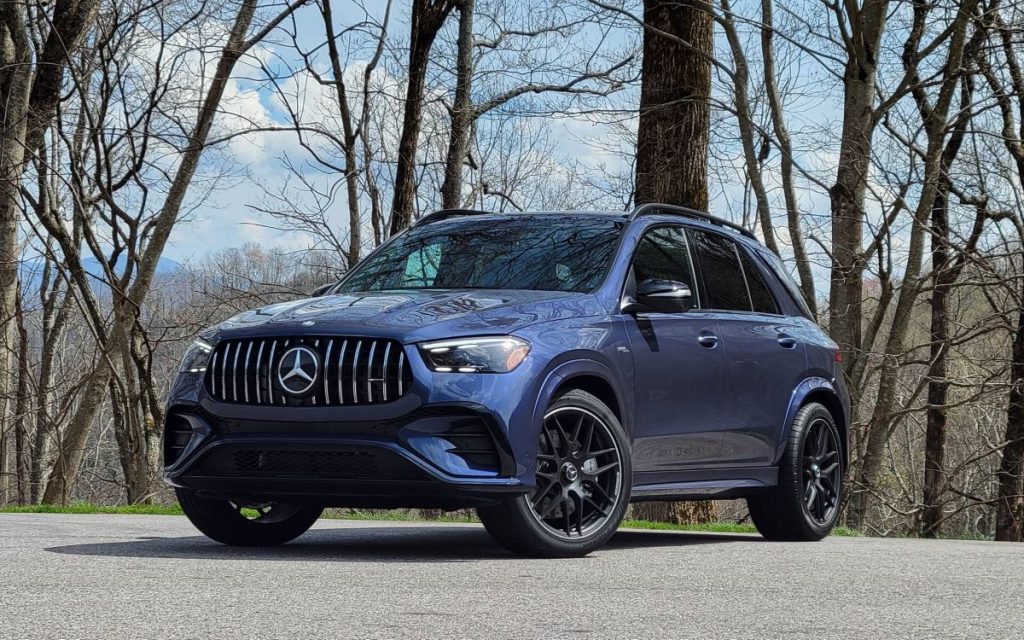
Drivers consistently report that the GLE feels planted in windy conditions, requiring minimal steering corrections. This stability reduces fatigue and enhances confidence on long highway drives or bridges exposed to gusts.
Overall, the combination of aerodynamic efficiency, adaptive suspension, and electronic assistance makes the Mercedes-Benz GLE V167 a benchmark for SUV stability in crosswinds. It exemplifies how engineering can combine comfort, safety, and precise handling.
5. Lexus RX 450h (AL20)
The Lexus RX 450h AL20 is a hybrid midsize SUV that demonstrates remarkable stability in crosswinds. Its low center of gravity, thanks to hybrid battery placement, and carefully tuned suspension contribute to predictable handling in gusty conditions.
Aerodynamic features, including a sloping roofline, integrated rear spoiler, and smooth side panels, reduce wind turbulence and drag. These design elements help the RX slice through strong crosswinds without significant lateral movement.
The suspension system is finely calibrated to resist body roll. MacPherson struts in the front and multilink rear suspension absorb gust-induced forces, keeping the cabin steady and comfortable for occupants.
Electronic stability control and all-wheel-drive systems further enhance composure. The SUV detects sudden side forces and applies corrective braking or torque adjustments, reducing the need for constant driver input during windy highway travel.
Drivers consistently report that the RX 450h feels secure and balanced, even in strong crosswinds. Lane-keeping requires minimal corrections, and the vehicle maintains a solid, planted feel that reduces fatigue and increases confidence.
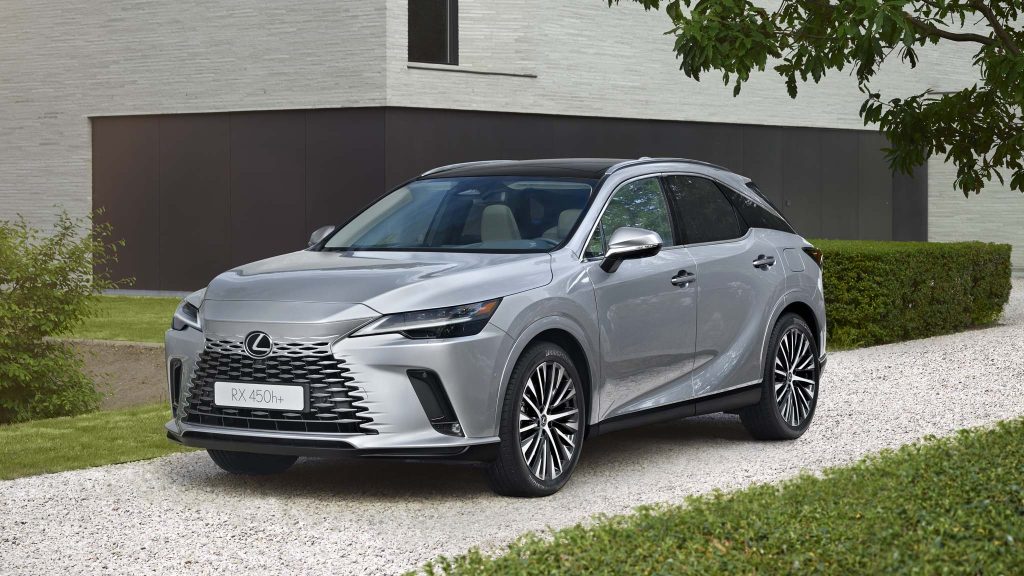
The Lexus RX 450h AL20 illustrates that hybrid SUVs can achieve excellent wind stability through strategic battery placement, aerodynamic design, and advanced electronics. Its composure under gusty conditions makes it a reliable choice for drivers who prioritize safety, comfort, and highway stability.
5 SUVs That Wander
While some SUVs remain stable and composed in crosswinds, others are prone to wandering or drifting when exposed to gusty conditions.
High ride heights, tall body profiles, and less rigid chassis designs can make these vehicles susceptible to lateral wind forces, requiring constant driver corrections to maintain a straight line.
SUVs that wander in crosswinds often transmit more movement to the steering wheel and cabin, creating a sense of instability. This can increase driver fatigue, reduce confidence, and even pose safety risks, particularly on highways, exposed bridges, or open plains where gusts are frequent.
Factors contributing to wandering include high center of gravity, soft suspension setups, tall aerodynamics that catch the wind, and less effective electronic stability systems. Even minor gusts can push the vehicle off course, forcing drivers to compensate with repeated steering adjustments.
This section highlights five SUVs known to struggle with crosswind stability. By examining these models, drivers can understand the engineering and design elements that make some SUVs more susceptible to lateral movement.
Awareness of these traits is especially important for buyers who frequently drive in windy regions or on highways.
Understanding which SUVs are prone to wandering helps buyers set realistic expectations and make informed choices based on safety, comfort, and driving conditions. It also underscores the importance of vehicle design, aerodynamics, suspension tuning, and electronic aids in maintaining highway stability.
By comparing SUVs that resist wind with those that wander, this guide provides a complete perspective on crosswind performance.
Buyers can identify vehicles that may require extra attention during gusty conditions and prioritize models that offer confidence-inspiring stability for safer and more comfortable driving experiences.
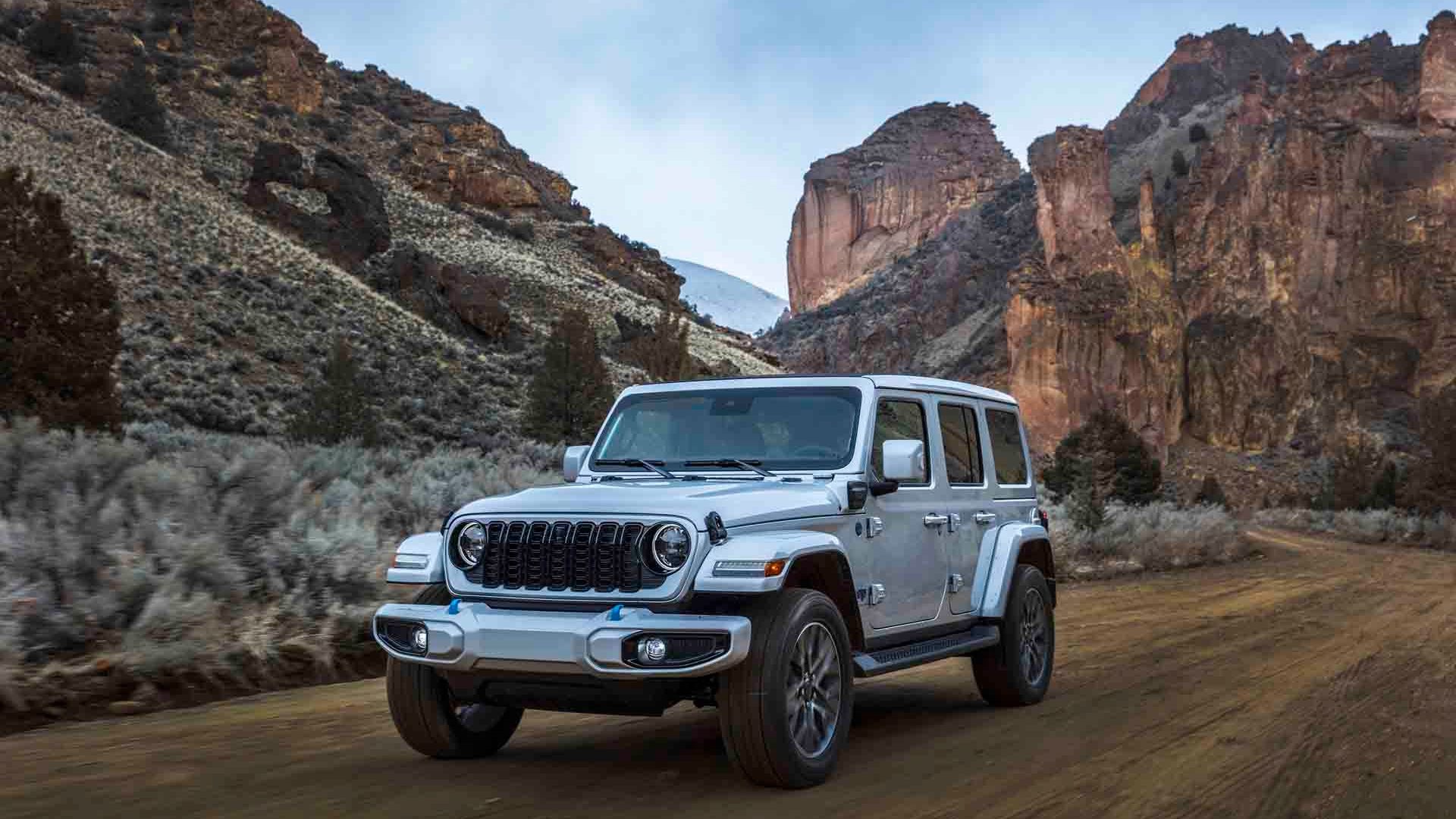
1. Jeep Wrangler (JL)
The Jeep Wrangler JL is an iconic off-road SUV, but it is prone to wandering in crosswinds. Its tall, boxy design, high ride height, and flat side panels make it particularly susceptible to lateral wind forces, especially on highways or open roads.
The Wrangler’s suspension, tuned primarily for off-road articulation and comfort over rough terrain, is relatively soft for highway stability. Combined with its high center of gravity, gusts can push the vehicle sideways, requiring constant steering corrections to maintain lane position.
Aerodynamics are another contributing factor. The upright windshield, removable roof panels, and squared-off body create significant air resistance and turbulence when exposed to crosswinds. This amplifies the SUV’s tendency to drift and can make gusty conditions stressful for drivers.
Electronic stability control and traction systems help mitigate the drifting, but they cannot fully compensate for the physical effects of wind on the Wrangler’s tall, flat surfaces. Drivers often report feeling sudden nudges from gusts that require attentive steering, especially at highway speeds.
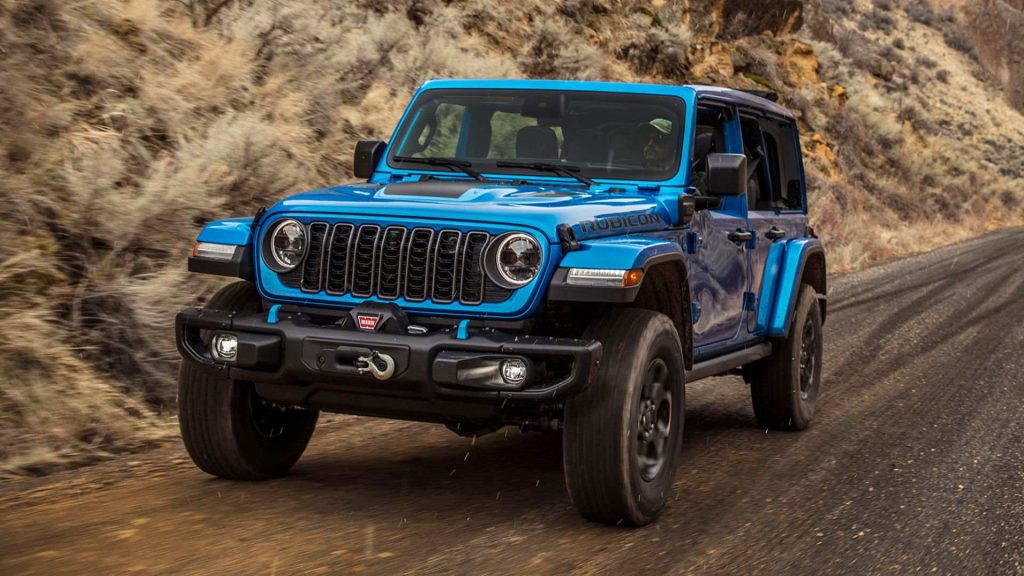
The wandering effect is most noticeable during strong gusts, bridges, or passing large trucks, where the SUV’s high profile acts like a sail. While the Wrangler excels in off-road capability, its on-road stability, particularly in crosswinds, is limited compared to lower-profile SUVs with more aerodynamic designs.
In summary, the Jeep Wrangler JL demonstrates that a vehicle designed for rugged terrain may compromise highway stability.
Buyers who frequently drive in windy conditions should anticipate the need for constant steering input and understand that high ride height, tall profile, and boxy aerodynamics contribute to its wandering tendencies.
2. Ford Bronco (Sixth Generation)
The Ford Bronco, particularly the six-speed model, is a capable off-road SUV, but it tends to wander in crosswinds due to its tall, upright stance and high ride height. Its boxy body and flat panels create more surface area for wind to push against, especially on open highways.
The suspension is designed for off-road flexibility, allowing wheels to articulate over uneven terrain. While this is excellent for trails, it means the vehicle has more body movement on paved roads, making it susceptible to gust-induced drift.
Aerodynamics contribute significantly to wandering. The flat windshield, squared-off roof, and removable roof panels create turbulence when hit by crosswinds, pushing the SUV sideways and requiring frequent steering corrections.
While electronic stability control and traction systems help reduce the effect, they cannot fully counteract the physical forces of wind on the vehicle’s large vertical surfaces. Drivers often feel the SUV being nudged by gusts, particularly during highway driving or passing large trucks.
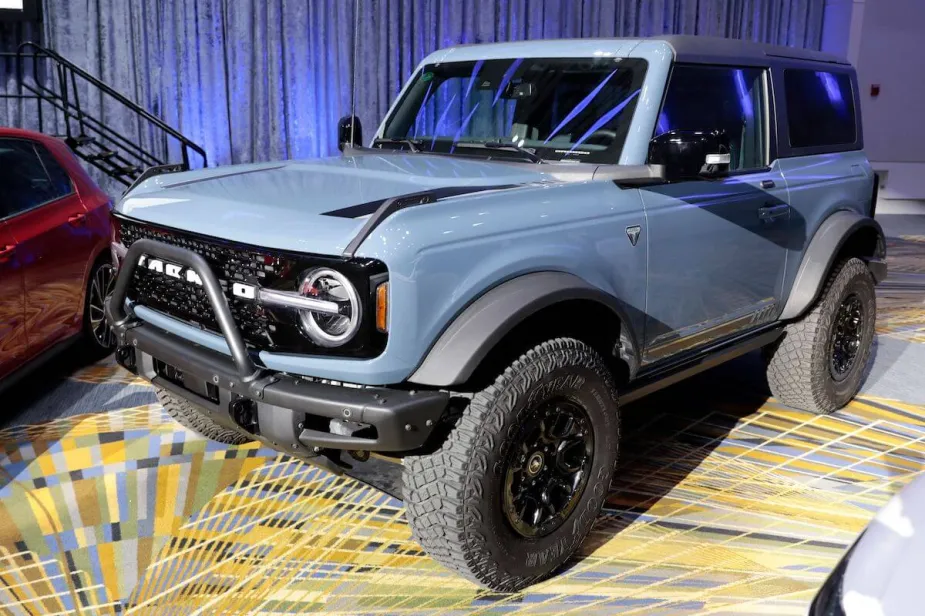
The Bronco’s wandering effect is most noticeable during sustained strong winds or on elevated roads. Even slight gusts can require constant minor steering input, making long drives tiring for the driver.
In short, the Ford Bronco demonstrates that off-road-focused SUVs with high profiles and boxy designs often sacrifice crosswind stability. Buyers in windy regions should be aware that while the Bronco excels off-road, its highway composure may require attentive driving in gusty conditions.
3. Toyota 4Runner (Fifth Generation)
The Toyota 4Runner is a midsize SUV built for rugged trails, but it is prone to wandering in crosswinds. Its tall body, high ground clearance, and boxy design increase lateral wind exposure, particularly at highway speeds.
The suspension prioritizes off-road articulation, allowing the wheels to maintain traction on uneven terrain. However, this design transmits more movement to the body during gusts, making the 4Runner feel less stable in crosswinds.
Aerodynamic inefficiencies exacerbate the effect. The vertical windshield, flat side panels, and squared-off rear end create turbulence when exposed to lateral wind, causing the SUV to drift and requiring driver corrections.
Electronic stability control and traction systems provide some assistance, but the physical design means gusts are still noticeable. Drivers often report that passing large trucks or driving on open bridges can feel unnerving, with the SUV being pushed sideways despite cautious inputs.

The 4Runner’s wandering effect is most pronounced in strong, sustained winds. While the vehicle is excellent off-road, its on-road stability is compromised by its height, weight, and boxy aerodynamics.
In summary, the Toyota 4Runner highlights that off-road-oriented SUVs often trade highway composure for trail capability. Drivers should anticipate steering corrections in gusty conditions and understand that the vehicle’s tall, upright profile is a primary factor in crosswind wandering.
4. Nissan Armada (Y62)
The Nissan Armada Y62 is a full-size SUV that is powerful and spacious, but it is prone to wandering in crosswinds. Its tall, boxy profile and high center of gravity make it susceptible to lateral wind forces, especially on highways and open roads.
The suspension is designed to handle heavy loads and provide comfort over rough surfaces, which means the vehicle can sway when lateral gusts hit. Combined with its large mass, even moderate crosswinds can cause noticeable drifting.
Aerodynamics play a role in this behavior. The upright windshield, flat side panels, and squared-off rear end create significant air resistance and turbulence, pushing the SUV sideways during gusts. Large mirrors and roof rails can amplify this effect.
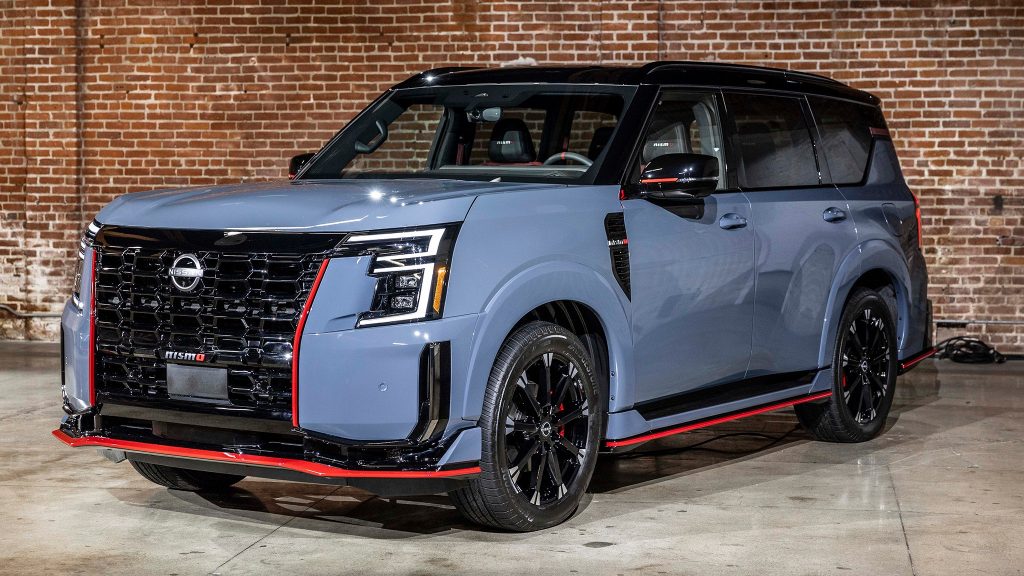
Electronic stability control and traction systems help mitigate wandering but cannot fully counteract the forces acting on a vehicle of this size. Drivers often need to make constant steering corrections to maintain lane position, which can become tiring on long highway trips.
The Armada’s wandering is most noticeable during high winds, passing large trucks, or driving across bridges. While it excels in passenger comfort and towing capacity, its crosswind performance requires careful attention from the driver.
In short, the Nissan Armada Y62 demonstrates that full-size SUVs with high profiles and boxy aerodynamics are prone to drifting in gusty conditions. Buyers who frequently drive in windy areas should anticipate the need for steering corrections and understand the trade-off between size, power, and highway stability.
5. Chevrolet Tahoe (MK5)
The Chevrolet Tahoe MK5 is a large, capable SUV that often wanders in crosswinds. Its tall stance, boxy design, and high center of gravity make it more sensitive to lateral wind forces, particularly at highway speeds.
The suspension, built for load-carrying and towing, prioritizes comfort over lateral stiffness. This allows gusts to push the vehicle sideways more easily, requiring the driver to compensate with steering adjustments.
Aerodynamic inefficiencies amplify this effect. Flat side panels, a vertical windshield, and a squared-off rear end create turbulence and drag when exposed to crosswinds, causing noticeable drifting and reduced composure.
Electronic stability control and all-wheel-drive systems assist in keeping the SUV on course, but cannot fully counteract physical wind forces. Drivers often report feeling nudged from gusts, especially when passing large trucks or on open highways.
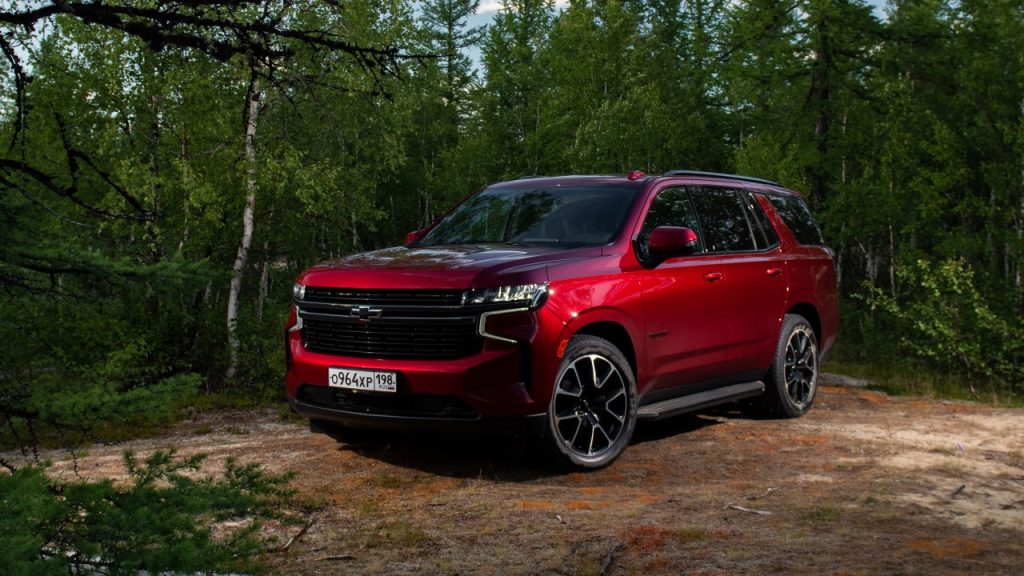
The Tahoe’s wandering effect is most pronounced in strong winds or when fully loaded. While it offers excellent space, towing capacity, and off-road capability, its highway stability is compromised compared to more aerodynamic, lower-profile SUVs.
In summary, the Chevrolet Tahoe MK5 highlights that large, full-size SUVs are more likely to wander in gusty conditions. Understanding its crosswind sensitivity allows drivers to plan for constant steering input and prioritize safety during highway travel.
Also Read: 5 Trucks With Bed Liners That Actually Protect VS 5 That Trap Moisture
