
Power steering is one of the most important systems in a vehicle, directly affecting control, safety, and driving comfort.
A well-engineered power steering rack allows for precise handling, smooth maneuvering, and minimal effort at the wheel. Drivers often take it for granted until leaks, stiffness, or failure disrupt the experience.
Some vehicles are equipped with power steering racks built to last hundreds of thousands of kilometers without major issues. These systems use high-quality materials, precise engineering, and durable seals to maintain smooth operation over years of driving.
A reliable rack not only ensures confident handling but also reduces maintenance costs and prevents unexpected breakdowns.
On the other hand, many vehicles suffer from leak-prone power steering racks. These systems may have substandard seals, less robust components, or designs that are sensitive to wear.
Even moderate use over time can lead to fluid leaks, reduced steering responsiveness, and expensive repairs. For drivers, this can mean constant attention to fluid levels, trips to the workshop, and compromised driving safety.
This article explores both sides of the spectrum. We will highlight five vehicles whose power steering racks are renowned for durability and long life. Following that, we will examine five vehicles whose racks are notoriously prone to leaks and failures.
Understanding these extremes is crucial for anyone considering long-term reliability, minimizing repair costs, or simply wanting a smoother driving experience.
By comparing the dependable and the problematic, drivers can make informed choices about vehicles, maintenance practices, and aftermarket support.
Whether you prioritize low-maintenance comfort or want to avoid a system that drains your wallet with constant repairs, knowing which power steering racks excel and which struggle can make a world of difference behind the wheel.
Also Read: 5 Trucks With Real Skid Plates Stock vs 5 With Plastic Shields
5 Power Steering Racks That Last
A dependable power steering rack is the cornerstone of smooth and confident driving. These components endure constant use, managing forces from every turn, parking maneuver, and high-speed lane change.
When designed well, they last for hundreds of thousands of kilometers without leaking, stiffening, or failing. Choosing vehicles with durable racks is essential for minimizing maintenance costs, preserving handling precision, and avoiding frustrating downtime.
Vehicles with long-lasting power steering racks often combine robust materials, precision engineering, and high-quality seals.
This ensures that the steering fluid stays contained, internal components do not wear prematurely, and handling remains consistent throughout the life of the vehicle.
For daily commuters, long-distance travelers, and performance enthusiasts alike, these racks provide predictable response and reliability, even under heavy use.
Durable racks also reduce strain on related components like tie rods, bushings, and the steering column. This synergy prevents cascading issues that can arise from a failing rack, making the overall steering system more resilient.
A long-lasting power steering rack is not just a mechanical benefit it’s a safety feature, ensuring that drivers retain precise control in all conditions.
In this section, we will highlight five vehicles whose power steering racks are known to endure without major issues. Each vehicle represents a benchmark in reliability, showing how engineering and material choices contribute to lasting performance.
By understanding which vehicles offer these robust systems, drivers can make smarter decisions and enjoy years of smooth, confident steering without the stress of leaks or early replacements.
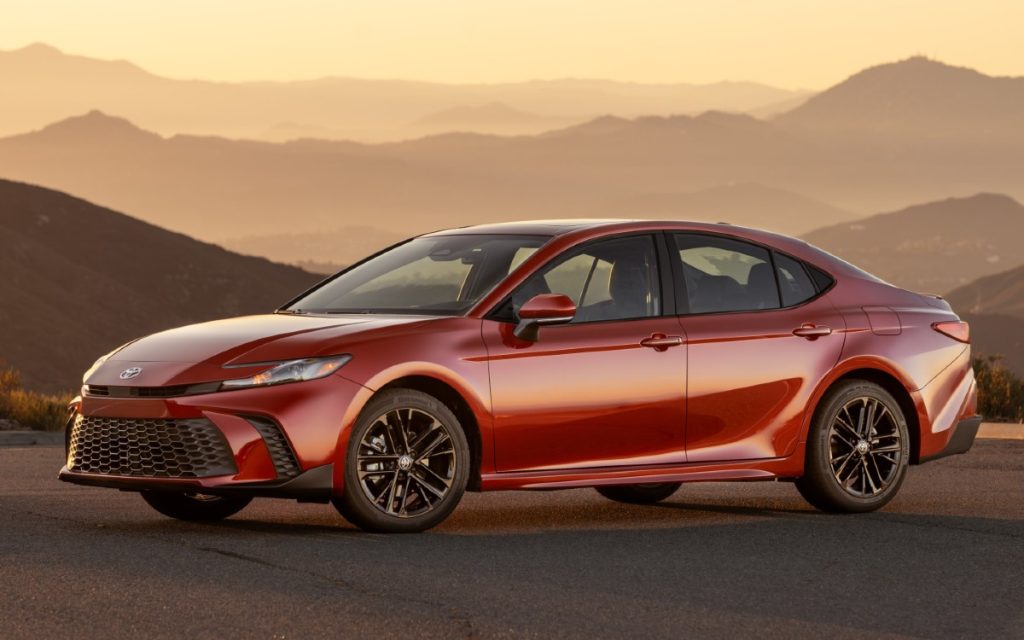
1. Toyota Camry (XV70)
The Toyota Camry XV70 is renowned for its reliability, and its power steering rack exemplifies that reputation. Toyota engineers focus on long-lasting components, using durable materials and precision seals that minimize the risk of leaks over hundreds of thousands of kilometers.
The rack itself is built to maintain smooth hydraulic operation, providing consistent feedback to the driver. Even with frequent urban driving, heavy loads, or long-distance travel, the Camry’s steering system rarely stiffens or falters. This makes it a favorite among commuters and fleet operators who prioritize durability.
One of the key factors behind its longevity is the combination of robust materials and careful engineering tolerances. The seals are resistant to wear, and internal components are designed to handle the constant stress of steering maneuvers. This prevents the common issues that often plague weaker racks, such as leaks, binding, or uneven steering response.
Camry owners benefit from predictable handling and minimal maintenance. The durability of the rack also protects other steering components, including tie rods and bushings, extending the overall lifespan of the steering system.
In addition, the rack’s hydraulic system is tuned for balance, ensuring that it responds smoothly without overloading any component. Whether navigating tight city streets or cruising on highways, the XV70’s power steering rack offers reliability, low maintenance, and a driving experience that feels effortless and secure.
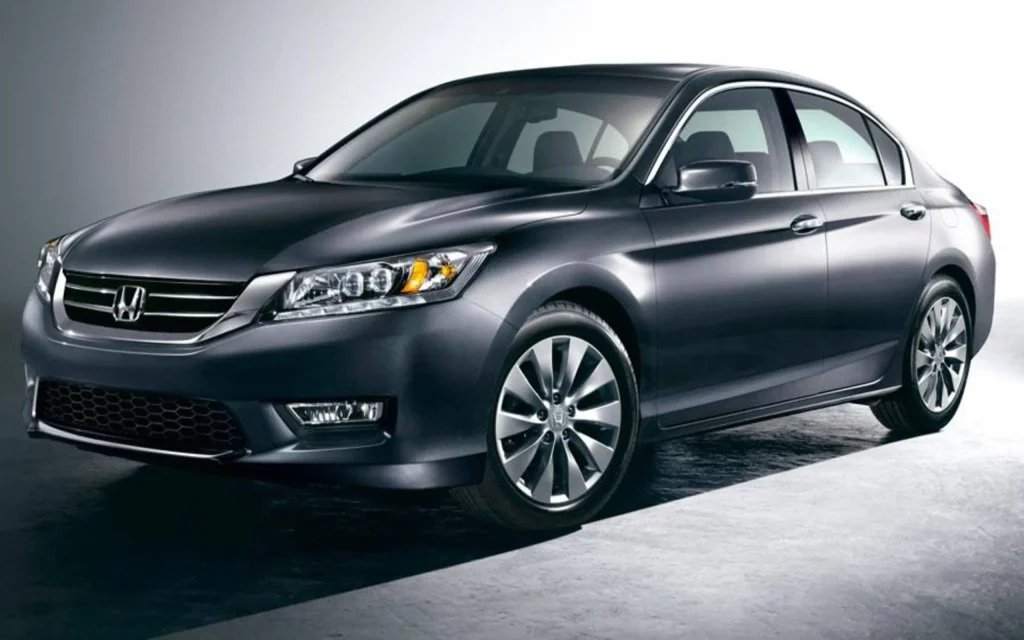
2. Honda Accord (10th Gen)
The 10th-generation Honda Accord is celebrated for its balance of comfort and reliability, and its power steering rack is no exception. Honda designed this system with high-quality components, ensuring consistent steering response and long-lasting durability.
The hydraulic-electric rack in the Accord is engineered to resist leaks and maintain smooth operation over extended periods. Drivers frequently report that even after 150,000 kilometers, the steering feels precise and effort-free, with no signs of stiffening or failure.
A key factor in the Accord’s rack longevity is the combination of sturdy seals and corrosion-resistant internal components. These materials minimize wear from both road contaminants and normal hydraulic pressures.
The precision engineering ensures that the rack operates smoothly, without excess play or uneven feedback, even under heavy city traffic or long highway drives.
The system also works in harmony with the Accord’s suspension and tires, distributing forces evenly to reduce stress on individual components. This synergy protects tie rods and bushings, extending the overall lifespan of the steering assembly.
Owners benefit from minimal maintenance requirements, predictable handling, and a steering feel that remains consistent over the vehicle’s lifetime. Whether navigating tight urban streets or cruising long distances, the Accord’s rack offers a reliable and safe driving experience.
In short, the Honda Accord demonstrates that thoughtful engineering, high-quality materials, and precise assembly produce a power steering system that stands the test of time, giving drivers confidence and peace of mind.
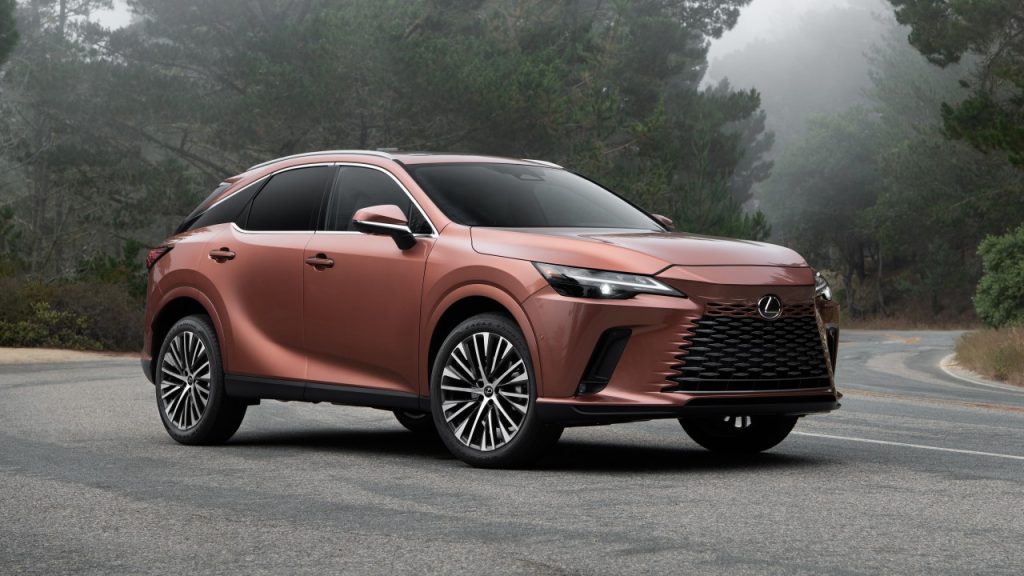
3. Lexus RX (AL20)
The Lexus RX AL20 is known for its luxurious ride, and the longevity of its power steering rack plays a major role in that comfort. Lexus uses premium materials and robust seals to ensure that the hydraulic-electric steering system resists leaks and maintains smooth operation over years of use.
The rack delivers precise and predictable steering feedback, crucial for a midsize luxury SUV. Drivers rarely experience stiffness or jerky responses, even after extensive urban driving, off-ramp maneuvers, or long highway cruising.
Durability is achieved through reinforced internal components and high-grade hydraulic seals. These prevent fluid leakage, reduce wear, and protect the system from damage caused by dust, debris, and temperature fluctuations. The design ensures that the rack handles both light steering inputs and aggressive turns without stress.
The RX’s rack also synergizes with the adaptive suspension system, distributing steering forces evenly and reducing the load on connected components such as tie rods and bushings. This holistic approach minimizes maintenance needs and extends the overall system lifespan.
Owners enjoy a consistent, effortless steering experience that enhances comfort and safety. Lexus’s focus on long-term reliability means that the RX’s power steering system continues to perform at a high level well past 150,000 kilometers, making it one of the most dependable options in its class.
4. BMW X5 (G05)
The BMW X5 G05 is a luxury SUV designed for performance and comfort, and its power steering rack reflects that balance. BMW engineers focused on durability and precision, ensuring the rack delivers smooth, responsive steering over long-term use.
The hydraulic-electric rack uses reinforced components and high-quality seals to resist leaks and maintain consistent feedback. Even under frequent city driving, heavy loads, or aggressive maneuvering, the system remains reliable and effort-free.
A standout feature of the X5’s steering is its synergy with the vehicle’s adaptive suspension. This design distributes stress evenly across the rack and associated components, reducing wear on tie rods, bushings, and the steering column. As a result, the system maintains alignment and performance over hundreds of thousands of kilometers.
BMW’s engineering also emphasizes fluid management, preventing leaks and ensuring stable hydraulic performance in a wide range of temperatures. The rack’s internal tolerances are precise, minimizing play and ensuring consistent steering feel over the vehicle’s lifespan.

Drivers benefit from minimal maintenance requirements, predictable handling, and a luxury steering experience that remains consistent regardless of road conditions. The X5 demonstrates that high-performance SUVs can combine sporty handling with long-lasting steering durability.
5. Mercedes-Benz E-Class (W213)
The Mercedes-Benz E-Class W213 is a midsize luxury sedan known for comfort, refinement, and engineering reliability. Its power steering rack is built to last, with reinforced internal components and premium seals that prevent leaks and maintain smooth operation.
The hydraulic-electric rack provides precise feedback, ensuring consistent handling even after years of city and highway driving. Drivers rarely encounter stiffness, binding, or fluid loss, making it a dependable component for long-term ownership.
Mercedes designs the rack to work in concert with the E-Class’s suspension, distributing forces evenly and protecting tie rods and bushings. This reduces the risk of premature wear and keeps steering response consistent.
Durability is further enhanced by corrosion-resistant materials and tightly engineered tolerances. The rack handles repeated stress from turns, lane changes, and curb encounters without losing performance or alignment.
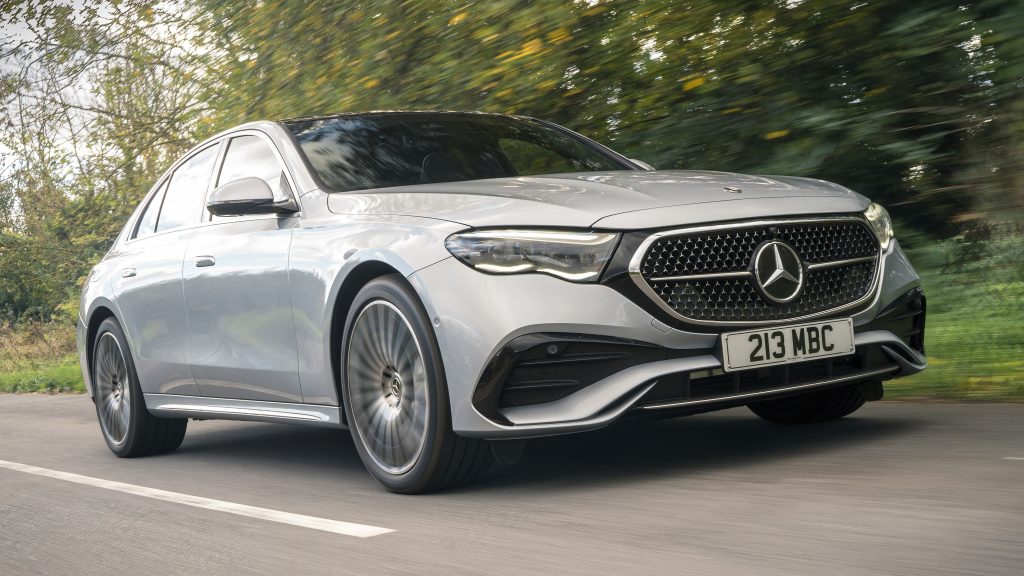
Owners enjoy a smooth, effortless steering experience with minimal maintenance demands. The W213 demonstrates that even in a luxury sedan, a well-designed power steering system can combine precision, comfort, and longevity, providing peace of mind for years of reliable driving.
5 Leak-Prone Power Steering Racks
Not all power steering systems are created equal. While some racks are built to endure hundreds of thousands of kilometers without issues, others are notoriously prone to leaks and early failure. A leaking power steering rack can compromise steering precision, reduce safety, and lead to expensive repairs.
Vehicles with leak-prone racks often suffer from substandard seals, design flaws, or weaker internal components. Even moderate use on city streets, highways, or uneven roads can result in fluid loss, stiffness, and uneven steering response.
Drivers may find themselves constantly monitoring fluid levels, hearing whining noises, or experiencing increased steering effort, all of which signal early signs of rack failure.
Leak-prone racks are not just a maintenance headache they can affect handling, tire wear, and suspension longevity.
As fluid leaks reduce hydraulic pressure, steering responsiveness decreases, which can impact control during critical maneuvers. In extreme cases, complete rack failure may occur, forcing costly replacements and extensive downtime.
In this section, we highlight five vehicles whose power steering racks have a history of leaks and reliability concerns.
Each of these systems demonstrates the challenges that come with poorly designed or overly sensitive racks, emphasizing the importance of material quality, proper engineering, and maintenance awareness.
Understanding which vehicles are prone to power steering leaks allows drivers to take preventative measures.
Whether through regular inspections, fluid maintenance, or cautious driving, knowing the vulnerabilities of these racks can reduce costs and prevent unsafe driving conditions.
This comparison also underscores the contrast between durable, long-lasting systems and weaker units, helping drivers make informed choices when prioritizing reliability, comfort, and long-term ownership satisfaction.
1. Ford Focus (3rd Gen)
The 3rd-generation Ford Focus is a popular compact car, but its power steering rack has a well-documented history of leaks. Many owners report hydraulic fluid seepage from seals, which can compromise steering precision and lead to costly repairs if ignored.
The problem is often traced to substandard seals and tight tolerances in the rack assembly. Even normal urban driving over potholes or uneven surfaces can stress the components, causing fluid to escape. This reduces hydraulic pressure and increases steering effort, particularly at low speeds or during tight maneuvers.
Leaking racks in the Focus can also cause secondary issues. As hydraulic fluid diminishes, internal wear accelerates, potentially affecting tie rods, bushings, and the steering column. Drivers may notice vibrations, uneven tire wear, or whining noises when turning. Ignoring the problem can escalate into full rack failure, necessitating expensive replacement.
Ford has issued updates for some affected models, but many 3rd-gen Focus vehicles still experience recurring leaks. Regular maintenance, including fluid checks and early replacement of worn seals, is crucial to mitigate the risk.
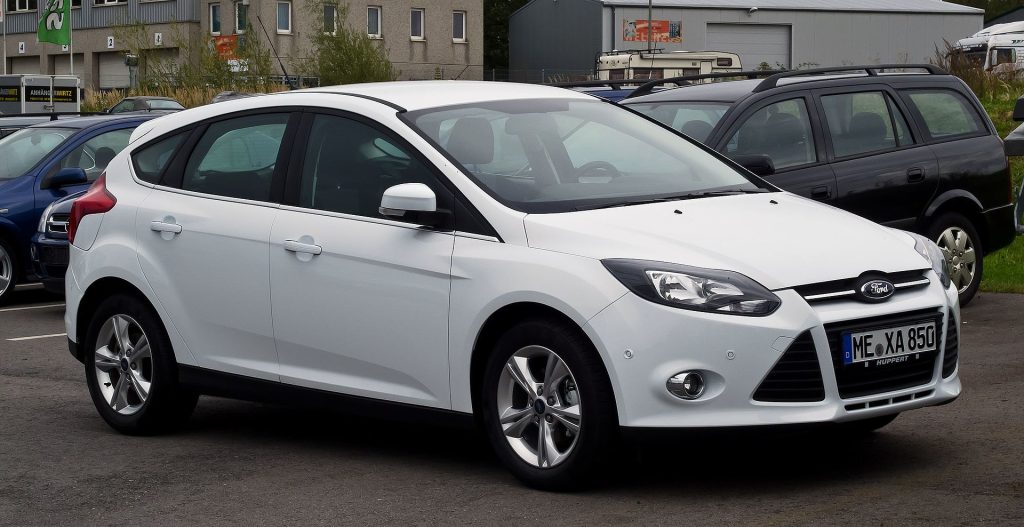
However, even with careful care, the design remains more susceptible than long-lasting systems found in premium or well-engineered vehicles.
Despite these issues, the Focus remains a popular choice for city driving, offering comfort, handling, and affordability. However, potential buyers and current owners should be aware of the steering rack vulnerabilities and proactively monitor the system.
In summary, the 3rd-gen Ford Focus demonstrates how a seemingly minor component like a power steering rack can affect overall driving safety, performance, and maintenance costs when prone to leaks.
Awareness, regular inspections, and timely repairs are essential for minimizing problems and maintaining steering reliability over the life of the vehicle.
2. Volkswagen Golf (Mk7)
The Volkswagen Golf Mk7 is celebrated for its refinement and driving dynamics, but its power steering rack has been prone to leaks in certain models. Owners frequently report hydraulic fluid seeping from the seals, which can reduce steering responsiveness and affect handling.
The rack’s susceptibility is largely due to tightly engineered seals and the use of lightweight internal components that wear faster under stress. City driving over potholes or uneven roads accelerates seal fatigue, leading to early leakage. Even moderate mileage can be enough to trigger fluid loss.
A leaking rack impacts more than just steering feel. As hydraulic pressure drops, the rack can bind, making the steering heavier and less precise. This uneven performance can also put extra strain on tie rods, bushings, and other connected components, leading to additional maintenance costs.
Many Golf owners notice a subtle whining sound when turning, a common symptom of a rack starting to leak. Ignoring it may lead to total rack failure, which requires expensive OEM replacement or a rebuild.
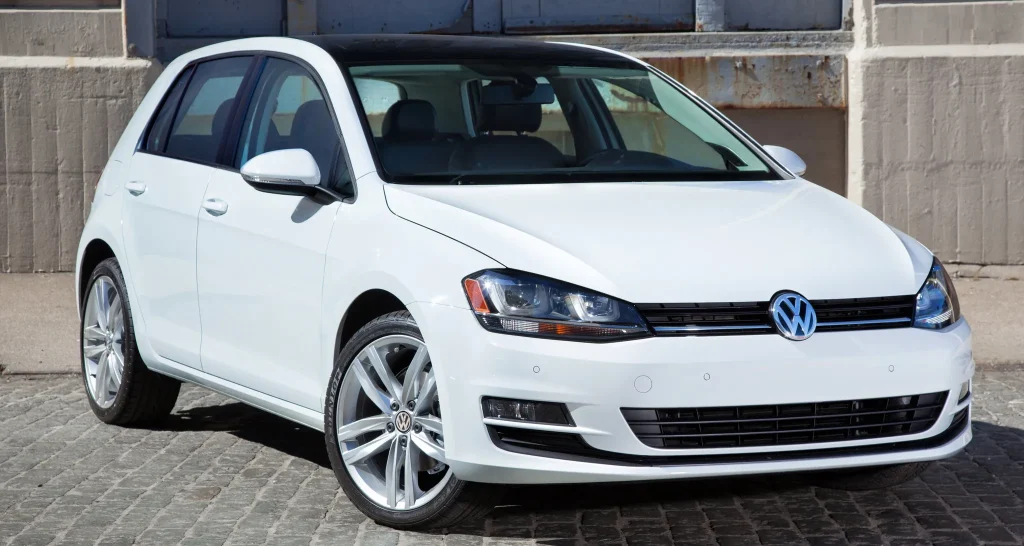
Volkswagen has addressed some cases with updated components, but the problem persists in older models or vehicles that haven’t received maintenance attention.
Drivers need to monitor power steering fluid levels regularly and act quickly if leaks are detected. Preventive inspections and early replacement of compromised seals are essential to avoid costly repairs.
In essence, while the Mk7 Golf offers a dynamic and enjoyable driving experience, its power steering rack is a known weak point. Awareness and proactive maintenance are key to ensuring long-term reliability and consistent handling performance.
3. Chevrolet Cruze (J300)
The Chevrolet Cruze J300 has been a reliable compact sedan in many areas, but its power steering rack has shown a tendency to leak, particularly on higher-mileage vehicles. Fluid leaks often occur from worn seals, resulting in reduced hydraulic pressure and heavier steering.
The design of the Cruze’s rack includes lightweight components optimized for efficiency, but this makes the system more sensitive to wear and road impacts. Daily urban driving, potholes, or curb encounters can accelerate seal degradation, leading to leaks earlier than expected.
A leaking rack can affect handling and safety. Reduced hydraulic pressure increases steering effort, especially at low speeds or during parking maneuvers.
Additionally, the uneven stress can damage tie rods and bushings, compounding maintenance concerns. Drivers may also notice whining or groaning noises when turning, which signal early rack deterioration.
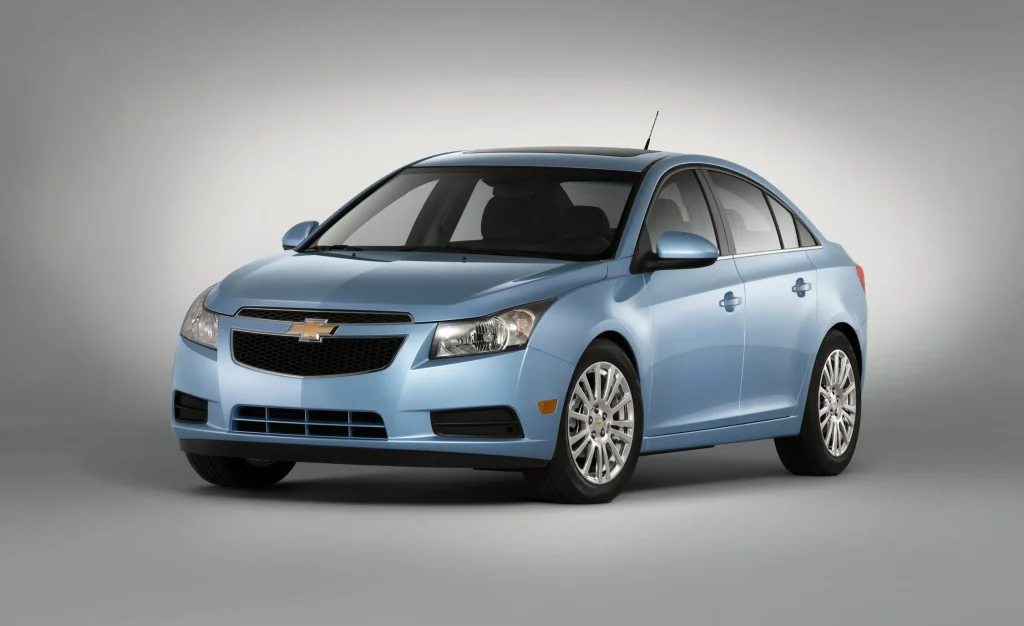
Chevrolet recommends regular fluid checks and inspection of seals to catch leaks early. Even so, replacement or professional repair is often unavoidable once leakage begins. Ignoring the issue can result in complete rack failure, which is costly and inconvenient.
The Cruze illustrates how a functional yet leak-prone power steering rack can impact daily driving comfort, maintenance expenses, and long-term reliability. Owners should remain vigilant and proactive to avoid costly surprises and preserve steering performance over the vehicle’s lifespan.
4. Nissan Altima (L33)
The Nissan Altima L33 is a widely used midsize sedan, but its power steering rack has been reported to leak in several cases. The main issue stems from seals that degrade over time and internal components that are sensitive to wear from everyday driving.
Hydraulic fluid leaks reduce system pressure, which makes the steering heavier and less responsive. This is especially noticeable during low-speed maneuvers, such as parking or tight turns. Drivers may also hear faint whining or groaning noises, signaling that the rack is losing fluid or under stress.
The design of the Altima’s rack prioritizes smooth, efficient steering, but the downside is vulnerability to leaks, particularly in vehicles that see frequent urban driving, potholes, or uneven roads. Leaks can accelerate wear on tie rods, bushings, and steering column components, leading to increased maintenance costs.
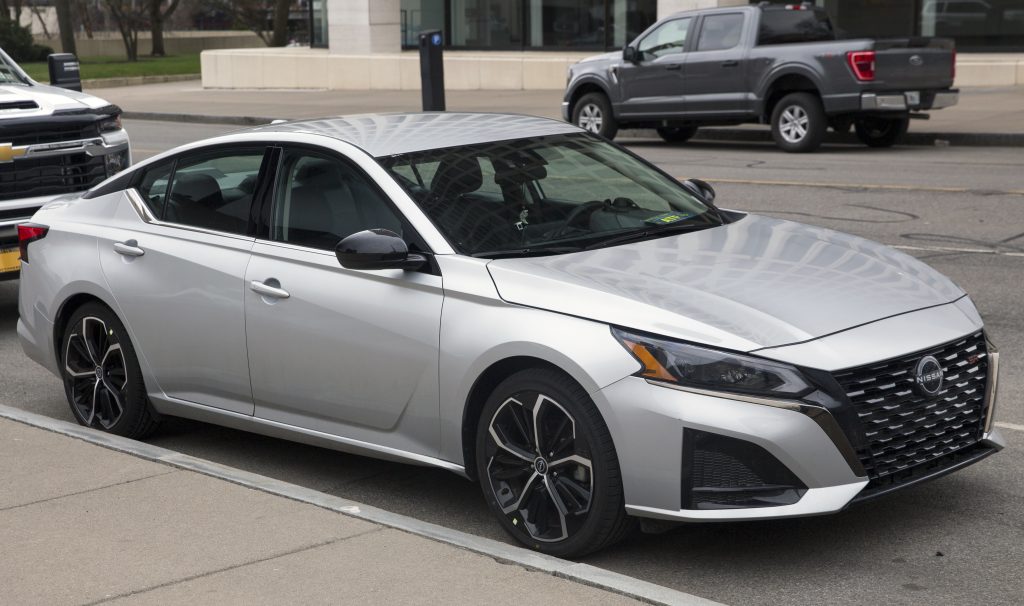
Owners are advised to monitor fluid levels regularly and inspect the rack for early signs of leakage. Ignoring small leaks can result in total rack failure, which is expensive to repair or replace.
While the Altima offers a comfortable and efficient ride, the power steering rack remains a weak point that demands attention.
In essence, the L33 Altima shows that even popular and reliable vehicles can struggle with steering component durability if the system is prone to leaks. Proactive maintenance is key to preserving safety, comfort, and performance.
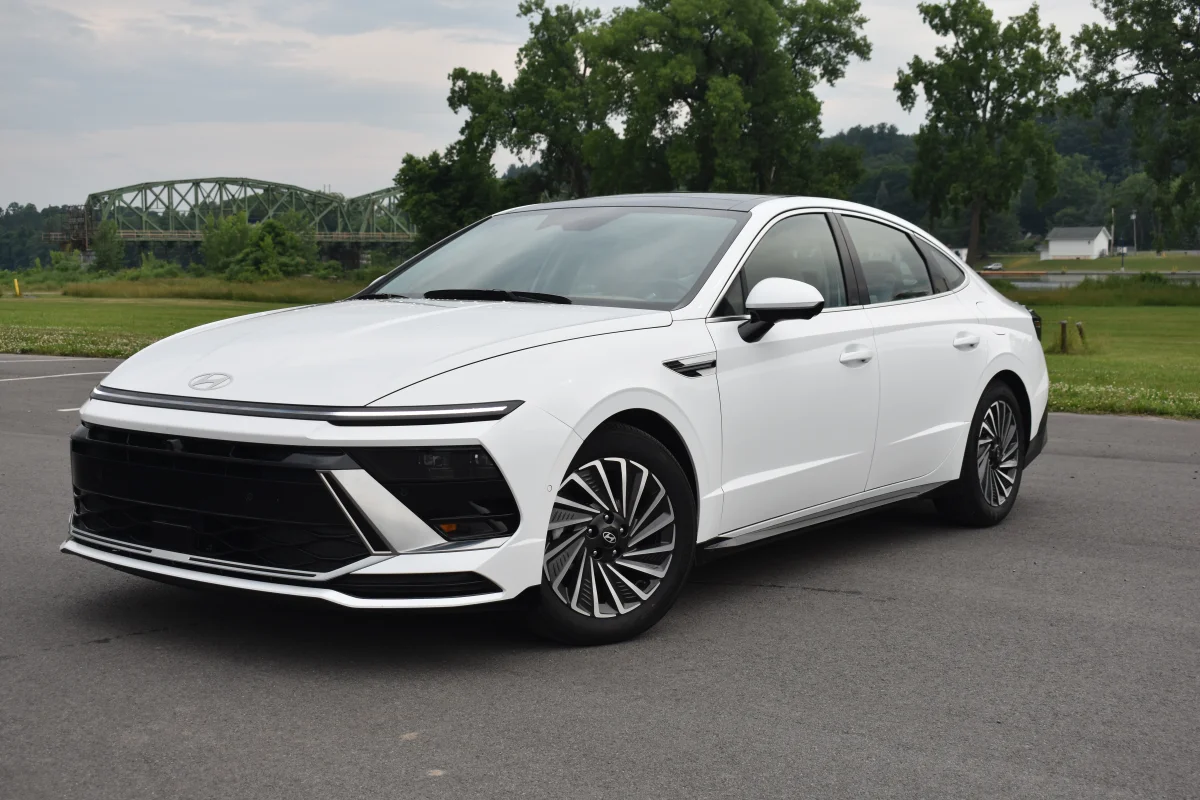
5. Hyundai Sonata (LF)
The Hyundai Sonata LF, a midsize sedan known for its value and comfort, has a power steering rack that is prone to leaking under certain conditions. The issue usually stems from worn seals and lightweight internal components designed for efficiency rather than maximum durability.
Leaks reduce hydraulic pressure, resulting in heavier steering and reduced responsiveness. Drivers often notice increased effort when parking or maneuvering in tight spaces. Whining noises during turns are another common indicator of rack deterioration.
Potholes, uneven roads, and daily urban driving accelerate wear on the seals and internal components. Once leakage begins, it can lead to additional stress on tie rods, bushings, and steering linkage, increasing repair costs and the likelihood of component failure.
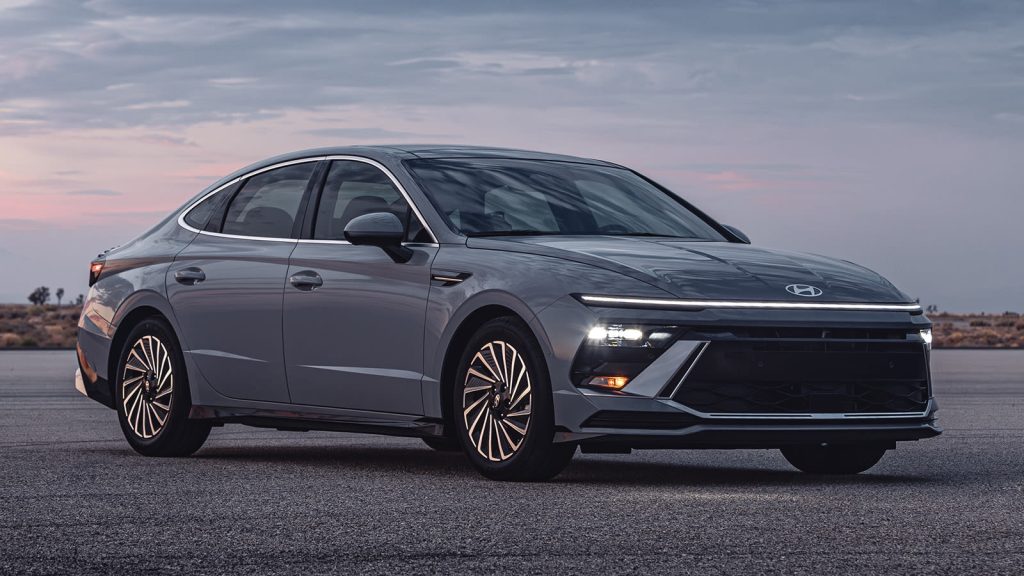
Hyundai recommends regular inspection and fluid maintenance to detect leaks early. However, once the rack starts leaking, professional repair or replacement is often unavoidable. This makes proactive monitoring crucial for maintaining vehicle safety and handling performance.
The Sonata LF demonstrates that even vehicles with otherwise reliable drivetrains can be vulnerable to steering system issues. Awareness, preventive care, and timely intervention are essential to avoid costly repairs and preserve steering reliability over the life of the vehicle.
Also Read: 5 Hatchbacks With Real Cargo Space vs 5 That Fake the Numbers
