The roads we drive on are rarely perfect. From city streets peppered with potholes to highways scarred by constant traffic, wheels take a beating daily.
A crucial aspect of vehicle performance, durability, and ride comfort often comes down to how well the wheels handle rough conditions. For drivers, this is not just about smooth rides it’s about safety, maintenance costs, and long-term reliability.
Choosing the right wheel setup can mean the difference between confidently gliding over obstacles or dreading every road imperfection.
Some wheels are designed to endure harsh conditions without bending, cracking, or causing a jarring ride. They absorb shocks effectively and maintain their structural integrity even after repeated encounters with potholes, curbs, and other urban hazards. These wheels are highly sought after by drivers who prioritize reliability and resilience.
On the other hand, some wheels are more vulnerable. Bent rims, cracked alloys, and deformations are common among wheels not engineered for rough roads. These can lead to flat tires, uneven wear, and a compromised driving experience.
Some vehicles, despite appearing rugged, are surprisingly prone to wheel damage under ordinary city conditions. Drivers often find themselves visiting repair shops more frequently, racking up costs and downtime.
This article explores both ends of the spectrum. We will highlight five wheels that can shrug off potholes, maintaining their shape, performance, and aesthetic appeal over time. Following that, we will examine five bent-rim offenders vehicles whose wheels are notoriously fragile under stress.
Understanding these extremes helps drivers make informed choices when it comes to wheel durability, safety, and long-term satisfaction. Whether you’re a daily commuter or a weekend adventurer, knowing which wheels can take the heat and which cannot can save time, money, and frustration.
Also Read: 5 Trucks With Simple Emissions Systems vs 5 That Trip CELs Weekly
5 Wheels That Shrug Off Potholes
Navigating city streets and country roads often means dealing with potholes, uneven asphalt, and unexpected bumps. While suspension plays a big role in ride comfort, the wheels themselves are the first line of defense against these hazards.
Some wheels are engineered to take repeated impacts without bending, cracking, or compromising performance. They provide peace of mind for drivers who want durability, safety, and a smoother ride.
Wheels that shrug off potholes are designed with strength and resilience in mind. High-quality alloys, reinforced rims, and clever engineering allow them to absorb shocks without deforming.
Paired with tires that have sufficient sidewall flexibility, these wheels can handle the punishment of city streets and off-road adventures alike.
Choosing wheels that resist damage isn’t just about avoiding repair costs it’s about keeping your car aligned, maintaining consistent handling, and reducing the risk of tire failure.
For many drivers, wheel damage is more than an inconvenience. Bent rims can lead to vibrations, uneven tire wear, and expensive repairs.
Wheels that stand up to potholes extend the life of your tires, protect your suspension components, and make daily driving far less stressful. They also contribute to consistent performance, whether you’re commuting in traffic or tackling rougher roads on the weekend.
In this section, we’ll explore five standout wheels known for their durability and resilience. Each has been recognized for combining strength, shock absorption, and longevity, ensuring that potholes are merely minor inconveniences rather than costly problems.
By highlighting these options, we aim to help drivers make informed choices that prioritize reliability, safety, and comfort, even in the most pothole-ridden environments.
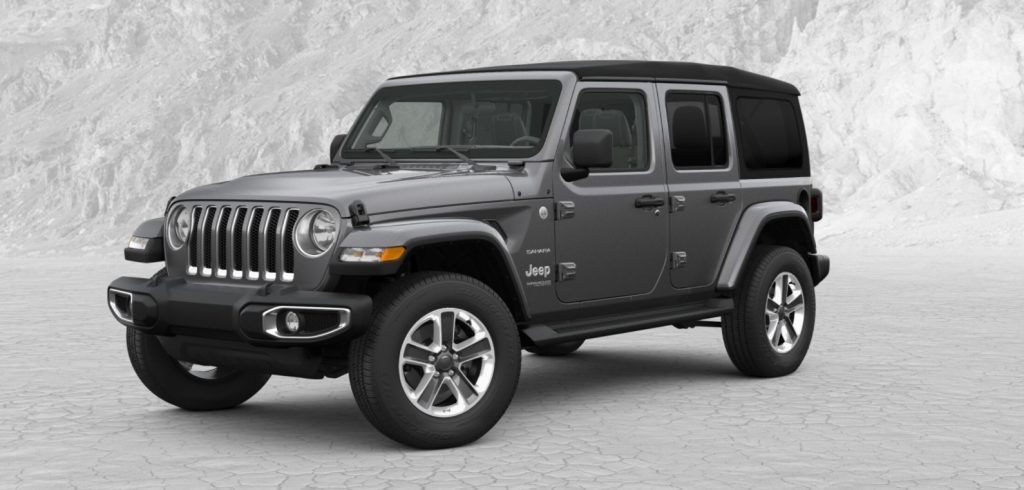
1. Jeep Wrangler JL
The Jeep Wrangler JL is synonymous with off-road toughness, but its wheels are equally impressive on city streets filled with potholes. Built with reinforced alloys and thick rims, these wheels can absorb shocks without bending or cracking.
Paired with high-profile tires, the Wrangler’s wheels have extra sidewall flexibility. This allows the tire to deform slightly under impact, reducing the stress on the rim itself. Even after repeated hits from potholes, the wheels maintain alignment and structural integrity.
One of the standout features is the combination of wheel and suspension design. The Wrangler JL distributes impact forces evenly, so a sudden jolt from a pothole doesn’t translate into permanent rim damage. This not only protects the wheels but also extends the life of tires and suspension components.
For daily commuters, these wheels offer peace of mind. Drivers don’t need to worry about frequent visits to repair shops for bent rims or costly replacements. The durable construction means fewer vibrations, smoother handling, and consistent ride quality.
In addition, Jeep’s focus on off-road performance ensures that the wheels remain resilient under heavy loads.
Whether carrying passengers, cargo, or navigating rugged roads, the Wrangler JL’s wheels shrug off potholes with ease, making them a benchmark for durability in both urban and off-road settings.
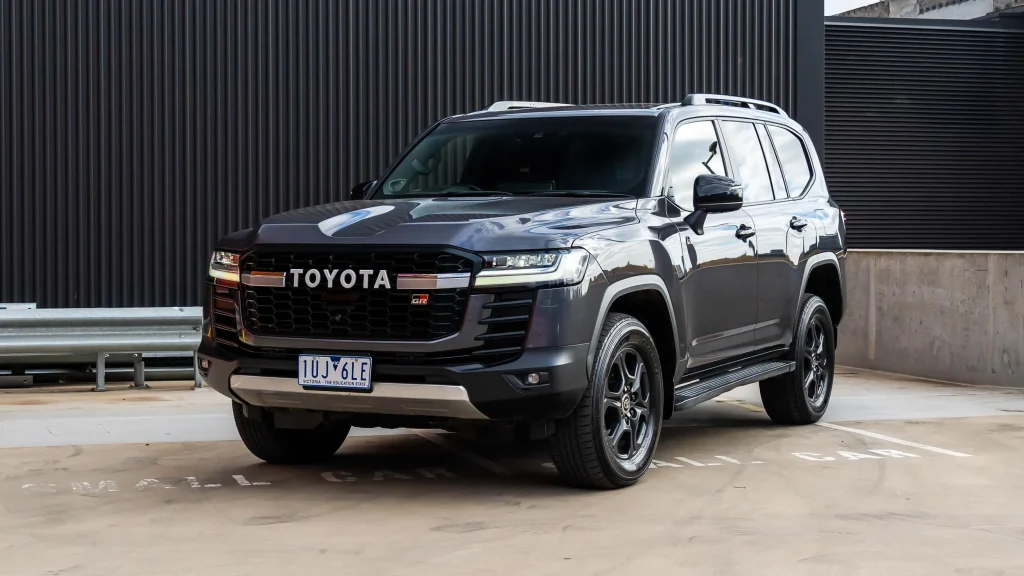
2. Toyota Land Cruiser 300 Series
The Toyota Land Cruiser 300 Series is a heavyweight in reliability, and its wheels are engineered to match. These wheels are designed for both long-distance highways and harsh off-road conditions, making them remarkably resistant to potholes and road imperfections.
Constructed from high-strength alloys, the Land Cruiser’s wheels resist bending and maintain their shape even after repeated impacts. The rims are reinforced in key areas, which reduces the risk of cracking and improves shock absorption.
Paired with robust tires, the wheels can handle sudden drops into potholes without transferring excessive force to the suspension. This combination ensures a smooth and safe ride, even when roads are rough or uneven.
Another reason these wheels perform so well is Toyota’s attention to engineering synergy. The suspension and wheel setup work together to distribute impact forces evenly, reducing stress points that typically cause rim deformation.
For drivers, this means fewer maintenance issues, longer tire life, and a consistent driving experience. The Land Cruiser’s wheels are a top choice for anyone who encounters rough roads regularly but wants their vehicle to remain reliable, comfortable, and damage-resistant.
3. Mercedes-Benz G-Class (W463)
The Mercedes-Benz G-Class, especially the W463 series, is legendary for its off-road capability, and its wheels are a crucial part of that reputation. These wheels are engineered from high-strength alloys that can withstand significant impacts without bending or cracking.
The G-Class comes equipped with tires that have thick sidewalls, allowing them to absorb shocks from potholes while minimizing the stress on the rims. This ensures that the wheels maintain their shape and structural integrity, even on roads with frequent irregularities.
One of the reasons these wheels are so resilient is their reinforced rim design. Mercedes engineers focus on creating wheels that can handle both heavy loads and sudden impacts. This reinforcement reduces the likelihood of bent rims and improves long-term durability.
The suspension system works in tandem with the wheels to distribute forces evenly across the chassis. When a wheel hits a pothole, the shock is partially absorbed by the tire and partially by the suspension, reducing the strain on the rim itself.

For drivers, this means a smoother, safer ride with fewer maintenance headaches. The G-Class’s wheels not only survive pothole-heavy urban streets but also maintain optimal alignment and performance over time. For anyone looking for a combination of luxury, durability, and off-road readiness, these wheels are an ideal choice.
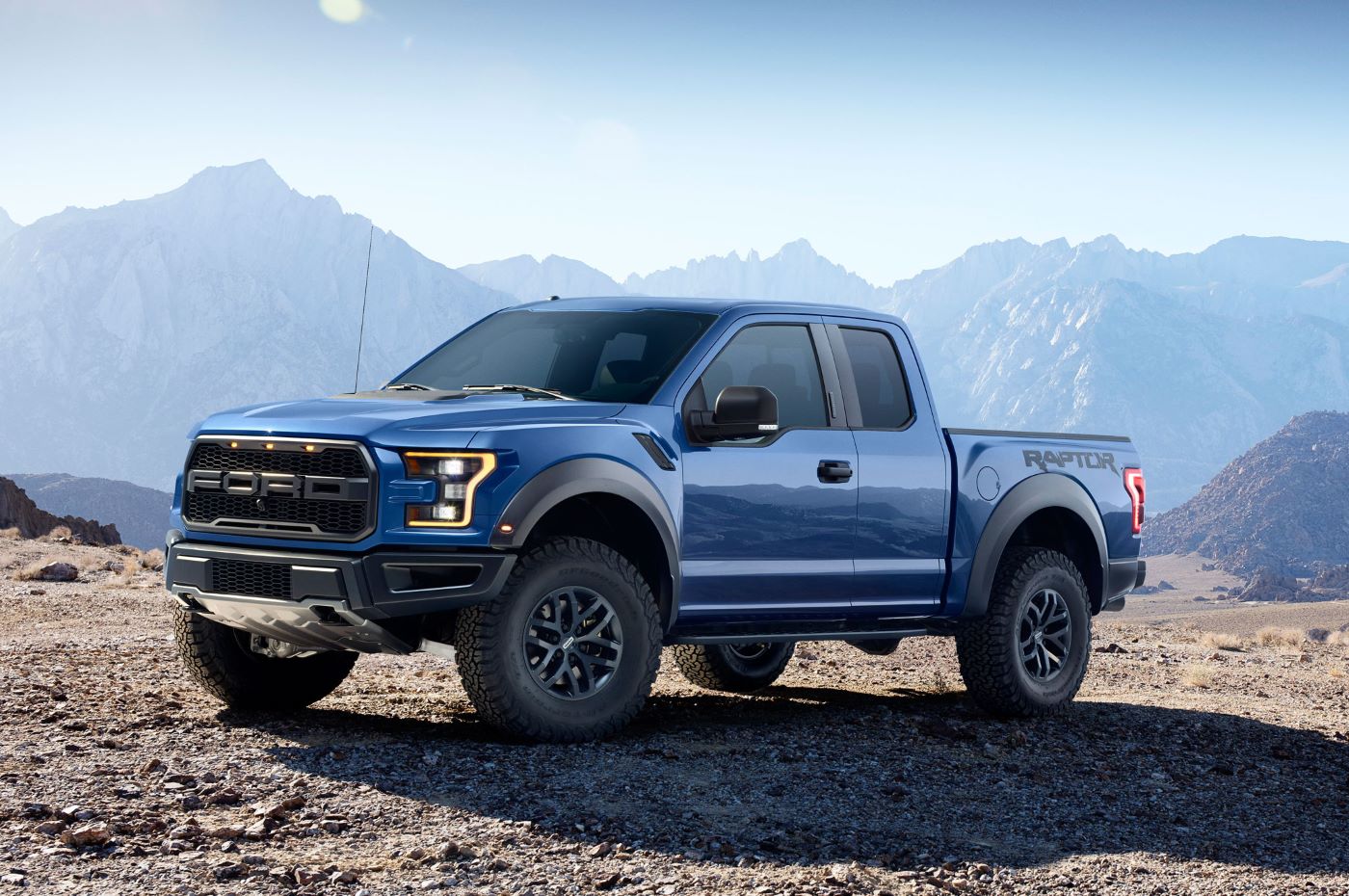
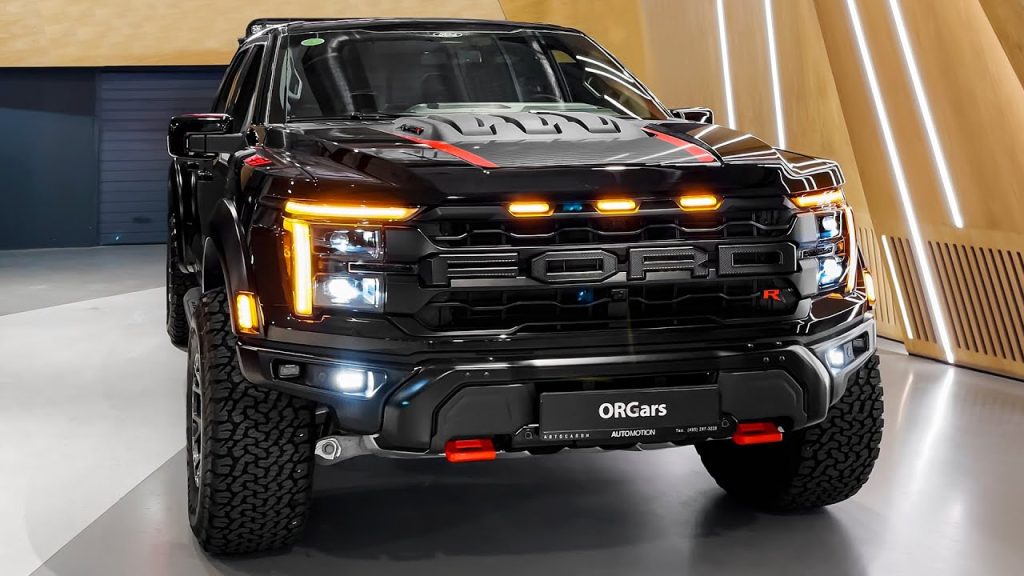
4. Ford F-150 Raptor
The Ford F-150 Raptor is built for extreme conditions, and its wheel design reflects that. The wheels are constructed from rugged alloys and reinforced to handle off-road obstacles and urban potholes alike.
High-profile tires with strong sidewalls complement the rims, allowing the vehicle to absorb impact without permanent damage. The wheels flex slightly under stress but retain their structural integrity, minimizing the risk of bends or cracks.
The Raptor’s suspension system is optimized to work with its wheels, dispersing forces from potholes across the chassis. This reduces the direct load on the rims, preventing deformation and maintaining a smooth ride.
Additionally, these wheels are designed to carry heavy loads, making them ideal for trucks frequently used for towing or carrying cargo. They maintain performance and alignment under stress, reducing tire wear and improving overall safety.
For drivers navigating both city streets and off-road trails, the F-150 Raptor’s wheels offer reliability and durability. They shrug off potholes, ensuring consistent handling, fewer repairs, and a long-lasting investment in performance.
5. Land Rover Defender 130
The Land Rover Defender 130 combines modern engineering with legendary off-road capability, and its wheels are no exception. These wheels are engineered to withstand harsh road conditions and repeated impacts without bending.
Constructed from reinforced alloys, the Defender 130’s rims are resilient and maintain shape even after encounters with deep potholes or rough terrain. The wheels are paired with tires designed for both off-road traction and shock absorption, reducing stress on the rims.
The suspension system enhances the wheels’ durability by evenly distributing impact forces across the vehicle. This ensures that the wheels absorb shocks efficiently while protecting the tires and chassis from excessive strain.
Drivers benefit from reduced maintenance issues, longer tire life, and consistent handling. Even on pothole-filled streets, the Defender 130 maintains alignment and performance, making it ideal for daily driving and long-distance travel.
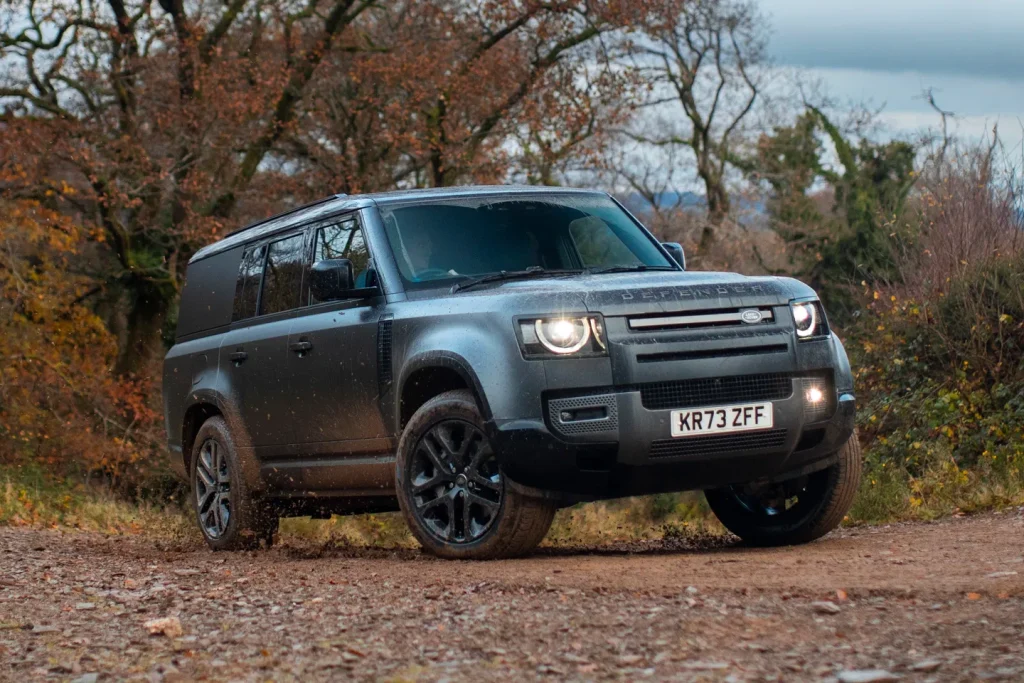
For anyone who values durability, comfort, and off-road readiness, the Defender 130’s wheels are a top choice. They represent a perfect balance between rugged performance and long-term reliability, shrugging off potholes that would challenge lesser wheel designs.
5 Bent-Rim Offenders
Not all wheels are created equal, and some are surprisingly fragile when confronted with potholes, curbs, and rough roads.
Bent rims, cracked alloys, and deformed wheels are common issues for vehicles that prioritize aesthetics or lightweight performance over durability. For drivers, these problems can lead to vibrations, uneven tire wear, flat tires, and frequent visits to repair shops.
Bent rims are more than just a cosmetic issue. They can affect wheel alignment, compromise handling, and even pose safety risks if left unaddressed. Some vehicles are especially prone to rim damage due to a combination of low-profile tires, lightweight alloys, and suspension setups that transmit shocks directly to the wheels.
City drivers, in particular, may find themselves dealing with these issues after only a few months of navigating pothole-ridden streets.
This section highlights five vehicles known for their susceptibility to bent rims. Each of these cars has wheels that are more likely to deform under stress, whether due to urban potholes, minor off-road encounters, or everyday wear and tear.
Understanding which models are more prone to wheel damage can save drivers both money and frustration, and it emphasizes the importance of pairing proper tires and careful driving with wheel design.
By exploring these bent-rim offenders, we aim to guide drivers toward informed choices, highlighting the potential pitfalls in wheel durability.
Whether you already own one of these vehicles or are considering a purchase, knowing which wheels require extra care can prevent unnecessary damage and maintain safety, performance, and long-term reliability.
1. BMW 3 Series (G20)
The BMW 3 Series G20 is celebrated for its handling and sporty appeal, but its wheels are notoriously vulnerable to potholes. Low-profile tires combined with stylish, lightweight alloys make these rims more prone to bending and cracking.
Even minor impacts can leave the wheels warped, resulting in vibrations, uneven tire wear, and alignment problems. The sporty suspension setup, designed for responsive handling, transmits road shocks directly to the rims, exacerbating the risk of damage.
Drivers often face frequent repairs if they navigate pothole-heavy streets. A bent rim on the 3 Series can compromise handling, reduce ride comfort, and increase long-term maintenance costs.
The aesthetic appeal of the wheels can also make repairs expensive. Replacements or professional straightening are costly compared to more durable wheels, adding to ownership expenses.
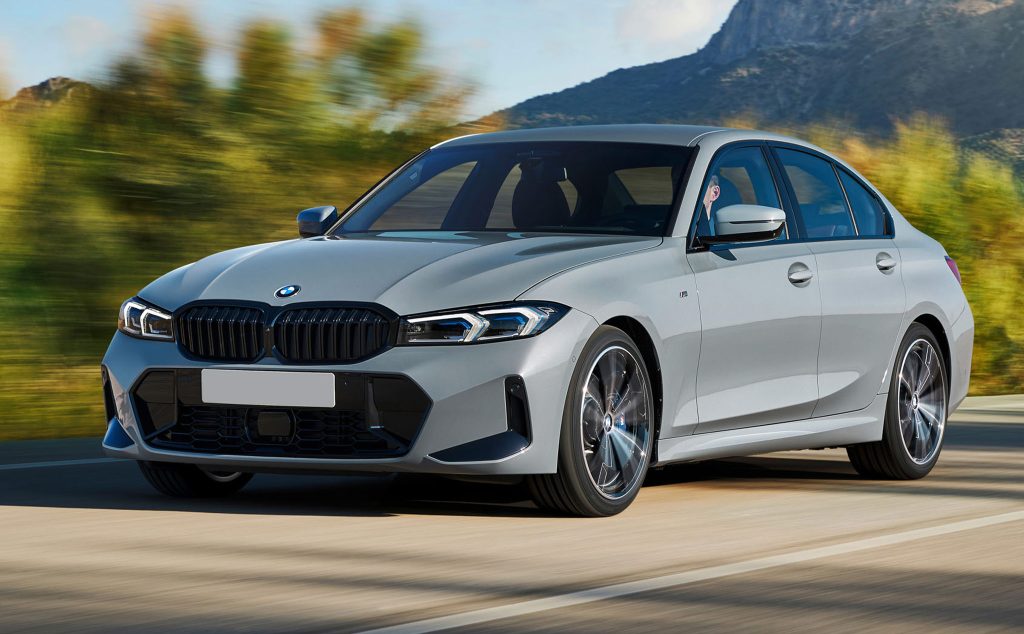
For enthusiasts who prioritize performance, the BMW 3 Series offers a thrilling drive, but its wheels require cautious driving, careful tire selection, and regular inspection. Without these precautions, potholes can quickly turn into an expensive and inconvenient problem.
2. Audi A6 (C8)
The Audi A6 C8 is known for sleek design and comfort, but its wheels are often prone to bending. The combination of low-profile tires and alloy rims, optimized for style and performance, makes them sensitive to road imperfections.
Even small potholes can distort the rims, leading to vibrations and uneven tire wear. The advanced suspension, tuned for sportiness, transfers road impacts directly to the wheels, increasing the likelihood of damage.
Bent rims on the A6 are not just cosmetic they can affect wheel alignment, handling, and safety. Repair costs are high, as Audi wheels often require OEM replacements or professional straightening.
Drivers in urban areas with poorly maintained roads may find themselves visiting repair shops more frequently. While the car offers luxurious ride quality, its wheels are a weak point that requires extra care.

Maintaining tire pressure and avoiding potholes whenever possible are essential to prevent damage. The A6 demonstrates that even premium vehicles with advanced engineering can struggle with wheel durability in everyday driving conditions.
3. Mercedes-Benz C-Class (W205)
The Mercedes-Benz C-Class W205 is a popular luxury sedan, but its wheels are known to be surprisingly fragile. Many of the factory alloys are designed for aesthetics and lightweight performance rather than ruggedness, making them prone to bending when hitting potholes.
Low-profile tires compound the problem. While they enhance handling and cornering, they offer less cushioning against road impacts. Even moderate potholes can cause rim deformation, leading to vibrations, uneven tire wear, and sometimes alignment issues.
The W205’s sporty suspension, tuned for agility, also contributes to wheel stress. Instead of absorbing shocks, it transmits much of the force directly to the rims. Drivers who navigate poorly maintained roads frequently encounter bent wheels or need frequent rim inspections.
Repairing these rims can be costly. OEM replacements or professional straightening services are expensive, making wheel damage a significant ownership concern. Bent rims not only affect aesthetics but can compromise safety if not addressed promptly.
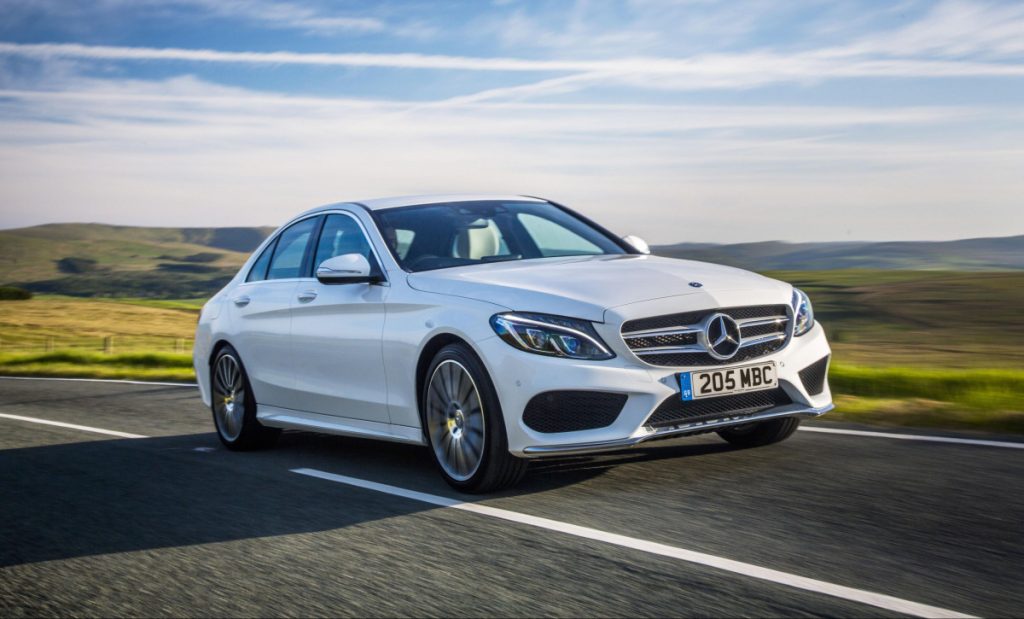
For C-Class owners, cautious driving, maintaining proper tire pressure, and avoiding potholes whenever possible are critical. Despite its luxurious ride and performance, the W205 demonstrates that even premium sedans can struggle with wheel durability in real-world urban conditions.
4. Tesla Model 3
The Tesla Model 3 is celebrated for electric performance and cutting-edge technology, but its wheels are particularly prone to bending. Lightweight alloys combined with low-profile performance tires make them vulnerable to potholes and curbs.
Impacts can warp the rims quickly, leading to vibrations, compromised alignment, and uneven tire wear. With electric vehicles, maintaining wheel integrity is even more critical, as alignment and suspension play a direct role in range efficiency and handling.
Tesla’s sporty suspension setup, designed for a dynamic drive, also transmits road shocks directly to the wheels. Urban potholes, construction zones, or minor off-road encounters can quickly lead to bent rims.
Repairing or replacing Model 3 wheels can be expensive. Tesla-specific alloys and sizes limit aftermarket options, meaning OEM replacements or professional repairs are the only solutions. Bent rims affect safety, performance, and the overall driving experience.
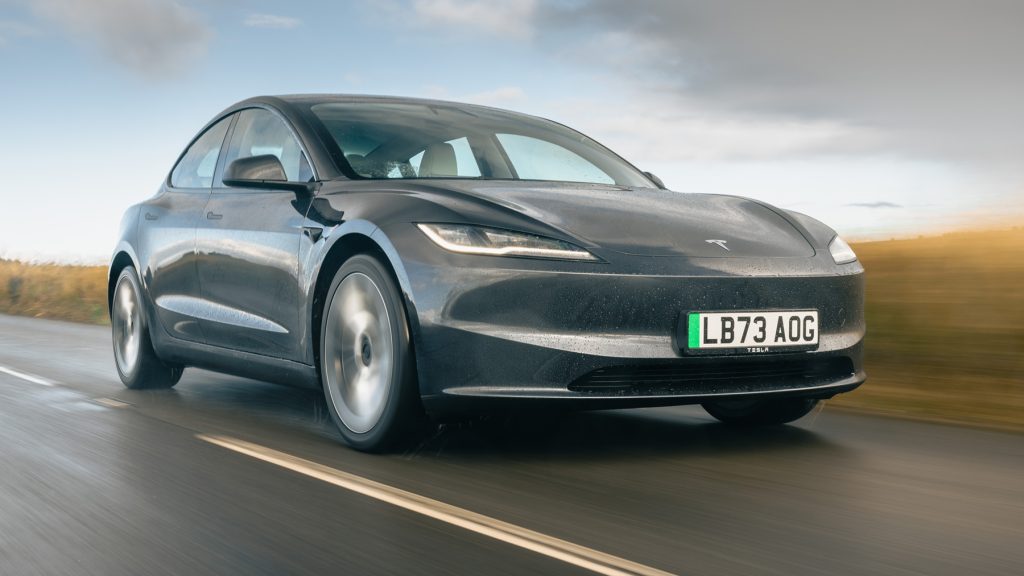
Owners need to drive cautiously on pothole-heavy roads, monitor tire pressure, and inspect wheels regularly. While the Model 3 excels in many areas, wheel fragility remains one of its most common complaints among city drivers.
5. Alfa Romeo Giulia
The Alfa Romeo Giulia is designed for sporty handling and a luxurious feel, but its wheels are notoriously delicate. Low-profile tires paired with stylish alloy rims make them highly susceptible to bending from potholes or road debris.
Even minor impacts can warp the rims, resulting in vibrations, misalignment, and uneven tire wear. Drivers in urban environments often find themselves needing frequent inspections or repairs to maintain performance.
The Giulia’s suspension, tuned for responsive driving and cornering, transfers road shocks directly to the rims. Unlike vehicles with softer suspensions, there’s minimal shock absorption through the tires alone, making the wheels more vulnerable.
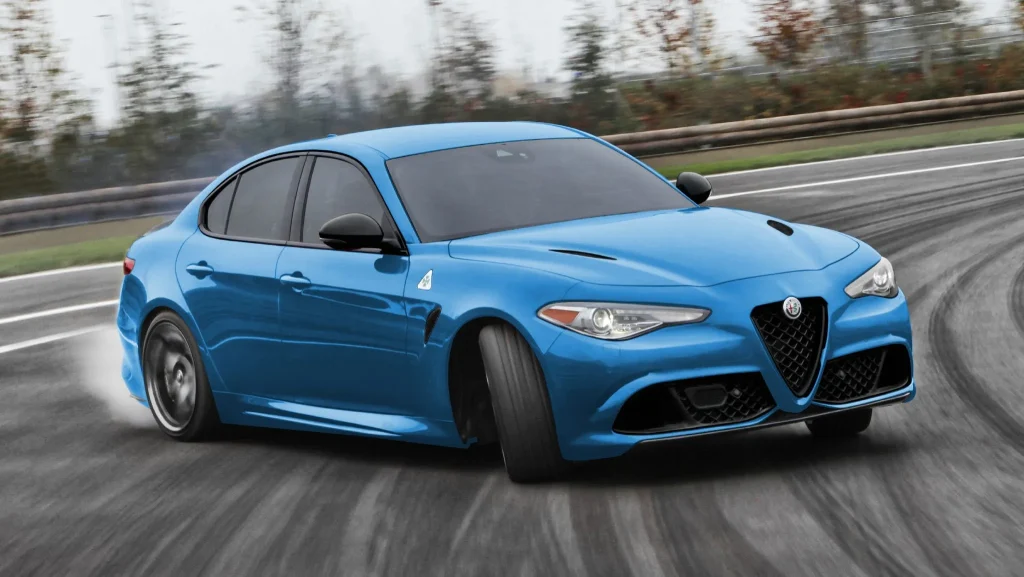
Repair costs for bent rims can be high due to the specialized alloys and limited aftermarket options. OEM replacements or professional straightening are generally required, adding to maintenance expenses.
For Giulia owners, careful navigation of potholes, maintaining proper tire pressure, and monitoring wheel integrity are essential.
Despite its driving dynamics and aesthetic appeal, the Giulia demonstrates that not all performance-oriented vehicles can withstand everyday road hazards without costly consequences.
Wheels are often overlooked when evaluating a vehicle, yet they are one of the most critical components affecting safety, comfort, and long-term maintenance. From city streets riddled with potholes to rough suburban roads, wheels face constant stress.
This makes durability an essential factor for drivers who want to minimize repairs, maintain ride quality, and protect other vehicle components like suspension and tires.
The first section highlighted wheels that shrug off potholes, showcasing vehicles whose rims are engineered to withstand repeated impacts without bending or cracking.
Vehicles such as the Jeep Wrangler JL, Toyota Land Cruiser 300 Series, Mercedes-Benz G-Class, Ford F-150 Raptor, and Land Rover Defender 130 demonstrate how thoughtful engineering, reinforced alloys, and proper tire pairing can create wheels that endure harsh conditions.
These wheels not only provide peace of mind for urban commuters and off-road enthusiasts alike but also extend tire life, maintain alignment, and reduce repair costs over time. Their strength lies in the combination of robust construction, suspension synergy, and high-quality tires that absorb shocks effectively.
In contrast, the second section explored bent-rim offenders vehicles whose wheels are surprisingly fragile despite premium engineering or sporty appeal.
Models like the BMW 3 Series G20, Audi A6 C8, Mercedes-Benz C-Class W205, Tesla Model 3, and Alfa Romeo Giulia often suffer from bent rims after encountering potholes or minor road hazards.
Factors such as low-profile tires, lightweight alloy rims, and sporty suspensions contribute to their vulnerability. Bent rims can lead to vibrations, uneven tire wear, compromised handling, and costly repairs, making wheel durability a critical consideration for daily drivers.
Comparing the two categories underscores a key takeaway: wheel design is not just about aesthetics or performance; it directly affects safety, comfort, and long-term vehicle costs. Durable wheels reduce stress on tires and suspension, while fragile rims create ongoing maintenance challenges.
Drivers navigating pothole-heavy areas should prioritise resilient wheel setups or consider investing in higher-profile tyres, reinforced rims, or aftermarket options that enhance durability.
Ultimately, understanding the strengths and weaknesses of wheel designs allows drivers to make informed choices. Whether opting for rugged, pothole-resistant wheels or managing the limitations of more fragile rims, the goal is to ensure a safer, smoother, and more reliable driving experience.
Proper attention to wheel quality can save time, money, and frustration, turning the unpredictable roads of everyday driving into a more controlled and enjoyable journey.
Also Read: 5 Used Cars That Hold Value Vs 5 That Nosedive In Depreciation