
Wheel hubs carry more responsibility than most drivers notice. They keep wheels centered, support vehicle weight, allow smooth rotation, and absorb the stress of bumps and cornering. When they are strong, quiet, and well sealed, they disappear into the background.
When they are weak, noisy, or loose, they make every drive uncomfortable and unsafe. This contrast becomes especially clear when comparing models known for robust hubs with models that develop play, wobble, and premature wear.
In well engineered vehicles, the wheel hubs use quality bearings, proper heat treatment, and strong seals. These designs handle thousands of miles of rough roads. They stay tight, resist corrosion, and maintain alignment.
Vehicles with reliable hubs often maintain their solid feel even at high mileage. Studying these examples helps reveal what manufacturers do right. It also helps buyers choose models that deliver long term confidence.
On the other side, many cars and trucks suffer from wheel hub issues long before they should. Weak bearings, poor sealing, or inferior materials lead to wobble, vibration, or uneven tire wear.
Drivers often ignore early symptoms until they turn into serious problems. Worn hubs can affect steering stability and braking performance. They can also create safety risks if left unchecked. Understanding which models struggle with hub durability prepares owners for maintenance and taller, longer-term costs.
Writing about both categories helps create a full picture of what reliable engineering looks like and where it fails. This comparison shows how strong hubs support confidence in everyday driving while weak hubs create constant headaches.
It also helps readers spot patterns and avoid vehicles with known issues. By exploring each group in detail, the goal is to give drivers honest information about hub performance, longevity, and design strengths or weaknesses.
Also Read: 5 EVs With Durable Charge Cables vs 5 That Fray at the Boot
5 Models With Robust Wheel Hubs
Wheel hubs often sit in the background of a vehicle’s mechanical world, hidden behind brake rotors and wheels, silently taking on weight, vibration, cornering forces and temperature swings.
Yet they influence far more than most drivers realize, affecting steering stability, highway smoothness, noise levels, wheel alignment consistency and even fuel efficiency over long ownership.
When a hub is engineered well, the driver feels a planted, confident connection to the road with no waver in the wheel and no uncertainty at high speeds. When a hub is weak, the vehicle begins to communicate its problems early through hums, rumbles, play and wobble that can make every trip feel unpredictable.
This part of the article focuses on five models known for their robust wheel hub assemblies, the kind that withstand years of mileage, uneven roads and heavy load cycles without developing slack or noise.
These hubs tend to be built with high grade bearings, tighter machining tolerances and housings that resist water intrusion, a common reason for premature bearing failure.
They are commonly found on vehicles where long term dependability matters, either because the platform has a reputation to uphold or because buyers expect durability that matches the vehicle’s purpose.
The goal here is to explain why each of these five models deserves to be recognised for strong wheel hub durability.
These details matter for owners who plan to keep their cars for many years, drivers who regularly push their vehicles through tough conditions and buyers who want to avoid recurring maintenance issues later.
Each model is chosen for a specific reason, whether it’s proven long-term reliability, engineering design, material strength or real-world endurance. With that explained, we now begin detailing the five models that excel in this important but often overlooked area of automotive durability.
1. Toyota Land Cruiser
The Toyota Land Cruiser earns its reputation through engineering that focuses on longevity and strength in every mechanical part. Its wheel hubs are built to manage heavy loads, rough terrain and long distance use without generating play or internal wear.
Toyota uses high quality tapered roller bearings and strong housings that resist deformation even during repeated impacts from off road travel.
Drivers value the Land Cruiser because it avoids common hub related issues like vibration and early bearing noise. The design thrives in regions where high heat, dust or water exposure can destroy ordinary assemblies. The hubs stay sealed, tight and smooth even under harsh conditions that cause lesser vehicles to develop looseness.
The reason for including the Land Cruiser in this list is simple. It represents a gold standard for wheel hub reliability. Owners frequently push these vehicles beyond 200,000 or even 300,000 miles before any hub servicing becomes necessary.
This level of durability comes from close machining tolerances that prevent moisture intrusion and maintain consistent bearing preload.
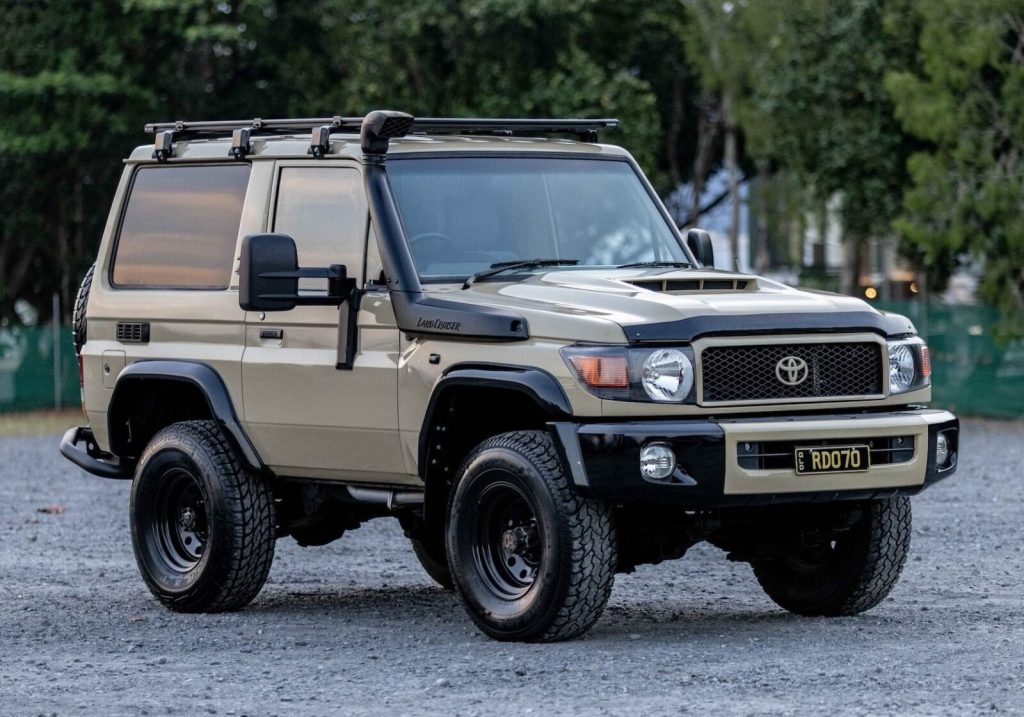
The platform is also known for its stable steering feel. Even after years of heavy use, the Land Cruiser avoids wobble because the hub structure maintains alignment and keeps the wheel firmly centered. Its long history of durability on deserts, mountains and broken roads makes it a benchmark.
Overall, the Land Cruiser remains an ideal example of how strong engineering and premium materials create wheel hubs that last. It continues to prove itself as one of the most dependable off road oriented models ever built.
2. Honda CR V
The Honda CR V is widely recognized for combining everyday practicality with long term mechanical stability. One of its strengths is the robust construction of its wheel hub assemblies.
Honda uses sealed bearings designed to withstand water exposure and debris, which are common reasons hubs fail prematurely. The CR V maintains consistent wheel rotation without unwanted drag or noise.
Owners often praise how smoothly the CR V holds speed on highways. This stability comes from hubs that resist internal wear and avoid developing free play over time. Even models with high mileage continue to track straight during long drives, showing that the hub structure remains tight and reliable.
The CR V deserves a place on this list because of its proven record for durability in real world conditions. Many families rely on it for daily commuting, long trips and light towing.
A vehicle used this frequently needs dependable mechanical components, and the CR V consistently delivers. Its hub assemblies rarely require early replacement, making it cost effective to maintain.
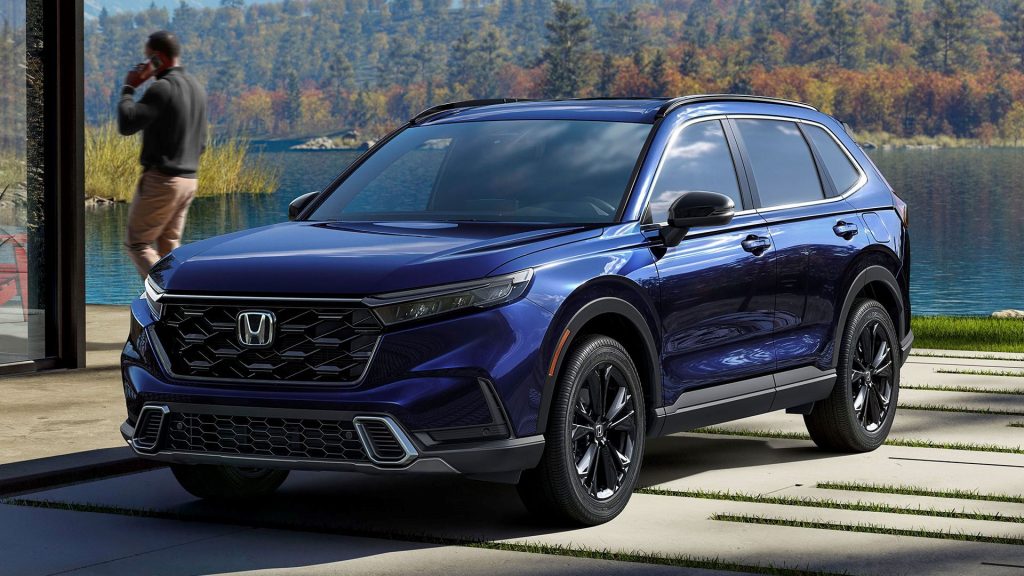
Another advantage is how well the hubs hold up in wet or cold climates. Snow, salt and water can shorten the life of cheaper hubs, but the CR V withstands these factors due to well sealed construction. This contributes to a quieter cabin and smoother steering feel over years of ownership.
The CR V remains one of the most reliable vehicles in its class. Its wheel hubs play a major role in that reputation. Honda’s emphasis on long lasting components ensures that owners enjoy stability and dependability throughout the life of the vehicle.
3. Lexus GX
The Lexus GX combines luxury with rugged engineering, a trait that extends to its wheel hub design. Built on a tough body on frame platform, the GX uses hub assemblies intended to endure heavy loads and uneven surfaces. These hubs handle the constant strain of off road driving while maintaining a smooth, precise rotation without looseness.
Owners appreciate that the GX remains quiet and solid even after years of use. This comes from high quality bearings that resist contamination and retain lubrication. Many drivers report that the hubs perform well into high mileage without producing humming or grinding noises that signal internal wear.
The GX is included here because it stands out as one of the most durable luxury SUVs available. Lexus focuses on long term reliability rather than lightweight construction, and this is reflected in how the hubs maintain alignment. A stable hub structure improves steering accuracy and prevents wobble at highway speeds.
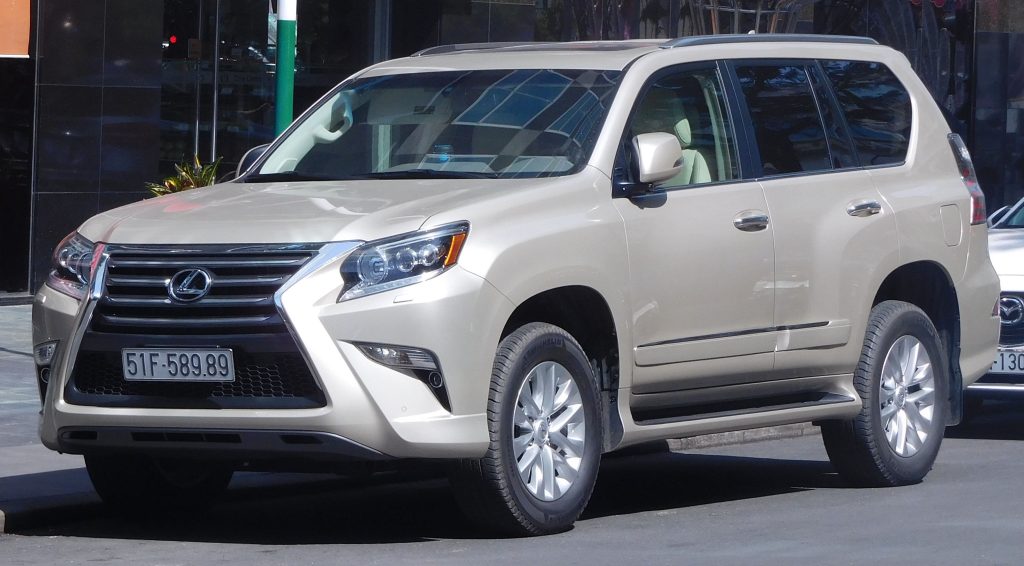
Another benefit is the resistance to thermal expansion, especially in hot climates. Lower quality hubs expand and contract unevenly, causing early bearing damage. The GX avoids this through strong materials that maintain shape even during extreme temperature cycles.
The GX also excels in durability when towing. The added vertical load does not distort the hub housing, which would otherwise create play. This strength makes it one of the most confidence inspiring SUVs for long trips or rough trails.
Overall, the GX earns its place on this list due to its long lasting hub strength, premium engineering and consistent stability in real world conditions.
4. Subaru Forester
The Subaru Forester offers reliable wheel hub performance backed by an all wheel drive system that puts continuous load on its bearings. Subaru builds the hub assemblies to distribute force evenly, preventing uneven wear that can cause early failure. The result is a stable and smooth experience on highways and rough terrain.
Forester owners depend on predictable handling in all seasons. The hubs help maintain this by staying sealed and preventing moisture entry. This is especially valuable in snowy or rainy climates where corrosion often shortens hub life. The Forester maintains quiet operation even as mileage increases.
The reason the Forester appears here is its proven track record in environments with difficult weather. Many drivers report well over 150,000 miles on original hub assemblies. This durability stems from the evenly balanced AWD load that prevents excessive strain on any single hub.
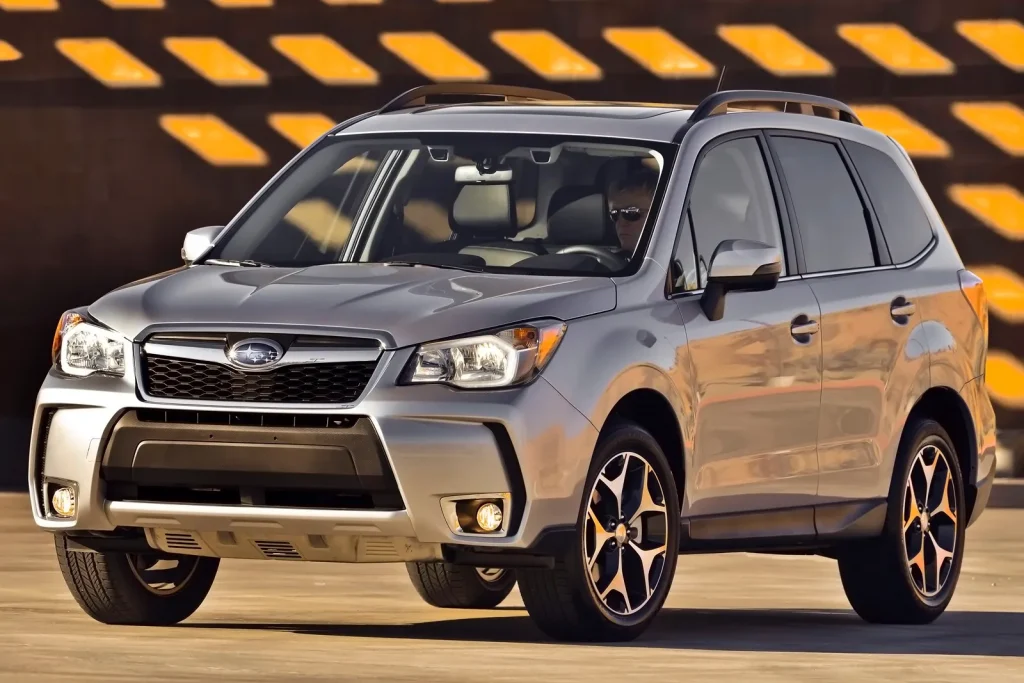
Another highlight is how well the Forester maintains alignment. Weak hubs can cause slight tracking drift or vibration. The Forester avoids this due to precise manufacturing that ensures the bearings fit tightly within the housing. This keeps the wheel centered and stable.
In addition, Subaru uses robust grease seals that withstand pressure and temperature changes. These seals prevent dirt and salt from reaching the bearings. This greatly extends lifespan and reduces maintenance costs over time.
Overall, the Forester provides peace of mind for long term ownership. Its wheel hub strength supports the vehicle’s all weather capability and keeps the ride smooth and dependable throughout its service life.
5. Chevrolet Tahoe
The Chevrolet Tahoe is well known for durability, a trait supported by strong wheel hub assemblies built to manage heavy weight and large wheel sizes. Its hubs are designed to absorb impact from uneven roads while keeping rotational force smooth and controlled. This prevents wobble that can appear in heavy SUVs with weaker components.
Tahoe owners often use the vehicle for towing, road trips and cargo hauling. All these tasks place additional pressure on the hub bearings. The Tahoe’s engineering ensures the hubs stay firm and avoid developing slack under heavy loads. This contributes to long term stability and consistent steering feel.
The Tahoe earns its place here because of how well it handles abuse from real world use. Police fleets and commercial operators frequently choose the Tahoe, and these environments quickly expose weak components. Yet the Tahoe’s hubs remain solid even with high mileage and repeated stress.
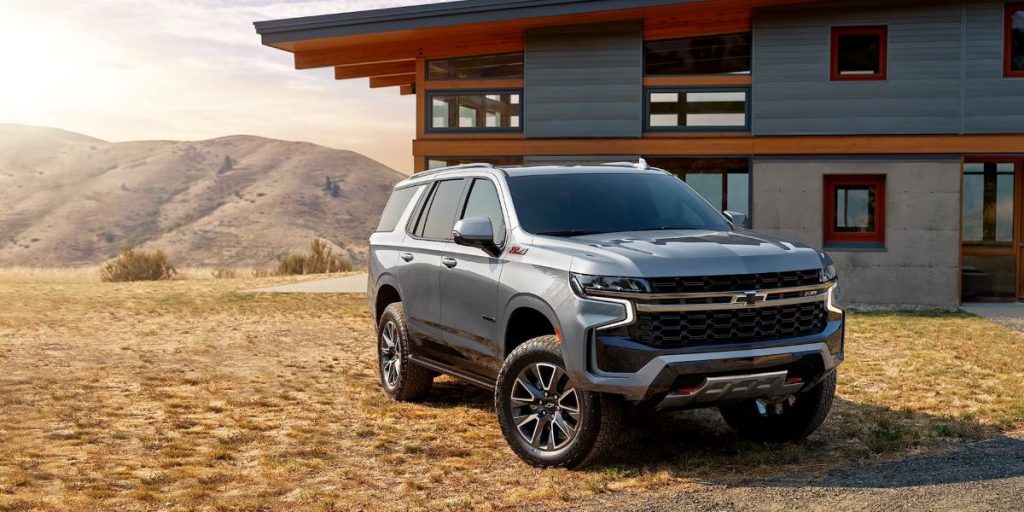
Another reason for its strength is the quality of the bearing seals. These prevent dust, water and salt from entering the hub cavity. This keeps the bearings lubricated and reduces internal wear. The result is a quiet ride without grinding or humming noises common in worn hubs.
The Tahoe also excels in maintaining alignment. A strong hub prevents camber or toe changes caused by bearing play. This keeps the tires wearing evenly and reduces the need for frequent adjustments.
Overall, the Tahoe stands out as a reliable full size SUV with impressive hub durability. It delivers long term value through strong construction and dependable performance in demanding conditions.
5 With Play And Wobble
Wheel hubs are one of the most important structural components in any vehicle, yet they often fail quietly before the driver even realizes something is wrong. When they begin to wear out, the symptoms usually arrive slowly as soft vibrations, light humming or a vague looseness in the steering.
Over time these early signs turn into wobble, play and instability that make the car feel inconsistent on highways and unpredictable on rough patches.
This section focuses on models known for developing these issues more frequently than expected, especially as mileage increases or as the vehicle encounters tougher driving environments.
Some vehicles struggle with hub durability because of design limitations that place too much load on the bearings. Others have insufficient sealing, which allows water or dust to enter and degrade lubrication.
There are also cases where the material of the hub housing expands or contracts too much during temperature cycles, causing the bearings to lose proper alignment. All these factors lead to premature wobble and unwanted play that affect safety and comfort.
The purpose of this list is to highlight five models that commonly experience hub related issues in daily use. These models do not necessarily perform poorly in all areas, but their hubs often show weakness compared to competitors.
Drivers report recurring bearing replacements, unstable steering feel and noticeable wobble under acceleration or braking. These symptoms make ownership more expensive because hub assemblies usually need to be replaced as a complete unit.
Discussing these models helps buyers understand which vehicles may require extra attention. It also shows how small mechanical weaknesses can lead to major driving discomfort.
Each model in this section is chosen because of repeated real world examples where wheel hub play and wobble affected long term reliability. Now we begin detailing these five models.
1. Ford Edge
The Ford Edge is a popular midsize SUV, but one area where it often develops issues is the wheel hub and bearing assembly.
Many owners report that the factory hubs wear faster than expected, especially on models driven in areas with rough roads or seasonal temperature swings. As the hubs age, they begin to create slight rotational slack that eventually turns into noticeable wobble when driving at higher speeds.
One reason the Edge struggles with hub durability is the weight distribution combined with suspension geometry. The front hubs take a higher share of stress during cornering, and this uneven loading accelerates wear.
Once the bearings begin to lose preload, the wheel starts shifting slightly within the hub housing. This creates vibration that travels into the steering wheel, making the Edge feel less controlled.
Another issue comes from moisture exposure. The hub seals on the Edge are known to deteriorate early in some cases. When water enters the bearing cavity, it washes away lubrication and promotes corrosion.
This leads to grinding noises and rapid internal damage. Many owners report needing hub replacements sooner than expected, often at mileage below 80,000.
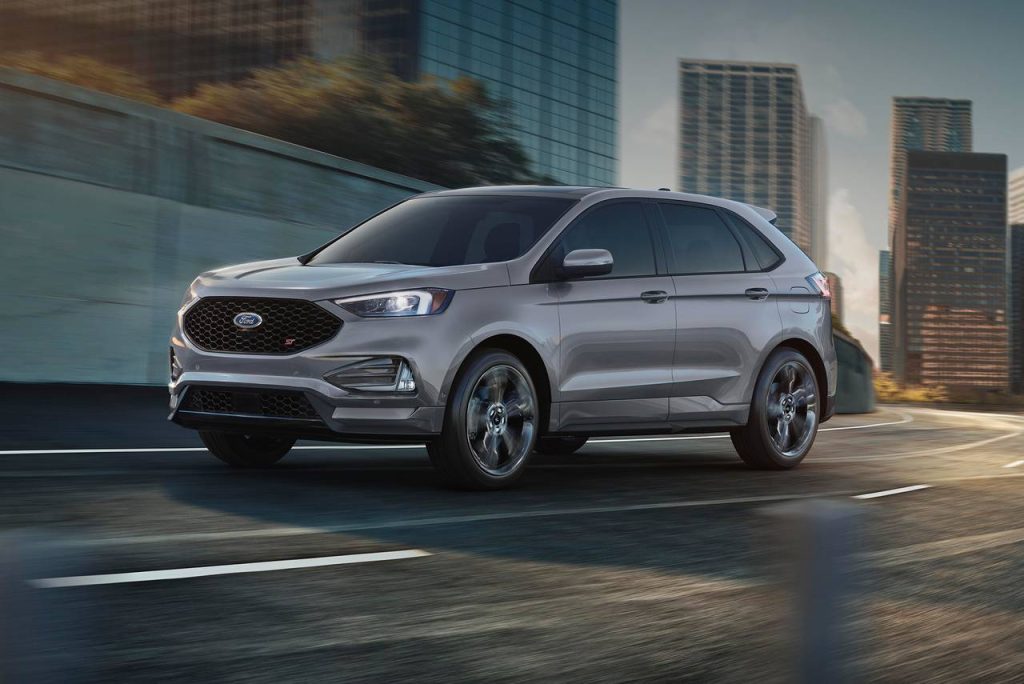
The Edge is included in this list not because it lacks overall quality but because hub wear is a well-documented weak spot.
Drivers often notice a dull hum that gets louder with speed. They also experience uneven tire wear caused by subtle changes in wheel alignment. These symptoms can make the vehicle feel unstable during highway cruising.
Even though hub replacements solve the problem, the frequency of failures places the Edge among vehicles more prone to developing play and wobble. Understanding this helps buyers prepare for potential maintenance and recognize early warning signs before the issue grows more serious.
2. Nissan Altima
The Nissan Altima delivers good fuel economy and comfort, but its wheel hubs are known for developing play earlier than expected. Many drivers report that the bearing assemblies begin producing humming sounds around mid mileage. Over time, this early wear creates uneven rotation that leads to noticeable vibration at various speeds.
One contributing factor is the lightweight hub design used for efficiency gains. While it helps reduce vehicle mass, it also reduces the structural thickness of the hub housing.
This makes the bearing more sensitive to side loading, which gradually causes internal clearance to increase. Once the bearing loses tightness, the wheel starts to wobble slightly during cornering or lane changes.
Another reason the Altima appears in this section is water intrusion. The seals around the hub can weaken after exposure to rain or road salt.
When moisture reaches the bearings, it contaminates the grease and creates friction that accelerates wear. This results in rumbling noises that grow louder when turning left or right, a common sign of failing hubs.
The Altima also experiences alignment sensitivity because of how the hub sits within the steering knuckle. If the hub develops even a small amount of play, the front wheels no longer point perfectly straight. This causes the steering wheel to twitch slightly on uneven pavement. It also leads to feathered tire edges, a common complaint from long term owners.
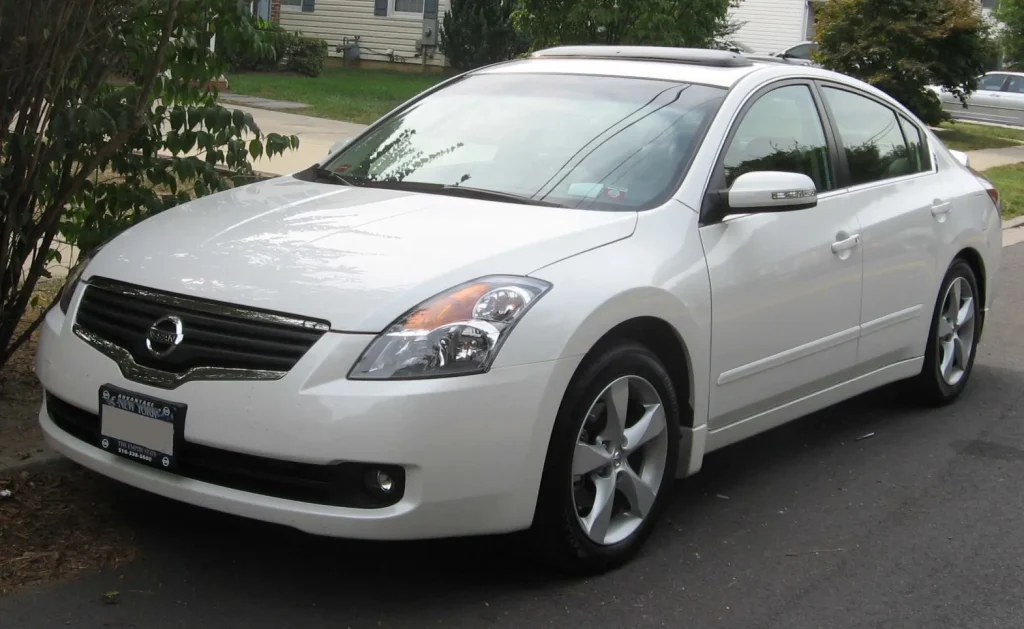
The reason for listing the Altima here is that its hubs frequently require replacement earlier than those of competitors. Even though the repairs are straightforward, the recurring nature of the issue makes it one of the models more prone to wobble. Drivers who rely on the Altima for long commutes often notice these symptoms first, especially during highway travel.
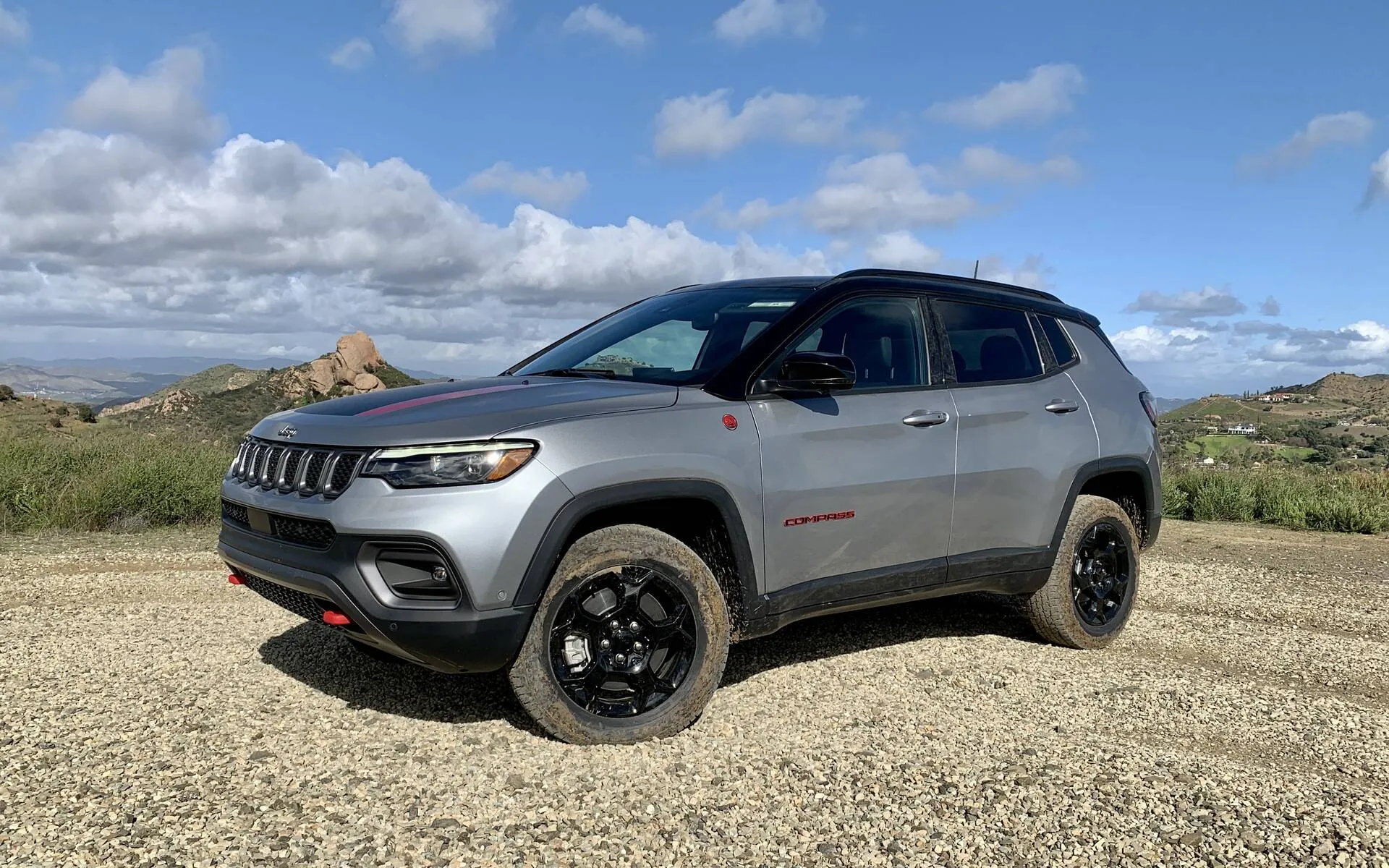
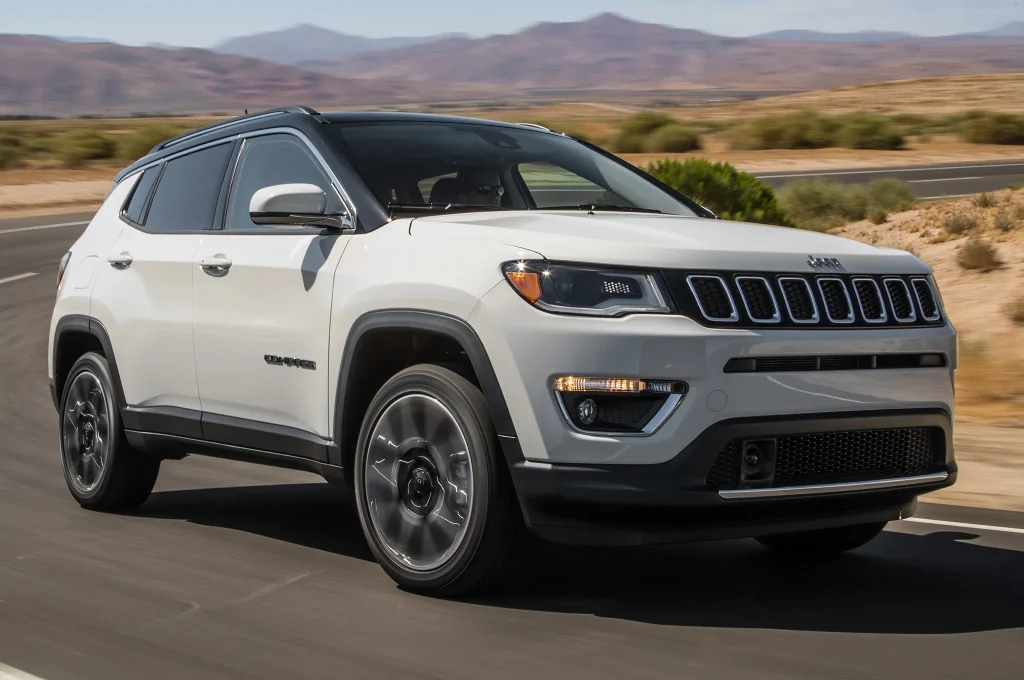
3. Jeep Compass
The Jeep Compass is appreciated for its compact size and available four wheel drive, but it has long struggled with wheel hub reliability.
Many owners note that the hubs develop looseness sooner than expected, particularly when the vehicle is driven over rough surfaces or gravel roads. This leads to wobble that becomes more noticeable as mileage increases.
One key weakness lies in the bearing design. The Compass uses sealed hubs that are sensitive to shock loads. When the suspension compresses over potholes, the bearing experiences sudden impact forces that gradually create indentations on the internal race.
These indentations cause the bearing to rotate unevenly, generating the familiar rhythmic vibration often felt through the cabin.
Another issue is inadequate sealing. The Compass is marketed as a light off road capable model, yet its hub seals sometimes fail to prevent dirt entry. When dust or mud enters the bearing, it mixes with the grease and forms abrasive sludge that wears the bearing quickly. This results in grinding sounds and increasing free play as the damage worsens.
The Compass is included in this list because the wobble affects steering precision. At higher speeds, even a small amount of hub play causes the wheels to wander slightly. This makes the vehicle feel unstable during lane changes. It also places added stress on the tires, leading to premature wear patterns.
Drivers also report that the problem becomes noticeable during braking. If the hub has developed uneven rotation, the brake rotor does not remain perfectly centered. This creates a pulsing sensation in the pedal. In severe cases, it can cause the whole vehicle to shake during slow stops.
Because of these real world complaints, the Compass earns a place among cars more prone to hub-related instability.
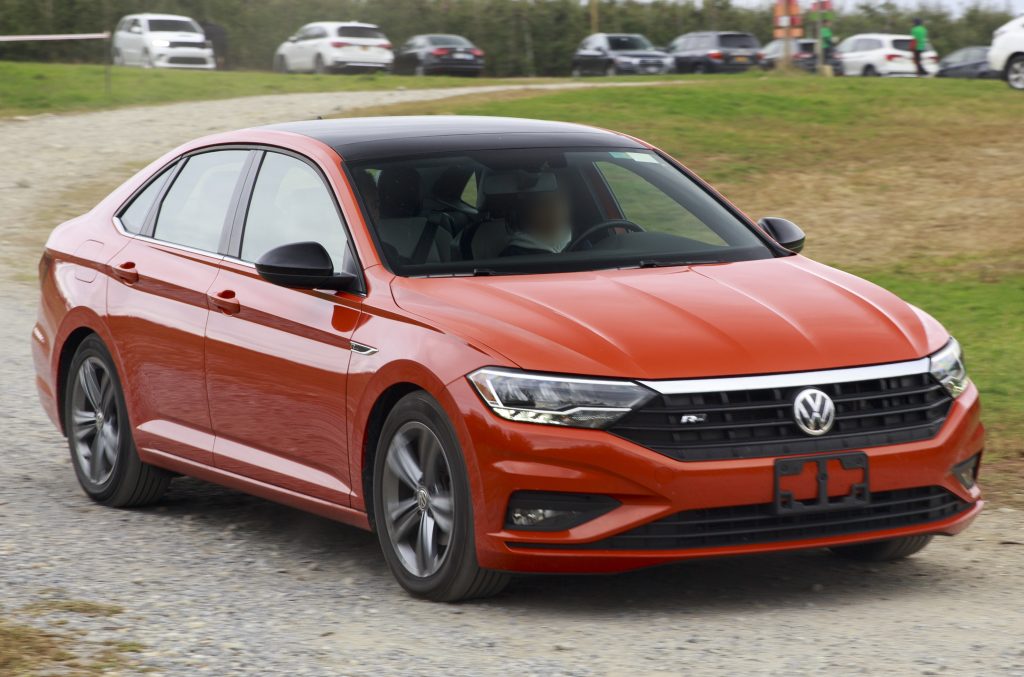
4. Volkswagen Jetta
The Volkswagen Jetta is known for sharp steering and stable handling when new, but its wheel hubs often become a weak point as the car ages. Many owners report that the hubs begin producing rumbling noises, especially from the front. This is usually the first sign that the bearings have started losing their internal tightness.
One reason the Jetta appears on this list is the high sensitivity of its bearing design. German vehicles often use precise engineering tolerances that require perfect lubrication.
When the grease begins to thin out or break down, the bearings wear quickly. This leads to small amounts of play that cause the wheel to wobble subtly at certain speeds.
Another factor is temperature variation. The Jetta’s hub housings expand and contract aggressively during hot summers and cold winters.
Over time, the bearing races shift slightly, which reduces preload. When preload drops, the wheel no longer rotates firmly, and vibration follows. This affects the clean steering feel the Jetta is known for.
Additionally, the Jetta is prone to water intrusion in regions with heavy rain. If moisture enters the hub cavity, the bearing deteriorates rapidly. This results in humming that grows louder during turns, a classic sign of hub failure.
The wobble also affects braking performance. When the hub is worn, the brake rotor tilts microscopically during rotation. This causes light pulsing in the pedal and slight shaking at low speeds. Many owners notice these symptoms before realizing the hub is the source.
The Jetta is listed here because these issues are frequent enough to be widely documented. While driving dynamics remain strong when the hubs are in good condition, their tendency to develop play makes them a maintenance concern over time.
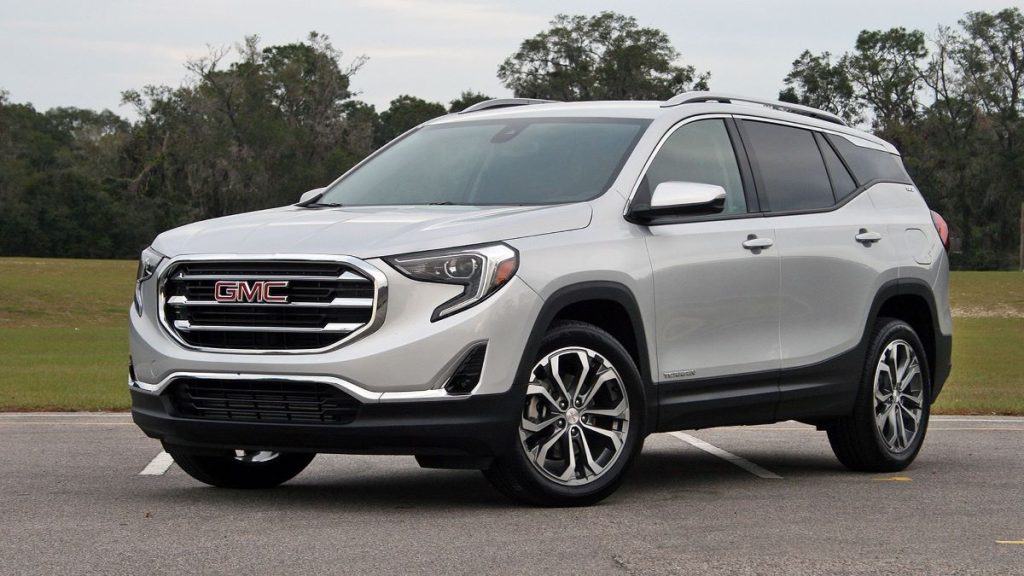
5. GMC Terrain
The GMC Terrain combines comfort with a strong appearance, but its wheel hubs have a reputation for early wear. Many Terrain owners report that the front bearings begin to grow noisy before reaching high mileage. The resulting wobble makes the SUV feel less planted, especially during highway driving.
One cause is the heavy front end design. The Terrain places significant weight on its front hubs, which accelerates wear on the bearings. As the bearing surfaces degrade, they lose smooth rotation and develop internal slack. This slack becomes noticeable as steering vibration, particularly during sweeping turns.
Another issue stems from seal durability. The Terrain’s hub seals can allow water or fine particles to enter the assembly. When contamination mixes with grease, the bearing wears rapidly.
Owners often describe the noise as a low growl that increases with speed. Once the wobble begins, the hub usually needs full replacement.
The Terrain also faces alignment complications due to hub wear. Even a small amount of play causes the wheel to shift slightly under load. This leads to wandering on straight roads and a shaky feeling at higher speeds. It also creates uneven tire wear that becomes expensive over long ownership.
The main reason for placing the Terrain on this list is the frequency of repeated hub replacements reported by long term drivers. Some owners note that the issue returns even after installing aftermarket hubs. This suggests the root cause lies in vehicle design rather than part quality alone.
Because of these consistent complaints, the GMC Terrain ranks among the models more likely to develop wobble and instability from hub wear.
Also Read: 5 Durable CVTs to Trust vs 5 Unreliable CVTs to Avoid
