
When summer temperatures soar, stepping into a scorching hot car can feel like entering an oven. The steering wheel burns your hands, the seats feel like they’re radiating heat, and the air inside is stifling and oppressive.
In these moments, having a vehicle equipped with a high-performance HVAC (Heating, Ventilation, and Air Conditioning) system isn’t just about comfort it’s about safety, well-being, and making your driving experience genuinely enjoyable.
A powerful cooling system can transform your vehicle from a mobile sauna into a comfortable refuge within minutes, allowing you to focus on the road rather than suffering through the heat.
The automotive industry has made remarkable strides in climate control technology over the past decade. Modern vehicles now feature sophisticated HVAC systems that go far beyond simple air conditioning.
Today’s advanced systems incorporate multiple climate zones, high-capacity compressors, strategically positioned vents, enhanced airflow management, and even innovative features like solar-reflective glass and ventilated seats that work in harmony with the air conditioning to create optimal cabin comfort.
Manufacturers have recognized that efficient cooling isn’t just about raw power it’s about intelligent design, proper air distribution, and using cutting-edge technology to achieve rapid temperature reduction while maintaining energy efficiency.
For drivers living in hot climates or anyone who regularly faces intense summer heat, choosing a vehicle with exceptional cooling capabilities should be a top priority.
The difference between an average HVAC system and an excellent one can mean the difference between arriving at your destination refreshed or drenched in sweat and irritated.
Fast-cooling systems are particularly crucial for families with children, elderly passengers, or anyone with health conditions that make them sensitive to heat.
Beyond comfort, effective air conditioning also improves safety by preventing driver fatigue, maintaining alertness, and ensuring windows remain clear and free from fog.
When evaluating a vehicle’s cooling performance, several factors come into play. The size and efficiency of the compressor, the BTU (British Thermal Unit) rating of the system, the number and placement of air vents, the insulation quality of the cabin, and additional features like remote start capabilities all contribute to how quickly a car can cool down.
Some manufacturers have invested heavily in developing proprietary cooling technologies that set their vehicles apart from competitors, while others focus on optimizing traditional systems to achieve maximum efficiency.
In this comprehensive guide, we’ll explore nine exceptional vehicles that stand out for their ability to cool down rapidly during summer heat.
These cars represent various segments from luxury sedans to practical SUVs ensuring there’s an option for different needs, preferences, and budgets.
Each vehicle has been selected based on its HVAC performance, innovative cooling features, and real-world effectiveness in combating summer heat.
Whether you’re in the market for a new vehicle or simply curious about automotive cooling technology, this list will help you understand what makes these cars the coolest choices for hot weather driving.
1. Mercedes-Benz S-Class
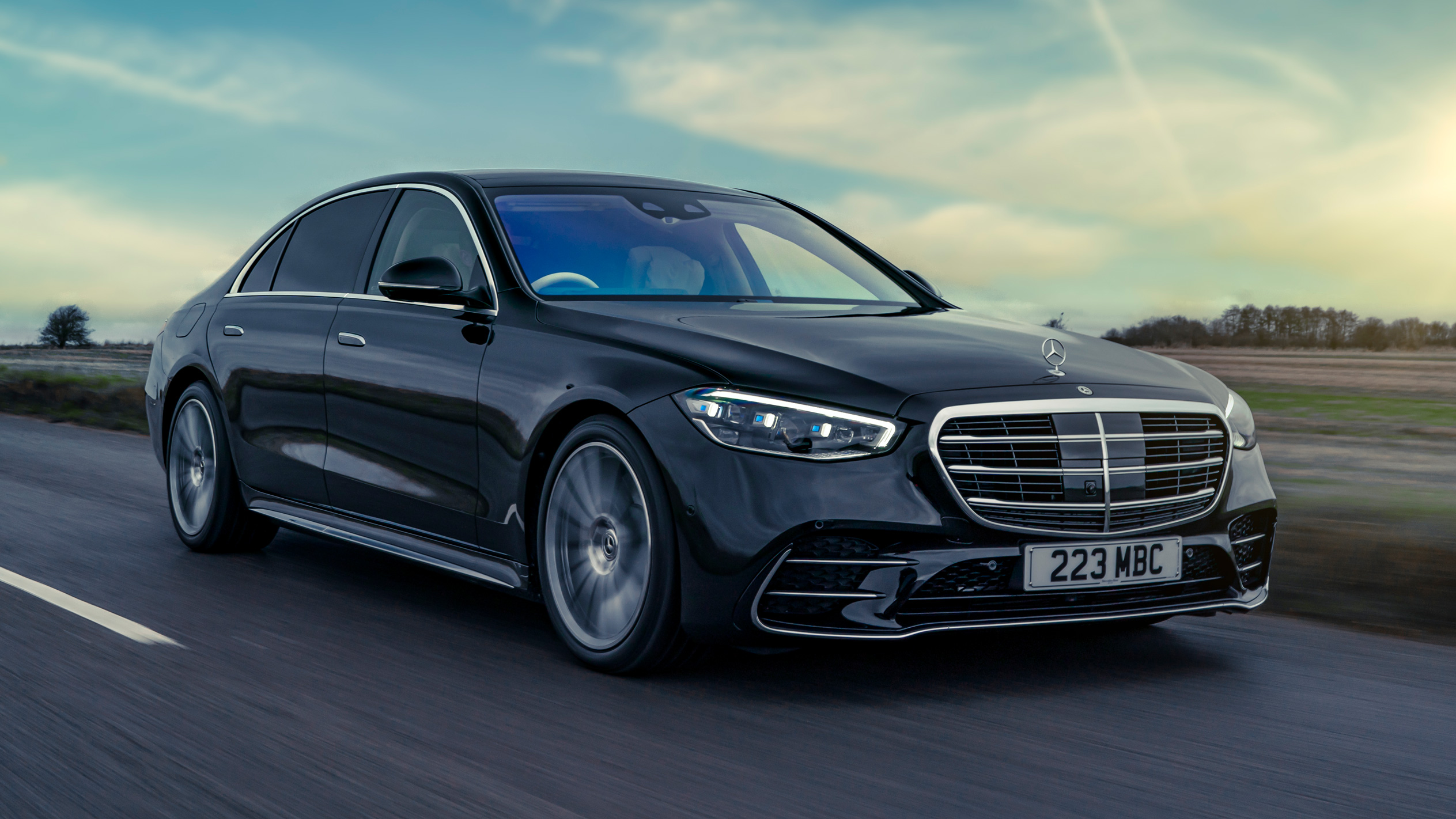
The Mercedes-Benz S-Class has long been regarded as the pinnacle of automotive luxury, and its HVAC system is no exception to this reputation for excellence.
This flagship sedan features one of the most advanced climate control systems available in any production vehicle, designed to provide rapid cooling even in the most extreme summer conditions.
Mercedes-Benz engineers have spent countless hours perfecting every aspect of the S-Class’s thermal management, resulting in a system that can reduce cabin temperature from scorching to comfortable in remarkably short time.
At the heart of the S-Class’s cooling prowess is its powerful multi-zone automatic climate control system, available with up to four separate zones depending on the configuration.
This allows the driver, front passenger, and rear passengers to each set their preferred temperature, ensuring everyone enjoys personalized comfort.
The system utilizes high-capacity compressors that deliver exceptional cooling power while maintaining relatively quiet operation a crucial consideration in a luxury vehicle where cabin refinement is paramount.
The refrigerant system is optimized for maximum efficiency, using environmentally friendly refrigerants that don’t compromise on cooling performance.
Mercedes-Benz has also paid careful attention to the S-Class’s thermal insulation and glass technology. The vehicle features acoustic and thermal-insulated glass that significantly reduces heat transfer from outside, helping the HVAC system work more efficiently.
Optional solar-reflective glass further reduces heat gain, keeping the cabin cooler even when parked in direct sunlight. The combination of superior insulation and powerful cooling makes the S-Class exceptionally efficient at maintaining comfortable temperatures regardless of external conditions.
2. Tesla Model S
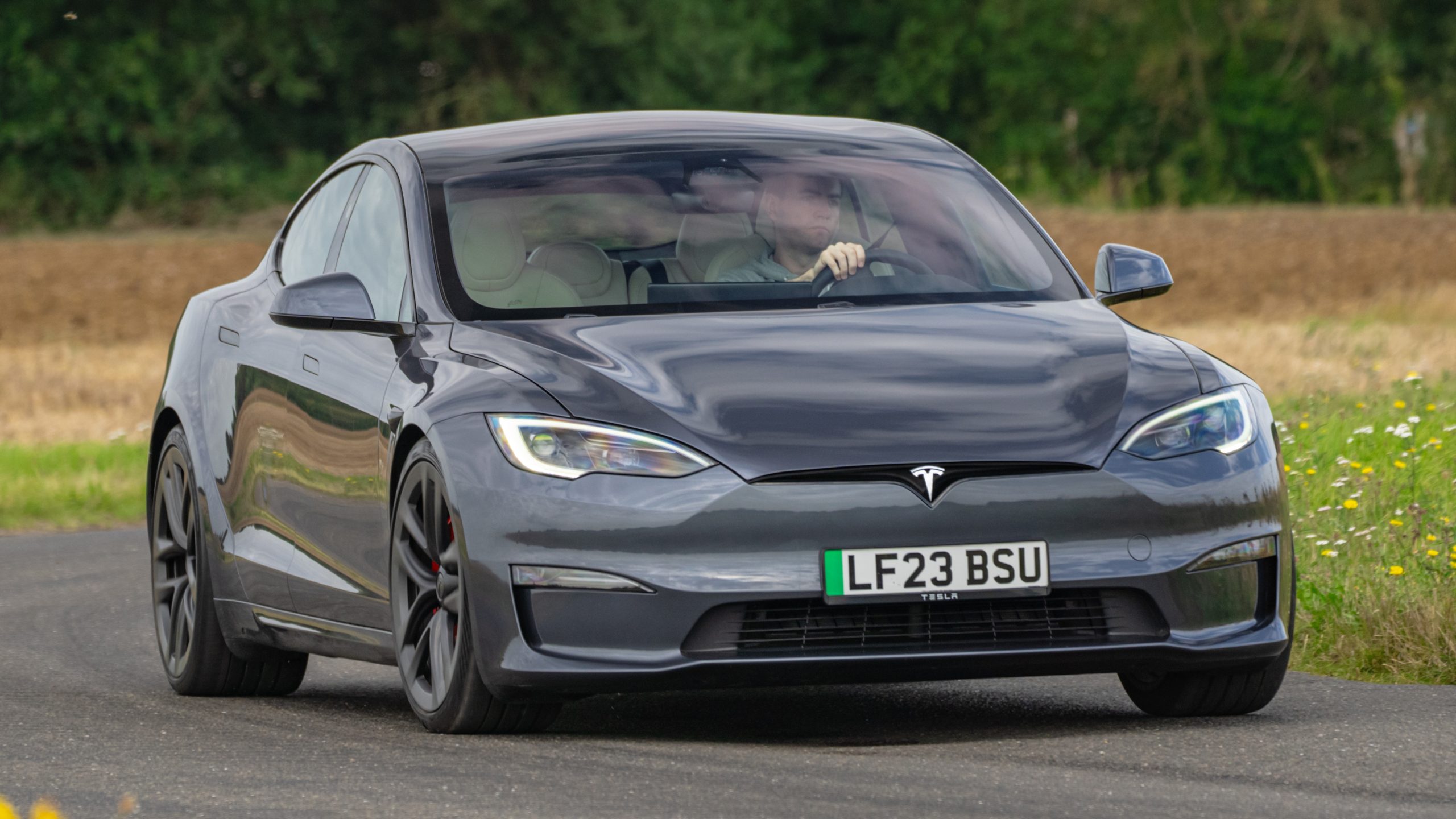
The Tesla Model S revolutionizes automotive climate control by leveraging electric vehicle technology to create one of the most powerful and responsive HVAC systems on the market.
Unlike traditional combustion-engine vehicles that rely on engine-driven compressors, the Model S uses an electric compressor that can operate at full capacity immediately, without waiting for an engine to reach operating temperature.
This fundamental difference allows the Tesla to begin cooling the cabin within seconds of activation, providing nearly instantaneous relief from summer heat.
Tesla’s climate control system is controlled through the vehicle’s massive central touchscreen, offering unprecedented control over every aspect of cabin temperature management.
The interface allows drivers to adjust not just temperature but also fan speed, airflow direction, and distribution with precision that traditional physical controls can’t match.
The system includes a “split” mode that allows driver and passenger to maintain different temperatures, as well as sophisticated airflow visualization that shows exactly where conditioned air is being directed throughout the cabin.
The Model S’s heat pump system (available on newer models) further enhances efficiency and performance. This advanced technology can both heat and cool more efficiently than traditional systems, extending the vehicle’s range while maintaining powerful climate control.
The bio-weapon defense mode, featuring a medical-grade HEPA filter, ensures that the air entering the cabin is exceptionally clean while maintaining strong cooling performance.
This massive filter can remove 99.97% of particulate matter and gaseous pollutants, making the Model S ideal for driving in areas with poor air quality or during wildfire season.
3. BMW 7 Series
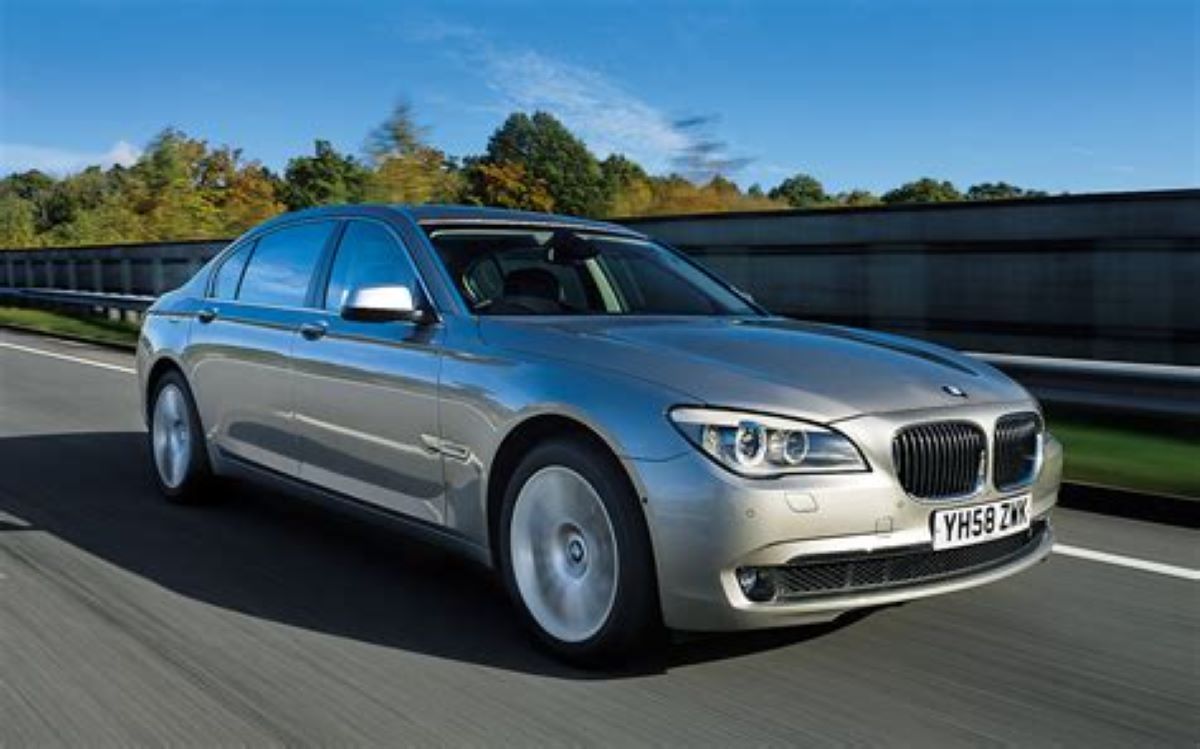
The BMW 7 Series represents the German automaker’s flagship luxury sedan, and it comes equipped with one of the most sophisticated and powerful HVAC systems in the automotive world.
BMW has engineered the 7 Series with a focus on rapid cooling performance, understanding that luxury means never having to wait for comfort.
The vehicle’s climate control system combines high-capacity cooling with intelligent controls and innovative features that work together to create an exceptionally comfortable cabin environment, even during the most intense summer heat.
The 7 Series features BMW’s advanced four-zone automatic climate control as standard on most trims, with each zone independently controlled and monitored. This system uses multiple temperature sensors throughout the cabin to maintain precise temperature control for all occupants.
The powerful compressor and efficient refrigerant system can drop cabin temperature remarkably quickly owners consistently report achieving comfortable conditions within three to five minutes of starting the vehicle, even after it’s been parked in direct sunlight for hours.
The system’s cooling capacity is optimized for the large cabin volume, ensuring consistent performance throughout the spacious interior.
BMW has also paid meticulous attention to the thermal properties of the 7 Series cabin. The vehicle features multiple layers of insulation in the roof, doors, and floor that minimize heat transfer from outside.
The optional Comfort Seats feature additional padding and materials specifically chosen for their breathability and thermal properties, preventing the heat buildup that can occur with traditional leather seats.
The panoramic sunroof, a popular option on the 7 Series, includes power sunshades with multiple layers that reflect solar radiation while maintaining visibility, significantly reducing the solar heat gain that can overwhelm air conditioning systems in vehicles with large glass roofs.
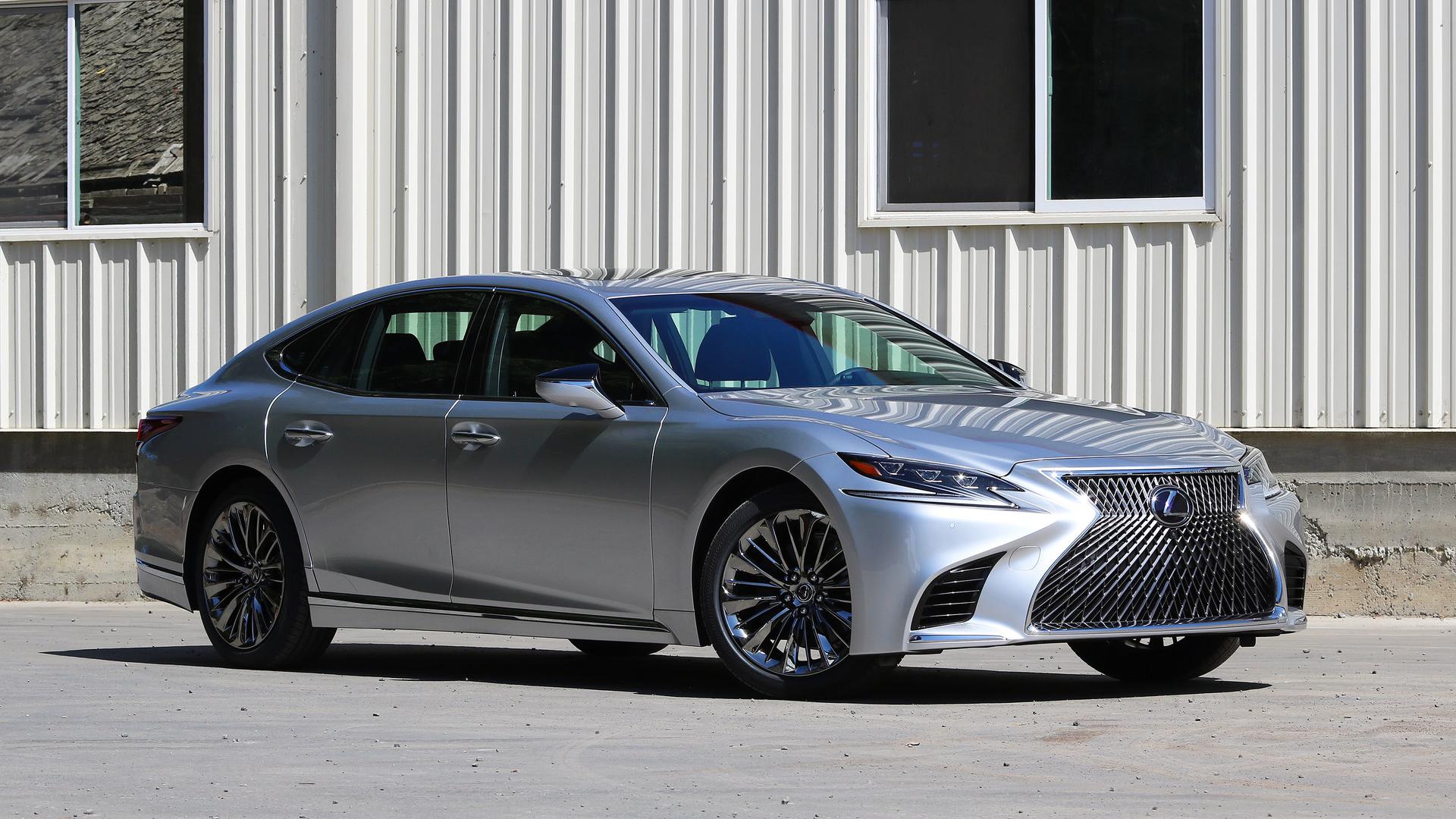
4. Lexus LS 500
The Lexus LS 500 represents the pinnacle of Japanese automotive luxury and craftsmanship, with an HVAC system that exemplifies Lexus’s commitment to creating a serene, comfortable driving environment.
Known for their attention to detail and reliability, Lexus has engineered the LS 500’s climate control system to provide exceptionally fast cooling while maintaining the whisper-quiet cabin environment that Lexus vehicles are famous for.
The result is a cooling system that’s both powerful and refined, capable of transforming a heat-soaked cabin into a comfortable oasis within minutes.
The LS 500 features a sophisticated four-zone automatic climate control system that uses precise temperature sensors and intelligent algorithms to maintain optimal comfort for all occupants. The system’s compressor is notably powerful, providing ample cooling capacity even for the spacious cabin.
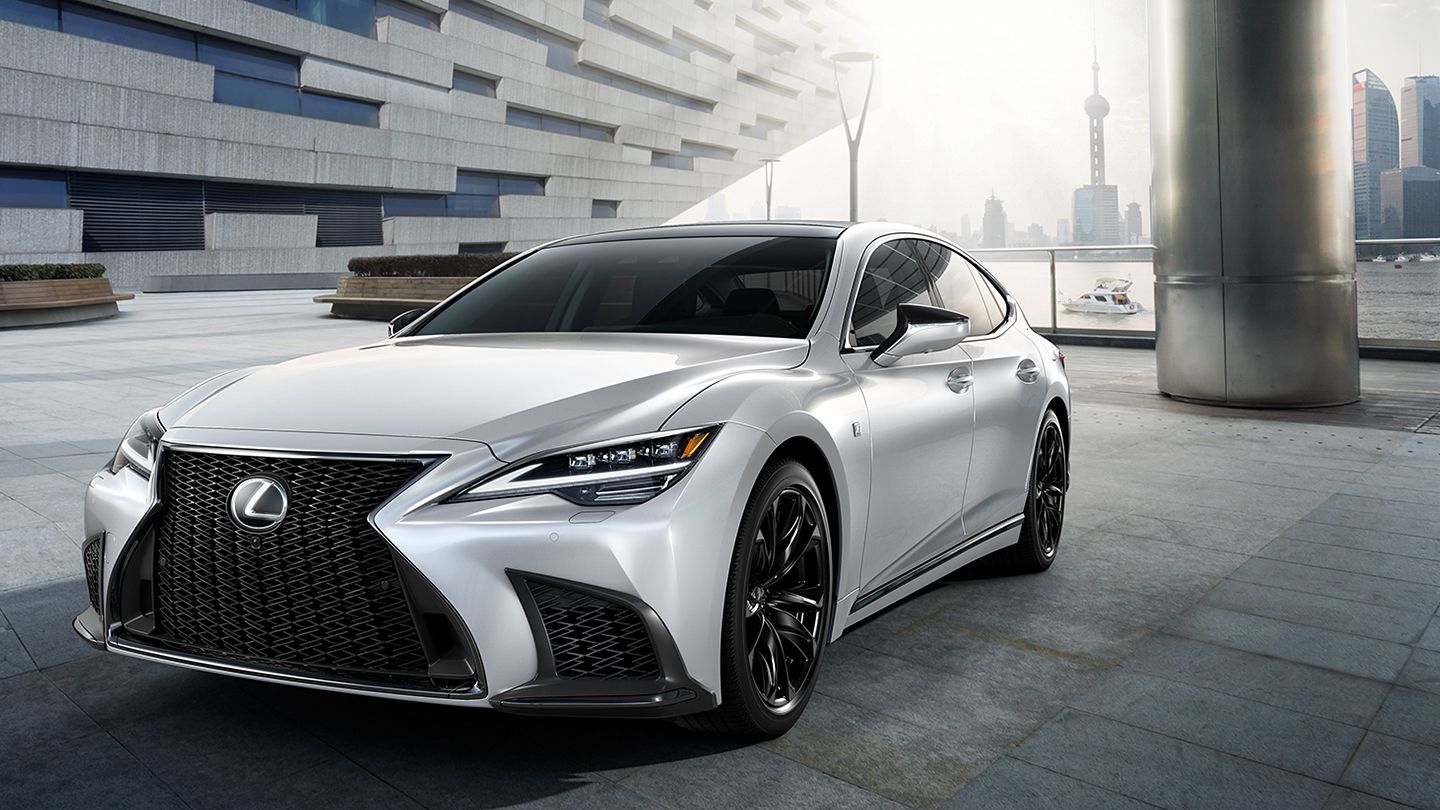
What sets the Lexus system apart is its exceptional refinement the HVAC operates almost silently even at maximum cooling capacity, a remarkable achievement that requires precise engineering of every component from the compressor to the air delivery vents.
This quiet operation means you can run the system at full power without the intrusive noise that can make some powerful HVAC systems fatiguing on long drives.
The LS 500 incorporates premium materials and construction techniques that contribute to its cooling efficiency. The doors, roof, and floor feature extensive sound-deadening materials that also provide thermal insulation, reducing heat transfer from outside.
The available Executive Package includes special rear privacy glass with enhanced solar rejection properties, keeping the rear cabin significantly cooler without compromising visibility for passengers.
The optional Mark Levinson audio system is carefully integrated with the HVAC design, with speaker placement and vent positioning optimized to ensure neither system compromises the other’s performance you can enjoy powerful cooling and pristine audio simultaneously.
Also Read: 8 Most Expensive Sedans Ever Made – All Time Priciest
5. Audi A8
The Audi A8 represents the pinnacle of German engineering sophistication, featuring an HVAC system that combines cutting-edge technology with exceptional cooling performance.
As Audi’s flagship sedan, the A8 is equipped with climate control technology that reflects the brand’s commitment to “Vorsprung durch Technik” (advancement through technology).
The system is designed to provide rapid, efficient cooling while integrating seamlessly with the vehicle’s other luxury features to create a comprehensively comfortable environment regardless of external conditions.
The A8’s four-zone automatic climate control system is standard across the lineup, providing independent temperature control for driver, front passenger, and both rear occupants.
The system utilizes high-capacity components and intelligent control algorithms that can reduce cabin temperature remarkably quickly.
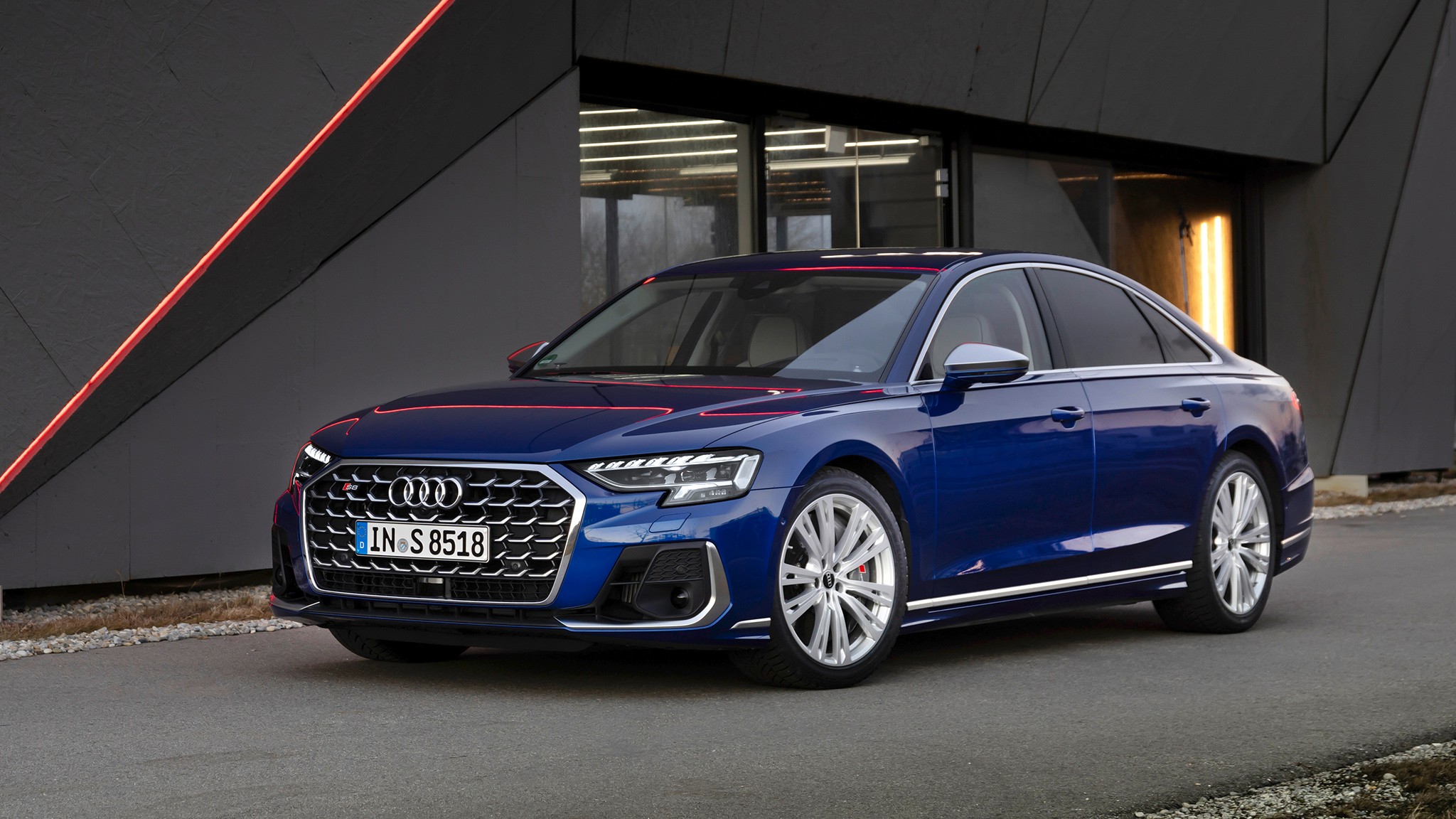
Audi engineers have optimized the refrigerant flow and compressor operation to achieve maximum cooling efficiency, with the system capable of reducing interior temperature by 20-25 degrees Fahrenheit within the first five minutes of operation.
The climate control interface is intuitive and responsive, accessed through the dual touchscreen MMI system that provides clear, easy-to-read temperature displays and allows precise adjustments.
Audi has engineered the A8 with exceptional thermal management throughout the vehicle. The panoramic sunroof, a popular option, includes sophisticated shading technology with multiple layers that reflect solar radiation while maintaining an open, airy feel. The glass itself has special coatings that reject infrared radiation, significantly reducing heat gain through the roof.
The A8’s LED lighting system generates minimal heat compared to traditional lighting, further reducing the thermal load the HVAC system must manage.
Even details like the dark-colored interior trim options are chosen for materials that don’t absorb and retain heat like some traditional materials, helping the cabin cool faster and stay cooler with less energy expenditure.
6. Range Rover
The Range Rover stands as the ultimate luxury SUV, and its HVAC system is engineered to meet the unique challenges of cooling a large, often sun-exposed cabin with expansive glass surfaces.
Land Rover has equipped the Range Rover with one of the most powerful climate control systems in the SUV segment, recognizing that the vehicle’s size and typical usage patterns demand exceptional cooling capacity.
The result is a system that can rapidly cool the spacious interior while providing the refined, quiet operation expected in a premium luxury vehicle.
The Range Rover features a sophisticated four-zone climate control system as standard on most trim levels, with each zone independently controlled and precisely maintained.
The system’s compressor and refrigerant capacity are specifically sized for the vehicle’s large interior volume, ensuring powerful cooling performance throughout the cabin.
Despite the substantial cooling power, the system operates with remarkable refinement, maintaining the hushed cabin environment that Range Rover is known for.
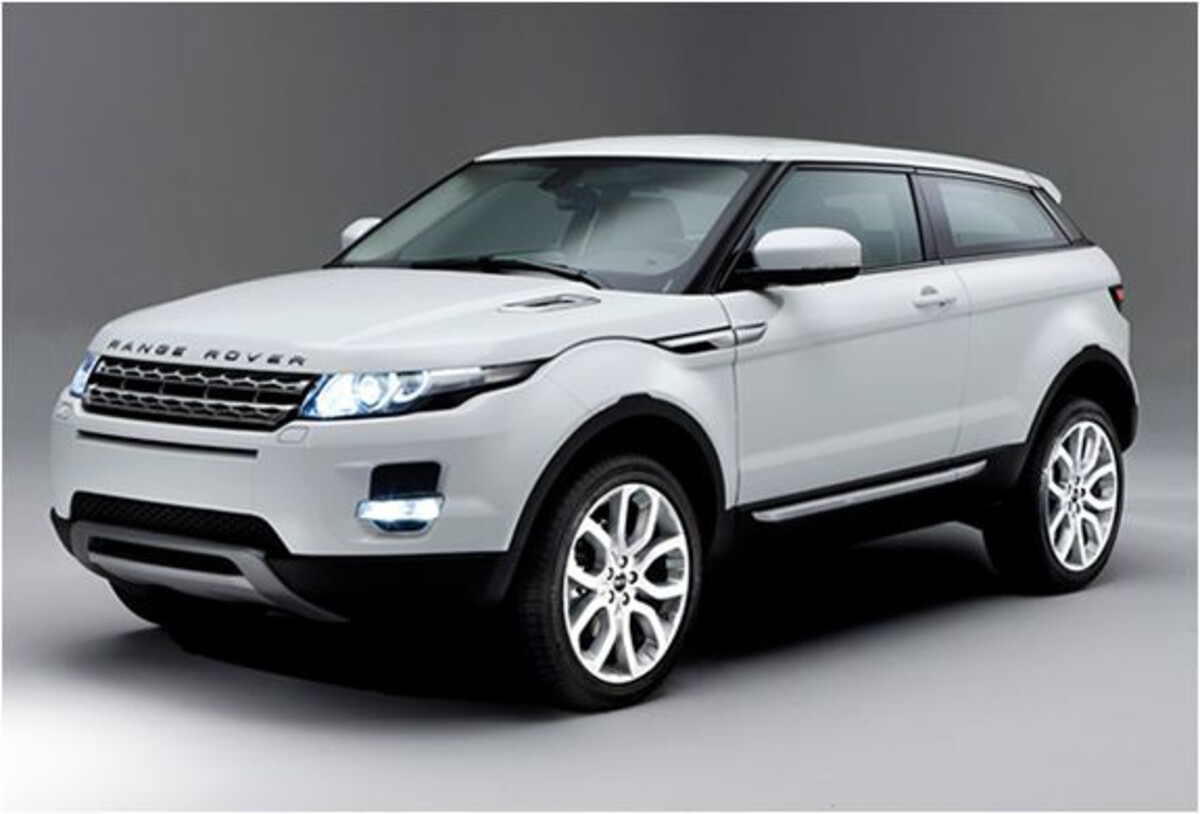
The climate control responds quickly to temperature adjustments, with noticeable temperature changes occurring within seconds of making adjustments a testament to the system’s responsive design and powerful components.
The Range Rover’s design includes thoughtful engineering details that enhance cooling efficiency. The vehicle features extensive use of heat-reflective glass, including specially treated laminated glass in the windshield and front side windows that rejects significant infrared radiation while maintaining optical clarity.
The optional panoramic sunroof includes power sunblinds with multiple layers that block solar heat gain while allowing natural light.
The cabin insulation is extensive, with multiple layers in the doors, roof, and floor that minimize heat transfer from outside. Even the choice of interior materials reflects attention to thermal management, the leather options are specially treated for breathability, and the available Alcantara headliner doesn’t absorb and radiate heat like some traditional headliner materials.
7. Cadillac Escalade
The Cadillac Escalade is America’s flagship luxury SUV, and its HVAC system reflects the vehicle’s commanding presence and premium positioning.
As one of the largest SUVs on the market, the Escalade presents significant cooling challenges its massive cabin volume, expansive glass surfaces, and often dark exterior colors that absorb heat, requiring an exceptionally powerful climate control system.
Cadillac has risen to this challenge by engineering one of the most capable HVAC systems in the automotive industry, specifically designed to cool the Escalade’s spacious three-row interior quickly and effectively.
The Escalade features an advanced tri-zone automatic climate control system as standard, with available fourth-zone control for the third row on premium trims.
This sophisticated system allows the driver, front passenger, second-row, and third-row passengers to each maintain their preferred temperature settings.
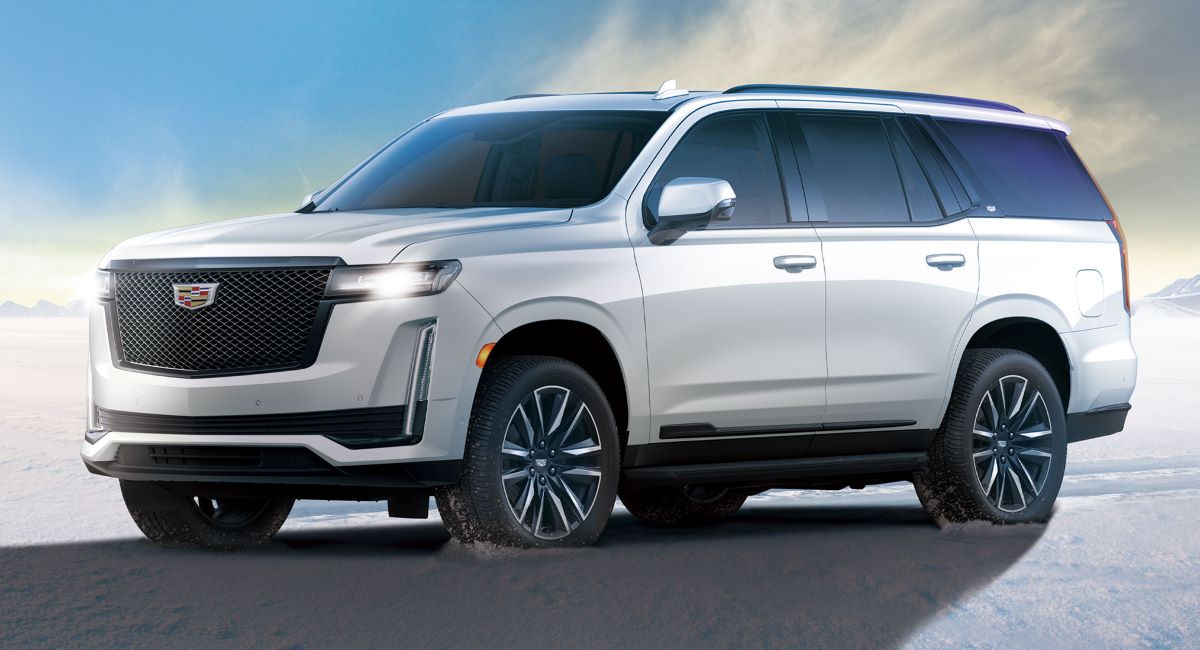
The system utilizes an oversized compressor and high-capacity refrigerant system specifically engineered for the vehicle’s size. Despite the enormous cabin volume among the largest in the luxury SUV segment, the Escalade’s HVAC can achieve comfortable temperatures remarkably quickly.
Owners consistently report noticeable cooling within two to three minutes of starting the vehicle, with full cabin comfort achieved within five to seven minutes, even on the hottest days.
Cadillac has incorporated thoughtful engineering throughout the Escalade to enhance cooling efficiency and comfort. The available power sunshade for the panoramic sunroof provides multiple layers of protection against solar heat gain, while special heat-reflective glass throughout the vehicle rejects infrared radiation.
The Escalade’s AKG Studio Reference audio system is designed to work harmoniously with the HVAC, with speaker placement optimized to avoid interference with air vents.
The cabin air filtration system is robust, featuring a high-capacity filter that removes particulates, pollen, and allergens while maintaining strong airflow.
The Escalade even offers an available air ionization system that enhances air quality while cooling, creating a fresh, comfortable cabin environment that’s particularly welcome during long family road trips or when transporting multiple passengers.
8. Porsche Panamera
The Porsche Panamera represents a unique blend of sports car performance and luxury sedan comfort, and its HVAC system exemplifies this dual nature.
Porsche has engineered a climate control system that can deliver rapid cooling performance while maintaining the refined, driver-focused experience that defines the brand.
Despite its sporting pedigree, the Panamera doesn’t compromise on comfort, featuring one of the most effective cooling systems in the performance luxury sedan segment, capable of keeping occupants comfortable even during spirited driving on hot days.
The Panamera features Porsche’s four-zone automatic climate control system with separate temperature settings for driver, front passenger, and both rear occupants.
What distinguishes the Porsche system is its exceptional responsiveness and cooling power despite the sleek, aerodynamic body design that limits air intake compared to more traditional sedan shapes.
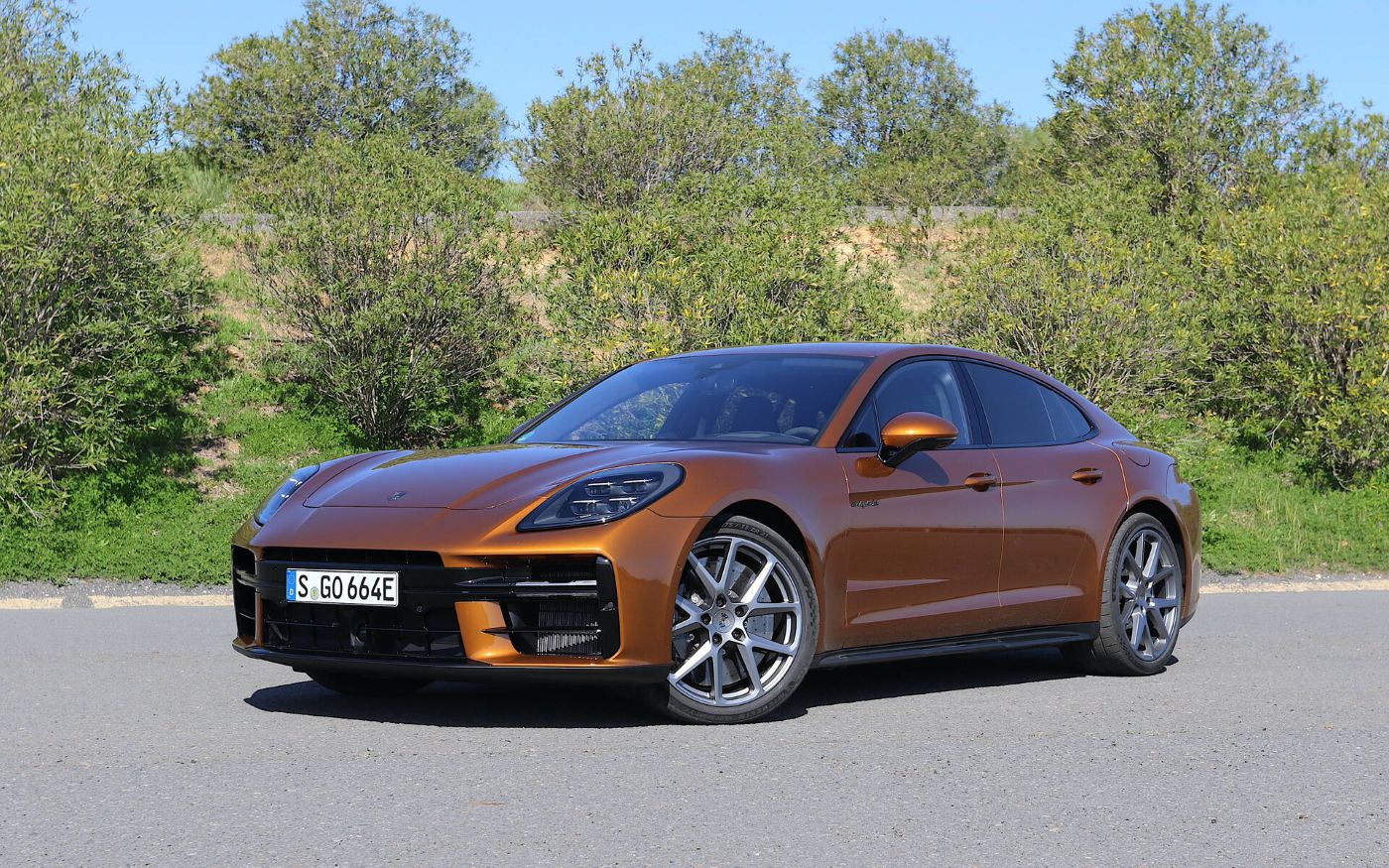
Porsche engineers have optimized every aspect of the refrigerant system, from compressor efficiency to evaporator design, ensuring maximum cooling capacity without adding unnecessary weight a critical consideration in a performance-oriented vehicle.
The system can reduce cabin temperature rapidly, with many owners reporting comfortable conditions achieved within three to four minutes of starting the vehicle.
Porsche has paid meticulous attention to thermal management throughout the Panamera’s design. The vehicle features heat-rejecting glass throughout, with special coatings that block infrared radiation while maintaining optical clarity.
The available panoramic sunroof includes a sophisticated power sunblind with multiple layers that reflect solar heat while preserving the open feeling.
The Panamera’s streamlined design and tight body gaps minimize the intrusion of hot air while driving, allowing the climate control system to work more efficiently.
Even the choice of interior materials reflects thermal considerations the available leather options are specially treated for breathability, and dark interior surfaces use materials that don’t absorb and radiate heat excessively, helping the cabin cool faster and stay cooler with less energy expenditure from the HVAC system.
9. Volvo XC90
The Volvo XC90 rounds out our list as a practical, family-focused luxury SUV with an exceptionally effective HVAC system designed for real-world use in diverse conditions.
Volvo’s Scandinavian engineering philosophy emphasizes creating comfortable, healthy cabin environments, and the XC90’s climate control system reflects this priority.
The system combines powerful cooling capacity with advanced air quality management and thoughtful design features that make it particularly effective for families, including those with young children who are more sensitive to heat and air quality issues.
The XC90 features Volvo’s four-zone automatic climate control system with CleanZone technology, which represents one of the most comprehensive approaches to cabin comfort and air quality in the automotive industry.
The system provides independent temperature control for the driver, front passenger, and both sides of the second row, ensuring all occupants can maintain their preferred comfort level.
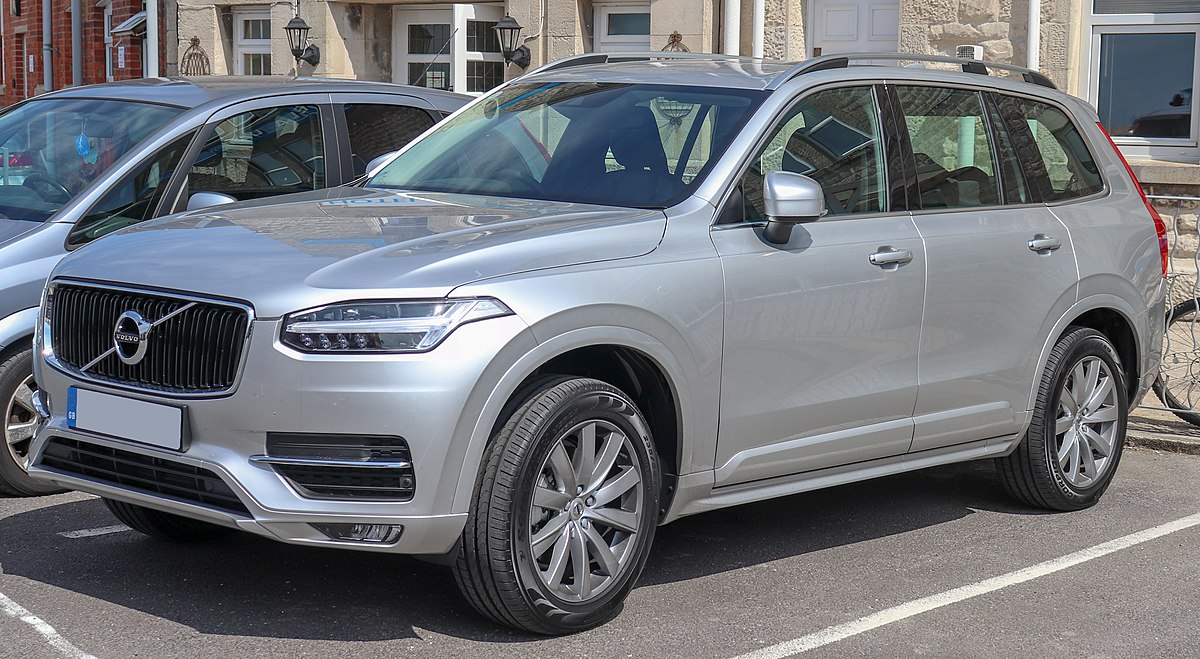
The cooling capacity is substantial, engineered specifically for the XC90’s three-row cabin volume and tall greenhouse design with extensive glass surfaces.
The system responds quickly to temperature adjustments and can achieve comfortable cabin conditions within a few minutes of starting the vehicle, even after prolonged sun exposure.
The XC90’s design includes numerous features that enhance cooling efficiency and passenger comfort. The panoramic sunroof includes a dual-layer power sunshade that effectively blocks solar heat while maintaining natural light and the open, airy feel that makes the XC90’s cabin so appealing.
The side windows feature UV-reducing glass that protects occupants from harmful sun exposure while also reducing heat gain.
Volvo has used extensive insulation throughout the cabin, with sound-deadening materials that also provide thermal protection, helping maintain comfortable temperatures with less energy expenditure from the HVAC system.
The XC90’s light interior color options, including the popular blonde leather and light wood trim, are specifically chosen for materials that don’t absorb and retain heat, helping the cabin cool faster and stay cooler a thoughtful detail that exemplifies Volvo’s holistic approach to creating comfortable, healthy driving environments for families.
Also Read: 12 Best Alternatives to Ford Vehicles That Work Well
