
In an era where automotive technology increasingly prioritizes autonomous driving features, electronic driver aids, and computational steering assistance, something fundamental has been lost along the way: the pure, unfiltered connection between driver and road.
For driving enthusiasts, few things matter more than steering feel that intangible quality that transforms a mundane commute into an engaging experience and makes every corner an opportunity for connection rather than merely a geometric challenge to overcome.
Steering feel encompasses far more than simply turning the wheel and watching the car respond. It’s about feedback, weight, precision, and communication.
The best steering systems telegraph exactly what’s happening at the contact patches where rubber meets asphalt, allowing skilled drivers to sense the road surface texture, feel the available grip, and understand the subtle dynamics unfolding beneath them.
This feedback loop creates confidence, enabling drivers to place their vehicle with millimeter precision and react intuitively to changing conditions without conscious thought.
Unfortunately, the automotive industry’s march toward electric power steering (EPS) systems has come at a cost. While EPS offers undeniable benefits improved fuel efficiency, easier integration with driver assistance systems, and reduced maintenance many implementations have sacrificed the natural, organic feedback that hydraulic systems once provided.
Engineers have struggled to replicate the nuanced communication that came naturally with mechanical and hydraulic linkages, often resulting in steering that feels artificial, overly light, or completely numb to road conditions.
These aren’t simply “good for the price” propositions these are genuinely excellent steering systems that would be impressive at any price point.
They represent the best combinations of precision, feedback, weight, and natural response available in the new car market for under $30,000, proving that driving pleasure doesn’t require six-figure expenditures.
For enthusiasts who believe that the journey matters as much as the destination, and that how a car drives is just as important as where it goes, these nine vehicles represent the best opportunities currently available to experience steering as it was meant to be: immediate, communicative, and utterly engaging.
1. Mazda MX-5 Miata
The Mazda MX-5 Miata isn’t just a car with great steering, it’s a rolling testament to the philosophy that driving pleasure comes from communication, not complication.
For over three decades, Mazda has refined this lightweight roadster with singular focus: delivering the purest possible driving experience.
The steering system epitomizes this approach, offering feedback so natural and intuitive that it feels less like operating a machine and more like extending your own proprioception through the front wheels.
Mazda engineers achieved this remarkable feel through meticulous attention to detail and unwavering commitment to weight reduction.
The MX-5 employs an electric power steering system, but unlike many EPS implementations that feel artificial or overly assisted, Mazda’s setup preserves the natural weight and feedback characteristics of hydraulic systems.
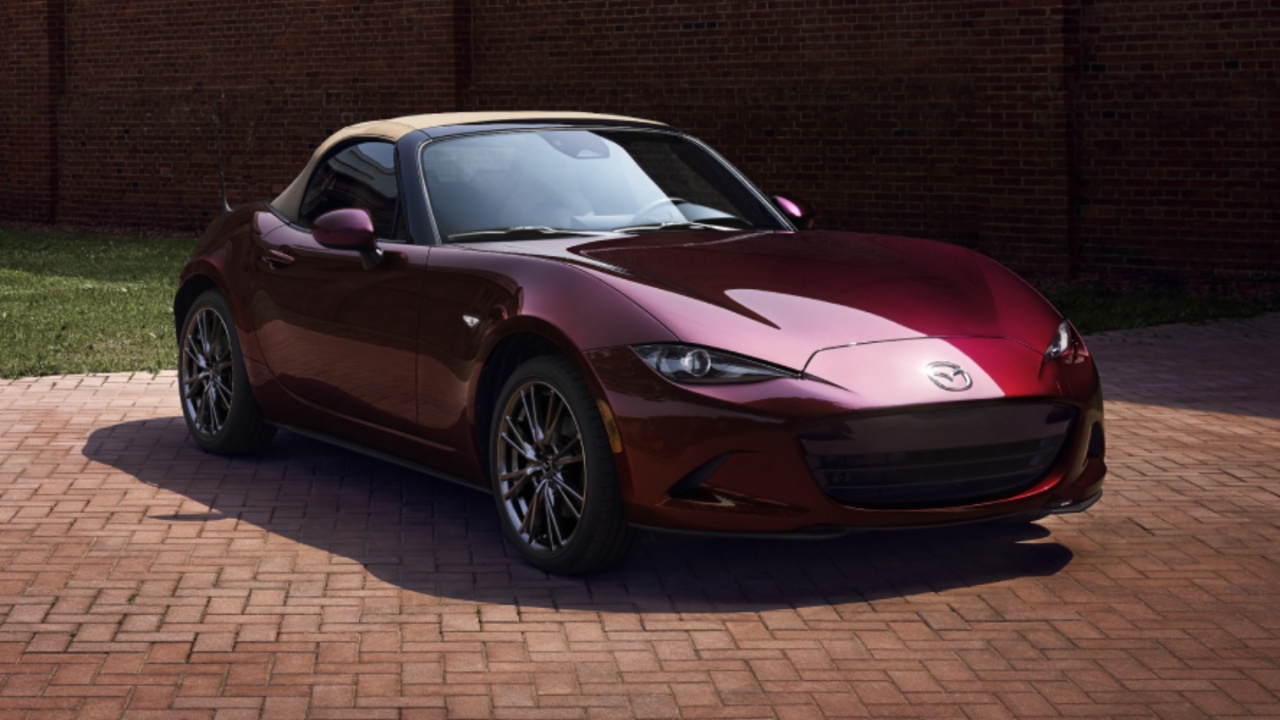
The steering ratio is quick enough to feel responsive without being darty, while the consistent weight progression through corners allows drivers to sense exactly how much grip remains available.
What truly distinguishes the Miata’s steering is its linearity and precision. Turn-in response is immediate, with virtually no dead zone at center. The car tracks exactly where you point it, rewarding smooth inputs and forgiving minor corrections.
Mid-corner adjustments happen intuitively, with the steering telegraphing subtle changes in available grip as weight transfers and tires load up. This communication builds confidence rapidly, allowing even novice drivers to push closer to the limits while maintaining control.
The MX-5 Miata proves definitively that steering feel doesn’t require exotic hardware, massive budgets, or complex engineering solutions. Sometimes it just requires focus, commitment to core principles, and willingness to prioritize driver engagement above all else. In that regard, the Miata stands alone.
2. Honda Civic Type R
Honda’s Civic Type R represents a remarkable achievement in front-wheel-drive dynamics, delivering steering feel that shouldn’t be possible given the physical constraints of its drivetrain layout.
With 315 horsepower channeled exclusively through the front wheels, the Type R could easily suffer from torque steer, tramlining, and the numb steering characteristics that plague many powerful front-drivers. Instead, Honda’s engineers created a steering system that rivals rear-drive sports cars for precision and feedback.
The secret lies in Honda’s dual-axis strut front suspension geometry, specifically designed to combat torque steer and preserve steering feel under hard acceleration.
Traditional MacPherson strut suspensions suffer from dynamic geometry changes during acceleration, causing steering wheel kickback and unpredictable behavior.
Honda’s dual-axis design separates the damper axis from the steering axis, dramatically reducing these effects while maintaining the packaging efficiency that makes front-wheel-drive practical.
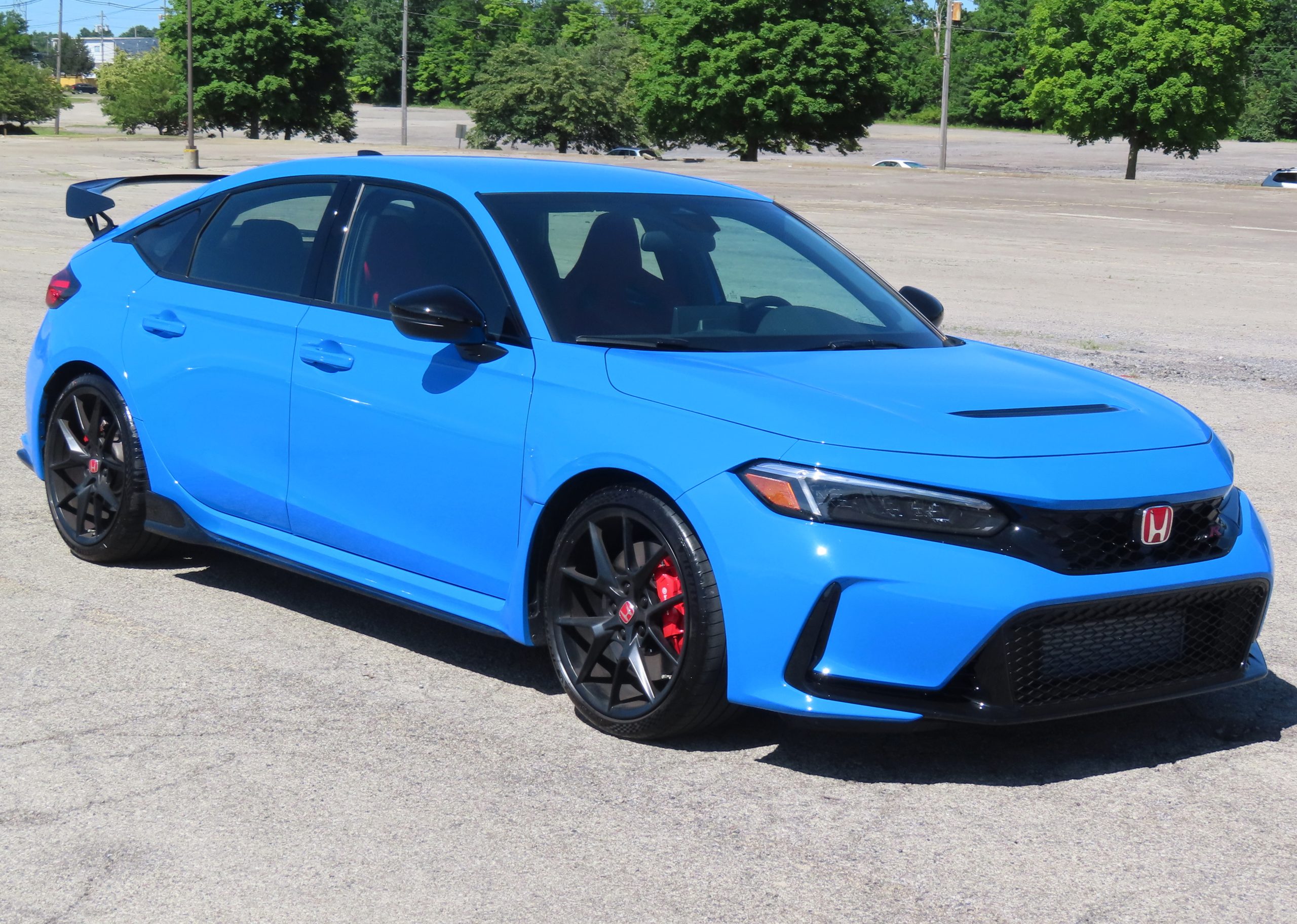
The electronic power steering system itself deserves equal credit. Honda calibrated the Type R’s steering with aggressive weighting that provides substantial resistance at highway speeds while remaining manageable in parking situations.
This weight communicates confidence and precision, making the car feel planted and responsive rather than darty or nervous. The quick 10.8:1 steering ratio means small inputs produce immediate responses, yet the system remains stable and predictable at triple-digit speeds.
Feedback through the steering wheel tells the driver exactly what’s happening at the tire contact patches. You can feel surface texture changes, sense when the front tires begin approaching their grip limits, and make minute corrections with fingertip precision.
This communication proves invaluable on challenging roads, allowing skilled drivers to place the Type R with accuracy that belies its front-drive architecture. The steering loads up naturally in corners, providing clear indication of available grip without becoming artificially heavy.
Honda’s Civic Type R demonstrates conclusively that front-wheel-drive dynamics can achieve steering excellence through clever engineering and uncompromising development. It represents the pinnacle of what’s possible when manufacturers prioritize driver engagement equally alongside raw performance numbers.
3. Subaru BRZ / Toyota GR86
The Subaru BRZ and its mechanical twin, the Toyota GR86, share identical steering systems and suspension architecture, making them interchangeable selections for enthusiasts seeking exceptional steering feel.
These rear-wheel-drive sports coupes prioritize communication and precision above all else, delivering steering characteristics that rival cars costing substantially more while remaining accessible to enthusiasts on realistic budgets.
The engineering philosophy behind these twins emphasizes low center of gravity, perfect weight distribution, and minimal steering inertia.
Subaru’s horizontally-opposed “boxer” engine sits low and far back in the chassis, placing the center of gravity remarkably close to ground level while achieving near 53/47 front-to-rear weight distribution.
This balance means the front wheels carry only moderate weight, allowing the steering to respond with exceptional quickness while maintaining precise control.
The electric power steering system calibrated for these platforms stands among the best EPS implementations in the automotive industry.
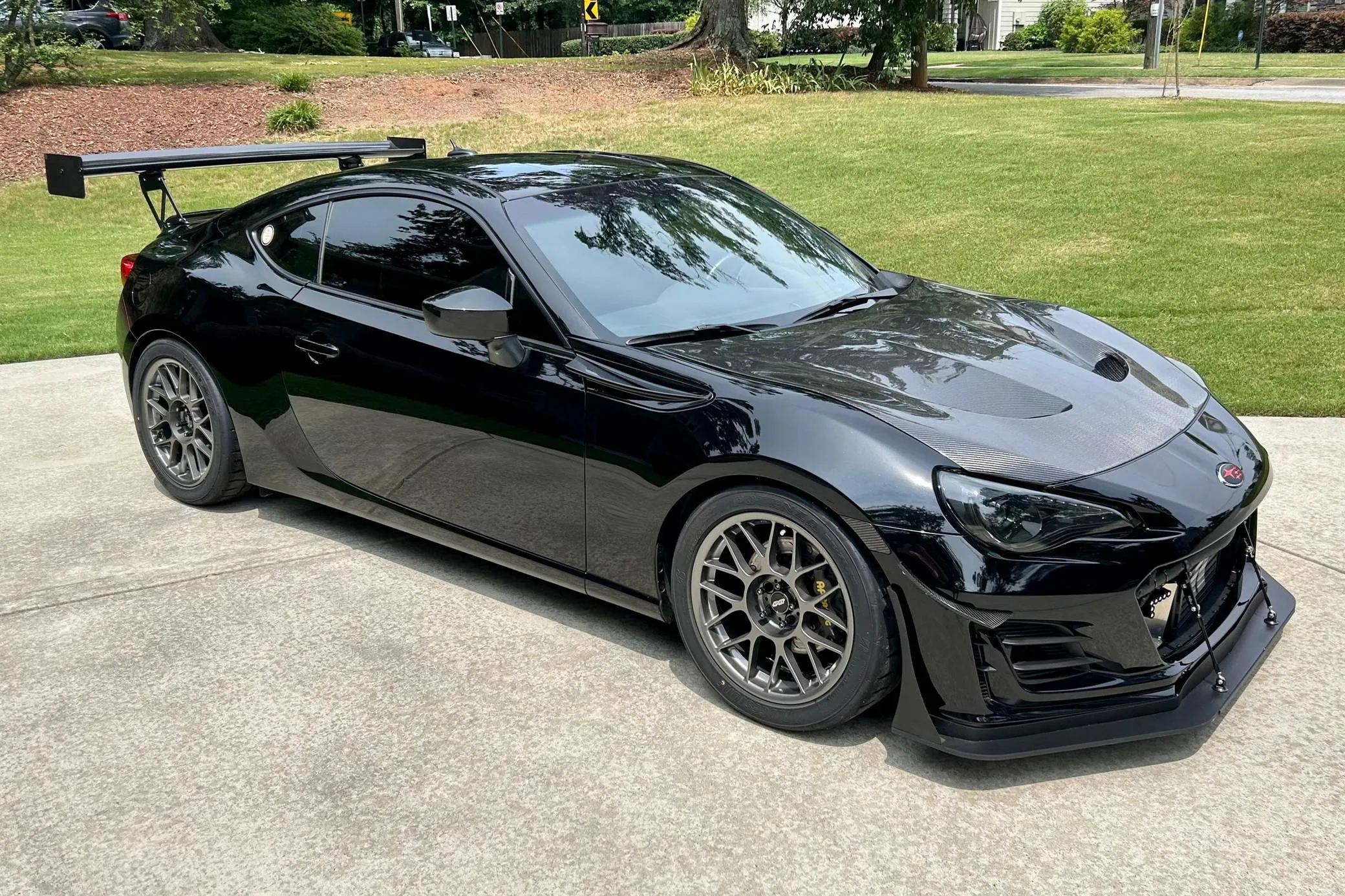
Subaru and Toyota engineers worked collaboratively to develop steering characteristics that feel natural and organic despite the electronic assist.
The result provides excellent feedback, clearly communicating road surface texture, available grip levels, and weight transfer characteristics that many hydraulic systems can’t match. The steering weights up progressively in corners, loading naturally as lateral forces build.
Turn-in response happens almost telepathically, with minimal delay between input and vehicle response. The quick steering ratio means small corrections produce immediate results, yet the system never feels nervous or twitchy at speed.
This combination of quick response and stability creates confidence, allowing drivers to commit fully to corners without second-guessing the car’s trajectory. The precision available borders on surgical you can place the car within inches of your intended line with consistent repeatability.
Critics sometimes note the firm ride quality and modest interior appointments, valid observations that miss the fundamental point: these cars exist primarily to deliver driving pleasure through mechanical excellence.
The steering feel alone justifies the purchase for enthusiasts who understand that communication between driver and machine matters more than zero-to-sixty times or luxury features.
The Subaru BRZ and Toyota GR86 prove that exceptional steering feel remains achievable at accessible price points when manufacturers commit to driver engagement as their primary design objective.
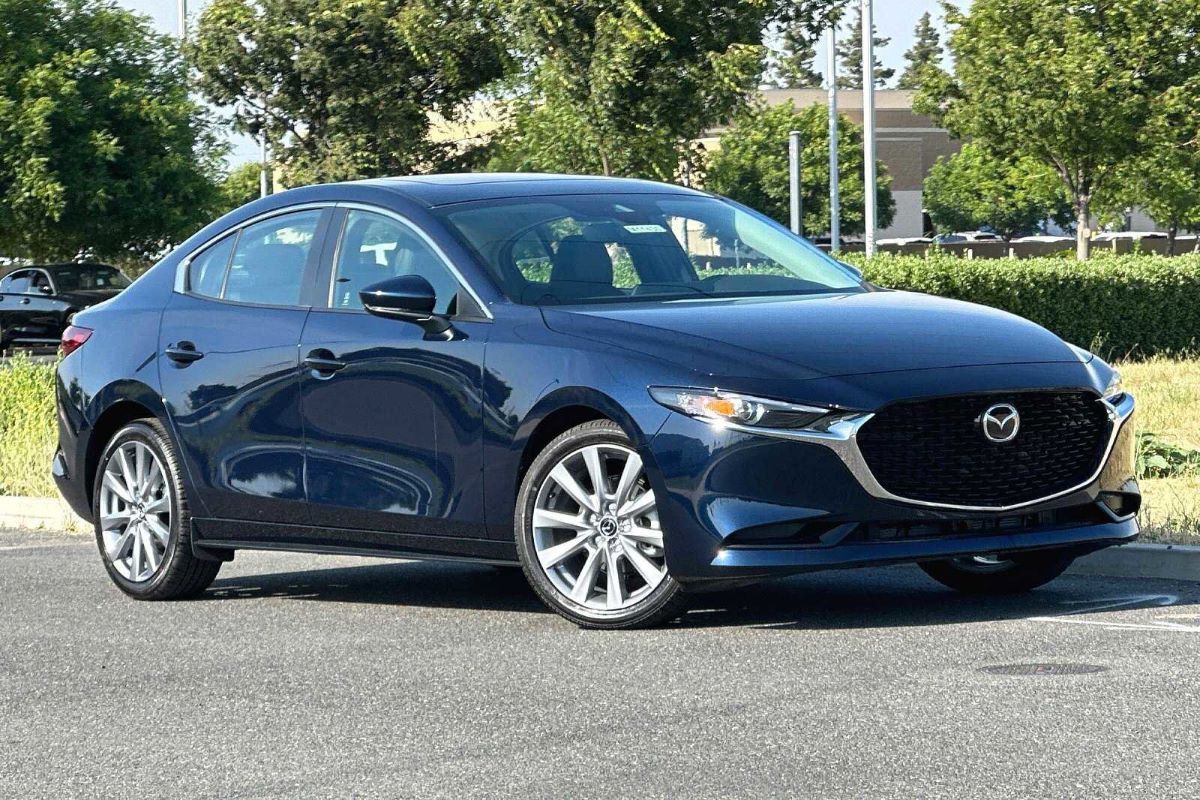
4. Mazda3 (with Premium Package)
Mazda’s commitment to driving dynamics extends well beyond the iconic MX-5 Miata, permeating their entire lineup including the humble Mazda3 compact sedan and hatchback.
While front-wheel-drive compact cars rarely earn recognition for steering excellence, the Mazda3 defies conventions with a steering system that delivers feedback and precision unusual in this segment.
For buyers needing practical daily transportation who refuse to sacrifice driving pleasure, the Mazda3 represents an exceptional value proposition.
The Mazda3’s electric power steering employs similar calibration philosophy as the Miata, prioritizing natural weight and clear feedback over artificial lightness or vague assistance.
The system provides excellent road feel, telegraphing surface texture changes and available grip with clarity that shames many supposedly sportier competitors.
Weight progression through corners feels organic, loading up naturally as lateral forces build while never crossing into artificially heavy territory that would compromise parking maneuverability.
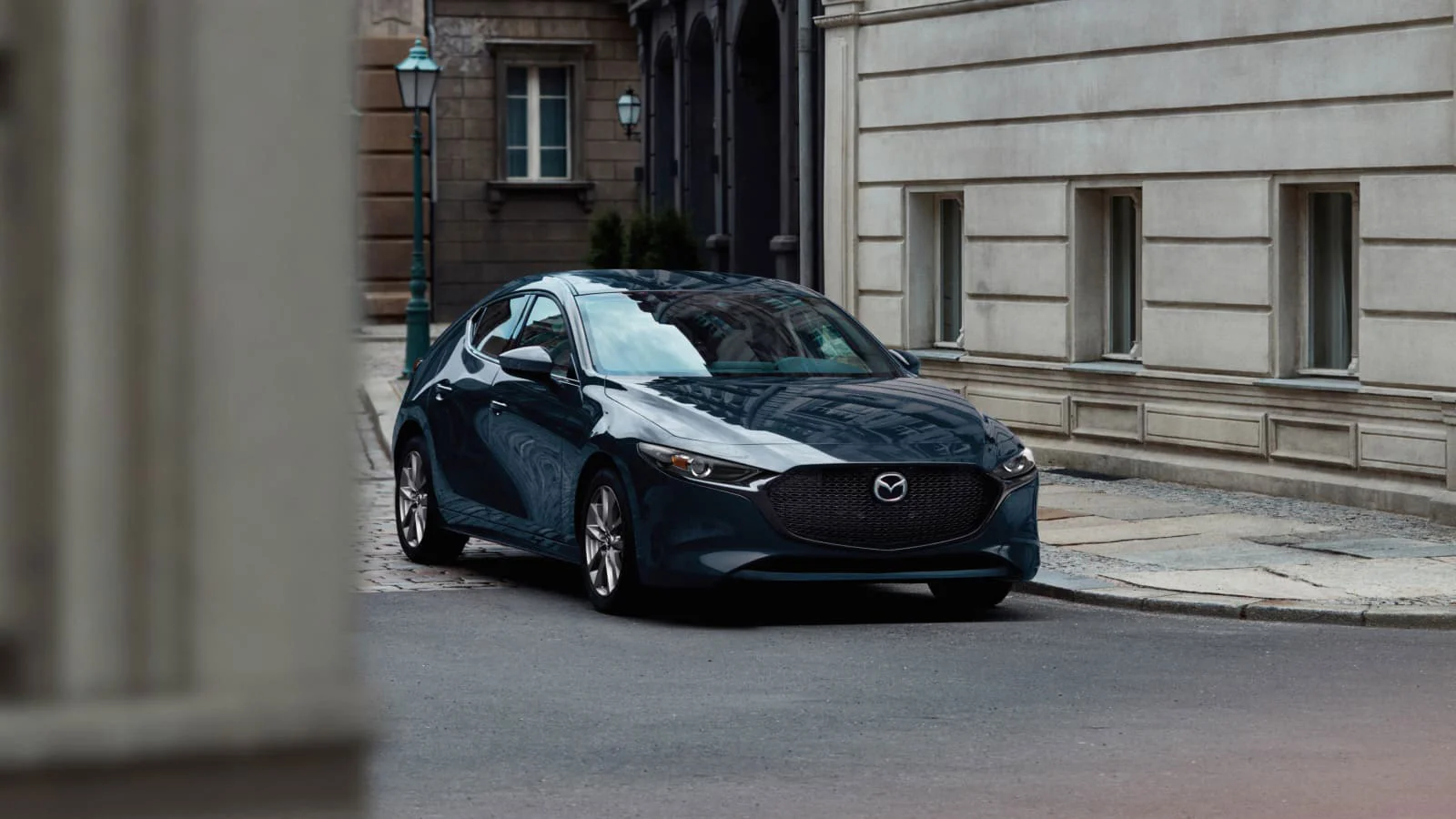
Mazda’s “Skyactiv-Vehicle Architecture” platform contributes substantially to the steering’s excellence. The chassis emphasizes structural rigidity, employing extensive use of high-strength steel and sophisticated joining techniques that minimize flex and vibration.
This stiffness ensures steering inputs translate directly into vehicle response without corruption from chassis deflection. The result feels tight and connected, with immediate communication between steering wheel and front wheels.
The sophisticated multi-link rear suspension unusual for front-drive compacts that typically use cheaper torsion beam setups maintains optimal rear tire contact patch management, allowing the chassis to rotate naturally through corners rather than understeer stubbornly.
This reduces the burden on the front wheels, allowing them to focus on steering rather than compromising between directional control and maintaining traction. The steering benefits directly, remaining precise and communicative even during aggressive cornering.
Mazda’s attention to detail extends to seemingly minor components like steering column bearings, universal joints, and mounting bushings.
By minimizing friction and play throughout the steering system, Mazda ensures that feedback flows cleanly from road surface to driver’s hands without degradation or distortion.
This holistic approach to steering feel recognizes that excellence requires attention to every component in the chain, not just the power steering unit itself.
Real-world driving confirms the Mazda3’s exceptional steering characteristics. Urban environments showcase the system’s excellent low-speed maneuverability and predictable responses. Highway driving reveals the stable, confidence-inspiring feel that makes long-distance travel relaxing rather than fatiguing.
But the steering truly shines on challenging back roads, where the quick responses, excellent feedback, and natural weight progression transform mundane transportation into genuine driving events.
The Mazda3 proves definitively that exceptional steering feel needn’t require sports car compromises or exotic engineering. Through careful attention to detail, sophisticated chassis architecture, and thoughtful calibration, Mazda delivers steering characteristics that rival dedicated sports cars in a practical, affordable package suitable for daily duties.
Also Read: 12 Cars With Frames or Subframes That Don’t Rot
5. Volkswagen Golf GTI
Volkswagen’s Golf GTI has defined the hot hatch segment for decades, and its steering characteristics deserve substantial credit for that longevity.
The GTI delivers a masterclass in balanced engineering, combining excellent steering feel with practical versatility, refined comfort, and genuine performance.
For enthusiasts requiring a single vehicle that excels across diverse use cases, the GTI’s steering precision and feedback make it enduringly appealing.
The electric power steering system in current GTIs represents Volkswagen’s most sophisticated calibration work, preserving the excellent feel that characterized earlier hydraulically-assisted models while gaining the efficiency and adaptability advantages of electronic systems.
The steering provides excellent weight and feedback, communicating road surface conditions and available grip with clarity that inspires confidence.
The variable-ratio system adjusts assistance levels based on speed and driving modes, remaining appropriately light for parking while firming up substantially during spirited driving.
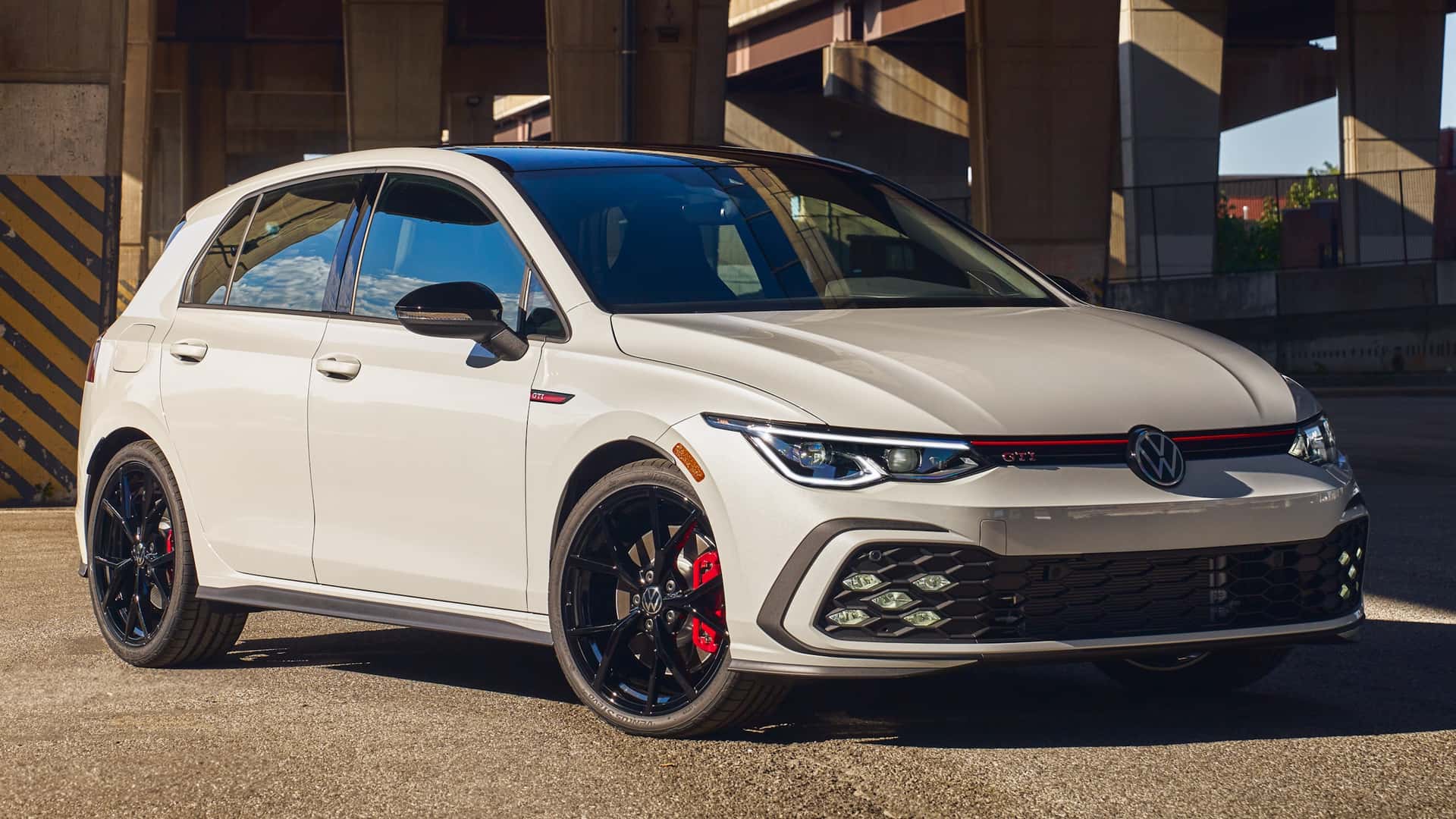
Volkswagen’s long experience developing front-wheel-drive performance cars informs the GTI’s steering excellence. The engineers understand intimately how to minimize torque steer, eliminate tramlining, and preserve feedback despite channeling 228 horsepower through the steering wheels.
The sophisticated multi-link front suspension geometry maintains optimal camber curves throughout suspension travel, ensuring the tires remain properly planted while steering inputs remain pure and uncorrupted by acceleration forces.
The limited-slip differential standard equipment on GTIs proves crucial for maintaining steering precision under power. By actively managing torque distribution between front wheels, the differential prevents inside-wheel spin during corner exit acceleration, keeping the chassis balanced and the steering communicative.
This allows full-throttle exits from corners without steering wheel kickback or unpredictable behavior, building confidence and enabling faster lap times or more spirited street driving.
The Volkswagen Golf GTI demonstrates that steering excellence and everyday practicality needn’t conflict. Through sophisticated engineering and careful calibration, VW created a vehicle that delivers sports car steering precision in a package suitable for hauling families, groceries, and weekend camping gear with equal competence.
6. Mini Cooper S
Mini’s tradition of delivering exceptional steering feel continues unabated in current Cooper S models, which provide the direct, communicative steering that has characterized the brand since its BMW-era revival.
The combination of compact dimensions, sophisticated chassis engineering, and thoughtful calibration creates steering characteristics that rival dedicated sports cars while maintaining the practical urban maneuverability that makes Minis genuinely useful daily drivers.
The electric power steering system in modern Minis represents one of the best EPS implementations in the automotive industry. Despite the electronic assistance, the steering preserves the weighted, feedback-rich characteristics that enthusiasts demand.
Road surface texture telegraphs clearly through the rim, available grip levels remain constantly apparent, and weight progression through corners feels natural and confidence-inspiring.
The quick steering ratio means minimal wheel rotation produces substantial directional changes, yet the system remains stable at speed without nervousness.
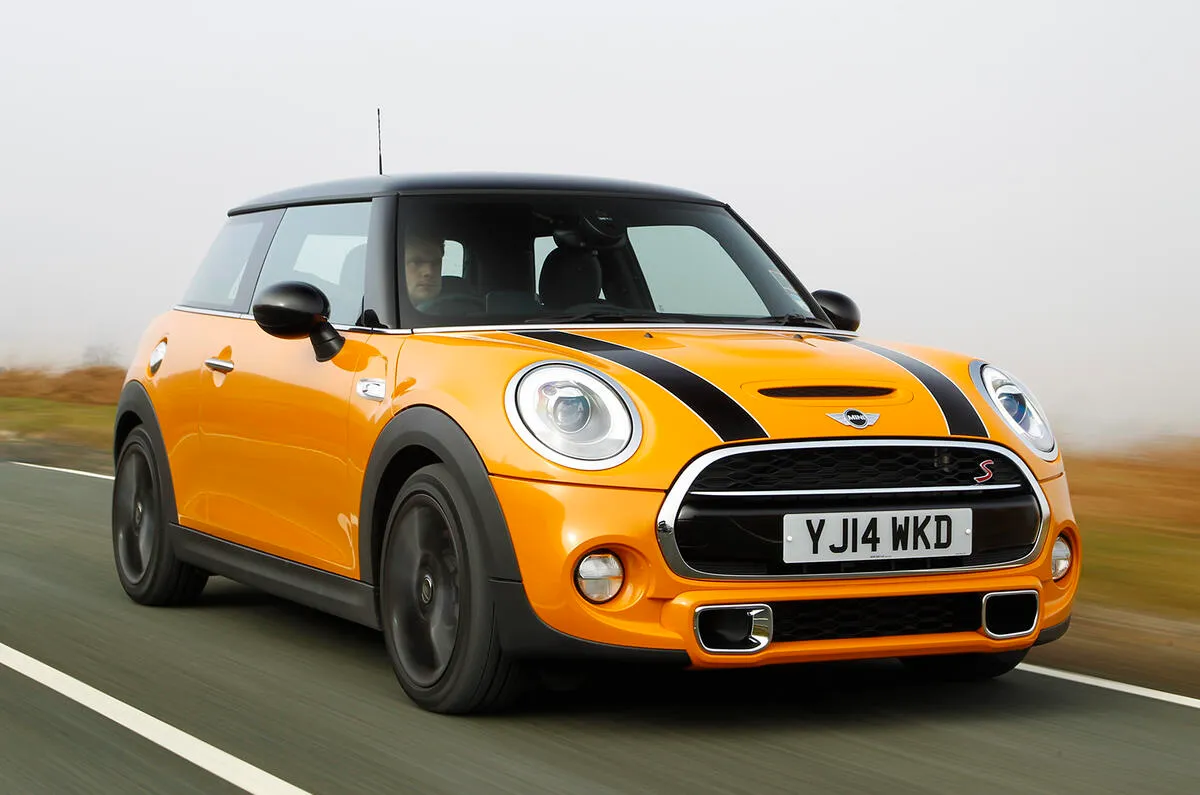
Mini’s sophisticated suspension geometry contributes substantially to steering excellence. The front suspension employs MacPherson struts with carefully optimized geometry that minimizes camber changes during suspension travel, ensuring the tires remain properly planted through corners.
The multi-link rear suspension maintains optimal alignment throughout its travel range, allowing the chassis to rotate naturally without stubborn understeer that would burden the front wheels excessively.
This balanced approach preserves steering precision and feedback. The Mini Cooper S proves that steering excellence doesn’t require large size, overwhelming power, or exotic engineering.
Through careful attention to fundamentals, quick steering, balanced chassis, and thoughtful calibration, Mini delivers steering characteristics that would be impressive at any price point while maintaining practical urban usability.
7. Ford Mustang EcoBoost
Ford’s Mustang EcoBoost represents exceptional value in the enthusiast car market, delivering classic rear-wheel-drive dynamics and excellent steering feel at prices that undercut many front-drive sport compacts.
While Mustang purists may dismiss the turbocharged four-cylinder as insufficiently authentic, the EcoBoost’s steering characteristics and chassis dynamics prove that driving pleasure doesn’t require V8 power or premium prices.
The electric power steering system calibrated for the Mustang platform provides excellent feedback and natural weight progression. Ford engineers tuned the steering to complement the car’s classic front-engine, rear-drive architecture, delivering responses that feel immediate and confidence-inspiring.
The steering weights up progressively in corners, loading naturally as lateral forces build while telegraphing available grip levels with clarity. This communication allows drivers to judge corner entry speeds accurately and commit fully without hesitation.
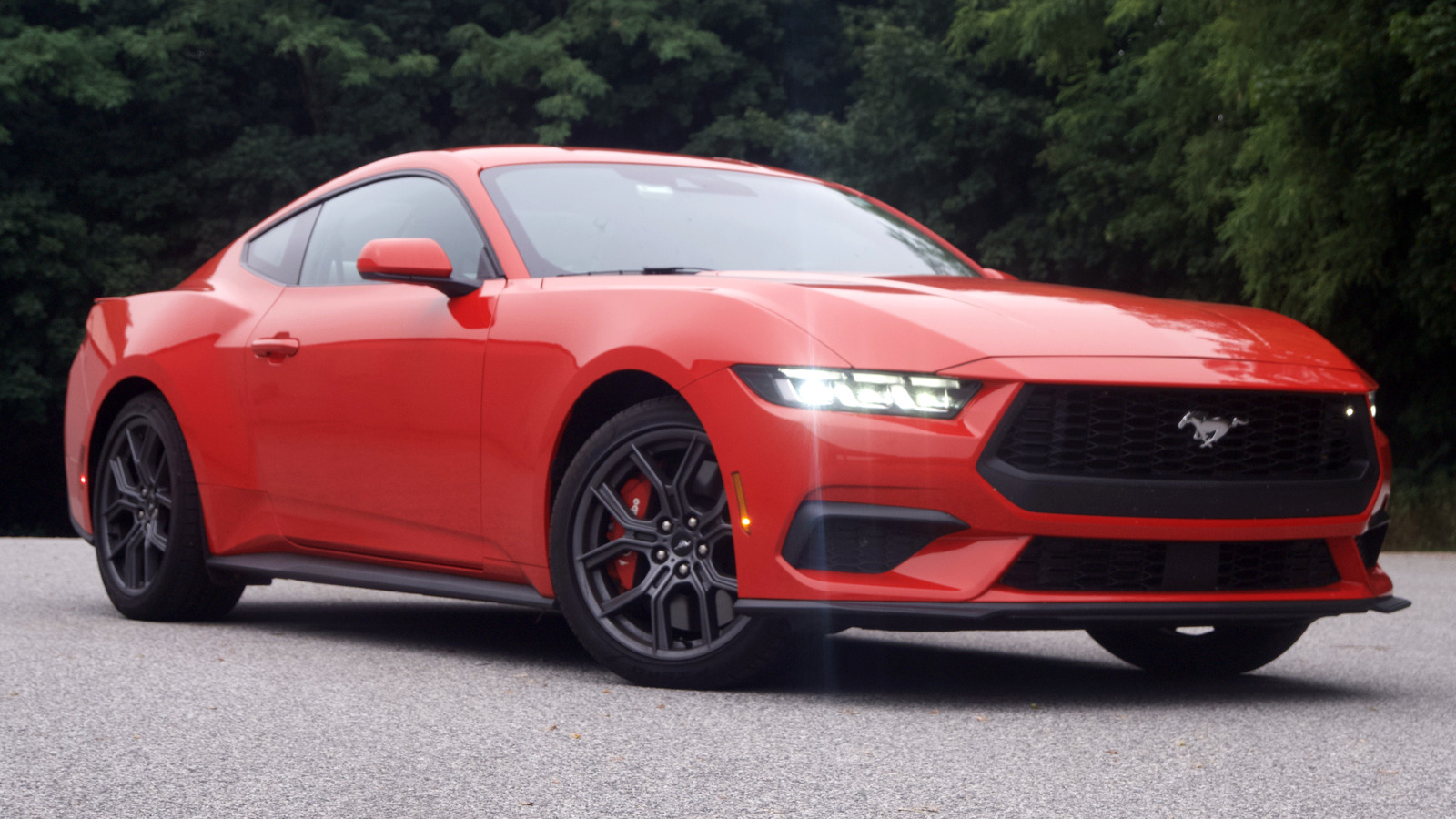
The sophisticated independent rear suspension shared across all Mustang variants contributes substantially to steering precision. By maintaining optimal rear tire contact patch management, the IRS allows the chassis to rotate naturally through corners rather than pushing into understeer.
This reduces the burden on the front wheels, allowing them to focus on steering rather than compromising between directional control and traction. The steering remains precise and communicative even during aggressive cornering.
Ford’s attention to chassis rigidity pays dividends in steering feel. The Mustang’s structure employs extensive reinforcement and sophisticated joining techniques that minimize flex, ensuring steering inputs translate directly into vehicle response without corruption from chassis deflection.
This stiffness creates a tight, connected feeling between the driver and the road, with immediate communication flowing cleanly from the tire contact patches to the steering wheel rim.
The Ford Mustang EcoBoost proves that classic rear-drive dynamics and excellent steering feel remain accessible at mainstream price points.
Through careful calibration and sophisticated chassis engineering, Ford delivers steering precision that rivals supposedly more sophisticated competitors while maintaining the visceral appeal of traditional sports car architecture.
8. Hyundai Elantra N
Hyundai’s Elantra N represents a remarkable achievement in performance sedan dynamics, delivering steering feel that rivals established performance brands while undercutting them substantially on price.
The N division’s commitment to driver engagement permeates every aspect of this vehicle, with the steering system serving as primary communication interface between driver and machine. For enthusiasts seeking maximum performance value, the Elantra N’s steering excellence makes it genuinely compelling.
The electric power steering system employs sophisticated calibration that preserves natural weight and feedback despite the electronic assistance.
Hyundai’s N division engineers spent extensive development time tuning the steering characteristics specifically for enthusiastic driving, creating responses that feel immediate and confidence-inspiring.
The variable-ratio system adjusts assistance based on driving mode and speed, remaining appropriately light for urban maneuvering while firming substantially during aggressive driving.
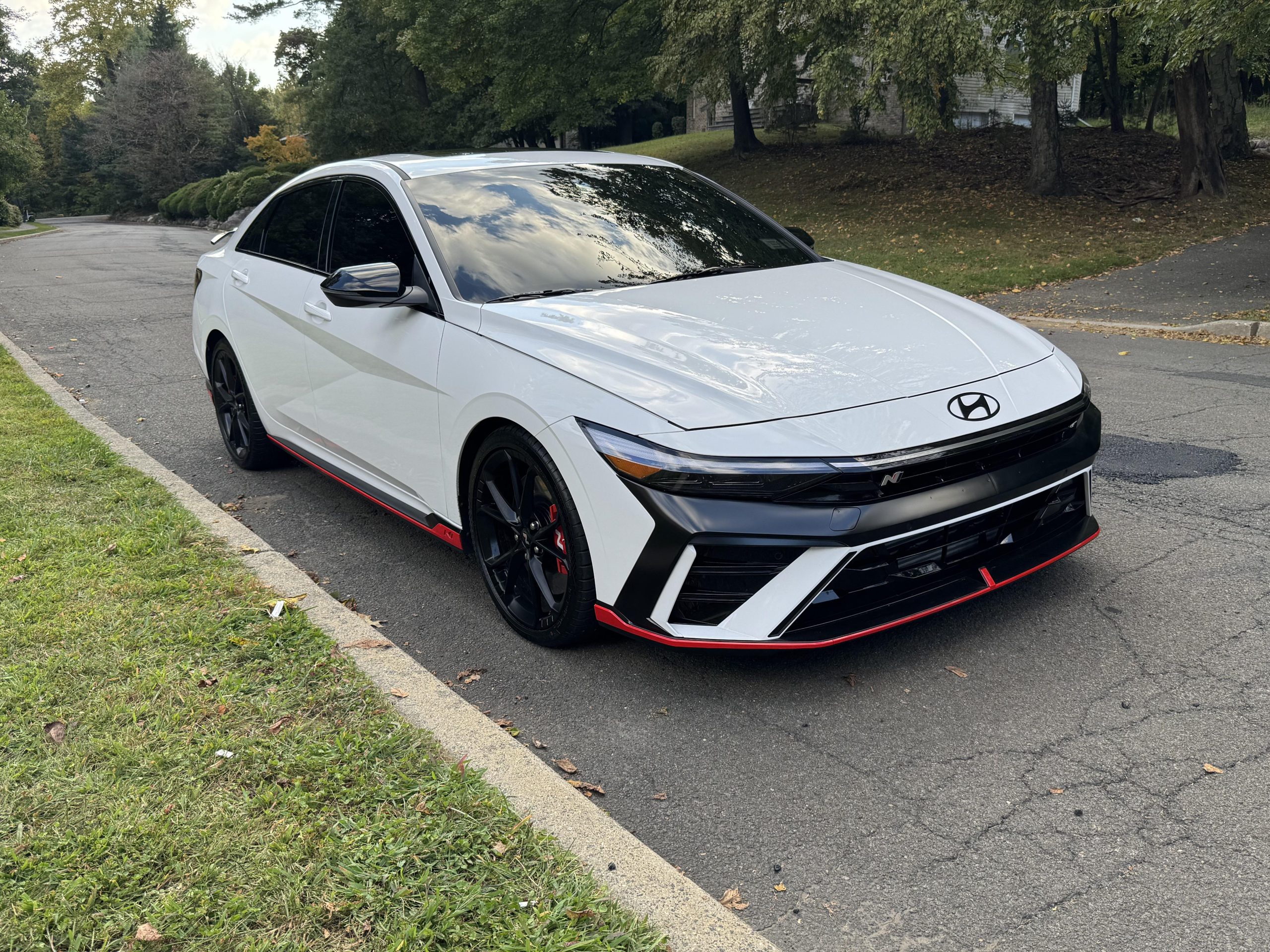
The sophisticated chassis engineering supporting the Elantra N’s steering deserves equal recognition. The limited-slip differential manages torque distribution between front wheels, preventing inside-wheel spin during aggressive corner exits while maintaining steering precision.
The suspension geometry minimizes torque steer and maximizes feedback, allowing the steering to remain pure and communicative even while channeling 276 horsepower through the front wheels.
The substantial chassis reinforcement minimizes flex, ensuring steering inputs translate directly into vehicle response. The Hyundai Elantra N demonstrates that exceptional steering feel and comprehensive performance capabilities don’t require premium brands or exotic prices.
Through sophisticated engineering and uncompromising development, Hyundai’s N division delivers steering characteristics that rival established performance leaders while maintaining the practical advantages and value pricing of mainstream manufacturers.
9. Volkswagen Jetta GLI
The Volkswagen Jetta GLI represents the sedan counterpart to the celebrated Golf GTI, sharing identical powertrain, suspension, and steering components while offering increased trunk capacity and slightly more refined demeanor.
For enthusiasts requiring sedan practicality who refuse to sacrifice driving dynamics, the GLI delivers GTI-level steering excellence in a more conservative package suitable for professional environments or family duties.
The electric power steering system mirrors the GTI’s sophisticated calibration, providing excellent weight and feedback that communicate road surface conditions and available grip with remarkable clarity.
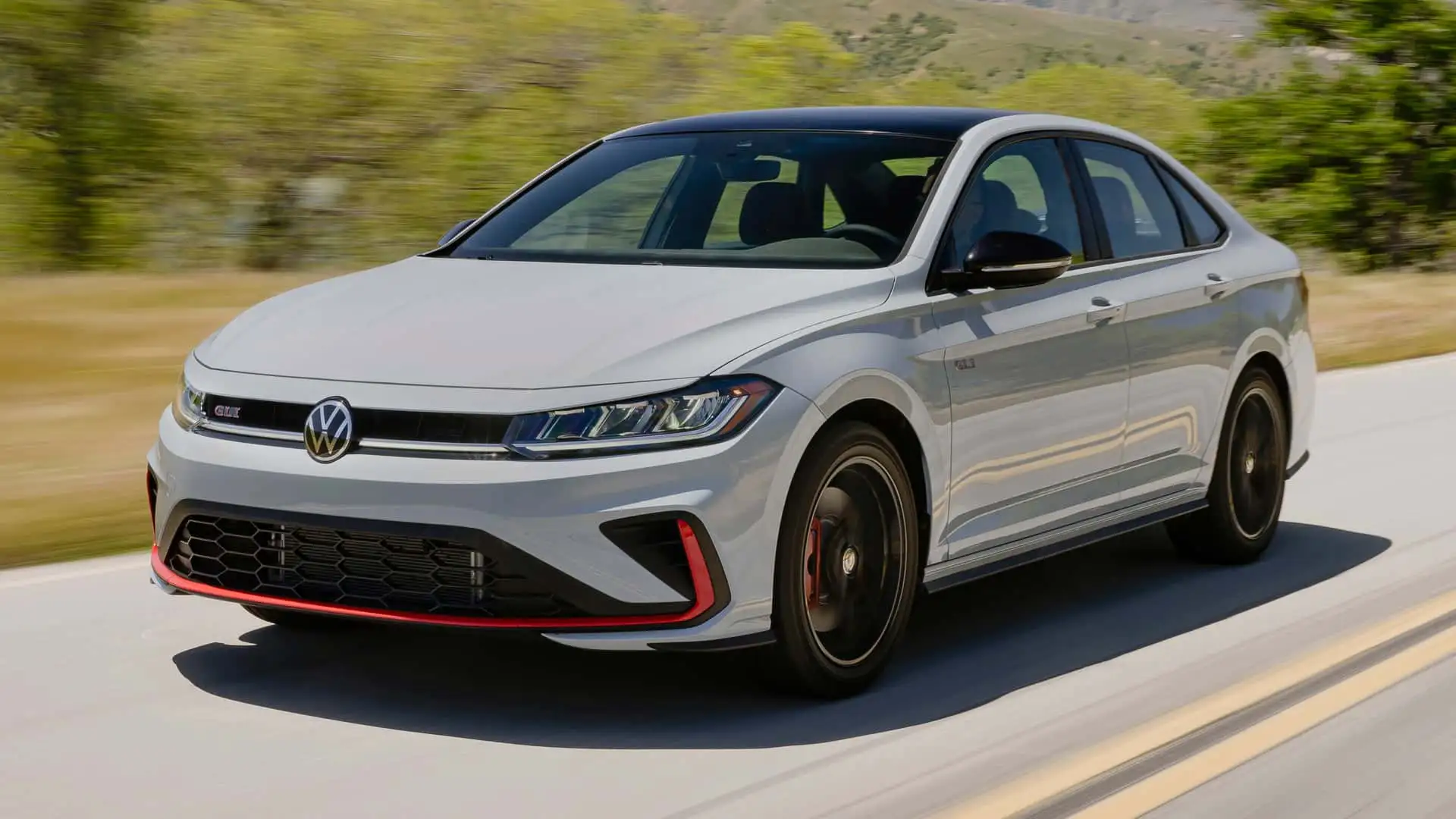
The variable-ratio system adjusts assistance based on speed and driving modes, remaining appropriately light for parking while firming substantially during spirited driving.
The steering weights up progressively through corners, loading naturally as lateral forces build while telegraphing exactly when grip limits approach. Volkswagen’s extensive experience developing front-wheel-drive performance cars informs the GLI’s steering excellence.
The sophisticated multi-link front suspension geometry maintains optimal camber curves throughout suspension travel, ensuring tires remain properly planted while steering inputs remain pure and uncorrupted by acceleration forces.
Also Read: 8 Cars With the Best Rear-Camera Quality at Night
