
Head-up displays (HUDs) have transformed from military aviation technology into one of the most valuable safety and convenience features in modern automobiles.
By projecting critical driving information directly onto the windshield or a transparent panel within the driver’s line of sight, HUDs eliminate the dangerous split-second distractions that occur when drivers glance down at their instrument clusters.
This technology allows drivers to maintain focus on the road while simultaneously accessing essential data such as speed, navigation directions, safety warnings, and multimedia information.
The best automotive HUDs go far beyond simple speed readouts. Today’s most advanced systems incorporate augmented reality elements, adaptive brightness controls, customizable displays, and seamless integration with advanced driver assistance systems (ADAS).
They can highlight potential hazards, project turn-by-turn navigation arrows that appear to float on the actual road surface, and provide real-time traffic information without requiring drivers to divert their attention.
As automakers continue investing in this technology, the gap between basic and exceptional HUD systems has widened considerably.
Some manufacturers offer minimal functionality with small display areas and limited information, while others provide cinema-quality projections with extensive customization options.
This article explores twelve vehicles that represent the pinnacle of HUD technology, each offering unique features and capabilities that significantly enhance the driving experience while prioritizing safety and convenience.
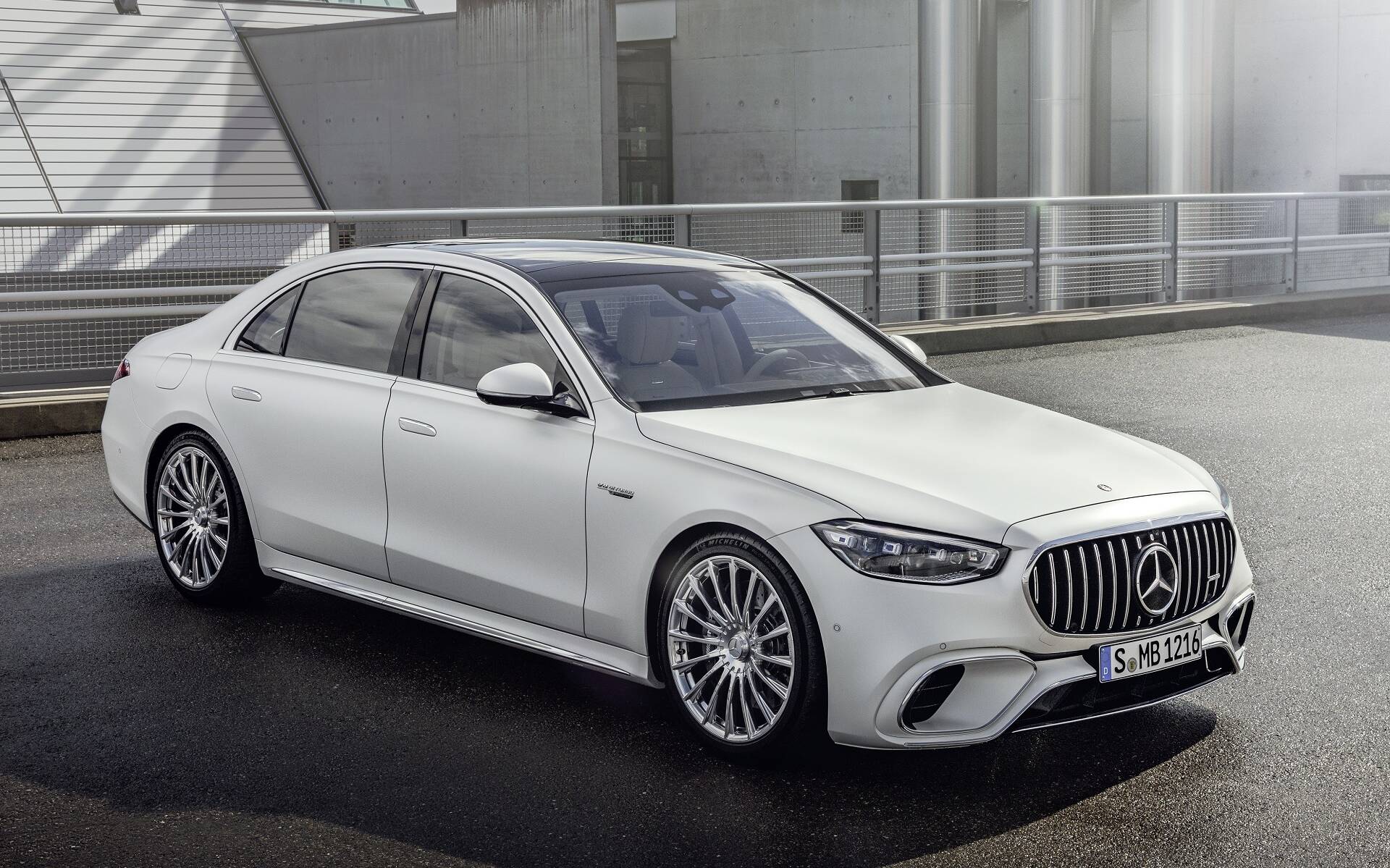
1. Mercedes-Benz S-Class
The Mercedes-Benz S-Class has long been regarded as the benchmark for luxury automotive technology, and its head-up display system exemplifies this reputation.
The latest S-Class features an augmented reality HUD that projects information onto a large display area, creating the impression that digital elements are integrated into the real-world environment ahead of the vehicle.
This system doesn’t merely show static information; it dynamically adapts to driving conditions and provides contextually relevant data.
The AR-HUD in the S-Class projects navigation arrows that appear to be painted on the actual road surface, making it incredibly intuitive to follow directions even in complex urban environments or unfamiliar highway interchanges.
The system displays distance to the next turn with visual cues that seem to exist in three-dimensional space approximately 10 meters ahead of the vehicle. This depth perception makes it easier for drivers to process information naturally without cognitive strain.
Beyond navigation, the S-Class HUD integrates seamlessly with Mercedes’ advanced driver assistance systems. When adaptive cruise control is engaged, the system displays the set speed and following distance with easy-to-understand graphics.
Lane-keeping assist information appears as dynamic lane markers that highlight the vehicle’s position within the lane. The HUD also provides collision warnings with red visual alerts that demand immediate attention when the system detects potential hazards.
The display’s brightness automatically adjusts based on ambient lighting conditions, remaining perfectly visible in bright sunlight while avoiding excessive glare during nighttime driving.
Drivers can customize what information appears on the HUD through the vehicle’s infotainment system, choosing from speed, navigation, driver assistance status, traffic sign recognition, and multimedia controls.
The S-Class HUD represents the convergence of safety technology and luxury convenience, setting a standard that other manufacturers aspire to match.
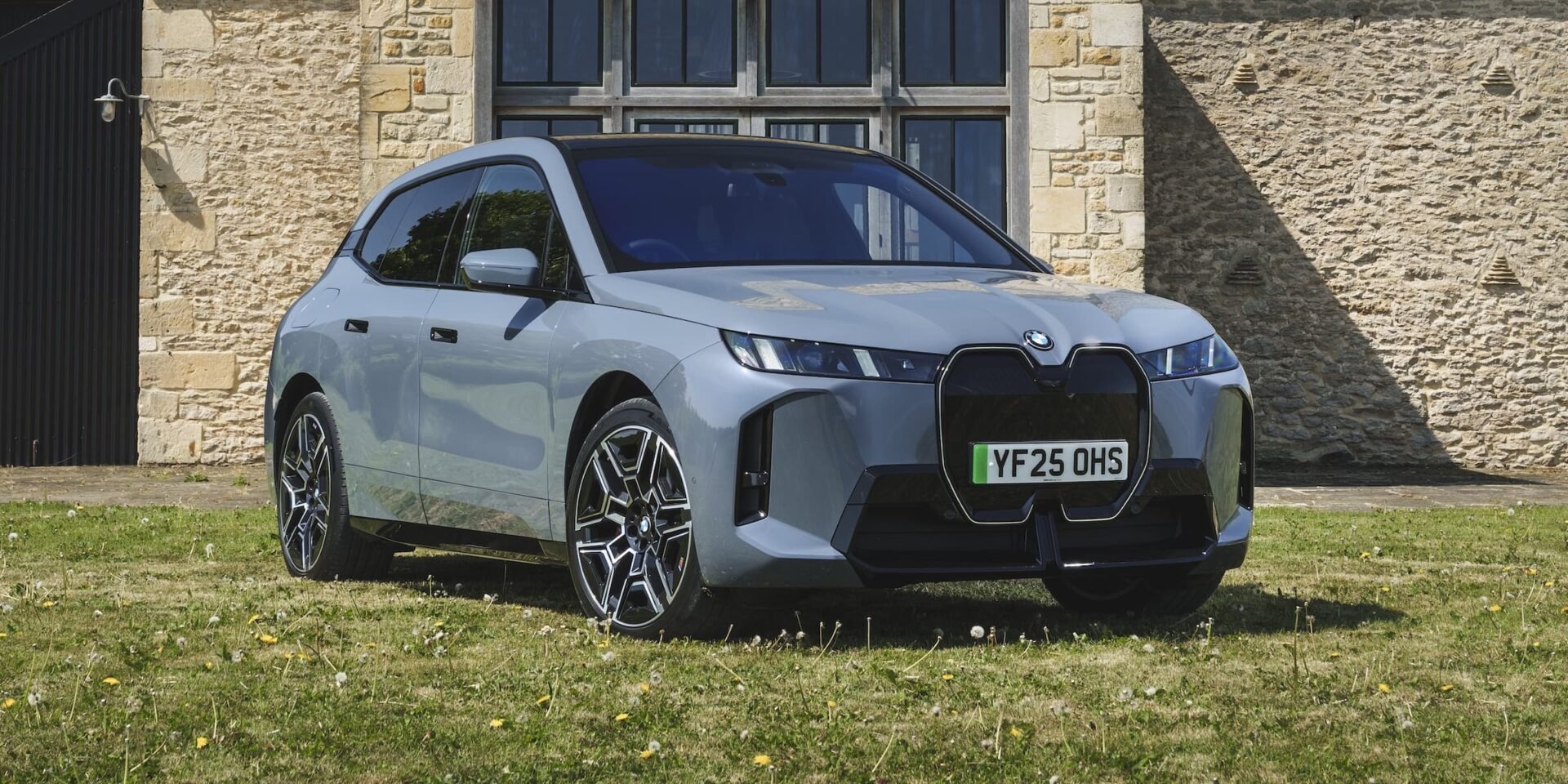
2. BMW iX
BMW’s flagship electric SUV, the iX, showcases the company’s latest head-up display technology with a system that spans an impressive projection area.
The HUD in the iX is one of the largest available in any production vehicle, offering exceptional clarity and information density without appearing cluttered or overwhelming.
BMW has refined its HUD technology over multiple generations, and the iX benefits from decades of development and real-world feedback.
The display combines traditional instrument information with advanced navigation guidance and comprehensive driver assistance data.
Speed readouts appear prominently in the driver’s primary field of vision, while secondary information like navigation instructions, phone call details, and media information occupies peripheral display areas.
This hierarchical organization ensures that the most critical information receives immediate attention while supplementary data remains accessible without distraction.
One of the iX’s standout features is its integration with BMW’s Driving Assistant Professional system. The HUD displays real-time information about surrounding vehicles, including their relative speeds and positions.
When changing lanes, visual indicators show whether adjacent lanes are clear or occupied, reducing blind spot anxiety and making highway driving more confident.
During automated driving functions, the HUD clearly indicates the system’s operational status and limitations. The full-color display maintains excellent visibility across all lighting conditions, and BMW’s interface design ensures that information updates smoothly without jarring transitions that could distract or confuse drivers.
The combination of size, clarity, and intelligent information management makes the iX’s HUD one of the industry’s most accomplished implementations.
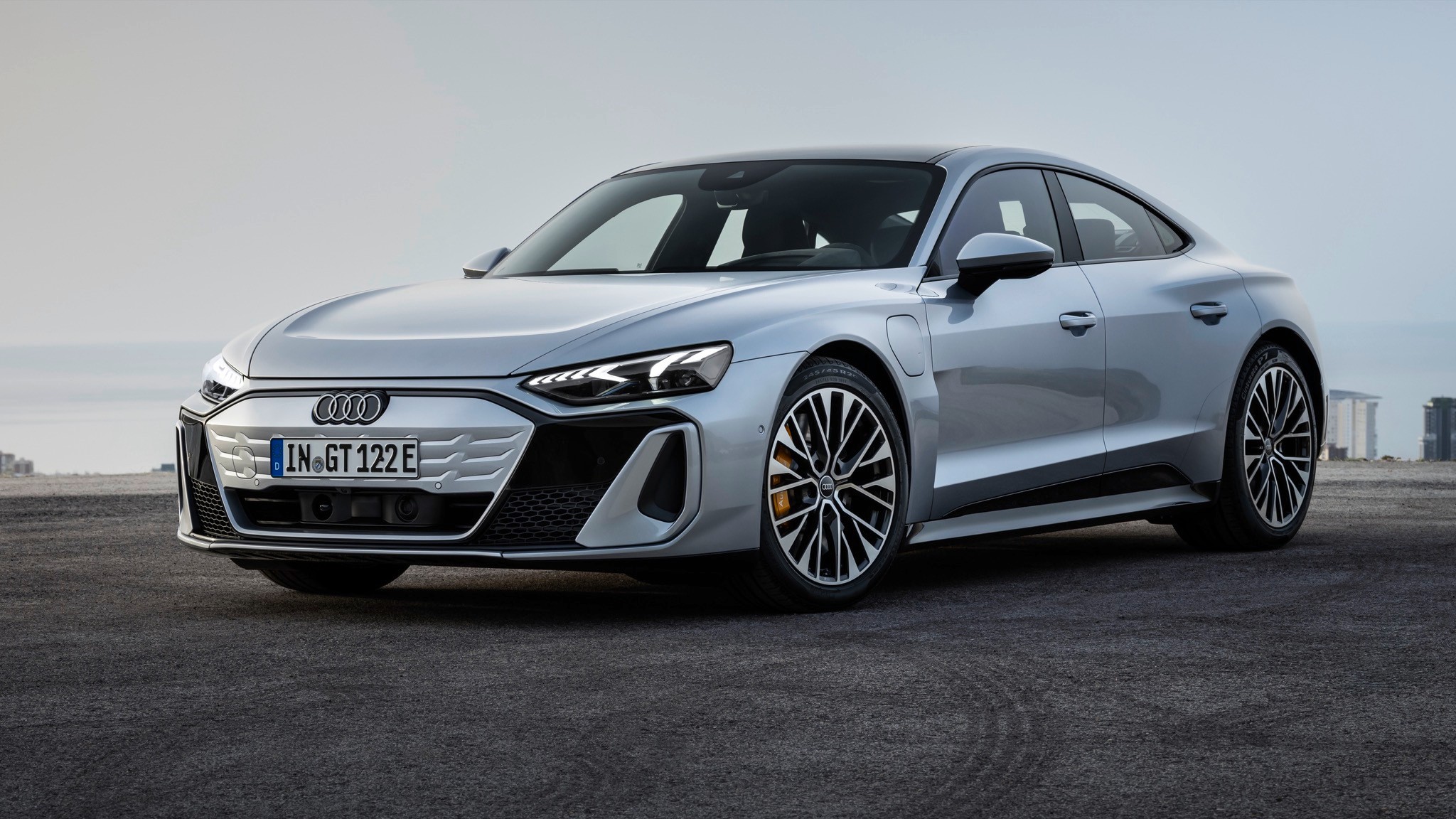
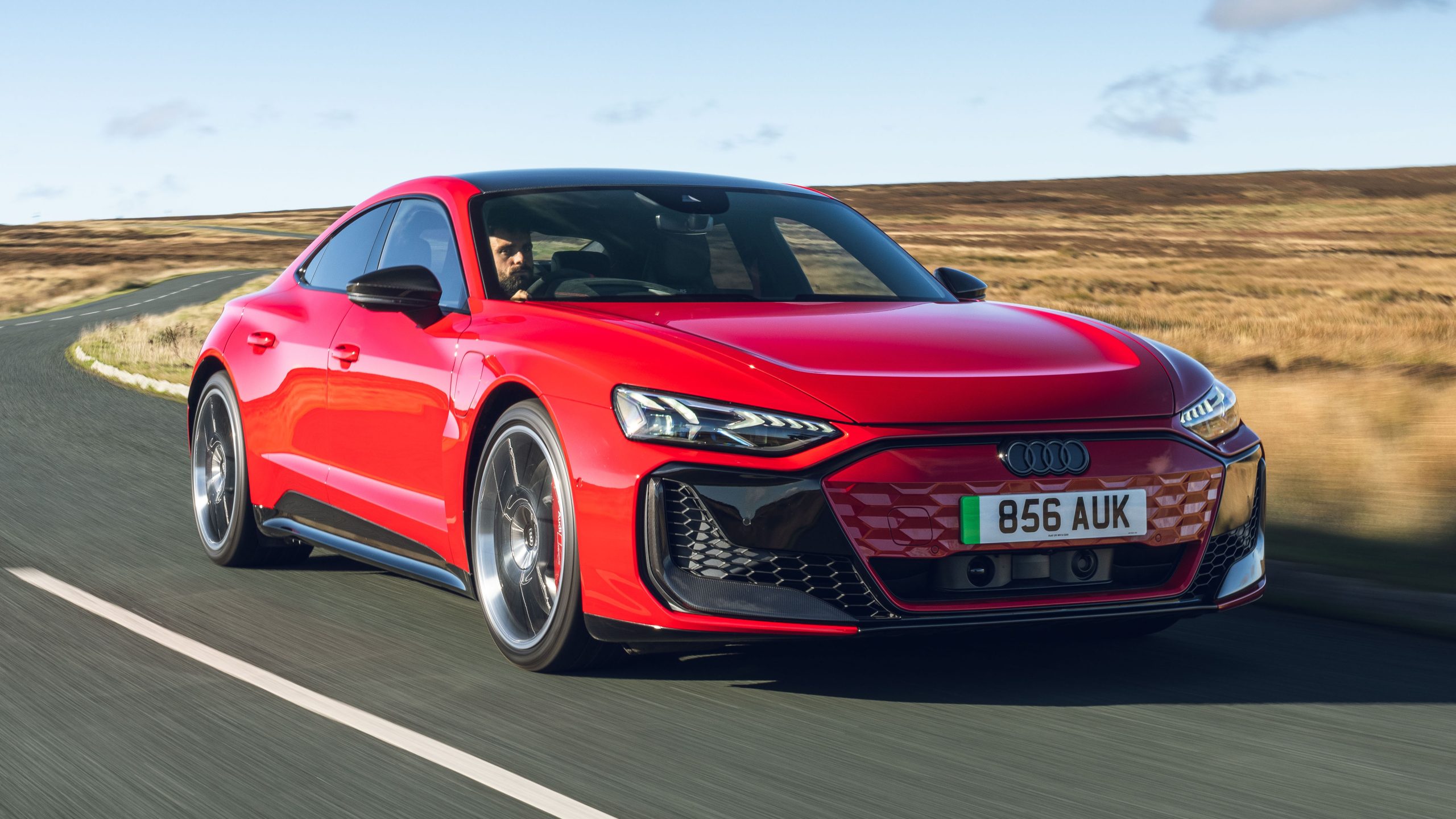
3. Audi e-tron GT
Audi has built a strong reputation for its Virtual Cockpit digital instrument cluster, and the company’s head-up display technology in the e-tron GT represents an equally sophisticated approach to driver information.
The e-tron GT’s HUD complements rather than duplicates the Virtual Cockpit, providing a carefully curated selection of essential data that drivers need immediate access to while keeping their eyes focused on the road ahead.
The system projects information in crisp, high-resolution graphics that remain sharp and legible even at the edges of the display area.
Audi’s design philosophy emphasizes minimalism and clarity, avoiding information overload by presenting only what’s immediately relevant to current driving conditions.
Speed displays prominently in large, easily readable numerals, while navigation instructions appear as clear directional arrows with distance information and street names.
What distinguishes the e-tron GT’s HUD is its seamless integration with Audi’s comprehensive driver assistance suite. The system displays visual representations of vehicles detected by the car’s sensors, including cars ahead, behind, and in adjacent lanes.
During adaptive cruise control operation, the HUD shows the set speed, current following distance, and whether the system is actively controlling the vehicle’s speed.
During spirited driving, the display can show lateral and longitudinal acceleration forces, appealing to driving enthusiasts who appreciate performance feedback.
The system’s color palette uses high-contrast combinations that ensure visibility in all lighting conditions, and the projection brightness adjusts automatically without requiring manual intervention.
Audi’s attention to detail in the e-tron GT’s HUD demonstrates how this technology can enhance both everyday commuting and performance driving experiences.
4. Lexus NX
Lexus has incorporated an impressively large head-up display in the NX crossover SUV, bringing premium technology to a segment where such features were once rare.
The NX’s HUD offers one of the largest display areas in its class, projecting information across a wide field of view that makes it easy to absorb multiple data points simultaneously without eye movement or refocusing.
The system displays traditional information like vehicle speed and navigation directions with exceptional clarity, but Lexus has also thoughtfully integrated features that specifically enhance safety.
The HUD shows traffic sign information captured by the vehicle’s forward-facing camera system, including speed limits, no-passing zones, and important warnings.
This redundant display of critical road signs helps ensure drivers don’t miss important regulatory information, especially in areas where signage might be obscured or poorly positioned.
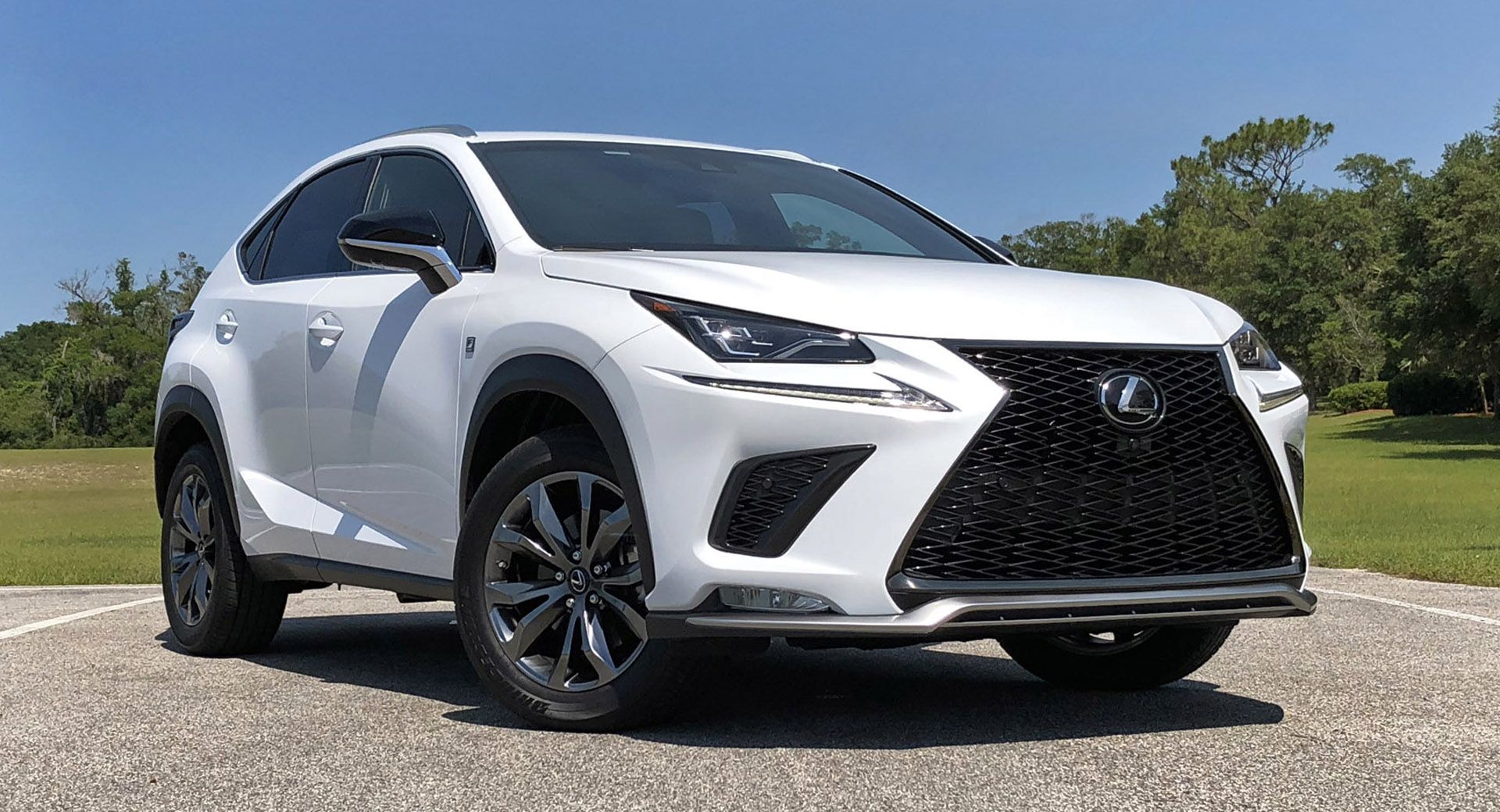
Lexus’s approach to HUD design emphasizes readability and simplicity. The graphics use clean lines and high-contrast colors that remain visible across all lighting conditions, from bright desert sunlight to dark urban environments at night.
The speed display uses large, bold numerals that can be read instantly with minimal cognitive processing, while secondary information appears in smaller fonts that don’t compete for attention.
When the vehicle’s forward collision warning system detects a potential impact, the HUD displays prominent red warning graphics along with audible alerts, providing multiple sensory warnings that command immediate attention.
The system’s customization options allow drivers to select which information categories appear on the display, enabling personalization based on individual preferences and driving patterns.
For buyers seeking premium technology in a practical and luxurious package, the NX’s comprehensive HUD represents excellent value and functionality.
Also Read: 9 Reliable Cars With HVAC That Cools Fast in Summer
5. Mazda CX-90
Mazda has earned recognition for delivering premium features at competitive prices, and the CX-90’s head-up display exemplifies this philosophy.
Despite being positioned below ultra-luxury competitors in price, the CX-90 offers an HUD system that rivals and sometimes exceeds what more expensive manufacturers provide.
Mazda’s engineers have focused on creating a display that prioritizes the information drivers actually need while maintaining the clean, uncluttered aesthetic that characterizes the brand’s design language.
The CX-90’s HUD projects information at an optimal viewing distance that reduces eye strain and minimizes the time required for drivers to refocus between the display and the road ahead.
The system shows speed, navigation instructions, and active safety system status with clear, easily interpreted graphics. Mazda’s interface designers have avoided the temptation to cram excessive information onto the display, instead presenting data in a hierarchical format that ensures critical information receives visual priority.
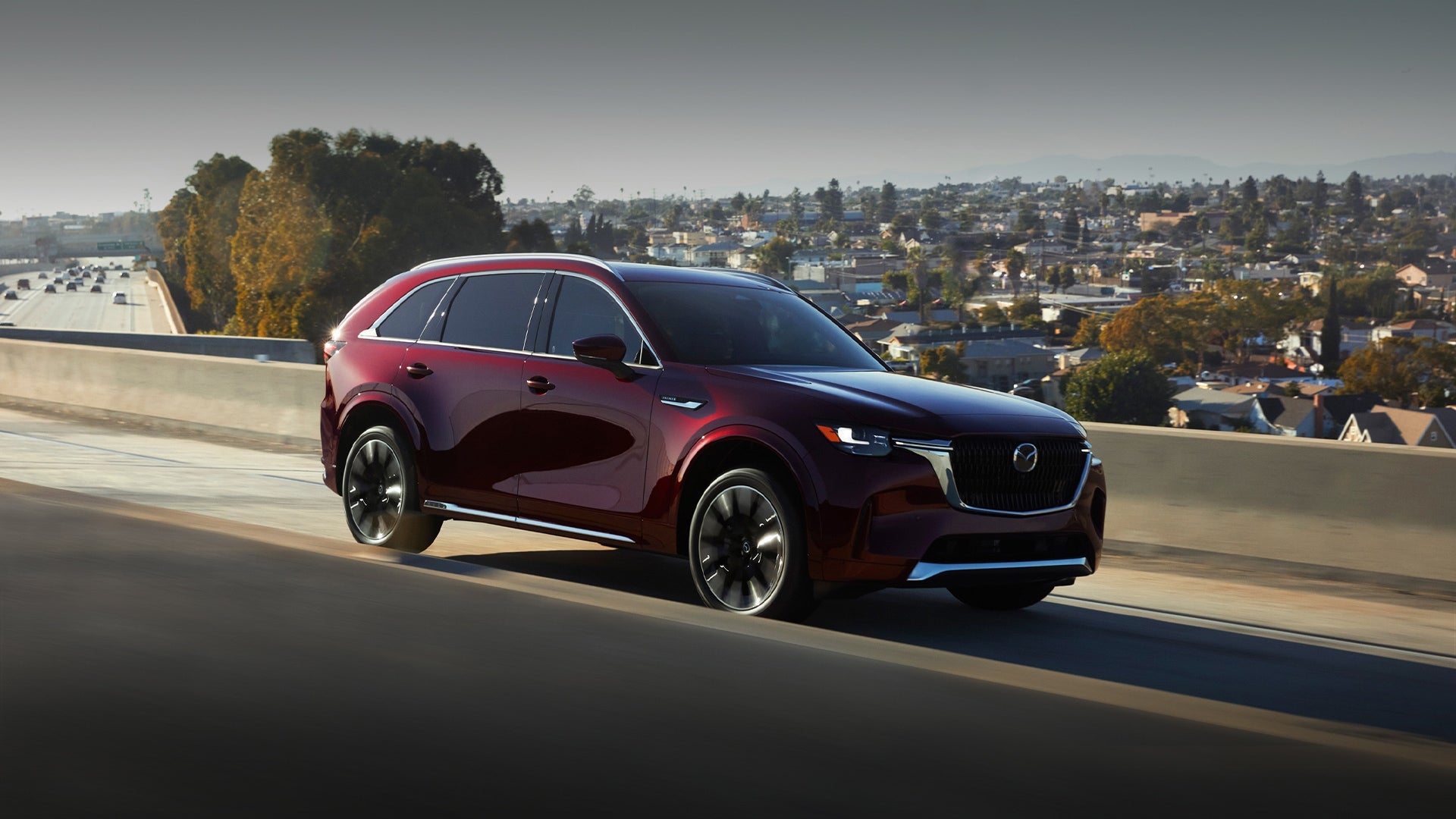
One particularly useful feature of the CX-90’s HUD is its integration with Mazda’s traffic sign recognition system. Speed limit information appears directly in the driver’s line of sight, updating automatically as the vehicle enters different speed zones.
This feature proves especially valuable in areas with frequently changing speed limits or when traveling through unfamiliar regions where drivers might not notice posted signs.
Lane-keeping assist status appears as colored lane markers that provide immediate visual feedback about the system’s engagement status.
The display’s brightness adjusts automatically based on ambient lighting, and manual adjustments are easily accessible through steering wheel controls.
Mazda has demonstrated that exceptional HUD technology doesn’t require an ultra-luxury price tag, making the CX-90 an outstanding value proposition for buyers prioritizing this feature.
6. Cadillac Escalade
The Cadillac Escalade’s head-up display matches the vehicle’s bold, commanding presence with a generously sized projection area and comprehensive information presentation.
Cadillac has equipped the Escalade with one of the most feature-rich HUD systems available in any SUV, combining luxury appointments with practical functionality that enhances both safety and convenience during everyday driving.
The Escalade’s HUD displays a wide array of information, including speed, navigation directions, audio system status, and comprehensive driver assistance data.
The system’s large display area allows multiple information categories to coexist without crowding, giving drivers quick access to whatever data they need at any given moment.
The graphics use a modern, refined design language that complements the Escalade’s premium interior aesthetic while maintaining excellent readability.
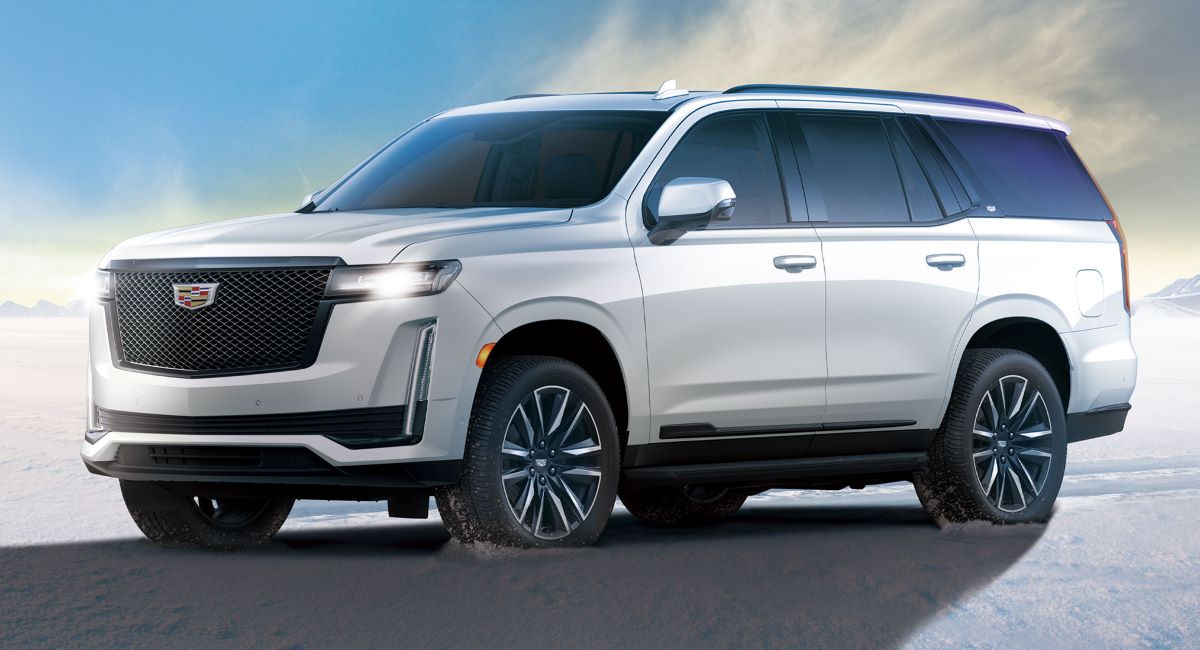
What makes the Escalade’s HUD particularly impressive is its deep integration with General Motors’ Super Cruise semi-autonomous driving system.
When Super Cruise is engaged on compatible highways, the HUD displays detailed information about the system’s operational status, including whether hands-free driving is available and how attentive the system determines the driver to be.
A light bar changes color to indicate different system states, providing at-a-glance awareness of what Super Cruise is currently doing and what it expects from the driver.
The navigation display in the Escalade’s HUD is exceptionally detailed, showing not just turn-by-turn directions but also lane guidance information that helps drivers position themselves correctly for upcoming exits or turns.
This feature proves particularly valuable when going through the complex highway interchanges or unfamiliar urban environments where being in the correct lane is crucial.
The system also displays incoming call information, text message notifications, and audio source details without requiring drivers to look at the central infotainment screen.
The Escalade’s HUD represents Cadillac’s commitment to combining American luxury with cutting-edge technology, creating a driving experience that feels both commanding and contemporary.
7. Genesis GV70
Genesis has rapidly established itself as a serious luxury contender, and the GV70’s head-up display demonstrates the brand’s commitment to matching or exceeding established premium manufacturers in technology offerings.
The GV70’s HUD delivers a sophisticated blend of information presentation and visual refinement that reflects Genesis’s design-forward philosophy while maintaining the practical functionality that drivers need.
The system projects information using a full-color display that adapts its color scheme based on driving mode and ambient conditions. In normal driving mode, the display uses cool, calming colors that promote relaxed attention.
Switch to sport mode, and the color palette shifts to more aggressive reds and whites that create a more engaging, performance-oriented atmosphere. This context-sensitive visual design helps reinforce the vehicle’s different character modes without requiring conscious thought from the driver.
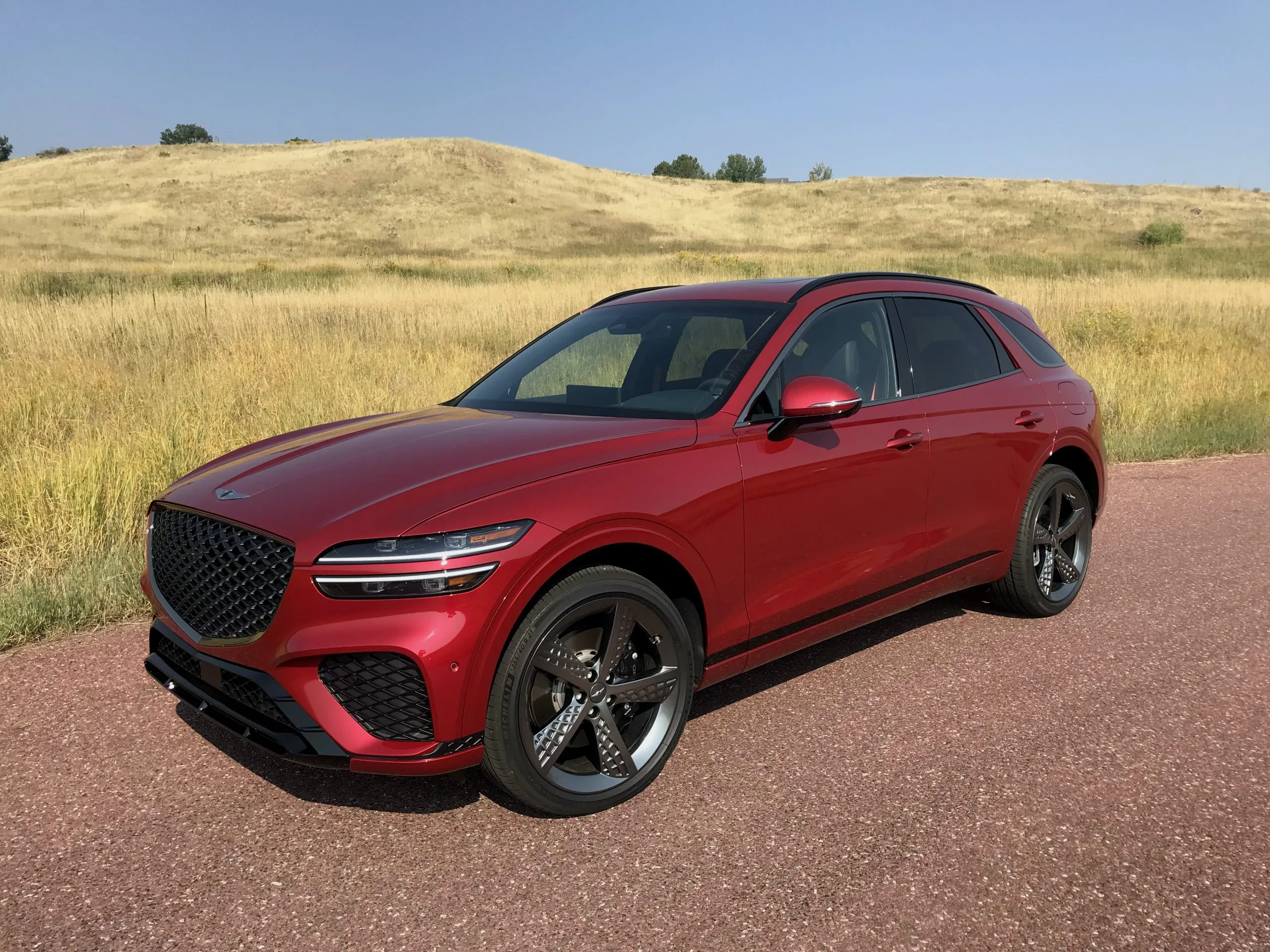
Genesis has paid particular attention to navigation display quality in the GV70’s HUD. Turn-by-turn directions appear with clear arrows and distance information, while lane guidance graphics help drivers position themselves correctly for upcoming maneuvers.
The system displays street names in easily readable fonts and provides advance notice of upcoming turns with countdown markers that help drivers prepare for maneuvers without rushing.
This thoughtful implementation makes navigation substantially less stressful, especially in unfamiliar areas. The GV70’s HUD integrates comprehensively with Genesis’s extensive driver assistance system suite.
Forward collision warning appears as prominent red graphics that immediately capture attention, while lane-keeping assist status displays as colored lane markers that indicate system engagement.
Blind-spot monitoring information can also appear on the HUD when turn signals are activated, providing additional confirmation that lane changes are safe.
The display’s brightness adjusts automatically based on ambient lighting, and the projection height and angle can be adjusted to accommodate drivers of different heights and seating preferences.
Genesis has created an HUD system that feels decidedly premium, reinforcing the brand’s position as a legitimate luxury alternative to established German and Japanese competitors.
8. Volvo XC90
Volvo’s legendary commitment to safety finds expression in the XC90’s head-up display, which prioritizes information that enhances driver awareness and prevents accidents.
While some manufacturers focus primarily on navigation and convenience features, Volvo has designed the XC90’s HUD with a safety-first philosophy that aligns perfectly with the brand’s core values and reputation.
The XC90’s HUD displays speed information prominently, using large, easily readable numerals that minimize the time required to check current velocity.
Speed limit information captured by the vehicle’s camera system appears directly alongside actual speed, making it immediately obvious whether the driver is exceeding posted limits. This subtle but constant reminder helps promote legal and safe driving without feeling intrusive or judgmental.
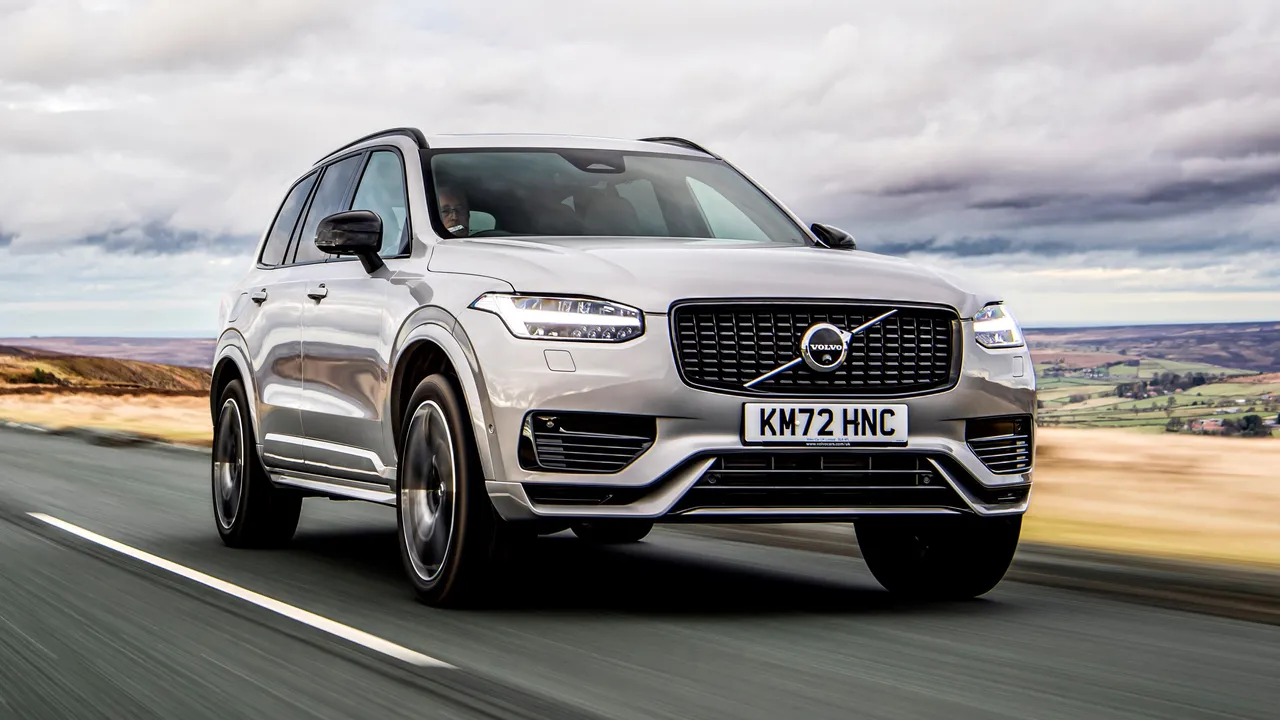
What distinguishes the XC90’s HUD is its integration with Volvo’s comprehensive City Safety collision avoidance system. When the vehicle’s sensors detect a potential collision with another vehicle, pedestrian, or cyclist, the HUD displays prominent red warning graphics along with audible alerts.
These multi-sensory warnings command immediate attention and provide drivers with critical extra seconds to react and avoid accidents.
The system can also display warnings about vehicles in blind spots, cross-traffic when reversing, and even large animals on or near the roadway.
The system also displays active driver assistance status, showing when adaptive cruise control, lane-keeping assist, and pilot assist semi-autonomous driving are engaged and operating properly.
Volvo’s approach to HUD design demonstrates that safety-focused features can also deliver excellent convenience and usability, creating a system that protects occupants while simultaneously making driving more pleasant and less stressful.
9. Porsche Taycan
Porsche’s first all-electric vehicle, the Taycan, features a head-up display that perfectly complements the car’s performance-oriented character while incorporating practical features that enhance everyday usability.
The Taycan’s HUD reflects Porsche’s racing heritage and engineering excellence, delivering information with the precision and clarity that driving enthusiasts demand.
The display uses high-resolution graphics that remain razor-sharp across the entire projection area, ensuring that all information is instantly legible regardless of where it appears within the display.
Speed information appears in Porsche’s signature font, creating visual continuity with the brand’s sports car legacy. The system can display traditional analog-style speed gauges for drivers who prefer classic instrumentation, or switch to digital readouts for those favoring modern minimalism.
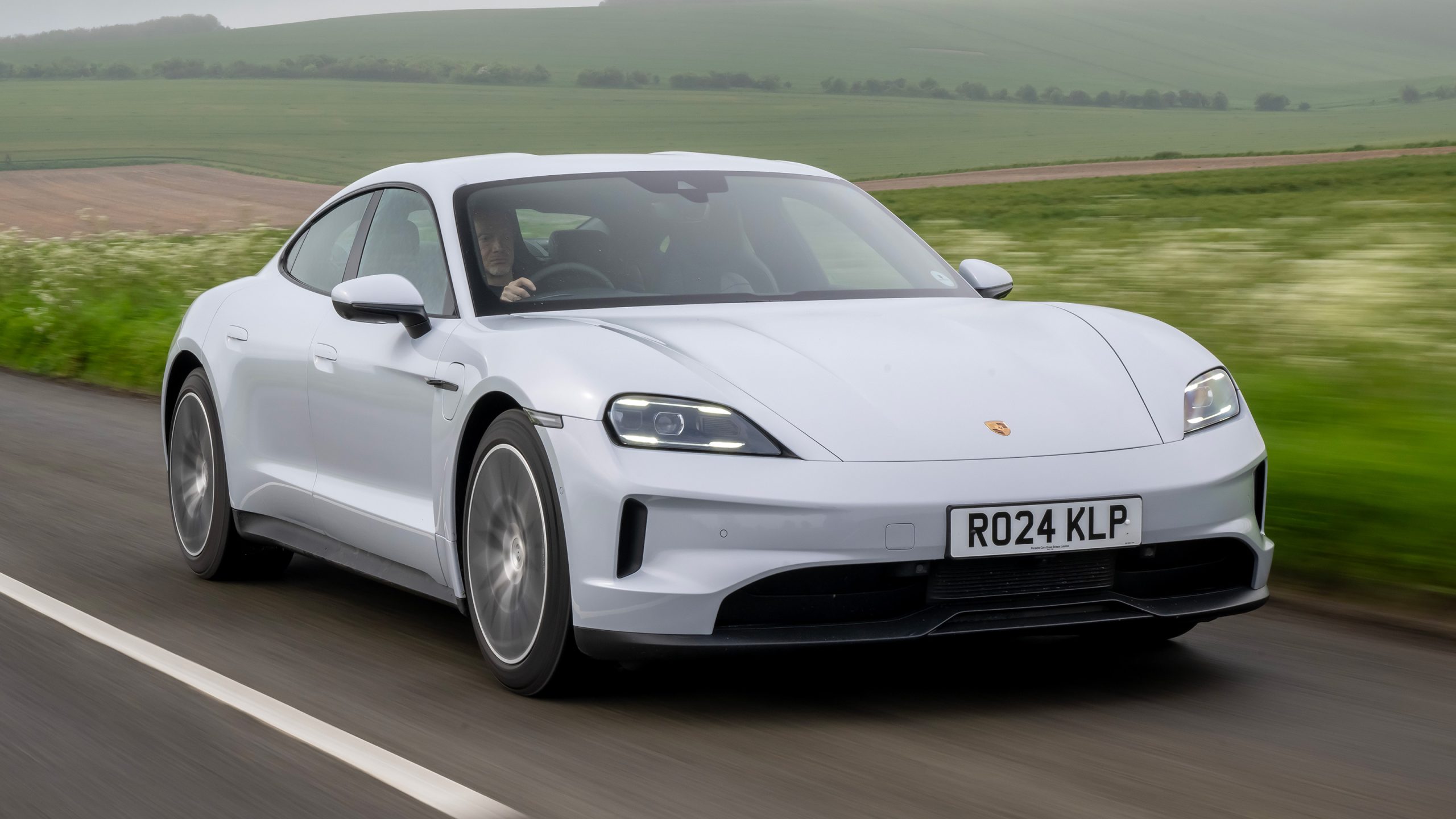
During spirited driving, the Taycan’s HUD displays performance-relevant information, including power output, battery temperature, and lap times when track mode is engaged.
The system can also show lateral and longitudinal acceleration forces, giving drivers immediate feedback about how aggressively they’re pushing the vehicle.
This performance-oriented data appeals to driving enthusiasts while remaining unobtrusive during normal commuting when such information is less relevant.
The system also displays charging station information when battery charge drops below certain thresholds, helping drivers plan stops during longer journeys.
Speed limit information and traffic sign recognition data appear when relevant, promoting safe and legal driving without feeling intrusive.
Porsche has created an HUD system that serves both the enthusiast driver seeking performance feedback and the daily commuter wanting convenience and safety, demonstrating that these seemingly different priorities can coexist successfully.
10. Toyota Camry
Toyota’s decision to include an advanced head-up display in the mainstream Camry sedan represents a significant democratization of technology that was once reserved for luxury vehicles.
The Camry’s HUD brings premium features to a broad audience, making sophisticated driver information systems accessible to buyers who might not otherwise experience such technology.
The system displays essential driving information including speed, navigation directions, and driver assistance status, with clarity and simplicity.
Toyota’s interface designers have avoided unnecessary complexity, presenting information in straightforward formats that drivers of all ages and technical proficiencies can understand immediately.
Speed displays in large, bold numerals, while navigation arrows use distinctive colors and shapes that make upcoming turns unmistakable even in stressful driving situations.
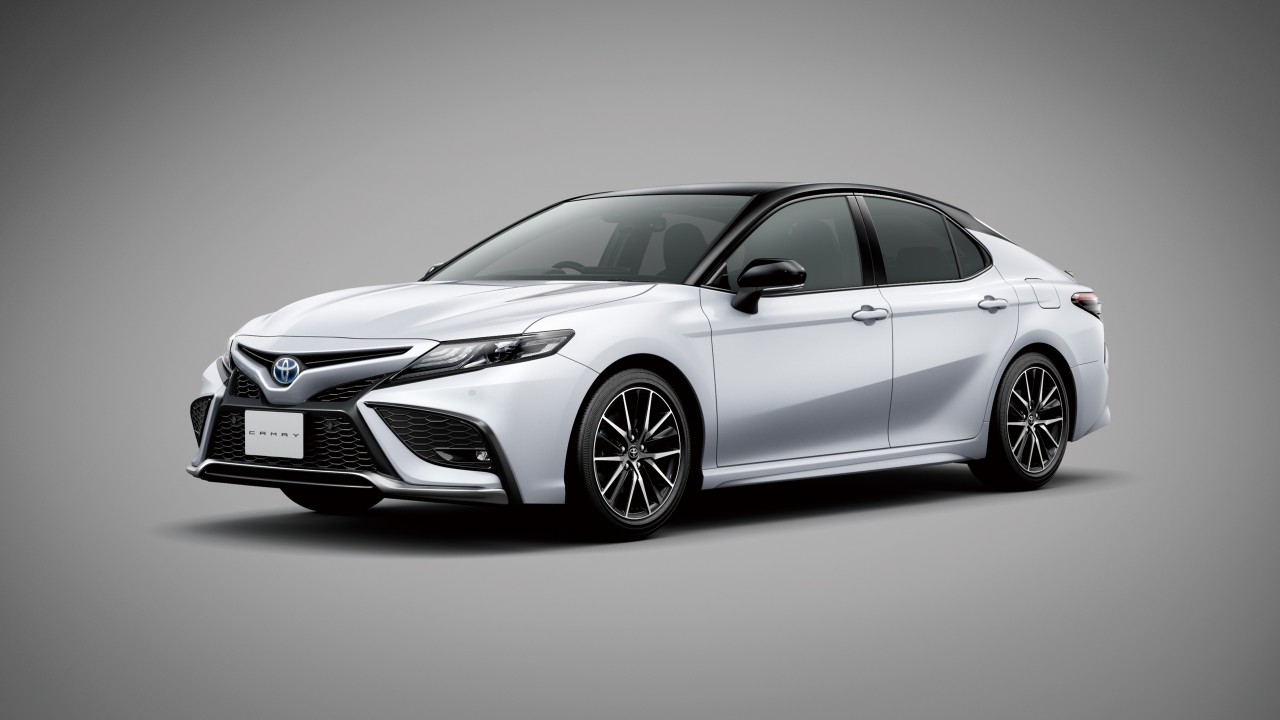
The Camry’s HUD integrates with Toyota Safety Sense, the company’s comprehensive driver assistance suite. Lane departure alerts appear as visual warnings on the HUD, supplementing audible alerts with graphical information that captures attention without causing alarm.
Adaptive cruise control status displays clearly, showing the set speed and following distance with intuitive icons. Forward collision warnings appear as prominent red graphics that demand immediate attention when the system detects potential impacts.
This feature helps drivers maintain legal speeds without constantly searching for posted signs, particularly valuable in areas with frequent speed limit changes or when driving in unfamiliar locations.
The HUD’s brightness adjusts automatically based on ambient lighting conditions, remaining clearly visible in bright sunlight while avoiding excessive glare during nighttime driving.
By incorporating advanced HUD technology in an affordable, mainstream sedan, Toyota has made safety-enhancing features accessible to a much broader range of buyers.
11. Lincoln Aviator
The Lincoln Aviator’s head-up display exemplifies American luxury combined with practical innovation, offering a generous display area and comprehensive information presentation wrapped in refined visual design.
Lincoln has positioned the Aviator as a technology showcase, and the HUD plays a central role in delivering the sophisticated, modern driving experience the brand promises.
The Aviator’s HUD displays a wide range of information, including speed, navigation, multimedia controls, and comprehensive driver assistance data.
The system’s large projection area accommodates multiple information categories simultaneously without appearing crowded or cluttered.
Lincoln’s designers have organized information hierarchically, ensuring that critical data like speed and navigation instructions receive visual priority while secondary information remains accessible in peripheral display areas.
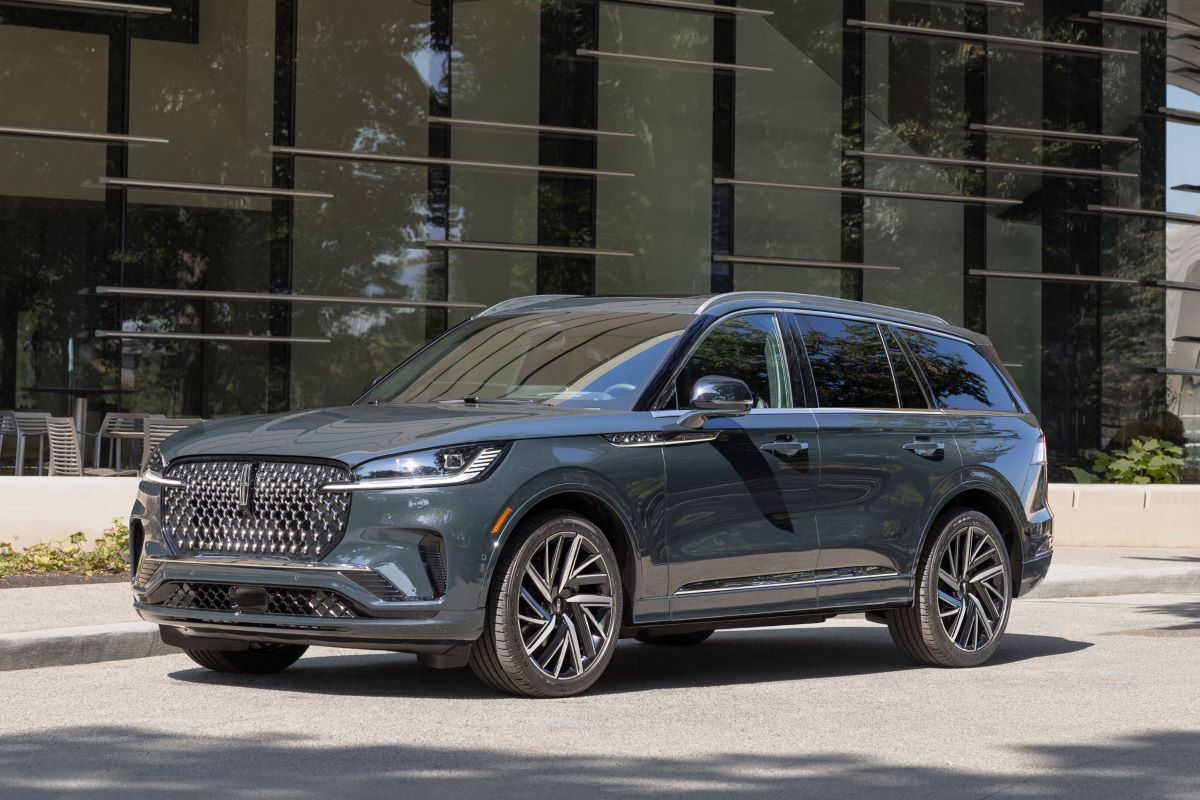
What makes the Aviator’s HUD particularly noteworthy is its integration with Lincoln’s Co-Pilot360 Plus driver assistance technology. The system displays detailed information about surrounding vehicles, showing their positions relative to the Aviator with clear graphical representations.
During lane changes, the HUD can display blind-spot monitoring information, providing additional confirmation that adjacent lanes are clear.
This feature proves particularly valuable when going through the complex highway interchanges, where being in the incorrect lane can result in missed exits or dangerous last-second maneuvers.
The system also displays parking guidance information when maneuvering in tight spaces, showing distance to obstacles and steering angle recommendations.
The Aviator’s HUD demonstrates Lincoln’s commitment to combining traditional American luxury with contemporary technology, creating a driving experience that feels both comfortable and sophisticated.
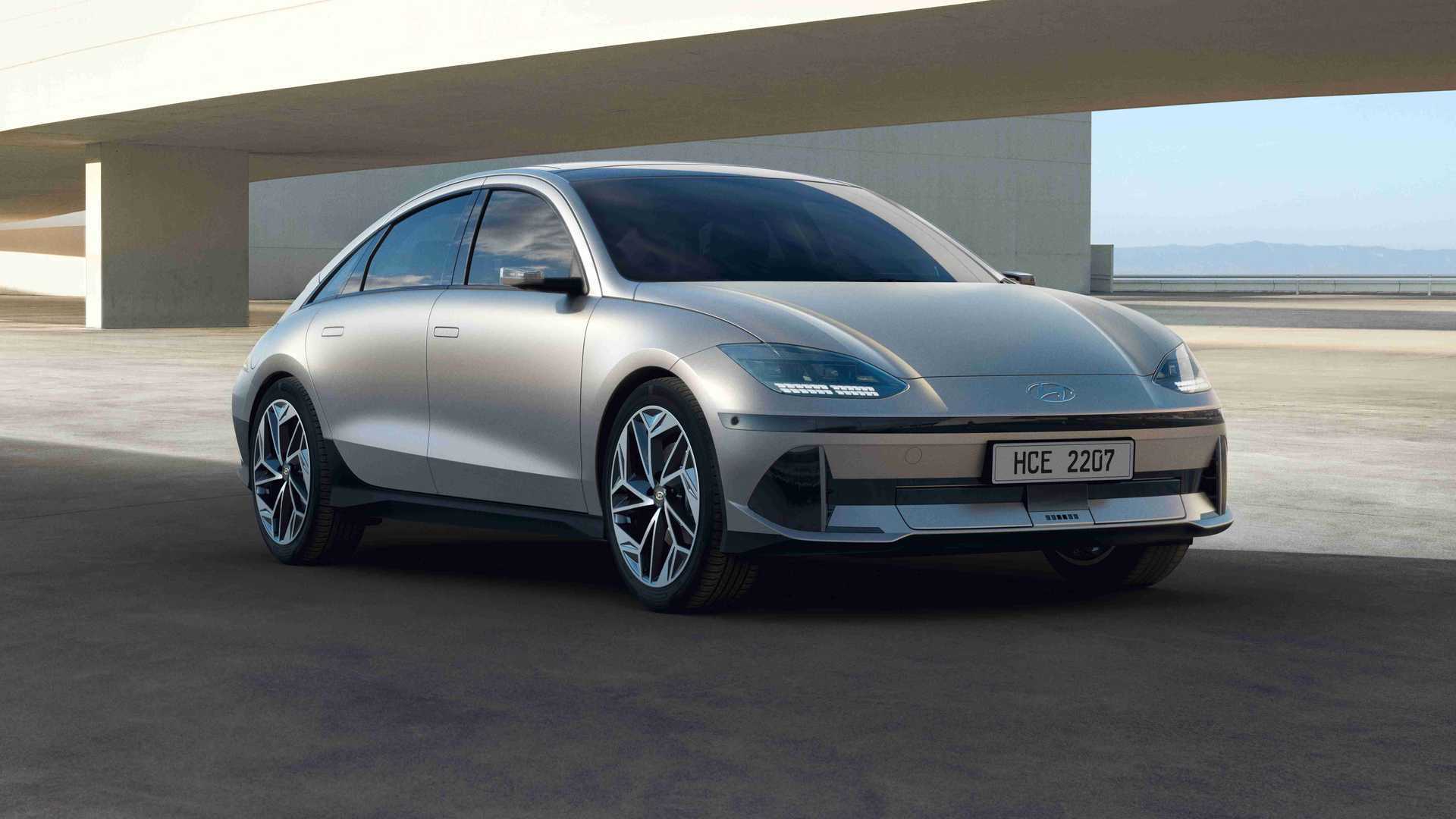
12. Hyundai Ioniq 6
Hyundai’s sleek electric sedan, the Ioniq 6, features a head-up display that reflects the vehicle’s futuristic design language while delivering practical functionality that enhances the electric driving experience.
The system represents Hyundai’s rapid advancement in premium technology offerings, demonstrating that the Korean manufacturer can compete successfully with established luxury brands in sophisticated driver information systems.
The Ioniq 6’s HUD uses a full-color display with high-resolution graphics that remain crisp and legible across all lighting conditions. The interface design employs modern, minimalist aesthetics that complement the vehicle’s avant-garde exterior styling.
Information appears in clean, geometric layouts that prioritize readability while creating a distinctly contemporary visual atmosphere.
Speed information displays prominently in a format that can be absorbed instantly, while navigation and driver assistance data occupy carefully positioned secondary display areas.
What makes the Ioniq 6’s HUD particularly relevant is its integration with electric vehicle-specific information. The system can display battery state of charge, remaining range estimates, and energy consumption data in real-time.
During regenerative braking, visual indicators show how much energy is being recovered and returned to the battery, helping drivers optimize their driving techniques for maximum efficiency.
Blind-spot monitoring information can also appear on the HUD, providing additional confirmation that lane changes are safe. The display’s brightness adjusts automatically, and the projection angle can be customized to accommodate different driver heights and seating positions.
Hyundai has created an HUD system that serves the specific needs of electric vehicle drivers while delivering the comprehensive functionality that all modern drivers expect, demonstrating the brand’s commitment to technological leadership in the automotive industry’s electric future.
Also Read: 12 Best Alternatives to Ford Vehicles That Work Well
