Highway stability is one of the most underrated aspects of SUV ownership in the United States.
With more families relying on SUVs as primary vehicles often driving long distances on wide-open interstates how well a vehicle tracks in a straight line can dramatically influence fatigue, confidence, and overall comfort.
A straight-tracking SUV stays planted and predictable at 70–80 mph, with minimal steering corrections and no wandering under crosswinds or road crown changes.
On the other end of the spectrum are SUVs known for “nervous hands,” requiring constant micro-adjustments or exhibiting vague steering on imperfect pavement.
These tendencies may come from steering geometry, electric power steering tuning, suspension compliance, or even overly soft tires from the factory.
This list breaks down six SUVs praised for their calm, centered, highway-friendly manners and six that are more prone to wander, especially on American highways known for long, straight stretches.
The goal isn’t to shame any model, but to help shoppers understand which SUVs perform best at steady-state cruising and which ones may require more patience from the steering wheel.
SUVs That Track Straight and Confidently on Highways
Cruising down the highway should feel effortless, not like a constant battle to keep your vehicle centered. Yet many SUVs still wander, tug at the wheel, or feel unsettled at higher speeds.
In this guide to SUVs That Track Straight and Confidently on Highways, we highlight the models that deliver true composure, vehicles engineered to hold their lane with precision, stay planted at speed, and reduce driver fatigue on long trips.
Whether you’re commuting daily or embarking on cross-country drives, these SUVs offer the stability and confidence every driver deserves.
1. Toyota Highlander
The Toyota Highlander consistently performs well in highway-tracking evaluations thanks to its well-damped suspension and precisely tuned electric power steering.
Toyota biases the Highlander’s steering feel toward stability rather than hyper-responsiveness, which helps the SUV hold its lane without constant corrections.
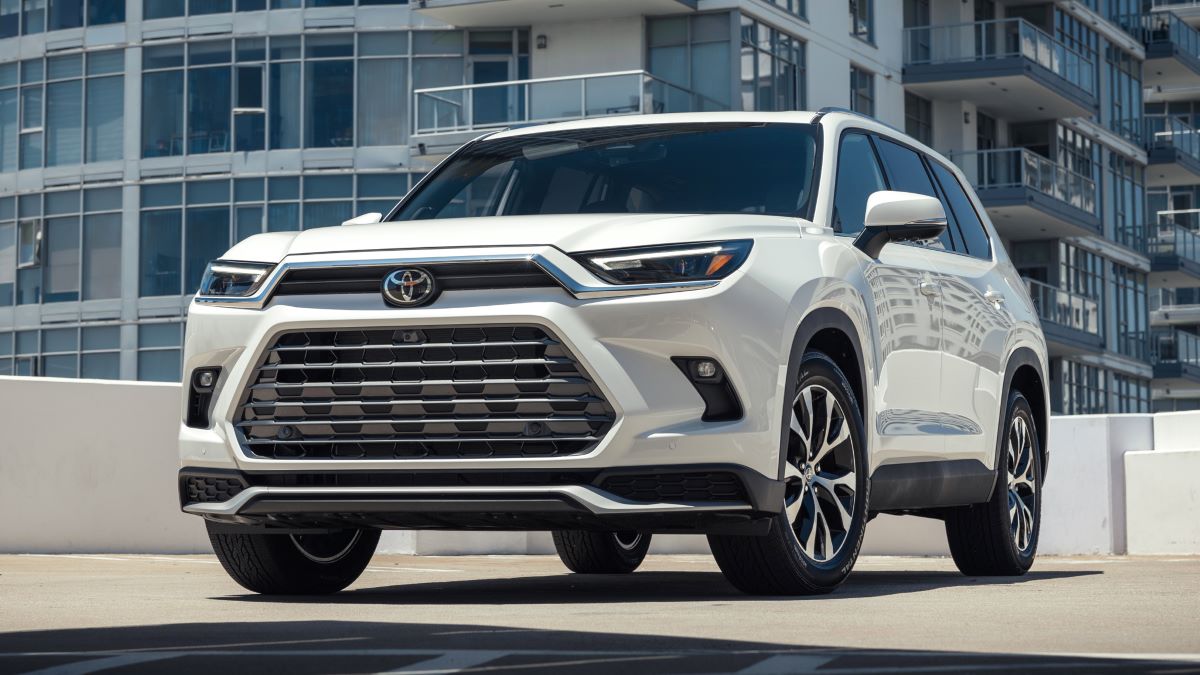
Even in light crosswinds, the Highlander stays planted, and its longer wheelbase relative to compact crossovers significantly reduces wander. Families who prioritize predictable high-speed composure will appreciate its serene, no-drama interstate behavior.
Also Read: 5 Honda Trucks That Outlast Rivals vs 5 That Don’t
2. Honda Pilot
The latest Honda Pilot benefits from a stiffer platform and a more deliberate steering ratio that creates exceptional straight-line stability.
Honda’s engineering team tuned the Pilot specifically for North American highways, where drivers expect minimal steering effort at speed.
The Pilot feels almost minivan-like in the way it holds a line calm, centered, and responsive but not twitchy.
Even on concrete interstates with deep grooves, the Pilot rarely gets pulled around. It’s a standout for long road trips and towing alike.
The 2021 Honda Pilot serves as a stylish alternative to a minivan, though its third row isn’t particularly spacious and it doesn’t stand out much in terms of design. Still, this SUV offers an optional all-wheel-drive system, a tall seating position, and respectable ground clearance, features that appeal to many crossover buyers.
Under the hood, the Pilot delivers a quick and fuel-efficient V-6 powertrain that performs reliably. Drivers seeking a truly engaging experience, however, might want to explore other options.
The Pilot makes up for that with a roomy interior, generous cargo capacity, and plentiful small-item storage. Its suite of standard driver-assistance technologies and popular infotainment features help it stay competitive against rivals like the Volkswagen Atlas and Toyota Highlander.
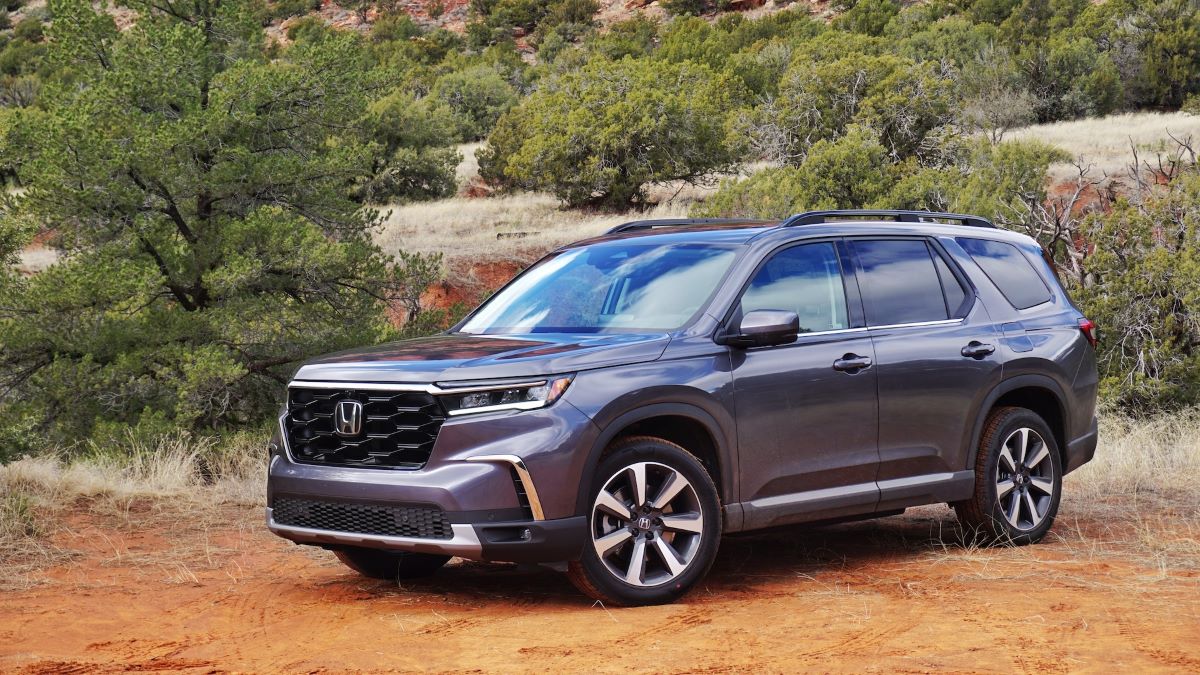
For 2021, Honda introduced a Special Edition trim for the Pilot and made the nine-speed automatic transmission standard across the lineup. Previously, only the Touring trim and above had the nine-speed, while lower trims relied on a clunky six-speed automatic.
The Special Edition fits between the EX and Touring trims and features black 20-inch wheels, a foot-activated power tailgate, and wireless charging. All 2021 models now come standard with paddle shifters, dual-zone climate control, and an automatic stop-start system. To account for these updates, Honda raised the Pilot’s base price by $600.
We believe the Special Edition offers the best balance of features and price. It includes black 20-inch wheels, a hands-free power tailgate, leather-trimmed seats, roof rails, second-row sunshades, a sunroof, and wireless charging. Adding all-wheel drive for $2,000 is recommended, as it boosts the Pilot’s maximum towing capacity from 3,500 to 5,000 pounds.
The Pilot’s V-6 delivers a sporty sound and ample power, while the nine-speed automatic transmission shifts smoothly and unobtrusively. The Pilot isn’t the most cumbersome three-row crossover to drive, but its size can feel heavy when cornering.
Upper trims with 20-inch wheels slightly reduce ride comfort but give the Pilot a more polished appearance. The SUV rides relatively smoothly when fully loaded with passengers and cargo.
However, the Pilot’s lack of body control can make it feel somewhat disconnected from the road at times. Its light steering makes it easy to maneuver in parking lots, though this contributes to a slightly detached feel at highway speeds.
3. Ford Explorer
Ford’s current Explorer offers one of the more balanced and stable highway experiences in the midsize SUV class. Its rear-wheel-drive-based platform gives it inherent stability at speed, keeping the SUV pointed straight ahead with little drift.
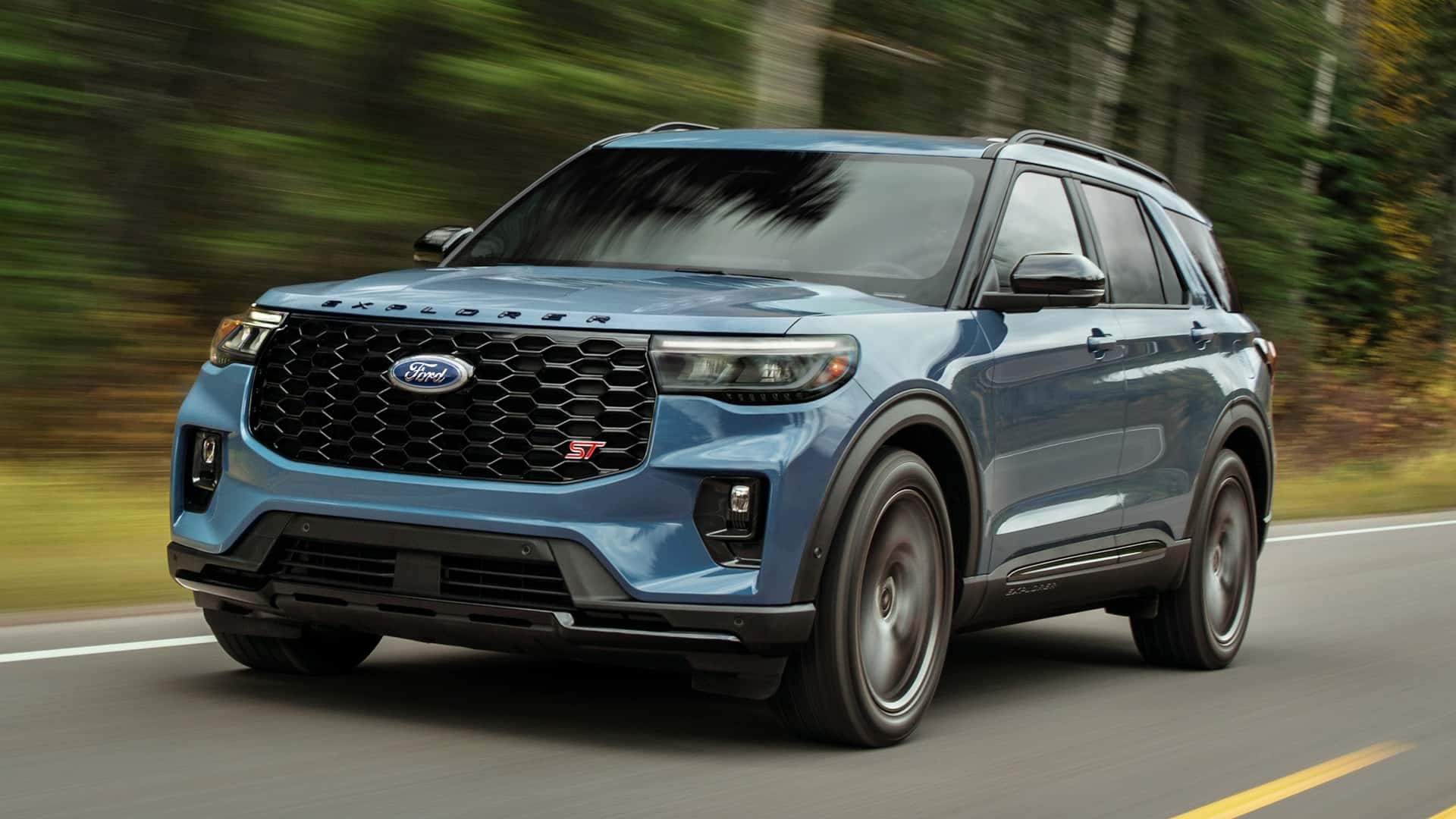
The steering is firm and reassuring, and the chassis doesn’t crash or bounce over expansion joints two issues that often contribute to wandering.
Many owners report that the Explorer feels “locked in” on major highways, even at higher speeds. For anyone who drives long interstate stretches, this SUV is a strong match.
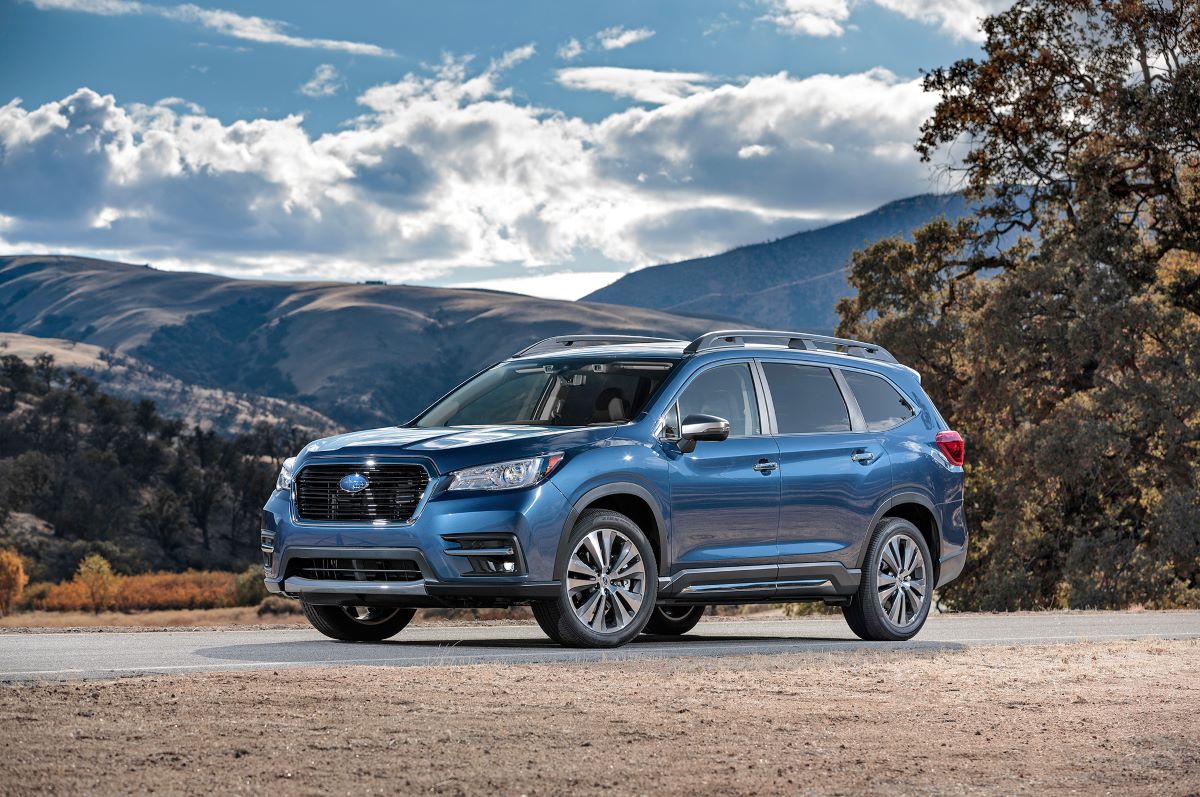
4. Subaru Ascent
Subaru’s commitment to stability shows clearly in the Ascent, and much of this comes from its symmetrical all-wheel-drive system.
The power distribution remains balanced even under throttle changes, helping the SUV maintain directional stability without sudden torque shifts that can pull the vehicle.
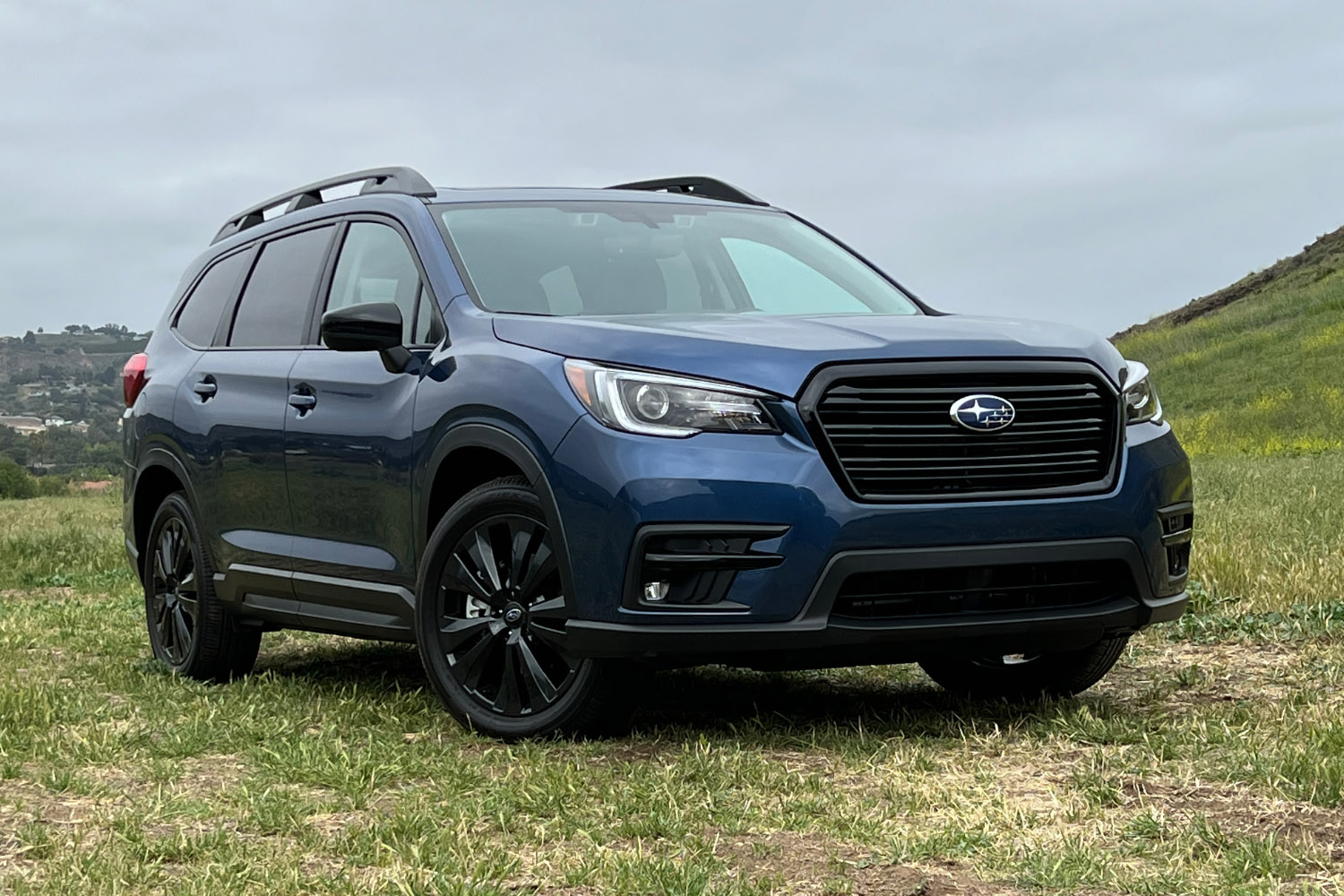
Subaru’s steering tuning also adds a confident on-center feel, something that earlier Subaru models lacked.
As a result, the Ascent gives drivers a surprisingly secure, planted highway ride ideal for snow-belt families who spend many miles on wide-open freeways.
Subaru infuses its adventurous yet safety-focused ethos into the Ascent, a three-row SUV introduced in 2019 and extensively refreshed for 2023 with updated styling and more standard technology.
The 2025 Ascent brings new variants while discontinuing the previous base trim. Key competitors include the Toyota Grand Highlander, Kia Telluride, and Ford Explorer.
The Subaru Ascent may not be our top pick among three-row SUVs, but it remains a solid contender in the segment.
Although the interior isn’t the most spacious, the 2025 Ascent makes effective use of available space. The first and second rows are roomy, while the third row is better suited for children.
Cargo capacity is respectable, though gaps between folded seats can allow small items to slip out of sight. Material quality is strong in higher trims, yet all models fall short in tech innovation, the vertically oriented infotainment touchscreen is large and eye-catching, but Subaru’s interface still needs refinement.
Beyond its firm ride, the Ascent delivers enjoyable driving dynamics, with robust turbocharged power and brake feedback that inspires confidence. The extensive suite of driver-assistance features is practical and reassuring for daily driving.
Coupled with Subaru’s renowned all-wheel-drive system, these attributes make the Ascent a capable and competitive family SUV.
Under the hood, the 2025 Ascent is powered by a 2.4-liter turbocharged flat-4 engine, a variant shared with the sporty Subaru WRX, producing 260 hp and 277 lb-ft of torque. Power is routed through a CVT automatic transmission to Subaru’s signature all-wheel-drive system.
5. Lexus RX
The Lexus RX has long been known for its luxury-grade highway composure. With one of the smoothest suspensions in the segment and extremely refined steering calibration, the RX tracks with effortless stability.
Lexus engineers intentionally build a strong on-center steering feel, so even light inputs feel precise, making it easy to maintain a straight trajectory with minimal effort.
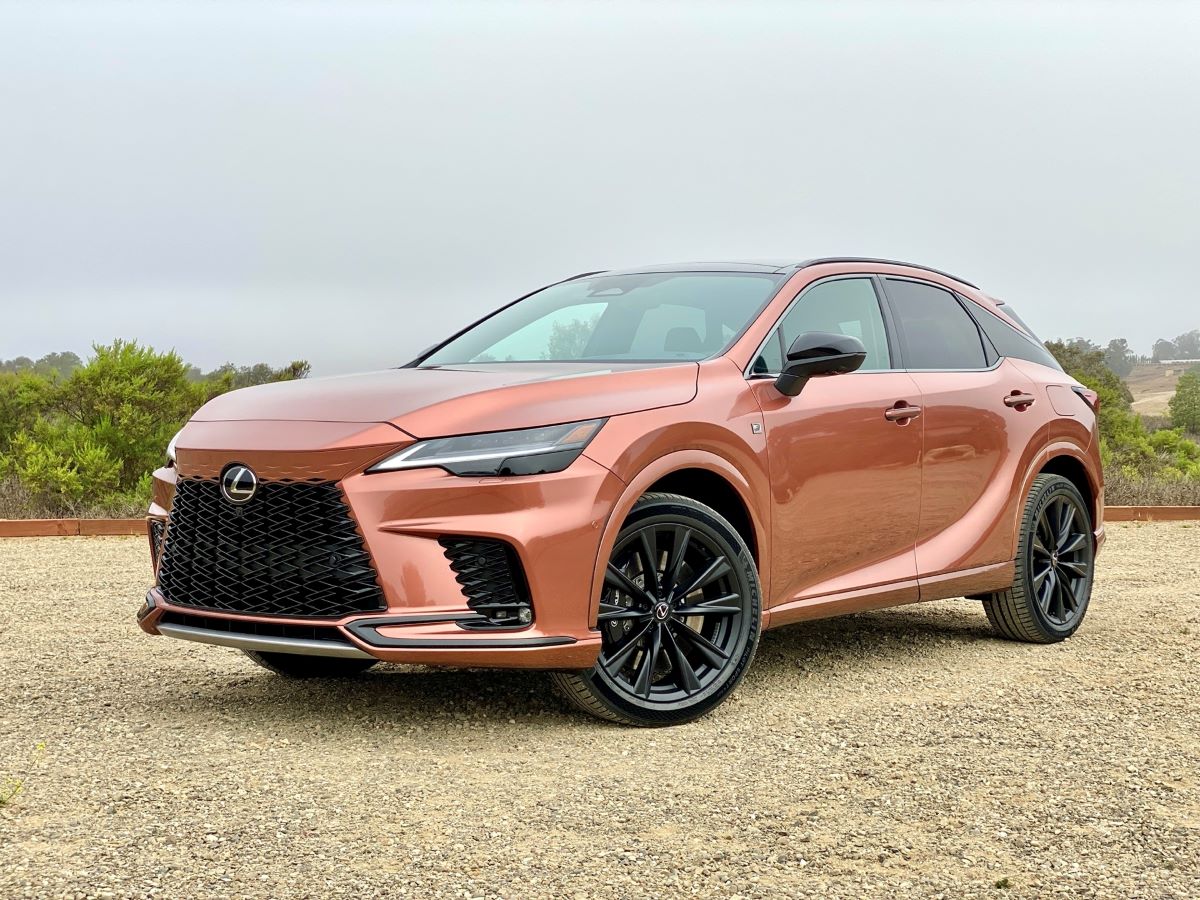
The RX also benefits from excellent aerodynamics, reducing the impact of crosswinds. The end result is a calm, cushioned, drift-free drive that feels almost sedan-like on long interstates.
Buyers can choose their RX in two distinct configurations: the RX350, which is powered by a 3.5-liter V-6, and the RX450h, which pairs the V-6 with two electric motors. Our RX350 test vehicle featured all-wheel drive and completed a zero-to-60 mph run in 6.9 seconds, adequate, though somewhat slow for the segment.
The RX450h, one of the few hybrids in its class, also takes longer than average to accelerate from a standstill to 60 mph. Where the RX truly excels is in ride comfort; it smooths out rough pavement and provides a compliant, relaxed driving experience.
The cabin remains quiet and well-insulated from road noise, making the RX an exceptional choice for long-distance cruising.
6. Chevrolet Tahoe
The Chevrolet Tahoe’s truck-based frame might suggest rougher manners, but in reality, its long wheelbase and heavy weight give it exceptional directional stability.
On center, the steering is slow and deliberate perfect for holding a straight line but not overly eager to dart left or right.
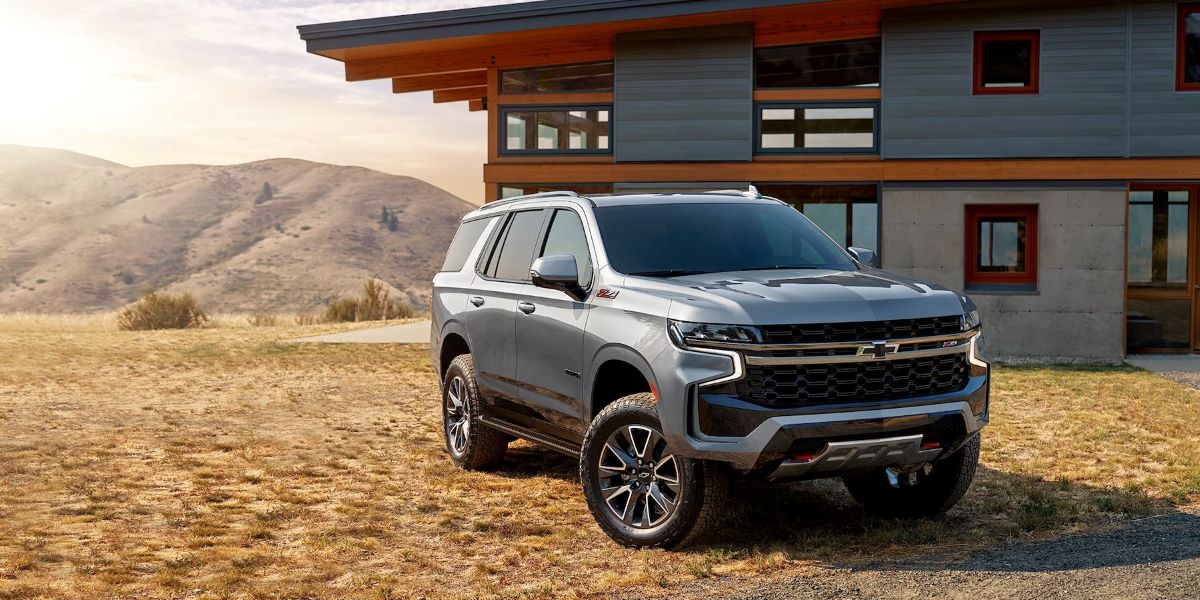
The newest generation also benefits from an independent rear suspension that keeps the Tahoe from hopping or skipping over bumps.
If you want a big SUV that stays rock-steady at 75 mph while towing, few options perform as consistently as the Tahoe.
Also Read: 12 Vehicles That Banks Still Love at High Miles
SUVs That Tend to Wander or Require Frequent Corrections
Navigating the highway shouldn’t mean fighting your SUV to stay centered. But for some models, a smooth drive can turn into a constant tug-of-war. In this article, we spotlight SUVs That Tend to Wander or Require Frequent Corrections, those whose steering or suspension feel unsettled, especially at high speeds.
Whether you’re cruising on the interstate or tackling long stretches of road, these are the midsize to full-size SUVs that may leave you reaching for the wheel more often than you’d like.
1. Jeep Wrangler (JL)
Even though the current Wrangler is more refined than older models, its solid front axle remains a key factor in its highway wander.
This design is excellent for articulation off-road but can make the steering feel vague or delayed at higher speeds.
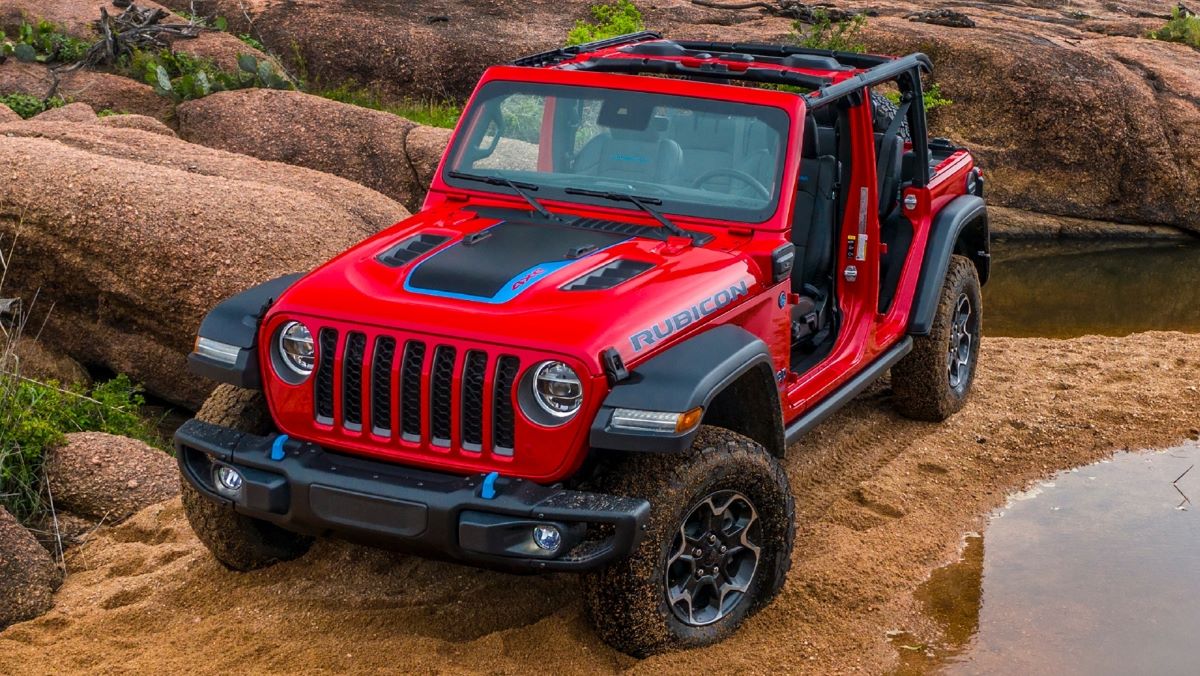
Owners frequently note that the Wrangler can follow road grooves, react to crosswinds, and demand constant steering nudges to stay centered. On the trail, it’s a hero. On the highway, it’s simply not built for laser-straight cruising.
2. Toyota 4Runner
The Toyota 4Runner shares some traits with the Wrangler: a rugged body-on-frame layout, older suspension geometry, and a recirculating-ball steering system engineered for durability rather than precision.
As a result, the 4Runner tends to wander more than modern crossover SUVs, especially at speeds above 65 mph.
Road crown sensitivity and a slightly floaty front end contribute to the sense that the driver must “herd” the vehicle along. For off-road lovers, this isn’t a dealbreaker. But for frequent highway commuters, it can get tiring.
After an impressive 15-year run, the fifth-generation Toyota 4Runner passes the torch to the 2025 Toyota 4Runner, ushering in the model’s sixth generation.
While the previous 4Runner remained popular, the time was right for a full update, highlighted by new engines, an eight-speed automatic transmission, and the TNGA-F frame and suspension architecture that recently debuted on the latest Toyota Tacoma and the reintroduced Land Cruiser.
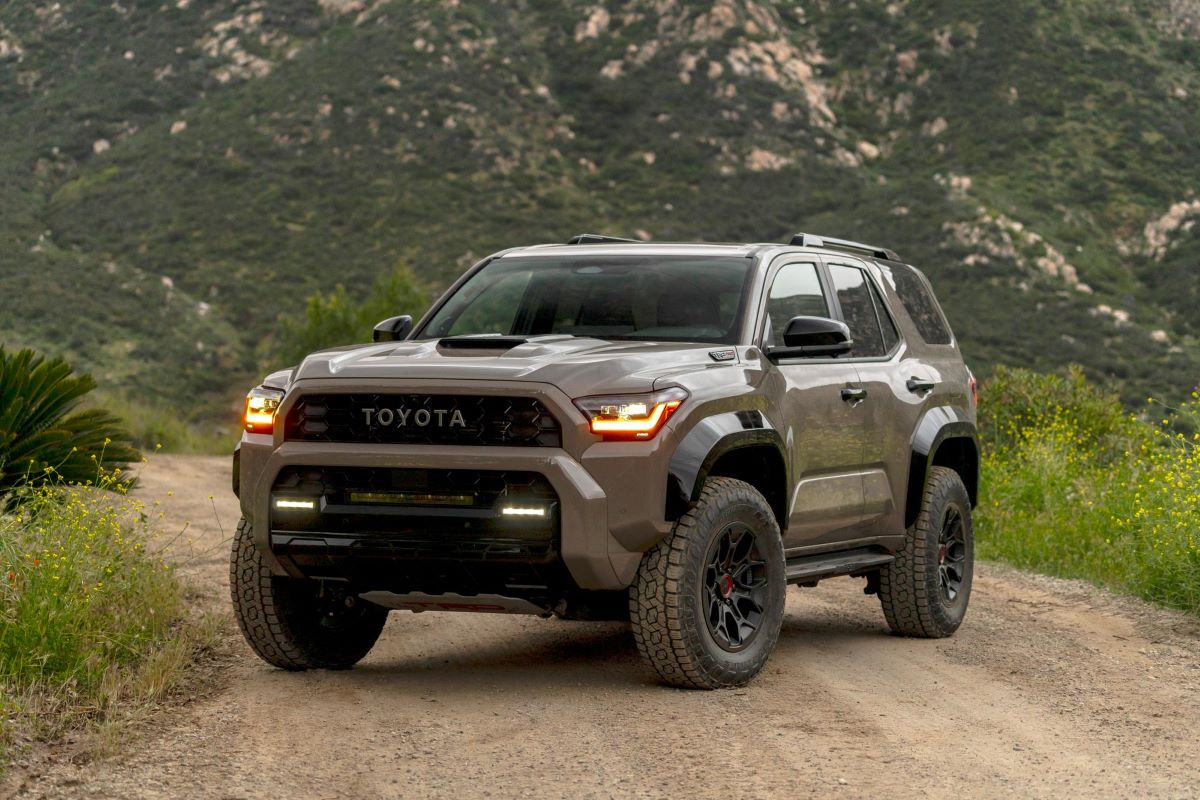
The 4Runner’s updated front-end styling isn’t a direct copy of the Tacoma, but the resemblance is unmistakable. Its stance has widened, with a three-inch increase in overall body width.
Much of that added width comes from prominent fender flares, which extend farther to cover the suspension’s broader track. Specific dimensions for the new model remain limited, but the Toyo Open Country AT III tires fitted to the TRD Pro and Trailhunter trims measure 265/70R-18, equating to a height of 33 inches.
The larger tires are now possible because, like the Tacoma, the 4Runner’s wheelbase has been extended at the front to allow for increased body-mount clearance. Previous generations struggled to accommodate larger tires due to limited space in this area.
For the 4Runner, the wheelbase grows by 2.4 inches (from 109.8 to 112.2 inches), matching the dimensions of the new Land Cruiser, Lexus GX550, and even the Lexus LX600.
Toward the rear, the 4Runner’s new styling rises above the rear doors, emphasizing muscular rear haunches, while the upper edge of the rear side window flows into the roof as a nod to the first- and second-generation models.
3. Chevrolet Traverse (Earlier Generations)
The current Traverse generation has improved stability, but earlier models especially pre-2018 versions were known for a slightly loose steering feel on center.
These SUVs often required more effort to maintain a straight path, particularly on concrete highways with ruts or seams.
The light electric power steering calibration felt nervous in windy conditions, making the Traverse feel less planted compared to its rivals.
Many owners reported that tightening the alignment specs helped, but the core tuning still allowed more wander than ideal.
Chevrolet opted to equip the Traverse with a 2.5-liter turbocharged four-cylinder engine paired with an eight-speed automatic transmission. This combination produces a total of 328 hp and 326 lb-ft of torque.
The Traverse is undeniably spacious. It’s widely praised in this regard, and Chevrolet is quick to tout the interior room, though this may be partly because there are few other standout features to highlight. Still, the second row offers generous elbow room, and the third row proves surprisingly usable.
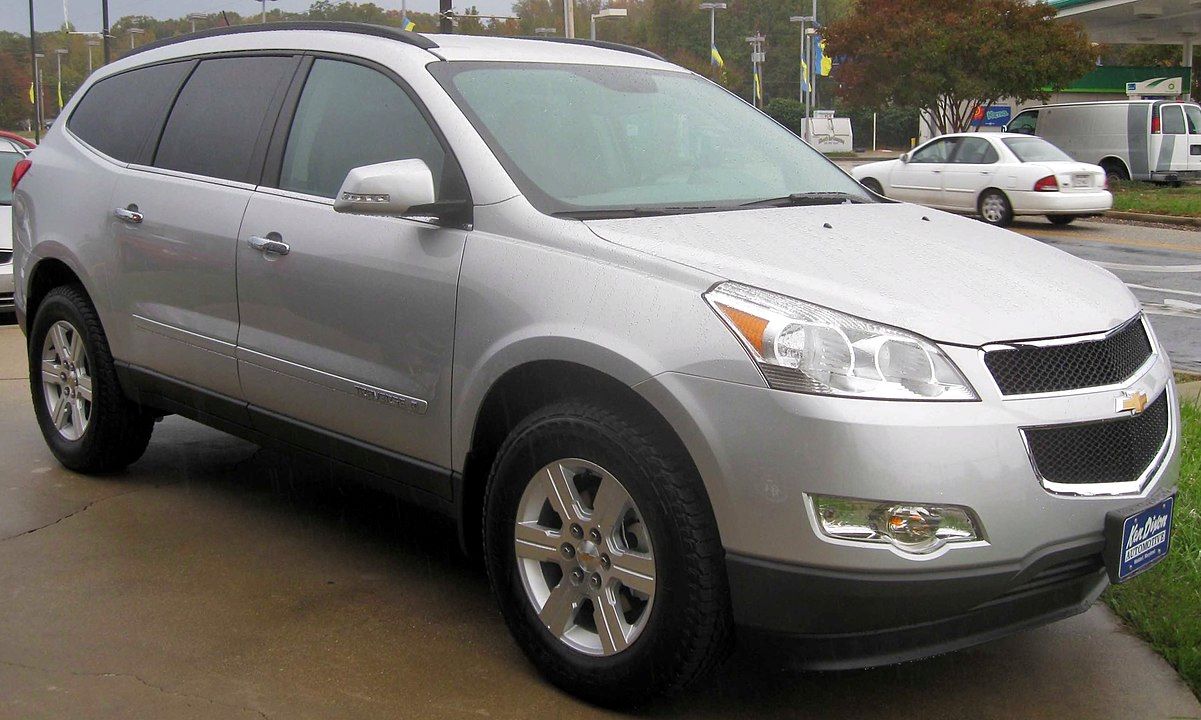
When it comes to technology and convenience, the Traverse delivers all the essentials. At the center of it is a striking 17.7-inch touchscreen that controls nearly every function.
While it demands a lot of attention, the minimal presence of buttons and knobs, combined with GM’s user-friendly interface, makes it easier to manage. Together with the digital driver display, the setup creates a solid, commanding cockpit.
The Traverse accomplishes the basics, though it can be frustrating behind the wheel. The four-cylinder engine generates a rattling noise whenever pushed beyond its comfort zone, which is, practically, most situations, serving as a constant reminder that this engine is somewhat mismatched for a utility vehicle of this size.
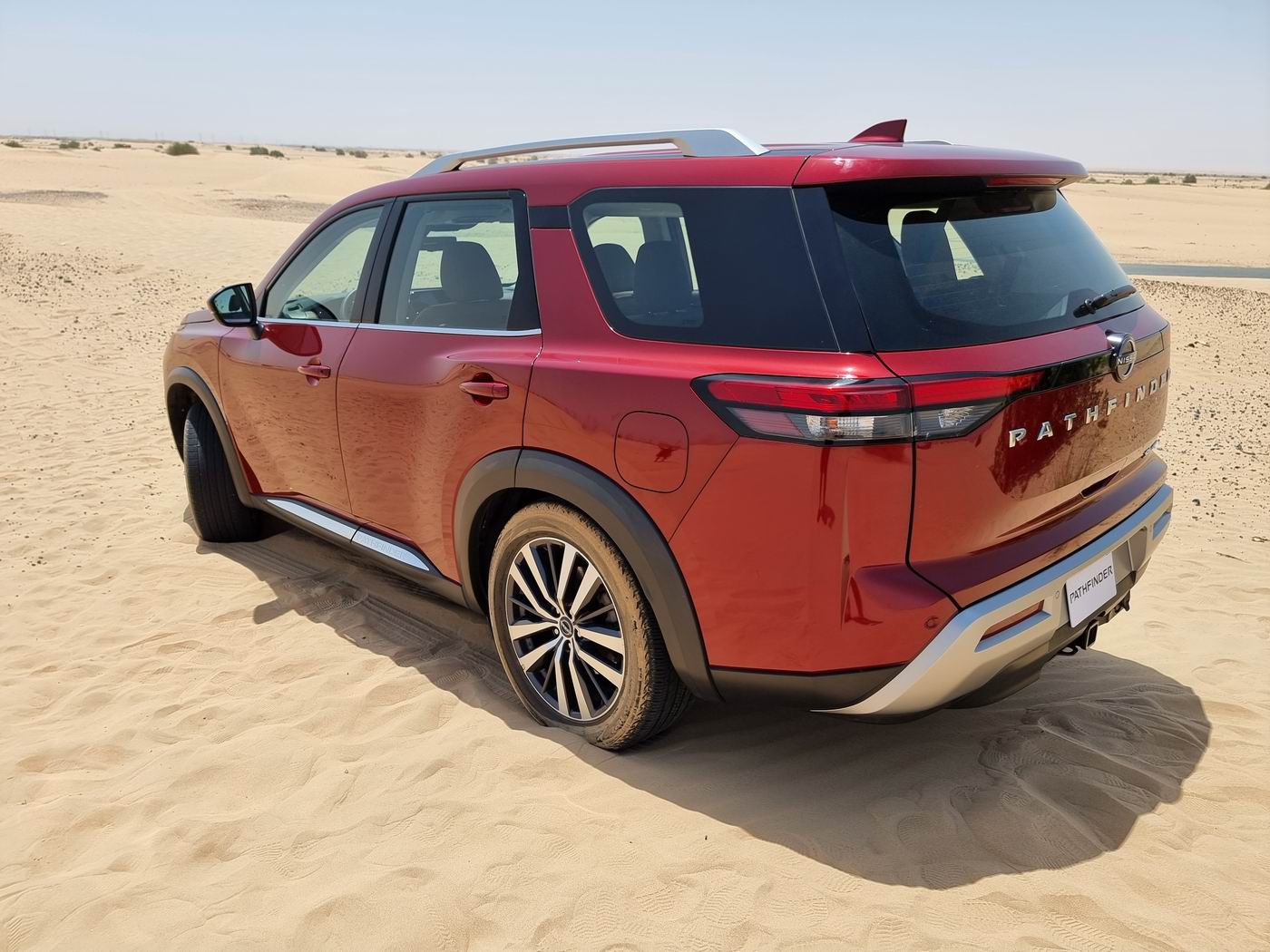
4. Nissan Pathfinder (Previous Generation)
Before its latest redesign, the Pathfinder struggled with inconsistent highway behavior due to soft suspension tuning and vague on-center steering feel.
The combination created a tendency to wander subtly, meaning drivers frequently had to make small adjustments.
The CVT’s inconsistent torque delivery could also introduce slight surges that affected straight-line stability.
While the newest Pathfinder is significantly better, used-car shoppers should know the older one may require more attention at the wheel on long road trips.
Like many modern three-row SUVs, the 2022 Nissan Pathfinder is designed to serve as a minivan alternative, but with a more rugged appearance and a touch of towing and off-road capability.
To achieve this, Nissan gave the Pathfinder a complete redesign for 2022, aiming to position its three-row midsize SUV against segment leaders such as the Hyundai Palisade, Kia Telluride, and Toyota Highlander. Power comes from a V-6 engine paired with a nine-speed automatic transmission.
Front-wheel drive is standard, though buyers who anticipate off-road adventures will likely opt for the available all-wheel-drive system. The cabin accommodates seven or eight passengers across three rows, and Nissan offers a range of standard driver-assistance and infotainment features, with even more advanced tech available as options.
Completely redesigned for 2022, the Pathfinder trades the frumpy styling of the 2020 model for a more rugged and modern aesthetic. The new Pathfinder is expected to arrive in Nissan dealerships in summer 2021.
While the S and SV trims come with desirable driver-assistance features, we recommend the SL trim if it fits your budget. Stepping up from the SV adds a larger 9.0-inch infotainment system, a 360-degree camera system, and wireless Apple CarPlay.
Adding the SL Premium package for $2,900 transforms the Pathfinder into a near-luxury SUV, including 20-inch wheels, a panoramic sunroof, a Bose stereo system, heated rear seats, and wireless smartphone charging. This package also equips the Pathfinder with all the features necessary to reach its 6,000-pound towing capacity.
The 2022 Pathfinder retains the 284-hp 3.5-liter V-6 from the previous generation but replaces the continuously variable automatic transmission (CVT) with a new nine-speed automatic. Front-wheel drive is standard, while all trims can be fitted with all-wheel drive.
Upgrading to AWD also adds seven drive modes, including Sand and Mud/Rut settings tailored for off-road use. On our test track, our front-wheel-drive SL test vehicle accelerated from 0 to 60 mph in 6.7 seconds, while the all-wheel-drive version managed 6.6 seconds, making it quicker than both the Kia Telluride and Toyota Highlander.
Handling is unremarkable and not particularly engaging, but the Pathfinder rides smoothly, and Nissan’s attention to sound-deadening measures keeps the cabin quiet during highway cruising.
5. GMC Acadia (Second Generation)
The downsized Acadia introduced lighter steering and a more compact footprint, but many owners felt the on-center feel became too light for highway speeds.
At 70 mph, the steering sometimes feels overly boosted, leading to small but noticeable drift, especially on windy routes or worn pavement.
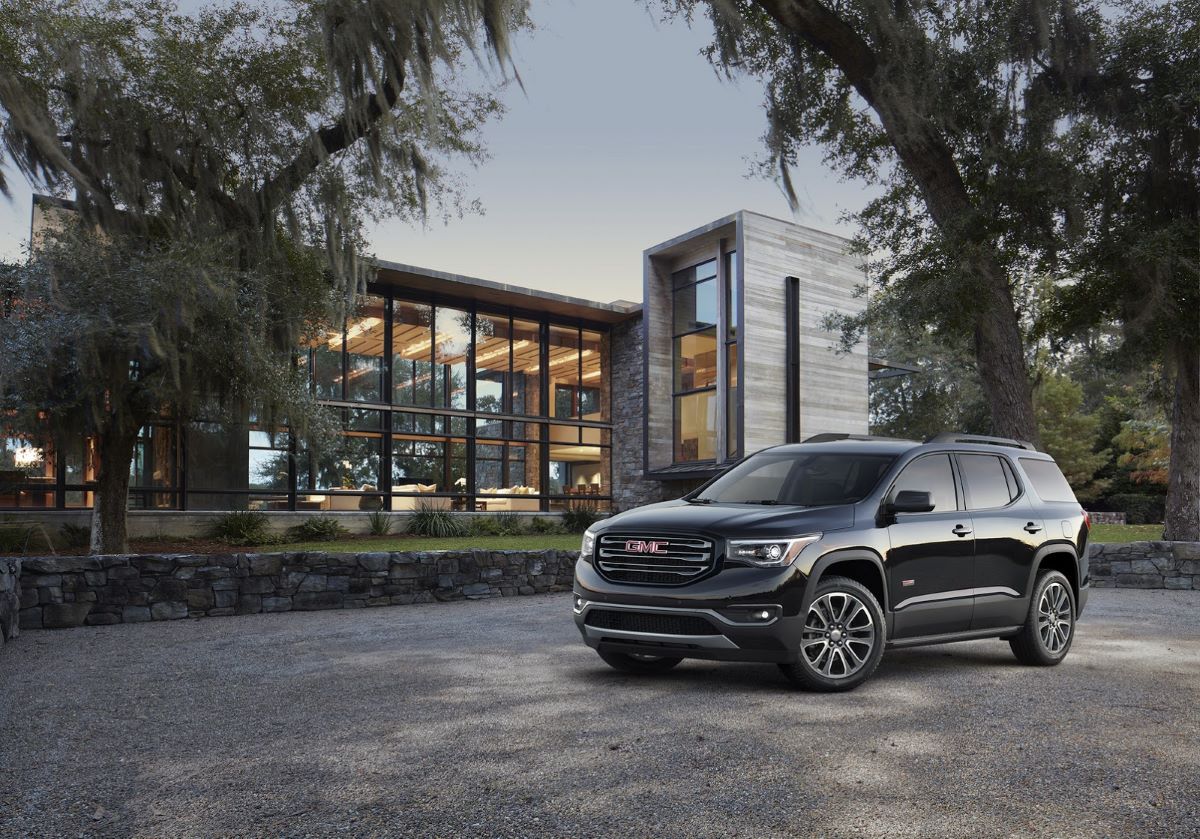
While the Acadia handles well in town, its high-speed stability doesn’t match the segment’s best. Drivers report more corrections than expected on long interstate runs, which can add up during multi-hour trips.
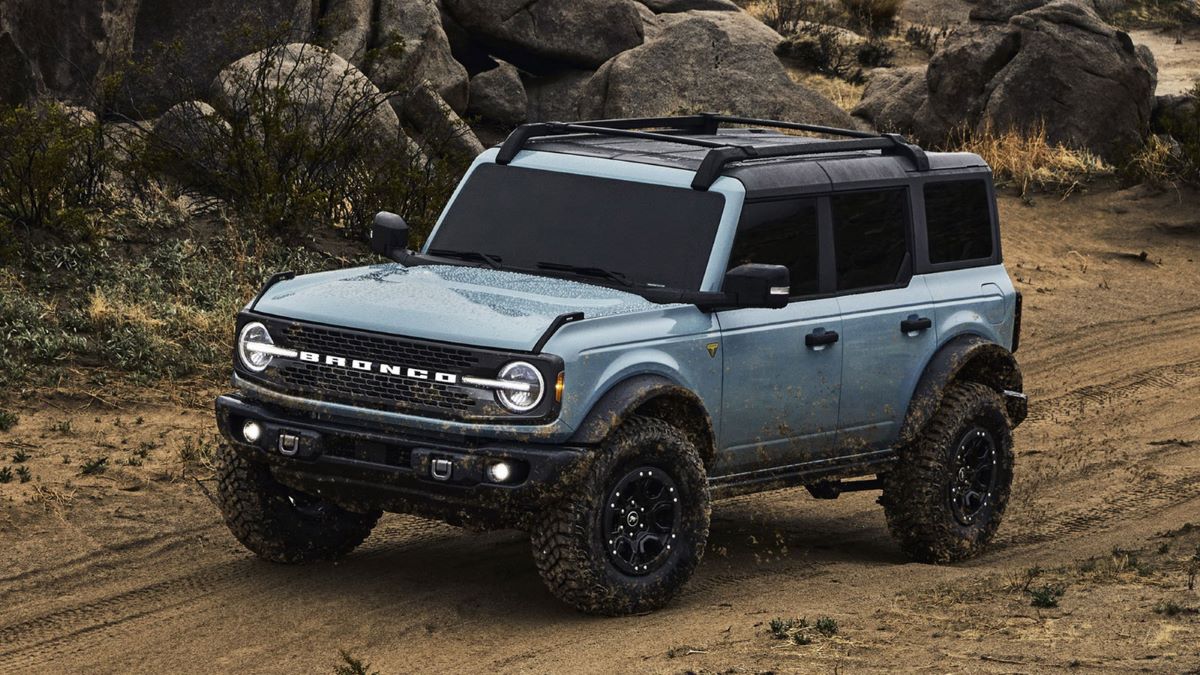
6. Ford Bronco
Like the Wrangler, the Ford Bronco uses a design focused on off-road prowess, and that comes with tradeoffs on the highway.
Even with independent front suspension, the Bronco can feel a bit unsettled at speed because of its large tires, tall stance, and wind-sensitive boxy shape.
The steering has noticeable play near center, giving it a lively, sometimes wandering personality on straight highways.
Owners often opt for aftermarket alignment adjustments or tighter steering dampers to improve stability, but even in stock form, the Bronco requires more driver engagement than typical family SUVs.
Highway stability isn’t just a comfort feature it’s a safety and fatigue-reduction asset that many American drivers value without consciously thinking about it.
Whether commuting through the Midwest, crossing long desert highways in the Southwest, or navigating windy coastal interstates, how an SUV tracks in a straight line determines how enjoyable (or stressful) the drive becomes.
For shoppers prioritizing calm, centered highway performance, the Toyota Highlander, Honda Pilot, Ford Explorer, Subaru Ascent, Lexus RX, and Chevrolet Tahoe stand out as class leaders.
Each combines smart steering calibration with well-tuned suspensions and predictable behaviors at 70-80 mph.
Meanwhile, SUVs like the Wrangler, 4Runner, older Pathfinder, earlier Traverse, second-gen Acadia, and Bronco offer different strengths primarily off-road capability but tend to wander more on the highway.
Understanding these tradeoffs helps buyers choose the SUV that truly matches their driving environment.