For many American families, an SUV isn’t just a vehicle it’s a long-term investment meant to handle years of commuting, road trips, school runs, and weekend adventures. With car prices at historic highs, longevity matters more than ever.
Yet while a few SUVs are known to soldier on for 300,000 miles or more, others struggle to make it through their first major ownership cycle without trouble.
Understanding which SUVs can endure long-term use and which are prone to early mechanical failure is crucial when shopping for a dependable daily driver.
Below is a detailed comparison of five SUVs recognized for their long-lasting durability and five that tend to develop serious issues far earlier than owners expect.
SUVs That Can Reach 300,000 Miles
In a world where new technology and safety features are constantly reshaping the vehicle landscape, some SUVs stand out not for their flashy gadgets, but for their ability to go the distance. We’re talking 300,000 miles or more.
These high-mileage heroes have earned trust from families, commuters, and adventure-seekers alike by showing up year after year, mile after mile, with minimal drama and maximum dependability.
Whether you’re looking to invest in a used SUV that will stick around for the long haul, or you’re curious about which models have proven their grit on the road, this list highlights the SUVs known for crushing the 300,000-mile milestone.
They may not all be the newest or the trendiest, but they’ve won something far more valuable, a reputation for legendary longevity.
1. Toyota Land Cruiser
The Toyota Land Cruiser has long been a symbol of extreme durability, both in the U.S. and internationally.
Built with a body-on-frame platform, overengineered components, and simple, proven V8 powertrains in older models, the Land Cruiser routinely crosses the 300,000-mile threshold when cared for properly.
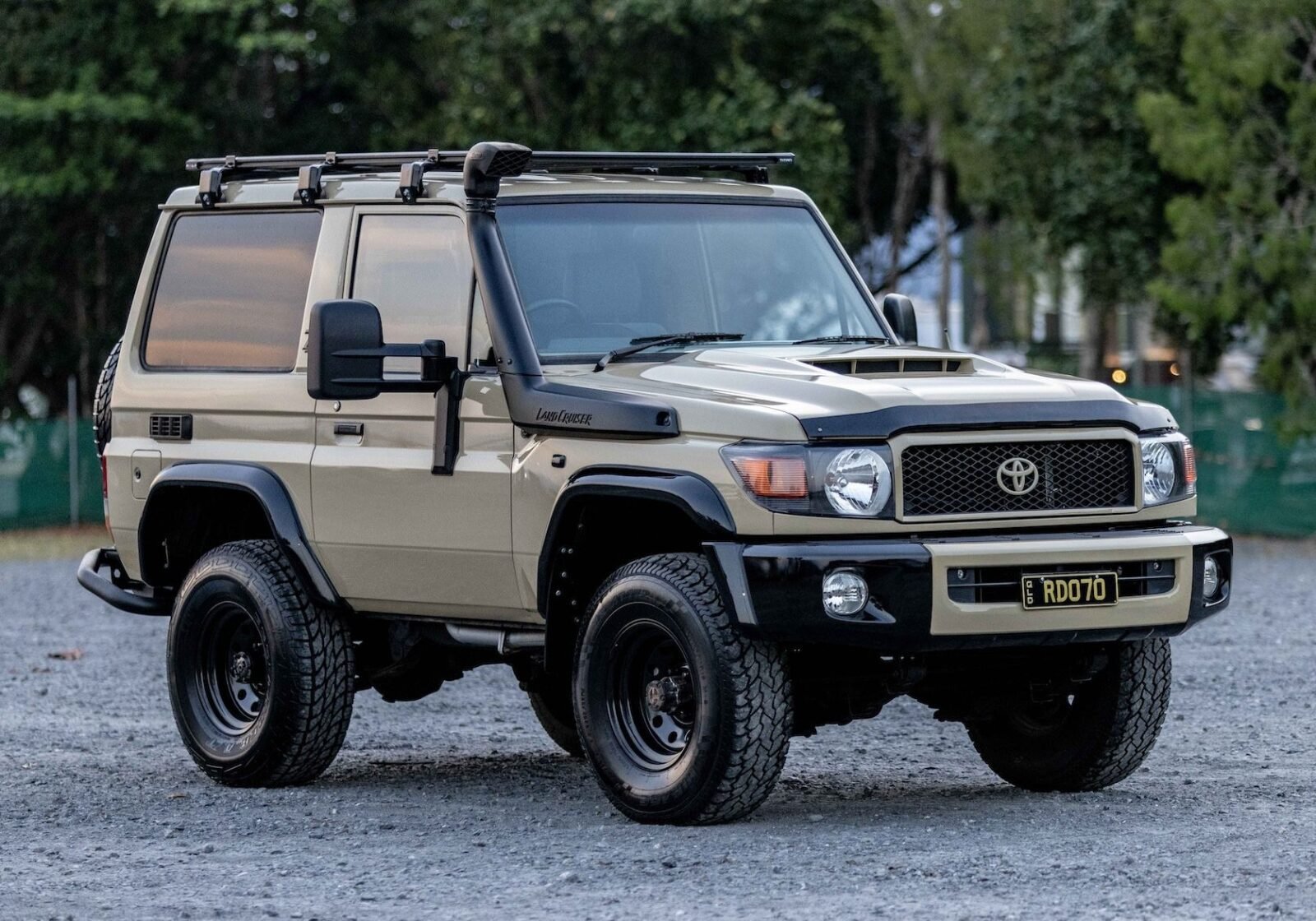
Owners often report minimal drivetrain failures even at very high mileage, and Toyota’s parts support remains exceptional for this SUV.
Whether used for off-roading in rugged terrain or highway commuting, the Land Cruiser’s combination of reliability and ruggedness gives it a well-deserved reputation as one of the most durable SUVs ever built.
Also Read: 5 Sedans With Durable CVTs vs 5 CVTs You Should Avoid
2. Toyota Sequoia
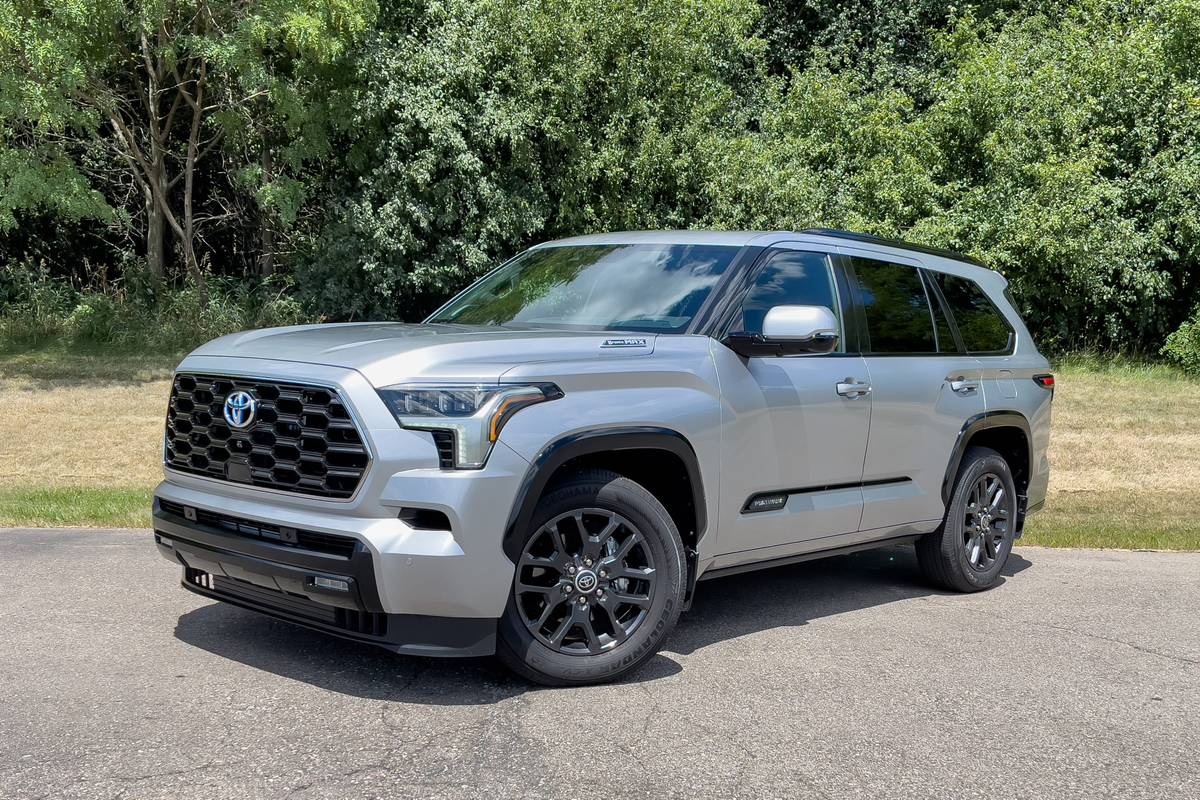
Sharing much of its engineering DNA with the Land Cruiser, the Toyota Sequoia is another full-size SUV known to last far beyond typical expectations.
Many well-maintained Sequoias from the early 2000s have already crossed 300,000 miles, with some examples reaching 350,000 miles or more.
Families appreciate the Sequoia not just for its space and comfort, but for the confidence of owning a vehicle that can genuinely last decades.
Its naturally aspirated V8 engines and proven transmissions contribute heavily to its impressive long-term endurance. As a bonus, even aging Sequoias tend to be cheaper to repair than similarly sized luxury SUVs.
The 2022 Toyota Sequoia remains one of the oldest vehicles still in production, and while its sheer size and powerful performance continue to attract buyers, its aging design and outdated powertrain are increasingly outclassed by newer competitors like the Ford Expedition and Chevrolet Tahoe.
Aside from offering a new white paint option, Toyota made no changes for the 2022 model year. However, things take a turn in 2023, as the Sequoia undergoes a complete redesign that introduces a standard hybrid powertrain and a wealth of modern features.
We first compared the Toyota Sequoia to the Chevy Tahoe, Ford Expedition, and Nissan Armada back in 2008, and the Sequoia came out on top. Fast forward eleven years to another comparison, and the Sequoia landed in last place.
That shift illustrates how dramatically the SUV segment has evolved, especially considering the Sequoia has barely changed since 2008. Meanwhile, its rivals have seen major updates, some, like the Tahoe, even twice. That age shows as soon as you climb inside: despite having a modern touchscreen, the cabin is cluttered with buttons and knobs, giving it a dated and budget feel.
The aging six-speed transmission also betrays the vehicle’s years, lagging behind competitors that offer more gears and smoother performance. While the V-8 engine delivers ample power, it comes with a penalty at the gas pump.
All these aging components make it difficult to recommend the Sequoia, even though it remains a reliable and roomy family vehicle. If there’s a bright spot, it’s that Toyota equips every Sequoia with a comprehensive suite of active safety features in an effort to keep it relevant to today’s buyers.
Under the hood, the Sequoia continues to rely on the same 5.7-liter V-8 engine it’s had since 2008. It produces a respectable 381 hp and 401 lb-ft of torque, paired with a six-speed automatic transmission.
While the power is competitive for its class, the fuel economy is far less so. According to EPA estimates, the Sequoia delivers just 13/17 mpg city/highway, whether you opt for standard rear-wheel drive or upgrade to all-wheel drive for an additional $2,800.
3. Toyota 4Runner
The Toyota 4Runner frequently appears in discussions surrounding long-lasting vehicles, largely thanks to its traditional body-on-frame design and extremely durable 4.0-liter V6 engine.
Owners often cite examples that easily exceed 250,000 miles, and many reach 300,000 miles without requiring major drivetrain work.
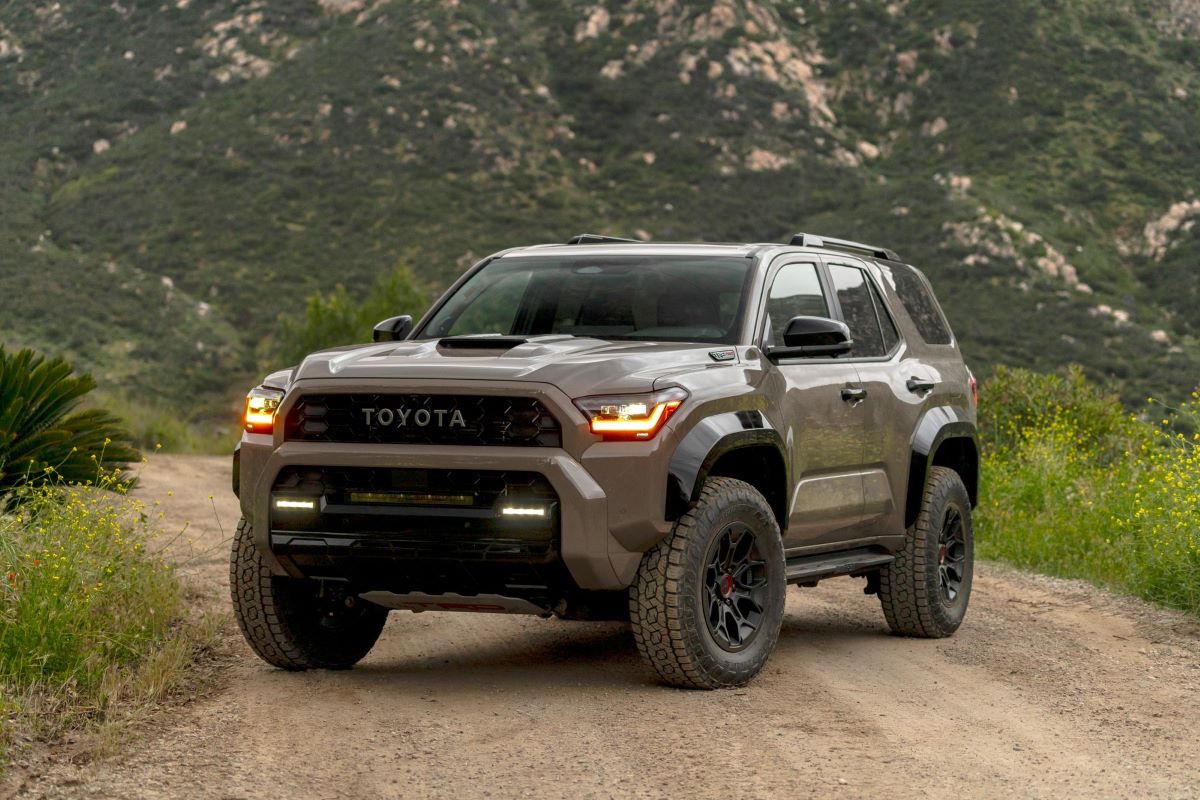
The 4Runner’s appeal comes not only from its longevity but from the fact that it remains simple compared to modern crossovers.
Without turbochargers, air suspension, complex electronics, or delicate drivetrains, the 4Runner is one of the rare modern SUVs whose old-school construction directly contributes to long-term reliability.
It’s a favorite among outdoor enthusiasts precisely because it holds up to abuse better than most competitors.
4. Lexus GX
Although positioned as a luxury SUV, the Lexus GX is fundamentally a Toyota 4Runner Land Cruiser Prado underneath its premium exterior, meaning it inherits Toyota’s globally renowned durability.
Many GX owners routinely report exceeding 250,000 to 300,000 miles with basic maintenance. Despite its leather-trimmed cabin and upscale features, its truck-based chassis and naturally aspirated V8 engine are engineered for longevity rather than short-term performance.
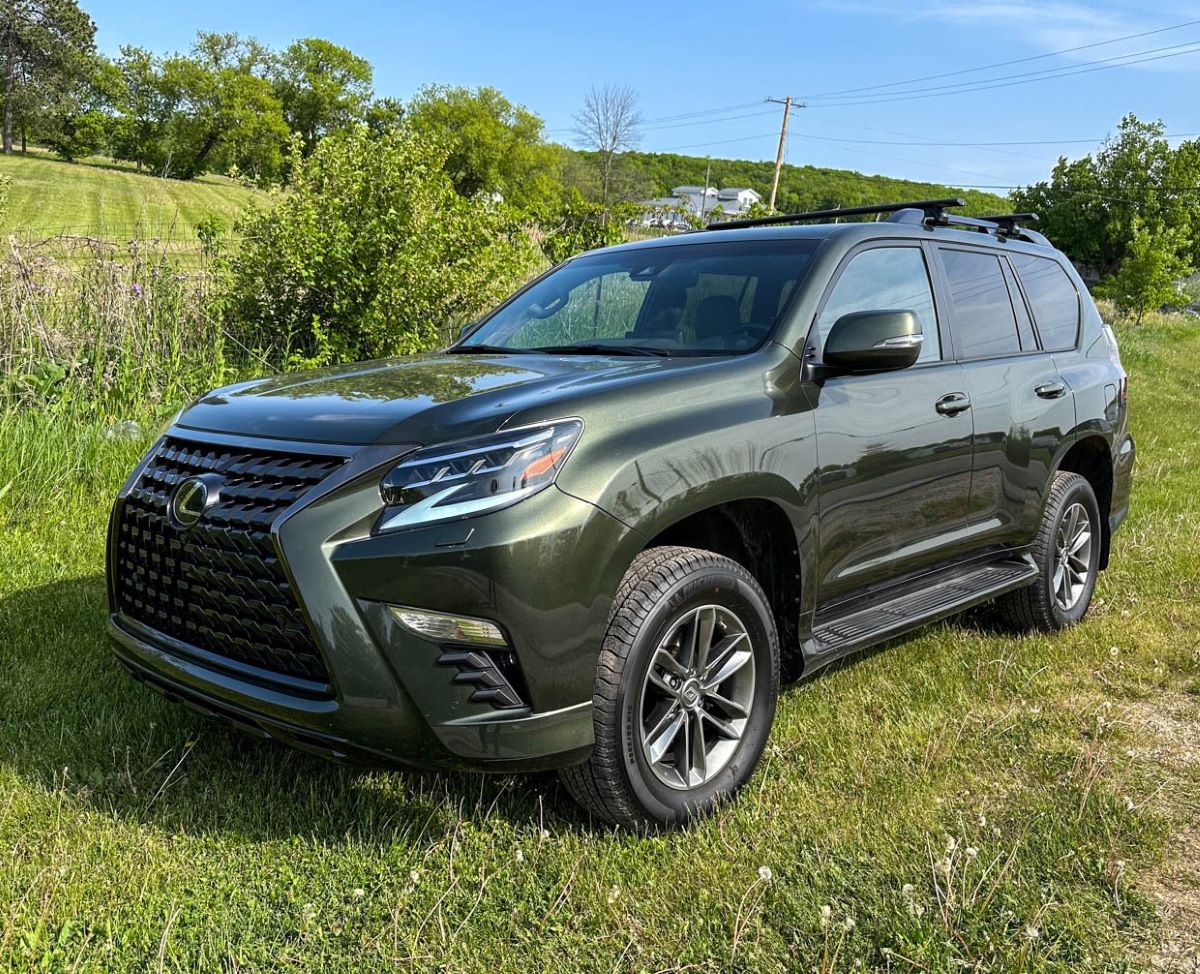
What makes the GX stand out is the combination of comfort and reliability you get a refined driving experience without sacrificing long-term dependability. This makes the GX a top pick for buyers who want longevity but prefer a more premium feel.
Sometimes, you need an SUV that delivers a luxurious experience on long highway drives. Other times, you want something rugged enough to leave the pavement behind and conquer tough terrain. Finding a vehicle that can seamlessly switch between these roles isn’t always easy, but the 2025 Lexus GX manages to do just that.
Following its full redesign in 2024, the Lexus GX now sports a striking boxy silhouette and impressive capability whether you’re cruising on the highway or navigating rocky paths.
Every model comes powered by a turbocharged 3.4-liter V6 that produces 349 horsepower and 479 lb-ft of torque, giving it plenty of muscle for both refined road trips and demanding off-road adventures.
The GX has earned a loyal following among off-road enthusiasts, and with its latest updates, that popularity is unlikely to fade. Below, I break down some of its standout strengths and a few potential drawbacks.
For buyers who plan to stick to the asphalt, the first four trims provide a range of upscale features, allowing for customization based on desired comfort. For example, a heated steering wheel is standard on the Premium+ trim, while massaging front seats become available starting with the Luxury trim.
The Overtrail and Overtrail+ versions build on the Premium trim’s standard equipment while adding 18-inch wheels, a dynamic suspension system, off-road driving modes, and a surround-view camera, ideal for increased trail safety and confidence.
Notably, both Overtrail models forgo the third-row seats, offering significantly more cargo capacity in the rear. The difference is substantial: 45.6 cubic feet of cargo space in the Overtrail and Overtrail+ trims, compared to just 10.3 cubic feet in the GX models equipped with three-row seating.
Also Read: 5 Jeeps That Can Live Through Anything vs 5 That Constantly Break Down
5. Honda Pilot
Honda’s reputation for durable engines and transmissions extends to the Honda Pilot, which often reaches 200,000 to 250,000 miles with minimal trouble and, in many cases, pushes past 300,000 miles.
While not as rugged as Toyota’s body-on-frame offerings, the Pilot benefits from Honda’s well-proven V6 engine platform and conservative engineering philosophy.
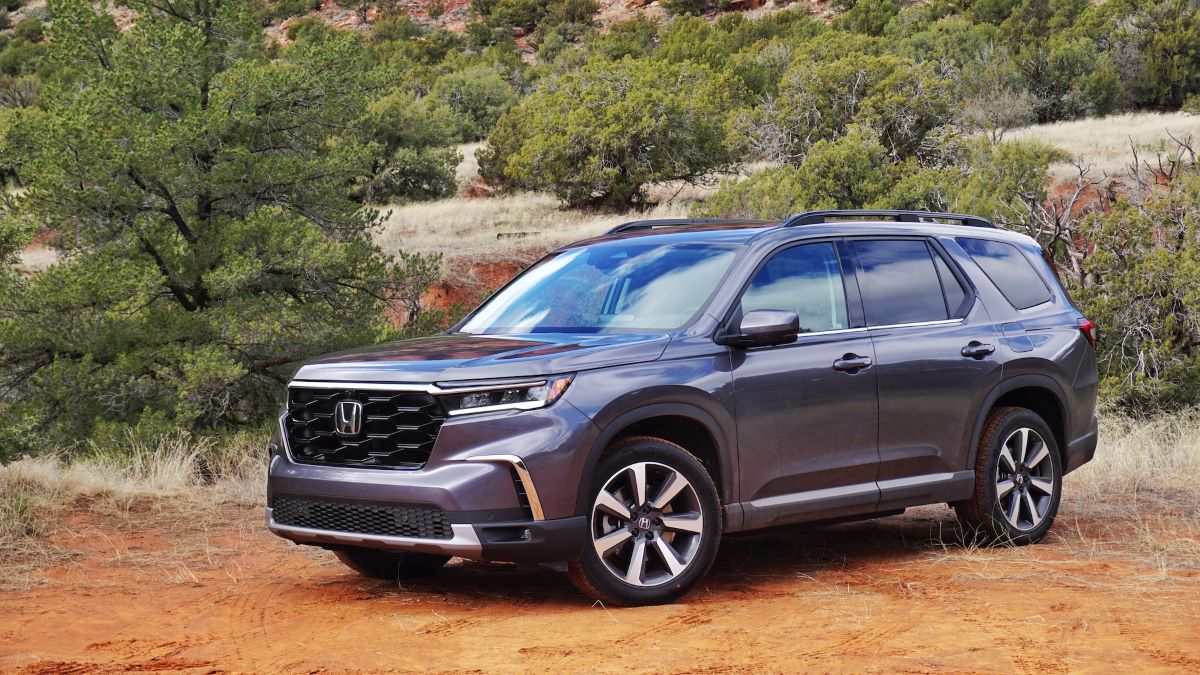
It appeals especially to families who want a practical, comfortable SUV capable of completing daily tasks without racking up high repair bills later in life.
Routine maintenance tends to be affordable and straightforward, which contributes heavily to the model’s long lifespan. Owners who focus on timely fluid changes nearly always report trouble-free longevity.
SUVs That Tend to Tap Out Early
Not every SUV is built to reach 300,000 miles, and some barely make it halfway. While many shoppers prioritize performance, design, or tech features, long-term reliability is just as important, especially when you’re investing tens of thousands into a vehicle.
And unfortunately, there are SUVs that earn a reputation for bowing out early, whether due to chronic mechanical issues, expensive repair bills, or lackluster powertrains.
In this article, we’re taking a closer look at the SUVs that, despite their initial appeal, tend to fall short in the durability department. Whether you’re shopping used or planning for the future, these are the models you’ll want to think twice about if long-term ownership is a priority. Here’s what to watch out for, before the repair bills start piling up.
1. Ford Explorer (Problematic Recent Generations)
While the Ford Explorer remains a popular family SUV, several model years particularly from the early to mid-2010s are known for significant reliability issues.
Many owners report premature transmission failure, harsh shifting, slipping gears, and cooling system problems that appear well before 100,000 miles.
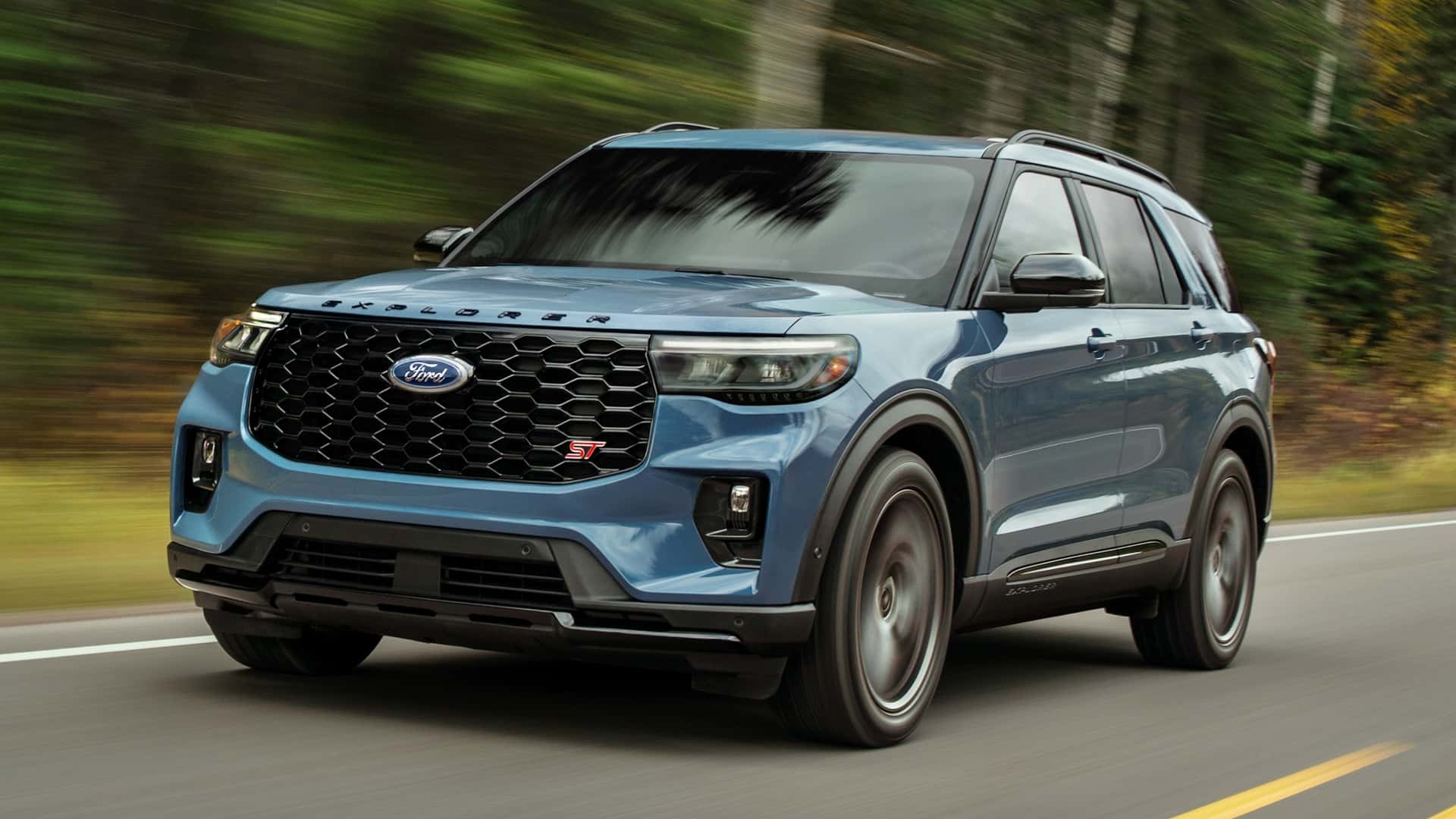
Some turbocharged EcoBoost engines in the Explorer also developed timing chain issues or overheating concerns under heavy use. These failures can be costly to repair, making it unlikely that affected Explorers will last long enough to join any high-mileage club.
Later models have improved somewhat, but the Explorer’s inconsistent reliability record still makes it a risky choice for long-term ownership.
The 2026 Ford Explorer comes in six trims, Active 100A, Active, ST-Line, ST, Platinum, and Tremor, with starting prices ranging from $38,465 to $56,905 before options. In my opinion, the Active trims provide the best value.
They’re the most affordable, yet still come with a generous list of standard and available features, and their turbocharged four-cylinder engines deliver more than enough power for everyday driving.
While the V6 models offer a more thrilling performance, their price tags creep very close to the upscale Lincoln Aviator, the Explorer’s premium corporate sibling with similar powertrains.
The 2026 Explorer offers two engine options: a 2.3-liter turbocharged four-cylinder that produces 300 horsepower and a 3.0-liter twin-turbo V6 with 400 horsepower. Both engines are paired with a 10-speed automatic transmission, and buyers can choose between rear-wheel drive or all-wheel drive.
The “EcoBoost” V6 is a standout. It provides strong off-the-line acceleration and has abundant torque throughout the rev range, making highway passing a breeze. It even has a pleasant exhaust note.
During my test drive, the transmission performed flawlessly, delivering smooth and responsive gear changes. That said, the four-cylinder engine is likely to satisfy most buyers. I drove both engines back-to-back, and although the four-cylinder has a raspier sound, it feels nearly as powerful and offers better fuel economy.
Despite being a three-row SUV, the Explorer handles corners with more agility than expected, especially the ST model, which features a sport-tuned suspension. Body roll is well controlled, giving the SUV a confident, planted feel when exiting turns.
The steering is direct and responsive, and the brakes offer strong stopping power. I’d describe the Explorer ST’s ride as “firm but comfortable,” comparable to the Mazda CX-90. Other trims have more compliant suspensions and tires with taller sidewalls, resulting in a smoother ride.
2. Volkswagen Taos
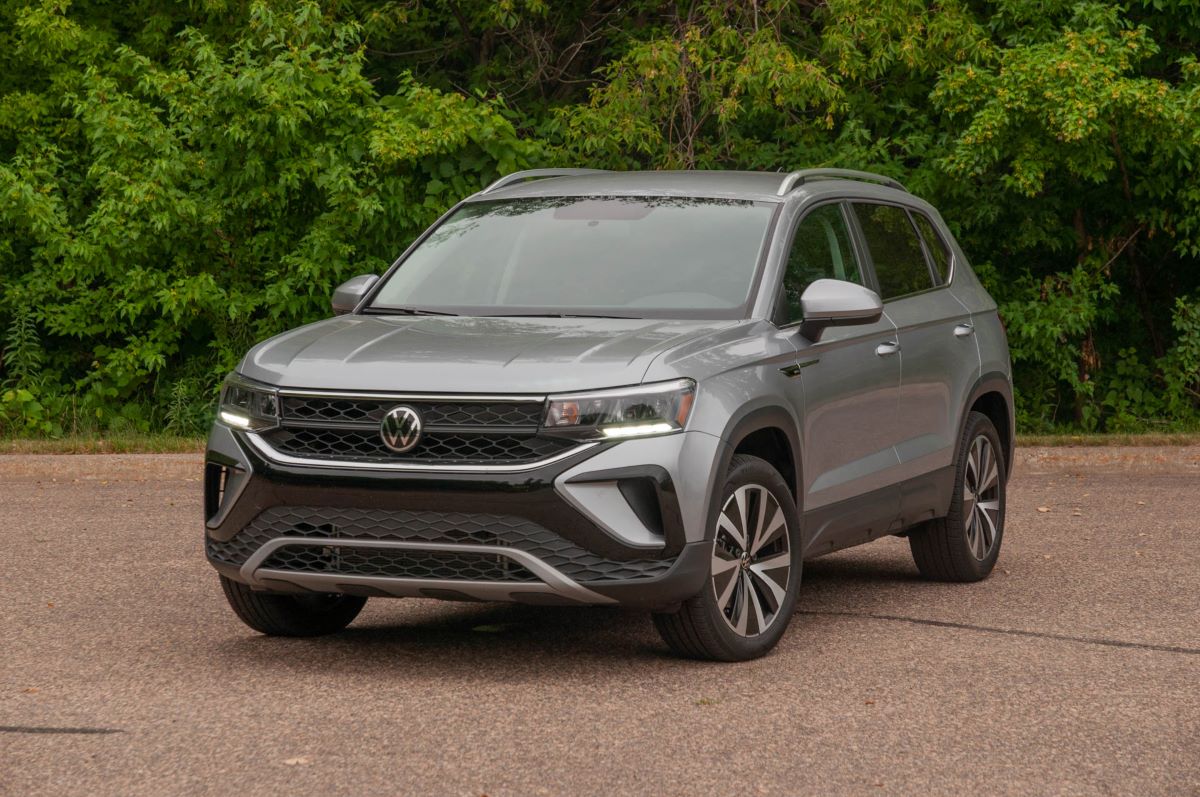
The Volkswagen Taos is a relatively new entry in the compact SUV market, but early reports suggest it struggles with reliability. Owners frequently cite electrical system problems, stalling issues, and dual-clutch transmission failures.
Because the Taos uses more complex European components in a budget-focused platform, repairs can be surprisingly expensive relative to the vehicle’s market position.
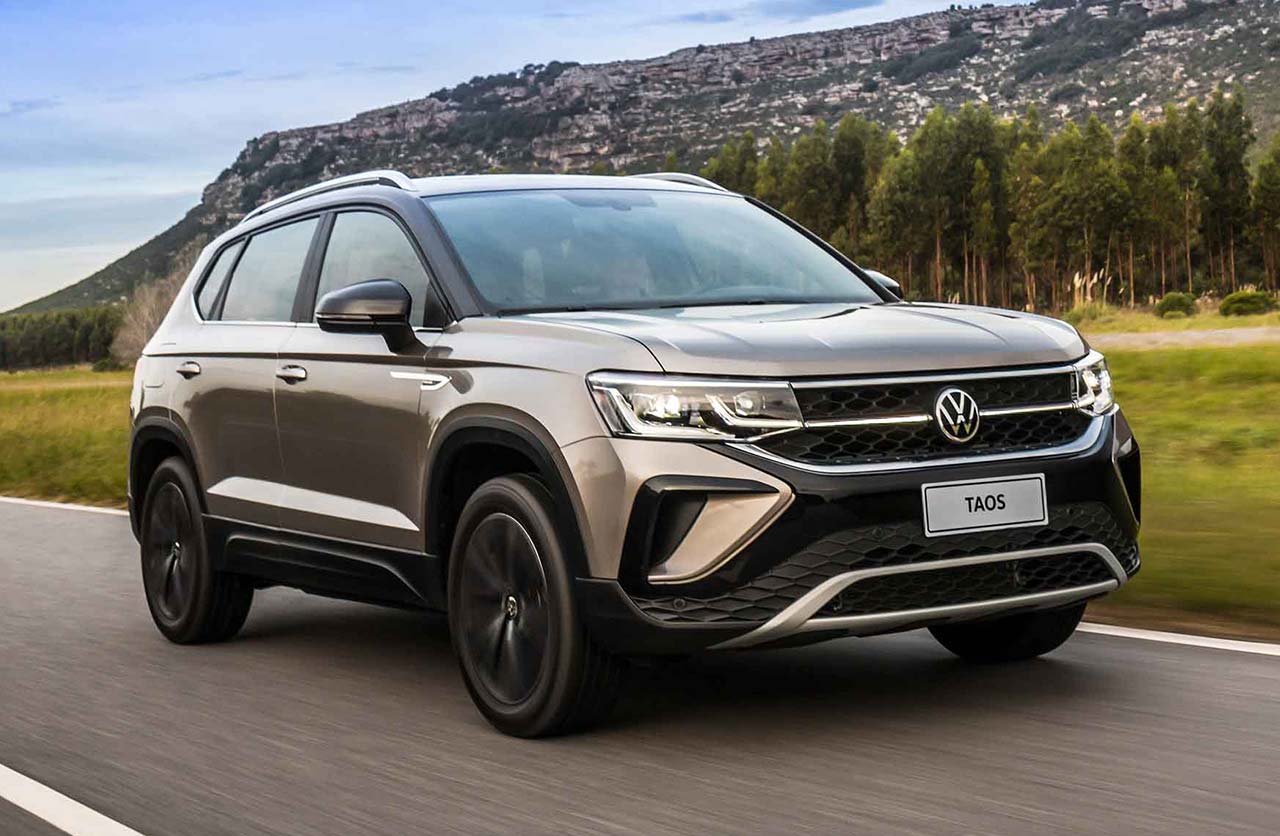
Its track record so far indicates a higher likelihood of mechanical issues early in its lifespan, making it a questionable pick for buyers looking to keep their SUV past the 150,000-mile mark.
Until Volkswagen addresses these concerns, the Taos remains one of the least reliable small SUVs available.
3. Kia Sorento
While Kia has improved dramatically over the past decade, certain model years of the Sorento especially those with early GDI engines have become known for severe engine and transmission problems.
Issues such as engine knocking, oil consumption, and outright engine failure have affected many owners, sometimes occurring at surprisingly low mileage.
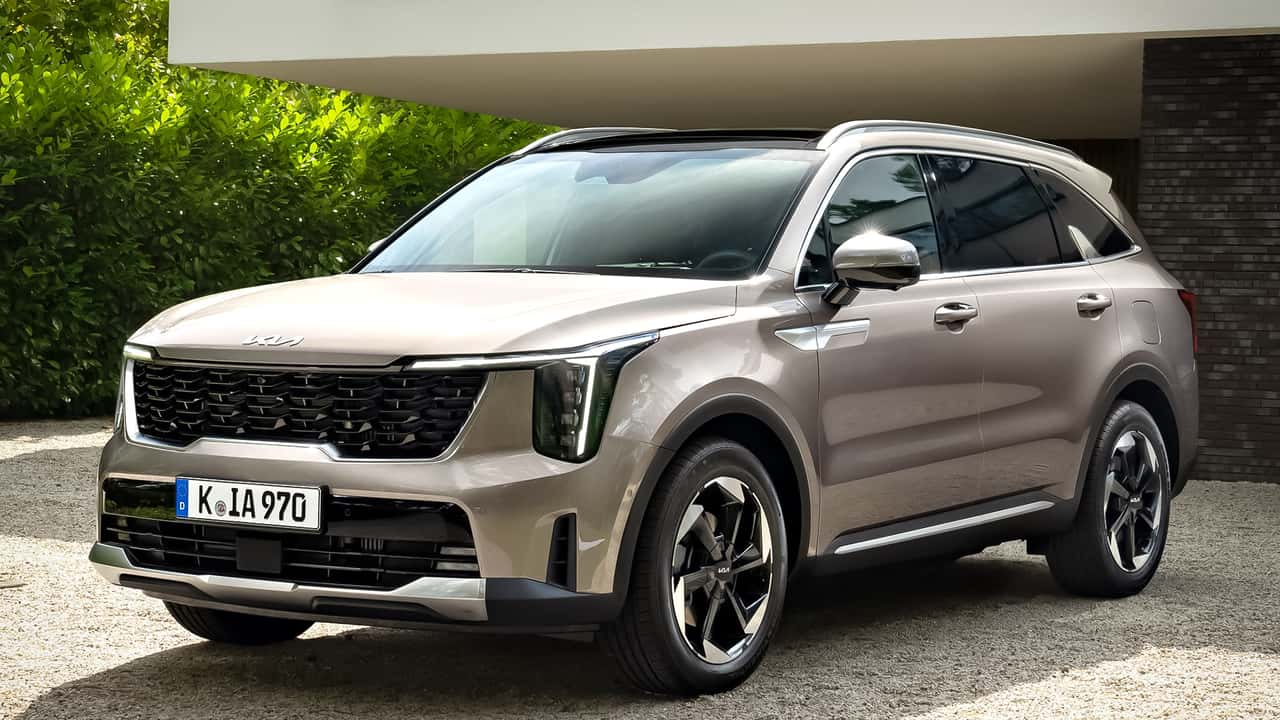
These problems have led to expensive repairs or complete engine replacements, making the Sorento a risky choice for buyers expecting 200,000-plus miles of service.
While newer generations have improved, the Sorento’s past reliability troubles still cast a shadow over its long-term dependability.
The 2025 Kia Sorento isn’t built to deliver driving thrills, and it doesn’t pretend to. While the steering feels somewhat numb, the Sorento still handles reasonably well for a midsize SUV and is easy to maneuver through tight city streets and parking garages. The ride remains smooth over most road surfaces, providing comfort for everyday driving.
Under the hood, the Sorento comes equipped with a 191-horsepower four-cylinder engine, paired with an eight-speed automatic transmission and front-wheel drive. This setup handles daily commuting just fine, but it can feel sluggish when the SUV is fully loaded with passengers or cargo.
For those craving more power, the available 281-horsepower turbocharged four-cylinder engine is a worthwhile upgrade, adding much-needed punch that many drivers will appreciate. However, it’s worth noting that this more powerful engine is paired with an eight-speed dual-clutch automatic transmission that isn’t quite as smooth or precise as the standard eight-speed.
4. Jeep Wrangler
The Jeep Wrangler has unmatched off-road credibility but remains one of the least reliable SUVs for long-term mileage based on owner complaints and repair data.
Many Wranglers experience recurring electrical issues, premature suspension wear, oil leaks, and drivetrain problems especially if used frequently for off-roading, which many owners do.
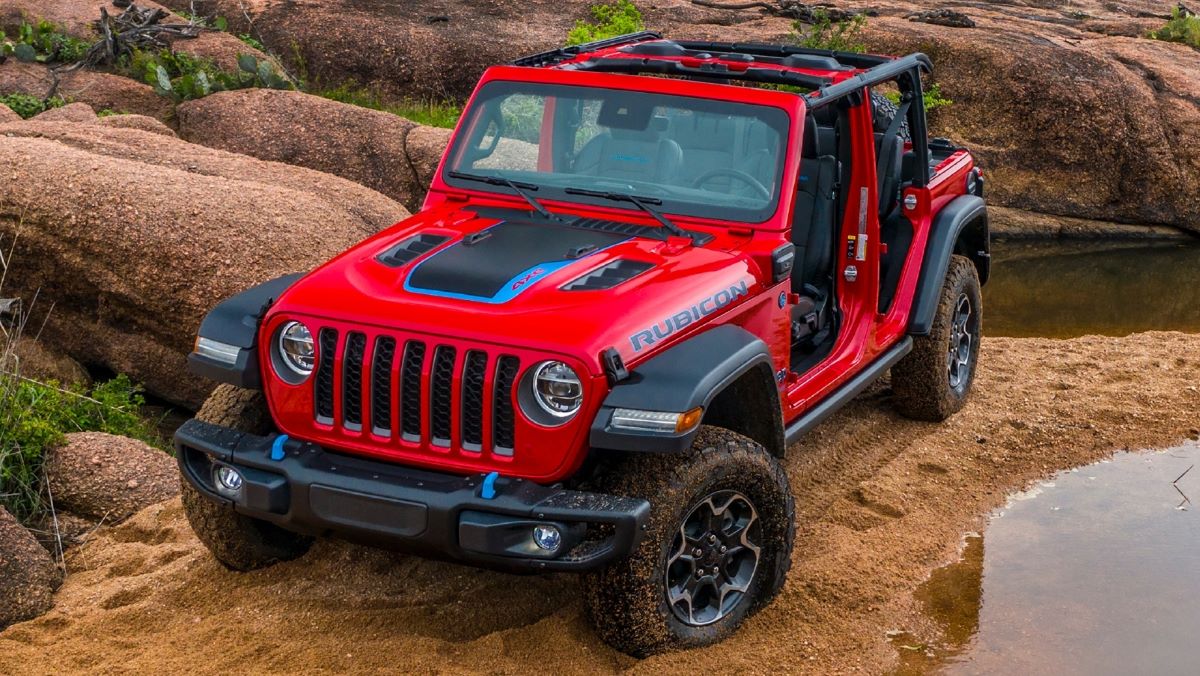
Because Wranglers are lifestyle vehicles built for rugged trails rather than smooth pavement, they often experience more wear and tear than typical family SUVs.
While they can last, keeping a Wrangler running smoothly for 200,000 to 300,000 miles usually requires far more repair work and money than most other SUVs on the market.
The Wrangler offers all that flexibility and more. Yes, the Ford Bronco and Toyota 4Runner deliver better road comfort and smoother manners, but that’s not what draws enthusiasts to the Wrangler.
It’s the pedigree of off-roading heritage, enhanced over the years with modern conveniences like power windows, air conditioning, and now quality infotainment, while preserving the rugged style, personality, and capability that have defined it since its WWII origins.
You’ll need to tolerate vague steering, a firm ride, and a cramped cabin if you’re planning to drive one every day, so we recommend taking a test drive before committing. Buy a Wrangler, and you’ll join a widespread community of fans who share that subtle nod or quick wave, acknowledging, “We’re all in this together.”
Initially, Jeep planned to offer V-6 Wranglers only with a manual transmission, reserving the eight-speed automatic for other engines. However, after customer feedback, Jeep reversed course and brought back automatic-equipped V-6 models.
While the rowdy Rubicon 392 V-8 is discontinued, the Rubicon 392 Final Edition remains available for at least another model year. Power windows and power locks now come standard across all trims, surprising for a vehicle that lacked those features as standard until 2025. A new olive-drab color named ’41 has been added, nodding to the original WWII Jeep.
We’d stick to the Wrangler’s roots with the two-door model, which includes a removable cloth top as standard. To avoid a fully barebones feel, we’d choose the Willys trim for its added equipment, such as 17-inch wheels, 33-inch all-terrain tires, a locking rear differential, LED lighting, and auxiliary switches for accessories like winches or light bars.
To power it, we’d go with the 270-hp 2.0-liter turbocharged four-cylinder engine, which delivers 295 pound-feet of torque, 35 more than the base V-6, and comes paired with an eight-speed automatic for easier trail rides.
The base engine is a 285-hp 3.6-liter V-6, available with a six-speed manual or optional eight-speed automatic. The automatic comes standard with the four-cylinder and V-8 engines. The Rubicon 392 Final Edition exclusively offers a 470-hp, 6.4-liter V-8. A 270-hp 2.0-liter turbo four is available, alongside a 375-hp 4xe plug-in hybrid.
All Wranglers are off-road-ready with part-time four-wheel drive standard on most trims, while full-time systems are available on Sport, Sahara, and Rubicon models and standard on the 392.
Handling has seen improvements but still feels traditional and truck-like compared to modern SUVs and trucks. The four-door Wrangler manages rough roads reasonably well, but the shorter two-door model can feel bouncy over big bumps.
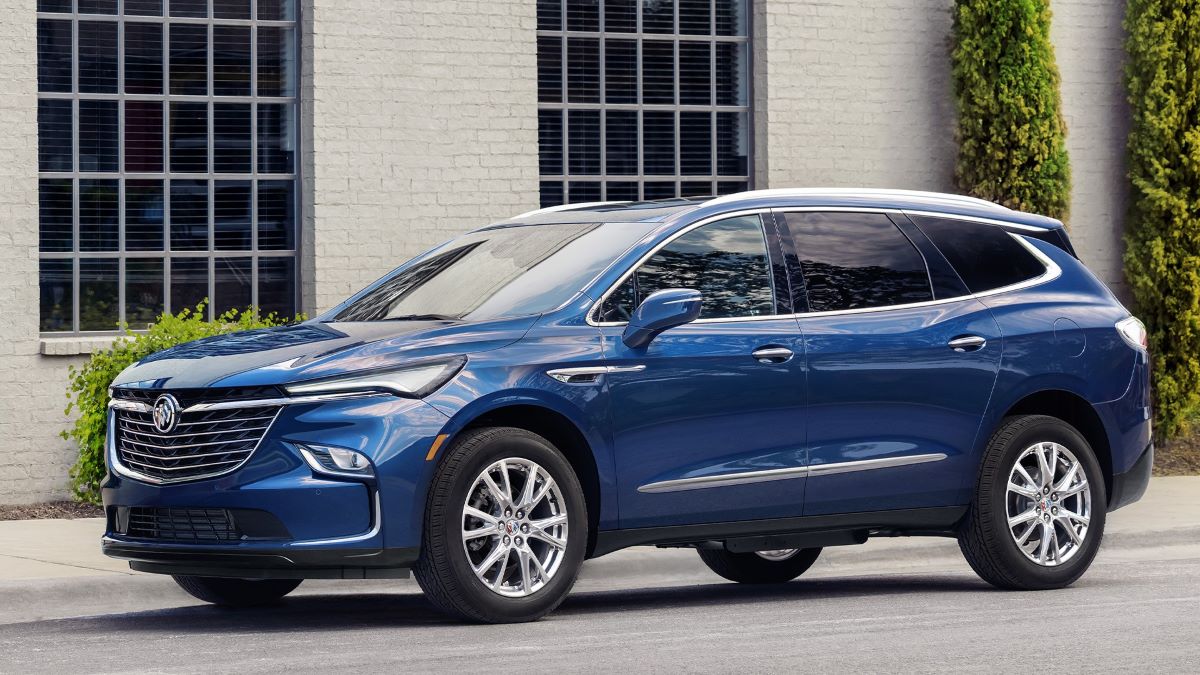
5. Buick Enclave
Although the Buick Enclave aims to deliver a premium driving experience, several model years have well-documented issues involving transmission failure, power steering leaks, timing chain stretch, and electrical system glitches.
These problems often appear earlier than expected and can cost thousands to repair, which discourages long-term ownership.
Many Enclave owners report major repairs before the vehicle reaches 120,000 miles, which sharply reduces its chances of ever making it to high-mileage territory.
While comfortable and quiet, the Enclave is not designed with the rugged simplicity required for ultra-long-term durability.
Not all SUVs are created equal when it comes to long-term reliability.
While models like the Toyota Land Cruiser, Sequoia, 4Runner, Lexus GX, and Honda Pilot have well-earned reputations for crossing 300,000 miles with proper maintenance, others such as the Ford Explorer, Volkswagen Taos, Kia Sorento, Jeep Wrangler, and Buick Enclave often encounter mechanical problems before reaching even average high-mileage benchmarks.
For American buyers looking to keep their SUV for ten to fifteen years or to drive well into the 200,000-to-300,000-mile range choosing a model with proven longevity can save thousands in repair costs and prevent major ownership headaches.
Selecting a dependable long-lasting SUV is ultimately one of the smartest financial decisions drivers can make today.