
Electric vehicles (EVs) are no longer a niche market in the United States they’ve become a practical alternative to gas-powered cars for millions of drivers.
However, one of the most critical factors when buying an EV is understanding its real-world range.
While manufacturers often tout impressive numbers on the window sticker, the actual distance you can drive on a single charge can vary dramatically depending on driving habits, climate, terrain, and load.
For American drivers who commute long distances or live in regions with extreme weather, these discrepancies can make or break the EV ownership experience.
In this article, we’ll examine five EVs that provide transparent, realistic range estimates and five that tend to exaggerate, helping you make a smarter choice for your next electric ride.
EVs With Clear Range Estimates
For many electric vehicle shoppers, knowing exactly how far a car can go on a single charge is crucial. Uncertainty about range can turn an otherwise appealing EV into a source of anxiety, especially on longer trips.
In this guide to EVs With Clear Range Estimates, we highlight the models that deliver reliable, real-world range figures you can trust. These vehicles give drivers the confidence to plan their journeys without constant calculation, making electric driving less about guesswork and more about freedom.
1. Tesla Model 3 Long Range
Tesla has built its reputation around long-range EVs, and the Model 3 Long Range is no exception. While Tesla’s numbers are generally optimistic, the company has consistently delivered results that closely match advertised ranges, especially in ideal driving conditions.
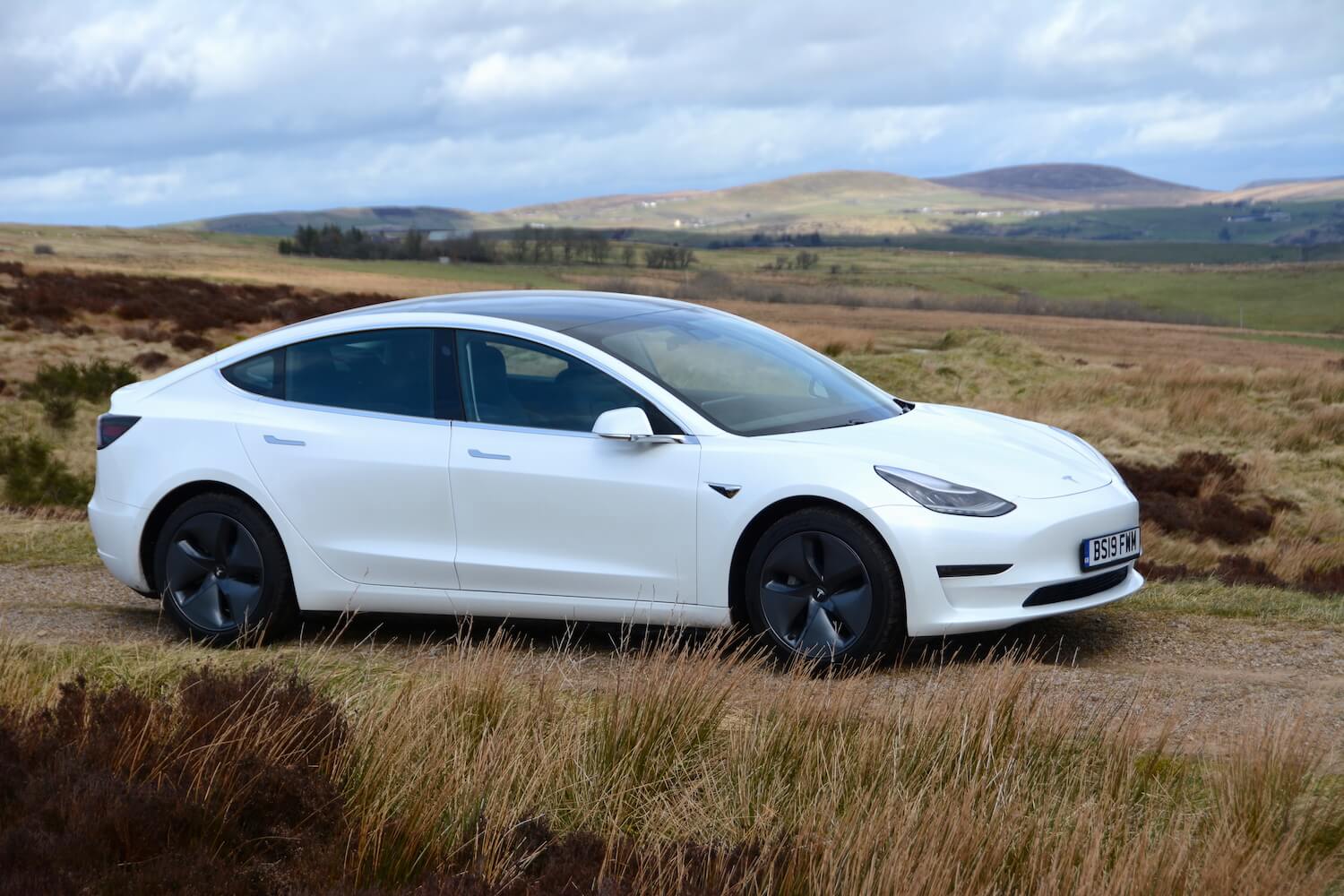
In real-world use across the U.S., many owners report being able to hit 90-95% of the EPA-rated 358 miles on a single charge. Tesla’s extensive Supercharger network also reduces range anxiety, making the stated range more attainable for long-distance driving.
2. Chevrolet Bolt EV
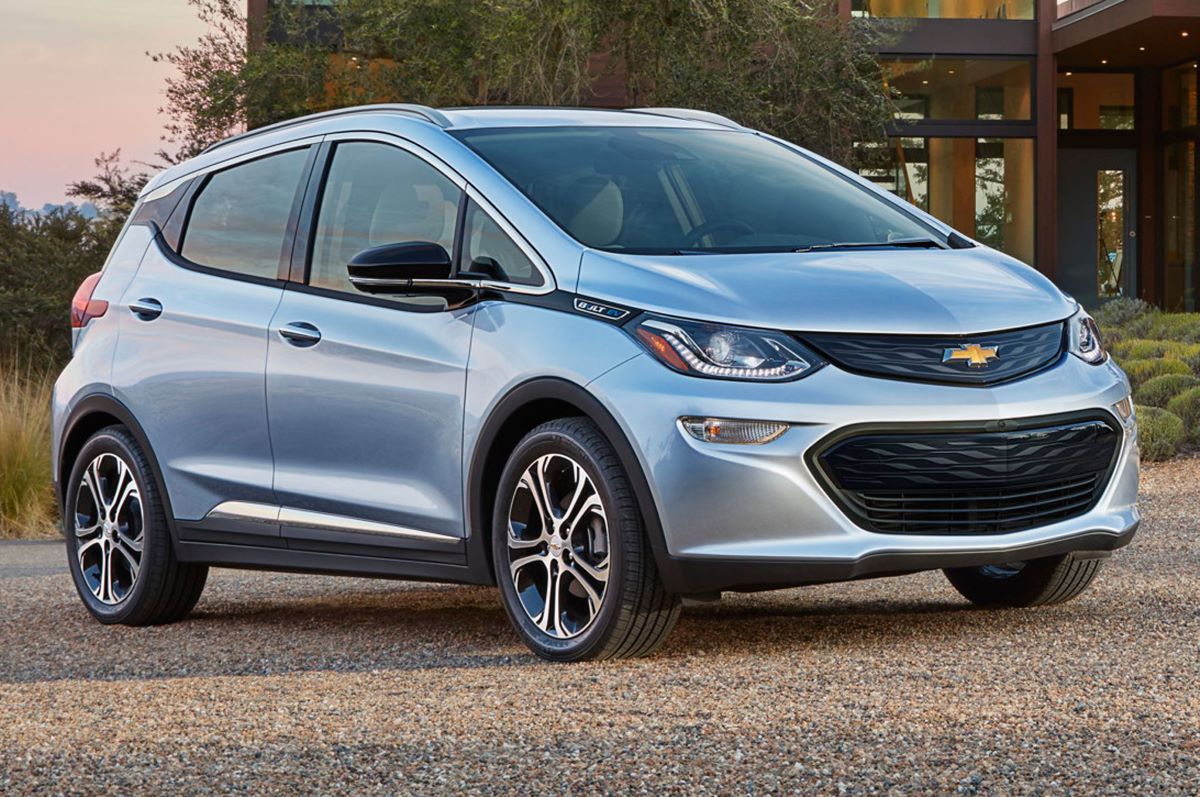
The Chevy Bolt is a prime example of an EV that keeps it honest. Its advertised range of 259 miles aligns closely with what drivers experience in mixed driving conditions.
One reason the Bolt succeeds in real-world consistency is its smaller size and lighter weight compared to larger SUVs, making energy consumption predictable.
For Americans with city and suburban commutes, the Bolt provides a practical and reliable range without overpromising.
After a three-year hiatus, the Chevrolet Bolt is set to return for 2027. While this second-generation model seems to retain the core structure of the first iteration, originally launched in 2017, a completely overhauled powertrain is expected to deliver significant improvements in both range and charging.
Don’t worry, though: these technological upgrades shouldn’t cause much of a price increase. The Bolt will be positioned below the Equinox EV, which starts in the mid-$30,000s, within Chevrolet’s lineup.
Despite a controversial recall over battery-related fires, the Bolt experienced a major sales surge in its final years. The Bolt, including both the EV and the EUV, a variant with a more SUV-like body, achieved its best-ever annual result in 2022 with 38,120 deliveries and then surpassed that in 2023, moving 62,045 units as the bestselling non-Tesla EV.
Clearly, there is strong demand for an affordable EV offering reasonable range and a spacious cabin, and since the Bolt’s temporary departure, no other model has filled that niche as cost-effectively.
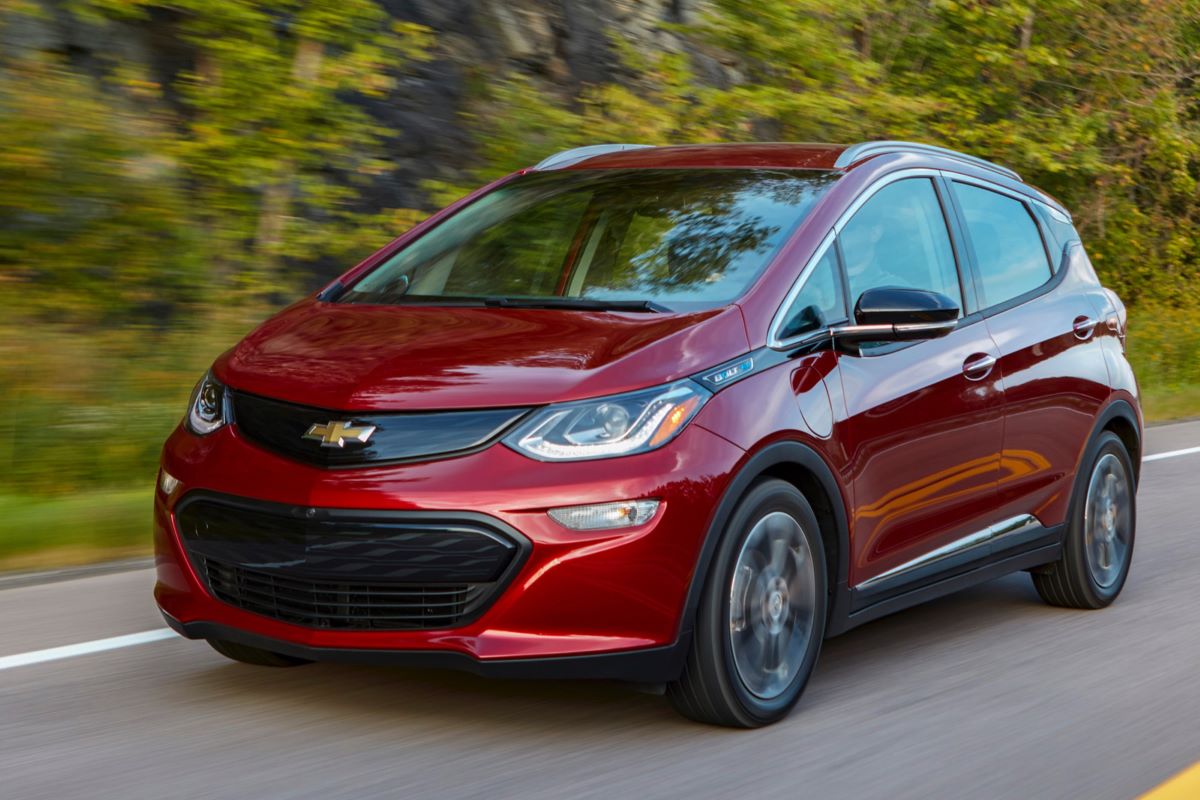
The 2027 Bolt is expected to ride on a heavily updated version of the BEV2 platform used by the previous model, rather than the newer BEV3 architecture that underpins GM’s larger EVs. Spy shots reveal a body with a similar overall shape to the outgoing Bolt EUV, giving it a slightly taller and more substantial appearance than the original Bolt hatchback.
The Bolt will be equipped with new batteries and motors designed to provide greater range and faster charging. The battery will employ lithium-iron-phosphate (LFP) chemistry to keep costs down.
While LFP batteries generally offer less range than nickel-manganese-cobalt alternatives, the Bolt is still expected to achieve at least 300 miles of range, a notable improvement over the previous Bolt EUV’s 247-mile rating.
The earlier Bolt was also limited by a peak DC fast-charging rate of just 55 kW, which is expected to increase substantially for the new model. Chevrolet has confirmed that the Bolt will include a NACS-style charging port as standard, allowing compatibility with Tesla’s Supercharger network.
Regarding performance, we don’t anticipate a significant increase over the outgoing model’s 200 horsepower and 266 pound-feet of torque, and the Bolt should retain its single-motor, front-wheel-drive layout. Slight power gains are possible, but the previous Bolt EUV’s output proved more than sufficient, with a tested 0-60 mph time of 6.8 seconds.
3. Ford Mustang Mach-E (Standard Range RWD)
Ford’s Mustang Mach-E, particularly the Standard Range rear-wheel-drive model, demonstrates transparency in range estimation.
While it doesn’t match the high-end Long Range AWD version, its EPA-rated 247 miles usually translates to about 230-240 miles in real-world driving.
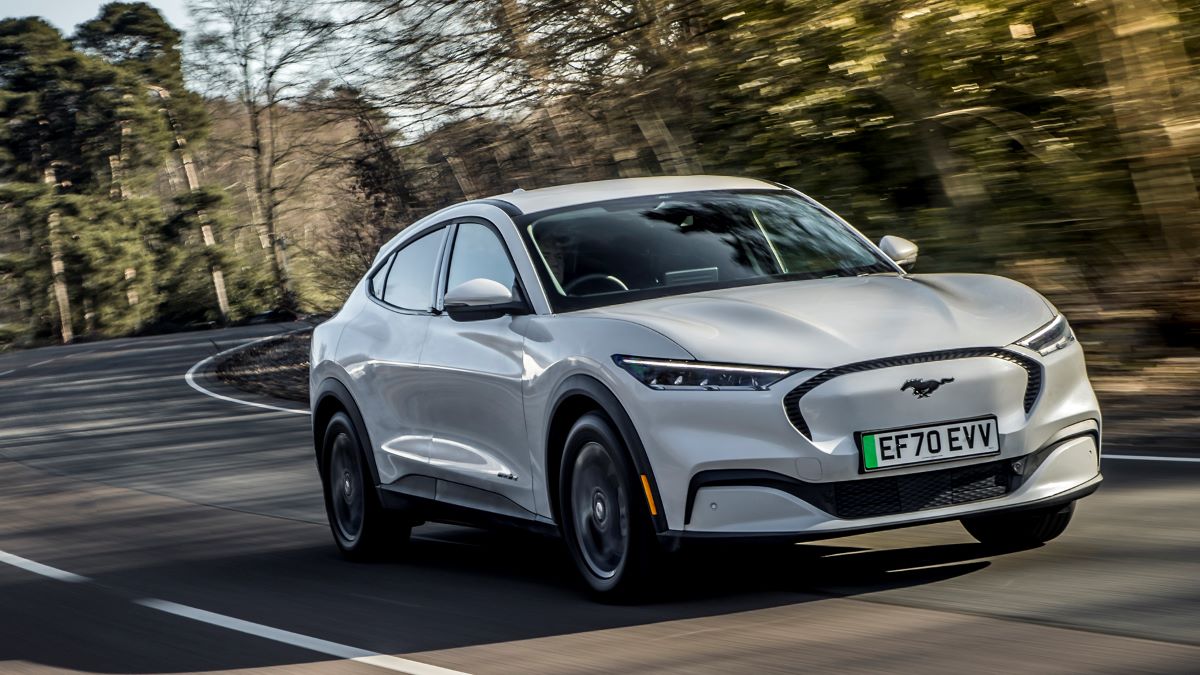
Ford has invested heavily in battery management systems that optimize efficiency and inform drivers when conditions may impact range, creating a more trustworthy experience.
4. Hyundai Ioniq 5
Hyundai’s Ioniq 5 is a standout for accurately communicating what drivers can expect from a single charge. With an EPA-rated range of up to 303 miles, most users report close to 280-290 miles under mixed driving conditions.
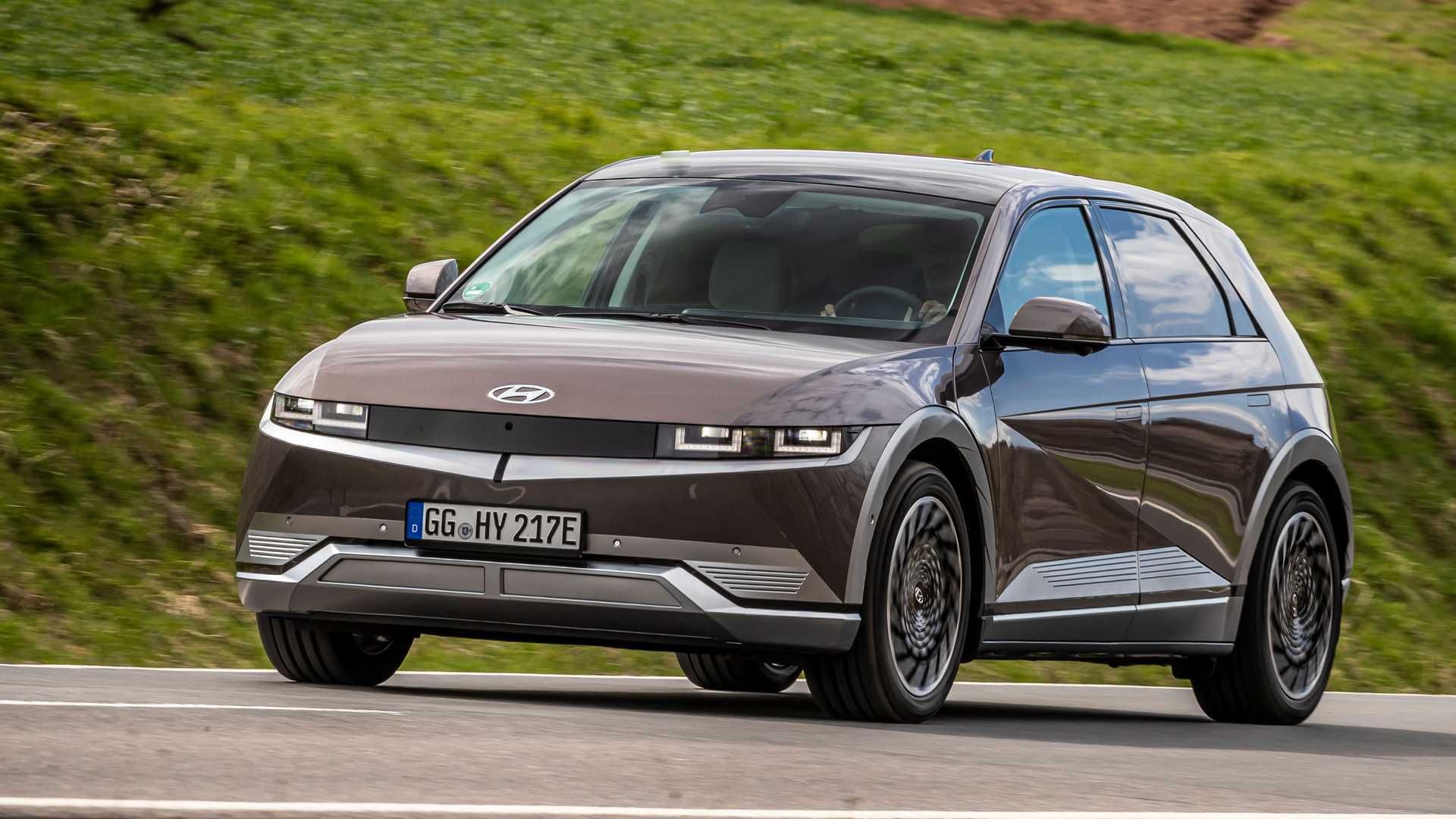
Its innovative heat pump system also ensures that range doesn’t drastically drop in cold weather, a problem that plagues many EVs in northern U.S. states.
The 2022 Hyundai Ioniq 5 is a new all-electric compact crossover that combines cutting-edge technology, futuristic styling, and a versatile interior. Launched as part of Hyundai’s Ioniq subbrand, which will eventually encompass a wave of upcoming EVs, the 2022 Ioniq 5 arrives first in the lineup.
It offers impressive charging speeds of up to 350 kW and an estimated driving range of up to 303 miles. Available in both rear- and all-wheel-drive configurations, the Ioniq 5 produces between 168 and 320 horsepower.
Its eco-friendly interior features a tech-focused dashboard, reclining front seats with footrests, and generous passenger space, making it a well-rounded package that earned an Editors’ Choice award and secured its place as our 2022 EV of the Year.
The Ioniq 5 introduces Hyundai’s all-new, all-electric Ioniq subbrand, which the company plans to expand to 23 battery-electric vehicles by 2025.
The standard-range, rear-wheel-drive Ioniq 5 starts just above $40,000, but the SEL trim with the 320-hp dual-motor setup is our recommendation.
This trim includes the larger battery pack with an EPA-rated 256-mile range and comes standard with a hands-free power liftgate, artificial-leather upholstery, ambient interior lighting, a heated steering wheel, wireless charging, and more.
The Ioniq 5 is available with multiple electric powertrain options. The standard-range battery paired with a single rear-mounted motor produces 168 horsepower. With the long-range battery, the rear-drive version generates 225 horsepower and 258 pound-feet of torque, which Hyundai rates for a 0-60 mph time of 7.4 seconds.
The all-wheel-drive configuration is far more powerful, producing 320 horsepower and 446 pound-feet of torque, achieving 0-60 mph in just 4.5 seconds on our test track.
During our drive, the Ioniq 5 demonstrated smooth performance across a variety of road surfaces, while its wide tires and low center of gravity contributed to an athletic feel. Our only minor complaints were that the steering could provide more feedback and the suspension could be slightly firmer.
5. Kia EV6
The Kia EV6 mirrors the Ioniq 5 in terms of honest range reporting. With its advertised 310 miles on the Long Range RWD model, drivers frequently experience numbers that fall within a reasonable margin.
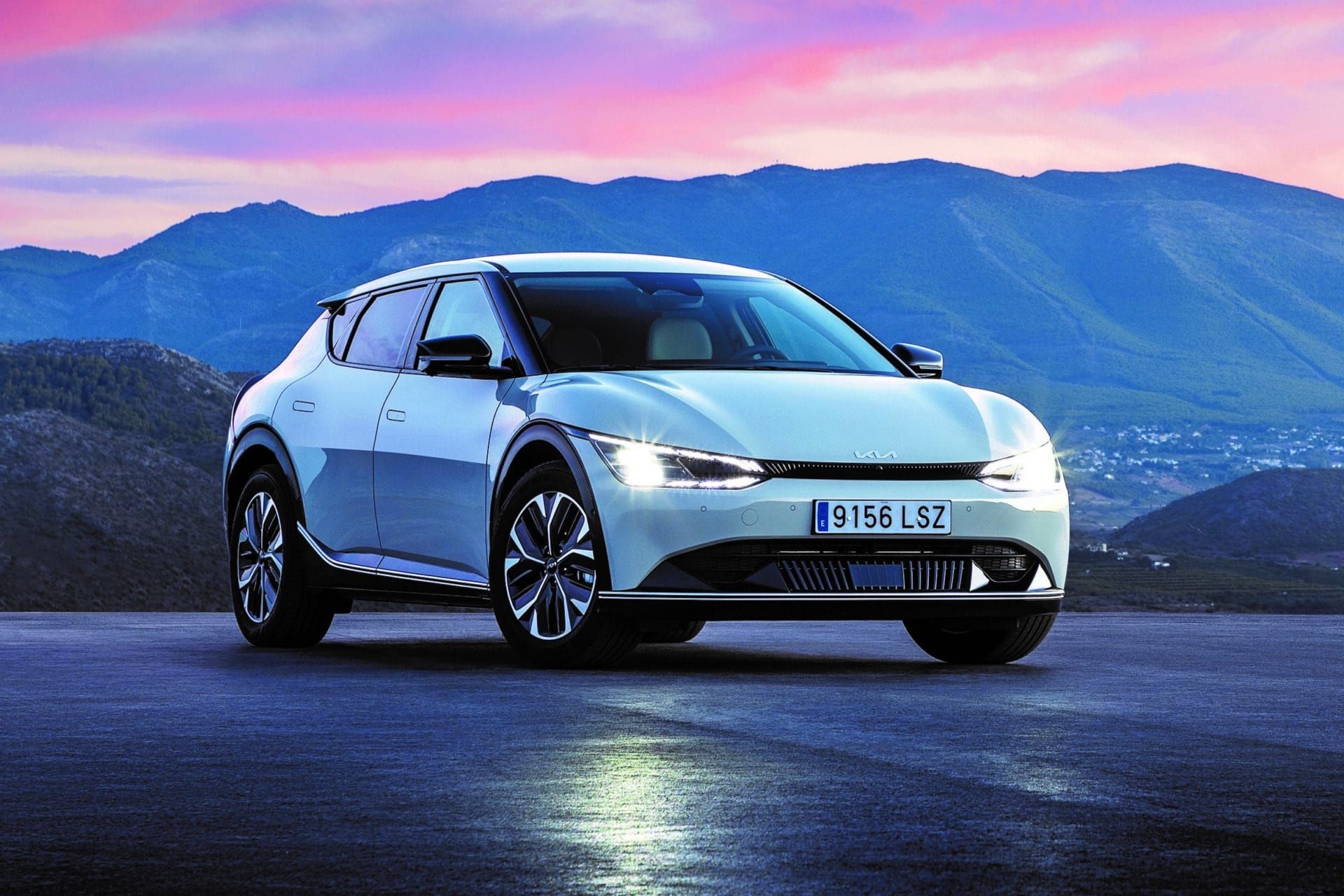
Kia’s transparent communication about how speed, terrain, and climate affect range makes it one of the more reliable options for Americans planning cross-country trips or daily commutes.
EVs That Lie Optimistically
Not all electric vehicles deliver the range they promise on the window sticker. For some EVs, real-world driving distances fall short of official estimates, leaving drivers scrambling for chargers sooner than expected.
In this article, EVs That Lie Optimistically highlights the models that overstate their capabilities, helping you spot which electric cars might leave you wishing for a bit more honesty before you plug in.
1. Nissan Leaf
The Nissan Leaf was a trailblazer in the EV market, but its range reporting has historically been overly optimistic. The advertised 226 miles of the Leaf Plus version often falls short in real-world highway driving, with many users averaging closer to 180-200 miles per charge.
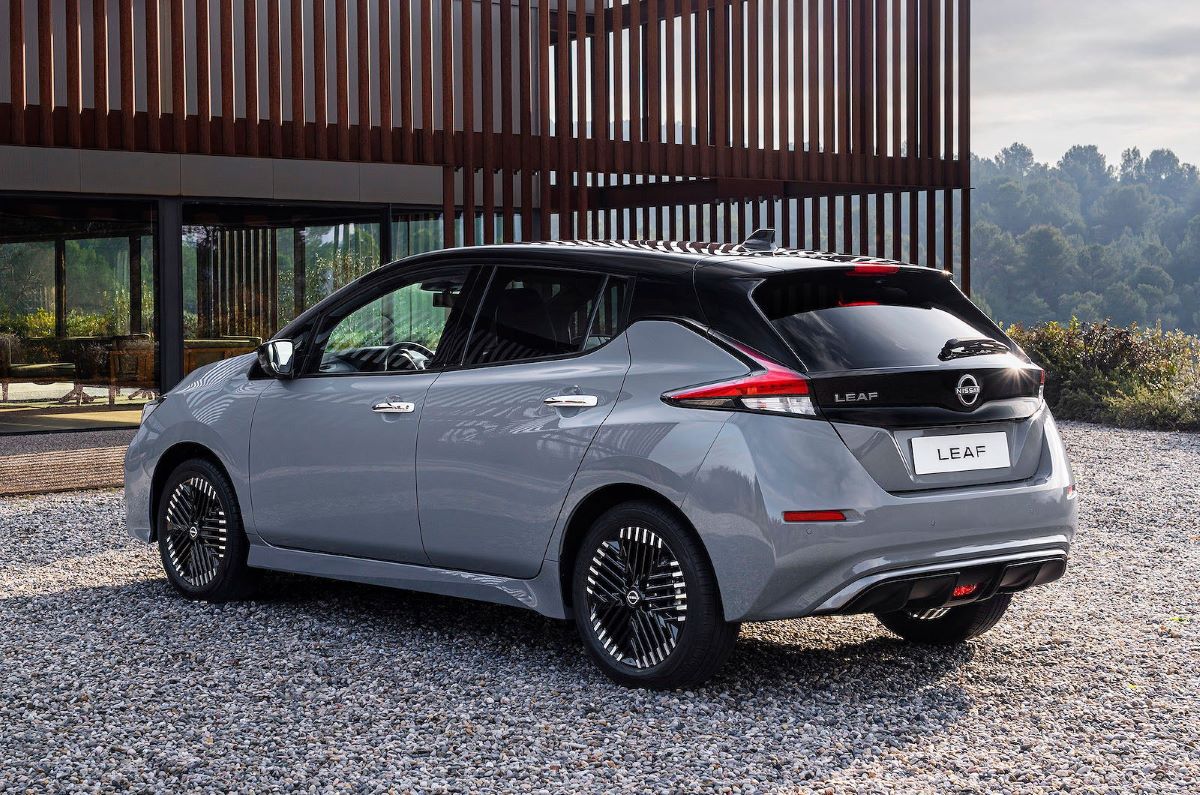
Factors like battery degradation and HVAC usage can further reduce effective range, leading to unexpected stops for charging on longer trips.
2. Rivian R1T
The Rivian R1T, an electric pickup designed for adventure, tends to overpromise on range. Its advertised 314 miles for the large battery pack often drops dramatically when carrying heavy loads, towing, or driving off-road situations common for U.S. adventure seekers.
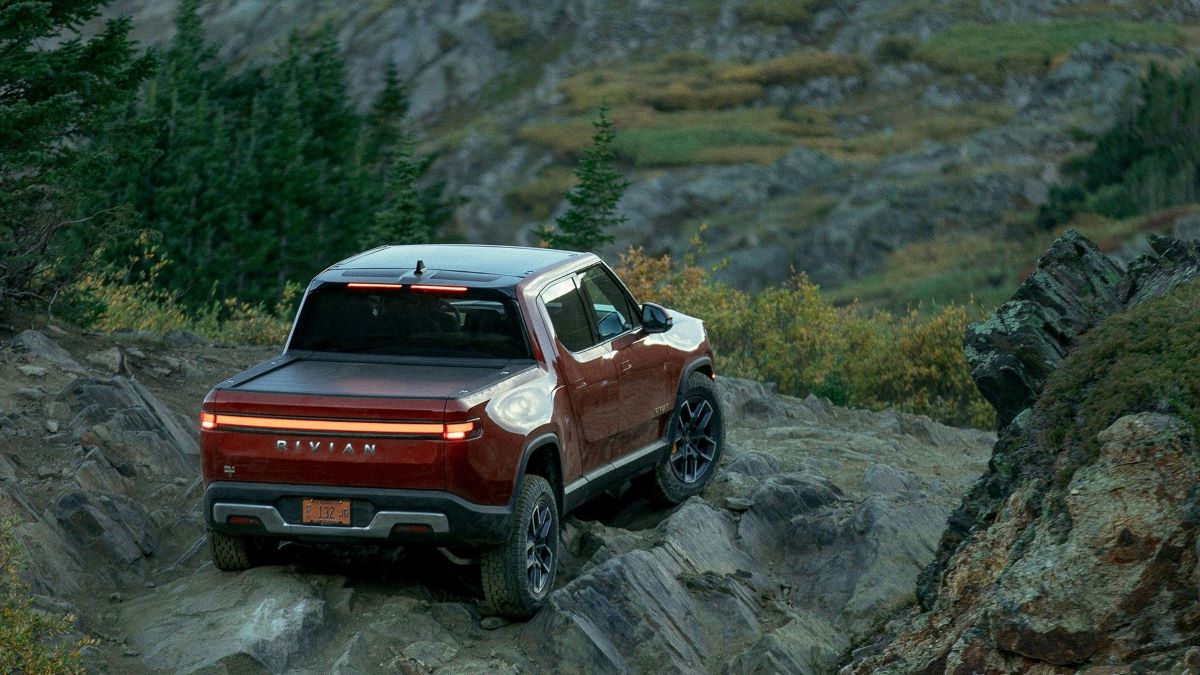
Owners have reported ranges closer to 250-270 miles under real-world conditions, highlighting a significant gap between marketing claims and practical usability.
From the very beginning, the R1T felt like it was conceived and designed by some of the most skilled product minds in the industry. While the truck’s exterior isn’t flashy or ostentatious, the clever integration of space and accessories is on a level we hadn’t seen before.
From the gear tunnel with its built-in seats and steps, to the onboard air compressor and in-cabin Bluetooth speaker, to functioning as a literal mobile power station, the R1T exudes serious Swiss-army-knife vibes.
Rivian adopted a strategy similar to Tesla’s, leveraging over-the-air (OTA) software updates to improve its vehicles over time. This approach allows the automaker to deliver vehicles to customers more quickly, even if, at a software level, certain features aren’t fully polished.
During our initial drive of the Rivian R1T, there were definitely aspects that still felt raw. The infotainment system was laggy, adaptive cruise control didn’t perform reliably, and there were several other minor, noncritical annoyances.
Fast-forward to today, and thanks to OTA updates, many of those initial issues have been resolved. Beyond fixes, Rivian has enhanced the R1T’s suspension ride quality, added new camera views, introduced native streaming capabilities, released fun holiday-themed features, and completely redesigned the infotainment system’s look and graphics, to name just a few improvements.
Rivian has also become one of the first companies to gain access to Tesla’s Supercharger network, significantly expanding charging options while on the go.
The Rivian R1T is essentially a go-anywhere vehicle, as long as you remain within range of a charging solution, thanks to its highly adaptable air suspension and near-infinite control over how power is distributed to each wheel.
The same flexibility that gives the R1T serious off-road capability also makes it one of the quickest and most capable-handling trucks on the road. You might also assume that slowing a 7,200-pound truck from triple-digit speeds would be a challenge.
However, thanks to the Launch Edition’s four electric motors, the R1T can harness its massive capacity for regenerative braking, channeling much of that inertia back into the battery.
3. Lucid Air Dream Edition
Lucid Motors markets the Air Dream Edition with an astonishing EPA-rated 520 miles, making it the EV with the longest advertised range on the market.
However, independent testing and owner reports suggest that realistic range under highway speeds and varied terrain is closer to 460-480 miles. While still impressive, the gap demonstrates how marketing numbers can be optimized for ideal conditions that few drivers actually encounter.
When the numbers get too large, our brains struggle to put them in perspective. We understand that developing and manufacturing vehicles, while simultaneously building a nationwide dealer and distribution network, burns money at a rate that makes trust-fund millionaires seem like they’re living paycheck to paycheck.
Let’s put it this way: if you stuffed $100 bills into 55-gallon oil barrels, you’d need nearly 300 barrels to hold the $5 billion Lucid Motors has spent so far. The cliché that a venture like this is a moonshot is apt.
Founded in 2007 as Atieva, a battery-pack manufacturer, Lucid is now embarking on the formidable task of delivering on its massive investment in the Air sedan. The monumental cost is compounded by the company’s decision to develop everything in-house, from the battery pack and electric motors to the headlights and power electronics.
Much of this effort also benefits other upcoming models, such as the Air-based Gravity SUV expected within a year, and roughly a billion dollars of the investment has gone into a greenfield manufacturing plant in southern Arizona.
For EV buyers prioritizing engineering excellence, the Air certainly commands attention, leading the pack in power, range, and charging speed. Lucid began delivering Air sedans in late 2021. Initial models include the $140,500 Grand Touring and the $170,500 Dream, offering horsepower from 800 to 1,111 and EPA ranges from 451 to 520 miles.
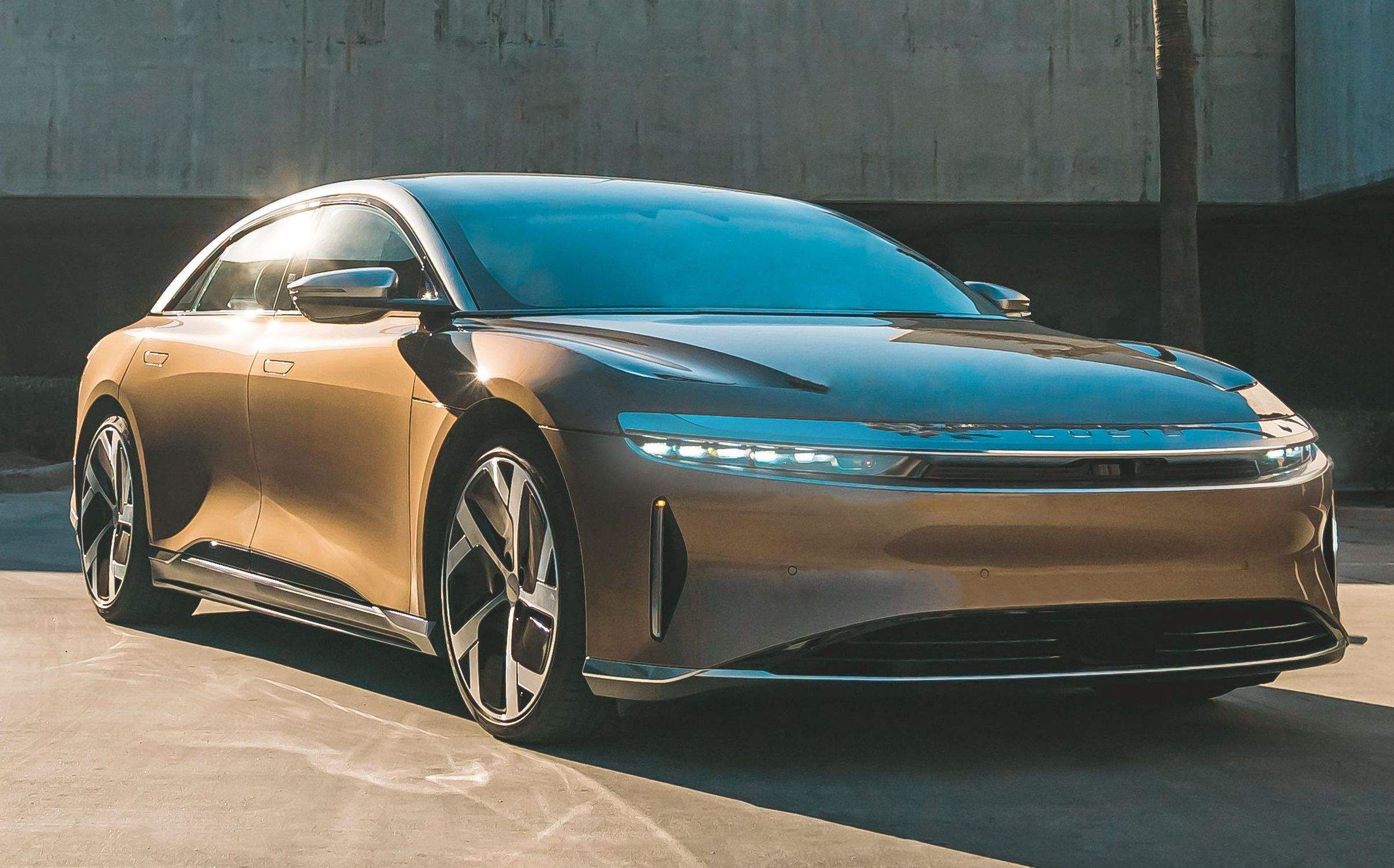
The lineup will expand downward in the near future. All vehicles are powered by one or two of Lucid’s highly compact electric-motor assemblies, supplied by battery modules in 300-cell groupings at 900 volts. The Air Dream Performance pack holds 118.0 kilowatt-hours.
Our Lucid’s Santa Monica interior features dark gray front buckets and light gray rear seats, inspired by the soft, early-morning light of the Southern California beach town.
To test the Air’s range supremacy, we drove the Dream Performance model, ironically the one with the lowest EPA rating of 451 miles, on a 372-mile route from Lucid’s Bay Area headquarters to Torrance in Southern California. Its four-digit horsepower was too tempting to ignore.
The long drive allowed us to absorb the Air’s interior. In front of the driver sits a large, curved screen reminiscent of the Porsche Taycan’s display. The cabin is trimmed with premium materials even in unseen areas, fabric extends beneath the steering column, and curved door panels enhance the sense of spaciousness
Rear-seat passengers benefit from ample legroom, and the seat is set low enough to preserve headroom beneath the compressed roofline. The clamshell trunklid, evocative of late-’30s Buick styling, opens to a substantial 32-cubic-foot cargo area.
Driving at 75 mph along I-5 through the flat Central Valley, we were confident about our range, though a “Next gas on freeway 35 miles” sign made us wonder about the proximity of EV fast-charging stations. Everything went smoothly until Tejon Pass, a climb into the mountains known locally as the Grapevine.
With roughly 90 miles remaining, the battery lost 8 percent of its charge during the 12-mile ascent from 1,200 to 4,100 feet. Fortunately, the descent allowed us to recover much of it, achieving nine miles per 1 percent of battery, about three times our overall average.
After 369 miles, the battery reached an indicated zero percent, leaving three tense miles to complete the journey. Each mile felt like a hundred, amplified by anxiety and the climate control shutting down at low charge. Ultimately, we completed the drive using 82 percent of the Air’s EPA range at mostly highway speeds, a commendable performance.
4. BMW iX xDrive50
BMW’s iX xDrive50 SUV often overstates its 324-mile range. Real-world numbers, especially in colder climates common in the northern U.S., often fall below 280 miles per charge.
Factors like all-wheel drive, vehicle weight, and HVAC use contribute to the discrepancy, and many owners have noted that the advertised number feels more aspirational than practical.
BMW’s first purpose-built all-electric SUV, the iX, debuted in 2022 as part of the automaker’s i subbrand initiative, following earlier efforts like the i3 to showcase BMW’s electric ambitions.
Comparable in size to the BMW X5, the iX combines carbon-fiber-intensive construction, sustainably sourced materials, and advanced technology features.
Multi-Functional Seats with power lumbar, massage, and adjustable back width are now available as a standalone option on the xDrive50, and the iX M60 offers an Executive package that adds soft-close automatic doors, upgraded interior trim, and safety features including adaptive cruise control and active lane-keeping with side-collision avoidance.
As BMW accelerates its electrification efforts, the iX serves as a clear indicator of the company’s direction. While it diverges from the classic BMW aesthetic, the iX retains a sense of BMW-ness in its driving experience.
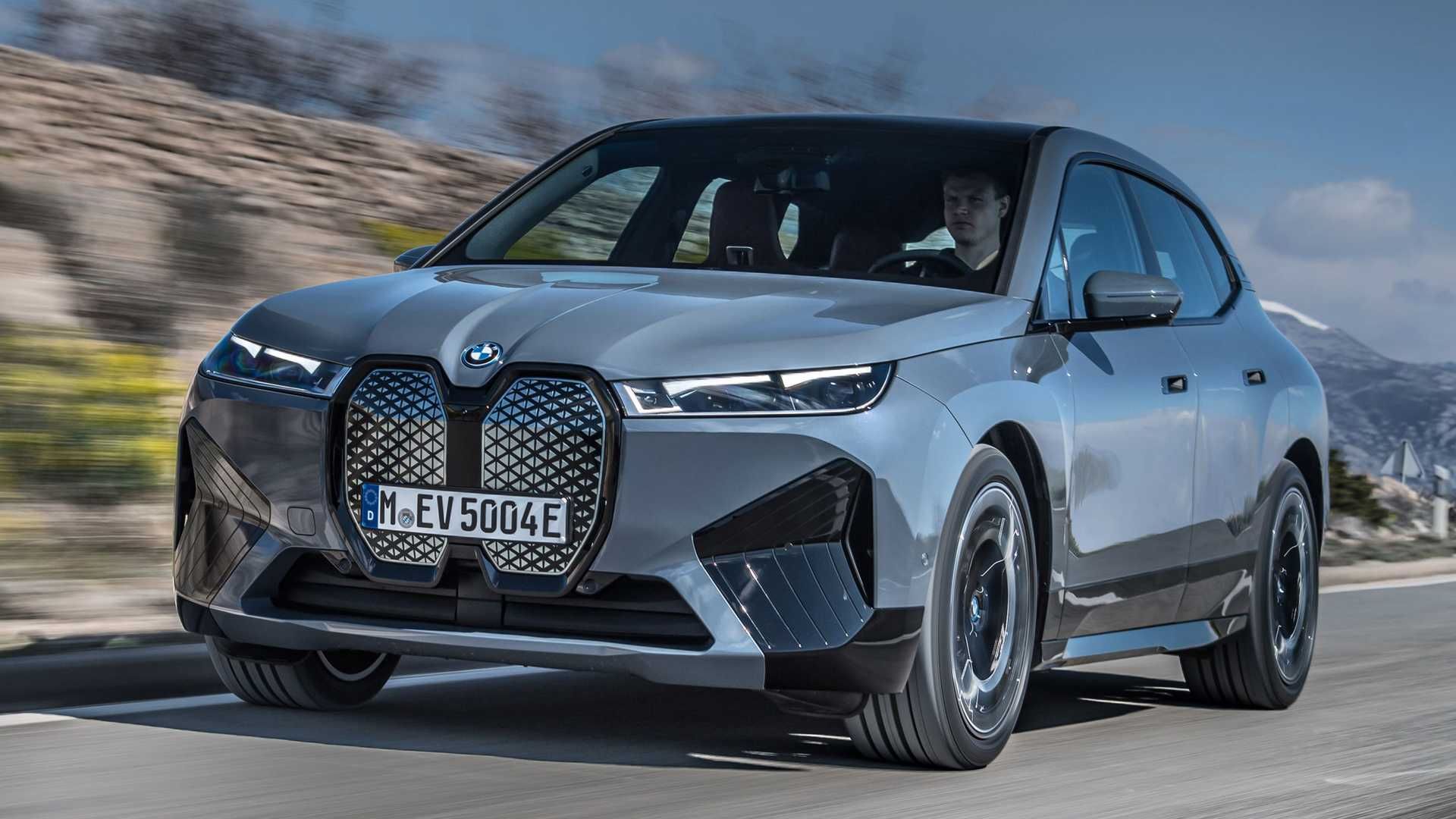
The iX delivers a refined and luxurious ride, feeling solid and cohesive while offering powerful acceleration and remaining impressively quiet at high speeds. Regenerative braking works seamlessly with no perceptible transition to friction brakes. That said, due to its size and weight, the iX’s handling can feel reminiscent of a minivan, a minivan capable of drifting.
The exterior styling remains divisive, with a rounded shape and disjointed lines, but the interior impresses with high-quality materials, numerous amenities, and a luxurious layout. Strong range and fast-charging capabilities make the iX practical for daily life, and BMW’s future models will likely improve on these attributes.
Every iX is powered by a dual-motor all-wheel-drive setup with a 105-kWh usable battery, capable of DC fast charging up to 250 kW, replenishing the battery from 10 to 80 percent in about 35 minutes.
The iX xDrive50 produces 516 hp and 564 lb-ft of torque, achieving 0–60 mph in an estimated 4.4 seconds, with a range between approximately 324 miles on 20-inch wheels and 315 miles on 22-inch wheels.
The iX M60 increases output to 532 hp and 749 lb-ft, with Sport mode boosting power to 610 hp and Launch mode temporarily elevating torque to 811 lb-ft. In testing, the M60 reached 60 mph in 3.2 seconds, with a range of 288 miles on 21-inch wheels and 274 miles on 22-inch wheels.
BMW is also experimenting with a battery supplied by Our Next Energy (ONE), using a dual-chemistry pack to reduce the use of materials like lithium and graphite, potentially increasing the iX’s range to an astonishing 600 miles, indicating that range anxiety may eventually become a thing of the past.
The iX comes equipped with active safety and driver-assistance systems including front automatic emergency braking, rear and side cross-traffic alert, blind-spot monitoring, and automatic high beams, with adaptive cruise control and lane-keeping assist available as options.
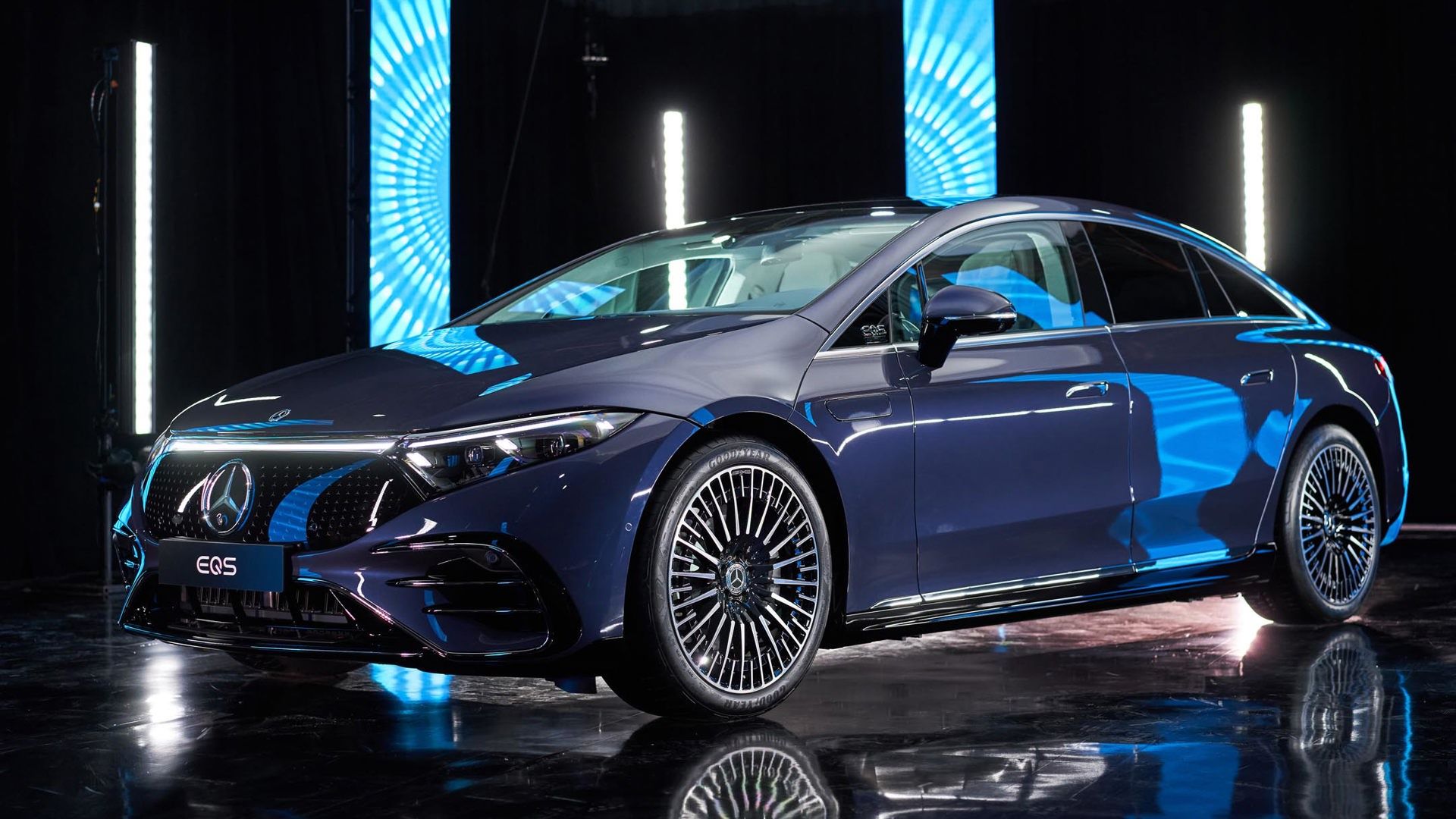
5. Mercedes-Benz EQS 580 4MATIC
The luxury Mercedes-Benz EQS 580 4MATIC touts a range of 350 miles, but testing by automotive publications often reveals real-world distances closer to 300 miles, particularly in mixed city and highway conditions.
The EQS is a large, heavy sedan with energy-hungry features, meaning that its “up to” range numbers rarely reflect what U.S. drivers experience in daily use.
As the EV market continues to expand in the United States, distinguishing between realistic and overly optimistic range estimates becomes increasingly important.
Vehicles like the Tesla Model 3 Long Range, Chevrolet Bolt, and Hyundai Ioniq 5 offer dependable, transparent numbers that align closely with what drivers can expect.
Conversely, models like the Rivian R1T, Lucid Air, and Mercedes-Benz EQS 580 often exaggerate their capabilities, which can frustrate owners and complicate trip planning.
By paying attention to real-world data, understanding the influence of driving conditions, and evaluating manufacturer transparency, American drivers can choose EVs that not only look good on paper but also deliver dependable performance on the road.
In a market where range anxiety is still a common concern, selecting an EV with clear and reliable estimates is one of the smartest decisions any driver can make.
