As electric vehicles (EVs) continue to dominate the automotive landscape in the United States, consumers are becoming increasingly discerning about not just performance, range, and tech features but also the reliability of the seemingly minor details.
One such often-overlooked detail is the durability of the charging cable. A robust charging cable can save EV owners significant headaches, avoiding frayed wires, poor connections, and even safety hazards.
Conversely, cheap or poorly designed cables can lead to frustration, slower charging, and costly replacements.
In this article, we break down five EVs with durable, well-engineered charging cables and five that have earned a reputation for fraying or failing over time, giving US drivers a clear picture of what to expect before making their next purchase.
EVs With Durable Charge Cables
When it comes to electric vehicles, much of the focus is on battery range, performance, and charging speed, but one often overlooked component is the charge cable itself. A durable, well-built charging cable can make the difference between a hassle-free daily routine and a frustrating tangle of wear, frays, or failure.
Some EVs come equipped with robust cables designed to withstand years of regular use, while others might require extra care or aftermarket replacements to avoid costly issues. In this article, we highlight the EVs with the most durable charge cables, ensuring that your plug-in experience stays reliable mile after mile.
1. Tesla Model 3
Tesla has set the standard for EV infrastructure in the US, and its attention to detail extends to its charging equipment.
The Model 3 comes with a well-insulated, flexible charging cable designed to withstand frequent handling, coiling, and storage in the trunk. Tesla’s proprietary connector adds a layer of durability by minimizing strain on the cable’s internal wiring.
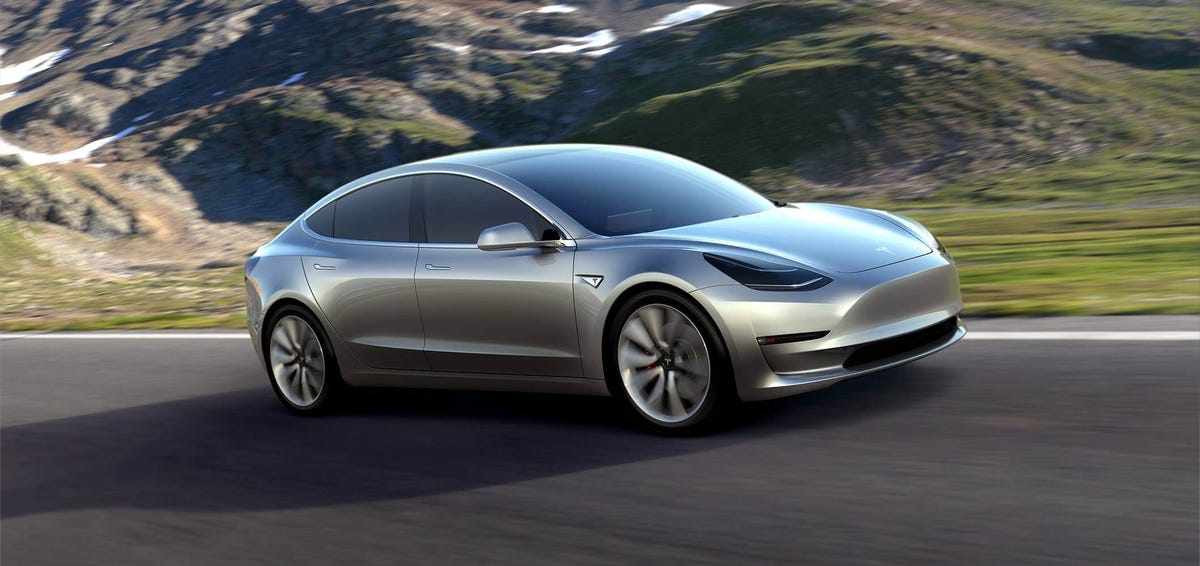
Many Model 3 owners in regions with harsh winters or hot summers have reported years of use without fraying, even when charging multiple times per week.
Additionally, Tesla offers optional charging upgrades and accessories that enhance cable longevity, such as reinforced cable sleeves and convenient wall-mounted storage hooks.
2. Ford Mustang Mach-E
Ford’s Mustang Mach-E was a game-changer in the American EV market, blending performance with practicality. Its charging cable is particularly robust, featuring reinforced insulation and high-quality rubberized coatings that resist cracking or splitting over time.
Unlike some competitors, the Mach-E’s cable is slightly thicker, giving it better durability without compromising portability. U.S. owners frequently comment on the cable’s resilience during outdoor charging sessions, where exposure to sun and moisture can accelerate wear in lesser-built cables.
The Mustang Mach-E brings the spirit of Ford’s legendary muscle car into a fully electric crossover. Introduced in 2021, this compact SUV returns with additional updates for the current year, following last year’s bold Rally off-road model.
It was an early contender in the electric compact SUV segment, now populated by competitors like the Hyundai Ioniq 5, Toyota bZ4X, and Tesla Model Y.
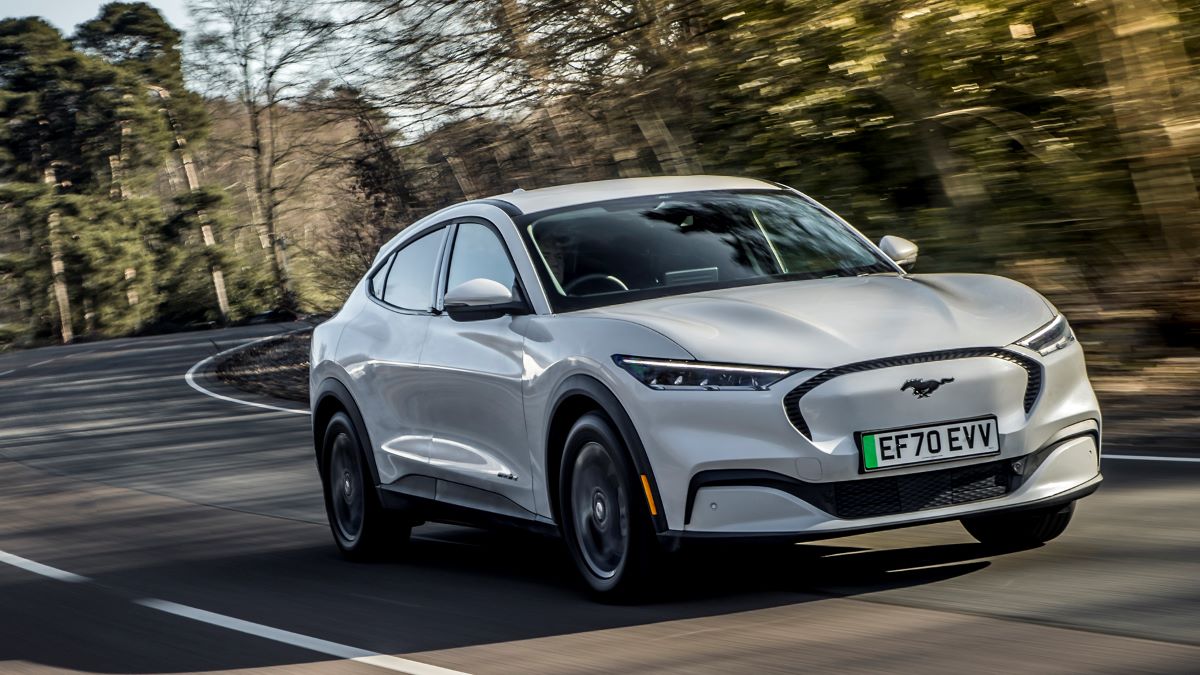
The Mustang Mach-E earns praise for its engaging driving dynamics. AWD models pull out of corners with authority, while RWD versions offer moments of playful oversteer. Reflexes are sharp, though highway driving does reveal noticeable wind and road noise.
The GT delivers strong performance, though it tapers during extended high-limit driving sessions. The available Performance Edition upgrades are worth considering for enthusiasts. While no Mach-E variant has SUV-level ground clearance, the Rally model remains fun off-road.
Range is average but adequate for most drivers. Charging speed is modest. Owners will appreciate the Mach-E’s relatively generous cargo space and front trunk.
The interior leans toward Tesla-inspired minimalism, but some areas feel underutilized. The 15.5-inch touchscreen could be better optimized, and the all-glass roof can make the cabin uncomfortably hot in direct sunlight, requiring heavy air conditioning use.
The Mustang Mach-E is a solid electric SUV overall, but not a segment leader. Tesla and Hyundai rivals offer faster charging and longer driving ranges.
The Mach-E comes in RWD or AWD with standard or extended-range batteries. Select and Premium trims are offered in the widest variety of configurations. Range spans from 240 miles for AWD models with the standard battery up to 320 miles for RWD versions with the extended-range battery.
GT and Rally models are equipped with the larger battery and AWD. The GT achieves 280 miles of range, while the Rally reaches up to 265 miles.
Standard-range trims can charge at rates up to 110 kW on a compatible fast charger, while extended-range versions handle up to 150 kW. On a public Level 3 charger, going from 10 to 80 percent takes roughly 38 minutes. Level 2 charging to 100 percent requires about 12 to 14 hours.
Power outputs vary across the lineup, from the 246-hp standard-range RWD to the 480-hp GT and Rally models. Lesser AWD trims generate 325 hp with the standard battery and 365 hp with the extended-range battery.
Also Read: 5 Cheap Cars That Offer Top-Tier Build Quality vs 5 That Don’t Work
3. Rivian R1T
Rivian, targeting the adventure-focused EV market, has designed its R1T pickup with ruggedness in mind, and the charging cable is no exception.
Rivian uses military-grade insulation materials and strain-relief connectors to prevent fraying under harsh conditions.
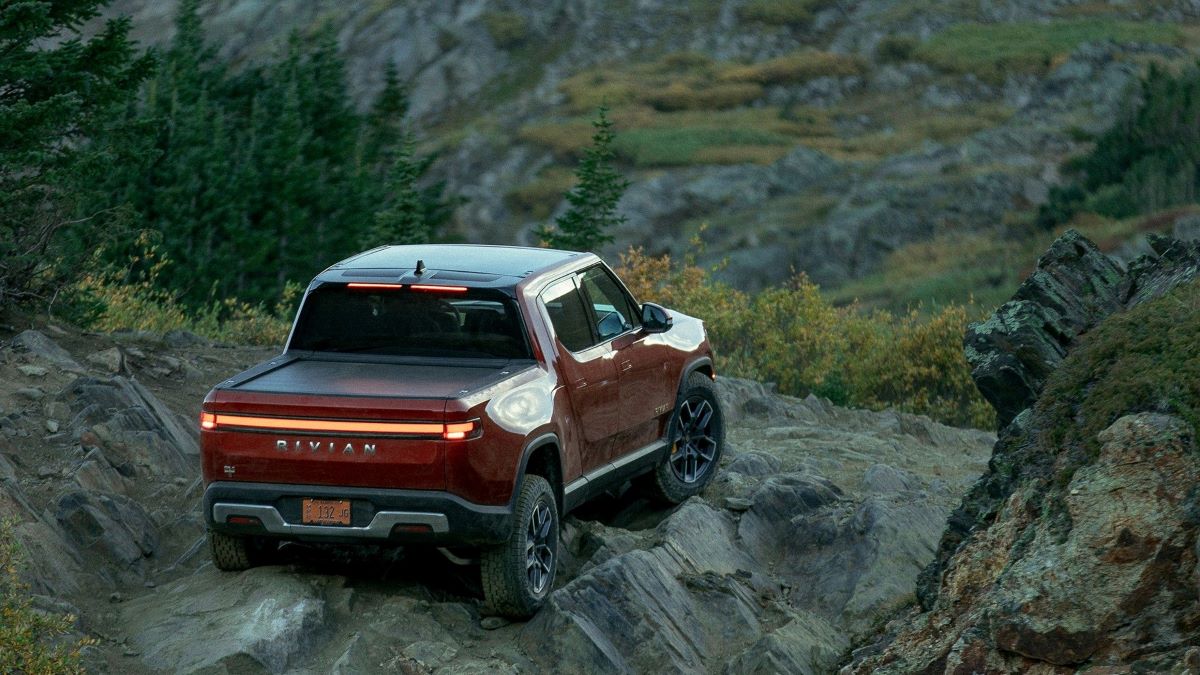
This makes the R1T particularly appealing to off-road enthusiasts who often charge at remote locations, sometimes repeatedly unplugging and replugging in varying terrain conditions.
The durability of Rivian’s cable aligns perfectly with the vehicle’s overall rugged build quality.
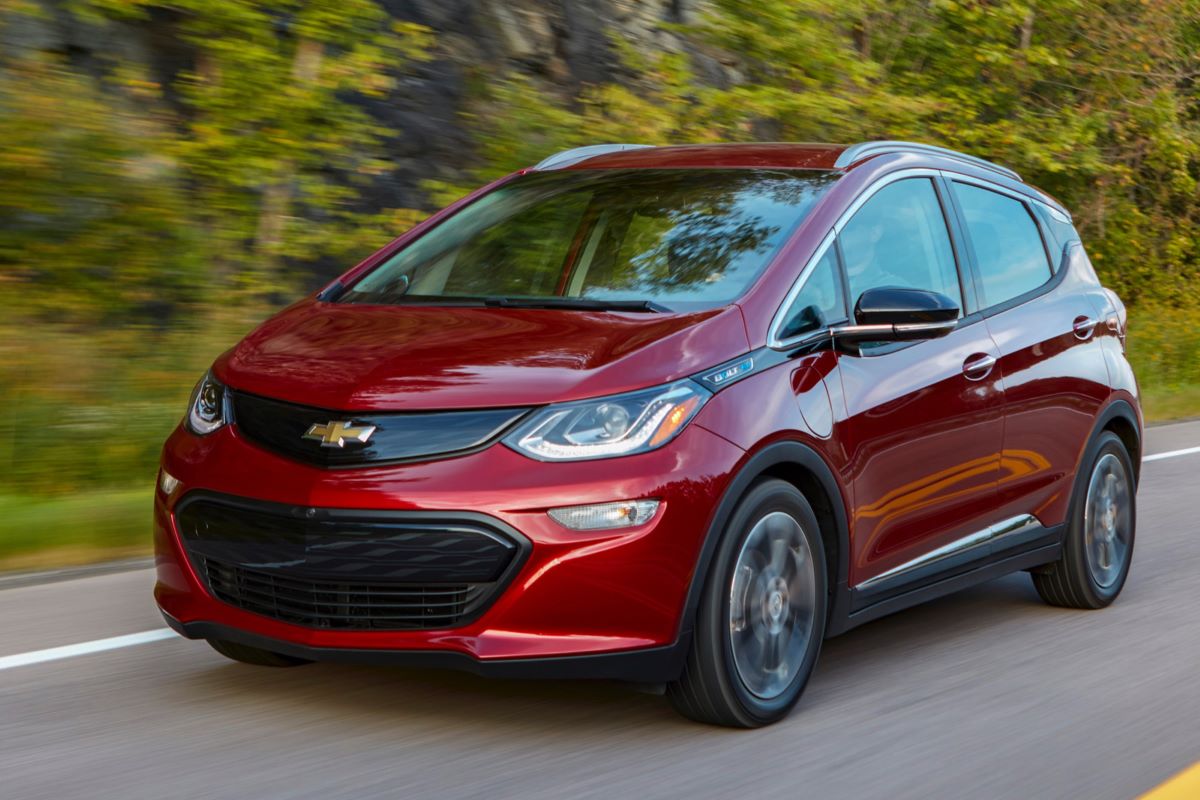
4. Chevrolet Bolt EV
The Chevrolet Bolt has been a popular choice for U.S. buyers seeking a reliable, affordable EV. Chevrolet provides a high-quality J1772 charging cable with solid insulation and strong, ergonomic connectors.
Bolt owners report that the cable maintains its integrity even after years of daily use, whether plugged into public charging stations or home Level 2 chargers.
Its lightweight design also makes handling easier, reducing the risk of bending or twisting that can damage cheaper cables.
After a nearly two-year hiatus, the original long-range, affordable EV returns as the 2027 Chevrolet Bolt. A hybrid of legacy and new components, it is set to reclaim the title of the most budget-friendly EV on the market, with a starting price of $29,990 when it hits dealerships in the first quarter of next year. How long it will remain available, however, is still uncertain.
Chevy describes the new Bolt as a “limited run” model but hasn’t provided further specifics. We’ve reached out for clarification and will update this story if we hear back. The automaker does hint at additional offerings: a cheaper base model expected later next year at $28,995 and a sporty RS trim that focuses primarily on appearance upgrades.
As anticipated, Chevy has resurrected the discontinued Bolt EUV to form the new Bolt, dropping the EV/EUV suffix entirely. Both the Bolt EV and Bolt EUV were canceled in 2023, but vocal demand from loyal owners and a market trend toward more affordable EVs prompted Chevy to reverse course.
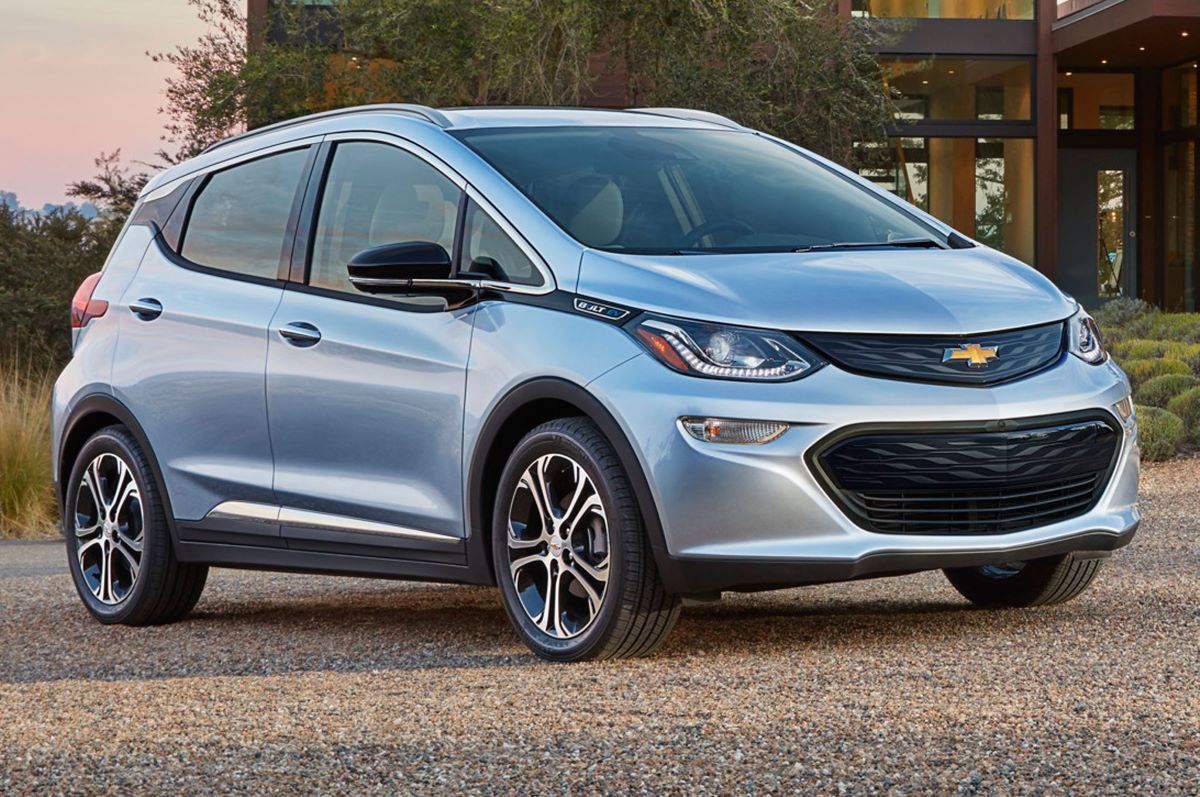
To move quickly and economically, engineers reused much of the previous architecture. Essentially, they installed a new lithium-iron phosphate (LFP) battery, an “X76” motor (from the former Ultium platform), and a NACS charging port into the old Bolt EUV, while also refreshing the interior and exterior design.
The EUV chassis was likely chosen for its popularity, offering an extra three inches of wheelbase that translate to more rear-seat legroom.
The highlight of the 2027 Bolt is its new 65-kWh LFP battery, which makes the entire project feasible. While LFP chemistry has lower energy density than traditional lithium-ion, it is more robust. LFP packs are less prone to fire, withstand repeated fast charging and 100 percent charges without significant degradation, and are considerably cheaper to produce.
Chevy estimates that this battery delivers up to 255 miles of range, eight miles more than the 2023 Bolt EUV but four miles less than the 2023 Bolt EV, all using the same capacity.
The new pack also enables fast charging at up to 150 kW, 2.5 times quicker than the 2023 models. While 150 kW isn’t particularly high by today’s standards, the real advantage lies in the charging curve, how long the battery can sustain near-peak charging.
Chevy hasn’t released the full curve yet, but it claims the Bolt can recharge from 10 to 80 percent in just 26 minutes, a dramatic improvement from the previous hour-plus timeframe.
For the first time, the Bolt comes standard with a NACS port, enabling direct access to Tesla Superchargers and Destination chargers without an adapter. It also introduces Chevy’s Google software integration, offering built-in Google Maps with a route and charging planner, a feature that has proven effective in other Chevy models.
Also Read: 5 City-Proof Compacts and 5 That Hate Stop-and-Go
5. Hyundai Ioniq 5
Hyundai’s Ioniq 5 is praised not just for its striking design and fast charging capability, but also for its durable, thoughtfully engineered charging cable.
The cable features a flexible rubber coating resistant to temperature extremes common across the U.S., from scorching Arizona summers to freezing Minnesota winters.
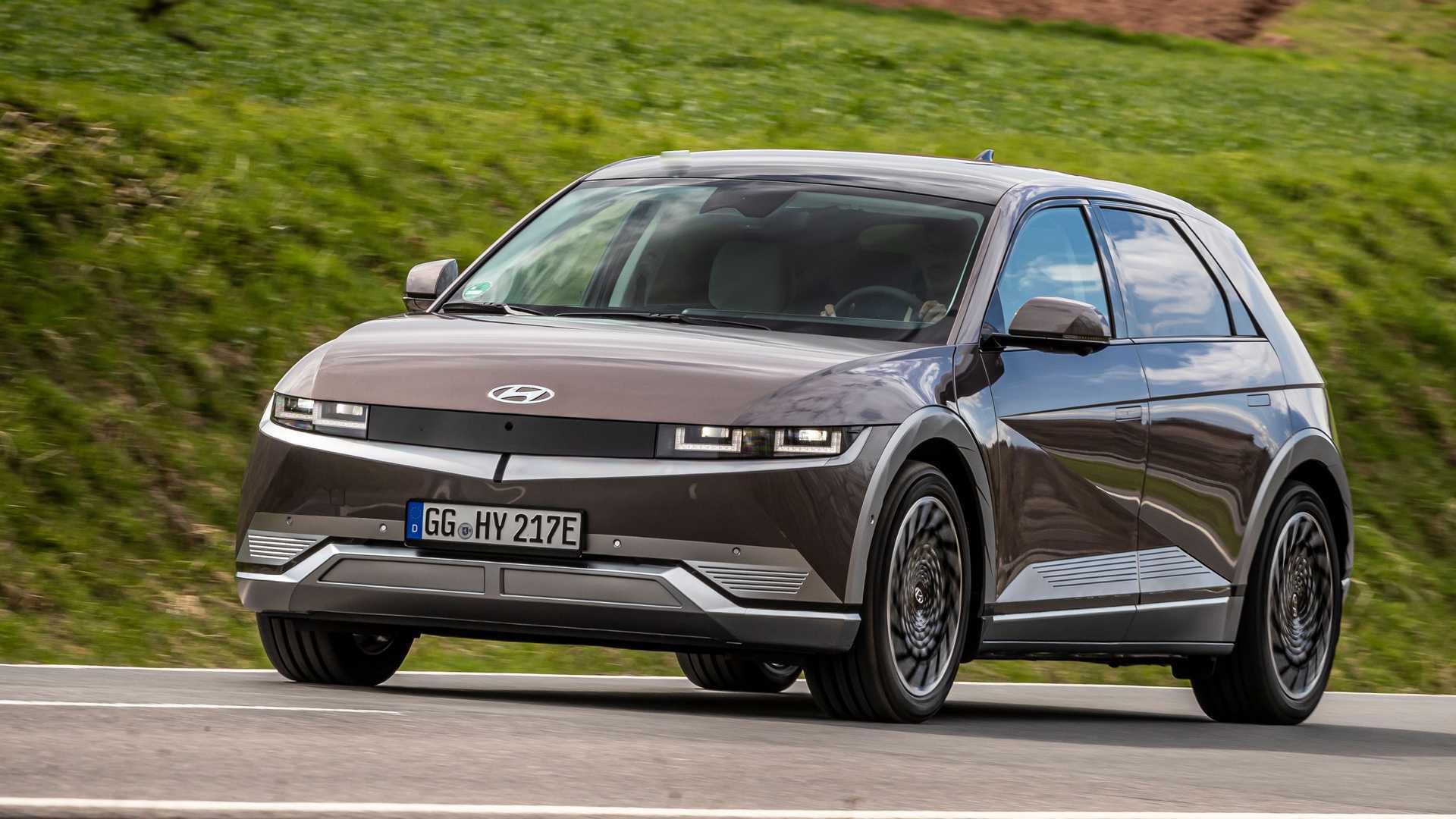
Hyundai’s attention to detail includes reinforced connection points and strain relief near the plug, which prevents fraying and ensures a long service life. For urban commuters and long-distance travelers alike, the Ioniq 5’s cable reliability is a small but impactful benefit.
EVs That Tend to Fray at the Boot
Not all EV charge cables are created equal. Some models are notorious for wear and tear, especially where the cable bends or rests in the trunk or rear storage area.
Over time, repeated folding, twisting, or rubbing against hard surfaces can cause fraying, kinks, or other damage that impacts usability and safety. In this article, we explore the EVs whose charging cables are most prone to these kinds of issues, helping owners know what to watch for and how to prevent premature wear.
1. Nissan Leaf (Early Models)
The Nissan Leaf was one of the first widely adopted EVs in the U.S., but its early models are notorious for charging cable issues. Many Leaf owners report fraying near the connector or boot after just a couple of years of regular use.
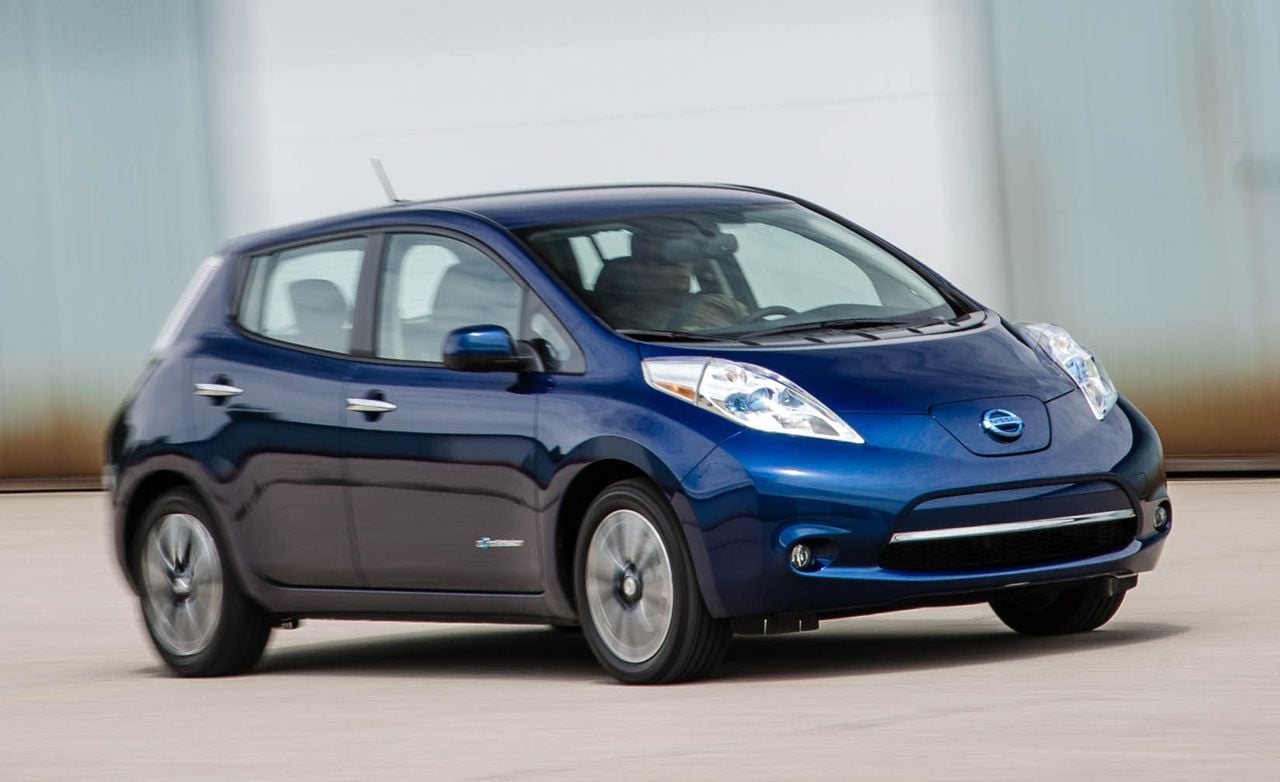
The cable insulation is thinner than some competitors, and frequent exposure to sun or moisture can accelerate wear.
While Nissan has addressed some of these issues in newer models, early Leafs demonstrate the importance of checking cable quality before purchase, especially for used EV buyers.
2. BMW i3
BMW’s i3 is a technologically sophisticated EV, but the original charging cable often falls short on durability.
Owners in colder climates report that the rubber insulation can stiffen and crack over time, particularly around the plug where stress is highest.
This has occasionally led to frayed wiring or compromised connectivity. BMW has improved newer cable designs, but the i3 remains a cautionary tale for U.S. buyers prioritizing cable longevity, especially in regions with extreme temperature swings.
BMW has unveiled the new electric BMW 3 Series for the first time, confirming it will carry the i3 badge when it arrives next year.
Revealed in camouflaged form at the launch of the new iX3 electric SUV on Friday, the 3 Series EV takes its cues from the striking Vision Neue Klasse concept first shown in 2023.
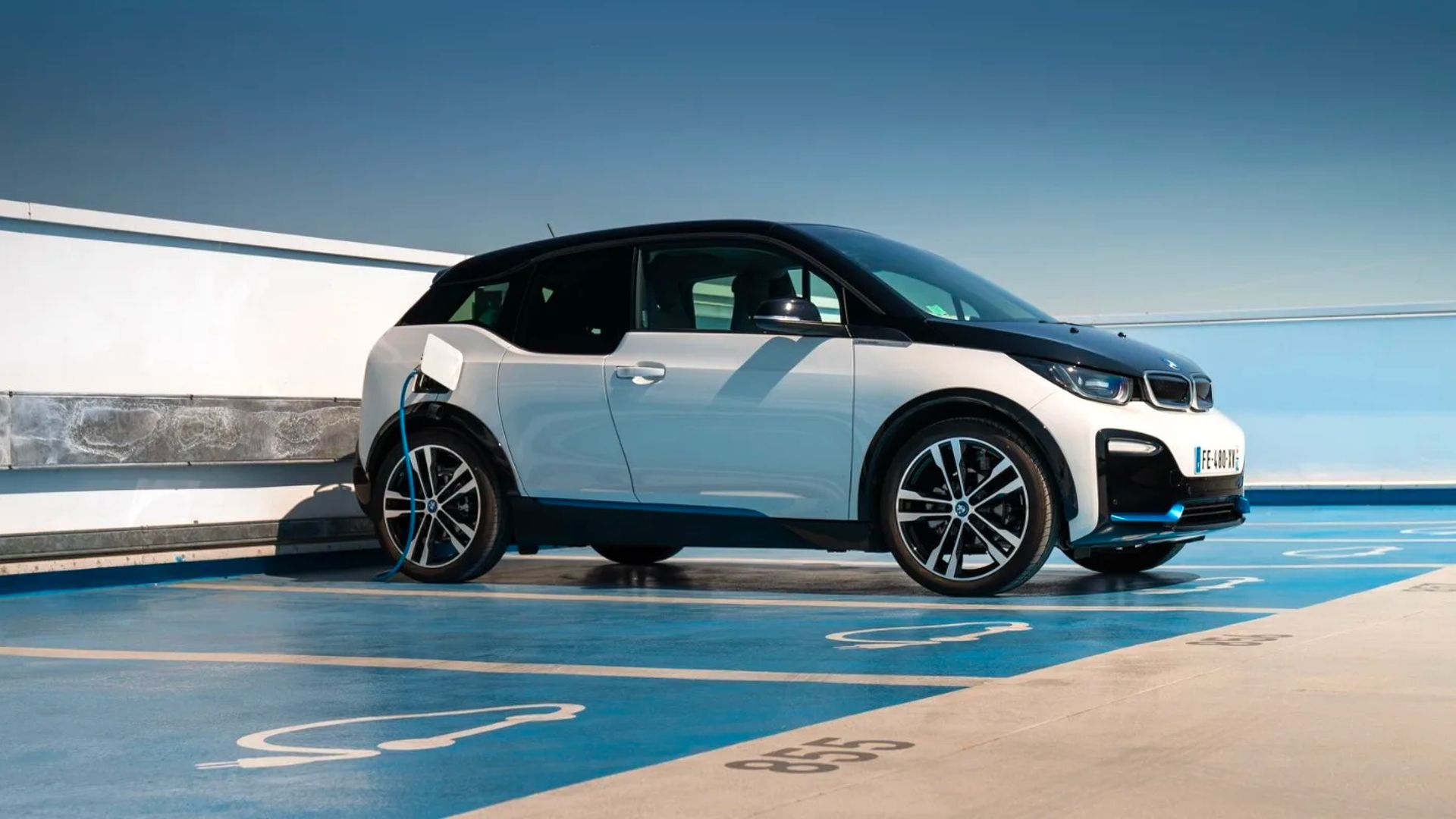
This saloon will be the second model in BMW’s Neue Klasse range and marks the first time the company offers a 3 Series-sized EV in Europe. Upon its debut, it will also be BMW’s smallest electric vehicle.
“You will recognise classic proportions of a typical sporty BMW. For the past 50 years across multiple model generations, no other model has been as tied to the BMW brand as the 3 Series. It represents sheer driving pleasure at its finest.
The new iX3 and i3 will spearhead a major product offensive from BMW. Zipse added: “We will launch 40 new and updated models by 2027.” Shown for the first time under camouflage, the i3 already appears in production form and has been spotted testing on public roads over the past year.
While the i3 will arrive first in electric form, the eighth-generation 3 Series will continue to offer internal combustion engines as it transitions to BMW’s entirely new, EV-first 800V Gen6 platform, the same architecture underpinning the larger iX3.
The iX3 launched with an impressive 500-mile range, and the i3’s lower, sleeker shape is expected to extend that even further. Power output is likely to mirror the iX3, which delivers 464 bhp and 479 lb-ft via a dual-motor setup, propelling the SUV from 0-62 mph in a claimed 4.9 seconds. Additional power configurations are also planned.
BMW has already teased an electric M3 using the M HP BEV test mule, with a 2028 launch expected. The company promises that the electric M3 will “set new standards” for performance in the sports saloon segment.
3. Kia Soul EV (Early Models)
The Kia Soul EV’s early charging cables were not built for high-frequency use. Reports from U.S. owners indicate that the cable can fray near the boot after prolonged exposure to sunlight or repeated bending.
While the vehicle itself is reliable and well-liked for city driving, the charging cable’s vulnerability is a weak point. Replacement cables are available, but frequent replacement can become an added cost and inconvenience.
This is the third generation of the Kia Soul EV, the quirky middle child in the Korean automaker’s lineup. In Europe, the Soul is offered exclusively as an electric vehicle, while other markets still have a range of petrol engines available alongside it.
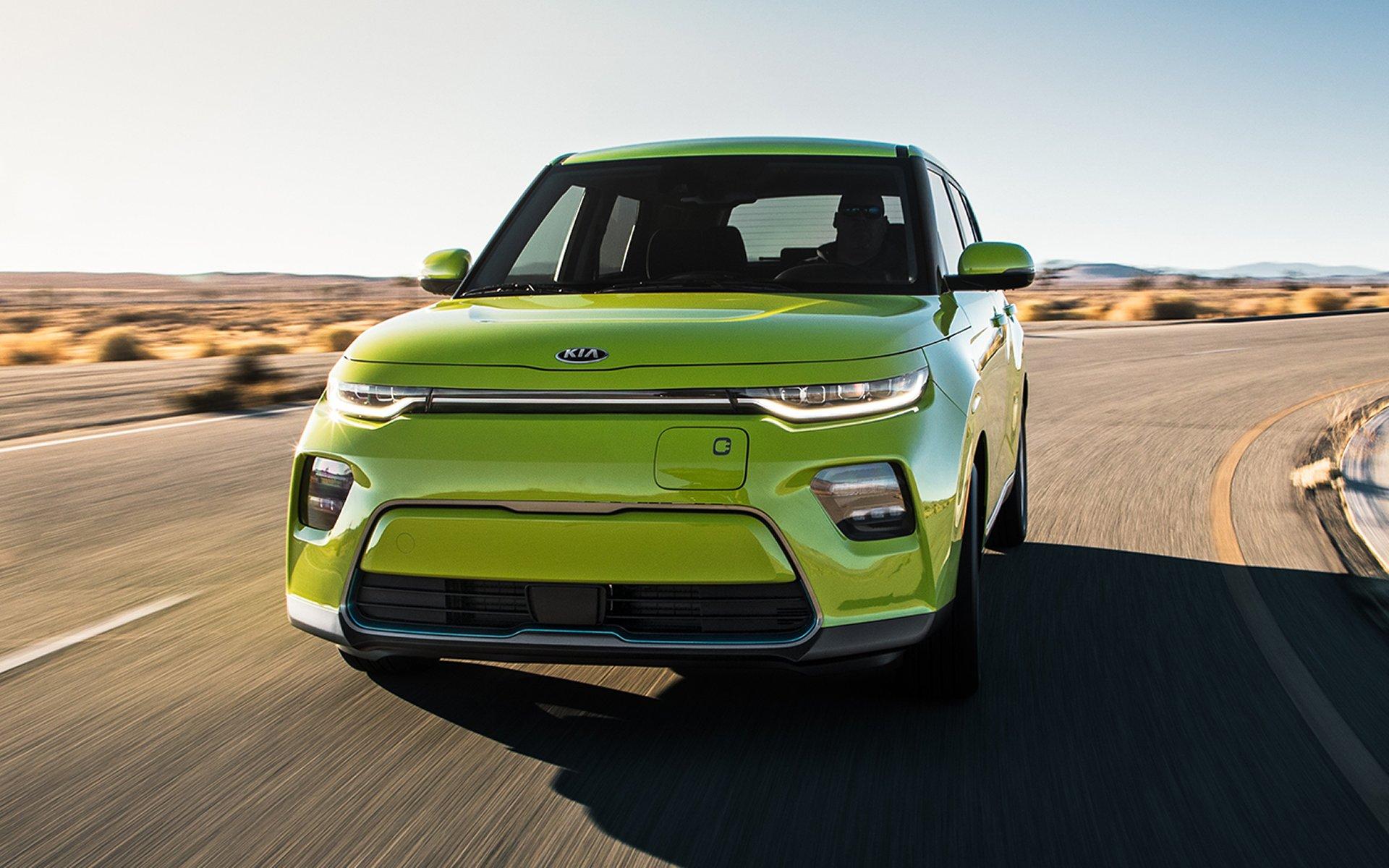
That said, the Soul EV doesn’t feel underpowered. It carries over the same powertrain found in previous versions of the Niro EV and Hyundai Kona Electric, both of which have received updates since the Soul EV’s 2020 launch. Its rivals include vehicles like the MG4, MG ZS EV, and perhaps even the Mazda CX-30.
Without doubt, the Soul EV is distinctive, something Kia clearly intended. Some might see a hint of the early 2000s Chrysler PT Cruiser in its shape, but much better looking. Overall, this third-generation model is the most visually appealing yet, moving away from the “hearse-like” look of its predecessors.
The 64 kWh model is particularly impressive, as it almost eliminates range anxiety with the ability to cover 280 miles on a single charge, making it one of the most cost-effective ways to travel that distance in an EV.
Performance-wise, the bigger 64 kWh battery powers a 201 bhp motor, achieving 0–62 mph in 7.9 seconds. The smaller 39 kWh battery delivers 134 bhp and hits 62 mph in 9.9 seconds. On the road, the difference isn’t hugely noticeable, range aside, both offer a smooth, practical driving experience.
4. Volkswagen e-Golf
The e-Golf is a competent and practical EV, but its charging cable has sometimes struggled under heavy use. Fraying near the connector, splitting insulation, and loose pins have been reported, particularly in areas with harsh weather.
For U.S. consumers, this can be a significant issue if the EV is charged daily at home or if the cable is frequently transported in the trunk. While VW has made some improvements over the years, it remains an area to inspect carefully for used models.
If the standard Volkswagen Golf is like a dustpan and brush, the Volkswagen e-Golf is the latest Dyson vacuum cleaner. Both will get the job done, but the Dyson does it more efficiently and with a distinctly modern feel.
Over the years, the e-Golf has faced growing competition from the Nissan Leaf, Hyundai Kona Electric, Kia e-Niro, and BMW i3. Yet unlike those standalone EVs, the Volkswagen e-Golf is intentionally part of the broader Golf lineup, which also includes petrol and diesel variants.
The e-Golf does feature its own styling cues, a covered grille accented with blue highlights, LED lights, and unique wheels, but the differences are subtle. True to Golf form, the e-Golf delivers exceptional build quality and a selection of premium materials. It also comes in its own highly specified trim.
From behind the wheel, the interior feels almost identical to any other Golf, which is a positive thing. The only immediate differences are blue stitching, coordinating trim accents, and the power dial replacing the conventional rev counter found in petrol or diesel models.
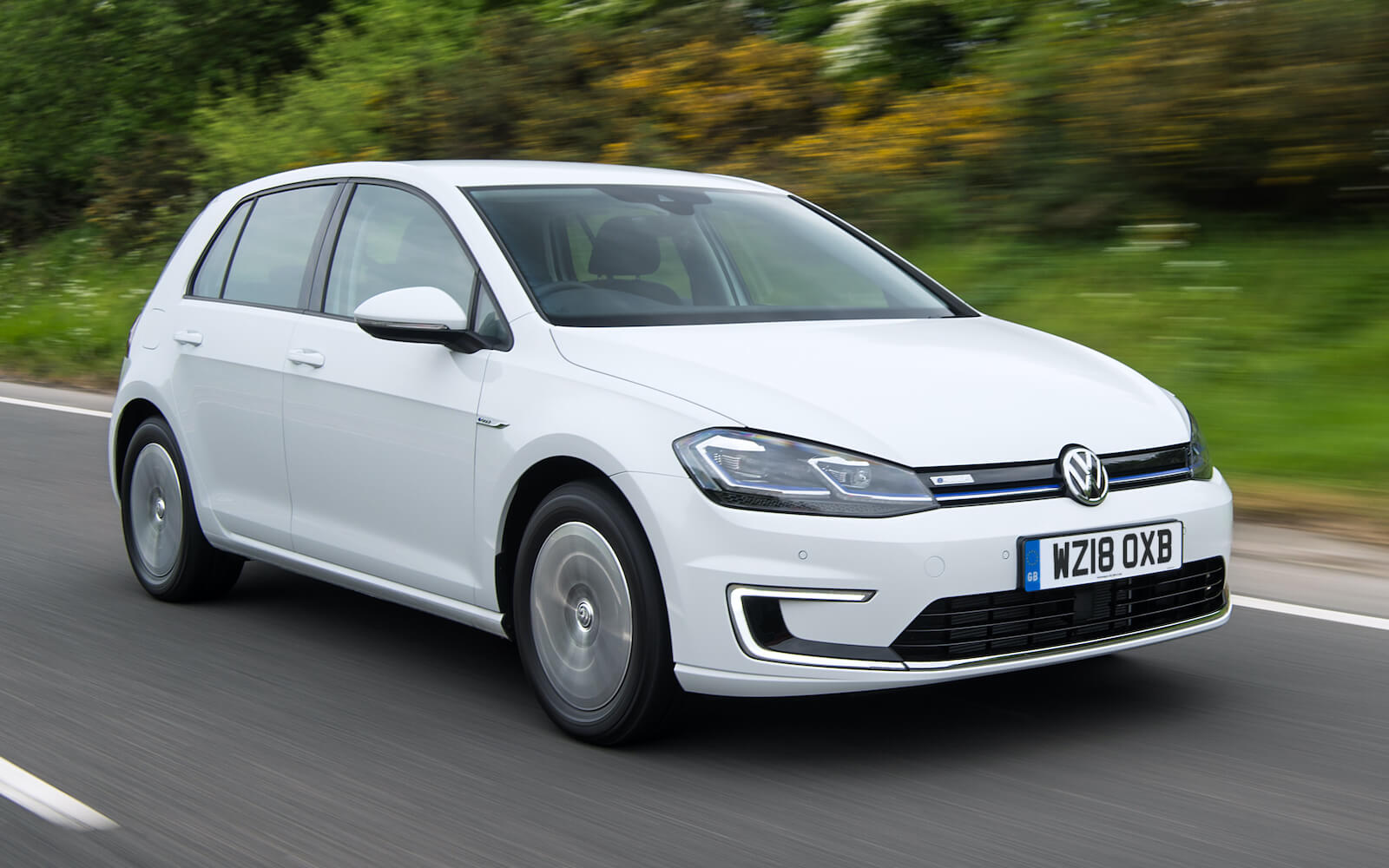
Interior space remains generous, with ample room for front and rear passengers alike. Four adults can travel comfortably, making the e-Golf one of the more spacious family hatchbacks.
The only compromise is in the boot. To accommodate the battery pack, Volkswagen reduced storage by roughly 40 litres. Even so, the remaining 341 litres is sufficient for most everyday uses.
Driving the e-Golf reflects the same philosophy of minimal compromise. On a full charge, the battery provides around 100 miles of range, enough for most daily driving.
Charging from a standard domestic three-pin socket takes approximately 16 hours, though a 7kWh home charger cuts this to around five hours. Either way, a full charge costs roughly £5, about £16 less than fueling an average petrol car for the same distance.
Switching from petrol or diesel to electric might feel unusual at first, but it quickly becomes a pleasant experience. The electric motor delivers instant torque, resulting in smooth, quiet, and responsive performance, ideal for city driving.
Often, the car can be driven using just the accelerator pedal, as regenerative braking converts momentum back into battery charge, reducing the need to press the brake.
While acceleration tapers beyond urban speeds, the e-Golf can comfortably maintain motorway speeds. The cabin remains relatively quiet at legal limits, though high-speed driving will reduce range, common across all electric vehicles.
Though not the cheapest option in its class, the e-Golf distinguishes itself with a refined, high-quality interior and a smooth, comfortable drive. For those seeking a family-friendly, zero-emission hatchback, the e-Golf is certainly worth considering.
5. Jaguar I-PACE
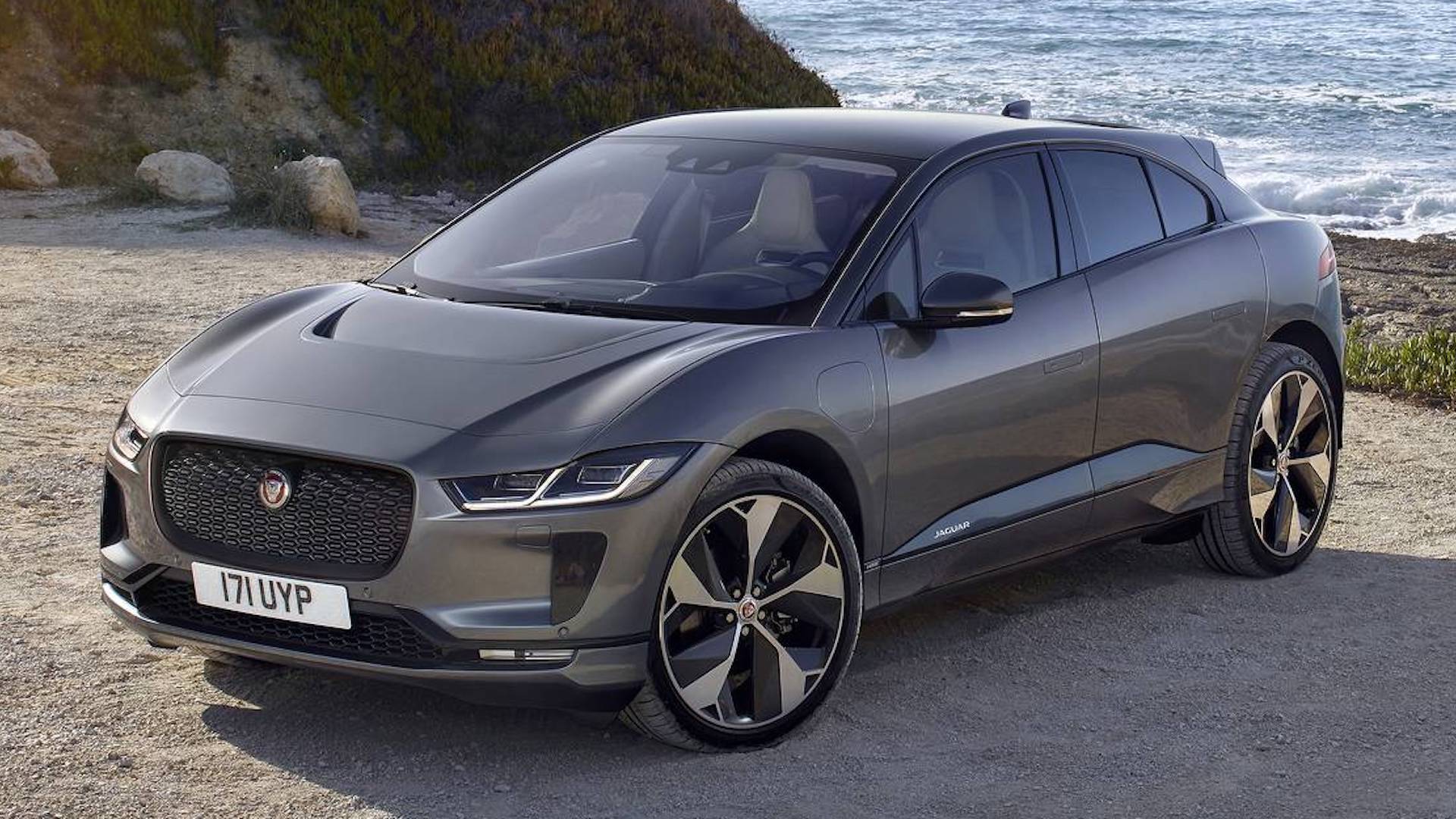
Jaguar’s I-PACE is a luxury EV with impressive performance, but its charging cable has faced criticism for durability issues. Some U.S. owners report that the cable can fray near the boot or connectors after repeated use, especially under heavy stress or poor storage conditions.
While the vehicle’s overall build quality is excellent, the charging cable has proven to be a weak link, potentially leading to additional maintenance costs or the need for aftermarket cable solutions.
When evaluating EVs, it’s easy to focus solely on range, performance, or tech features, but the durability of the charging cable should not be overlooked.
Vehicles like the Tesla Model 3, Ford Mustang Mach-E, Rivian R1T, Chevrolet Bolt, and Hyundai Ioniq 5 have set a high standard for cable longevity, combining thoughtful engineering with materials designed to withstand frequent use and harsh conditions.
Conversely, early models of the Nissan Leaf, BMW i3, Kia Soul EV, Volkswagen e-Golf, and Jaguar I-PACE have demonstrated that cable wear and fraying can become a real issue over time.
For U.S. consumers, especially those living in regions with extreme weather or who rely heavily on home or public charging infrastructure, investing in an EV with a durable charging cable is not just a convenience it’s a practical choice that enhances safety, reliability, and overall satisfaction.
As EV adoption continues to grow, attention to these details will increasingly differentiate the truly user-friendly vehicles from the ones that require extra care and maintenance.