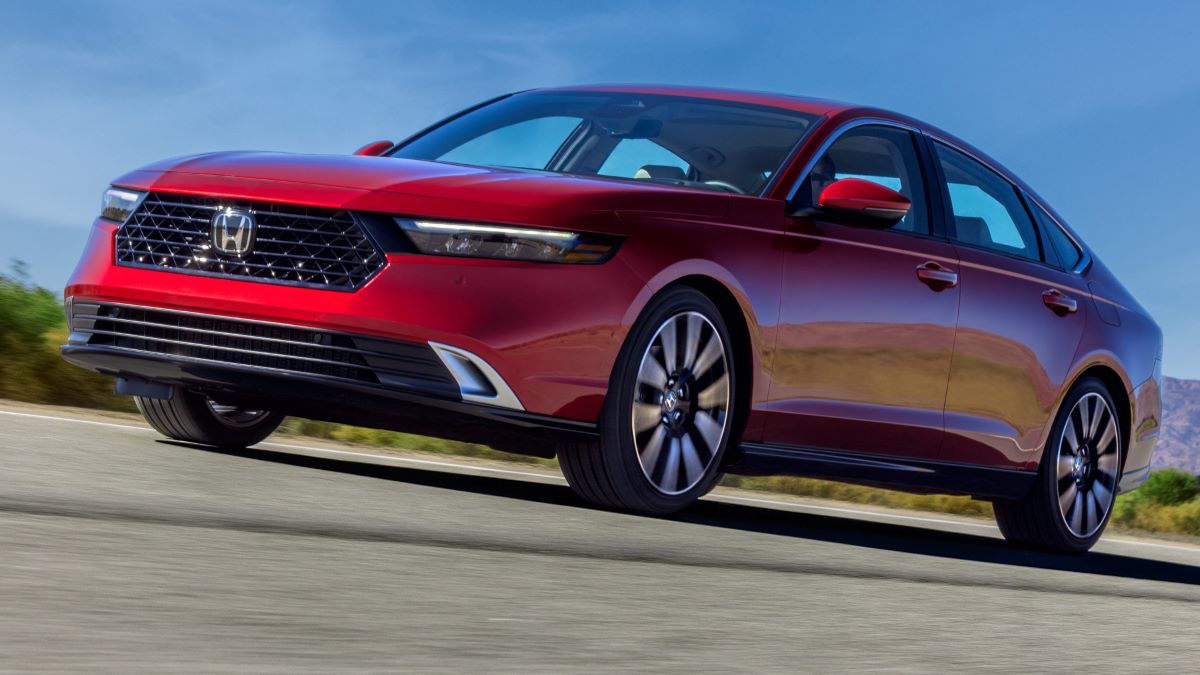
In the growing world of hybrid vehicles, many buyers assume that efficiency comes at the cost of performance.
While hybrids are designed primarily to save fuel and reduce emissions, the truth is that some deliver surprisingly peppy acceleration, while others barely move off the line without feeling like they’re laboring.
For U.S. drivers navigating city streets, highways, or stop-and-go traffic, choosing the right used hybrid can mean the difference between a fun, lively ride and a sluggish slog.
In this guide, we break down five used hybrids that still feel quick and enjoyable, alongside five that, despite excellent gas mileage on paper, fail to deliver a lively driving experience in real-world conditions.
Used Hybrids That Still Feel Quick
Looking for a hybrid that doesn’t feel like a compromise between efficiency and fun? Modern hybrids are no longer just about saving fuel, they can also deliver lively acceleration, responsive handling, and an engaging driving experience.
From sporty crossovers to sleek sedans, there’s a surprising number of used hybrid models that still feel quick and enjoyable behind the wheel, proving that eco-friendly doesn’t have to mean boring. In this article, we’ll highlight some of the best used hybrids that blend efficiency with excitement, giving you the thrill of driving without the guilt of guzzling gas.
1. Toyota Prius Prime (2017–2021)
The Prius Prime, Toyota’s plug-in hybrid variant of the Prius, has always been known for its efficiency, but it’s often underestimated for acceleration.
With a combined 121 horsepower from its gas engine and electric motor, the Prime feels zippier than traditional Prius models, particularly in electric mode during city driving.
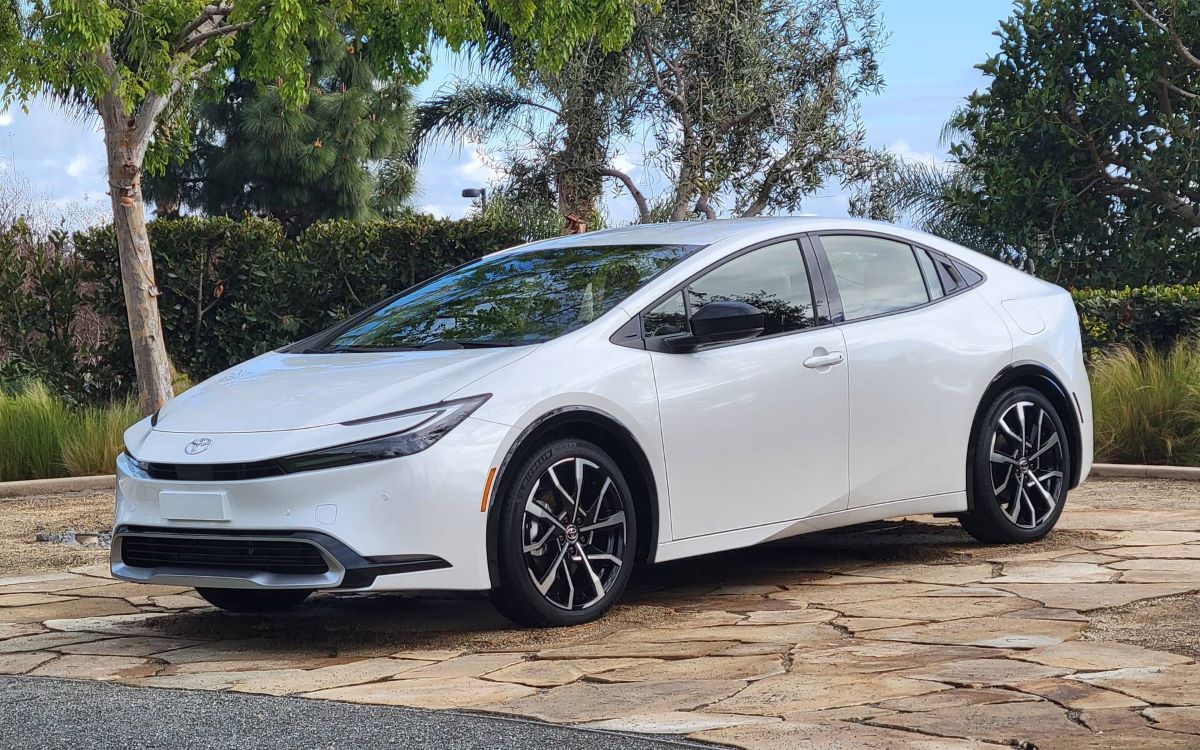
The instant torque from the electric motor gives it an enjoyable initial burst, making traffic merges and short freeway sprints surprisingly effortless.
For used buyers in the U.S., a 2018–2021 model combines reliability, strong fuel economy, and an unexpectedly lively driving feel.
2. Honda Accord Hybrid
The Accord Hybrid is a standout in the midsize sedan category. The 2.0-liter Atkinson-cycle engine paired with Honda’s two-motor hybrid system delivers smooth and brisk acceleration.
Drivers report that it handles freeway passing with confidence and doesn’t feel bogged down, even with four passengers on board.
Unlike some hybrids that prioritize efficiency above all else, the Accord Hybrid balances power and fuel economy, making it a compelling choice for those who want a practical yet lively used vehicle.
As the clear leader in our midsize sedan rankings, the Honda Accord sets the standard for its segment. It showcases everything Honda does best: clever packaging that delivers a roomy rear seat and trunk, confident driving dynamics, excellent fuel efficiency, and a thoughtfully equipped interior.
The Accord is a favorite in comparison tests, consistently outperforming its peers. It has bested expected rivals like the Toyota Camry in both base and upgraded-engine trims and even held its own against an entry-level luxury car, the Audi A4.
In each scenario, the Accord provided superior performance, handling, more user-friendly tech features, and a more spacious, comfortable cabin.
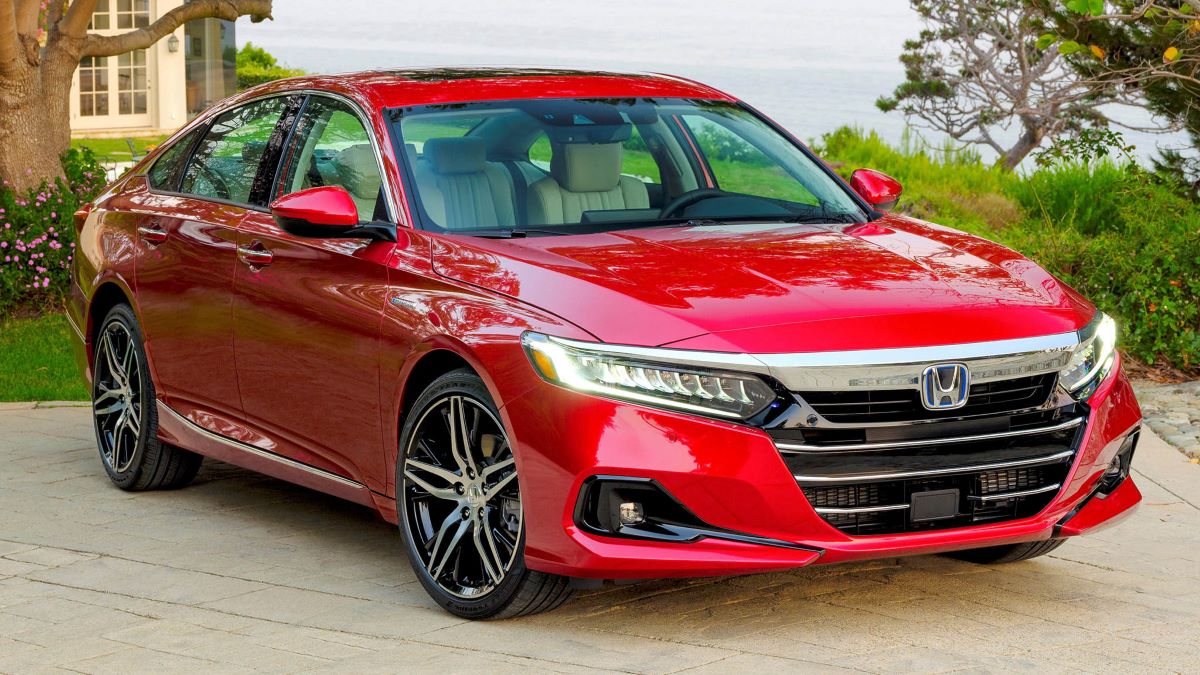
While it isn’t perfect, road noise is higher than in a luxury sedan, and some active safety features could be better tuned, the Accord excels in nearly every other area. For anyone shopping for a midsize sedan, it deserves serious consideration.
Honda equips the Accord with three engine and transmission combinations. Most trims come with a 1.5-liter turbo-four paired with a CVT automatic driving the front wheels.
This engine produces 192 hp and 192 lb-ft of torque, propelling the Accord from 0-60 mph in 7.2 seconds. Fuel economy is rated at 30/38 mpg city/highway, or 29/35 mpg for the Sport and Sport SE trims.
Sport 2.0T and Touring trims use a 2.0-liter turbo-four, a tuned-up variant of the engine found in the Civic Type R. Mated to a 10-speed automatic, it generates 252 hp and 273 lb-ft of torque. Fuel economy reads 22/32 mpg, and 0-60 mph is reached in 5.5 seconds. Since 2021, neither engine is available with the six-speed manual previously offered.
For buyers prioritizing efficiency over speed, the Accord Hybrid is the standout. Pairing a gasoline engine with an electric motor, it delivers 48/48 mpg city/highway for most trims, with the Touring model slightly lower at 44/41 mpg due to its 19-inch wheels. All hybrids achieve 212 combined-system horsepower.
Honda revised all three 2021 Accord engines to respond more sharply to throttle inputs, and the brakes have been retuned for smoother operation, enhancing both performance and comfort.
Also Read: 5 Cars With Stellar Brakes vs 5 With Long Stopping Distances
3. Ford Fusion Hybrid
Ford’s Fusion Hybrid provides a comfortable ride with enough pep to keep commuting enjoyable. Its 2.0-liter engine and electric motor generate a combined 188 horsepower, giving it a noticeable performance edge over more economy-focused hybrids.
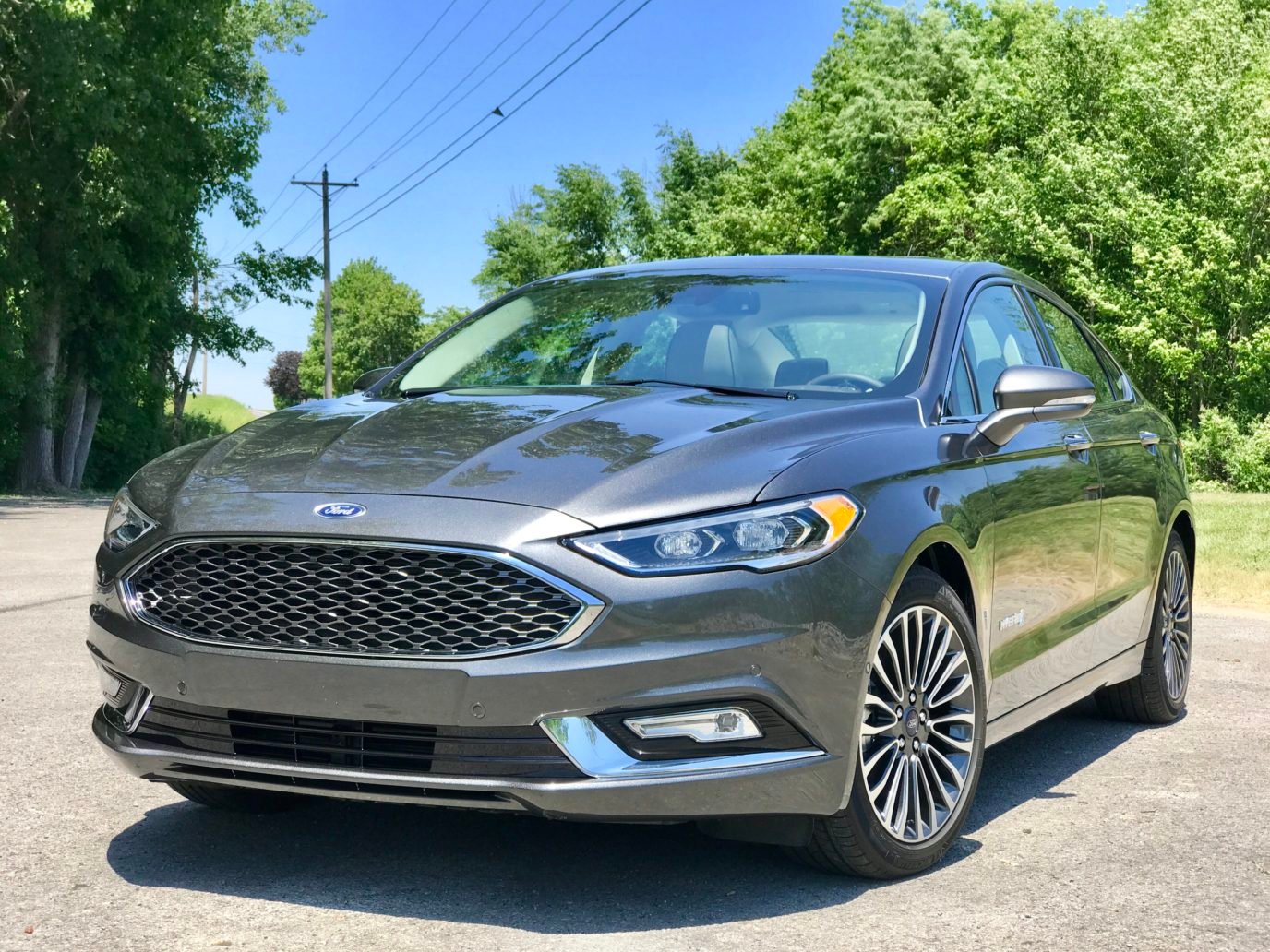
The Fusion Hybrid’s responsive CVT ensures that acceleration feels linear and smooth, which is a big plus for U.S. drivers who often switch between city and highway driving.
On the used market, these models are affordable, and their combination of style, tech, and acceleration keeps them relevant even today.
4. Lexus RX 450h (2010–2015)
For those looking for a hybrid SUV that doesn’t compromise on speed, the Lexus RX 450h is an excellent option. Its V6 engine paired with electric motors produces a total of 295 horsepower, allowing this mid-size luxury SUV to feel surprisingly agile.
Unlike many heavier hybrids that feel sluggish, the RX 450h maintains confident acceleration and strong passing power, even when fully loaded.
Its plush interior and reputation for reliability make it one of the more desirable used hybrid SUVs for buyers who want performance without sacrificing comfort.
The 2010 Lexus RX 450h marks the next evolution of this popular luxury SUV.
For 2010, the RX 450h sees several notable upgrades, including increased power and slightly improved fuel efficiency. The hybrid now generates up to 295 horsepower, an increase of 27 hp over the previous model, while fuel economy rises by a couple of miles per gallon.
The 450h also benefits from the updates applied to all 2010 RX models: a wider body (other dimensions largely unchanged), a reinforced structure for improved crash protection, larger wheels and brakes, ten airbags, a keyless ignition system, and a new multifunction controller for the optional navigation system.
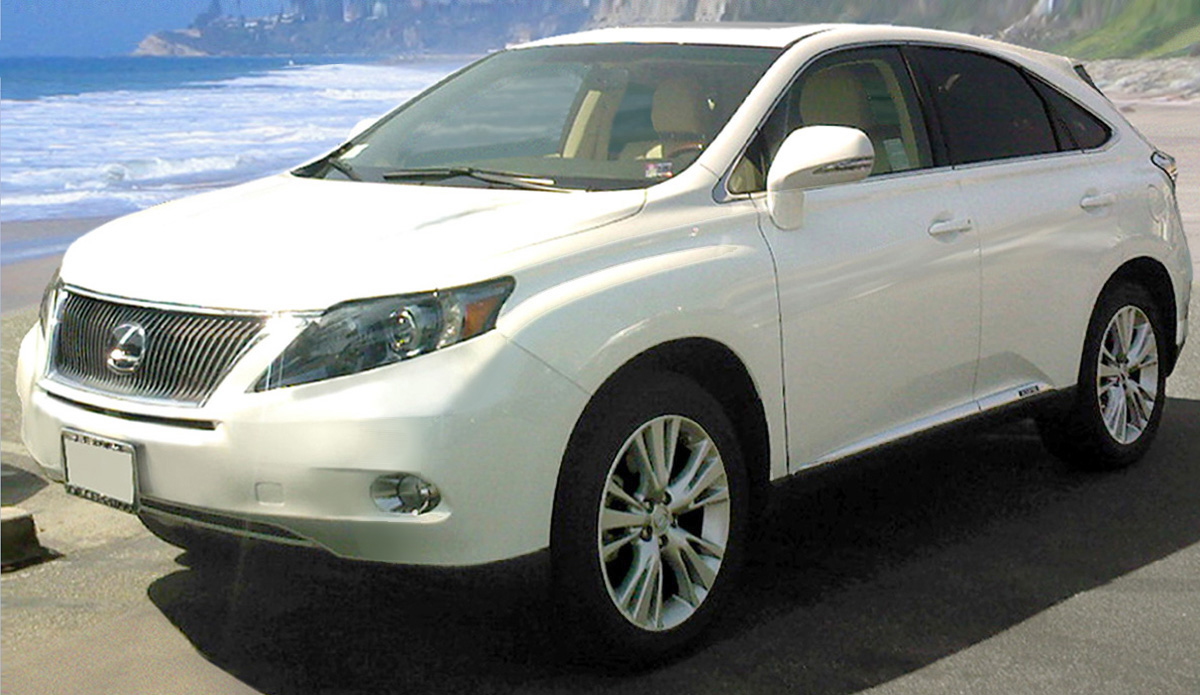
On the downside, the 450h has gained more than 400 pounds. Yet this added weight appears to have minimal impact on driving dynamics. Performance remains strong, and handling feels sharper thanks to revised steering and suspension components.
The hybrid system continues to operate in gas-only, electric-only, or combined modes depending on driving conditions. Light acceleration or coasting allows the vehicle to run solely on battery power, conserving fuel, while full-throttle acceleration delivers performance comparable to some V8-powered competitors, all while maintaining class-leading fuel economy for a midsize luxury SUV.
Naturally, these advantages come at a premium. A well-equipped 2010 RX 450h costs roughly $4,000 more than a comparable RX 350. Recouping that extra cost through fuel savings would take many miles and years of driving.
From an environmental perspective, a high-efficiency Prius achieving 50 mpg is a more practical choice than a 28-mpg crossover. Still, the RX 450h is undeniably appealing, fast, refined, and relatively efficient, offering a compelling combination that resonates with luxury SUV buyers.
The 2010 Lexus RX 450h hybrid pairs a 3.5-liter gasoline V6 with electric motor-generators that power the vehicle’s systems and wheels. Front-wheel-drive models employ two motor-generators, one functioning as a starter/generator and the other providing propulsion, while the all-wheel-drive version adds a third electric motor to drive the rear wheels.
5. Toyota Camry Hybrid
The newer Camry Hybrid models provide a significant upgrade over older generations in terms of driving dynamics.
The combination of a 2.5-liter four-cylinder engine and an electric motor yields a combined 208 horsepower, offering acceleration that feels far from sluggish.
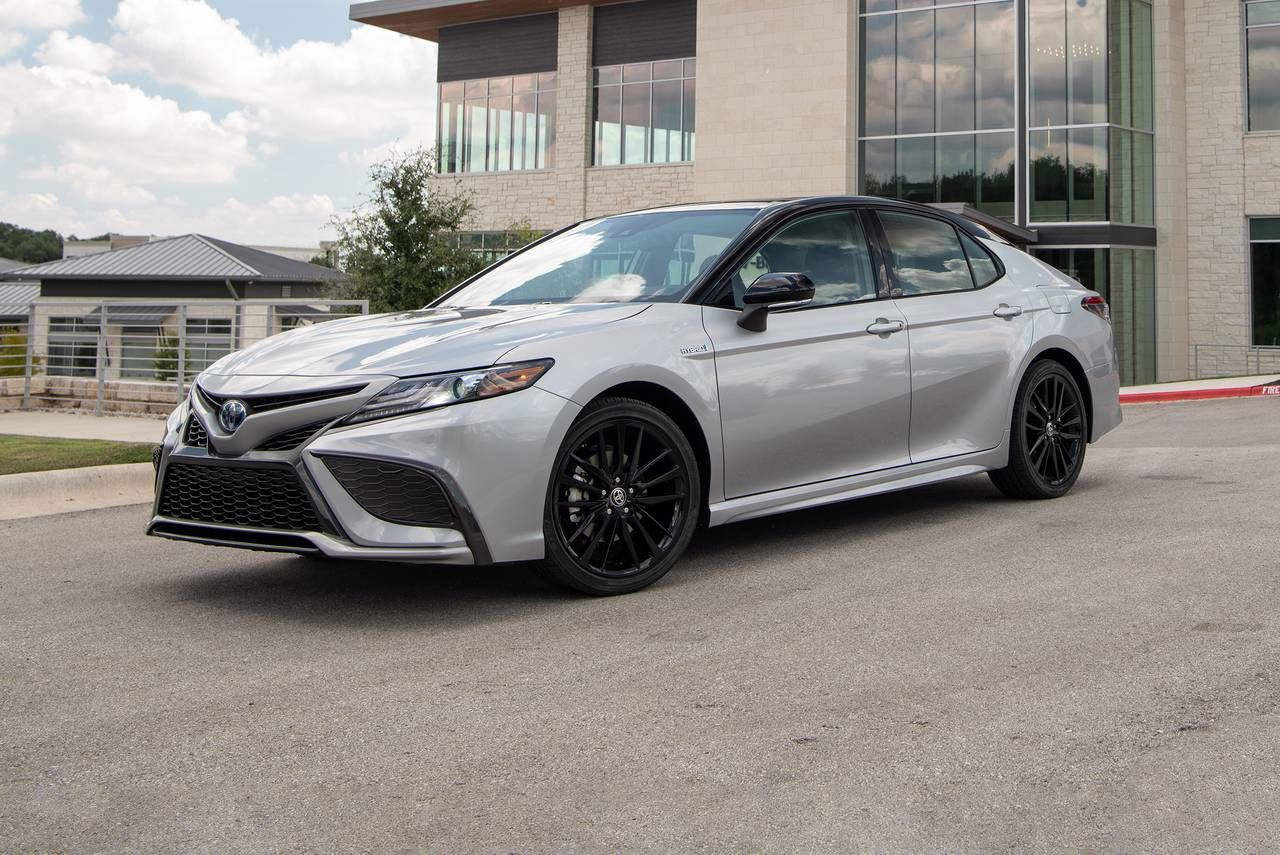
Drivers appreciate the responsive throttle and stable handling, which makes it feel more like a traditional sporty sedan rather than a fuel-sipping hybrid.
Used 2018–2021 Camry Hybrids are increasingly popular in the U.S., balancing fuel efficiency with an engaging driving experience.
Sluggish Fuel-Misers
When “hybrid” brings to mind images of fuel-sipping efficiency, it’s easy to forget that not all hybrids are built for performance, or even strong performance when it comes to acceleration.
Some hybrids, despite their technological advantages, feel sluggish or uninspired on the road, making you wonder whether the fuel savings are worth the trade-off. In this article, we spotlight the Sluggish Fuel‑Misers, hybrid models that excel at saving gas, but fall short when it comes to driving engagement or responsiveness.
Also Read: 5 Cars With Dependable Fuel Pumps and 5 With Failing Ones
1. Toyota Prius (2004–2009)
The early generations of the Prius are legendary for fuel efficiency, often delivering over 45 MPG in city driving. However, the tradeoff is performance.
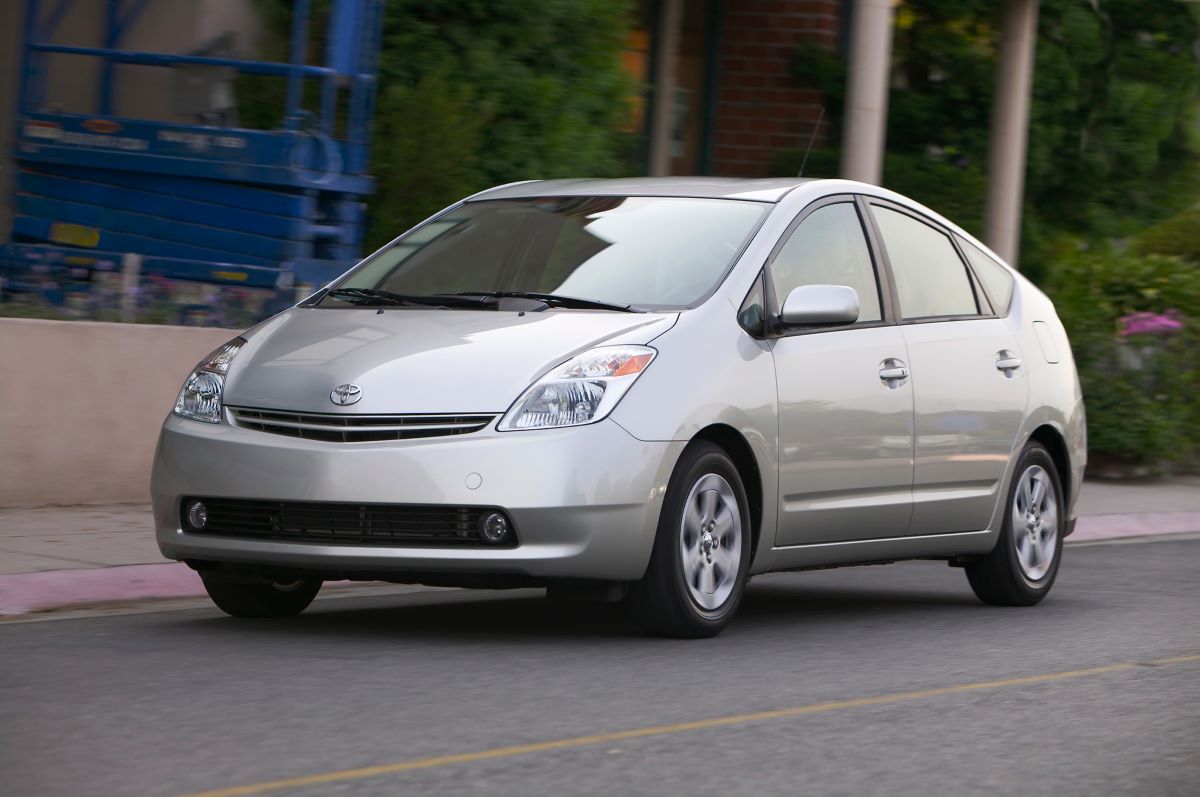
With just 110 horsepower and a CVT tuned for efficiency rather than responsiveness, acceleration can feel lethargic, especially on highways or during freeway merges. For U.S. drivers used to more responsive vehicles, this can be frustrating, even if it delivers excellent mileage.
It’s sometimes hard for car enthusiasts with 93-octane fuel running through their veins to accept, but not everyone loves driving for the thrill of it. Not everyone gets a kick out of blasting around corners or leaving the car next to them at a stoplight in the dust.
For most people, a car is simply a personal transportation device, albeit one a step above a refrigerator. Steering feel and sporty handling are secondary; what matters most is plenty of space, ease of use, worry-free reliability, a place to plug in your iPod, and excellent fuel economy. For those folks, the 2009 Toyota Prius might be the perfect vehicle.
First and foremost, this iconic hybrid leads its class in fuel efficiency among mass-production cars currently available. While you do pay a premium for Toyota’s hybrid technology, the Prius rewards you with a refinement that far surpasses that of typical fuel-efficient subcompacts like the Honda Fit.
There’s also satisfaction in supporting Toyota’s technical innovation rather than relying solely on Exxon-Mobil’s ability to refine crude oil.
Beyond its fuel-sipping capabilities, the Prius offers a variety of high-tech and luxury features, appealing both to those stepping down from pricier luxury cars and to shoppers comparing it to midsize sedans like the Honda Accord or Toyota Camry.
Its funky yet efficient body design also sets it apart: despite its modest exterior, the Prius provides more backseat legroom than a Ford Crown Victoria and ample cargo space in its hatchback layout. The interior is surprisingly roomy and practical, though it’s a bit narrow, and taller drivers may find the seating position awkward.
Other 2009 hybrid options have their own appeals. The Toyota Camry Hybrid delivers a more traditional luxury feel, while the Nissan Altima Hybrid offers a sportier driving experience for those who view cars as more than just appliances.
The Ford Escape Hybrid appeals to buyers seeking a higher driving position, all-wheel drive, and extra utility, whereas the Honda Civic Hybrid is a smaller, more budget-friendly choice priced similarly to the Prius.
Still, no vehicle balances fuel efficiency and interior space quite like the 2009 Toyota Prius. For the majority of drivers, it remains the hybrid that best meets practical, everyday needs.
2. Honda Insight (2010–2014)
The second-generation Insight is another fuel-first hybrid. While it achieves excellent gas mileage, peaking around 40–43 MPG, its 1.3-liter engine paired with a small electric motor struggles to provide lively acceleration.
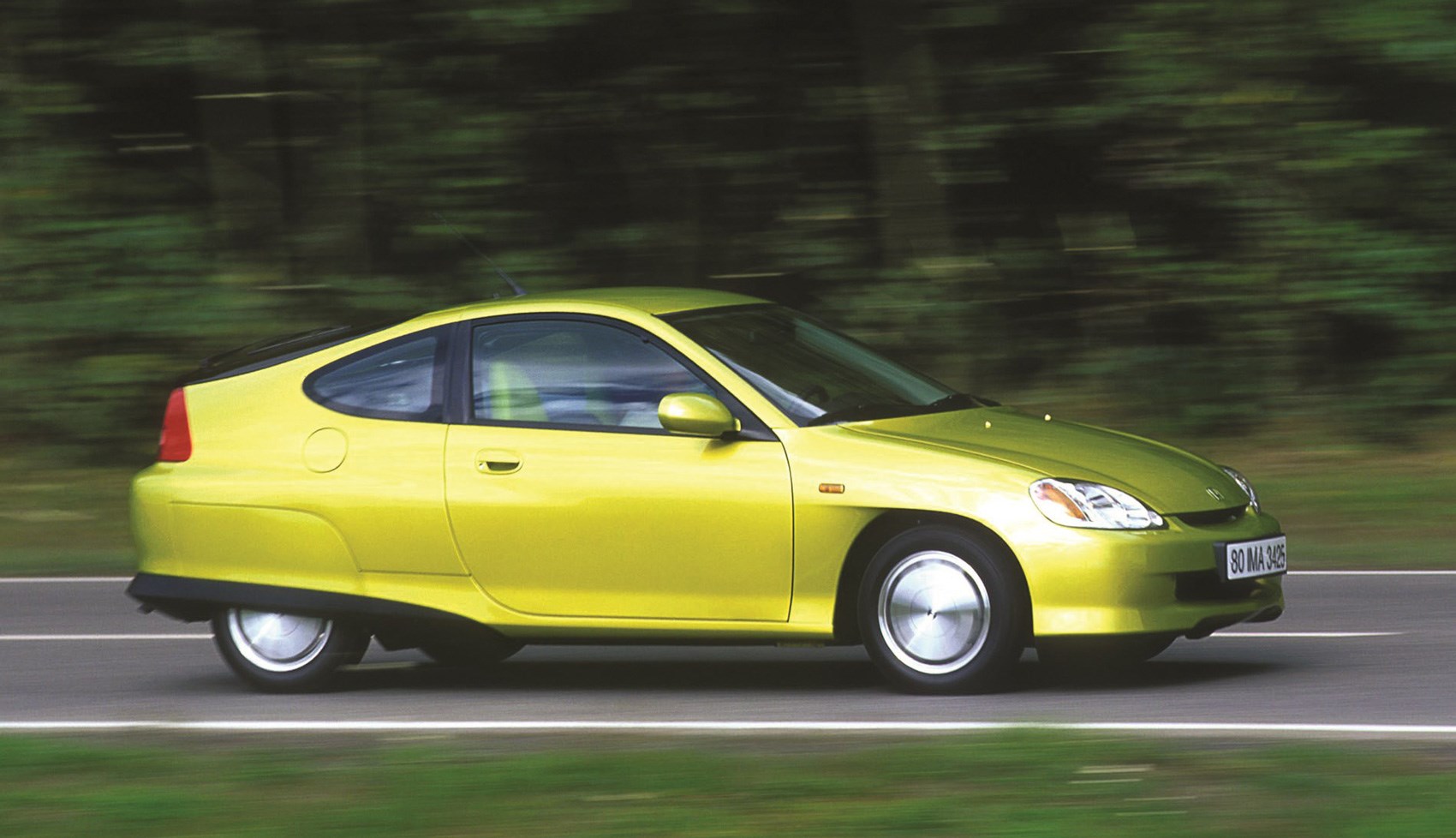
Passing on highways can require a downshift and careful timing, making it feel sluggish compared to peers like the Accord Hybrid.
For those prioritizing economy over excitement, the Insight remains a viable choice, but don’t expect thrills behind the wheel.
3. Ford C-Max Hybrid (2013–2018)
The Ford C-Max Hybrid is spacious and practical but underpowered. Its 2.0-liter four-cylinder engine plus electric motor combo produces only 188 horsepower, but the heavier vehicle weight results in less-than-enthusiastic acceleration.
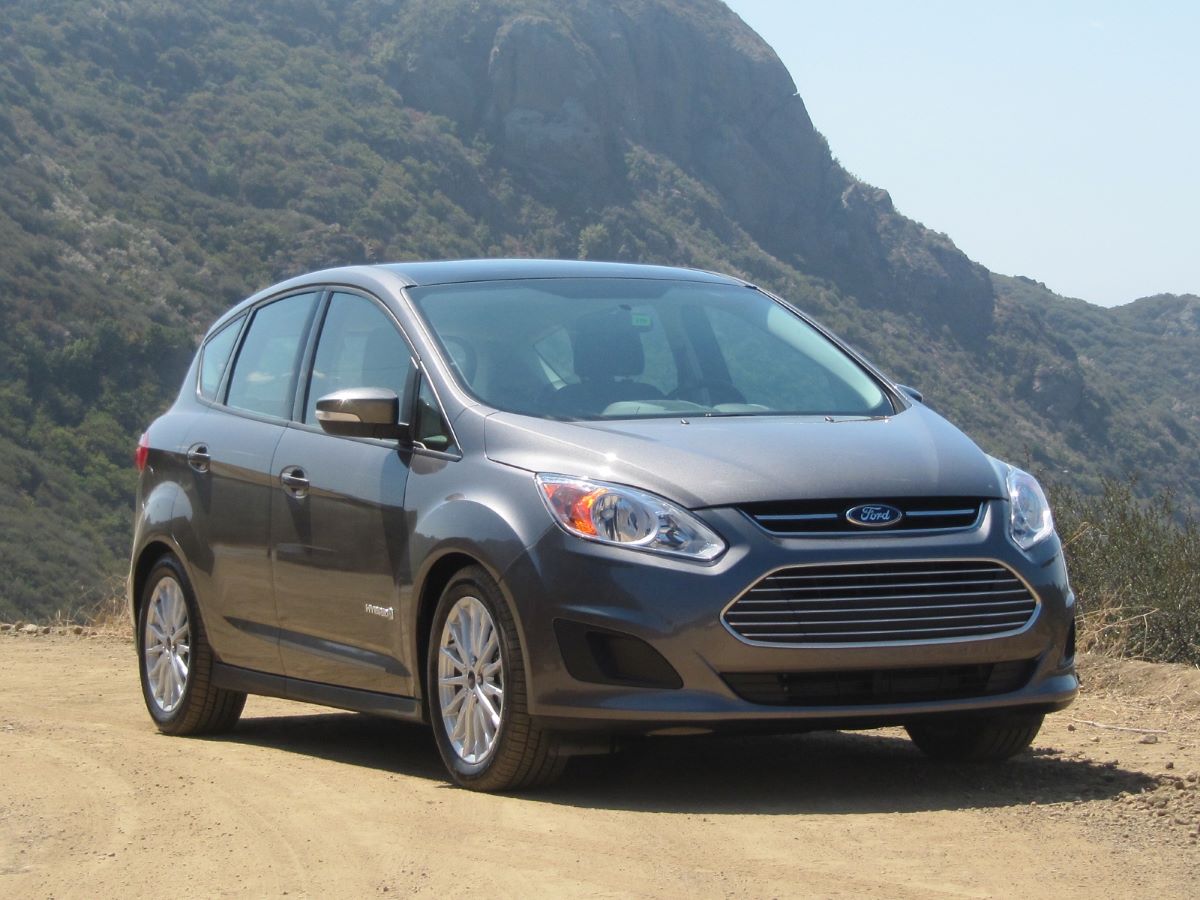
City driving feels okay, but highway merging and passing can be slow, leaving some U.S. drivers wishing for a punchier setup. Despite its efficiency, the C-Max Hybrid tends to feel laborious compared to more performance-oriented hybrids.
Up until recently, finding a hybrid that combined practicality, fuel efficiency, and enjoyable driving dynamics seemed as unlikely as spotting a unicorn grazing on your lawn. Enter the 2013 Ford C-Max Hybrid, which makes that magical combination a reality.
Replacing the Ford Escape Hybrid, the C-Max delivers much of the Escape’s versatility while achieving an EPA-estimated 40 mpg across city, highway, and combined driving, an improvement of 8 mpg over its predecessor.
Much like the recently redesigned Focus and Escape, the C-Max impresses inside with an eye-catching interior that features high-quality materials, solid construction, and an array of convenience and high-tech features.
On the road, the C-Max drives with the refinement of a pricier European vehicle, offering a comfortable, composed ride, responsive steering, and low levels of wind and road noise.
Additionally, the much-maligned MyFord Touch system is present; it’s not as bad as some critics suggest, but it’s worth testing at a dealership to ensure it works for you.
If you can look past these shortcomings and the car’s somewhat unconventional styling, the 2013 Ford C-Max Hybrid makes an excellent suburban runabout for small families.
It competes effectively with compact SUVs like the Honda CR-V, wagons such as the VW Jetta TDI, mini-minivan style vehicles like the Mazda 5, and other hybrids like the Toyota Prius V. While it may not be the perfect family car, it comes impressively close.
Under the hood, the 2013 C-Max Hybrid pairs a 2.0-liter four-cylinder engine producing 141 horsepower and 121 lb-ft of torque with an electric motor powered by a lithium-ion battery pack. Together, the system generates an estimated 188 hp. Power is routed to the front wheels via a continuously variable automatic transmission (CVT).
Even with this adjustment, the C-Max remains a highly fuel-efficient option, though slightly behind its main competitor, the Toyota Prius V.
4. Hyundai Ioniq Hybrid (2017–2019)
The Ioniq Hybrid offers remarkable fuel economy often hitting 55 MPG but its 1.6-liter engine and electric motor combo results in modest acceleration.
While city driving is manageable, freeway dynamics reveal the Ioniq’s limitations. Drivers often report having to plan merges and passes carefully, which can feel like a chore.
Though it’s an excellent fuel miser for the eco-conscious buyer, its driving experience is best described as leisurely.
The 2017 Hyundai Ioniq hatchback, available as a hybrid, a plug-in hybrid, and a fully electric model, has firmly announced that the Toyota Prius no longer has a monopoly on fuel-efficient compact cars.
In this increasingly competitive segment, Hyundai has delivered a strong, well-rounded alternative that appeals to both efficiency-minded and practical drivers alike.
Opting for the SEL or Limited trim levels rewards buyers with an EPA-estimated 55 mpg in combined driving, outpacing the standard 2017 Prius by a full 3 mpg. However, the star of the lineup is the efficiency-focused Ioniq Hybrid Blue, which achieves an EPA-rated 58 mpg combined.
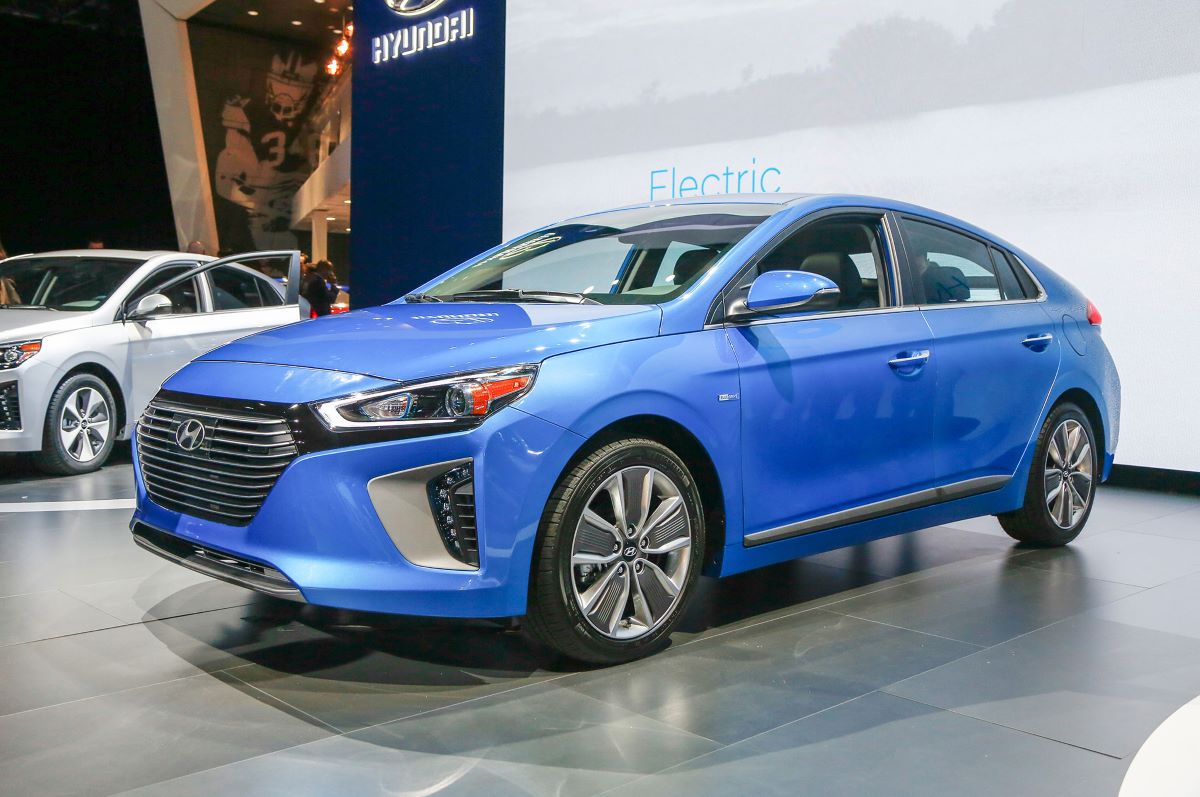
This not only surpasses the similarly minded 2017 Prius Eco, rated at 56 mpg, but also sets a new benchmark for non-plug-in hybrid vehicles. Interestingly, the Blue trim is also the most affordable Ioniq Hybrid, a combination that could make it the most popular choice among buyers.
Fuel efficiency isn’t the Ioniq’s only strength. Even the base Blue trim comes well-equipped, offering a practical hatchback layout with generous cargo space, more than the standard Prius, though slightly less than the Prius Two Eco with its more compact lithium-ion battery.
For those seeking added comfort and convenience, higher trims bring heated front seats, leather upholstery, a sunroof, blind-spot monitoring, and a navigation system.
One notable feature of the Ioniq Hybrid is its six-speed automatic transmission. Unlike most hybrids, which rely on continuously variable transmissions (CVTs), the Ioniq delivers the feel of distinct gear shifts and ratios.
This conventional setup appeals to drivers who dislike the droning engine sound often associated with CVTs during brisk acceleration. Inside, the Ioniq’s cabin design follows a familiar, understated style similar to the Sonata or Elantra, a welcome contrast to the overly futuristic interiors that can feel off-putting in other hybrids.
Overall, the 2017 Hyundai Ioniq blends impressive fuel efficiency, practical cargo space, and a conventional driving feel into a compelling package, making it a serious contender in the hybrid hatchback market.
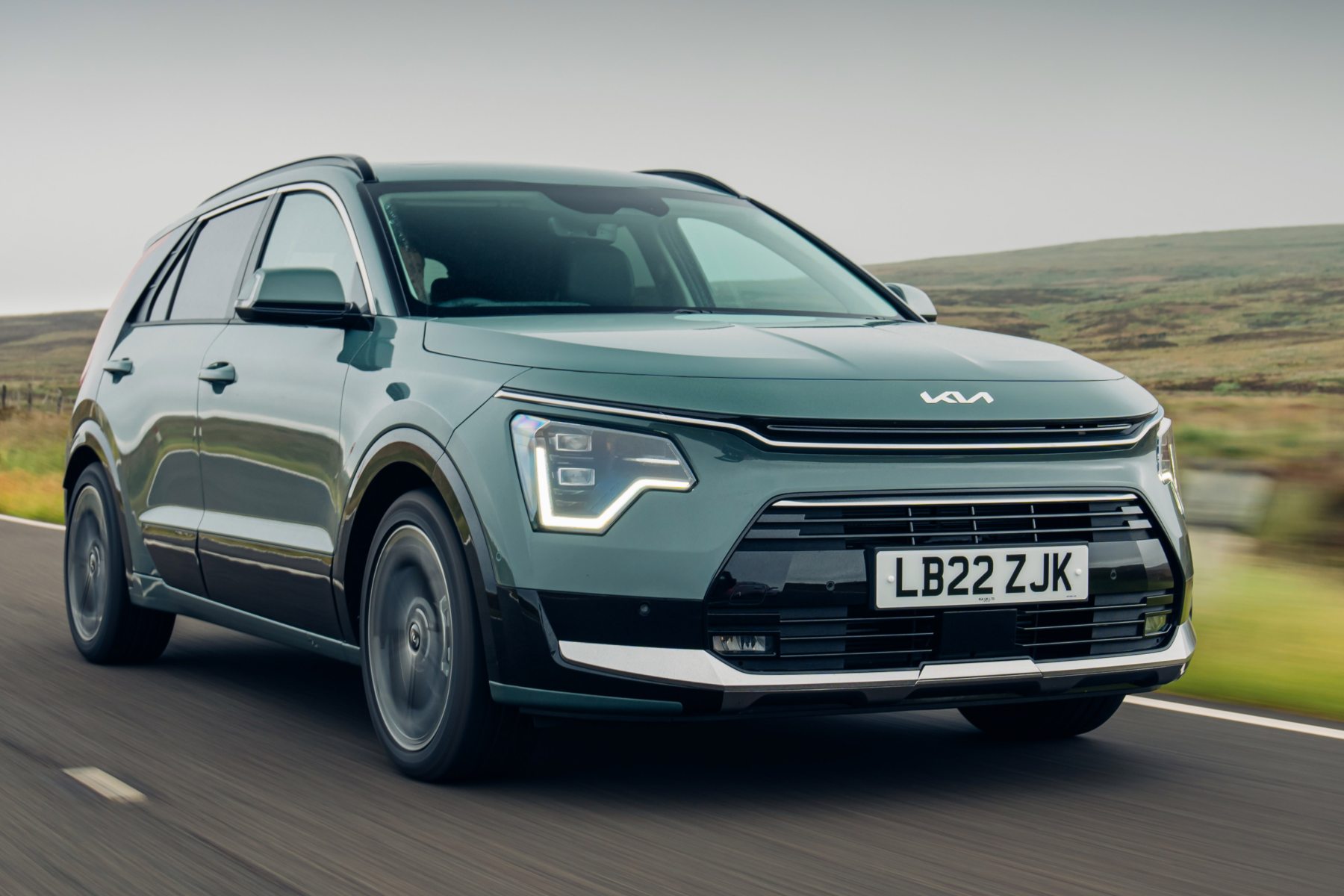
5. Kia Niro Hybrid (2017–2020)
The Niro Hybrid is a small crossover with commendable efficiency, often reaching 50 MPG in ideal conditions.
However, its 1.6-liter engine and electric motor combination make it feel underpowered, particularly when fully loaded with passengers or cargo.
Acceleration is adequate for city driving but sluggish on highways, giving the impression of a fuel-miser that prioritizes efficiency over enjoyment. For U.S. families seeking a practical hybrid, it works, but don’t expect spirited driving.
Speed isn’t the primary focus of the Kia Niro, yet it manages to keep pace with and in some cases outpace, several of its competitors. That said, refinement isn’t its strong suit, as the Niro can occasionally feel jerky when transitioning between electric and gasoline power.
Its sole powertrain combines a 1.6-liter four-cylinder gasoline engine with an electric motor, paired to a six-speed dual-clutch automatic transmission. Together, this system produces 139 horsepower, propelling the Niro FE from zero to 60 mph in a class-competitive 8.6 seconds. Front-wheel drive is the only configuration offered.
While the powertrain can feel hesitant and somewhat unrefined at times, the Niro’s overall driving dynamics impress. The compact hybrid handles uneven surfaces with ease, delivering a stable, controlled ride that exceeds what many would expect from a vehicle in this segment.
When shopping for a used hybrid in the U.S., it’s important to understand your priorities. If fuel economy is the absolute goal, early Prius models, Hyundai Ioniq, or Kia Niro make sense.
But if you want a hybrid that’s fun to drive and responsive in everyday scenarios, the Toyota Camry Hybrid, Honda Accord Hybrid, or Lexus RX 450h are superior choices.
Checking combined horsepower, torque, and how the electric motor integrates with the gas engine can reveal a lot about the real-world driving experience.
Additionally, reviewing owner reports on acceleration and responsiveness helps ensure you don’t end up with a sluggish hybrid that feels more like a tax on patience than a tool for efficiency.
Ultimately, the used hybrid market in the U.S. offers a spectrum: from sluggish, ultra-efficient commuters to surprisingly lively and quick vehicles that don’t sacrifice fuel savings.
By balancing real-world performance with efficiency, buyers can find a hybrid that fits both their daily needs and their driving enjoyment.