
Many people talk about horsepower, fuel use, gadgets, or body style when choosing a new car, but a lot of drivers forget the most important thing. Safety. You may love how shiny a car looks or how soft its seats feel, but when trouble happens on the road, the only thing that matters is how well that machine protects you and your loved ones.
Modern crash tests have become tougher than ever, and that is good for everyone because it helps us know which cars truly stand strong during impact. A stylish car that bends like paper during a collision will not bring peace of mind to any responsible driver.
While checking through the latest crash reports, many surprises appeared. Some new cars performed far better than people expected, showing strong structure, dependable restraint systems, and advanced tech that helps avoid accidents.
These ones deserve praise because they give drivers that extra confidence whenever they hit the highway. At the same time, a few newer cars did not shine as brightly as buyers thought they would. Some performed only halfway during side impacts, while others struggled with rollover strength or pedestrian protection tests.
People should not feel shy to ask questions when shopping for a new vehicle. A beautiful car can hide some safety weaknesses, while a simple-looking car might be hiding strong engineering under the body panels.
With that in mind, this write-up brings you ten new cars. Five have made their names on the safe side, and five step down a bit with mixed results. Below are two separate sections. The first brings five cars that scored impressively in crash testing.
The second lists five new cars whose results stand somewhere in the middle. Everything here is designed to help you choose wisely before handing over your hard-earned money.
5 New Cars With Stellar Crash Tests
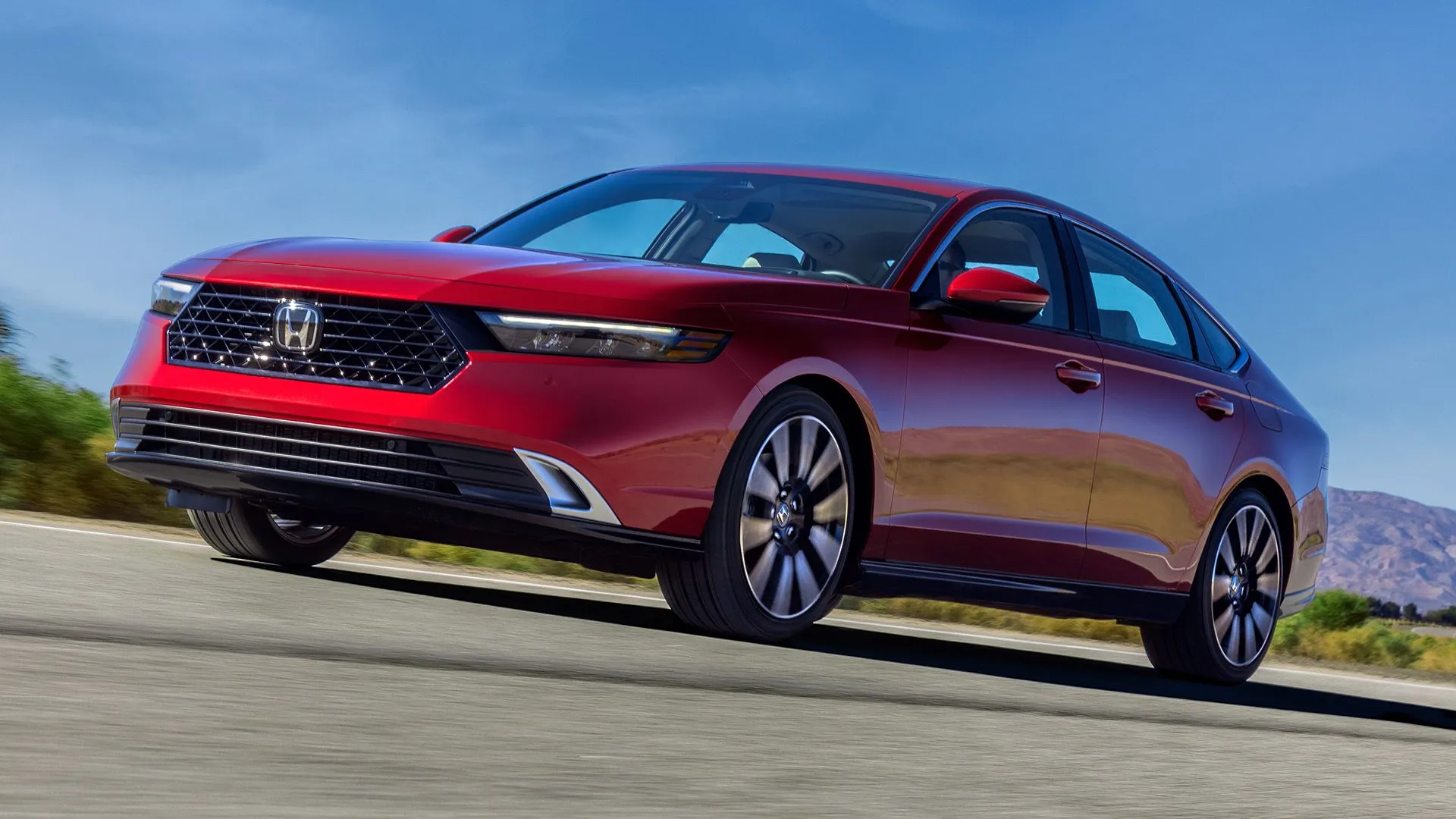
1. Honda Accord 2024
Plenty of buzz surrounded the 2024 Honda Accord even before it reached showrooms, and when crash reports came out, many drivers quickly understood why. Honda invested a significant amount of effort into strengthening the chassis and body frame, creating a robust skeleton that effectively dissipates impact energy.
Side barrier tests showed a structure that stays firm enough to prevent major cabin intrusion. That alone makes it a popular choice for many families as their everyday ride. Honda also invested in advanced restraint systems that tighten at the right moment, helping to keep passengers in safe positions during collisions.
Something that truly sets the Accord apart is how well it performs in small frontal overlap tests. This test simulates the type of crash that tends to cause major injuries because only a small part of the front corner hits a barrier. Plenty of cars struggle because the impact zone moves violently toward the cabin.
Accord engineers used high-strength steel in the right places, and clever crumple zones manage the energy without letting the steering column or footwell deform badly. Drivers often express surprise at how calm the cabin stays after impact testing.
Honda also included several safety tech features under the Honda Sensing package. Collision mitigation braking helps reduce impact speeds, lane assist features prevent drifting, and the adaptive cruise system reacts faster than older versions.
These additions play a major role in helping drivers avoid crashes entirely. Test agencies reported that real-world crash avoidance scenarios were handled with impressive confidence. Parents and young drivers benefit from the Accord’s strong pedestrian detection system, too.
It responds quickly to sudden movement and can reduce speed sharply without upsetting the car. That makes it useful in busy city areas where people cross roads without warning.
With all these improvements, many safety experts describe the 2024 Accord as one of the top mainstream sedans to trust. It has the right blend of strong structure, well-tuned restraint systems, and driver-assist technology that works smoothly without distracting the person behind the wheel.
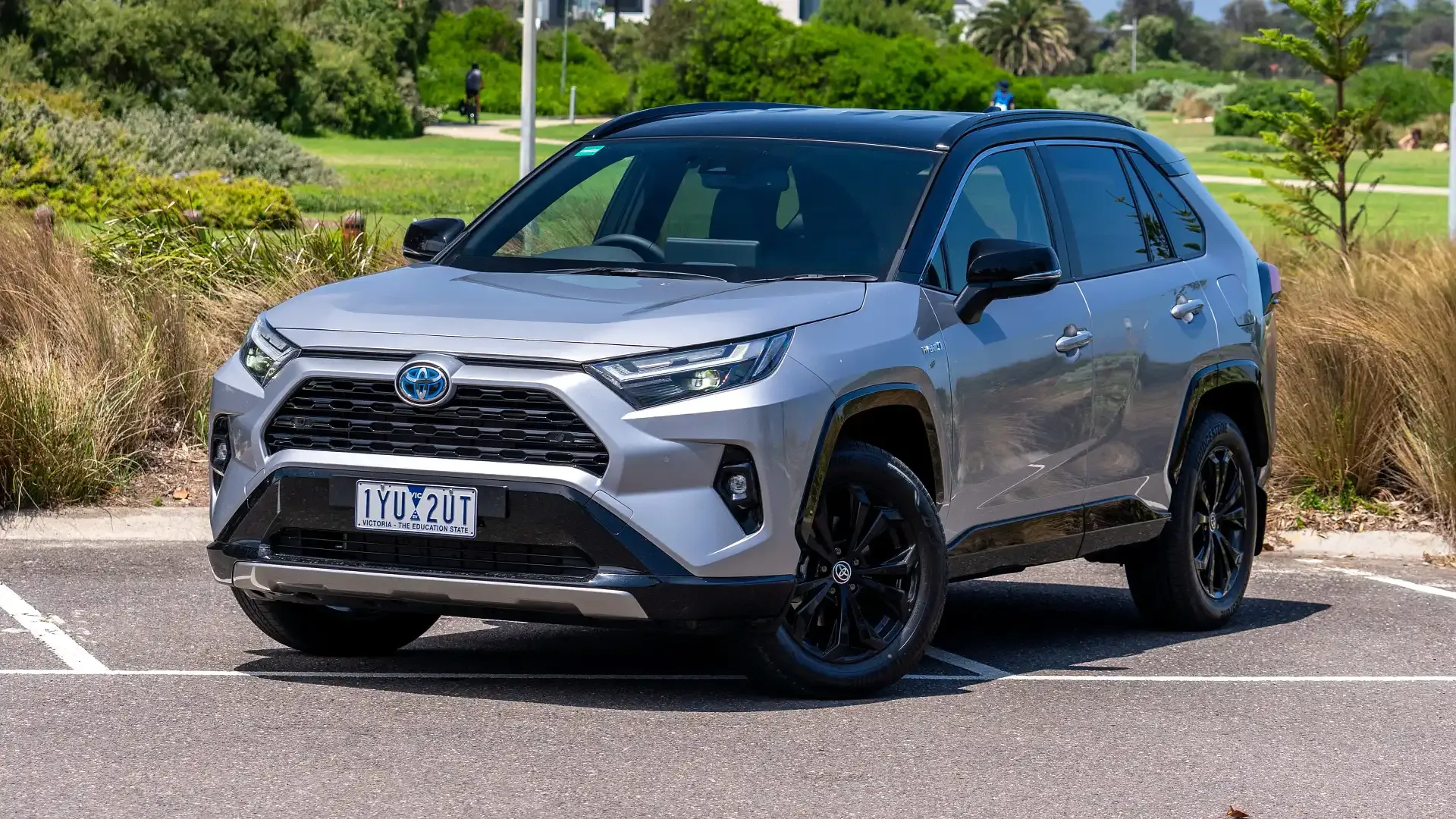
2. Toyota RAV4 2024
RAV4 has long enjoyed a reputation for dependability, and the 2024 version strengthened its standing by performing impressively in crash tests. Plenty of effort went into reinforcing the front subframe so that crash forces travel around the cabin instead of into it.
When test agencies simulated head-on impacts, cabin intrusion remained minimal. That matters because the less the cabin bends inward, the safer everyone inside becomes. Many small SUVs fail this area, but the 2024 RAV4 proved that sturdy engineering still holds great value.
Energy distribution also impressed many testers. Instead of letting impact energy hit one specific beam, Toyota designed the RAV4 with a multi-path structure that spreads the force all around the lower and upper rails.
This smart engineering design reduces the chance of fatal injury during serious front impacts. RAV4’s roof strength test results were equally strong because Toyota engineers added extra rigidity to the pillars without raising the weight.
A lot of SUVs struggle with side pole collisions. RAV4 stood strong and kept the door panels from collapsing far into the passenger area. Airbag coverage was generous, and curtain airbags deployed quickly enough to protect passengers during even the toughest scenarios. Child protection ratings stayed high, which added more confidence for family buyers.
Toyota Safety Sense also plays an important role. Collision prevention alerts respond quickly and do not trigger false alarms too often. Lane assist features behave naturally, giving gentle nudges instead of sudden, annoying corrections. The front camera and radar combination can pick up obstacles that older systems missed.
Driver reviews often mention how calm the RAV4 feels during emergency maneuvers. That comes from a blend of a firm chassis, controlled suspension, and stable steering response. A safe car is not only about how it behaves in a barrier test. Its ability to avoid trouble on the road matters too, and the RAV4 brings the full package.
Also Read: 5 Luxury Sedans That Age Well And 5 That Implode After Warranty
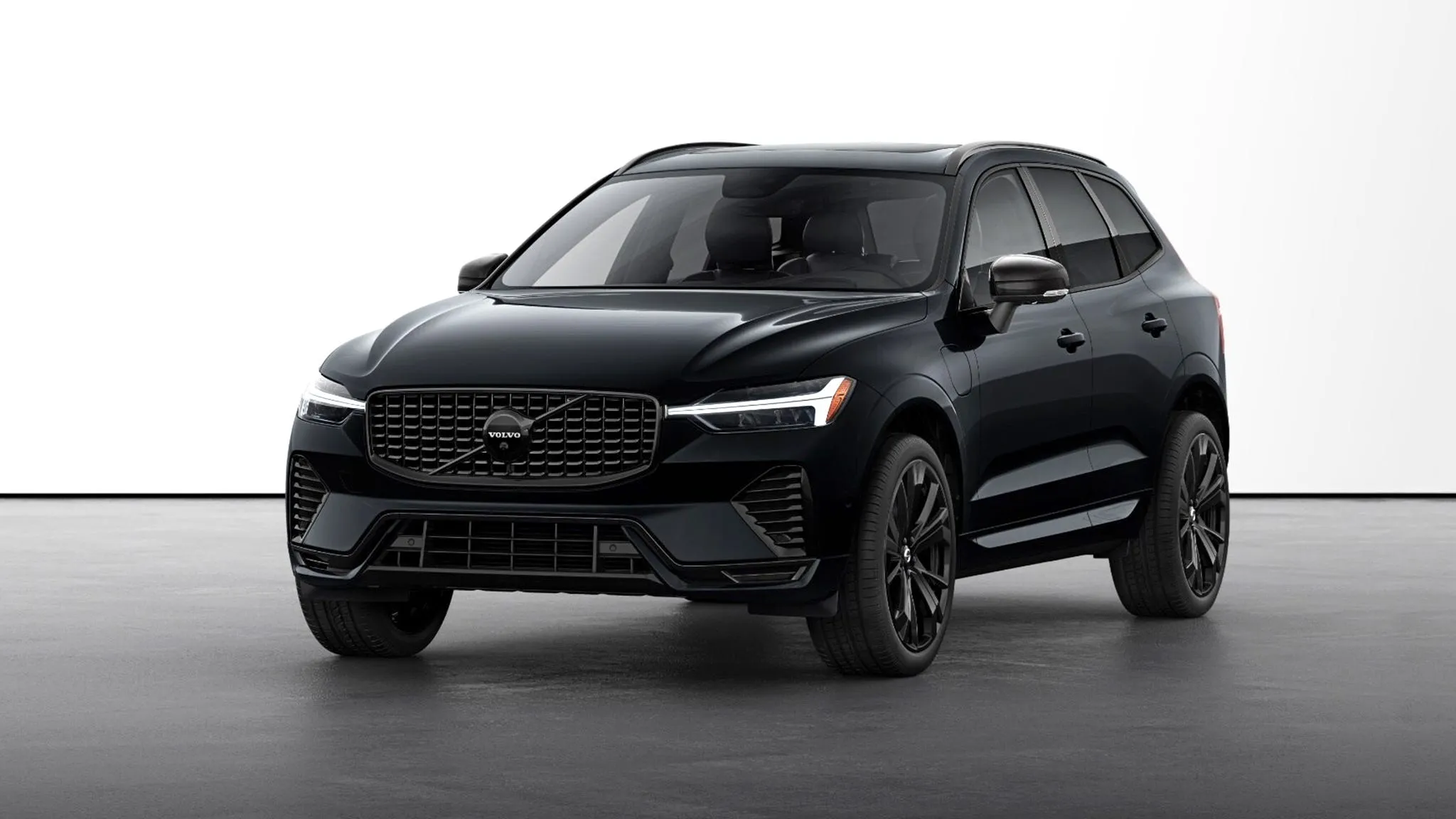
3. Volvo XC60 2024
Anyone who knows Volvo knows that safety stands at the center of their identity, and the 2024 XC60 continued that tradition beautifully. Many other brands boast about technology, but Volvo quietly strengthens every single part of its vehicles.
The XC60’s frame uses a wide mix of boron steel, aluminum, and high-strength panels that give extraordinary rigidity. Crash simulations indicated that the chassis handles violent frontal forces while keeping the cabin in good shape.
Volvo also equipped the XC60 with seatbelt pretensioners that activate earlier than many competitor systems. This action positions passengers correctly before the second phase of the airbags deploys.
The combination of quick tightening belts and multi-stage airbags helped the XC60 shine during side barrier and rollover evaluations. Rollover resistance especially impressed testers because the XC60’s center of gravity is carefully controlled through smart suspension design.
XC60’s small overlap front test came out with strong ratings. Engineers studied the weak points of earlier models and added reinforcement in the lower front rail and footwell area. As a result, drivers maintain more legroom after impact situations. Many testers reported that pedal movement remained low, which reduces foot injuries during crashes.
Volvo’s safety tech is equally helpful. The Pilot Assist system combines gentle steering support with adaptive cruise, helping drivers maintain safe spacing in heavy traffic. Automatic braking systems performed well during night pedestrian tests, a challenge many manufacturers still struggle to handle properly.
City Safety technology can detect bicycles, animals, and other objects that appear suddenly. Interior design also contributes to safety. Seats hold occupants in ergonomic positions that reduce whiplash risk. Volvo reshaped the headrests to reduce neck injuries during rear impacts.
XC60 may not be the cheapest luxury SUV, but many safety experts feel that its engineering justifies every cent. For drivers who prioritise protection above everything else, this car brings a safety net strong enough to keep their minds at rest.
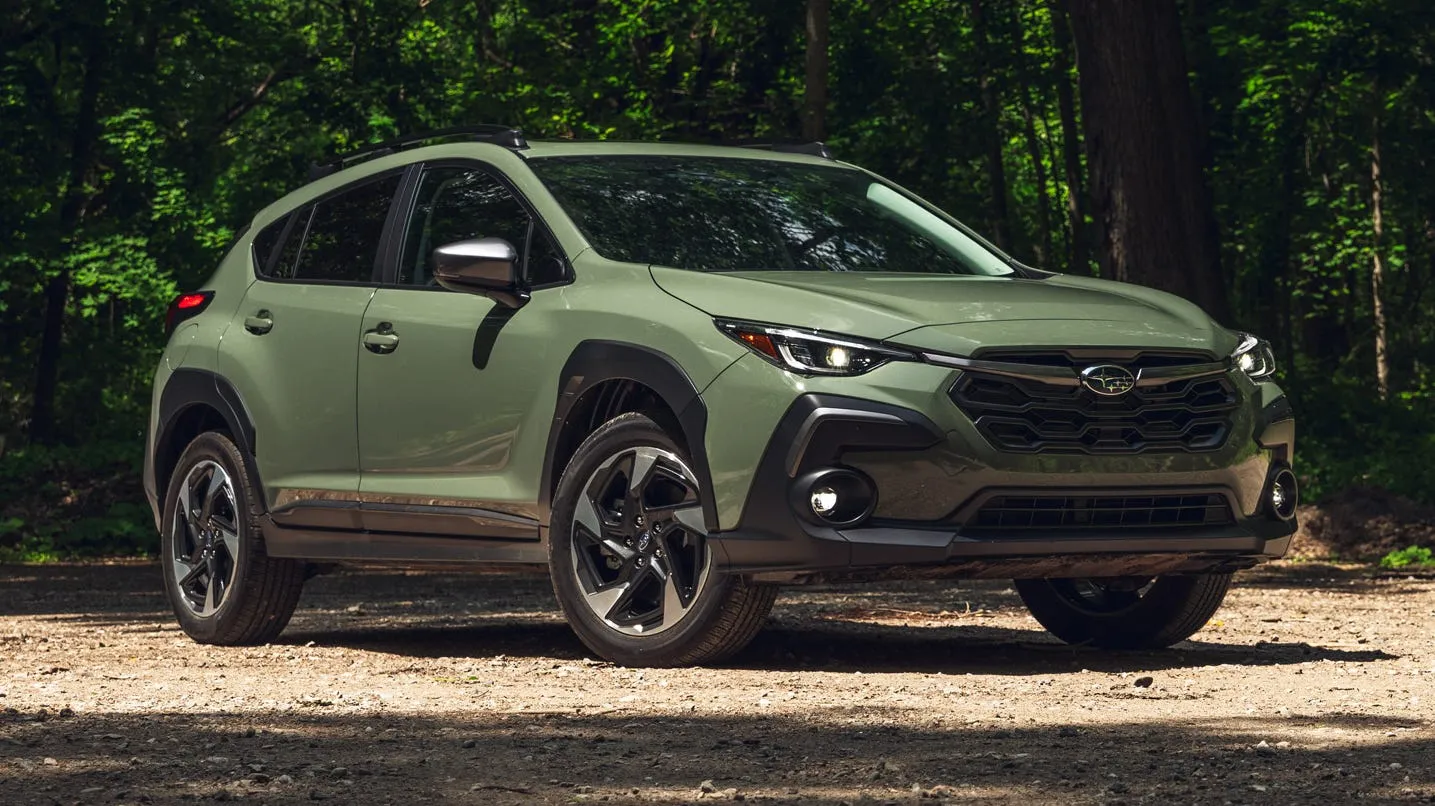
4. Subaru Crosstrek 2024
Crosstrek 2024 surprised many people with its crash performance because the car does not look bulky or heavily built at first glance. Subaru redesigned its global platform to give the Crosstrek improved rigidity and better energy absorption.
These updates allowed the Crosstrek to perform impressively in frontal offset tests. The cabin maintained its shape, and the steering column stayed in position even under heavy impact loads. Subaru’s symmetrical all-wheel system also adds confidence when considering crash safety.
A stable drivetrain layout improves vehicle balance, reducing the chance of losing control during emergency maneuvers. This advantage becomes obvious in test situations where sudden steering corrections are required.
Side impact results for the 2024 Crosstrek also came out strong. Side curtain airbags deploy with wide coverage and fill the upper cabin space in less than a blink. Subaru placed extra reinforcement in the B-pillar, reducing cabin deformation during collisions. Passengers seated in the second row benefit greatly from this strong side structure.
Crosstrek’s EyeSight system deserves praise as well. Dual camera sensors give better depth perception than single camera systems. Automated braking reacted quickly in testing scenarios involving sudden obstacles, helping the vehicle avoid or greatly reduce accident severity. Lane departure functions stayed smooth and predictable.
Another area where the Crosstrek shines is child seat placement. Anchors are easy to access and fit firmly without wobble. Many parents appreciate a car that not only handles crashes well but also secures smaller passengers correctly.
Noise levels during impact simulations were also lower than many competitors. That means less severe vibration and less chance of secondary injuries caused by sharp cabin movement.
Crosstrek may appear simple compared to other SUVs in this list, but its strong frame, smart restraint systems, and dependable safety tech show that looks can be deceiving. Subaru put serious effort into protecting drivers and passengers, and that effort shows clearly when studying its crash results.
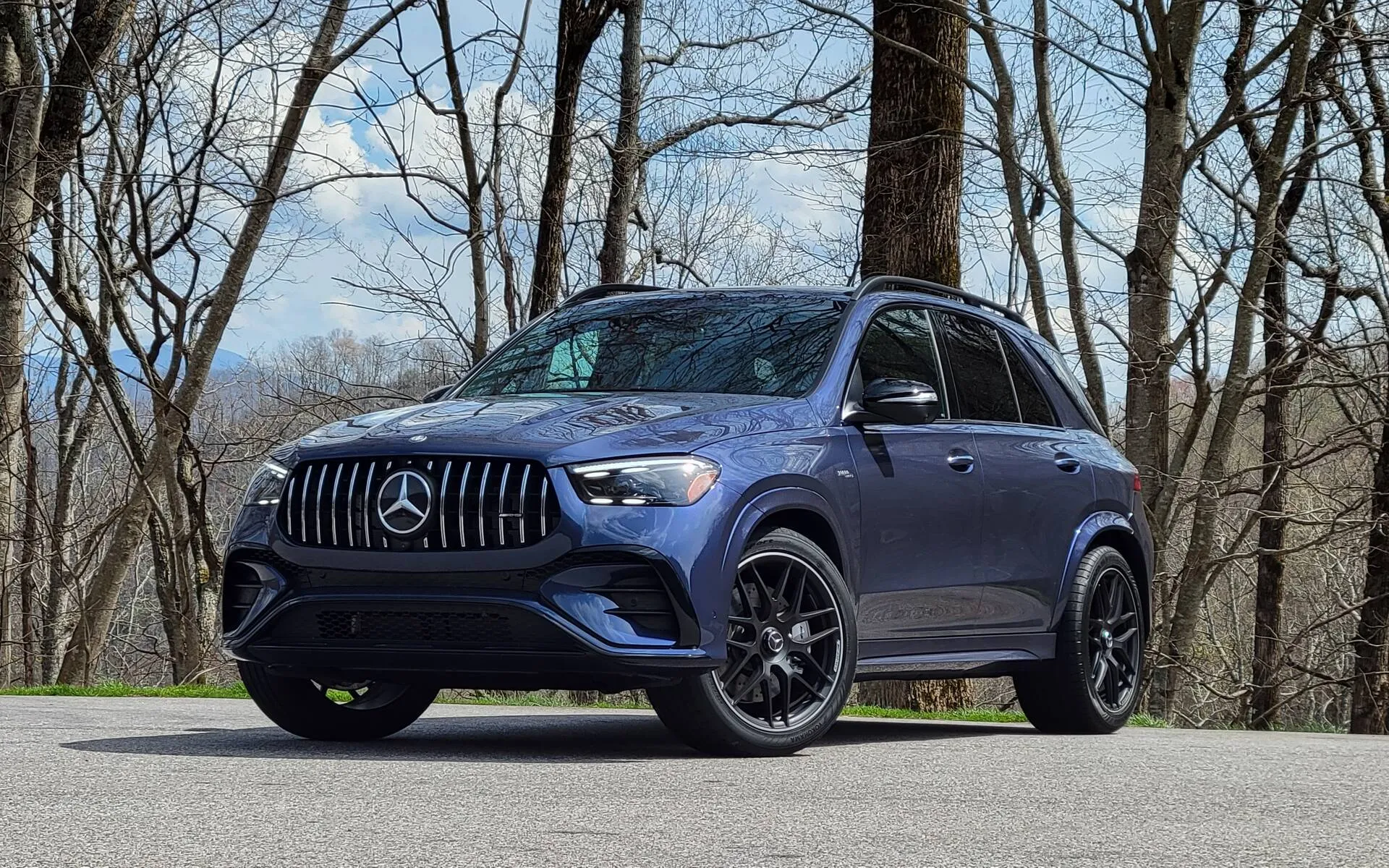
5. Mercedes-Benz GLE 2024
Mercedes has built a strong reputation for luxury, but the GLE 2024 goes far beyond fancy interiors. Safety engineers worked quietly behind the scenes to create a structure that remains firm and dependable during aggressive crash tests.
Reinforcement beams inside the doors held their position during side pole evaluations, reducing the danger of deep intrusion. This alone helped the GLE achieve excellent impact scores. GLE’s frontal crash energy management impressed many experts.
Instead of letting the crash energy hit directly into the chassis, the GLE directs it through several carefully placed channels. This distribution drastically reduces driver injury risk. Pedal area deformation remained low, and footwell stability remained solid even during high-speed collision tests.
Another area where the GLE excels is restraint technology. Mercedes uses smart sensors that detect passenger size, seating position, and crash type. Airbags then deploy in stages, matching the severity of the event. This tailored response helped reduce injury potential across different categories of occupants.
GLE’s driver assistance systems add another protective layer. Features like active steering assist and active brake assist respond early when detecting a possible accident. Night tests involving cyclists and pedestrians produced strong results because the sensors pick up movement even under poor lighting.
Interior design also plays a part in keeping passengers safe. Seats provide firm support during rear impacts, lowering the chance of whiplash. Even the headrests are designed to reposition automatically during certain crash conditions.
GLE may be a luxury SUV, but its commitment to safety easily matches or surpasses many vehicles in the same price category. Families who want comfort without compromising protection often choose the GLE for its blend of refined driving and solid crash performance.
5 New Cars With Middling Results
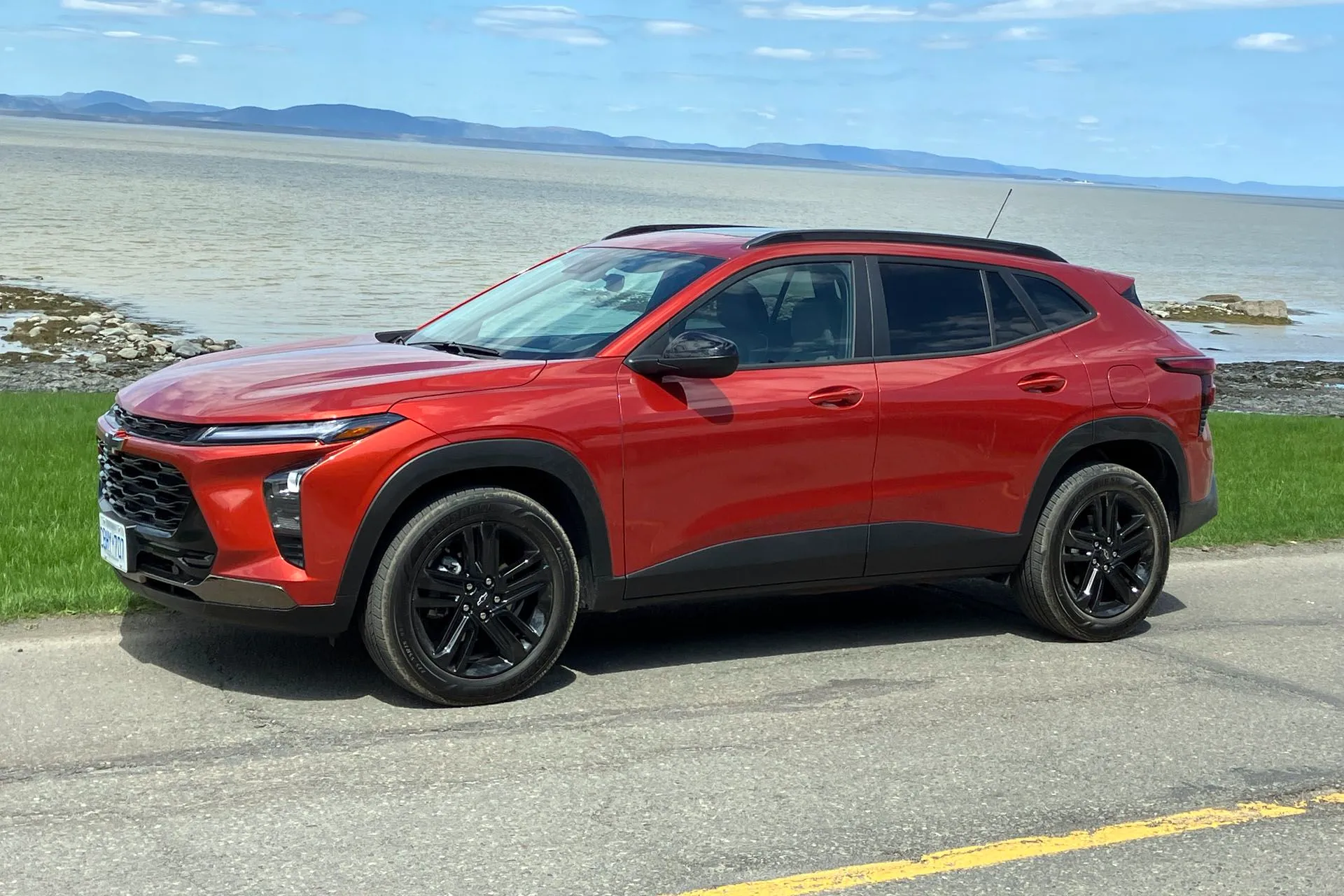
1. Chevrolet Trax 2024
Trax 2024 came with high expectations, especially since Chevrolet redesigned it completely. Many improvements can be seen in its appearance, tech features, and interior comfort, but its crash results stayed somewhere in the middle.
In frontal tests, the Trax maintained acceptable cabin structure, but footwell deformation was higher than several competitors. This raised concerns about possible leg injuries during severe frontal crashes.
Side impact performance also drew mixed reactions. While the curtain airbags deployed properly, the door structure bent slightly more than testers wanted. Although injury readings stayed within safe limits, the results showed that stronger reinforcement would benefit passengers more, especially in high-speed collisions.
Chevrolet did add useful driver aids like automatic braking and lane support, but their sensitivity levels were not always consistent in simulated emergency scenarios. In some situations, the system reacted slightly late when detecting obstacles. Testers still rated it safe for everyday city driving, but not at the top level.
Rear impact protection also sat midway. Headrest design improved compared to earlier Trax generations, but the seats could have offered more support to prevent whiplash.
Trax still deserves credit for its affordable pricing and attractive packaging, but buyers who prioritise top crash performance may want to check stronger competitors before making a final decision.
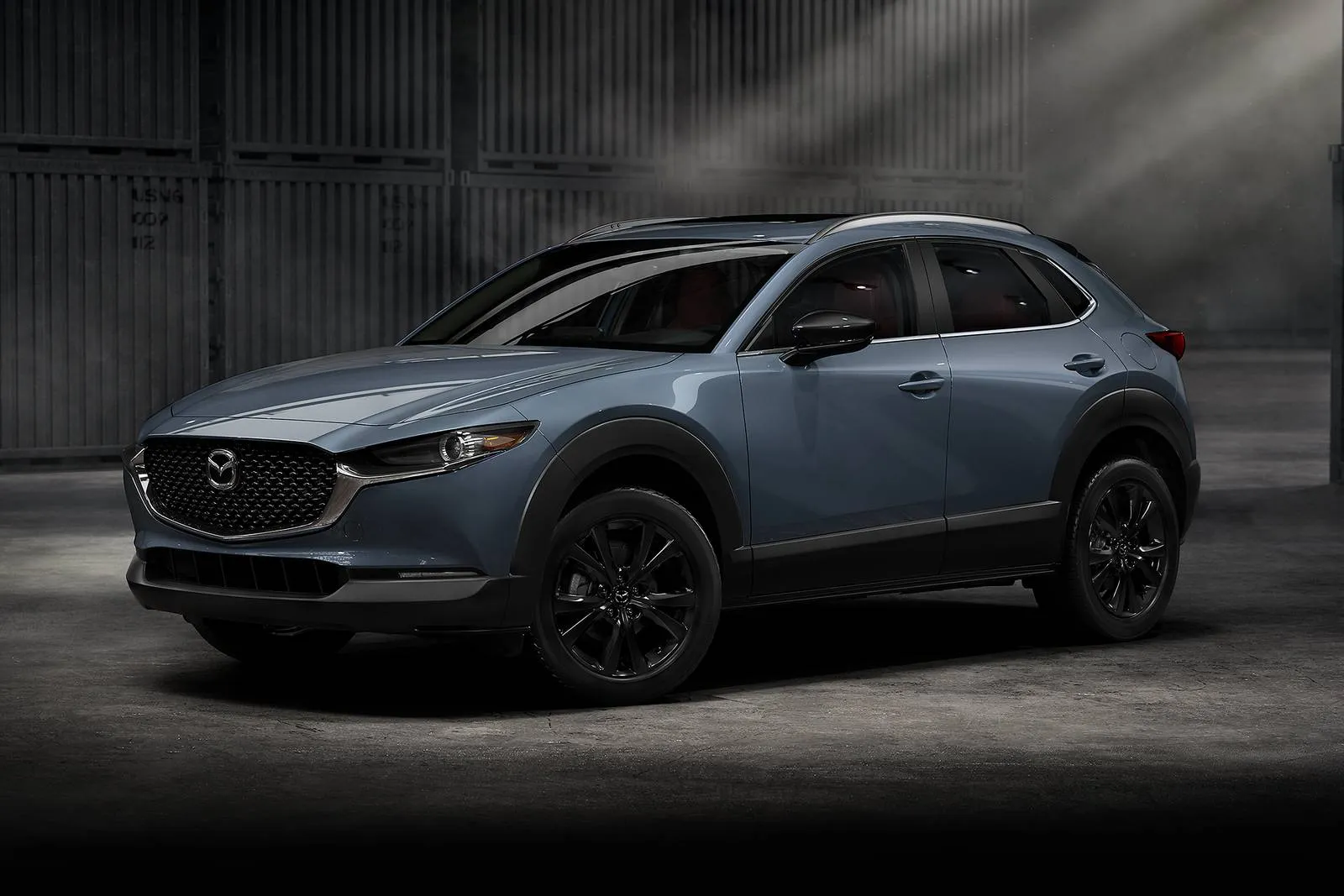
2. Mazda CX 30 2024
CX 30 usually earns praise for quality and handling, yet the 2024 model landed in the middle when crash agencies released their results. Mazda built the car with a stylish yet compact structure, and while the cabin stayed stable in frontal offset tests, chest injury readings for front passengers were higher than expected. This pushed its frontal score down slightly.
Side impact scores also told a mixed story. Curtain airbags deployed successfully, but the door panel moved closer to the passenger during extreme impact scenarios. The movement did not cause dangerous injury readings, but the margin was narrower than what experts prefer.
Rollover resistance also dropped slightly below the top tier. Mazda designed the CX 30 with sporty suspension geometry, which brought excellent handling, but testers noticed that the vehicle tipped at a sharper angle during rollover simulations.
Pedestrian protection tests performed reasonably, yet the front bumper stiffness needs improvement to reduce lower leg injury risk. CX 30 still offers a quality cabin, sharp steering, and great fuel use, but for families seeking the strongest crash scores, there are safer choices available.
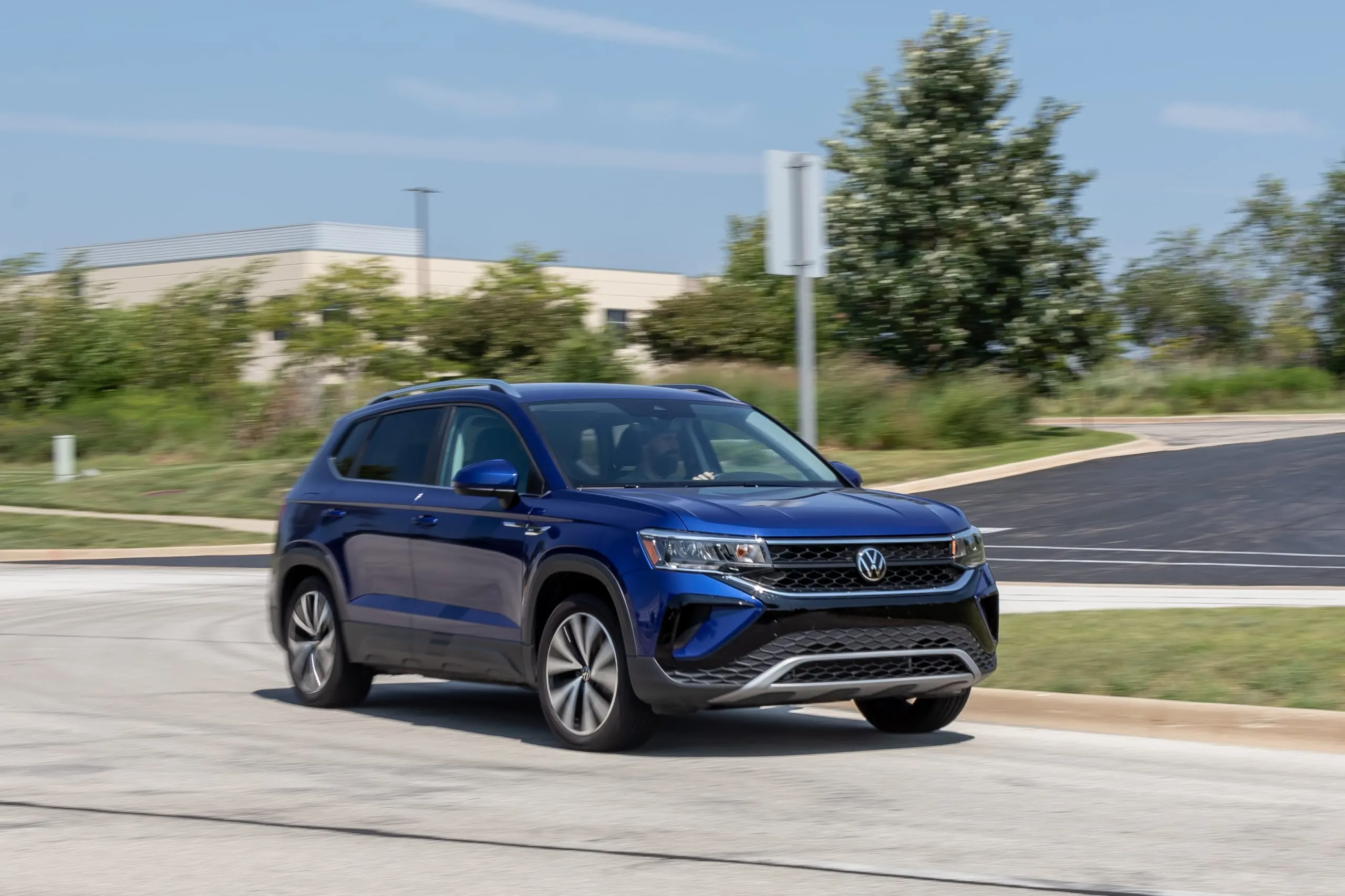
3. Volkswagen Taos 2024
Volkswagen Taos 2024 tried to position itself as a budget-friendly SUV with modern appeal, yet its safety performance placed it firmly in the middle group. When put through frontal crash evaluations, the front compartment allowed slightly more intrusion in the lower region than analysts wished to see.
Passenger protection remained acceptable, but the underlying frame did not match the sturdy behavior shown by the class leaders that set the standard for small SUVs. The outcome did not raise alarms, though it showed that Taos still has ground to cover.
Side pole assessments painted a similar picture. Curtain airbags responded fast and opened cleanly, yet the metal side paneling did not disperse the crash energy as effectively as more advanced structures do.
This resulted in a bit more interior movement. It is still safe for daily commuting, but it sits comfortably in the middle rather than pushing towards the upper end of crash resilience.
Driver assistance features blend well with everyday driving. Lane assist behaves smoothly, helping keep the SUV steady on straight roads.
Automatic braking performs impressively during bright daytime tests, though nighttime trials with dimly visible objects proved challenging for the sensors. This minor inconsistency kept Taos from reaching higher ratings in preventive safety.
During rollover evaluations, Taos delivered a stable performance but without anything exceptional. The roof frame stayed intact enough for occupants to remain safe, though engineers could improve the reinforcement beams to help it challenge the toughest models in its segment.
Taos shines in comfort, legroom, and cargo practicality, qualities that often attract families and first-time SUV shoppers. Riders enjoy a soft ride, a roomy cabin, and user-friendly technology. Even with its safety limitations, Taos remains a pleasant and sensible choice.
Buyers who prioritize comfort and affordability may like it, but shoppers whose main interest is the strongest crash outcomes may be drawn to competing vehicles that performed better in these demanding assessments.
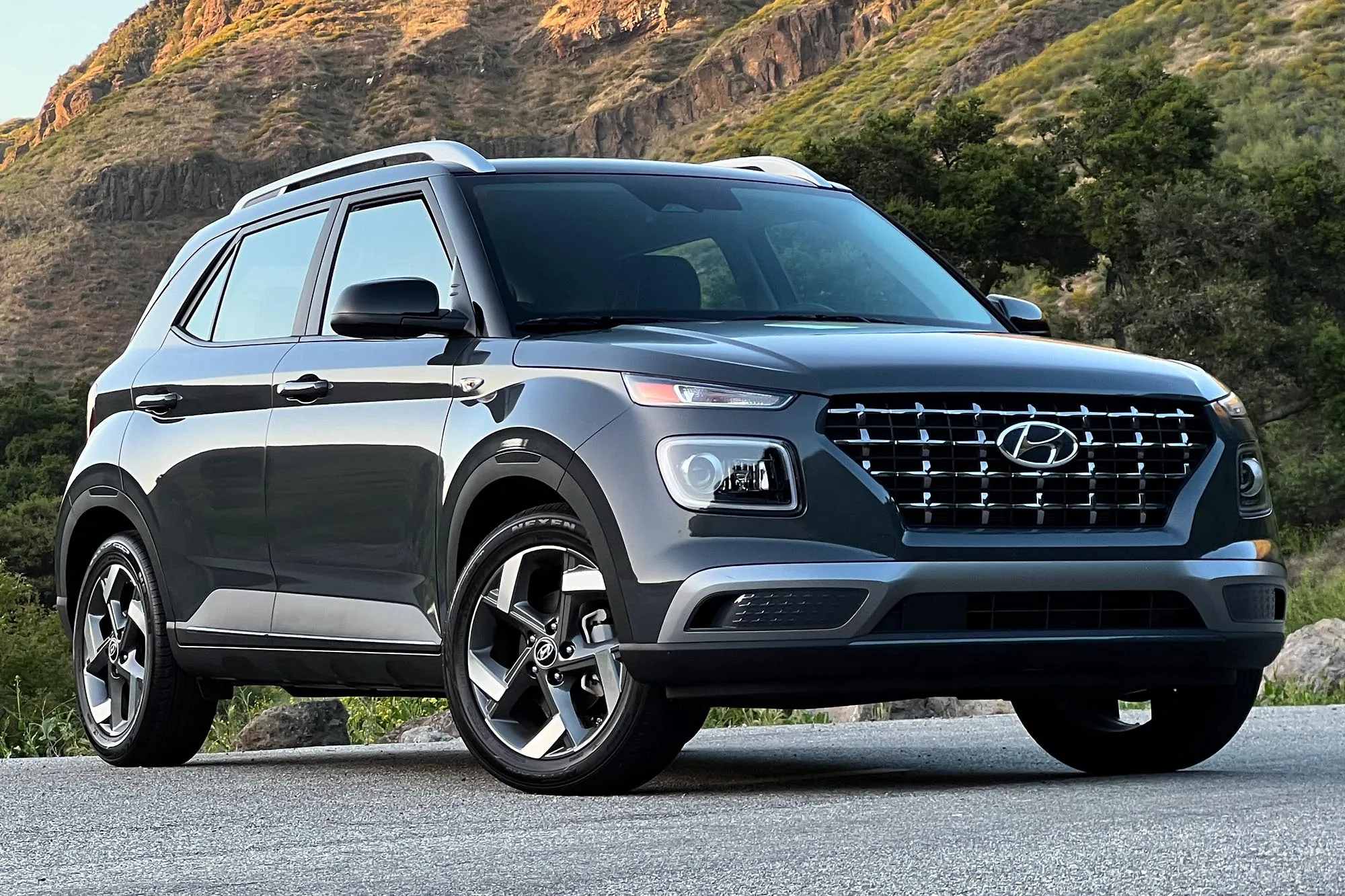
4. Hyundai Venue 2024
The Hyundai Venue 2024 usually appeals to shoppers who want a small crossover that saves fuel and comes with a friendly price tag. In crash assessments, though, it claimed a position that leans toward average. During frontal offset trials, inspectors noticed a measure of footwell distortion that caught their attention.
Head protection stayed within acceptable markings, yet the chest area did not score at the same level as the segment’s stronger performers. This difference created a gap that safety-focused buyers tend to watch closely.
Side impact sessions did not reveal any alarming weakness, though the structure flexed noticeably during the pole test. Curtain airbags performed their task well, spreading across the interior with full coverage. Still, the bending of the door frame gave the crash results a less confident outcome compared to rivals that held their shape more firmly under the same conditions.
Driver assistance equipment provided by Hyundai is generous for a small crossover. Forward collision assist comes standard and works well during large obstacle detection. During controlled trials with smaller objects, however, the system occasionally hesitated.
Lane assist moved the vehicle smoothly, but behaved a little unpredictably when testers drove through tight curves on uneven roads. The venue’s shape influences how it behaves in rollover testing. Its slightly raised stance gives it a center of gravity that puts its rollover angle in the mid-range.
Roof strength held up reasonably well, but still placed behind crossovers with more rigid upper frames. Regardless of its mid-pack safety ratings, Venue continues to attract a loyal crowd because of its light steering feel, fuel efficiency, and easy-to-park size.
Many drivers choose it for city commuting, student use, and budget-conscious family duties. Yet individuals who treat safety performance as their number one buying factor will likely compare its ratings with sturdier rivals before making a final decision.
Also Read: 5 Luxury Sedans Worth Maintaining Past 150,000 Miles vs 5 That Aren’t
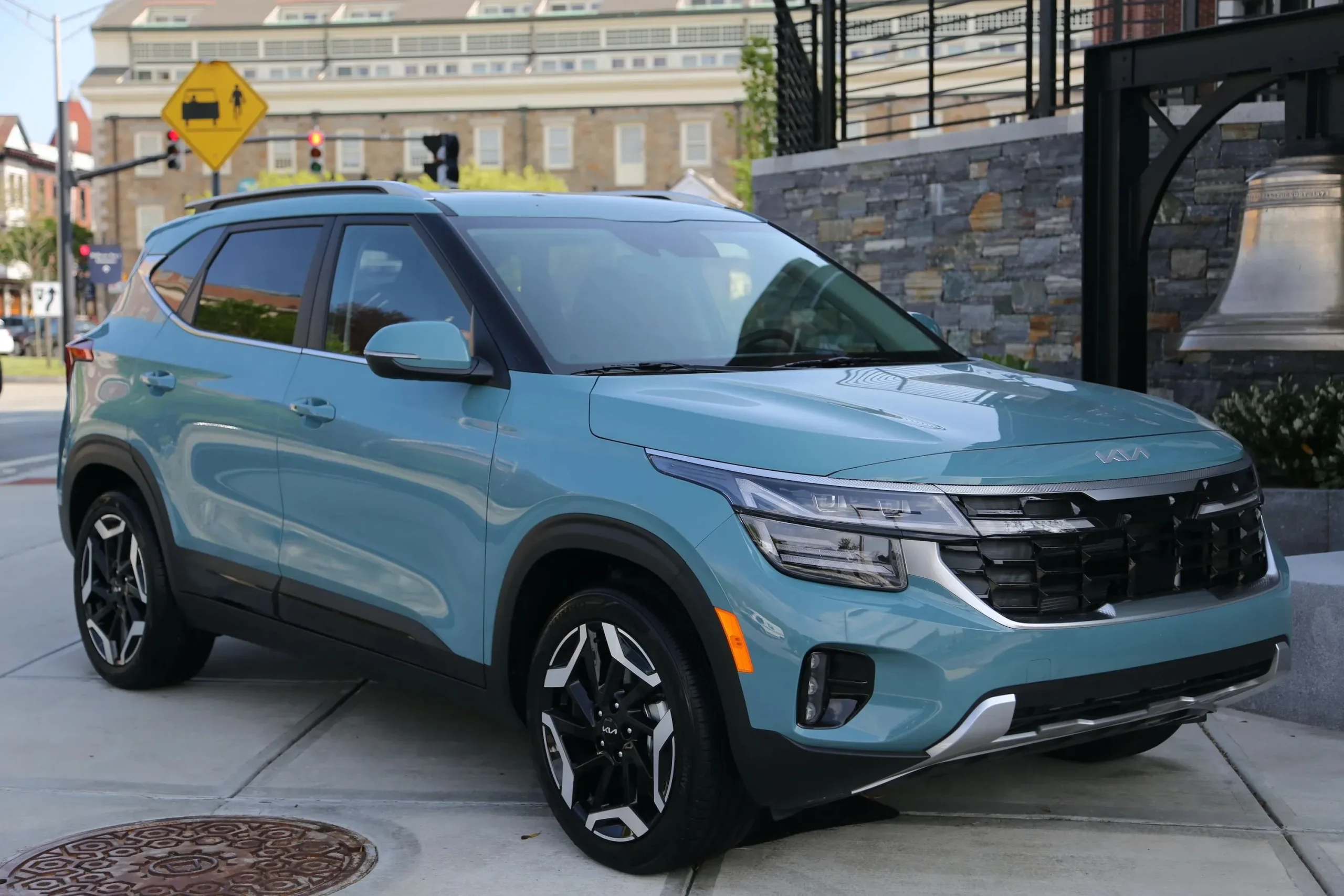
5. Kia Seltos 2024
Kia Seltos 2024 arrived with sharp styling and upgraded technology that quickly gained attention among younger drivers and small families. Despite these appealing qualities, its crash performance placed it somewhere in the middle group of compact SUVs.
During frontal barrier evaluations, the model shielded the head and chest fairly well. However, readings from the lower leg area showed higher force levels than evaluators expected. Cabin integrity stayed decent, though competitors with more rigid frames created a stronger first impression.
Side impact analysis presented mixed outcomes. Airbags deployed at the correct moment and created a reassuring barrier. Even so, the impact pushed more force into the interior space than safety specialists prefer. The B pillar, which plays a big role in side protection, appeared to need tougher reinforcement to match the strongest SUVs in its class.
Kia equipped the Seltos with a wide list of preventive technologies. Automatic braking performed confidently when recognizing large objects such as cars and barriers. During trials with smaller items, though, it responded slightly slower.
Lane features delivered smooth support on highways and straight country roads. During sharper turns, the system seemed unsure at times and adjusted more gently than some drivers preferred. Rollover assessments placed Seltos in the mid-range.
The roof structure remained stable enough to keep occupants protected, yet compact models with firmer upper frames reached better strength measurements. Even with this middling ranking, Seltos still wins many buyers because of its good suspension comfort, generous equipment list, and attractive interior styling.
People looking at Seltos usually want a comfortable ride that suits school runs, office commutes, and mid-distance travel. The vehicle delivers these qualities convincingly.
For someone whose top priority is the toughest crash performance, a small number of rivals provide stronger records. Yet for drivers who want a blend of affordability, comfort, and stylish design, Seltos remains a very appealing option.
