
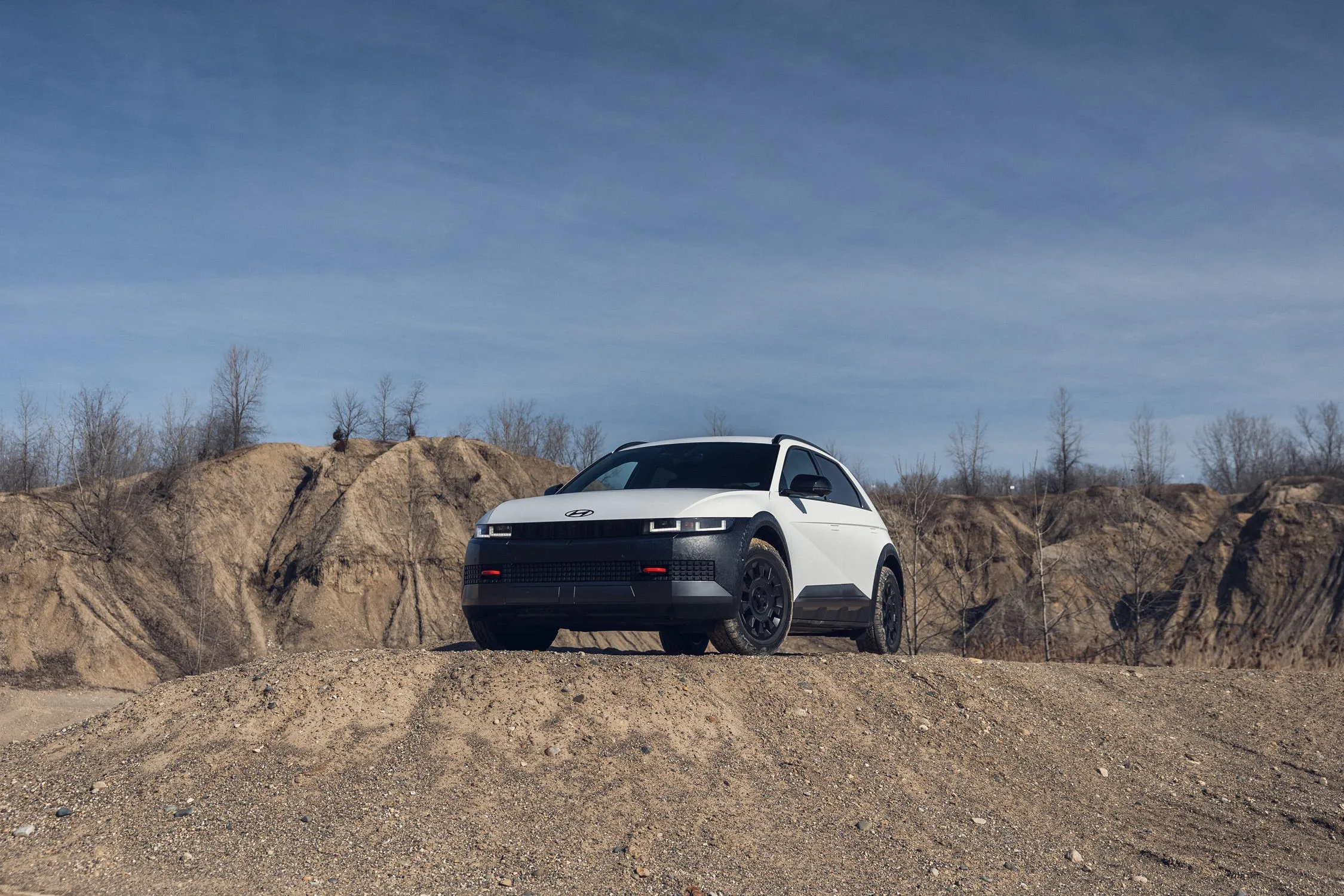
People love cars that promise plenty. Some buyers want comfort, some want beauty, and others want the confidence that comes from extra grip. Anytime a vehicle carries an AWD badge, many assume it can climb rocks, handle mud, and wade through rough bush tracks without fear. Yet many of these cars were never created for that kind of life.
Some only carry AWD for marketing shine, looking ready for outdoor challenges while being more comfortable on tarred streets and supermarket parking bays. That is why it becomes useful to look closely at machines that truly push forward on rough ground and separate them from those that only wear the badge like decoration.
A lot of people get surprised when they realise how wide the difference can be. A car might have strong power but rely on a lazy, front-biased setup that gives up quickly in dirt. Another may carry a smart, well-tuned system that behaves like a patient guide whenever the ground starts fighting back.
The gap between both sides can be huge, even when the brochures sound similar. So this guide aims to break things down in a friendly, simple way, helping anyone who plans to drive away from smooth roads to choose wisely.
As you go through each section, every model will be presented with a unique style so the reading experience feels more alive. You will see names trusted for serious off-road ability, and others that suit people who prefer soft usage.
Once we are done with the first five models, moving to the second group will show you which cars are better suited for light duties. Settle in and enjoy the ride.
5 AWD Systems That Work Off-road
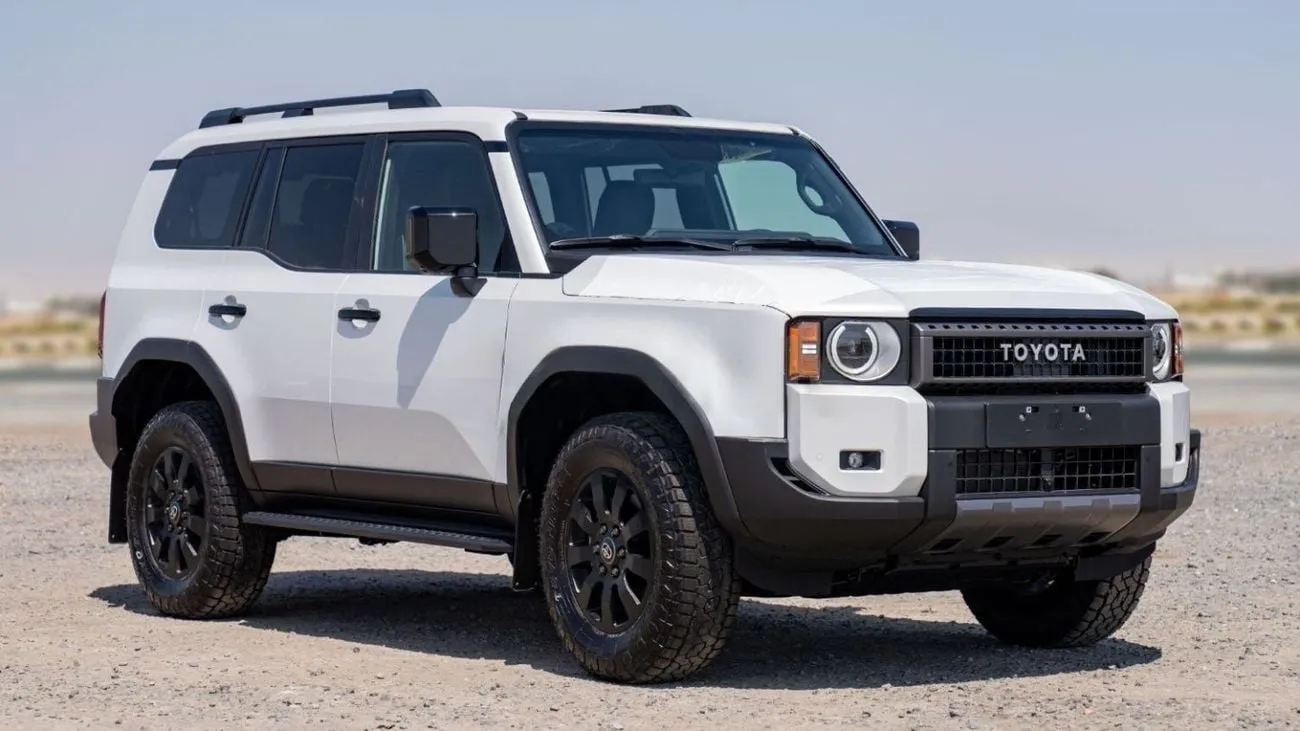
1. Toyota Land Cruiser Prado 2.8D AWD
Nothing speaks of steady presence like the Toyota Land Cruiser Prado 2.8D AWD. From bumper to bumper, every part of its system works with intention. The engineers behind this machine gave it a full-time AWD setup supported by a torque-sensing centre unit that distributes power with real intelligence.
Once the tyres touch loose ground, the system reacts with calm confidence, sending muscle to the wheels that hold grip best. It does not panic, nor does it waste time trying to recover. It simply holds the line and carries the car through sand, gravel, slopes, or ruts.
Drivers who have spent hours in forests or out in dry bush regions often speak about the Prado like a trusted companion. You can feel the suspension work with the body, and the electronics guide each wheel quietly instead of shouting for attention.
Crawl Control and Multi-Terrain Select work like steady assistants, adjusting response based on what the ground demands. Even people who lack long off-road experience find that the car gives them a firm sense of direction.
Inside the cabin, comfort hides the strength beneath. Prado does not need to scream toughness because the drivetrain does enough talking. The gearing sits nicely for slow movement, and the diesel engine delivers patient torque.
Everything about this machine shows that its AWD system is not decoration but real engineering for people who leave tar roads behind. Families, travellers, adventure groups, and field workers appreciate its strong heart.
Anyone searching for a dependable companion far from city roads will find peace with this model. Its system behaves with maturity rather than flash, creating trust that many soft AWD cars never manage to build.
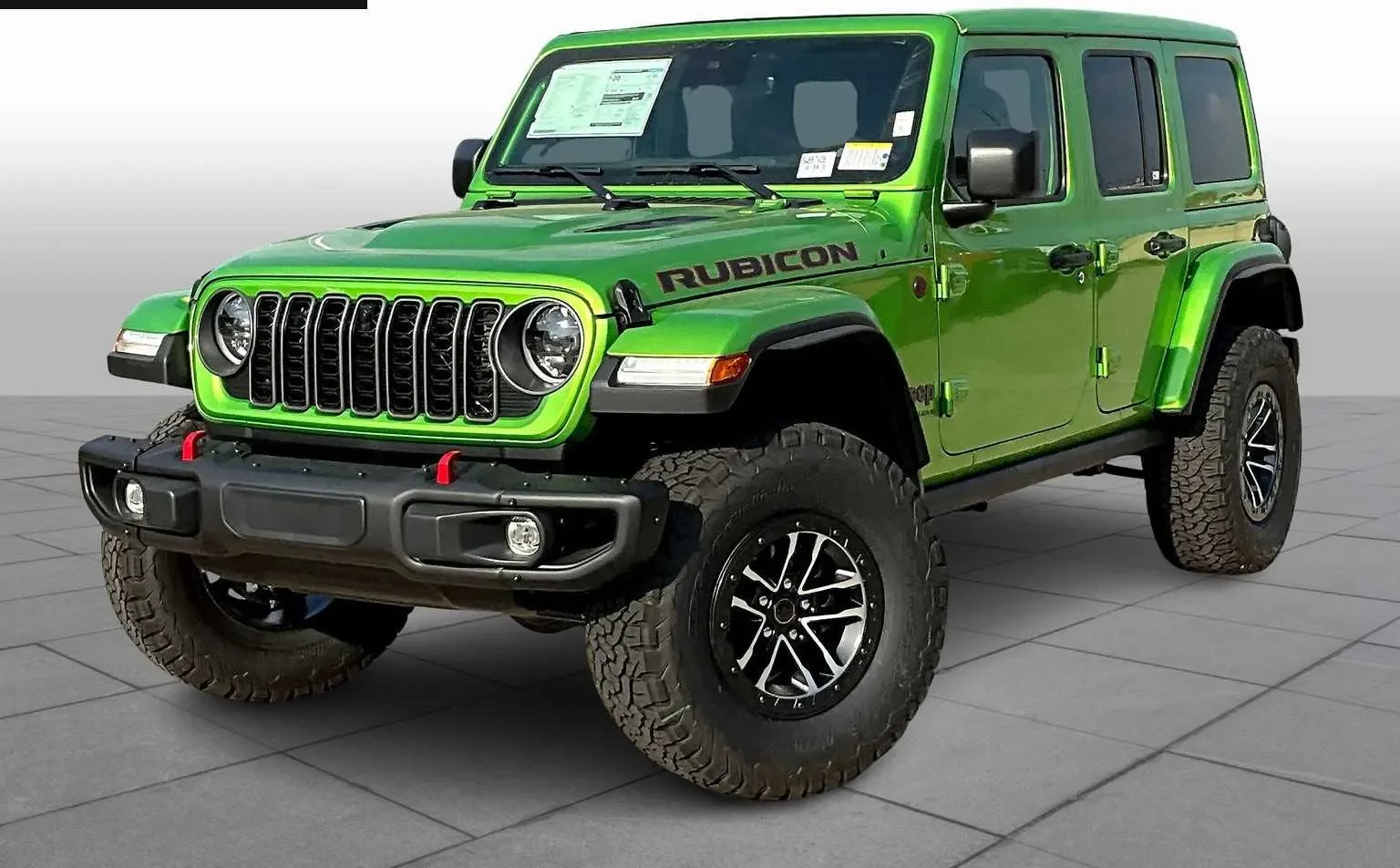
2. Jeep Wrangler Rubicon 3.6L 4×4
There is a bold character in the Jeep Wrangler Rubicon 3.6L 4×4 that refuses to hide. This machine embraces rough ground like a long-lost friend. It’s 4×4 hardware steps forward proudly, carrying heavy-duty locking units for both front and rear axles, plus a selectable low-range setup that speaks the language of real outdoor travel.
When rocks pile high or a muddy slope tries to block movement, the Wrangler behaves like it has been waiting for that exact moment. The driving experience in challenging zones feels raw yet controlled. Once the system locks itself, power delivery becomes extremely direct.
The wheels dig in with purpose, and the gearbox communicates strength through each slow movement. Even water crossings do not frighten it, thanks to its body structure and careful sealing. Many off-road groups trust the Wrangler simply because it performs without making excuses.
Riding inside a Rubicon creates an entirely different mood from soft AWD cars. You hear the machine’s character, you feel its intention, and you witness how every part is placed for purpose rather than just image.
The suspension travel allows big movements without throwing the cabin into harsh chaos. Its ladder frame design supports the drivetrain so well that it handles tricky climbs with confidence.
For drivers who enjoy adventure, the Wrangler offers a form of freedom that city-focused AWD cars cannot deliver. It behaves like a loyal guardian that follows you where the ground becomes unfriendly. With this model, the AWD badge carries genuine meaning.
Also Read: 5 Sedans That Sip Fuel On Highways vs 5 Thirsty Cruisers
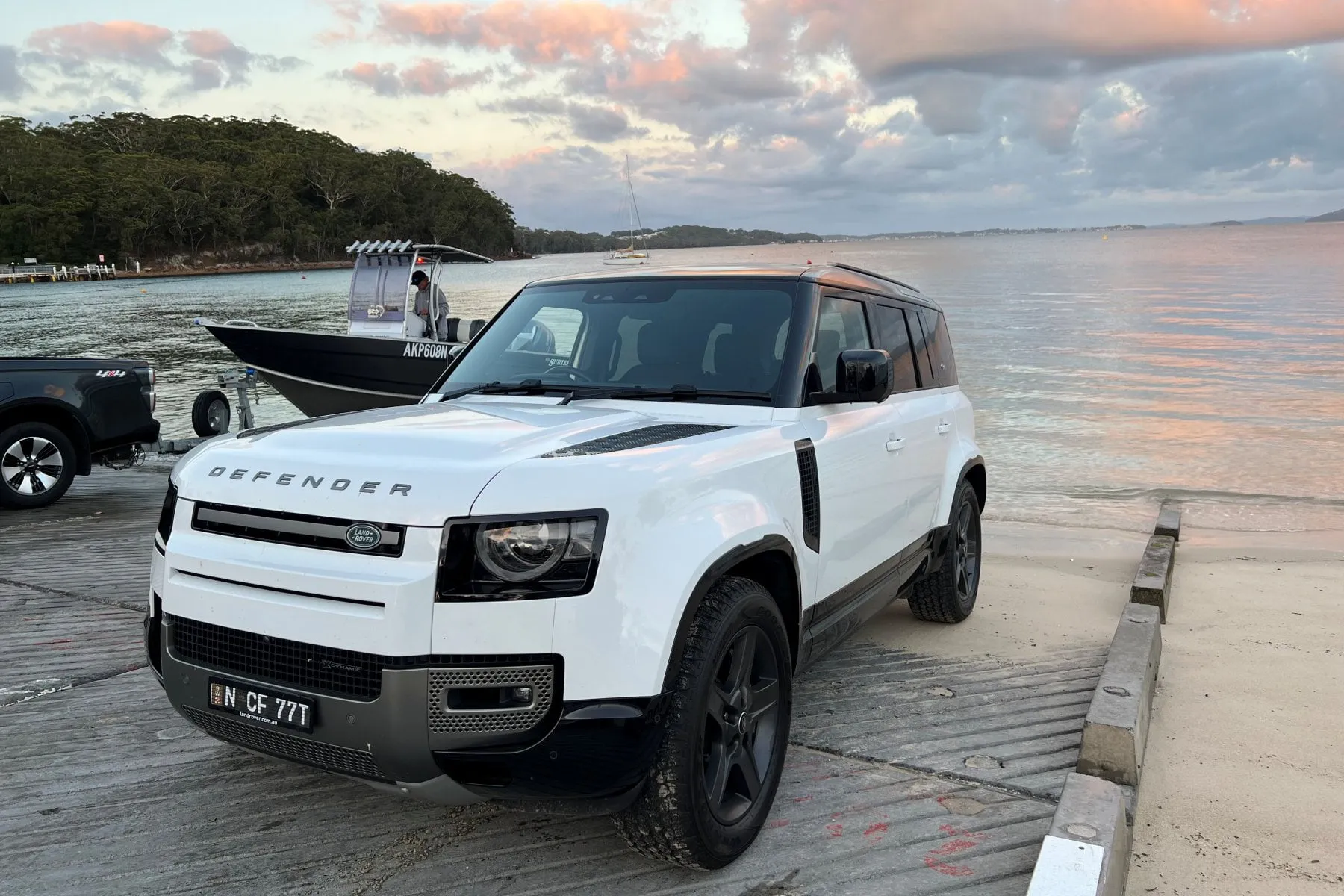
3. Land Rover Defender 110 D300 AWD
Strong engineering sits at the heart of the Land Rover Defender 110 D300 AWD. This car carries a system that blends mechanical ability with clever electronic control. While many vehicles only pretend to be adventurous, the Defender takes that responsibility seriously.
Its intelligent torque distribution works quietly but powerfully, feeding each wheel with whatever it needs each second. People who have tested this model in thick mud often mention how it keeps moving even when the surface tries to swallow the tyres.
The long wheelbase, paired with excellent ground clearance, helps it step through rough patches smoothly. Terrain Response setup adjusts the AWD behaviour using deep software tuning. You feel the car settle itself before tackling challenging ground, almost like a seasoned guide preparing its footing.
Comfort never disappears, even when the driving route becomes wild. Land Rover designed the cabin to protect passengers from harsh jolts, keeping the experience calm.
Drivers appreciate how the system delivers support without feeling heavy or slow. There is no cheap drama, no deceptive marketing, only real strength applied with discipline.
Whether moving across loose gravel, rutted paths, or sandy plains, the Defender behaves like a confident team leader. Many vehicles with AWD badges struggle with wheel spin during difficult moments, but the Defender’s system responds with determination. That is why outdoor workers, farmers, and travellers continue to trust this model generation after generation.
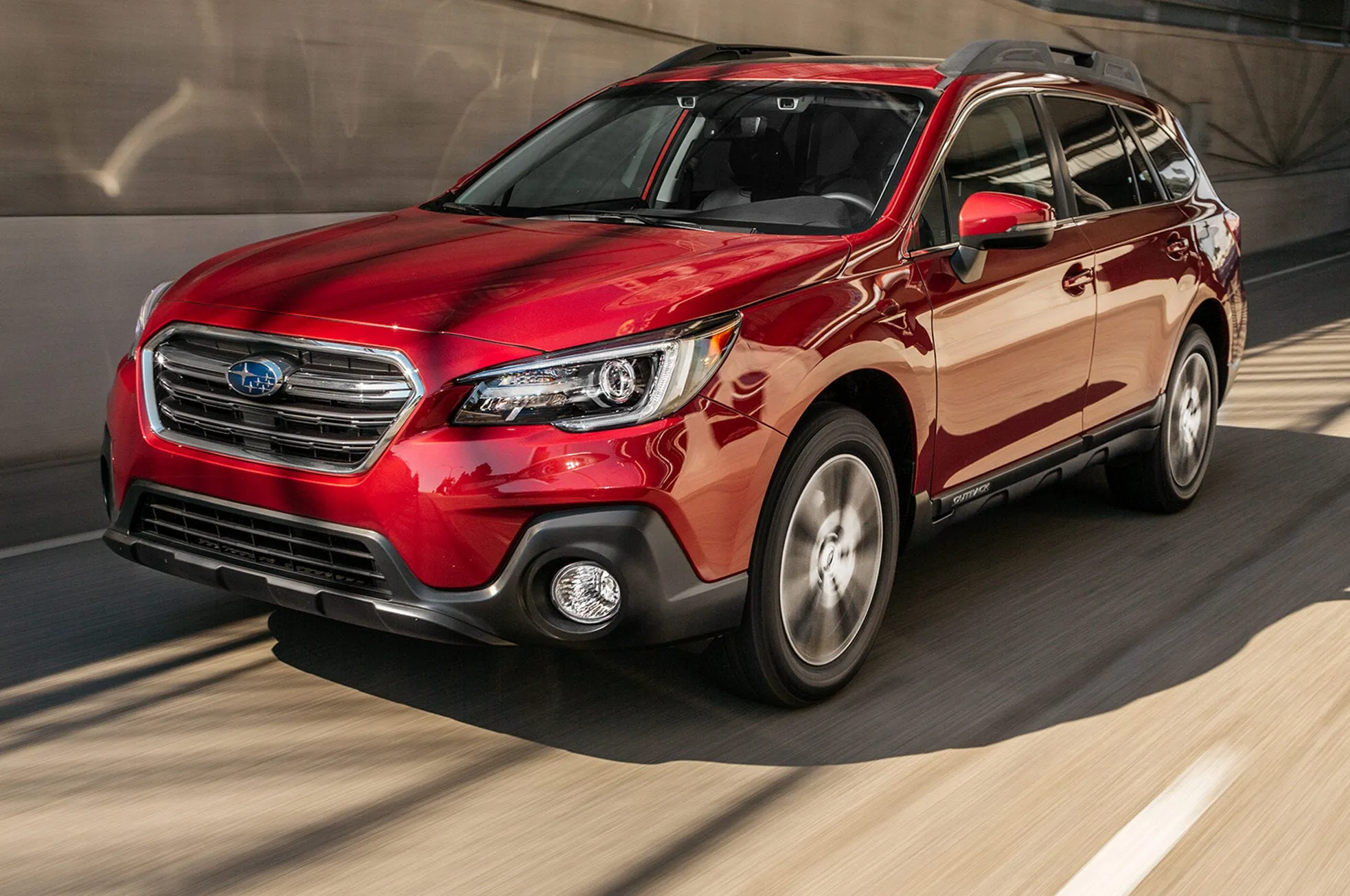
4. Subaru Outback 2.5i AWD
Anyone familiar with Subaru engineering knows the brand takes AWD seriously. The Subaru Outback 2.5i AWD may look polite from the outside, yet its heart remains dedicated to steady traction.
Subaru’s symmetrical AWD setup keeps the engine and drivetrain neatly aligned along the centreline, creating balanced grip that remains present even when the road changes from smooth to loose gravel.
Outback owners often describe the experience as reassuring. The system steps in early, without waiting for trouble, and spreads torque across all four wheels with calm confidence. X-Mode provides extra support when slopes become tricky or when wet mud tries to disturb progress. It stops wheel spin early and ensures the driver stays in control.
Another advantage comes from its raised stance and long suspension travel. Even though the Outback is shaped like a family wagon, its AWD system works with determination whenever ground conditions change. You can take it camping, cross light trails, push it through snowy paths, and it keeps moving without stressing the driver.
Inside, comfort remains steady. Subaru blended practicality with strength, giving the Outback a friendly character yet powerful ability. Drivers who enjoy going through quiet countryside roads often speak warmly about how it behaves in areas where soft AWD cars lose their confidence.
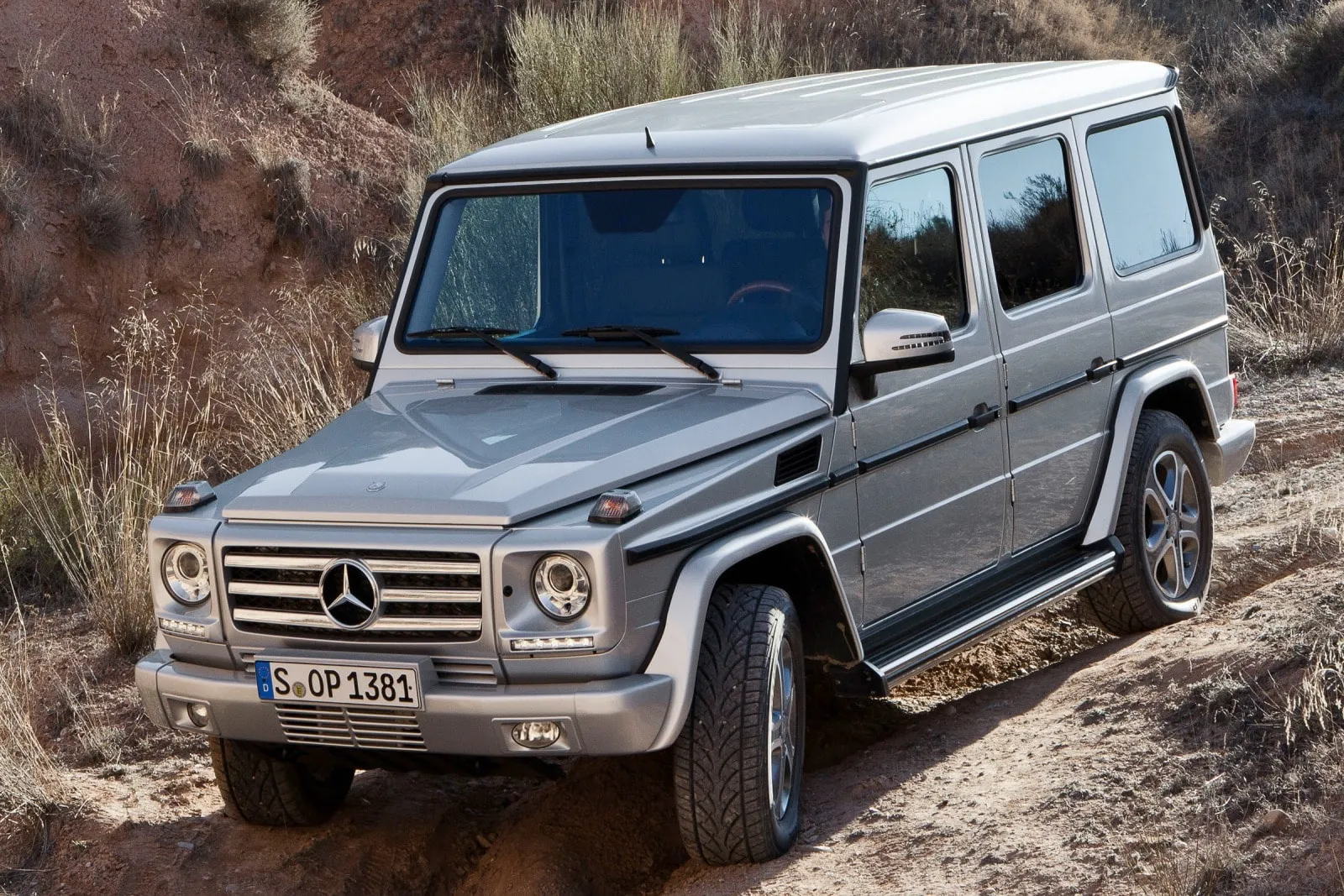
5. Mercedes-Benz G-Class G550 AWD
Power walks proudly through every bolt of the Mercedes-Benz G-Class G550 AWD. This model carries three locking units that act like warriors when conditions demand extra muscle. Very few modern luxury vehicles offer such raw, purposeful hardware.
Once activated, all three locking components turn the entire drivetrain into a solid mechanical unit that pushes forward determinedly through thick mud, sand, or rocky ground. People often get surprised at how calmly the G-Class handles steep climbs.
It does not rush or panic. It uses its torque with measured force, crawling confidently as if it has no intention of backing down. Even in deep ruts that trap softer SUVs, the G-Class finds its footing and pushes through.
Inside the cabin, it feels like a luxury living room, yet the mechanical strength beneath remains rugged. This combination makes the G-Class special. It behaves like a celebrity dressed for a red-carpet event but transforms into a hardened explorer once the ground becomes rough.
Driving this vehicle far from smooth roads gives a sense of absolute assurance. Many AWD cars pretend to be adventurous just for marketing shine, but the G550 carries real engineering heritage that lasted for decades.
Anyone who takes this machine outdoors gets reminded that some luxury vehicles are not born for show but for action. Moving to the second group now. These next cars carry AWD mainly as decoration and feel more comfortable staying on smooth tar roads.
5 AWD Systems That Are Mostly for Show
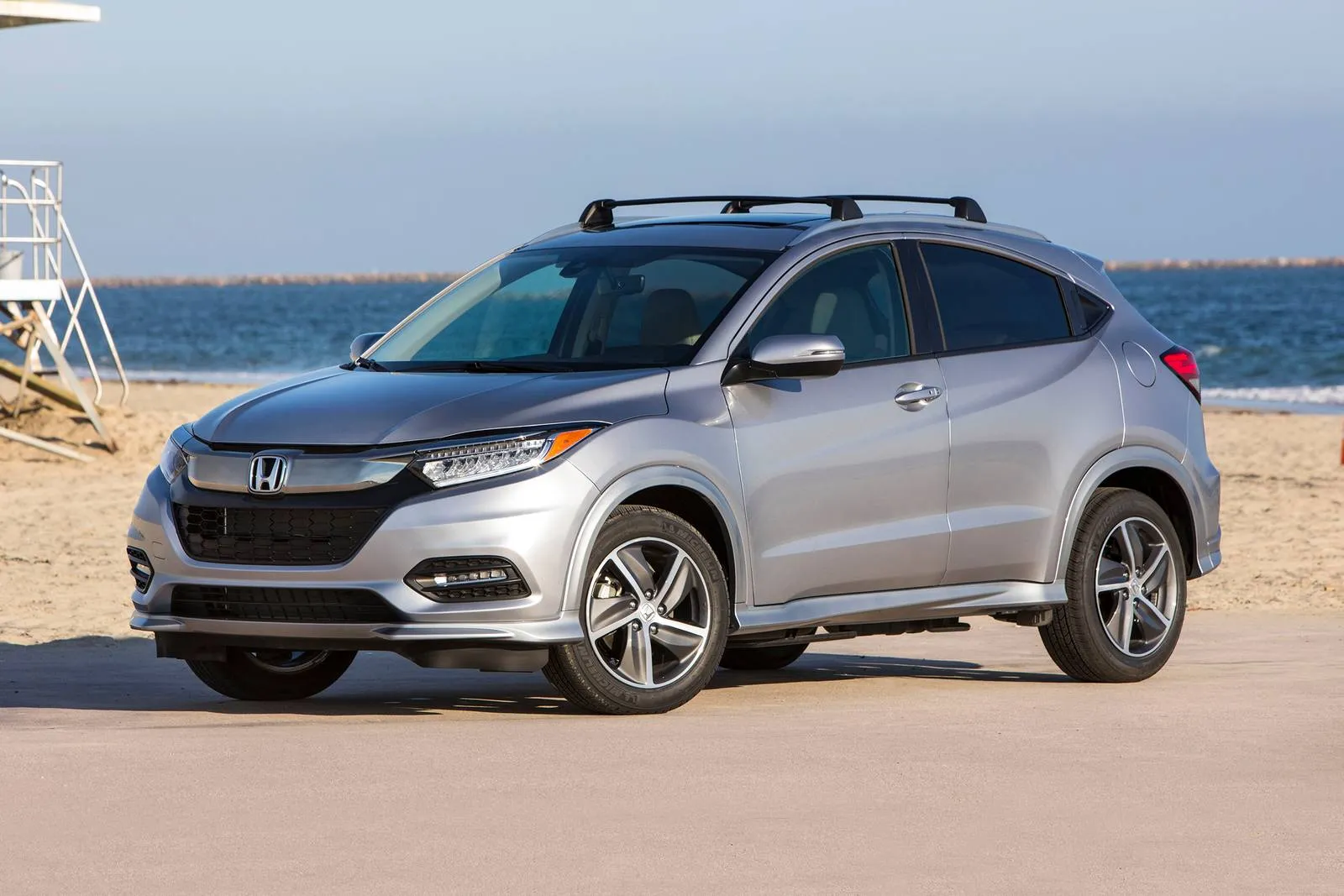
1. Honda HR-V 1.8 AWD
The Honda HR-V 1.8 AWD often turns heads because of its clean styling and friendly size, which make it feel at home in crowded neighborhoods. Although the badge promises all-wheel traction, the system behaves more like a stability helper than a trail machine.
Most of the power travels through the front axle, and the rear receives assistance only when slip begins to appear. As a result, the setup serves mainly as a confidence booster for wet pavement or mild winter conditions rather than true off-road situations.
Drivers who test it on gentle gravel roads usually appreciate the small increase in traction. The rear support helps settle the car when the surface becomes slightly uneven. Once the ground turns unpredictable or steep, the limits show immediately. The system lacks a locking feature, and it does not include low-range gearing.
Because of this, the response time slows down when dealing with soft sand, loose soil, or hilly dirt paths. The HR-V simply does not have the mechanical strength to push through tougher obstacles, and the vehicle quickly reaches a point where wheel spin interrupts progress.
Inside the cabin, the HR-V maintains a pleasant and practical character. The seating position feels comfortable, visibility remains wide, and the steering stays light and manageable during tight maneuvering.
Fuel consumption also stays friendly, which makes the car ideal for commuting, short trips, or school driving duties. Owners often highlight how easy it is to live with daily life and how stress-free it feels in busy traffic.
The trouble appears when buyers expect the AWD badge to deliver rugged performance. Many discover the truth once they test the car beyond pavement. The system performs well when the weather becomes slippery, but it does not provide the muscle needed for deep forest routes or twisting dirt roads.
If someone simply wants a stylish compact crossover to handle shopping routes, weekday driving, or rain-soaked roads, the HR-V fits that lifestyle comfortably.
Those with plans involving camping sites, remote outdoor areas, or demanding surfaces should look toward something built with stronger traction hardware. The HR-V remains a dependable city companion rather than a wilderness partner.
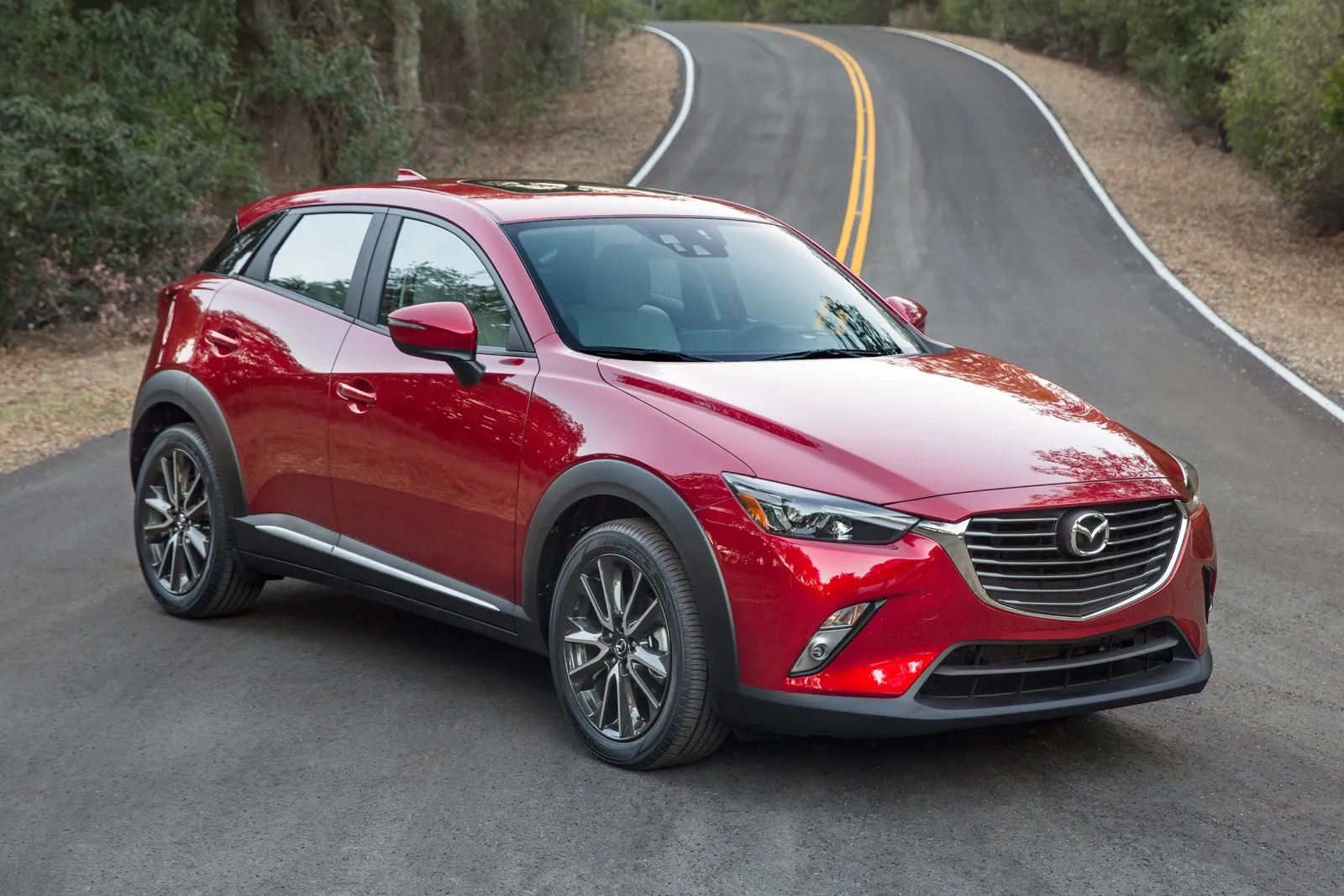
2. Mazda CX-3 2.0 AWD
The Mazda CX-3 2.0 AWD carries a youthful attitude that appeals to people who love sharp styling and responsive road manners. Although the badge suggests all-wheel capability, the system works more like a safety measure than a tool for adventure. Under normal driving, the power flows almost entirely to the front wheels.
Only when the sensors detect a slip does the system send some energy to the rear, and even then, the engagement tends to lag slightly when conditions worsen. This creates a gap that becomes noticeable on messy or inconsistent surfaces.
Owners who attempt to go through deeper mud or loose sand quickly learn the vehicle’s limits. The absence of a locking feature prevents the car from holding traction once the road grows unpredictable.
When one wheel loses grip, the system struggles to stabilize the car, and wheel spin appears easily. The engineering clearly targets comfort and controlled movement in urban and suburban areas rather than trails or heavy outdoor activities.
Inside the cabin, the CX-3 offers a welcoming layout. The seats provide decent support, the dash design feels modern, and the steering gives a lively response that makes the car enjoyable during daily errands.
The suspension leans toward softness, which helps the vehicle glide over city bumps and patched pavement. These qualities make the model attractive to young professionals, students, and small families who spend most of their driving hours within organized city grids.
For drivers who want a bit of reassurance during rainy days or in light snow, the AWD system offers a helpful cushion. It makes the car feel planted and secure when the roads turn wet. The challenge arises when someone expects it to hold its own on mountain trails or rural paths with rough textures.
The system lacks the force needed to manage tough situations, and it does not match the capability of SUVs that carry real off-road engineering. Mazda built the CX-3 for paved life first, and anyone seeking serious adventure will need to move toward rougher and more specialized machines.
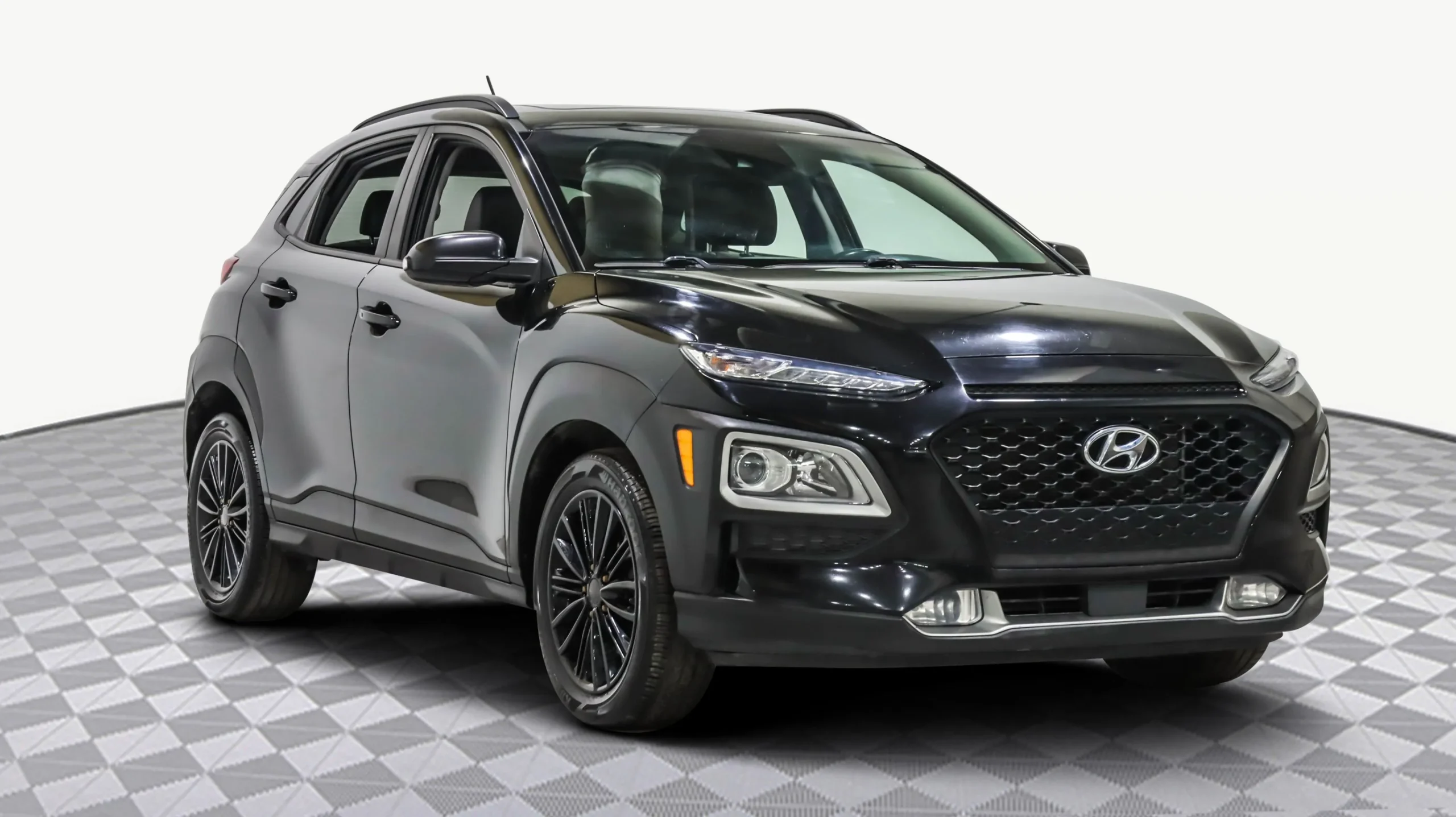
3. Hyundai Kona 2.0 AWD
The Hyundai Kona 2.0 AWD stands out with a bright personality and a modern exterior that appeals to people looking for a small crossover with charm. While it advertises all-wheel traction, the system’s priorities lie firmly within city limits.
The power distribution remains heavily front-focused, only redirecting some torque toward the rear when the surface becomes slippery. These brief moments of assistance help stabilize the vehicle, but they do not give the car the strength needed for aggressive or unpredictable ground.
On gentle gravel or minor winter conditions, the Kona behaves confidently and keeps movement steady. Once the demands rise, the car begins to show its weaknesses. The system does not include advanced grip management, and the vehicle’s modest ground clearance prevents it from climbing over uneven roads.
When one wheel lifts or the surface becomes soft, the traction fades quickly. The car starts to hesitate, and progress slows to a crawl. This experience reveals that the Kona is designed with pavement prioritization rather than wilderness ability.
Inside the vehicle, the cabin arrangement stays practical and cheerful. The controls feel logical, the interior layout gives a youthful vibe, and the steering offers a playful character that suits tight city streets.
Fuel consumption also stays within friendly limits, making the Kona a strong option for commuters and people who value efficiency. Many buyers appreciate the car for its convenience and the fun energy it brings to daily life.
The challenge appears when expectations stretch beyond its boundaries. Some owners expect the AWD badge to match the performance of large adventure SUVs. Once they attempt rough paths or forest access routes, they recognize the system’s lack of strength.
The Kona performs best where life remains predictable, including office routes, grocery trips, and leisurely urban outings. The AWD label simply provides light stability rather than true off-road capability.
For anyone whose lifestyle involves regular exposure to bumpy ground or remote travel, this model will not deliver the muscle required. Its real talent lies in friendly city movement, not outdoor endurance.
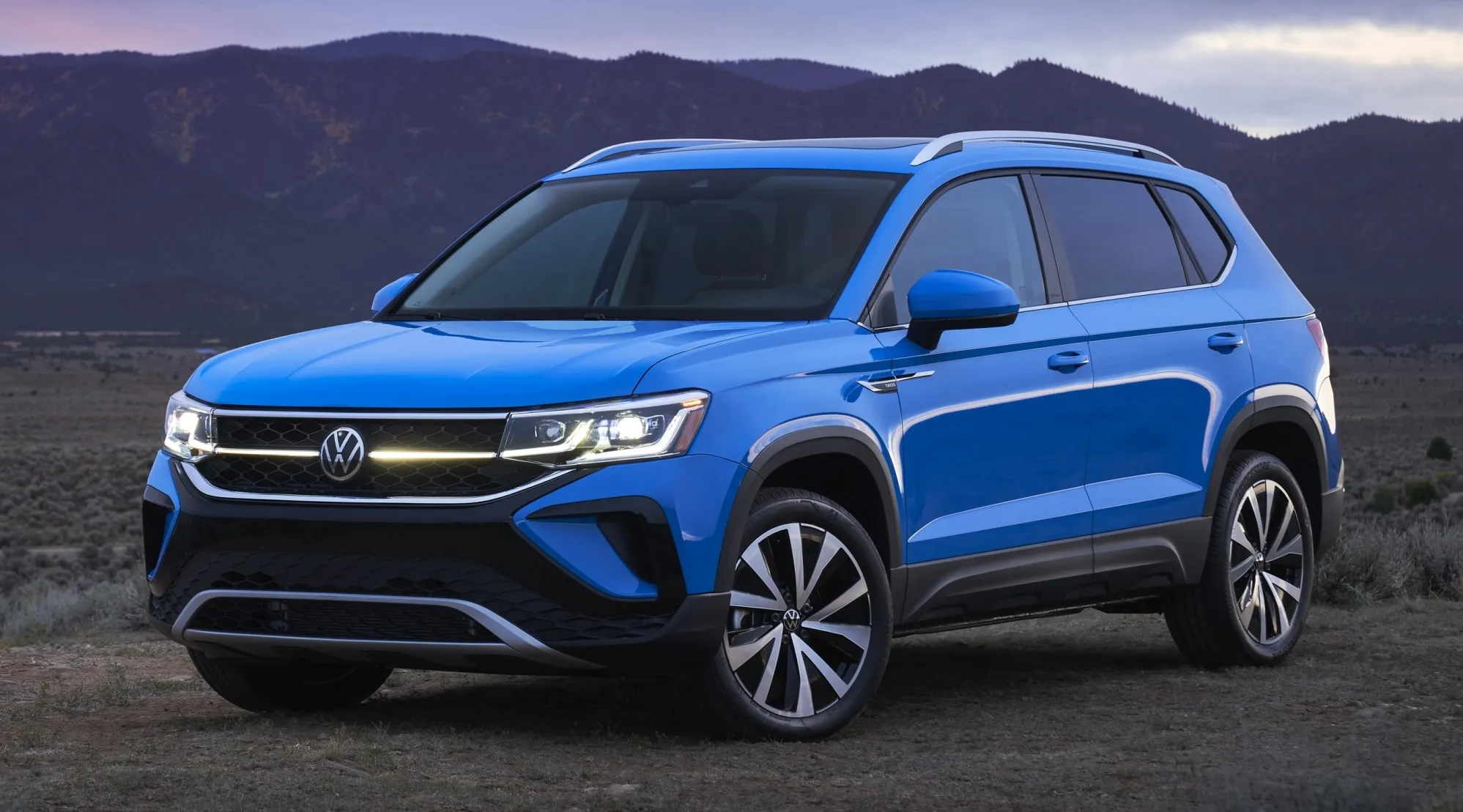
4. Volkswagen Taos 1.5T AWD
The Volkswagen Taos 1.5T AWD welcomes passengers with a clean cabin design and a confident stance on the road. It often attracts buyers who want a compact SUV with a balanced feel. However, its AWD system behaves more like a gentle supporter than a powerful off-road tool.
The setup remains front-driven under normal conditions, sending power to the rear only when the sensors detect slipping. Because this reaction depends on specific triggers, the system can respond slowly in an unpredictable way.
People who attempt to test the Taos in loose sand often report that it begins to sink earlier than expected. Since it lacks a locking mechanism and does not offer aggressive torque handling, the rear engagement fades rapidly when the wheels experience pressure.
Instead of pulling the car through the challenge, the system tends to handle traction politely, which limits the Taos in rugged environments. It performs adequately on mild gravel or wet roads, but deeper outdoor obstacles remain beyond its abilities.
Despite these limitations, the Taos shines in its intended environment. The cabin provides good space for families, and the seating comfort helps make long drives feel relaxed. The engine delivers smooth acceleration, and the car’s size suits heavy traffic.
The infotainment system and modern tech features make daily life pleasant. Many owners value it for its reliable manners on highways and city paths, which match the lifestyle of typical suburban drivers.
This problem appears only when the model is pushed outside its comfort zone. The AWD system does not apply forceful traction control, and it reveals its softer nature quickly. People who simply want stable movement during rain or mild snow will find enough support from the Taos.
Anyone with plans to visit mountain regions, rocky paths, or remote forest trails will notice a clear lack of strength. The model belongs among soft AWD vehicles that prioritize comfort, stability, and ease of use instead of heavy outdoor performance.
Also Read: 5 Sedans That Stay Whisper-Quiet Inside vs 5 That Whistle and Howl
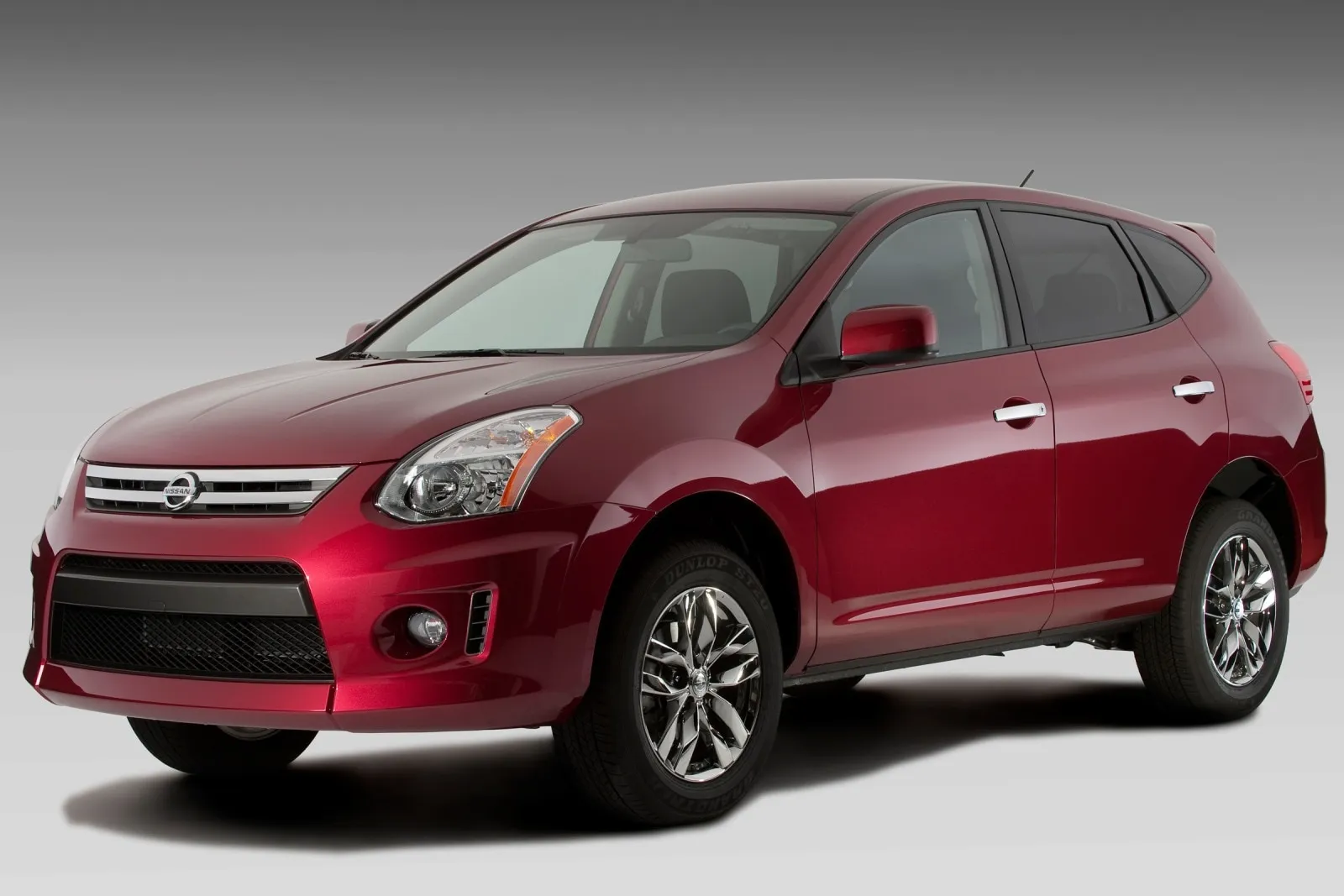
5. Nissan Rogue 2.5 AWD
The Nissan Rogue 2.5 AWD offers a quiet and relaxed ride that suits families and individuals who value comfort above all. Its AWD system exists mainly to provide stability during unfriendly weather. The standard drive keeps most power flowing through the front axle and sends energy to the rear only when sensors detect mild slip.
Because the distribution happens through a reactive process rather than a proactive one, the system struggles once the road becomes challenging. Owners who have tried forest trails often describe the same pattern. As soon as the wheels lose firm contact with the ground, the Rogue begins to hesitate.
It cannot transfer enough torque quickly to maintain forward movement, and the lack of heavy-duty hardware leaves the car vulnerable to getting stuck in deeper mud or on steeper dirt slopes. Without enhanced traction software or mechanical support, the system cannot compete with models built specifically for outdoor strength.
Inside the cabin, the Rogue shines brightly. The seats feel supportive, the ride quality remains soft, and the spacious cargo area helps with groceries, luggage, sports equipment, and family errands.
This comfort makes the Rogue an ideal companion for school runs, suburban driving, long highway journeys, and weekend travel on paved routes. It excels in environments where the road surface remains friendly.
The issue arises only when expectations exceed the vehicle’s design purpose. Some buyers believe the AWD badge will grant enough toughness for occasional off-road exploration. The reality shows that the Rogue thrives in mild conditions but reaches its traction limit quickly once the path becomes rough.
Drivers who stay within standard routes will enjoy the car’s stability in rain and light snow. Those aiming for adventures beyond pavement should understand that this model performs best when kept within comfortable zones.
The Rogue stands squarely among soft AWD vehicles that deliver convenience, spaciousness, and everyday usability rather than outdoor toughness.
