
Many people dream of owning a luxury sedan, but the heavy cost of maintaining one usually scares them away. Someone may see a beautiful used Mercedes or BMW parked by the roadside with a tempting price tag, only to remember stories of expensive repairs and sleepless nights at the mechanic’s shop.
This fear is common, and it pushes many buyers to settle for cheaper cars they do not really want. Yet the truth is simple. Not every used luxury sedan will drain your pocket. Some models behave responsibly and demand fair running costs, while others behave like troublemakers that swallow money with no mercy.
Car buyers who want style, status, and comfort without being punished by workshop bills need clear guidance before paying their hard-earned money. That is where this list becomes useful. It separates five reliable used luxury sedans that treat owners gently from five that behave like financial traps.
A luxury car can bring joy, pride, and comfort, but only when it is the right one. Pick wrongly and you will find yourself visiting mechanics more than your close relatives. This guide is written in a friendly way to help ordinary buyers understand what they are stepping into. No engineering jargon.
No confusing talk. Just straight information based on how these cars behave after years on the road. If you have ever wondered which used luxury sedans can be trusted and which ones can ruin your monthly budget, get ready. The next sections break it down carefully so that you walk into the market with confidence.
5 Used Luxury Sedans That Don’t Bankrupt
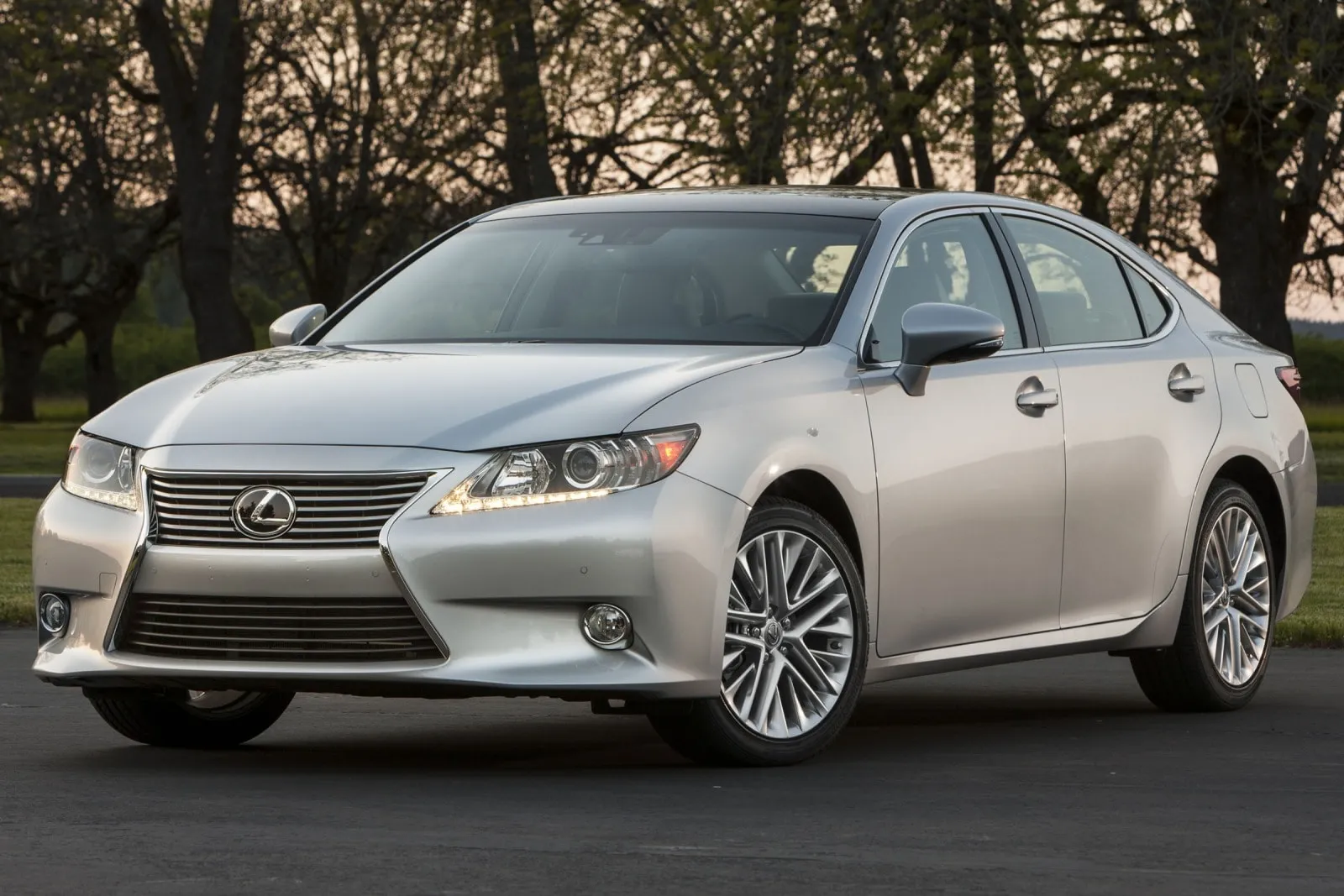
1. Lexus ES350 (2013 to 2018)
Plenty of used luxury cars pretend to be peaceful until you take them home, but the Lexus ES350 does not belong to that group at all. Buyers who choose this one usually enjoy calm ownership, because the car behaves like a responsible companion.
It relies on Toyota’s proven engineering, and that already tells you plenty about the type of experience it offers. People who have driven the ES350 for long distances often talk about how it moves with confidence even after long years on the road. Its V6 engine is known for dealing with daily use comfortably without begging for unnecessary repairs.
Cabin comfort in this model is something many owners praise. Seats feel soft yet firm enough for long journeys, and the ride quality is gentle on rough roads. Suspension parts do not scatter money out of your pocket, as they last well before needing attention.
When the time finally comes for replacement, the cost stays reasonable for a luxury sedan. Mechanics also appreciate how easy the ES350 is to service. No strange designs, no fragile components hiding in awkward areas.
Fuel use stays friendly if you drive sensibly, and the gearbox cooperates smoothly. Even when the car grows older, it does not develop strange vibrations or scary noises like some rivals do. Electronic features remain reliable, too. Touchscreen, sensors, and climate control keep doing their jobs with fewer issues than many other high-end sedans.
People looking for a luxury feel without frustrating bills often end up choosing the ES350. Once you buy it, you discover why so many owners hold onto theirs for long periods. Dependable, comfortable, and far more affordable to maintain than others in the same category, this Lexus simply treats buyers with respect rather than draining their pockets.
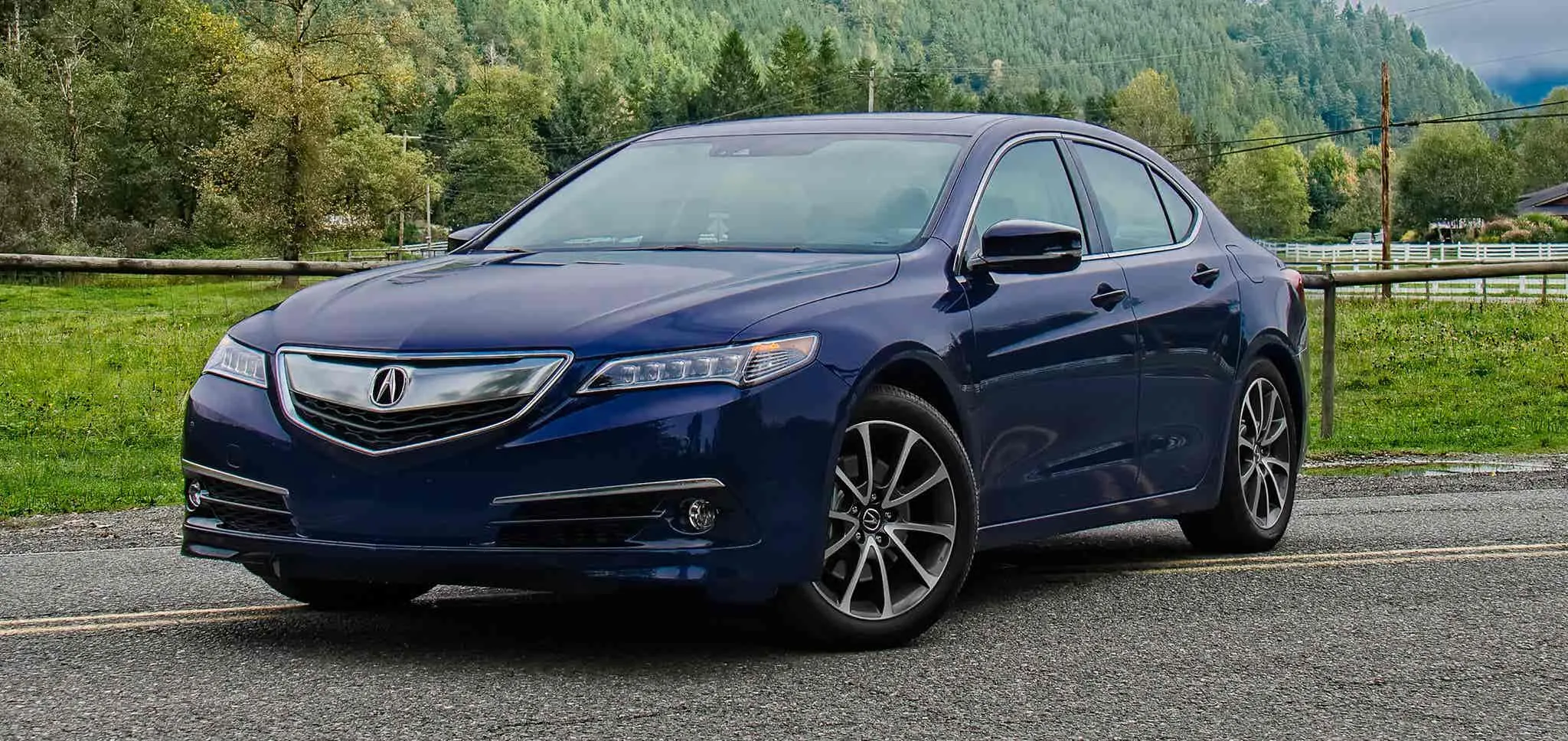
2. Acura TLX (2015 to 2019)
Anybody searching for a used luxury sedan that blends performance with peace of mind should look closely at the Acura TLX. It behaves like a car designed for people who want enjoyment without financial stress.
Honda’s engineering DNA runs through this model, which explains its durability. Many drivers admire how the TLX continues to function smoothly even as mileage climbs steadily. Its engines, both the four-cylinder and the V6 option, have a reputation for handling daily commutes gracefully.
Inside, the TLX gives a pleasant environment that rivals more expensive European sedans. Seats support the body well, and the interior materials age slowly. Controls remain responsive, and the infotainment system survives long-term use without the frequent electronic issues that plague some premium cars.
One thing many owners appreciate is steering feel. The TLX responds confidently on corners, giving drivers a sense of control without feeling twitchy. That balance between comfort and firmness brings enjoyable driving without compromising reliability.
Running costs remain gentle as long as you follow recommended servicing. Parts are available, and mechanics familiar with Honda vehicles handle repairs without stress. Gearbox performance stays steady, even in older units, as long as you do simple servicing at reasonable intervals. Fuel use also stays modest for a luxury sedan, so long journeys do not burn a hole in your pocket.
Owners who use this car for work, family duties or weekend trips frequently report that it rarely disappoints them. It avoids strange mechanical surprises, and it does not demand money unnecessarily. People who want European-level comfort without European-level bills find themselves attracted to the TLX very quickly.
It may not shout with flashy status, but it gives durable quality, smooth driving, and honest running costs. For anyone with a budget and a desire for luxury, this Acura earns its place among dependable choices.
Also Read: 5 Luxury Sedans That Age Well And 5 That Implode After Warranty
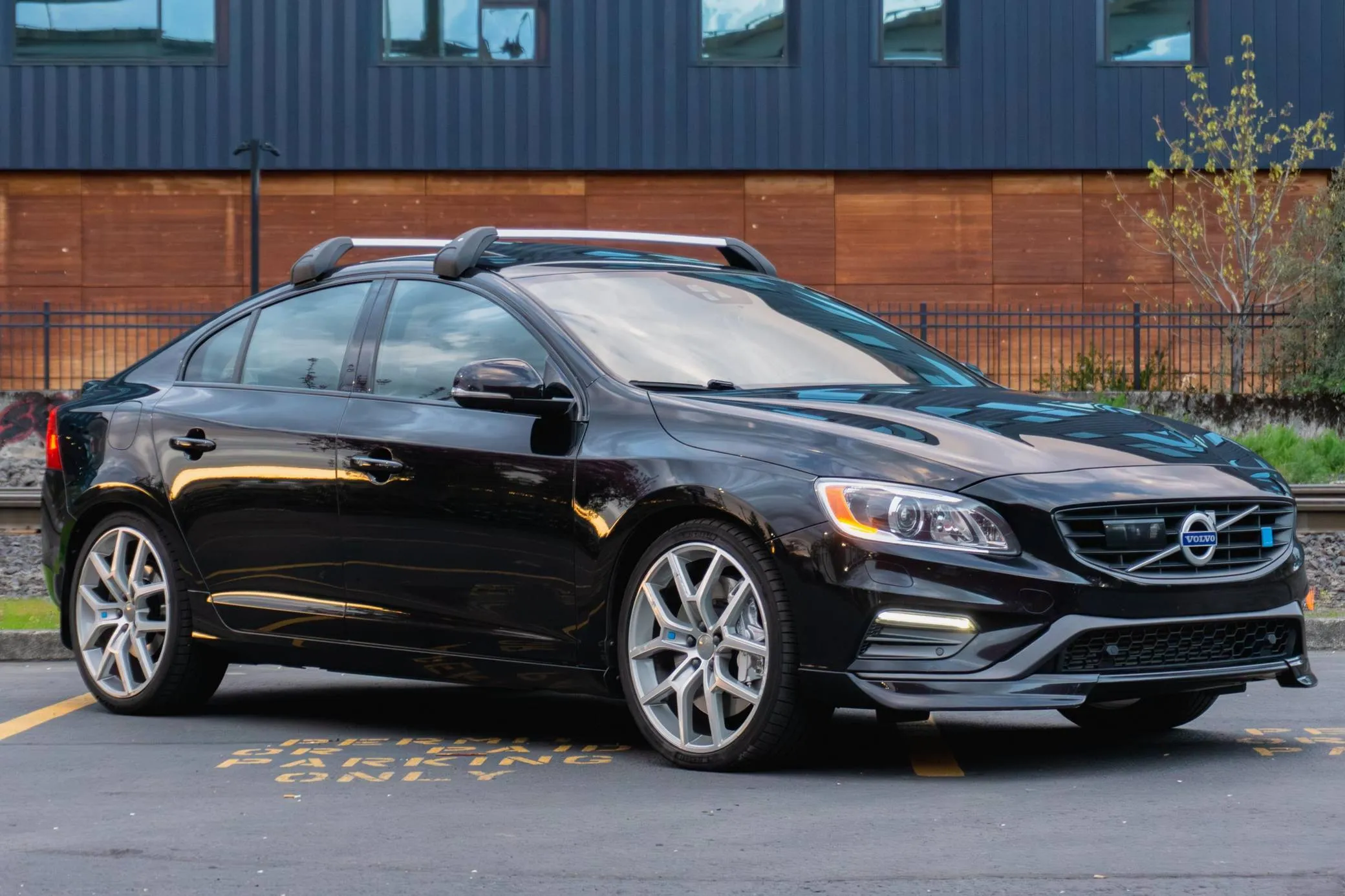
3. Volvo S60 (2016 to 2019)
Volvo’s reputation for safety is well-known, but many people forget that several of their sedans also offer long-term affordability. The Volvo S60 from 2016 to 2019 behaves like a luxury car that respects your finances.
Its exterior may look quiet and reserved, yet underneath it carries dependable engineering. Owners often talk about how the S60 handles daily use like a disciplined worker, refusing to stress its owner with constant workshop visits.
Ride quality stays comfortable for long journeys. Seats in this model are some of the best in its category. They hold your body in a relaxed position without causing fatigue. Cabin insulation blocks outside noise, allowing peaceful conversations or soft music during the drive.
Even older units maintain this calm atmosphere because the interior materials resist fading, cracking or premature wear. Mechanical parts perform consistently. Engines in this range rely heavily on proven turbocharged designs that balance power with thriftiness.
They do not overheat easily, and they rarely suffer from major problems when serviced correctly. The suspension system also lasts well. It absorbs bumps without loosening quickly, so alignment problems appear less often compared to some rivals.
Electronic systems behave impressively. Safety features work without the strange malfunctions that trouble certain luxury sedans. Sensors, cameras, and digital displays remain responsive, even after long years. That makes the S60 appealing to people who want modern technology without constant electronic headaches.
Servicing costs stay friendly compared to German rivals. Parts availability is decent, and several independent workshops can repair this model at fair prices. Drivers who want comfort, elegance, and a trustworthy character often warm to the S60 quickly. It does its job quietly, respectfully, and without threatening your bank balance.
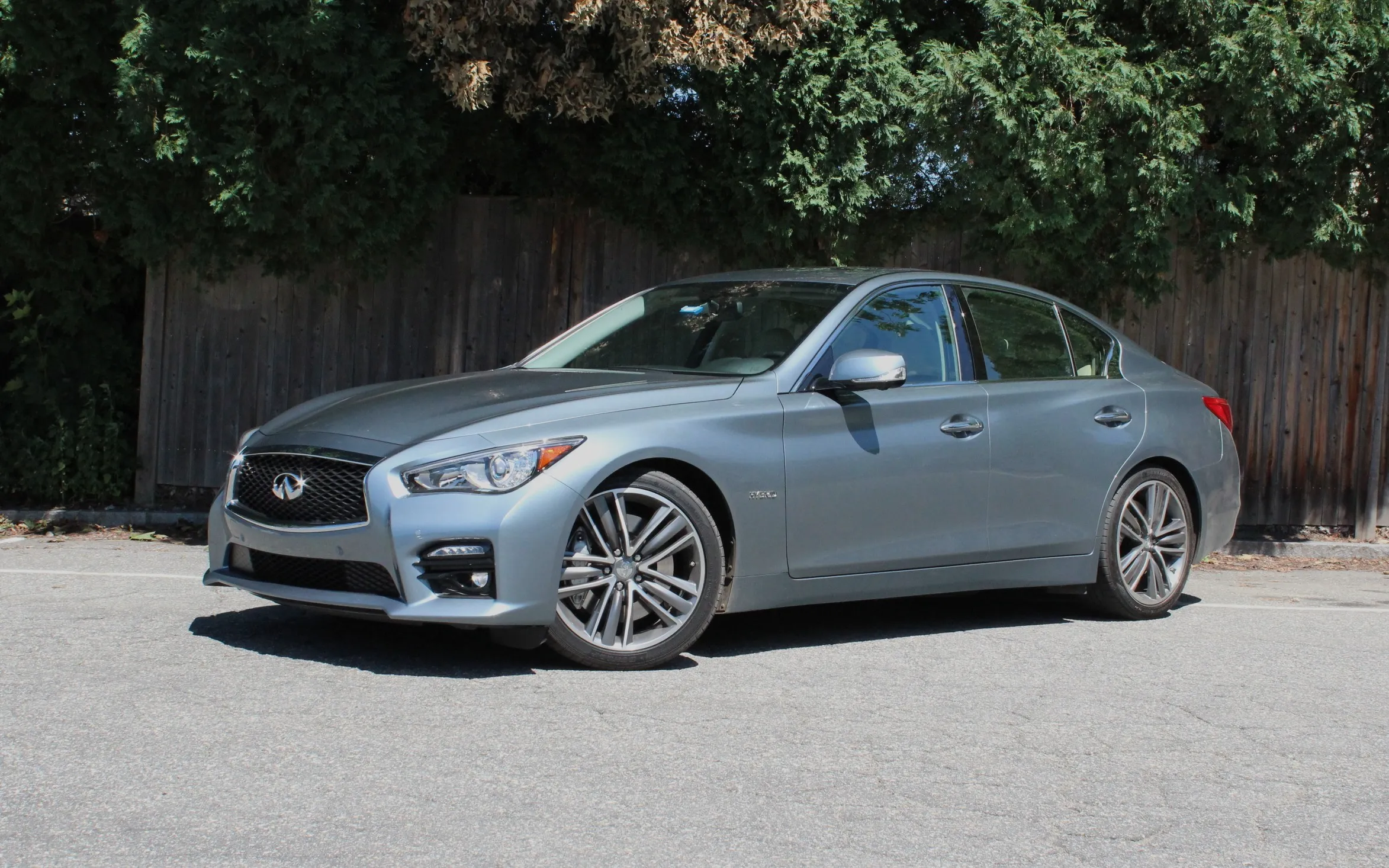
4. Infiniti Q50 (2014 to 2018)
A buyer who wants a used luxury sedan with strong performance but low drama can easily appreciate the Infiniti Q50. This model stands out with its sharp body design and powerful engine options.
Yet beneath the stylish exterior lies a powertrain known for its resilience. The 3.7-litre V6 and the later 3.0 twin-turbo versions have proven their strength in different markets worldwide, surviving tough conditions without frequent breakdowns.
Interior comfort adds to its appeal. Seats offer enough cushioning for long journeys, and legroom stays comfortable both in front and at the back. Cabin materials age well when handled with basic care.
The steering system responds accurately, giving drivers confidence during fast overtakes or tight turns. Handling stays balanced, and the suspension system does not demand costly repairs too often.
Fuel consumption varies depending on driving habits, but most owners describe it as reasonable for a performance-oriented sedan. Gearbox responses remain smooth during daily driving, especially when the fluid is replaced at the right intervals. The car delivers plenty of power when needed without stressing the engine.
Electronics inside the Q50 behave better than many expect. The dual-screen layout might feel unusual at first, yet the systems continue working reliably for years. Sensors and cameras assist the driver effectively without frequent faults.
Servicing is manageable when done at reputable workshops familiar with Nissan and Infiniti systems. Parts availability is fair, and many components share similarities with other models from the same group, reducing repair bills.
For people who want a car that feels modern, fast, and stylish without threatening their savings, the Q50 ranks high. It proves that luxury and dependability can coexist when the engineering foundation is strong.
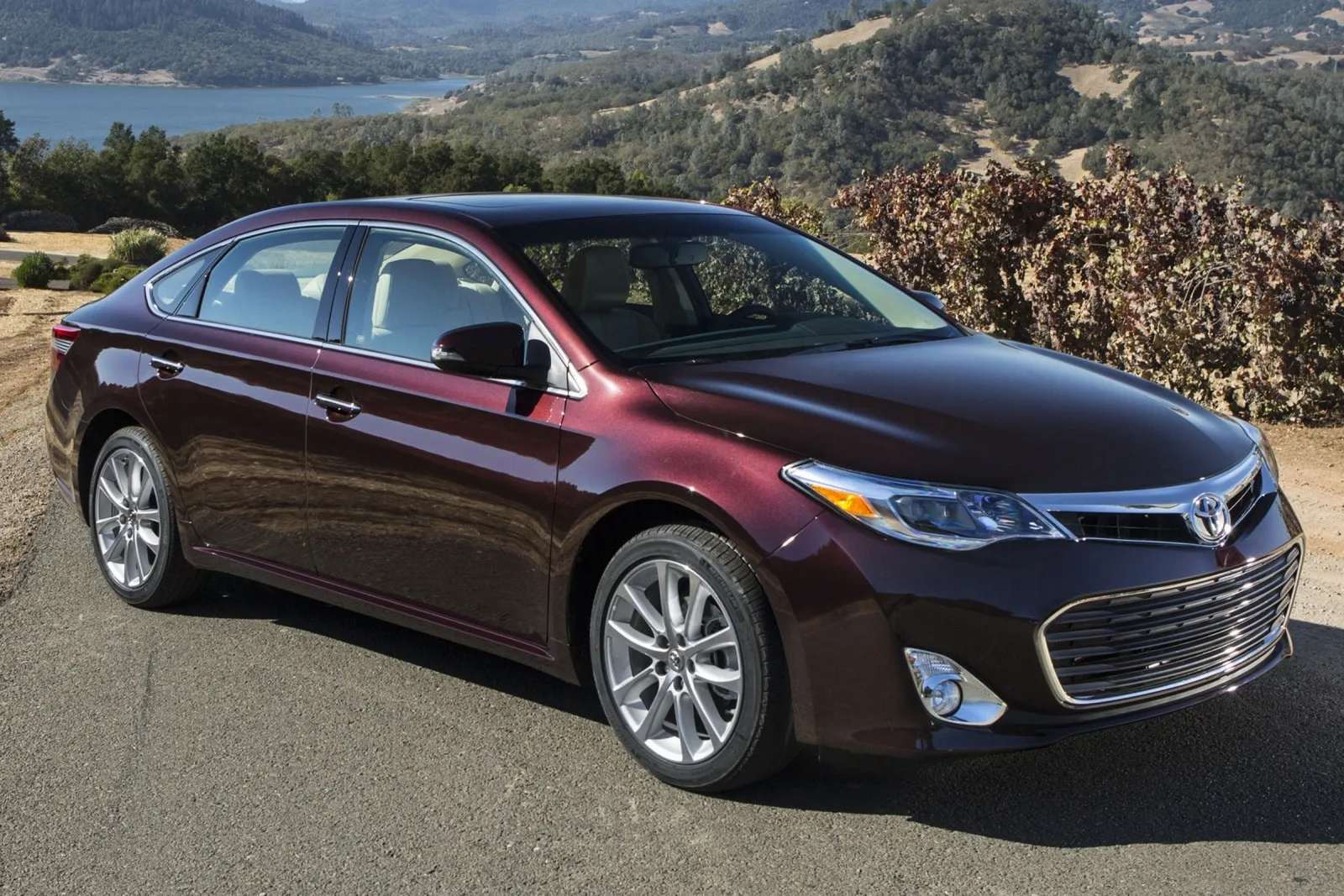
5. Toyota Avalon Limited (2014 to 2018)
Anyone seeking a full-size luxury sedan that behaves responsibly should pay attention to the Toyota Avalon Limited. This model is known for giving buyers serious space, smooth riding, and long-lasting mechanical strength.
It shares many components with the Lexus ES, yet it often sells for less in the used market. That combination makes it one of the smartest choices for people wanting premium comfort on a moderate budget.
Inside the cabin, passengers enjoy generous legroom, wide seats, and quiet operation. Long highway trips feel peaceful because the Avalon glides over uneven surfaces without fuss. The suspension system remains durable even on rougher roads. Owners rarely complain about strange noises or creaking parts. Once serviced properly, this sedan keeps moving confidently without disturbing the owner.
Mechanically, the 3.5-litre V6 engine is a strong point. It delivers smooth power without consuming excessive fuel. Many Avalons have crossed extremely high mileage without major engine or gearbox issues. That gives buyers confidence that the car can handle years of usage without draining their finances.
Electronics inside remain cooperative. Climate control functions reliably, infotainment screens age gracefully, and essential features like sensors and reverse cameras rarely fail. Owners appreciate this predictability, especially when compared to certain European brands that develop electronic faults as they age.
Servicing requirements remain simple. Many workshops understand Toyota systems well, so labour charges stay reasonable. Spare parts availability is excellent, and most components cost far less than those used in traditional luxury brands.
People who value quiet comfort, reliability, and fair running costs usually smile when they buy this sedan. It delivers the soft luxury experience that many dream of without demanding harsh financial sacrifices.
5 Luxury Sedans That Will Bankrupt You
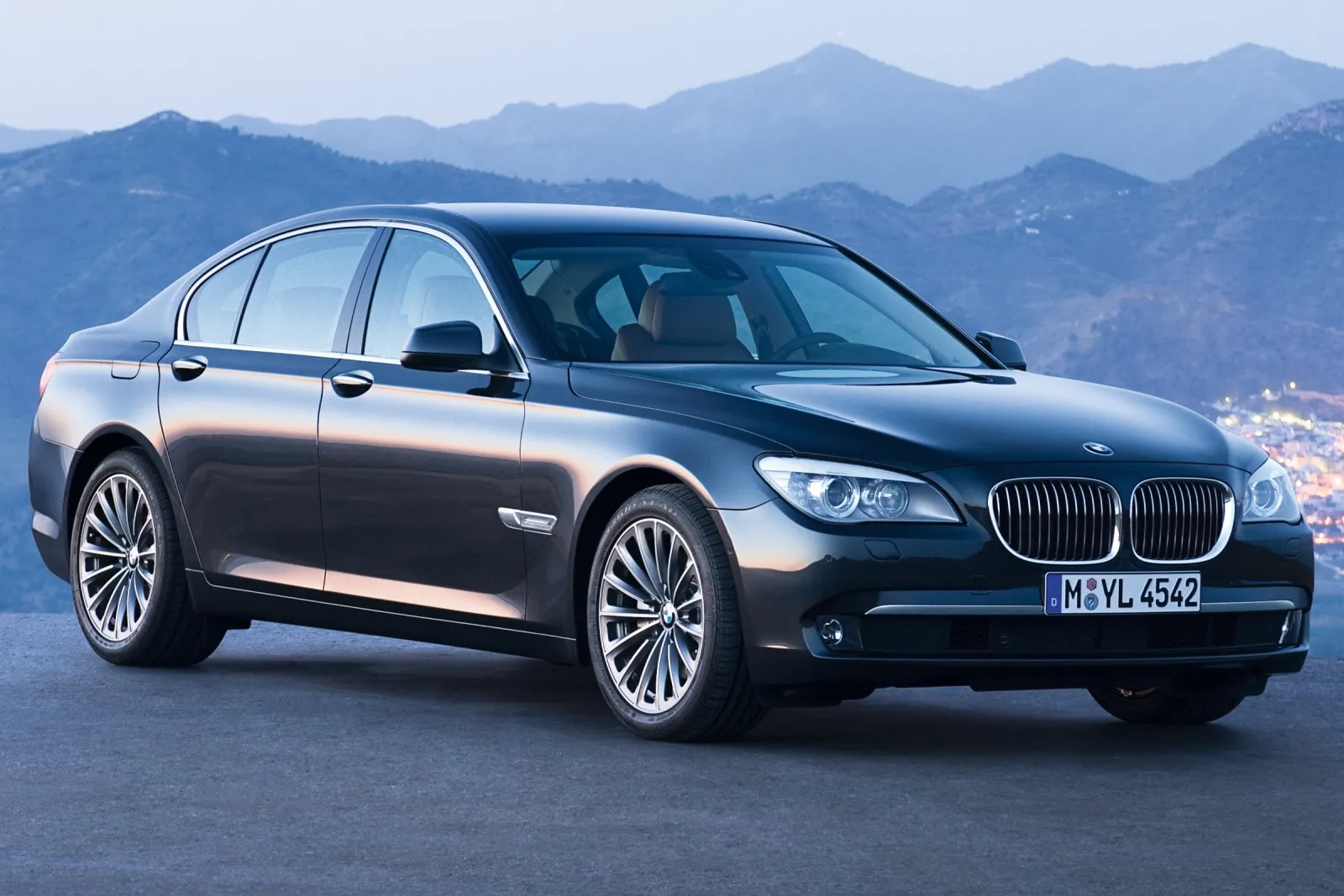
1. BMW 750Li (2010 to 2016)
The BMW 750Li from this period offers comfort, prestige, and powerful performance, but it quietly hides a long list of demanding issues that make ownership extremely expensive. Buyers who fall in love with its smooth ride often change their minds once the bills begin to arrive.
Its twin-turbo V8 engine is known for producing strong power, yet it also carries a reputation for sensitive components. Small leaks or overheating episodes can escalate into serious issues if not addressed promptly.
Even routine servicing costs more than many people expect, because the engine sits tightly packed, and mechanics need extra labour time to reach certain areas. Electronics add another layer of financial pressure. This model relies heavily on sensors, modules, and control units to operate various comforts and safety features.
When they begin to age, they may behave unpredictably. A single faulty module can disable several functions at once, forcing owners into expensive diagnostic sessions. Parts for this model rarely come cheap, and many need to be ordered specially.
The sophisticated air suspension is another point of concern. When it works, the ride feels almost cloudlike, but the moment one component weakens, the entire system becomes unstable. Replacing these parts is costly, and ignoring them can lead to uneven driving or sudden height-drop issues.
Even basic maintenance items such as brakes, cooling parts, and steering components attract heavy prices due to the model’s complex engineering. Owners often find themselves paying premium brand labour rates at workshops, making each visit a wallet-draining experience.
While the 750Li continues to impress with its comfort and luxury, it has a long history of consuming more money than expected. People who buy it for prestige usually realise too late that the maintenance costs eclipse the purchase price. It remains a sedan recommended only for those with deep pockets and patience for high repair bills.
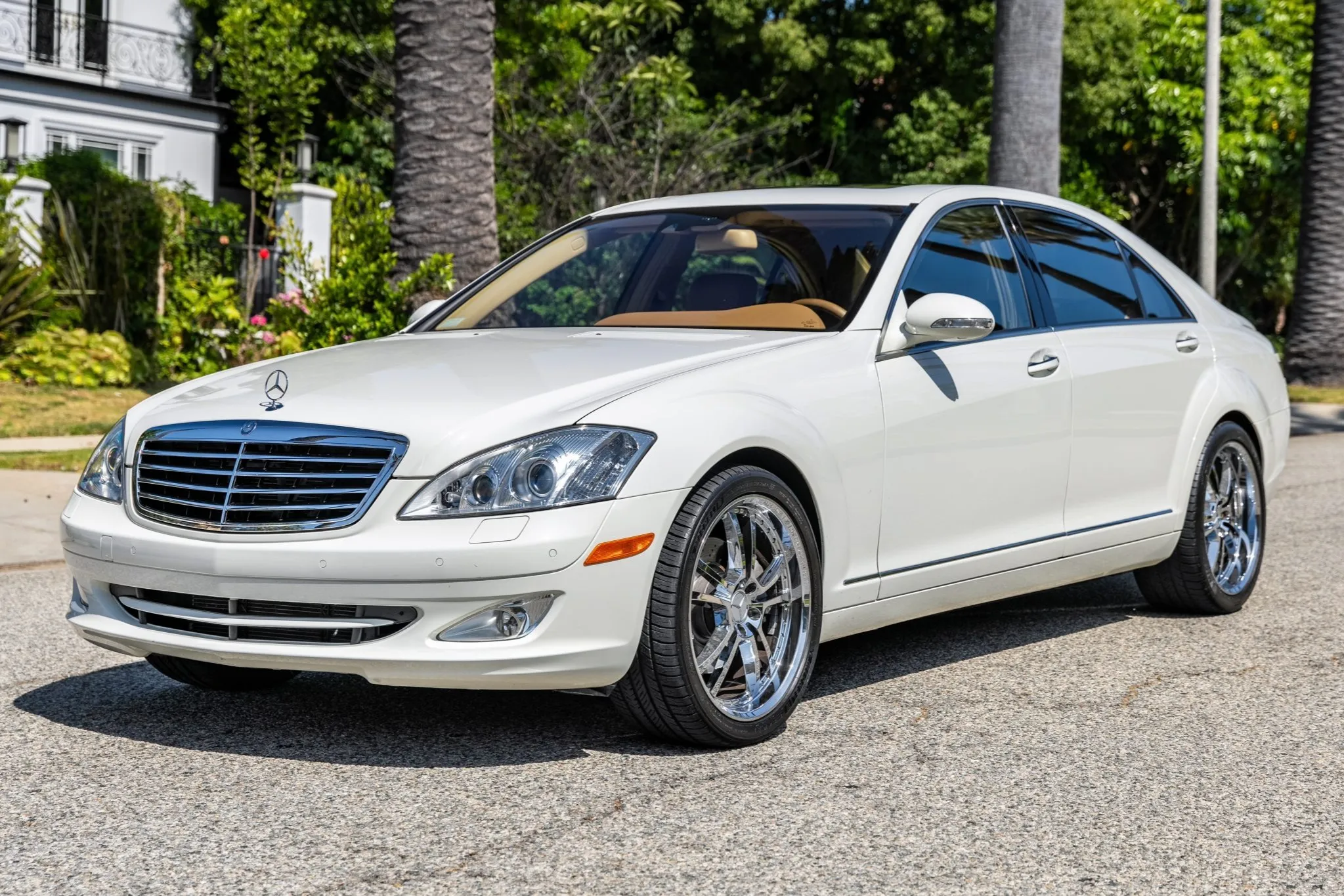
2. Mercedes-Benz S550 (2007 to 2014)
The Mercedes-Benz S550 holds an important place in automotive culture as one of the most respected luxury sedans. However, this admiration becomes costly very quickly for used-market buyers. The car’s complicated technology and advanced comfort systems tend to age with difficulty, creating long lists of maintenance requirements.
Its V8 engine is strong but sensitive, and many units from this period require ongoing attention to seals, mounts, and cooling components. Small leaks or rough running can easily become pricey repairs due to the labour required to reach hidden parts.
The suspension system is one of the biggest financial traps. The S550 uses an air-based setup that gives extraordinary comfort, but once the struts or pumps begin to weaken, the repair costs become overwhelming. Replacing even one air strut can strike hard financially. Drivers often notice the front or rear of the car sagging overnight, signalling expensive suspension work.
Electronics are another concern. This model depends on numerous control units to manage climate functions, lighting, entertainment features, and driving aids. As these components age, they may cause random errors or total system failure.
Diagnostic sessions can become frequent and draining, and the replacement modules rarely come cheaply. Even minor electronic faults can disable important systems, forcing the owner into repairs they did not plan for.
Routine servicing also costs more compared to mid-range sedans. This is partly due to brand standards and partly due to the car’s engineering complexity. Simple jobs take longer than on ordinary cars, and the labour charges reflect that.
While the S550 delivers impressive comfort and presence on the road, it brings a long list of potential expenses. Anyone who buys one without preparing for high maintenance costs may soon feel overwhelmed. It remains a luxurious dream that transforms into a demanding financial responsibility once it ages.
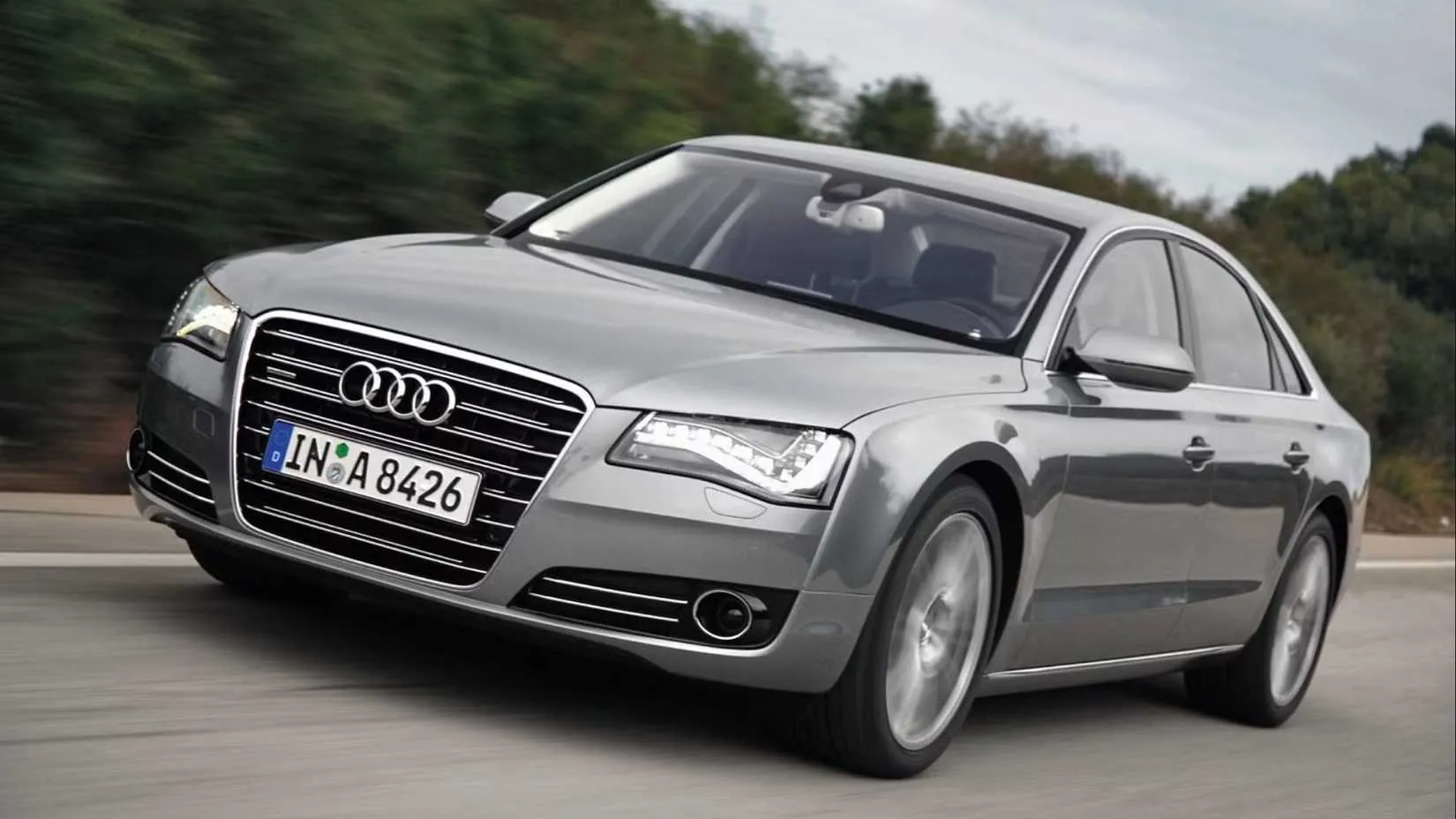
3. Audi A8 (2011 to 2017)
The Audi A8 from this generation showcases sleek design and advanced engineering, but owning it after several years can be financially exhausting. This model was built with cutting-edge technology for its time, and that same technology becomes difficult to maintain once the car reaches the used market.
The engine and gearbox work smoothly when maintained perfectly, yet any neglect, no matter how small, can lead to repairs that require expert technicians and expensive parts. Air suspension is one of the most common sources of financial stress for A8 owners.
When this system begins to weaken, the car may drop on one side, ride unevenly or develop unsettling noises. Replacing the air components costs an amount, and many owners end up repairing several parts in quick succession.
Electronics are another trap. The A8 relies on multiple advanced modules that control everything from sound systems to navigation, climate functions, and driving sensors.
When one component fails, it often affects others as well, triggering warning lights and forcing long diagnostic procedures. Even replacing a single module can be painfully expensive, especially if recalibration is needed.
Cooling components and timing-related parts tend to age poorly, too. Once these systems begin to show weakness, ignoring them is not an option because the engine may develop serious problems. Repairs in these areas require specialist skill and often involve removing several engine bay components, raising labour costs dramatically.
Routine servicing itself is pricey. The A8 uses premium fluids, specialised parts, and workshop procedures that cost far more than what ordinary sedans require. Owners commonly report that even minor maintenance visits consume more money than expected.
This sedan gives an extraordinary driving experience when new, but when it enters its later years, it behaves like a demanding machine that requires constant financial attention. Buyers without strong budgets often regret choosing it.
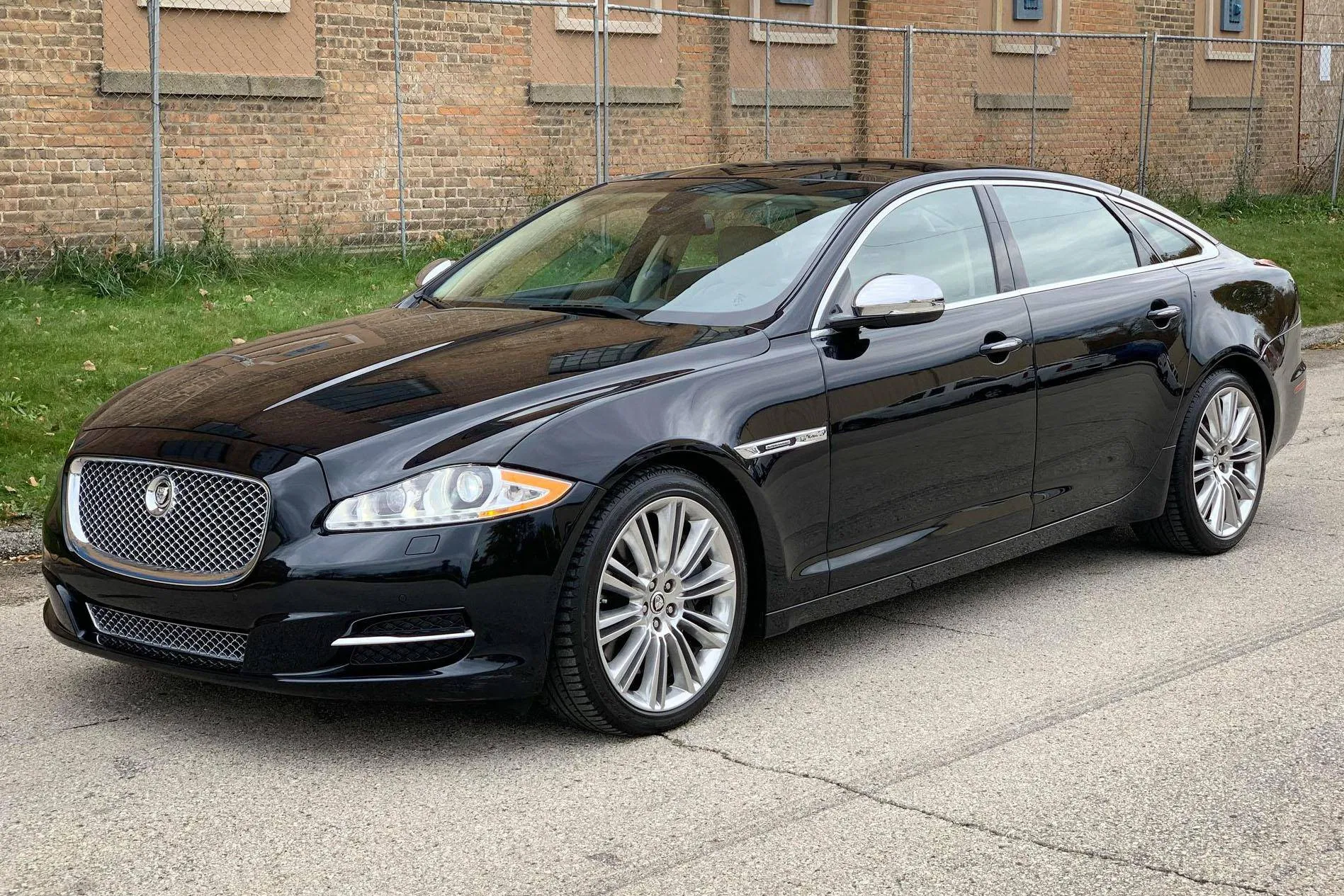
4. Jaguar XJ (2011 to 2019)
The Jaguar XJ is admired for its stylish design and smooth driving experience, but it carries a reputation for unpredictable ownership costs. While some units behave well, many develop age-related problems that are expensive to resolve.
One of the major challenges lies in its electronic systems. The XJ uses a wide network of modules and touchscreen-based controls. After a while, these components may suffer glitches or total failure, leading to costly diagnostic work and the replacement of hard-to-find parts.
The suspension system also creates challenges. When the air-based components begin to fail, the ride becomes bouncy or uneven. Replacing these parts adds a heavy financial burden. The car may also develop steering and wheel-alignment issues that require specialist workshops to address properly.
The engine options, while powerful and refined, come with their own costs. Cooling system components, seals, and timing-related parts can develop problems with age. Repairing them often requires removing several components, increasing labour charges. Exhaust system parts and mounts may also wear faster than expected, especially on cars driven on rough or hot roads.
Transmission servicing needs careful attention. When fluid changes are delayed, movements may become rough, and repairing or replacing transmission components on this model is expensive. Routine maintenance items, such as brakes and filters, cost more than on many rivals due to limited parts availability in some regions.
Despite these issues, the XJ still turns heads with its luxurious feel. But buyers must be ready for unpredictable expenses. Its elegant appearance hides complicated engineering that does not age as gracefully as its competitors. People who purchase it hoping for low running costs may soon realise the mistake. The car shines brightly but demands a matching financial commitment.
Also Read: 5 Luxury Sedans Worth Maintaining Past 150,000 Miles vs 5 That Aren’t
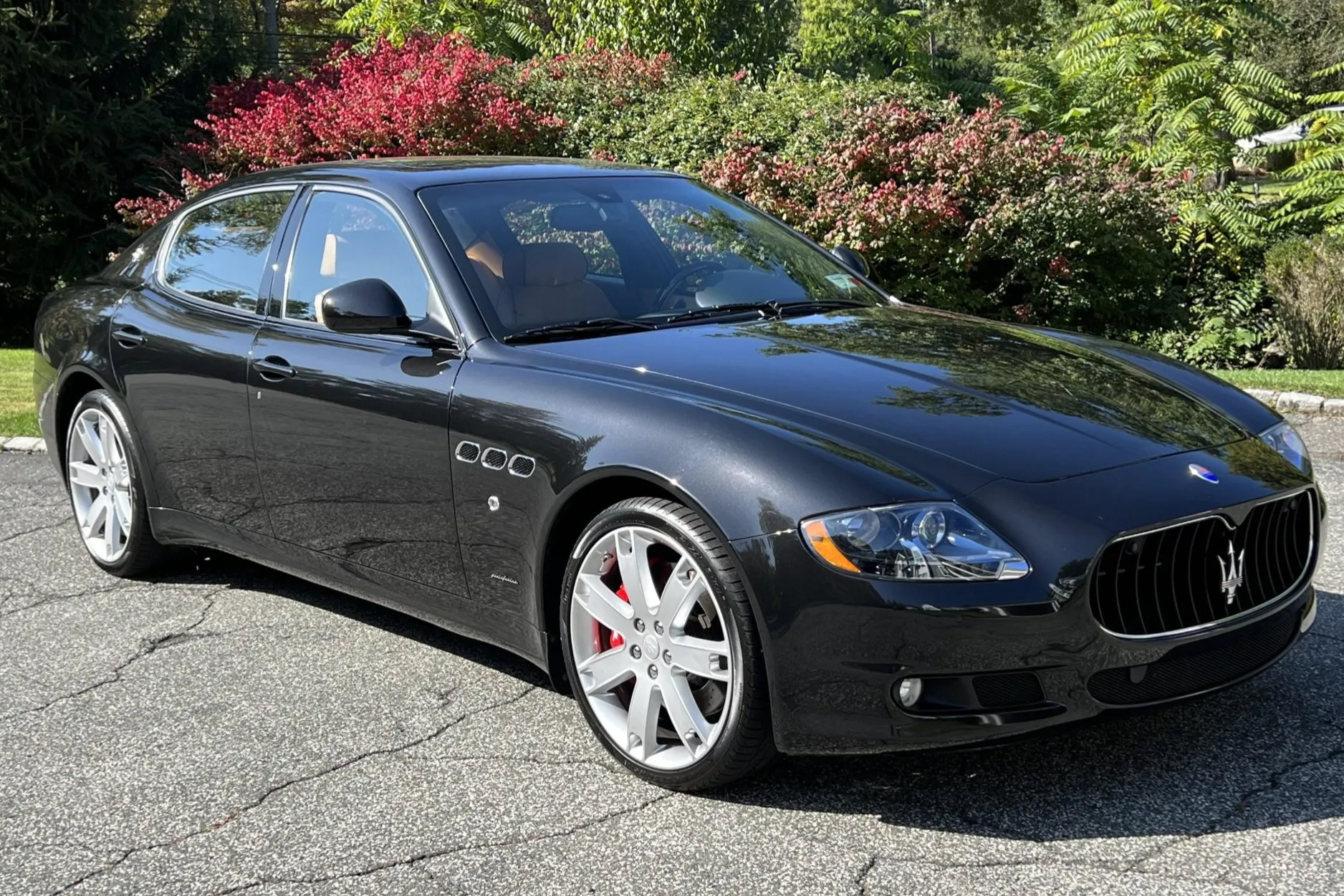
5. Maserati Quattroporte (2013 to 2018)
The Maserati Quattroporte delivers dramatic styling and an exotic driving experience, but it ranks among the most expensive sedans to maintain once it enters the used market. Its engine and exhaust systems produce thrilling sound and performance, yet they require strict maintenance routines.
Missing even one recommended service interval can trigger complications that cost enormous amounts to repair. The car uses specialised parts that must often be imported, increasing both cost and waiting times.
Suspension and steering components wear faster than many buyers expect. Because the car is designed for high-speed stability and sharp handling, its parts endure heavy stress, especially on rough roads.
When these systems begin to weaken, the repairs become intensely expensive. Replacing worn shocks, mounts or ball joints on this model is far beyond the cost of ordinary sedan repairs. Electronics also contribute to the financial burden.
The Quattroporte uses advanced control units for entertainment, climate functions and safety systems. When these modules start acting unpredictably, diagnostics become complicated and time-consuming. Replacement parts must match precisely, and recalibration often requires specialised tools.
The brakes are another cost trap. The car’s performance-oriented setup uses high-grade components that wear quickly when driven energetically. Replacing pads and rotors can deplete a maintenance budget in a single visit. Even the tyres required for this model cost far more than those of regular luxury cars.
Routine servicing is not friendly either. Labour rates are high due to the brand’s exclusivity and complexity. Many mechanics with general experience will not handle this model, pushing owners toward specialised workshops.
While the Quattroporte offers unmatched style and emotional presence, it remains one of the most punishing sedans to own without a strong budget. It rewards the senses but punishes the wallet, making it a poor choice for buyers seeking long-term affordability.
