
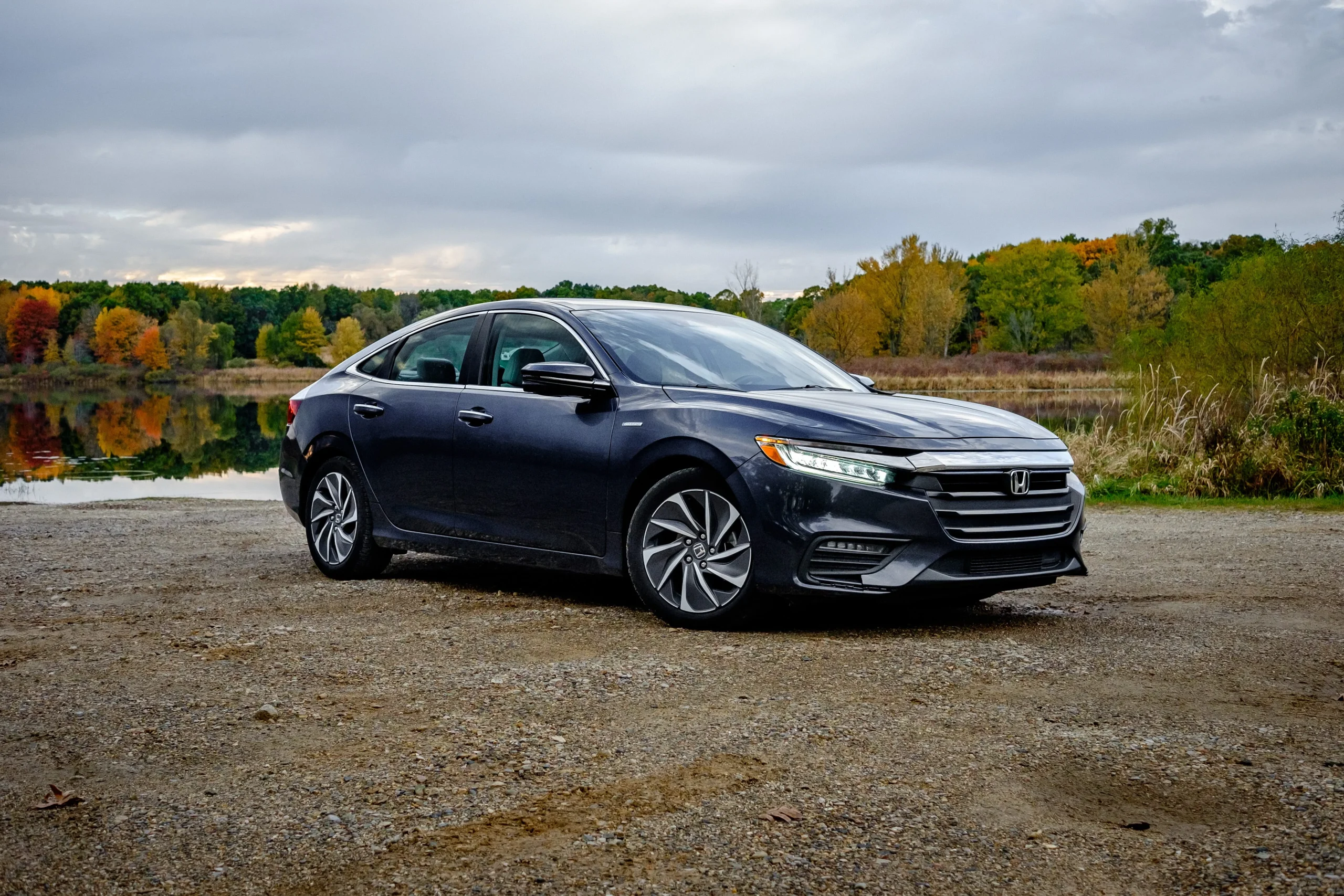
Many people now choose hybrid cars because of fuel savings, quiet movement, and lower running expenses. Still, one thing sits at the centre of the whole hybrid story, and that is the battery pack. A strong battery makes a hybrid shine for many years, but a weak pack turns a happy ownership into a stressful journey filled with fears of expensive repairs.
Plenty of buyers do not think about this side of hybrid cars until trouble appears. That is why proper information becomes very important when deciding which hybrid to trust. Plenty of models on the market look attractive and promise wonders, yet only a few hold their strength for long periods.
Some brands design their systems with smart cooling setups, durable cells, and simple control units that remain calm even in hot regions or crowded traffic.
Others cut corners, leading to faster battery decline, unnecessary heat, and high replacement costs that empty pockets. A person who understands battery behaviour will always choose wisely.
Good hybrid cars can handle daily use, busy commutes, long-distance trips, and harsh conditions without losing battery health too quickly. Weak ones may fail early, causing sudden warnings, reduced electric range, and very expensive repair bills. Many owners learn these lessons too late, after their warranty expires and the costs fall on them.
This guide gives a clear picture of hybrid models that protect battery life and those with a reputation for headache problems. Anyone interested in a smooth ownership journey will find helpful guidance here. No technical confusion. No hidden surprises. Just straight talk, African style, for general readers everywhere.
5 Hybrids That Keep Battery Health Strong
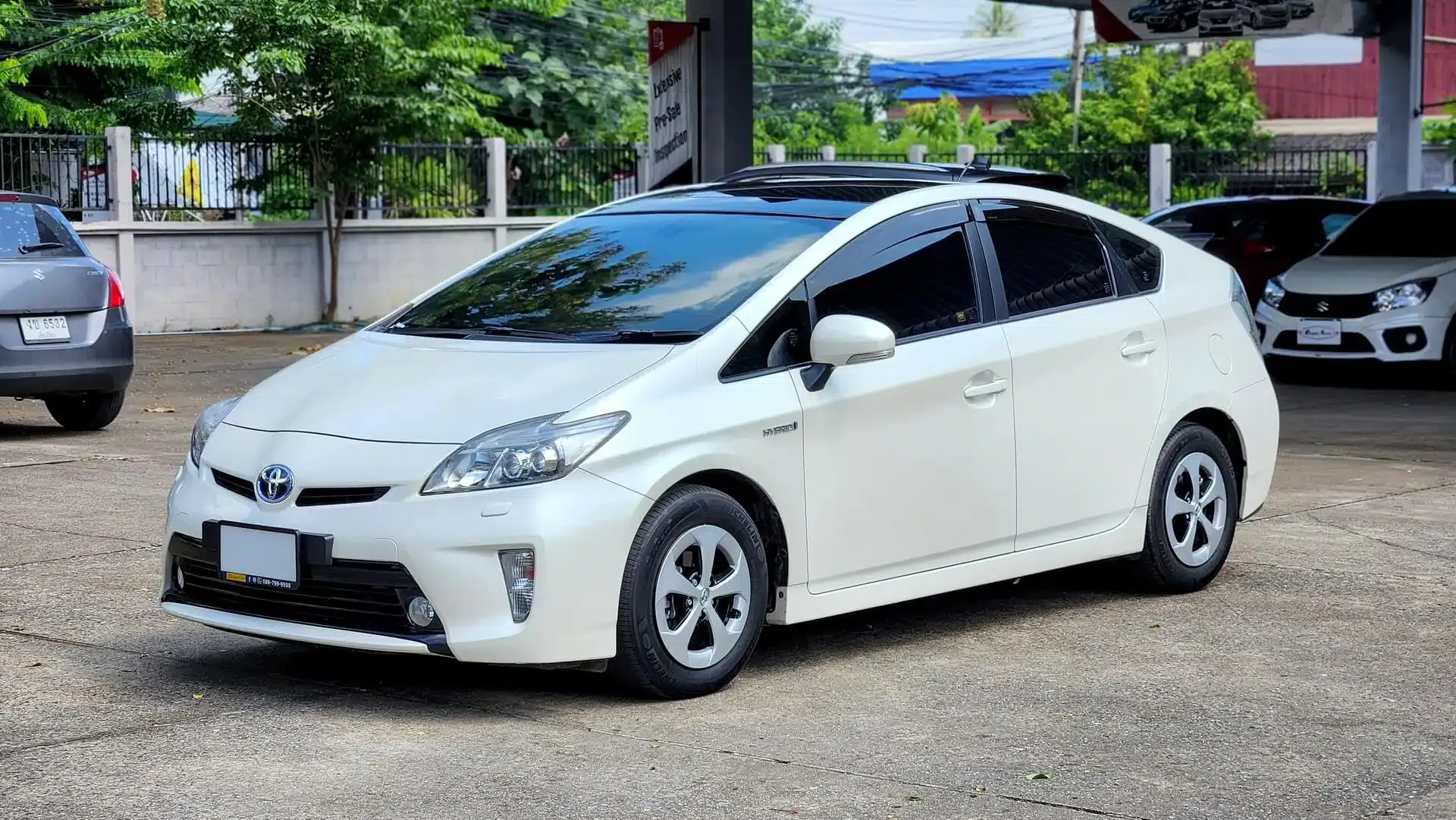
1. Toyota Prius 1.8 Hybrid
Plenty of hybrid stories start with this model because it has earned trust from drivers across many regions. Toyota’s engineering approach keeps things simple, and this simplicity helps the Prius maintain battery strength better than most hybrids around.
Its pack rarely overheats because the cooling setup works quietly and efficiently. Even in places with dusty roads or high temperatures, the system keeps air moving across the battery chamber without stress.
Prius drivers often comment on how the car behaves like it has no worries at all. The transitions between the electric motor and petrol engine stay smooth, and this calm driving style reduces battery pressure.
Light acceleration, gentle braking, and predictable power delivery help extend pack lifespan. A person who drives patiently will enjoy many years of trouble-free ownership with this model.
Another thing that helps is the reliability of Toyota’s battery cell chemistry. The cells inside the pack handle frequent charge and discharge cycles without wearing out quickly.
Many units still operate strongly after ten years or more. That long life becomes a major relief for owners who fear expensive hybrid repairs. Some batteries even cross high mileage while still giving good fuel economy.
Inside the car, airflow channels help reduce dust buildup around the cooling fan, especially when the owner cleans the intake vent occasionally. This simple habit keeps temperatures stable. Very few hybrid models show such tolerance to neglect, yet the Prius still keeps moving.
People who want a peaceful hybrid that does not demand constant attention will find safety in the Toyota Prius 1.8 Hybrid. It behaves like a patient friend that never chooses violence, even when used daily in heavy traffic or mixed road conditions.
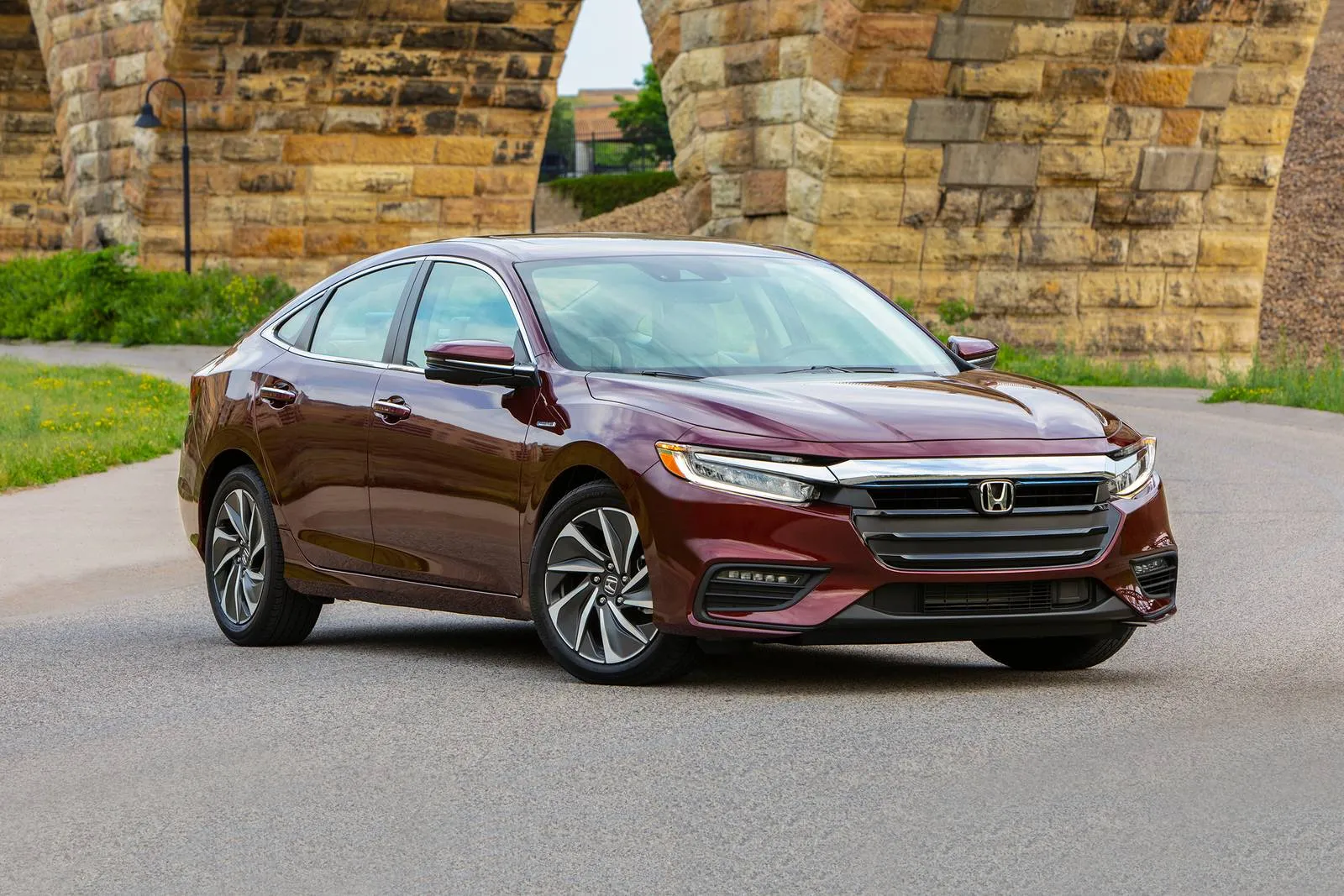
2. Honda Insight 1.5 Hybrid
Owners of the Honda Insight 1.5 Hybrid often speak proudly about its battery strength because the system works with a calm rhythm.
Honda engineered this hybrid with an electric motor that supports the engine without stressing the battery cells. Instant heat spikes are rare, and the cooling process behind the rear seats distributes air in a smooth pattern. This keeps cell temperatures stable for long hours, which is essential for long-term pack health.
Drivers also appreciate how the Insight encourages gentle driving. Its power delivery feels efficient without forcing the electric motor to give sudden bursts of energy.
Such behaviour allows the battery to enjoy an easy life. Even when climbing slopes or moving through crowded streets, the hybrid system spreads the load evenly between engine and motor.
Many used Insight models still run with their original packs, which shows that Honda’s system design supports durability. The control software inside the car manages charge levels intelligently.
It rarely pushes the battery to full charge or deep discharge. Both extremes reduce battery life in many hybrids, but the Insight stays safe by avoiding those states.
Comfort inside the cabin also supports battery health in an indirect way. Since the car invites a smoother driving style, fewer aggressive habits develop. Even drivers who love spirited movement find themselves relaxing behind the wheel because the car responds best when handled with patience.
Pack cooling components inside the Insight rarely fail early, which helps reduce repair costs. Hybrid specialists mention that the system gives long service without causing stress to owners.
Anyone searching for a hybrid with calm behaviour, light maintenance needs, and long battery life will appreciate what the Honda Insight 1.5 Hybrid brings to the table.
Also Read: 5 Trustworthy 3-Row Hybrids Vs 5 Compromised 3-Row PHEVs
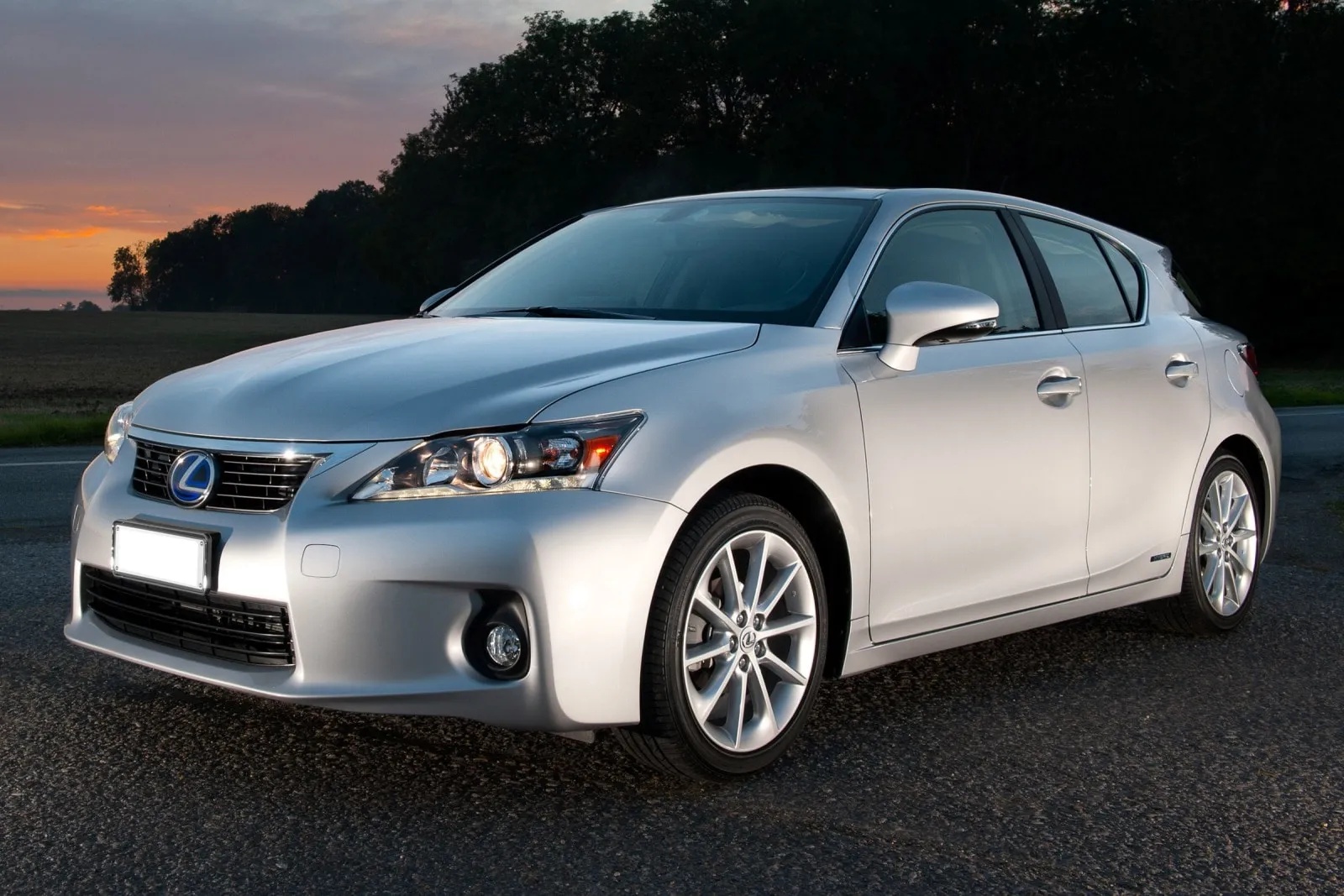
3. Lexus CT 200h Hybrid
A person meeting the Lexus CT 200h Hybrid for the first time may think it is another stylish hatchback, but this model hides Toyota’s proven hybrid system inside a premium shell.
The battery pack benefits from the same durable design used in the Prius, yet the CT 200h blends this with higher build quality, which helps reduce vibration around the battery chamber. Fewer cabin vibrations mean less battery cell agitation during driving.
Many CT 200h owners praise the cooling system because it remains effective even when the weather becomes hot. The intake vent pulls air from the cabin, which stays cooler than outside air. That temperature advantage helps the pack enjoy a long life. Even dusty regions do not stress the fan too much, provided owners clean the intake occasionally.
Driving style plays a huge role in pack durability, and this Lexus makes calm driving feel natural. Its power delivery remains smooth, encouraging steady movement instead of heavy pedal action. This pattern protects the pack because it does not face sudden drains or sharp charging spikes.
Toyota’s hybrid technology inside the CT 200h has proven itself worldwide. Many older units continue to run with their original packs, which says plenty about long-term dependability.
When the engine assists the electric motor, the cooperation happens with very little strain. That partnership allows the pack to maintain good health through many years of driving.
Many drivers enjoy the CT 200h because it manages fuel wisely without stressing the battery. The car invites a peaceful mood, making each trip feel gentle.
People wanting a premium hybrid that does not bring financial surprises will feel safe trusting the Lexus CT 200h Hybrid. It offers long service, stable battery health, and a calm driving experience that suits everyday life.
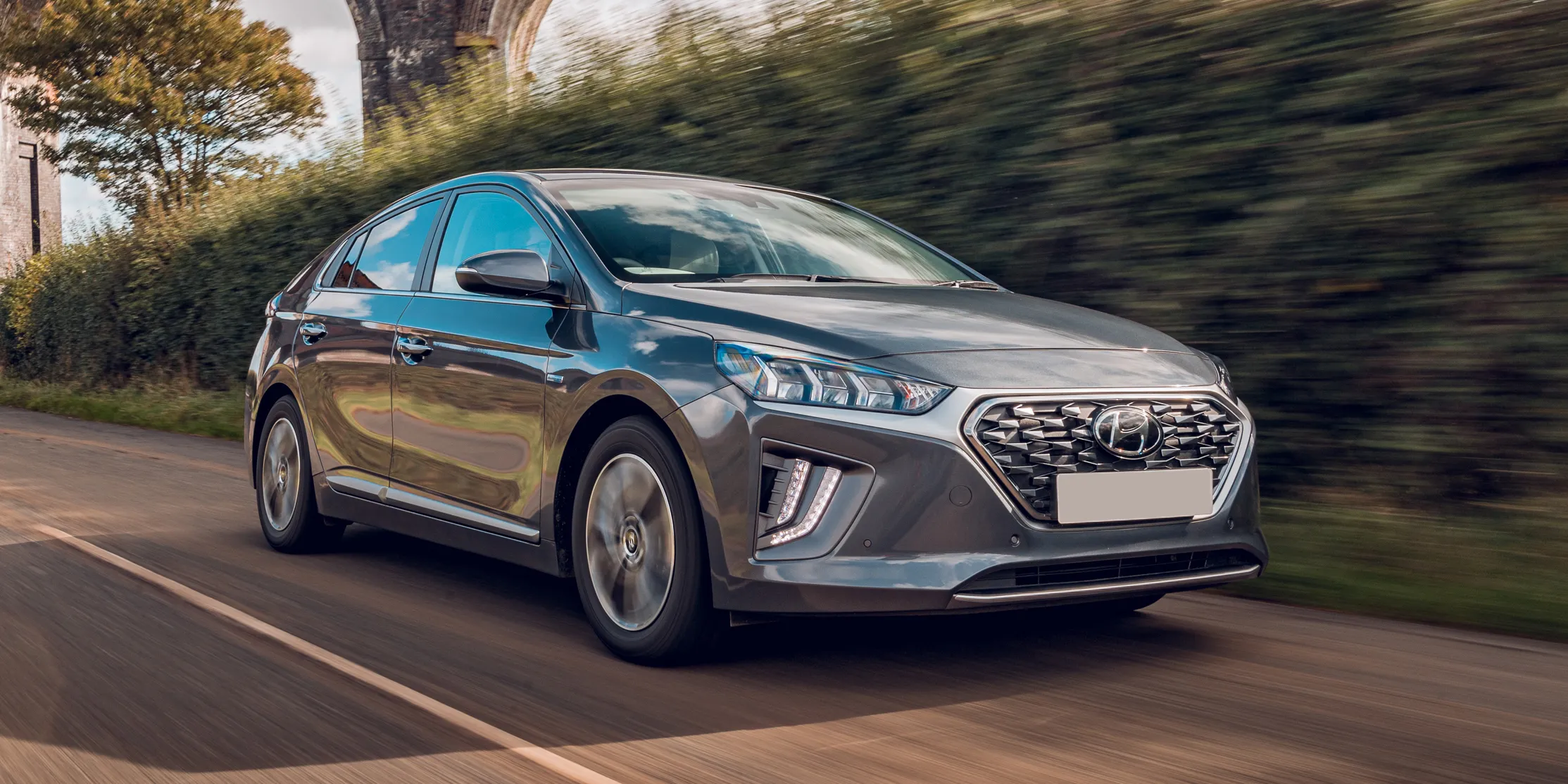
4. Hyundai Ioniq 1.6 Hybrid
Hyundai surprised many drivers with the Ioniq 1.6 Hybrid because it proved that the company could compete strongly in the hybrid space. Its battery pack benefits from modern cooling technology that distributes air nicely across all cells. Heat management becomes extremely important in hybrid systems, and Hyundai handled this aspect carefully.
Acceleration in the Ioniq feels balanced, allowing the electric motor to support the petrol engine without stressing the pack. Even drivers who push the car a bit harder notice that the pack rarely overheats. The control software manages energy with stable logic, ensuring that charge levels stay within healthy ranges and preventing early cell wear.
Comfort inside the car affects driving habits, too. Many Ioniq drivers develop a relaxed driving rhythm because the car rewards gentle inputs with excellent fuel use. That calm approach keeps the battery operating longer.
Hyundai’s engineers also reduced internal resistance within the pack cells, which helps maintain long life. Less resistance means the battery can charge and discharge without producing unnecessary heat. That single feature saves many owners from early replacement bills.
Even after many years, several Ioniq units maintain good electric support, proving the strength of the pack. Hybrid technicians confirm that the model rarely suffers major battery faults.
People searching for a hybrid with modern engineering, calm driving character, and long battery life can rely on the Hyundai Ioniq 1.6 Hybrid. It provides dependable performance and does not stress drivers with high repair costs.
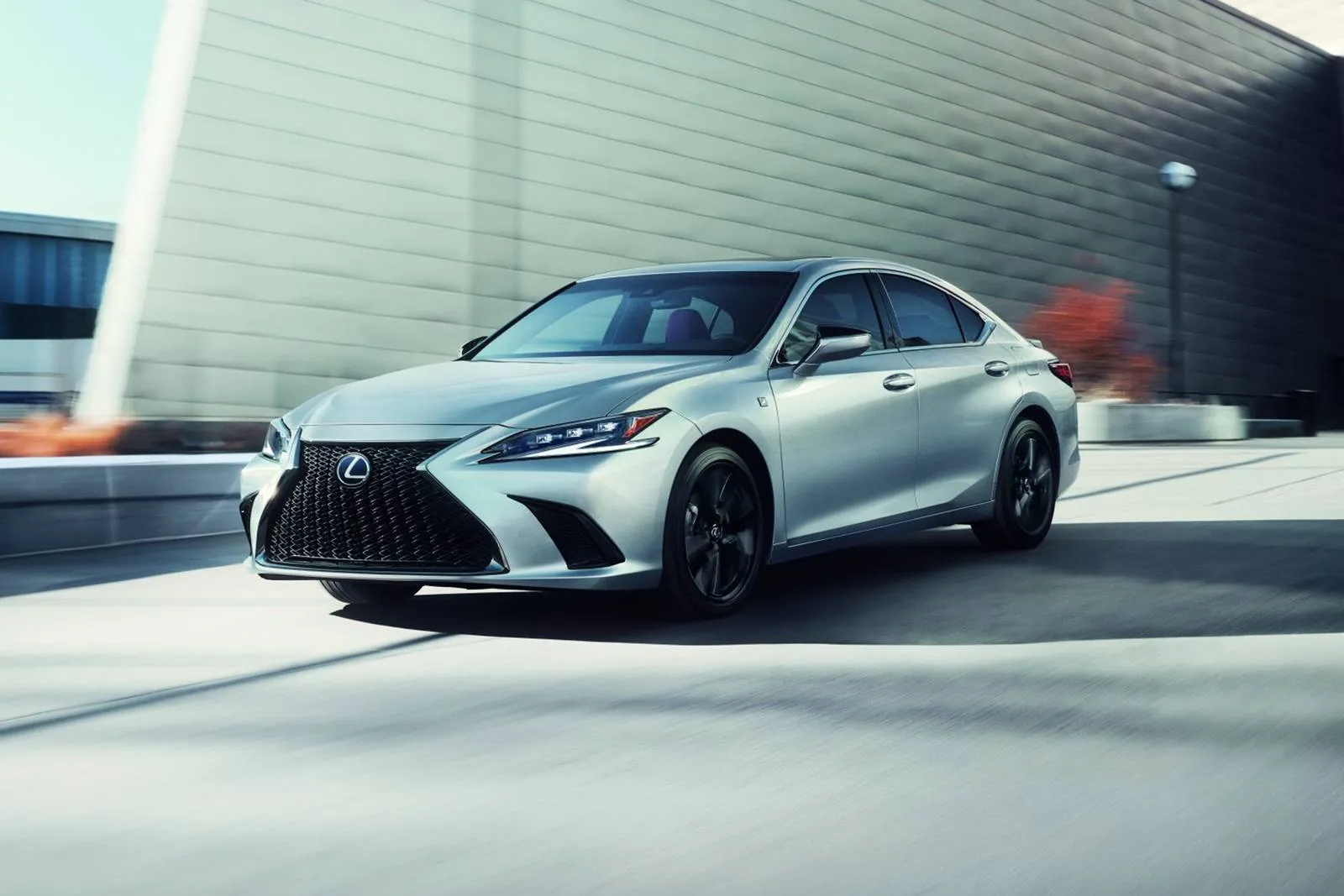
5. Lexus ES 300h
Plenty of people who have driven this model always describe it as someone who never gets tired easily. A calm spirit follows the Lexus ES 300h whenever it moves, giving a feeling that the hybrid system has been trained properly to behave well under pressure.
A smooth petrol engine joins a dependable electric motor, and both of them operate in a manner that protects the high voltage pack from unnecessary punishment. That relaxed combination is one big reason many owners say the battery keeps delivering steady performance even after several years.
Power delivery comes quietly, and that quietness shows how gently the system handles itself. With less strain placed on the pack during routine movement, the car behaves like something that has learned patience.
That patience naturally stretches battery life, making this hybrid one of the calmest long-term companions any driver can hold onto. People who do short trips often say the system recharges quickly and uses its charge wisely during low-speed movement.
Another thing that stands out is the cooling design. Engineers gave this hybrid a cooling setup that avoids overheating issues, which is a problem that troubles some hybrids on busy city roads. Once the temperature stays stable, battery cells continue to enjoy longer service life without stressing the internal chemistry.
Drivers who spend many hours in congested areas usually appreciate how the car maintains a balanced temperature profile without draining anything unnecessarily. Comfort levels inside the ES 300h deserve a strong mention because they reduce driving stress.
When the driver is calm, the car is also driven gently, and that gentle driving supports a healthy battery cycle. Seat cushioning behaves like something crafted for long journeys, helping the owner settle down easily during each trip.
Running this model seldom surprises the owner with sudden power drops. Everything acts in harmony, and that harmony supports battery survival for many years.
Many workshops hardly complain about this hybrid bringing battery troubles, which is why people who want peace of mind often choose it. The Lexus ES 300h behaves like a patient elder who has seen plenty of life and understands how to preserve strength carefully.
5 Hybrids With Pricey Pack Issues
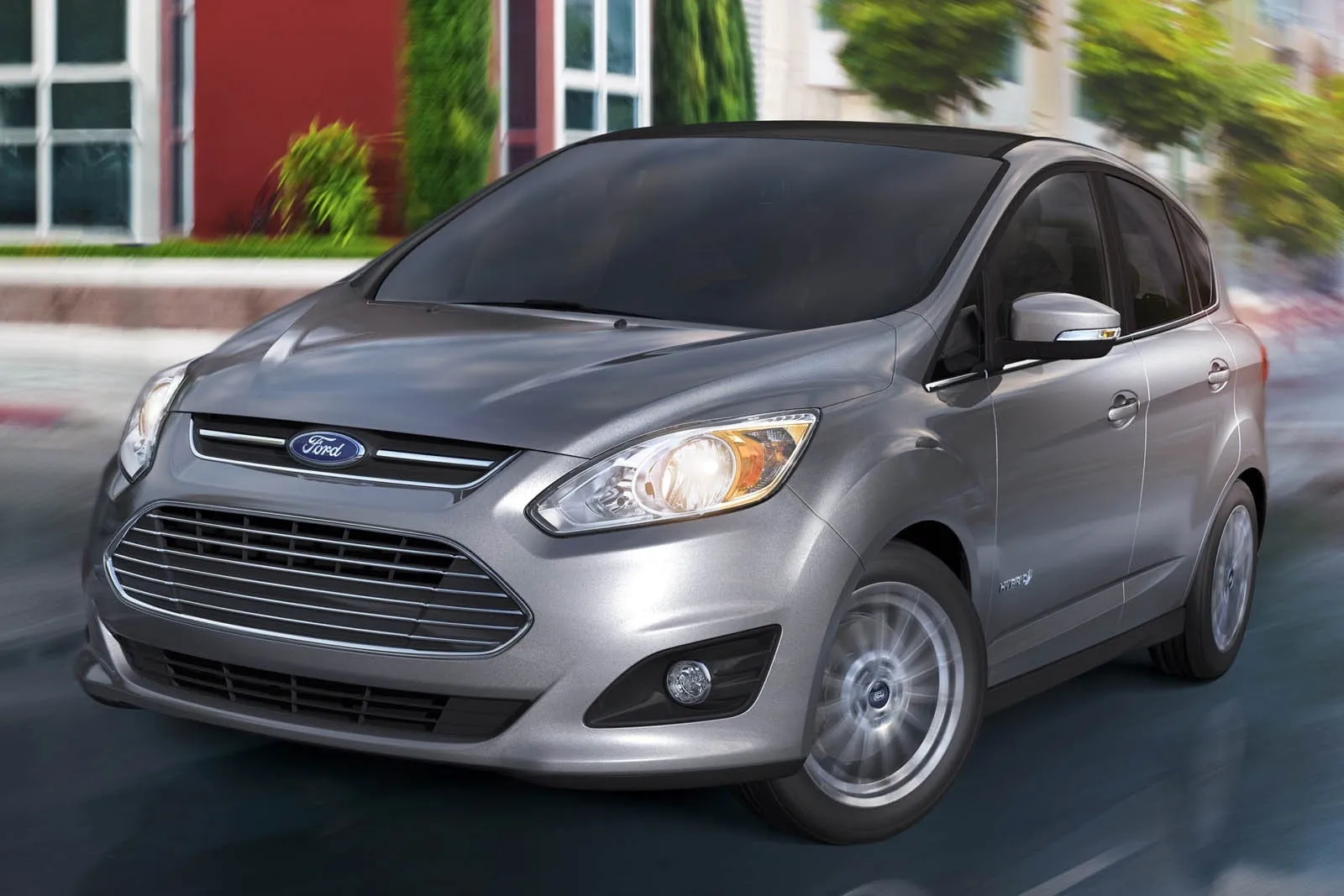
1. Ford C Max Hybrid
Plenty of people who have owned this model describe it as a friend who behaves well for some months, then suddenly demands attention at a very expensive level. Ford built the C Max Hybrid with good intentions, but the battery pack has a history that worries many long-term owners.
When this model was new, it attracted buyers with its tall body, spacious cabin, and lively movement. Things looked promising at first, but as the years passed, the hidden side of the battery system began to show itself.
Some owners complain that the pack loses strength faster than expected. Instead of holding charge confidently, it begins to feel tired. One moment it behaves fine, the next moment the electric support feels weak.
This inconsistent behaviour forces the petrol engine to do more work, burning more fuel and stressing the system. Once drivers start seeing warning signals on the dashboard, they already know what the workshop will tell them. Battery replacement for the C Max Hybrid is not the kind of bill anybody smiles at.
Heat management also troubles this model. The cooling strategy does not always stabilize temperatures during difficult situations like tight traffic or slow movement in hot weather. When heat builds up inside the pack, cell health begins to reduce.
That decline affects performance and eventually causes the battery to lose its proper balance. Some technicians even mention that certain batches of the pack have design weaknesses that react badly to heavy usage.
Another problem many users report is the unpredictable lifespan. Some packs last long enough, while others drop drastically before the expected time.
Because there is no consistent pattern, buyers fear the risk of ending up with the unlucky unit. Workshops also complain that sourcing a fresh pack is not always simple. Prices climb, and many owners either abandon the car or sell it cheaply to avoid the heavy repair costs.
Inside the cabin, comfort levels remain acceptable, but that is little comfort when the hybrid system hangs a financial threat over the owner’s head. People who purchased this car for daily commutes now treat it carefully, almost as if they are tiptoeing around a sleeping lion.
Once the battery starts misbehaving, there is no cheap solution waiting. This is why the C Max Hybrid sits on this list with a reputation that scares many second-hand buyers. The risk is simply too high when the battery can cause a big hole in someone’s pocket.
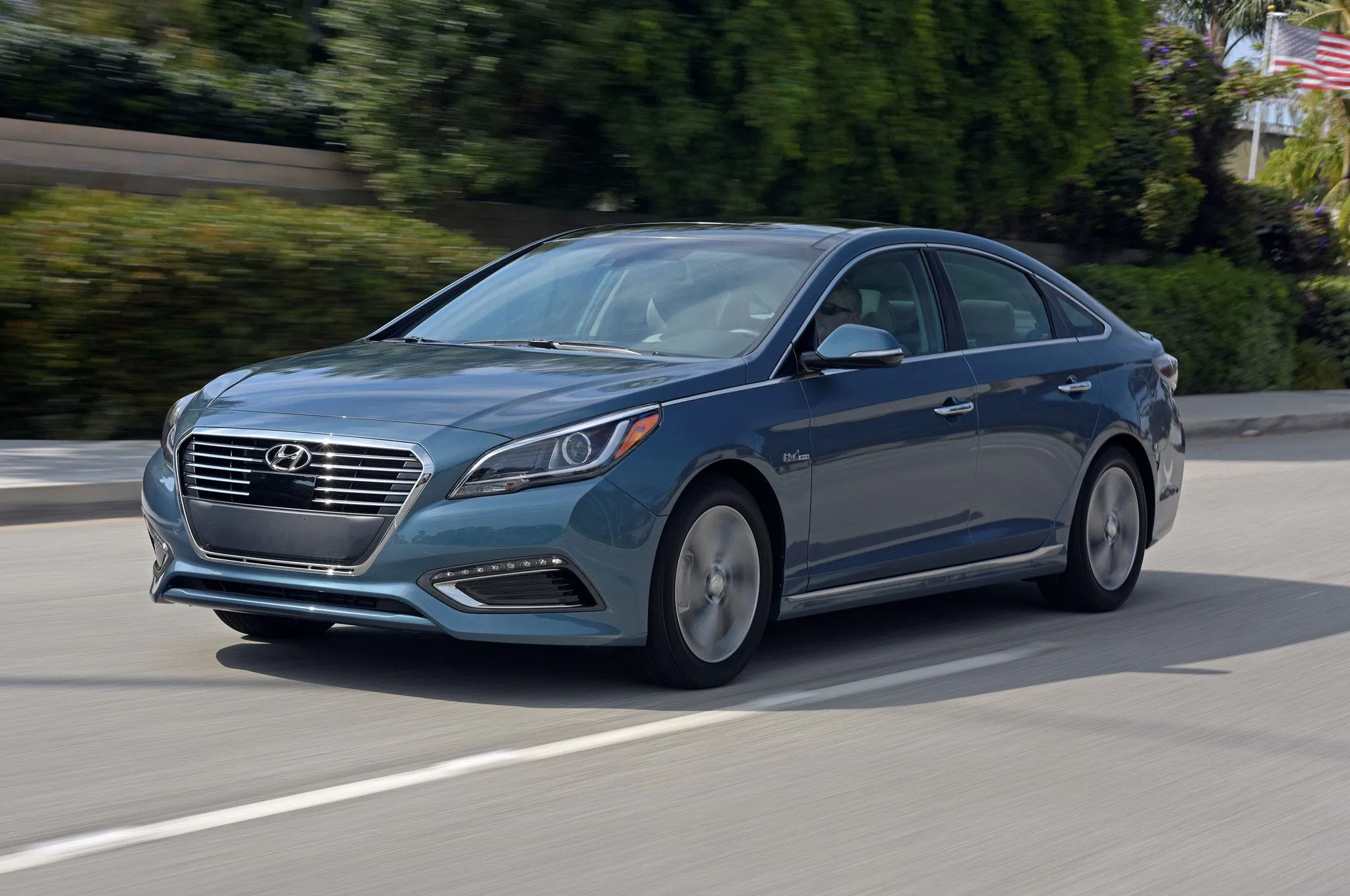
2. Hyundai Sonata Hybrid (Early Generation)
Early versions of the Hyundai Sonata Hybrid entered the market with charm and energy, carrying a fresh design that made many drivers excited.
A sleek body combined with high fuel efficiency made it look like the perfect daily machine. Those early models did everything to attract attention. But as ownership years increased, battery problems began creeping into the experience of many drivers.
What troubles these early Sonata Hybrid units is the inconsistency of the battery pack. Some packs hold up well, while others begin to fade long before the expected lifespan. Drivers often mention that the car starts acting as if the electric side is shy, refusing to assist the petrol engine during acceleration.
That weakness causes the engine to work harder, using more fuel and creating more noise. Once the hybrid feature loses its strength, the car becomes nothing more than a regular petrol sedan with extra weight. Repair bills for this model can shock anybody who is not prepared.
Hybrid batteries for the early Sonata are not cheap, and even when a replacement pack is available, the labour cost adds another burden. Several workshops refuse to even touch certain units because they have seen too many come with unpredictable electrical faults that refuse to settle after repair.
Cooling troubles also appear in these early versions. When heat enters the battery area, performance drops. Some owners noticed that their packs degrade faster during hot seasons or when they frequently drive in slow-moving traffic. Battery chemistry inside these early packs does not appreciate excessive heat, and repeated exposure reduces their strength drastically.
Another issue is the warning lights that appear without a clear explanation. Drivers report that the hybrid system throws alerts randomly, sending panic through the owner. Clearing the error sometimes works temporarily, but the same alert returns later. Those alerts often point toward deeper battery issues that require expert attention.
Inside the cabin, the early Sonata Hybrid still feels good enough. Seats are comfortable, and the ride is smooth. But these comforts fade into the background once the car gets old enough to reveal its battery weaknesses.
Many buyers who considered the Sonata Hybrid as a budget-friendly option later discovered that the long-term hybrid maintenance costs do not match their expectations. For this reason, these early models remain a risky pick for anybody who wants predictable expenses.
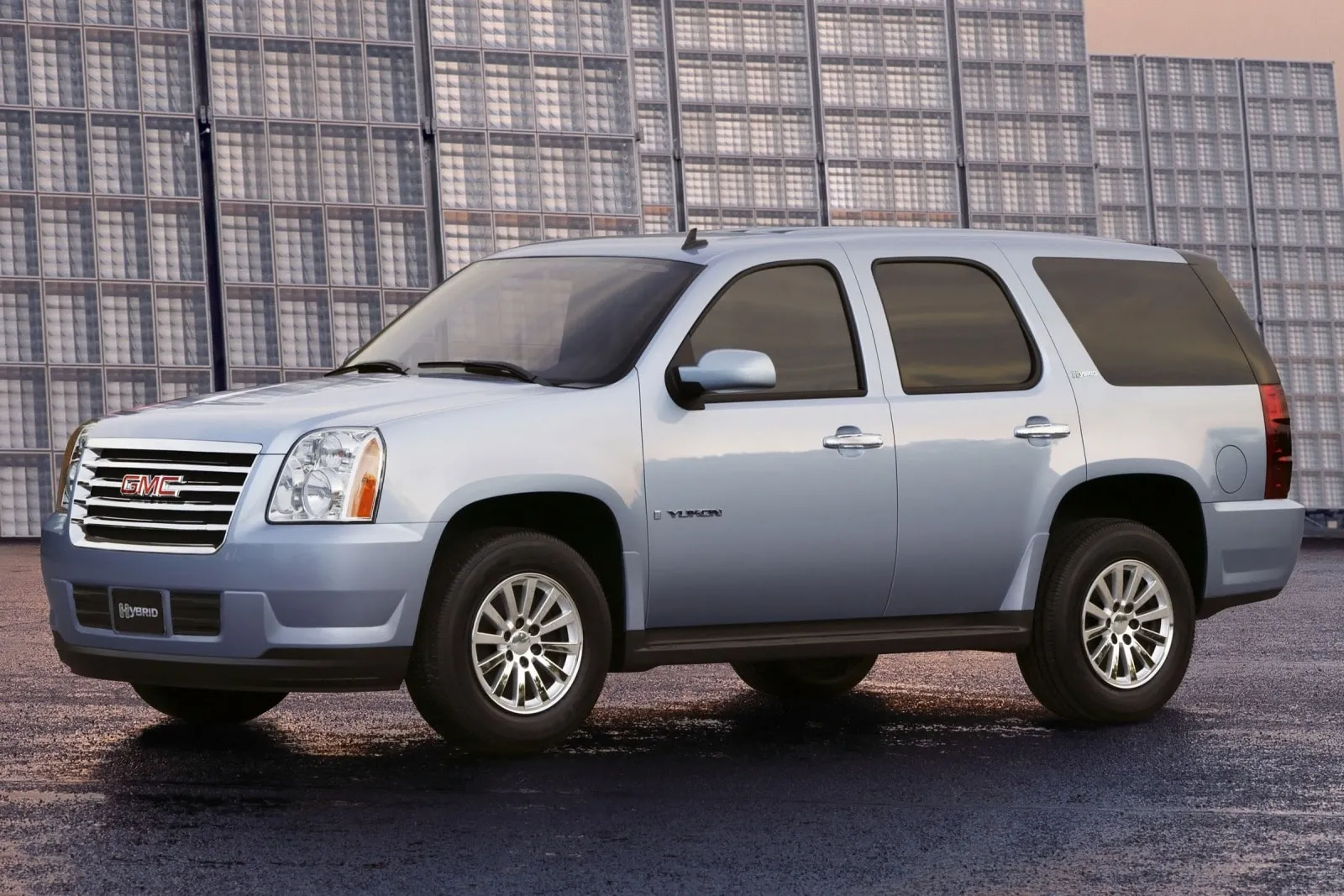
3. GMC Yukon Hybrid
Some people look at the GMC Yukon Hybrid and expect strength without limits. After all, the SUV itself is massive and built to command the road. But the hybrid system inside it brings more headaches than relief. Instead of delivering steady savings and long-term reliability, the battery pack behaves like something forced into a job it was not prepared for.
This model carries enormous weight, and the hybrid pack works extremely hard to assist movement. Whenever the driver tries to accelerate, the electric component fights against the mass of the SUV.
Battery stress rises quickly, and as time goes on, cells begin to weaken. Many owners complain that their hybrid assistance disappears within a short period, leaving the V8 engine to carry the full load. Once that happens, fuel consumption explodes.
Replacing the battery in the GMC Yukon Hybrid is one of the most expensive hybrid repair tasks in the consumer market. Packs are large, complicated, and difficult to source. Some regions hardly even have technicians trained to fix them. Once an owner hears a hybrid system failure diagnosis, the person begins to calculate whether selling the car might be a smarter option than repairing it.
Heat buildup is another big problem. The cooling system cannot always manage the thermal stress during towing, climbing steep roads, or driving in hot weather. As soon as temperatures climb inside the pack, the cells degrade faster. Damaged cells cause a voltage imbalance and trigger warning lights. These lights rarely disappear without expert intervention.
This SUV has a good presence on the road. Comfort levels are high, seating is generous, and ride quality feels pleasant. But none of this removes the cost burden hiding inside the hybrid system. The pack was never designed to handle such a heavyweight body with long daily use. As a result, maintenance becomes heavy, repair becomes costly, and ownership becomes stressful.
Many buyers avoid this hybrid version entirely and choose the regular petrol Yukon instead because the financial risk of battery replacement is extremely steep. The GMC Yukon Hybrid is simply a beautiful giant carrying a hybrid system that does not match its size.
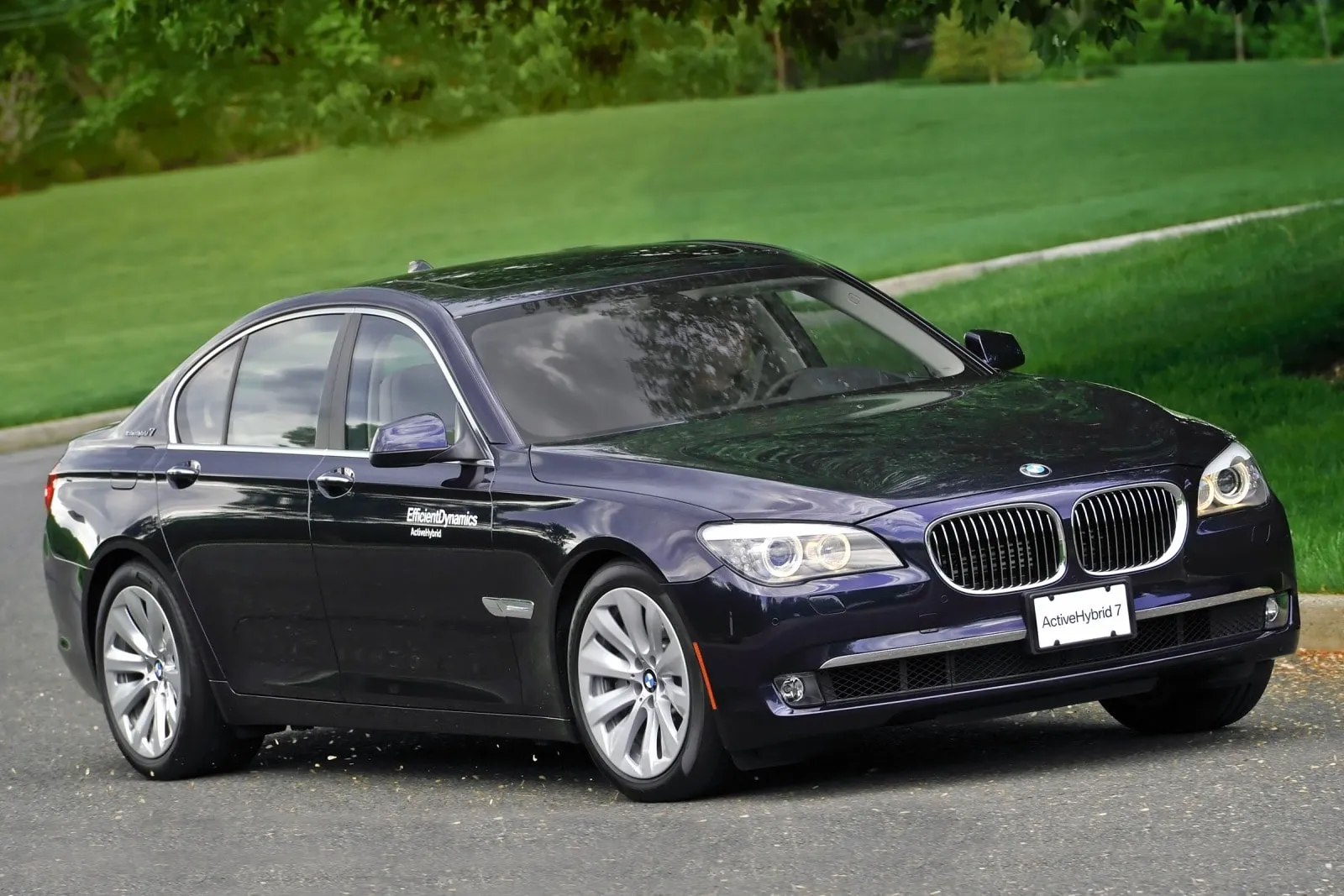
4. BMW ActiveHybrid 7
Plenty of people admire the BMW ActiveHybrid 7 for its luxury, smooth power delivery, and bold presence. But the battery pack inside this car carries a history that causes endless complaints. Luxury hybrids always require careful engineering, and in this case, the pack behaves like a delicate component placed inside a car that demands more than it can give.
Drivers report that the battery begins to lose strength after a few years. Once voltage dips and electric support weakens, the petrol engine ends up carrying most of the work. That change reduces fuel efficiency and increases mechanical stress. The hybrid system becomes almost useless, leaving the owner wondering why a luxury sedan with such a high price tag cannot keep its hybrid pack in healthy condition.
Replacement battery packs for this car are extremely expensive. Workshops sometimes struggle to locate the correct pack because different versions of the ActiveHybrid 7 use different setups. Even when a correct replacement arrives, labour fees push the final cost to frightening levels.
Temperature management inside the BMW ActiveHybrid 7 is another known problem. When the pack becomes hot, performance drops sharply. Once heat repeatedly damages cell chemistry, the pack begins to fail permanently. Some owners describe it as a slow collapse that creeps in as time goes on, with occasional warning lights followed by full hybrid failure.
Electric components in this model also suffer from software glitches. On some units, the system refuses to balance battery cells correctly, causing uneven wear. Once the imbalance becomes severe, replacement becomes the only option.
Even though the cabin is filled with luxury materials and advanced features, these comforts cannot overshadow the unpredictable battery behaviour. Many people who bought this model sold it before the battery problem appeared, while those who kept it often regretted the decision. This is why the ActiveHybrid 7 stands firmly among hybrids with troublesome and costly battery packs.
Also Read: 5 Used Hybrids That Still Feel Quick Vs 5 Sluggish Fuel-Misers
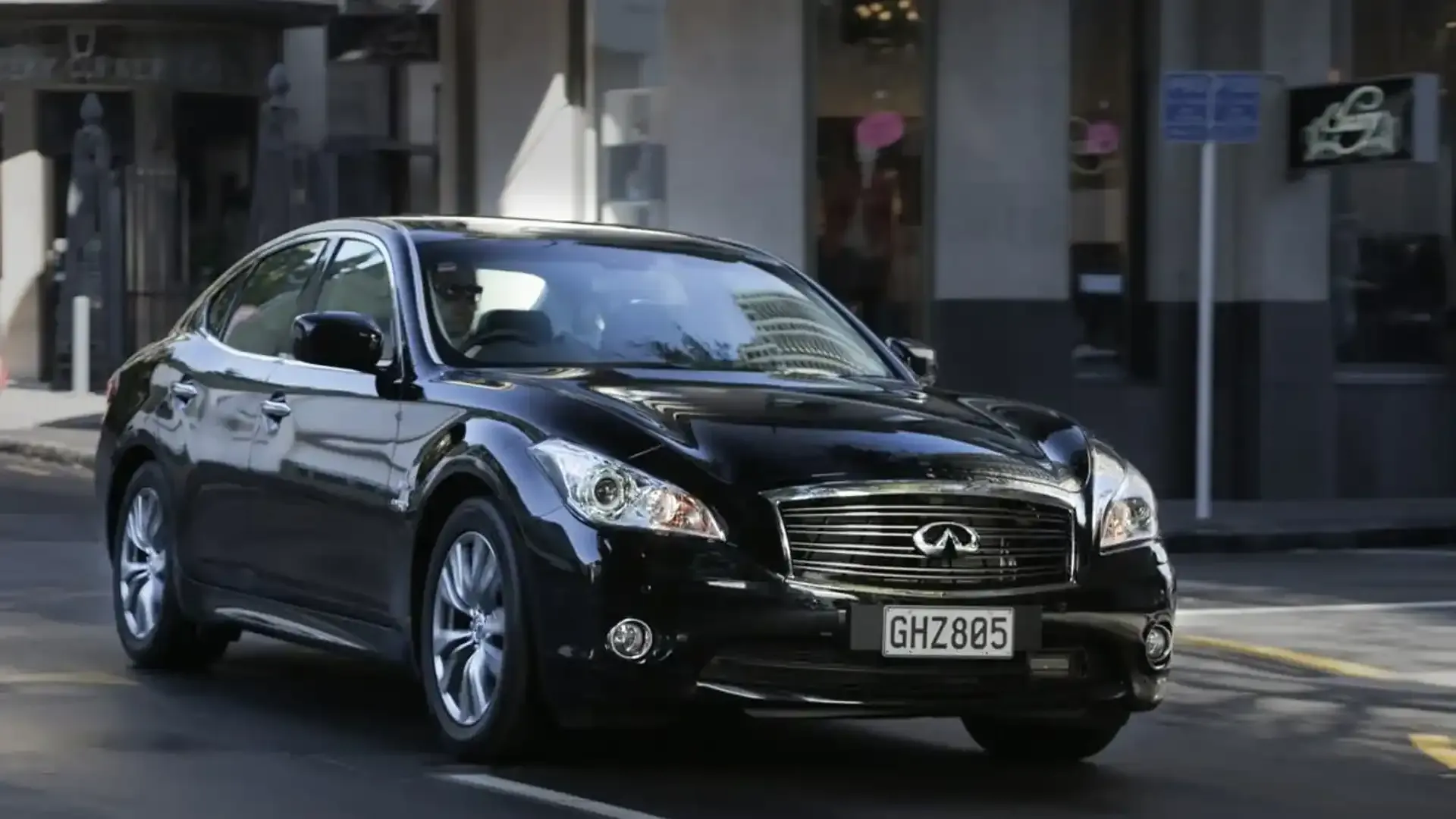
5. Infiniti M35h
Infiniti attempted something bold with the M35h by combining a strong V6 with an electric motor to create a powerful hybrid sedan. At first, drivers became excited because the car moved with impressive energy. But excitement later turned into worry for many owners once the battery system began showing signs of weakness.
This model suffers from cell degradation that appears earlier than expected. Drivers begin to notice that the electric motor loses strength during takeoff and mid-range acceleration. Once the battery refuses to deliver proper power, the hybrid advantage disappears. Fuel usage rises, noise increases, and the car begins to feel heavy.
The repair cost for the M35h battery pack shocks even experienced car owners. Replacement units are scarce and expensive.
Some workshops avoid touching the model because the electrical system requires specialized knowledge that many technicians do not possess. When owners find a workshop willing to attempt a repair, the bill often climbs beyond what most people want to pay.
Another problem comes from the cooling system. Several drivers mention that the battery temperature rises too quickly under stress, especially during aggressive acceleration or during long, slow-moving journeys.
Once heat damages the internal chemistry, the pack begins to behave unpredictably. Warning lights appear, the electric support reduces, and the car becomes unreliable. Cabin comfort and build quality remain impressive. Seats are supportive, materials feel refined, and the car carries an upscale personality.
But these positive qualities cannot carry the burden of a hybrid system that refuses to age gracefully. Many people who bought this sedan for its mix of power and efficiency now avoid it because of the frightening battery replacement cost.
The Infiniti M35h shines when it is new, but the more years pass, the more dangerous the battery problem becomes for the owner’s finances. That is why it fits firmly on this list of hybrids with expensive pack issues.
