
The world of sports cars is full of excitement, personality, and engineering designed to make every drive feel special. Yet not every thrilling machine delivers long-term peace of mind. Some models combine speed with durability, giving drivers confidence that the fun will continue mile after mile.
Others offer incredible performance but demand constant attention, expensive repairs, or specialized care. This guide, titled “5 Budget Sports Cars That Won’t Blow Up vs 5 Fragile Fun Cars,” explores both sides of that spectrum by highlighting dependable performance bargains alongside delicate machines known for frequent mechanical setbacks.
The goal is to help shoppers, enthusiasts, and curious readers understand which cars provide strong value over time and which ones require more patience, planning, and resources. Whether you are looking for an affordable sports car you can trust or you simply enjoy learning about the quirks of more fragile performance icons, this comparison delivers clear, practical insight.
5 Budget Sports Cars That Won’t Blow Up
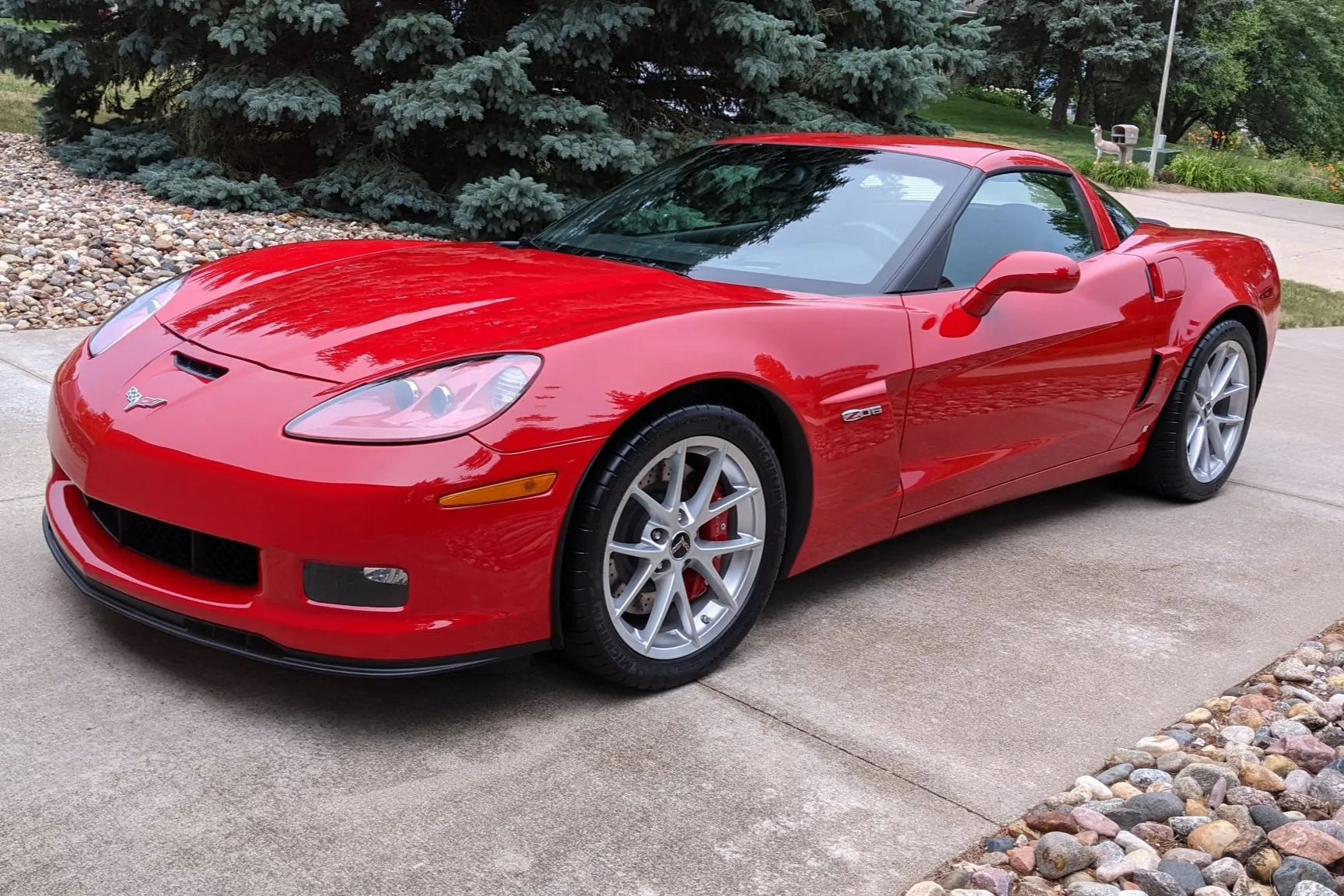
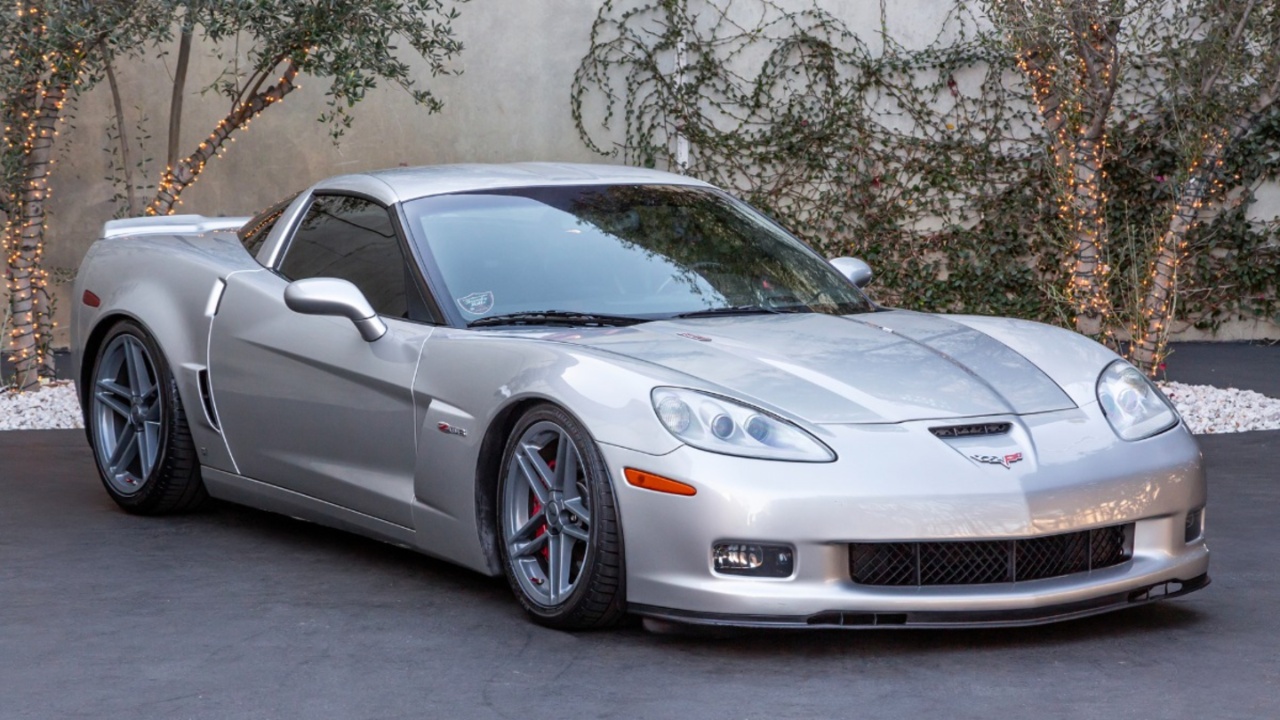
1. Chevrolet Corvette (2006): Reliability, Performance, and Value
The 2006 Chevrolet Corvette C6 Coupe is a standout in the affordable sports car segment, earning a strong reliability score of 4.7/5 from Cars.com and 4.8/5 from KBB. With a robust V-8 engine and sixth-generation design, the Corvette delivers both performance and dependability.
Average annual maintenance is around $737, with an estimated first 10-year cost of $7,714. The model has five recorded recalls, and historically, the 1984 Corvette is considered the worst year due to automatic transmission and interior issues.
Performance is where the Corvette truly shines. The base 3LT coupe accelerates from 0 to 60 mph in 3.6 seconds (3.3 with rollout) and completes the quarter-mile in 11.8 seconds at 118 mph.
The Z51 Performance package improves these numbers to 3.4 seconds and 11.5 seconds at 120 mph, respectively. Braking is strong, stopping the 3LT from 60 mph in 109 feet, while the Z51 achieves 105 feet. Steering and handling are highly responsive, and the eight-speed automatic transmission offers smooth, quick shifts.
The Corvette is more comfortable than many in its class. Optional Magnetic Selective Ride Control suspension smooths road imperfections, while GT2 bucket seats provide comfort over long drives without sacrificing support during spirited cornering. Interior access is slightly challenging due to the low ride height, and rear visibility is limited, though a camera-based rearview mirror helps.
Infotainment is modern, featuring a touchscreen, Bose audio, and standard wireless Android Auto and Apple CarPlay. The Corvette also offers GPS-enabled nose-lift functionality and Performance Traction Management software. Storage is reasonable for a mid-engine sports car, with a front trunk for small items and a rear trunk for two golf bags, though space is reduced when storing the removable roof panel.
The Corvette achieves an EPA-estimated 19 mpg combined, with real-world tests reaching 21.8 mpg. Its pricing under $17,000 makes it a bargain among performance cars. Build quality is solid, the interior feels premium, and Chevrolet provides a three-year/36,000-mile basic warranty and a five-year/50,000-mile powertrain warranty, along with five years of roadside assistance.
Combining thrilling performance, reliability, comfort, and affordability, the 2006 Corvette C6 is a top choice for enthusiasts seeking a practical yet exhilarating sports car.
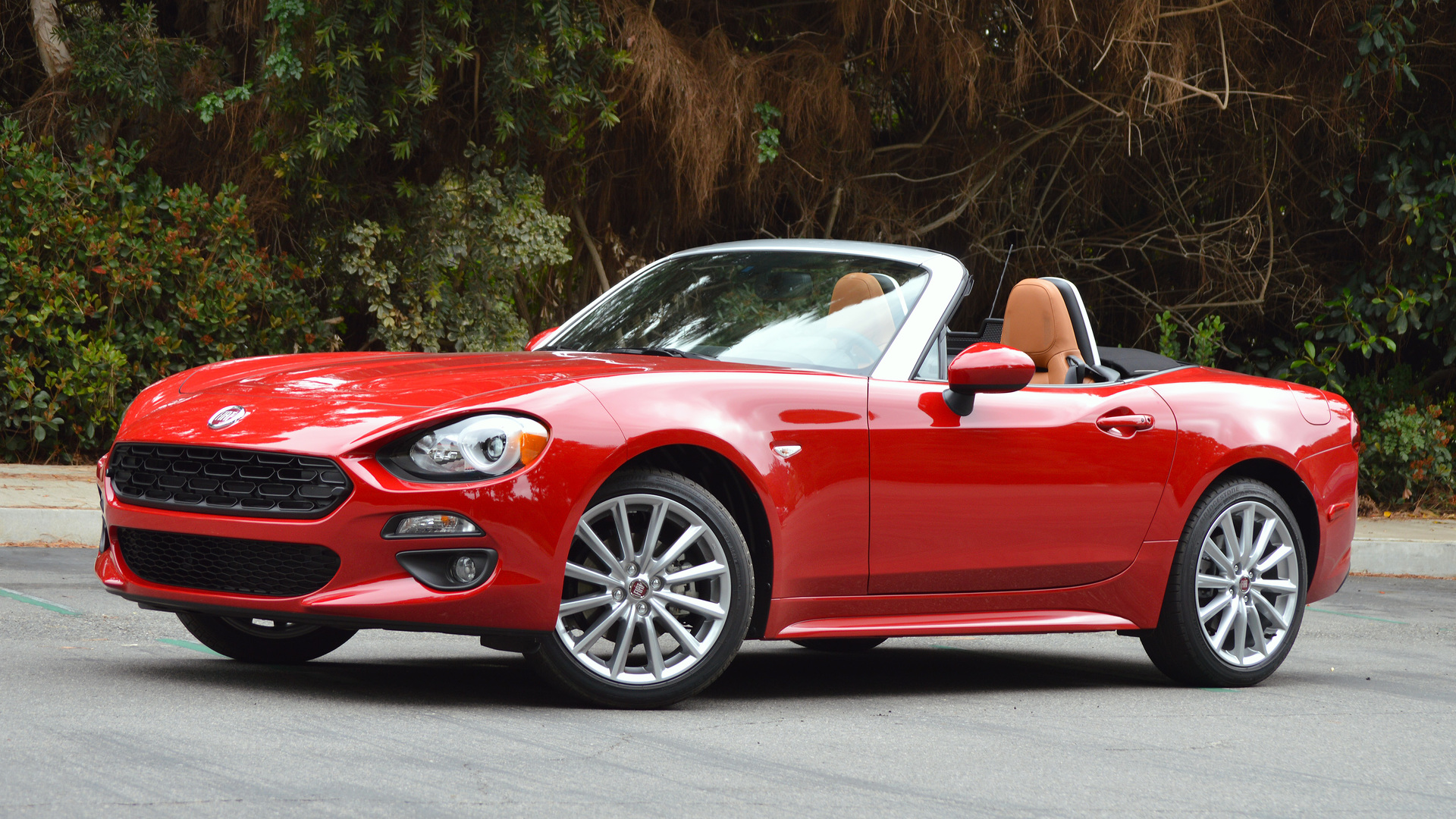
2. Fiat 124 Spider (2017): Italian Styling Meets Japanese Engineering
The 2017 Fiat 124 Spider earns a reliability score of 75/100 from J.D. Power. Average annual maintenance ranges from $334 to $500, with only one recorded recall. The 124 Spider’s used price starts around $7,765 and can reach $15,000 depending on trim and condition. The 2018 and 2020 models are considered less desirable due to engine misfiring issues.
The 124 Spider combines Italian design flair with Mazda MX-5 underpinnings, including a turbocharged 1.4-liter four-cylinder engine producing 160 horsepower. Weighing slightly more than the Miata, the 124 Spider achieves 0-60 mph in 7.0 seconds in manual form.
It excels on winding roads, thanks to sharp steering, nimble handling, and available Brembo brakes for firm stopping power. While not a muscle car, its lightweight chassis allows confident cornering and a responsive driving experience.
Comfort is a compromise in this small convertible. The ride can feel harsh on uneven roads, and engine noise is noticeable, especially with the top up. Climate control performs well despite having only three vents, and seating is sporty but limited in adjustability, making entry, exit, and legroom less convenient for taller drivers. Visibility is limited with the top up, though blind-spot monitoring is available.
Infotainment is user-friendly, with a knob-based interface, Bluetooth, USB ports, and optional navigation, though Apple CarPlay and Android Auto are absent. Optional driver aids include blind-spot monitoring, rear cross-traffic alert, and parking sensors. Storage is minimal: the small trunk fits only two soft overnight bags, and interior compartments are limited, reflecting the car’s compact design.
The Fiat 124 Spider achieves roughly 24 mpg in real-world mixed driving, falling short of the EPA’s 30 mpg estimate due to the high-rev turbo engine. Pricing for a base Classica is reasonable, but fully loaded Abarths may be harder to justify compared to more practical and powerful competitors. Warranty coverage is average, though roadside assistance is generous at four years with unlimited mileage.
With stylish Italian design, nimble handling, and a turbocharged punch, the Fiat 124 Spider is a fun and affordable convertible for enthusiasts who value driving engagement over practicality or comfort.
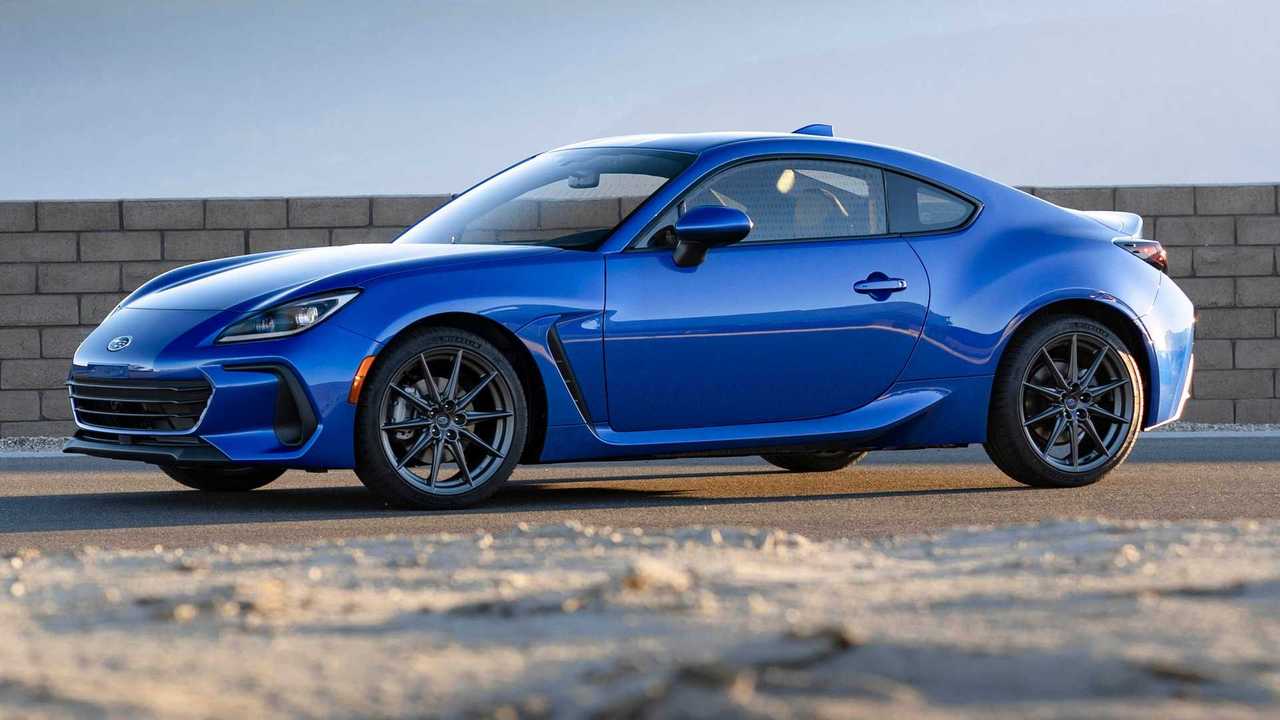
3. Subaru BRZ: Affordable Sports Car with Spirited Driving
The Subaru BRZ, along with its twin, the Toyota 86, offers an engaging driving experience with a J.D. Power reliability score of 73/100. Average yearly maintenance is about $441, with first 10-year costs estimated at $5,996. The 2013 BRZ is considered the least desirable used model due to a valve spring recall, and the car has had only two total recalls. Pricing starts around $18,000, making the BRZ an accessible choice for sports car enthusiasts.
Powered by a 2.0-liter flat-four engine producing 200 horsepower, and a newer 2.4-liter engine at 228 horsepower in later models, the BRZ accelerates from 0-60 mph in 6.1–6.8 seconds depending on transmission choice. Its low-effort manual gearbox and precise six-speed shifter deliver an engaging, hands-on experience, while the automatic transmission with paddle shifters is convenient for city driving.
Steering is sharp and handling balanced, making the BRZ ideal for twisty roads and racetrack sessions. Brakes perform well for daily use, though track enthusiasts may prefer upgraded pads.
The BRZ’s ride is somewhat firm but compliant enough to absorb most road imperfections. Manually adjustable seats provide adequate support, though the cabin is compact and rear seats are best reserved for storage. Road and engine noise are noticeable, and entry/exit can be challenging due to the low ride height. Dual-zone climate control performs adequately, and the low dashboard enhances visibility.
Infotainment includes Apple CarPlay, Android Auto, USB ports, and a simple, responsive touchscreen interface. Optional driver aids include automatic emergency braking, adaptive cruise control, and traction/stability controls, with a Track mode for spirited driving. Storage is limited but practical: a 6.3-cubic-foot trunk expands for additional items, and the cabin has small compartments for personal items.
The BRZ achieves an EPA-estimated 22 mpg combined, with real-world testing showing up to 28 mpg. Top trims are well-equipped for the price, making the BRZ a strong value among affordable sports cars. Warranties include three years/36,000 miles bumper-to-bumper and five years/50,000 miles powertrain coverage, plus three years/36,000 miles roadside assistance.
The Subaru BRZ blends spirited performance, precise handling, and practical usability, offering an affordable sports car experience that works for both daily driving and weekend thrills.
4. Scion FR-S: Lightweight Fun at an Affordable Price
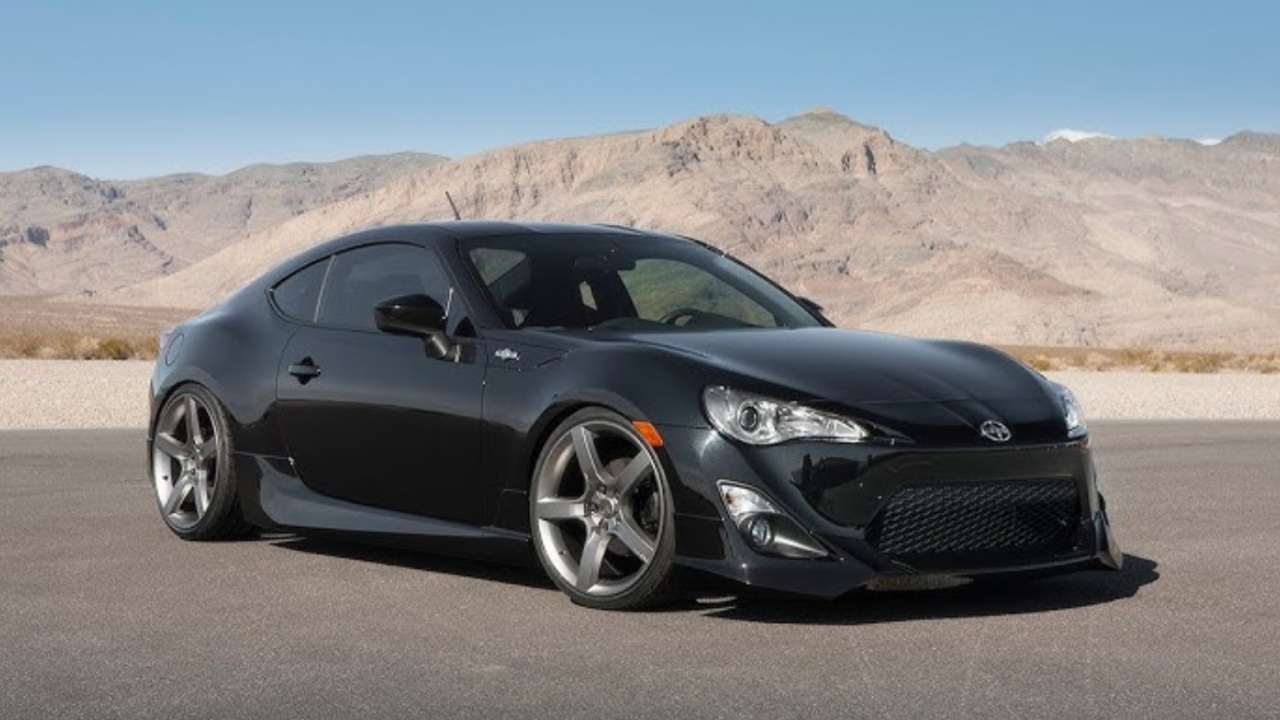
The Scion FR-S is a nimble and dependable sports coupe, earning a 4.5/5 reliability score. Average yearly maintenance is around $525, with estimated first 10-year costs of $6,616. The car has seven recorded recalls, and the 2013 model is less desirable due to valve spring and clutch release bearing failures. Used examples are often priced under $15,000, making the FR-S a budget-friendly option for enthusiasts seeking a reliable sports car.
The 2016 FR-S is powered by a 2.0-liter flat-four engine producing 200 horsepower and 151 pound-feet of torque. Buyers can choose between a six-speed manual transmission or an optional six-speed automatic with paddle shifters. Manual models accelerate from 0 to 60 mph in 6.5 seconds, while automatic models take around 7.9 seconds.
The FR-S emphasizes light weight and agility rather than raw power. Steering is precise and handling is responsive, making it enjoyable on winding roads. Braking is adequate for everyday use, although high-performance pads may be needed for extended track sessions.
The FR-S cabin focuses on driver engagement rather than luxury. Front seats are supportive and comfortable for long trips, and the low-profile hood provides excellent forward visibility.
The cockpit is simple with clear switchgear and a touchscreen audio system updated for 2016. Rear seating is minimal and better suited for storage. Trunk space measures 6.9 cubic feet and can be expanded by folding down the small rear seatbacks.
Standard safety features include antilock brakes, traction and stability control, front side airbags, and full-length curtain airbags. Government crash testing gave the FR-S five-star ratings for total protection in side impacts and roof strength. The Insurance Institute for Highway Safety rated the car “Good” in frontal and side impact tests. Braking performance during testing showed a stop from 60 mph in 117 feet.
Manual models return 25 mpg combined while automatic models achieve 28 mpg combined. With its lightweight design, precise handling, and Toyota/Subaru engineering, the FR-S offers strong value for drivers seeking a fun, reliable sports coupe.
The 2016 Scion FR-S delivers engaging driving dynamics, nimble handling, and solid reliability, making it a smart choice for enthusiasts who want a spirited sports car without spending a fortune.
5. Hyundai Genesis Coupe: Strong Performance and Solid Value with Noticeable Trade-Offs
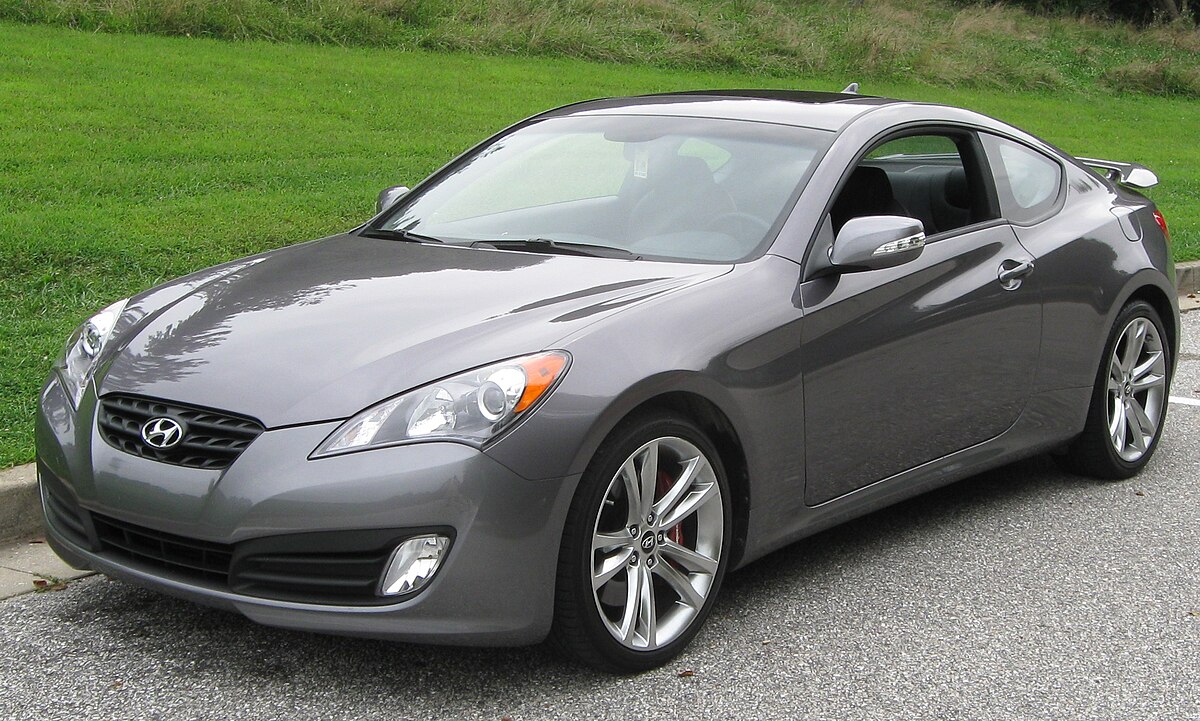
The Hyundai Genesis Coupe remains a respected choice among affordable performance cars thanks to its power, usable space, and dependable road manners. The 2010 model stands out with a strong 3.8-liter V6 producing 306 horsepower and 266 pound-feet of torque, paired with a cabin roomy enough for four and an interior that ages well.
Owners rate this model highly, giving it a reliability score of 4.4 out of 5, with some reporting mileage above 130,000. Common issues include power steering problems and occasional rough idling, but the car’s dependability and current price around $11,000 make it appealing. The 2.0T version adds a turbocharged 210-horsepower engine for buyers seeking variety.
Later models, such as the 2014 Genesis Coupe, broadened the lineup with two powertrains. The 2.0T models deliver 274 horsepower and offer either a six-speed manual or an eight-speed automatic, achieving fuel economy between 21 and 22 mpg combined.
The 3.8-liter V6 increases output to 348 horsepower and provides acceleration as quick as 5.3 seconds from zero to 60 mph. Fuel economy for both transmissions holds steady at 19 mpg combined.
Safety features include stability control, antilock brakes, front side airbags, and BlueLink telematics with crash response and parental monitoring tools. Braking performance ranges from 112 to 116 feet from 60 mph, which is competitive for the segment.
On the road, the Genesis Coupe offers sharp steering response and balanced handling. The 2.0T provides enough power for most drivers, while the V6 delivers a strong exhaust note and significantly more thrust.
Manual models are fun but not especially precise; the eight-speed automatic supplies smooth, rev-matched downshifts and may suit many buyers better. Ride quality varies with trim, becoming firmer and noisier on versions with performance-focused suspension setups.
Inside, the cabin is sporty and functional. Materials are mostly competitive, though some hard plastics and the center-stack auxiliary gauges stand out. The navigation touchscreen is clear and easy to use, but the audio systems lack refinement.
The front seats are supportive, visibility is good, and the driving position suits a wide range of drivers thanks to a telescoping steering wheel. The back seat is tight for adults, yet the 10-cubic-foot trunk is usefully sized, especially with the rear seatbacks folded.
Also read: 5 Cars That Last with Minimal Maintenance vs 5 Needy Machines
5 Fragile Fun Cars
1. Lotus Elise: Lightweight Performance with Limited Durability
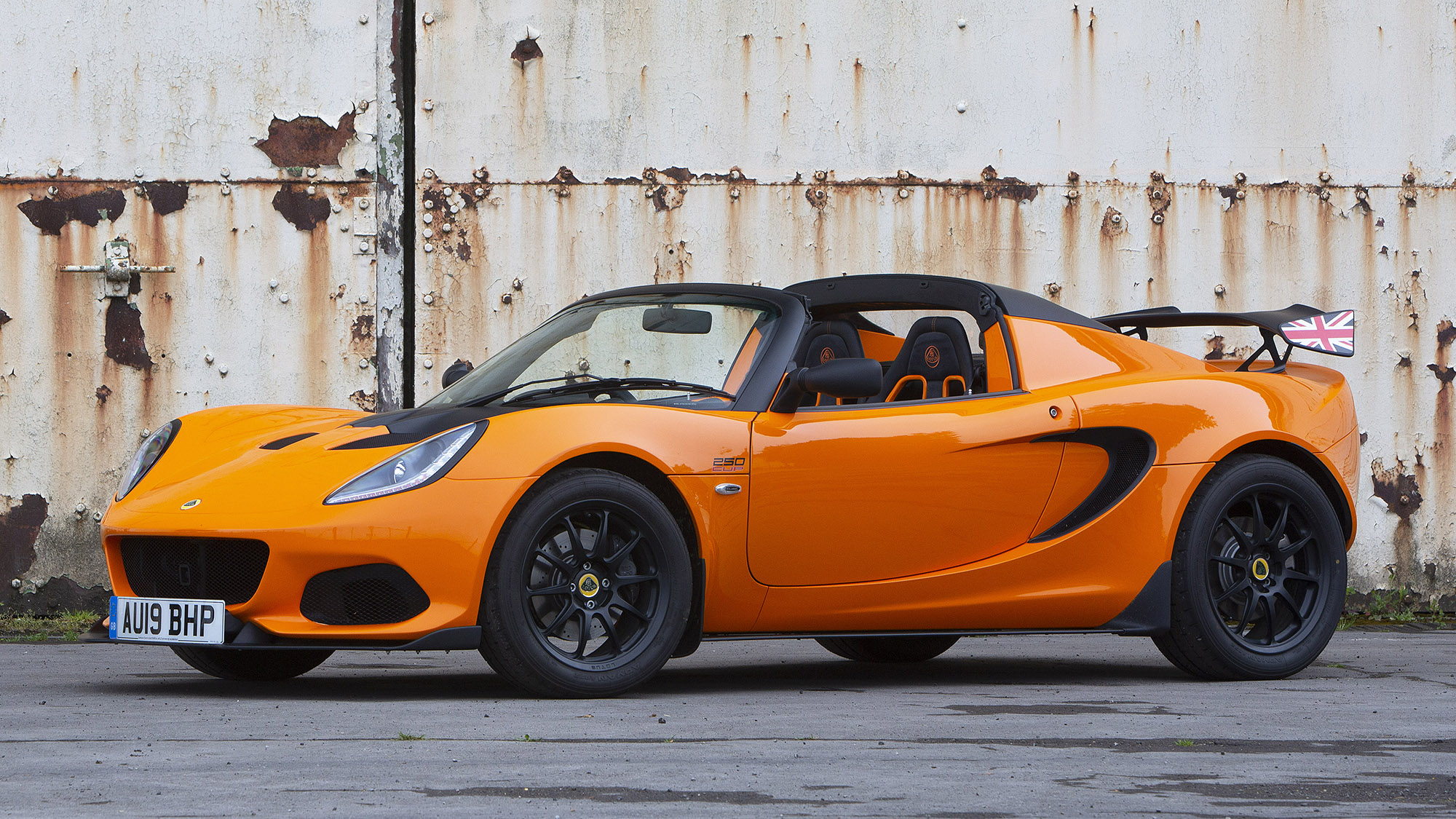
The Lotus Elise is a quintessential sports car, celebrated for its exceptional handling, lightweight construction, and impressive acceleration. Its design focuses purely on performance, making it agile and exhilarating to drive, particularly on tracks and twisty roads.
However, this focus comes at the expense of comfort and durability. The Elise has a minimalist interior and lacks many features found in mainstream sports cars. Its aluminum chassis and fiberglass body panels are strong yet delicate, making repairs expensive and more frequent than with heavier vehicles. Components are thin and not designed for daily abuse, which can make the car appear fragile under regular use.
As a track-focused machine, the suspension, bushings, and engine parts are subjected to high stress. While some models use reliable Toyota engines, add-on performance components such as cooling systems, mounts, and sensors can fail over time. Cooling system leaks are a particularly common issue.
Owners who drive the Elise aggressively accelerate wear, and neglecting routine maintenance can quickly turn minor problems into major repairs. The car’s lightweight build, combined with delicate components and spirited driving, explains why the Elise has a reputation for breaking more easily than conventional sports cars.
Despite these limitations, the Lotus Elise remains a thrilling choice for enthusiasts who prioritize pure driving performance over comfort and practicality.
2. BMW M3: High Performance with High Maintenance Needs
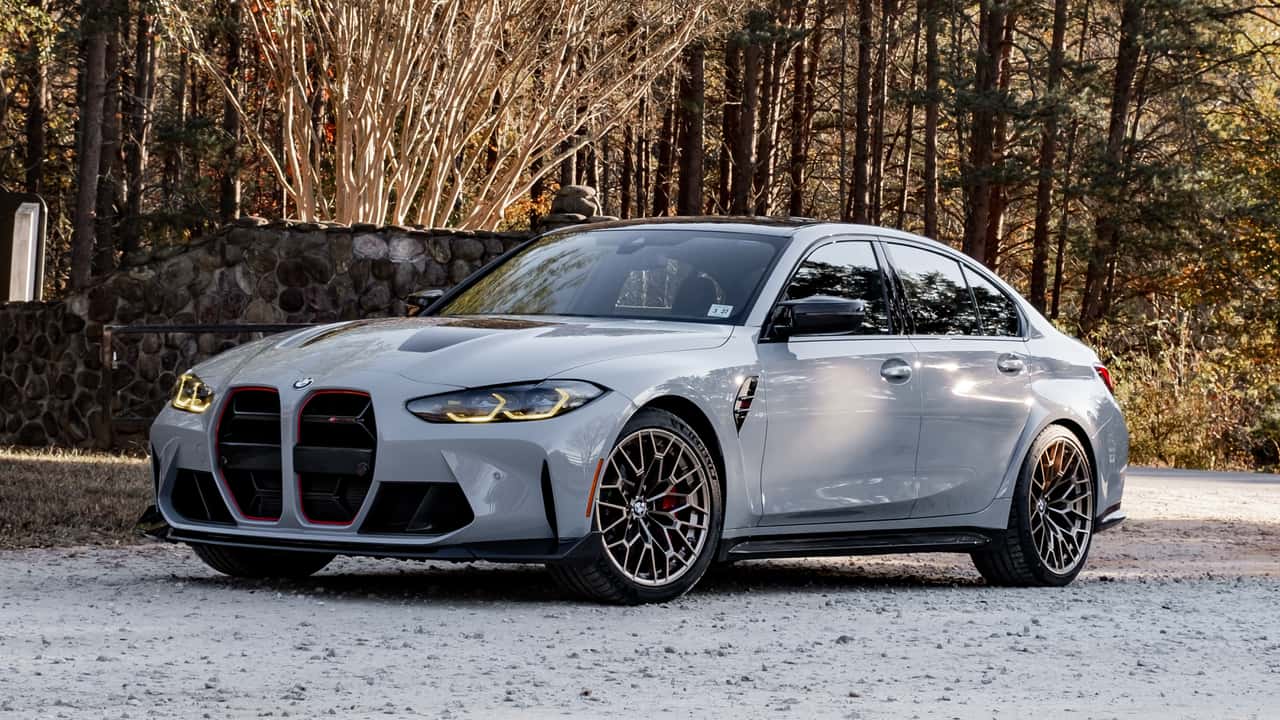
The BMW M3 is celebrated for its sharp handling, advanced engineering, and engaging driving experience, making it a top choice among performance enthusiasts. Its appeal comes from the combination of powerful engines, precise steering, and sophisticated technology. Yet these same strengths contribute to the car’s reputation for frequent wear and costly upkeep.
The M3’s engines are built for high revs and intense output, which places heavy stress on internal components. Issues such as rod bearing wear, VANOS malfunctions, and oil leaks can develop when maintenance is delayed or performed incorrectly.
Many parts are engineered with tight tolerances, and repairs often require specialized, expensive components. Because M3s are often driven aggressively or taken to track events, brakes, suspension components, clutches, and cooling systems tend to wear out faster than those in everyday vehicles.
Modern M3 models include complex electronics that enhance performance but introduce additional failure points as the car ages. When sensors, control modules, or digital systems malfunction, repairs can add up quickly.
In essence, the BMW M3 delivers an exciting, capable driving experience, but ownership requires consistent care, timely servicing, and an understanding that its high-performance design accelerates wear compared to more conventional cars.
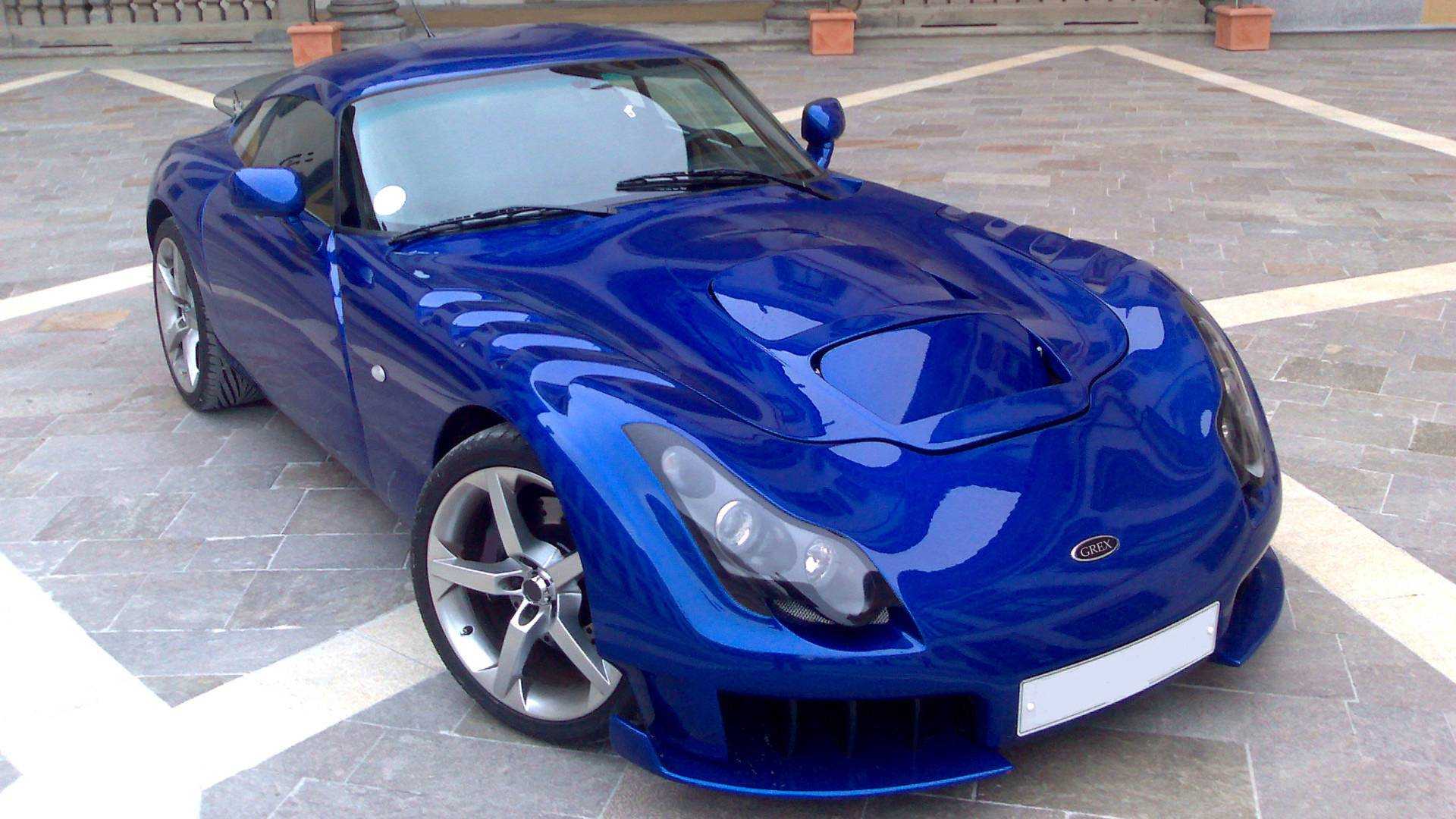
3. TVR Sagaris: Thrilling Performance with Notable Reliability Challenges
The TVR Sagaris is admired for its striking design, lightweight construction, and intense performance, making it a standout among British sports cars. Its dramatic styling and powerful character appeal to enthusiasts who value a raw and engaging driving experience. Yet these strengths come at the cost of long-term dependability.
The car’s body is made largely from fiberglass, a material that reduces weight but raises concerns about long-term durability. TVR’s hand-built manufacturing process also led to inconsistent build quality. Many owners reported issues such as unreliable electronics, poor sealing, and fragile interior components. These inconsistencies make maintenance more complicated and repairs more frequent.
A major source of trouble is the TVR Speed Six engine. While capable of strong performance, it has a history of internal weaknesses, including camshaft wear, valve-train failures, and head-gasket problems. Many engines required significant repairs far earlier than expected. Suspension and drivetrain components also faced heavy stress due to the car’s high power output, which contributed to premature wear.
Maintenance is further complicated by limited parts availability and the need for specialized technicians. The Sagaris delivers a memorable driving experience but demands significant attention and care to remain dependable, creating challenges for long-term ownership.
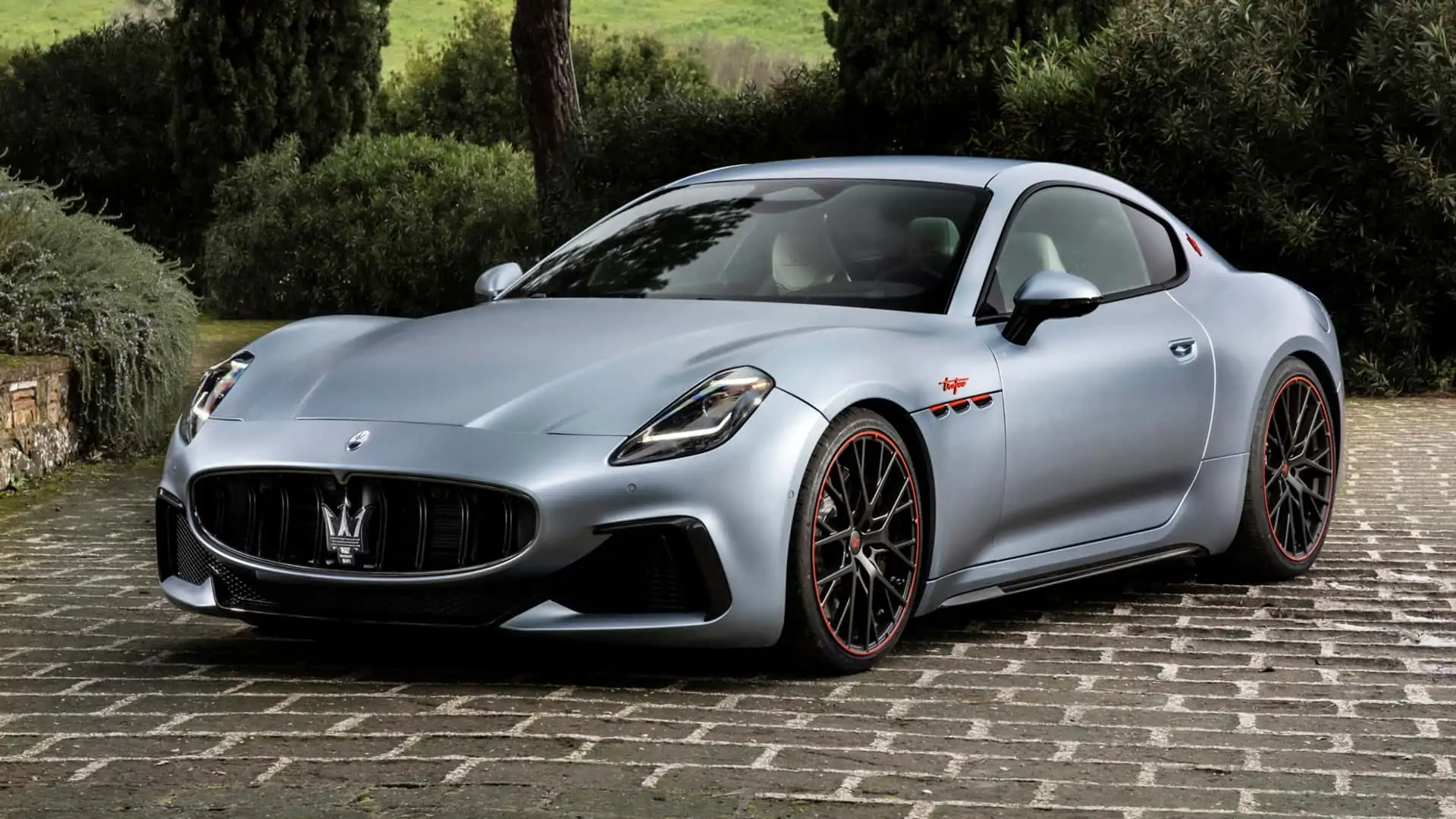
4. Maserati GranTurismo: Beautiful Design with High Upkeep Requirements
The Maserati GranTurismo stands out for its elegant styling and unmistakable V8 soundtrack, giving it a strong presence in the luxury sports car segment. Despite these strengths, the model is known for dated technology, inconsistent build quality, and demanding maintenance needs. Its older infotainment system lacks modern functionality, and upkeep can be both frequent and costly, which affects long-term durability.
The GranTurismo’s reputation for being prone to failure comes from its complex electronics, high-priced components, and historical quality control concerns. Electrical problems are common, with many owners reporting malfunctioning switches, warning lights, and system glitches caused by voltage irregularities or failing parts.
Suspension and axle issues can also develop, reducing stability and accelerating tire wear. The car’s substantial weight puts heavy stress on the braking system, leading to rapid wear of pads and discs that are expensive to replace.
The high cost of replacement parts, often shared with other premium performance brands such as Ferrari, adds to the financial strain. Interior wear is another concern, with some owners noting fading leather, sticky buttons, and prematurely aging materials.
To reduce the likelihood of problems, consistent maintenance is essential. Regular driving helps prevent issues that develop when the car sits for long periods, and using high-quality replacement parts can improve reliability. Anyone considering a used GranTurismo should arrange a detailed pre-purchase inspection to identify potential concerns before committing.
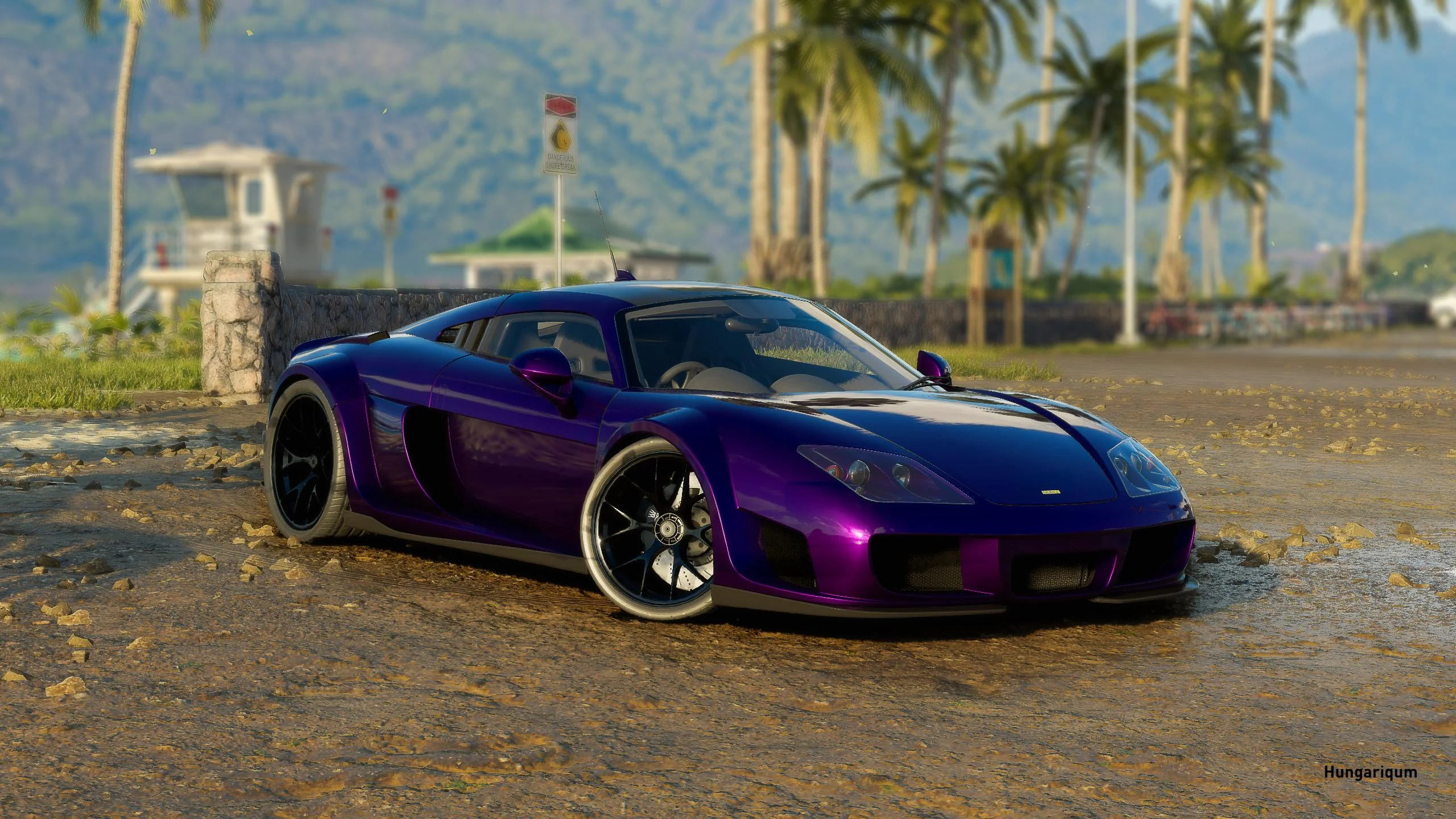
5. Noble M600: Extreme Performance with Limited Durability
The Noble M600 is praised for delivering a raw, race car-like driving experience powered by a high-performance twin-turbo V8. Its lightweight construction and intense acceleration make it one of the most thrilling supercars to drive. However, these same qualities contribute directly to its reputation for being fragile and costly to maintain.
Because the M600 is hand-built in very small numbers, it does not undergo the extensive durability testing or refinement seen in mass-produced performance cars. Its components are sourced from various manufacturers, which can create compatibility challenges and complicate repairs. Replacement parts are difficult to find and often expensive due to the car’s limited production and bespoke engineering.
The powerful Yamaha-derived V8 places significant strain on the drivetrain, cooling system, and transmission. With nearly no electronic driver aids, the vehicle depends heavily on the driver’s skill, which increases the potential for overworked or damaged components during spirited driving. This design philosophy prioritizes performance rather than long-term dependability.
Maintenance is costly and often requires specialized technicians familiar with the model. While the Noble M600 offers an exhilarating experience behind the wheel, it is not intended for daily use or long-term reliability, making ownership demanding and expensive.
Sports cars have always balanced excitement with engineering demands, and this comparison of durable bargains and delicate performers shows how different that balance can be across models.
The vehicles featured in “5 Budget Sports Cars That Won’t Blow Up vs 5 Fragile Fun Cars” offer a wide range of ownership experiences, from dependable, affordable choices that excel in daily use to high-strung machines that shine brightest during spirited weekend drives.
Understanding the strengths and weaknesses of each helps buyers choose not only a car that feels good on the road but also one that fits their budget, maintenance expectations, and driving habits.
Reliable models provide confidence to enjoy their capabilities without constant worry, while the more fragile options reward careful owners who appreciate performance above practicality. No matter which side appeals to you, recognizing these distinctions ensures a smarter, more enjoyable path to sports car ownership.
Also Read: 10 Cars Mechanics Secretly Love Owning Over Decades
