
A sunroof can transform your driving experience, flooding your cabin with natural light and fresh air while adding a touch of luxury to every journey.
However, the joy of having a sunroof often comes with concerns about potential squeaking, rattling, and the dreaded water leaks that have plagued many car owners over the years. These issues can turn what should be a premium feature into a source of frustration and expensive repairs.
Fortunately, automotive engineering has made significant strides in sunroof design and construction. Modern manufacturers have invested heavily in developing superior sealing systems, drainage mechanisms, and structural integrity to eliminate these common problems.
The best sunroofs today feature multiple drain tubes, high-quality rubber seals, and precision-engineered glass panels that remain silent and watertight even after years of use.
In this comprehensive guide, we’ll explore ten vehicles that have mastered the art of sunroof engineering. These cars represent various segments and price points, but they all share one crucial characteristic: their sunroofs are built to last without the annoying squeaks or leaks that have given this feature a bad reputation.
Whether you’re looking for a luxury sedan, a practical SUV, or a sporty coupe, these vehicles offer the open-air experience you crave with the reliability you deserve. Each model has been selected based on engineering excellence, owner satisfaction, and proven track records for durability.
1. Mercedes-Benz E-Class
The Mercedes-Benz E-Class stands as a benchmark for automotive excellence, and its panoramic sunroof system exemplifies the German automaker’s commitment to engineering perfection.
Mercedes has developed a sophisticated multi-layer sealing system that uses premium EPDM rubber gaskets combined with a carefully designed drainage network.
This system features four drain tubes positioned at each corner of the sunroof, which channel water away from the cabin even during the heaviest downpours.
The drain tubes are generously sized and strategically routed through the A-pillars and rear quarter panels, ensuring water never accumulates around the glass panel.
What sets the E-Class sunroof apart is its precision manufacturing tolerance. Mercedes engineers the sunroof frame and glass panel to exacting specifications, with gaps measured in fractions of a millimeter.
This precision ensures the glass sits perfectly flush with the roof line, eliminating the gaps that typically cause wind noise and squeaking.
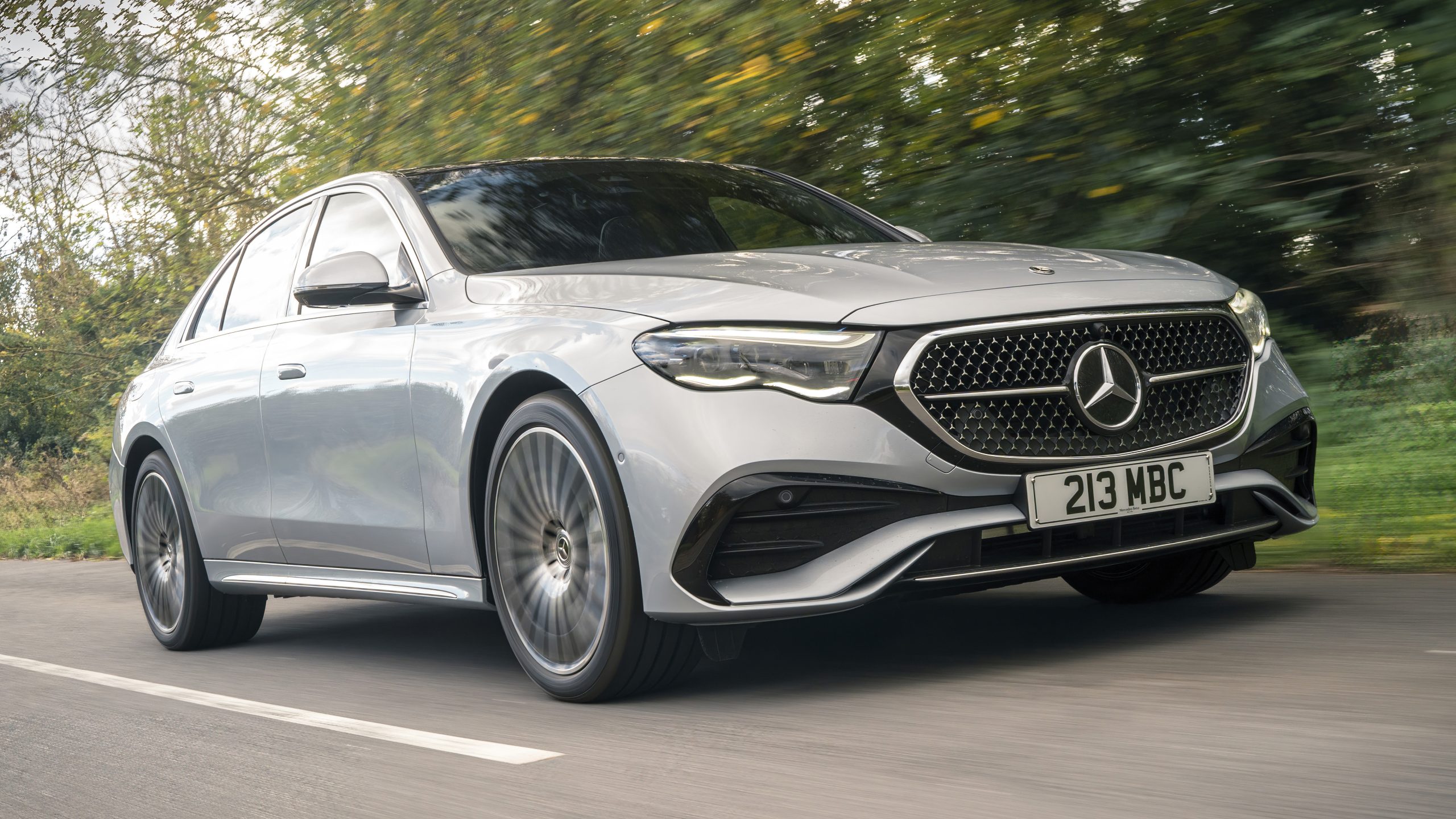
The panoramic roof option, which extends from the windshield to the rear seats, uses a reinforced frame structure that prevents flexing and maintains perfect alignment even as the vehicle ages.
The operating mechanism employs a robust motor and track system that’s been tested through hundreds of thousands of cycles. Mercedes uses high-grade lubricants throughout the mechanical components that resist degradation from temperature extremes and UV exposure.
This attention to detail means the sunroof glides smoothly and silently through its entire range of motion, whether you’re tilting it for ventilation or sliding it fully open.
The E-Class also features an advanced water detection system that monitors the drain tubes for blockages, alerting drivers before any issues can develop into leaks. This proactive approach to maintenance has made the E-Class one of the most reliable sunroof-equipped vehicles on the market.
2. Audi A6
Audi’s reputation for technical innovation shines brightly in the A6’s panoramic sunroof design, which incorporates lessons learned from decades of engineering refinement.
The A6 features what Audi calls its “Advanced Sealing Architecture,” a multi-tiered approach that creates several barriers against water intrusion.
The primary seal uses a specially formulated rubber compound that maintains its flexibility across a temperature range from minus 40 to 180 degrees Fahrenheit, ensuring consistent performance whether you’re driving in Alaska or Arizona.
The sunroof glass itself is a marvel of modern materials science. Audi uses laminated safety glass with an integrated UV-protective coating that blocks 99% of harmful rays while reducing heat buildup in the cabin.
This glass is mounted in an aluminum frame that’s both lightweight and incredibly rigid, preventing the warping and distortion that can compromise seal integrity over time.
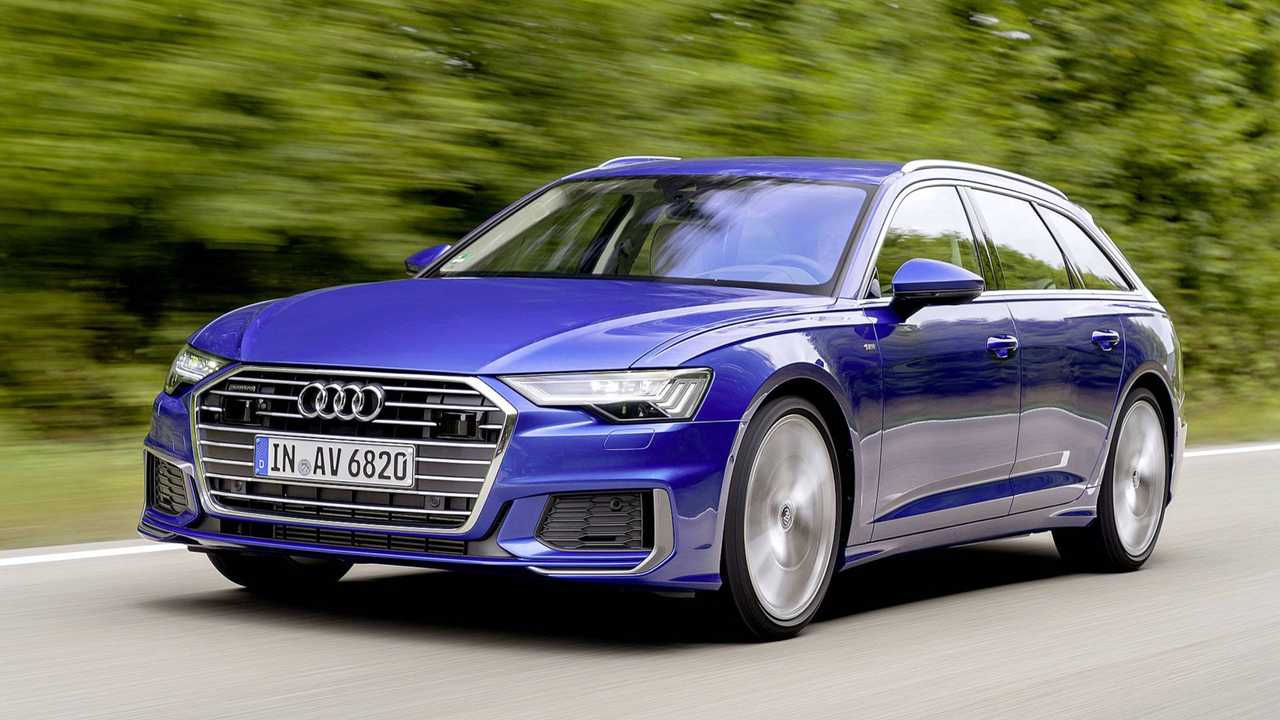
The frame connects to the roof structure through reinforced mounting points that distribute stress evenly, eliminating the concentrated pressure points that cause creaking and squeaking in lesser designs.
Audi’s drainage system represents best-in-class engineering, with oversized tubes that can handle water flow rates far exceeding what you’d encounter in real-world conditions.
These tubes feature built-in anti-kink technology and are routed through protected channels within the body structure. Where the tubes exit near the wheel wells, Audi includes check valves that prevent water from backing up during car washes or when the vehicle is parked on an incline.
The A6’s sunroof motor uses a direct-drive system that eliminates the cables and pulleys found in many competing designs. This simplified mechanism has fewer wear points and operates with whisper-quiet precision. Owners consistently report that even after 100,000 miles, their A6 sunroofs operate as smoothly and silently as they did when new.
3. Lexus ES
Lexus has built its reputation on delivering exceptional reliability and refinement, and the ES sedan’s sunroof system perfectly embodies these values.
Japanese engineering philosophy emphasizes preventing problems before they occur, and this is evident in every aspect of the ES sunroof design.
Lexus conducts extensive testing that includes exposure to extreme weather conditions, high-pressure water jets, and vibration testing that simulates decades of driving on rough roads. Only designs that pass these rigorous standards make it into production vehicles.
The ES sunroof uses a triple-seal design that creates overlapping barriers against water intrusion. The innermost seal handles any moisture that might penetrate the outer layers, channeling it directly into the drain system before it can enter the cabin.
These seals are manufactured from Toyota’s proprietary rubber compounds that resist hardening and cracking even after years of exposure to sunlight and temperature cycling. Lexus backs this confidence with an extended warranty on sunroof components that exceeds industry standards.
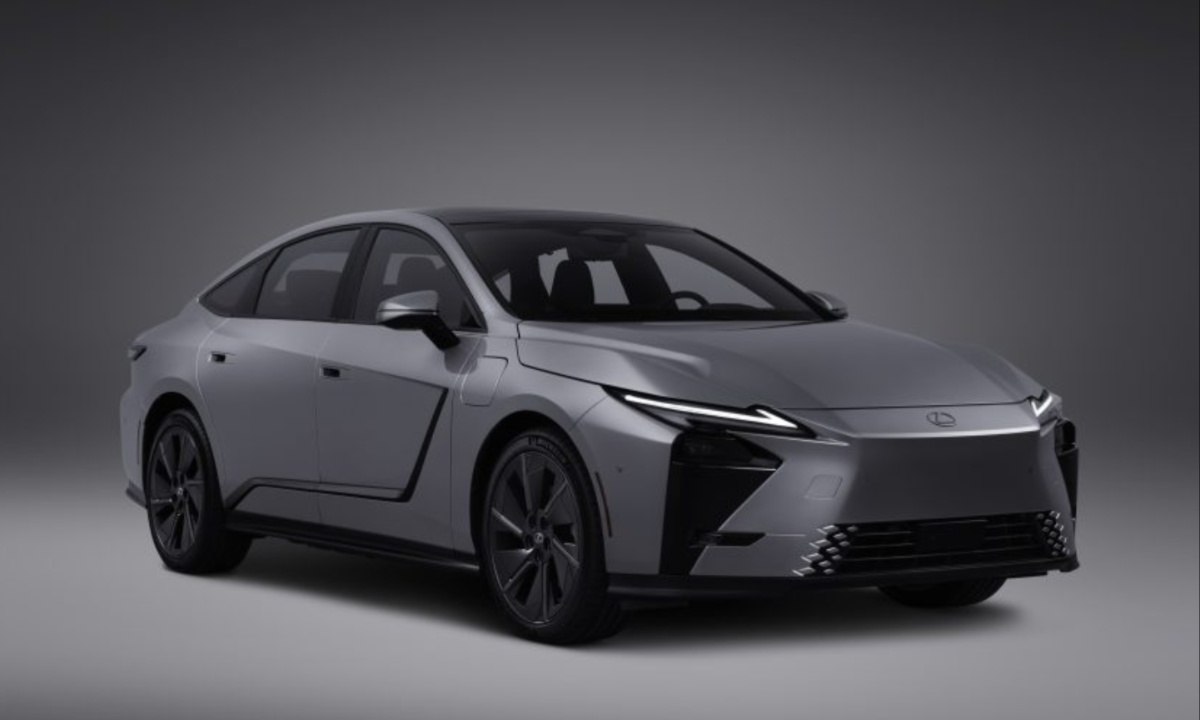
The drainage system in the ES features what Lexus engineers call “gravity-optimized routing,” meaning the drain tubes follow the most direct downward path possible, minimizing the number of bends and potential clog points.
The tubes themselves are larger in diameter than those used in many competing vehicles, providing additional flow capacity. At each drain exit point, Lexus includes a removable access panel that makes periodic cleaning and inspection remarkably simple, encouraging owners to maintain the system properly.
The mechanical operation of the ES sunroof showcases Lexus’s attention to detail. The motor and track assembly uses sealed bearings that are pre-lubricated with synthetic grease designed to last the lifetime of the vehicle.
The control electronics include soft-start and soft-stop programming that prevents the jarring movements which can stress mounting points and cause squeaks. Lexus owners frequently report that their sunroofs remain completely silent and leak-free well past 200,000 miles.
4. BMW 5 Series
BMW’s engineering prowess is legendary, and the 5 Series panoramic sunroof demonstrates why the brand remains at the forefront of automotive technology.
The Munich-based manufacturer approaches sunroof design with the same performance-oriented mindset applied to every vehicle component.
BMW’s sunroof system integrates seamlessly with the vehicle’s structure, using lightweight materials and smart engineering to avoid adding unnecessary weight while maintaining exceptional rigidity.
The 5 Series features a carbon-fiber-reinforced polymer frame that’s significantly lighter than traditional aluminum frames while offering superior stiffness.
This material choice prevents the flexing that causes most sunroof squeaks and rattles. The glass panel uses BMW’s selective lamination process, which varies the thickness of the glass across its surface to optimize both strength and weight.
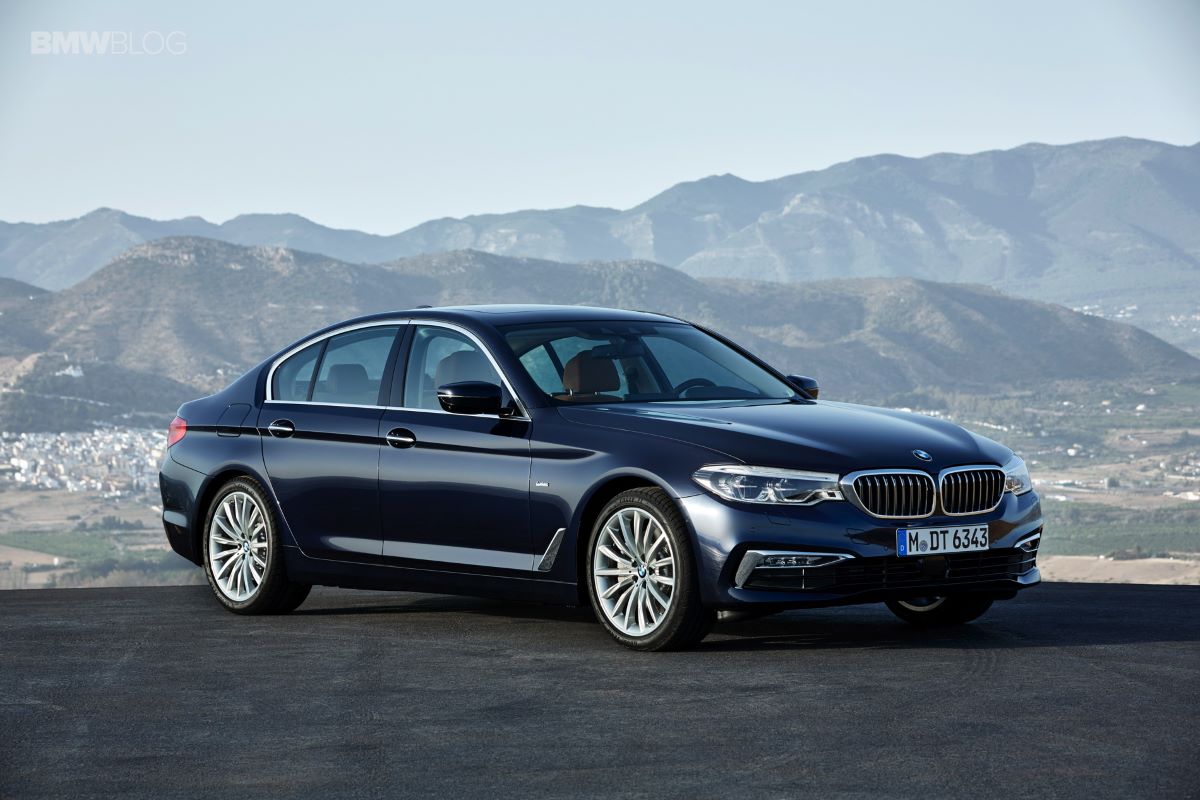
Where structural demands are highest, the glass is thicker; where weight savings matter most, it’s thinner. This careful optimization results in a panel that’s both incredibly durable and remarkably light.
BMW’s drainage philosophy centers on redundancy and capacity. The 5 Series includes not just the standard four drain tubes but also supplementary drainage channels molded into the sunroof cassette itself.
These backup channels provide an additional safety margin during extreme weather events. The main drain tubes are constructed from a special polymer that resists UV degradation and maintains flexibility even after years of service.
BMW routes these tubes through specially designed passages that protect them from sharp edges and pinch points that could cause failures.
The operating mechanism represents BMW’s commitment to performance engineering. The sunroof motor delivers smooth, consistent power across the full range of motion, while position sensors provide feedback to the control module ensuring precise operation.
BMW includes automatic anti-pinch protection and obstacle detection that prevents damage and injury while also protecting the mechanical components from overload stress.
Also Read: 9 Cars With the Best Steering Feel Under $30,000
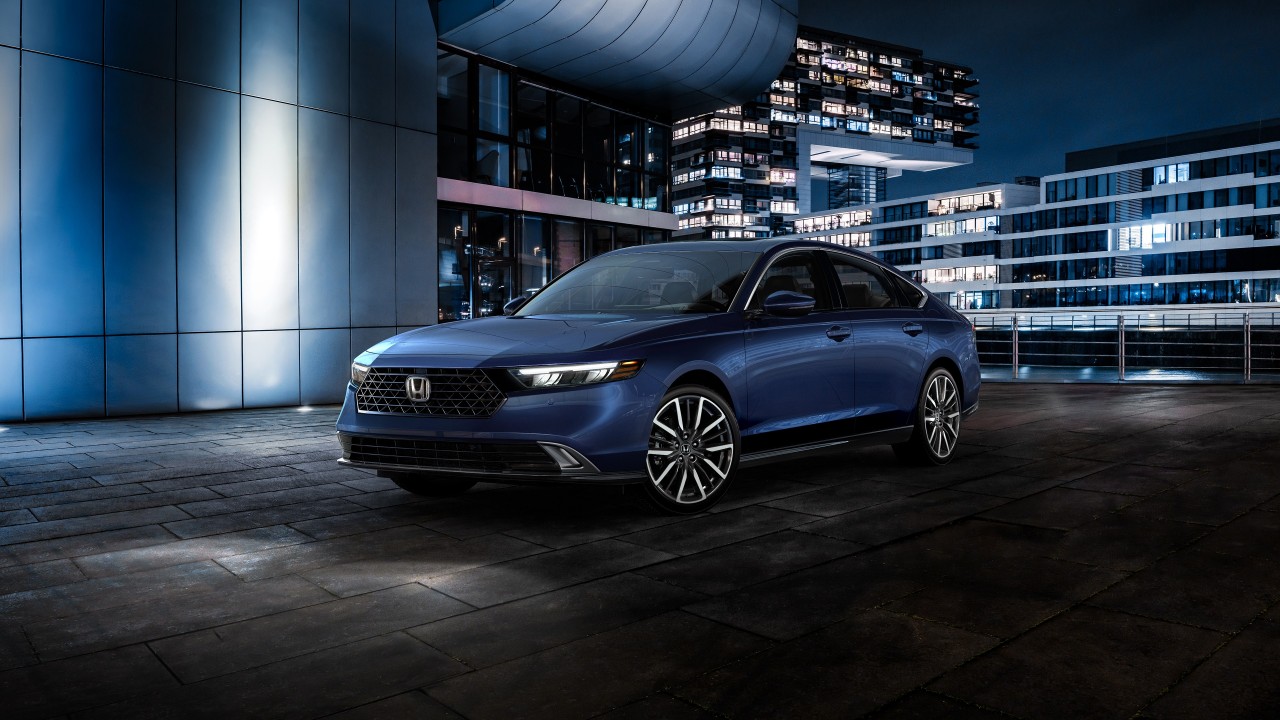
5. Honda Accord
Honda’s reputation for building bulletproof vehicles extends to the Accord’s sunroof system, which combines practical Japanese engineering with impressive reliability.
Honda engineers prioritize durability and ease of maintenance, resulting in a sunroof design that’s both robust and surprisingly simple.
The Accord proves that you don’t need complicated systems or exotic materials to build a sunroof that won’t squeak or leak just thoughtful engineering and quality components.
The Accord’s sunroof uses a dual-seal system with generous overlap that creates an effective moisture barrier. Honda manufactures these seals to strict dimensional tolerances and uses vulcanization processes that ensure consistent material properties throughout each seal.
Unlike some manufacturers who source seals from external suppliers, Honda produces its own, maintaining tight quality control over every aspect of production.
These seals feature a unique cross-sectional profile designed specifically to maintain consistent pressure against the glass panel throughout the sunroof’s range of motion.
Honda’s drainage design emphasizes maintainability. The drain tubes are easily accessible for cleaning, and Honda provides clear maintenance guidelines in the owner’s manual something many luxury brands overlook.
The tubes exit in locations that are naturally protected from road debris while remaining easy to inspect. Honda dealers are trained to check drain tube condition during routine service, catching potential issues before they become problems.
The mechanical system uses Honda’s proven worm-gear drive mechanism, which provides exceptional durability with minimal maintenance requirements.
This design is inherently self-locking, preventing the sunroof from accidentally opening or closing due to vibration or exterior pressure.
The motor operates at moderate speeds with high torque, reducing wear on components while ensuring smooth operation. Accord owners consistently report trouble-free sunroof operation even in vehicles with extremely high mileage, with many examples exceeding 300,000 miles without requiring any sunroof repairs.
6. Subaru Outback
Subaru’s approach to sunroof engineering reflects the brand’s outdoor adventure lifestyle positioning these sunroofs need to perform flawlessly whether you’re exploring remote mountain trails or commuting through city traffic.
The Outback’s sunroof system has been refined through years of real-world testing in challenging conditions, from the dust and heat of desert environments to the freezing temperatures and road salt of northern winters.
This comprehensive testing program has resulted in a design that’s exceptionally resistant to the environmental factors that typically cause sunroof problems.
The Outback features a reinforced sunroof frame that ties directly into Subaru’s renowned vehicle structure. This integration prevents the independent movement between the sunroof assembly and vehicle body that causes squeaking in many designs.
Subaru uses high-strength steel in critical structural points while employing aluminum for weight savings where structural demands are lower.
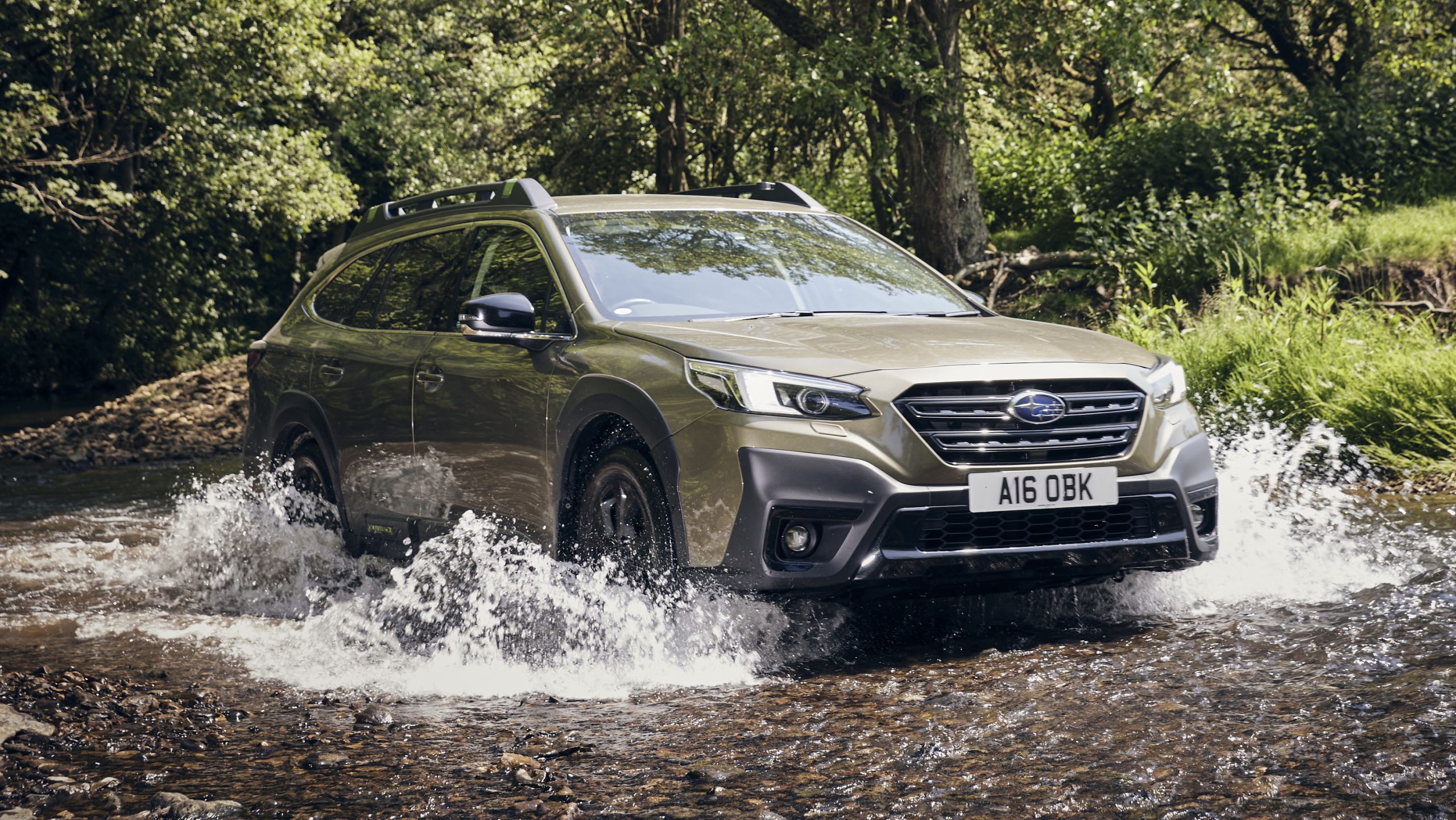
The glass panel itself uses Subaru’s proprietary bonding process that creates a permanent, flexible connection between glass and frame that accommodates thermal expansion and contraction without compromising seal integrity.
Subaru’s drainage system is engineered for the worst-case scenarios that outdoor enthusiasts might encounter. The drain tubes are oversized and feature internal ribbing that helps prevent collapse or kinking even under extreme temperature conditions.
Where the tubes pass through body panels, Subaru includes protective grommets that prevent chafing while maintaining flexibility. The drain exits are positioned to clear water away from the vehicle regardless of parking orientation an important consideration when camping on uneven terrain.
The Outback’s sunroof motor and control system prioritize reliability over speed, operating at moderate rates that reduce stress on components.
Subaru includes comprehensive weatherproofing on all electrical connections and uses corrosion-resistant materials throughout the assembly. The result is a sunroof system that maintains its performance through years of exposure to harsh elements.
7. Genesis G80
Genesis, Hyundai’s luxury division, has quickly established a reputation for exceptional build quality and attention to detail. The G80’s panoramic sunroof exemplifies the brand’s commitment to rivaling and often exceeding established luxury marques.
Genesis engineers studied competing designs extensively, identifying weak points and common failure modes, then developed solutions that address these issues comprehensively. The result is a sunroof system that delivers luxury-car refinement with exceptional reliability.
The G80’s sunroof uses an innovative four-layer sealing system that creates multiple redundant barriers against water intrusion. The outermost seal handles the bulk of water deflection during rain, while inner seals catch any moisture that penetrates the outer barrier.
The drainage channels between seal layers are generously sized and slope continuously downward, ensuring gravity assists water evacuation.
Genesis uses premium silicone-enhanced rubber compounds for all seals, materials typically reserved for aerospace applications where absolute reliability is essential.
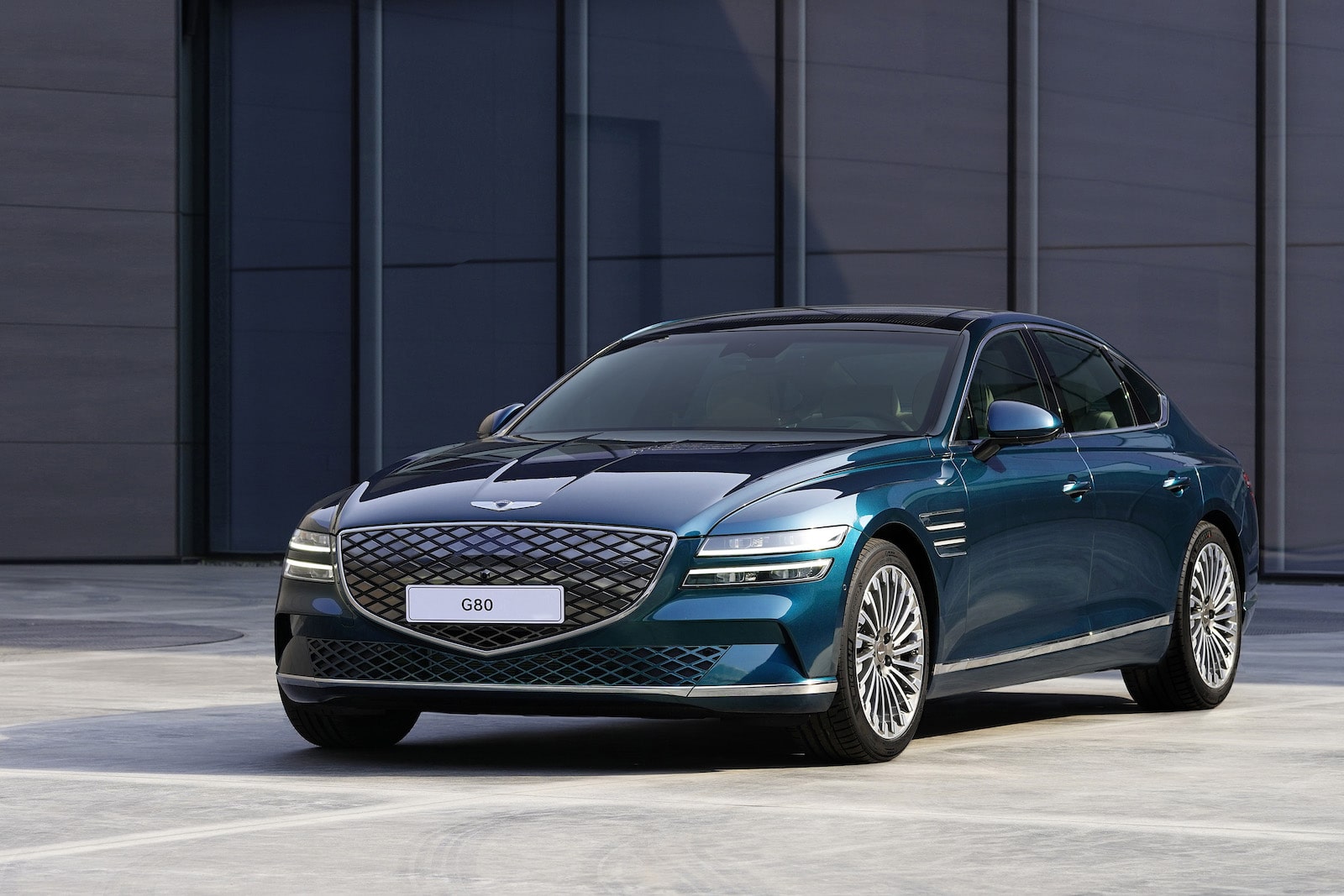
The glass panel in the G80 represents cutting-edge materials technology. Genesis uses specially heat-treated glass that’s significantly stronger than standard automotive safety glass while maintaining optical clarity.
This glass includes an integrated electrochromic layer that can be darkened at the touch of a button, providing shade without sacrificing the open-air feeling that makes sunroofs desirable.
The frame that supports this advanced glass uses aerospace-grade aluminum alloys that provide exceptional rigidity with minimal weight.
Genesis’s drainage engineering includes features rarely seen even in much more expensive vehicles. The drain tubes incorporate anti-microbial treatments that prevent biological growth that could cause clogs.
The tubes themselves feature smooth interior surfaces that resist debris accumulation, while their routing includes strategically placed inspection ports that make maintenance straightforward. The G80’s sunroof motor uses a high-precision servo system that provides exceptionally smooth operation with minimal noise.
8. Mazda CX-5
Mazda’s “Jinba Ittai” philosophy the unity between car and driver extends to every vehicle component, including the CX-5’s sunroof system.
Mazda engineers approach sunroof design as an integral part of the vehicle’s character rather than simply an add-on feature.
This holistic perspective results in a sunroof that enhances the driving experience without compromising the structural integrity or quietness that Mazda vehicles are known for.
The CX-5’s sunroof frame uses Mazda’s SKYACTIV construction techniques, incorporating high-strength steel in a ring structure that actually reinforces the vehicle’s rigidity.
This structural integration means the sunroof opening doesn’t create a weak point in the body structure instead, it contributes to the vehicle’s torsional stiffness.
The sealing system uses precision-molded rubber components that mate perfectly with the glass panel, creating consistent pressure across the entire perimeter.
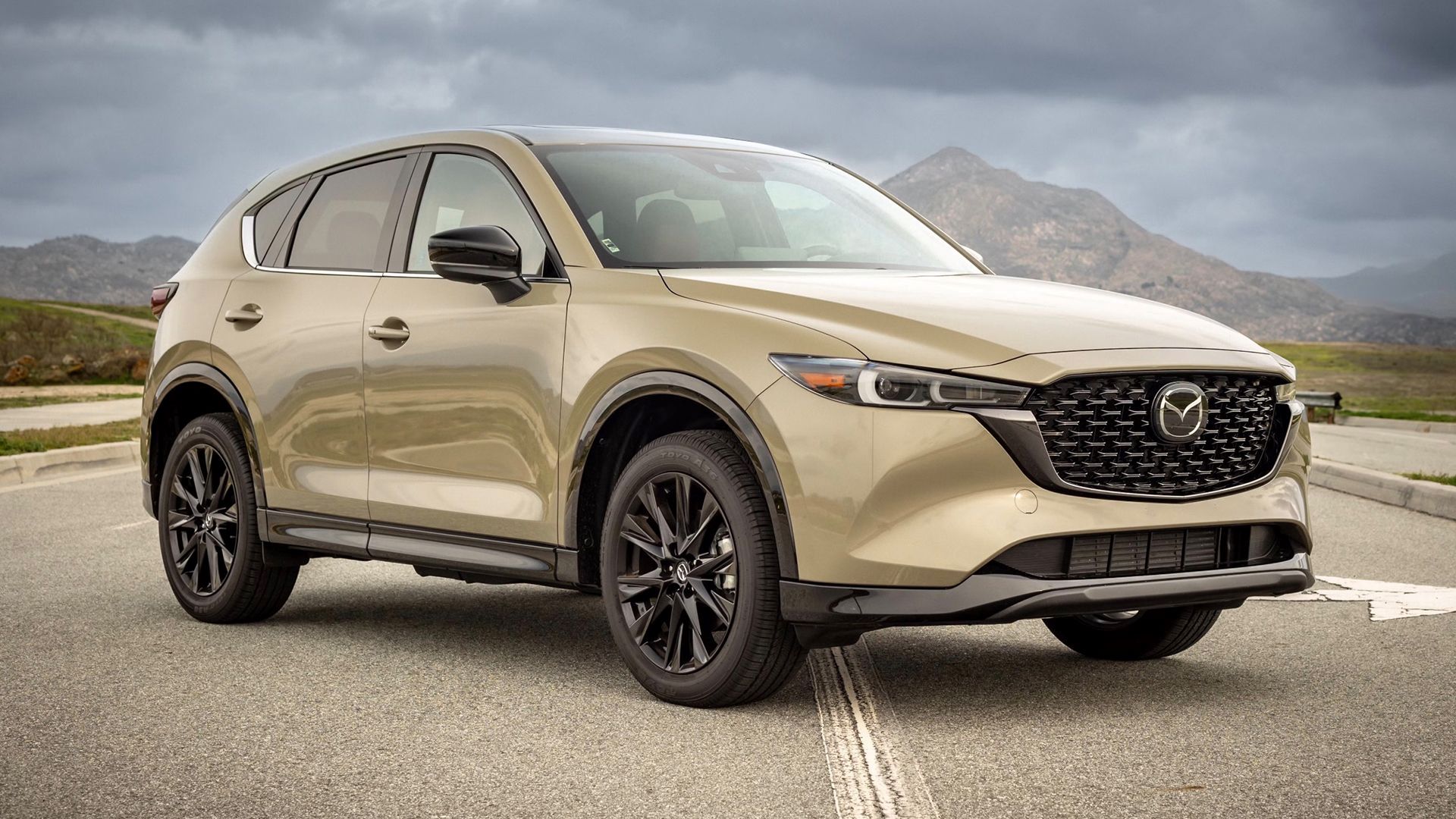
Mazda’s manufacturing processes ensure that each seal is identical to every other, eliminating the variability that can lead to leaks. Mazda’s drainage design reflects practical engineering focused on long-term reliability.
The drain tubes are sized conservatively large and routed through protected channels that prevent damage from road debris or service work on other vehicle systems.
Where tubes connect to the sunroof cassette, Mazda uses positive-locking fittings that cannot accidentally disconnect. The tube exits include integrated filters that catch debris before it can enter and clog the drainage system a simple but effective innovation.
The CX-5’s sunroof operation is characterized by Mazda’s attention to refinement. The motor and drive mechanism operate with exceptional smoothness, while acoustic damping materials surrounding the assembly minimize any mechanical noise. Mazda includes auto-close functionality that seals the sunroof if rain is detected, protecting the interior automatically.
9. Volvo XC90
Volvo’s Scandinavian engineering heritage brings unique perspectives to sunroof design, emphasizing durability in harsh climates and long-term reliability.
The XC90’s panoramic sunroof system reflects decades of experience building vehicles for northern European conditions, where temperature extremes, road salt, and long winters test every component.
Volvo’s testing protocols include extended exposure to sub-zero temperatures followed by rapid heating, simulating the thermal cycling that causes seals to fail in lesser designs.
The XC90’s sunroof uses a sophisticated multi-material sealing approach. The primary seal combines natural rubber for flexibility with synthetic polymers for durability, creating a hybrid material that performs exceptionally across wide temperature ranges.
Volvo manufactures these seals using specialized extrusion processes that ensure uniform density and eliminate air pockets that could compromise sealing performance. The glass panel sits in a stainless-steel frame that resists corrosion even after years of exposure to road salt and moisture.
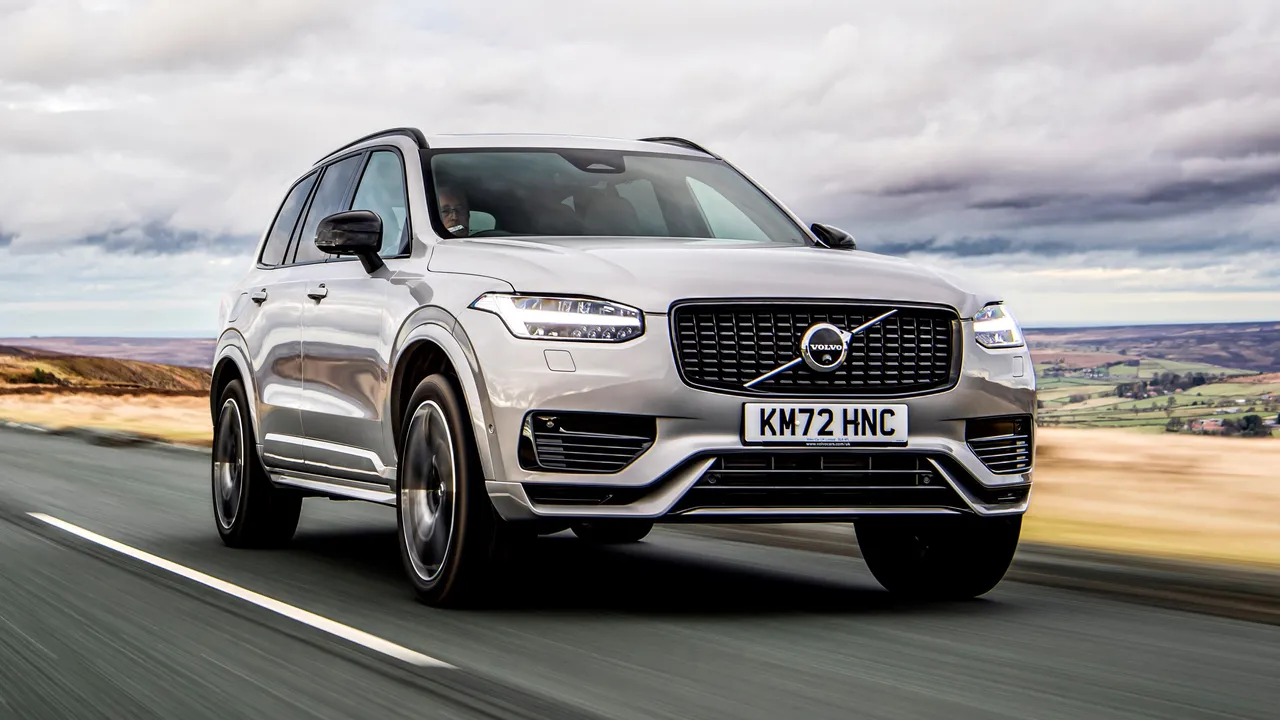
Volvo’s drainage engineering prioritizes redundancy and fail-safe operation. The XC90 includes five drain tubes rather than the typical four, with the fifth tube serving as an emergency overflow should the primary tubes become blocked.
All tubes are constructed from chemically resistant materials that won’t degrade from exposure to car wash soaps, road chemicals, or fuel vapors.
The routing includes generous service loops that provide flexibility for body movement while preventing stress concentrations that could cause cracks.
The XC90’s sunroof motor uses Volvo’s advanced control algorithms that monitor current draw to detect resistance or binding, automatically adjusting operation to prevent damage.
The system includes comprehensive diagnostics that can identify developing issues before they cause failures. Volvo’s commitment to safety extends to sunroof operation, with multiple sensors ensuring the glass cannot close on obstacles.
10. Toyota Camry
Toyota’s legendary reliability reputation is built on vehicles like the Camry, where every component is engineered for long-term durability with minimal maintenance.
The Camry’s sunroof system embodies Toyota’s engineering philosophy of continuous improvement, with each generation incorporating refinements based on extensive real-world data and customer feedback.
Toyota’s approach may not emphasize cutting-edge technology, but the result is a sunroof that simply works, year after year, without drama or expensive repairs.
The Camry’s sunroof uses Toyota’s proven dual-seal design with seals manufactured to pharmaceutical-grade cleanliness standards. This attention to manufacturing quality ensures that contaminants cannot compromise seal performance.
The seals themselves use Toyota’s proprietary rubber formulations that have been refined through decades of research and development.
These materials maintain their elasticity and sealing pressure through extreme temperature cycles and prolonged UV exposure that would degrade lesser materials.
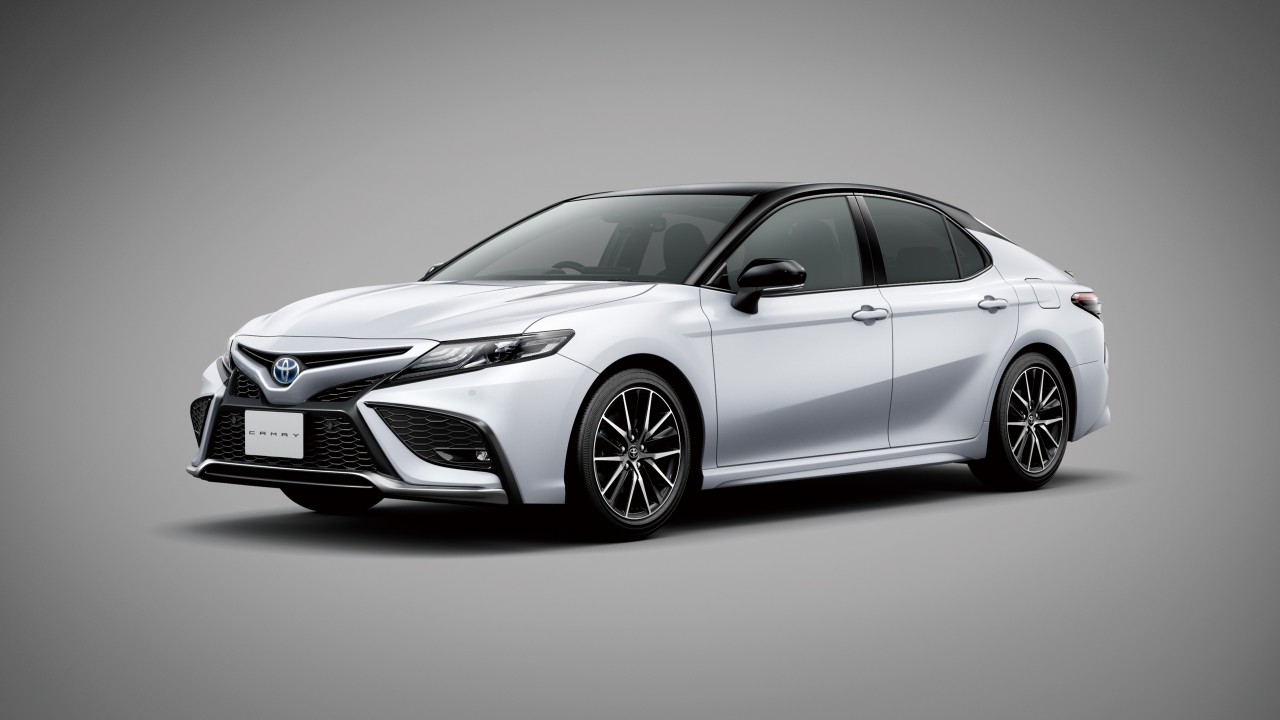
Toyota’s drainage system emphasizes simplicity and maintainability. The drain tubes are easily accessible and designed for straightforward cleaning during routine maintenance.
Toyota provides clear maintenance guidelines and trains dealership technicians specifically on sunroof system care. The tubes themselves feature smooth interior surfaces and gentle curves that minimize pressure drop and prevent debris accumulation.
Exit points include protective covers that prevent insects and debris from entering while allowing water to flow freely. The Camry’s sunroof mechanism uses Toyota’s time-tested motor and track design that has proven reliable across millions of vehicles.
The system operates at conservative speeds that reduce component stress while maintaining satisfactory performance. Toyota uses sealed, pre-lubricated bearings throughout the assembly, eliminating maintenance requirements while ensuring smooth, quiet operation.
The control electronics include thermal protection and current limiting that prevent motor damage even during extreme usage. Camry owners consistently report decades of trouble-free sunroof operation, with many vehicles accumulating enormous mileages without requiring any sunroof service beyond routine drain cleaning.
This reliability record validates Toyota’s engineering approach and makes the Camry an excellent choice for anyone seeking a dependable sunroof-equipped vehicle.
