While electric vehicles are steadily gaining attention, conventional gas-powered cars continue to dominate sales charts for very good reasons. Models like the Toyota Corolla and Honda Civic have earned their reputations through decades of reliability, fuel efficiency, and low-maintenance ownership, offering drivers peace of mind that many EVs, particularly early models, have yet to fully match.
Beyond practicality, gas cars such as the Subaru Outback and Mazda MX-5 Miata deliver performance, versatility, and driving enjoyment that appeal to a wide range of buyers.
Full-size trucks like the Ford F-150 and Chevrolet Silverado offer unmatched towing, payload capacity, and long-term durability, keeping them essential for work and recreation.
Even luxury sedans like the Lexus ES combine comfort, refinement, and dependability without the charging concerns of an EV. From daily commuters to adventure seekers, these ten gas-powered vehicles show that proven engineering continues to meet the needs of drivers worldwide.
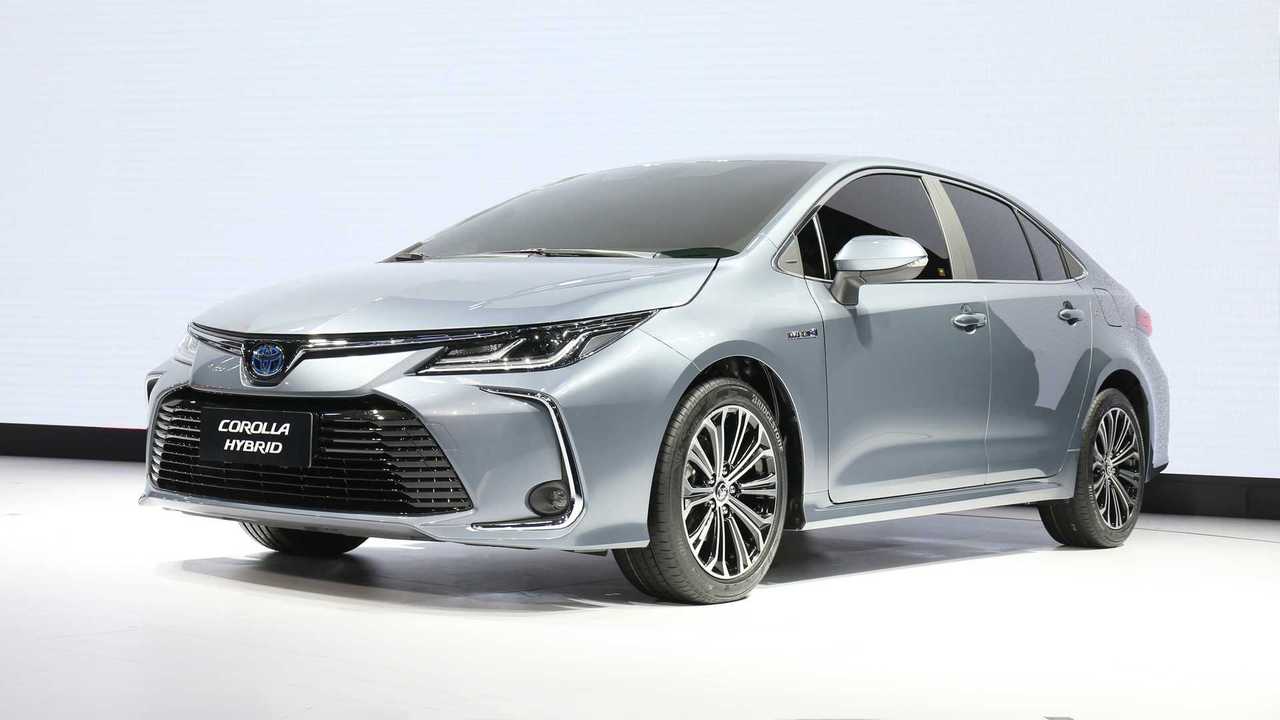
1. Toyota Corolla
The Toyota Corolla has long been recognized for its strong reliability, efficient engineering, and low-maintenance ownership experience. Its proven ability to accumulate high mileage with minimal issues has made it a staple in the compact sedan segment for decades.
While its dependability remains its defining strength, the Corolla also offers comfort, practicality, and excellent fuel efficiency, even if it doesn’t stand out for performance or excitement.
In motion, the Corolla delivers predictable but modest performance. The XSE model, despite being marketed as sporty, reaches 0–60 mph in a modest 8.8 seconds, requiring drivers to plan ahead for passing and merging. Body roll is noticeable when cornering, and the tires provide limited grip.
For daily commuting, though, it performs well with easy maneuverability, a smooth ride, and a quiet, unobtrusive CVT. The advanced driver-assist features function well, especially the lane-keeping system, though some may prefer an audible alert for blind-spot monitoring.
Inside the cabin, the Corolla provides a clean, straightforward layout with logically placed controls and a sensible number of buttons. The front seats are comfortable with sufficient space, and the rear seats offer good legroom, though headroom can feel tight for taller passengers due to the tapered roofline.
Installing child seats is simple thanks to clearly marked anchors. A key drawback is noticeable cabin noise at highway speeds, which often requires increasing the stereo volume. Under hard acceleration, the engine sounds strained, though simulated gear shifts help reduce the typical CVT drone.
The Corolla’s 8-inch and optional 10.5-inch touchscreens look modern but can respond slowly, especially during navigation. Some virtual buttons are small and harder to target while driving. Toyota’s connected services add convenience, but most features require a subscription, including remote start, which is accessible only through the app.
Cargo space measures 13.1 cubic feet, slightly less than some rivals, and the rear seats do not fold flat, limiting load flexibility. Small-item storage is adequate but not generous. In terms of value, the Corolla impresses with solid construction, competitive pricing, and two years of complimentary maintenance. Fuel economy is excellent, with the tested XSE achieving 40.2 mpg in real-world driving.
The Corolla presents a blend of capability, practicality, and long-term dependability suited for drivers who prioritize reliability over sportiness.
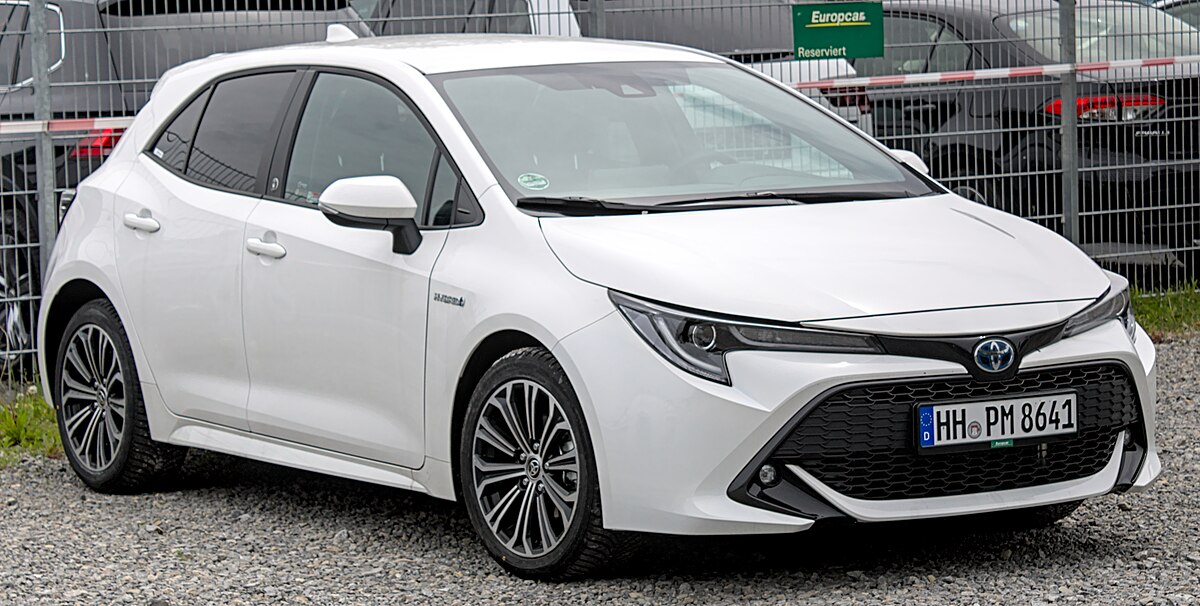
2. Honda Civic
The Honda Civic has earned a long-standing reputation for reliability, durability, and strong resale value. Its well-engineered powertrain and efficient design make it a favorite among drivers who prioritize long-term dependability. The introduction of the hybrid powertrain enhances its appeal, delivering both impressive performance and excellent fuel efficiency.
The Civic hybrid stands out with its quick acceleration and refined driving dynamics. It reaches 0–60 mph in just 6.6 seconds, making it faster than many small sedans, including some sport-oriented models. The hybrid system delivers smooth, ample power and maintains a pleasant driving demeanor both in city traffic and on open roads.
Handling is confident, aided by a balanced suspension that manages bumps and rough surfaces without sacrificing agility. Visibility is enhanced by narrow front pillars and well-positioned mirrors, though the sloping roofline slightly limits rearward views. Standard driver-assist features work consistently, offering helpful support even if they aren’t the most advanced in the segment.
Inside, the Civic hybrid offers a well-designed cabin that blends simplicity with sophistication. Controls are intuitive, materials feel high-quality, and front-row space easily accommodates passengers of different heights. Rear passengers enjoy generous legroom and shoulder room, though the sloped roof may restrict headroom for taller occupants.
Car seats fit well, but larger rear-facing models may require adjusting the front seats forward. Road noise is present but controlled, and wind noise is minimal due to the car’s aerodynamic design. Climate controls are easy to operate, though the absence of rear air vents is a surprising omission.
Technology in the Civic is user-friendly, with a logical interface and a responsive touchscreen. The range-topping trim features a 9-inch screen with Google Built-In, wireless smartphone integration, and a premium Bose audio system. Lower trims receive a smaller 7-inch screen without wireless features, which may feel limited by comparison.
The Civic sedan offers 14.8 cubic feet of trunk space, unaffected by the hybrid components. The hatchback variant increases versatility with 24.5 cubic feet of cargo room and fold-flat rear seats.
While priced slightly higher than some competitors, the Civic hybrid delivers strong value through superior performance, refinement, and build quality. Fuel economy reaches an estimated 49 mpg, matching real-world results and reinforcing its efficiency.
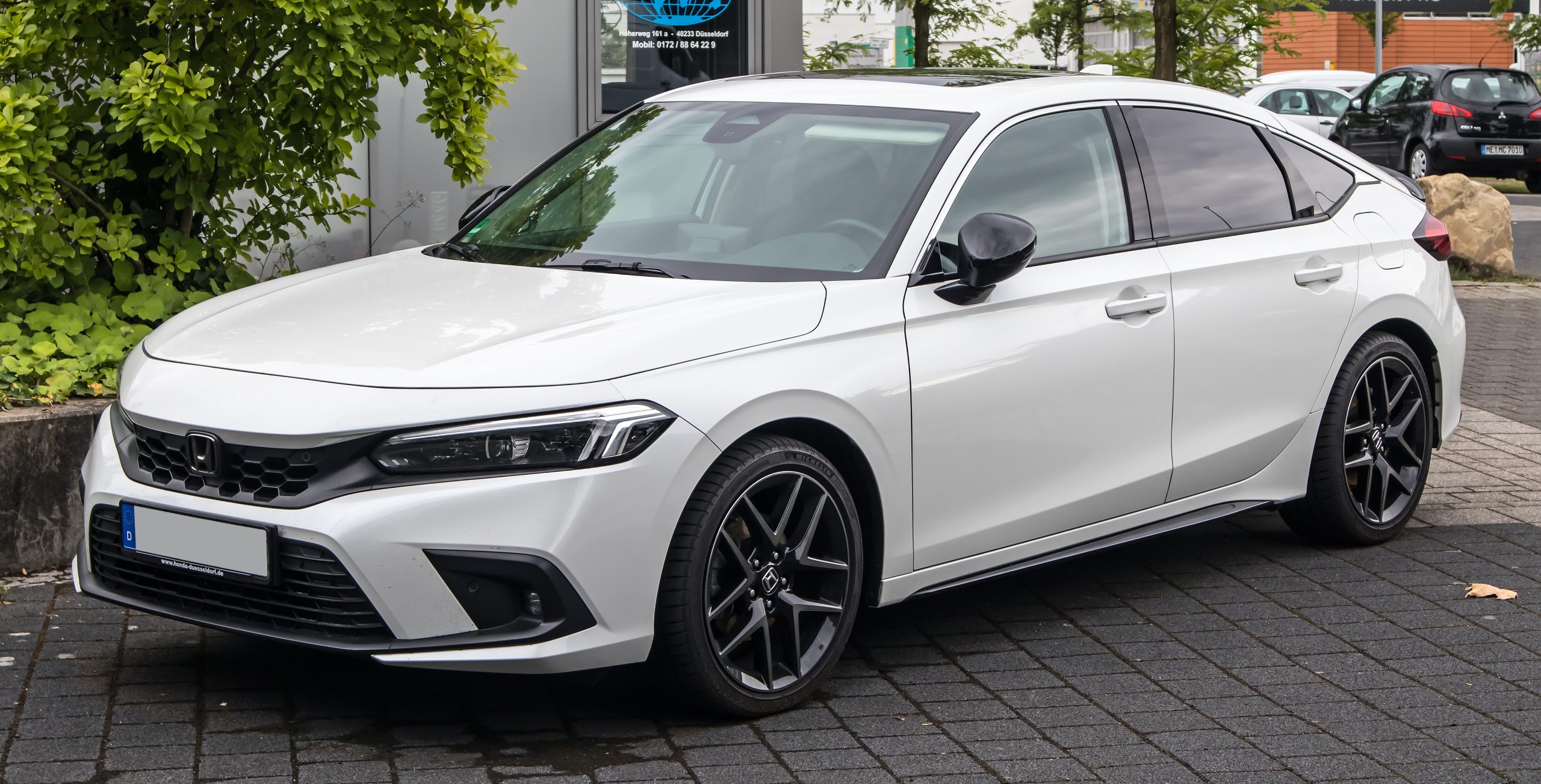
3. Subaru Outback
The Subaru Outback is widely recognized for its durability and capability, especially in harsh weather and rugged environments. Its standard all-wheel drive, strong construction, and generous ground clearance make it a trusted companion for drivers who regularly encounter challenging roads and variable terrain. This reputation for long-lasting performance continues to attract adventure-focused buyers.
With the optional turbocharged engine, the Outback reaches 0–60 mph in 6.5 seconds, offering a substantial improvement over the slower base engine. The added power enhances confidence on highways, but handling leaves room for improvement. The vehicle exhibits noticeable body roll in turns and requires more steering input than many competitors.
Despite this, the Outback shines where capability matters most. It’s 8.7 inches of ground clearance and standard AWD allow it to handle rough trails and outdoor excursions better than many midsize SUVs. Subaru includes many driver-assist systems, though they tend to be overly sensitive, often issuing unnecessary warnings or interventions that can frustrate drivers.
Ride quality is a strong point. The Outback absorbs rough surfaces, potholes, and bumps with ease, making it a comfortable vehicle for long trips. The front seats are well cushioned and supportive, offering a pleasant seating experience. Climate controls work effectively, and heated features perform well, although the seat ventilation is underwhelming.
Space throughout the cabin is generous, with plenty of adjustability for different body types. The main ergonomic drawback is the touchscreen interface, which is slow and requires most adjustments, adding inconvenience to everyday use.
Subaru’s tech approach focuses on reducing physical buttons, but routing most controls through the infotainment system results in slow responses and frequent distractions.
The touchscreen has low resolution, noticeable lag, and occasional glitches when using Apple CarPlay or Android Auto. Physical knobs for volume and tuning are helpful, and the audio system sounds clear, yet the tech still feels outdated compared with competitors.
Cargo space is slightly smaller than in traditional SUVs, but the low, flat cargo floor makes loading easy. The roof rails add versatility for outdoor gear, and child seat installation is straightforward thanks to easily accessible anchors. Interior storage is functional but limited, with a smaller center console than many rivals.
The Outback offers respectable value, especially in well-equipped trims that cost less than comparable models. Fuel economy is reasonable at 25 mpg combined, and real-world testing supports this estimate. Drivers seeking rugged capability, comfort, and dependable performance will find the Outback a compelling option despite its sensitive driver aids and dated tech.
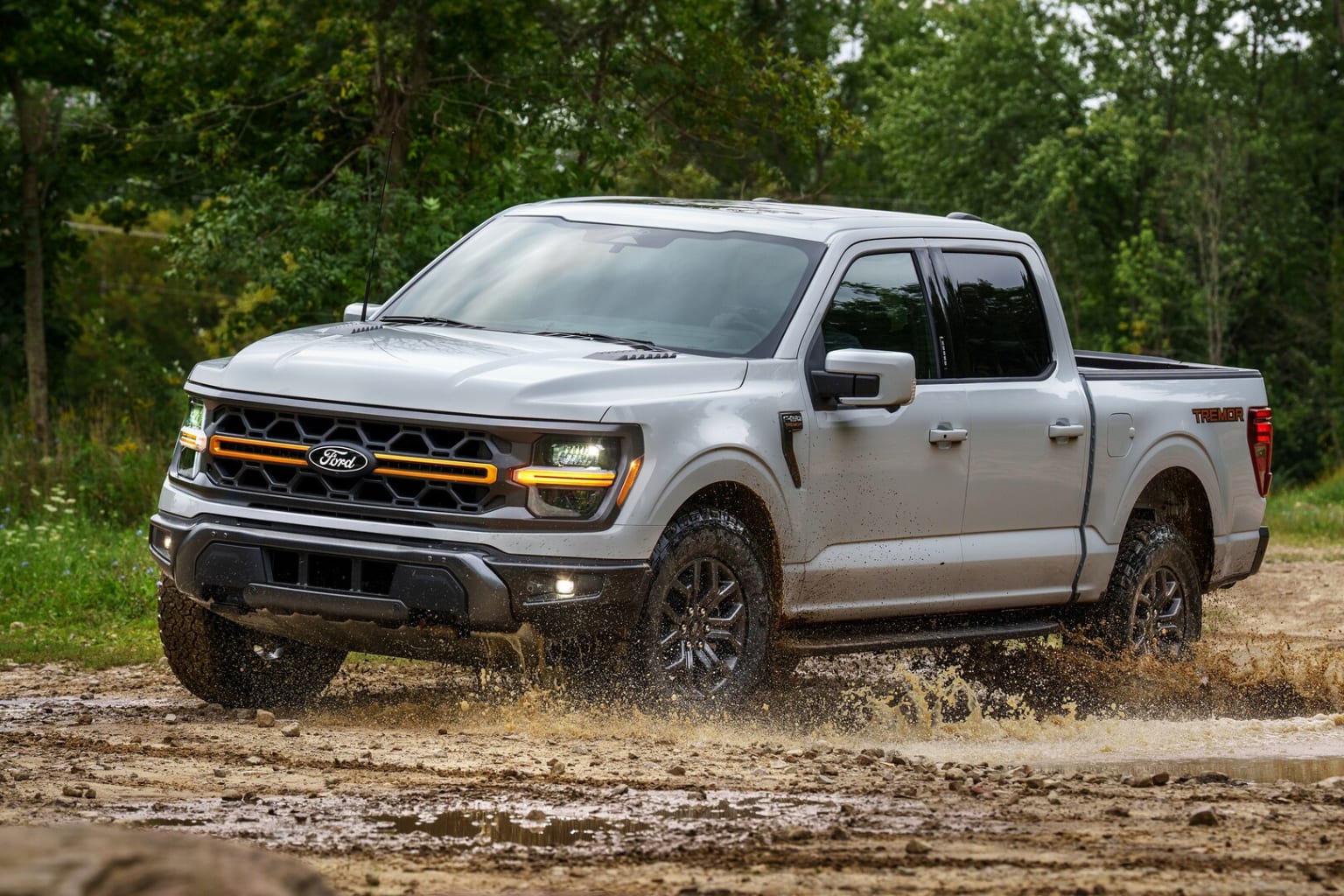
4. Ford F-150
The Ford F-150 remains a benchmark in the pickup truck class due to its strength, reliability, and broad capability. With a rugged design, multiple engine choices, and a long history of dependable performance, it appeals to drivers who need a truck that can handle demanding work and daily use. Its long-standing popularity highlights its ability to deliver durability and versatility year after year.
The F-150 offers a wide range of powertrains, including two turbocharged V6 engines, a V8, and the PowerBoost hybrid. The hybrid model accelerates from 0–60 mph in 5.8 seconds, providing quick performance for a full-size pickup.
Steering is direct and quick, giving the truck a nimble feel in tight spaces and a stable presence on the highway. Ride quality is impressive for a truck with rear leaf springs, though the Ram 1500 still offers a smoother ride due to its suspension design. Braking capability is strong and inspires confidence, especially when towing.
A variety of driver-assist features, including BlueCruise and Pro Trailer Backup Assist, enhance safety and convenience. Off-road-focused Tremor and FX4 trims add features such as all-terrain tires, upgraded suspension, lockable axles, and protective skid plates.
Comfort levels are high, especially when the truck is equipped with available features like heated, ventilated, and massaging front seats. The cabin layout is intuitive, with simple climate controls and an ergonomic design.
The crew cab provides generous rear-seat space suitable for adults and child seats. The upper seat tether is harder to secure, which is typical for trucks. Most engines operate quietly, though the PowerBoost hybrid can sound and feel like a small generator during battery charging.
Every 2025 F-150 includes a 12-inch touchscreen that is responsive, clear, and easy to use. Connectivity features such as wireless Apple CarPlay, Android Auto, USB-A and USB-C ports, and a wireless charging pad come standard.
The FordPass app adds remote functionality, and the “Phone as a Key” feature provides digital convenience. The standout Pro Power Onboard generator system offers up to 7.2 kW of power, making the truck exceptionally useful for job sites, camping, and tailgating.
Interior storage is plentiful, though the front center console lacks the versatility of the Ram 1500’s. The optional folding tray adds workspace flexibility, while the foldaway underseat storage box increases rear-cabin practicality.
The F-150 delivers strong value with its wide range of trims, luxury options, and capability-focused features. Warranty coverage matches competitors.
The F-150 leads the class with a towing capacity of up to 13,500 pounds and a payload rating of up to 2,440 pounds. Fuel economy ranges from 19 mpg combined with the V8 to 23 mpg combined with the hybrid, aligning with typical large-truck efficiency.
The F-150’s mix of capability, comfort, performance, and useful technology helps maintain its reputation as one of the most dependable and versatile trucks available.
5. Chevrolet Silverado
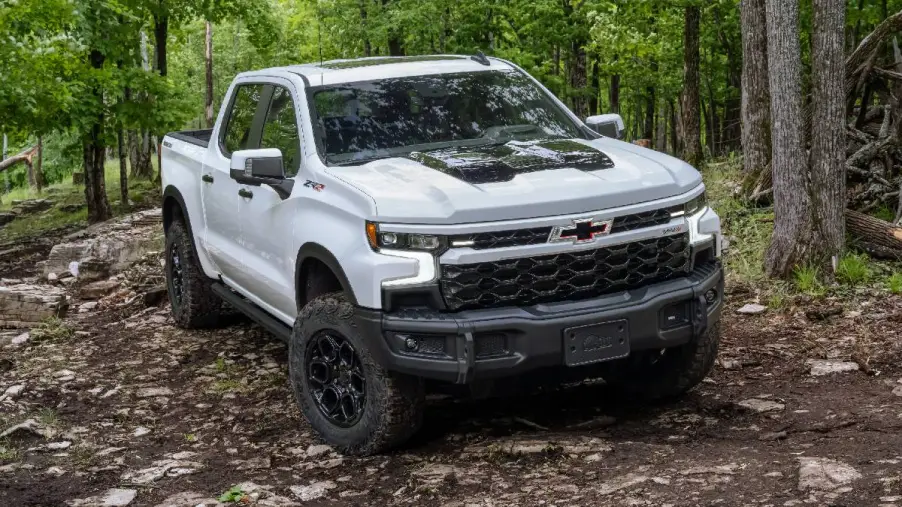
The Chevrolet Silverado remains a trusted pillar in the pickup segment, valued for its toughness, power, and long-term durability. Its robust construction and dependable performance make it a strong option for drivers who need a truck that handles demanding workloads without compromising longevity.
Tested in High Country trim with the 5.3-liter V8 and four-wheel drive, the Silverado delivers solid performance suitable for everyday driving and towing. It accelerates from 0–60 mph in about 7 seconds, and the transmission operates smoothly, making good use of the engine’s low-end torque.
Highway tracking is steady, though steering feels lighter than ideal. Handling remains secure, but rough patches mid-turn can throw the truck off balance, and ride comfort trails behind the Ford F-150 and Ram 1500, often feeling busy or bouncy.
Visibility is limited due to the tall hood, and the camera system lacks sharpness. On a positive note, the available Super Cruise hands-free driving system significantly reduces fatigue during long-distance travel or heavy traffic.
The crew cab configuration offers generous space, especially in the rear seat, where adults can stretch out easily. Despite sitting higher off the ground in some trims, large door openings and well-positioned seats make entry and exit straightforward. The seats are firm but supportive, though not as plush as those in key rivals.
Optional heating and cooling functions work effectively, enhancing long-drive comfort. Cabin controls are user-friendly, featuring clear buttons and a quick touchscreen. Noise levels remain typical for a full-size truck until hard acceleration introduces harsher engine sounds.
Technology is a highlight of the Silverado. The available 13.4-inch touchscreen is crisp, responsive, and easy to use. Built-in Google services, including Maps and voice assistance, operate smoothly, though they require a data subscription after a trial period. Standard wireless Apple CarPlay and Android Auto add hassle-free connectivity.
While interior space is abundant, the Silverado lacks well-designed bins and compartments to organize small items, falling short of the clever storage solutions in the F-150 and Ram 1500.
In terms of pricing, it tends to cost more than direct competitors without offering material or feature advantages. Interior materials feel sturdy but not upscale. Warranty coverage is average, with one complimentary maintenance visit included.
The Silverado can tow up to 13,300 pounds with the Duramax diesel or the 6.2-liter V8, slightly under the top rating of the F-150 but still highly capable for most needs. Fuel economy varies widely by engine, with the 5.3-liter V8 earning an estimated 17 mpg combined. The diesel option delivers the best efficiency at up to 25 mpg combined.
With bold styling and strong capability, the Silverado offers a rugged personality that some will love and others may find too imposing.
Also Read: 10 Cars With Sunroofs That Don’t Squeak or Leak
6. Honda Accord
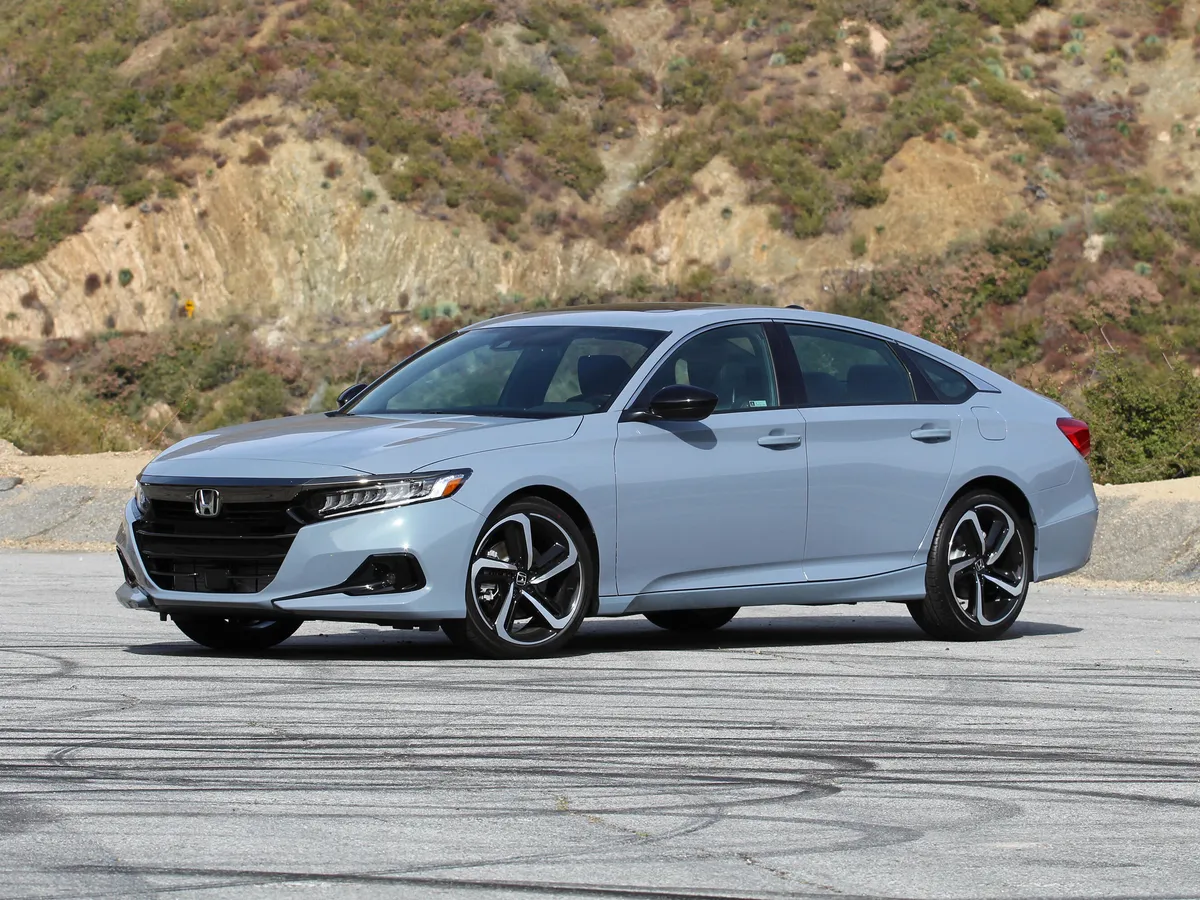
The Honda Accord has long been admired for its reliability, efficiency, and strong long-term value. Known for high mileage potential and low maintenance needs, it remains a smart and dependable choice for buyers seeking a sedan built to last. Its solid reputation continues to make it one of the most trusted vehicles in the midsize segment.
The Accord Sport-L hybrid blends fuel savings with lively performance. It reaches 0–60 mph in 7 seconds, making it quicker than many competing hybrids. The CVT mimics the feel of a conventional automatic, and the car delivers confident handling with well-tuned steering. While the latest Accord is larger and less naturally athletic than earlier generations, ride comfort remains excellent.
Even with 19-inch wheels, the suspension absorbs bumps with ease, and trims with smaller wheels ride even softer. Visibility is a strong point thanks to slender windshield pillars and a wide rear window. The Honda Sensing safety suite works effectively, though the lane-keeping feature can be overly assertive at times. Adaptive cruise control is easy to activate with a single button press.
Wide door openings aid entry and exit, though taller passengers may need to duck slightly when entering the rear seats. Cabin space is generous in both rows, with excellent legroom. The driver’s seat could use more cushioning, but extensive adjustments make it easy to find a comfortable position.
The straightforward interior design features large physical controls that are simple to use, and the climate system heats and cools efficiently. The cabin stays quiet, with minimal engine noise unless heavily pressed. Parents will appreciate the clearly marked LATCH anchors and the rear bench’s ability to accommodate multiple child seats.
Higher trims offer a sharp 12.3-inch touchscreen with wireless Apple CarPlay and Android Auto. Google-based features, including voice assistant integration, are limited to the top Touring trim, which feels unnecessarily restrictive given how useful these tools are.
The Accord provides 16.7 cubic feet of trunk space, enough for large items like golf bags. The center console and cupholders are roomy and practical. Build quality is excellent, with no noticeable squeaks or cheap materials. However, lower trims offer fewer features compared with rivals such as the Hyundai Sonata. Warranty coverage is consistent with industry norms.
Fuel economy ranges from 32 mpg combined for the base engine to 48 mpg combined for the most efficient hybrid setup. The Sport-L hybrid returns an EPA-estimated 44 mpg combined, with real-world tests landing slightly lower. While the Accord may lack bold personality, its durability, refinement, and efficiency make it a dependable and confidence-inspiring everyday companion.
7. Toyota Camry
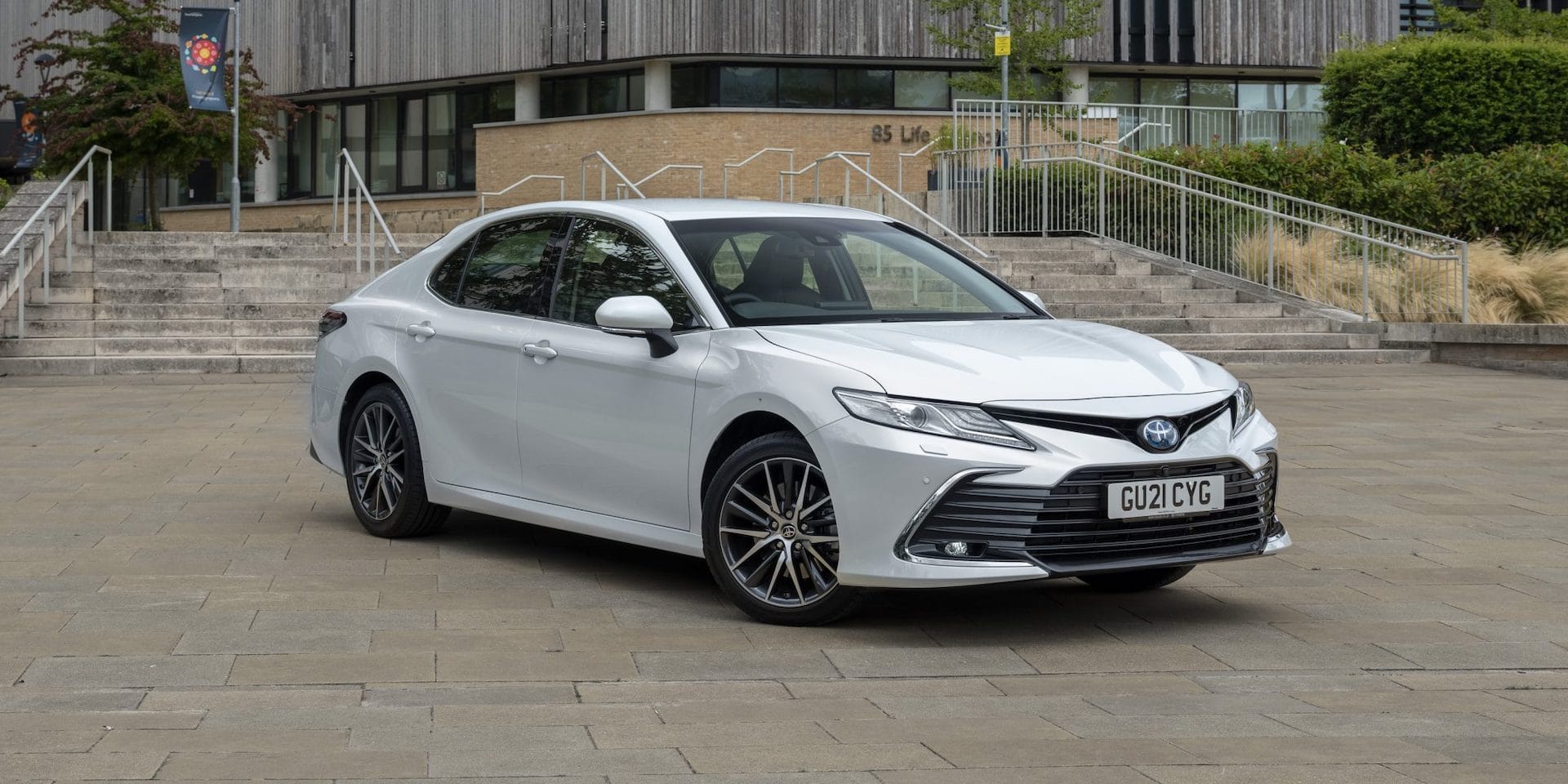
The Toyota Camry remains one of the most dependable sedans on the market, widely respected for its longevity, strong build quality, and low ownership costs. Its durable powertrain and consistent performance make it a trusted pick for drivers looking for a car that will last through years of daily use.
Tested in the XSE trim with front-wheel drive, the Camry delivers smooth acceleration and responsive power for everyday driving. It reaches 60 mph in 7.8 seconds, placing it slightly ahead of hybrid rivals from Honda and Hyundai. Braking is strong and predictable, and the sport-tuned suspension provides confident handling.
Even the base trims offer a stable feel through turns. The Camry now delivers a more connected road feel than older versions, yet still absorbs bumps with ease. Its upright seating position offers an elevated view, contributing to driver comfort and confidence.
Toyota’s latest driver-assist technology is impressively refined, capable of adjusting speed based on surrounding traffic, and the optional Traffic Jam Assist allows hands-off driving at low speeds.
The front seats may feel firm initially, but they offer excellent support on long drives. Cabin space is generous in both rows, with a flat roofline that maintains good headroom. Wide door openings and upright seats make entry and exit simple. LATCH anchors are easy to access, and the rear bench is large enough to handle multiple child seats.
The current-generation interior features improved materials and practical controls, including a row of physical switches beneath the touchscreen. The climate system performs well, and the cabin stays quiet at highway speeds except when the engine is pushed hard, producing a slightly harsh tone.
Most trims include a vivid 12.3-inch touchscreen with wireless Apple CarPlay and Android Auto. Device pairing is quick and reliable, and the wireless charging pad performs effectively. The optional nine-speaker JBL audio system is an improvement but still trails premium systems from competing brands.
Though trunk volume is slightly lower on paper than that of key rivals, the 15.1-cubic-foot cargo area is practical and easily accommodates large bags. Small-item storage is particularly well thought out, with multiple shelves, deep door pockets, and convenient spaces for keys and devices.
Toyota offers strong value by equipping all Camry trims with hybrid power, giving buyers more choice across the pricing spectrum. Warranty coverage is typical, but the inclusion of complimentary maintenance and roadside assistance adds appeal.
With combined fuel economy ranging from 44 to 51 mpg depending on configuration, the Camry ranks among the most efficient non-plug-in vehicles available. Real-world testing returned 45.9 mpg, outperforming some hybrid competitors. While the Camry has never been known for excitement, this generation offers engaging handling, confident power, and attractive design, proving that dependable can also be enjoyable.
8. Nissan Altima
The Nissan Altima combines comfort, reliability, and practicality, making it a strong choice for midsize sedan buyers seeking a long-lasting vehicle. Its efficient engines, available all-wheel drive, and suite of driver-assist features enhance its appeal for daily commuting and long-term ownership.
The Altima’s performance is modest but competent. Our all-wheel-drive test model accelerated from 0–60 mph in 8.4 seconds. The continuously variable automatic transmission (CVT) is smooth and unobtrusive, blending seamlessly into everyday driving.
Handling is stable through sweeping curves, though the ride can feel busy over rough surfaces, with larger bumps sometimes feeling jarring. Visibility is generally good, but the high rear decklid and low-resolution rearview camera can hinder rearward sight lines, especially in bright sunlight. ProPilot Assist, including lane-centering and low-speed adaptive cruise control, is effective and reduces driver effort in traffic.
The Altima’s cabin is spacious and quiet, offering ample headroom and legroom for front and rear passengers. Entry and exit are simple thanks to wide door openings, and LATCH anchors for car seats are easy to access.
Front seats are comfortable, though some may desire more thigh support, and steering-wheel adjustability enhances driver ergonomics. Engine noise is well isolated, and wind intrusion is minimal. The interior emphasizes usability over style, with clearly labeled climate controls and an intuitive touchscreen interface.
Higher trims feature a 12.3-inch touchscreen with wireless Apple CarPlay and Android Auto, alongside onboard navigation. While the system is responsive and works well with voice commands, the graphics and software feel dated. Backup and surround-view cameras are functional but low-resolution, particularly in low-light conditions.
The Altima offers a functional trunk with a squared-off shape, capable of fitting several full-size suitcases. Folding rear seats are standard but require manual operation. Front-cabin storage is practical, though cupholders are shallow. With all-wheel-drive availability and impressive real-world fuel economy, the Altima provides strong value. Build quality and finish, however, trail some rivals, and warranties remain average.
The all-wheel-drive Altima achieves 34 mpg on our mixed-driving route, exceeding the EPA estimate of 28 mpg. Front-wheel-drive models are even more efficient. While not the most exciting car to drive, the Altima offers a composed, comfortable, and quiet daily-driving experience, delivering a reliable and practical package that meets the needs of most midsize sedan buyers.
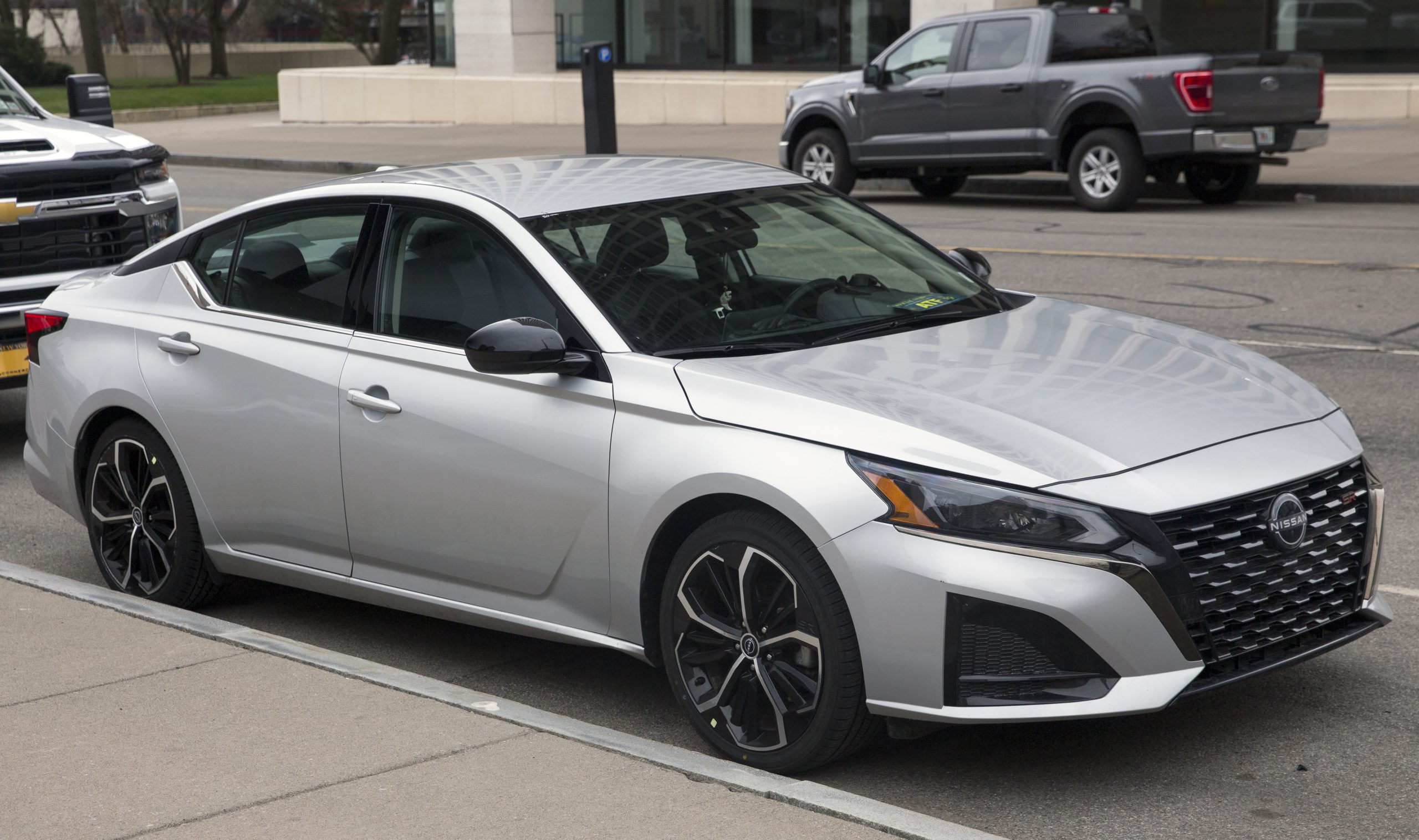
9. Mazda MX-5 Miata
The Mazda MX-5 Miata exemplifies the blend of fun driving and long-term reliability. Celebrated for its nimble handling, lightweight design, and spirited performance, the Miata continues to attract enthusiasts who value driving enjoyment alongside durability. Its enduring popularity reflects a car that delivers excitement while standing the test of time.
The Miata is agile, precise, and engaging. Our manual-equipped test model accelerated from 0 to 60 mph in 6.4 seconds, offering a respectable pace for a lightweight roadster, though slightly behind rivals like the Subaru BRZ or VW Golf GTI.
Braking performance is strong, stopping from 60 mph in just 113 feet. Around corners, the Miata provides excellent feedback and predictability. While the car leans noticeably under aggressive driving, it remains responsive and rewarding, making it a pleasure to handle on twisty roads.
As a small two-seat roadster, the Miata is surprisingly livable for daily driving. Seats are supportive and comfortable, with effective seat heaters for colder days, though some occupants may find padding in certain areas unconventional.
Wind noise is substantial with the top up at highway speeds, but driving with the top down mitigates this issue while maintaining a sense of openness. Entry and exit are straightforward, but taller drivers will notice limited headroom and legroom. The passenger footwell is particularly small, restricting leg extension.
The Miata balances driving purity with essential tech features. Standard Android Auto and Apple CarPlay keep connectivity simple, while two USB ports allow basic device charging. A nine-speaker Bose audio system competes well with ambient noise, and available navigation and driver-assist features, including blind-spot warning, add convenience without intruding on the driving experience.
Storage is limited, with a 4.6-cubic-foot trunk suitable for small luggage or a few grocery bags. A small bin between the seats accommodates essentials like phones and wallets. Only one child seat can fit in the cabin, and no car seat anchors are available.
The Miata offers solid construction and upscale-feeling materials despite its small size. Real-world fuel economy matches the EPA estimate of 29 mpg combined, which is efficient for a performance-focused roadster.
Mazda provides a three-year/36,000-mile bumper-to-bumper and five-year/60,000-mile powertrain warranty, along with three years of roadside assistance, making the MX-5 a well-rounded, fun, and reliable sports car.
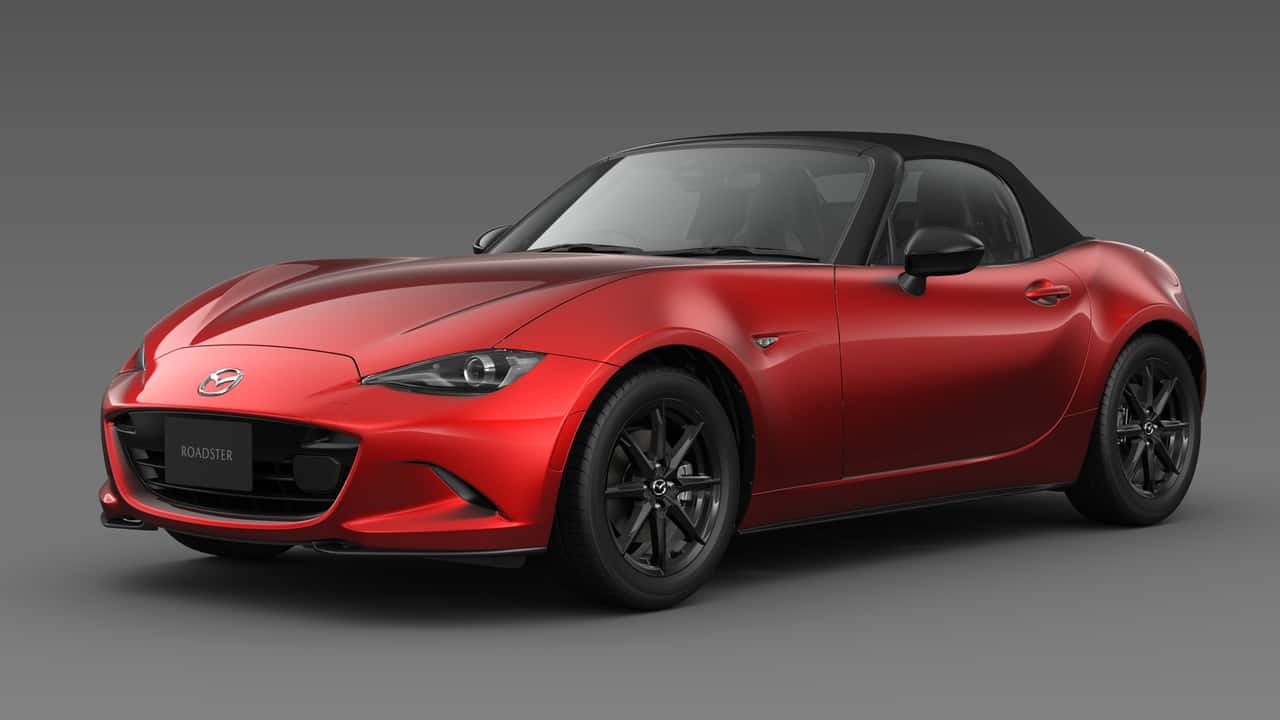
10. Lexus ES
The Lexus ES blends luxury, comfort, and reliability, making it a compelling choice for drivers seeking a long-lasting, refined sedan. Known for its durable build quality and smooth powertrain, the ES maintains a high level of performance and comfort over time, reinforcing its reputation as a dependable luxury vehicle.
The ES 350 delivers smooth and powerful acceleration, though it is not the quickest in its segment. Steering is well-weighted, and the car feels composed through turns, with tires providing adequate grip for a luxury-oriented sedan.
City driving is serene, with seamless gear changes and quiet operation that enhance its refined character. The ES includes essential driver-assist features such as lane-keeping assistance, blind-spot monitoring, and adaptive cruise control, which function reliably to reduce stress in daily driving scenarios.
Comfort is a standout feature of the ES. The cabin is exceptionally quiet, with minimal road, tire, or engine noise intruding. Front seats are firm yet supportive, and rear seats provide ample space for long journeys, although they are slightly flat. Highway wind noise is noticeable but minor due to the car’s sound insulation. Entry and exit are easy, and the cabin prioritizes serene, fatigue-free driving.
Higher trims feature a 12.3-inch infotainment display with responsive touch inputs and a straightforward interface. Many functions, including navigation, audio, and climate controls, can be managed via voice commands. Wireless Apple CarPlay and Android Auto come standard, offering seamless smartphone integration.
The ES 350 provides a 13.9-cubic-foot trunk suitable for luggage and golf clubs, though the rear seats do not fold, limiting the transport of longer items. Interior storage for smaller items is sufficient, with functional cupholders and modest door pockets.
Lexus balances luxury and value with high-quality materials, detailed stitching, and precise panel alignment. Warranty coverage is comparable to rivals, and the dealership experience is a notable advantage. Fuel economy is moderate; our real-world testing averaged 21.5 mpg combined, slightly below the EPA estimate of 25 mpg.
The ES may appear understated, but its true appeal lies in the serene and refined driving experience. Its quiet cabin, meticulous build quality, and comfortable interior deliver a luxury experience often associated with significantly higher-priced vehicles, making the ES a remarkable combination of reliability, comfort, and understated elegance.
The appeal of gas-powered cars goes beyond habit. It lies in their proven reliability, versatility, and performance. Vehicles such as the Toyota Camry, Honda Accord, and Nissan Altima show that sedans can be efficient, comfortable, and practical while maintaining long-term value.
SUVs like the Subaru Outback provide rugged capability and safety features that suit families and outdoor enthusiasts. Performance-oriented models such as the Mazda MX-5 Miata show that driving enjoyment can coexist with durability.
Pickup trucks, including the Ford F-150 and Chevrolet Silverado, deliver unmatched utility for work and recreation, often outperforming EV alternatives in real-world tasks. Even luxury models like the Lexus ES combine refinement with dependable engineering, appealing to drivers who value comfort and longevity.
Collectively, these ten gas-powered vehicles demonstrate why conventional engines continue to be preferred by many buyers, offering practicality, performance, and peace of mind that remain difficult for EVs to match.
Also Read: 5 Cars That Last with Minimal Maintenance vs 5 Needy Machines